10 Small Patio Garden Ideas That Save Space
I’ll say it straight: tiny patios don’t need more space, they need better ideas. I’ve seen people give up on outdoor gardening way too fast just because their patio looks more “coffee mug” than “backyard oasis.”
That mindset annoys me because small spaces can look insanely good with the right approach. Once you stop trying to copy big-yard gardens, everything changes fast.
I’ve ruined plants, crowded corners, and learned the hard way what actually works. You don’t need fancy tools or a massive budget to pull this off.
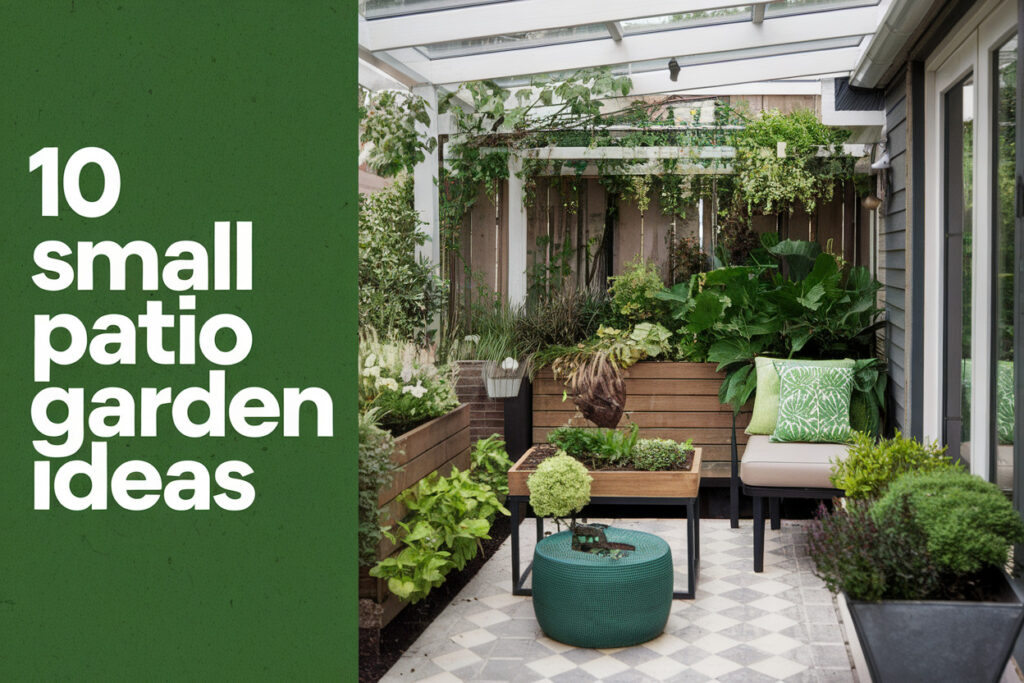
You just need smart layouts, a little restraint, and a few design tricks that pull double duty.
1. Vertical Wall Planters That Turn Blank Walls Green
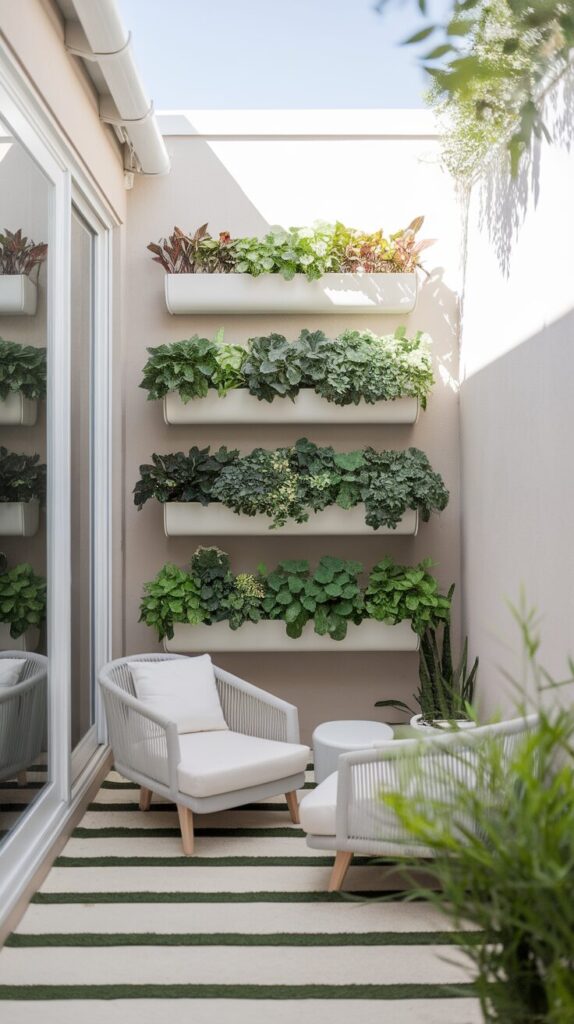
Warm sunlight hitting a wall full of greenery feels calming before you even think about design. Small patios often feel boring because the walls sit there doing absolutely nothing.
Vertical wall planters fix that problem by stacking plants upward instead of letting them fight for floor space. I love how this instantly makes a patio feel intentional instead of accidental.
Why This Works
Walls give you free real estate that most people ignore. Vertical planters pull the eye upward, which makes the patio feel taller and more open. Plants grow happily when they get airflow and light at different heights. You also avoid the cluttered look that happens when everything sits on the floor.
How to Do It
- Pick one main wall that gets decent sunlight during the day.
- Use mounted planters, pocket fabric planters, or slim shelves designed for outdoor use.
- Space plants evenly so nothing looks crammed or chaotic.
- Choose lighter containers to avoid stressing the wall.
Style & Design Tips
Mix leafy greens with trailing plants for movement and depth. Stick to one or two pot colors to avoid visual noise. Skip tiny planters that dry out too fast and frustrate you later. Keep the layout symmetrical if you want a clean look.
Pro Tip or Budget Hack
Repurpose wooden crates or shoe organizers as wall planters. Seal them properly so water doesn’t destroy the material. You’ll spend less and still get that Pinterest-style vibe.
2. Corner Shelving That Makes Awkward Spaces Useful
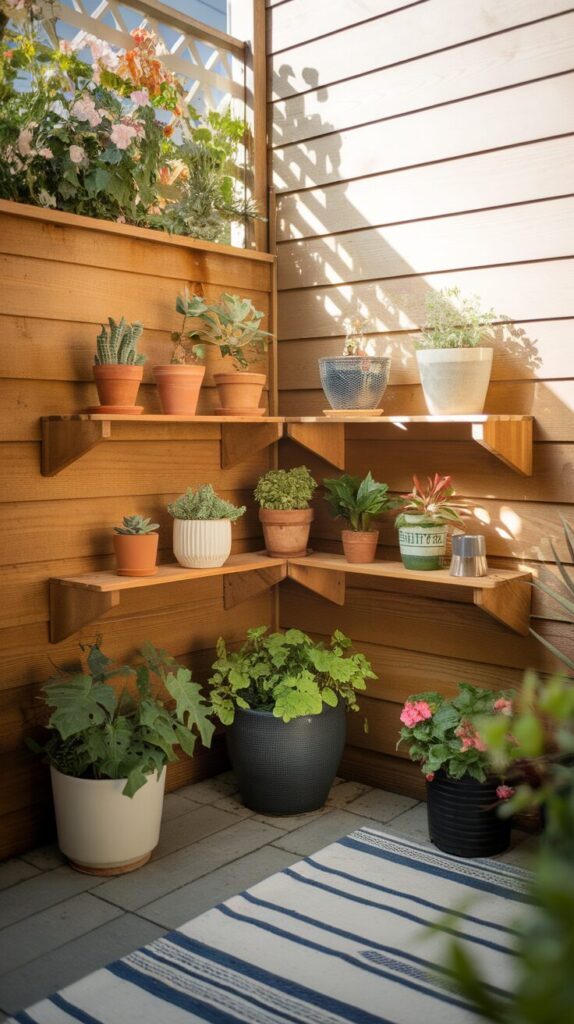
Corners love to collect dust and guilt because nobody knows what to do with them. A small patio corner often turns into a forgotten zone or a random storage dump. Corner shelving flips that dead space into a layered mini garden. I use this trick whenever a patio feels unbalanced or empty.
Why This Works
Corners naturally support vertical stacking without blocking movement. Shelves keep plants organized while letting each one get its moment. This setup keeps walking paths clear and makes the patio feel planned instead of patched together. Your eyes read the space as larger because everything stays contained.
How to Do It
- Measure the corner carefully before buying or building shelves.
- Choose narrow shelves that don’t stick out too far.
- Place larger plants on the bottom and lighter ones up top.
- Leave breathing room between pots so light reaches everything.
Style & Design Tips
Match shelf material to your patio vibe for a cohesive look. Wood feels warm, while metal looks modern and clean. Avoid overcrowding shelves because clutter kills the whole effect. Let a few empty spots exist on purpose.
Pro Tip or Budget Hack
Use a repurposed ladder shelf instead of custom shelving. Lean it securely against the wall and anchor it if needed. You’ll save money and add instant charm.
3. Hanging Planters That Free Up Floor Space
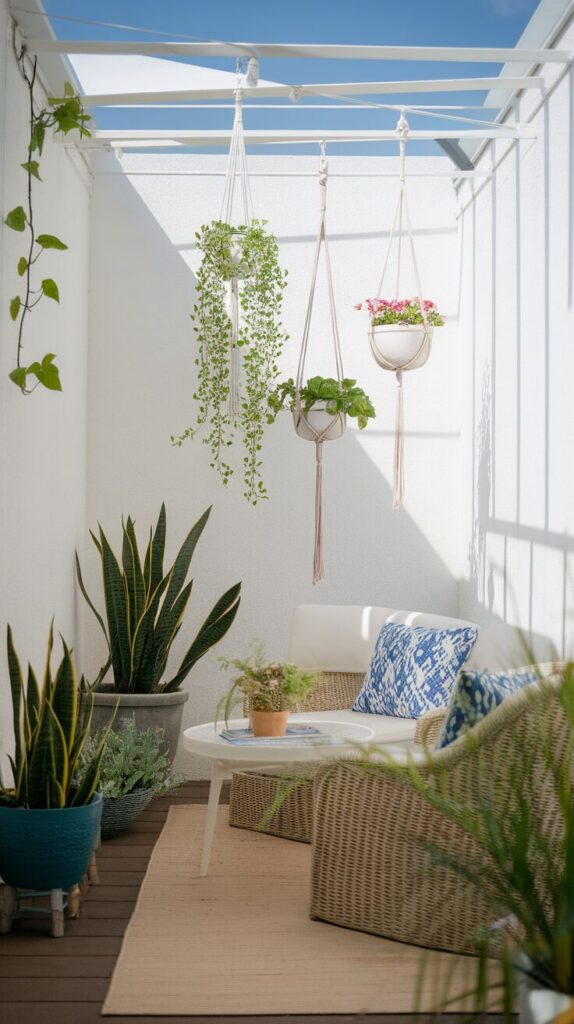
Seeing plants gently sway in the breeze instantly changes how a patio feels. Hanging planters remove clutter from the ground while adding life at eye level. I used to underestimate these until I realized how much space they saved. Now I use them anytime a patio feels tight.
Why This Works
Hanging plants use overhead space that normally goes unused. This keeps the floor clear for furniture or movement. Plants also get better airflow when they hang freely. The vertical layers make small patios feel fuller without feeling crowded.
How to Do It
- Identify beams, hooks, or railing spots that can support weight.
- Choose lightweight pots with proper drainage.
- Hang planters at different heights for visual interest.
- Keep enough space so plants don’t bump into each other.
Style & Design Tips
Stick to simple pot designs so plants stay the star. Use trailing plants like pothos or ivy for drama. Avoid hanging too low because head bumps ruin the mood fast. Balance hanging planters with grounded ones.
Pro Tip or Budget Hack
Use macramé hangers with basic plastic pots inside. The hanger hides the cheap pot completely. You’ll get style without paying designer prices.
4. Narrow Raised Garden Beds for Compact Planting
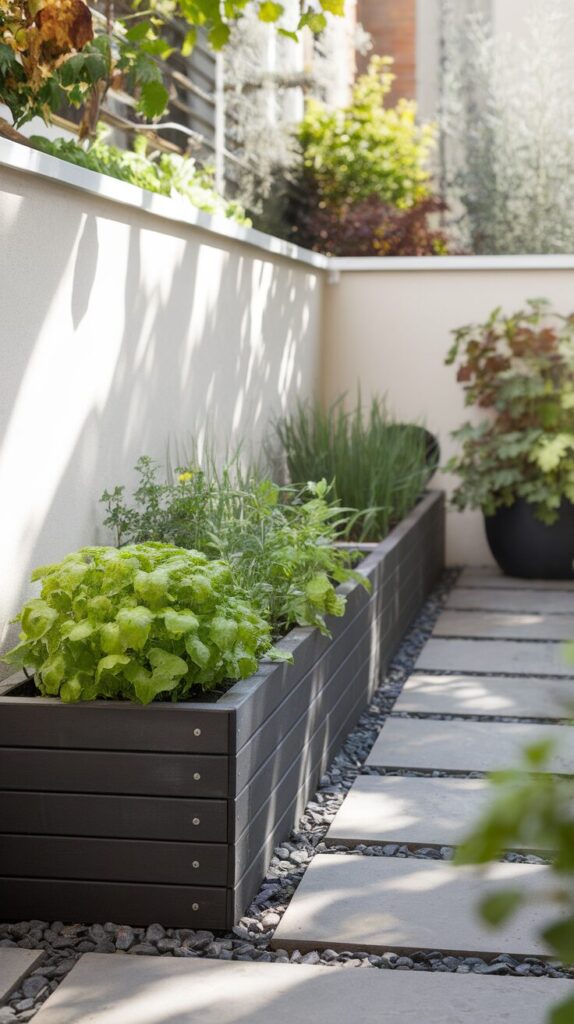
Raised beds sound bulky, but slim versions work beautifully on small patios. I once thought raised beds belonged only in backyards. Narrow designs changed my mind quickly. They define space while keeping plants organized and reachable.
Why This Works
Raised beds control soil, drainage, and plant spacing better than loose pots. Narrow beds fit along walls or railings without blocking pathways. Plants grow healthier when roots stay contained and cared for. Your patio looks cleaner because everything has a clear boundary.
How to Do It
- Measure your patio width to choose the right bed size.
- Place beds along edges instead of the center.
- Use quality soil so plants thrive in limited space.
- Group plants with similar water needs together.
Style & Design Tips
Paint beds a neutral color to keep things calm. Dark tones hide dirt, while light colors brighten small patios. Avoid oversized beds that dominate the space. Keep proportions tight and intentional.
Pro Tip or Budget Hack
Build your own raised bed using leftover wood. Line the inside with plastic to protect the wood. You’ll customize the size perfectly and save money.
5. Multi-Purpose Furniture with Built-In Planters
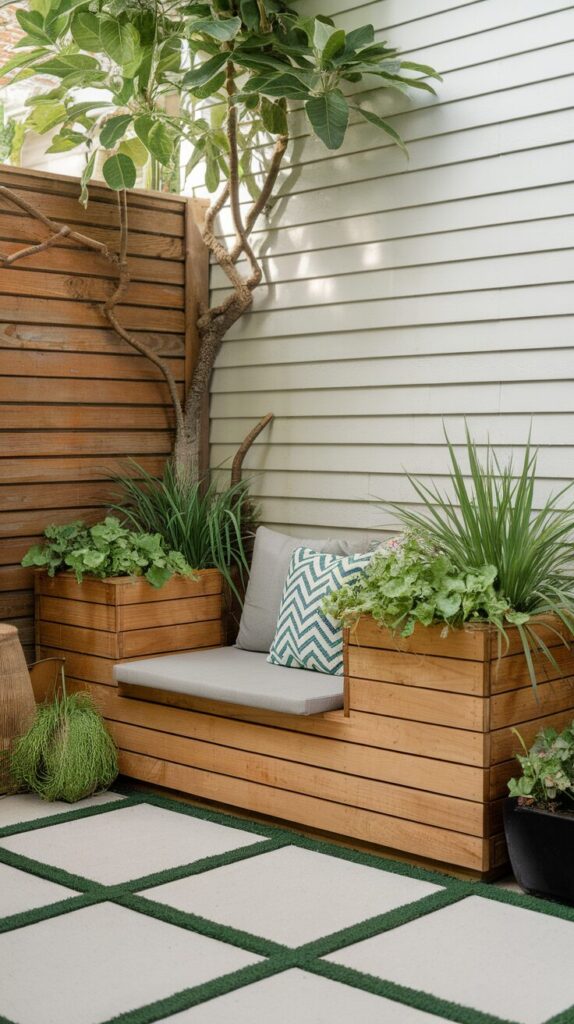
Furniture that only does one job wastes space on small patios. Pieces that double as planters change everything. I love benches with planter sides because they feel clever without trying too hard. This idea keeps things functional and green at the same time.
Why This Works
Multi-purpose furniture reduces clutter by combining functions. Built-in planters keep greenery integrated into the layout. You save floor space while still adding plants. The patio feels thoughtful instead of overcrowded.
How to Do It
- Look for benches or tables designed with planter sections.
- Place these pieces against walls to save room.
- Choose plants that don’t outgrow the container.
- Maintain easy access for watering and care.
Style & Design Tips
Keep furniture colors neutral so plants stand out. Wood pairs beautifully with greenery, while metal suits modern patios. Avoid overly bulky furniture. Slim profiles always win in small spaces.
Pro Tip or Budget Hack
Add planter boxes to an existing bench yourself. Secure them firmly so they stay stable. This DIY approach costs far less than buying new furniture.
6. Rail-Mounted Planters for Balcony-Style Patios
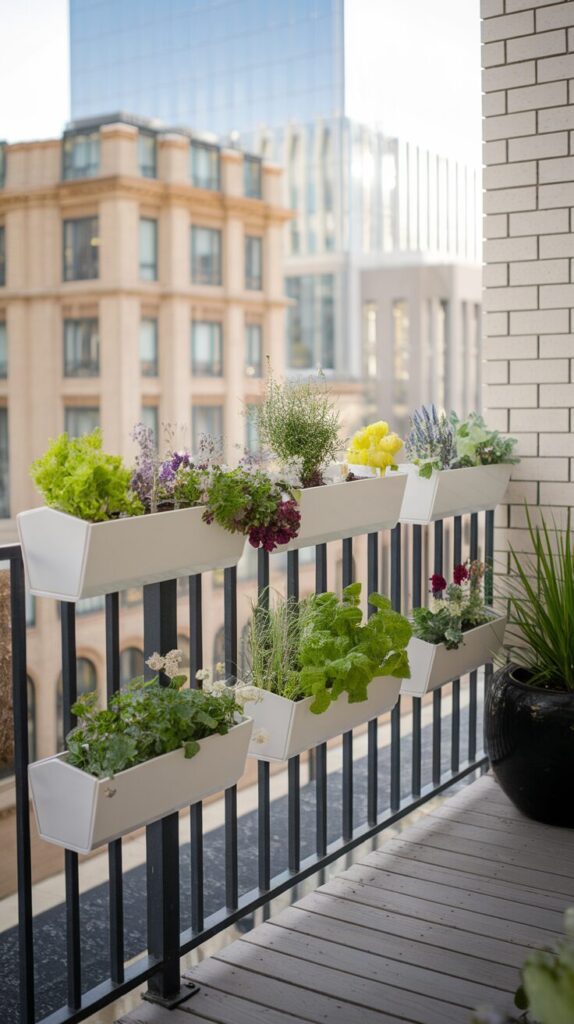
Patio railings feel wasted when they sit bare. Rail-mounted planters turn that edge into a green border. I love how this frames the patio without stealing space. It also keeps plants at arm’s reach for easy care.
Why This Works
Rail planters use perimeter space instead of interior space. This keeps walkways clear and layouts open. Plants get great light along the edges. The patio feels enclosed and cozy without feeling small.
How to Do It
- Measure railing width before buying planters.
- Use secure mounts that won’t slip or tilt.
- Choose shallow-root plants that thrive in small containers.
- Space planters evenly for balance.
Style & Design Tips
Stick with uniform planters for a clean look. Mix flowers with herbs for beauty and function. Avoid overloading the railing visually. Let the plants breathe.
Pro Tip or Budget Hack
Use plastic rail planters instead of heavy ceramic ones. They cost less and stress the railing less. Paint them if you want a custom look.
7. Tiered Plant Stands for Layered Greenery
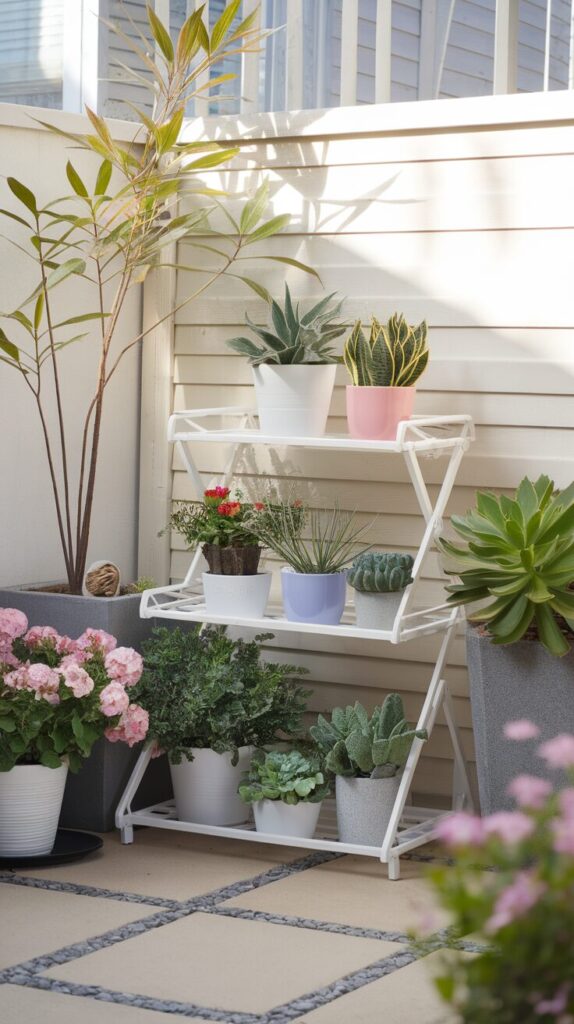
Flat layouts make small patios feel boring fast. Tiered plant stands add height and movement without taking much space. I use them when I want variety without chaos. They make plants look curated instead of scattered.
Why This Works
Tiered stands organize multiple plants in one footprint. Different heights help each plant get light. The layered look adds depth and interest. Your patio feels styled rather than stuffed.
How to Do It
- Choose a stand that fits your patio width.
- Place larger plants on lower tiers.
- Rotate plants occasionally for even growth.
- Anchor stands securely if the area gets windy.
Style & Design Tips
Choose simple stand designs so plants shine. Avoid mixing too many pot styles on one stand. Stick to a color palette for cohesion. Keep the tallest plants toward the back.
Pro Tip or Budget Hack
Use a small step ladder as a plant stand. Seal it for outdoor use. You’ll get a tiered look for almost nothing.
8. Foldable Planter Tables for Flexible Layouts
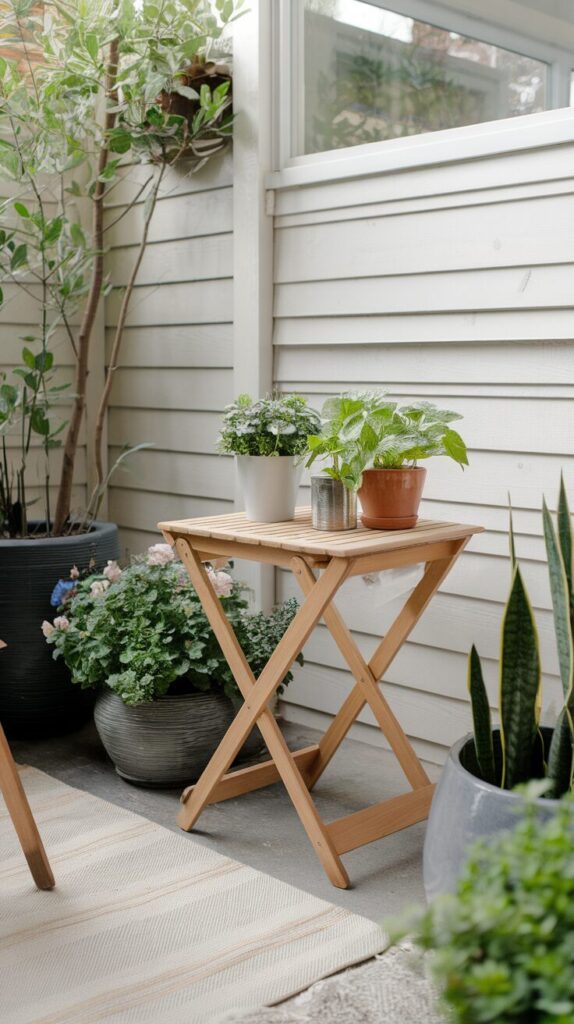
Permanent furniture locks you into one layout. Foldable planter tables give you options. I love being able to rearrange depending on mood or season. This flexibility matters more than people think.
Why This Works
Foldable designs adapt to changing needs. You can open space when entertaining or expand planting when alone. Planter tables keep plants elevated and accessible. The patio never feels stuck.
How to Do It
- Choose weather-resistant foldable tables.
- Place plants that don’t mind occasional movement.
- Store tables easily when not in use.
- Use trays to catch excess water.
Style & Design Tips
Stick to lightweight materials for easy movement. Avoid cluttering the tabletop with extras. Keep the design clean and intentional. Let plants stay the focus.
Pro Tip or Budget Hack
Convert a folding table into a planter table with removable bins. This DIY approach costs less and adds flexibility. You control the layout completely.
9. Slim Trellises for Climbing Plants
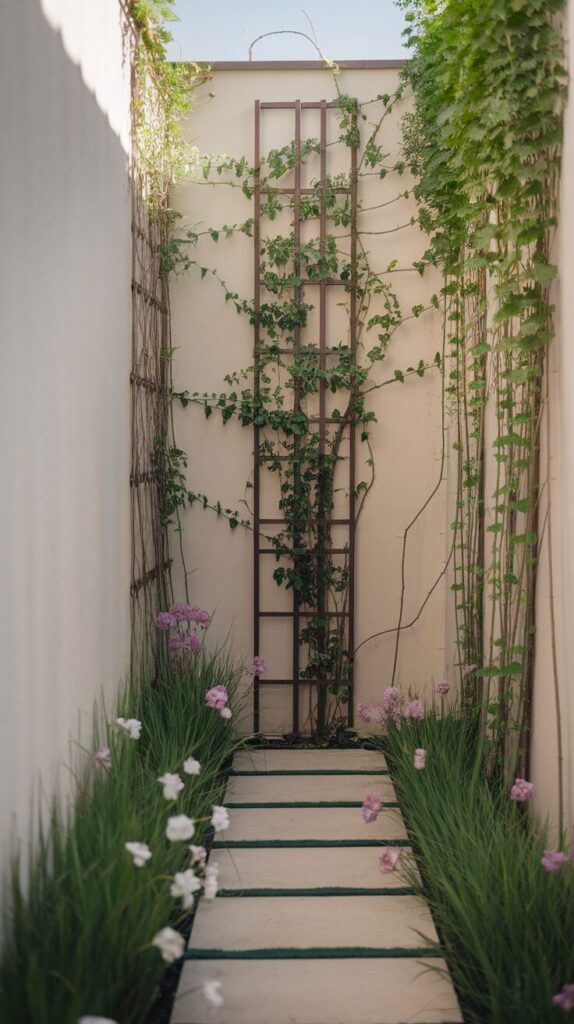
Climbing plants feel magical on small patios. Slim trellises let plants grow upward instead of outward. I love how this adds privacy and greenery without bulk. It feels lush without feeling crowded.
Why This Works
Trellises guide plants vertically for efficient growth. Climbing plants cover space visually without using floor area. This creates a soft green wall effect. The patio gains texture and privacy naturally.
How to Do It
- Place trellises against walls or railings.
- Choose fast-growing climbers suited to your climate.
- Train vines gently as they grow.
- Prune regularly to control shape.
Style & Design Tips
Use neutral trellis colors so plants stand out. Avoid heavy designs that dominate the space. Keep spacing even for balance. Let plants flow naturally.
Pro Tip or Budget Hack
Make a trellis using wire or bamboo stakes. Secure them tightly. This costs almost nothing and works surprisingly well.
10. Rolling Plant Carts for Easy Rearranging
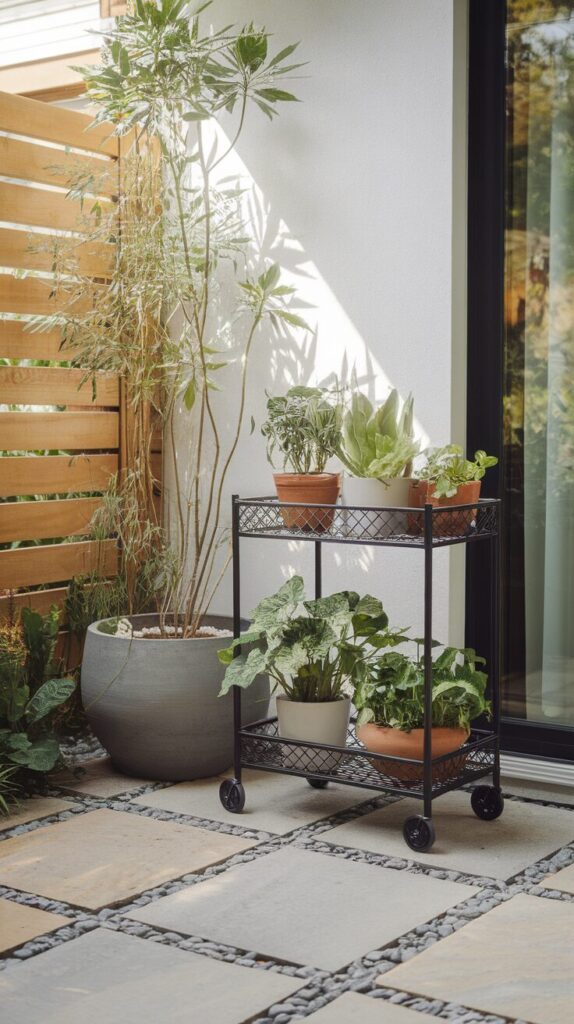
Plants that move easily change how you use a patio. Rolling carts let you chase sunlight or clear space fast. I rely on these when seasons shift. They add flexibility without effort.
Why This Works
Mobility solves layout problems instantly. Rolling carts let you adjust plant placement without lifting heavy pots. You protect plants and your back. The patio stays adaptable and stress-free.
How to Do It
- Choose carts with sturdy wheels and locks.
- Place heavier plants on the bottom.
- Roll plants into sunlight as needed.
- Lock wheels to prevent movement.
Style & Design Tips
Pick carts that match your patio style. Metal feels modern, while wood feels cozy. Avoid oversized carts that eat space. Keep proportions tight.
Pro Tip or Budget Hack
Add caster wheels to existing plant stands. This simple upgrade costs little. You’ll gain flexibility instantly.
Small Patio Garden Planning Strategy That Actually Works
Most small patio garden failures happen before the first plant even goes in the pot. People buy plants first and think about layout later, and that order creates clutter fast. A smart strategy starts with space, light, and daily habits, not impulse shopping. You need a simple plan that fits your patio and your lifestyle.
Start by mapping sunlight patterns throughout the day. Watch where direct light hits and where shade sticks around. Plants thrive when you match them to the right conditions instead of forcing them into bad spots. This one step saves money and frustration.
Next, define zones for function before adding greenery. Decide where you’ll sit, walk, or store items. Keep pathways clear at all times because tight layouts feel stressful quickly. A small patio needs breathing room more than it needs extra pots.
Choose a focused plant theme instead of mixing everything you like. You can go with herbs only, foliage-heavy greenery, or flowering accents. A tight theme keeps the patio cohesive and easier to maintain. Simplicity always wins in small spaces.
Finally, build upward before building outward. Prioritize vertical planters, shelves, and trellises. Once you fill vertical space properly, you’ll rarely need extra floor containers. That approach keeps your patio open, clean, and intentional.
Choosing the Right Plants for Compact Patios
Plant selection makes or breaks small patio gardens. Oversized plants quickly dominate limited space and create visual chaos. Compact varieties keep proportions balanced and manageable. Always check mature plant size before buying.
Look for slow-growing or dwarf varieties whenever possible. These plants require less pruning and less aggressive maintenance. You’ll avoid constant reshaping just to keep things under control. Small patios reward low-drama plants.
Herbs work beautifully in compact layouts. Basil, mint, thyme, and rosemary stay practical and decorative. You get greenery plus functionality in one move. That double purpose makes them perfect for tight patios.
Trailing plants also shine in small areas. They grow vertically or cascade downward instead of spreading wide. This growth habit maximizes visual impact without stealing square footage. You get lushness without bulk.
Avoid plants that demand constant repotting or heavy watering. High-maintenance plants overwhelm small setups quickly. Choose varieties that fit your routine realistically. Consistency keeps gardens alive.
Small Patio Garden Maintenance System
Even the best patio garden design fails without a maintenance plan. Small spaces show neglect faster than large yards. A simple weekly routine prevents chaos from creeping in. You don’t need hours, just consistency.
Water plants on a schedule that matches their needs, not your mood. Overwatering kills more patio plants than underwatering ever does. Check soil moisture before adding more water. This habit protects roots and prevents rot.
Prune regularly to maintain shape and airflow. Remove dead leaves immediately to keep everything looking fresh. Clean planters and wipe down surfaces monthly. Small patios feel luxurious when they stay tidy.
Rotate plants occasionally for even sunlight exposure. This keeps growth balanced and prevents leaning. Adjust layouts seasonally if light shifts dramatically. Small changes maintain long-term health.
Keep tools organized in a compact storage bin. Avoid scattering supplies around the patio. Order supports calm, and calm makes the space more enjoyable. Maintenance feels easier when everything has a place.
Common Mistakes to Avoid
Many people overcrowd their patio because they fall in love with too many plants at once. This mistake suffocates both the layout and the plants themselves. Leave negative space on purpose. Empty space creates visual balance.
Ignoring drainage causes serious problems quickly. Water must escape from every container. Without drainage, roots rot and plants decline fast. Always check for proper holes and trays.
Choosing oversized furniture ruins flow immediately. Bulky seating paired with multiple planters shrinks usable space. Select slim, proportional pieces. Every item must earn its place.
Mixing too many colors or pot styles creates visual noise. Stick to a controlled palette. Limit yourself to two or three main tones. Cohesion makes small patios look polished.
Skipping vertical space wastes opportunity. Floors fill up quickly, but walls stay empty. Use height strategically before adding more containers. Smart layering changes everything.
Seasonal Adjustments for Year-Round Use
Seasons shift how small patios function. Summer heat demands shade solutions and frequent watering. Winter may require moving sensitive plants indoors. Flexibility keeps your garden thriving all year.
Switch lightweight planters seasonally if needed. Portable setups allow easy adjustments. Store foldable furniture during harsh weather. Protection extends the life of your investment.
Add cozy elements during cooler months. Outdoor rugs and warm lighting transform the space without adding bulk. In warmer months, simplify and declutter. Seasonal editing keeps the patio fresh.
Monitor plant performance each season. Replace struggling plants with better-suited varieties. Adaptation improves long-term success. Small patios reward smart seasonal changes.
FAQs
How many plants should I put on a small patio?
Start with fewer than you think you need. A handful of well-placed plants looks better than overcrowding. You can always add more later.
What are the easiest plants for small patios?
Herbs, succulents, and compact foliage plants work great. They require minimal maintenance and stay proportionate. Choose based on your sunlight conditions.
Can I grow vegetables on a tiny patio?
Yes, you can grow compact vegetables like cherry tomatoes, lettuce, and peppers. Use raised beds or vertical systems to save space. Choose dwarf varieties for best results.
How do I make a small patio look bigger?
Use vertical gardening and keep the floor clear. Stick to a limited color palette. Avoid oversized furniture and excessive décor.
Do I need expensive planters for a stylish look?
No, you don’t need high-end containers. Consistency in color and shape matters more than price. Clean, simple planters always look elevated.
How often should I rearrange my patio garden?
Rearrange when light conditions change or plants outgrow their spots. Seasonal adjustments help maintain balance. Avoid constant changes that stress plants unnecessarily.
Final Thoughts
Small patios don’t need more stuff, they need smarter choices. You’ll feel less overwhelmed when you pick one idea and do it well instead of trying everything at once.
I always suggest starting with vertical space because it changes the feel fast. Trust me, one good upgrade beats ten rushed ones every time.