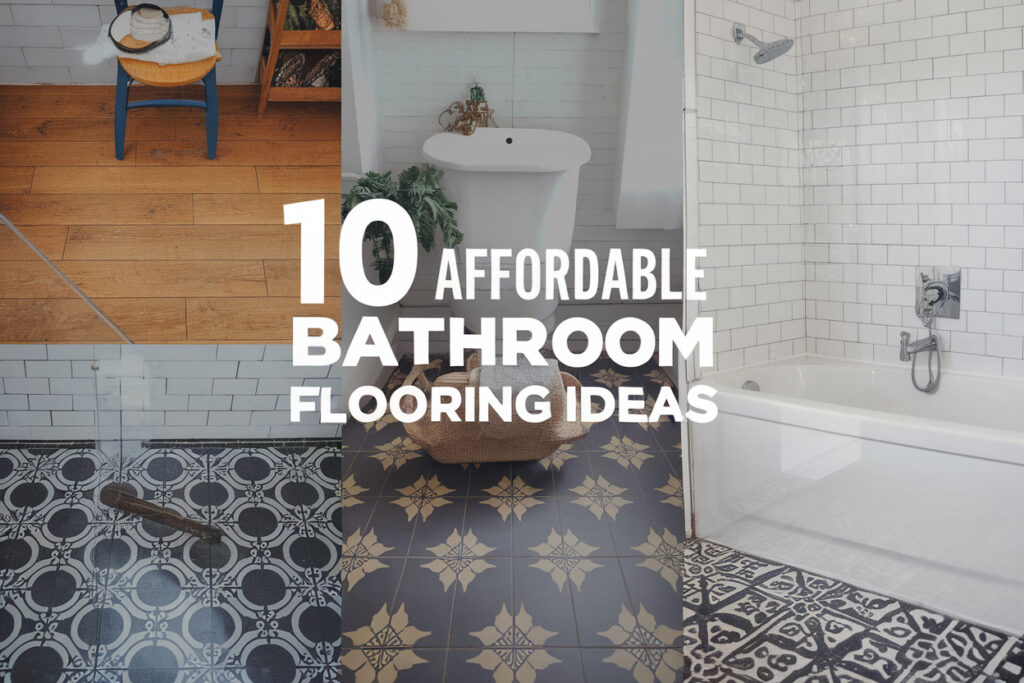
10 Affordable Bathroom Flooring Ideas That Look High-End
Ever walked into a bathroom and thought, wow, this looks expensive, only to later find out it was done on a budget that didn’t involve selling a kidney?
I love that moment, and I chase it every time I plan a bathroom update.
I’ve renovated, helped friends renovate, and yes, made a few flooring mistakes along the way, so consider this a friendly chat where I spill what actually works, what only looks good on Pinterest, and how you can fake that luxury vibe without blowing your savings.
Why Bathroom Flooring Matters More Than You Think
Bathroom flooring sets the mood faster than almost anything else in the space. The wrong floor makes even the fanciest vanity look cheap, while the right one makes basic fixtures feel intentional and upscale.
I’ve seen tiny bathrooms transform completely just by switching out the floor, so IMO this choice deserves way more attention than people give it.
Bathrooms also demand tougher materials than other rooms. Water, humidity, daily foot traffic, and cleaning products all gang up on the floor, so you need something that looks great and handles real life.
Ever slipped on glossy tile with wet feet and questioned your life choices?
What Makes Flooring Look High-End Without the Price Tag
High-end flooring usually shares a few visual traits that you can copy on a budget. Consistency in pattern, realistic texture, and intentional color choices do most of the heavy lifting. I always tell friends that luxury comes from restraint, not from spending more.
Before choosing a material, I look for these features
• Minimal seams or realistic grout lines that don’t scream fake
• Natural-looking textures like stone grain or wood grain
• Neutral or classic tones that don’t date the space
• Matte or soft-sheen finishes instead of high-gloss glare
When a budget floor nails two or three of these, it instantly levels up the room.
1. Luxury Vinyl Plank That Mimics Real Wood
Why Luxury Vinyl Plank Works So Well in Bathrooms
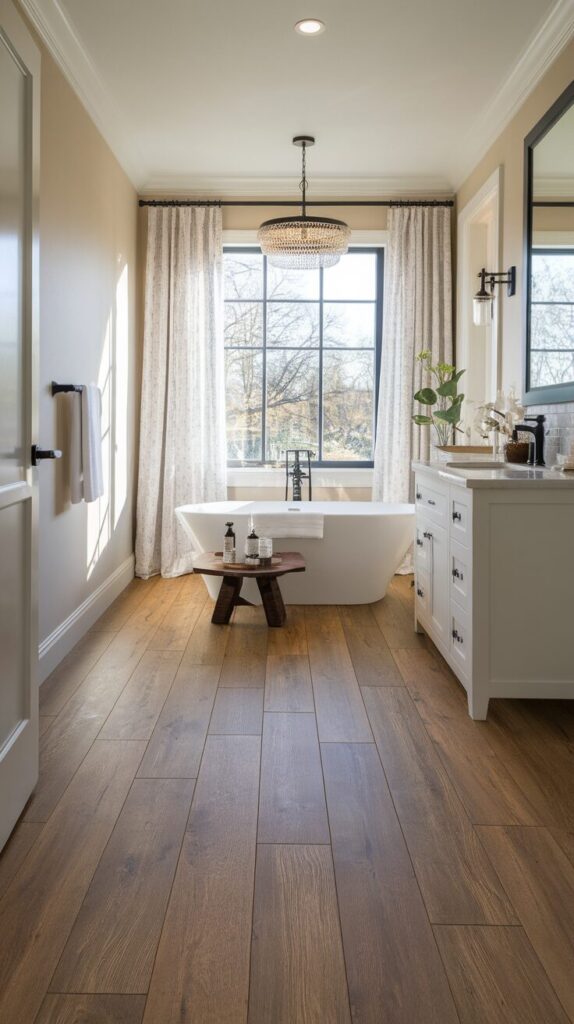
Luxury vinyl plank, or LVP, feels like the cheat code of bathroom renovations. I used it in my own guest bath after watching a friend’s hardwood warp into sadness, and I never looked back. LVP handles water like a champ and still gives that cozy, spa-like wood vibe.
The best part comes from how realistic modern vinyl looks. Newer designs capture wood grain, knots, and color variation so well that most guests never realize it’s vinyl unless I tell them.
How to Make LVP Look Expensive
You need the right choices to avoid that plasticky look. I always suggest
• Wide planks that feel modern and intentional
• Cool or neutral wood tones like oak, ash, or walnut
• Matte finishes instead of shiny surfaces
Install planks lengthwise in small bathrooms to create the illusion of space. Ever noticed how high-end hotel bathrooms always feel longer than they actually are?
2. Porcelain Tile That Looks Like Natural Stone
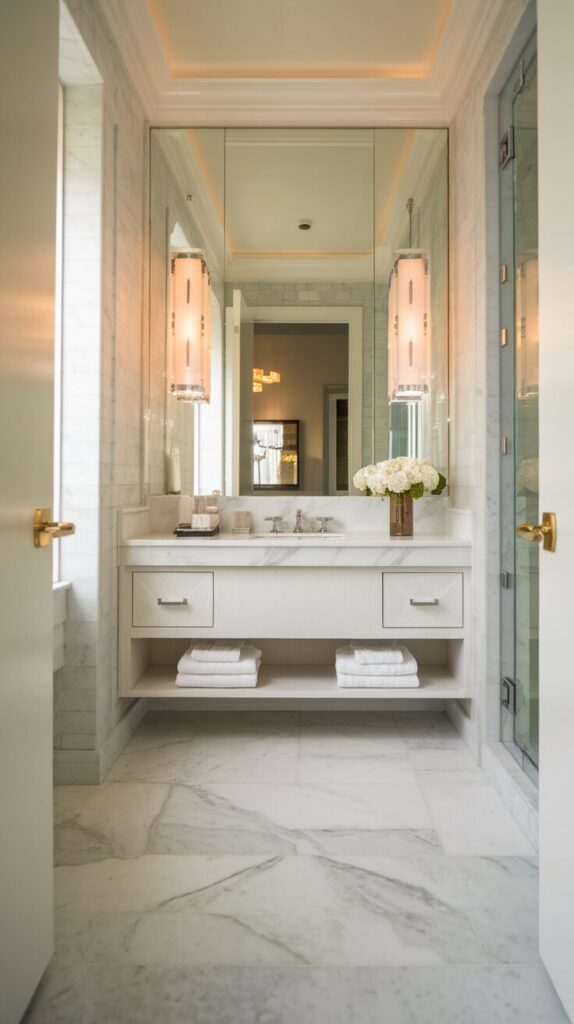
The High-End Illusion of Stone-Look Porcelain
Porcelain tile that mimics marble, slate, or limestone feels like a secret weapon. Real stone looks stunning, but it costs more and demands constant sealing. Stone-look porcelain gives you the drama without the maintenance headache, which feels like a win-win.
I installed marble-look porcelain in a friend’s bathroom, and she still brags about it to guests like she imported it from Italy. FYI, she didn’t.
Tips for Choosing the Right Stone-Look Tile
Not all stone-look porcelain hits the mark. I always check
• Variation between tiles so the pattern doesn’t repeat
• Rectified edges for cleaner grout lines
• Soft veining instead of loud, fake patterns
Pair it with light gray or beige grout to keep the look seamless and upscale.
3. Ceramic Tile with a Designer Pattern

Patterned Tile That Feels Boutique, Not Busy
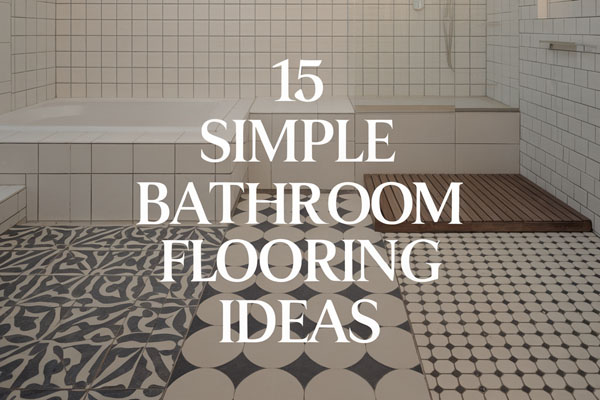
Patterned ceramic tile adds personality without costing a fortune. I love how it instantly turns a basic bathroom into something that feels curated and intentional. The trick comes from choosing a design that feels timeless rather than trendy.
Subtle geometrics, muted Moroccan-inspired patterns, or classic encaustic looks always feel safer than bold, high-contrast prints. Ever walked into a bathroom and felt overwhelmed before you even closed the door?
Where Patterned Tile Works Best
Patterned floors shine in smaller bathrooms, powder rooms, or guest baths. I often recommend
• Neutral color palettes like gray, cream, or soft blue
• Simple wall finishes to let the floor shine
• Minimal decor so the pattern stays classy
Use patterned tile as the star, and let everything else support it.
4. Waterproof Laminate with a Stone or Wood Look
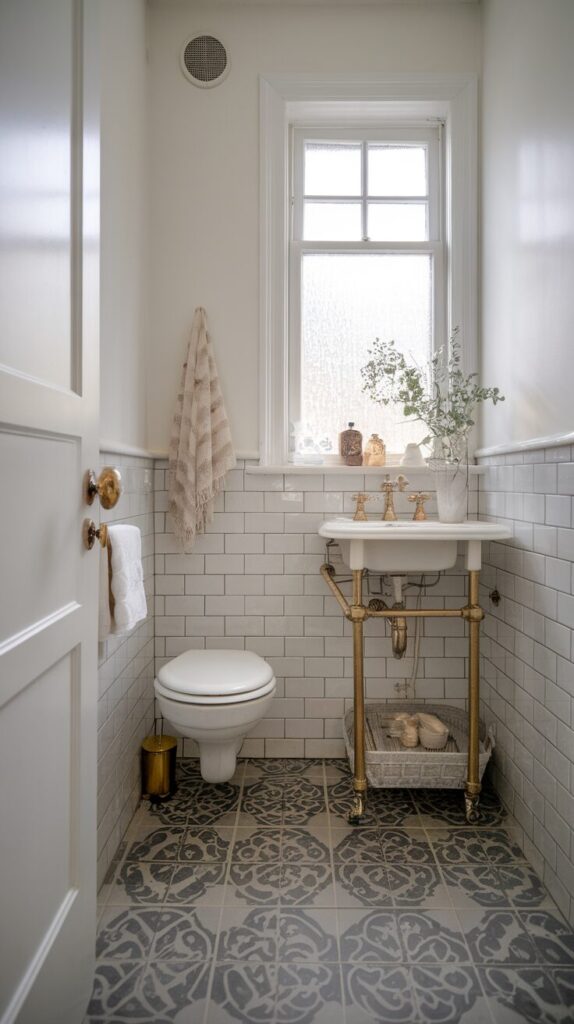
Modern Laminate Isn’t What It Used to Be
Laminate flooring used to scare me in bathrooms, and honestly, older versions deserved the fear. New waterproof laminate changed the game. Today’s laminate resists moisture and delivers surprisingly realistic visuals, especially for the price.
I’ve seen stone-look laminate fool even experienced renovators. That still blows my mind a little.
How to Style Laminate for a Luxe Feel
Choose laminate with textured finishes and subtle color variation. I suggest
• Avoid ultra-dark tones that show water spots
• Stick with medium neutrals for longevity
• Use simple baseboards to finish the look
When installed cleanly, laminate holds its own against pricier options.
5. Penny Tile for Subtle Texture and Charm
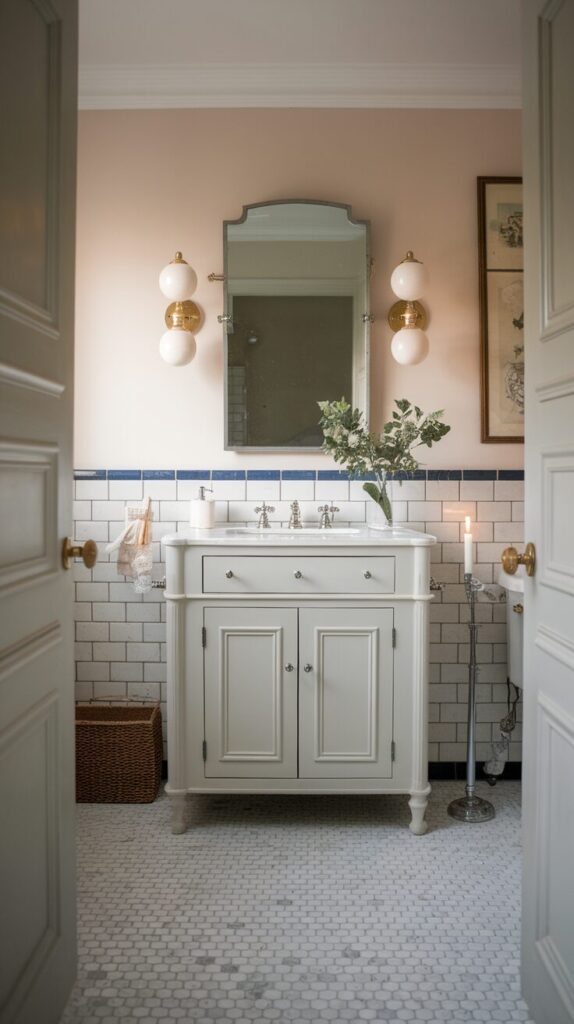
Why Penny Tile Feels Custom and Upscale
Penny tile feels charming, classic, and quietly luxurious. It reminds me of vintage hotels and boutique spas where every detail feels thoughtful. The small scale adds texture without overpowering the room, which works beautifully in bathrooms.
I once installed white penny tile with light gray grout, and the result felt custom despite the modest budget.
Smart Penny Tile Choices
To keep penny tile looking high-end
• Choose neutral colors like white, gray, or soft black
• Use contrasting grout carefully for definition
• Seal it properly to avoid discoloration
Penny tile works especially well in shower floors or small powder rooms.
6. Large-Format Tile for a Clean, Modern Look
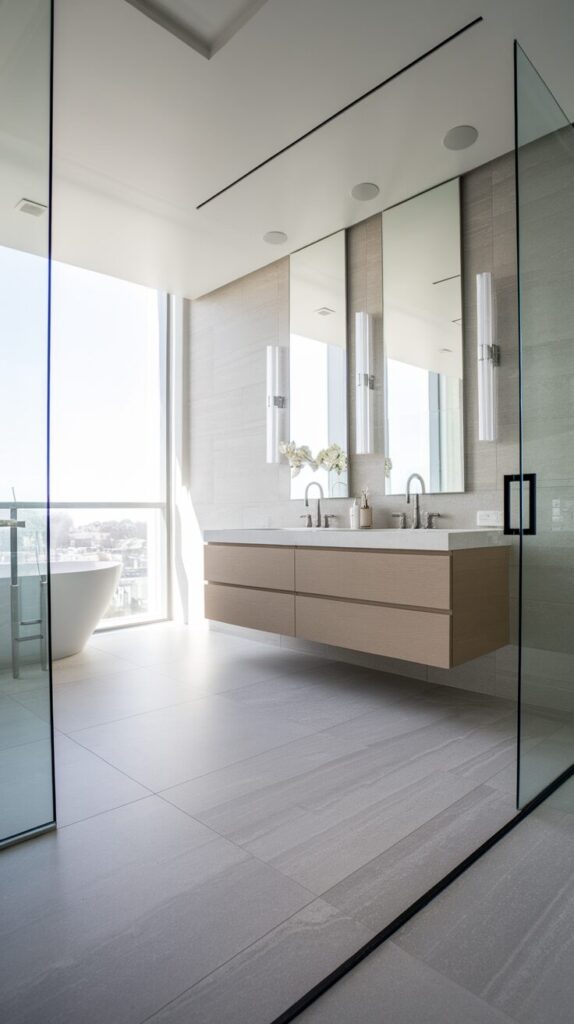
Fewer Grout Lines, Bigger Impact
Large-format tiles scream modern luxury. Fewer grout lines make the space feel cleaner and more expansive, which always reads expensive. I love how they create a seamless look that feels intentional.
Large tiles also simplify cleaning, which feels like a small miracle in bathrooms.
How to Nail the Large-Tile Look
You need precision here. I always recommend
• Professional installation if possible
• Rectified edges for tight grout lines
• Neutral shades like soft gray or beige
When done right, large-format tile transforms even basic bathrooms.
7. Peel-and-Stick Vinyl Tile for Budget Makeovers
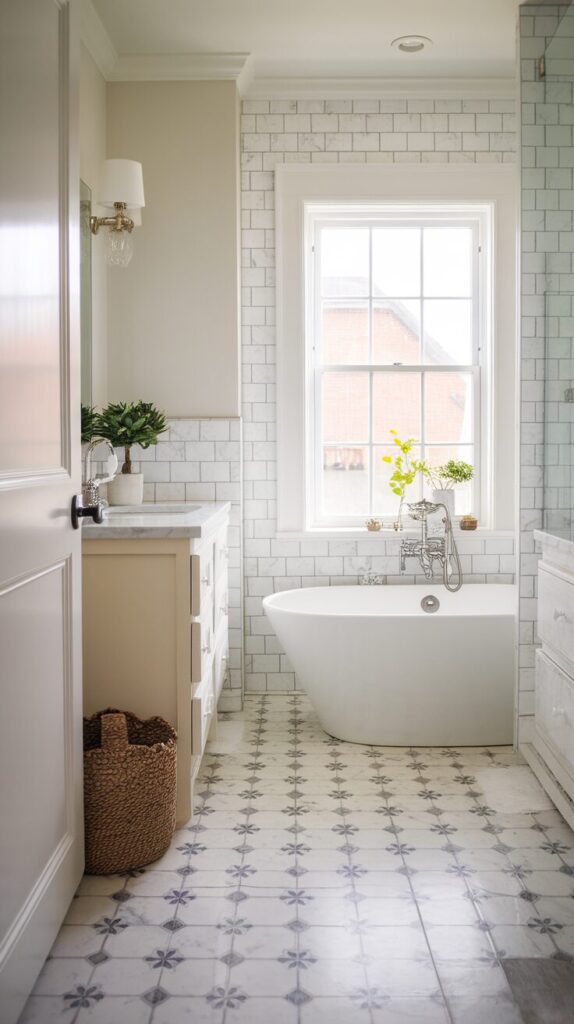
Yes, Peel-and-Stick Can Look Good
I know, peel-and-stick sounds like a rental shortcut, but hear me out. High-quality peel-and-stick vinyl tiles improved massively, and some designs look shockingly close to real tile or stone.
I used peel-and-stick in a temporary bathroom upgrade, and guests genuinely complimented it. That still makes me laugh.
Making Peel-and-Stick Look Intentional
The secret comes from preparation and design choices
• Perfectly clean subfloor for smooth adhesion
• Realistic patterns with subtle texture
• Consistent layout without awkward cuts
This option works best for quick refreshes or low-traffic bathrooms.
8. Concrete-Look Tile for a Modern Spa Vibe
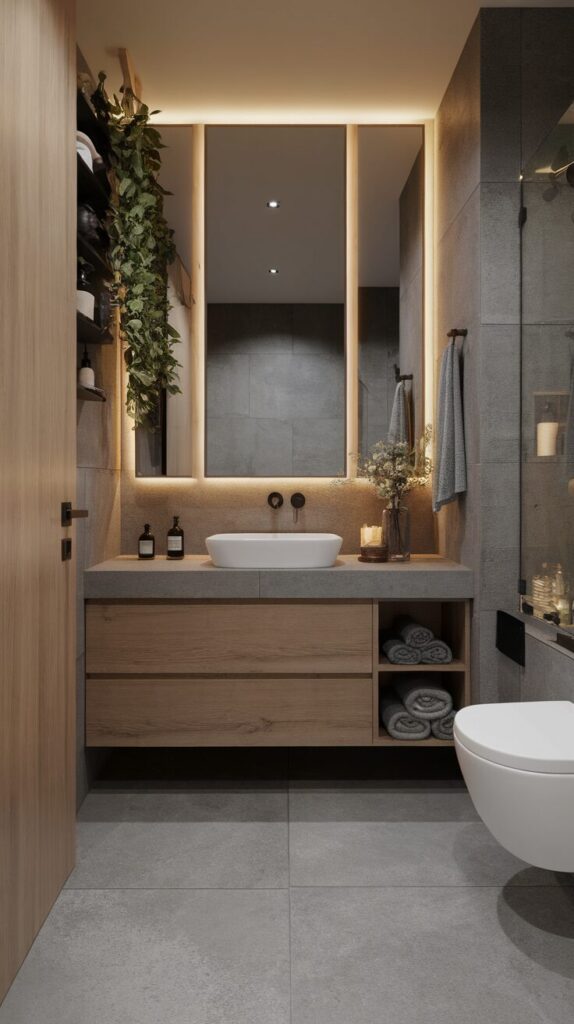
Industrial Style That Feels Calm and Expensive
Concrete-look tile delivers a modern, spa-like feel that designers love. It feels minimal, grounded, and effortlessly cool. You get that industrial edge without dealing with real concrete maintenance, which sounds ideal to me.
I installed concrete-look porcelain in a modern bathroom, and it instantly elevated the entire space.
Styling Concrete-Look Flooring
To keep it warm and inviting
• Add wood accents like vanities or shelves
• Use warm lighting to soften the gray tones
• Choose matte finishes for authenticity
This style pairs beautifully with modern fixtures and simple decor.
9. Hexagon Tile for Subtle Visual Interest
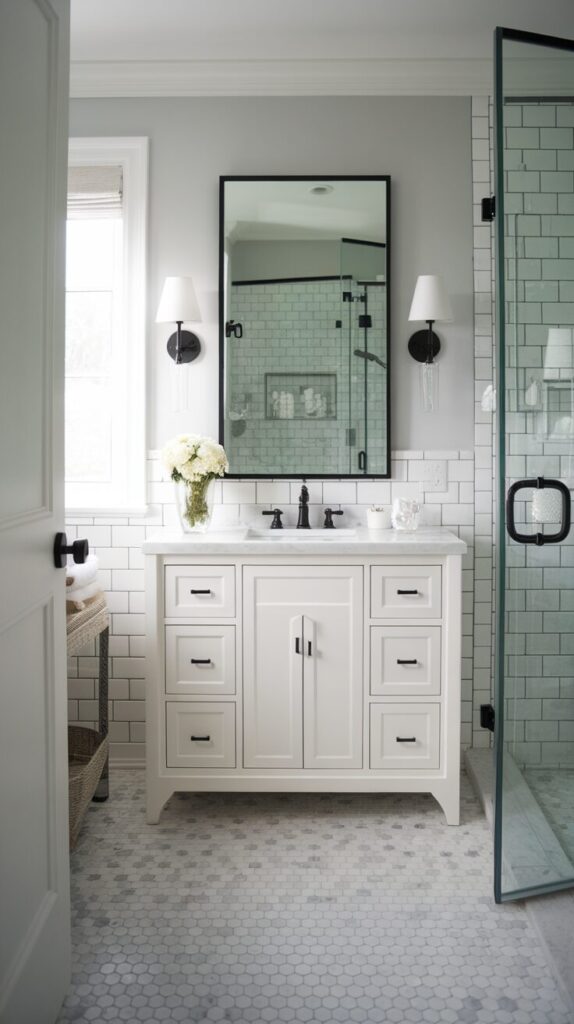
Why Hexagon Tile Always Feels Designer-Approved
Hexagon tile balances classic and modern beautifully. It feels playful without going overboard, which makes it a favorite in designer bathrooms. The shape adds interest while keeping the palette simple, and that’s a luxury trick I swear by.
Small hex tiles work well in compact spaces, while larger hex tiles feel bold and modern.
Best Practices for Hex Tile Floors
I usually suggest
• Monochrome color schemes for elegance
• Light grout to highlight the shape subtly
• Minimal patterns to avoid visual clutter
Hex tile gives you style points without screaming for attention.
10. Sheet Vinyl That Looks Shockingly Upscale
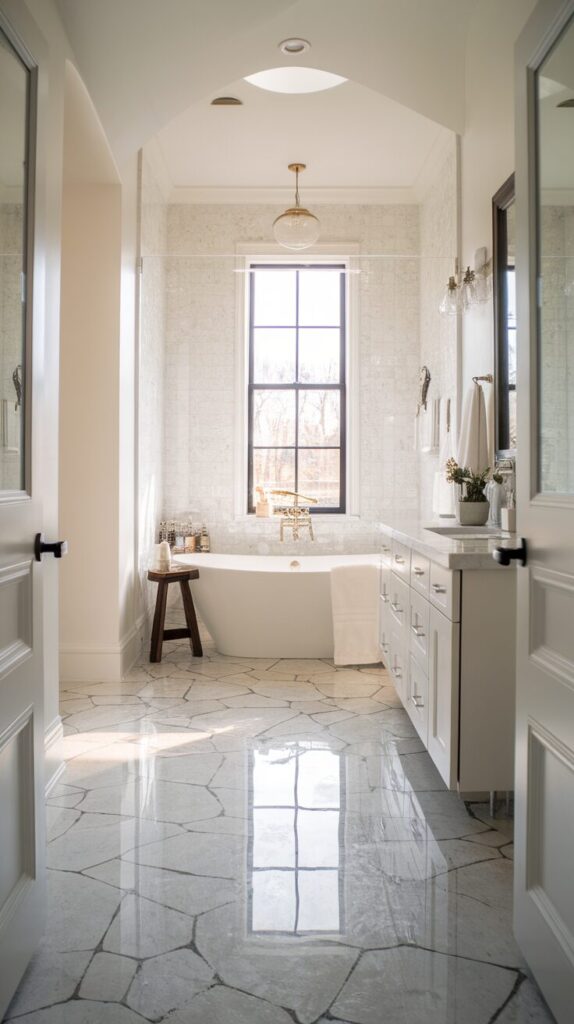
Modern Sheet Vinyl Deserves a Second Look
Sheet vinyl doesn’t get much love, but it deserves a comeback. New designs mimic wood, stone, and tile so well that many people can’t tell the difference. Seamless installation also makes it incredibly water-resistant, which suits bathrooms perfectly.
I once dismissed sheet vinyl completely, and now I recommend it for budget-conscious remodels without hesitation.
Choosing the Right Sheet Vinyl Design
Avoid dated looks by focusing on
• Subtle textures instead of loud prints
• Neutral color palettes for longevity
• Matte finishes that feel modern
When installed cleanly, sheet vinyl feels practical and polished.
How to Choose the Best Option for Your Bathroom
Every bathroom comes with different needs, and I always tailor recommendations to the space. Think about foot traffic, moisture exposure, and your tolerance for maintenance. Ever chosen a beautiful floor and then regretted it every time you cleaned?
Here’s a quick way to narrow it down
• Small bathrooms benefit from patterned or penny tile
• High-traffic baths need durable porcelain or LVP
• Quick updates work well with peel-and-stick or sheet vinyl
Match the flooring to your lifestyle, not just your mood board.
Common Bathroom Flooring Mistakes to Avoid
I’ve made mistakes so you don’t have to. Trust me, learning the hard way stings. The biggest issues I see include
• Choosing glossy finishes that show water spots
• Ignoring slip resistance in wet areas
• Overdoing patterns in small spaces
Avoid these, and you already sit ahead of the game.
How Flooring Ties the Whole Bathroom Together
Flooring anchors the entire bathroom design. Once you choose it, everything else falls into place more easily. I often pick flooring first, then match wall color, fixtures, and accessories around it.
When the floor looks intentional, the whole room feels cohesive. Isn’t that the goal?
Budget-Friendly Installation Tips That Save Money
You don’t always need a full professional install. I’ve saved money by tackling simple layouts myself and hiring help only for tricky cuts. Some tips that help
• Buy extra material to avoid mismatched batches
• Prep the subfloor properly for longevity
• Use the right underlayment for comfort and noise
Smart prep saves money long-term, and that always feels good.
Bathroom Flooring Strategy: How to Plan a High-End Look on a Real-World Budget
Before you buy a single tile or plank, you need a clear strategy. I always tell friends that a beautiful bathroom floor starts with a plan, not a shopping cart, because impulse decisions usually cost more in the long run.
Start by defining your goal. Do you want spa-like calm, bold boutique vibes, or clean modern minimalism? When you know the feeling you want, you filter out half the options instantly and avoid wasting money on materials that look good in-store but clash at home.
Next, lock in your budget range early. I break flooring budgets into three parts: material cost, installation cost, and contingency fund. Always reserve at least 10 to 15 percent extra for surprises, because bathrooms love to reveal hidden issues once you remove the old floor.
Measure your space accurately and calculate material needs carefully. I recommend ordering 5 to 10 percent extra material to cover cuts, pattern matching, and future repairs. Nothing kills a luxury look faster than mismatched replacement pieces you can’t source later.
Finally, think long term. Ask yourself, will this flooring still look good five years from now? Classic colors, realistic textures, and simple patterns age better than trendy finishes that dominate social media for six months and disappear.
Technical Foundation: What Makes Bathroom Flooring Truly Durable
A high-end look means nothing if the floor fails under daily use. You need materials that handle moisture, temperature changes, and constant cleaning without breaking down.
Focus on these performance factors when choosing bathroom flooring
• Water resistance or waterproof rating for long-term durability
• Slip resistance to prevent accidents in wet areas
• Wear layer thickness in vinyl or laminate products
• Proper subfloor compatibility to avoid warping or cracking
Slip resistance matters more than people admit. I once saw someone install glossy marble-look tile that looked stunning but turned into an ice rink after every shower, and that situation never feels luxurious.
Subfloor preparation also plays a huge role in longevity. Level, clean, and dry surfaces prevent cracking, lifting, and premature wear. If you skip prep work, you invite problems, and repairs cost more than doing it right the first time.
Cost Breakdown: Where to Spend and Where to Save
You don’t need to overspend everywhere. I usually advise investing more in durability and saving on purely decorative upgrades.
Here’s how I prioritize spending
• Spend more on quality core materials like porcelain tile or high-grade LVP
• Save on simple layouts instead of complex patterns that raise labor costs
• Invest in proper installation tools or skilled labor
• Skip ultra-trendy finishes that inflate prices without improving performance
Labor often accounts for a large chunk of your budget. If you feel confident with basic layouts, you can reduce costs by handling straightforward installations yourself, but never cut corners on waterproofing or underlayment.
Think about resale value too. Neutral, durable flooring often appeals to future buyers more than bold personal statements. Even if you don’t plan to sell soon, smart choices protect your investment.
Maintenance Guide: Keeping Affordable Flooring Looking High-End
Affordable flooring only looks expensive when you maintain it properly. You don’t need fancy products, but you do need consistency.
Follow these simple maintenance principles
• Use pH-neutral cleaners to protect finishes
• Wipe up water quickly in high-moisture areas
• Avoid harsh scrubbers that damage surfaces
• Reseal grout lines when needed
Grout maintenance makes a massive difference in appearance. Clean, sealed grout instantly elevates tile flooring and prevents staining that makes even premium tile look neglected.
For vinyl and laminate, place small mats near sinks and showers to reduce direct water exposure. These small habits extend the life of your floor and protect your budget.
Design Integration: How Flooring Impacts Lighting and Fixtures
Flooring doesn’t exist in isolation. The color and texture of your bathroom floor influence how light reflects and how fixtures appear.
Light-colored floors reflect more light and make small bathrooms feel larger. Darker tones add drama but require balanced lighting to avoid a cramped feel.
Match flooring undertones with hardware finishes. Cool gray floors pair beautifully with brushed nickel or chrome, while warmer wood tones complement brass or matte black fixtures. When these details align, the room feels cohesive and thoughtfully designed.
Common Mistakes to Avoid
Even smart renovators make flooring mistakes, and I’ve seen most of them firsthand.
Avoid these common errors
• Choosing flooring without checking waterproof ratings
• Ignoring slip resistance in wet zones
• Installing new flooring over an uneven subfloor
• Selecting overly trendy patterns that date quickly
• Forgetting to order extra material for future repairs
Another big mistake involves mismatched transitions between rooms. Plan transitions carefully so your bathroom floor connects smoothly to adjacent flooring, especially in open layouts.
People also underestimate drying times for adhesives and grout. Rushing that process leads to shifting tiles or weakened bonds, and that repair bill hurts more than waiting an extra day.
Frequently Asked Questions
What is the most affordable bathroom flooring that still looks high-end?
Luxury vinyl plank and porcelain tile often deliver the best balance between cost and appearance. Both options offer realistic textures and strong water resistance without the premium price of natural materials.
Is vinyl flooring safe for bathrooms?
Yes, high-quality vinyl flooring works extremely well in bathrooms. Waterproof vinyl products resist moisture effectively and hold up under daily use when installed correctly.
How long does budget bathroom flooring last?
Properly installed and maintained affordable flooring can last 10 to 20 years depending on the material. Porcelain tile often lasts the longest, while vinyl and laminate durability depends on wear layer thickness and care.
Does bathroom flooring increase home value?
Updated, durable bathroom flooring can improve resale appeal. Neutral, high-quality flooring choices often attract buyers and make the home feel well maintained.
Should I install bathroom flooring myself?
You can install certain materials like peel-and-stick vinyl or click-lock LVP yourself if you feel comfortable with basic tools. Complex tile layouts or waterproofing systems often require professional installation for best results.
How do I make a small bathroom floor look bigger?
Choose light colors, large-format tiles, or lengthwise plank layouts. Fewer grout lines and consistent patterns create a more open and spacious visual effect.
Final Thoughts
You don’t need a massive budget to create a bathroom floor that looks high-end and feels intentional. With smart material choices, realistic textures, and a little restraint, you can fake luxury like a pro and still sleep well at night.
I’ve tried many of these options myself, and I can honestly say the right floor changes how you feel about the entire space, so choose wisely, trust your gut, and enjoy the upgrade.