11 How to Clean Frying Pan Bottoms with Less Scrubbing
You've scrubbed your pan bottoms until your arms ache, only to find those stubborn burnt-on stains still mocking you from the stovetop. It doesn't have to be that way.
With the right tricks, you can cut through the grime with way less effort and get back to cooking faster. These 11 methods use everyday items you probably already have, from baking soda to ketchup, to tackle even the toughest residue.
No harsh chemicals or marathon scrubbing sessions required. Pick the one that fits your pan type and mess level, and watch those bottoms shine again.
1. Baking Soda and Vinegar Paste
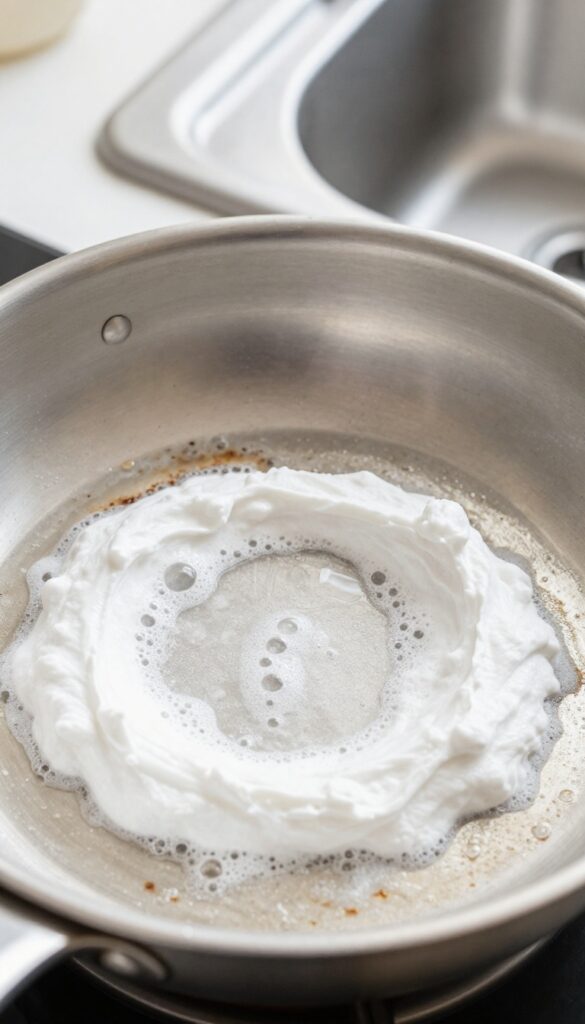
Baking soda and vinegar are a classic duo for a reason. When mixed, they create a fizzy reaction that helps loosen burnt-on gunk without you having to scrub like crazy. It's gentle enough for most pan surfaces but tough on grime.
To make the paste, combine equal parts baking soda and white vinegar in a small bowl. Stir until it forms a thick, spreadable consistency. Apply a generous layer to the bottom of the pan, focusing on the worst spots.
Let it sit for about 15 minutes—you'll see it bubble and fizz as it works. After that, scrub with a non-abrasive sponge or brush. The burnt bits should come off easily with minimal effort.
Rinse thoroughly and dry.
Why It Works
The chemical reaction between the alkaline baking soda and acidic vinegar creates carbon dioxide gas, which helps lift and dissolve burnt food particles. This fizzing action does the heavy lifting, so you don't have to.
Best Pan Types
This method works well on stainless steel, ceramic, and enameled cast iron pans. Avoid using it on raw cast iron or non-stick pans with damaged coatings, as the paste can be too abrasive.
Pro Tips
For extra stubborn stains, let the paste sit longer—up to 30 minutes. You can also sprinkle a little dry baking soda on the paste before scrubbing for added abrasion. Always test on a small area first if you're unsure about your pan's finish.
2. Boiling with Dish Soap and Water
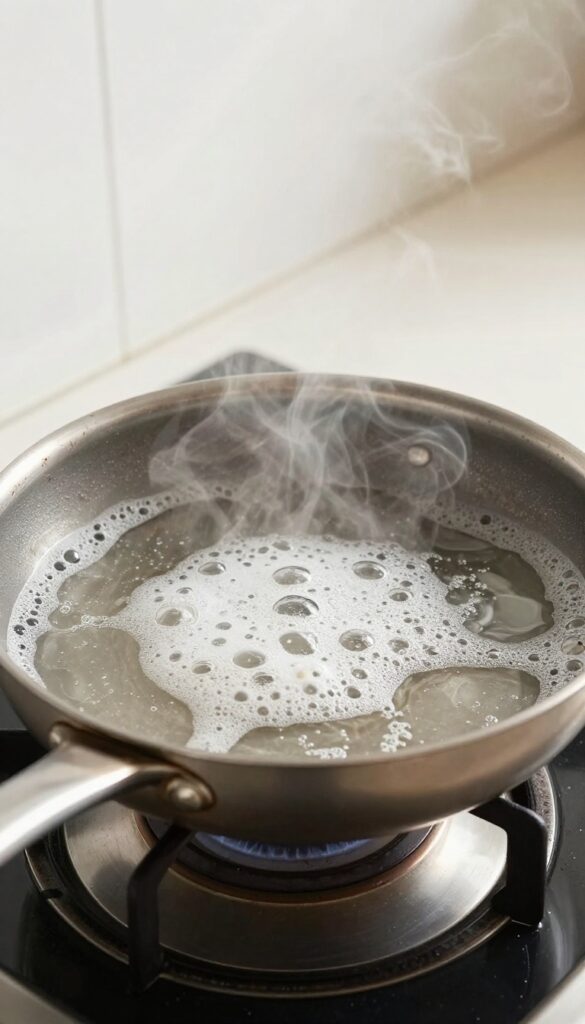
Sometimes the simplest method works best. Boiling water and dish soap creates steam that loosens baked-on grease and food particles from the bottom of your pan. No elbow grease required—just heat and a little patience.
This method is ideal for stainless steel or nonstick pans with moderate grime. For cast iron, avoid this technique as it can strip seasoning. Always check your pan's care instructions first.
How To Do It
Fill the pan with enough water to cover the burnt areas. Add a generous squirt of dish soap. Place on the stove and bring to a boil.
Let it boil for 2–3 minutes, then turn off the heat and let the pan sit for 10 minutes. The steam and heat will soften the residue.
Wipe Away The Grime
After the soak, pour out the water (careful—it's hot). Use a non-abrasive sponge or cloth to wipe the bottom. Most of the grime should come off easily.
For stubborn spots, gently scrub with a soft brush or a paste of baking soda and water.
When To Use This Method
This works best for pans with a layer of burnt oil or food stuck on. It's not effective for deep, carbonized buildup. For those cases, try a stronger method like vinegar and baking soda or a commercial cleaner.
3. Dryer Sheet Soak
If you've got a box of dryer sheets under the sink, you're already holding a secret weapon against burnt-on gunk. The fabric softener in those sheets works wonders on baked-on food, loosening it without any elbow grease. Just drop one in, add water, and let time do the work.
This method is almost too easy. Grab a used or new dryer sheet (both work fine), place it in the dirty pan, and fill with warm water until the bottom is covered. Let it soak overnight—or at least a few hours.
In the morning, dump the water, rinse, and wipe away the softened residue with a sponge. No scrubbing required.
Why It Works
Dryer sheets contain surfactants and softening agents that break down grease and carbonized food. The warm water activates these chemicals, helping them penetrate and dissolve the burnt layer. It's the same reason they work on caked-on food in baking dishes.
Best For Light To Moderate Burns
This trick is perfect for pans with a thin, even layer of burnt oil or stuck-on food. For thick, charred crusts, you might need to repeat the soak or pair it with a gentle scrub. Avoid using it on nonstick pans with damaged coatings, as the chemicals could seep into scratches.
Pro Tip: Save Used Sheets
Don't toss your used dryer sheets after a load of laundry. Rinse them off and stash them in a bag under the sink. They're just as effective for this soak and save you from wasting new ones.
Plus, they'll already smell fresh.
4. Cream of Tartar and Lemon Juice
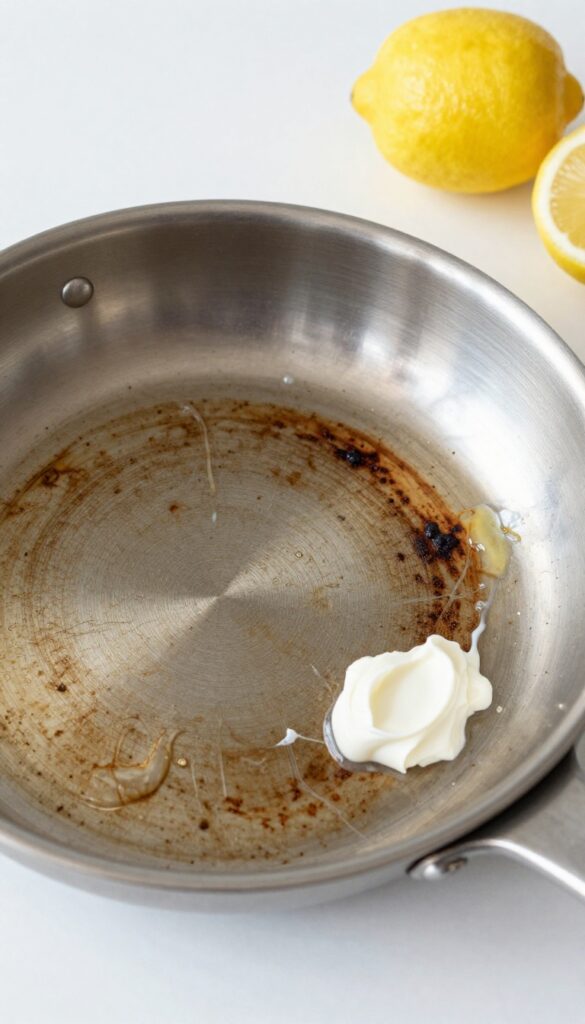
Cream of tartar isn't just for stabilizing egg whites—it's a gentle abrasive that teams up with lemon juice's acidity to dissolve burnt-on stains. This dynamic duo works wonders on stainless steel and enameled pans without scratching. The best part?
It takes almost no elbow grease.
This method is perfect for those stubborn, dark stains that won't budge with regular soap. The paste clings to vertical surfaces, so you can apply it directly to the pan bottom and let chemistry do the work. After a short wait, a quick wipe reveals a noticeably cleaner surface.
How To Mix The Paste
Combine equal parts cream of tartar and lemon juice—about 2 tablespoons each—to form a thick, spreadable paste. If it's too runny, add more cream of tartar; if too thick, a few more drops of lemon juice. You want it to stay put on the pan bottom without dripping off.
Application And Wait Time
Use a spatula or your fingers (gloves optional) to spread the paste evenly over the stained areas. Let it sit for 20 minutes—longer for tougher stains. The acid breaks down the burnt residue, while the cream of tartar gently lifts it away.
Rinsing And Finishing
After the wait, rinse the pan under warm water and scrub lightly with a soft sponge. Most of the grime should slide off effortlessly. For any remaining spots, repeat the process or follow up with a baking soda paste.
Dry thoroughly to prevent water spots.
5. Ketchup or Tomato Paste
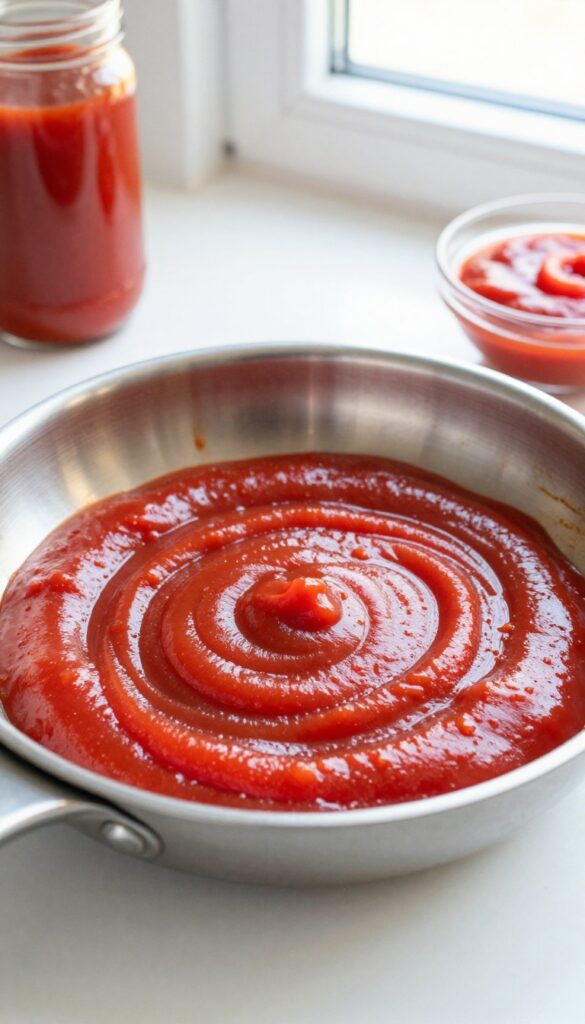
Who knew that condiment in your fridge could double as a cleaning agent? The natural acids in tomatoes work wonders on oxidized and burnt-on stains, breaking them down without any elbow grease. Just a thin layer and a little patience can save you from a scrubbing session.
Ketchup or tomato paste is a surprisingly effective cleaner for pan bottoms, especially those with discoloration from heat or burnt residue. The acidity (mainly from vinegar and citric acid) reacts with the oxidized metal, loosening the grime. It's gentle enough for non-stick and ceramic pans but works best on stainless steel or copper.
No harsh chemicals, no fumes—just a pantry staple doing double duty.
How To Apply
Squeeze a generous layer of ketchup directly onto the cool pan bottom, or spread tomato paste with a spatula. Make sure the entire stained area is covered. Let it sit for 30 minutes—longer for tougher spots.
The longer it sits, the more the acids can penetrate. You'll see the stains start to fade as the ketchup works its magic.
Rinsing And Finishing
After the wait, rinse the pan under warm water. Most of the grime will slide right off. For any remaining residue, a soft sponge with a little dish soap will finish the job.
No scrubbing needed—just a gentle wipe. Your pan bottom will look noticeably cleaner and brighter.
Best For Which Pans?
This method shines on stainless steel and copper pans where oxidation causes discoloration. It's also safe for non-stick and ceramic, but avoid abrasive scrubbing afterward. For cast iron, skip this—the acidity can damage the seasoning.
Stick to the baking soda method for that.
6. Salt and Oil Scrub
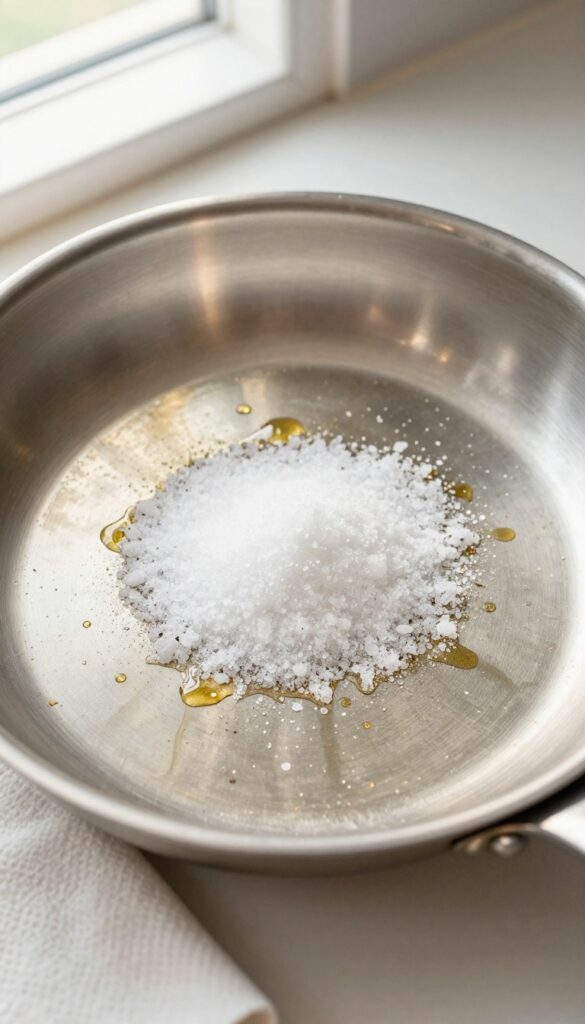
Coarse salt and a bit of oil form a powerful, gentle scrub that breaks down burnt-on gunk without scratching your pans. The salt acts as an abrasive, while the oil helps lift grime and protects the pan's surface. This method works especially well on stainless steel and cast iron.
Sprinkle a generous layer of coarse salt (kosher or sea salt works great) onto the cool pan bottom. Add just enough cooking oil to moisten the salt—about a teaspoon. Use a folded paper towel or a soft cloth to scrub in circular motions, applying moderate pressure.
The salt crystals will dislodge stuck-on food, while the oil prevents scratching and helps dissolve grease. Rinse with warm water and dry immediately. For extra stubborn spots, let the salt-oil paste sit for 5 minutes before scrubbing.
Why This Combo Works
Salt is hard enough to scrape away residue but soft enough not to damage most pan surfaces. Oil acts as a lubricant, reducing friction and protecting the pan's finish. Together, they create a paste that clings to vertical surfaces, making it easy to tackle pan sides and bottoms without drips.
Best Pans For This Method
Stainless steel and cast iron are ideal because they can handle the abrasion. Avoid using this scrub on nonstick or enameled pans, as the salt may scratch the coating. For those delicate surfaces, stick to gentler methods like baking soda paste.
Pro Tips For Maximum Effect
Use the coarsest salt you have—fine table salt dissolves too quickly and loses its scrubbing power. If the pan is heavily caked, heat it slightly on the stove (warm, not hot) before applying the scrub; the warmth softens the grime. After scrubbing, wipe away the salt-oil residue with a damp cloth, then wash with dish soap to remove any oily film.
7. Dishwasher Tablet Soak
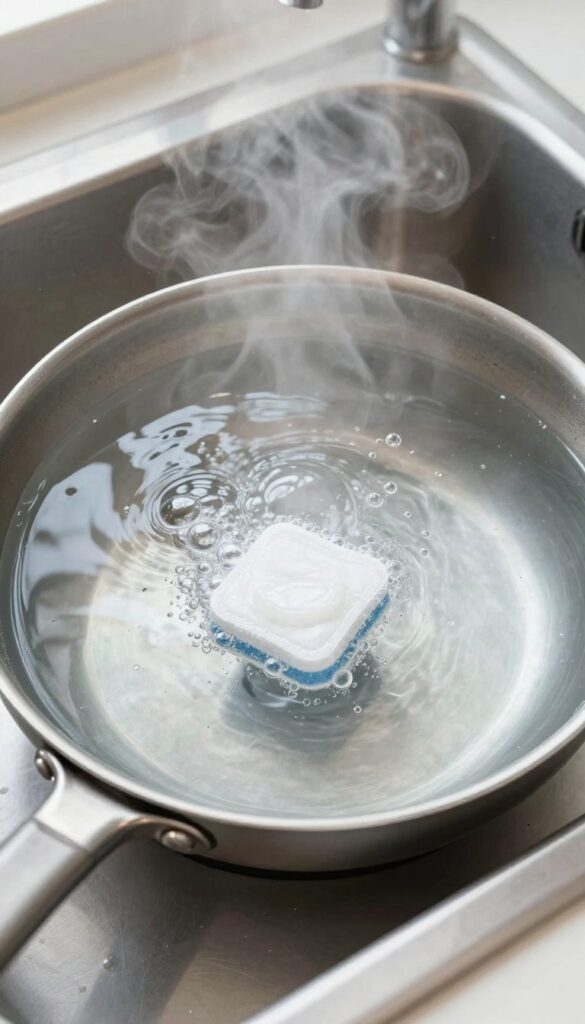
Dishwasher tablets aren't just for machines—they're packed with powerful enzymes and detergents that can obliterate baked-on grease from pan bottoms. Drop one tablet into your dirty pan, cover it with hot water, and let it dissolve for about an hour. The fizzing action helps lift burnt residue, so you barely have to scrub afterward.
This method works best for pans with heavy, greasy buildup. The tablet's ingredients break down food particles and grease on contact, making it a hands-off solution. Just remember to rinse thoroughly after soaking, as the residue can be slippery and might leave a slight scent if not washed off completely.
How It Works
Dishwasher tablets contain surfactants, enzymes, and bleach that target tough stains. When dissolved in hot water, they create a powerful cleaning solution that penetrates burnt-on layers. The alkaline pH helps saponify fats, turning grease into soap that rinses away easily.
Best For Non-stick And Stainless Steel
This soak is safe for non-stick and stainless steel pans, but avoid using it on cast iron or aluminum, as the chemicals can damage the seasoning or cause discoloration. Always check your pan's care instructions first.
Pro Tips For Maximum Effect
For extra stubborn spots, use two tablets or let the soak sit overnight. You can also scrape off loose debris before soaking. After the soak, a quick wipe with a sponge is usually all it takes to reveal a clean bottom.
8. Hydrogen Peroxide and Baking Soda
Hydrogen peroxide isn't just for first aid—it's a powerful cleaner that releases oxygen bubbles when mixed with baking soda. Those bubbles work their way under burnt-on residue, lifting it away from the pan bottom without harsh scrubbing. This combo is especially effective on carbonized buildup that other methods struggle with.
To use this method, mix hydrogen peroxide (3% solution works fine) with baking soda to form a thick paste. Spread it generously over the pan bottom, covering all the burnt areas. Let it sit for about 15 minutes—you'll see small bubbles forming as the reaction loosens the grime.
After the wait, rinse with warm water and wipe clean with a sponge. Most of the residue should come off easily, but you can repeat for stubborn spots.
Why It Works So Well
The chemical reaction between hydrogen peroxide and baking soda produces oxygen gas, which creates tiny bubbles that penetrate and lift carbonized food particles. This mechanical action is gentle on the pan surface but tough on grime, making it ideal for non-stick and stainless steel pans alike. Plus, both ingredients are non-toxic and safe for kitchen use.
Best For Tough, Baked-on Stains
This method shines on pans with thick, blackened residue from high-heat cooking or spills that have been reheated multiple times. It's less effective on fresh, light stains, so save it for when you need serious help. For best results, apply the paste to a dry pan bottom and avoid diluting it too much—the thicker the paste, the longer it stays active.
Tips For Maximum Effectiveness
Use a soft brush or your fingers to spread the paste evenly, ensuring full coverage. If the paste dries out during the 15-minute wait, spritz a little water or hydrogen peroxide to reactivate it. After rinsing, check for any remaining residue and spot-treat with a fresh dab of paste.
Always dry the pan thoroughly to prevent water spots.
9. Bar Keepers Friend or Similar Cleanser
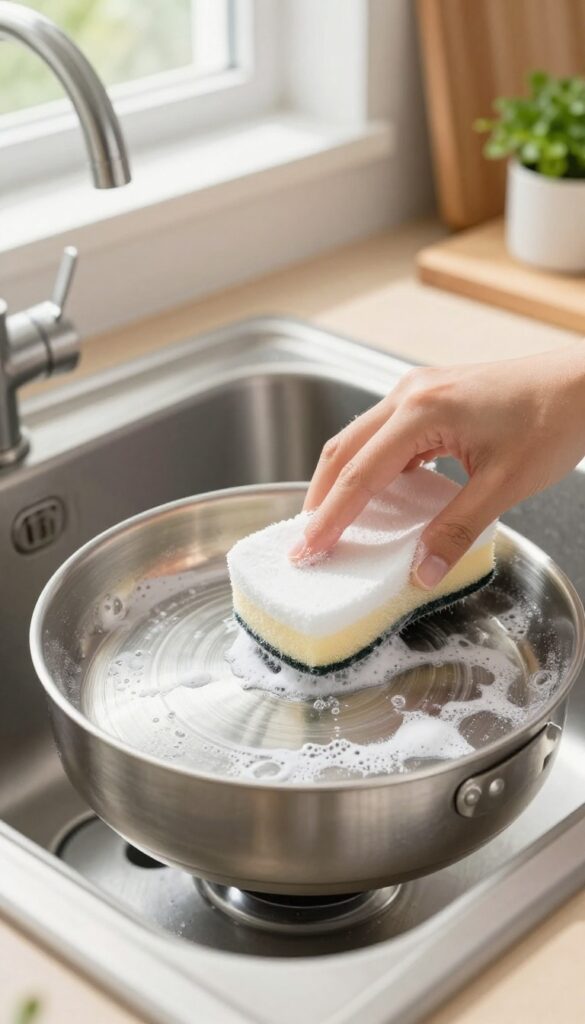
Bar Keepers Friend is a classic cleaner that many people swear by for tough stains. It's a mild abrasive that works well on a variety of surfaces without being too harsh. For pan bottoms, it can be a game-changer when you're dealing with stubborn, baked-on grime.
Sprinkle Bar Keepers Friend on a damp sponge, scrub the pan bottom gently, and rinse. This mild abrasive is safe for most surfaces and removes tough stains.
How It Works
The key ingredient in Bar Keepers Friend is oxalic acid, which helps break down rust, tarnish, and burnt-on food. The fine powder provides gentle abrasion to lift stains without scratching most surfaces.
Best For Which Pans
It's safe for stainless steel, ceramic, glass, and enameled cast iron. Avoid using it on nonstick pans or bare cast iron, as it can damage the seasoning or coating.
Application Tips
Wet the pan bottom, sprinkle the powder, and scrub with a non-abrasive sponge. Work in small circles for even coverage. Rinse thoroughly and dry.
For extra tough spots, let the paste sit for a minute before scrubbing.
10. Oven Self-Cleaning Cycle
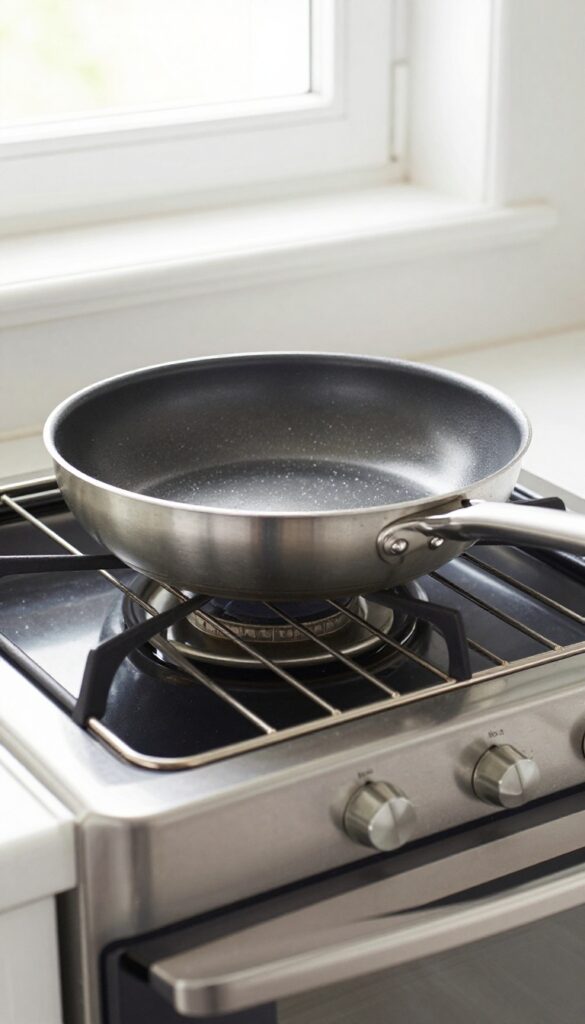
Your oven's self-cleaning cycle isn't just for the interior—it can work wonders on pan bottoms too. The extreme heat (often 800°F or more) turns even the most stubborn burnt-on residue into fine ash that wipes away with minimal effort. This method is perfect for heavy-duty grime that laughs at regular scrubbing, but it does require a bit of patience and some safety precautions.
How To Do It Safely
First, make sure your pan is oven-safe—cast iron, stainless steel, and enameled cookware are usually fine. Avoid non-stick or pans with plastic handles. Place the pan upside down on the top oven rack to allow grease to drip off.
Run the self-cleaning cycle according to your oven's instructions. Once it's done and the oven has cooled completely, you'll find a layer of ash on the pan bottom. Simply wipe it off with a damp cloth or sponge.
No scrubbing needed.
When To Use This Method
This technique is best for pans with thick, baked-on carbon deposits that have resisted other cleaning methods. It's also a great option if you're already planning to run your oven's self-cleaning cycle—just toss in a few dirty pans at the same time. However, it's not ideal for everyday cleaning or light stains, as the high heat can be hard on pans over time.
What To Watch Out For
The self-cleaning cycle can produce smoke and odors, so make sure your kitchen is well-ventilated. Also, avoid using this method on pans with copper bottoms or decorative finishes, as the intense heat may damage them. After cleaning, your pan might look slightly discolored—this is usually just cosmetic and won't affect performance.
11. Professional Stainless Steel Cleaner
When home remedies aren't cutting it, it's time to bring in the pros. Dedicated stainless steel cleaners like Weiman or Cerama Bryte are formulated specifically to dissolve polymerized oils—that stubborn, baked-on layer that laughs at soap and water. A quick spray, a short wait, and a wipe are all it takes to restore your pan bottoms to their original shine.
Why Polymerized Oil Is So Stubborn
Polymerized oil is essentially a plastic-like layer formed when oils are heated to high temperatures. Regular dish soap can't break it down because it's no longer oil—it's a hard, bonded coating. Professional stainless steel cleaners contain solvents and mild abrasives that target this specific type of residue without damaging the metal.
How To Use A Stainless Steel Cleaner
Start with a cool pan—heat can cause the cleaner to evaporate too quickly. Spray the product generously on the bottom, covering all discolored areas. Let it sit for 3–5 minutes (check the label; some need longer).
Then wipe with a soft cloth or sponge. For heavy buildup, use a non-scratch scrub pad. Rinse with water and dry immediately to avoid streaks.
Which Cleaner To Pick
Weiman Stainless Steel Cleaner & Polish is a popular choice—it cleans and leaves a protective coating that resists fingerprints. Cerama Bryte is another excellent option, originally designed for ceramic cooktops but equally effective on pan bottoms. Both are widely available online or at hardware stores.
Avoid generic brands that may contain harsh chemicals that can discolor your pans.
FAQ
Can I use these methods on non-stick pans?
Most methods are safe for non-stick, but avoid abrasive scrubs like salt or Bar Keepers Friend. Stick to baking soda paste or dish soap soaking.
How often should I clean pan bottoms?
Clean them every few uses or when you notice buildup. Regular maintenance prevents stubborn carbon deposits from forming.
Will these methods damage my stovetop?
No, these methods are for the pan itself. Just be careful not to spill cleaning agents on your stovetop, especially if it's glass or ceramic.
Why do pan bottoms get so dirty?
Spills, oils, and food particles burn onto the bottom during cooking. High heat polymerizes these residues, making them hard to remove.
What's the fastest method for light grime?
Boiling water with dish soap is the quickest. It takes about 10 minutes and requires minimal effort.
Conclusion
Cleaning frying pan bottoms doesn't have to be a dreaded chore. With these 11 methods, you can tackle stubborn grime using ingredients you already have.
Start with the gentlest option and work your way up—your pans will look like new without the elbow grease. Next time you cook, remember that a little preventive care goes a long way in keeping those bottoms spotless.