13 Guest Bedroom Office Ideas for a Cozy, Layered Double-Duty Space
Turning a guest room into a home office sounds practical, but it can easily feel like a compromise. One side ends up neglected, or the whole space lacks personality.
The trick is to layer in comfort and function so both roles feel intentional. Think soft textures, warm lighting, and furniture that pulls double duty without shouting about it.
These 13 ideas will help you create a room that welcomes guests by night and fuels focus by day.
1. Start with a Daybed That Works Overtime
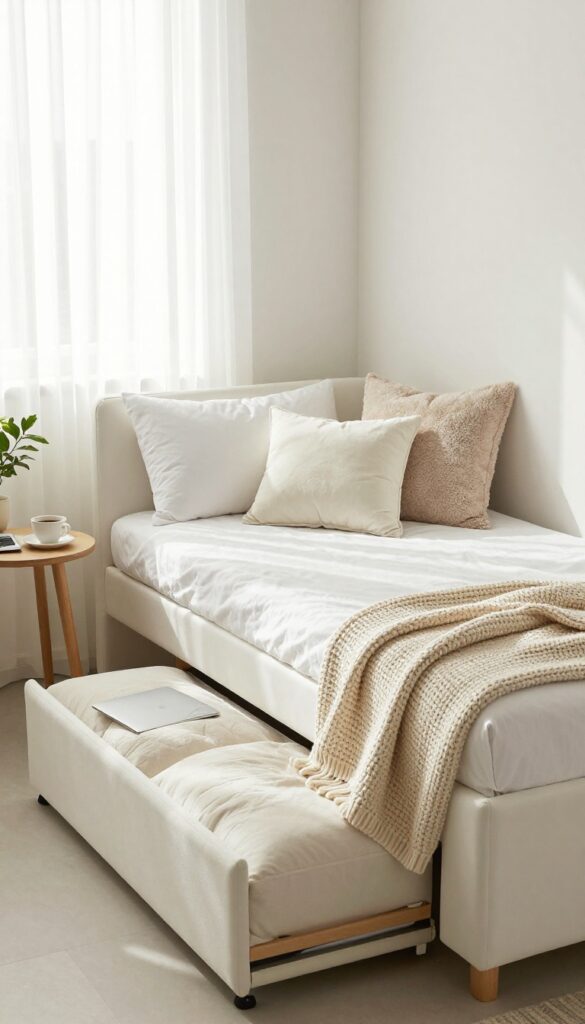
A daybed is the ultimate multitasker for a guest bedroom that doubles as a home office. During the day, it gives you a cozy spot to sit with your laptop or curl up with a book. At night, it transforms into a comfortable bed for visitors.
The trick is choosing one with built-in storage—like a trundle for an extra sleeping surface or deep drawers for stashing away office supplies and bedding. This keeps the room feeling tidy and intentional, not cluttered.
Why It Works
A daybed with storage eliminates the need for a separate dresser or filing cabinet, saving precious floor space. The layered look of pillows and a chunky throw makes the room feel inviting and lived-in, so it never looks like a sterile office. Plus, the trundle or drawers give you a hidden place to store guest linens, work files, or even seasonal decor, keeping everything out of sight but easily accessible.
Best For
This setup is ideal for small guest rooms or spare bedrooms that need to serve multiple functions without feeling cramped. It works especially well in spaces where you want to maintain a cozy, residential feel rather than a corporate home office vibe. If you frequently host overnight guests but also need a daily workspace, a daybed is a smart, stylish compromise.
Styling Tip
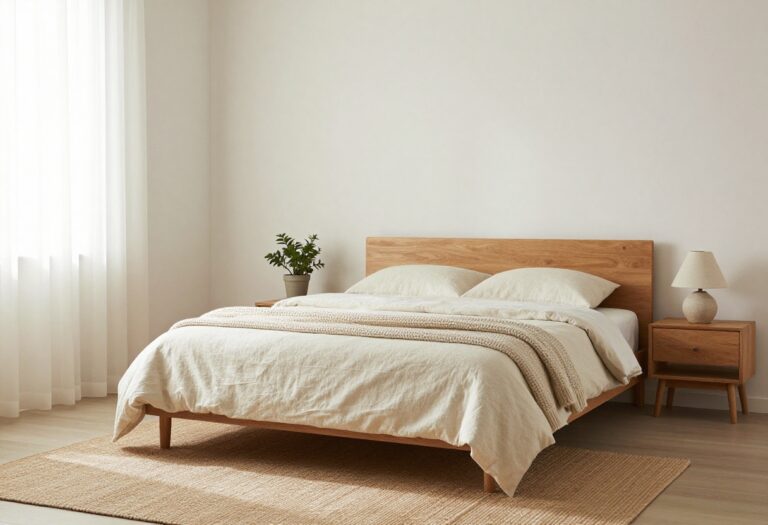
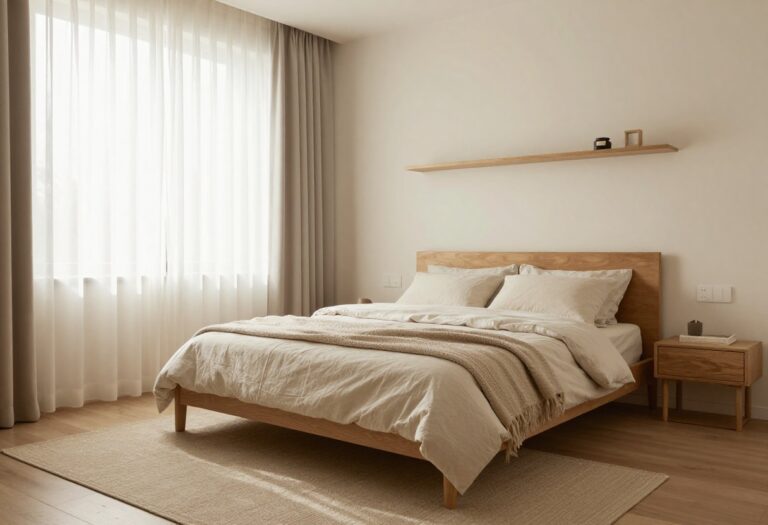
- Choose a daybed frame in a warm wood tone or a neutral upholstered fabric to keep the look soft and inviting. Layer two or three pillows in varying sizes—think a lumbar pillow, a square euro sham, and a soft boucle or velvet accent. Drape a chunky knit throw over one corner to add texture and make the bed feel ready to sink into.
- Keep the color palette muted with creams, taupes, and dusty blues for a cohesive, calm atmosphere.
2. Tuck a Desk into a Window Nook
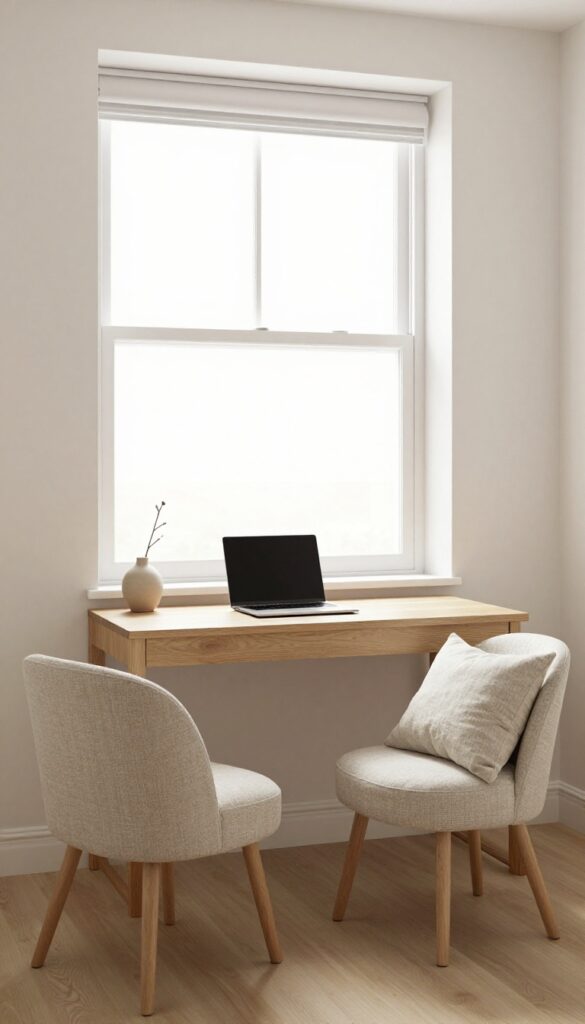
A window alcove can feel like wasted space until you turn it into a tiny command center. By placing a slim desk right under the sill, you get a flood of natural light that makes work feel less like work. When the laptop is closed, swap in a cozy armchair and a lumbar pillow, and suddenly it's a reading nook that guests will actually want to curl up in.
Why It Works
This setup makes the most of an architectural feature without eating into floor space. The natural light keeps the area bright and inviting, while the chair and pillow soften the look so the room doesn't scream 'home office.' It's a flexible solution that adapts to how the guest uses the room.
Best For
Guest bedrooms that have an existing window alcove or a bay window. It's also great for small rooms where you need to squeeze in a workspace without blocking traffic flow or making the space feel cramped.
Styling Tip
Choose a desk that's no deeper than 18 inches so it doesn't jut into the room. Paint the alcove a slightly darker shade than the walls to create depth, and add a small table lamp with a warm bulb for evening ambiance. A lumbar pillow in a textured fabric like linen or velvet adds coziness without clutter.
3. Use a Room Divider for Visual Separation
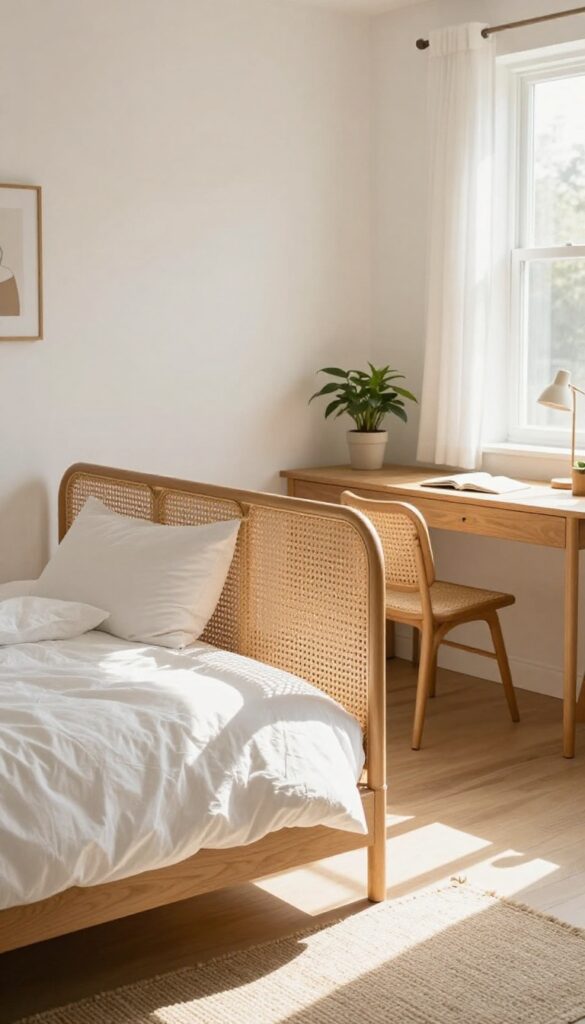
In a room that pulls double duty as both a guest bedroom and a home office, creating a sense of separation without sacrificing openness can feel tricky. A lightweight folding screen or an open shelving unit offers a simple solution: it defines the workspace while keeping the airy, layered feel you want. Opt for warm wood or natural rattan to blend seamlessly with the cozy, layered aesthetic, and let the divider add texture rather than weight.
Why It Works
A room divider carves out distinct zones without the permanence of a wall, making the space feel intentional and organized. It also provides a visual cue for guests—when the screen is closed, the office disappears, and the bedroom takes center stage.
Best For
This works especially well in longer, narrow rooms where the bed and desk sit on opposite ends. It's also ideal for studio apartments or small guest rooms where you need flexibility and don't want to commit to a built-in solution.
Styling Tip
Choose a divider with open shelving so you can display books, plants, or a small lamp on both sides. This keeps the room feeling connected while adding storage and personality. Anchor the divider with a cozy rug on the bedroom side to reinforce the separation.
4. Choose a Desk That Doubles as a Console
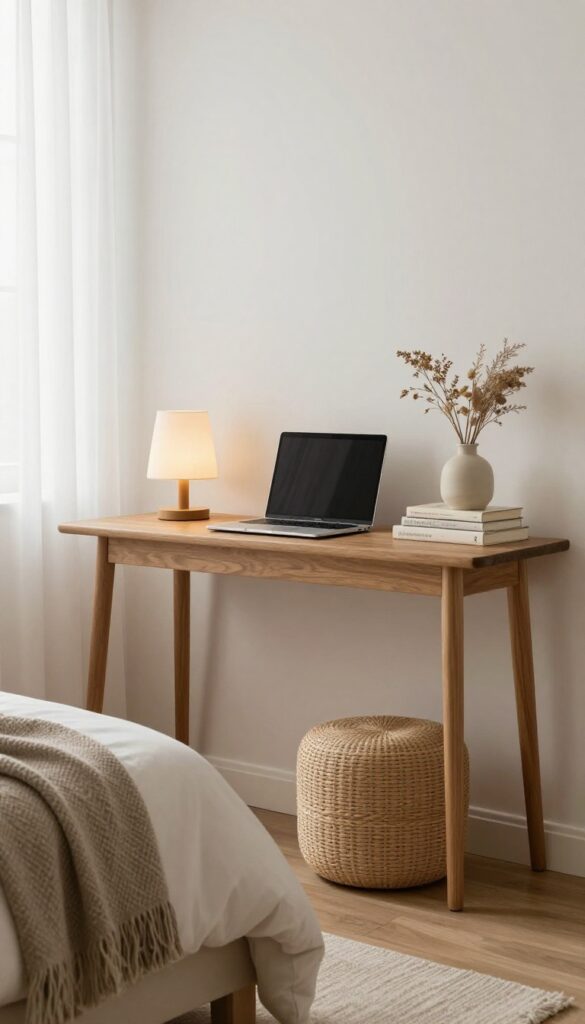
A guest bedroom office lives or dies by its furniture choices. You need a surface that works for both a laptop and a tray of drinks, and a narrow console table fits the bill perfectly. During the day, it’s your work zone; at night, it transforms into a stylish landing spot for a lamp, a stack of books, and a small vase.
The key is choosing a piece with clean lines and a finish that blends with the room’s cozy, layered aesthetic.
Why It Works
A console table is shallow enough to keep the room feeling open, yet long enough to spread out papers or a keyboard. When guests arrive, you simply clear the desk items and add a tray with a candle or a small plant. The stool tucks completely underneath, so the floor stays clear and the room looks like a proper bedroom.
Best For
This setup works best in narrow guest rooms where a full desk would block traffic. It’s also ideal if you host frequently and want the room to feel like a bedroom first, an office second.
Styling Tip
Choose a stool with a woven seat or a soft cushion to add texture. Keep a small tray on the console for corralling remotes or a glass of water, and swap your desk lamp for a warm-toned table lamp when guests are coming.
5. Layer Curtains for Softness and Privacy
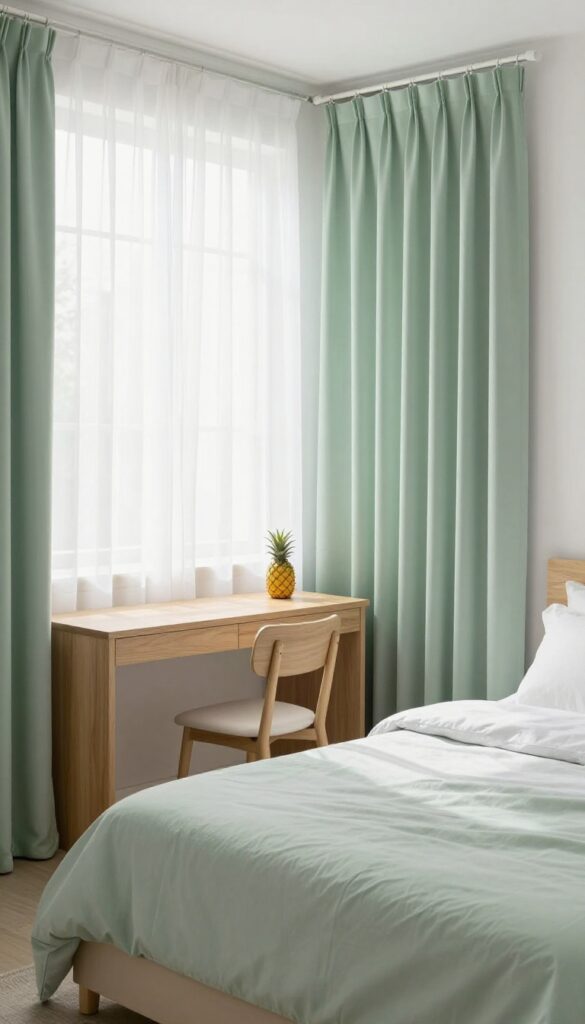
There’s something about layered curtains that instantly makes a room feel more finished and inviting. In a guest bedroom that doubles as an office, this trick solves two problems at once: you get soft, filtered light during the day and total darkness when it’s time to sleep. The combination of sheer and blackout fabrics adds visual depth and a cozy, collected look that doesn’t feel overly fussy.
Why It Works
Double layers let you control light and privacy throughout the day without installing multiple sets of blinds. Sheers soften harsh sunlight for video calls or reading, while heavier drapes block out distractions and create a restful sleep environment. The layered effect also adds texture and warmth, making the space feel more like a bedroom and less like a spare desk.
Best For
This works especially well in rooms with large windows or where the bed and desk share the same wall. It’s ideal for hosts who want the flexibility to use the space for both work and rest without sacrificing style or function.
Styling Tip
Choose sheers in a light neutral like white or cream, and pair them with drapes in a soft color that complements your bedding. Hang the curtain rod high and wide so both layers stack neatly to the sides, making the window feel larger and the room more spacious.
6. Add a Comfortable Armchair for Breaks
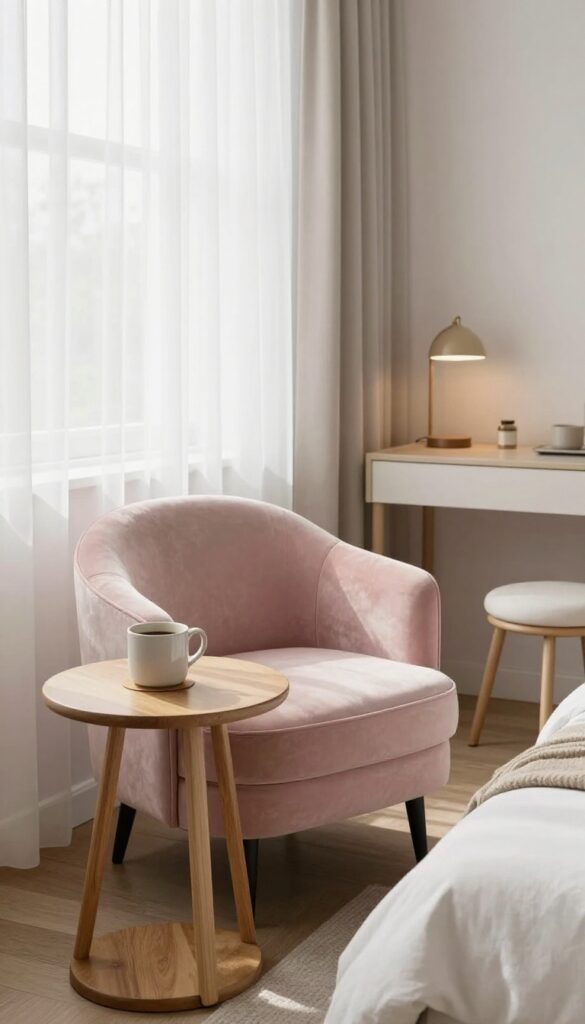
A guest bedroom office doesn't have to revolve entirely around the desk. Tucking a plush armchair into a corner instantly gives the room a second purpose: a quiet spot to read, scroll, or take a call without staring at a monitor. Choose something with soft upholstery like velvet or bouclé to bring warmth and texture into the space.
A small side table next to it holds a coffee mug or a lamp, making the corner feel intentional and cozy.
Why It Works
The armchair creates a clear separation between work and relaxation within the same room. It gives guests a comfortable place to unwind without feeling like they're still in an office, and it offers you a break spot during the workday. The soft fabric adds visual and tactile coziness, balancing the more utilitarian desk area.
Best For
This works well in guest bedrooms that have an extra corner or a window nook. It's especially useful if the room is large enough to accommodate both a desk and a seating area without feeling cramped. Great for anyone who wants the room to feel like a real bedroom first and an office second.
Styling Tip
Anchor the chair with a small round side table in wood or metal, and add a floor lamp with a warm bulb for evening reading. A throw blanket draped over the armchair adds another layer of softness and makes the spot feel instantly inviting.
7. Incorporate a Rug That Anchors Both Zones
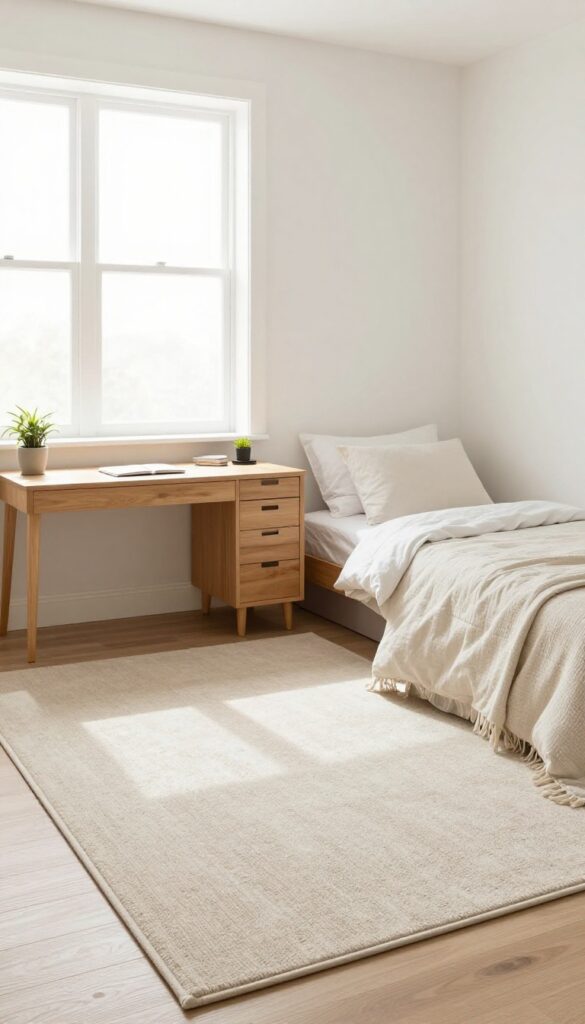
A single well-chosen rug can do more than soften footsteps—it can visually stitch together the sleeping and working sides of a guest bedroom office. Instead of letting the desk and bed feel like separate islands, a large low-pile rug placed under both pieces creates a unified foundation. The trick is choosing something neutral with subtle texture, like a flatweave or wool blend, so it feels cozy underfoot but stays easy to vacuum and maintain.
Why It Works
A rug that spans both zones makes the room feel larger and more intentional. It visually connects the two functions without needing a physical divider, and the low pile keeps office chair wheels rolling smoothly. The neutral pattern hides everyday wear and blends with most color palettes, so you won't need to redecorate if you swap out accessories.
Best For
This idea works best in guest bedroom offices where the bed and desk are on the same wall or within a few feet of each other. It's also ideal for rooms with hard flooring like wood or tile, where a rug adds warmth and sound absorption without overwhelming the space.
Styling Tip
Go for a rug that extends at least 12 inches beyond the desk chair's back wheels and reaches just past the foot of the bed. A sisal or wool blend in a soft gray, beige, or warm oatmeal tone keeps the look clean. Add a small, washable runner under the desk if you need extra protection for the chair area.
8. Use Floating Shelves for Dual Storage
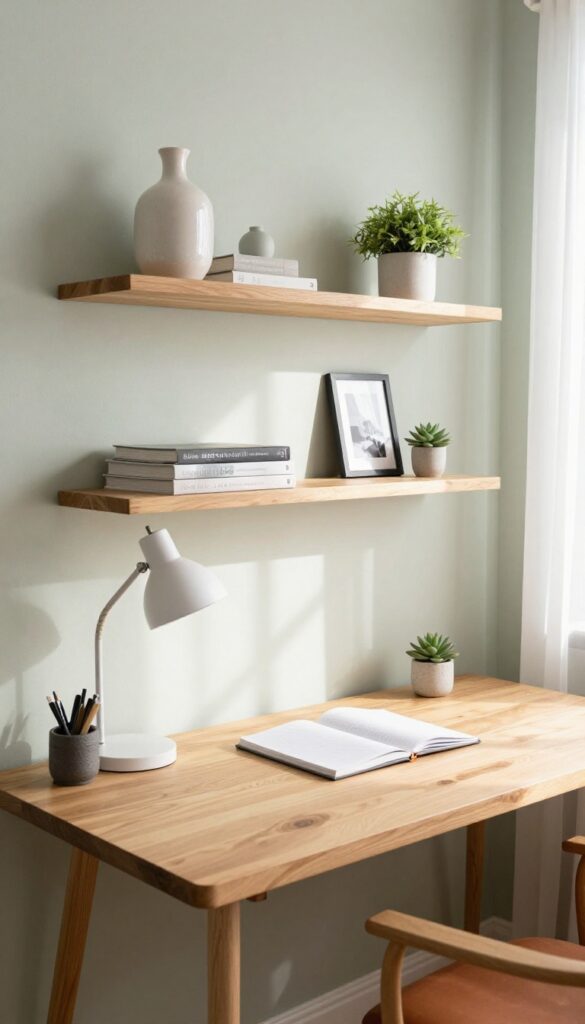
Floating shelves are a smart way to keep your guest bedroom office feeling open and organized without sacrificing style. Mount a set above the desk to hold office essentials during the workweek—think notebooks, a small plant, or a sleek lamp. When guests arrive, clear the desktop and let the shelves do double duty: swap in a ceramic vase, a stack of coffee table books, or a framed photo to instantly soften the space.
The layered look adds warmth without clutter, making the room feel intentional and welcoming.
Why It Works
Floating shelves keep the desk surface clear, which is key for a room that switches between productivity and relaxation. They provide vertical storage that doesn't eat into floor space, so the room stays airy. The quick swap of accessories transforms the vibe from professional to personal with minimal effort.
Best For
This idea is ideal for small guest bedroom offices where every inch counts. It works especially well if you have a compact desk against a wall and need storage that doesn't crowd the room. Great for renters too, since floating shelves are easy to install and remove.
Styling Tip
Choose shelves in a wood tone that complements your desk for a cohesive look. On the shelves, mix functional items like a small tray for pens with decorative touches like a mini succulent or a ceramic dish. Keep the color palette neutral with one or two accent colors—think soft greens or warm terracotta—to tie the room together.
9. Pick a Murphy Bed with a Built-In Desk
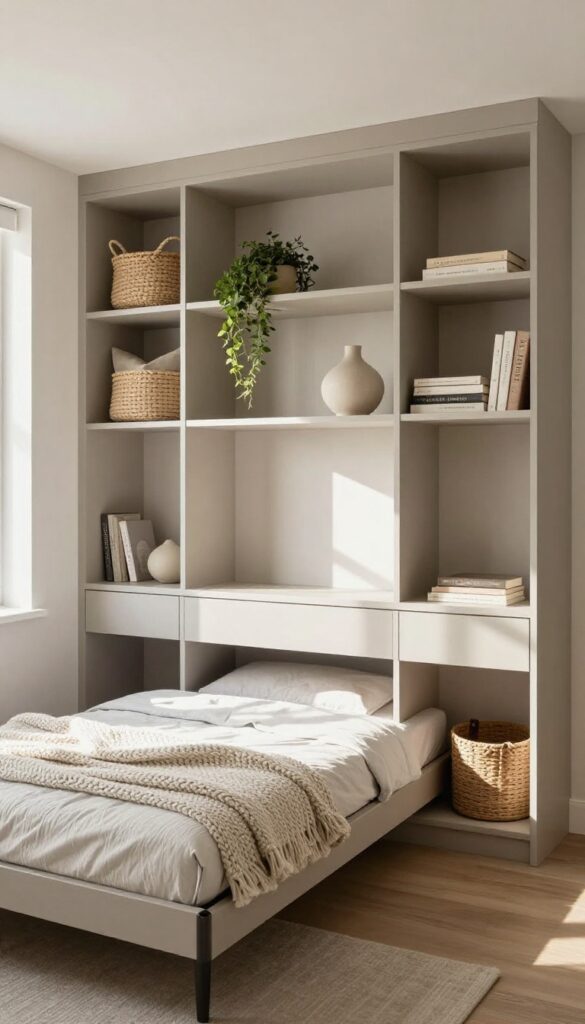
A wall unit that folds down into a bed while hiding a full desk underneath is pure magic for a dual-purpose room. The key is choosing one with open cubbies on the sides or above, where you can layer in soft textures like a chunky knit throw or a basket of extra pillows. A small trailing plant on the top shelf adds life without taking up valuable surface space.
Why It Works
This setup gives you a proper guest bed and a functional workspace without sacrificing floor area. When the bed is folded up, the desk is completely accessible, and the cubbies keep essentials like books, chargers, and decor within easy reach.
Best For
Rooms that need to shift from a home office by day to a cozy guest retreat by night. It's ideal for small spare bedrooms, dens, or even a corner of a living room that doubles as a workspace.
Styling Tip
Keep the cubbies feeling intentional by limiting each shelf to one or two items. A small ceramic vase, a stack of neutral-toned books, and a woven basket create a calm, layered look that feels collected rather than cluttered.
10. Create a Coffee Station for Guests
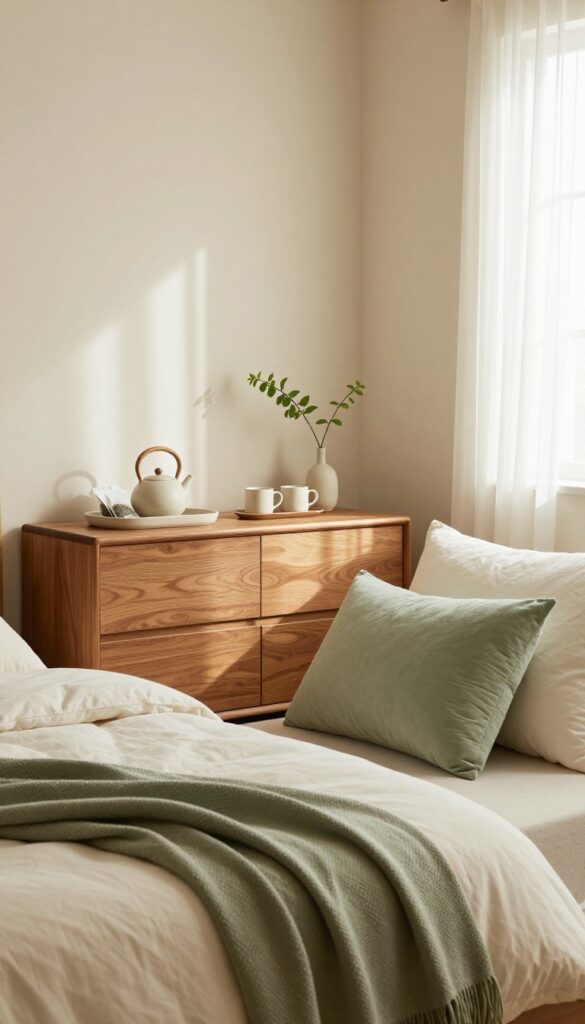
Imagine your guest stepping into a room that feels like a cozy boutique hotel. A small coffee station on a dresser or shelf instantly adds that welcoming, pampered touch. It transforms a corner into a purposeful spot for morning rituals or an afternoon break, making the dual-purpose room feel more like a retreat than a workspace.
Why It Works
A dedicated coffee station separates the guest experience from the office function. It gives visitors their own little amenity without cluttering the desk, reinforcing the idea that this room is for them. The ritual of making tea or coffee also adds a layer of comfort and hospitality that a standard guest room often lacks.
Best For
This idea shines in rooms where a dresser, console table, or even a floating shelf has a few inches to spare. It’s perfect for hosts who want to offer a personal touch without a full kitchenette. Great for both short and long stays, as it reduces the need for guests to wander into the main kitchen early in the morning.
Styling Tip
Use a wooden or ceramic tray to corral a small kettle, two matching mugs, and a few tea bags or instant coffee packets. Add a tiny vase with a single stem or a small succulent for life. Keep the palette neutral—cream, warm wood, and soft green—to blend with the room’s cozy, layered aesthetic.
11. Opt for a Sliding Barn Door to Save Floor Space
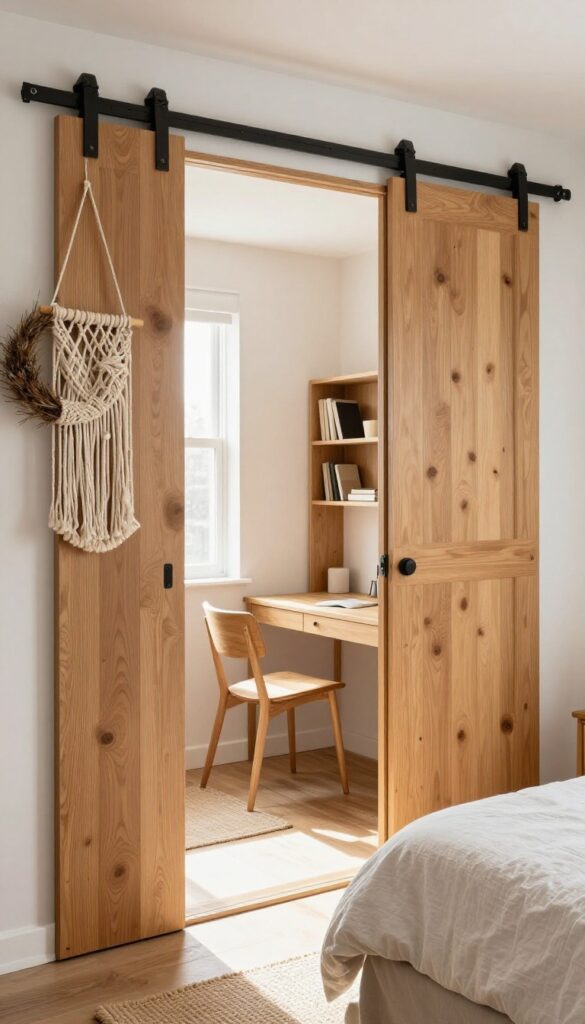
A swinging door eats up valuable floor area that could otherwise hold a desk or a bookshelf. Swapping it for a sliding barn door instantly frees that space while adding a rustic, cozy touch to the room. The smooth glide and warm wood finish make the transition feel intentional rather than makeshift.
Why It Works
Sliding barn doors don’t require a clearance zone for opening, so you can place furniture right up against the wall where the door would have swung. This reclaims up to several square feet—enough for a compact desk or a slim shelving unit. The visual weight of the door also anchors the room, making the dual-purpose layout feel grounded and deliberate.
Best For
This solution works best in guest bedrooms where the door opens into a tight corner or where every inch of floor space counts. It’s especially useful in rooms under 120 square feet that need to accommodate both a bed and a workspace without feeling cramped.
Styling Tip
Choose a warm wood tone like oak or walnut to echo the layered, cozy aesthetic. Pair it with black hardware for a modern farmhouse feel, or go with brushed nickel if your room leans more transitional. Soften the look by hanging a small macramé or a simple wreath on the door when not in use.
12. Layer Lighting with a Mix of Sources
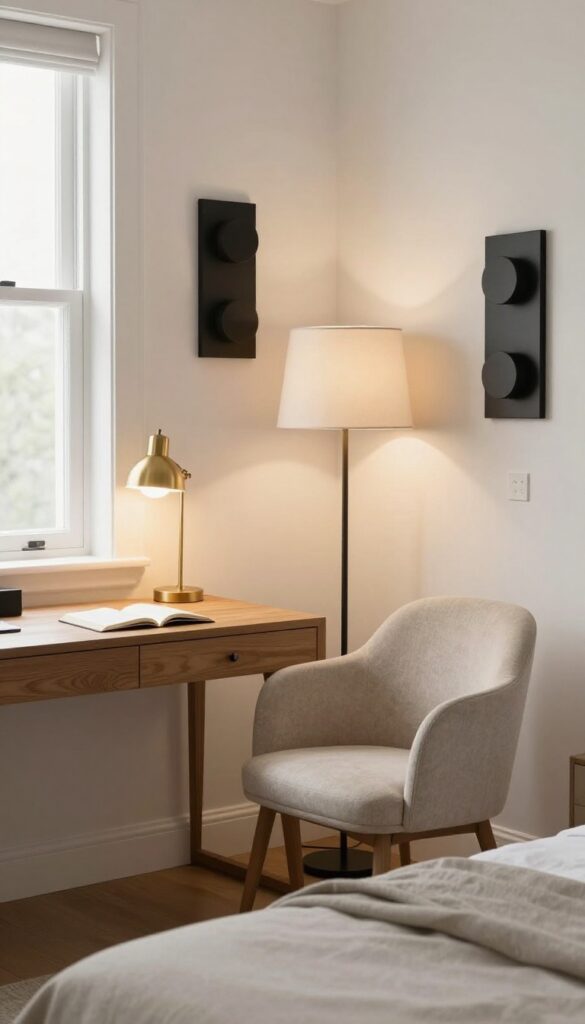
Lighting can make or break a dual-purpose room. In a guest bedroom office, you need bright task light for work hours and a softer glow for winding down. The trick is to layer different light sources—desk lamps, floor lamps, and wall sconces—so you can dial in the right mood.
Warm bulbs and dimmers give you even more control, turning a harsh work corner into a cozy reading nook in seconds.
Why It Works
Layered lighting solves the biggest challenge of a double-duty space: shifting ambiance. With separate controls, you can light just the desk for focused work, then switch to a floor lamp and sconce for a relaxing evening. Dimmers add flexibility, so you’re never stuck with an all-or-nothing brightness.
Best For
This approach works especially well in rooms where the bed and desk are close together. It’s also great for small guest bedrooms where overhead lighting alone feels too harsh. If you often work late or host guests who like to read before sleep, layered lighting is a game-changer.
Styling Tip
Choose fixtures with a common finish—like brushed brass or matte black—to tie the look together. Place the desk lamp on the work surface, a floor lamp near an armchair or the bed, and wall sconces flanking the headboard or a gallery wall. Use dimmable LED bulbs with a warm color temperature (2700K–3000K) for a cozy feel.
13. Add Personal Touches That Work for Both Roles
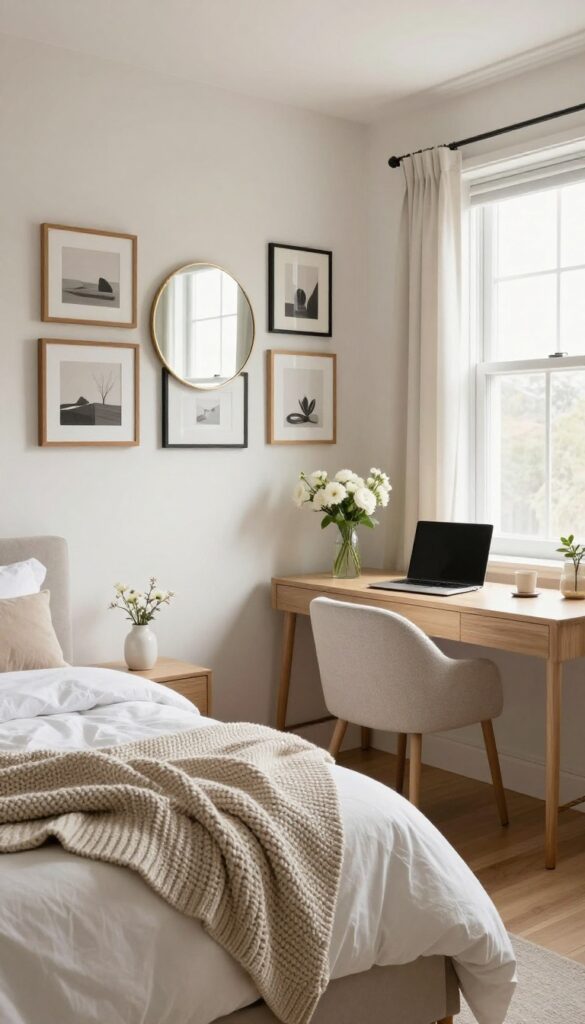
A gallery wall does double duty here: it makes the space feel like a real room, not a temporary setup, while also giving you something pleasant to look at during video calls. Mix in a small mirror to bounce light around and keep the wall from feeling too busy. When guests arrive, swap out a few items—toss a chunky knit throw over the chair, set a small vase of fresh blooms on the desk—and the energy shifts from productive to peaceful without any major overhaul.
Why It Works
Layering personal decor with easy-to-swap guest touches keeps the room from feeling like a cold office or a generic spare bedroom. The gallery wall anchors the space visually, while the quick additions signal to visitors that this is their temporary retreat, not just your workspace.
Best For
This idea works well in guest bedrooms that double as a home office, especially if you want the room to feel welcoming without sacrificing your daily productivity. It’s also great for small spaces where you can’t dedicate separate rooms for work and guests.
Styling Tip
Choose frames in a cohesive color palette—like warm wood and black—to keep the gallery wall looking intentional. For the guest-ready touches, stick to one or two accent colors that complement the room’s existing scheme, so the switch feels seamless.
FAQ
How do I make a guest bedroom office feel cozy and not cluttered?
Stick to a neutral color palette with warm accents like wood, linen, and wool. Use furniture that serves both purposes, like a desk that doubles as a console, and keep surfaces mostly clear. Add soft lighting and a rug to anchor the space.
What type of desk works best in a small guest bedroom office?
A slim console table or a wall-mounted desk saves floor space. Look for one with a drawer or shelf for hidden storage. Pair it with a chair that can tuck completely underneath when not in use.
Can I use a regular bed instead of a daybed or Murphy bed?
Absolutely. A twin or full bed with a tailored coverlet and lots of pillows can work. Just make sure the desk is positioned so the bed doesn't block access.
A bed skirt helps hide under-bed storage for office supplies.
How do I separate the office area from the sleeping area?
Use a room divider, a tall bookshelf, or even a curtain track to create a visual boundary. Positioning the desk near a window and the bed against an opposite wall also naturally defines zones.
What lighting is best for a dual-purpose room?
Layer different light sources: a task lamp for the desk, a floor lamp for ambient glow, and dimmable wall sconces near the bed. Warm white bulbs (2700K-3000K) keep the room cozy for guests.
Conclusion
Designing a guest bedroom office doesn't mean sacrificing style or comfort. With thoughtful layers and flexible furniture, you can create a space that feels intentional for both work and rest.
Start with one or two of these ideas and build from there—your room will thank you, and so will your guests.