11 Home Office Guest Room Combo Ideas With Smart Layouts
Turning a spare room into both a home office and a guest room sounds like a tall order. But with a little planning, you can create a space that feels welcoming for visitors and productive for you.
The trick is choosing pieces that pull double duty without making the room feel cramped or cold. A warm, lived-in look starts with soft textures, layered lighting, and furniture that doesn't scream "office." Think a desk that doubles as a vanity, a bed with hidden storage, or a cozy armchair that works for reading and video calls.
The goal is to make the room feel like a natural extension of your home, not a compromise.
1. The Murphy Bed Desk Combo
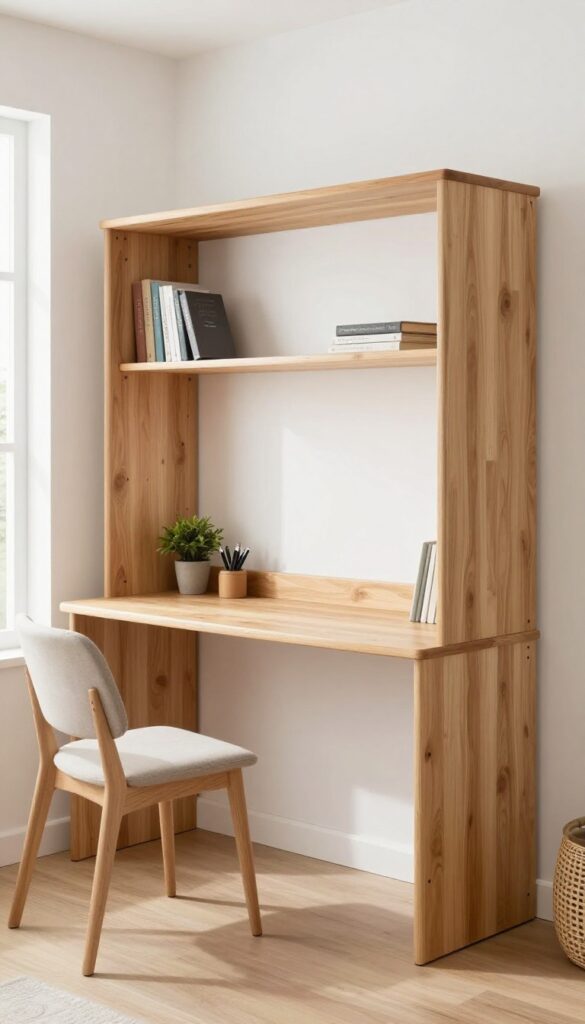
Picture a wall unit that hides a full-size bed behind a sleek desk during the day. When guests arrive, you simply fold the desk away and pull down the bed—no wrestling with a sofa bed or clearing clutter. The key is choosing a model with integrated storage, so books, files, and decor stay put while the bed is down.
This setup keeps the room feeling like a proper office, not a makeshift guest space, and the warm wood tones or soft white finish make it blend right in.
Why It Works
It eliminates the need to rearrange furniture every time someone visits. The desk stays fully functional until the moment you need the bed, and the mechanism is smooth enough that converting the room takes under a minute. Plus, the built-in shelves or cabinets give you a place for office supplies that won't interfere with the guest experience.
Best For
Anyone with a single room that must serve as a daily workspace and occasional guest room. It's especially ideal for small homes or apartments where floor space is at a premium, and for people who want a polished look without the visual clutter of a visible bed.
Styling Tip
Choose a Murphy bed unit with a warm wood finish or a painted front that matches your office decor. Add a soft throw blanket and two plush pillows on the bed when it's down—this instantly signals comfort. During the day, keep the desk surface clean with a simple tray for pens and a small plant, so the room feels lived-in but not messy.
2. Daybed With Trundle and Floating Desk
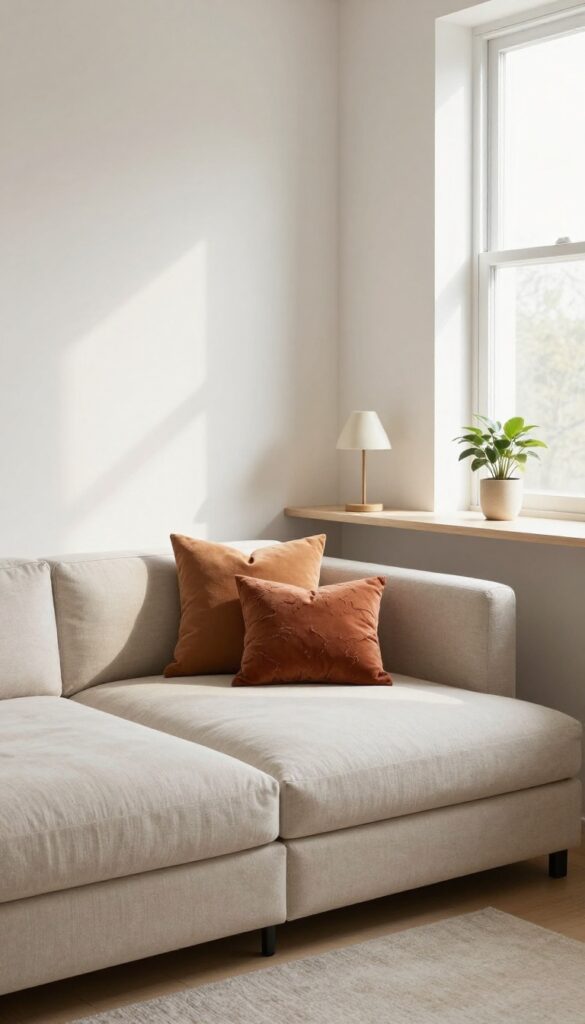
A daybed with a pull-out trundle is one of those smart solutions that makes a small room feel bigger than it really is. By day, it’s a cozy spot to read or work; by night, it transforms into two separate sleeping areas without the bulk of a bunk bed. Pair it with a slim floating desk on the opposite wall, and you’ve got a guest room and home office that feel open, airy, and surprisingly spacious.
Why It Works
The trundle slides out only when needed, so you’re not sacrificing floor space for a second bed that sits empty most of the time. A floating desk keeps the visual weight off the ground, making the room feel less cluttered and easier to move around. Together, they create two distinct zones—sleeping and working—without any heavy furniture dominating the room.
Best For
This setup is ideal for a narrow or small spare room where you need to fit both a bed and a desk. It’s also great for families who host guests frequently but still need a functional workspace during the day.
Styling Tip
Choose a daybed with a neutral upholstered frame and add textured throw pillows in warm tones like rust or ochre to keep it cozy. Mount the floating desk at a height that works for both sitting and standing, and top it with a small lamp and a plant for a lived-in feel.
3. Corner Desk Behind a Room Divider
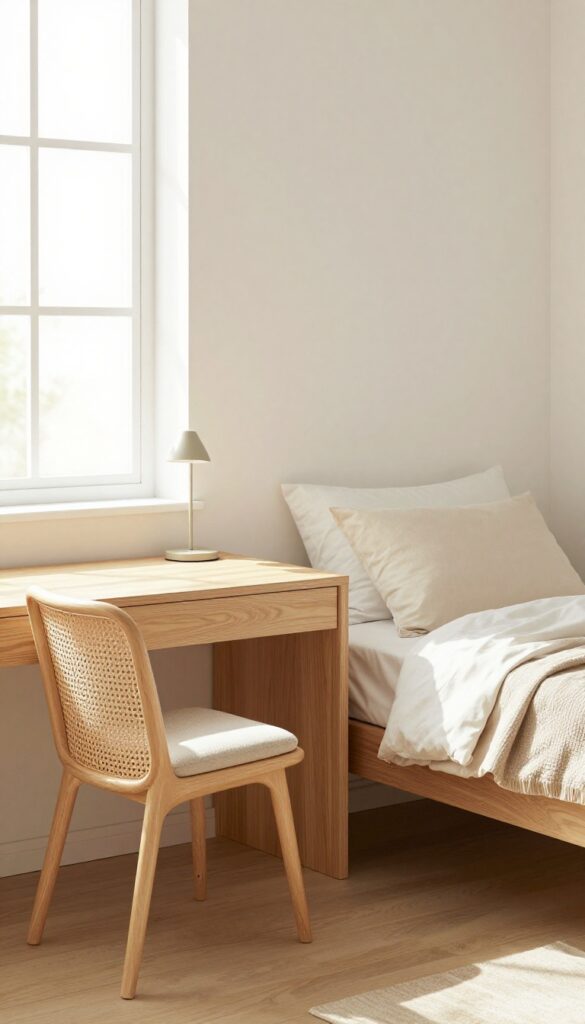
There's something quietly satisfying about tucking a workspace into a corner and letting a room divider do the heavy lifting. A folding screen or open shelving unit creates a gentle boundary between work and rest, so guests don't feel like they're sleeping in an office. It's a simple trick that makes both zones feel more intentional—and more private.
Why It Works
A room divider gives the guest a sense of separation without the need for a full wall. The desk feels tucked away, not dominant, and the sleeping area stays calm and uncluttered. It's an easy way to carve out two distinct moods in one room.
Best For
Narrow or L-shaped rooms where a traditional desk placement would block flow or feel too imposing. Also great for spaces where you want the guest bed to be the star and the desk to feel like a bonus.
Styling Tip
Choose a divider with warmth—a rattan screen, a wooden bookshelf, or a fabric panel in a soft neutral. Keep the desk simple: a slim corner unit in a light wood tone, a small task lamp, and a cozy chair that doesn't scream 'office.'
4. Built-In Window Seat With Desk Extension
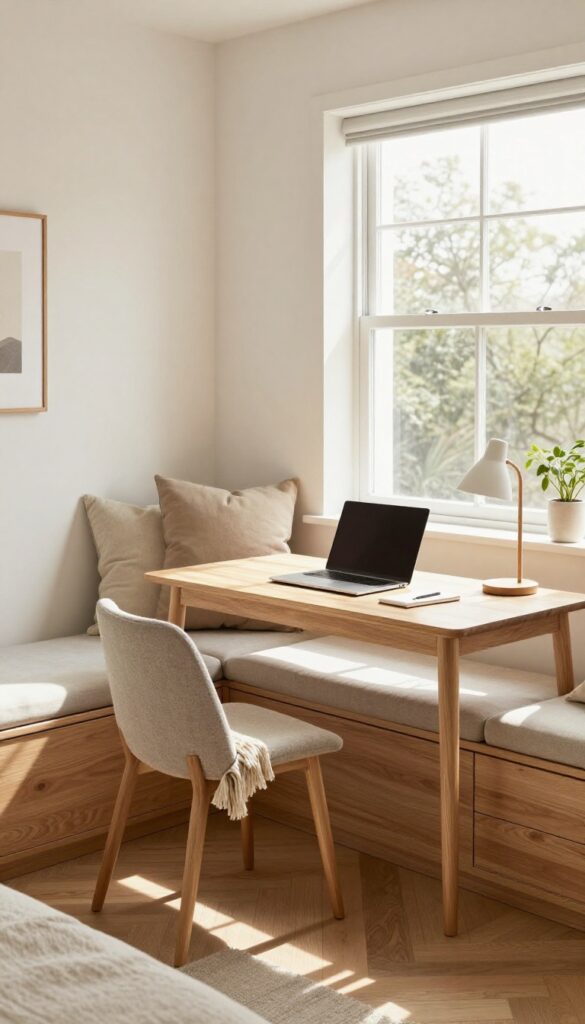
A window seat that flows into a slim desk is one of those ideas that makes a small room feel twice as big. The seat itself becomes a cozy spot for morning coffee or an afternoon read, while the extended surface gives you a proper place to work. When guests come, you can toss a couple of pillows on the seat and turn it into a makeshift bed—no bulky sofa bed needed.
The whole setup feels intentional and polished, like it was always meant to be there.
Why It Works
This layout uses every inch of window wall space without making the room feel crowded. The storage underneath the seat hides bedding, office supplies, or out-of-season clothes, so clutter stays out of sight. The desk extension is narrow enough to leave walking room but wide enough for a laptop and a notebook, making it practical for daily use and overnight stays alike.
Best For
Narrow rooms where a traditional desk and a separate seating area just won't fit. It's also ideal if you love natural light while you work and want a guest spot that feels more like a window-side retreat than a spare bed.
Styling Tip
Choose a warm wood tone for the built-in to match your floor or trim, then add a cushion in a soft neutral or muted earthy color. A small table lamp on the desk and a throw blanket on the seat instantly make the space feel lived-in and inviting.
5. Loft Bed Over a Desk
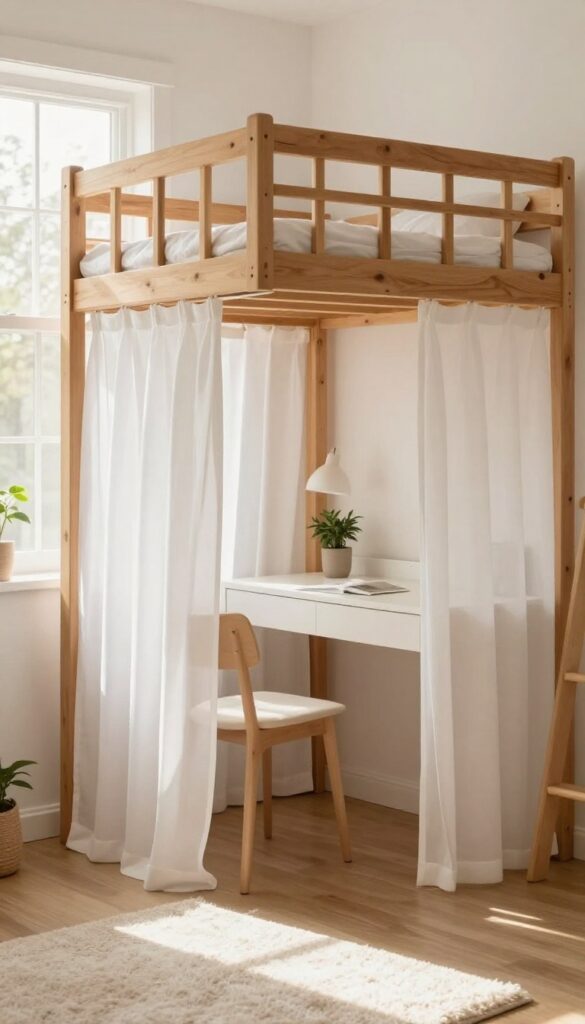
Raising the bed off the ground changes everything in a small room. A loft bed frees up the entire floor below for a full-size desk, turning a cramped space into a functional work zone. With the right styling—soft curtains or a canopy underneath—the area feels cozy and intentional, not like a college dorm.
Why It Works
By stacking the sleeping and working areas vertically, you reclaim precious square footage. The desk below feels like a private nook, especially when you add a curtain or screen for visual separation. This layout makes a tiny room feel larger and more purposeful.
Best For
Perfect for small guest rooms under 100 square feet or any room where you need both a comfortable bed and a proper desk. Also great for kids' rooms or studio apartments where every inch counts.
Styling Tip
Choose a loft bed with a sturdy, warm wood finish to keep the room feeling grounded. Hang a sheer curtain or string lights under the bed to soften the look and create a cozy work alcove. Add a plush rug and a small lamp on the desk to warm up the space.
6. Sliding Barn Door Desk Hideaway
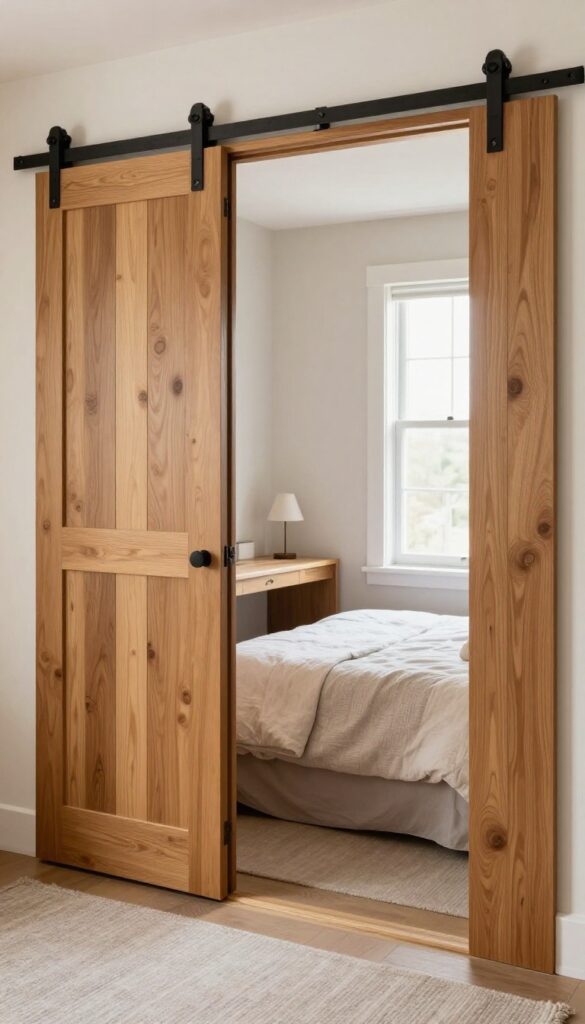
There’s something almost magical about closing off your workspace with a single, beautiful sliding barn door. In a guest room that doubles as a home office, this trick lets you keep your desk fully set up behind closed doors, so the moment visitors arrive, the room instantly feels like a calm, uncluttered bedroom. The barn door itself becomes a focal point—warm wood tones or a soft painted finish can anchor the whole space, making the transition from work mode to guest mode feel effortless.
Why It Works
It hides the office clutter completely, so guests never feel like they’re sleeping in a workspace. The sliding door also saves floor space compared to a hinged door, and the visual warmth of the barn door adds a cozy, lived-in feel that makes the room welcoming.
Best For
Small guest rooms or alcoves where you need to maximize every square foot. It’s also perfect for anyone who works from home but wants to offer guests a true retreat without any visual reminders of deadlines or to-do lists.
Styling Tip
Choose a barn door in a warm wood tone like oak or walnut to complement cozy textiles. Add a soft, neutral rug and layered bedding to keep the room feeling inviting. Inside the alcove, use a narrow desk and a small lamp to keep the workspace functional but compact.
7. Convertible Sofa Bed With a Secretary Desk
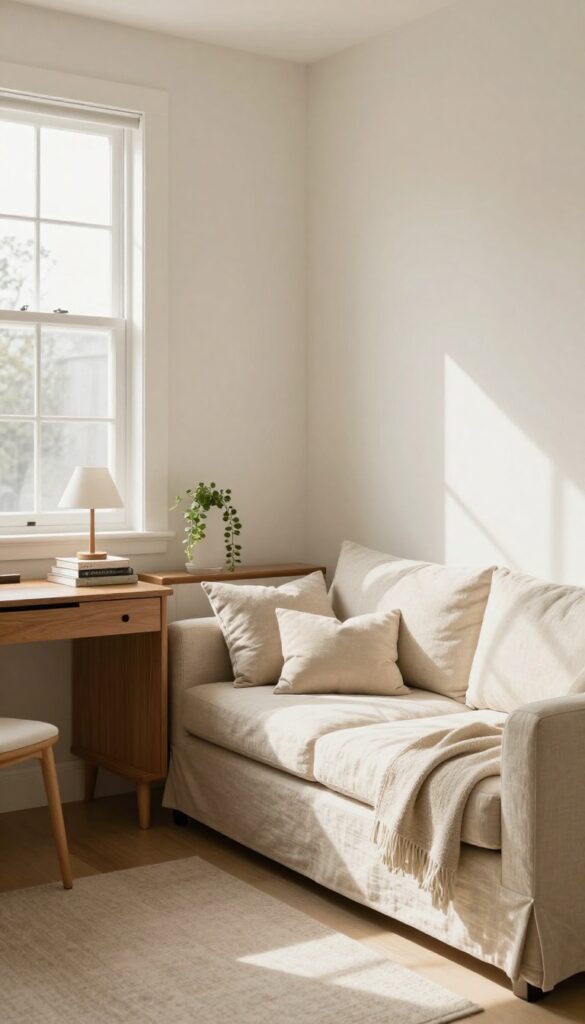
There’s something quietly brilliant about a sofa bed that doesn’t scream “guest room.” When you pair it with a secretary desk, the whole setup feels like a cozy living area first, a workspace second, and a sleeping space only when needed. The drop-down front of the desk hides all your papers and gadgets, so even when you’re not working, the room stays tidy and welcoming. It’s the kind of arrangement that makes your guests feel like they’re staying in a real home, not a converted office.
Why It Works
The secretary desk gives you a dedicated work surface that completely disappears when closed, keeping the room from feeling cluttered. Meanwhile, the sofa bed offers comfortable seating during the day and a proper bed at night. Together, they create a seamless transition between work and rest without any bulky furniture dominating the space.
Best For
This combo is ideal for small to medium-sized rooms where you need to maximize every square foot without sacrificing style. It’s especially great if you frequently host overnight guests but also need a functional workspace during the day.
Styling Tip
Choose a sofa bed in a warm, neutral fabric like linen or velvet in a soft beige or dusty rose. Top the secretary desk with a small lamp, a stack of books, and a trailing plant to make the closed front feel like a decorative console. Add a cozy throw blanket and a couple of pillows to the sofa to reinforce that lived-in, inviting vibe.
8. Wall-Mounted Drop-Leaf Desk
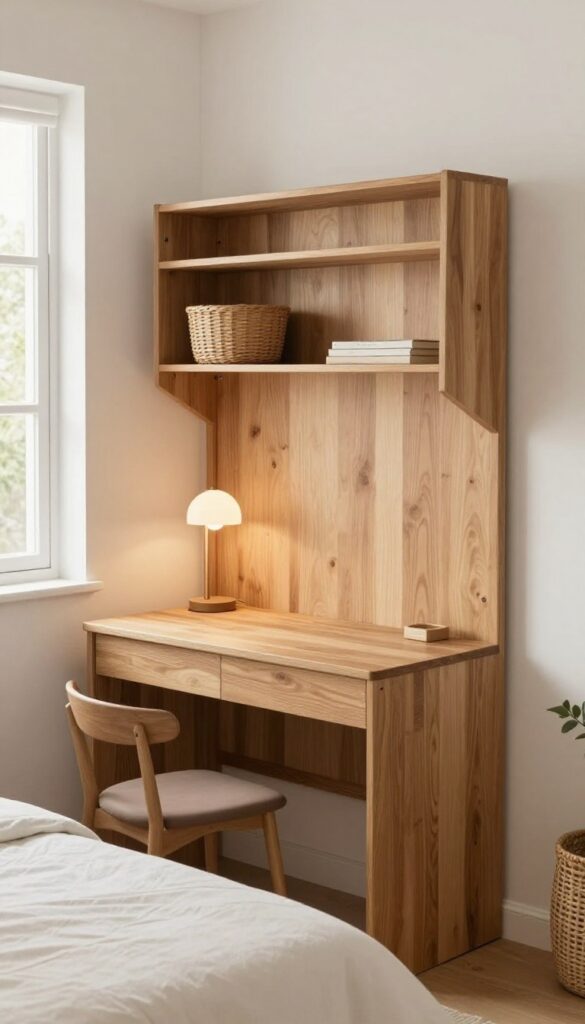
When you need a workspace that can disappear in seconds, a wall-mounted drop-leaf desk is a game-changer. It folds flat against the wall when not in use, instantly freeing up floor space for a guest bed or a cozy sitting area. The warm wood finish keeps the room from feeling like a cold, temporary setup and instead adds a touch of natural coziness that makes guests feel welcome.
Why It Works
This setup gives you a functional desk without sacrificing the room's primary purpose as a guest space. When visitors arrive, you simply fold the desk down and the room transforms back into a comfortable bedroom. It's a practical solution that doesn't force you to choose between work and hospitality.
Best For
Small guest rooms where every square foot counts, especially if the room needs to double as a home office during the day. It's also great for rooms with limited wall space, since the desk can be mounted above a dresser or next to a window without blocking traffic flow.
Styling Tip
Keep a small basket on a nearby shelf or under the desk to store a laptop and a few essentials. When guests come, you can quickly tuck everything away and the room feels clutter-free. Add a soft table lamp with a warm bulb to make the desk area feel inviting even when folded down.
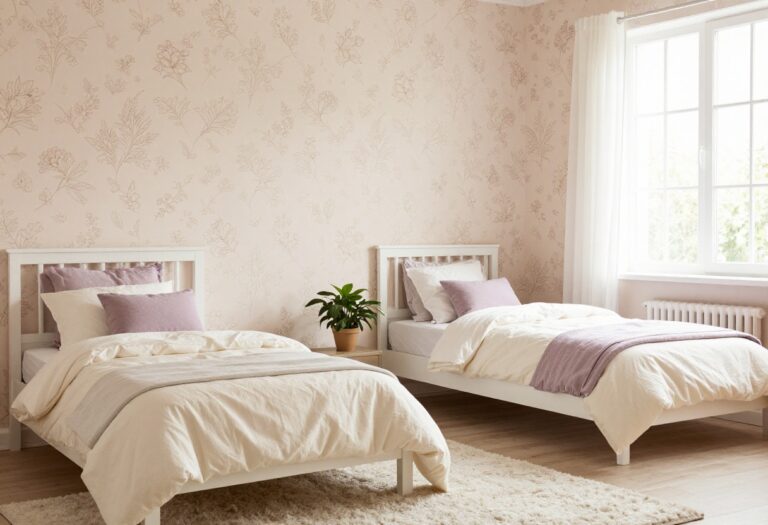
9. Twin Beds With Shared Desk Between
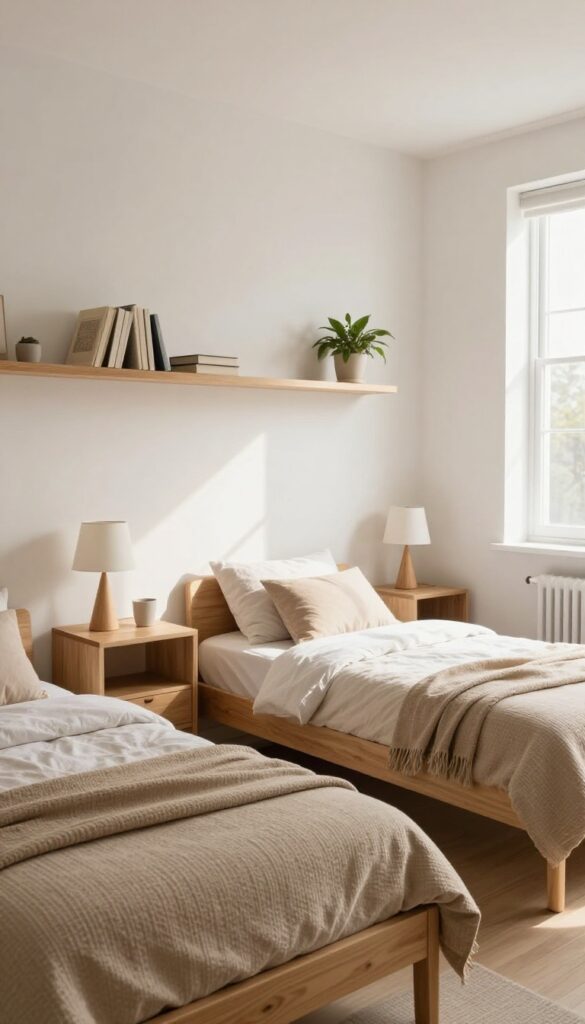
Picture this: two twin beds lined up against the wall with a long desk stretching between them. It’s a setup that feels both nostalgic and practical—perfect when siblings or close friends share the room. The desk becomes a natural gathering spot for homework, late-night chats, or catching up on emails while still keeping each person’s sleeping area distinct.
Warm bedding in soft earth tones and a matching lamp on each side make the whole arrangement feel cozy and intentional, not cramped.
Why It Works
This layout maximizes floor space by combining two functions into one linear setup. The shared desk eliminates the need for separate workstations, while the twin beds ensure everyone has their own sleeping zone. It’s efficient without feeling crowded, and the symmetry creates a calm, balanced look.
Best For
Families with two kids sharing a guest room, or hosts who frequently welcome pairs of guests—like sisters or college friends. It’s also great for a home office that doubles as a kids’ sleepover space.
Styling Tip
Use a long, slim desk that doesn’t jut out too far, and add a simple shelf above for shared supplies. Keep the beds dressed in matching linens but let each person choose a small personal item—like a throw pillow or a framed photo—to claim their side.
10. Armoire Desk With Hidden Storage
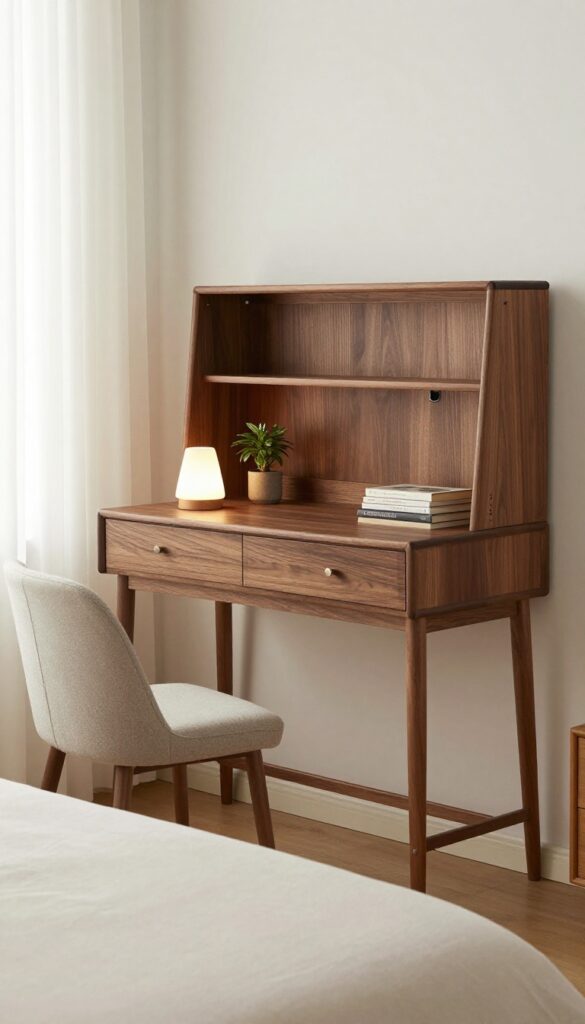
There’s something satisfying about a piece of furniture that hides an entire workspace behind closed doors. An armoire desk does exactly that—it looks like a handsome cabinet when shut, but open it up and you’ve got a full desk with shelves and cubbies for all your office gear. This setup keeps the guest room feeling calm and uncluttered, even when you’re in the middle of a workday.
The best part? You can style the top like a console table, adding a lamp, a stack of books, or even a small TV so the room still feels welcoming.
Why It Works
It eliminates visual clutter instantly. Guests walk into a tidy, cozy bedroom, not a makeshift office. When you need to work, everything is neatly organized behind the doors—printer, papers, pens, and all.
Best For
Small guest rooms where every square inch counts, and for anyone who wants a dedicated workspace that doesn’t dominate the room. Also great if you host guests often and want the room to feel like a proper bedroom, not a cubicle.
Styling Tip
Choose an armoire in a warm wood tone like walnut or oak to keep the room feeling lived-in. Add a soft, upholstered chair in a neutral fabric—it can serve as your desk chair and an extra seat for guests. Place a small tray on top with a candle or a plant to soften the look.
11. L-Shaped Desk in a Walk-In Closet
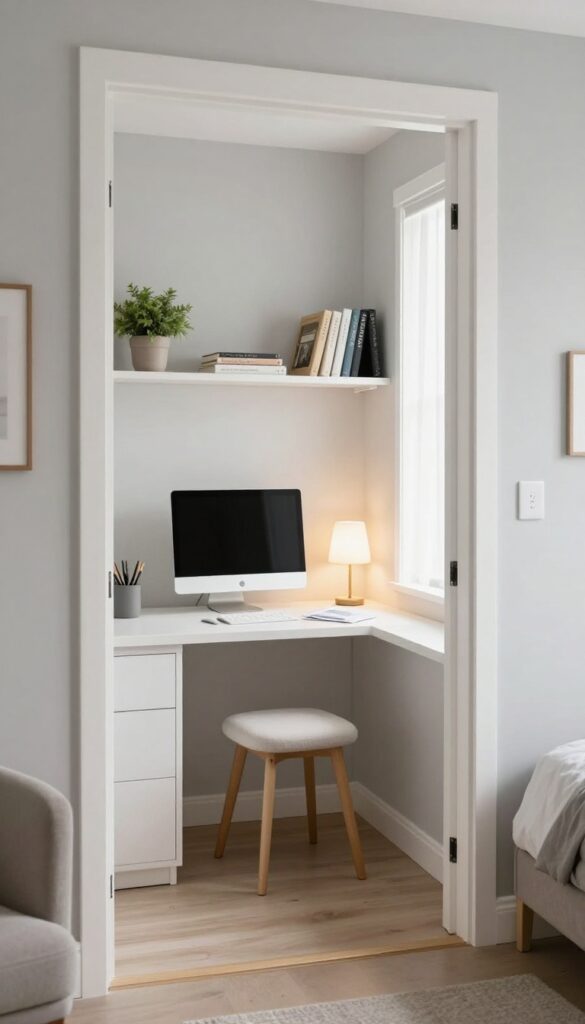
Walk-in closets often end up as dumping grounds for luggage and out-of-season clothes. But if your guest room has one, you can turn it into a surprisingly effective workspace. An L-shaped desk fits neatly inside, giving you room for a monitor, paperwork, and maybe even a small lamp.
The main room stays dedicated to guest comfort with a bed and cozy seating, so the dual purpose feels seamless.
Why It Works
This setup keeps work completely out of sight when the door is closed, so guests never feel like they're sleeping in an office. The L-shape maximizes corner space, and you can close the door to hide any clutter at the end of the day.
Best For
Anyone with a guest room that has a walk-in closet at least 5 feet deep. It's ideal if you work from home occasionally but don't want a permanent desk in the sleeping area.
Styling Tip
Paint the closet walls a warm neutral like a soft beige or greige to keep the nook from feeling cramped. Add a small task lamp with a warm bulb and a cushioned stool that slides under the desk. A shallow shelf above the monitor can hold a plant or a few books for personality.
FAQ
How do I make a home office guest room feel warm and not like a cubicle?
Layer in soft textiles like a chunky knit throw, velvet pillows, and a wool rug. Use warm lighting with table lamps and floor lamps instead of harsh overheads. Choose furniture with natural wood tones and add personal touches like plants or art.
What is the best bed for a small home office guest room?
A daybed with a trundle or a Murphy bed are top choices. Daybeds offer seating during the day, while Murphy beds fold away completely to free up floor space. Both options keep the room flexible for work and rest.
How can I hide office clutter when guests come?
Use furniture with hidden storage like a secretary desk, armoire, or cabinet with doors. Baskets and bins on shelves also help corral supplies. A room divider or curtain can conceal the work zone entirely.
What color scheme works best for a dual-purpose room?
Stick to warm neutrals like beige, cream, soft gray, or warm taupe. These colors create a calm backdrop for both work and sleep. Add accent colors like sage green, dusty rose, or terracotta through decor for a cozy feel.
How do I arrange furniture to make the room feel bigger?
Keep the bed against one wall and the desk on the opposite side. Use vertical storage like floating shelves to free up floor space. Choose furniture with legs to create an airy look, and avoid bulky pieces that overwhelm the room.
Conclusion
Blending a home office with a guest room doesn't mean sacrificing style or comfort. With the right layout and a few smart furniture choices, you can create a space that feels warm, welcoming, and perfectly suited for both work and hosting.
Start with one idea that fits your room size and daily needs, then layer in cozy textures and personal touches. Your dual-purpose room can be just as inviting as any single-use space—and a lot more practical.