10 Kitchen Flooring Ideas to Elevate Your Cooking Area
Ever feel like your kitchen floor is silently judging you? Old linoleum, chipped tiles, or those dated patterns from the early 2000s—yep, they’ve got to go.
Flooring is the foundation of your kitchen’s entire vibe, yet it’s often the last update we think about.
The good news? Refreshing your floor doesn’t have to mean draining your savings or weeks of renovation chaos.
From timeless ceramic to eco-friendly cork, I’ve rounded up 10 kitchen flooring ideas that are stylish, practical, and built to handle real life (think spills, pets, and late-night snack runs).
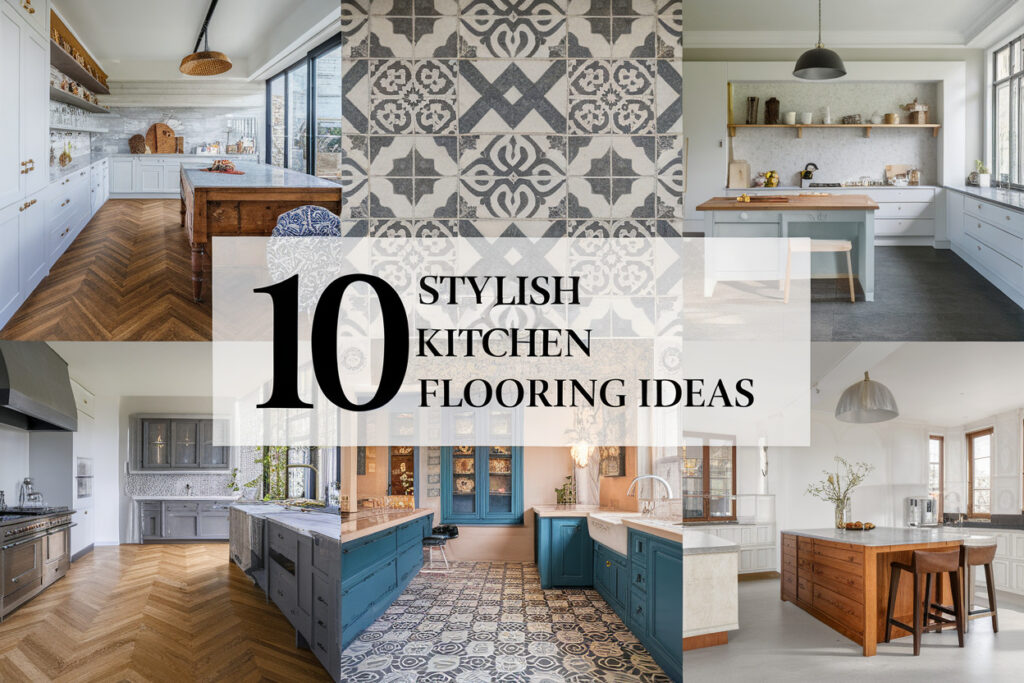
Ready to give your kitchen floor the glow-up it deserves? Let’s dive in.
Finding Inspiration Before You Choose
Before you jump into samples and swatches, think about what you want your kitchen to feel like. Do you want a warm and cozy farmhouse vibe, or are you after a sleek, modern look?
Maybe you need durability above all else because your kitchen doubles as snack central for the kids.
Sometimes all it takes is one spark of inspiration to guide the rest of your choices. That’s what this list is for—to make decorating less overwhelming and way more exciting.
Let’s explore the possibilities together.
1. Classic Ceramic Tile for a Clean, Crisp Look
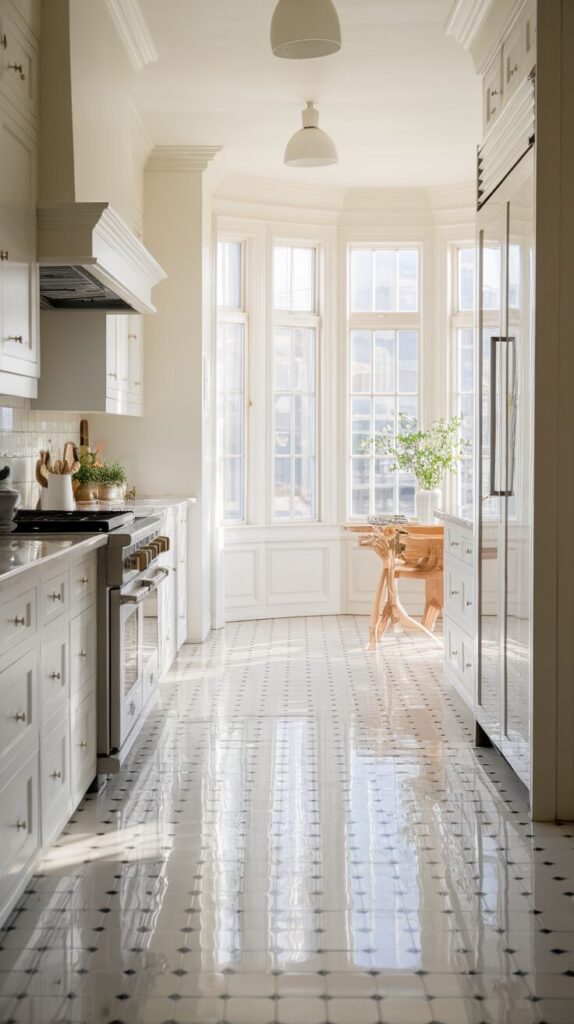
One fun way to elevate your cooking space is by sticking with a classic: ceramic tile. It’s a go-to for good reason—timeless, versatile, and incredibly durable, especially in kitchens where spills and traffic are part of daily life.
Ceramic tiles come in a rainbow of colors, patterns, and shapes, so whether you’re all about crisp white subway style or Moroccan-inspired flair, there’s something for you. The variety makes it easy to match any design vibe, from minimal modern to traditional charm.
Plus, cleanup is a breeze. A quick wipe and your floor looks spotless again. With budget-friendly price points and a style that never fades, ceramic tile remains one of the smartest kitchen investments you can make.
2. Hardwood Floors with a Modern Twist
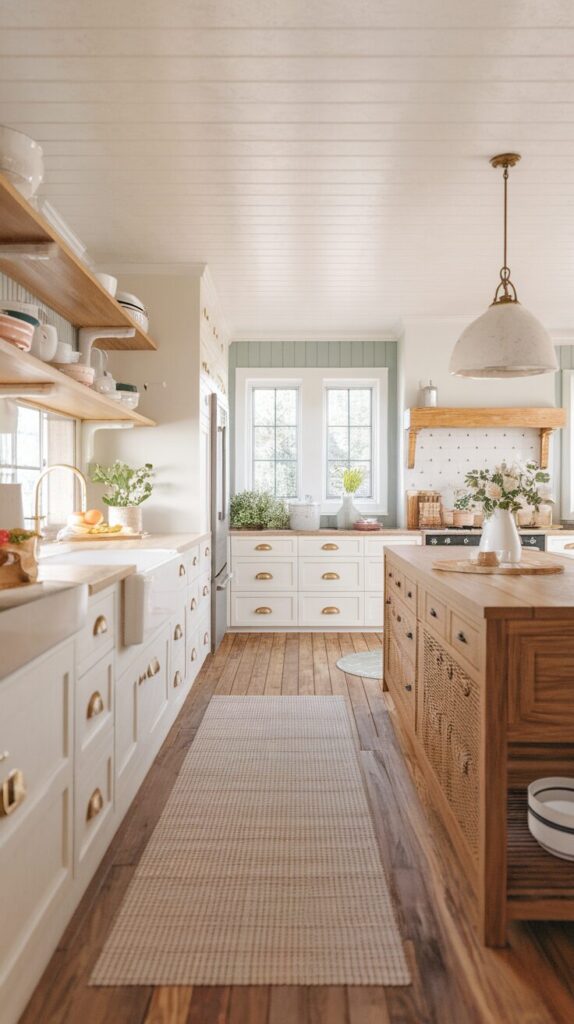
There’s just something about hardwood floors that warms up a kitchen instantly. If you love that farmhouse-chic vibe or simply want your space to feel welcoming, hardwood delivers every time.
Today’s engineered wood gives you the beauty of natural hardwood with better resistance to moisture—a big win in spill-prone kitchens. Lighter stains pair beautifully with airy cabinets, while darker tones add drama and depth.
And here’s the best part: hardwood floors never really go out of style. They add lasting value to your home while giving your kitchen that cozy, lived-in feel that’s both functional and beautiful.
3. Trendy Terrazzo That Screams Style
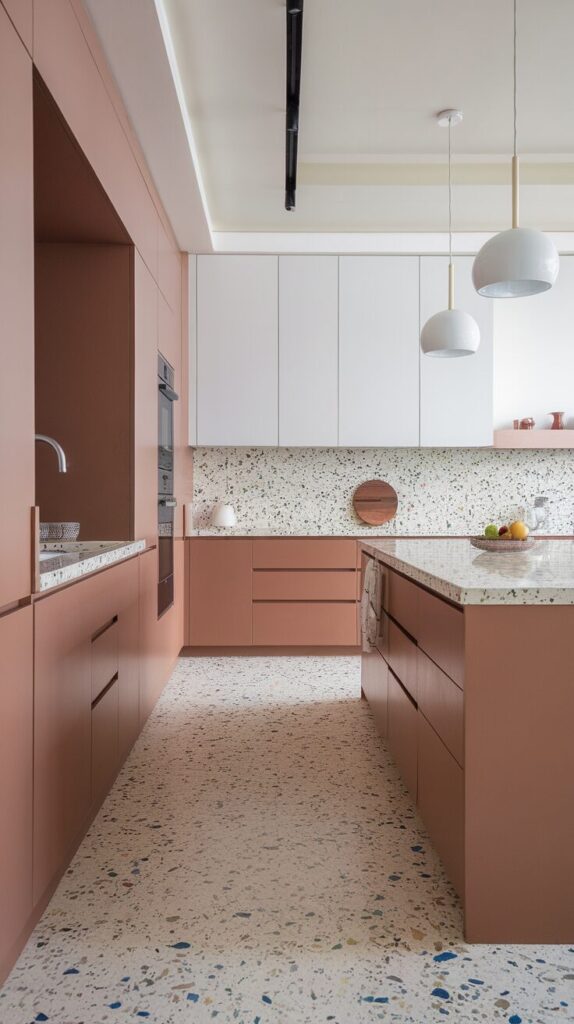
Why not try terrazzo if you’re craving something bold? This speckled flooring has been making a major comeback, and it’s easy to see why—it’s equal parts artsy and practical.
Made from a mix of marble, quartz, and glass chips, terrazzo brings a playful splash of color underfoot. It works especially well in modern, retro, or minimalist kitchens, where the floor itself doubles as décor.
Durability? Check. Low maintenance? Double check. Terrazzo is a long-lasting option that doesn’t just stand up to wear but actually gets better with age.
4. Waterproof Luxury Vinyl Planks (LVP)
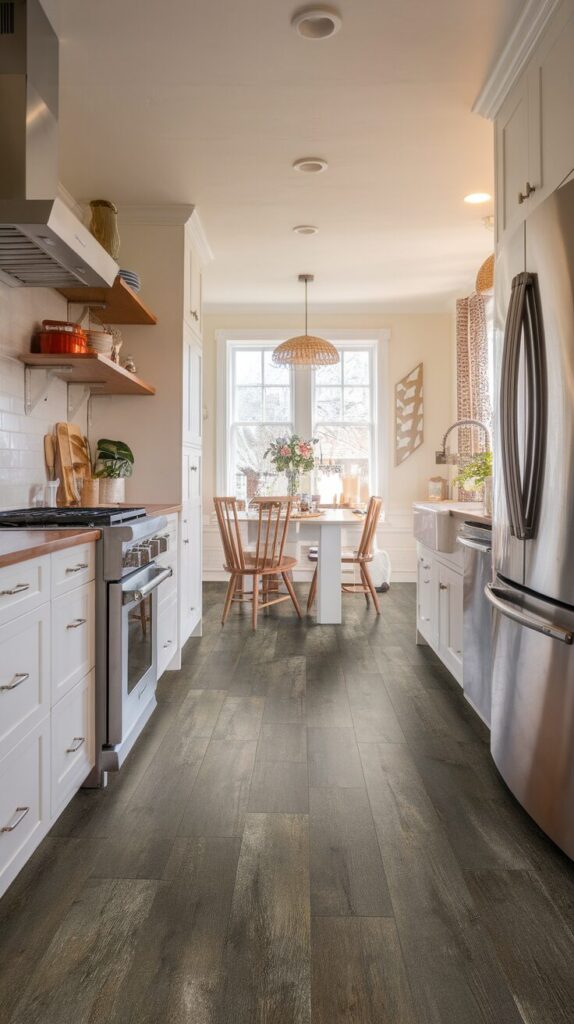
Kick off your makeover with the MVP of flooring: luxury vinyl planks. Affordable, waterproof, and shockingly realistic in design, LVP is a favorite for busy homes.
You’ll find planks that mimic wood, stone, or concrete—so you can achieve that high-end look without the high-end price tag. Plus, it’s softer underfoot compared to tile, making long cooking sessions more comfortable.
And installation? A breeze. Whether you hire a pro or DIY, LVP makes it easy to get a stylish, family-friendly floor without the stress.
5. Polished Concrete for an Industrial Edge
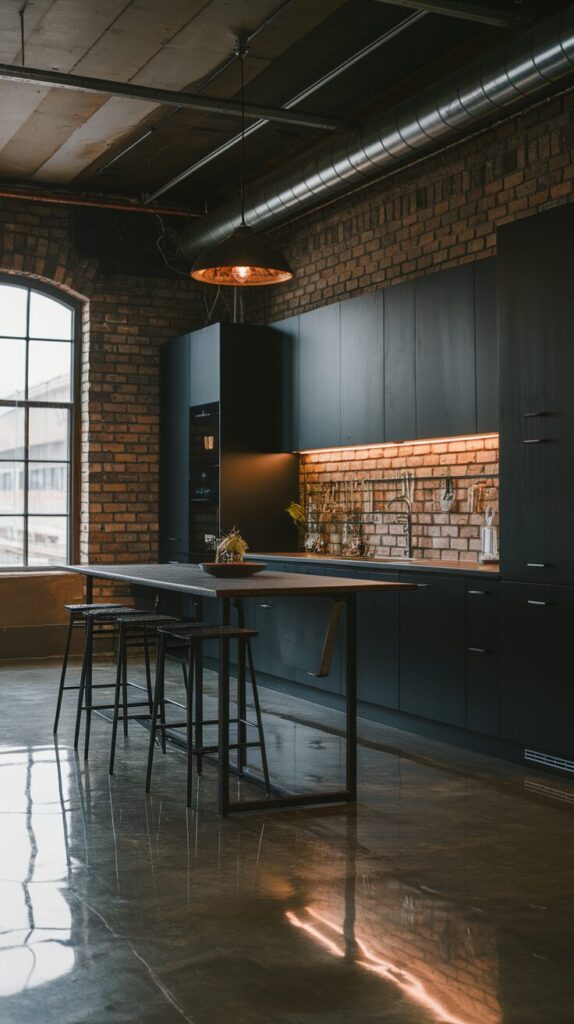
Here’s a unique twist for your kitchen: polished concrete. Sleek and industrial, this flooring makes your space feel modern and ultra-cool.
Concrete can be stained, dyed, or polished to achieve anything from glossy chic to rustic charm. Pair it with warm wood accents, and suddenly the vibe shifts from cold to cozy.
The best part? It’s nearly indestructible. If your kitchen is a high-traffic zone, concrete can handle anything life throws at it—literally.
6. Bold Patterned Cement Tiles
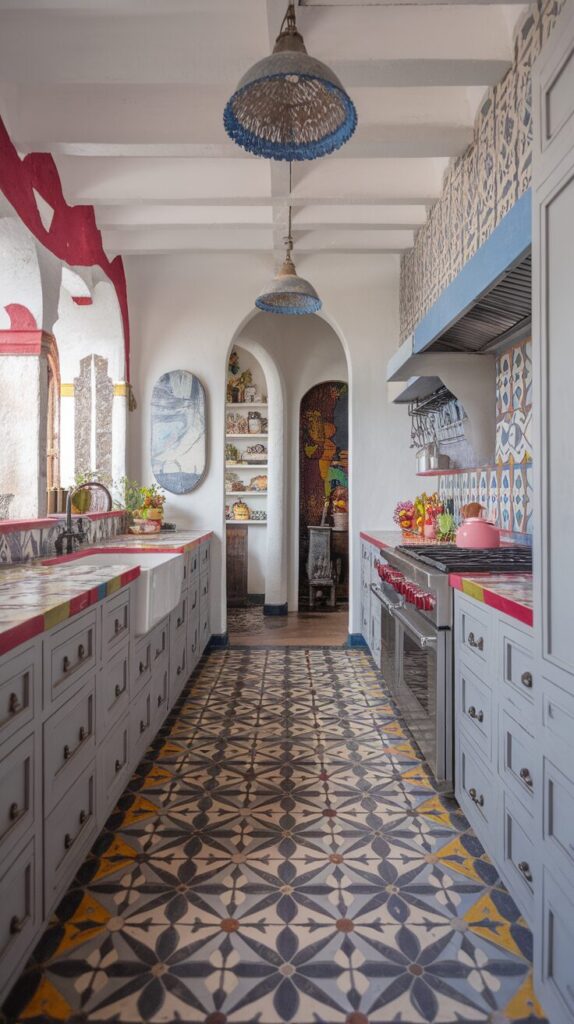
This one’s perfect for anyone craving personality in their space. Cement tiles with bold patterns turn your floor into a statement piece that steals the show.
Think vibrant colors, geometric shapes, or intricate Mediterranean-inspired designs. Keep the rest of the kitchen simple so your flooring becomes the star.
Yes, cement tiles need sealing, but the visual impact is worth the extra care. They transform a basic kitchen into a conversation starter.
7. Natural Stone for Luxe Vibes
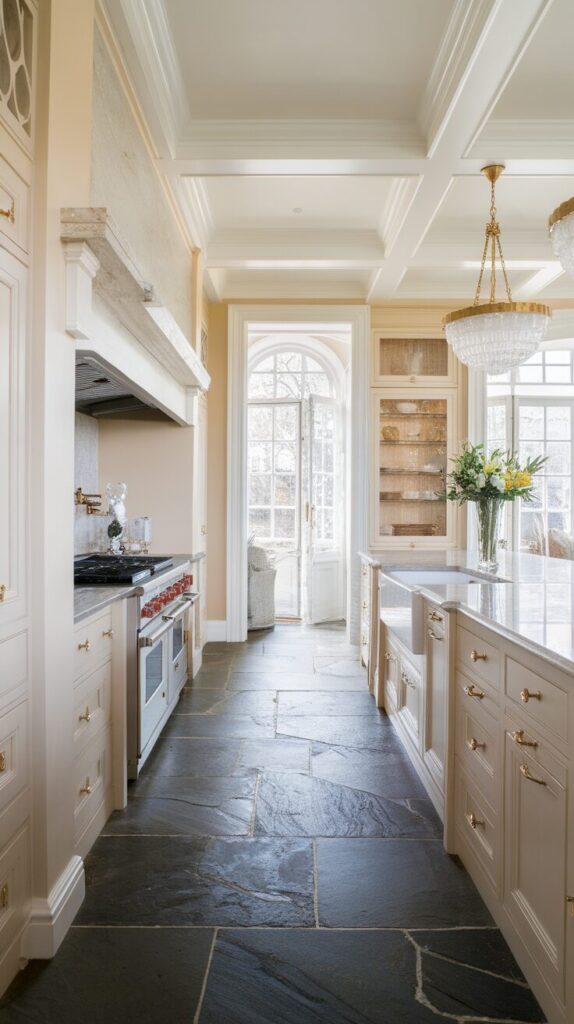
If luxury is the goal, natural stone flooring checks all the boxes. Slate, marble, and travertine each bring a unique texture and richness that can’t be replicated.
Every piece of stone is one of a kind, giving your kitchen a truly custom look. Pair it with minimalist décor for a high-end, gallery-like feel.
Just remember: sealing is a must to maintain its beauty. When properly cared for, stone becomes a timeless feature that adds value to your entire home.
8. Sustainable Cork That’s Easy on Feet (and Earth)
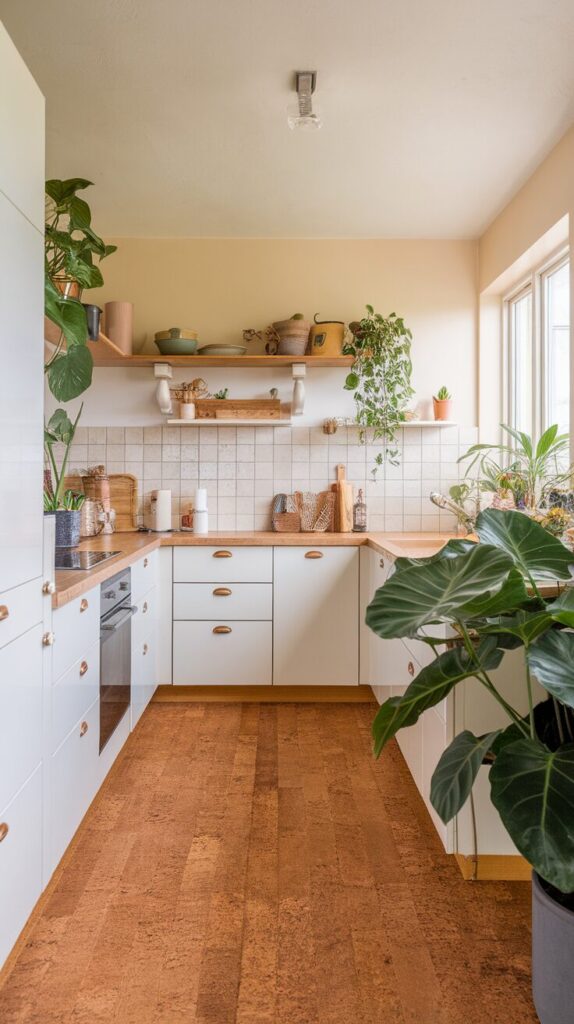
Looking for eco-friendly comfort? Cork is your answer. Soft, cushiony, and naturally antimicrobial, it’s ideal for cooks who spend hours standing in the kitchen.
It also happens to be a green choice—cork is harvested without harming trees, making it sustainable and stylish. Plus, it insulates both sound and temperature, creating a cozy vibe.
And don’t worry—modern cork flooring comes in chic finishes and stains that rival more traditional materials in style.
9. Durable Porcelain That Works Overtime
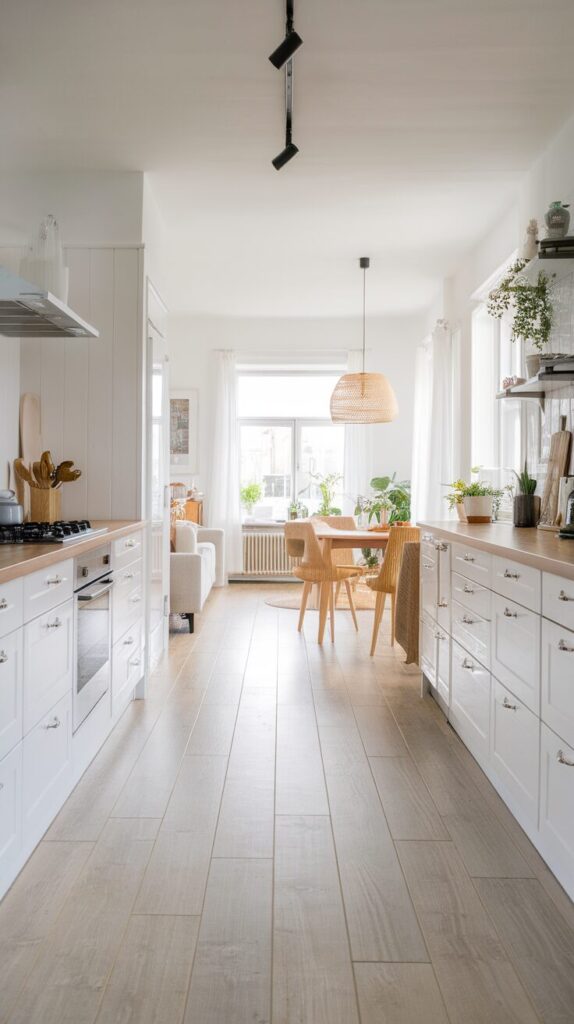
You’ll want to consider porcelain if durability is your top priority. Tougher and denser than ceramic, it’s built for kitchens that see nonstop action.
Porcelain tiles can mimic wood, stone, or even concrete, giving you design flexibility without the upkeep of natural materials. It’s especially perfect for open-plan homes where seamless flooring creates a sense of flow.
And since it’s water-resistant and low maintenance, porcelain is a true workhorse that still delivers plenty of style points.
10. Peel-and-Stick Vinyl for Budget DIYers
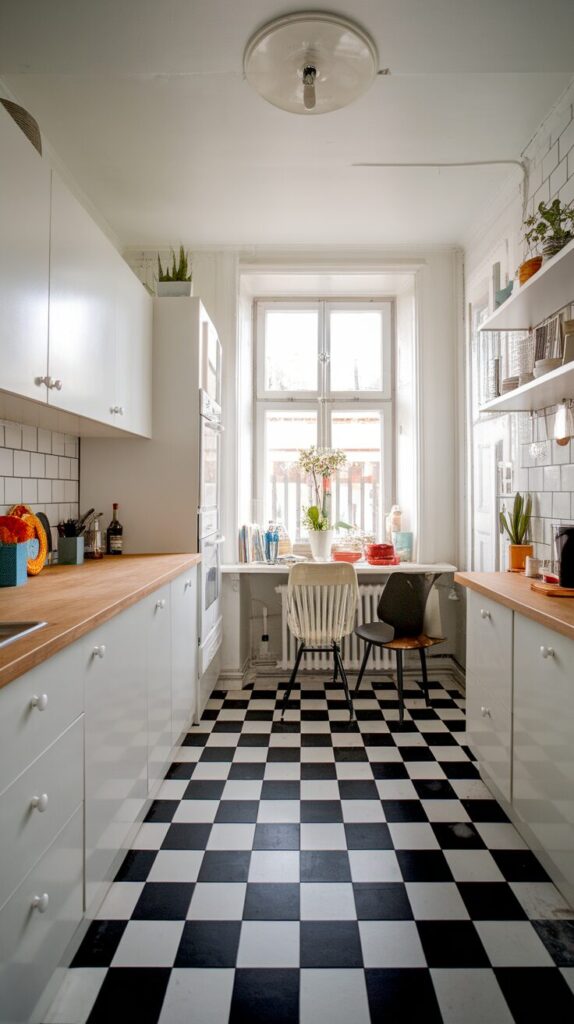
Here’s a budget-friendly hack: peel-and-stick vinyl tiles. Ideal for renters or anyone craving a quick update, these tiles give your kitchen a fresh look in just a few hours.
Choose from styles like faux marble, checkerboard, or classic woodgrain. With so many options, it’s easy to match your personal taste.
The best part? Installation is foolproof—even if your DIY skills end at hanging a picture frame. It’s proof that a stylish kitchen floor doesn’t need a huge investment.
How to Choose the Right Kitchen Flooring for Your Lifestyle
Before committing to any material, step back and think about how your kitchen actually functions day to day. Is it a high traffic family hub with kids and pets running through? Or is it more of a calm, design focused cooking space where aesthetics matter just as much as durability?
Start by ranking your top priorities: moisture resistance, scratch resistance, comfort underfoot, resale value, or budget. For example, busy households often benefit from waterproof kitchen flooring like luxury vinyl planks or porcelain, while design lovers may lean toward terrazzo or natural stone for visual impact.
Also consider your local climate. In humid areas, engineered wood or tile performs better than solid hardwood. In cooler climates, cork or wood adds warmth both visually and physically. Matching your flooring to your lifestyle is what keeps it looking beautiful for years instead of months.
Finally, think long term. The best kitchen flooring for resale is typically neutral, durable, and cohesive with the rest of the home. Choosing wisely now saves money, stress, and renovation headaches later.
Budget Planning and Cost Breakdown
Kitchen flooring costs can vary widely depending on material, installation, and subfloor preparation. Before shopping, set a realistic budget that includes not just the flooring itself but underlayment, labor, trim, and sealing if required.
Affordable kitchen flooring options like peel and stick vinyl or ceramic tile can dramatically refresh a space without a full renovation budget. Mid range options such as LVP and engineered wood balance cost and durability. Higher end materials like natural stone or terrazzo require a bigger upfront investment but may increase home value.
Always order a little extra material to account for cuts and future repairs. Planning ahead prevents costly delays and ensures your project runs smoothly from start to finish.
Maintenance and Long Term Care Guide
Even the most durable kitchen flooring needs proper care to stay in top shape. Regular sweeping prevents grit from scratching surfaces, especially with wood or vinyl.
Use manufacturer recommended cleaners and avoid harsh chemicals that can damage finishes. For natural stone, resealing every year or two protects against stains and moisture. Hardwood may require refinishing over time to restore its original glow.
Simple habits like placing mats near sinks and entryways can extend the life of your flooring dramatically. A little preventive care goes a long way in preserving both beauty and performance.
Common Mistakes to Avoid
One of the biggest mistakes homeowners make is choosing flooring based purely on looks. A gorgeous material that cannot handle spills or heavy traffic will quickly become frustrating.
Another common issue is ignoring subfloor condition. Uneven or damaged subfloors can cause cracking, lifting, or squeaking later. Proper preparation is essential for long lasting results.
Skipping moisture considerations is another costly error. Kitchens are prone to spills, steam, and humidity, so waterproof or water resistant options are often the smarter choice.
Finally, underestimating installation complexity can derail a project. Some materials require professional expertise. Know your limits before committing to a full DIY approach.
Frequently Asked Questions
What is the most durable kitchen flooring option?
Porcelain tile and luxury vinyl planks are among the most durable options. They resist moisture, scratches, and heavy foot traffic, making them ideal for busy kitchens.
What is the best kitchen flooring for homes with pets?
Scratch resistant and waterproof flooring like LVP or porcelain tile works best for pet owners. These materials handle claws, spills, and accidents with minimal damage.
Is hardwood flooring a good idea in the kitchen?
Yes, especially engineered hardwood, which offers better moisture resistance than solid wood. Proper sealing and regular maintenance are key to longevity.
What is the most budget friendly kitchen flooring?
Peel and stick vinyl and basic ceramic tile are typically the most affordable options. They offer style upgrades without a major financial commitment.
How do I choose flooring for an open plan kitchen?
Select a material that flows seamlessly into adjacent spaces. Porcelain tiles that mimic wood or consistent LVP planks help create visual continuity.
How often should kitchen flooring be replaced?
With proper care, most high-quality kitchen flooring lasts 15 to 30 years. Lifespan depends on material, installation quality, and daily wear and tear.
Conclusion
There you have it—10 kitchen flooring ideas that combine beauty, function, and personality. From bold patterned cement to the timeless charm of hardwood, your kitchen floor doesn’t have to be an afterthought.
Here’s a pro tip: start with your lifestyle. If you’ve got kids or pets, lean toward waterproof or scratch-resistant options like LVP or porcelain.
If you love a little luxury, natural stone or terrazzo may be your match. And if you’re renting or on a budget, peel-and-stick vinyl offers an instant glow-up.
Even small changes—like switching to cork for comfort or choosing a new tile pattern—can make your kitchen feel brand new. So go ahead, give your floor the spotlight it deserves. Your cooking area will thank you every time you step inside.