9 Kitchen Tile Backsplash Ideas That Add Texture and Personality
A kitchen backsplash is more than just a practical surface—it's a chance to inject personality and warmth into the heart of your home.
The right tile can transform a plain kitchen into a space that feels both modern and inviting.
Whether you're drawn to subtle texture or bold patterns, these nine ideas will help you create a backsplash that stands out without overwhelming the room.
1. Textured Subway Tiles for a Classic Twist
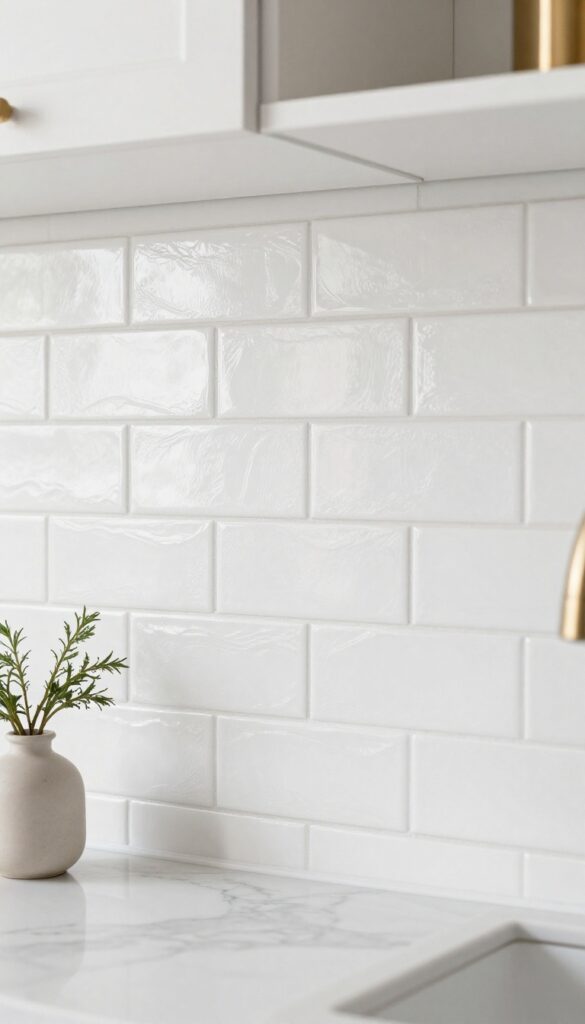
Subway tiles have been a kitchen staple for years, but the newest versions bring something extra to the table. Instead of the usual smooth, glossy finish, these tiles come with raised ridges, subtle waves, or a handcrafted texture that catches light in surprising ways. The result is a backsplash that feels familiar yet fresh—clean lines with a tactile, warm quality that makes the whole kitchen feel more inviting.
Why It Works
The texture adds depth and visual interest without overwhelming the space. Because the tile shape is still classic, it blends easily with different cabinet styles and countertop materials. The ridges or uneven surfaces create tiny shadows that shift throughout the day, giving the wall a living, dynamic feel that flat tiles just can't match.
Best For
This look is perfect for kitchens that lean modern but need a touch of warmth to feel lived-in. It works especially well in galley kitchens or open-concept spaces where the backsplash is a focal point. If you have white or light-colored cabinets, the texture will stand out beautifully without competing.
Styling Tip
Pair textured subway tiles with matte black or brushed brass fixtures to emphasize the handcrafted feel. Keep grout lines thin and in a matching color so the texture stays front and center. A simple floating shelf with a few ceramic dishes or a small plant can complete the look without clutter.
2. Zellige Tiles for Organic Warmth
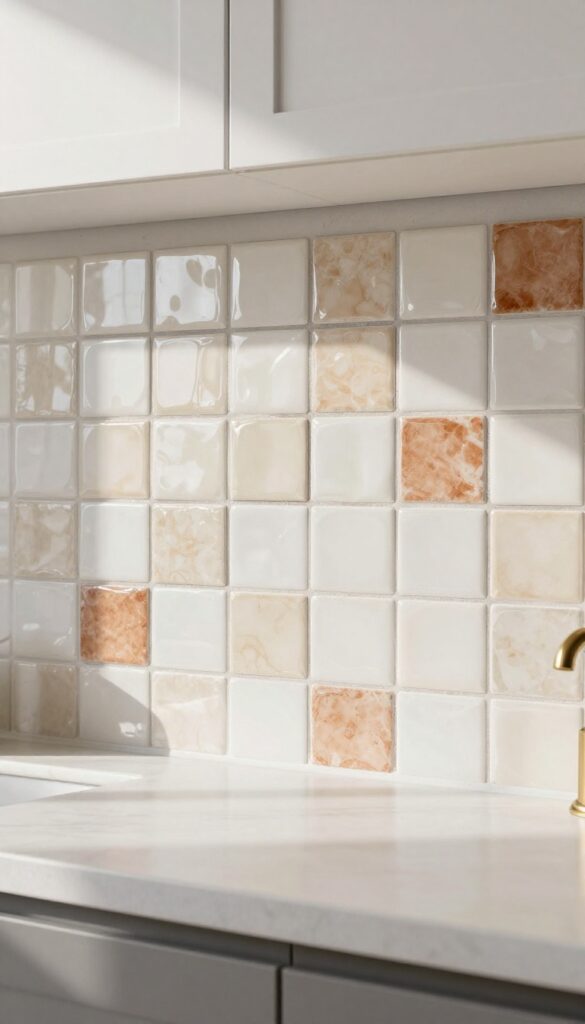
Handmade Moroccan tiles bring a level of texture and character that mass-produced options just can't match. Their glossy, uneven surfaces catch the light from different angles, creating a soft, ever-changing shimmer that makes the kitchen feel alive. The subtle color variations—ranging from creamy white to pale terracotta—add depth without overwhelming the space, making them a perfect fit for modern kitchens that want to feel warm and inviting.
Why It Works
Zellige tiles reflect light beautifully, which helps brighten the room while adding a tactile, organic quality. Their handmade nature means no two tiles are exactly alike, giving your backsplash a unique, artisanal feel that stands out without being loud.
Best For
These tiles shine in kitchens with plenty of natural light, where their glossy finish can really sparkle. They're ideal for homeowners who want a warm, earthy look that still feels clean and contemporary—especially in open-concept layouts where the kitchen flows into living areas.
Styling Tip
Pair zellige tiles with simple, flat-front cabinetry in a matte finish to let the backsplash take center stage. Keep countertops neutral—like white quartz or light wood—and add warm brass or copper fixtures to enhance the cozy, handcrafted vibe.
3. Herringbone Pattern with Matte Finish
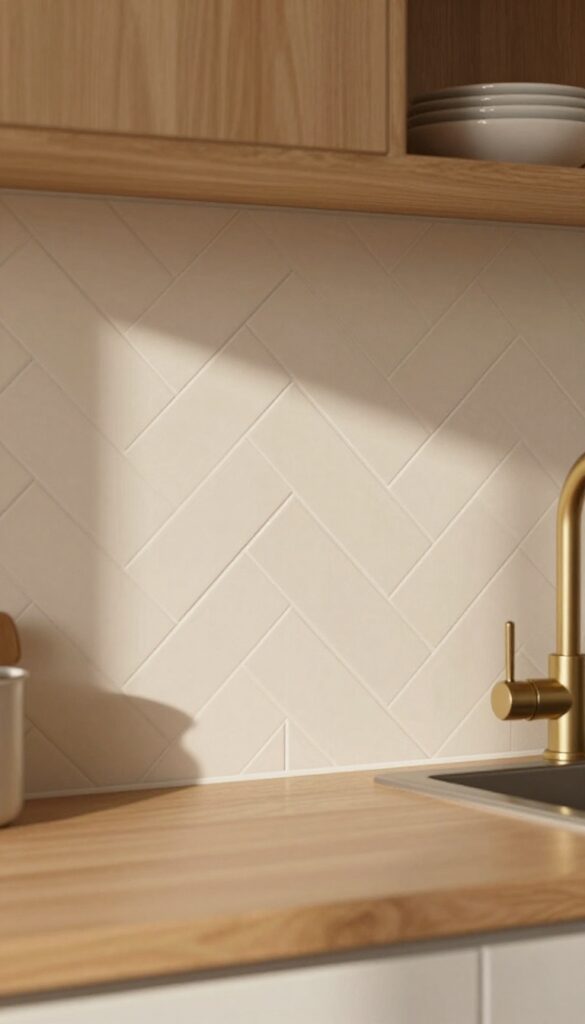
A herringbone layout brings instant energy to a kitchen wall, but pairing it with a matte finish keeps the look grounded and inviting. The angled lines draw the eye across the space, while the soft, non-reflective surface prevents the pattern from feeling too busy. It's a smart way to add texture without sacrificing the calm, cozy vibe that makes a kitchen feel like home.
Why It Works
The herringbone pattern creates a sense of movement that makes even a small backsplash feel dynamic. A matte finish absorbs light rather than bouncing it around, which reduces glare and gives the tile a soft, almost velvety appearance. This combination adds depth and interest without overwhelming the room.
Best For
This look shines in modern kitchens that lean warm and inviting, especially those with natural wood cabinets or warm neutral countertops. It's also great for galley kitchens or breakfast nooks where you want to add visual width without cluttering the space.
Styling Tip
Choose rectangular tiles in a soft white, warm gray, or sandy beige to keep the herringbone subtle. Pair with brushed brass or matte black fixtures for a gentle contrast, and add open shelving with a few ceramic pieces to echo the texture.
4. Large-Format Slabs for Seamless Texture
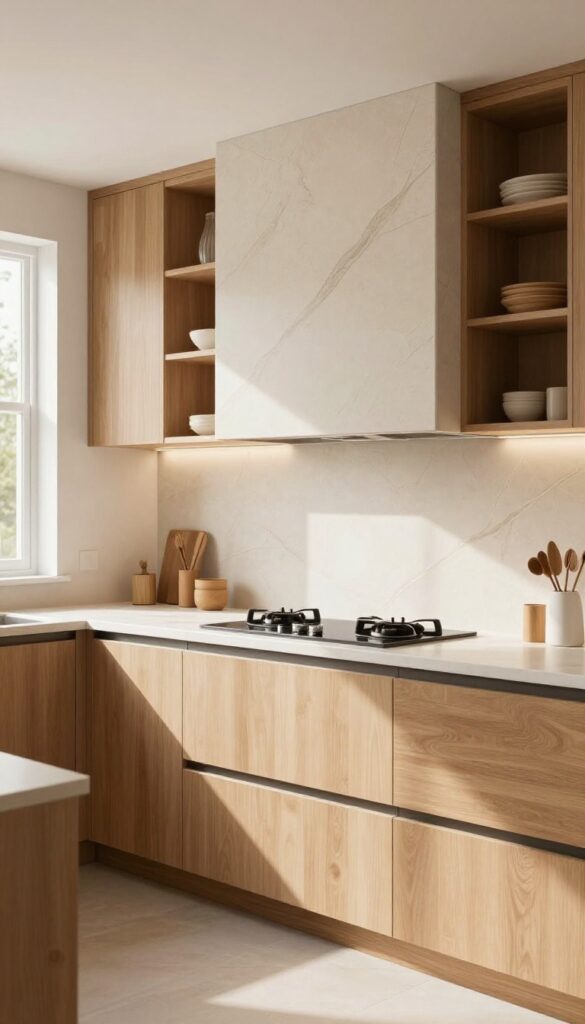
Think of a kitchen backsplash that feels like one continuous piece of stone—no busy patterns, just smooth, elegant surface. Large-format porcelain or ceramic slabs create that effect, with minimal grout lines and a clean, modern look. The subtle veining adds just enough texture to keep things interesting, while the warm tones in the slab can make the space feel cozy and grounded.
Why It Works
Fewer grout lines mean less visual clutter and easier cleaning. The slab's large surface area lets the natural veining flow uninterrupted, creating a sophisticated backdrop that doesn't compete with other kitchen elements. It's a quiet statement that adds depth without overwhelming the room.
Best For
This works beautifully in modern kitchens with clean lines, especially if you have a neutral color palette. It's also great for small kitchens because the seamless look can make the space feel larger and more open.
Styling Tip
Pair the slab with warm wood cabinets or open shelving to soften the cool stone look. Add under-cabinet lighting to highlight the veining and create a subtle glow that enhances the texture.
5. Hexagon Tiles with a Glossy Glaze
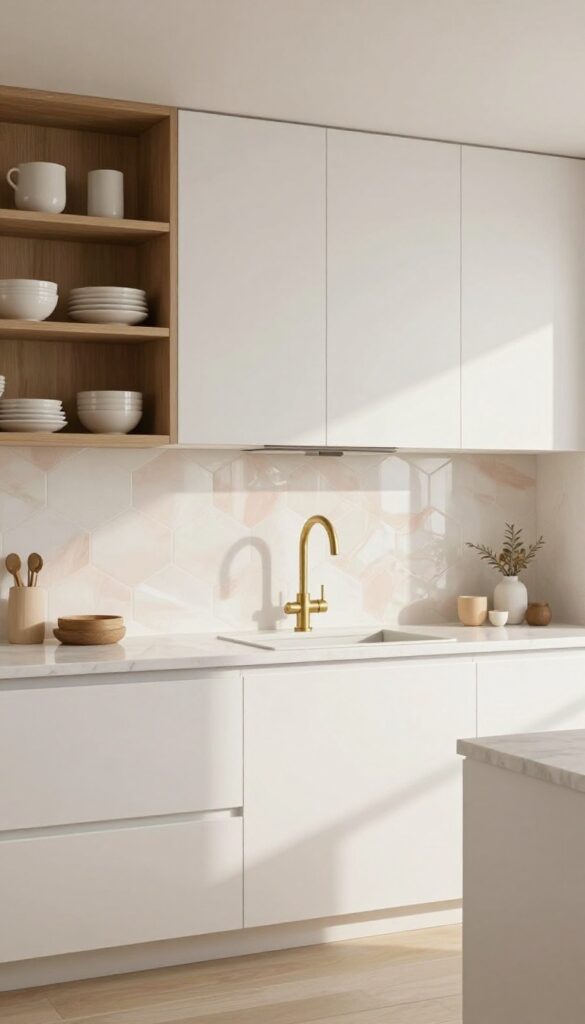
Geometric shapes are having a moment in kitchen design, and hexagon tiles offer a fresh twist on the classic subway tile. The honeycomb pattern feels modern and clean, while the glossy glaze adds a layer of warmth by bouncing light around the room. Soft neutrals like warm white or blush keep the look cozy, and the subtle sheen makes even a small kitchen feel more open and airy.
Why It Works
The hexagonal shape breaks up the monotony of straight lines without being too busy, and the glossy finish helps reflect light, making the space feel brighter. This combo adds visual texture and depth, which is especially helpful in kitchens that lack natural light or feel a bit flat.
Best For
This backsplash works beautifully in modern kitchens with clean lines, but it also softens industrial or minimalist spaces. It’s perfect for anyone who wants a touch of pattern without going full mosaic, and it pairs well with both white cabinets and warm wood tones.
Styling Tip
Stick to a single color for a cohesive look, or mix two muted pastels like pale pink and soft sage for extra personality. Pair with matte black or brushed brass fixtures to let the glossy tiles stand out without competing.
6. Vertical Stacked Tiles for Height
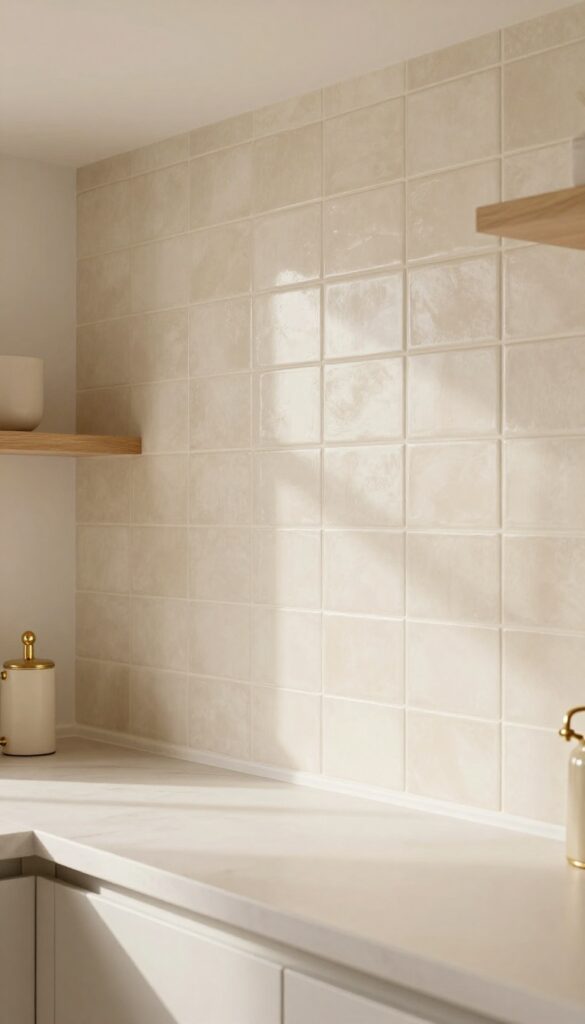
There's a reason vertical lines show up in fashion and design so often—they make everything look longer and leaner. The same trick works beautifully on a kitchen backsplash. Instead of laying subway tiles in the usual horizontal brick pattern, flip them 90 degrees and stack them straight up.
The result is a clean, modern look that subtly tricks the eye into seeing taller ceilings and a more spacious feel. It's a small shift in installation that makes a big visual difference, especially in kitchens with standard eight-foot ceilings.
Why It Works
Vertical stacking creates strong upward lines that naturally draw the gaze from countertop to ceiling. This elongates the wall and makes the whole kitchen feel airier. The uninterrupted vertical rhythm also feels more orderly and contemporary compared to the classic staggered pattern, giving your space a fresh, tailored edge.
Best For
This technique is ideal for galley kitchens, small spaces, or any room where you want to maximize the sense of height. It also works well behind a range or sink where you want a focal point that feels purposeful and sleek. If your kitchen has low ceilings or limited square footage, vertical stacking is a smart, budget-friendly way to open things up.
Styling Tip
- To keep the look warm and cozy, choose tiles with a soft, matte finish in a neutral tone like warm white, creamy beige, or soft gray. Pair them with natural wood open shelving and brass or matte black fixtures for a balanced contrast. Avoid high-gloss tiles here—they can feel too cold and clinical.
- A warm grout color (like sand or almond) will also help soften the overall effect.
7. Hand-Painted Tiles for a Personal Touch
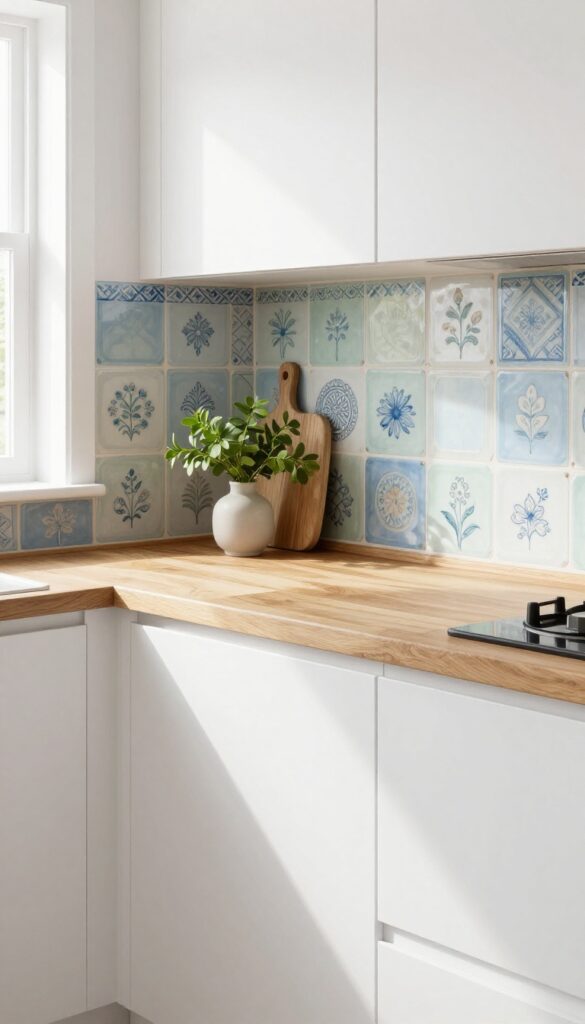
Artisan tiles bring a layer of story and craft to your kitchen that mass-produced options just can't match. Hand-painted designs—whether delicate florals, subtle geometric patterns, or tiny motifs—turn your backsplash into a gallery of small surprises. The trick is keeping the color palette muted so the artistry doesn't overwhelm the room.
Soft blues, warm whites, and faded greens keep the look clean and modern while still feeling personal and collected.
Why It Works
Hand-painted tiles add texture and visual interest without relying on bold color or heavy contrast. The slight irregularities in glaze and pattern make the surface feel alive and handmade, which pairs beautifully with warm wood tones and natural stone. It's an easy way to introduce character without committing to a loud statement.
Best For
This idea works especially well in kitchens with simple cabinetry and neutral countertops, where the backsplash can take center stage. It's also great for renters who can install a removable panel or for anyone who wants a one-of-a-kind focal point that feels curated rather than catalog.
Styling Tip
Stick to a single color family—like soft blues and whites—to keep the look cohesive. If your tiles are patterned, balance them with solid-colored grout and avoid busy countertops. Let the tiles breathe by keeping surrounding decor minimal: a simple wooden cutting board and a single vase of greenery is all you need.
8. Brick Pattern with Warm Terracotta Tones
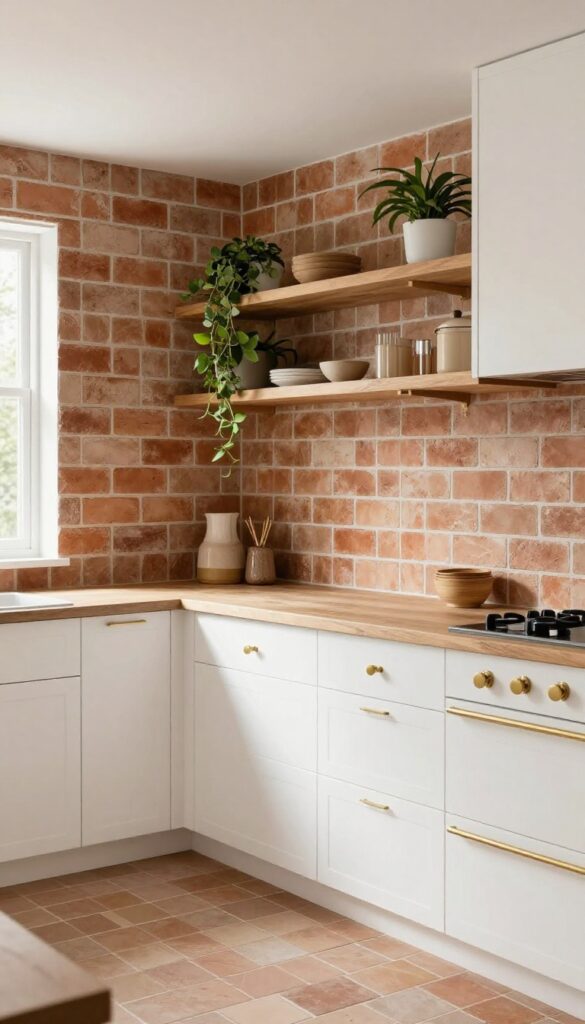
Terracotta has a way of making any kitchen feel instantly grounded and lived-in. When arranged in a classic running bond pattern, these tiles mimic the look of aged brick while keeping things polished and modern. The natural clay tones bring warmth without being overpowering, especially when paired with crisp white cabinetry and open wooden shelving.
It’s a look that feels both timeless and fresh, like something you’d find in a sun-drenched farmhouse or a cozy urban loft.
Why It Works
The brick layout adds subtle visual texture without competing with other design elements. Terracotta’s earthy undertones complement a wide range of materials, from butcher block countertops to matte black fixtures, creating a balanced, inviting palette. The slight variations in tile color keep the surface interesting while still feeling cohesive.
Best For
This backsplash is ideal for kitchens that lean rustic, bohemian, or modern farmhouse, but it also works beautifully in contemporary spaces that need a touch of warmth. If your kitchen gets good natural light, the terracotta will glow even more. It’s especially effective in open-plan layouts where the kitchen flows into a living area, as the earthy color helps tie the two spaces together.
Styling Tip
To keep the look clean and intentional, choose a warm white grout rather than a stark white one—it softens the grid and lets the tiles shine. Pair with brass or copper hardware for a subtle contrast, and add a few trailing plants on open shelves to echo the natural vibe.
9. Mixed-Material Mosaic for Eclectic Texture
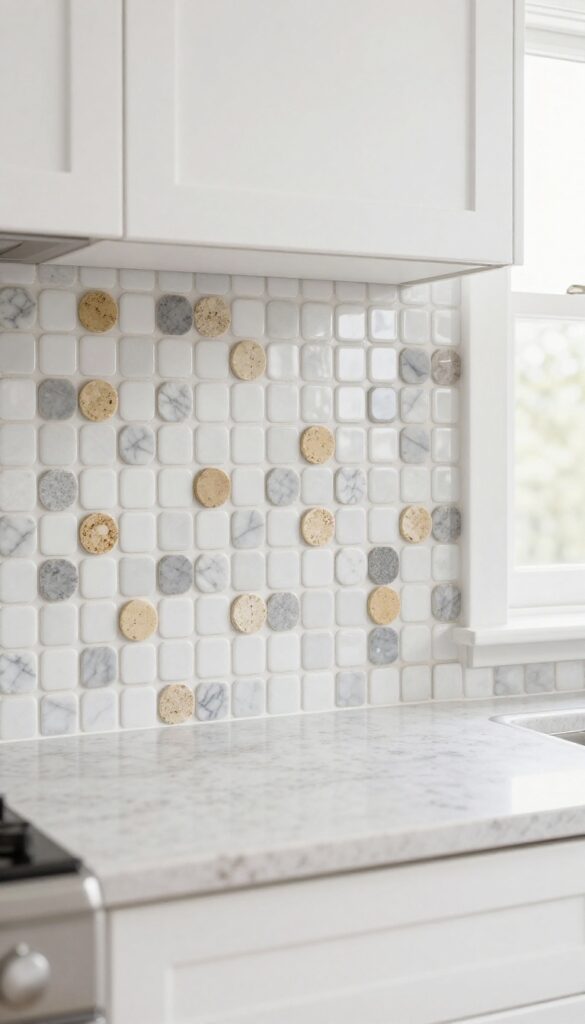
Think beyond uniform subway tile and embrace a patchwork of textures. A mixed-material mosaic blends small tiles in different shapes and finishes—matte and glossy, ceramic and stone—into one cohesive composition. The trick is keeping the color palette restrained so the variety in texture and sheen becomes the star, not a visual mess.
In a modern kitchen, this approach adds warmth and depth without sacrificing that clean, streamlined feel.
Why It Works
Combining materials like matte ceramic with polished marble or textured stone creates subtle contrast that catches the light differently throughout the day. The mix keeps the eye moving without overwhelming the space, especially when the colors stay within the same tonal family.
Best For
This backsplash shines in kitchens where you want a custom, artisan look without going full-on boho. It works beautifully in open-plan spaces where the backsplash needs to feel intentional but not too loud, and it pairs well with simple cabinetry and neutral countertops.
Styling Tip
To keep the look modern and warm, limit your palette to two or three neutral tones—think warm whites, soft greys, and sandy beiges. Use larger tiles or a subtle geometric pattern as the anchor, then scatter smaller accent tiles in a contrasting finish like a glossy penny round or a honed hexagon.
FAQ
What is the best backsplash tile for a small kitchen?
Large-format tiles or glossy finishes help reflect light and make a small kitchen feel bigger. Vertical stacking can also create the illusion of height.
How do I choose a backsplash that complements my countertops?
Pick a tile that picks up a secondary color from your countertop or contrasts subtly. For busy countertops, stick with simple, neutral tiles; for solid surfaces, you can go bolder.
Are textured tiles hard to clean?
Some textures require more effort, but sealed glazed tiles are easy to wipe. Avoid very rough surfaces behind the stove; smooth matte or glossy tiles are more practical.
Can I mix different tile styles in one kitchen?
Yes, but keep a common element like color or finish to tie them together. For example, use the same tile in different patterns or shapes for a cohesive look.
What grout color works best with textured tiles?
A grout color close to the tile shade minimizes visual distraction and lets the texture shine. For a more defined pattern, choose a slightly contrasting grout.
Conclusion
Choosing the right backsplash is all about balancing texture, color, and practicality. Whether you lean toward handmade tiles or sleek slabs, each option can bring warmth and personality to your kitchen.
Take your time picking a style that feels both modern and cozy—it's a small change that makes a big impact.