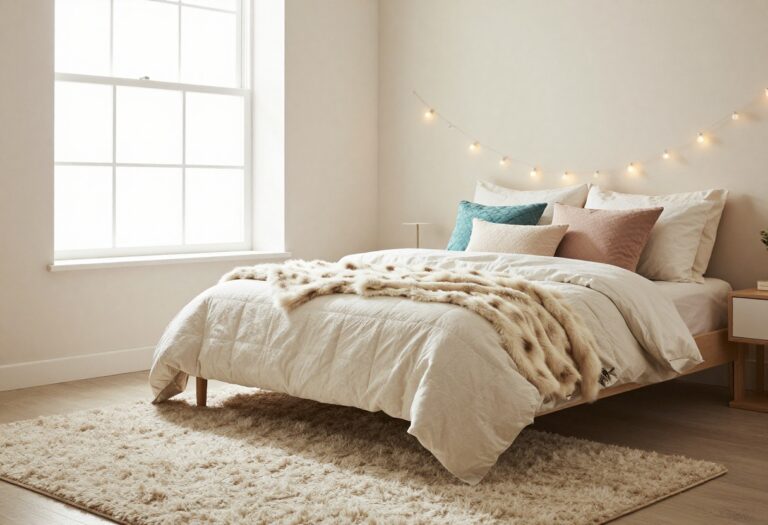
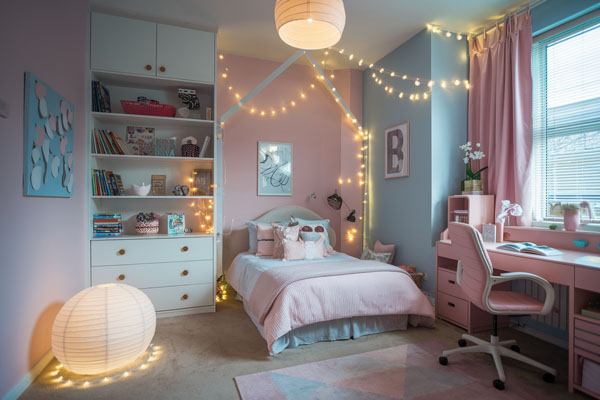
11 Small Room Bedroom Ideas for Better Layout Flow
A small bedroom doesn't have to feel like a puzzle you can't solve. The trick isn't just about squeezing in furniture—it's about creating a layout that moves naturally.
When every piece has a purpose and a clear path, the room instantly feels bigger and calmer. These 11 ideas are designed for a weekend refresh, so you can see real results without a full renovation.
Each one focuses on improving flow while keeping your space smart and stylish.
1. Float the Bed Away from the Wall
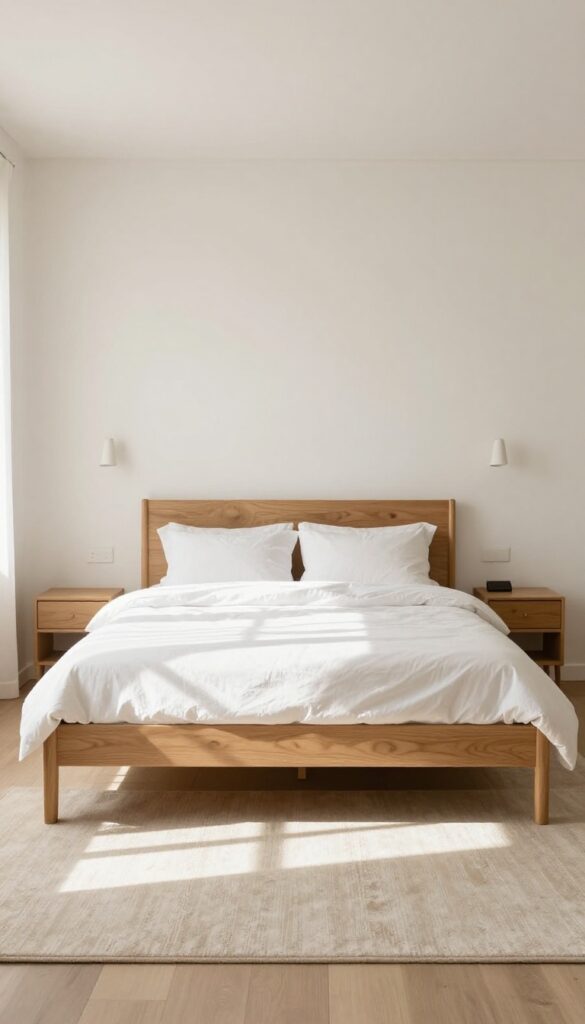
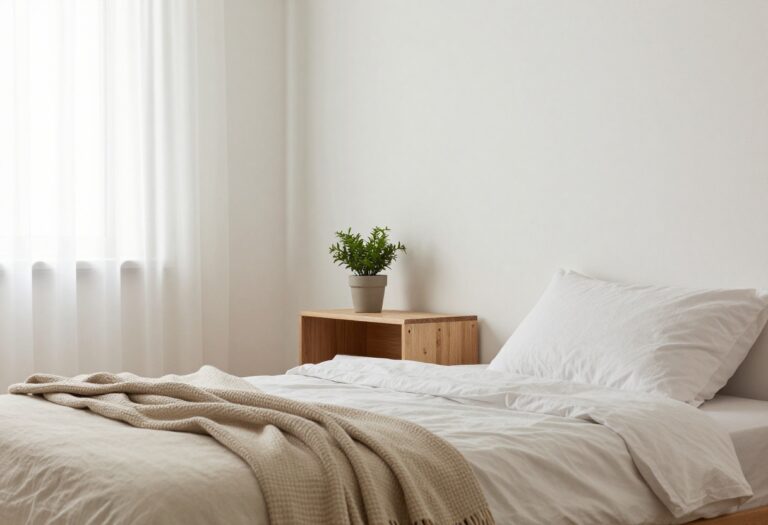
Most of us learned to shove the bed against a wall to save space, but that often leaves the room feeling lopsided. Pulling the bed away from the wall—even just a foot—instantly creates a more balanced layout. The room breathes easier, and the bed becomes a confident anchor rather than an afterthought.
This small shift is one of those weekend-friendly changes that makes a surprisingly big difference.
Why It Works
Centering the bed opens up symmetrical walkways on both sides, which makes the room feel larger and more intentional. It also improves flow, so you're not constantly shuffling sideways to get in and out of bed. The visual symmetry tricks the eye into seeing a more spacious, organized room.
Best For
This trick works wonders in narrow bedrooms where the bed feels cramped against one wall. It's also great for rooms with a window on one side—floating the bed lets you keep the window accessible while still having nightstands on both sides.
Styling Tip
Anchor the bed with a large rug that extends past both sides, and use slim nightstands or floating shelves to keep the footprint light. A low-profile bed frame helps maintain an open feel, and a statement headboard gives the bed the presence it deserves.
2. Swap a Nightstand for a Slim Console
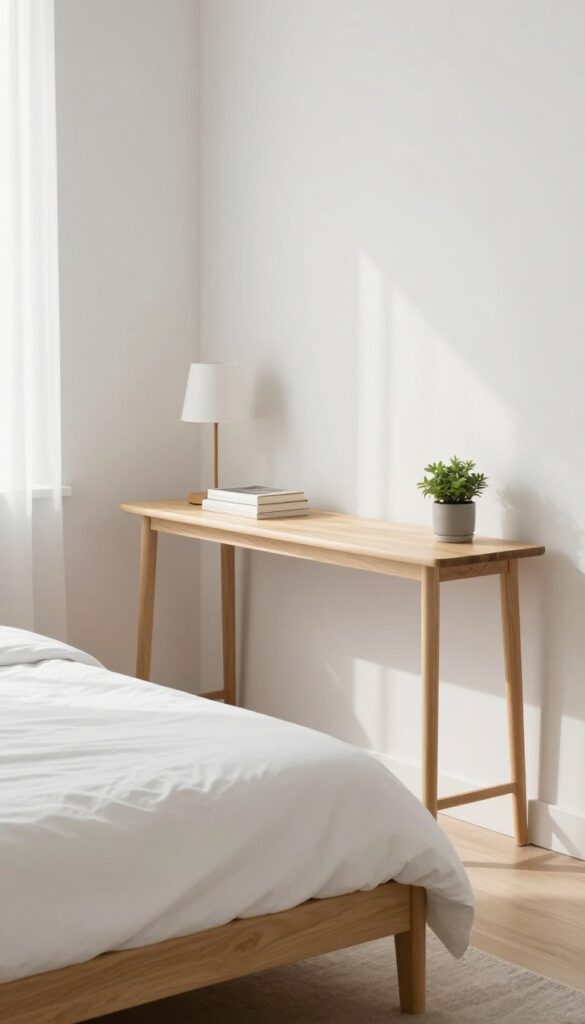
Nightstands are classic, but in a small bedroom they often eat up precious floor space. A slim console table—either behind the bed or along a wall—offers a sleek alternative that still holds your essentials. It keeps the room feeling open and airy, while giving you a spot for a lamp, books, or a small plant.
The narrow profile means you can even fit one in tight spots where a bulky nightstand would never go.
Why It Works
A console table takes up less visual and physical space than a standard nightstand, making the room feel larger. Its long, low shape draws the eye horizontally, which can make a narrow room appear wider. Plus, the open legs keep the floor visible, reducing clutter and maintaining a clean, spacious look.
Best For
This idea is perfect for very small bedrooms where every inch counts, or for rooms with an awkward layout where a regular nightstand won't fit. It also works well in guest rooms or kids' rooms where you need surface space but don't want to sacrifice floor area.
Styling Tip
Choose a console with a slim profile and legs that match your bed frame for a cohesive look. Keep styling minimal: a small lamp, a stack of books, and a single decorative object. If using it behind the bed, make sure it's low enough that it doesn't block any windows or headboard details.
3. Use a Bench at the Foot of the Bed
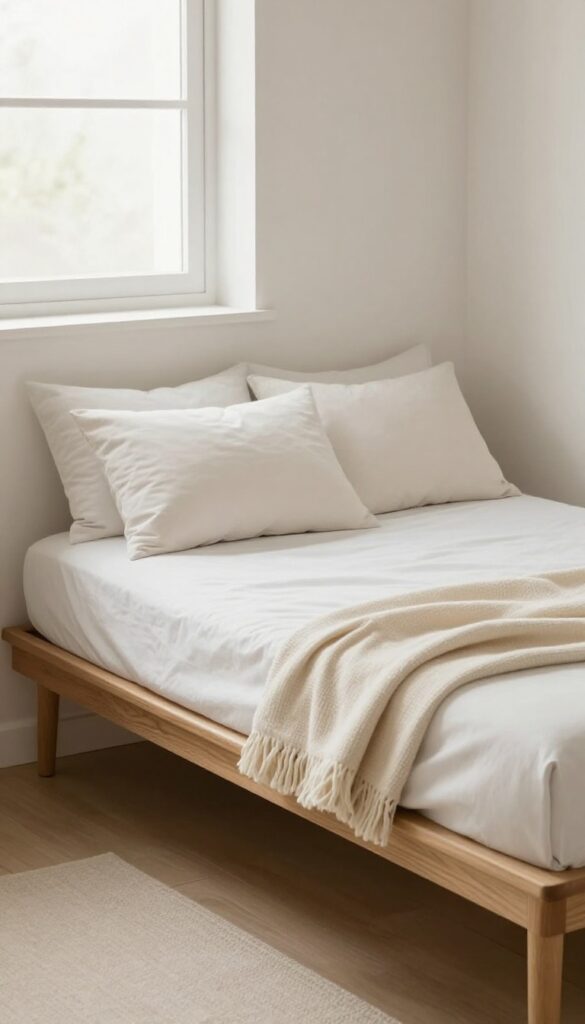
A slim bench at the foot of your bed does more than just fill empty space. It gives you a spot to sit while putting on shoes, a place to toss a throw blanket, and a landing zone for clothes you’ll wear again tomorrow. The key is choosing one with visible legs—this keeps the floor open and the room feeling airy, not cluttered.
It’s a simple swap that makes your bedroom feel more intentional and put-together without a major overhaul.
Why It Works
A bench anchors the bed visually, creating a finished look that balances the weight of the headboard. Leggy designs let light pass underneath, which preserves the sense of openness in a small room. Plus, it adds practical surface area without eating up square footage.
Best For
Tiny bedrooms where you need extra seating but don’t have room for a chair. It’s also great for awkward layouts where the bed floats in the middle of the room and the foot feels disconnected.
Styling Tip
Stick to a bench that’s slightly narrower than your bed frame—about two-thirds the width works well. Add a folded quilt or a couple of lumbar pillows to soften the look, and keep the top clear except for a small tray if you use it for daily drop-offs.
4. Mount Shelves Above the Door
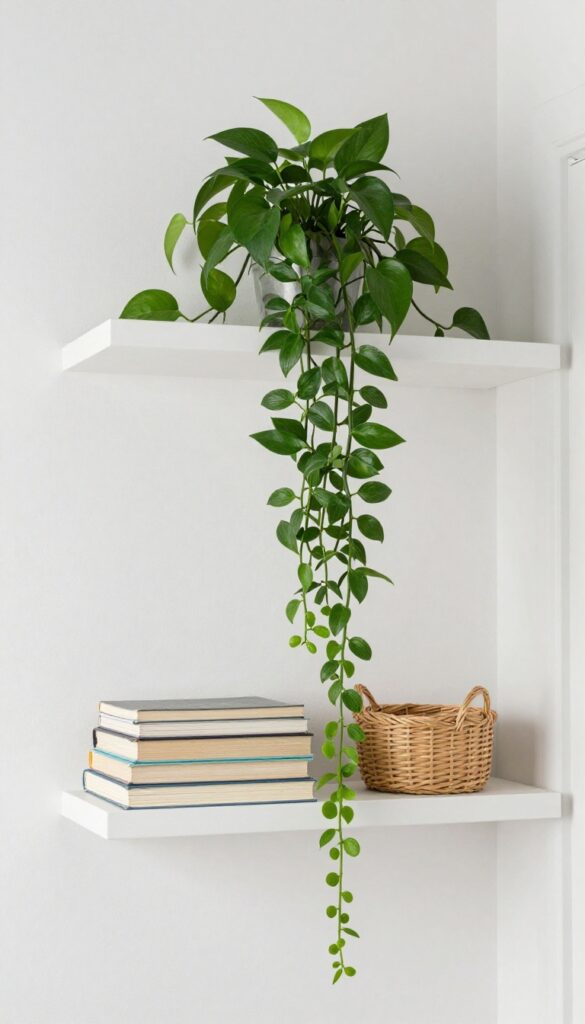
That strip of wall right above your door frame is probably sitting empty, but it's actually prime real estate for extra storage. By mounting a slim shelf up there, you can stash items you don't need daily—like extra blankets, decorative baskets, or a small plant—without taking up any floor space. It's a clever weekend project that instantly adds function and a little visual interest to an otherwise forgotten spot.
Why It Works
This trick uses vertical space that's otherwise wasted, keeping your floor plan open and uncluttered. Since the shelf sits above eye level, it doesn't make the room feel smaller or more cramped—instead, it draws the eye upward, which can actually make the ceiling feel higher.
Best For
Tiny bedrooms, dorm rooms, or any small space where you're running out of storage but don't want to add bulky furniture. It's also great for renters because you can install it with minimal damage and patch it up easily when you move out.
Styling Tip
Keep it light and airy: use a floating shelf in white or a natural wood tone, and style it with a few curated pieces like a trailing pothos plant, a small stack of books, or a woven basket. Avoid overcrowding—less is more here to maintain a clean, spacious look.
5. Choose a Low-Profile Bed Frame
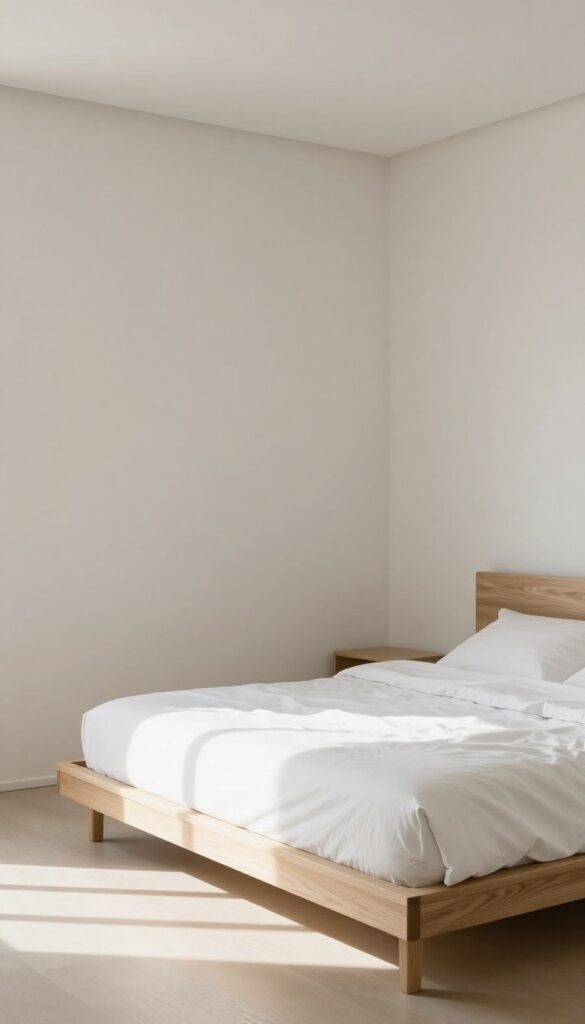
A low-profile bed frame instantly shifts the room's proportions. By sitting closer to the ground, it lowers the visual center of gravity, making the ceiling feel higher and the space less cluttered. This simple swap works especially well in rooms with standard or low ceilings, where a bulky bed can feel overwhelming.
Paired with streamlined bedding, the look becomes effortlessly airy and modern.
Why It Works
When the bed is lower, your eye travels upward, emphasizing the vertical space. This creates an illusion of height and openness. Plus, a low frame reduces visual bulk, so the room feels less crowded even with the same amount of furniture.
Best For
This idea is ideal for small bedrooms with low or average ceilings, especially if you want a calm, minimalist vibe. It also works well in rooms with limited square footage where every inch of visual space counts.
Styling Tip
Keep bedding simple and tailored—avoid oversized comforters or lots of pillows. Choose a neutral or light-colored duvet and crisp sheets to maintain the clean, open look. A low platform bed with a slim mattress works best.
6. Add a Full-Length Mirror on a Closet Door
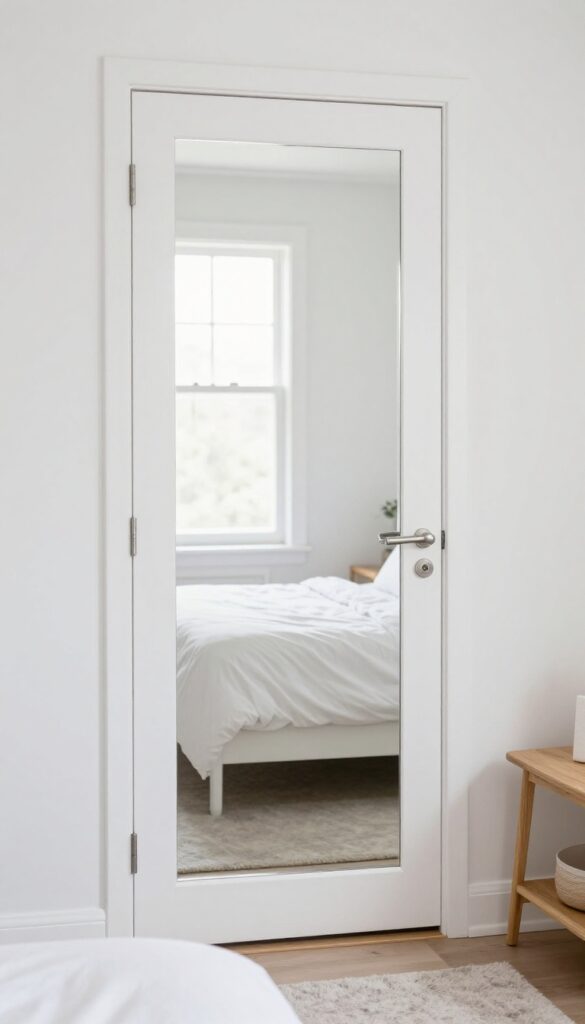
A full-length mirror is one of those items that can instantly make a small bedroom feel bigger and brighter. By mounting it on a closet door—either inside or out—you save precious floor space while gaining a functional dressing aid. The reflected light bounces around the room, creating an illusion of depth that makes the space feel airier and more open.
It's a simple weekend project that delivers a big visual payoff.
Why It Works
Mirrors are a classic trick for making small spaces feel larger because they reflect both natural and artificial light, doubling the perceived square footage. Placing one on a closet door keeps it out of the way while still serving as a focal point. It also eliminates the need for a standing mirror, freeing up floor area for other furniture or movement.
Best For
This idea works especially well in small bedrooms where floor space is tight and you need a full-length mirror for getting dressed. It's also great for rooms with limited wall space or awkward layouts where a traditional mirror would feel intrusive. If your closet door is a standard hinged or sliding type, you can easily attach a mirror without major renovations.
Styling Tip
Choose a mirror with a slim, frameless design for a seamless look, or go with a thin black or brass frame to add a touch of style. If mounting on the inside of the door, make sure the mirror is securely attached and doesn't interfere with the door's swing. For a cohesive feel, align the mirror's height with your eye level and consider adding a small hook or shelf nearby for accessories.
7. Install Corner Shelving for Vertical Storage
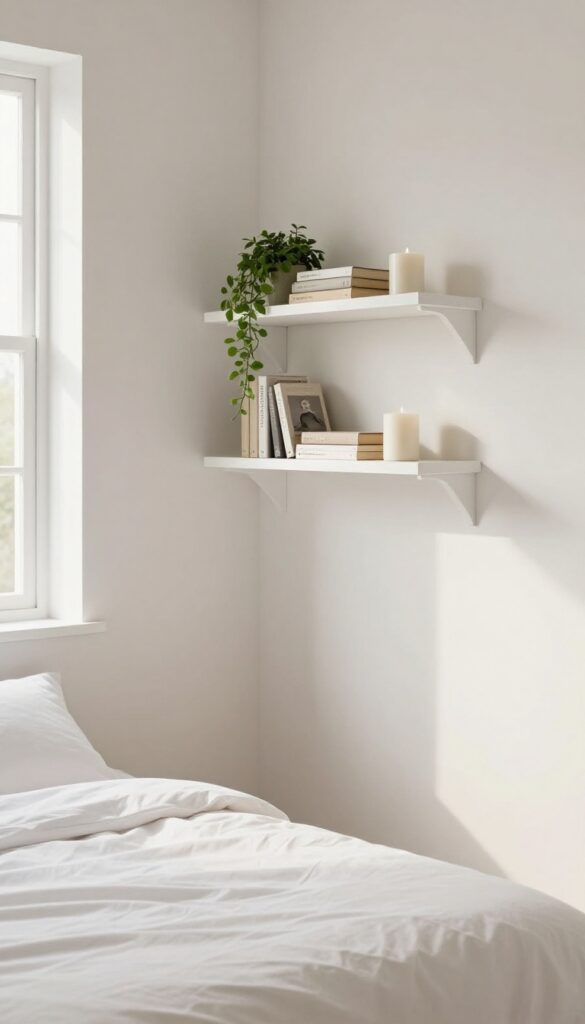
That awkward corner where two walls meet? It’s prime real estate for a set of floating shelves. Corner shelving turns a forgotten spot into a vertical display for books, plants, or curated decor.
The best part: it draws the eye upward, making your ceiling feel higher and your floor plan feel more open. For a weekend refresh, grab a drill and a few brackets—you’ll have a whole new storage zone in under an hour.
Why It Works
Corner shelves use space that’s otherwise wasted, adding storage without eating into your floor area. By stacking items vertically, they reduce visual clutter at eye level and create a sense of height. The asymmetry of corner shelves also adds architectural interest, making a small room feel intentionally designed rather than cramped.
Best For
This works especially well in tight bedrooms where you need extra surface area for bedside essentials, books, or a small plant collection. It’s also great for rental-friendly setups since you can install lightweight shelves with minimal damage.
Styling Tip
Keep the look airy by mixing a few tall books with small decor objects—think a single candle, a tiny vase, or a trailing plant. Stick to a cohesive color palette (like white shelves with neutral accents) so the shelves blend into the wall rather than adding visual weight.
8. Use a Room Divider as a Headboard
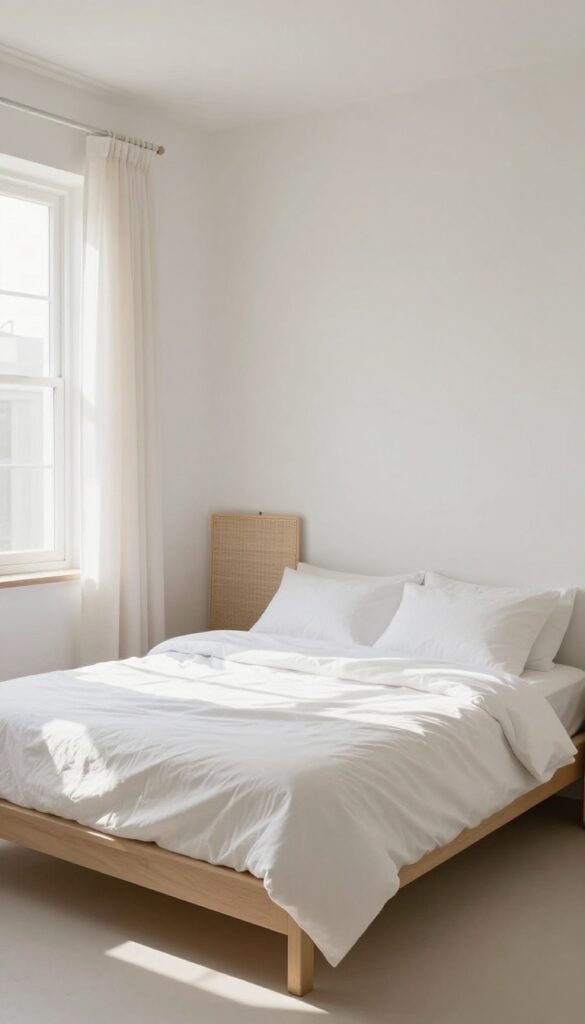
A headboard doesn’t have to be a bulky piece of furniture bolted to the wall. In a small bedroom, a lightweight folding screen can do the job just as well—and with a lot more flexibility. It creates a clear visual anchor behind the bed, defining the sleeping zone without eating up square footage.
Plus, the screen adds soft texture and pattern, making the room feel layered and intentional. Best of all, you can move it around whenever you feel like a change, which makes it perfect for weekend refreshes.
Why It Works
A folding screen acts as a temporary wall that carves out the bed area, especially in studio apartments or rooms where the bed shares space with other functions. It absorbs sound slightly and adds visual weight behind the bed without the permanence of a traditional headboard. Because it’s freestanding, you can adjust its angle or swap it out easily—ideal for renters or anyone who likes to rearrange often.
Best For
This idea works well in studio apartments, guest rooms, or any small bedroom where you want to separate the sleeping area from a desk or seating nook. It’s also great for rooms with an off-center bed, since you can position the screen to balance the layout.
Styling Tip
Choose a screen with a natural material like rattan or linen for warmth, or go with a painted wood panel if you want a pop of color. Place it about 6 inches behind the bed so it stands clearly as a backdrop. For extra coziness, drape a string of battery-operated fairy lights over the top edge.
9. Swap a Dresser for a Wall-Mounted Desk
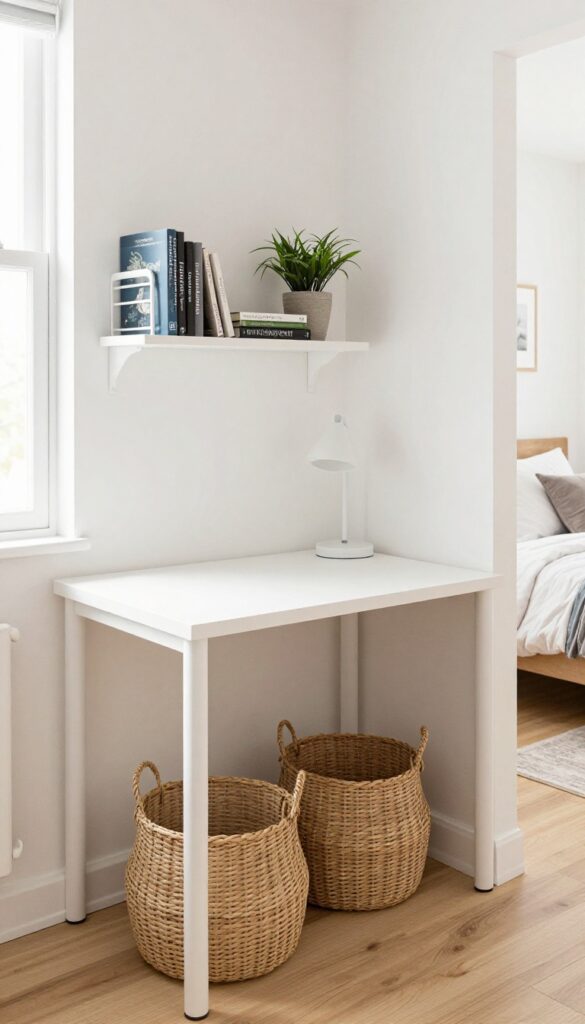
A bulky dresser can eat up precious floor space in a small bedroom, but you still need somewhere to stash clothes and maybe a spot to work. Enter the wall-mounted desk: it gives you a clean surface without the footprint, and you can use baskets or bins underneath for hidden storage. The look is airy and intentional, making the room feel larger while keeping clutter out of sight.
Why It Works
By removing a floor-level piece and mounting the desk, you free up visual and physical space. The open area underneath can hold storage baskets that are easy to pull out, so you don’t lose any functionality. It’s a smart trade-off that prioritizes flow without sacrificing utility.
Best For
This idea works well in bedrooms where a full dresser feels overwhelming or unnecessary—think guest rooms, kids’ rooms, or any space that doubles as a home office. It’s also great for rooms with limited square footage where every inch of floor counts.
Styling Tip
Stick to a slim desk in a light wood or white to keep the look airy. Add a small task lamp and a wall-mounted shelf above for extra storage without cluttering the surface. Use woven baskets or fabric bins underneath for a cozy, textural contrast.
10. Hang Curtains High and Wide
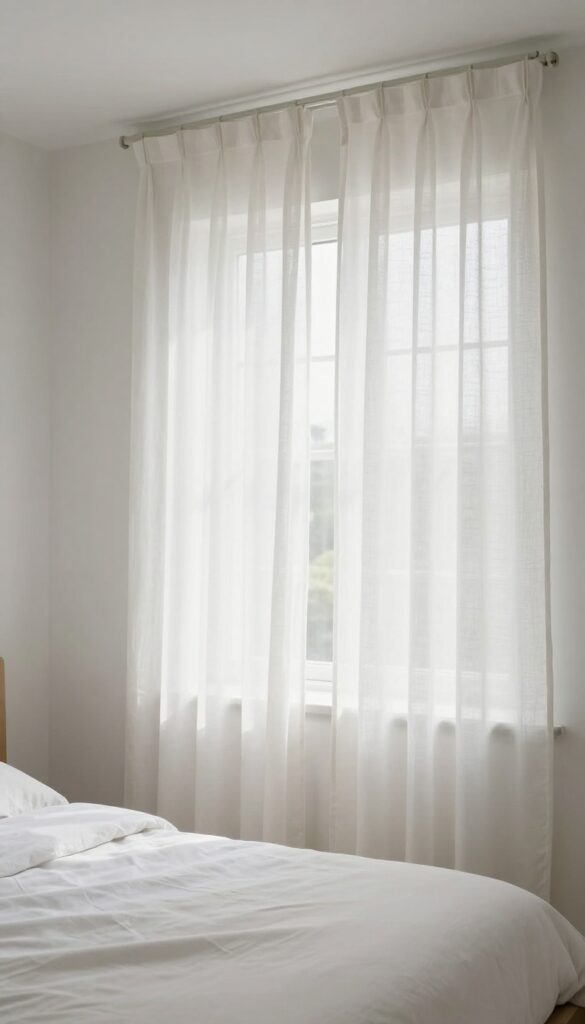
There’s a simple trick that instantly makes any small bedroom feel bigger: raise your curtain rod. Mount it just below the ceiling, and extend the rod a good six to twelve inches past each side of the window. Suddenly, your windows look taller and wider, and the whole room breathes a little easier.
It’s one of those weekend projects that takes an hour but changes the whole feel of your space.
Why It Works
Drawing the eye upward emphasizes vertical space, making ceilings appear higher. The extra width lets in more natural light when curtains are open, and makes the window feel like a larger architectural feature rather than a small cutout.
Best For
Rooms with standard eight-foot ceilings or windows that feel undersized. It also helps balance a bed placed off-center or a wall with awkward proportions.
Styling Tip
Choose lightweight curtains in a solid color or subtle pattern—heavy drapes can feel too formal for a small room. Hang them so they just kiss the floor, and use a rod with simple finials to keep the look clean.
11. Layer Rugs to Define Zones
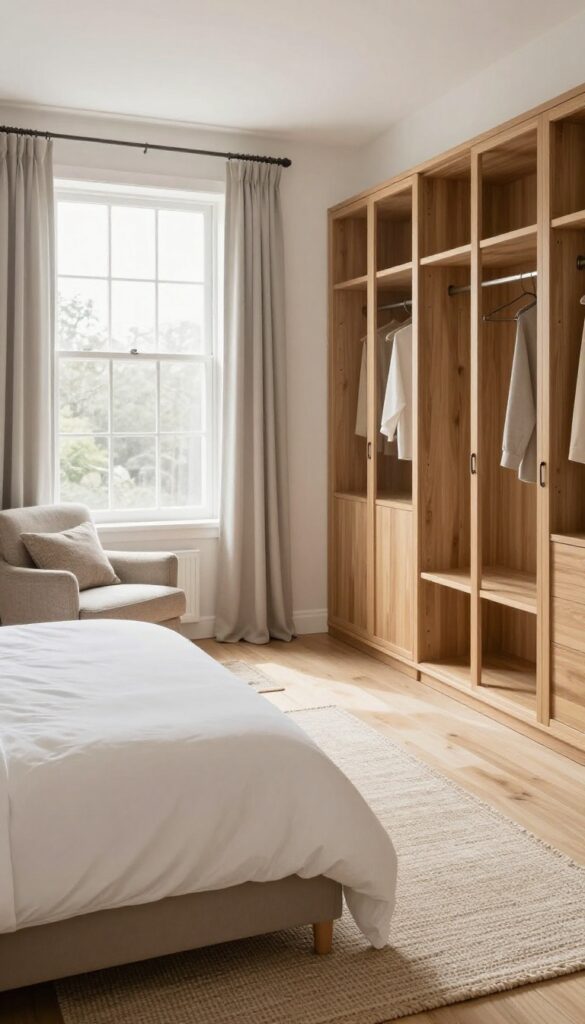
In a small bedroom, a single rug often leaves the room feeling a bit flat. Layering two or three rugs is a clever way to carve out distinct zones without building a single wall. A soft, neutral rug under the bed anchors the sleeping area, while a smaller, bolder rug in a corner can mark a cozy reading nook or a mini dressing spot.
The trick is keeping the color palette cohesive so the room still feels open and airy, not chopped up.
Why It Works
Layering rugs adds visual depth and texture, making a small room feel more curated and intentional. By defining separate functions—sleep, dress, sit—you create the illusion of multiple rooms in one, which actually makes the space feel larger. The rugs also absorb sound and add warmth underfoot, which is especially welcome in a compact bedroom.
Best For
This idea is perfect for small bedrooms that double as a home office, yoga space, or dressing area. It’s also great for renters who can’t paint or add permanent dividers—rugs are an easy, non-committal way to zone a room.
Styling Tip
Stick to a maximum of three rugs and vary the sizes: a large one under the bed, a medium one in the seating area, and a small runner by the closet. Keep the base rug neutral (like jute or a low-pile beige) and use the smaller rugs to introduce a pattern or accent color that ties into your bedding or curtains.
FAQ
How can I improve the flow in a small bedroom?
Focus on creating clear pathways by floating furniture away from walls, using slim pieces, and keeping the floor as open as possible. Mirrors and vertical storage also help.
What is the best bed placement for a small room?
Centering the bed on the longest wall or angling it slightly can improve flow. Avoid blocking windows or doors, and leave at least 18 inches of walkway on each side.
How do I make a small bedroom feel bigger without renovating?
Use low-profile furniture, hang curtains high, add mirrors, and choose light colors. Decluttering and using vertical storage also create a more open feel.
What furniture should I avoid in a small bedroom?
Avoid bulky pieces like oversized dressers, wide nightstands, and heavy bed frames. Instead, opt for slim, multi-functional items that don't crowd the space.
Can I have a seating area in a small bedroom?
Yes, but keep it minimal. A small bench at the foot of the bed or a compact armchair in a corner works well. Use a rug to define the zone without adding visual clutter.
Conclusion
Improving the layout flow in a small bedroom doesn't require a major overhaul. With a few thoughtful shifts—like floating the bed, adding vertical storage, or swapping bulky furniture for slim alternatives—you can create a space that feels open and intentional.
Each of these ideas is designed for a weekend refresh, so you can start small and see real results. Remember, the goal is to make every piece work harder so the room breathes easier.