12 Small Bedroom Ideas That Feel Spacious and Cozy
Small bedrooms can be tricky. You want them to feel open and airy, but also warm and inviting.
The secret is balancing smart flow with cozy details. These 12 ideas will help you create a space that feels bigger than it is, without sacrificing comfort.
Whether you're working with a tiny apartment or a compact guest room, each tip is designed to be practical and stylish. Let's dive in.
1. Float Your Bed Away from the Wall
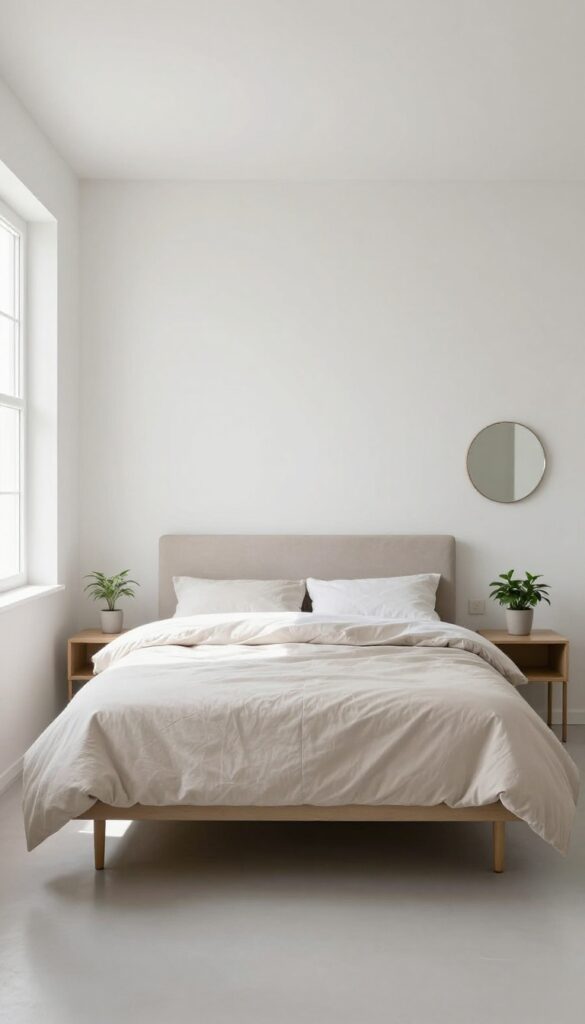
Most of us instinctively push a bed against the wall to save space, but in a small room that trick can actually backfire. By pulling the bed away—even just a foot—you create a natural pathway on both sides, which instantly opens up the floor plan. This simple shift makes the room feel more balanced and less like a cramped box, plus it gives you room to add slim nightstands or a tiny plant on one side for a warm, intentional look.
Why It Works
When a bed is centered or slightly offset, the eye sees clear circulation space around it, which tricks the brain into perceiving a larger area. It also eliminates the closed-in feeling of having furniture pressed against a wall, making the room feel airier and more inviting.
Best For
This idea shines in narrow bedrooms where a bed against the long wall leaves awkward dead space at the foot. It's also perfect for rooms with a window on one side—floating the bed lets you keep the window accessible and unblocked.
Styling Tip
Choose a slim headboard (under 4 inches thick) to keep the visual weight low. Pair it with a low-profile bed frame and a soft, neutral duvet to maintain an open, uncluttered feel. Add a small round mirror above the bed to reflect light and further expand the space.
2. Use a Low-Profile Bed Frame
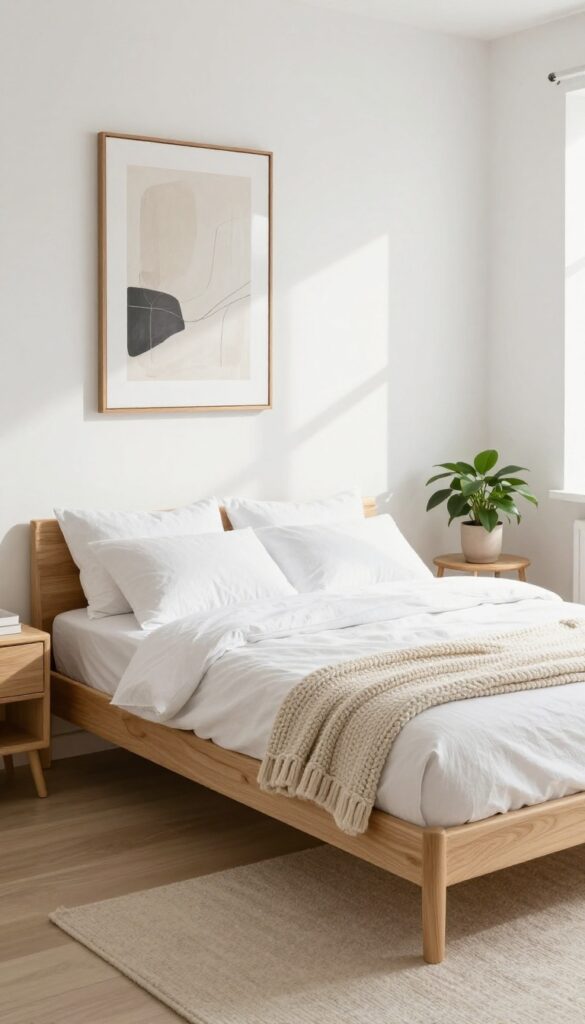
A low bed frame instantly changes the feel of a small bedroom. By sitting closer to the floor, it reduces visual clutter and lets the room breathe. The lower silhouette draws your eye upward, making the ceiling feel higher and the space more open.
Paired with a streamlined mattress and simple bedding, this look feels modern yet grounded—perfect for creating a calm, cozy retreat without sacrificing style.
Why It Works
In a small room, every inch of visual space counts. A low-profile frame minimizes the bed's footprint, making the floor area appear larger. The clean lines and lack of bulk keep the room from feeling crowded, while the lowered height emphasizes vertical space, tricking the eye into perceiving more room overhead.
Best For
This idea works especially well in rooms with low ceilings or limited square footage, where a tall bed frame can overwhelm the space. It's also ideal for a modern or minimalist aesthetic, but with the right warm textures—like a chunky knit throw or soft linen sheets—it can easily lean cozy and inviting.
Styling Tip
Balance the low profile with a tall headboard or a piece of art hung just above the bed to anchor the wall. Add a plush area rug that extends past the sides of the bed to create a soft landing and define the sleeping zone. Stick to light or neutral bedding to keep the airy feel, and layer in warm wood or rattan accents for a touch of coziness.
3. Hang Curtains High and Wide
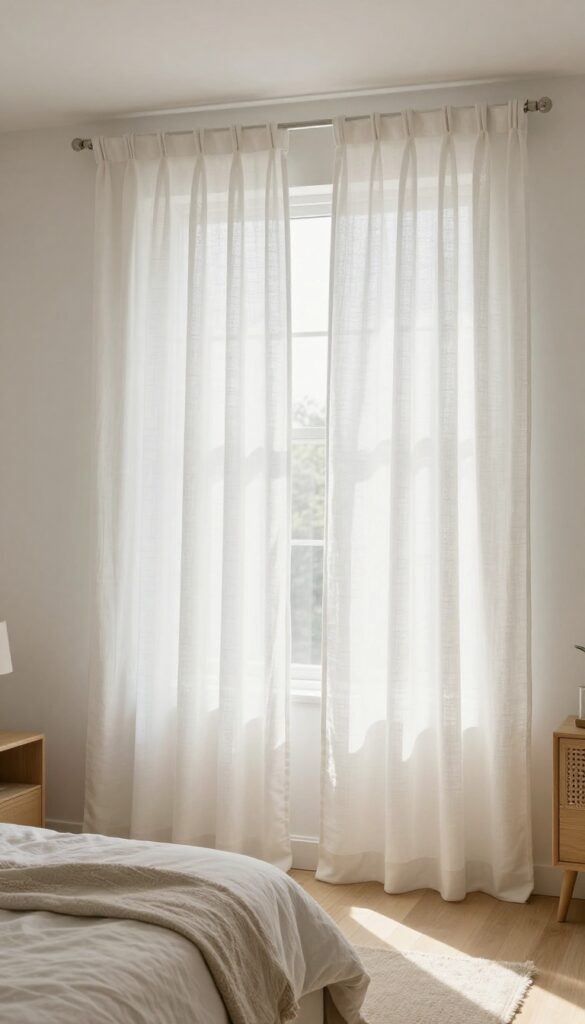
There’s a simple trick that instantly makes a small bedroom feel bigger: raise your curtain rods. Instead of mounting them right above the window frame, install them close to the ceiling and extend the rod several inches past each side of the window. This draws the eye upward and outward, creating the illusion of taller walls and a wider window.
The result is an airy, open feel that makes the room breathe—even in the coziest of spaces.
Why It Works
By positioning the rod high and wide, you visually expand the window’s proportions. The vertical line tricks the brain into perceiving more ceiling height, while the horizontal extension makes the window appear larger. This simple adjustment can make a small room feel significantly more spacious without moving a single piece of furniture.
Best For
This idea works especially well in bedrooms with low ceilings or narrow windows. It’s also a great fix for rooms that feel boxed in or lack natural light, since the curtains will frame the window in a way that maximizes every ray of sunshine.
Styling Tip
Choose curtains in a light, airy fabric like linen or cotton in a neutral tone that matches your wall color. For a modern clean look, go with floor-length panels that just kiss the floor—no puddling. If you want warmth, opt for a soft beige or warm white and add a subtle texture like a subtle stripe or weave.
4. Choose a Single Large Mirror
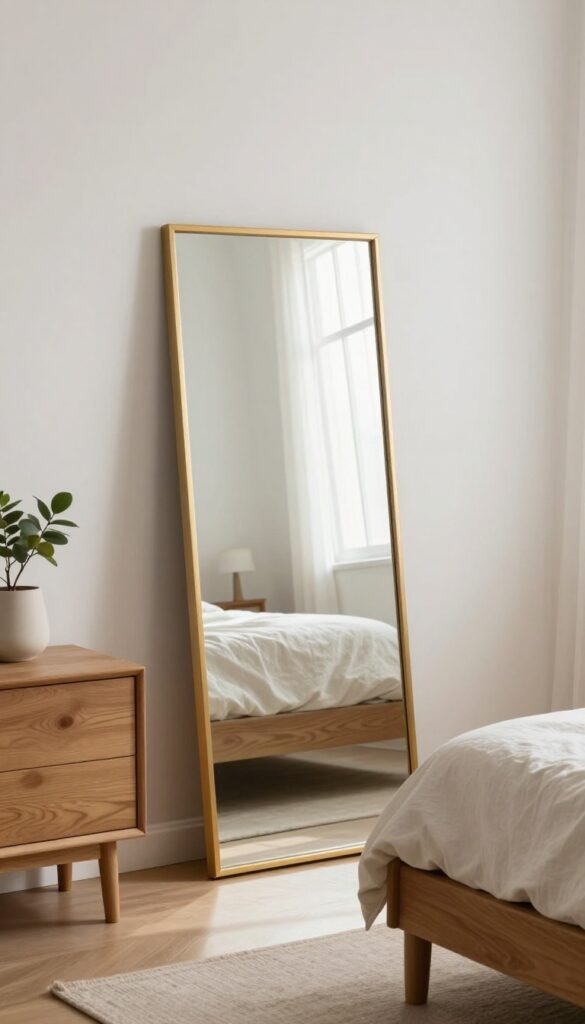
A single oversized mirror can transform a cramped bedroom into a space that feels open and airy. Leaning it against the wall or mounting it above a dresser instantly reflects light and creates the illusion of depth. It's a clean, modern trick that adds both function and style without taking up any floor space.
Why It Works
Mirrors are the ultimate small-room hack because they bounce natural and artificial light around the room, making it feel larger and brighter. A large mirror also acts as a subtle focal point, drawing the eye and giving the room a sense of expansiveness without any clutter.
Best For
This idea works perfectly in bedrooms with limited floor area or awkward layouts where a bulky piece of furniture won't fit. It's especially effective in rooms with a single window or darker corners that need a light boost.
Styling Tip
Choose a mirror with a warm wood or brass frame to keep the look cozy and inviting. Lean it against a wall at a slight angle for a relaxed vibe, or mount it securely above a low dresser to maximize reflection. Keep the area around it minimal to let the mirror do its job.
5. Opt for a Wall-Mounted Nightstand
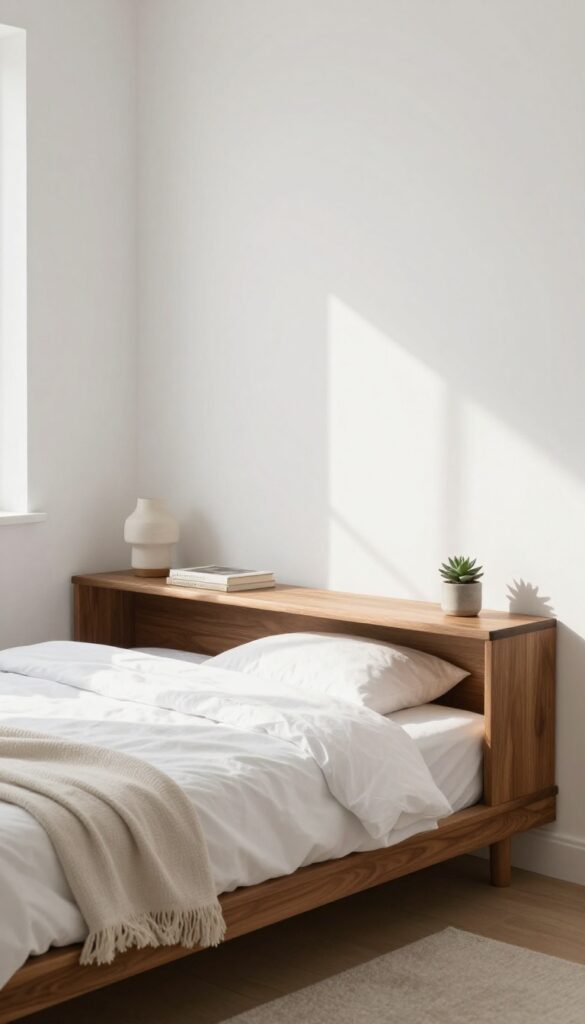
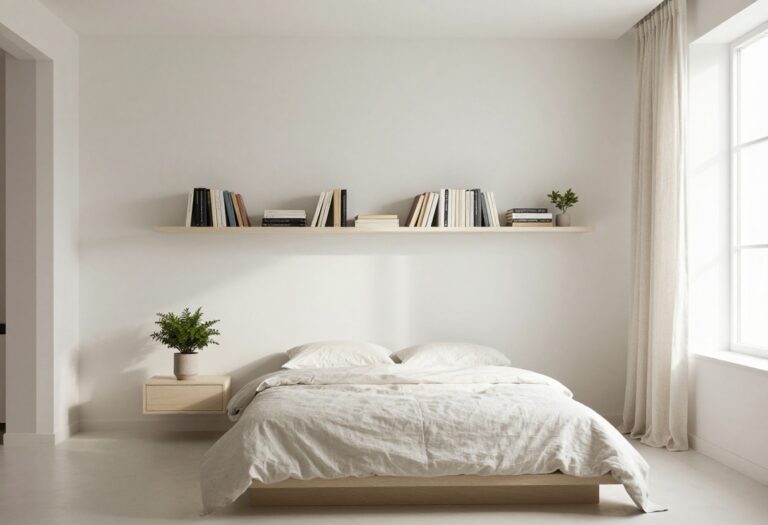
A floating shelf or small wall-mounted table beside the bed does the job of a bulky nightstand without taking up precious floor space. This trick instantly makes a compact bedroom feel more open and breathable. The clean lines of a mounted surface also reinforce that modern, uncluttered look, while warm wood or a soft finish keeps the room from feeling cold or sterile.
Why It Works
By lifting storage off the floor, you create visual breathing room and make the entire room appear larger. It's also easier to clean underneath, and you can adjust the height to perfectly match your mattress, which is especially handy for platform beds or adjustable bases.
Best For
This is perfect for very small bedrooms, guest rooms, or any space where every square inch counts. It's also a great solution for rooms with radiators or low windows where a traditional nightstand won't fit.
Styling Tip
Choose a shelf or table in a warm wood tone like walnut or oak to add coziness. Keep the surface minimal—just a small lamp, a book, and maybe a tiny plant—to maintain the airy feel. Mount it at the same height as your mattress top for a seamless look.
6. Stick to a Light, Monochromatic Palette
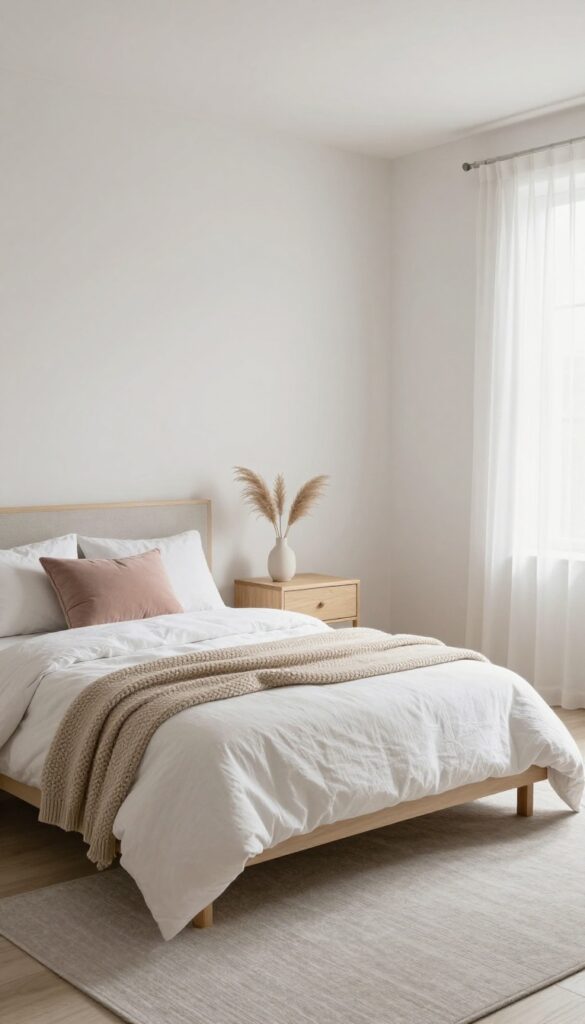
There's a quiet power in keeping things simple. A light, monochromatic palette—think soft whites, warm beiges, and pale grays—creates a bedroom that feels airy and open, even when square footage is tight. By minimizing contrast, your eye glides across the room without interruption, making the space feel larger than it actually is.
It's a calm, cohesive look that sets the stage for restful sleep and easy mornings.
Why It Works
Light colors reflect natural and artificial light, which visually expands the room. A monochromatic scheme eliminates visual clutter, so the room feels orderly and spacious. The lack of sharp color transitions tricks the eye into perceiving more square footage.
Best For
This approach is ideal for small bedrooms with limited natural light or awkward layouts. It also works well if you want a serene, spa-like retreat that feels uncluttered and easy to decorate around.
Styling Tip
Add warmth with natural wood furniture, a chunky knit throw in oatmeal, or a single accent color like dusty blush or sage green on one pillow or a small vase. Stick to matte finishes on walls and bedding to keep the look soft and inviting.
7. Use Vertical Storage Solutions
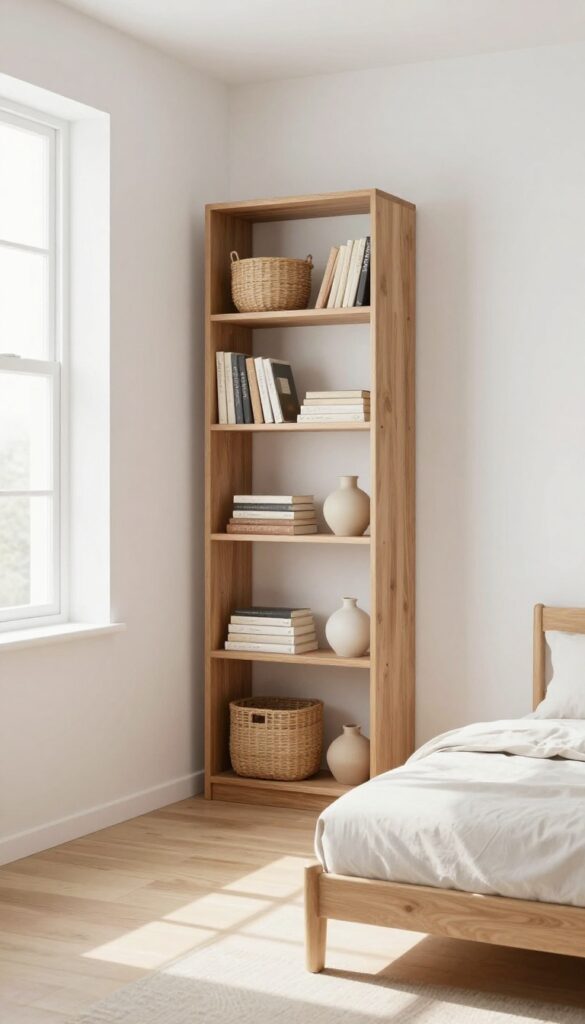
In a small bedroom, every inch counts—especially the ones you might not think to use. Tall bookshelves, hanging organizers, or wall-mounted cabinets draw the eye upward and make the most of vertical real estate. By keeping the lower half of the room visually clear, you create an airy, open feel that makes the space seem larger than it is.
Why It Works
Vertical storage maximizes unused wall space, freeing up floor area for movement and furniture. It also draws the gaze upward, making the ceiling feel higher and the room more spacious.
Best For
Small bedrooms with limited floor space, especially those with low ceilings or awkward layouts where traditional furniture won't fit.
Styling Tip
Choose slim, wall-mounted shelves in a warm wood tone like walnut or oak to keep the look modern and cozy. Add woven baskets or ceramic vases for texture without clutter.
8. Incorporate a Bench at the Foot of the Bed
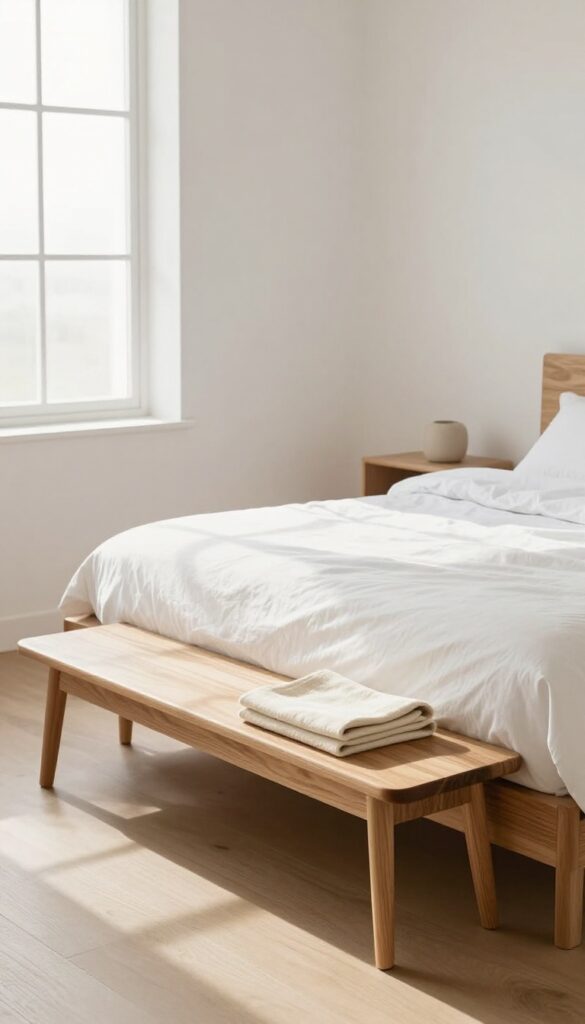
A slim bench at the foot of the bed can transform the way you use your small bedroom. It gives you a spot to sit while putting on shoes, a place to lay out tomorrow’s outfit, and a visual anchor that makes the bed feel complete. In a modern, clean space, a bench with clean lines and a warm wood or upholstered finish adds just the right amount of cozy function without cluttering the floor.
Why It Works
A bench takes up minimal floor space but offers maximum practicality. It creates a natural transition zone between the bed and the rest of the room, making the layout feel intentional. Plus, it keeps clothes off the chair or floor, which helps the room stay tidy and calm.
Best For
This idea works especially well in small bedrooms where you don’t have room for a separate seating area or a dresser with a stool. It’s also great for guest rooms, where a bench gives visitors a place to set their luggage or sit while unpacking.
Styling Tip
Choose a bench with hidden storage underneath—like a lift-up lid or pull-out baskets—to stash extra blankets, pillows, or off-season clothes. Keep the top simple with a folded throw or a small tray for a polished, uncluttered look.
9. Layer Lighting with Multiple Sources
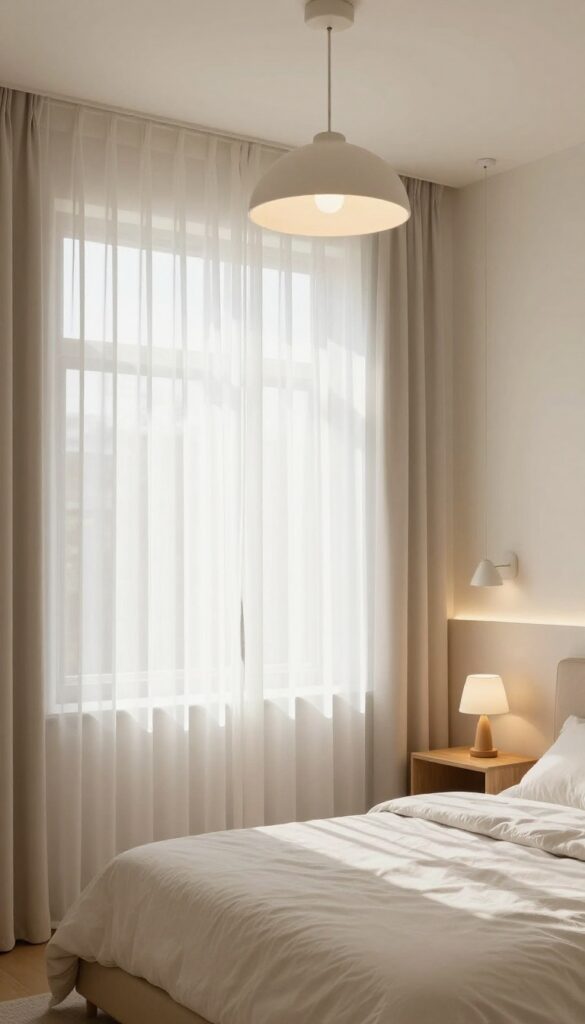
A well-lit small bedroom feels bigger, more functional, and instantly more inviting. The trick is to avoid relying on a single overhead fixture, which can cast harsh shadows and leave corners dark. Instead, layer three types of lighting: ambient (overhead), task (reading or dressing), and accent (mood).
In a compact room, this approach adds depth and makes the space feel thoughtfully designed rather than cramped. Dimmers on the overhead light let you dial it down for a soft, cozy glow in the evening, while a small table lamp on the nightstand provides focused light for reading.
Why It Works
Layered lighting eliminates flat, shadowy areas and creates visual depth, which tricks the eye into perceiving more space. It also allows you to adjust the room's atmosphere throughout the day—bright for getting ready, dim for winding down. This flexibility is especially valuable in a small bedroom where every square inch counts.
Best For
Small bedrooms that double as a workspace or reading nook. It's also ideal for rooms with limited natural light, where artificial lighting needs to do heavy lifting to keep the space feeling open and airy.
Styling Tip
Choose a warm color temperature (2700–3000K) for all bulbs to keep the look cohesive and cozy. Mount wall sconces on either side of the bed to free up nightstand space, and place a small table lamp on a dresser or corner shelf to balance the light distribution.
10. Add a Rug That Anchors the Space
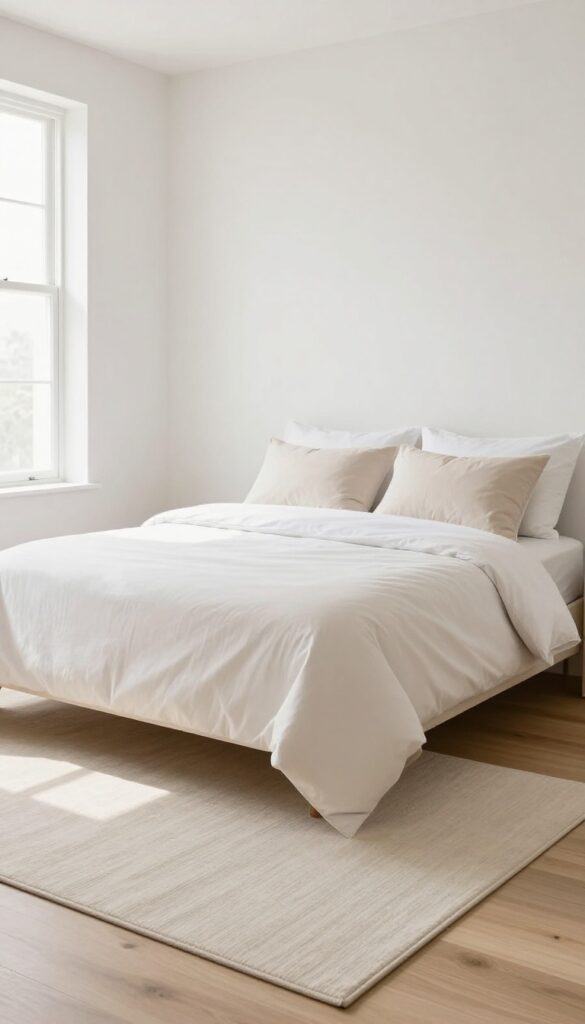
A rug can do wonders in a small bedroom. Instead of a tiny mat that gets lost, go for a larger rug that sits partially under the bed and extends out on both sides. This simple trick visually connects the bed to the rest of the room, making the whole space feel more intentional and put together.
In a modern, clean aesthetic, stick with neutral patterns or solid colors like soft gray, beige, or a muted ivory to keep the look calm and uncluttered.
Why It Works
A large rug creates a defined zone around the bed, which helps ground the furniture and gives the room a sense of structure. In a small space, this visual anchor prevents the bed from floating awkwardly, making the layout feel cohesive. Plus, the extra softness underfoot adds warmth and comfort, especially when you step out of bed in the morning.
Best For
This idea works well in any small bedroom, but it's especially effective in rooms with hard flooring like wood, tile, or laminate. If your room has carpet already, you might skip the rug, but for bare floors, it's a game changer. It also helps in narrow rooms where you want to visually widen the space by extending the rug beyond the bed's sides.
Styling Tip
Choose a rug that extends at least 18 to 24 inches beyond each side of the bed. For a twin or full bed, a 5×8 rug works nicely; for a queen, go with 6×9 or 8×10 depending on your room size. Keep the rug low-pile or flatweave for easy cleaning and a sleek profile that doesn't overwhelm the room.
11. Keep Decor Minimal but Intentional
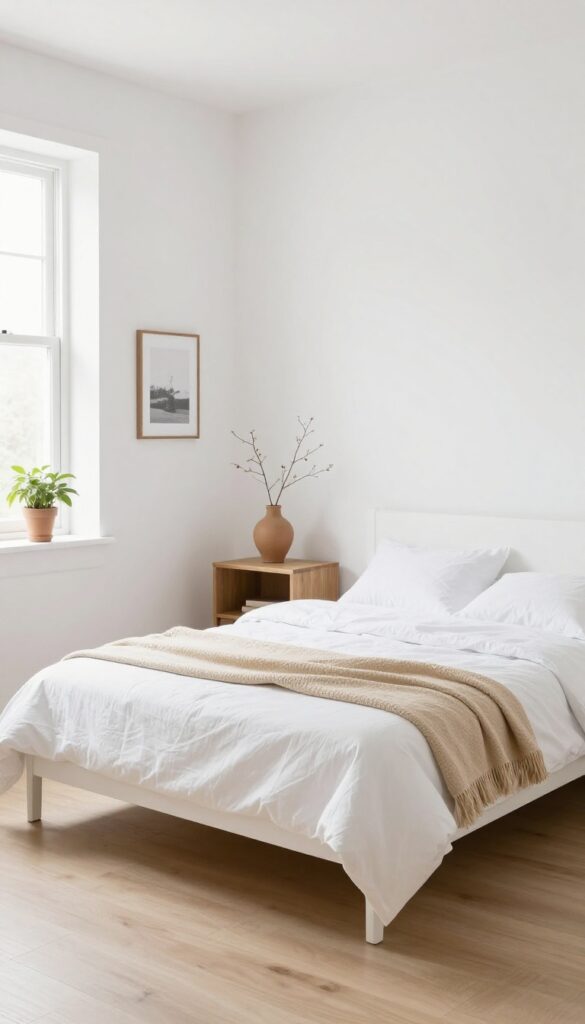
In a small bedroom, every surface counts. That’s why a few carefully chosen pieces can make the room feel more spacious and personal at the same time. Think one piece of art that you love, a small plant that adds life, or a textured throw that invites touch.
Each item earns its spot by serving a purpose or sparking joy.
Why It Works
Minimal decor reduces visual clutter, which is key in a small room. When you limit accessories to only what feels meaningful, the room breathes easier and feels more intentional. It also makes cleaning and organizing simpler, since there’s less to dust or rearrange.
Best For
This approach works well in any small bedroom, especially if you prefer a calm, uncluttered look. It’s also great for guest rooms or shared spaces where you want to keep a neutral, welcoming vibe without overwhelming the room.
Styling Tip
Stick to a cohesive color palette for your few decor items. For example, a warm beige throw, a terracotta vase, and a black-and-white print all tie together nicely. Place your focal piece at eye level, like a small shelf or nightstand, so it draws attention without competing with other elements.
12. Use Sliding Doors for Closets
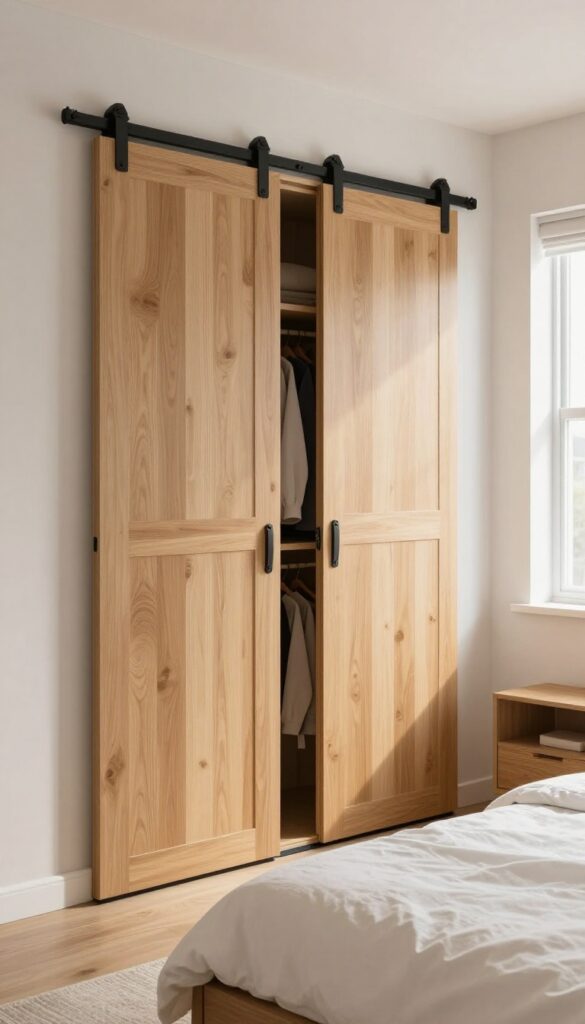
Standard swinging closet doors can eat up valuable floor space in a small bedroom, making the room feel tighter than it is. Sliding doors or barn doors solve that problem by gliding along the wall, freeing up every inch for furniture or flow. Plus, they bring a clean, modern look that fits perfectly with a warm and cozy style—think natural wood tones or soft matte finishes that blend right in.
Why It Works
Sliding doors eliminate the clearance needed for hinged doors, so you can place a bed or dresser closer to the closet without blocking access. This simple swap instantly opens up the room's layout and makes the space feel larger and more intentional.
Best For
Small bedrooms where every square foot counts, especially if your closet is along a wall you'd like to use for a nightstand or desk. It's also great for rooms with tight pathways or awkward layouts that make swinging doors a hassle.
Styling Tip
For a warm, cozy feel, choose sliding doors in a light wood like oak or birch, or go with a soft white or warm gray finish. Add a simple black handle or a leather pull to tie in modern touches without losing the inviting vibe.
FAQ
What is the best color for a small bedroom?
Light, neutral colors like soft white, warm beige, or pale gray work best. They reflect light and make the room feel open. You can add warmth with wood tones or a single accent hue.
How can I make a small bedroom look bigger without renovating?
Use mirrors, hang curtains high, choose low-profile furniture, and keep the floor clear. A light color palette and minimal decor also help the space feel larger instantly.
What type of bed is best for a small room?
A low-profile platform bed with a slim headboard is ideal. It doesn't overwhelm the room and keeps the visual weight low, making the ceiling seem higher.
How do I add storage to a tiny bedroom?
Use vertical storage like tall shelves or wall-mounted cabinets. Opt for furniture with built-in storage, like a bed with drawers or a bench with hidden compartments.
Can I use dark colors in a small bedroom?
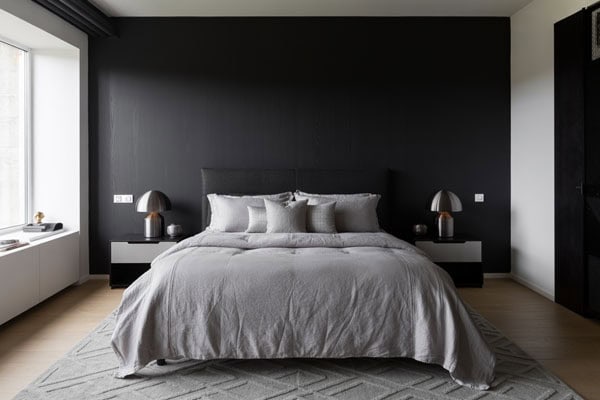
Yes, but use them sparingly. A dark accent wall behind the bed can add depth, but keep the rest light. Balance with plenty of lighting and mirrors to avoid a cramped feel.
Conclusion
Small bedrooms don't have to feel cramped. With a few thoughtful changes—like floating furniture, light colors, and smart storage—you can create a space that's both functional and inviting.
The key is to keep things simple and let each element breathe. Start with one or two ideas, and watch your room transform into a cozy retreat that feels much bigger than it is.