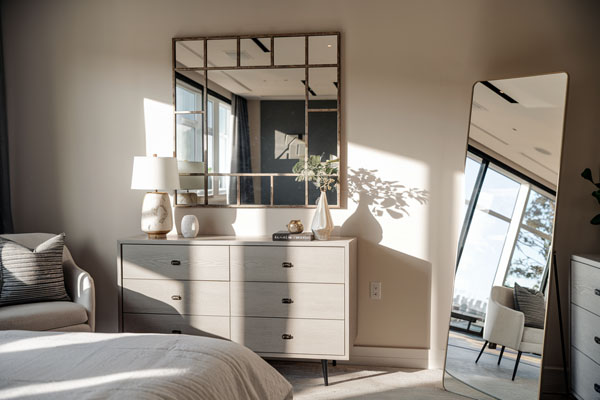
12 Teenage Boys Bedroom Ideas With a Grown-Up Edge (Small-Space Friendly)
Helping a teenage boy transition his bedroom from a kid's space to something more mature doesn't have to mean a total overhaul. The trick is finding that sweet spot between cool and comfortable, especially when square footage is tight.
These ideas focus on making the most of every inch while keeping the room feeling warm, inviting, and genuinely his own. Small spaces actually work in your favor here—they force you to be intentional with every piece.
A few smart choices can make the room feel bigger, more organized, and surprisingly grown-up without losing that cozy vibe. Think layered textures, warm neutrals, and furniture that pulls double duty.
1. Swap the Twin for a Low-Profile Platform Bed
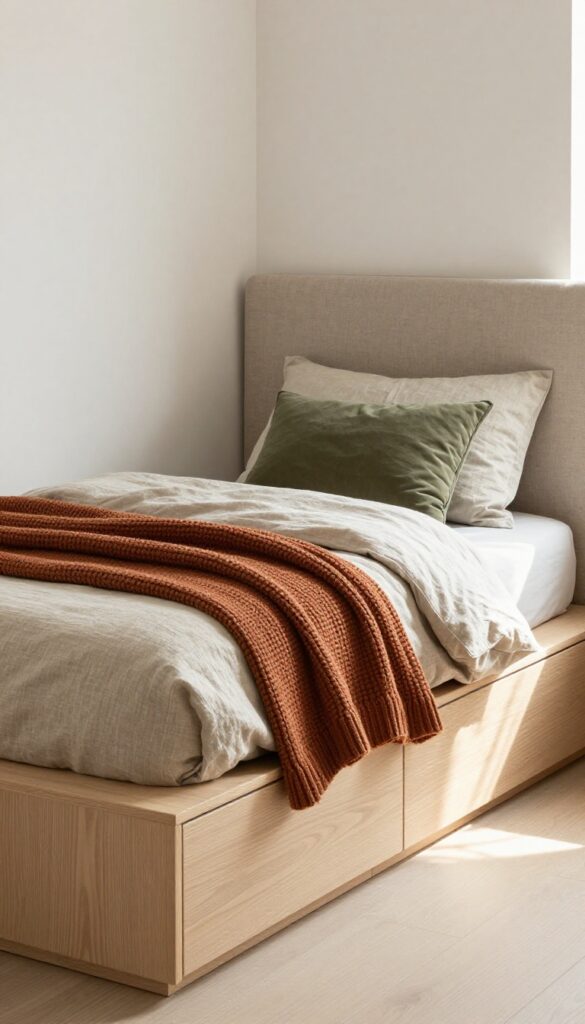
Ditching the standard twin bed for a low-profile platform bed is one of the quickest ways to give a teenage boy's room a more mature feel. The sleek, grounded silhouette instantly opens up the space visually, making even a small bedroom feel larger and less cluttered. Plus, the lower height creates a cozy, lounge-like vibe that's perfect for hanging out.
Why It Works
A low platform bed lowers the visual center of gravity in the room, which makes the ceiling feel higher and the floor area more spacious. The built-in storage drawers are a game-changer for small rooms, keeping extra bedding and out-of-season clothes neatly tucked away without taking up floor space.
Best For
This idea is ideal for smaller bedrooms where every square inch counts, or for any teen who wants a cleaner, more grown-up look without sacrificing comfort or storage.
Styling Tip
Layer the bed with textured linens in warm earth tones—think oatmeal linen duvet, a chunky knit throw, and a couple of pillows in rust or olive. Add a low-profile headboard in wood or upholstered fabric to tie the look together.
2. Go Vertical With a Wall-Mounted Desk
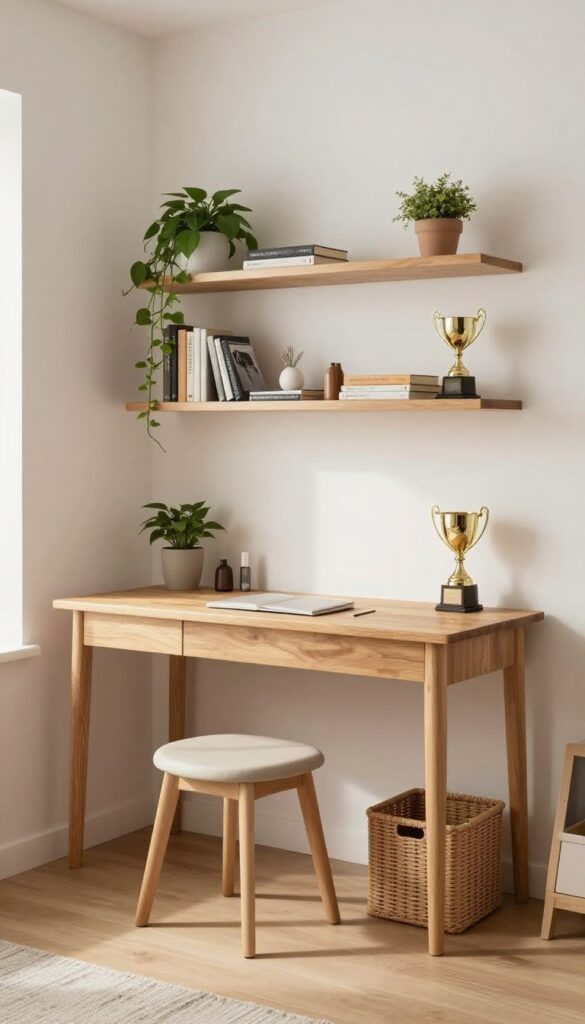
When floor space is tight, the only way to go is up. A wall-mounted desk takes up zero square footage but gives your teen a dedicated spot for homework, gaming, or sketching. The trick is to pair it with floating shelves above so everything they need is within arm's reach, not cluttering the work surface.
Keep the area underneath completely open — a simple stool tucks away easily, and rolling storage bins can slide right under when not in use.
Why It Works
By eliminating bulky desk legs, you instantly make the room feel larger and more open. The vertical layout draws the eye upward, making the ceiling seem higher and the whole space airier. Plus, the shelves above double as display space for trophies, books, or a small plant, adding personality without sacrificing function.
Best For
Small bedrooms where every inch counts, especially narrow rooms that can't fit a traditional desk and chair without blocking traffic flow. It's also ideal for shared rooms where two kids need separate work zones without crowding each other.
Styling Tip
Choose a warm wood finish for the desk and shelves to keep the look cozy rather than cold. Add a small task lamp with a fabric shade for soft light, and tuck a woven bin underneath for extra storage that's easy to grab and go.
3. Add Warmth With a Textured Headboard
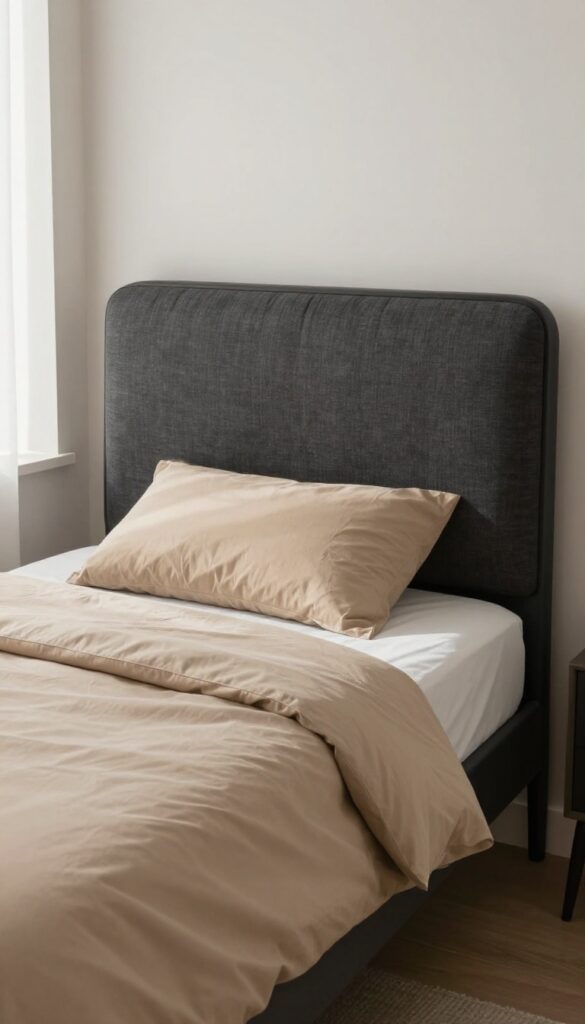
A fabric-upholstered headboard in a neutral tone like charcoal or oatmeal adds softness and a grown-up feel. It also helps absorb sound in a small room. This simple swap can transform a basic bed into a cozy focal point without taking up extra floor space.
Why It Works
Upholstered headboards bring warmth and texture that hard surfaces like wood or metal can't match. The fabric softens the room visually and acoustically, making the space feel more intimate and calm. Plus, it's an easy way to introduce a grown-up design element without a full room overhaul.
Best For
Small bedrooms where you want to add comfort without clutter. It's also great for teens who like to read or hang out in bed, since the padded surface is more comfortable to lean against.
Styling Tip
Choose a textured fabric like linen, velvet, or a chunky weave to add depth. Pair it with matte black or brass bed frames for contrast. Keep the bedding simple in solid colors so the headboard stays the star.
4. Use a Rug to Define the Zone
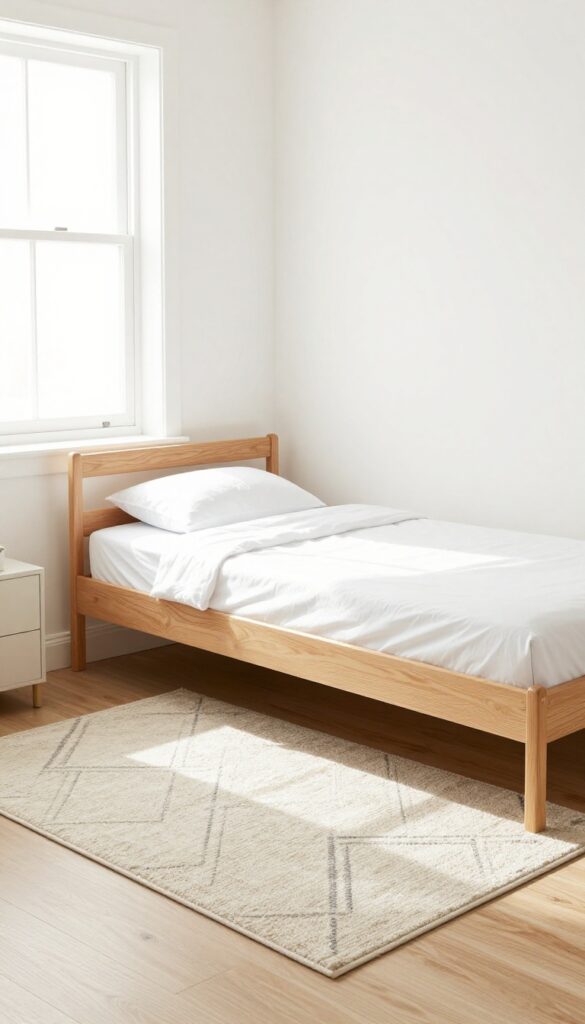
In a small bedroom, every square inch matters, and a rug does double duty. It carves out a visual boundary around the bed, making the sleeping area feel intentional and separate from the rest of the room. A warm, low-pile wool or cotton rug adds softness underfoot and brings in cozy texture that balances out the harder surfaces of furniture and walls.
Why It Works
A rug instantly anchors the bed, giving the room a sense of order without needing walls or dividers. The warm pattern and natural fibers introduce color and softness, which makes the space feel more inviting. Plus, the defined zone helps a compact room feel larger by creating clear functional areas.
Best For
Small bedrooms where the bed is the main furniture piece. It's also great for rooms with hard flooring like laminate or tile, where a rug adds warmth and noise reduction.
Styling Tip
Choose a rug that's large enough to extend at least two feet beyond the sides and foot of the bed. For a twin or full bed, a 5×8 rug works well; for a queen, go with 6×9. Layer it slightly under the nightstands if you have them, to tie the whole sleeping zone together.
5. Install Floating Nightstands
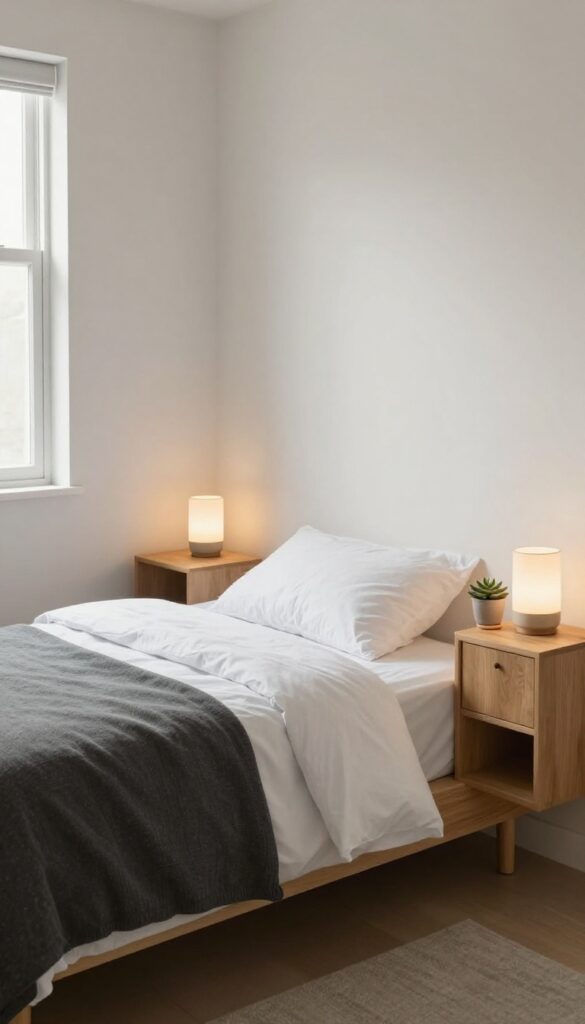
Floor space in a teenage boy's room is prime real estate, often claimed by sports gear, gaming chairs, or piles of laundry. Floating nightstands solve that problem by mounting directly to the wall, freeing up every inch of floor for what actually matters. The clean, minimalist look also adds a subtle grown-up edge that makes the room feel more intentional and less like a toy box.
Why It Works
By eliminating bulky legs and frames, floating shelves or cabinets create an open, airy feel around the bed. This is especially helpful in smaller rooms where every square foot counts. The streamlined silhouette keeps the eye moving, making the whole space appear larger and less cluttered.
Best For
Tight bedrooms where floor space is at a premium, or rooms with an awkward layout that makes traditional nightstands feel cramped. It's also a smart pick for bunk beds or loft beds, where a standard table just won't fit.
Styling Tip
Choose warm wood tones like walnut or oak to keep the look cozy, and mount them at the same height as a standard nightstand—about 24 to 27 inches from the floor. Add a small lamp with a soft bulb, a coaster, and a tiny plant or book to make it feel complete without overloading the shelf.
6. Layer Lighting for Flexibility
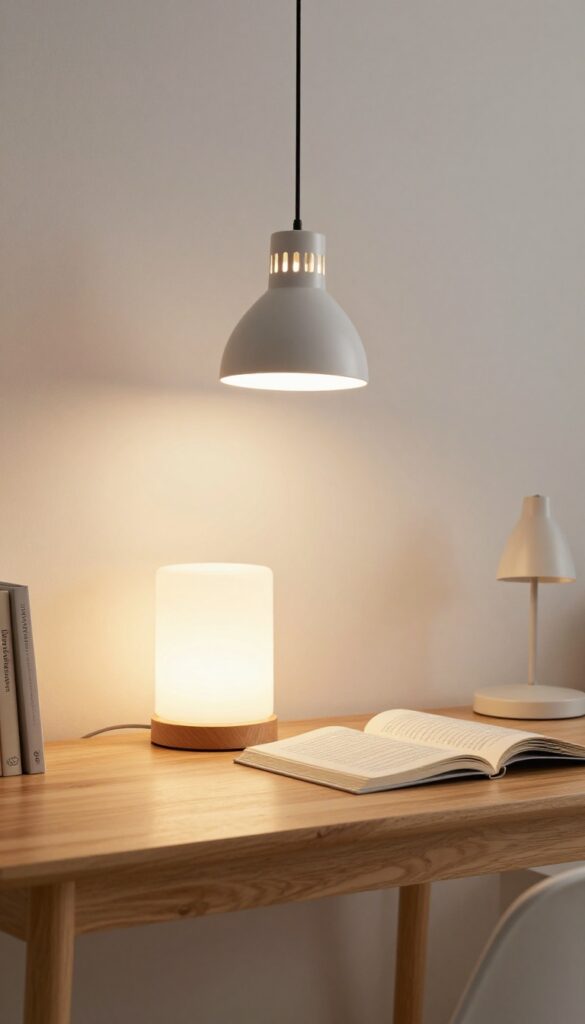
Overhead lights alone can make a room feel harsh or flat, especially in a small bedroom. By layering different light sources, you create zones that can shift from homework mode to winding down. Warm-toned bulbs (2700K) keep everything feeling cozy, not clinical.
Why It Works
Layered lighting lets you adjust the mood and function of the room without any permanent changes. A desk lamp provides focused task light, a reading light by the bed offers a soft glow for downtime, and the overhead fixture fills in the rest. This setup makes a small space feel larger and more intentional.
Best For
This approach works well for any teen who needs a room that can handle studying, relaxing, and everything in between. It's especially useful in smaller bedrooms where one light source just doesn't cut it.
Styling Tip
Choose fixtures with a similar finish (like black or brass) to keep the look cohesive. Place the desk lamp on the opposite side of the room from the reading light to balance the light distribution.
7. Choose a Neutral Palette With One Accent Color
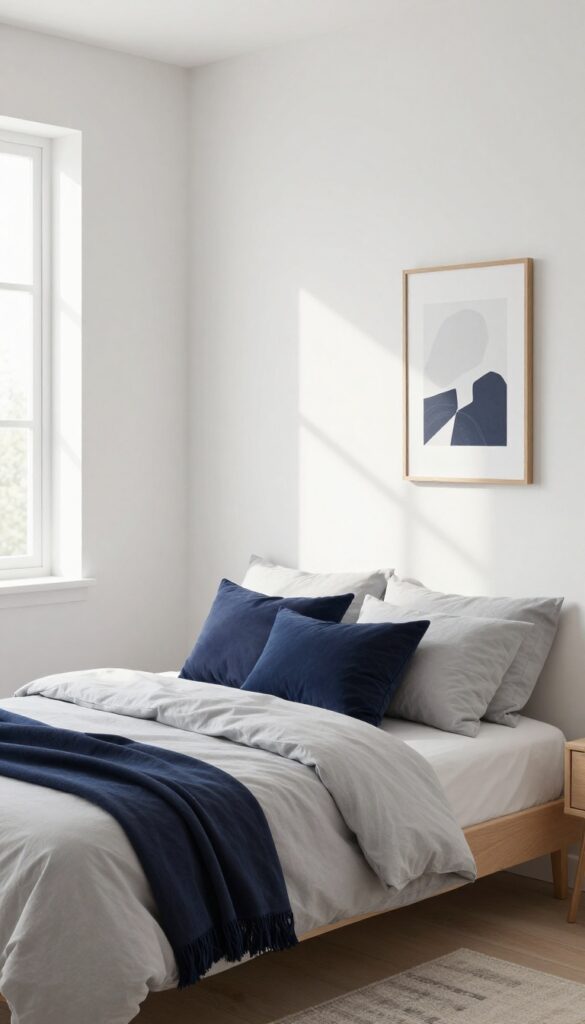
Neutral walls give a room room to breathe, and in a small bedroom, that airy feeling is gold. Warm whites, soft beiges, or light grays keep the space from feeling cramped while still feeling cozy. Then you pick one accent color—deep navy, forest green, maybe a muted rust—and let it pop in just a few places: a pillow, a piece of art, a throw blanket.
It’s a grown-up look that doesn’t scream “teenager,” but still feels playful and personal. The key is restraint—too many accent colors and the calm disappears.
Why It Works
A neutral base makes the room feel larger and more serene, which is huge for a small space. The single accent color adds personality without visual clutter, so the room stays calm but not boring. It’s also super easy to update as tastes change—just swap out the accent pieces.
Best For
This idea works great for any small bedroom where you want to avoid a busy, cramped feel. It’s especially good for teens who want a space that feels mature but still reflects their personality without overwhelming the room.
Styling Tip
Stick to three or four accent items max—like a throw pillow, a small rug, and a framed print. Choose a darker accent color like navy or charcoal for a cozy, grounding effect that won’t feel too bright or childish.
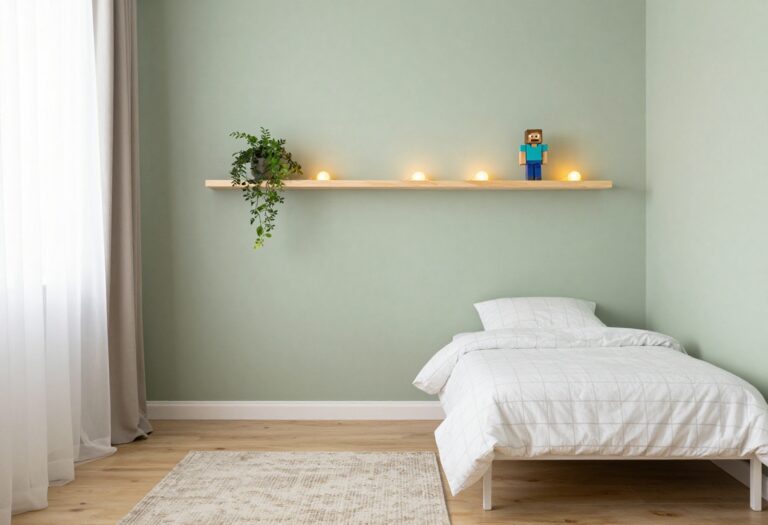
8. Incorporate Open Shelving for Display and Storage
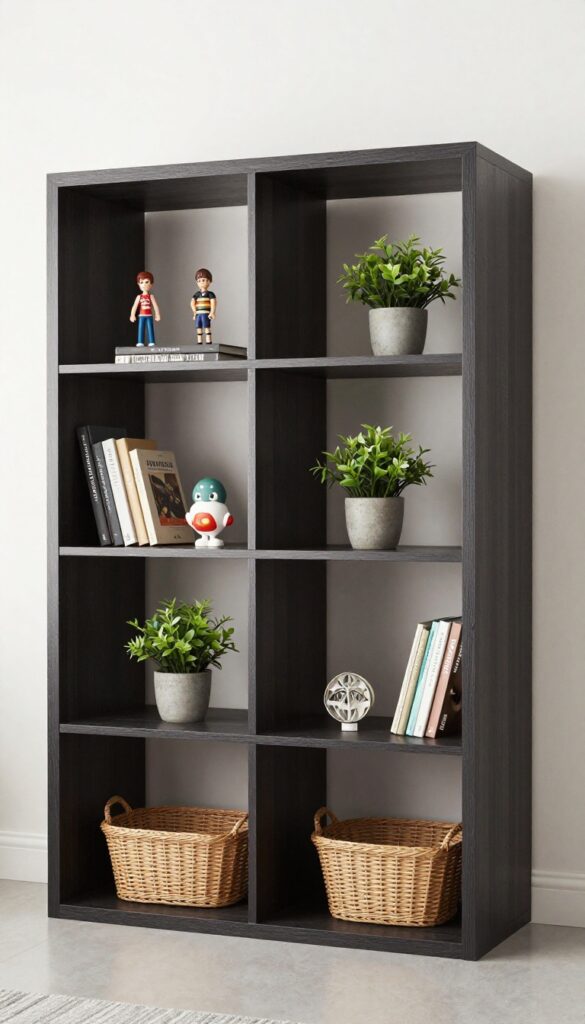
Wall-mounted shelves in a dark wood or black metal bring a grown-up edge while keeping the room organized. In a small bedroom, they free up floor space and turn bare walls into functional zones. A few well-placed shelves can hold books, collectibles, and even a small plant, making the room feel curated rather than cluttered.
Why It Works
Open shelving adds vertical storage without eating into precious square footage, which is key for tight spaces. The dark finish anchors the room and pairs well with warm tones, creating a cozy, intentional look. Matching baskets keep smaller items out of sight, so the display stays tidy and the room feels calm.
Best For
Teens who want to show off their personality—whether it's sports memorabilia, gaming figures, or a growing book collection—without the room looking messy. It's also ideal for narrow walls or awkward corners where a bulky dresser won't fit.
Styling Tip
Mix open shelves with a few closed baskets or bins in natural materials like seagrass or linen. Group similar items together, and leave some breathing room between objects so the shelves don't feel overcrowded. A small pothos or snake plant on the top shelf adds life and softens the dark wood.
9. Pick a Statement Chair That Doubles as Decor
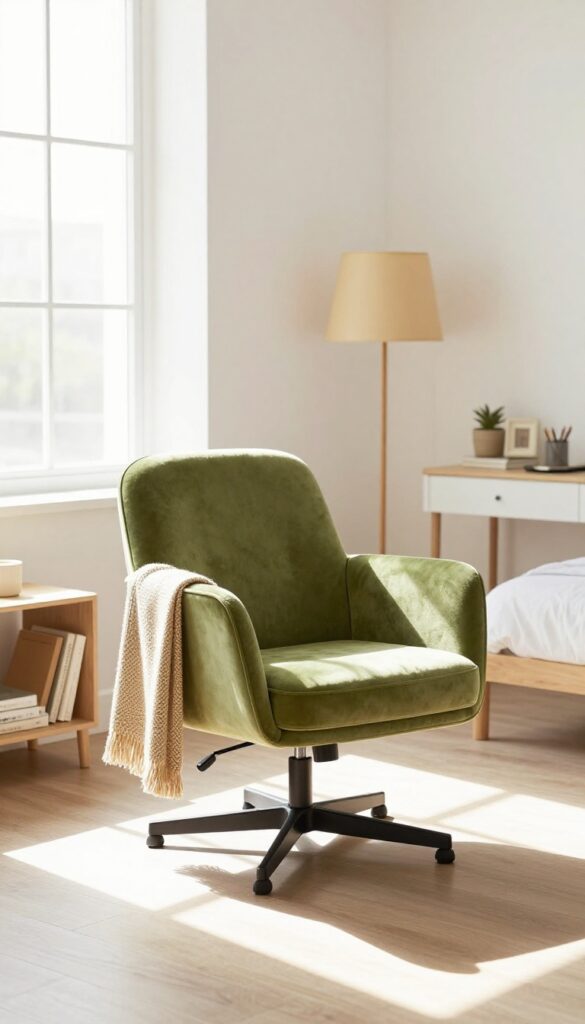
A single standout chair can completely change the energy of a small bedroom. Instead of a bulky armchair that eats up floor space, go for a compact swivel chair in leather or velvet. It gives your teen a cozy spot to sit, game, or scroll without cluttering the room.
The swivel function makes it easy to turn toward the desk or bed, keeping the layout flexible and open.
Why It Works
A statement chair adds a second seating option without feeling cramped. In a small room, every piece needs to earn its keep, and this one does double duty as both furniture and decor. The rich texture of velvet or the sleek look of leather brings warmth and personality, making the room feel more curated and less like a standard kid's space.
Best For
Small bedrooms where floor space is tight but you still want a spot to sit besides the bed. It's also great for teens who love gaming or reading and need a comfortable chair that doesn't scream 'gaming throne.'
Styling Tip
Place the chair at an angle in a corner near the window or beside a bookshelf. Add a small floor lamp and a woven throw blanket to make it feel like a mini lounge area. Stick to warm tones like rust, olive, or camel to keep the cozy vibe going.
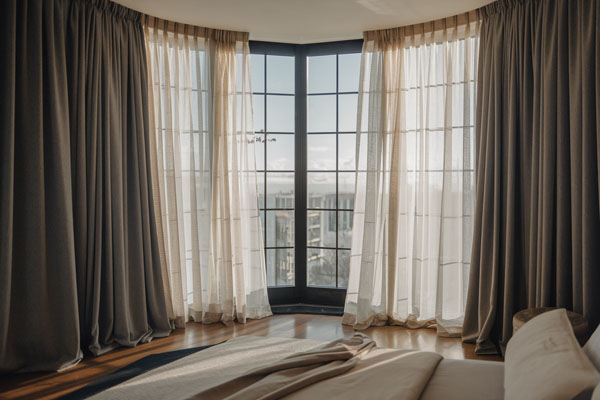
10. Use Curtains to Add Height and Softness
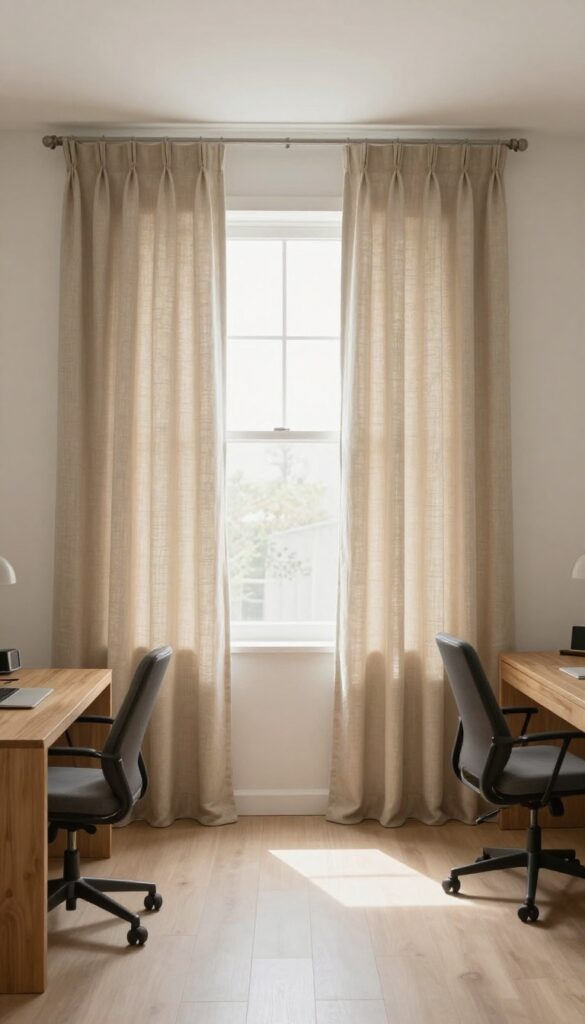
Most teenage bedrooms have standard windows that don't exactly scream 'design statement.' But you can completely change how the room feels just by hanging curtains the right way. Mount the rod a few inches below the ceiling rather than right above the window frame, and let the fabric fall all the way to the floor. This simple trick draws the eye upward, making the ceiling seem taller and the whole space feel more expansive.
Plus, in a small room, that vertical line adds a sense of structure without taking up any floor space.
Why It Works
Floor-length curtains create a strong vertical line that tricks the brain into perceiving more height. The soft fabric also balances out all the hard surfaces typical in a teen's room—desk, bed frame, gaming chair—and adds a layer of warmth that makes the room feel lived-in rather than sterile.
Best For
This idea works especially well in small bedrooms with low ceilings, where every inch of visual height matters. It's also a great choice if the room has minimal architectural detail and needs a quick, non-permanent upgrade.
Styling Tip
Stick with linen or cotton blends in warm earth tones like oatmeal, clay, or sage. Avoid heavy blackout fabrics that feel too bulky. For extra coziness, choose a slightly wider rod so the curtains stack back softly when open, creating a gentle frame around the window.
11. Create a Gallery Wall With Personal Touches
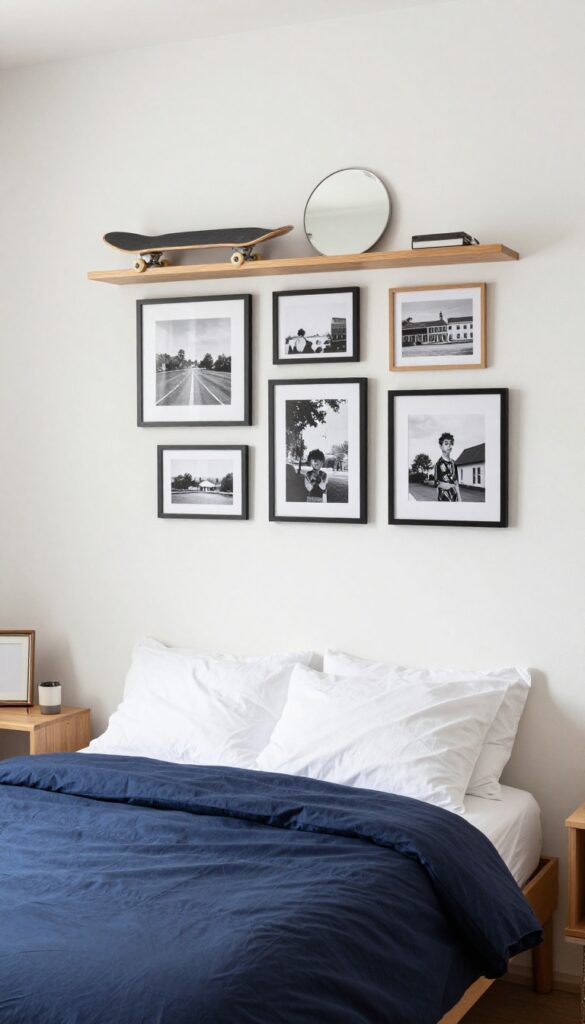
A gallery wall is a fantastic way to let your teen's personality shine without taking up floor space. Mix framed photos, small prints, and a few 3D objects like a skateboard or a small mirror. Keep the frames consistent in color to avoid visual clutter, which is especially important in a small room.
The result is a curated, grown-up look that still feels personal and warm.
Why It Works
This idea works because it adds visual interest and personality without needing extra furniture. The mix of flat art and dimensional objects creates depth, while uniform frames tie everything together neatly. It's a flexible solution that can grow with your teen's tastes.
Best For
This is perfect for small bedrooms where floor space is limited but walls are available. It also works well for teens who want to display their hobbies or achievements in a stylish, non-cluttered way.
Styling Tip
Stick to two or three frame colors, like black and natural wood, to keep the look cohesive. Lay out the arrangement on the floor first to test the composition before hanging anything. A small floating shelf can hold the 3D items and make swapping them out easy.
12. Add a Rug Under the Desk for Comfort and Style
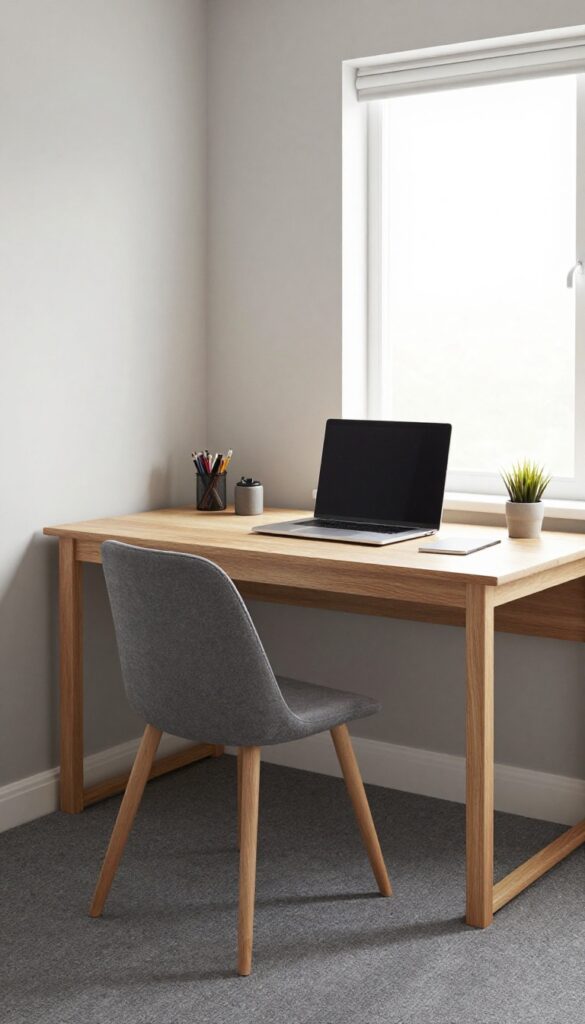
A desk area can feel like an afterthought in a teen's bedroom, but it doesn't have to. Tucking a small rug under the desk instantly defines the workspace and adds a layer of warmth that makes the spot feel intentional. In a small room, this simple trick carves out a clear zone for homework without taking up extra square footage.
Why It Works
It creates a visual boundary that separates the work zone from the rest of the room, which helps with focus. The soft surface also makes long study sessions more comfortable for feet, and the warmth underfoot keeps the space cozy during colder months.
Best For
Compact bedrooms where every inch counts. A rug under the desk is perfect for rooms that double as a study and sleep space, because it clearly marks the work area without needing a physical divider.
Styling Tip
Go for a low-pile wool or synthetic rug in a neutral tone like charcoal, navy, or warm gray. Keep it small—just large enough for the desk chair to stay on the rug when pushed in. A darker color hides stains and dirt better, which is a lifesaver in a teen's room.
FAQ
How can I make a small teenage boy's bedroom feel bigger?
Use low-profile furniture, mount items on walls, and stick to a light, neutral color palette. Mirrors and good lighting also help open up the space.
What colors work best for a warm and cozy teen boy's room?
Warm neutrals like beige, taupe, and soft gray form a great base. Add depth with darker accents like navy, charcoal, or forest green.
How do I incorporate storage without cluttering the room?
Choose furniture with built-in storage, like beds with drawers or ottomans with hidden compartments. Use vertical space with shelves and wall-mounted organizers.
What type of lighting is best for a small bedroom?
Layer different light sources: an overhead fixture for general light, a desk lamp for tasks, and a bedside lamp for reading. Use warm bulbs to keep it cozy.
Can I make a small room feel grown-up without spending a lot?
Absolutely. Simple swaps like a new duvet cover, a rug, or floating shelves can make a big difference. Focus on a few key pieces rather than a full renovation.
Conclusion
Bringing a grown-up edge to a teenage boy's bedroom doesn't require a massive budget or a complete redesign. Small, intentional changes—like swapping out furniture, adding layered lighting, and choosing a warm color palette—can transform the space into something he'll love for years.
Remember, the goal is to create a room that feels both mature and cozy, especially in a small footprint. Pick the ideas that fit his personality and your space, and watch the room evolve into a place he's proud to call his own.