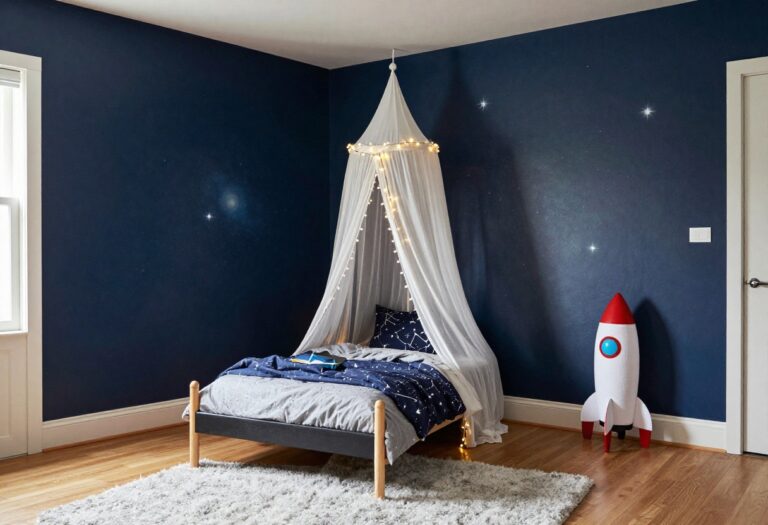
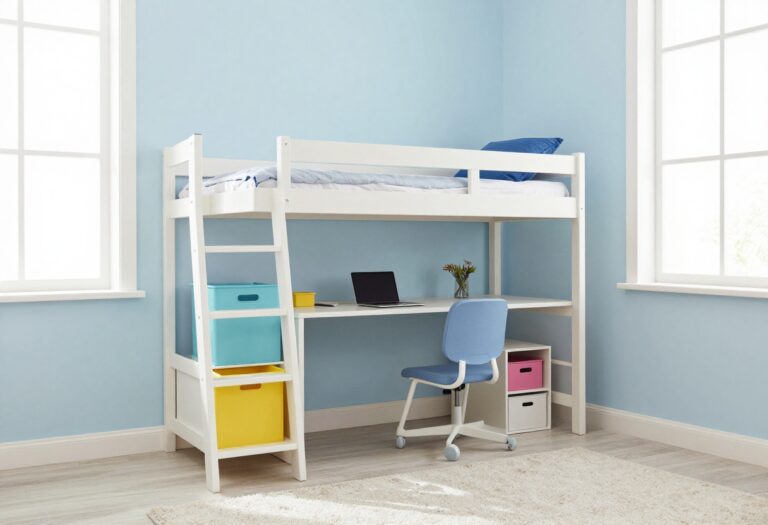
12 Blue Boys Bedroom Ideas That Go Beyond Basic (And Fit Small Spaces)
Blue is a go-to for boys' bedrooms, but it's easy to fall into the same old theme: sports, cars, or superheroes. You want something that feels fresh, personal, and actually works in a smaller room. The good news?
Blue is incredibly versatile. With the right approach, it can make a compact space feel bigger, calmer, and way more interesting.
These 12 ideas skip the clichés and focus on real-world style that's both practical and easy to pull off. Whether you're starting from scratch or just refreshing a few details, each idea is designed to fit snugly into a small room without sacrificing personality.
1. Navy Accent Wall That Anchors the Room
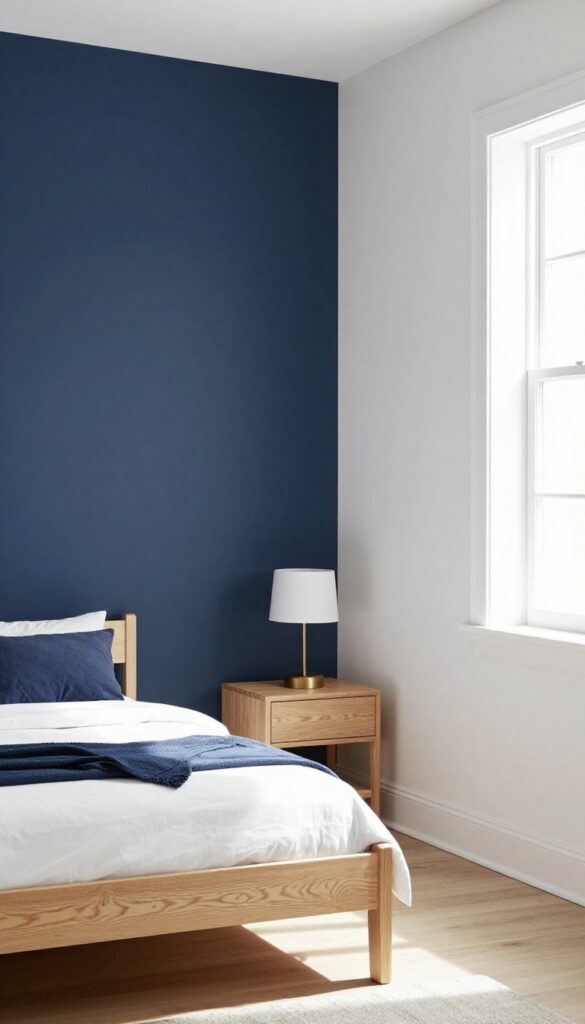
A single navy wall can transform a small bedroom from forgettable to grounded. It adds instant depth without making the space feel closed in, especially when the other walls stay crisp white or soft gray. The contrast creates a natural focal point that draws the eye and gives the room a sense of purpose.
Why It Works
Deep navy reads as neutral but has more character than beige or gray. In a compact room, one dark wall adds weight and coziness without overwhelming the square footage. Light furniture and white trim keep the look airy and balanced.
Best For
This works well for small bedrooms that need a strong visual anchor. It's also great for kids who want a bold color but where a full dark room would feel too heavy. Pair it with natural wood or warm metallics to keep it from feeling cold.
Styling Tip
Choose a matte finish for the accent wall to avoid glare and keep the navy looking rich. Pull the color into bedding or a rug in small doses so the wall doesn't feel disconnected. A low-profile bed frame in white or light oak keeps the floor plan open.
2. Two-Tone Walls for Visual Height
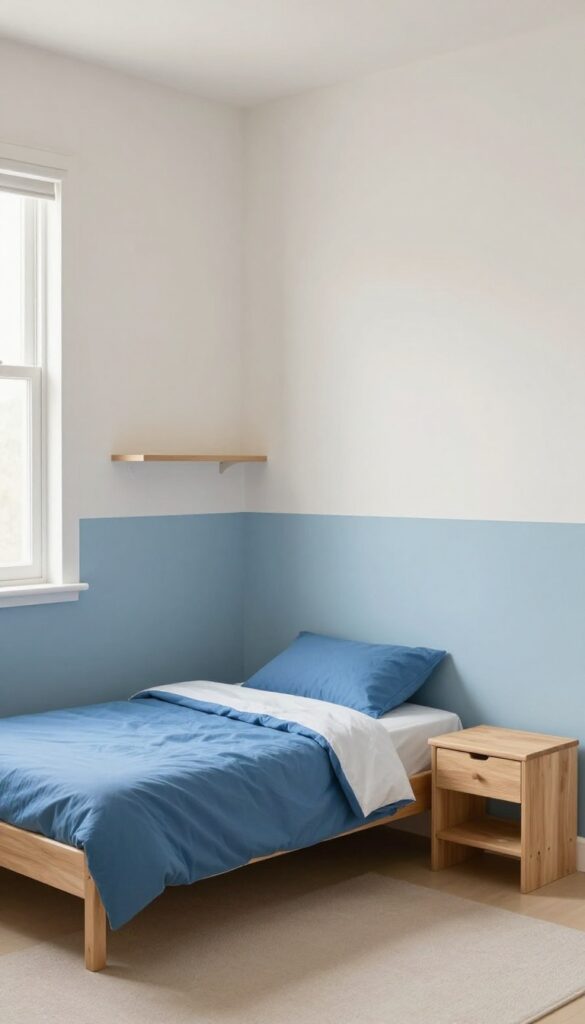
A simple paint trick can make a small bedroom feel taller and more open. By dividing the wall into two colors—soft blue on the lower half and white or cream above—you create a horizontal line that draws the eye upward. It's an affordable, DIY-friendly way to add architectural interest without any actual construction.
Why It Works
The contrast between the two colors creates a visual break that makes the ceiling appear higher than it is. The lighter top half reflects more light, while the darker bottom half grounds the room, giving it a balanced, spacious feel.
Best For
Bedrooms with standard or low ceilings where you want to maximize the sense of height. It's also great for rooms that lack architectural details like crown molding or wainscoting, since the paint treatment adds a similar effect.
Styling Tip
Use painter's tape to get a crisp line at the halfway point—usually around 48 inches from the floor. For a subtle twist, try a slightly darker blue on the bottom and a warm white on top, then add a floating shelf right at the seam to emphasize the division.
3. Blue Built-In Shelving for Smart Storage
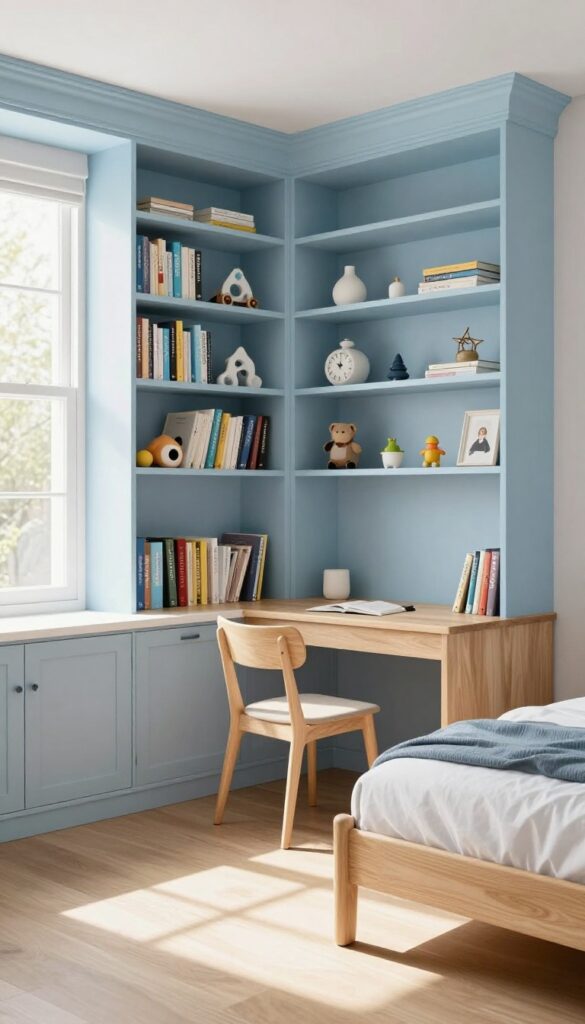
Floor-to-ceiling shelves painted in a pale blue can transform a cluttered boy's bedroom into an organized, airy retreat. The soft hue blends with the walls, making the storage feel built-in rather than added on, which is a huge win for small spaces. This approach keeps toys, books, and treasures off the floor, creating a calm, open feel without sacrificing style.
Why It Works
Pale blue shelves visually recede, so they don't overwhelm the room. By using vertical space, you free up floor area for play or a desk, making the bedroom feel larger and more functional. The uniform color also ties the room together, creating a cohesive look that's both practical and polished.
Best For
This idea is perfect for small bedrooms where every inch counts, especially for kids who have lots of books, collectibles, or display-worthy items. It works well in rooms with high ceilings, but even standard-height rooms benefit from the vertical storage boost.
Styling Tip
Mix open shelves with a few closed cabinets or baskets at the bottom to hide less tidy items. Layer in warm wood tones, like a natural wood desk or bed frame, to add contrast and keep the pale blue from feeling too cool.
4. Textured Blue Bedding That Adds Warmth
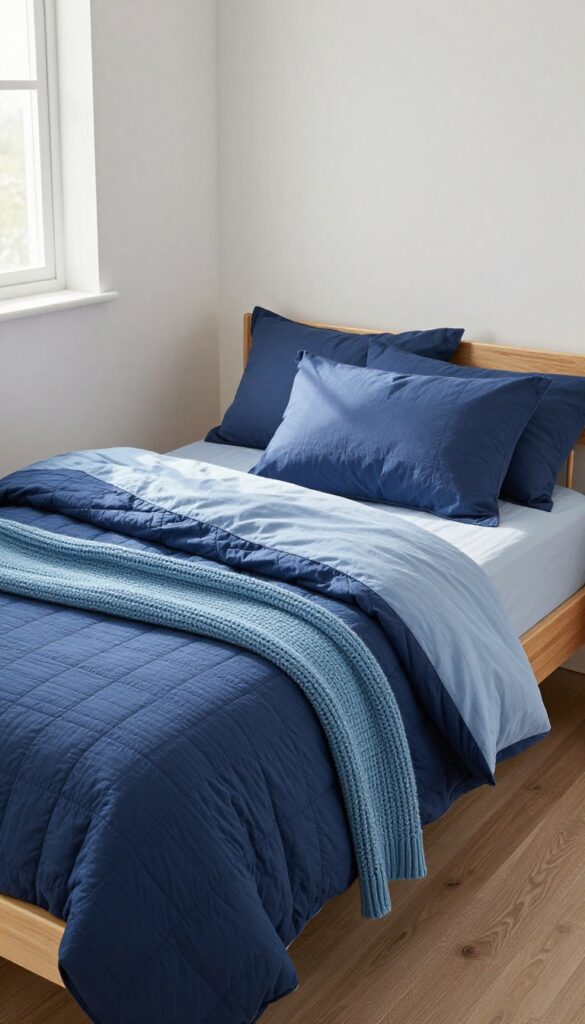
Bedding is often an afterthought in a boy's room, but it's actually one of the easiest ways to introduce color and comfort. A solid blue duvet can feel flat, but layering in different textures—like a chunky knit throw or a quilted bedspread—instantly gives the bed depth and a cozy, lived-in feel. This approach works especially well in small spaces because it adds visual interest without taking up any floor area.
Why It Works
Texture creates contrast and warmth, making the bed the focal point of the room. The layers also add a sense of softness and invitation, which is especially important in a space meant for rest. Plus, textured bedding is forgiving—wrinkles and creases just add to the relaxed look.
Best For
Small bedrooms where you want to maximize style without adding furniture. It's also great for boys who like to lounge on their bed, since the layers make it more comfortable for reading or relaxing.
Styling Tip
Stick to two or three shades of blue—like a navy quilted coverlet with a sky blue knit throw and a few indigo accent pillows. Keep the sheets and pillowcases in a solid lighter blue to let the textured pieces stand out.
5. Blue and Natural Wood Combo
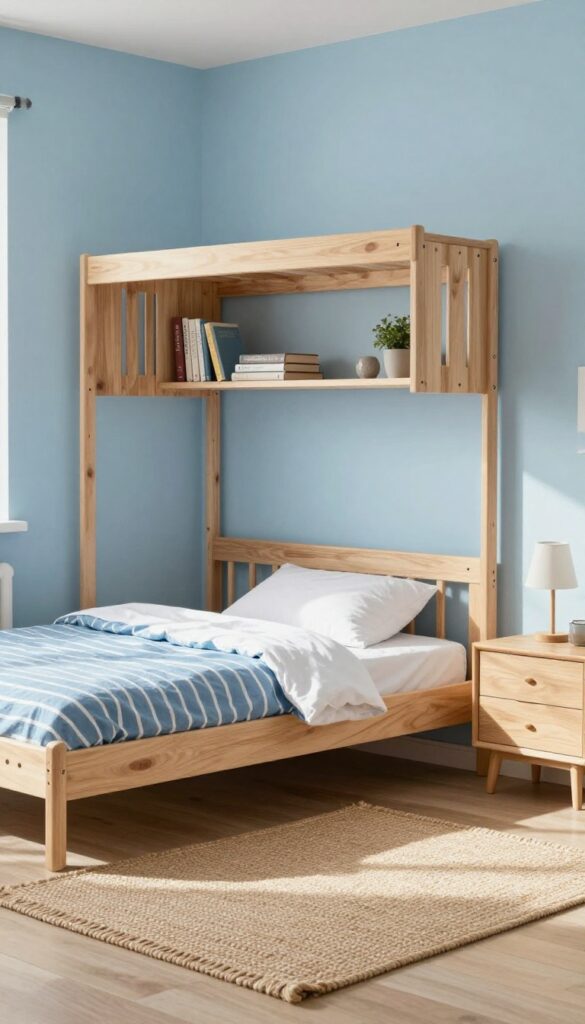
Blue walls or bedding can feel a bit cold on their own, especially in a compact room. Natural wood furniture—like a solid bed frame, open shelves, or a simple nightstand—adds warmth and texture that balances the cool tones. The contrast feels grounded and organic, making the space cozy without losing that crisp, clean look.
Why It Works
Wood tones bring visual warmth to blue's cool palette, preventing the room from feeling sterile. In a small bedroom, this combo creates depth and interest without adding clutter, keeping the space airy while feeling intentionally styled.
Best For
Small bedrooms where you want a calm, nature-inspired vibe without overwhelming the square footage. Ideal for boys who love a modern rustic or Scandinavian look.
Styling Tip
Stick to one wood tone—like light oak or walnut—to keep the look cohesive. Add a woven basket for laundry or a jute rug to reinforce the natural feel. Keep bedding simple in solid blue or subtle stripes.
6. Ceiling in a Soft Sky Blue
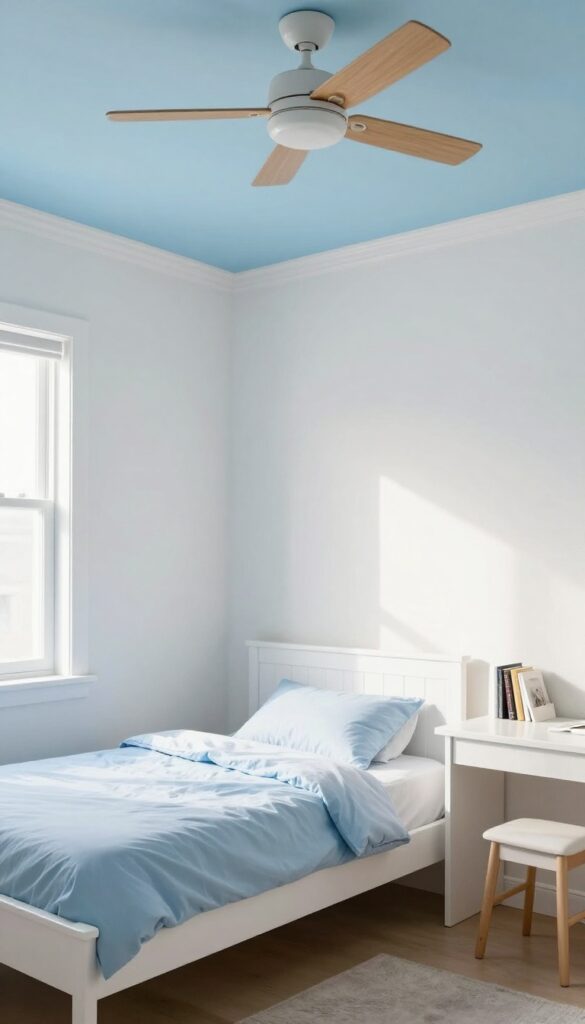
Looking up doesn't usually change a room, but painting the ceiling a soft sky blue can completely transform how a space feels. This simple trick mimics the openness of the outdoors, making even the smallest bedroom feel larger and more breathable. It's a subtle way to add color without overwhelming the walls or furniture.
Why It Works
A light blue ceiling draws the eye upward, creating a sense of height and airiness. In small rooms, this visual expansion is especially valuable—it tricks the brain into perceiving more space than actually exists. The soft hue also reflects natural light well, brightening the room without needing extra lamps.
Best For
This idea shines in compact bedrooms or rooms with low ceilings where every visual trick counts. It's also perfect for rooms that get good natural light, as the blue will glow gently throughout the day. If your child loves the outdoors or you want a calming, gender-neutral backdrop, this is a winner.
Styling Tip
Keep the walls white or a very pale neutral to let the ceiling be the star. Add white trim and a few white cloud-like pendant lights or a simple white fan to reinforce the sky theme. For a playful touch, hang a model airplane or a small mobile just below the ceiling.
7. Blue Geometric Rug to Define the Zone
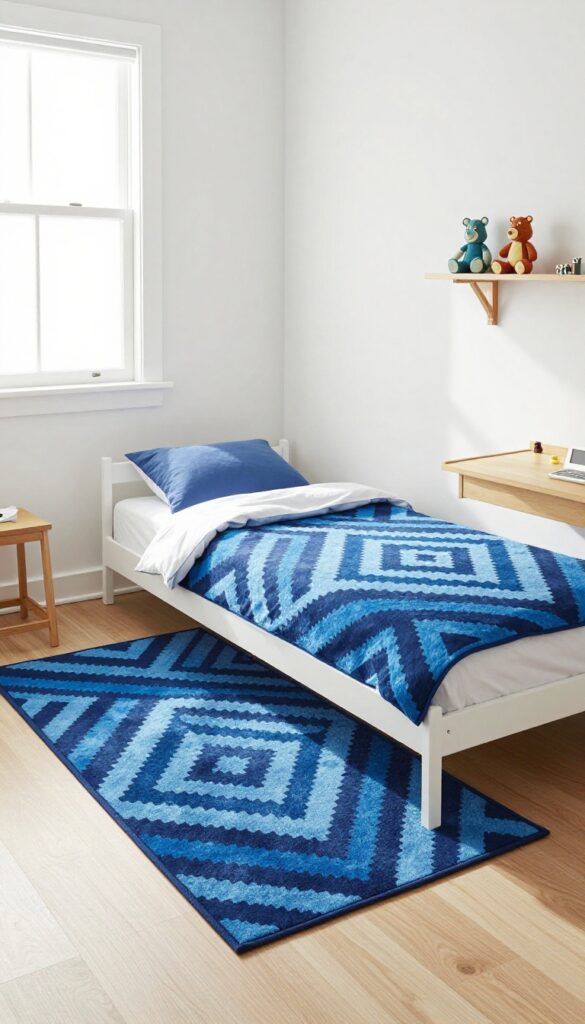
A rug with a bold blue geometric pattern can anchor the bed area and create a clear visual boundary in a shared or small bedroom. It brings in pattern and color without overwhelming the space, making the sleeping zone feel intentional and cozy. In a compact room, this simple addition helps separate rest from play or homework areas without needing walls or bulky furniture.
Why It Works
Geometric rugs add structure and a modern edge to a blue-themed room. The repeating pattern draws the eye and grounds the bed, while the blue ties into the overall palette. It’s an easy way to introduce texture and visual interest that feels curated, not chaotic.
Best For
Small bedrooms where you need to carve out distinct zones without sacrificing floor space. Also great for boys who love a bit of pattern but don’t want a theme that feels too young or cartoonish.
Styling Tip
Choose a rug with a low pile for easy cleaning and a pattern that includes a secondary color like gray or navy to complement the walls. Layer it partially under the bed, leaving enough exposed to define the area. Keep the rest of the flooring simple so the rug stands out.
8. Blue Blackout Curtains for Better Sleep
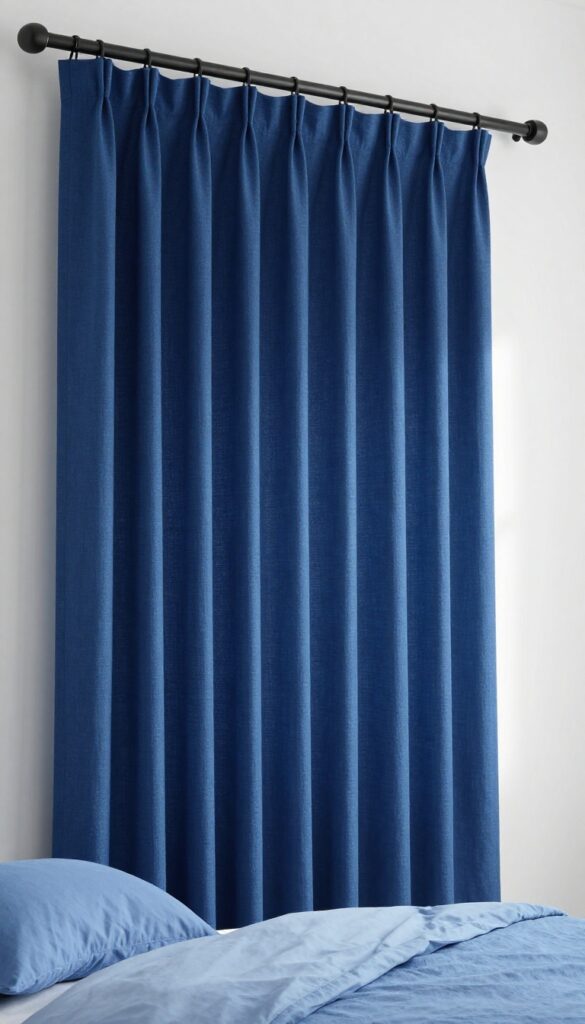
Light pollution is a sneaky sleep thief, especially in a kid's room where early sunrises or streetlights can disrupt rest. Blue blackout curtains solve that problem while adding a soft, intentional layer to the window. They pull the room together without extra valances or blinds, making the space feel calm and complete.
The deep navy or muted slate tones blend with most blue-themed bedrooms, and the fabric itself brings a cozy, padded texture that absorbs sound and drafts.
Why It Works
Blackout curtains block up to 90% of outside light, which helps regulate melatonin production for deeper sleep. The blue hue reinforces the room's color story without competing with other decor. Plus, the heavy fabric adds visual weight that makes windows feel finished and polished, even if you skip curtains in the rest of the house.
Best For
This works well in any boy's bedroom, but it's especially smart for rooms facing east or west where morning or afternoon sun pours in. It's also a lifesaver for shared rooms where one child goes to bed earlier than the other.
Styling Tip
Hang the rod as high and wide as possible—close to the ceiling and extending past the window frame—to make the window look larger. Choose a solid blue or a subtle textured weave (like linen-look polyester) rather than patterns, so the curtains stay versatile if you change the bedding later. Pair with a simple metal rod in matte black or brushed nickel for a clean finish.
9. Blue Desk Nook With Floating Shelves
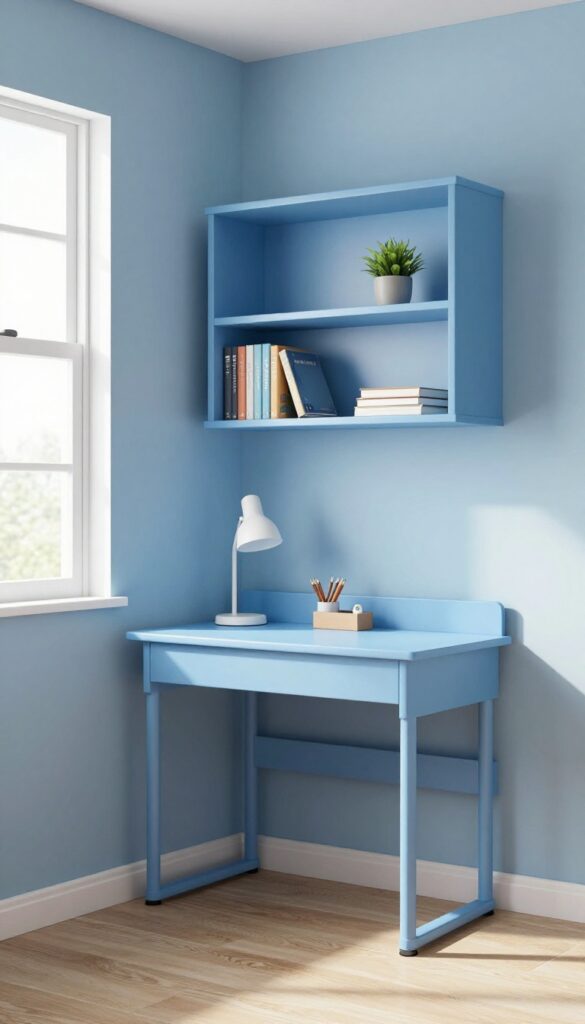
Tucked into a corner, this blue desk nook turns leftover wall space into a purposeful homework zone. The wall-mounted desk and floating shelves keep the floor completely clear, making even the tightest room feel open and organized. Painted in a matching shade of blue, the whole setup blends into the room like it was always meant to be there.
Why It Works
By lifting everything off the floor, you free up valuable square footage for play or storage. The continuous blue color creates a calm, focused atmosphere while visually unifying the study area with the rest of the bedroom. It's a simple way to add function without crowding the room.
Best For
This idea is perfect for small bedrooms where floor space is at a premium, especially for school-aged kids who need a dedicated spot for homework. It also works well in shared rooms where each child needs their own quiet corner.
Styling Tip
Keep the desk clutter-free with a small task lamp and a tray for essentials. Use the floating shelves to display a few favorite books or a small plant, but leave plenty of breathing room so the nook doesn't feel busy.
10. Blue and White Striped Accents
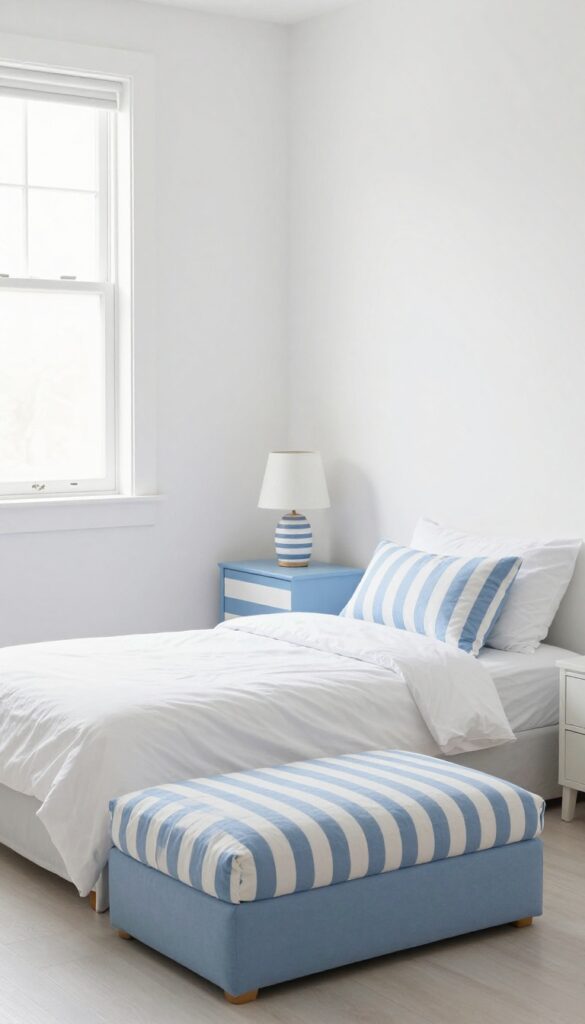
Stripes are a timeless pattern that instantly energizes a space without overwhelming it. In a small boys' bedroom, blue and white stripes bring a crisp, nautical feel that feels both playful and polished. A few well-placed striped accents—like a throw pillow, a lamp shade, or a small ottoman—can anchor the color scheme and add visual interest without taking up precious floor space.
The contrast between the two colors keeps the room feeling fresh and easy to update as he grows.
Why It Works
Stripes add structure and movement to a room, making it feel more dynamic. In a compact bedroom, they draw the eye around the space, which can make the room appear larger and more cohesive. Plus, blue and white is a classic combo that pairs well with almost any other accent color, so you can easily swap out accessories later.
Best For
This idea is perfect for small bedrooms where you want to introduce pattern without committing to wallpaper or a large piece of furniture. It also works well for parents who want a stylish but flexible decor that can transition from toddler to teen with just a few swaps.
Styling Tip
Keep the stripes confined to two or three items to avoid a busy look. For example, choose a striped lumbar pillow for the bed and a matching lamp shade on the nightstand. If you want a bolder statement, a small striped ottoman at the foot of the bed adds both pattern and extra seating.
11. Blue Gallery Wall With Personal Art
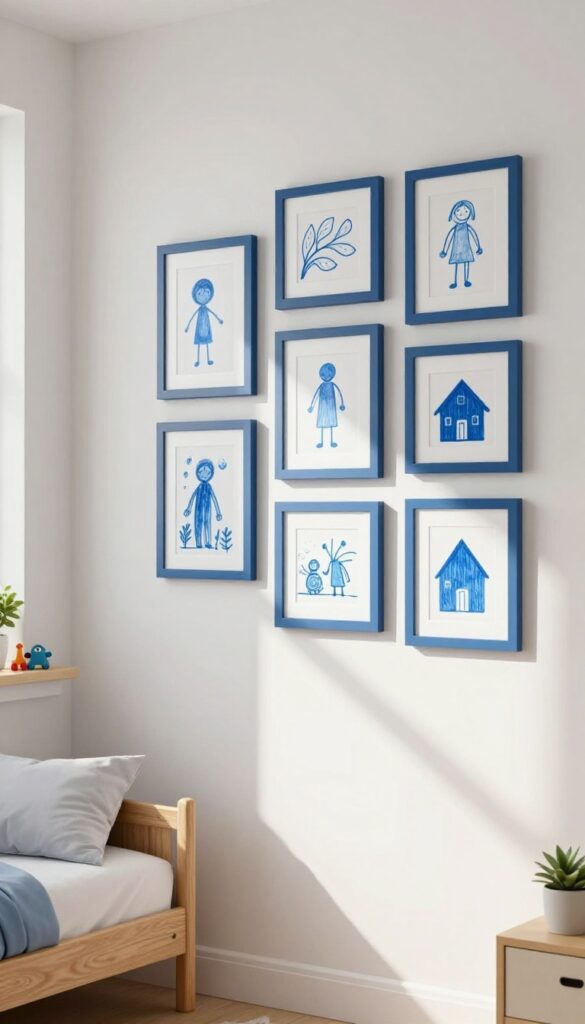
A gallery wall is one of those ideas that looks like it took hours to plan but actually comes together pretty quickly. By sticking with blue frames or art that features blue tones, you keep the whole display feeling intentional and tied to the room's palette. It's also a fantastic way to show off your child's own drawings or favorite prints without making the room feel cluttered.
Why It Works
Gallery walls add tons of personality and visual interest without taking up any floor space—perfect for a small room. Because the frames and art are all blue-based, the wall feels cohesive and custom, not random. And since you can swap pieces in and out easily, the display can grow and change as your child's tastes evolve.
Best For
This works great in any bedroom where you want to make a big impact without losing square footage. It's especially good for kids who love to draw or collect artwork, because you can rotate their latest masterpieces into the gallery. It also fits nicely above a bed, desk, or dresser where a single piece might feel too small.
Styling Tip
Mix frame sizes and shapes—try a few square frames with some rectangular ones—and keep the matting white or light to let the blue pop. To make the arrangement feel balanced, lay the frames out on the floor first and snap a photo before hammering any nails. Add a small shelf below the gallery to display a favorite toy or a small plant for extra depth.
12. Blue Storage Bins That Pull Double Duty
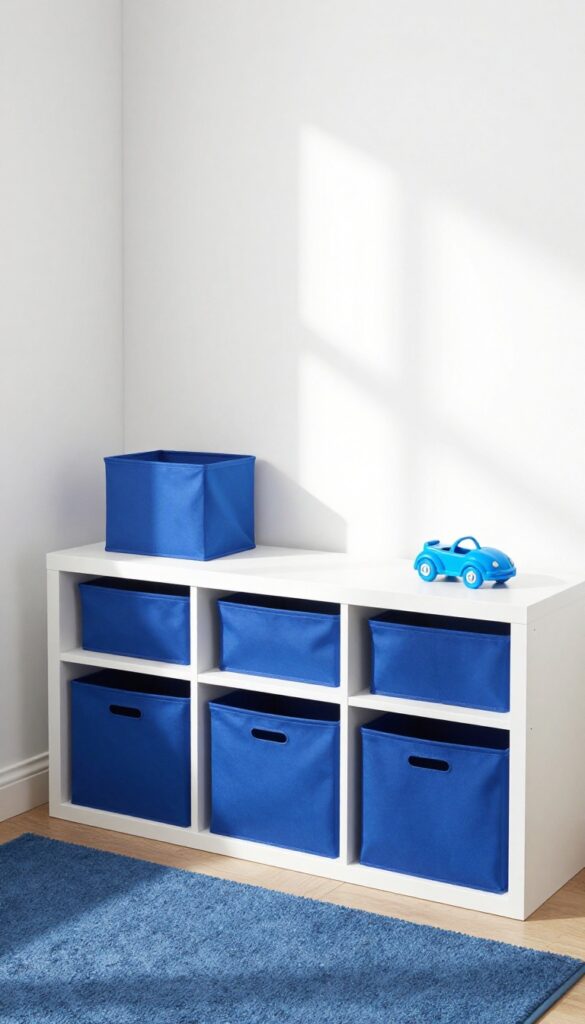
In a small bedroom, every piece of furniture needs to earn its keep. That's where blue storage bins and baskets come in—they're not just containers, they're decor that keeps the chaos contained. A set of woven navy bins on open shelving or a trio of cobalt fabric cubes under the window can turn clutter into a design feature.
The trick is choosing shades that tie into your existing palette, so the bins feel intentional, not like an afterthought.
Why It Works
These bins hide toys, clothes, and random odds and ends while reinforcing the blue color scheme. Because they stack neatly under beds or on shelves, they make the most of vertical and underutilized space. The room stays tidy without sacrificing style, and you can swap bins out as your child's storage needs change.
Best For
Small bedrooms where floor space is tight and every inch counts. Also great for families who want an easy way to teach kids organization without making the room feel like a storage unit.
Styling Tip
Mix textures for visual interest: pair a chunky woven seagrass bin with a smooth canvas one, both in blue. Keep the lids off for easy access, or use a few with lids to hide less attractive items. Label each bin with a simple tag or chalkboard sticker so your child knows where everything goes.
FAQ
What shade of blue is best for a small boys bedroom?
Light blues like sky or powder blue work best for small spaces because they reflect light and make the room feel larger. If you want a darker shade, use it on just one accent wall to avoid closing in the room.
How can I make a blue bedroom feel warm and cozy?
Pair blue with warm neutrals like beige, cream, or wood tones. Add textured fabrics like chunky knits or velvet, and use warm lighting with soft yellow bulbs to balance the coolness.
Can I use blue in a shared boys bedroom?
Absolutely. Blue is a neutral that works well for shared spaces. Use different shades of blue to define each child's area, or add personal touches like name art or different accent colors to give each side its own identity.
What colors go well with blue in a boy's room?
White, gray, and natural wood are classic pairings. For a bolder look, try mustard yellow, orange, or green accents. These colors add contrast and keep the room from feeling too monochromatic.
How do I keep a blue bedroom from looking too babyish?
Avoid cartoon themes and pastel shades. Opt for deeper or muted blues like navy, slate, or denim. Use clean lines, modern furniture, and age-appropriate decor like geometric patterns or nature-inspired art.
Conclusion
Blue is far from boring when you use it thoughtfully. These ideas prove that a small space can still have big style without feeling cluttered or theme-heavy. Pick the ones that fit your child's personality and your home's layout, and you'll end up with a room that feels both personal and practical.
The best part? Most of these ideas are easy to update as he grows, so the room can evolve right along with him.