13 Boys Bedroom Paint Color Ideas That Feel Fresh Now
Picking a paint color for your son's bedroom can feel surprisingly tricky. You want something that feels age-appropriate but not childish, and fresh but not trendy in a way that'll feel dated next year. Add a small room into the mix, and the pressure to get it right goes up even more.
The good news? The right shade can make a compact space feel bigger, cozier, and way more put-together without a full renovation.
Warm tones, in particular, add a layer of comfort that makes a bedroom feel like a true retreat. Here are 13 paint color ideas that hit that sweet spot between stylish and livable.
1. Sage Green for a Calm, Grounded Vibe
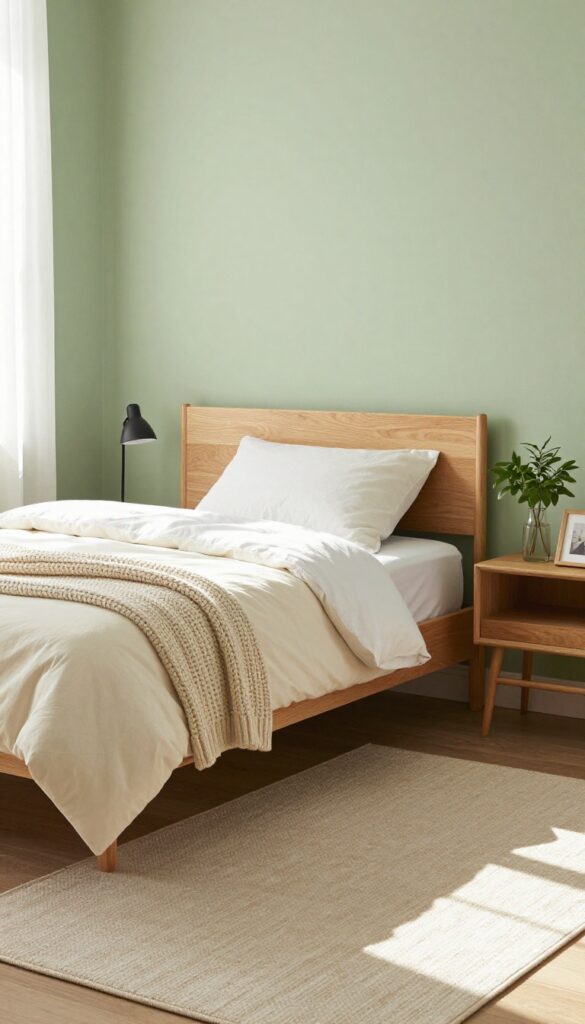
Sage green is having a moment in boys' bedrooms, and for good reason. This muted, earthy tone brings a sense of calm that helps active kids wind down at the end of the day. It's especially smart for smaller rooms because the soft green hue visually recedes, making walls feel like they're farther away than they really are.
The result is a space that feels bigger, quieter, and more grounded without sacrificing style.
Why It Works
Sage green sits right between neutral and colorful, so it adds personality without overwhelming the room. Its gray undertones keep it from feeling too juvenile, meaning it can grow with your child from toddler to teen. The color also pairs beautifully with natural wood and cream textiles, creating a warm, organic look that feels both modern and cozy.
Best For
This color works especially well in small bedrooms or shared spaces where you want to maximize the sense of openness. It's also a great pick if your child tends to be high-energy and needs a bedroom that feels like a retreat. Sage green suits a wide range of decor styles, from Scandinavian minimalist to rustic farmhouse.
Styling Tip
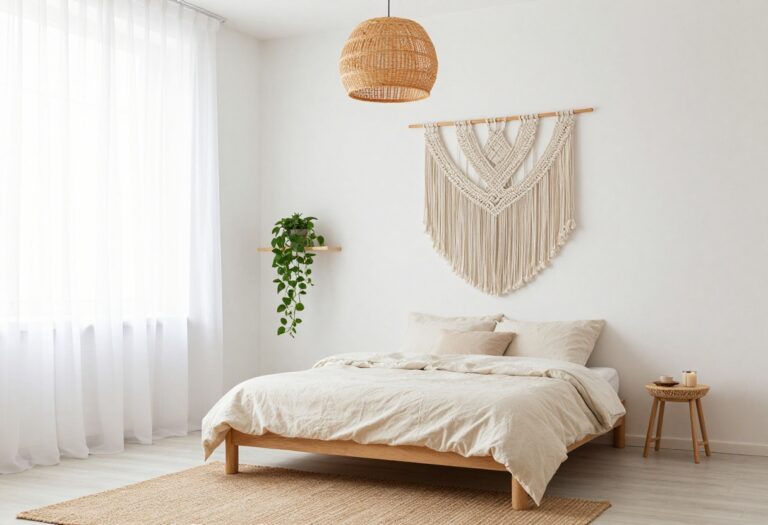
Paint all four walls in sage green for maximum calming effect, then bring in warmth with a natural wood bed frame or a chunky knit throw in cream. Add a few indoor plants like a snake plant or pothos to reinforce the earthy vibe. Keep bedding simple in white or oatmeal, and use black metal accents for a subtle contrast that keeps the room from feeling too soft.
2. Warm Terracotta for Subtle Energy
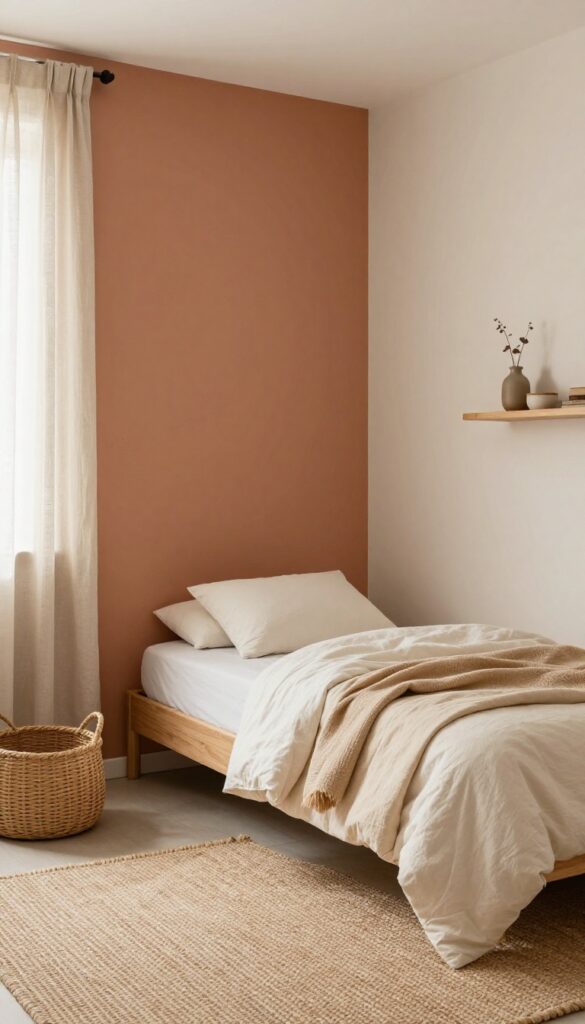
Terracotta has a way of making a room feel grounded without feeling heavy. In a boy's bedroom, it brings a natural warmth that pairs well with the lived-in, slightly messy reality of everyday life. Because it's not as loud as a true red or orange, it works especially well in smaller spaces where you want color without visual clutter.
An accent wall behind the bed is the easiest entry point—it anchors the room and gives the bed a built-in focal point. Keep the remaining walls in soft beige or off-white so the terracotta feels intentional, not overwhelming. The result is a space that feels cozy and quietly energetic, perfect for a growing kid who needs both calm and character.
Why It Works
Terracotta sits in a sweet spot between neutral and bold. It adds visual interest and a sense of warmth, but it doesn't dominate a small room the way deeper reds or oranges might. The earthy undertone also makes the space feel more mature, so it can grow with your child without needing a repaint every few years.
Best For
Tweens and teens who want a room that feels current but not childish. It's also a strong choice for north-facing rooms that need a warmth boost, or for any small bedroom where you want color without sacrificing the sense of openness.
Styling Tip
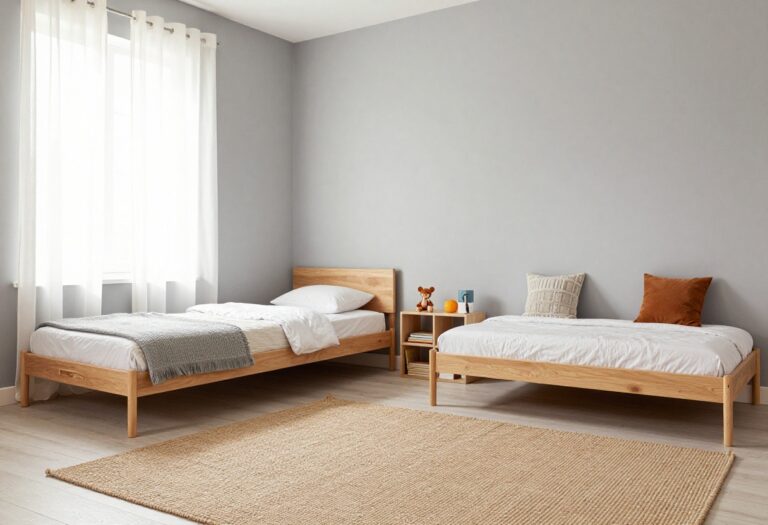
Balance the terracotta wall with natural textures like a woven jute rug, linen curtains, or a chunky knit throw. Add a few wooden shelves or a rattan basket to reinforce the earthy vibe. Keep bedding neutral—cream, tan, or light gray—so the wall stays the star.
3. Dusty Blue for a Soft, Mature Feel
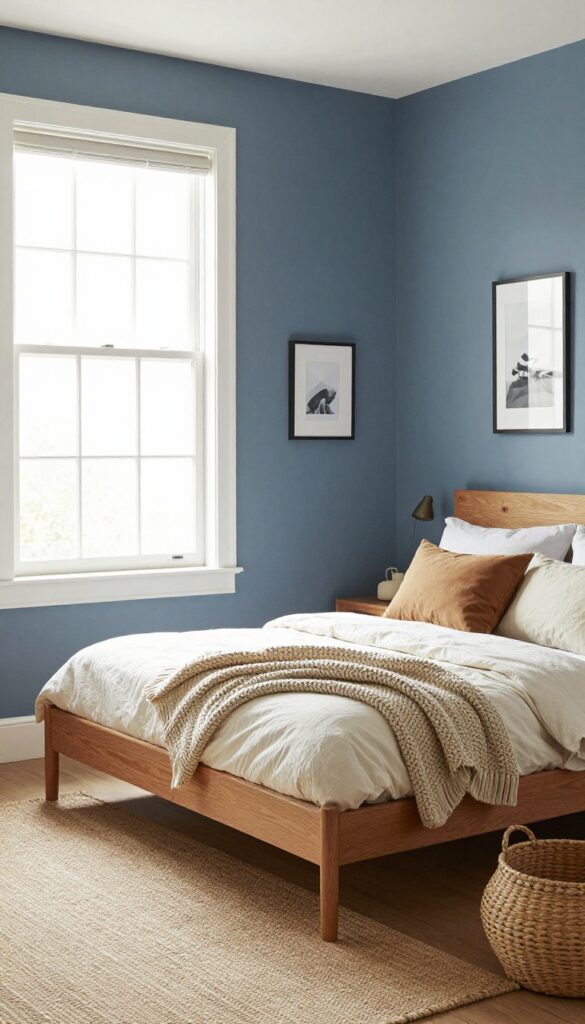
Dusty blue brings a sense of calm that bright primary blues just can't match. It's a muted, sophisticated shade that feels both cozy and grown-up, making it a smart pick for a tween or teen's room. In a small space, this color keeps the walls from closing in while adding a gentle warmth that works beautifully with tan or warm gray accents.
Why It Works
Dusty blue reads as neutral enough to blend with other colors, yet it still offers personality. Its softness makes a small bedroom feel airy rather than cramped, and it pairs effortlessly with natural textures like linen, wood, and woven baskets.
Best For
This shade is ideal for a tween or teen boy who wants something more mature than a cartoon-themed room but isn't ready for a dark or bold wall. It also works well in shared rooms where you need a gender-neutral tone that still feels intentional.
Styling Tip
Balance the dusty blue walls with warm wood furniture and cream or tan bedding. Add a chunky knit throw and a few black-framed prints for contrast. Keep the floor rug light—like a natural jute or a low-pile beige—to maintain that open, airy feel.
4. Buttery Yellow for Cheerful Mornings
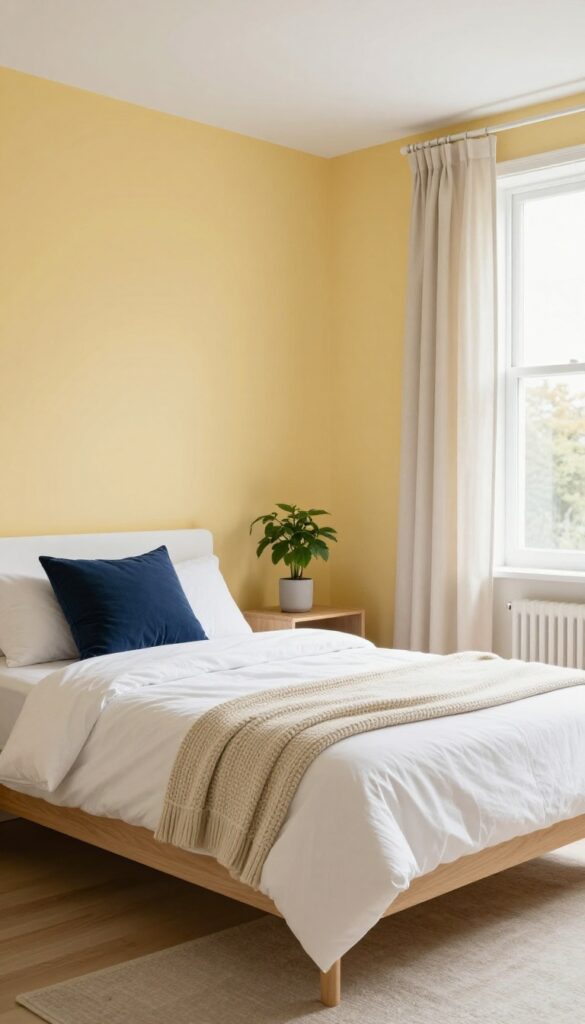
A muted buttery yellow brings sunshine into a small space without being too bright. It works well in rooms with limited natural light, making the space feel airy and welcoming. This shade is warm without being overwhelming, and it pairs beautifully with natural wood and soft neutrals.
Why It Works
Buttery yellow reflects light, which helps a small room feel larger and more open. It also has a cheerful, uplifting quality that can make mornings feel brighter and more positive.
Best For
This color is ideal for a small bedroom that doesn't get much direct sunlight. It's also great for a shared room where you want a happy, neutral backdrop that works for both play and rest.
Styling Tip
Balance the yellow with white trim and light wood furniture to keep the space from feeling too warm. Add a few navy or forest green accents for contrast, and use textured linens like a chunky knit throw or linen curtains to add depth.
5. Charcoal Gray for a Cozy Cocoon Effect
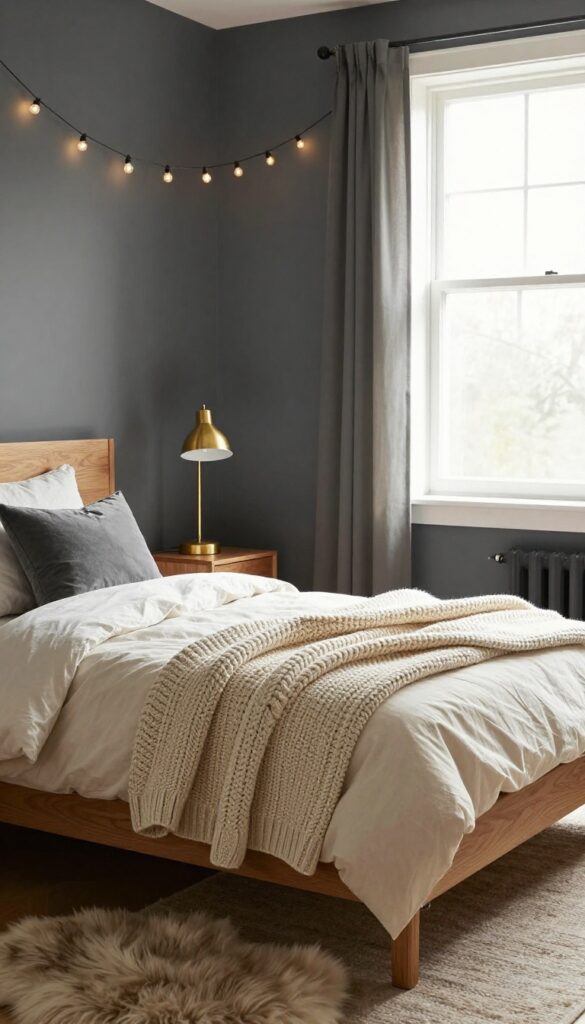
Dark walls can feel intimidating, but in a boy's bedroom, charcoal gray is a surprisingly warm and grounding choice. Instead of closing in the space, a deep gray wall creates a den-like retreat that feels intentional and calming. It works especially well in smaller rooms because the richness adds depth without making the room feel cramped—especially when balanced with plenty of light.
Why It Works
Charcoal gray absorbs light in a way that makes a room feel snug and private, not dark and cave-like. It gives the room a defined mood without being too trendy, and it pairs easily with warm woods, soft whites, and pops of color. The contrast also makes bedding and decor stand out more clearly.
Best For
This idea is ideal for a boy who loves a cozy, slightly moody vibe—think reading nooks, sleepovers, and quiet time. It works great in rooms that get good natural light during the day, so the gray feels rich rather than flat. Also perfect for shared rooms where each side needs its own visual anchor.
Styling Tip
Use light-colored bedding—cream, oatmeal, or pale blue—to keep the room from feeling heavy. Add warm lighting like a brass desk lamp or string lights to soften the gray. A chunky knit throw or a faux fur rug adds texture and makes the cocoon effect even cozier.
6. Olive Green for a Natural, Earthy Touch
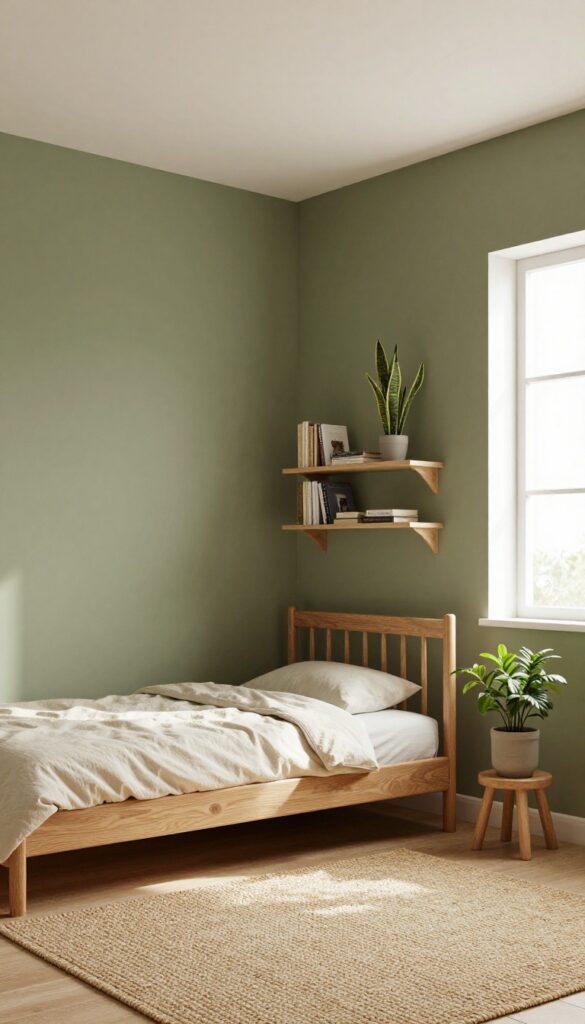
Olive green brings a grounded, organic feel to a boy’s bedroom without going too dark or too bright. It’s richer than sage and softer than forest green, making it an easy choice for a warm, cozy space. In a small room, this color adds depth while still feeling open—especially when paired with a crisp white ceiling and plenty of natural light.
Why It Works
Olive green is naturally calming and pairs beautifully with wood tones and plants, creating a mini indoor garden vibe. It also hides minor scuffs and dirt better than lighter colors, which is a practical win for active kids.
Best For
This color works great for boys who love nature, animals, or spending time outdoors. It’s also ideal for rooms that get good natural light, as the green will shift from earthy to vibrant throughout the day.
Styling Tip
Add wooden shelving, a woven rug, and a few low-maintenance houseplants like a snake plant or pothos. Keep bedding neutral—cream or tan—to let the walls stand out. A white ceiling is essential to keep the room from feeling too heavy.
7. Blush Pink for a Modern Twist
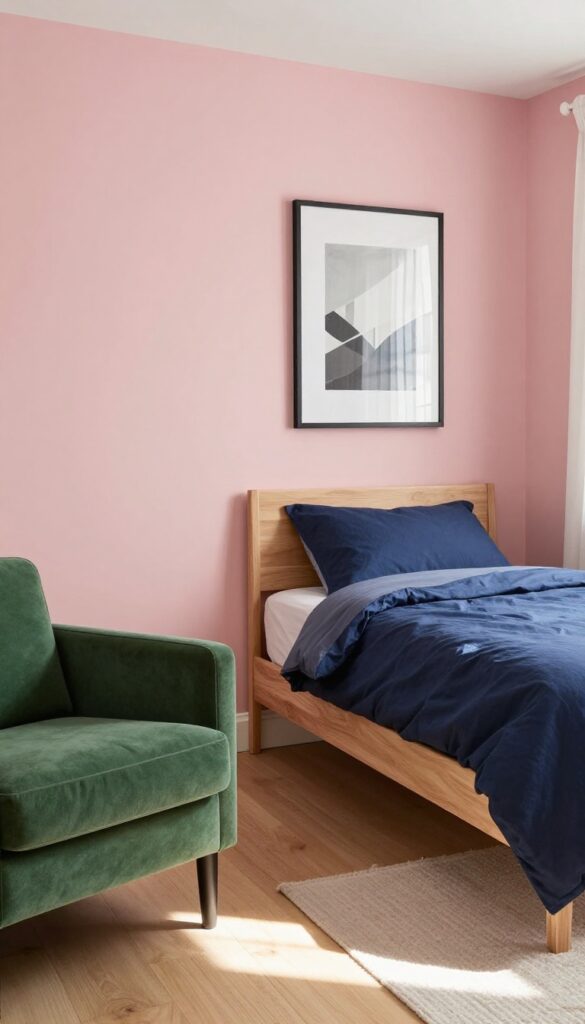
Blush pink has been quietly making its way into boys' rooms, and for good reason. When you choose a dusty, muted version, it reads as a warm neutral rather than a stereotypical girly shade. It pairs beautifully with deeper tones like navy, charcoal, or forest green, creating a space that feels both fresh and grounded.
In a small room, blush pink can soften the edges and make the space feel more inviting without overwhelming it.
Why It Works
Blush pink is surprisingly versatile. It adds warmth without being too bright, and it plays well with other colors and textures. In a small bedroom, it can make the room feel cozier and more layered, especially when balanced with darker accents that add depth and contrast.
Best For
This color works great for boys ages 6 to 12 who are ready for something beyond primary colors. It's especially good for rooms that get lots of natural light, as the pink will glow softly without feeling washed out.
Styling Tip
Pair blush pink walls with navy blue bedding and a forest green armchair or rug. Add natural wood furniture and a few black-framed art pieces to keep the look grounded and sophisticated.
8. Warm Beige for a Flexible Neutral
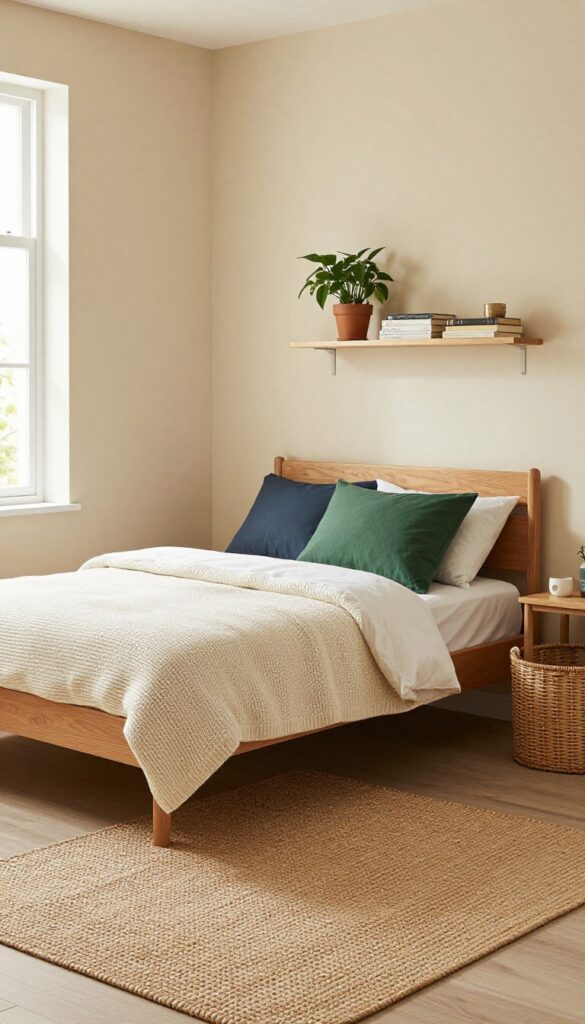
Warm beige often gets overlooked in boys' rooms, but it's one of the most versatile neutrals you can choose. It creates a soft, inviting backdrop that doesn't feel cold or sterile. In a small space, beige walls help the room feel open and airy without washing it out.
It pairs beautifully with wood tones, navy accents, and pops of green or orange. The result is a space that feels grounded and cozy, not bland.
Why It Works
Warm beige is a true neutral that adapts to any decor style, from modern to rustic. It reflects light well, making a small room feel larger, and it hides minor scuffs better than white. Plus, it's easy to update with accessories as your child grows.
Best For
This color is ideal for small bedrooms that need to feel calm and spacious. It also works great for shared rooms because it doesn't lean too masculine or feminine.
Styling Tip
Add texture with a chunky knit throw in cream or oatmeal, and layer a woven jute rug under the bed. Use navy or forest green bedding for contrast, and bring in warmth with a wooden shelf or a rattan storage basket.
9. Deep Teal for Dramatic Depth
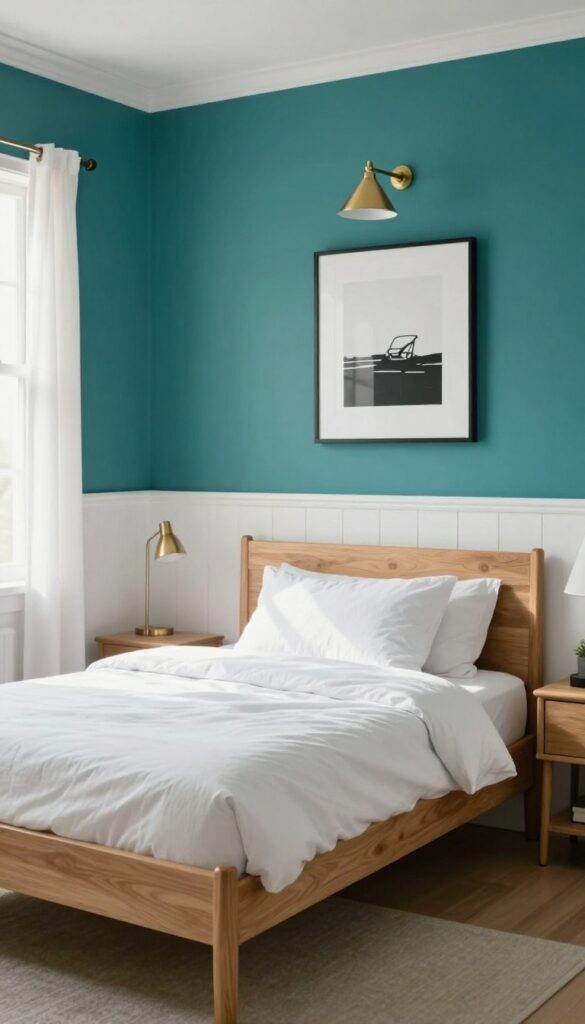
Deep teal brings a sense of richness and calm to a boy's bedroom without feeling too dark or heavy. In a small room, using it on the lower half of the wall with a chair rail creates a grounded, classic look that visually anchors the space. The warm undertones in teal make it feel cozy rather than cold, especially when paired with brass or gold accents that catch the light.
Why It Works
This two-tone approach keeps the room feeling open and airy while adding serious personality. The lighter upper wall reflects light and makes the ceiling feel higher, while the deep teal below adds warmth and depth. It's a practical way to introduce a bold color without overwhelming a compact space.
Best For
Small bedrooms where you want to make a statement without sacrificing the sense of space. Also great for boys who love a moody, sophisticated vibe but still need the room to feel playful and inviting.
Styling Tip
Add a brass or gold picture light above a piece of art on the teal section to create a focal point. Stick with natural wood or white furniture to keep the look balanced and avoid visual clutter.
10. Soft Lavender for a Unique, Calming Palette
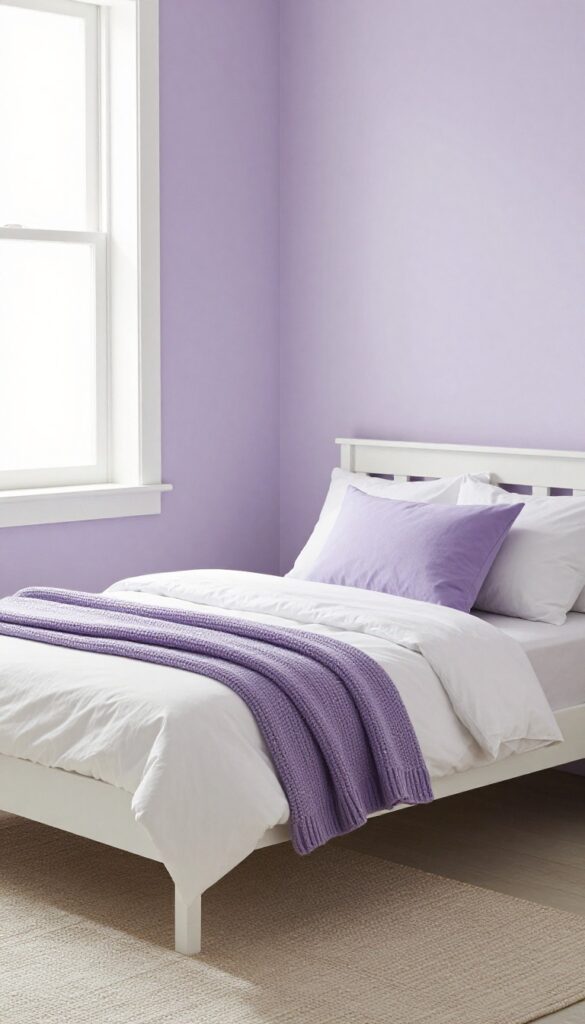
Lavender might not be the first color you think of for a boy's bedroom, but it brings a surprising calm that's hard to beat. This soft, muted purple feels fresh and modern, especially when paired with crisp white trim or warm gray accents. In a small room, lavender keeps the space feeling light and airy while adding just enough personality to stand out from the usual blue or green schemes.
Why It Works
Lavender is naturally soothing, which helps create a restful sleep environment. Its softness also makes a small room feel larger and more open, especially when used on walls or as a feature color in bedding and accessories.
Best For
This palette is ideal for shared bedrooms where you want a gender-neutral yet colorful look. It also works well for kids who are drawn to unique colors and want a space that feels special without being overwhelming.
Styling Tip
Balance lavender with plenty of white or light gray to keep the room from feeling too sweet. Add natural textures like a chunky knit throw or a woven rug to ground the space and bring warmth.
11. Muted Coral for a Pop of Personality
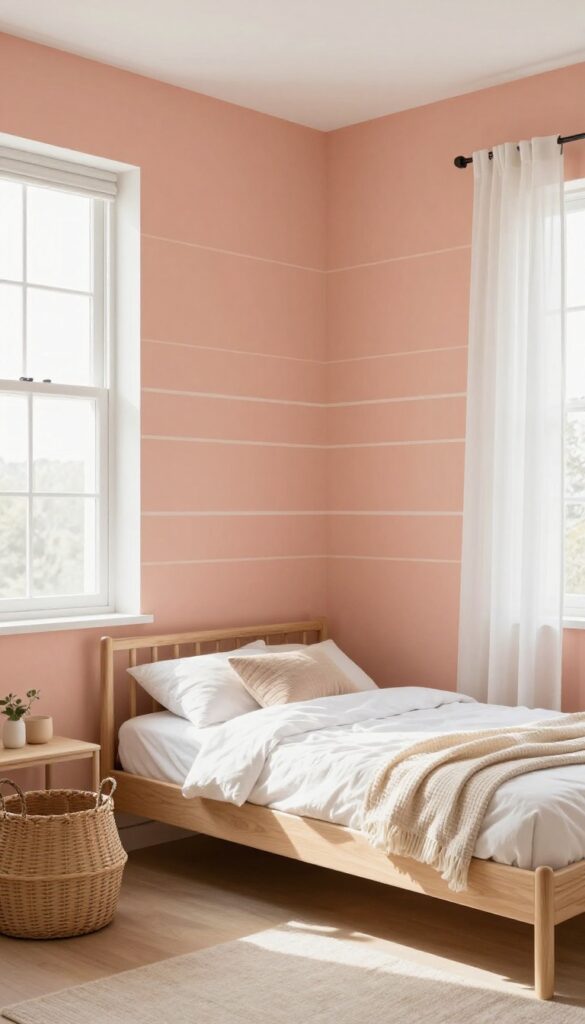
Coral isn't just for nurseries or beach houses. A muted, almost dusty version of this cheerful hue brings warmth and a subtle jolt of energy to a boy's bedroom without feeling babyish. It's a color that plays well with neutrals and natural materials, making it surprisingly easy to live with.
In a small room, it can be the accent that keeps the space from feeling flat or too serious.
Why It Works
Muted coral sits in that sweet spot between playful and sophisticated. It adds visual interest without overwhelming a compact room, and its warm undertones make the space feel cozy rather than cramped. Because it's not a primary color, it doesn't scream 'kid's room'—it just looks thoughtfully put together.
Best For
This idea works especially well in smaller bedrooms or shared spaces where you want a distinct personality without sacrificing openness. It's also great for boys who love bold colors but need a shade that won't clash with their growing collection of sports gear, books, or video game posters.
Styling Tip
Use muted coral on a single accent wall behind the bed, or try a simple geometric pattern like a half-wall or horizontal stripe. Pair it with light wood furniture, white bedding, and a few natural texture accents like a woven basket or linen curtains. Keep the rest of the room neutral to let the coral be the star.
12. Creamy White for Maximum Light
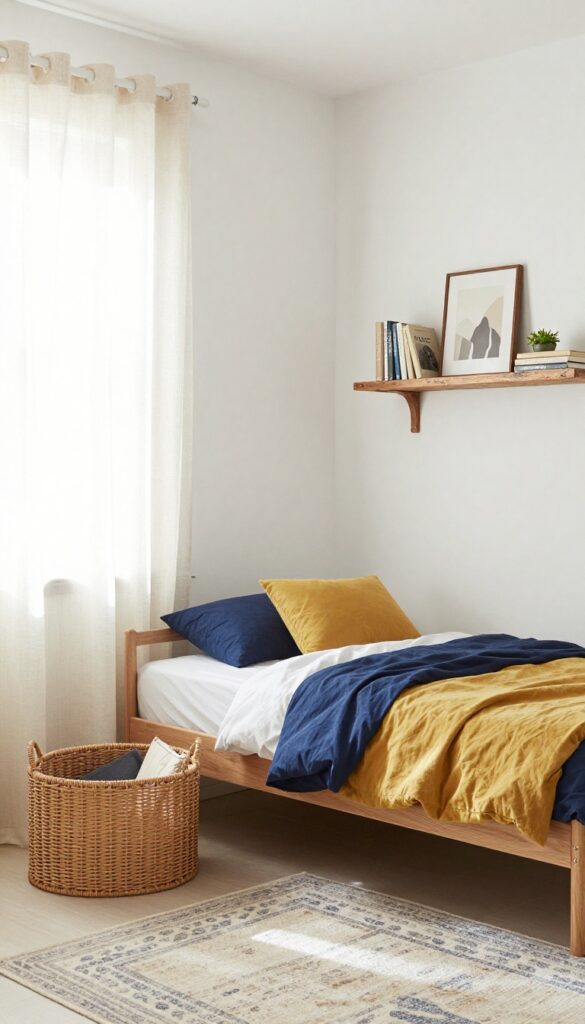
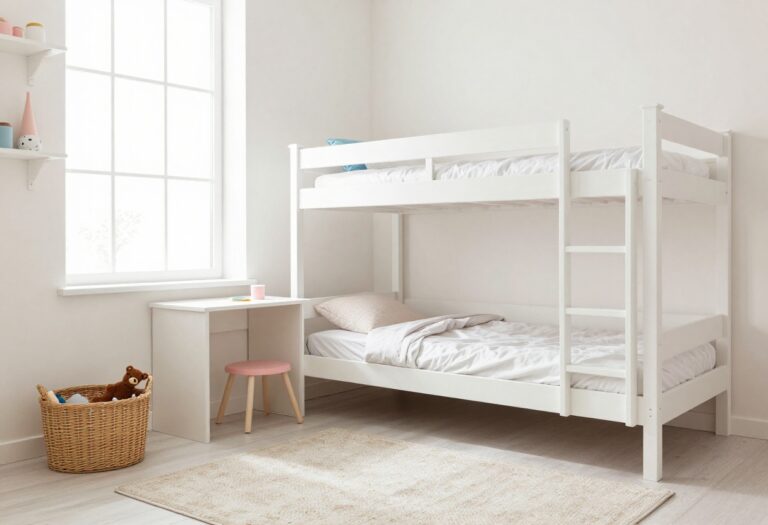
Small bedrooms can feel cramped and dark, but creamy white walls flip that script entirely. This warm off-white shade bounces natural light around the room, making the space feel open and airy without the starkness of pure white. It’s a forgiving backdrop that hides scuffs better than you’d expect, which is a huge win for a growing boy’s room.
Paired with natural wood furniture and a few colorful accessories, it creates a cozy, inviting vibe that feels both fresh and timeless.
Why It Works
Creamy white maximizes every bit of available light, which is crucial in compact rooms. The warmth in the undertone keeps it from feeling cold or clinical, while the neutrality allows you to swap out bedding, rugs, and wall art as your child’s tastes evolve. It’s a low-commitment base that adapts to any theme—from dinosaurs to sports to minimalist teen—without needing a repaint.
Best For
This works especially well for small bedrooms, basement rooms with limited windows, or any space where you want to create an illusion of more square footage. It’s also ideal if you’re decorating on a budget, because white paint is affordable and you can change the entire look with just a few colorful accents.
Styling Tip
Add warmth with natural wood elements: a wooden bed frame, a rattan storage basket, or a reclaimed wood shelf. Then layer in color through textiles like a navy blue duvet, a mustard yellow throw pillow, or a patterned rug. Keep the window treatments light—sheer linen curtains let light filter through while softening the room’s edges.
13. Slate Blue for a Cool, Collected Look
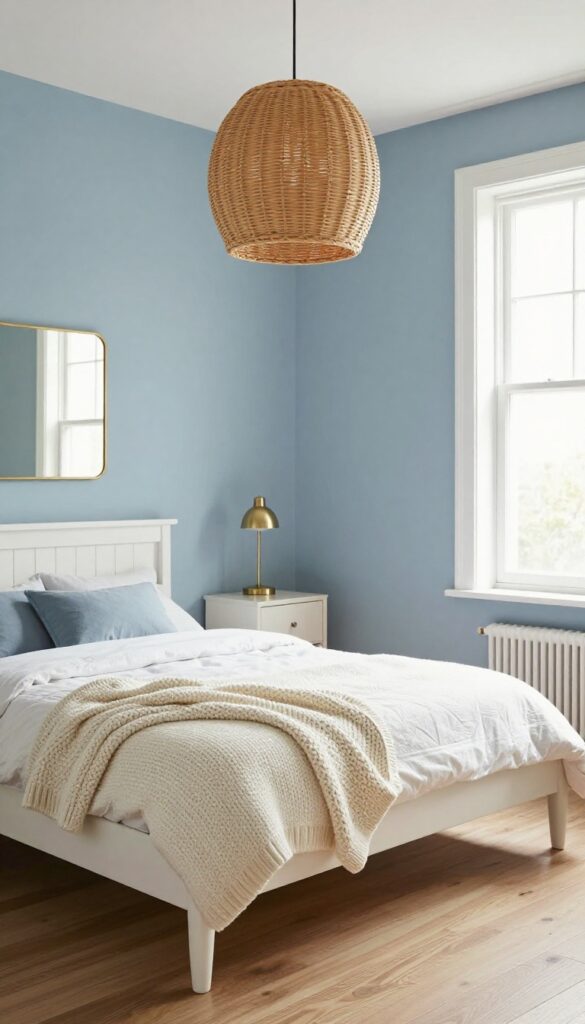
Slate blue brings a sense of calm and maturity to a boy's room without feeling too serious. It's a deeper, more grounded take on blue that pairs beautifully with warm wood tones and soft textures. In a small space, this color can make the walls feel like they're gently receding, opening up the room rather than closing it in.
The key is balancing its coolness with cozy elements so the room stays inviting, not cold.
Why It Works
Slate blue is naturally soothing and helps create a focused atmosphere, which is great for homework or winding down. Its darker tone also hides everyday scuffs and marks better than lighter shades, making it practical for active kids. When paired with warm accents, it keeps the room from feeling sterile or too adult.
Best For
This color works especially well in smaller bedrooms where you want to add depth without overwhelming the space. It's also a smart pick for shared rooms because it feels gender-neutral and can grow with your child from toddler to teen.
Styling Tip
Balance the cool slate walls with warm textures like a chunky knit throw, a woven rattan pendant light, or brass hardware on furniture. Add crisp white trim and a few metallic accents—like a gold-framed mirror or brushed nickel lamp—to keep the look polished but not fussy.
FAQ
What paint finish is best for a boy's bedroom?
Eggshell or satin finishes are great choices. They offer a subtle sheen, are easy to clean, and hold up well to everyday wear and tear. Avoid flat finishes in high-traffic areas.
How can I make a small bedroom feel bigger with paint?
Use lighter colors on the walls and ceiling to reflect light. Painting the ceiling a shade lighter than the walls can also create the illusion of height. Consider an accent wall to add depth without closing in the space.
Should I paint the ceiling the same color as the walls?
It depends on the look you want. Matching the ceiling to the walls can make the room feel cozy and enveloping. For a more open feel, keep the ceiling white or a lighter shade.
What colors work best for a shared boys' bedroom?
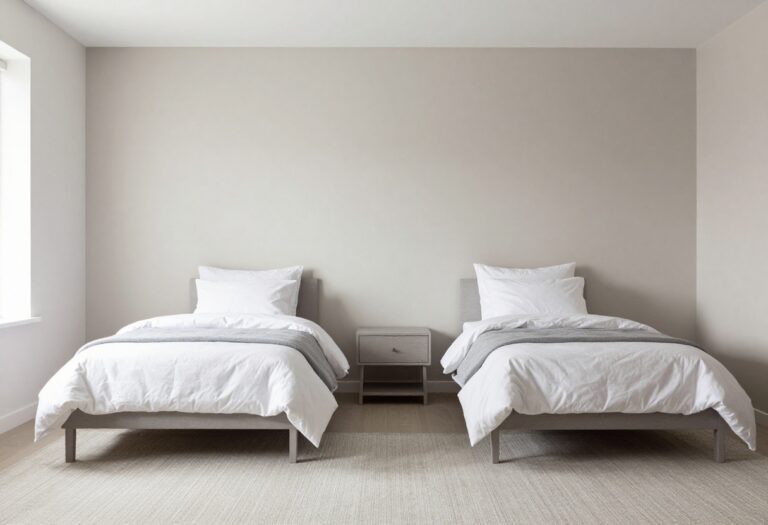
Neutral tones like warm gray, beige, or soft green work well because they appeal to different ages and tastes. You can then add personal touches with bedding and decor.
How do I choose a paint color that will grow with my child?
Stick with versatile, timeless shades like sage green, dusty blue, or warm gray. These colors transition easily from toddler to teen with just a change in accessories and furniture.
Conclusion
Choosing the right paint color can transform a small boys' bedroom into a warm, inviting space that feels both current and comfortable. Whether you go with a soft neutral or a bold accent, the key is to pick a shade that makes the room feel like a place he'll enjoy spending time in.
Remember, paint is one of the easiest and most affordable ways to update a room. So don't be afraid to experiment a little.