17 Dishwasher Cleaning Tips for Fresher Plates Daily
You load the dishwasher, press start, and unload hours later only to find cloudy glasses or that faint sour smell. It's frustrating, especially when you're counting on that machine to do the heavy lifting.
The truth is, a few simple habits can transform your dishwasher's performance and keep every plate, cup, and fork sparkling clean. From pre-rinse tricks to monthly deep cleans, these 17 tips tackle the real culprits behind lackluster results.
No gimmicks, just practical moves that make a noticeable difference starting with your next load.
1. Scrape, Don't Rinse
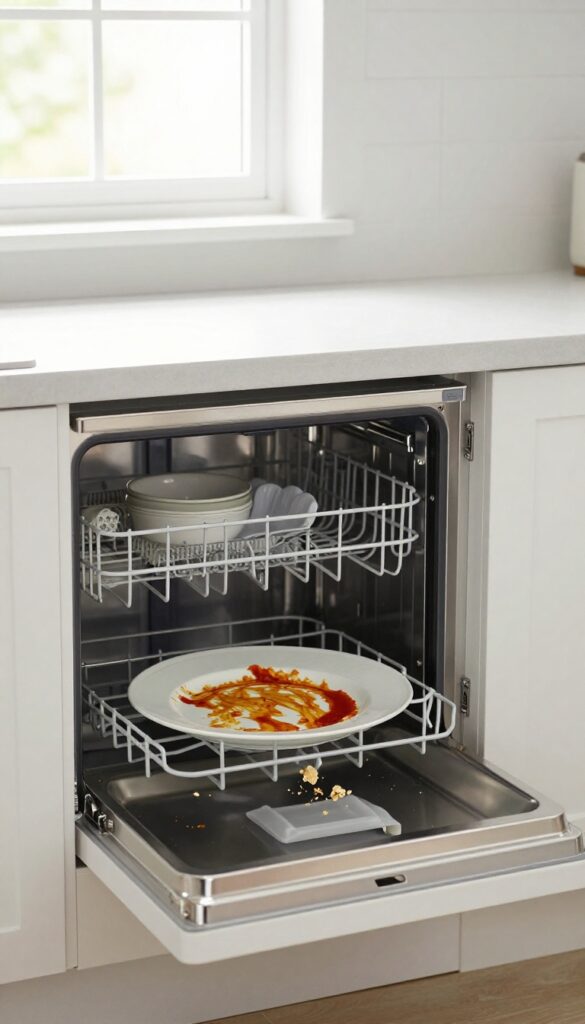
It's tempting to give every plate a quick rinse before loading, but that habit might be doing more harm than good. Dishwasher detergents are designed to cling to food particles and break them down—when you pre-rinse, you strip away the grime they need to work effectively. Plus, you're wasting gallons of water in the process.
Scraping off large chunks of food into the trash or compost is all that's needed. A quick scrape with a spatula or fork removes the obvious leftovers without erasing the microscopic bits that help detergent activate. Your dishwasher will thank you with cleaner results and fewer spots.
Why Rinsing Backfires
Modern detergents contain enzymes that target specific food residues like starches and proteins. When you rinse dishes thoroughly, those enzymes have nothing to latch onto, so they end up attacking the detergent itself or leaving a film. This can lead to cloudy glassware and residue on plates.
What To Scrape Vs. What To Leave
Scrape off bones, fruit pits, and large clumps of food. But leave behind thin smears of sauce, egg residue, or oatmeal—those are exactly what the detergent needs to do its job. If a plate looks mostly clean, it's probably too clean for optimal washing.
The Water And Energy Savings
Pre-rinsing can use up to 20 gallons of water per load according to some studies. By scraping only, you save water, reduce your utility bill, and shorten cycle times since the dishwasher doesn't have to heat as much fresh water. It's a small change with big returns.
2. Run Hot Water First
You might think the dishwasher handles the temperature on its own, but it actually relies on your home's hot water supply. If the water entering the machine is lukewarm, the heating element has to work overtime, and your dishes won't get as clean. That's why a simple pre-heat step can make a big difference.
Before you start a cycle, turn on the kitchen faucet and let the water run until it feels hot to the touch. This ensures the dishwasher fills with hot water from the get-go, boosting cleaning power and cutting down on cycle time. It's a small habit that pays off with every load.
Why Temperature Matters
Dishwasher detergents are designed to activate at higher temperatures. Cold or lukewarm water won't dissolve the detergent properly, leaving residue on dishes. Hot water also helps break down grease and food particles more effectively.
How Long To Run The Faucet
The time depends on how far your kitchen is from the water heater. In most homes, 30 to 60 seconds is enough. You'll know it's ready when the water feels hot straight from the tap.
No need to waste water—just let it flow until it's hot.
Bonus: Saves Energy Too
By starting with hot water, the dishwasher's internal heater doesn't have to work as hard to raise the temperature. This can slightly reduce energy use over time. Plus, cycles often finish faster when the initial water is already hot.
3. Clean the Filter Weekly
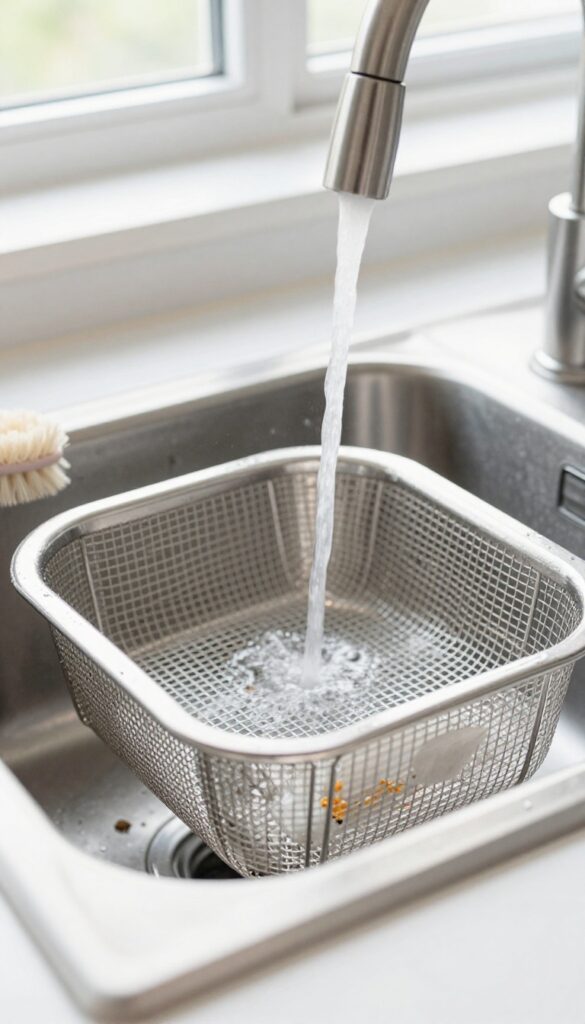
Your dishwasher works hard, but it can't do its job if its filter is clogged with food debris. That mesh screen at the bottom catches everything from rice grains to spinach leaves, and when it's full, water recirculates through gunk instead of clean suds. A quick weekly rinse keeps odors away and ensures every cycle runs efficiently.
Most dishwasher filters are easy to remove—just twist or lift them out. Rinse under hot running water while scrubbing gently with a soft brush to dislodge trapped particles. If your filter has a fine mesh, avoid harsh tools that could damage it.
Let it dry completely before reinserting. This simple habit takes less than five minutes but dramatically improves drying and reduces musty smells.
Know Your Filter Type
Some dishwashers have a self-cleaning filter that grinds food and flushes it away. Others use a manual filter that needs regular cleaning. Check your owner's manual or look for a removable cylinder or flat screen at the bottom of the tub.
If you see visible debris after a cycle, you definitely have a manual filter.
How To Clean It Right
Twist the filter counterclockwise to unlock it, then lift it out. Rinse under hot water while using an old toothbrush or soft sponge to scrub away residue. Pay attention to the fine mesh areas where particles get trapped.
For stubborn buildup, soak the filter in warm, soapy water for 10 minutes before rinsing.
Signs You've Waited Too Long
A dirty filter often causes standing water at the bottom of the dishwasher after a cycle. You might also notice a sour smell coming from the machine or see food particles redeposited on your clean dishes. If your glasses come out cloudy or your plates feel greasy, check the filter first before reaching for a rinse aid.
4. Wipe the Door Gasket
That rubber seal around your dishwasher door works hard to keep water inside, but it also traps moisture, food particles, and soap residue. Over time, mold and mildew can build up in the crevices, leading to musty odors that transfer onto your dishes. A quick wipe-down after each use or at least once a week keeps the gasket clean and your dishwasher smelling fresh.
The door gasket is one of the most overlooked spots in a dishwasher. Because it stays damp and dark, it's a perfect breeding ground for mold and mildew. A simple habit of wiping it down with a damp cloth can prevent odors and extend the life of the seal.
For stubborn buildup, use a soft brush or an old toothbrush with a mild detergent. Avoid harsh chemicals that could damage the rubber.
Why The Gasket Gets Dirty
Every time you open the dishwasher after a cycle, steam escapes and condenses on the gasket. Food particles and soap scum also get trapped in the folds. Over weeks, this creates a slimy film that smells bad and can even cause the seal to deteriorate.
How To Clean It Right
Start by inspecting the gasket for visible debris. Use a damp microfiber cloth to wipe along the entire seal, pulling it gently to reach the crevices. For mold spots, dip a cloth in a mixture of equal parts water and white vinegar, then wipe.
Rinse with a clean damp cloth afterward.
Preventive Habits
To keep the gasket cleaner longer, leave the dishwasher door slightly ajar after a cycle to let moisture escape. Also, wipe down the gasket once a week as part of your routine. This small step prevents buildup and keeps your dishwasher odor-free.
5. Check the Spray Arms
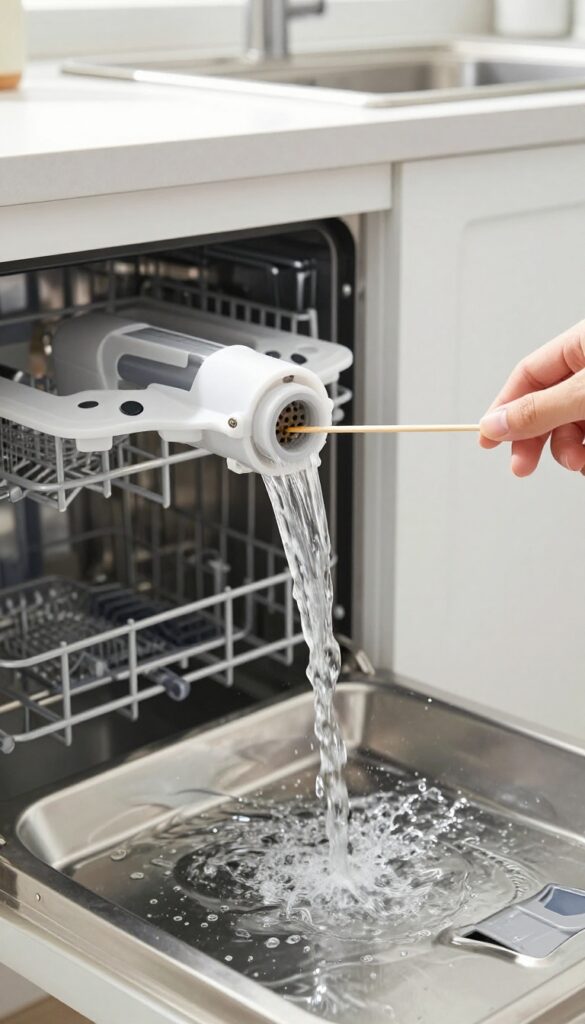
Your dishwasher's spray arms are the workhorses that blast water over every dish. But when food particles or mineral deposits clog those tiny holes, water pressure drops and you end up with dirty spots on supposedly clean dishes. It's an easy fix that takes just a minute.
Why Spray Arms Get Clogged
Hard water minerals, bits of food, and even sticker residue from new dishes can build up inside the spray arm holes. Over time, this restricts water flow and creates uneven cleaning. You might notice one rack comes out clean while the other is still dirty.
How To Inspect And Clean Them
Start by removing the bottom rack so you can reach the lower spray arm. Most arms twist off or have a clip you can release. Hold them under running water and look for blocked holes.
Use a toothpick, a thin wire, or a small brush to gently poke out any debris. Rinse thoroughly before reattaching.
When To Do This
Make it a monthly habit. If you have hard water, you might need to check every two weeks. A quick visual inspection after each load—just glance at the spray arms when you load dishes—can catch clogs early.
6. Use a Dishwasher Cleaner Monthly
Even if you scrape plates and run hot cycles, residue builds up over time. Grease, limescale, and soap scum cling to hidden parts, making your machine work harder and clean worse. A monthly deep clean cuts through that grime and restores performance.
A dedicated dishwasher cleaner is the easiest fix. Pop a tablet or pod into the empty machine and run a hot cycle. It breaks down deposits without scrubbing.
For a DIY version, place a bowl of white vinegar upright on the top rack and run a full cycle. The vinegar dissolves mineral buildup and neutralizes odors. Just don't mix vinegar with bleach-based products.
Why Monthly Matters
Skipping deep cleans lets residue accumulate. Over time, spray arms clog, filters get gummy, and water flow weakens. A monthly treatment prevents that, keeping dishes spotless and your machine running efficiently.
Commercial Vs. Diy Cleaners
Store-bought cleaners are formulated to tackle tough buildup and often include surfactants that vinegar lacks. But white vinegar works well for maintenance and is cheaper. Alternate between the two for best results.
How To Do It Right
Remove any large food debris from the filter first. Place the cleaner in the main detergent cup or a bowl of vinegar on the top rack. Run the hottest, longest cycle.
Afterward, wipe down the door gasket and edges to remove loosened grime.
7. Baking Soda for Odors
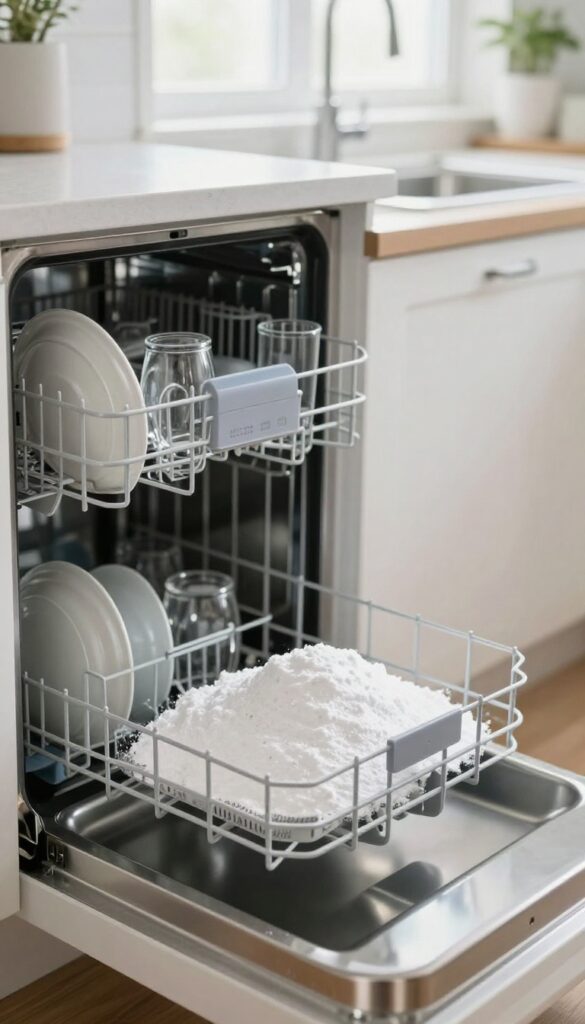
That funky smell coming from your dishwasher isn't just unpleasant—it can transfer onto your dishes. Baking soda is a gentle, natural deodorizer that absorbs odors without leaving any chemical residue. It's a simple trick that works wonders between deep cleans.
Sprinkling baking soda in your dishwasher is one of the easiest ways to banish smells. It's safe for all machine types and won't damage seals or components. For best results, combine it with a quick vinegar rinse cycle once a month.
How It Works
Baking soda is alkaline, which helps neutralize acidic odor molecules. When you run a short cycle, it dissolves and circulates, absorbing smells from food particles, grease, and standing water. The result is a fresher interior without harsh chemicals.
Step-by-step
Start by removing any large food debris from the filter and bottom. Sprinkle about one cup of baking soda evenly across the bottom of the dishwasher. Then run a short, hot water cycle—like a rinse or quick wash.
Let it finish, then open the door to air dry. The smell should be noticeably improved.
When To Use This Method
Use baking soda when you notice a musty or sour odor, especially after a period of non-use or after washing heavily soiled dishes. It's also great as a weekly maintenance step between more thorough cleaning routines. Avoid using it with bleach or other strong chemicals, as mixing can cause reactions.
8. Load Dishes Properly
How you arrange dishes inside the dishwasher matters more than you think. Even the best detergent and hottest cycle can't fix poor loading habits. By positioning items strategically, you ensure water and detergent reach every surface for a thorough clean.
Angle plates downward so food residue slides off during the wash cycle. Avoid nesting bowls or stacking cups, which traps debris and blocks water flow. Place larger items on the bottom rack and lighter plastics on top to prevent melting or water pooling.
Keep silverware handles down for safety and better cleaning, but alternate spoons and forks to stop nesting.
Face Dirty Surfaces Inward
Point the soiled side of plates and bowls toward the center of the dishwasher, where spray arms deliver the strongest water pressure. This ensures food particles are blasted off rather than just rinsed. For pots and pans, angle them downward so water doesn't pool inside.
Avoid Overcrowding
Cramming dishes in blocks water flow and leaves spots or residue. Leave small gaps between items so spray can circulate freely. If you have to squeeze, consider running a half-load instead of compromising the wash.
Secure Lightweight Items
Place plastic containers on the top rack and weigh them down with a larger bowl or cup. Otherwise, they might flip over during the cycle, trapping water and detergent underneath. Also, ensure tall items like cutting boards don't block the detergent dispenser from opening.
9. Don't Overload
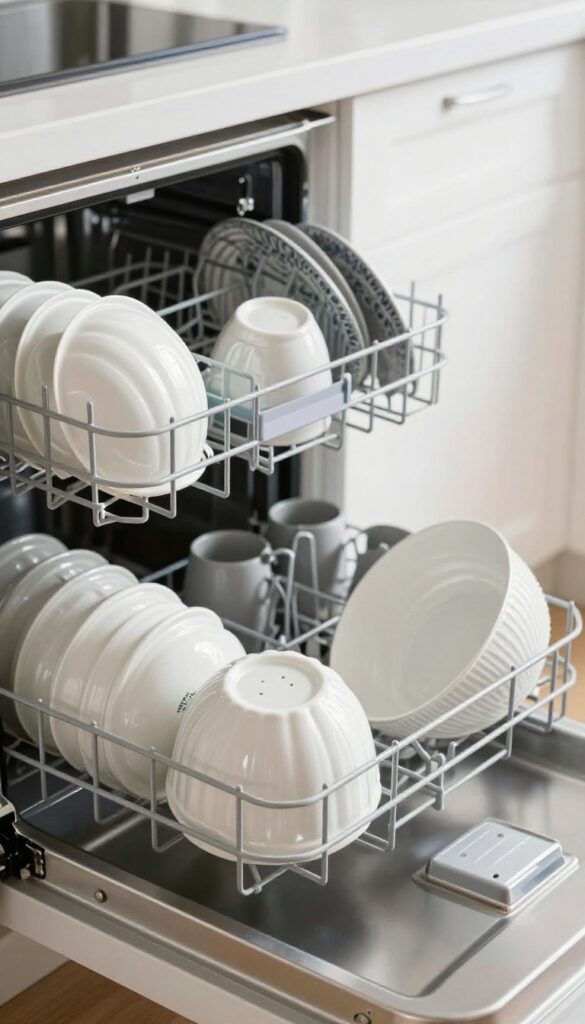
It's tempting to cram every last dish into the dishwasher to save time, but overcrowding is one of the fastest ways to end up with dirty plates. Water and detergent need room to move, and when items are stacked too tightly, spray jets can't reach every surface. The result?
Food residue, cloudy glassware, and a lot of wasted energy.
Giving each dish a little breathing room makes a huge difference in cleaning performance. Think of your dishwasher as a car wash—if cars are bumper-to-bumper, the spray can't get to all the dirt. Same goes for your plates and bowls.
By leaving small gaps between items, you allow water and detergent to circulate freely, breaking down and rinsing away food particles more effectively.
The Goldilocks Rule
Aim for a load that's full but not packed. Dishes should touch only at the edges, not be nested or stacked. Plates go in the bottom rack facing the center, with space between each one.
Bowls and cups on the top rack should be angled downward so water drains, not pools. If you have to force a dish in, it's too full.
Watch Out For Blockages
Large items like baking sheets or cutting boards can block the spray arms or prevent detergent dispensers from opening. Always check that nothing obstructs the rotating arms before starting a cycle. Also, avoid placing tall items in front of the detergent cup—it needs to flip open without interference.
Load By Soil Level
Group heavily soiled items together so the spray jets focus on them. For example, put greasy pans on the bottom rack near the back, where water pressure is strongest. Lightly soiled glasses and cups go on the top rack.
This way, you're not diluting the cleaning power across the entire load.
10. Use Rinse Aid
Rinse aid is one of those dishwasher add-ons that people often skip, thinking it's unnecessary. But it's actually a game-changer for spot-free glasses and faster drying. The magic happens because rinse aid reduces the surface tension of water, so it slides off dishes instead of beading up and leaving mineral deposits.
How Rinse Aid Works
Rinse aid contains surfactants that make water sheet off dishes. This prevents water droplets from forming, which means fewer spots and streaks. It also helps water drain away more completely, so dishes dry faster and more evenly.
Refilling The Dispenser
Most dishwashers have a dedicated rinse aid dispenser, usually located next to the detergent compartment. Check the indicator window—if it's empty, fill it up. Don't overfill; stop when the liquid reaches the max line.
A full dispenser typically lasts for several loads.
Choosing The Right Rinse Aid
Stick with a reputable brand like Finish Jet-Dry or Cascade. Generic store brands often work just as well. If you have hard water, look for a rinse aid with extra anti-spotting power.
Avoid homemade alternatives like vinegar, as they can damage the dishwasher over time.
11. Choose the Right Detergent
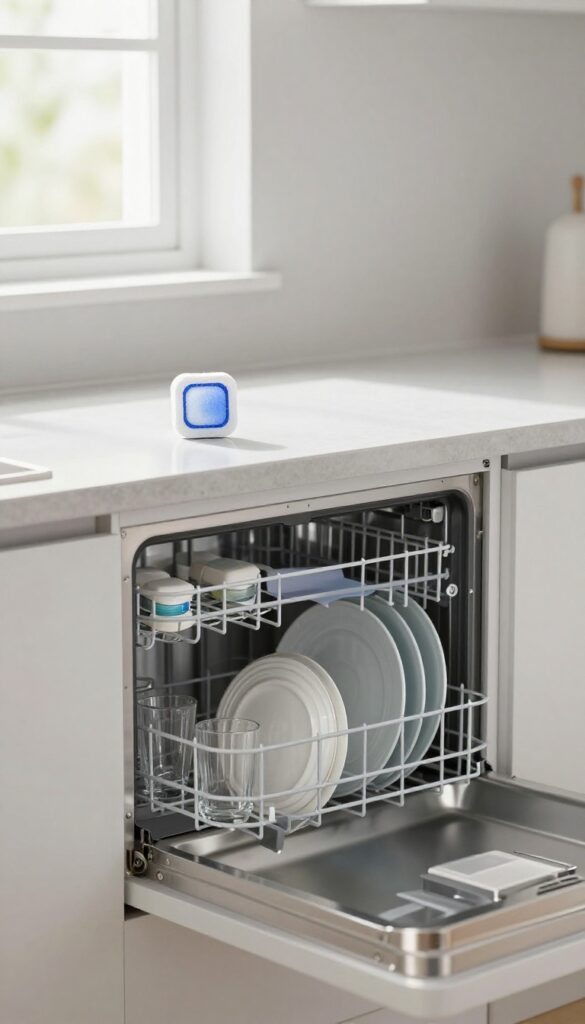
Not all dishwasher detergents are created equal. The type and amount you use directly affect how clean your dishes get and whether residue builds up over time. A small switch can make a big difference.
Powder, Gel, Or Tablets?
Powder detergents are often the most economical and allow you to adjust the amount based on load size. Gels are convenient but can be less effective on tough stains. Tablets or pods offer pre-measured convenience and typically include rinse aid and salt, but they can be pricier and may not dissolve fully in short cycles.
For best results, choose a high-quality tablet or powder from a reputable brand.
Don't Overdo It
Using too much detergent is a common mistake. Excess suds can trap food particles and redeposit them on dishes, leaving a film. Follow the manufacturer's recommended amount—usually one tablespoon for powder or one tablet per load.
If your water is soft, use even less.
Match Detergent To Water Hardness
Hard water requires more detergent to combat mineral deposits, while soft water needs less. Check your water hardness level and adjust accordingly. Many detergent packages have guidelines.
If you notice white spots or film, it might be time to switch to a detergent with built-in water softeners or add a separate rinse aid.
12. Run the Disposal First
That gurgling sound from your dishwasher might be more than just water draining—it could be food particles fighting their way through the system. If your sink has a garbage disposal, running it before starting the dishwasher is a simple step that prevents debris from backing up into the machine. It takes five seconds and saves you from a messy cleanup later.
When you run the disposal, you clear out any lingering food scraps from the sink drain. This matters because the dishwasher often shares the same drain line. If that line is clogged with bits of last night's dinner, the dishwasher has to work harder to push water out, and some of that gunk can end up recirculating onto your clean dishes.
A quick disposal run ensures a clear path for wastewater, helping your dishwasher drain efficiently and keeping your plates spot-free.
Why It Works
The garbage disposal grinds up food waste so it can flow easily through the pipes. If you skip this step, larger particles can settle in the drain hose or the dishwasher's filter, leading to clogs and odors. By running the disposal first, you're essentially pre-clearing the highway for dishwasher water to exit without obstacles.
When To Do It
Make it a habit right after you rinse plates and load the dishwasher. Turn on the cold water, flip the disposal switch for a few seconds, then let the water run for another 10 seconds to flush everything through. That's it—no extra effort, just a quick routine that pays off in fresher dishes and fewer service calls.
13. Clean the Exterior
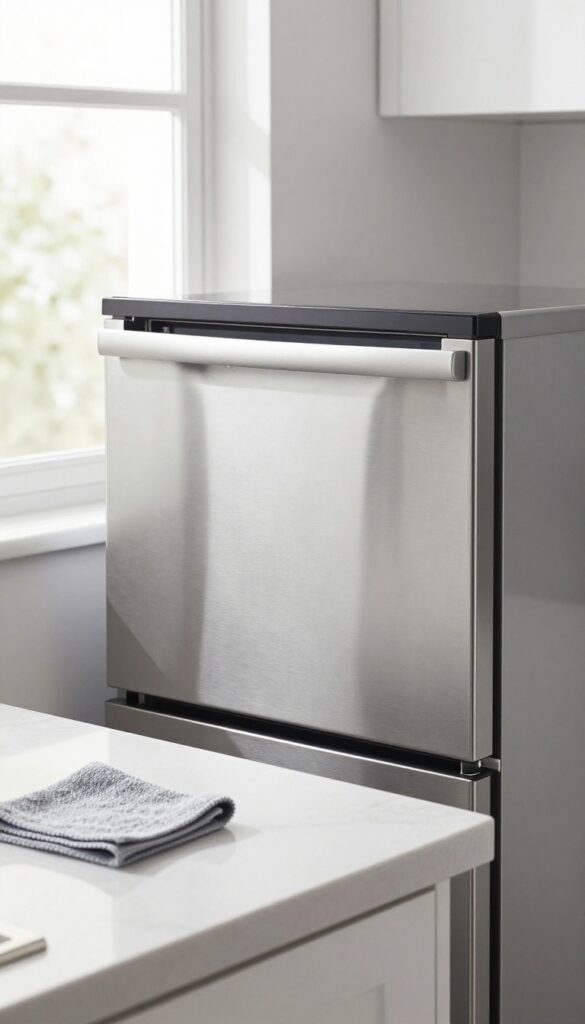
Your dishwasher's exterior takes a daily beating from greasy hands, food splatters, and cleaning sprays. Over time, that buildup can make the control panel sticky and the door handle grimy. A quick wipe-down not only keeps things looking fresh but also prevents dirt from transferring back onto your clean dishes.
The exterior is often overlooked, but it's the first thing you see and touch. Grease and grime on the control panel can interfere with buttons over time. A simple routine keeps your machine looking and working its best.
Daily Wipe-down
After your last load of the day, give the front panel, door handle, and edges a quick wipe with a damp microfiber cloth. For stubborn spots, use a mild dish soap solution. Avoid abrasive cleaners that can scratch the surface.
Deep Clean The Seals
The rubber gasket around the door can trap moisture and food particles, leading to mold. Every few weeks, wipe it down with a vinegar-water solution (1: 1 ratio) to keep it clean and odor-free.
Tackle Grease Buildup
If your control panel feels sticky, spray a small amount of all-purpose cleaner onto a cloth (not directly on the panel) and wipe gently. For stainless steel models, use a dedicated stainless steel cleaner to avoid streaks and maintain the finish.
14. Inspect the Drain
That pool of water at the bottom after a cycle isn't normal. It usually means the drain is clogged with food scraps, broken glass, or other debris. A blocked drain not only leaves your dishes sitting in dirty water but also creates a breeding ground for bacteria and mold.
Checking and clearing it regularly is one of the simplest ways to keep your dishwasher fresh and efficient.
The drain is located at the bottom of the dishwasher, often under the bottom spray arm and filter. You'll typically see a small mesh screen or a cylindrical filter covering the drain opening. Over time, bits of food, grease, and even small objects like olive pits or broken glass can accumulate there.
If the drain gets blocked, water can't fully exit, leading to standing water, bad smells, and poor cleaning results. Make it a habit to inspect the drain every few weeks, especially if you notice slow drainage or lingering odors.
How To Access The Drain
First, remove the bottom rack so you can see the floor of the dishwasher. Look for the filter assembly—usually a round, twistable cap or a flat mesh screen. Consult your manual if you're unsure, but most filters unscrew or lift out easily.
Once removed, you'll see the drain opening underneath. Use a flashlight to check for any visible clogs.
Clearing The Debris
Wear rubber gloves and use a small brush or an old toothbrush to gently dislodge any food particles stuck around the drain. You can also use a damp paper towel to wipe away grease. For stubborn clogs, a bent wire hanger or a specialized dishwasher drain cleaning tool can help pull out debris.
Avoid using harsh chemicals, as they can damage the rubber seals.
Preventive Maintenance Tips
To prevent future clogs, scrape plates thoroughly before loading, but don't pre-rinse—a little residue actually helps the detergent work. Also, run the garbage disposal before starting the dishwasher if your sink shares a drain line. Finally, consider using a dishwasher cleaner monthly to break down grease and buildup in the drain and pipes.
15. Run a Vinegar Cycle
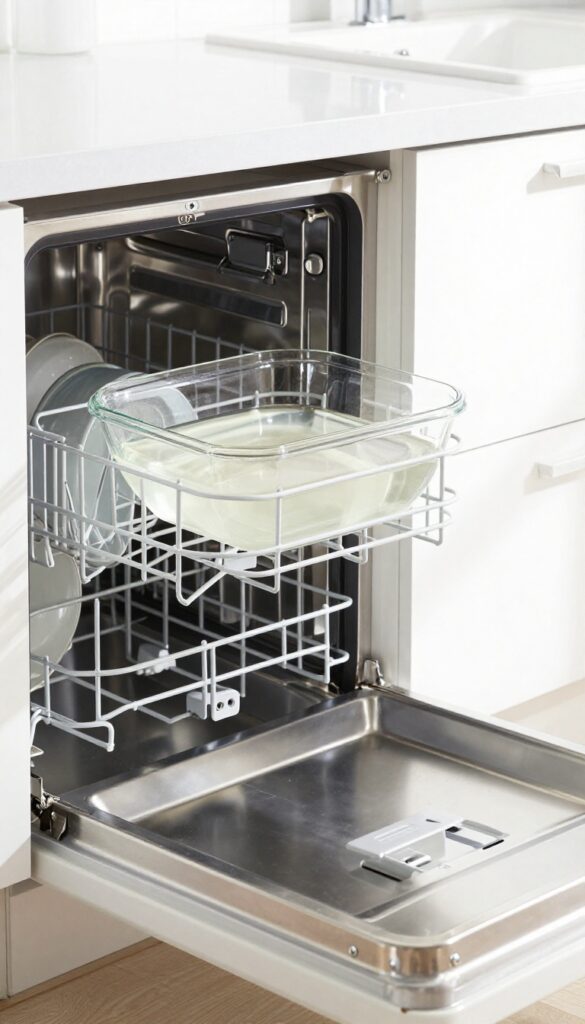
White vinegar is a powerhouse cleaner that tackles grease and odor without harsh chemicals. Running a vinegar cycle once a month helps dissolve mineral deposits and food residue hiding in hard-to-reach spots. It's a simple, low-cost way to keep your dishwasher fresh and efficient.
How To Do It Right
Place one cup of white vinegar in a dishwasher-safe bowl or cup on the top rack. Run a hot water cycle (the longest one) with no detergent. The vinegar's acidity breaks down soap scum, hard water deposits, and lingering smells.
Don't worry—the smell dissipates during the cycle.
When To Skip The Vinegar
If your dishwasher has a stainless steel interior, vinegar can damage the finish over time. Check your manual first. Also, avoid vinegar cycles too often—once a month is plenty.
Overuse can dry out rubber seals and gaskets.
Boost With Baking Soda
For extra deodorizing, sprinkle a cup of baking soda on the bottom of the dishwasher after the vinegar cycle finishes. Let it sit for 15 minutes, then run a quick rinse cycle. This combo neutralizes tough odors and leaves everything smelling clean.
16. Check Water Temperature
Your dishwasher might be doing all the right things, but if the water isn't hot enough, it's fighting a losing battle. Detergents need heat to activate, and grease needs heat to dissolve. A simple thermostat check can be the difference between sparkling and streaky.
Water temperature is one of the most overlooked factors in dishwasher performance. Most manufacturers recommend a minimum of 120°F (49°C) for optimal cleaning. If your water heater is set lower, or if the dishwasher is connected to a cold water line, you'll see lackluster results no matter how good your detergent is.
Why 120°f Matters
At 120°F, detergent enzymes activate and break down food particles and grease effectively. Below that, you might notice white residue on glasses or a greasy film on plates. Hot water also helps sanitize dishes, reducing bacteria and odors.
How To Check Your Water Heater
Find the thermostat dial on your water heater. It's usually labeled with temperature settings. Use a cooking thermometer to measure the hot water at the nearest faucet after letting it run for a minute.
Adjust the dial if needed, then wait a few hours for the tank to stabilize before testing again.
Boost Your Dishwasher's Water Heat
Many dishwashers have a built-in heating element that can raise the water temperature during the cycle. Look for a 'sanitize' or 'high temp' setting on your control panel. Using this option ensures the water reaches at least 140°F for a more thorough clean, especially for greasy pots and pans.
17. Leave the Door Open After Cycles
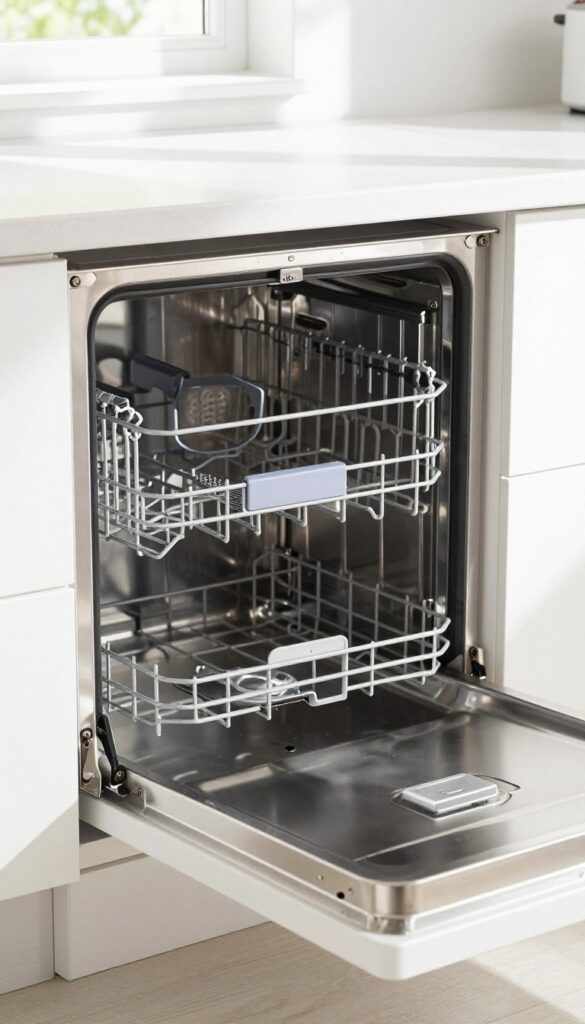
That closed, humid environment inside your dishwasher after a cycle is a breeding ground for mold and mildew. Even with a dry cycle, residual moisture lingers on seals, racks, and in corners. Propping the door open lets air circulate and dry everything out naturally, keeping your dishwasher fresh and odor-free.
Moisture trapped inside the dishwasher creates the perfect conditions for mold, mildew, and bacteria to thrive. When you leave the door closed after a cycle, that damp, warm air has nowhere to go, leading to musty smells and even slimy buildup on seals and crevices. By simply cracking the door open, you allow airflow to evaporate leftover moisture, preventing these issues before they start.
This one habit can dramatically reduce odors and keep your dishwasher cleaner between deep cleans. It's a zero-effort trick that pays off every single day.
Why Moisture Causes Problems
Mold and mildew spores are everywhere, but they only grow when conditions are right—warmth, darkness, and moisture. Your dishwasher after a cycle checks all three boxes. The rubber gasket around the door is especially vulnerable; it stays damp and can develop black mold spots over time.
That musty smell? It's the byproduct of microbial growth. Opening the door halts the process by removing the moisture factor.
How Long To Leave It Open
You don't need to leave the door wide open for hours. Just a crack—about 4 to 6 inches—is enough to let steam escape and air circulate. If you run your dishwasher at night, prop the door open before bed and close it in the morning.
For daytime cycles, leave it open for 30 minutes to an hour after the cycle ends. If your dishwasher has a drying fan or auto-open feature, use it, but manual propping is just as effective.
Propping Without Blocking Traffic
A fully open dishwasher door can block kitchen walkways or be a tripping hazard. To keep it safe, prop the door open just a few inches using a dish towel or a small object like a wooden spoon. Some dishwashers have a built-in latch or a magnetic catch that holds the door slightly ajar.
If yours doesn't, a simple towel wedge works perfectly. This way, you get airflow without the door swinging fully open.
FAQ
How often should I clean my dishwasher?
Perform basic maintenance like wiping the gasket and cleaning the filter weekly. Do a deep clean with vinegar or a commercial cleaner once a month.
Can I use bleach in my dishwasher?
Avoid bleach unless your manual specifically allows it. Bleach can damage rubber seals and stainless steel interiors.
Why do my dishes smell after washing?
Odors often come from a dirty filter, clogged spray arms, or mold in the gasket. Clean these parts and run a vinegar cycle.
Is it safe to run the dishwasher empty?
Yes, running an empty cycle with a cleaner is a great way to deep clean the interior without dishes in the way.
What's the best way to remove hard water stains?
Use a commercial dishwasher cleaner or run a cycle with a cup of white vinegar placed on the top rack. For stubborn stains, try a citric acid cleaner.
Conclusion
A fresher dishwasher isn't about fancy gadgets—it's about building a few simple habits that keep your machine running smoothly. Pick the tips that address your biggest annoyances, like cloudy glasses or lingering odors, and start there. Regular maintenance, like cleaning the filter and running a vinegar cycle, prevents major issues before they start.
Stick with two or three of these tricks, and you'll notice cleaner dishes with less effort. Your dishwasher will thank you with sparkling results every day.