20 Microwave Cleaning Hacks for Odor and Food Splashes
You open the microwave to reheat leftovers, and a wave of last night's fish or burnt popcorn hits you. The interior is dotted with dried sauce splatters that look impossible to scrub off. Before you reach for harsh chemicals, know that simple ingredients already in your pantry can tackle both odors and grime.
A clean microwave doesn't require expensive sprays or endless elbow grease. With a few clever tricks—like steaming citrus or using baking soda—you can lift stuck-on food and neutralize smells in minutes.
These methods are gentle on your appliance and safe for your family. Below are 20 practical hacks that target the two biggest microwave annoyances: lingering odors and stubborn splashes.
1. Steam Clean with Lemon Slices
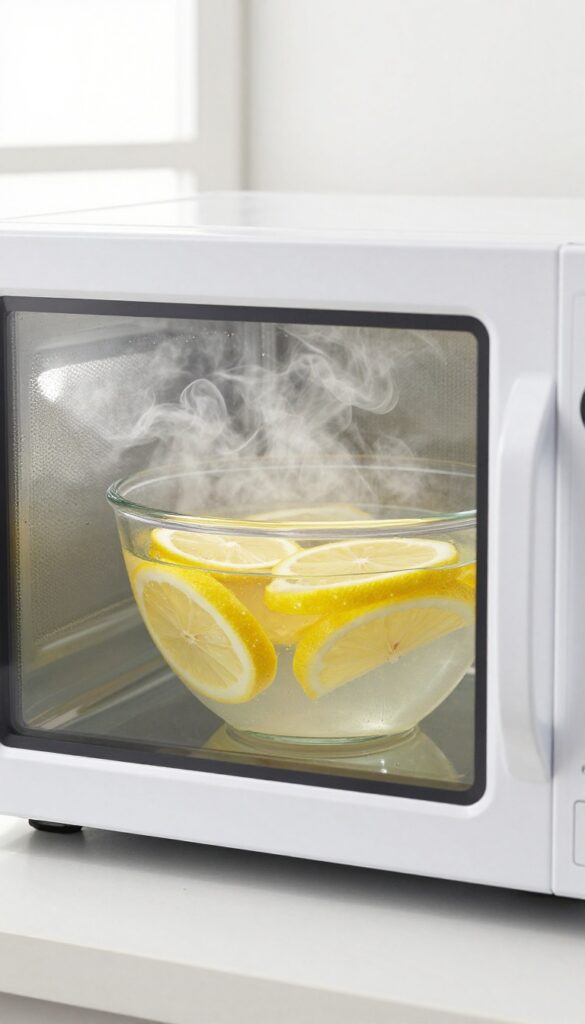
Lemon isn't just for lemonade. It's a natural degreaser and deodorizer that works wonders on microwave grime. The steam from lemon-infused water loosens dried food splatters while the citrus scent replaces stubborn odors.
Start by slicing one lemon into rounds and placing them in a microwave-safe bowl filled with about a cup of water. Microwave on high for 3 to 5 minutes until the water boils and the window steams up. Let it sit for another 2 minutes without opening the door—the trapped steam continues to soften stuck-on bits.
Carefully remove the bowl (it will be hot) and wipe down the interior with a damp cloth. The grime should come off effortlessly, and your microwave will smell fresh.
Why Lemon Works Best
Citric acid in lemon breaks down grease and mineral deposits without scratching surfaces. The steam reaches every corner, including the turntable and ceiling, making it a hands-off cleaning method.
For Extra Tough Spots
If you spot stubborn residue after the initial steam, dip a sponge into the leftover lemon water and scrub gently. The warm solution adds extra cleaning power without extra effort.
2. Vinegar Steam for Tough Odors
Vinegar is a powerhouse when it comes to neutralizing smells. Unlike air fresheners that just mask odors, vinegar actually absorbs and breaks down the molecules causing the stink. This hack is especially useful after cooking fish, broccoli, or popcorn.
Mix equal parts water and white vinegar in a microwave-safe bowl. Heat on high for 5 minutes until the mixture boils and steams up the interior. Let it sit for 2 minutes without opening the door, then carefully remove the bowl and wipe down all surfaces with a damp cloth.
The vinegar steam loosens dried splatters and leaves the microwave smelling fresh.
Why Vinegar Works
White vinegar contains acetic acid, which neutralizes alkaline odor molecules. It also helps break down grease and food residue without harsh chemicals. The steam carries the vinegar into every corner, reaching spots you might miss with a sponge.
Tips For Best Results
Use a large enough bowl to prevent boil-over. Add a cinnamon stick or a few lemon slices to the vinegar water for a pleasant scent boost. If odors are stubborn, repeat the process or let the vinegar solution sit in the microwave for 10 minutes before wiping.
3. Baking Soda Paste for Stuck-On Food
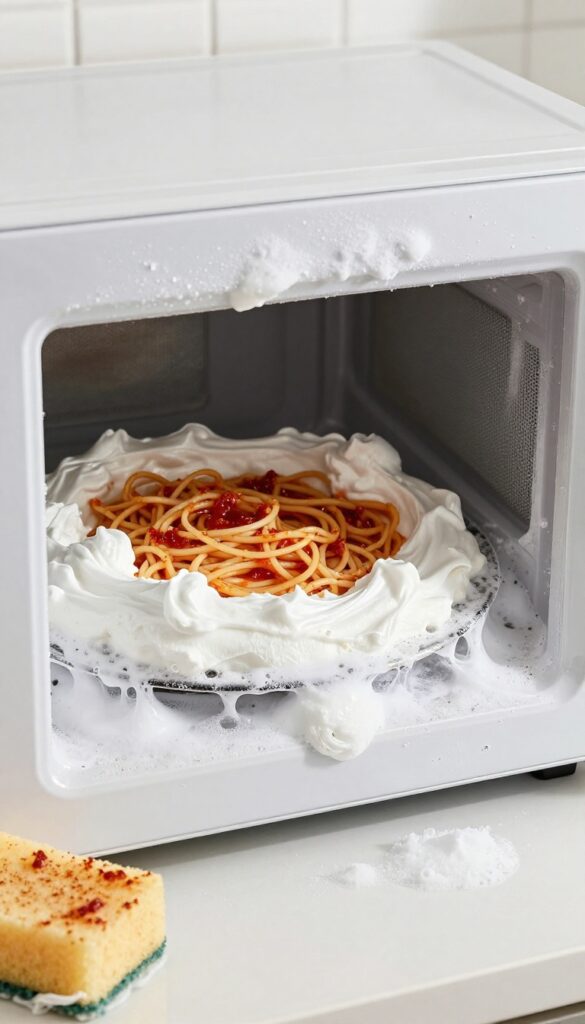
Dried-on spaghetti sauce or cheese that's been reheated multiple times can feel like concrete. But you don't need to scrub for ten minutes or risk scratching the interior. A simple paste made from baking soda and water works like a gentle abrasive that lifts gunk without damaging the surface.
Baking soda is mildly alkaline, which helps break down acidic food residues. When mixed into a paste, it creates a thick, spreadable cleaner that clings to vertical surfaces inside the microwave. After a short wait, the paste softens the dried food, making it easy to wipe away with a damp cloth.
No harsh chemicals, no fumes, and no scratching.
How To Make And Apply The Paste
Mix three tablespoons of baking soda with one tablespoon of water in a small bowl. Stir until it forms a thick, spreadable paste. Add a few more drops of water if it's too dry.
Using a sponge or your fingers (with gloves if you prefer), spread the paste over the stuck-on spots. Focus on areas with visible dried food or crusty edges.
Let It Sit, Then Wipe
Let the paste sit for 10 to 15 minutes. This gives the baking soda time to soften the residue. After the wait, dampen a soft cloth or sponge with warm water and wipe the paste away.
The food should come off easily. For stubborn spots, gently rub in a circular motion. Rinse the cloth and repeat until the surface is clean.
Why It Works So Well
Baking soda particles are fine and slightly abrasive, so they scrub without scratching the microwave's interior. The paste also absorbs some odors as it sits. Unlike commercial sprays, it leaves no chemical residue behind.
Plus, you probably already have baking soda in your pantry, making this hack both cheap and effective.
4. Coffee Grounds to Absorb Smells
Used coffee grounds are more than just compost material—they’re powerful odor absorbers. The porous texture traps volatile compounds that cause bad smells, while the natural coffee aroma leaves a pleasant, subtle scent behind. It’s a zero-effort hack that works while you sleep.
After you’ve brewed your morning coffee, don’t toss the grounds. Instead, spread them in a shallow bowl or on a small plate. Place the bowl inside the microwave and leave the door closed overnight.
By morning, the grounds will have absorbed most lingering odors, and your microwave will smell like a cozy café. For extra freshness, you can also add a few drops of vanilla extract to the grounds before placing them inside.
Why It Works
Coffee grounds are highly porous, which gives them a large surface area for trapping odor molecules. The grounds also release their own aromatic compounds, which help mask any remaining smells. This method is especially effective for strong odors like fish, garlic, or burnt popcorn.
Best Practices
Use fresh, wet grounds for maximum absorption—dried grounds are less effective. Spread them in a thin layer to increase surface contact. Leave the microwave door closed for at least 6 hours, but overnight is ideal.
Afterward, discard the grounds in the trash or compost. Do not reuse them for this purpose.
When To Avoid This Hack
If you have pets, keep the microwave door securely closed so they don’t get into the grounds. Also, avoid using flavored or sugary coffee grounds, as they can attract ants or leave a sticky residue. Stick to plain, unflavored coffee grounds for best results.
5. Microwave a Bowl of Water with Cinnamon
Sometimes the simplest fix is also the most aromatic. A bowl of water with cinnamon is an easy, no-scrub way to freshen your microwave while filling your kitchen with a warm, inviting scent. This method works because the steam carries the cinnamon's natural oils, which neutralize odors and leave behind a pleasant fragrance.
This hack is perfect when you want to deodorize without using vinegar or lemon. It's also a great option if you're sensitive to strong smells. The cinnamon doesn't just mask odors—it helps eliminate them by releasing antimicrobial compounds into the steam.
What You'll Need
A microwave-safe bowl, water, and a cinnamon stick or 1 teaspoon of ground cinnamon. That's it. No special equipment required.
How To Do It
Fill the bowl with 1 cup of water. Add the cinnamon stick or stir in the ground cinnamon. Microwave on high for 2 minutes.
Let the bowl sit inside with the door closed for another 5 minutes to allow the steam to work its magic. Then wipe down the interior with a damp cloth.
Pro Tips
For extra potency, combine cinnamon with a few slices of apple or orange. You can also reuse the cinnamon stick a few times—just store it dry after each use. If using ground cinnamon, be careful not to let it boil over; use a deep bowl to prevent mess.
6. Use a Damp Cloth to Trap Splatters
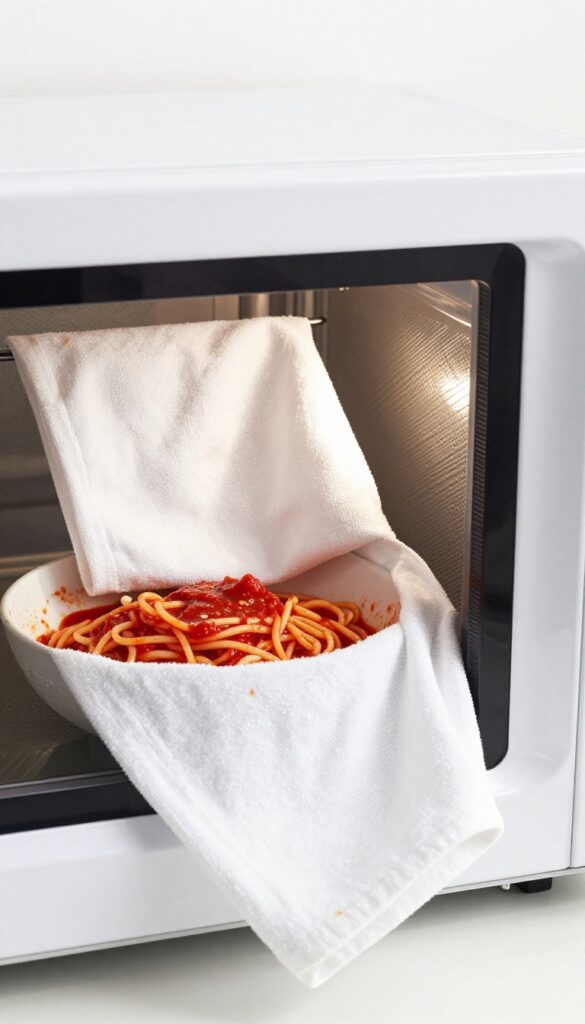
Splatters happen, but they don't have to end up on your microwave walls. A simple damp paper towel or cloth placed over your food catches those explosive droplets before they stick. This trick turns cleanup into a quick wipe of the cloth instead of scrubbing dried-on gunk.
How It Works
When food heats, moisture turns to steam and can cause bubbling or popping. A damp cover absorbs that steam and traps any flying particles. The cloth stays wet, so splatters slide right off instead of baking onto the surface.
Best Foods For This Hack
Works great for saucy dishes like spaghetti, soups, or oatmeal. Also perfect for reheating rice or vegetables that tend to sputter. Avoid using a dry paper towel—it can stick to food or even catch fire if it gets too hot.
Quick Cleanup Tip
After reheating, just toss the cloth in the laundry or rinse the paper towel in the sink. No need to wipe down the microwave interior unless there's a major spill. This simple habit keeps your microwave spotless with zero extra effort.
7. Citrus Peels for a Fresh Scent
Citrus peels do more than just smell great—they release oils that help break down grease and leave your microwave smelling like a fresh orchard. This hack is especially handy after cooking fish or reheating pungent dishes. All you need is the peel from an orange, grapefruit, or lemon.
Toss it into a microwave-safe bowl with water and let the steam work its magic. No scrubbing required.
How It Works
When you microwave citrus peels, the heat releases essential oils into the steam. These oils neutralize odors and loosen dried food particles. The steam also softens splatters, making them easier to wipe away.
Step-by-step Instructions
Place the peels of one citrus fruit in a microwave-safe bowl filled with 1 cup of water. Microwave on high for 3 minutes. Let the bowl sit inside for 2 more minutes without opening the door.
Then carefully remove the bowl (it will be hot) and wipe down the interior with a damp cloth.
Extra Tips
For a stronger scent, add a few drops of lemon juice to the water. You can also combine peels from different citrus fruits. If your microwave has stubborn stains, repeat the process or let the bowl sit longer before wiping.
8. Dish Soap and Water Steam
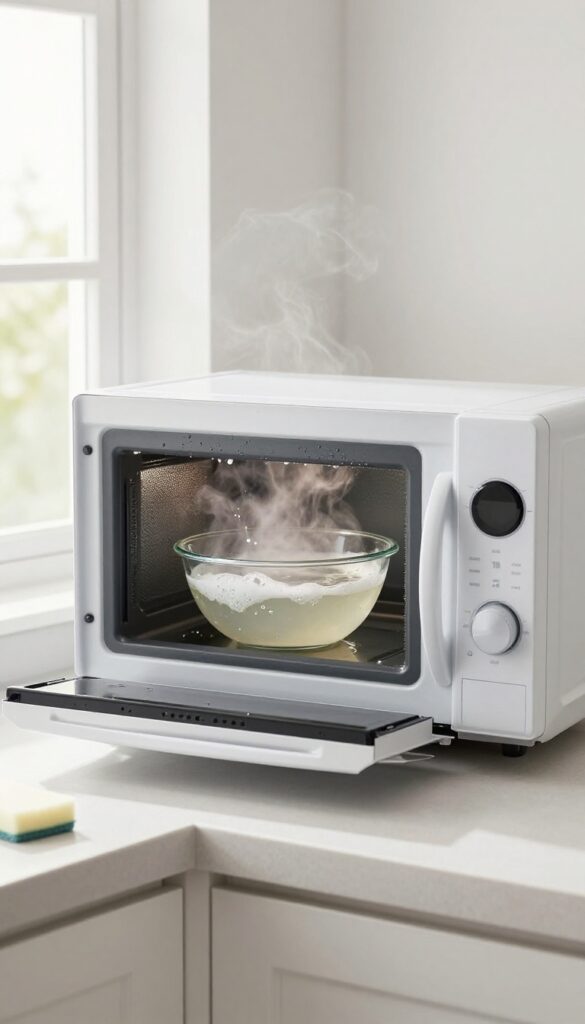
Dish soap is a grease-fighting powerhouse, and when combined with steam, it becomes an effortless microwave cleaner. This hack uses the microwave's own heat to loosen stubborn grime, saving you from scrubbing. Just a few drops of soap and a bowl of water are all you need.
This method is ideal for tackling dried-on food splatters and greasy residue that regular wiping can't handle. The steam softens the mess while the soap breaks down oils, making cleanup a breeze. Plus, it's completely chemical-free and safe for your microwave.
How It Works
Fill a microwave-safe bowl with 1 cup of water and add 2-3 drops of dish soap. Microwave on high for 2 minutes. The steam will condense on the interior surfaces, loosening food particles and grease.
After the cycle, let the bowl sit for a minute before opening the door—the trapped steam continues to work.
Wipe Down Strategy
Carefully remove the hot bowl (use oven mitts). Dip a soft sponge or cloth into the soapy water and wring it out. Wipe down the interior walls, ceiling, and turntable.
The loosened grime will come off easily. Rinse the sponge frequently to avoid spreading grease. For tough spots, let the sponge sit on the area for a few seconds before wiping.
Bonus Odor Control
The steam also helps neutralize mild odors. For a fresher scent, add a few drops of lemon juice or a slice of lemon to the water alongside the dish soap. This combination deodorizes while cleaning, leaving your microwave smelling clean and citrusy.
9. Toothbrush for Corners and Crevices
Your microwave's door seals and corners are prime real estate for grime, but they're also the hardest to reach with a regular sponge. A toothbrush—ideally an old one you'd otherwise toss—is the perfect tool for these tight spots. Paired with a simple baking soda paste, it can scrub away buildup that's been hiding for weeks.
Why The Toothbrush Works
The bristles are stiff enough to dislodge dried food but soft enough not to scratch the microwave's interior. The small head fits into the crevice where the door meets the frame, and it can also reach the corners of the ceiling and floor. A toothbrush gives you precision that a cloth or sponge can't match.
Making The Baking Soda Paste
Mix three tablespoons of baking soda with one tablespoon of water to form a thick paste. Adjust the ratio if needed—you want it spreadable but not runny. Dip the toothbrush into the paste, coating the bristles evenly.
The paste's mild abrasiveness helps lift stubborn stains without damaging surfaces.
Targeting The Grimiest Spots
Focus on the rubber gasket around the door, the hinges, and the corners where splatters accumulate. Scrub in small circular motions, letting the paste work into the grime. For extra-tough spots, let the paste sit for a few minutes before scrubbing.
Wipe away residue with a damp cloth afterward.
10. Microwave a Sponge to Sanitize and Deodorize
Your kitchen sponge is a breeding ground for bacteria, but your microwave can fix that. A quick zap not only sanitizes the sponge but also helps banish odors from the microwave itself. It's a two-for-one cleaning hack that takes just a minute.
Wet the sponge thoroughly—dry sponges can catch fire in the microwave. Squeeze out excess water so it's damp but not dripping. Place it on a microwave-safe plate and heat on high for 1 minute.
The steam kills up to 99% of germs and absorbs lingering smells. Let the sponge cool completely before handling, as it will be hot. This method works best for sponges that aren't too old or smelly; replace sponges every two weeks.
Why It Works
Microwaving creates steam that penetrates the sponge's pores, killing bacteria like E. coli and Salmonella. The heat also releases trapped odors from the sponge, which then dissipate. Meanwhile, the steam circulates inside the microwave, loosening dried food particles and neutralizing smells.
Safety Tips
Never microwave a dry sponge—it can ignite. Also avoid sponges with metal scrubbers or those that have been used with harsh chemicals. Let the sponge cool for a few minutes before touching, and don't microwave it more than twice a week to prevent deterioration.
When To Toss The Sponge
If your sponge smells bad even after microwaving, it's time to replace it. Also, if the sponge is falling apart or has a slimy texture, toss it. This hack extends the life of your sponge but doesn't make it last forever.
11. Activated Charcoal for Persistent Odors
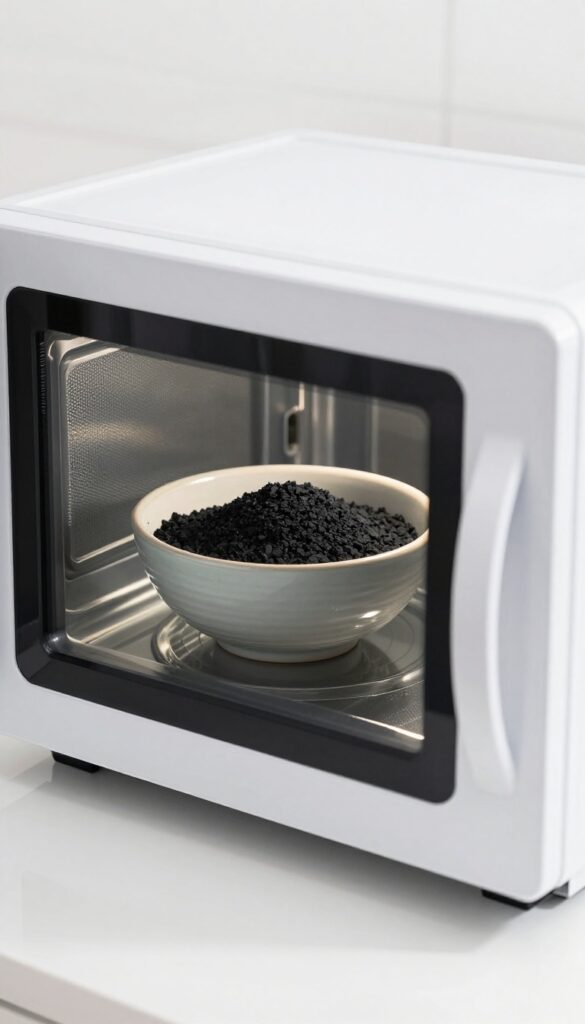
Some smells just won't quit. Fish, burned popcorn, or old curry can linger even after a thorough wipe-down. That's where activated charcoal comes in—a natural, unscented odor absorber that works silently overnight.
Activated charcoal is highly porous, trapping odor molecules like a magnet. Unlike air fresheners that mask smells, it actually removes them. Use it in a small bowl or sachet, and never worry about chemical residues near your food.
How It Works
The porous structure of activated charcoal creates a huge surface area for adsorption. Odor molecules stick to the charcoal, effectively pulling them out of the air inside the microwave. No electricity, no scent—just pure absorption.
Best Way To Use It
Fill a small, heat-safe bowl with about 1/4 cup of activated charcoal (not the briquettes for grilling). Place it in the microwave and leave the door closed overnight. In the morning, remove the bowl and enjoy a neutral-smelling microwave.
When To Replace
Charcoal loses effectiveness over time. Replace it every 1–2 months, or sooner if odors return. You can also reactivate some types by baking at a low temperature (check the package instructions).
12. Steam with Baking Soda and Water
Baking soda is a kitchen hero for a reason. It not only scrubs away grime but also neutralizes odors at a molecular level. When combined with steam, it becomes a powerful, non-toxic cleaner that loosens stuck-on food and freshens the air inside your microwave.
To use this hack, mix 2 tablespoons of baking soda into a microwave-safe bowl of water. Microwave on high for 3 minutes, then let it sit for 5 minutes without opening the door. The steam softens dried splatters, while the baking soda absorbs and neutralizes lingering smells.
Afterward, wipe the interior with a damp cloth—everything should come off easily.
How It Works
The steam from the hot water loosens food particles and grease, making them easy to wipe away. Baking soda, being alkaline, reacts with acidic odor molecules and neutralizes them. This combination tackles both physical grime and chemical smells without any harsh fumes.
Best Practices
Use a large bowl to maximize steam production. Avoid adding too much baking soda, as excess can leave a residue. For tough stains, let the solution sit for an extra 5 minutes after microwaving.
Always wipe with a soft sponge to prevent scratching the interior.
When To Use This Method
This hack is perfect for routine maintenance or after cooking strong-smelling foods like fish, broccoli, or popcorn. It's gentle enough for daily use but effective enough for deep cleaning. Use it once a week to keep your microwave fresh and spotless.
13. Rub with Half a Lemon
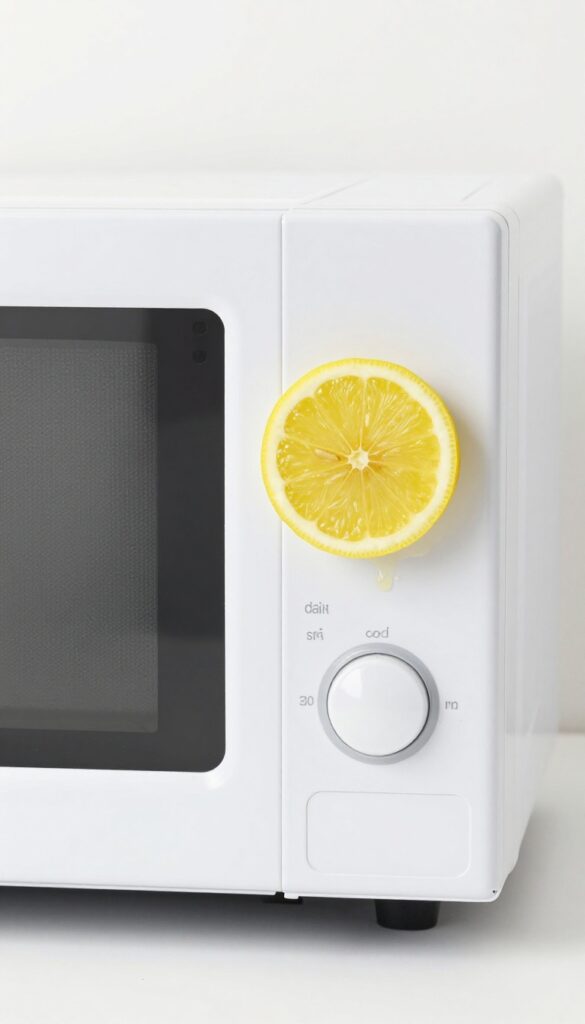
When dried splatters cling to your microwave walls, a lemon can do more than just freshen the air. Cut one in half and rub the cut side directly over the stuck-on food. The natural acid breaks down grease and softens crusty bits, making them easy to wipe away.
Let the lemon juice sit for a few minutes before you start cleaning.
This method is especially handy for spots that have baked on over time. The lemon's acidity works like a mild degreaser without any harsh chemicals. After rubbing, you can microwave the lemon halves in a bowl of water for extra odor removal.
Just be sure to rinse the interior with a damp cloth afterward to avoid any sticky residue.
Why Lemon Works So Well
Lemons contain citric acid, which cuts through grease and helps lift dried food particles. The natural oils in the peel also add a fresh scent. Unlike some commercial cleaners, lemon is safe for microwave interiors and won't damage the surface.
Best Way To Apply The Lemon
Slice a lemon in half crosswise. Hold the cut side and rub it firmly over the splatters, applying a little pressure. Focus on one area at a time.
Let the juice sit for 3–5 minutes to soften the grime, then wipe with a damp sponge or cloth.
What To Do After Rubbing
After you've wiped away the loosened food, use a clean damp cloth to remove any lemon juice residue. If a sticky film remains, rinse with a little water. For extra freshness, microwave the lemon halves in a bowl of water for 30 seconds, then wipe down again.
14. Use a Microwave Cover
Splatters happen fast, but they don't have to become permanent stains. A simple microwave cover or a plate can catch all the mess before it hits the walls. This hack is all about prevention—stop the grime before it starts.
Microwave covers are inexpensive and reusable. They fit over most bowls and let steam escape while trapping food particles. If you don't have a cover, a microwave-safe plate works just as well—just place it upside down over your bowl.
This keeps the interior clean and reduces cleaning time to nearly zero.
Why It Works
When food heats up, moisture and oils can splatter violently. A cover blocks those droplets from hitting the microwave ceiling and walls. Less mess means less scrubbing and fewer odors trapped in baked-on residue.
Choosing The Right Cover
Look for covers with vent holes to release steam—otherwise, your food might get soggy. Silicone covers are flexible and collapse for storage. Glass or plastic lids with vents are also great.
Avoid metal covers, as they can cause sparks.
Quick Cleanup Tip
After using a cover, just rinse it with hot soapy water or toss it in the dishwasher. No need to scrub the microwave. This one habit can keep your microwave looking new for years.
15. Clean with Glass Cleaner for Streak-Free Shine
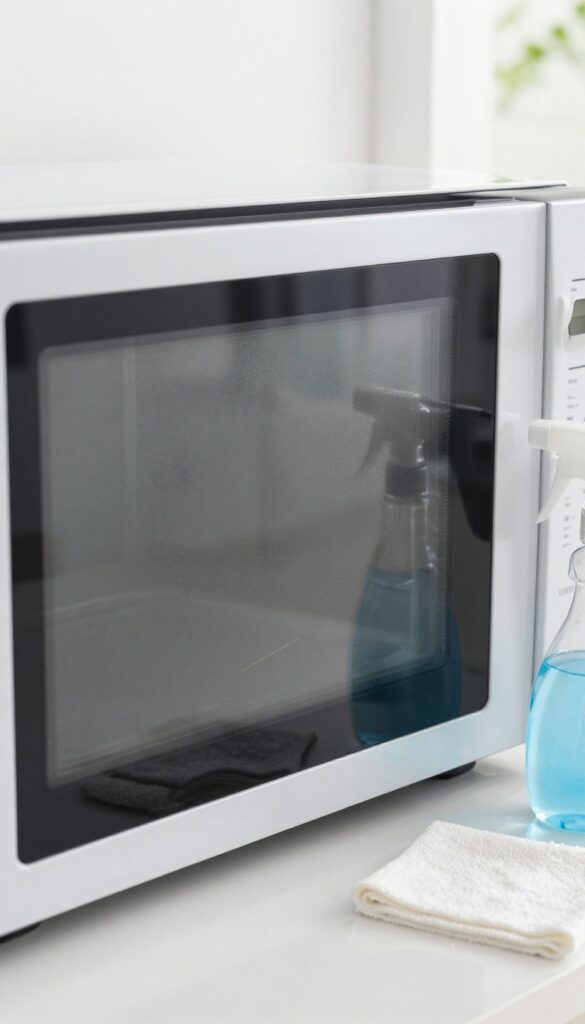
Your microwave door and interior walls can look smudged even after a thorough wipe-down. Glass cleaner cuts through grease and leaves a sparkling, streak-free finish. It’s a quick fix that makes your microwave look brand new without extra scrubbing.
Spray a small amount of glass cleaner onto a soft, lint-free cloth—never directly onto the microwave to avoid drips into vents. Wipe the interior door, ceiling, and walls in straight lines. For stubborn spots, let the cleaner sit for 30 seconds before wiping.
This method removes residue from food splashes and leaves a protective layer that repels future grime. Avoid ammonia-based cleaners if your microwave has a stainless steel exterior; use a dedicated glass cleaner or a vinegar-water mix instead.
Why Glass Cleaner Works
Glass cleaners contain surfactants that break down grease and dried food particles without harsh abrasives. They evaporate quickly, so there’s no leftover moisture that could cause odors or damage. The streak-free formula ensures no cloudy residue, giving you a crystal-clear view of your food.
How To Apply Safely
Always spray onto the cloth, not the microwave. Use a microfiber cloth for best results—paper towels can leave lint. Work from top to bottom to avoid drips.
For the door glass, wipe in overlapping strokes. If you have a turntable, remove it and clean separately with soapy water.
When To Use This Hack
Use glass cleaner for routine maintenance after heavy splatters or when you notice smudges. It’s especially effective after cooking greasy foods like bacon or cheese. For daily light cleaning, a damp cloth may suffice, but glass cleaner gives that extra polish once a week.
16. Steam with Tea Tree Oil for Mold Prevention
Mold loves warm, damp environments, and your microwave can become a breeding ground if you don't dry it thoroughly. Tea tree oil is a natural antifungal that stops mold before it starts. A quick steam session with this essential oil leaves your microwave fresh and protected.
Why Tea Tree Oil Works
Tea tree oil contains terpinen-4-ol, a compound that kills mold spores and inhibits growth. Unlike bleach, it's non-toxic when used in small amounts and leaves a clean, medicinal scent that fades quickly. It's safe for microwave interiors and won't damage surfaces.
How To Steam With Tea Tree Oil
Fill a microwave-safe bowl with 1 cup of water and add 5-10 drops of tea tree oil. Microwave on high for 2 minutes until the water boils and steam coats the interior. Let it sit for 5 minutes with the door closed, then wipe down all surfaces with a clean cloth.
The steam loosens grime while the oil disinfects.
Preventive Maintenance Tips
Repeat this steam treatment once a week, especially in humid climates or if you notice musty odors. After each use, leave the microwave door open for a few minutes to let moisture escape. Check the door seal and turntable edges for hidden moisture where mold often starts.
17. Microwave a Bowl of Vanilla Extract
If you want your microwave to smell like a bakery instead of last night's dinner, vanilla extract is your secret weapon. This hack is incredibly simple and leaves a warm, sweet scent that lingers pleasantly. It's perfect for when you have guests coming over or just want a cozy kitchen vibe without any harsh chemical air fresheners.
Why Vanilla Works So Well
Vanilla extract contains compounds that are naturally aromatic and can neutralize odors rather than just covering them up. When heated, the alcohol in the extract helps disperse the vanilla molecules throughout the microwave, clinging to surfaces and replacing bad smells with a comforting fragrance. Plus, it's non-toxic and safe for food areas.
How To Do It Right
Fill a microwave-safe bowl with 1 cup of water and stir in 1 teaspoon of pure vanilla extract (not imitation, which may not be as strong). Microwave on high for 2 minutes, or until the mixture is steaming and the microwave smells fragrant. Let the bowl sit inside with the door closed for another 5 minutes to allow the steam to penetrate any lingering odors.
Pro Tips For Best Results
Use a deep bowl to prevent splashing during boiling. If your microwave is especially smelly, add a second teaspoon of vanilla or extend the heating time by 30 seconds. After steaming, wipe down the interior with a soft cloth—the moisture helps loosen any dried splatters, so you get a clean and fresh microwave in one go.
18. Use a Magic Eraser for Baked-On Stains
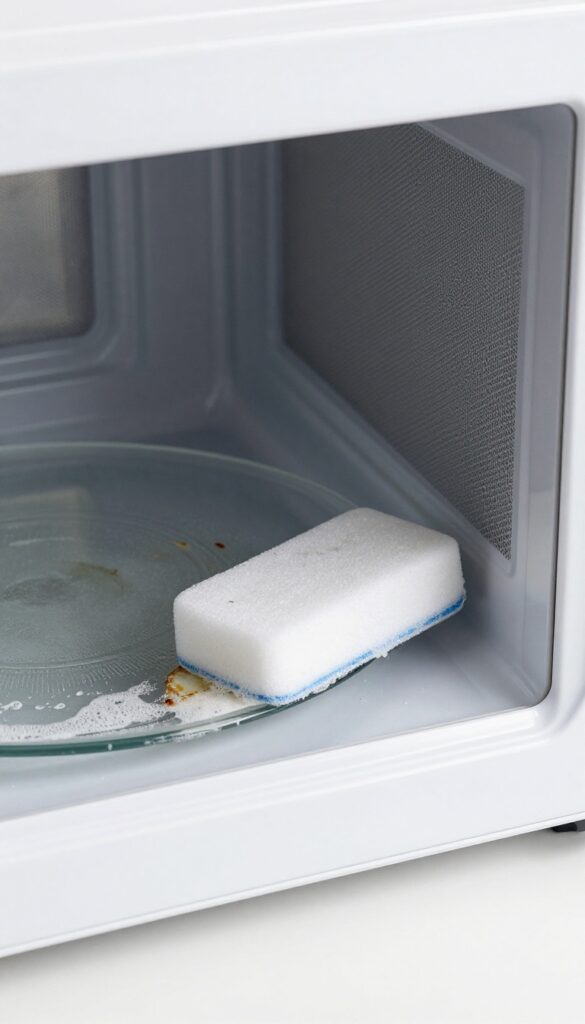
Some stains just won't budge with a regular sponge. That's where a melamine foam eraser—often sold as a Magic Eraser—comes in. It works like a super-fine sandpaper to lift baked-on splatters without scratching your microwave's interior.
This hack is perfect for those crusty spots that have survived multiple rounds of steaming and scrubbing. You only need water and a gentle touch to restore your microwave to like-new condition.
How To Use It Safely
Dampen the eraser with plain water—no soap needed. Squeeze out excess so it's not dripping. Gently rub the stained area in a circular motion.
The foam will break down as it scrubs, so use a fresh corner for tough spots. Avoid pressing too hard; let the eraser do the work.
Where Not To Use It
Melamine foam can be abrasive on glossy or painted surfaces. Don't use it on the microwave's control panel, digital display, or any printed text. Stick to the interior walls, ceiling, floor, and glass turntable.
Test on a small hidden area first if you're unsure.
Why It Works So Well
The foam's open-cell structure acts like thousands of tiny scrubbers. When wet, it creates a mild abrasive action that lifts baked-on food without harsh chemicals. It's especially effective on grease and protein-based stains that have hardened from repeated heating.
19. Steam Clean with a Bowl of Water Only
Sometimes the simplest method works best. A bowl of water in the microwave can loosen dried food and neutralize mild odors without any extra ingredients. This hack is perfect for a quick refresh between deeper cleans.
Fill a microwave-safe bowl with water and microwave on high for 5 minutes. The steam softens stuck-on food, making it easy to wipe away with a cloth. For tougher spots, let the bowl sit inside for a few minutes after the timer ends to let the steam work longer.
Why It Works
Steam penetrates dried food particles and rehydrates them, so they loosen from surfaces. The heat also helps kill some bacteria and freshens the air inside the microwave.
Best Practices
Use a large bowl to maximize steam coverage. Add a splash of lemon juice or vinegar for extra odor-fighting power, but plain water works fine. Wipe the interior immediately after steaming to prevent moisture from sitting.
When To Use This Method
This hack is ideal for daily maintenance or after cooking foods that leave light splatters. For heavy grease or burnt-on messes, combine with a baking soda scrub first.
20. Wipe Down After Every Use
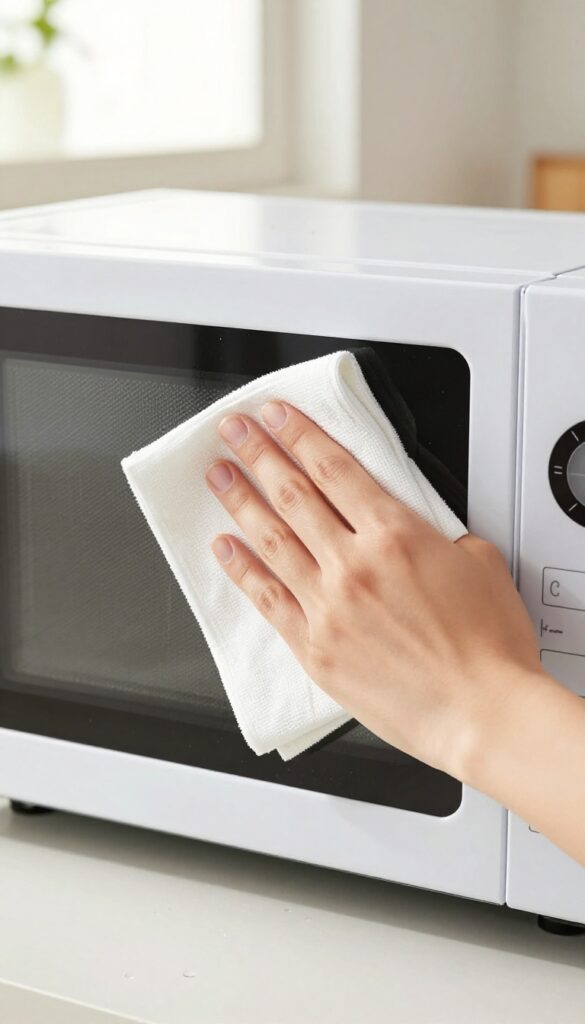
The easiest way to keep your microwave fresh is to clean it right after each use. A quick wipe prevents food from baking onto surfaces and stops odors from forming. This habit takes less than a minute and saves you from deep cleaning later.
Make it a routine to grab a damp cloth or sponge the moment you take out your food. The residual heat and steam soften any splatters, making them easy to remove. If you wait until later, dried-on bits require more scrubbing.
Why Immediate Wiping Works
Heat and moisture keep food particles loose right after cooking. A simple wipe at this stage lifts away grease and sauce before they harden. It also prevents smells from soaking into the interior surfaces over time.
What To Use For The Wipe
A microfiber cloth or soft sponge with warm water is usually enough. For stubborn spots, add a drop of dish soap. Avoid abrasive scrubbers that can scratch the microwave's coating.
How To Build The Habit
Keep a dedicated cloth near the microwave so it's always handy. After you remove your dish, give the inside a quick once-over while it's still warm. Doing this consistently turns cleaning into a effortless part of your routine.
FAQ
Can I use bleach to clean my microwave?
It's not recommended. Bleach can damage the interior coating and leave harmful fumes. Stick to natural cleaners like vinegar, lemon, or baking soda.
How often should I clean my microwave?
For best results, wipe down the interior after each use. Do a deep steam clean at least once a week to prevent odors and buildup.
Why does my microwave smell like burnt plastic?
This could be from food splatters burning onto the heating element. Clean thoroughly with a vinegar steam, and avoid running the microwave empty.
Is it safe to microwave baking soda?
Yes, baking soda is safe to microwave. It helps absorb odors and loosen grime. Just mix it with water and heat as directed.
Can I use essential oils in my microwave?
Yes, but only a few drops in water. Oils like lemon, tea tree, or lavender can deodorize. Avoid using pure oils directly on surfaces.
Conclusion
Keeping your microwave fresh and clean doesn't require a cabinet full of specialty products. With these 20 hacks, you can tackle odors and splashes using simple ingredients you already have at home. A few minutes of steaming or wiping can make a big difference.
Try one or two of these methods today, and you'll notice how much more pleasant it is to heat up your meals. Your microwave will look and smell like new, without the harsh chemicals or heavy scrubbing. Happy cleaning!