23 Easy Oven Cleaning Hacks for Baked Grease Problems
You open the oven door and see baked-on spills from last week's lasagna. That greasy layer seems impossible to remove without scrubbing for hours. But it doesn't have to be that way.
Most oven cleaners are full of harsh chemicals that smell awful and require gloves and ventilation. You don't need those to get a clean oven. Simple ingredients you already have at home can cut through the grime.
These 23 hacks focus on real-world solutions that work with your schedule and budget. No fancy tools, no toxic fumes—just smart methods that make oven cleaning easier than you thought possible.
1. Baking Soda and Water Paste
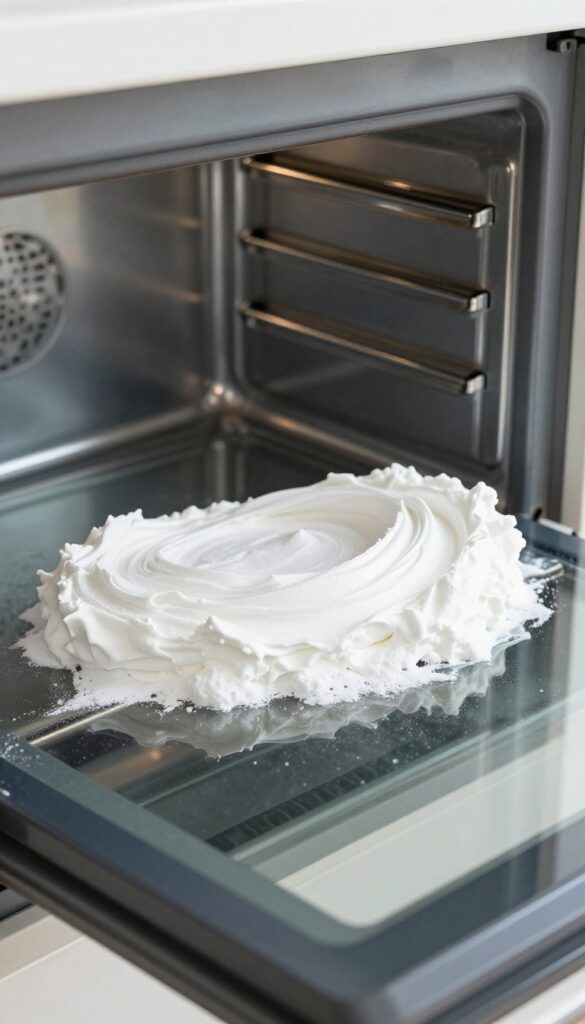
Baking soda is a gentle abrasive that works wonders on baked-on grease without scratching your oven's surface. When mixed with water, it forms a spreadable paste that clings to vertical surfaces and breaks down stubborn residue over time. This method is safe for self-cleaning ovens and doesn't release harsh fumes.
To make the paste, combine half a cup of baking soda with a few tablespoons of water until it reaches a thick, spreadable consistency. Apply it generously to greasy areas, avoiding heating elements. Let it sit overnight—the longer the better—so the baking soda can lift the grime.
The next day, wipe away the paste with a damp cloth or sponge. For tough spots, spray with white vinegar to create a fizzing reaction that loosens residue further. Rinse with clean water and dry with a microfiber cloth.
Why It Works
Baking soda is mildly alkaline, which helps break down fatty acids in grease. Its fine particles provide gentle scrubbing power without scratching glass or enamel surfaces. The long contact time allows the paste to penetrate and soften baked-on layers, making them easy to wipe away.
Pro Tips For Best Results
Remove oven racks and loose debris before applying the paste. Focus on the door and back wall where grease accumulates most. If the paste dries out overnight, lightly spritz with water to rehydrate.
For extra stubborn spots, add a few drops of dish soap to the paste.
2. Vinegar Spray for Residue
Once the baking soda paste has done its job, you'll still see some white residue and maybe a bit of grease. That's where vinegar comes in. The acid in white vinegar reacts with the baking soda to create a fizzy reaction that lifts stubborn grime right off the surface.
How The Fizzing Works
When you spray vinegar over the baking soda residue, the two ingredients react to form carbon dioxide bubbles. These bubbles help dislodge grease and food particles that are still clinging to the oven walls. The reaction is gentle enough for enamel surfaces but powerful enough to break down baked-on messes.
Application Tips
Fill a spray bottle with undiluted white vinegar and mist it generously over the baking soda paste. Let it sit for a minute or two while the fizzing does the work. Avoid using too much vinegar—you just need enough to activate the baking soda, not flood the oven.
Wiping It Clean
After the fizzing subsides, take a damp microfiber cloth and wipe the interior in circular motions. The cloth will pick up both the loosened grime and the vinegar-baking soda mixture. Rinse the cloth frequently in warm water to avoid spreading residue around.
Finish with a dry microfiber cloth for a streak-free shine.
3. Lemon Juice Steam Clean
Lemon juice isn't just for lemonade. When you heat it in the oven, the steam works like a pressure washer for baked-on grease. The natural acidity breaks down stubborn residue while neutralizing any lingering food odors.
This hack is perfect for a quick refresh before a deep clean or for maintaining a mostly clean oven.
This method uses steam to loosen grime so you can wipe it away without scrubbing. The lemon adds a fresh scent and extra degreasing power. It's gentle on your oven and your lungs.
What You'll Need
Grab a lemon, an oven-safe bowl or baking dish, and water. That's it. If you don't have fresh lemons, bottled lemon juice works just as well.
Use about 1/4 cup of juice per quart of water.
Step-by-step Instructions
Preheat your oven to 250°F. Fill the bowl with water and add the lemon juice (or squeeze in the juice from two lemons and drop the rinds in too). Place the bowl on the middle rack and close the door.
Let it bake for 30 minutes. The steam will soften the grease and loosen baked-on bits. After 30 minutes, turn off the oven and let it cool slightly.
Open the door and wipe down the interior with a damp cloth or sponge. Most of the grime should come off easily.
When To Use This Hack
This works best for light to moderate buildup. If you have thick, crusted grease, you might need to repeat the process or follow up with a baking soda paste. It's also great for deodorizing after cooking fish or strong-smelling dishes.
4. Dish Soap and Baking Soda Scrub
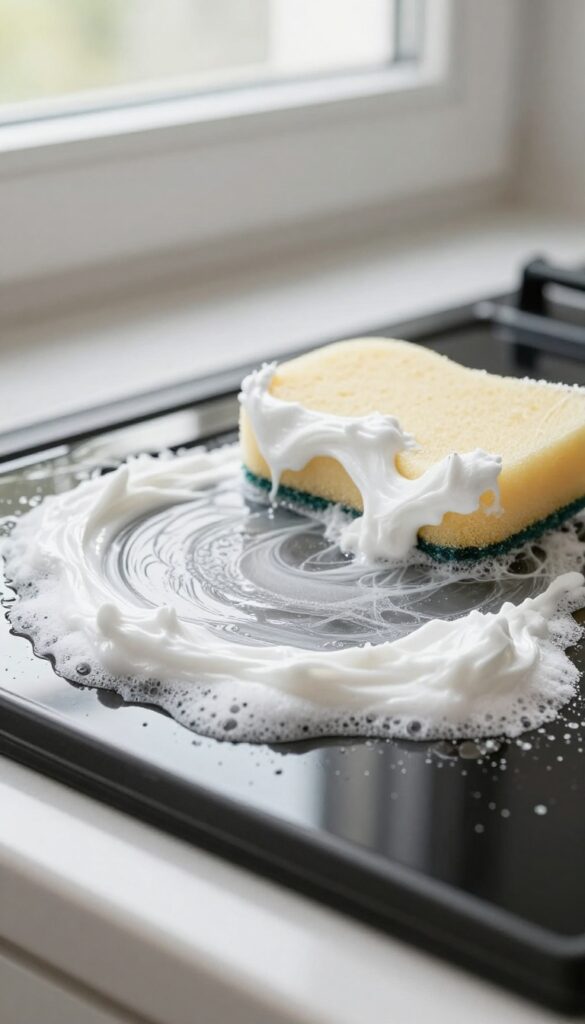
Sometimes the simplest combinations work best. Dish soap cuts grease, and baking soda provides gentle abrasion. Together, they form a powerful scrub that tackles those stubborn baked-on spots without scratching your oven's surface.
Mix a few drops of liquid dish soap with enough baking soda to form a thick paste. Apply it directly to the greasy areas and let it sit for 15 minutes. The soap breaks down the grease while the baking soda lifts the grime.
After the wait, scrub with a non-abrasive sponge or cloth. Rinse with water and wipe dry. This method is especially effective on oven doors and walls where grease tends to accumulate.
Why This Combo Works
Dish soap is designed to cut through grease on dishes, so it's a natural fit for oven grime. Baking soda is a mild alkali that reacts with grease to form soap-like compounds, making it easier to wipe away. Together, they create a non-toxic cleaner that's safe for food surfaces.
Best Application Tips
For best results, apply the paste to a warm (not hot) oven surface. Warmth helps the mixture penetrate the grease. Focus on the worst spots first, and don't be afraid to let it sit longer if needed.
Use a soft sponge or microfiber cloth to avoid scratches.
Rinsing And Finishing
After scrubbing, thoroughly rinse the area with a damp cloth to remove any residue. Leftover baking soda can leave a white film, so wipe several times. Dry with a clean towel.
Your oven will look clean without any chemical smell.
5. Salt for Fresh Spills
Caught a spill while it's still warm? Don't let it bake into a crusty nightmare. A simple sprinkle of salt can stop grease in its tracks.
This trick works best right after cooking, when the oven is warm but not scorching hot.
Salt is a natural absorbent that soaks up grease before it hardens. It's cheap, non-toxic, and always in your kitchen. Just pour a generous layer over the spill, let it cool, and sweep it away.
No scrubbing needed.
Why Salt Works So Well
Salt's coarse texture helps lift grease from the surface while its absorbent properties pull in the oil. As the oven cools, the salt forms a crust that traps the grease, making it easy to remove with a brush or paper towel.
How To Use Salt On Fresh Spills
As soon as you notice a spill, turn off the oven and let it cool slightly—warm, not hot. Sprinkle a thick layer of table salt or kosher salt over the entire spill. Wait until the oven is completely cool, then sweep up the salt with a dustpan or vacuum.
Wipe any residue with a damp cloth.
When To Skip This Hack
Salt works best on fresh, liquidy spills. If the grease has already baked into a hard layer, skip the salt and use a baking soda paste instead. Also, avoid salt on glass oven doors—it can scratch the surface.
6. Cream of Tartar Paste
Cream of tartar is a pantry staple that often gets overlooked when it comes to cleaning. But its mild acidity makes it a gentle yet effective grease cutter. Mixed into a simple paste, it can tackle baked-on messes without the need for harsh chemicals or elbow grease.
To use cream of tartar for oven cleaning, start by mixing it with a small amount of water to form a thick paste. Apply the paste directly to the greasy spots, focusing on areas with heavy buildup. Let it sit for about 20 minutes to allow the acid to break down the grease.
Then, wipe away with a damp cloth. For stubborn spots, a soft sponge or brush can help lift the residue without scratching.
Why It Works
Cream of tartar is a mild acid, which helps dissolve grease and grime. Unlike some commercial cleaners, it won't damage the oven's interior or leave behind toxic fumes. It's also safe to use around food, making it a great non-toxic option.
Best Uses
This paste works best on light to moderate baked-on grease. For heavy, caked-on spills, you may need to repeat the process or combine it with other methods. It's also ideal for cleaning oven doors and glass surfaces without scratching.
Pro Tips
For extra cleaning power, add a few drops of dish soap to the paste. Let the paste sit longer if the grease is stubborn. Always test on a small area first to ensure compatibility with your oven's surface.
7. Ammonia Fume Method
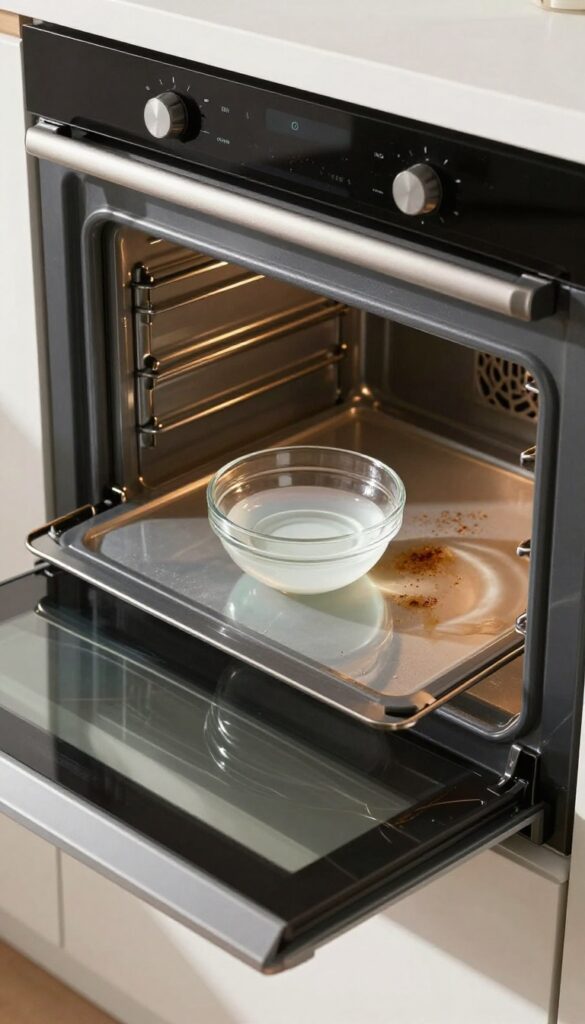
This old-school trick uses ammonia fumes to break down baked-on grease without any scrubbing. It's almost like magic — you just leave a bowl of ammonia in the oven overnight, and the next day the grime wipes away easily. Just be sure to work in a well-ventilated area and never mix ammonia with bleach.
The ammonia fume method is a powerful, hands-off approach for tough, baked-on grease. It works because ammonia fumes react with grease, softening it so you can wipe it clean. This method is best for ovens with heavy buildup that hasn't been cleaned in a while.
How It Works
Ammonia releases fumes that chemically break down grease. When left in a sealed oven overnight, the fumes penetrate the grime, making it soft and easy to remove. No scrubbing required — just a wipe-down with soapy water the next day.
Step-by-step Instructions
First, remove oven racks and wipe out any loose debris. Place a small bowl of 1/2 cup ammonia in the cold oven (do not turn it on). Close the door and let it sit for 8–12 hours or overnight.
The next day, open the oven and let it air out for 15 minutes. Then wipe down all surfaces with a cloth dipped in warm, soapy water. Rinse with a damp cloth and dry.
Safety Precautions
Always use ammonia in a well-ventilated area — open windows and turn on a fan. Wear gloves to protect your skin. Never mix ammonia with bleach or any other cleaner, as this creates toxic fumes.
Keep the oven door closed during the process to contain fumes. After cleaning, run the oven at 200°F for 15 minutes to remove any lingering smell.
8. Steam Clean with Water Only
Steam is one of the most underrated cleaning tools in your kitchen. It softens stubborn grease without any chemicals, making it perfect for light to moderate buildup. All you need is water and a heat-safe bowl.
This method works best when your oven is still warm but not scorching hot. The steam loosens grease, so you can wipe it away with minimal effort. It's a great first step before tackling tougher spots.
How To Do It
Place an oven-safe bowl filled with water on the bottom rack. Set the oven to 450°F and let it run for 20 minutes. The water will steam, softening grease and food residue.
Wipe Down
Turn off the oven and let it cool for about 10 minutes. Open the door and wipe the interior with a damp cloth. Most of the grease should come off easily.
For stubborn spots, repeat the process.
When To Use This Hack
This is ideal for regular maintenance or when you have light to moderate baked-on grease. It's not a deep-cleaning solution, but it keeps your oven fresh between heavy scrubs.
9. Dryer Sheet Trick
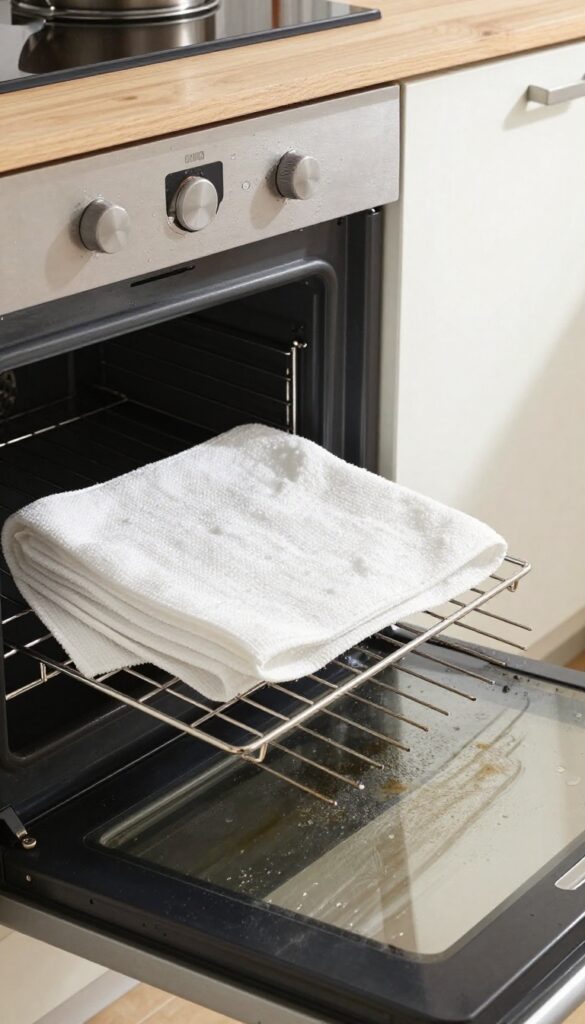
This one might sound a little strange, but it works. Dryer sheets aren't just for laundry—they can help loosen baked-on grease in your oven. The anti-static agents in the sheets actually break down grime, making it easier to wipe away without harsh scrubbing.
Grab a dryer sheet (used or new) and soak it in warm water for a few seconds. Lay it directly over the greasy spots inside your oven. Let it sit for about 30 minutes.
The heat and moisture help the anti-static agents penetrate the baked-on grease. After the wait, remove the sheet and wipe the area with a clean, damp cloth. You'll see the grease lift right off.
For stubborn spots, repeat or scrub gently with a sponge.
Why It Works
Dryer sheets contain softening agents and surfactants that reduce static and help release stuck-on particles. When combined with warm water, these ingredients become mild degreasers. They're gentle on oven surfaces but tough on grease.
Best Use Cases
This trick works great on fresh spills or moderately baked-on grease. For thick, charred layers, you may need to combine it with another method. Avoid using on self-cleaning oven liners or surfaces that are damaged.
Pro Tips For Better Results
Use unscented dryer sheets if you're sensitive to fragrances. Make sure the sheet stays wet on the stain—if it dries out, it won't work as well. You can also microwave the wet sheet for 10 seconds to make it warm before applying.
10. Hydrogen Peroxide and Baking Soda
If you've tried baking soda paste before but found it lacking against tough oven grime, hydrogen peroxide is the upgrade you need. The peroxide reacts with the baking soda to create a gentle fizzing action that helps lift burnt-on grease without harsh scrubbing. It's a simple two-ingredient solution that works surprisingly well.
Mix equal parts hydrogen peroxide and baking soda to form a spreadable paste. Apply a thick layer to the greasy spots and let it sit for 15 minutes. You'll see small bubbles forming as the peroxide works to break down the grease.
After the wait, wipe away the paste with a damp cloth and rinse thoroughly. For extra stubborn areas, let the paste sit longer or give it a light scrub with a non-abrasive sponge.
Why This Combo Works
Hydrogen peroxide is a mild oxidizer that helps loosen organic residues like grease. When mixed with baking soda, it creates a slightly alkaline paste that cuts through oil. The fizzing action is not just for show—it helps lift particles away from the surface, making them easier to wipe off.
Best Spots To Use It
This method is ideal for the oven door, walls, and the bottom surface where spills tend to bake on. Avoid using it on aluminum surfaces, as peroxide can cause discoloration. Stick to enamel or stainless steel interiors.
Pro Tips For Better Results
Use 3% hydrogen peroxide from the drugstore—no need for stronger concentrations. Make sure the oven is cool before applying. If the paste dries out during the 15-minute wait, spritz a little water or peroxide on it to reactivate the fizzing.
11. Club Soda Spray
Carbonated water isn't just for mixing drinks or cutting down on soda calories. The bubbles in club soda actually help lift baked-on grease from oven surfaces. It's a gentle but effective method that requires almost no effort.
Club soda's carbonation creates tiny bubbles that work their way under crusty grease layers, loosening them without harsh scrubbing. The slight acidity also helps break down fats, making cleanup a breeze.
How It Works
Pour club soda into a spray bottle and mist it generously over greasy oven walls and the glass door. Let it sit for 10 minutes—you'll see the fizz doing its job. Wipe away the softened residue with a soft cloth or sponge.
For stubborn spots, repeat or let it sit a bit longer.
Best Uses
This hack works wonders on fresh spills and moderately baked-on grease. It's also safe for oven glass, leaving it streak-free. Avoid using it on self-cleaning oven liners or very high-temperature areas, as the moisture might cause damage.
Pro Tips
Use plain club soda—not flavored or sweetened versions, which can leave sticky residue. For extra cleaning power, add a drop of dish soap to the spray bottle. Always test on a small area first if your oven has a special coating.
12. Ketchup for Burnt Spots
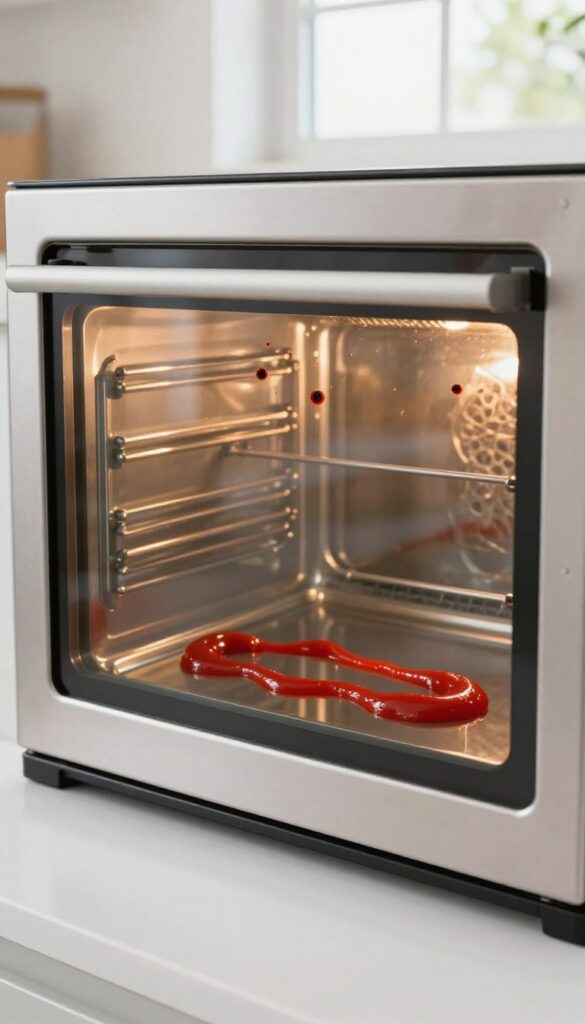
Ketchup isn't just for fries. Its acidity makes it surprisingly effective at breaking down carbonized grease. Spread a layer over burnt-on spots, wait half an hour, and scrub gently.
The results are especially impressive on glass oven doors.
How It Works
The vinegar and tomato acids in ketchup react with baked-on carbon, loosening it without harsh scrubbing. This makes it ideal for delicate surfaces like glass or enamel.
Best Application Method
Squeeze ketchup directly onto the burnt spots. Use a spatula or your fingers (gloved) to spread it evenly. Let it sit for 30 minutes—longer for tougher stains.
Then scrub with a non-abrasive sponge and rinse.
Glass Door Trick
For oven doors, apply a thick layer and let it sit. The ketchup won't drip if you spread it carefully. After rinsing, wipe with a microfiber cloth for a streak-free shine.
13. Bar Keepers Friend for Tough Stains
Bar Keepers Friend is a classic cleaner that handles baked-on messes that other methods can't touch. Its mild abrasive action lifts stubborn stains without scratching most oven surfaces. You probably have a can under your sink already.
For porcelain ovens, Bar Keepers Friend is a lifesaver. It cuts through carbonized grease and dark spots that make your oven look older than it is. The key is letting the paste sit long enough to break down the grime.
Making The Paste
Mix a small amount of Bar Keepers Friend powder with just enough water to form a thick paste. You want it spreadable but not runny, like toothpaste. Apply it directly to the stained areas using a sponge or your fingers (wear gloves if your skin is sensitive).
Let It Work
Let the paste sit for about 10 minutes. You'll see the stains start to lighten as the oxalic acid goes to work. Don't let it dry completely—if it starts to flake, spritz a little water on top.
Scrubbing And Rinsing
Use a non-abrasive pad or soft sponge to gently scrub the area in circular motions. Rinse thoroughly with a damp cloth to remove all residue. Repeat on extra stubborn spots.
Your oven should look noticeably cleaner.
14. Pumice Stone for Burnt-On Grime
When baked-on grease turns into black, crusty carbon, a pumice stone is your secret weapon. This natural volcanic rock is abrasive enough to scrape off tough residue but soft enough not to scratch metal or glass surfaces. It works especially well on oven racks and the bottom of the oven where spills have charred into a hard layer.
Using a pumice stone is straightforward, but a few tips make it even more effective. Always wet the stone first—dry pumice can be too harsh. Then gently rub the burnt area in a circular motion.
The stone will gradually wear down the carbon without damaging the underlying surface. Rinse the stone frequently to remove debris and keep it working. This method is perfect for those stubborn spots that won't budge with baking soda or vinegar.
Choosing The Right Pumice Stone
Not all pumice stones are the same. Look for a fine-grit stone designed for cleaning, not the rough ones meant for calluses. A softer pumice stone is safer for glass and enamel surfaces.
You can find them at hardware stores or online. Avoid using a stone that's too coarse, as it might leave micro-scratches on smooth oven surfaces.
Step-by-step Application
Start by wetting the pumice stone thoroughly. Gently rub the burnt-on grime with light pressure—let the stone do the work. As you rub, you'll see a grayish paste form; that's the carbon being lifted.
Wipe the area with a damp cloth to check progress. Repeat as needed for tough spots. After cleaning, rinse the stone and let it dry completely before storing.
Important Precautions
While pumice is gentle, it's not for every surface. Avoid using it on ceramic glass cooktops or non-stick coatings, as it can cause damage. Test on a small hidden area first.
Always keep the stone wet to prevent scratching. And don't use it on aluminum or soft metals—it's best for porcelain enamel and stainless steel.
15. Magic Eraser for Quick Touch-Ups
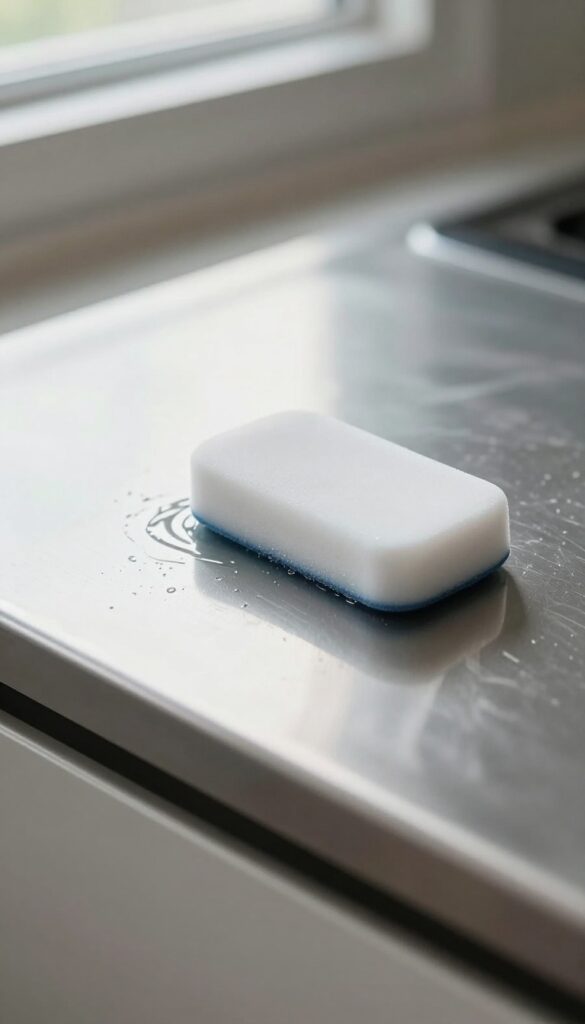
You know that little greasy smudge on the oven door that catches the light every time you walk by? Or the crusty drip on the back wall that you keep meaning to wipe? A melamine foam eraser—often sold as a magic eraser—handles those spots in seconds.
Just dampen it, give the area a gentle rub, and watch the grease lift away like it never existed. It's perfect for small areas or quick maintenance between deep cleans.
The magic eraser works by micro-abrasion, meaning it acts like super-fine sandpaper to lift grime without scratching most surfaces. It's especially effective on baked-on grease that hasn't fully carbonized. Keep one in your kitchen drawer for spot treatments.
When you see a fresh spill, grab the eraser instead of waiting for it to bake on harder. For best results, use it on a cool oven surface and rinse the eraser frequently as it picks up grease. Note that it can dull glossy finishes over time, so test on an inconspicuous spot first.
Also, avoid using it on self-cleaning oven liners or any non-stick coating, as it may damage them.
How To Use It Safely
Cut a small piece off a full eraser—you don't need the whole thing. Dampen it with water until it's soft but not dripping. Gently rub the greasy spot in a circular motion.
You'll see the grime transfer to the eraser. Flip or replace the piece as it gets dirty. Rinse the area with a damp cloth afterward to remove any residue.
Don't press hard; let the eraser do the work.
Where It Works Best
The magic eraser shines on oven doors, glass windows, and smooth interior walls. It easily removes fingerprints, light splatters, and hazy grease film. It's also great for cleaning the stovetop and range hood.
Avoid using it on textured surfaces or porous materials like unglazed ceramic, as it may leave white residue or cause uneven wear.
When To Skip It
If you have a self-cleaning oven with a catalytic liner, don't use a magic eraser—it can strip the coating. Also avoid it on any surface with a decorative finish or decals. For heavy, baked-on carbon layers, you'll need a stronger method like a pumice stone or chemical cleaner.
The eraser is best for light to moderate grease and daily upkeep.
16. Oven Self-Cleaning Cycle
Your oven likely came with a self-cleaning feature, but many people are afraid to use it. That high-heat cycle can be intimidating, but it's actually one of the most effective ways to tackle baked-on grease without any scrubbing. When used correctly, it turns crusty spills into fine ash that wipes away with a damp cloth.
The self-cleaning cycle works by heating the oven to extremely high temperatures (around 800°F or higher) to burn off food residue. This method is perfect for heavy grease buildup that has hardened over time. However, it's not without its downsides: it can produce smoke and strong odors, so you'll need to ventilate your kitchen well.
Also, the cycle can take several hours and may increase your energy bill slightly. But for a deep clean with minimal effort, it's hard to beat.
Prep Steps For A Safe Cycle
Before you hit that self-clean button, remove all oven racks and any aluminum foil or oven liners. These items can discolor or warp under extreme heat. Wipe out any loose debris or spills that are not yet baked on—they'll create extra smoke.
Make sure the oven door is completely closed and locked (some models lock automatically). Open windows and turn on your range hood to handle the smoke and odors.
What To Expect During The Cycle
The self-cleaning cycle typically lasts 2 to 4 hours. During that time, the oven will heat up and then maintain a high temperature to incinerate the grease. You may see smoke or smell a burning odor—that's normal.
Avoid opening the oven door while the cycle is running; it's locked for safety. If you have pets or respiratory issues, consider staying out of the kitchen until the cycle finishes and the oven cools down.
After The Cycle: Wiping Away Ash
Once the cycle ends, let the oven cool completely (this can take another hour or more). Then, open the door and you'll see a layer of white or gray ash. Simply wipe it up with a damp cloth or sponge.
For stubborn ash spots, use a little water and a non-abrasive scrubber. Avoid using harsh cleaners or sprays on the ash—they're not needed. Replace the racks and you're done.
17. Steam Cleaner for Stubborn Layers
Sometimes a simple spray and wipe just won't cut it. If you're dealing with layers of baked-on grease that have been accumulating for months, a handheld steam cleaner can be a game-changer. It uses nothing but water to produce high-temperature steam that penetrates and softens even the toughest grime.
Using a steam cleaner is straightforward. Fill the reservoir with water, let it heat up, and then direct the steam nozzle at the greasy areas. The heat and moisture work together to loosen the baked-on residue, making it easy to wipe away with a microfiber cloth.
This method is especially effective for the oven ceiling and back wall, which are hard to reach with traditional scrubbing.
Why Steam Works So Well
Steam cleaning relies on heat and moisture to break down grease without harsh chemicals. The high temperature softens the grease, while the moisture helps lift it from the surface. Unlike abrasive scrubbing, steam won't scratch your oven's interior, and it reaches into crevices that a sponge might miss.
Best Practices For Steam Cleaning
Start by removing loose debris and oven racks. Then, work in small sections, holding the steam nozzle a few inches away from the surface. After steaming, wipe immediately with a dry cloth.
For extra stubborn spots, let the steam sit for a minute before wiping. Always follow your steam cleaner's instructions and ensure proper ventilation.
When To Use This Method
This hack is perfect for occasional deep cleans, especially when you've let grease build up over time. It's also great for cleaning the oven door glass without streaks. However, avoid using steam on self-cleaning oven components or electronic parts.
Stick to manual cleaning for those areas.
18. Dishwasher Tablet Soak
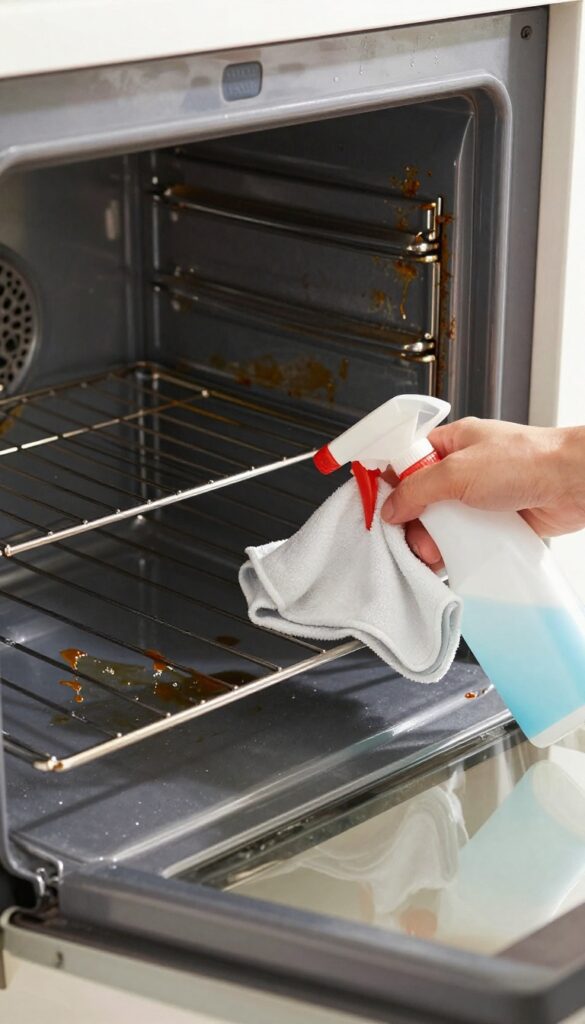
Dishwasher tablets aren't just for dishes. They're packed with enzymes and surfactants that break down grease and baked-on food. When you dissolve one in warm water, you get a powerful soaking solution that tackles oven grime without harsh scrubbing.
Let it sit for 30 minutes, and the mess practically wipes away.
This hack is perfect for those stubborn spots that resist regular cleaners. The enzymes in dishwasher tablets target protein-based stains and grease, making them ideal for oven spills. Plus, it's a budget-friendly option since you likely already have tablets on hand.
How To Do It
Fill a spray bottle with warm water and drop in one dishwasher tablet. Shake until the tablet dissolves completely. Spray the solution generously onto greasy areas inside the oven, focusing on baked-on spots.
Let it sit for 30 minutes, then wipe with a damp cloth. For extra tough spots, use a soft sponge or non-scratch scrubber.
Why It Works
Dishwasher tablets contain enzymes like protease and amylase that break down proteins and starches, along with surfactants that lift grease. When dissolved in warm water, these ingredients become activated and penetrate the grime, making it easy to wipe away. It's a chemical reaction that does the hard work for you.
Tips For Best Results
Use a fresh tablet for maximum effectiveness. Avoid using this method on self-cleaning oven coatings, as it may damage them. Always rinse thoroughly with clean water after cleaning to remove any residue.
For vertical surfaces, apply the solution with a sponge or cloth to let it cling.
19. Borax and Lemon Juice Paste
Borax is a natural mineral that boosts cleaning power without the harsh fumes of commercial oven cleaners. When combined with lemon juice, it forms a gentle but effective paste that tackles baked-on grease. This simple mixture is safe to use around food surfaces and leaves your oven smelling fresh.
Mix equal parts borax and lemon juice to form a spreadable paste. Apply it generously to greasy areas inside the oven, avoiding heating elements. Let it sit for 20 minutes to break down the grime.
Scrub with a non-abrasive sponge or brush, then wipe clean with a damp cloth. Rinse thoroughly to remove any residue.
Why Borax Works
Borax is alkaline, which helps dissolve grease and lift baked-on food. It also has mild abrasive properties that aid scrubbing without scratching oven surfaces. Unlike many chemical cleaners, borax is low-toxicity and doesn't release strong fumes.
Lemon Juice Benefits
Lemon juice provides natural acidity that cuts through grease and helps break down carbon deposits. Its fresh scent neutralizes odors, leaving your oven smelling clean. The combination with borax creates a paste that clings to vertical surfaces, making it ideal for oven walls.
Application Tips
For best results, apply the paste to a warm (not hot) oven. The warmth helps activate the cleaning agents. Focus on stubborn spots and let the paste sit for the full 20 minutes.
If the paste dries out, mist it lightly with water before scrubbing. Rinse thoroughly to avoid any white residue.
20. Vinegar and Cornstarch Thickener
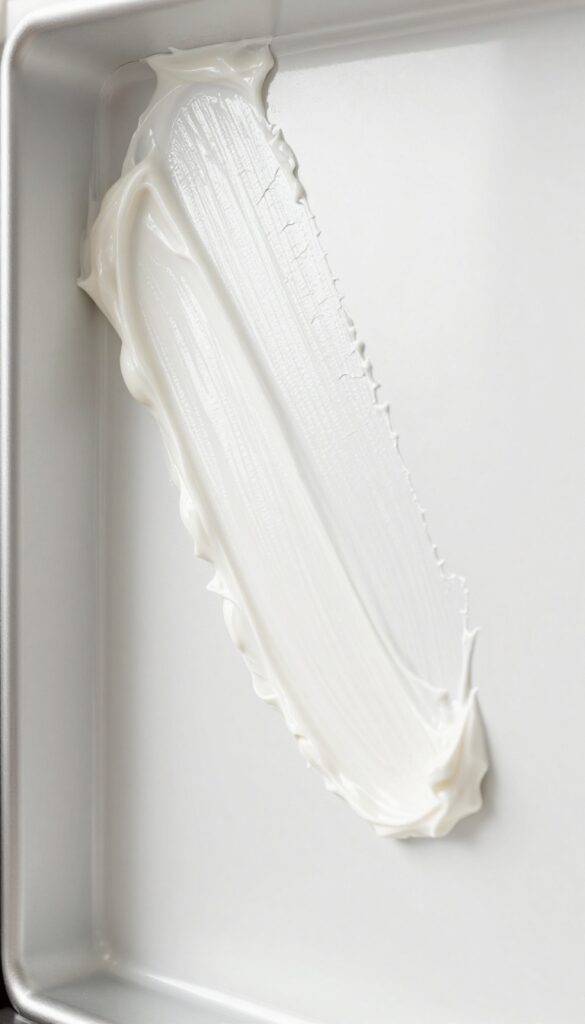
Vertical oven walls are tricky because runny cleaners just drip off before they can work. A thick paste solves that problem by staying put. Vinegar cuts grease while cornstarch gives it the cling factor.
Why This Combo Works
Vinegar is acidic enough to break down baked-on grease, but on its own it runs right off vertical surfaces. Cornstarch thickens it into a paste that adheres to walls, ceilings, and door interiors. As it dries, the vinegar continues to loosen grime while the cornstarch absorbs some of the grease.
How To Apply It
Mix equal parts white vinegar and cornstarch in a small bowl until it forms a smooth paste. Use a sponge or brush to spread a thick layer onto greasy oven walls. Let it sit for 15–20 minutes until the paste dries and cracks slightly.
Then wipe it off with a damp cloth—the grime should come with it.
Best Uses And Tips
This hack works best on light to moderate grease buildup. For heavy layers, you may need a second application. Avoid using it on oven heating elements or glass that could be scratched by the cornstarch grit.
Rinse thoroughly after wiping to remove any residue.
21. Essential Oil Degreaser
Essential oils aren't just for aromatherapy. Lemon and orange oils are natural degreasers that break down baked-on grease without harsh chemicals. This hack is perfect for light to moderate grease buildup and leaves your oven smelling fresh.
Why It Works
Citrus oils contain d-limonene, a powerful solvent that dissolves grease on contact. Unlike water-based cleaners, essential oils penetrate the greasy film and lift it away. Plus, the natural scent beats chemical fumes any day.
How To Use
Fill a spray bottle with water and add 10 drops of lemon or orange essential oil. Shake well. Spray the solution generously on greasy areas and let it sit for 10 minutes.
Wipe clean with a damp cloth. For stubborn spots, scrub gently with a non-abrasive sponge.
Pro Tips
Use a dark-colored cloth to see the grime you're wiping off. If the grease is heavy, add a tablespoon of white vinegar to boost the cleaning power. Always test on a small area first to ensure no residue.
22. Rubbing Alcohol for Sticky Residue
Sticky residue on oven knobs and handles can be frustrating. It doesn't come off with soap and water alone. Rubbing alcohol cuts through that tacky film fast.
Rubbing alcohol is a powerful degreaser that evaporates quickly, leaving no streaks. It's perfect for plastic or metal surfaces that can't handle harsh scrubbing.
Why It Works
Alcohol dissolves the sticky oils and adhesives that build up from grease and heat. It's gentle enough for sensitive surfaces but tough on residue.
How To Use It
Dampen a soft cloth with rubbing alcohol (70% or higher). Wipe the sticky areas gently. The residue should lift off easily.
For stubborn spots, let the alcohol sit for a minute before wiping.
Best Surfaces To Try
Oven knobs, handles, control panels, and glass doors. Avoid painted or lacquered surfaces that might react to alcohol. Test on a hidden spot first.
23. Regular Wipe-Down Habit
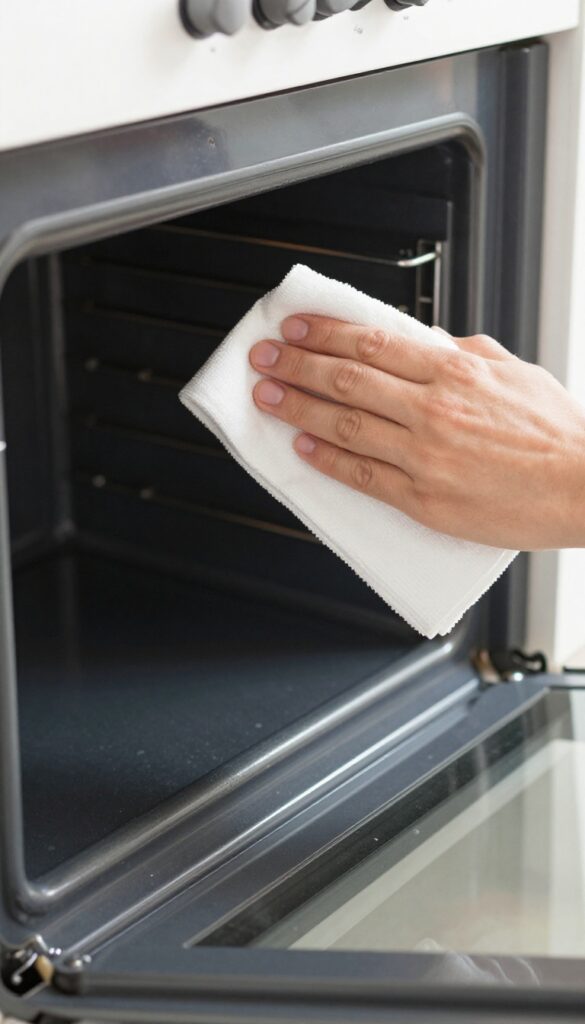
The best oven cleaning hack is the one that prevents the mess in the first place. A quick wipe after each use stops grease from baking into a stubborn layer. This habit takes just 30 seconds but saves you hours of scrubbing later.
When you finish cooking, leave the oven door open for a few minutes to let it cool slightly. Then grab a damp microfiber cloth and wipe down the interior surfaces. Focus on the bottom, walls, and door.
The warmth helps loosen fresh spills, so they come off easily. Do this every time you use the oven, and you'll rarely need a deep clean.
Why Warm Works Best
Warm grease is liquid, not solid. Wiping it up while it's still warm prevents it from hardening and bonding to the oven surface. If you wait until the oven is cold, that same grease becomes a baked-on crust that requires chemical cleaners or heavy scrubbing.
What You Need
Just a soft microfiber cloth and water. For tougher spots, add a drop of dish soap. Avoid abrasive sponges or scrub pads—they can scratch the enamel and make future cleaning harder.
Keep a dedicated cloth near the oven so you can grab it without thinking.
Make It A Routine
Tie the wipe-down to something you already do, like taking out the trash after dinner. Or set a timer for five minutes after you turn off the oven. Consistency is key.
After a week, it becomes automatic. Your oven stays cleaner, and you never face a greasy mess again.
FAQ
How often should I deep clean my oven?
Deep clean every 3 to 6 months, depending on usage. If you see smoke or smell burning grease, it's time for a clean.
Can I use oven cleaner on self-cleaning ovens?
Avoid harsh chemical cleaners on self-cleaning ovens as they can damage the coating. Stick to natural methods or the self-cleaning cycle.
Is it safe to use ammonia in the oven?
Yes, but with caution. Use in a well-ventilated area, never mix with bleach, and keep away from children and pets. Rinse thoroughly after.
How do I clean the oven glass door?
Make a paste of baking soda and water, apply to the glass, let sit for 15 minutes, then wipe. For tough spots, use a razor blade scraper at a 45-degree angle.
What should I avoid when cleaning an oven?
Avoid abrasive scrubbers that scratch surfaces, harsh chemicals that leave fumes, and spraying water on heating elements. Always unplug or turn off the oven before cleaning.
Conclusion
These 23 hacks prove that tackling baked-on grease doesn't require harsh chemicals or expensive products. Most use everyday items like baking soda, vinegar, or dish soap that you already have under your sink. Pick two or three methods that match your oven's current mess and give them a try this weekend.
Consistency is the real secret to a sparkling oven. A quick wipe-down after each use and a monthly deep clean with one of these techniques will keep future grease from becoming a major project.