15 Mobile Home Living Room Ideas to Stretch Every Corner
Living in a mobile home doesn't mean you have to compromise on style or comfort. With a little creativity, even the coziest living room can feel open, airy, and beautifully put together. The key is choosing ideas that work with your space, not against it.
Whether you're dealing with narrow layouts, low ceilings, or just want to make the most of every square foot, these 15 ideas are designed to stretch your living room without a major renovation. Think smart storage, light colors, and furniture that pulls double duty.
Ready to give your mobile home living room a fresh, modern look? Let's dive into practical tips that feel both achievable and inspiring.
1. Float Furniture Away from Walls
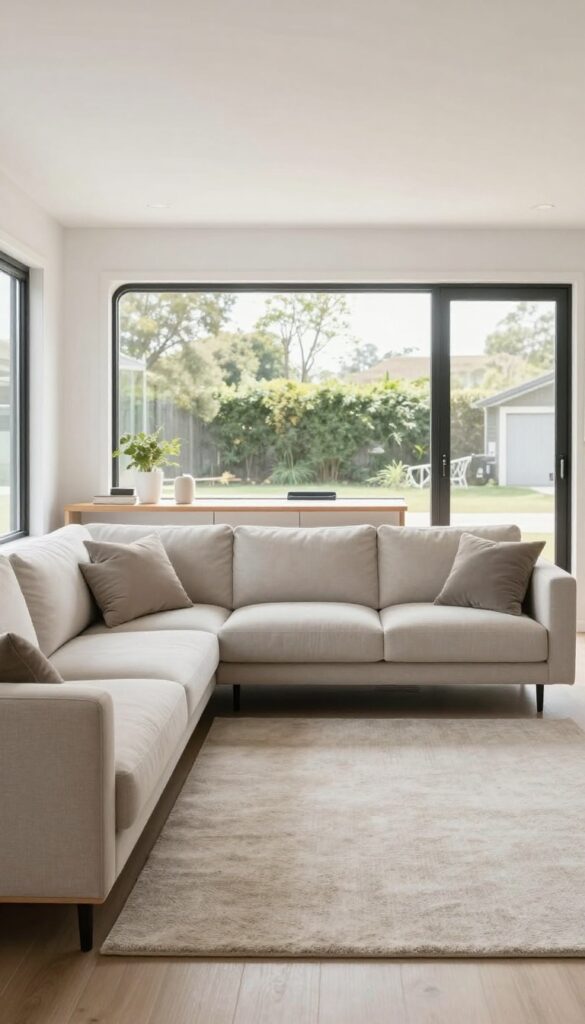
One of the fastest ways to make a mobile home living room feel bigger is to stop pushing every piece of furniture against the wall. Pulling your sofa and chairs even just a few inches inward creates breathing room around the edges, which tricks the eye into seeing more floor space. This simple shift also helps define separate zones—like a conversation area or a reading nook—without adding a single wall.
In a mobile home, every inch counts, and floating furniture is a clever trick that opens up the flow. Start by moving your main sofa away from the longest wall, then place a console table or a slim shelf behind it. This creates a clear walkway and gives you a spot for lamps or decor.
For a clean, modern look, keep the furniture arrangement symmetrical and leave at least 18 inches between the back of the sofa and the wall. The result is a room that feels intentionally designed, not cramped.
Best Layout For Floating
- Aim for a balanced layout where the sofa faces the focal point—like a TV or a fireplace—with chairs angled slightly inward. Avoid blocking natural pathways. In a narrow living room, float the sofa parallel to the longest wall and place two armchairs opposite.
- This creates a cozy conversation circle without closing off the space.
Rug Pairing Tip
Anchor the floating furniture with a rug that extends at least 6 inches under the front legs of the sofa and chairs. A rug that’s too small will make the furniture feel disconnected. Choose a neutral, low-pile rug to keep the look modern and easy to clean.
Finishing Touch
Add a slim console table behind the sofa with a table lamp and a few stacked books. This adds depth and gives the floating arrangement a purpose. Keep the console narrow—no more than 12 inches deep—so it doesn’t eat into the walkway.
2. Choose a Light, Neutral Color Palette
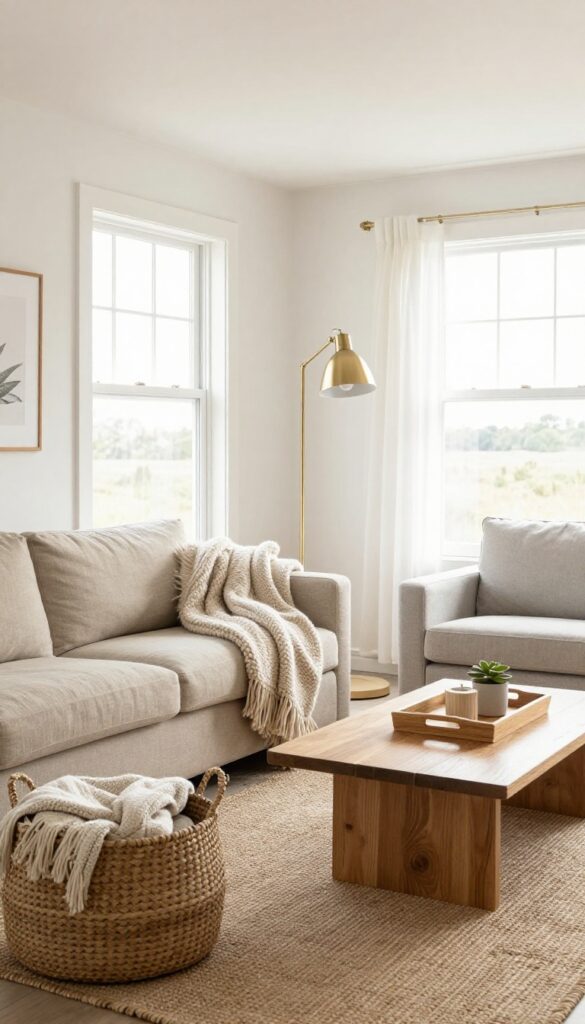
Light neutrals are a mobile home's best friend. Soft whites, warm beiges, and pale grays bounce natural light around the room, making every corner feel more open and airy. Instead of relying on dark colors to create contrast, let texture do the heavy lifting—think linen curtains, a chunky wool throw, or a cotton bouclé ottoman.
The result is a space that feels calm, clean, and effortlessly bigger.
A light neutral palette doesn't have to be boring. The key is layering different shades and materials so the room feels rich, not flat. Start with walls in a warm off-white like Swiss Coffee or a soft greige.
Then bring in furniture in slightly deeper tones—a beige sofa, a pale gray armchair—and add visual interest with textured pillows, a jute rug, and a woven basket for blankets. This approach keeps the eye moving without overwhelming the space.
Best Colors To Start With
- Stick with colors that have warm undertones to keep the room cozy. Cream, ivory, warm white, and light taupe are foolproof. Avoid stark white or cool grays, which can feel sterile in a small space.
- A soft blush or a whisper of sage green can also work as an accent without breaking the neutral flow.
Texture Mix For Depth
Since you're skipping bold colors, texture becomes your secret weapon. Combine smooth surfaces (like a lacquered coffee table) with nubby fabrics (a wool rug) and soft linens (curtains or throw pillows). A chunky knit blanket draped over a sleek sofa adds instant warmth and dimension.
Finishing Touch
Add one or two warm-toned accessories—a brass floor lamp, a wooden tray, or a terracotta vase—to prevent the room from feeling too monochromatic. These small hits of warmth ground the palette and make the space feel intentional, not unfinished.
3. Install Floating Shelves for Vertical Storage
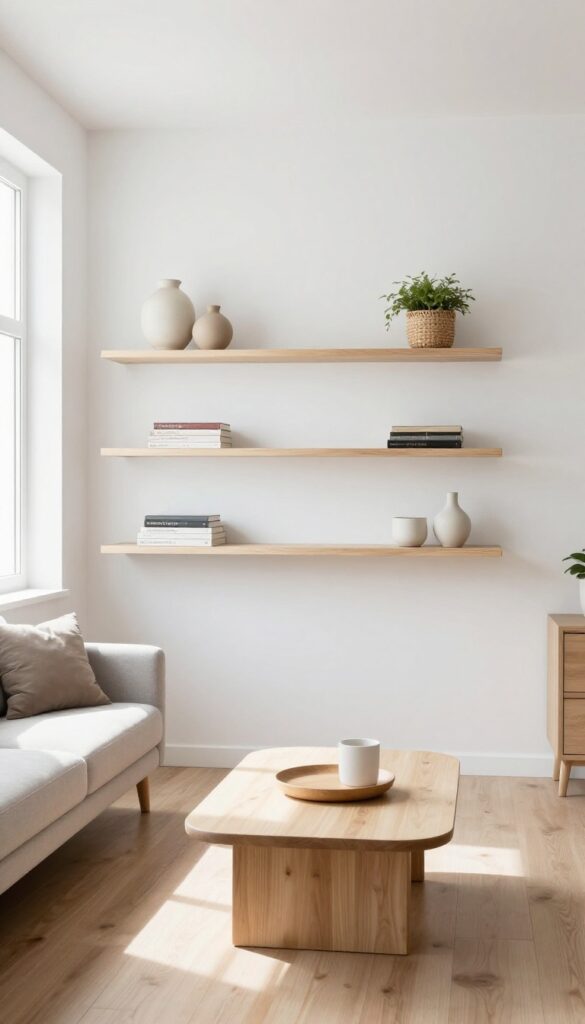
When floor space is tight, the walls become your best storage ally. Floating shelves keep the floor clear and draw the eye upward, making ceilings feel higher. In a mobile home, where every inch counts, this trick adds storage without eating into your square footage.
Use them to display decor, books, or plants without cluttering surfaces, and suddenly your living room feels more open and intentional.
Floating shelves are a game-changer for mobile home living rooms because they offer storage without the bulk of a bookcase or cabinet. By mounting them at varying heights, you create visual interest and a sense of height. Stick to a clean, modern look with minimal brackets or hidden mounts to keep the focus on your decor.
Group items in odd numbers and mix heights for a curated feel. This approach keeps the room airy while giving you a place for everyday essentials and personal touches.
Best Materials For A Clean Look
- For a modern and clean aesthetic, choose floating shelves in solid wood with a natural or white finish. Light woods like pine or birch keep the space bright, while a matte black or metal option adds contrast. Avoid heavy, ornate brackets—go for hidden supports that make the shelf appear to float.
- If you're on a budget, IKEA's Lack shelves are a classic, easy-to-install choice that fits the look.
Shelf Styling Tip
- Less is more when styling floating shelves. Start with a few larger pieces, like a ceramic vase or stacked books, then add smaller accents. Keep a color palette of two to three tones to avoid visual clutter.
- For a practical touch, use small baskets to corral remotes or charging cables. Leave some empty space to let the shelf breathe—overcrowding defeats the purpose of opening up the room.
Small-space Fix
- Install shelves in awkward spots like above a door, beside a window, or in a corner that's otherwise wasted. In a mobile home, even a narrow wall can hold a single shelf for a plant or a few framed photos. This turns dead space into a feature without taking any floor area.
- Just be sure to use anchors suited for your wall type—mobile home walls can be thin, so toggle bolts or molly bolts work best.
4. Use a Large Area Rug to Define the Space
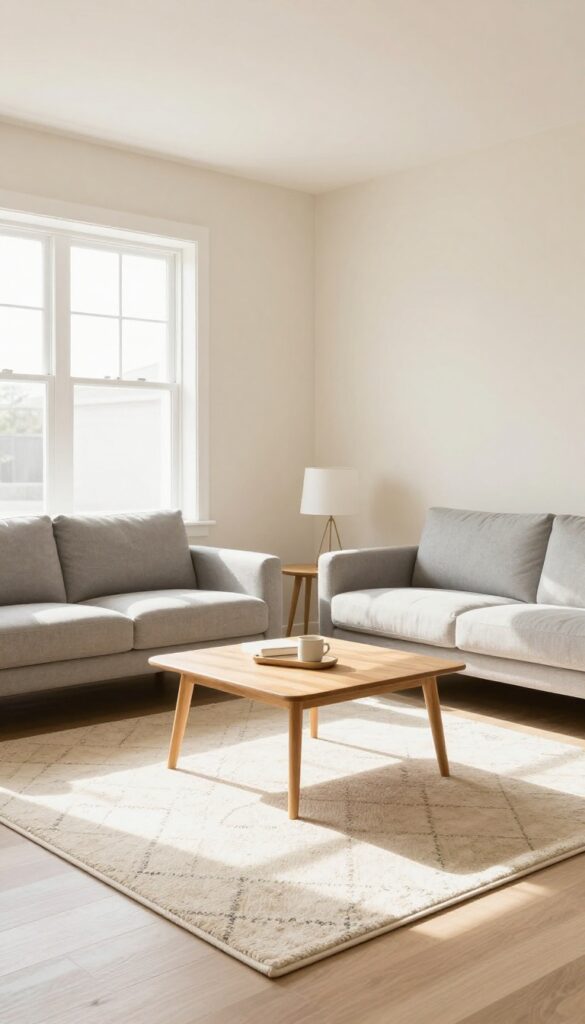
In a mobile home, every square foot counts, and an open floor plan can sometimes feel a little too open. A large area rug is your secret weapon for carving out a distinct living zone without building a single wall. It visually anchors your seating area, making the room feel intentional and pulled together rather than just a collection of furniture.
Plus, a well-chosen rug adds warmth underfoot and absorbs sound, which is a huge bonus in a compact space.
Go big—really big. A rug that’s too small will make the room feel choppy and cramped. Aim for one that’s large enough to fit all your main furniture pieces (sofa, coffee table, and at least the front legs of any chairs) on top.
In a mobile home living room, a 6×9 or 8×10 rug works wonders. Stick with light colors like cream, soft gray, or pale beige to keep the space airy. A subtle pattern—think tone-on-tone geometric or a low-contrast stripe—adds visual interest without overwhelming the room.
This approach aligns perfectly with a modern, clean aesthetic: simple, functional, and effortlessly stylish.
Best Colors And Patterns
- For a modern and clean look, choose a rug in a neutral palette with a muted pattern. Avoid busy prints or dark colors that can shrink the room visually. A light gray rug with a faint diamond weave or a cream shag with a subtle ribbed texture works beautifully.
- If you want a hint of color, go for a soft blush or dusty blue that complements your sofa and walls.
Placement And Layout Tip
- Position the rug so the front legs of your sofa and chairs rest on it, with the coffee table centered. This creates a cohesive seating area and makes the room feel larger by connecting the furniture. In a narrow mobile home living room, lay the rug parallel to the longest wall to elongate the space.
- Avoid floating the rug in the middle of the room—it can make the area feel disjointed.
Material And Maintenance
- Opt for a low-pile or flat-weave rug in a durable material like wool, polypropylene, or a wool-blend. These are easy to clean and stand up to foot traffic. In a mobile home, where dust and allergens can be a concern, a rug with a natural fiber base (like jute or sisal) is a great choice—just add a soft rug pad underneath for comfort.
- Vacuum weekly and spot-clean spills immediately to keep it looking fresh.
5. Opt for Multipurpose Furniture
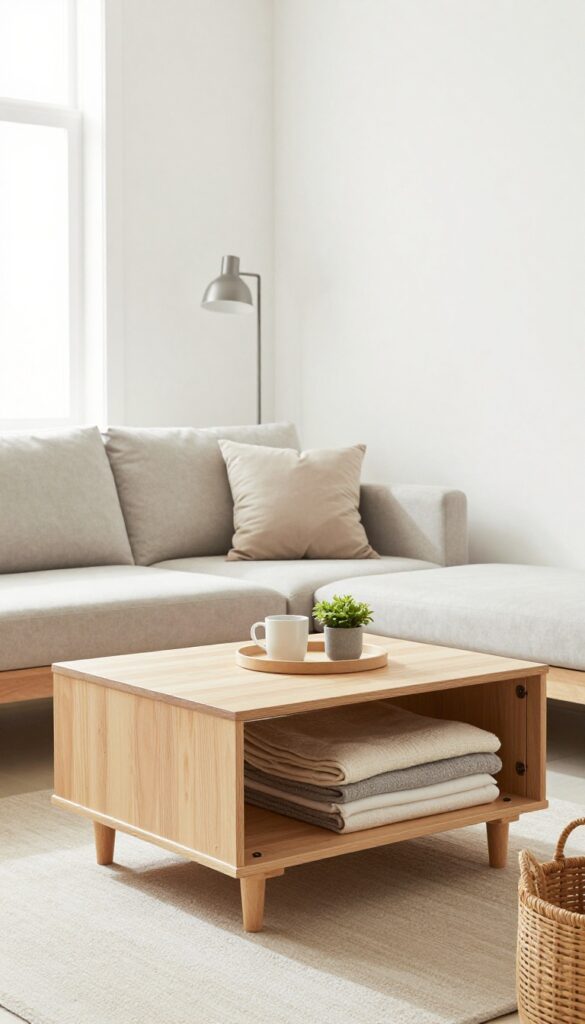
In a mobile home, every square inch pulls double duty. That’s where multipurpose furniture becomes your best friend. Pieces that hide storage or transform into something else keep the room feeling open and uncluttered, while still looking polished.
Think ottomans that lift open to stash blankets, coffee tables with built-in shelves for magazines, or a sleek sofa that pulls out into a guest bed. These aren’t just space savers—they help you maintain a clean, modern look without sacrificing function. When each piece earns its keep, your living room stays airy and organized.
Best Materials
Stick with light wood, white or neutral upholstery, and metal accents to keep the room feeling bright and contemporary. Avoid dark, heavy fabrics that can make a small space feel cramped.
Styling Tip
Use a storage ottoman as a coffee table and place a tray on top for drinks. This way you get a surface when you need it and hidden storage for remotes and throws.
Small-space Fix
Look for a sofa with a pull-out bed and built-in storage underneath—it’s a game changer for overnight guests without taking up extra floor space.
6. Hang Curtains High and Wide
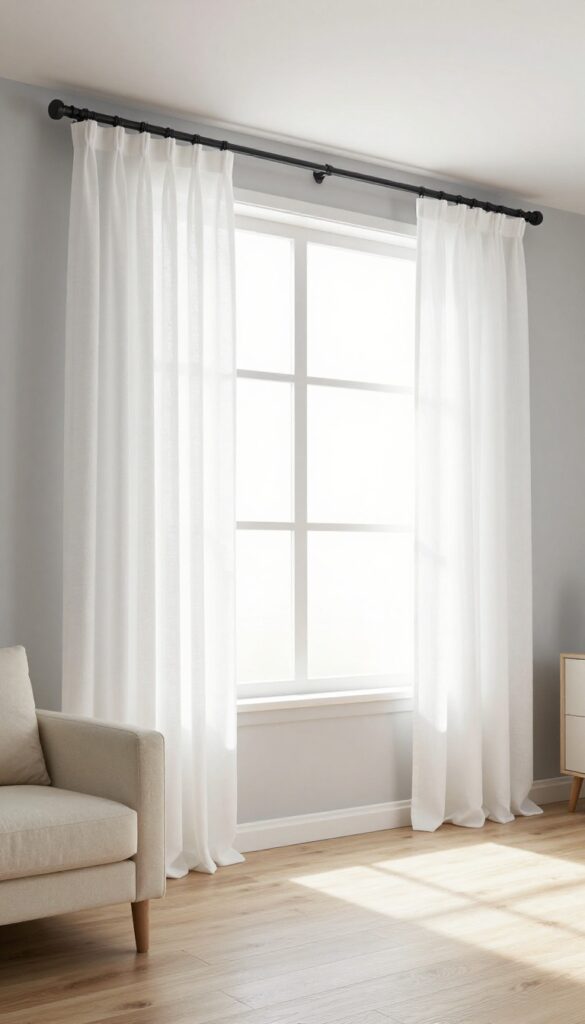
In a mobile home, every inch of visual space counts. One of the easiest ways to make a room feel larger and more polished is by rethinking your window treatments. Instead of mounting rods right above the frame, take them all the way up to the ceiling and extend them well past the window on each side.
This simple shift creates the illusion of taller walls and wider windows, instantly lifting the whole room. It’s a trick that works in any style, but it’s especially effective in a modern, clean space where every line matters.
Mounting curtains high and wide is a classic designer move that’s surprisingly easy to pull off in a mobile home. The key is to choose a rod that spans at least 12 inches beyond each side of the window, and hang it just a few inches below the ceiling. This draws the eye upward and outward, making the window—and the room—feel more generous.
For a clean, modern look, go with simple curtain panels in a solid color or subtle texture, and let them skim the floor for a tailored finish. Avoid heavy drapes that eat up space; instead, opt for light-filtering linen or cotton that adds softness without weight.
Best Colors And Fabrics
- Stick with neutral tones like white, cream, or soft gray to keep the look airy and cohesive. If you want a pop of color, choose a muted shade that complements your walls. For fabric, linen or cotton blends work beautifully—they hang nicely, let in some light, and feel modern.
- Avoid shiny or stiff materials that can look cheap and draw unwanted attention.
Hardware Matters
- Choose a curtain rod that’s simple and slim, like a matte black or brushed nickel finish. Extend it at least 6 inches past the window on each side, and mount it as close to the ceiling as possible. Use brackets that hold the rod securely, since longer spans need more support.
- For a polished look, use rings with clips to hang the panels—this makes opening and closing easy and adds a subtle detail.
Small-space Styling Tip
- In a narrow living room, keep the curtain panels streamlined. One panel on each side is enough—no need for bulky layering. Let the fabric just kiss the floor, or hover an inch above to make cleaning easier.
- This approach keeps the room feeling open and uncluttered, which is exactly what a mobile home needs.
7. Add Mirrors to Reflect Light
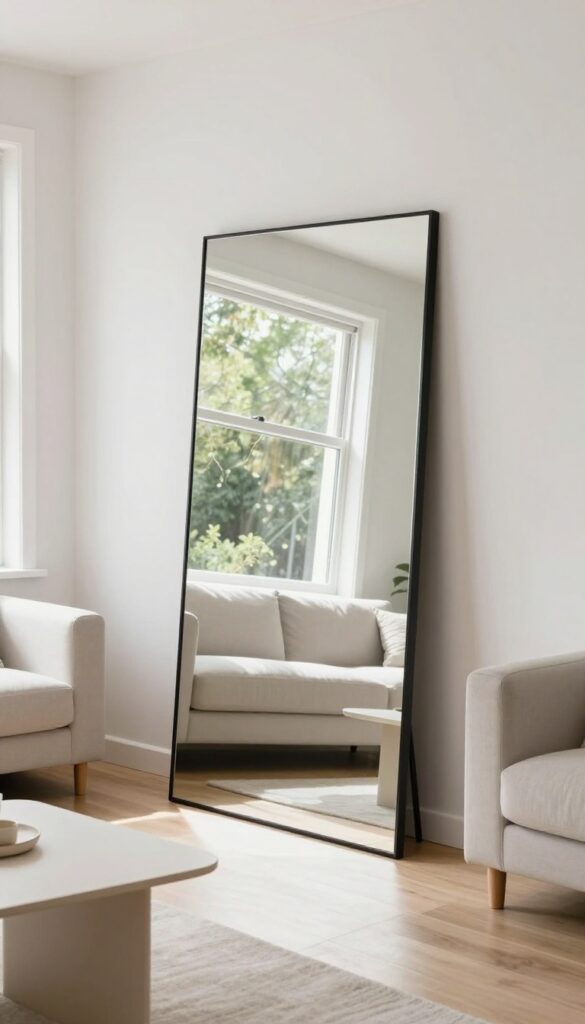
Mirrors are one of the easiest ways to make a mobile home living room feel bigger and brighter. By placing a large mirror opposite a window, you bounce natural light around the room and create the illusion of depth. This trick works especially well in narrow or window-limited spaces, instantly making them feel airy and open.
A well-placed mirror does more than just check your reflection—it becomes a design tool that amplifies light and space. For mobile homes, where every square foot counts, mirrors can visually double the room's size without any renovation. Choose a mirror with a sleek, minimal frame to keep the look modern and clean, or go frameless for an almost invisible effect that blends into the wall.
The key is to position it strategically: across from a window to reflect the outdoors, or near a lamp to bounce artificial light deeper into the room. You can also lean a large floor mirror against a wall for a casual, contemporary vibe that adds both function and style.
Best Placement
For maximum light reflection, hang a large mirror directly across from your main window. If that's not possible, place it adjacent to the window at a 45-degree angle to catch and redirect light. In darker corners, position a mirror opposite a floor lamp or table lamp to brighten the area without adding extra fixtures.
Frame Style Matters
A slim, metallic frame in silver, gold, or matte black keeps the look modern and clean. Avoid ornate or heavy frames that can feel bulky in a small space. For a minimalist approach, choose a frameless beveled mirror—it blends into the wall and reflects light without visual clutter.
Scale And Proportion
Go big—a mirror that's at least two-thirds the width of your sofa or window creates the best illusion of space. A single large mirror works better than several small ones, which can make the room feel busy. If you do use multiple mirrors, group them in a grid or gallery style for a cohesive look.
8. Keep Window Treatments Simple and Airy
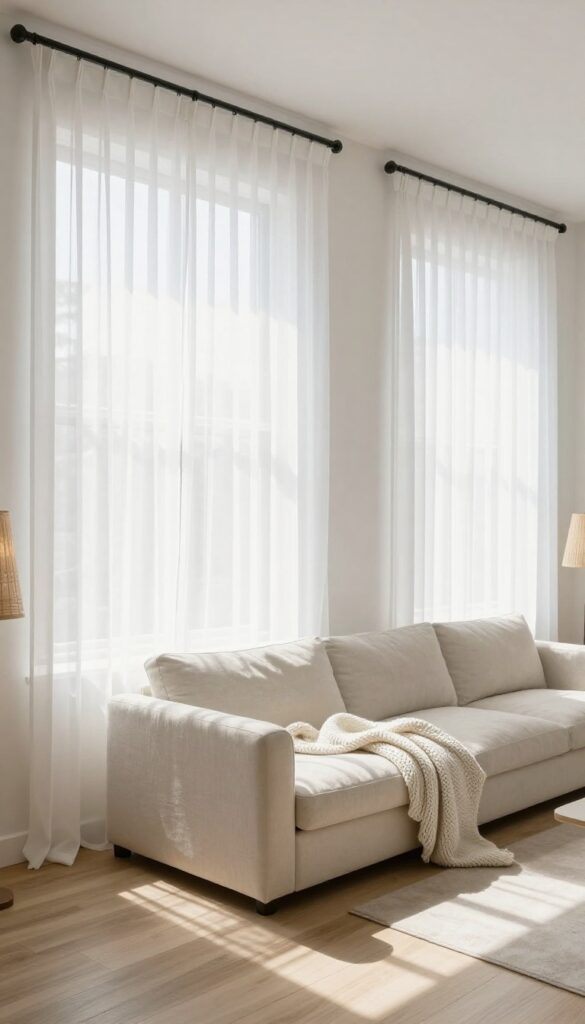
Heavy drapes can swallow a small living room whole, making windows feel smaller and walls feel closer. In a mobile home, where every inch of visual space counts, swapping them for something lighter is a game-changer. Sheer curtains or bamboo shades let natural light pour in while still giving you privacy, and that alone makes the whole room feel bigger and breezier.
It’s a simple swap that instantly modernizes the space without a big renovation.
The trick is to keep the hardware minimal—think thin rods in matte black or brushed nickel—and let the fabric or material do the work. Sheer white or cream curtains soften the edges of a room and diffuse light beautifully, while bamboo shades add warmth and texture without blocking the view. Either option creates a clean, airy look that aligns perfectly with a modern aesthetic.
Plus, they’re budget-friendly and easy to install, which is always a win in a mobile home.
Best Colors
Stick with whites, ivories, or pale grays for sheers to keep the look light and cohesive. For bamboo shades, natural tan or light wood tones work best—they add warmth without darkening the room. Avoid dark colors or busy patterns, as they can make the window feel heavy and shrink the space.
Texture Mix
Pair your airy window treatment with a chunky knit throw or a linen sofa to create contrast. The softness of the curtains or the natural grain of bamboo balances well with nubby or rough textures, adding depth without clutter. This keeps the room feeling layered and intentional, not flat.
Small-space Fix
Mount the curtain rod as close to the ceiling as possible and let the fabric graze the floor. This trick draws the eye upward, making the ceiling feel higher and the room more spacious. For bamboo shades, install them inside the window frame for a streamlined look that doesn’t eat up wall space.
9. Incorporate Built-In or Modular Storage
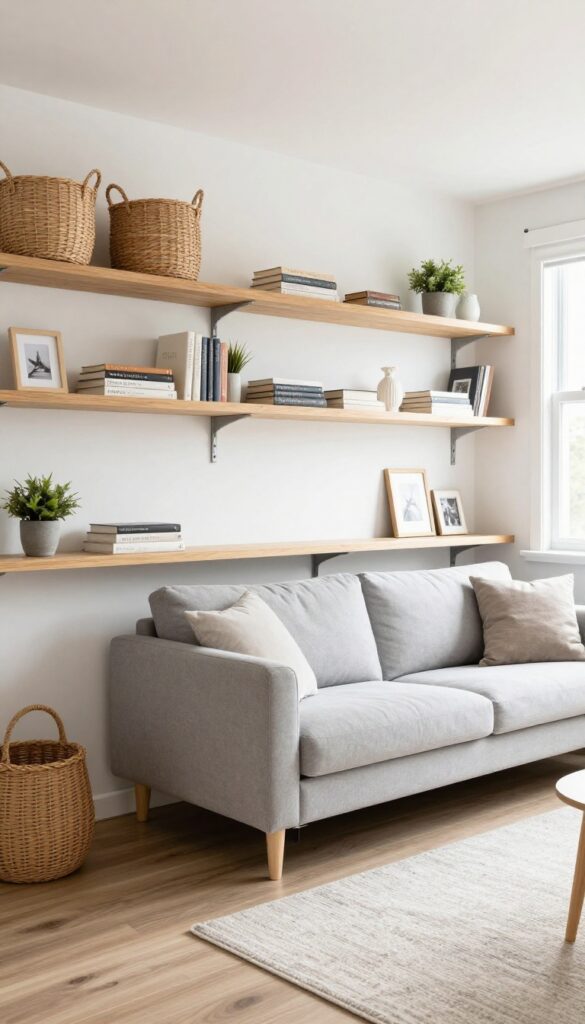
In a mobile home, every square inch counts, and the right storage can make a space feel both larger and more intentional. Custom built-ins or modular shelving units fit snugly into odd corners and awkward nooks, turning wasted space into functional style. Think of them as furniture that works double duty—holding your media equipment, books, or decorative bins while adding architectural interest.
The key is to choose pieces that feel seamless and streamlined, not bulky or cluttered.
Built-in storage doesn't have to be a major renovation. In a mobile home, you can use modular shelving systems that you configure yourself to fit your exact wall dimensions. Look for units with clean lines and a light finish to keep the room airy.
Use them to display a mix of practical items—like baskets for remote controls and chargers—along with personal touches like framed photos or small plants. The goal is to create a cohesive look that feels custom without the custom price tag.
Best Colors And Materials
Stick with light, neutral colors like white, pale gray, or natural wood tones to keep the room from feeling heavy. Glossy or matte finishes work equally well, but avoid dark, bulky materials that can visually shrink the space. Open shelving in a light oak or painted MDF blends seamlessly with most mobile home interiors.
Layout And Styling Tip
Place your shelving unit on a wall that's not interrupted by windows or doors—often the longest wall in the living room. Style shelves in odd-numbered groupings: stack books horizontally and vertically, add a small plant, and tuck a woven basket for hidden storage. Leave some negative space so the unit doesn't look overcrowded.
Small-space Fix
If you're tight on floor space, consider floating shelves or a wall-mounted modular system. They keep the floor clear, making the room feel larger, and you can adjust the height to fit your TV or other media components. Add LED strip lighting under the shelves for a modern glow that also highlights your decor.
10. Use Vertical Space with Tall Plants
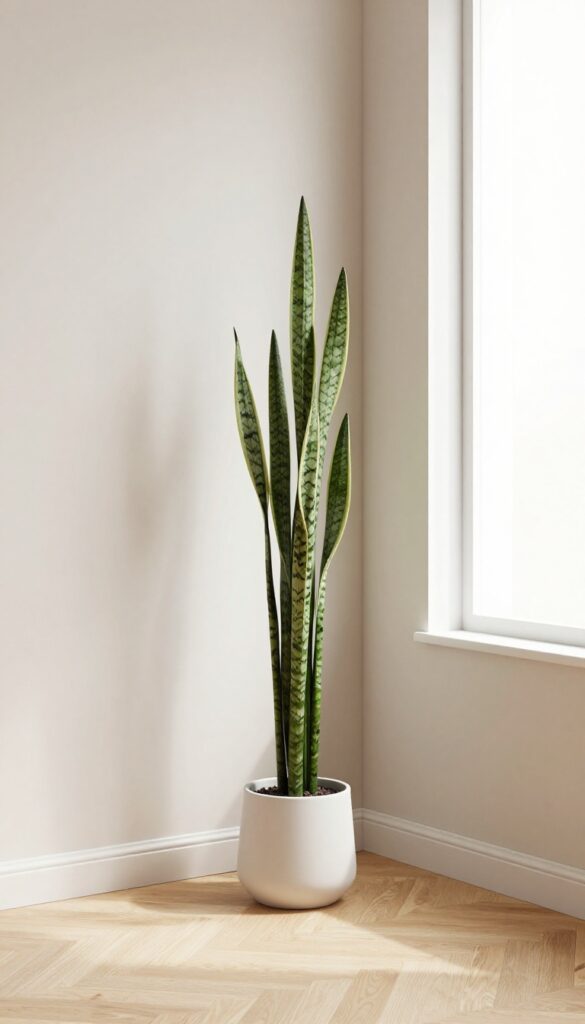
Tall, slim plants like snake plants or fiddle-leaf figs draw the eye upward and add life without taking up floor space. They also improve air quality. In a mobile home, where every square inch counts, this trick makes your living room feel taller and more open.
When floor space is tight, look up. Tall plants create a natural vertical line that tricks the eye into seeing more height. They also bring a fresh, organic contrast to modern furniture.
Place one in a corner near a window or next to your sofa to anchor the room without clutter. The key is choosing a slim pot and a plant that stays narrow as it grows.
Best Plant Choices
- Snake plants are nearly impossible to kill and grow upright. Fiddle-leaf figs add drama but need bright light. For low-light spots, try a tall ZZ plant or a parlor palm.
- All of these stay slim and won't outgrow your space.
Pot And Placement Tips
Use a lightweight, tapered pot in a neutral color like matte white or terracotta. Place the plant in a corner that gets indirect light, or group two different heights together for a layered look. Avoid blocking walkways or windows.
Styling The Base
Add a simple basket or a modern stand to elevate the pot and protect your floors. A small pebble tray underneath catches water and adds a tidy finish. Keep the area around the plant clean so it stays a focal point, not a dust collector.
11. Choose Furniture with Exposed Legs
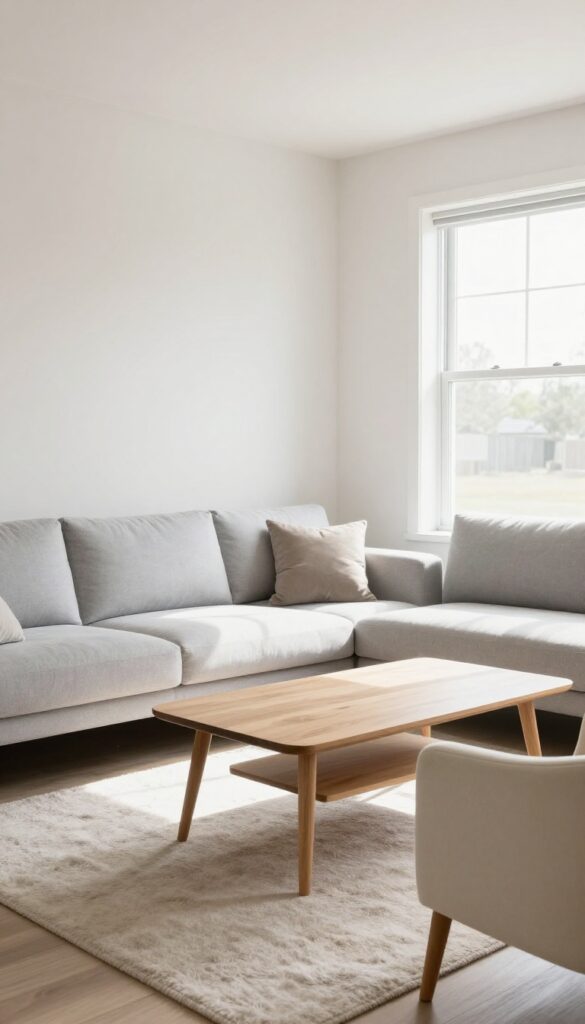
In a mobile home, every inch counts, and the wrong furniture can make a room feel cramped before you even add a rug. One simple trick that instantly opens up a space is choosing pieces with exposed legs. Sofas, chairs, and tables that sit up on slender legs let light flow underneath, creating a visual break that makes the room feel airier and less weighed down.
It's a small detail that pays off big in a compact living room.
Exposed-leg furniture is a go-to for modern, clean interiors because it strikes that perfect balance between style and function. The lifted silhouette gives the room a lighter, more open feel—ideal when you're working with limited square footage. Plus, it makes cleaning underneath a breeze, which is always a win in a busy home.
Look for pieces with tapered or straight metal legs for a sleek look, or go with wooden legs for a warmer, more organic vibe. Either way, you'll create a sense of flow that makes the whole room feel more spacious.
Best Colors And Materials
- Stick with light or neutral tones for the upholstery to keep the airy feel going. A pale gray sofa or a cream armchair with slim metal legs blends seamlessly into a small room. For a bolder touch, try a muted pastel like sage green or blush pink—it adds personality without overwhelming the space.
- Wood legs in light oak or walnut bring warmth, while black metal legs add a crisp, modern edge.
Layout Tip
To maximize the open effect, arrange furniture so you can see the legs from multiple angles. Avoid pushing sofas or chairs flat against walls—pull them out a few inches so the legs are visible and light can pass underneath. This also creates a subtle sense of depth, making the room feel larger than it is.
Finishing Touch
Add a low-profile coffee table with exposed legs to tie the look together. A glass top or a slim wooden slab on hairpin legs keeps the visual weight low. Then, layer a small rug that sits just under the front legs of the sofa to anchor the seating area without blocking the open flow.
12. Layer Lighting for Ambiance
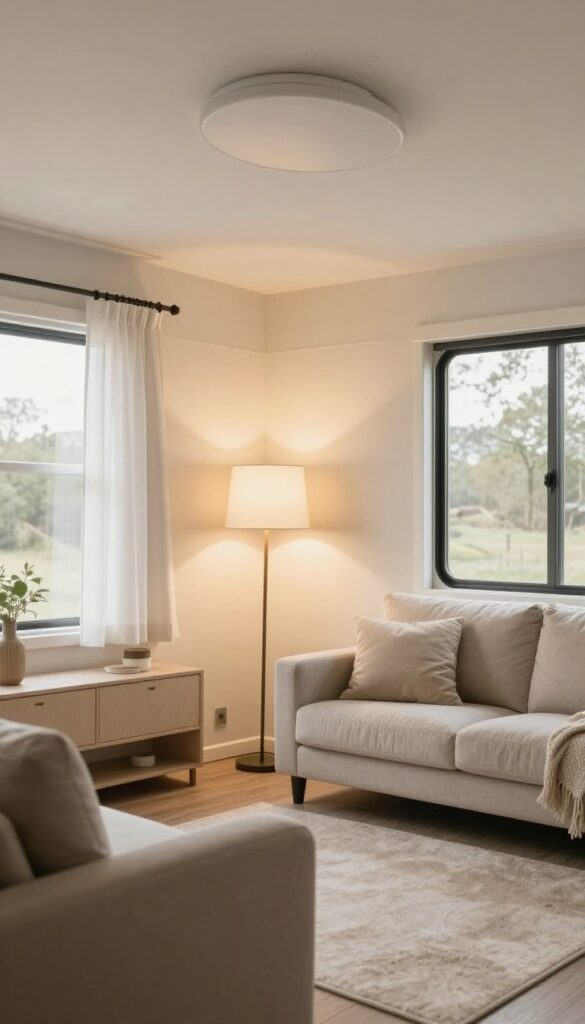
Lighting can make or break a room, especially in a mobile home where ceilings are lower and space is tight. Single overhead fixtures often cast harsh shadows and leave corners feeling dark and cramped. By layering different light sources, you can banish those shadows and make the room feel bigger, warmer, and more inviting.
Think of it as designing with light: each layer adds depth and purpose.
Start with ambient lighting, like a flush-mount ceiling fixture or recessed lights, to provide overall illumination. Then add task lighting, such as a floor lamp beside your favorite chair or a desk lamp in a reading nook. Finally, bring in accent lighting with wall sconces or table lamps to highlight artwork or architectural features.
This combination eliminates dark spots and creates a cozy, flexible atmosphere that adapts to your mood.
Lighting Tip
Aim for at least three light sources in the room. Use dimmers on overhead lights to control brightness, and place floor lamps in corners to visually expand the space. Choose warm white bulbs (2700K–3000K) for a soft, inviting glow.
Best Fixtures
- Sconces are a smart choice for mobile homes since they don't take up floor space. Install them flanking a mirror or sofa. For table lamps, go with slim, streamlined designs that won't overwhelm a small side table.
- Look for adjustable floor lamps that can direct light where you need it.
Layout Fix
In a narrow living room, place a floor lamp at the far end to draw the eye and make the space feel longer. Use a table lamp on a console behind the sofa to add height and balance. Avoid placing all lights on one side of the room.
13. Stick to a Cohesive Color Flow
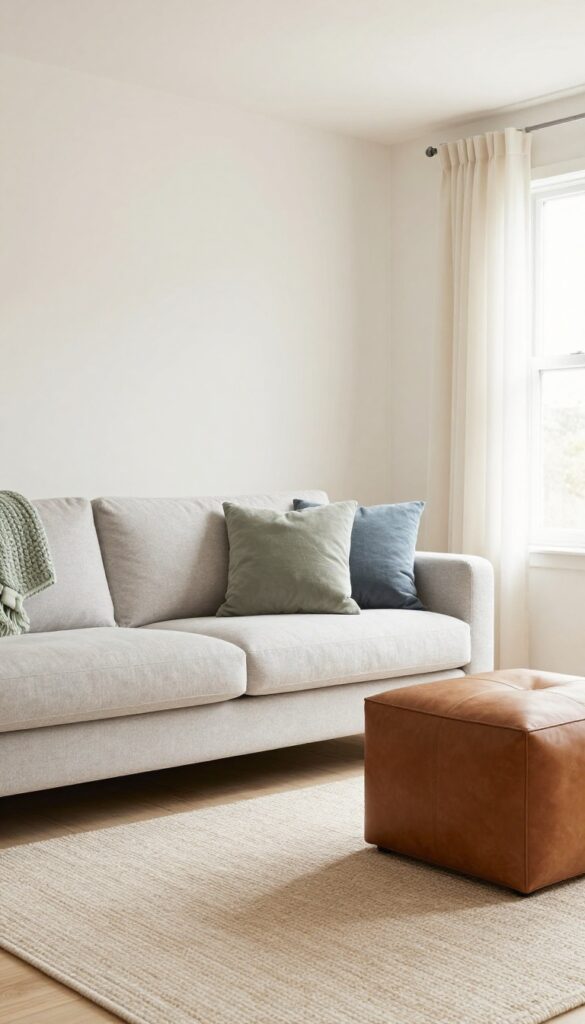
A scattered color palette can make a small living room feel even more cramped. By choosing a cohesive color flow—where each shade connects to the next—you create a visual line that guides the eye smoothly around the room. This doesn't mean everything has to match perfectly, but a thoughtful palette makes the space feel intentional and larger than it is.
When every element in your living room speaks the same color language, the space instantly feels more put together. The trick is to pick one or two main hues, then layer in neutrals and occasional accent shades. In a mobile home, where square footage is precious, this approach reduces visual noise and lets your furniture and decor shine without competing for attention.
Best Colors For A Unified Look
Stick with soft, muted tones like warm beige, pale gray, or creamy white as your base. Then bring in one or two accent colors—think sage green, dusty blue, or terracotta—that repeat in your pillows, throws, and artwork. Avoid stark contrasts that chop up the room; instead, let colors flow from one area to the next.
Texture Mix Within Your Palette
A cohesive color scheme doesn't have to be flat. Add depth by mixing textures: a chunky knit throw in your accent color, a smooth leather ottoman, and a woven rug in a neutral tone. This keeps the look interesting without breaking the color harmony.
Small-space Color Flow Tip
Carry your chosen palette from wall to decor to furniture. For example, if your sofa is light gray, pick a rug with gray undertones and a coffee table in a warm wood that echoes the beige in your walls. This subtle repetition makes the room feel connected and more spacious.
14. Minimize Clutter with Hidden Storage
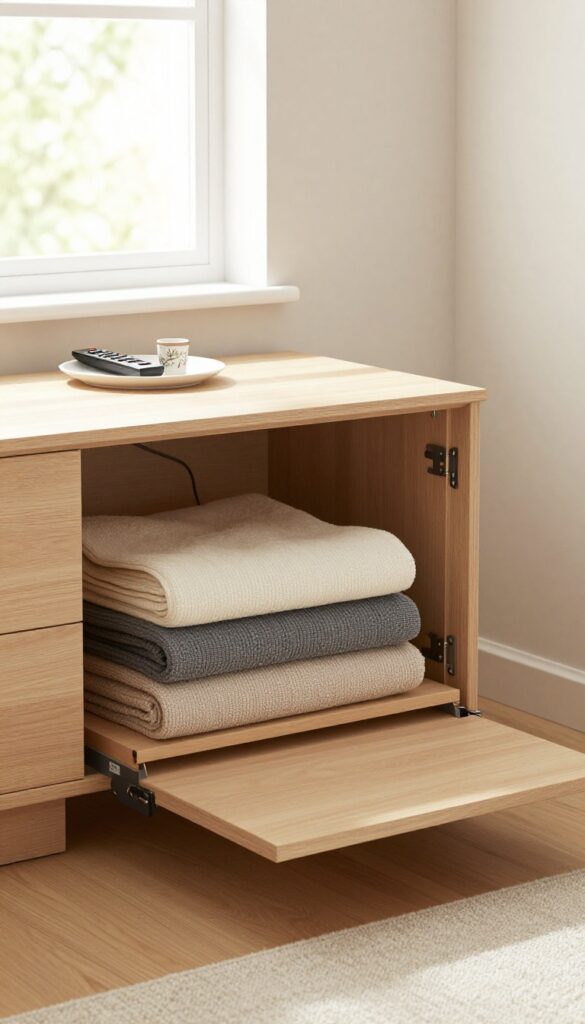
A cluttered living room feels smaller than it actually is. In a mobile home, where square footage is precious, keeping surfaces clear makes a huge difference. The trick is to make storage feel like part of the design, not an afterthought.
Hidden storage is your best friend when you're working with tight spaces. The goal is to stash everyday items—remotes, chargers, toys, blankets—inside furniture that looks intentional and stylish. Think storage ottomans that double as extra seating, coffee tables with lift-up tops, and cabinets that blend into the wall.
When everything has a home, the room breathes easier and feels instantly more spacious. Start by identifying the biggest clutter culprits in your living room, then choose one or two hidden storage solutions that tackle them head-on. You don't need to hide everything, just the things that make the room feel chaotic.
Best Pieces For Hidden Storage
- Ottomans with removable tops are a classic choice—they hide blankets, pillows, or board games while giving you a place to put your feet up. Storage benches work well under windows or against a wall, offering a spot to sit and tuck away shoes or seasonal decor. Media consoles with closed cabinets keep electronics and cables out of sight, creating a cleaner look.
- For a more custom feel, look for a coffee table with drawers or a lift-top mechanism. These pieces pull double duty without adding visual weight.
Styling Tip: Blend Storage With Decor
- Don't just hide everything away—leave a few beautiful objects on display to keep the room feeling personal. Place a small tray on your ottoman or coffee table to corral remotes and coasters, and add a stack of books or a small plant nearby. This balances function with style.
- Choose storage furniture in colors and materials that match your existing decor, like a woven basket that adds texture or a sleek white cabinet that fades into the wall. The key is making storage feel like part of the design, not a necessary evil.
Small-space Fix: Use Vertical Storage
- When floor space is limited, think up. Wall-mounted cabinets or floating shelves with doors can store items without taking up valuable floor area. A tall, narrow cabinet next to the sofa can hold media, games, or extra throws.
- Baskets on high shelves keep infrequently used items out of sight but still accessible. Just make sure everything is easy to reach so you actually use the storage.
15. Add a Statement Accent Wall
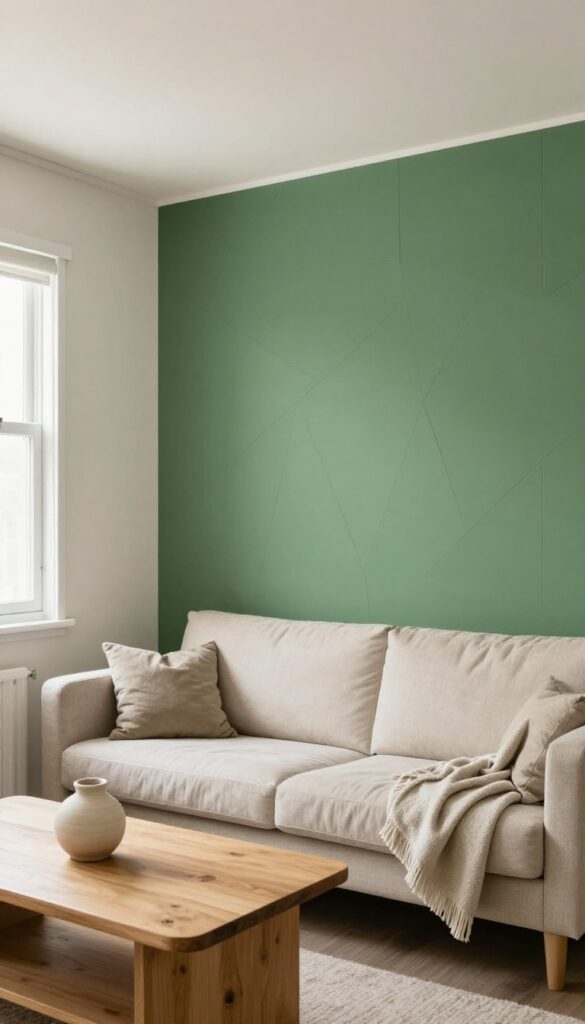
An accent wall is one of the easiest ways to give a small living room a big personality. Instead of overwhelming the space with pattern on every surface, you pick one wall to stand out. That single focal point draws the eye, adds depth, and makes the whole room feel intentional.
It’s a practical trick that works especially well in a mobile home, where square footage is precious and every design choice needs to earn its place.
Paint one wall a soft accent color or add removable wallpaper for a focal point. This draws attention and adds personality without overwhelming the small space. The key is choosing a wall that naturally anchors the room—usually the one behind the sofa or the wall with the TV.
Keep the other walls light and neutral so the accent wall truly pops. For a modern and clean look, stick with muted tones like sage green, dusty blue, or warm terracotta, or try a subtle geometric or botanical wallpaper pattern.
Best Colors For A Clean Look
- Stick with soft, muted shades that feel calming and airy. Pale sage, dusty blue, or warm terracotta add color without closing in the room. If you want something bolder, try a deep navy or charcoal on just one wall—it adds drama but still feels grounded.
- Avoid bright neons or overly dark hues that can make a small space feel cramped.
Removable Wallpaper Tip
- Removable wallpaper is a renter-friendly dream. It goes up easily with a little smoothing and comes off without damaging walls. Look for peel-and-stick options in textures like grasscloth, linen, or subtle geometric prints.
- Apply it to the wall behind your sofa or bed for an instant focal point that you can swap out whenever you want a refresh.
Finishing Touch: Art And Decor
- Once your accent wall is up, keep the rest of the decor simple. Let the wall be the star. A single piece of art or a floating shelf with a few curated items is plenty.
- Avoid cluttering the wall with too many frames or knick-knacks—the whole point is to create a clean, uncluttered focal point that makes the room feel larger and more polished.
FAQ
What colors make a mobile home living room look bigger?
Light, neutral colors like white, beige, light gray, and soft pastels reflect natural light and make the room feel more open. Avoid dark shades on walls and large furniture.
How can I make my mobile home living room feel less narrow?
Float furniture away from walls, use a large area rug to define the space, and hang curtains high and wide. Mirrors and light colors also help widen the visual perception.
What type of furniture works best in a small mobile home living room?
Multipurpose pieces like storage ottomans, sofas with pull-out beds, and nesting tables are ideal. Furniture with exposed legs also keeps the room feeling airy.
Can I use dark colors in a mobile home living room?
Yes, but use them sparingly as accents. A dark accent wall or dark throw pillows can add depth, but keep the overall palette light to avoid making the room feel cramped.
How do I add storage without making the room feel cluttered?
Use vertical storage like floating shelves, built-in cabinets, and tall bookcases. Hidden storage in ottomans and coffee tables also keeps items out of sight.
Conclusion
Stretching every corner of your mobile home living room doesn't require a big budget or a total overhaul. Small changes like floating furniture, adding mirrors, and choosing light colors can make a world of difference. The best part?
These ideas are easy to try one at a time. Start with the tip that excites you most, and watch your space transform into a modern, functional room you'll love spending time in.