10 Best Carpet Cleaning Solution Ideas for Tough Stains
You finally notice that dark spot near the dining table—a stubborn red wine stain from last week's dinner party. Or maybe it's the mysterious brown patch by the door that your dog left behind. Whatever the stain, generic carpet cleaners often fall short.
That's where targeted solutions come in. The right mix of ingredients can lift even the most set-in marks without damaging your carpet fibers. From pantry staples to specialized products, these 10 ideas tackle the toughest stains head-on.
No need to panic or call a professional just yet. With a little know-how and the right approach, you can make your carpet look like new again.
1. White Vinegar and Baking Soda Paste
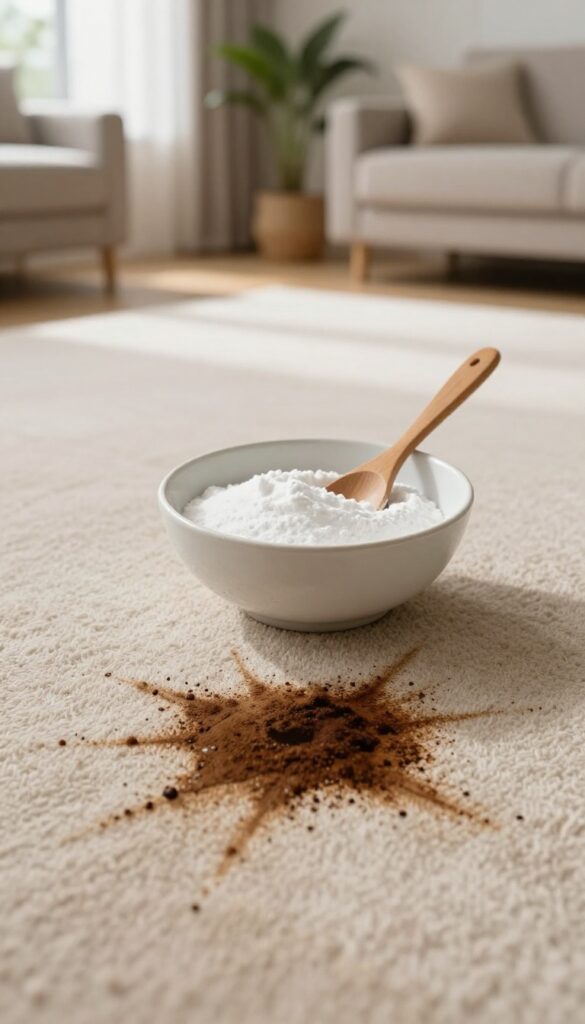
When life gives you a stubborn coffee spill, reach for the pantry. White vinegar and baking soda are a powerhouse duo that tackles organic stains like wine, juice, and pet accidents. The fizzy reaction helps lift the stain from deep within the carpet fibers, while the vinegar cuts through grime and neutralizes odors.
This method works best on fresh to moderately set stains. For older stains, let the paste sit longer to rehydrate and loosen the residue. Always blot—never rub—to avoid spreading the stain or damaging the carpet.
How To Make The Paste
Mix one part white vinegar with two parts baking soda in a small bowl. Stir until it forms a thick, spreadable paste. If it's too runny, add more baking soda; if too thick, add a splash of vinegar.
Aim for a consistency similar to toothpaste.
Application Tips
Scoop the paste onto the stain and spread it evenly about 1/4 inch thick. Let it sit for 2–3 hours or until completely dry. The drying time allows the vinegar to break down the stain and the baking soda to absorb it.
Once dry, vacuum up the crust.
When To Use This Method
This paste is ideal for organic stains like coffee, tea, juice, wine, and grass. It's also safe for synthetic carpets (nylon, polyester, olefin). Avoid using on wool or silk carpets, as vinegar can damage natural fibers.
Always test on an inconspicuous area first.
2. Hydrogen Peroxide and Dish Soap
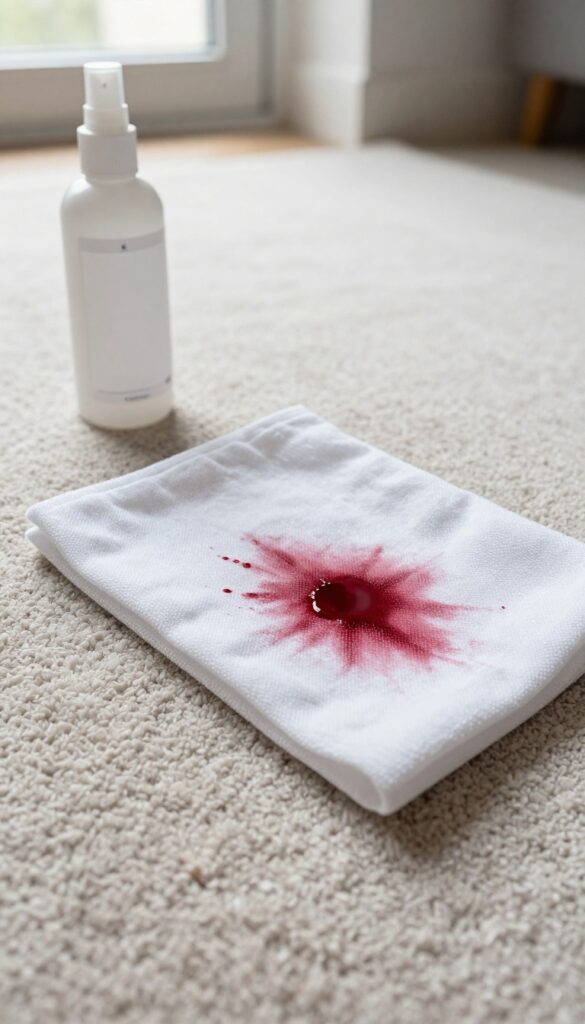
Blood and red wine stains are notorious for setting quickly, but a simple duo from your medicine cabinet and kitchen sink can work wonders. Hydrogen peroxide acts as a gentle bleach, while dish soap cuts through the organic matter. Together, they lift stains without harsh scrubbing.
This method is especially effective on light-colored carpets where peroxide won't cause discoloration. Always test on a hidden area first, as peroxide can lighten some fabrics. For best results, treat the stain as soon as possible.
How To Mix And Apply
Mix one part 3% hydrogen peroxide with one part water, then add a few drops of dish soap. Blot the stain with a clean cloth soaked in the solution—don't rub. Let it sit for 5–10 minutes, then blot again with a dry cloth.
Rinse with cold water and blot until dry.
Why It Works On Protein Stains
Blood and wine are protein-based stains. Hydrogen peroxide breaks down the protein structure, making it water-soluble. Dish soap helps emulsify the stain so it lifts away from the fibers.
Cold water prevents the protein from setting further.
Safety Tips For Carpet Care
Avoid using this mixture on dark or wool carpets, as peroxide may cause bleaching. Always work from the outside of the stain inward to prevent spreading. Blot, don't scrub, to avoid damaging the carpet pile.
3. Club Soda and Salt
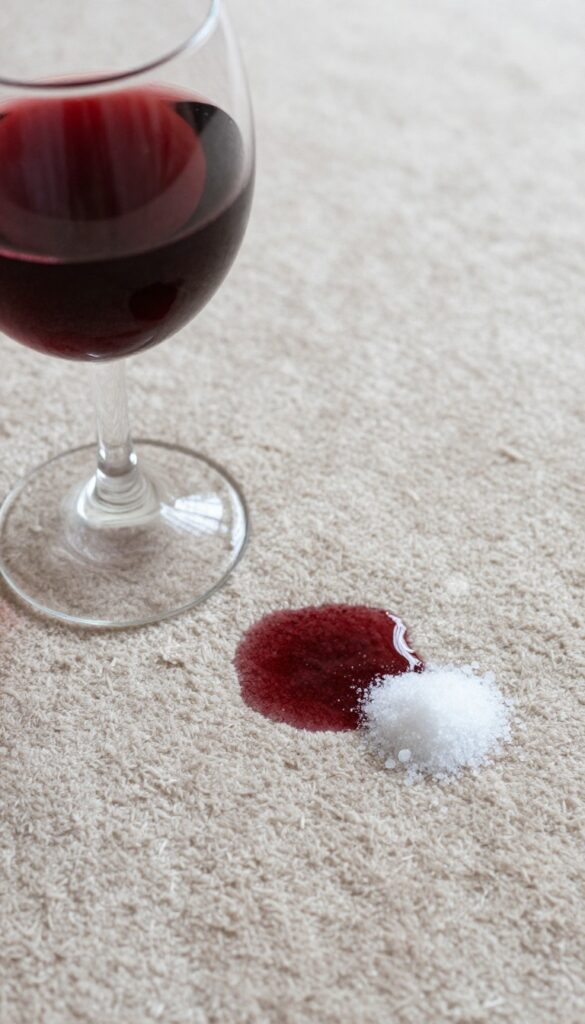
Red wine stains don't stand a chance against this fizzy duo. Club soda's carbonation helps lift the pigment from carpet fibers, while salt acts like a sponge to draw out moisture and color. It's a classic trick for a reason—it works fast and uses ingredients you probably already have.
Start by blotting up as much of the spill as you can with a clean cloth. Don't rub—you'll just push the stain deeper. Pour club soda directly onto the stain until it's saturated, then sprinkle a generous layer of salt over the top.
Let it sit for a few minutes while the bubbles do their thing. Blot the area with a dry cloth, pressing firmly to absorb the liquid. Repeat if needed, then vacuum once dry.
Why It Works So Well
The carbonation in club soda creates tiny bubbles that help loosen stain particles from the carpet fibers. Salt is hygroscopic, meaning it pulls moisture—and the dissolved stain—out of the carpet. Together, they form a gentle but effective stain-fighting team.
Best Stains To Use It On
This method is especially good for red wine, fruit juice, and coffee spills. It works best on fresh stains, but can also help lighten older ones if you let the mixture sit a bit longer.
Tips For Success
Use plain club soda—not flavored or sweetened varieties. Test on a hidden area first to make sure your carpet doesn't react. Blot, don't scrub, to avoid damaging the fibers.
4. Enzyme Cleaner for Pet Stains
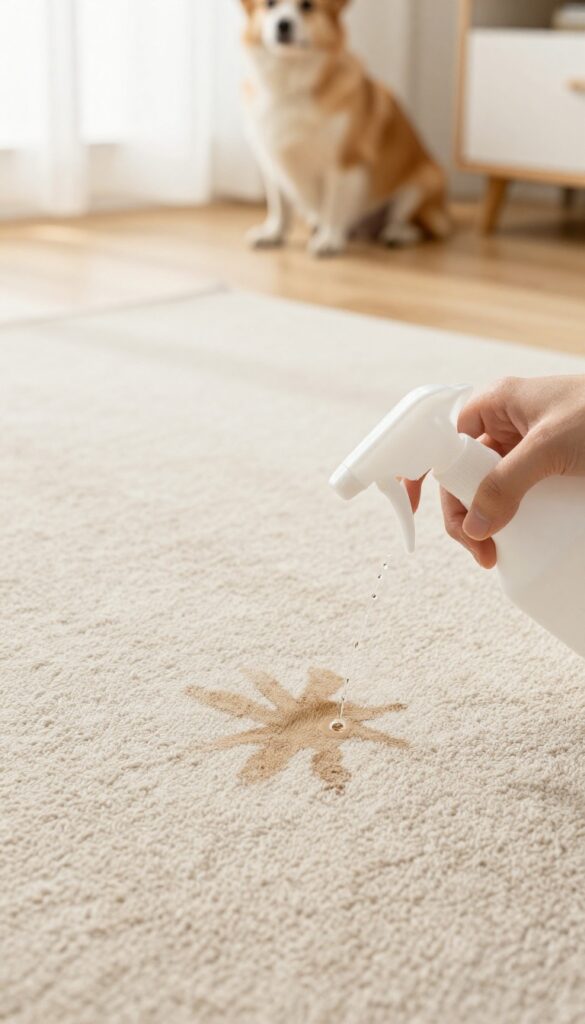
Pet accidents are some of the toughest stains to tackle because they're not just about the visible mark—they come with lingering odors that encourage repeat marking. Enzyme cleaners are specifically designed to break down the proteins in urine, feces, and vomit, neutralizing both stain and smell. You can buy a commercial product or whip up a simple DIY version with enzymatic dish soap.
Enzyme cleaners work by using beneficial bacteria or enzymes to digest organic matter. This makes them far more effective than regular cleaners on biological stains. They're safe for most carpet types and are non-toxic, which is great for homes with pets and kids.
Why Enzymes Work Best
Regular cleaners might lift the stain, but they often leave behind proteins that bacteria feed on. Enzymes literally eat those proteins, eliminating the source of the odor. This prevents your pet from returning to the same spot.
Diy Enzyme Cleaner Recipe
Mix 1 cup of warm water with 1 tablespoon of enzymatic dish soap (like Seventh Generation) and a few drops of lemon essential oil for scent. Shake gently and apply to the stain. Let it sit for 10 minutes, then blot dry.
Application Tips
Blot up as much moisture as possible first. Spray the enzyme solution generously, then cover with a damp cloth to keep it wet for longer. Let it sit for at least 15 minutes before blotting again.
For old stains, repeat the process.
5. Cornstarch and Rubbing Alcohol
Grease stains from salad dressing, butter, or cooking oil can be especially tricky because they don't dissolve in water. Cornstarch and rubbing alcohol team up to absorb the grease and lift it away without spreading. This method is gentle on carpet fibers and works fast.
Start by blotting up as much of the grease as possible with a clean paper towel. Sprinkle a generous layer of cornstarch directly onto the stain and let it sit for 15 minutes to absorb the oil. Vacuum up the powder, then dampen a cloth with rubbing alcohol and dab the remaining stain—don't rub.
The alcohol breaks down the grease while the cornstarch prevents it from spreading. Blot until the stain transfers to the cloth, then rinse with water and blot dry.
Why It Works
Cornstarch is a fine powder that acts like a sponge for oils, pulling them out of the carpet fibers. Rubbing alcohol is a solvent that dissolves grease without water, which would only set oil-based stains deeper. Together, they tackle the stain without harsh chemicals.
Best For
This method is ideal for fresh or set-in oil-based stains like salad dressing, butter, mayonnaise, or cooking oil. It also works on lipstick or lotion marks. Avoid using it on delicate fabrics like wool or silk without testing first.
Pro Tips
Use a white cloth to avoid color transfer. If the stain persists, repeat the process. For extra stubborn spots, add a drop of dish soap to the rubbing alcohol.
Always blot—never scrub—to prevent damaging the carpet fibers.
6. Shaving Cream (Non-Gel)
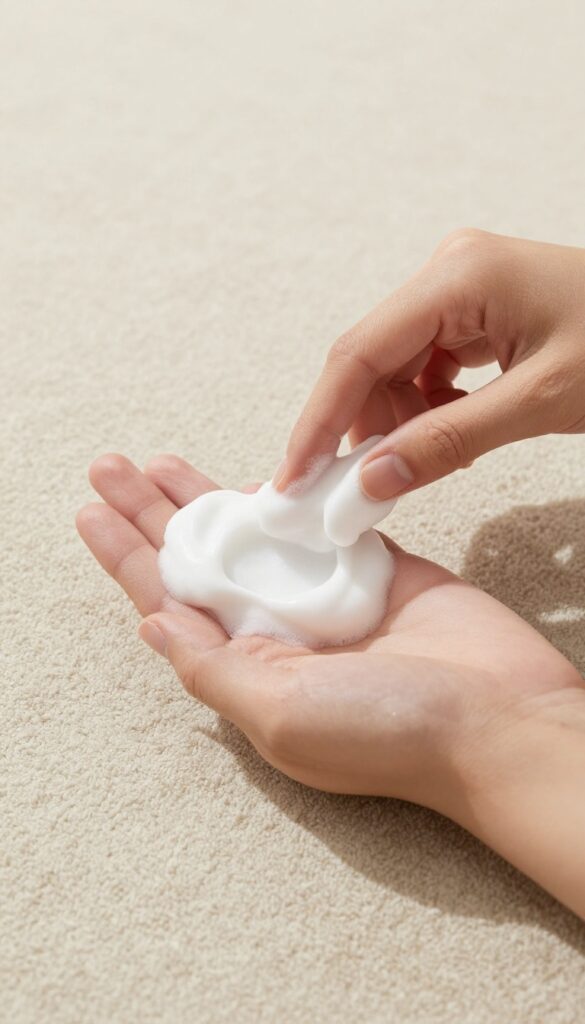
Ink and makeup stains can feel like a lost cause, but shaving cream is a surprisingly effective fix. The foamy texture lifts pigments without harsh scrubbing, and it's gentle enough for most carpet fibers. Just make sure you grab the classic white foam, not the gel variety.
Shaving cream works because it contains surfactants that break down oil-based stains like foundation, lipstick, and ballpoint ink. The foam also helps suspend the stain particles so they can be blotted away instead of pushed deeper into the carpet. It's a low-cost, low-risk option that's worth trying before moving to stronger chemicals.
How To Apply
Start by blotting up any excess stain with a clean cloth. Then spray a generous amount of non-gel shaving cream directly onto the stain—enough to cover it with a thick layer. Use your fingers or a soft brush to gently work the foam into the carpet fibers.
Let it sit for about 15 minutes to let the surfactants do their job.
Blotting And Rinsing
After the wait, blot the area with a damp cloth, pressing firmly to lift the stain and foam together. You'll see the stain transfer to the cloth. Repeat with a fresh section of the cloth until no more color comes up.
Finish by rinsing with a little cold water on a clean cloth to remove any shaving cream residue.
Drying And Checking
Blot away excess moisture with a dry towel, then let the carpet air dry completely. Avoid walking on it until dry. Once dry, check the spot—if a faint shadow remains, repeat the process.
This method is especially good for fresh ink and makeup stains, but it can also lighten older set-in marks.
7. Dish Soap and Warm Water
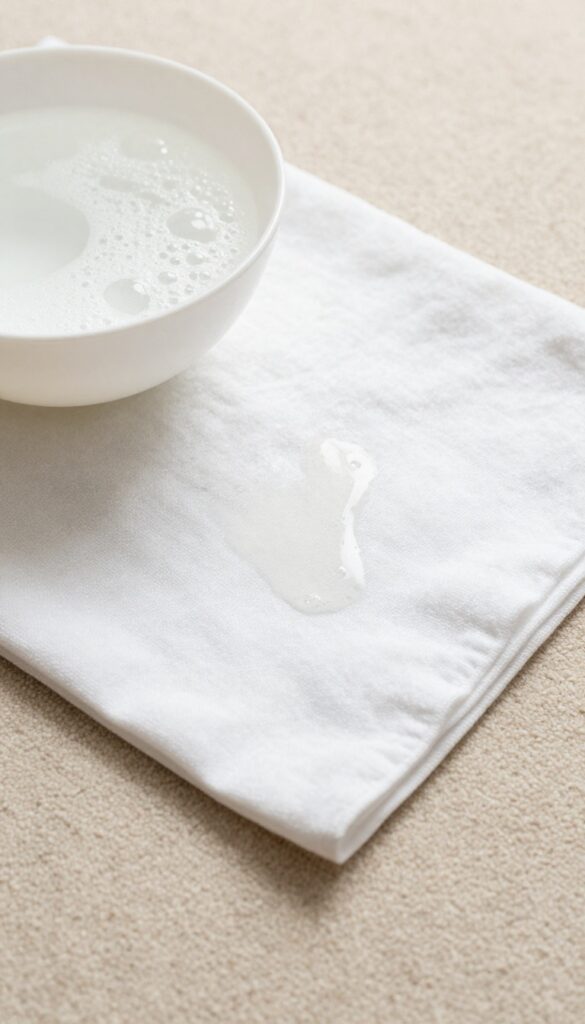
Sometimes the simplest solutions are the most effective. A few drops of mild dish soap mixed with warm water can handle a surprising range of everyday spills. It's gentle on carpet fibers but tough on stains like soda, tea, or light food messes.
You probably already have everything you need in your kitchen.
Dish soap is designed to cut through grease and lift food-based stains without harsh chemicals. When diluted with water, it becomes a safe, all-purpose cleaner for most carpet types. Just be sure to use a mild brand without bleach or moisturizers, which can leave residue or discolor fibers.
How To Mix And Apply
Combine 1/4 teaspoon of mild dish soap with 1 cup of warm water. Stir gently to avoid creating too many suds. Dip a clean white cloth into the solution, blot the stain—don't rub—starting from the edges and working inward.
Rinse the area with a cloth dampened with plain water to remove any soap residue.
Best Stains For This Method
This solution works wonders on fresh spills like soda, juice, tea, and coffee. It can also handle light mud or dirt marks. For older or dried stains, let the solution sit for 5 minutes before blotting.
Avoid using it on protein-based stains like blood or milk, as soap can set those.
Drying And Final Tips
After cleaning, blot excess moisture with a dry towel. Place a stack of paper towels over the area and weigh them down with a book for a few hours to absorb remaining dampness. This prevents mold or musty smells.
Always test on an inconspicuous spot first to ensure colorfastness.
8. Commercial Carpet Spot Remover
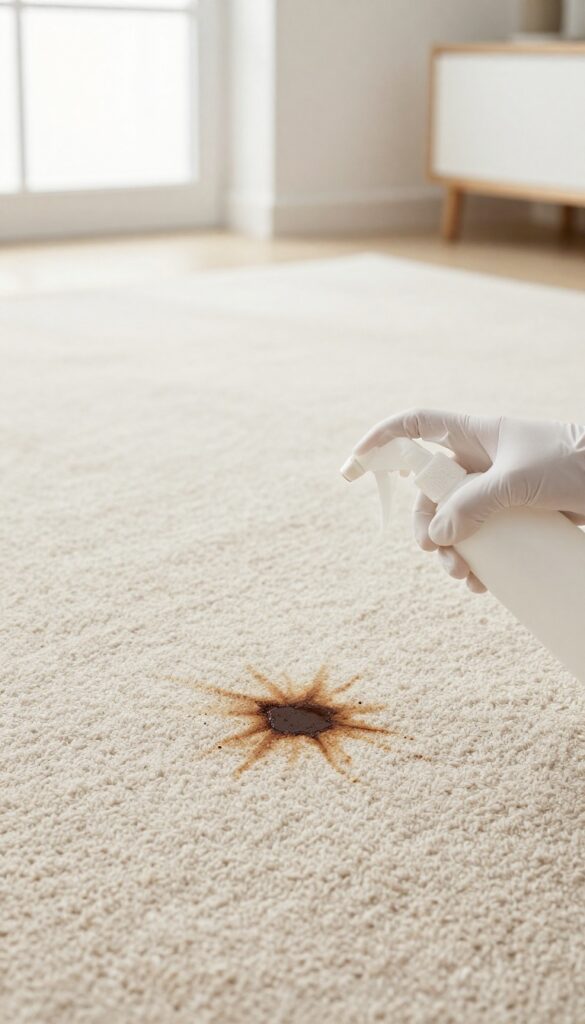
When DIY methods just aren't cutting it, it's time to bring in the big guns. Commercial spot removers are formulated with powerful cleaning agents that target set-in stains without damaging your carpet. Products containing oxygen-based bleach, like OxiClean, are especially effective because they break down stain molecules at a chemical level.
These products are a lifesaver for stains that have been ground in over time—think old coffee spills, dried mud, or mystery spots from who-knows-what. The key is to follow the package directions exactly; more isn't always better, and leaving the solution on too long can harm the fibers. Always test in an inconspicuous area first.
How Oxygen Bleach Works
Oxygen bleach releases hydrogen peroxide when mixed with water, creating a bubbling action that lifts stains from deep within the carpet fibers. It's color-safe on most synthetic carpets, but avoid it on wool or silk. The fizzing action also helps deodorize, leaving your carpet smelling fresh.
Application Tips For Best Results
Blot up as much of the stain as possible before applying the spot remover. Spray or pour the solution directly onto the stain, then let it sit for the recommended time—usually 5 to 15 minutes. Blot again with a clean cloth, then rinse with water and blot dry.
Repeat if necessary, but don't oversaturate.
When To Call It Quits
If the stain doesn't budge after two or three applications, it may have permanently damaged the carpet fibers. At that point, consider professional cleaning or replacing that section of carpet. Commercial spot removers are powerful, but they're not miracle workers.
9. Glycerin and Water
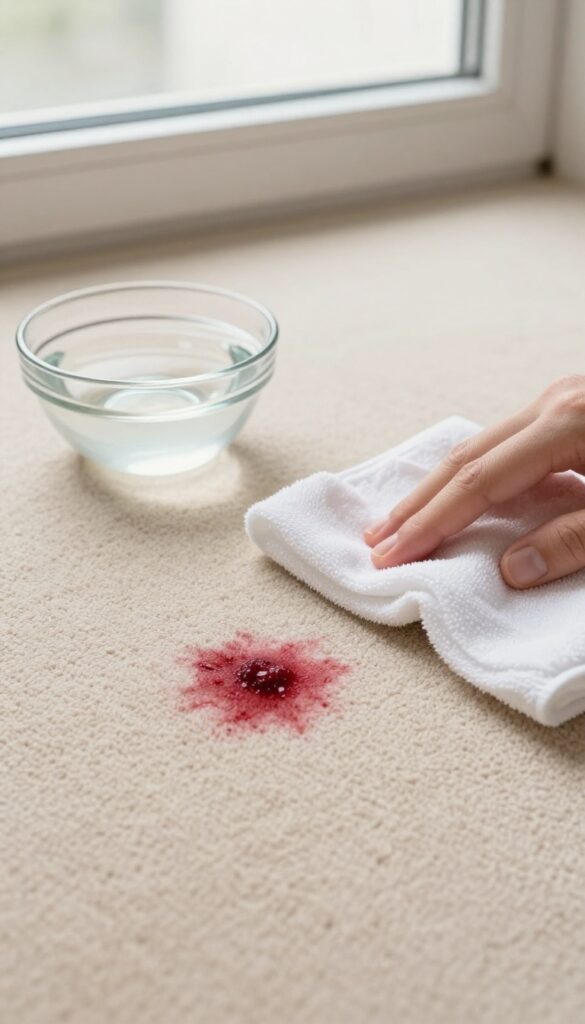
Fruit juice and berry stains can be some of the most frustrating to remove because they set quickly and leave behind bright, stubborn colors. If you've tried blotting with water but the stain remains, glycerin offers a gentle yet effective alternative. This common skincare ingredient works as a humectant, drawing moisture into the stain and loosening the pigment without harsh chemicals.
Glycerin is a colorless, odorless liquid that's safe for most carpet fibers. When mixed with water, it creates a solution that penetrates the stain and breaks down the sugars and dyes in fruit juice or berry spills. The key is patience—letting it sit for 30 minutes gives the glycerin time to work its magic.
After that, blotting lifts the stain away without scrubbing, which can damage the carpet.
How To Mix And Apply
Combine equal parts glycerin and water in a small bowl. Test the solution on an inconspicuous area of your carpet first to ensure it doesn't cause discoloration. Using a clean white cloth, apply the mixture directly to the stain, saturating it thoroughly.
Let it sit for 30 minutes—set a timer so you don't forget.
Blotting Technique Matters
After the wait, blot the area with a dry cloth, pressing down firmly to absorb the liquid and stain. Don't rub, as that can spread the stain deeper into the fibers. Repeat with a fresh section of the cloth until no more color transfers.
Finally, rinse the area with a little cold water and blot dry.
Best Stains For This Method
This solution works wonders on fresh or set-in stains from grape juice, cranberry, raspberry, blueberry, and even red wine. It's also effective on kool-aid and other brightly colored drinks. For older stains, you may need to repeat the process or let the glycerin sit a bit longer.
10. Steam Cleaning with a Machine
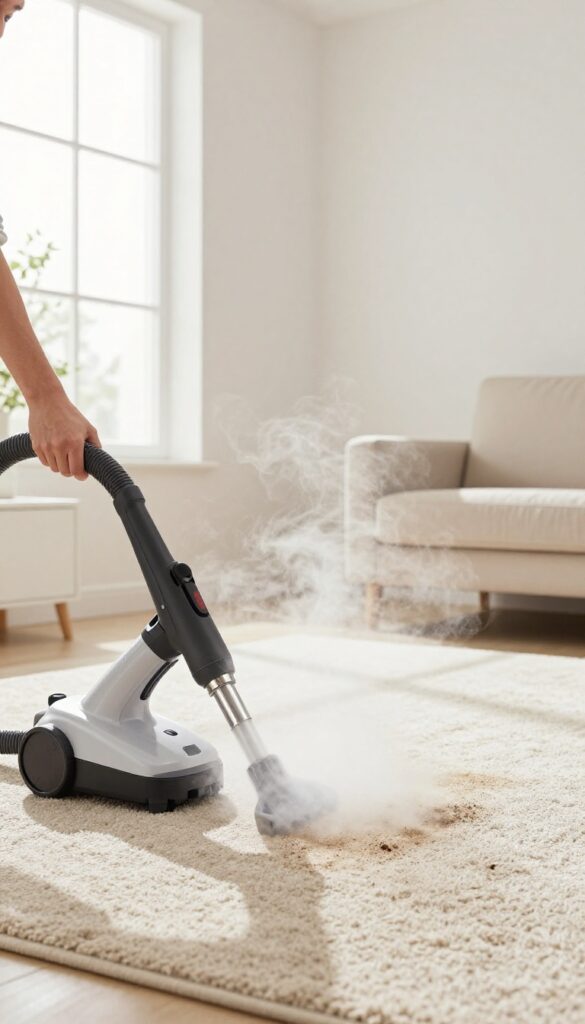
Sometimes, no amount of scrubbing or spraying can reach the dirt that's settled deep into your carpet padding. That's when steam cleaning—also called hot water extraction—becomes your best friend. Renting or owning a machine might seem like a hassle, but the results are hard to beat.
Steam cleaning uses hot water mixed with a carpet-safe detergent, injected under pressure, then immediately vacuumed back up. This process flushes out grime, bacteria, and residue left behind by previous cleaning attempts. It's particularly effective for old, set-in stains that have had time to bond with the fibers.
Renting Vs. Buying
If you only need to clean carpets once or twice a year, renting a machine from a grocery store or hardware store is cost-effective. For larger homes or frequent messes, buying a consumer-grade steam cleaner pays off. Look for models with adjustable water temperature and multiple attachments.
Choosing The Right Detergent
Not all carpet cleaning detergents are the same. Pick one that's labeled safe for your carpet type—wool, nylon, or olefin. Avoid detergents with optical brighteners or heavy fragrances, as they can leave sticky residue that attracts dirt.
A neutral pH formula is usually a safe bet.
Technique Matters
Move the machine slowly—about the speed of a slow walk—to allow the hot water to penetrate. Overlap each pass by a few inches to avoid streaks. After cleaning, run the machine over the carpet again without spraying to extract excess moisture.
Open windows or use fans to speed up drying.
FAQ
Can I use bleach on my carpet?
Avoid bleach—it can discolor or damage carpet fibers. Stick to oxygen-based cleaners or hydrogen peroxide for lightening stains.
How do I remove a dried stain?
Scrape off any residue, then apply a solution and let it sit for 15-30 minutes before blotting. Dried stains may need repeated treatments.
Is vinegar safe for all carpet types?
White vinegar is generally safe for synthetic carpets, but test on an inconspicuous area first. Avoid on wool or silk carpets.
What's the best way to blot a stain?
Use a clean white cloth or paper towel. Blot from the outside in to prevent spreading. Never rub, as it can push the stain deeper.
How often should I deep clean my carpet?
Every 6-12 months, depending on traffic and pets. Spot clean as needed, but deep cleaning removes embedded dirt and allergens.
Conclusion
Tough stains don't stand a chance when you have the right carpet cleaning solution in your corner. Start with the stain type you're dealing with—grease, wine, or pet mess—and pick the method that matches. A quick test in an inconspicuous spot saves you from surprises.
Mix and match a few of these ideas to build your own go-to routine. You'll save money on professional cleanings and keep your carpets looking fresh longer. Grab your favorite solution and tackle that stain today.