13 Sims Living Room Ideas to Instantly Refresh Your Space
Your living room should feel like a breath of fresh air—a place where you can unwind without the visual clutter. Drawing inspiration from the Sims games, where every room feels curated yet livable, you can achieve that same balance in your own home.
These 13 ideas focus on light, airy aesthetics that are easy to pull off, whether you're renting or own your space.
From clever storage tricks to cozy seating arrangements, each tip is designed to make your living room feel instantly refreshed and inviting.
1. Start with a Neutral Base
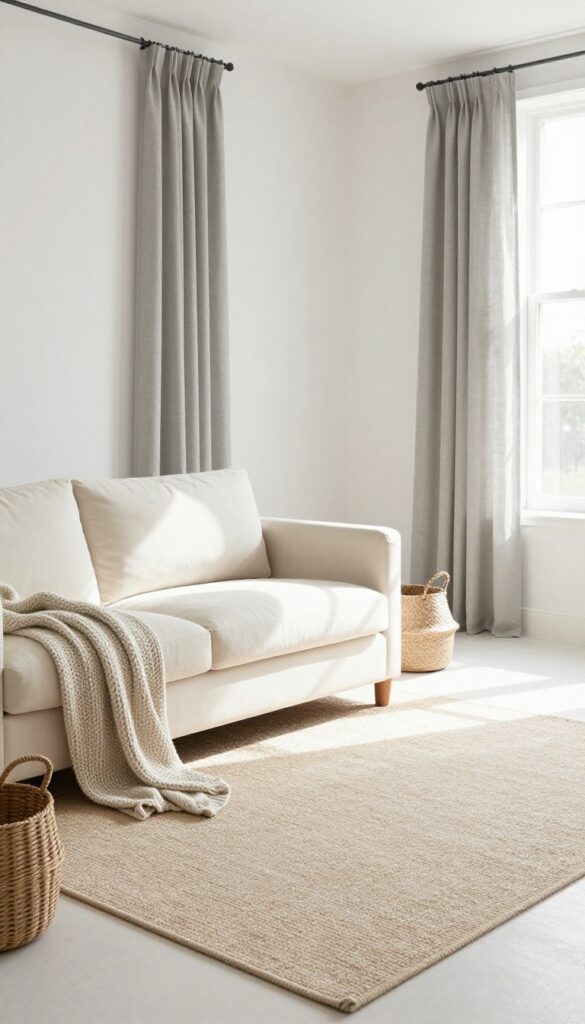
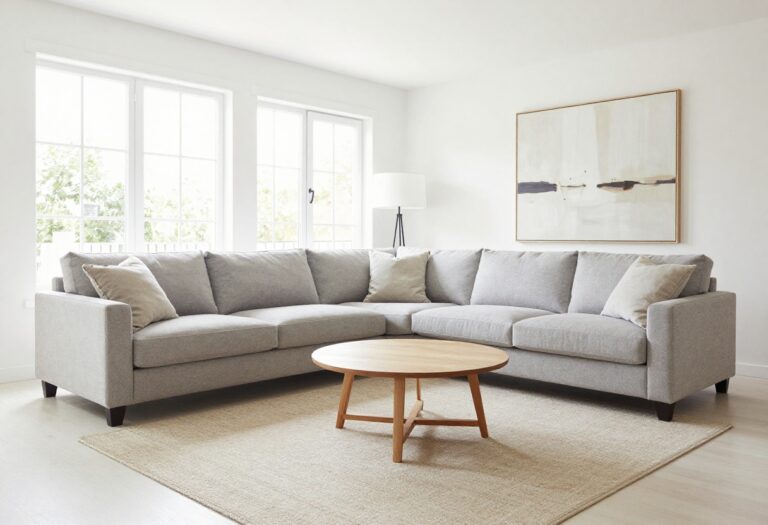
A light and airy living room starts with the right backdrop. Soft whites, warm beiges, or light grays on walls and large furniture create a calm foundation that makes the space feel open and serene. This isn’t about being boring—it’s about giving your room room to breathe, so every accent and texture can shine without visual clutter.
Why It Works
Neutral colors reflect natural light, making even a small living room feel larger and brighter. They also act as a versatile canvas, letting you swap out pillows, throws, or artwork seasonally without repainting or buying new sofas. This approach keeps your space looking fresh and intentional with minimal effort.
Best For
Anyone who wants a living room that feels relaxing, spacious, and easy to update. It’s especially great for small spaces, rooms with limited natural light, or homes where you like to change decor often without a major overhaul.
Styling Tip
Layer different neutral tones to add depth—think a cream sofa, a beige rug, and light gray walls. Then bring in texture with linen curtains, a chunky knit throw, or a jute basket. This keeps the room from feeling flat or one-dimensional.
2. Layer in Natural Textures
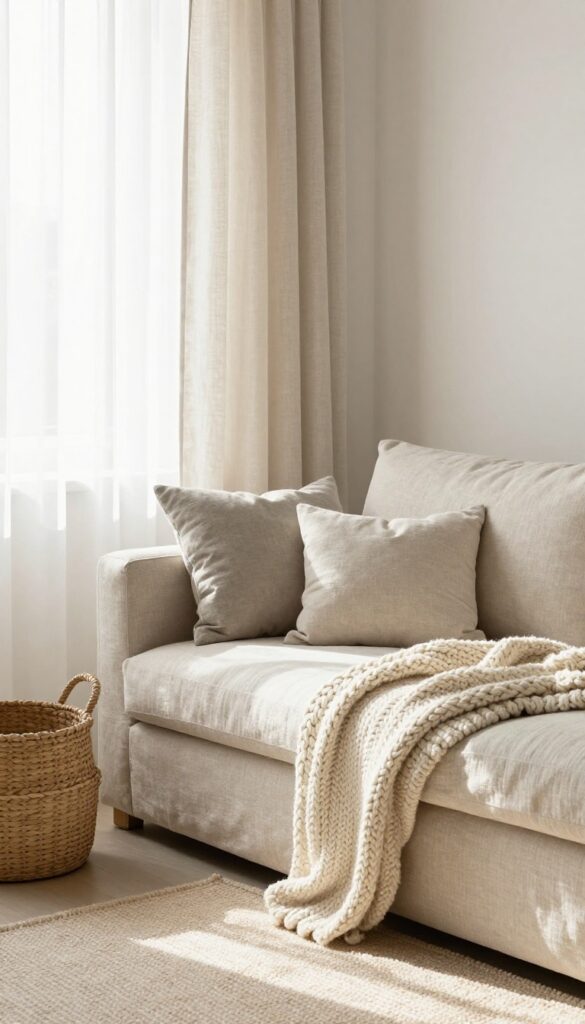
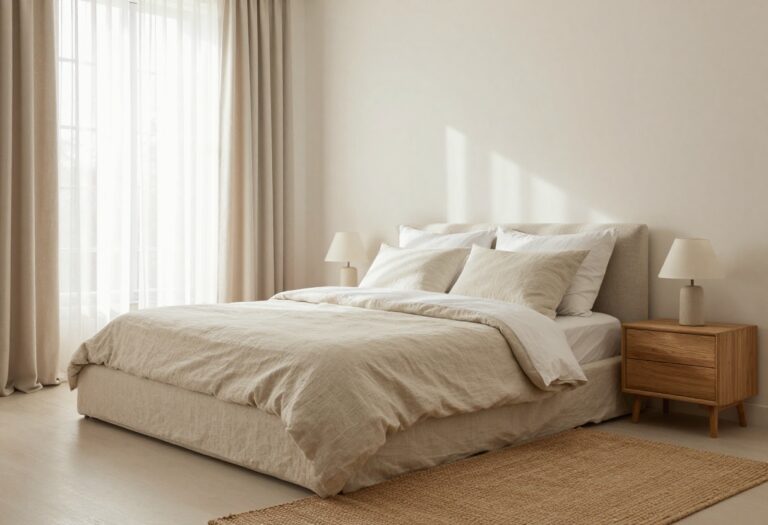
Nothing makes a living room feel instantly more inviting than a thoughtful mix of natural textures. Think woven baskets tucked beside the sofa, linen curtains that filter light softly, a jute rug underfoot, and a chunky knit throw draped over an armchair. These elements add warmth and depth without cluttering the space, keeping the room light and airy while still feeling grounded and cozy.
Why It Works
Natural textures bring visual interest and tactile comfort without relying on bold colors or patterns. The varied surfaces—smooth linen, rough jute, soft knit—create a layered look that feels curated and lived-in. This approach also helps absorb sound and soften hard edges, making the room feel more serene and welcoming.
Best For
This idea shines in living rooms that lean minimalist or modern, where a few textured pieces can prevent the space from feeling cold or sterile. It's also perfect for rental homes where you can't change the flooring or walls—textiles and accessories do the heavy lifting instead.
Styling Tip
Stick to a neutral palette of beige, cream, taupe, and soft gray to keep the look cohesive. Mix at least three different textures in one sightline—for example, a linen sofa, a jute rug, and a knit throw. Add a woven basket as a side table or magazine holder to tie it all together.
3. Float Your Furniture Away from Walls
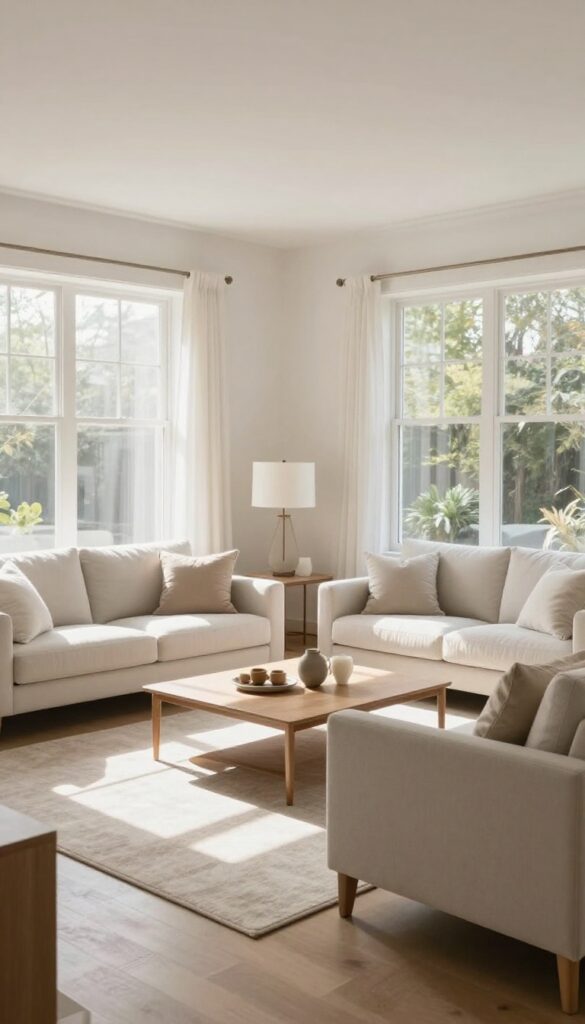
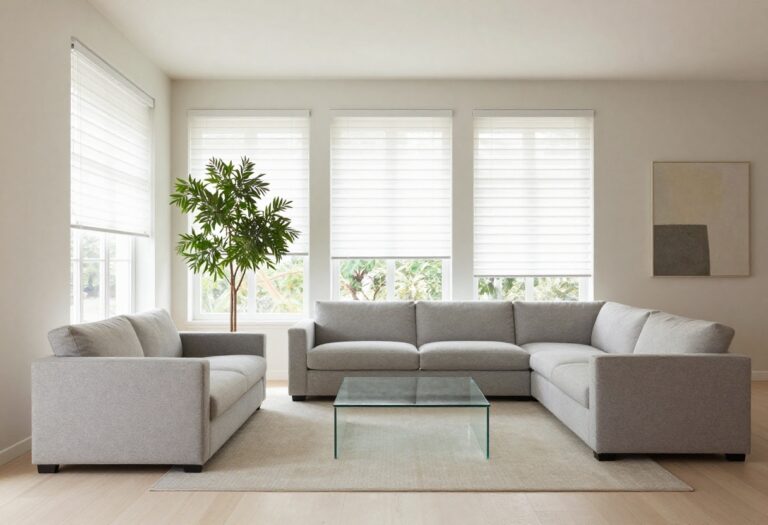
There’s a common instinct to push every piece of furniture against the wall, but pulling your sofa and chairs inward can completely transform the energy of a room. This simple shift creates a more intimate, conversational layout while making the space feel larger and more intentional. It’s a trick that instantly adds a light, airy vibe without changing a single piece of furniture.
Why It Works
When furniture floats away from the walls, it creates negative space around the perimeter, which tricks the eye into perceiving more square footage. The arrangement also encourages better flow and makes the room feel purposeful rather than just a collection of items pushed to the edges.
Best For
This idea shines in living rooms that feel boxed in or awkwardly long and narrow. It’s especially effective in open-concept spaces where you want to define a cozy seating area without building actual walls.
Styling Tip
Anchor the floating arrangement with a rug that’s large enough for all front legs of your furniture to sit on. Then add a slim console table behind the sofa to bridge the gap and provide a landing spot for lamps or decor.
4. Let in as Much Natural Light as Possible
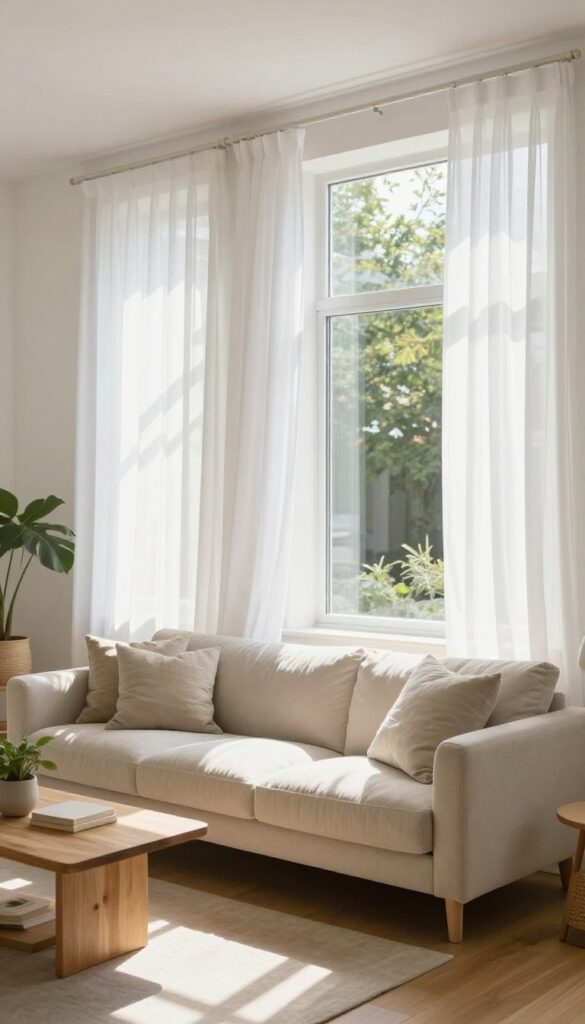
Nothing makes a space feel bigger, fresher, and more inviting than a flood of natural light. Swapping heavy drapes for sheer curtains or bamboo blinds instantly softens the room while letting sunshine pour in. Placing a large mirror opposite a window doubles the effect, bouncing light into darker corners and making the whole room feel twice as airy.
This simple shift turns even a compact living room into a bright, breezy retreat.
Why It Works
Natural light is the cheapest and most effective way to visually expand a room. Sheer fabrics filter harsh glare while maintaining privacy, and mirrors amplify whatever light you have, reducing the need for artificial lighting during the day. The result is a space that feels open, clean, and effortlessly cheerful.
Best For
Living rooms that feel cramped, dark, or boxed in, especially those with small windows or north-facing exposures. It’s also ideal for apartments where you want to maximize every square foot without a major renovation.
Styling Tip
Choose sheer curtains in white or soft cream to keep the look seamless. For a touch of texture, go with linen or cotton blends. Hang the curtain rod close to the ceiling and extend it past the window frame so the curtains pool slightly on the floor—this tricks the eye into seeing taller windows and a larger room.
5. Add a Touch of Greenery
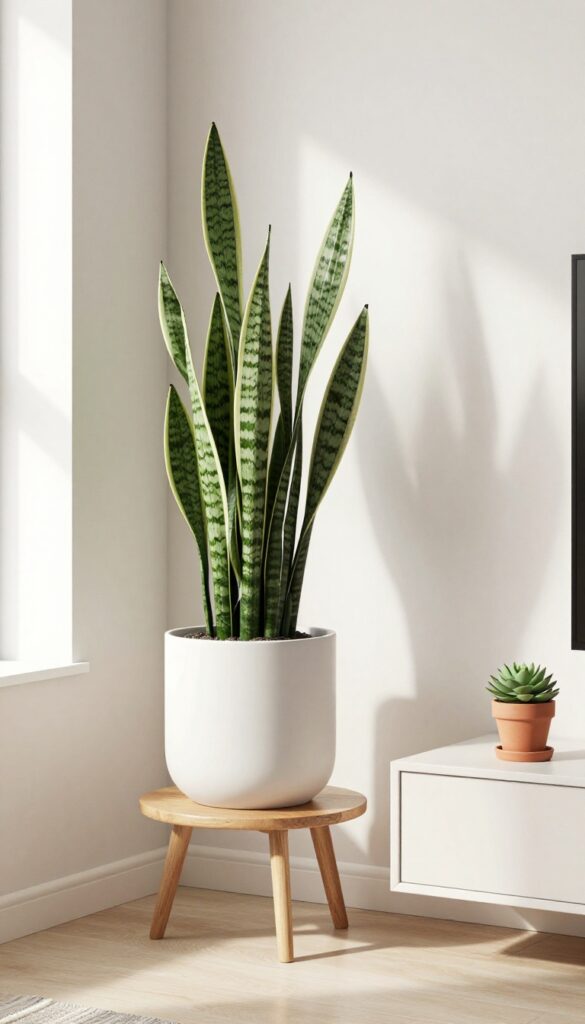
Plants do more than just sit there looking pretty—they breathe life into a room. A few well-placed pots can soften hard edges, add a fresh pop of color, and make your living space feel instantly more inviting. The trick is choosing low-maintenance varieties that won't demand constant attention, so you get the benefits without the stress.
Why It Works
Greenery introduces organic shapes and vibrant green tones that contrast beautifully with neutral furniture and clean lines. It also improves air quality and creates a calming, natural vibe that aligns perfectly with the light and airy aesthetic.
Best For
This idea works in almost any living room, especially if you have a neutral palette that could use a subtle color boost. It's also great for small spaces where a few plants can make the room feel larger and more connected to the outdoors.
Styling Tip
Group plants in odd numbers at varying heights—use a tall snake plant in a woven basket, a mid-height pothos on a side table, and a small succulent on a shelf. Stick to simple, matte pots in white, terracotta, or soft gray to keep the look clean and uncluttered.
6. Choose Multifunctional Furniture
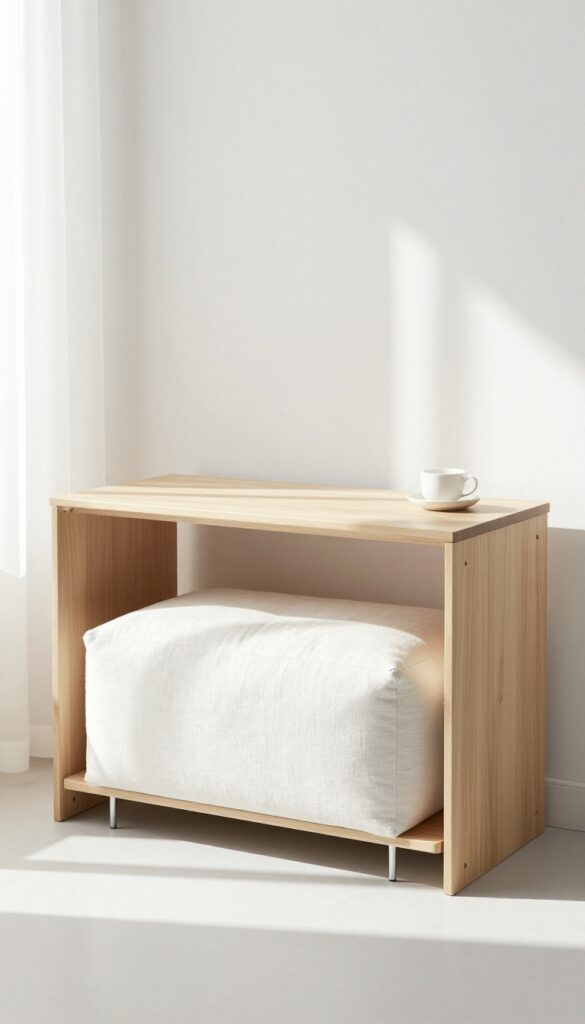
In a light and airy living room, every piece of furniture should earn its keep. Multifunctional designs let you keep the space open and uncluttered while still having everything you need. Think of a sleek console that also works as a desk, or an ottoman that hides blankets and remotes inside.
It’s about making your furniture do double duty without sacrificing style.
Why It Works
Multifunctional furniture reduces visual clutter by replacing several pieces with one. This keeps the room feeling spacious and calm, which is key for that airy aesthetic. Plus, you get more storage and flexibility without adding bulk.
Best For
This idea is perfect for small or open-plan living rooms where you need to maximize every square foot. It also works well in busy family spaces where toys, books, or work supplies need a quick hiding spot.
Styling Tip
Choose pieces in light wood or white to maintain the airy vibe. A storage ottoman in a soft linen or cotton blend adds texture without weighing down the room. Nesting tables in a slim metal frame keep the look modern and unobtrusive.
7. Create a Cozy Reading Nook
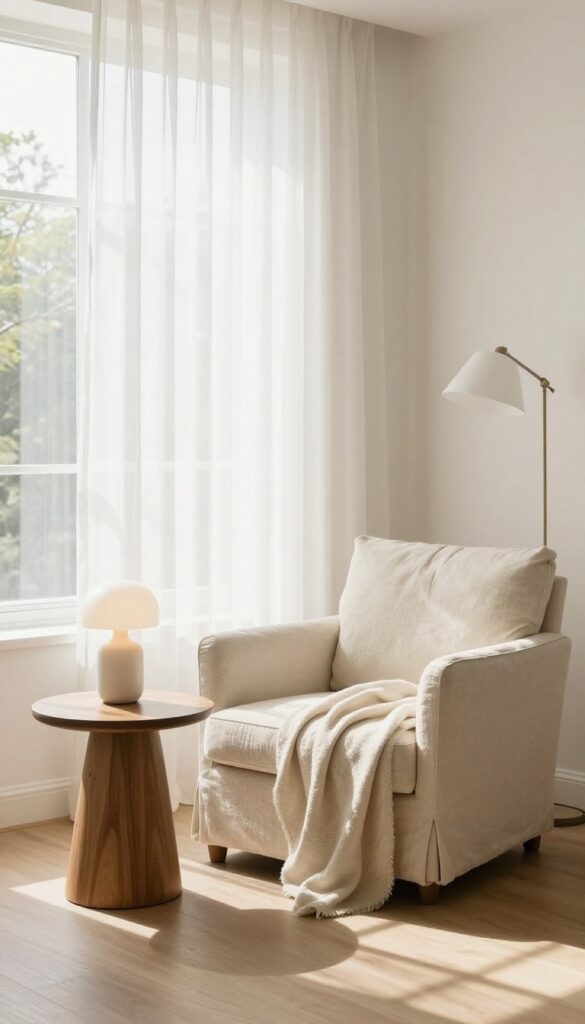
Even in the airiest, most open living room, there’s usually one corner that feels a little forgotten. Maybe it’s the spot behind the sofa or the space next to a window that doesn’t quite work for anything else. That’s exactly where a reading nook wants to live.
By tucking in a comfortable armchair, a small side table, and a floor lamp, you turn dead space into a purposeful retreat. It feels intentional, not cramped, and adds a layer of warmth without cluttering the room.
Why It Works
A reading nook gives the room a clear purpose beyond just watching TV. It invites you to slow down, and it visually breaks up the floor plan, making the space feel larger and more layered. The key is keeping the furniture compact so the nook feels cozy, not crowded.
Best For
This idea works beautifully in living rooms with an awkward corner, an unused bay window, or even a wide hallway that connects to the main space. It’s especially effective in open-concept layouts where you want to create a quiet zone without building walls.
Styling Tip
Choose a chair with a light-colored upholstery to keep the airy vibe—think linen in cream or pale gray. Add a small round side table in a natural wood tone, and top it with a sculptural table lamp or a sleek floor lamp. A soft throw blanket draped over the chair adds texture and makes the nook feel instantly inviting.
8. Use Open Shelving Sparingly
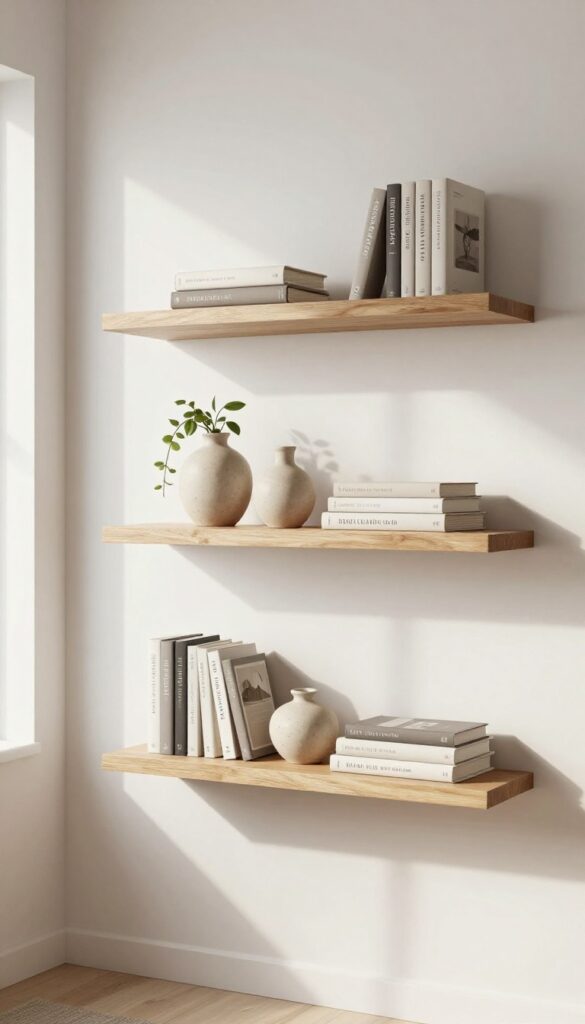
A few floating shelves can instantly make a wall feel more intentional without overwhelming the room. The key is restraint—choose one or two shelves and style them with a curated mix of books, ceramics, and small plants. This approach keeps the look light and airy, letting each piece breathe while adding visual interest.
Why It Works
Open shelving adds vertical dimension and a collected feel, but too much can make a space feel cluttered. By using it sparingly, you get the benefits of display space without sacrificing the clean, open vibe that makes a living room feel larger and more relaxing.
Best For
This idea works great in living rooms where you want to show off a few favorite items without committing to a full wall of shelving. It's also perfect for smaller spaces or rooms with limited wall area, since a couple of shelves can make a big impact without eating up floor space.
Styling Tip
Stick to a cohesive color palette for your shelf items—neutrals with one or two accent colors keep the look intentional. Vary heights and textures by stacking a book horizontally, leaning a small print, and adding a ceramic vase or trailing plant for softness.
9. Incorporate Soft, Ambient Lighting
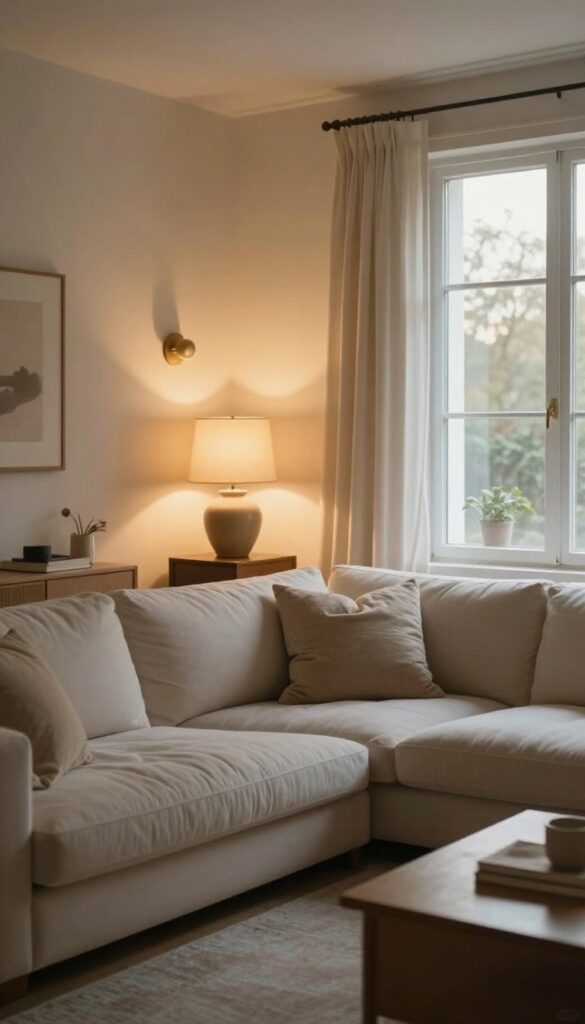
When the sun goes down, your living room should feel like a warm hug. Overhead lights can be harsh and uninviting, but layering soft, ambient lighting changes the entire mood. Think floor lamps tucked beside sofas, table lamps on side tables, and wall sconces casting gentle pools of light.
This approach creates a cozy, intimate atmosphere that makes evening relaxation feel effortless.
Why It Works
Layering light sources eliminates harsh shadows and creates depth, making the room feel larger and more inviting. Soft, warm light mimics natural sunset tones, which helps your brain wind down. It also gives you flexibility—brighten the room for reading or dim it for movie night.
Best For
This idea is perfect for living rooms that feel cold or cavernous at night, especially those with high ceilings or minimal windows. It also works wonders in open-concept spaces where you want to define a cozy seating area without walls.
Styling Tip
Use a mix of floor lamps with fabric shades, ceramic table lamps, and plug-in wall sconces. Stick to warm white bulbs (2700K–3000K) and add dimmers to control the intensity. Place lamps at different heights to create visual interest and avoid leaving any corner in the dark.
10. Stick to a Cohesive Color Palette
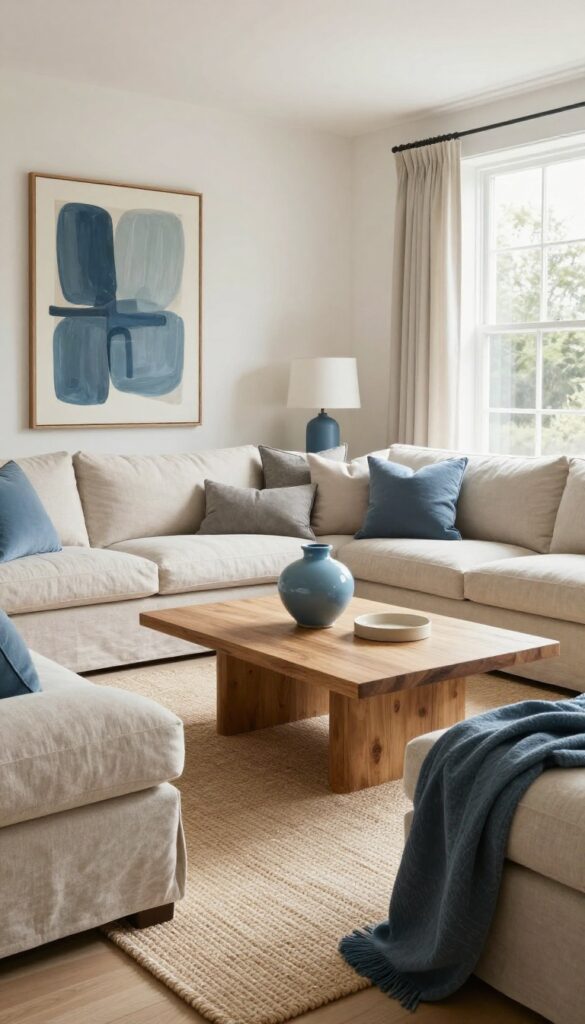
A restrained color palette does more than just look pretty—it gives your living room a sense of calm and intention. By choosing just two or three main colors and repeating them throughout the space, you create visual harmony that feels both curated and effortless. This approach works especially well in light and airy rooms, where a soft palette of whites, warm taupes, and muted blues or greens can make the whole space feel larger and more serene.
Why It Works
When colors echo each other from the sofa pillows to the wall art to the ceramic vase on the coffee table, the eye moves smoothly around the room without jarring transitions. This repetition builds a cohesive backdrop that makes even a small living room feel thoughtfully designed rather than cluttered.
Best For
This idea is perfect for anyone who wants a pulled-together look without a lot of fuss. It's especially effective in open-concept homes where the living area flows into the kitchen or dining room, because the consistent palette visually connects the zones.
Styling Tip
Start with your largest piece—usually the sofa—and pull two to three colors from it. Then layer those same hues in throw pillows, a rug, window treatments, and a few decorative objects. Vary the textures (linen, velvet, wood, ceramic) to keep the look from feeling flat.
11. Define Zones with Rugs
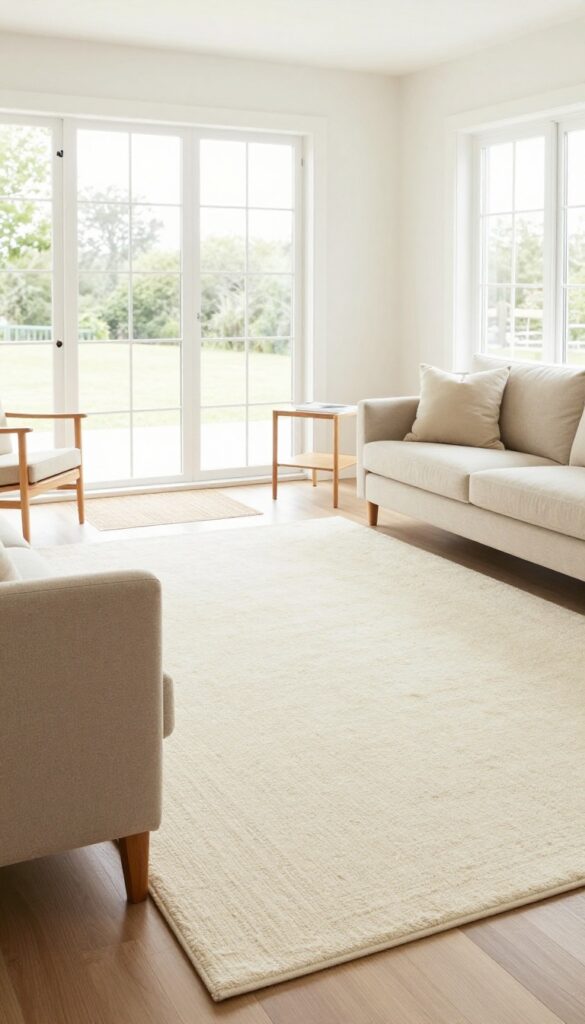
In an open-plan living room, rugs do more than just soften your step—they quietly carve out distinct areas without a single wall. A large, light-toned wool or jute rug can anchor your main seating cluster, making it feel intentional and grounded. Meanwhile, a smaller contrasting rug under a reading chair or side table can whisper that this corner has its own purpose, adding depth and a sense of calm separation.
Why It Works
Rugs are one of the easiest ways to create visual boundaries in a light and airy space. They add texture and warmth while keeping the room feeling open, because the eye naturally follows the rug's edge to define each zone. This trick prevents the room from feeling like one big, undefined expanse and instead gives it a curated, layered look.
Best For
Open-concept living rooms where the seating area flows into a dining nook or home office. It's also perfect for long, narrow rooms that need a little visual breaking up.
Styling Tip
Stick to a neutral, light palette for the main rug—think cream, beige, or pale gray—to keep the airy vibe. For the secondary rug, choose a slightly darker tone or a subtle pattern like a soft stripe or geometric print to create contrast without clashing. Make sure the front legs of your sofa and chairs sit on the main rug to tie the zone together.
12. Keep Surfaces Clear
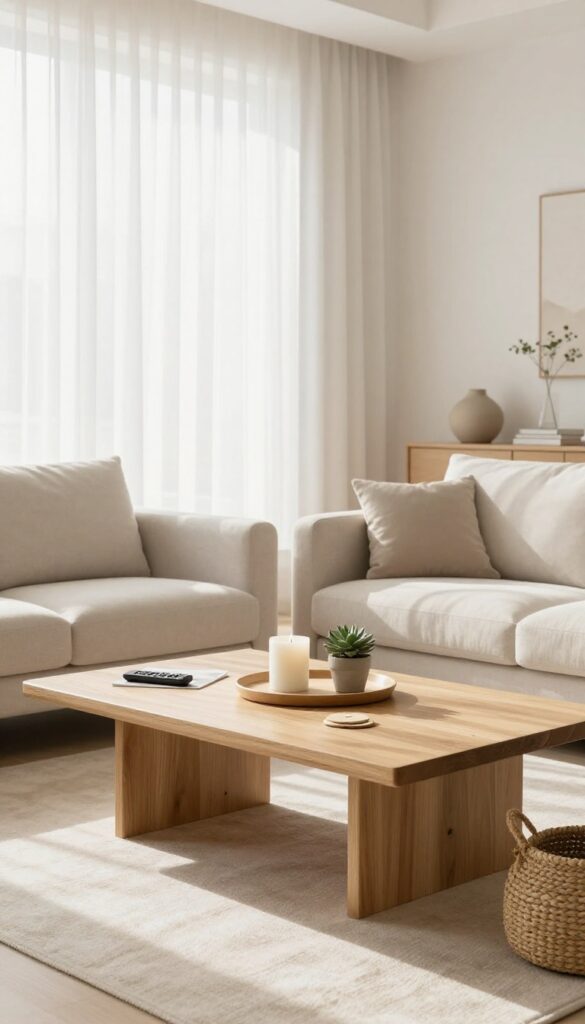
A clutter-free coffee table instantly makes a living room feel more spacious and serene. By limiting what sits on your surfaces, you create visual breathing room that supports a light and airy atmosphere. Think of your coffee table as a curated display, not a catch-all.
Why It Works
Clearing surfaces reduces visual noise, which is key to achieving that light and airy feel. A tidy table also makes the room look larger and more intentional, giving your space a calm, organized vibe that’s both practical and stylish.
Best For
This idea works well in small living rooms or any space where you want to maximize openness. It’s also perfect for families who need to keep remotes and magazines accessible but out of sight.
Styling Tip
Use a large tray as a home base for a few curated items like a candle, a small plant, and a coaster set. Corral remotes and magazines in a woven basket or a sleek leather catchall to keep them handy but hidden.
13. Add Personal Touches Without Clutter
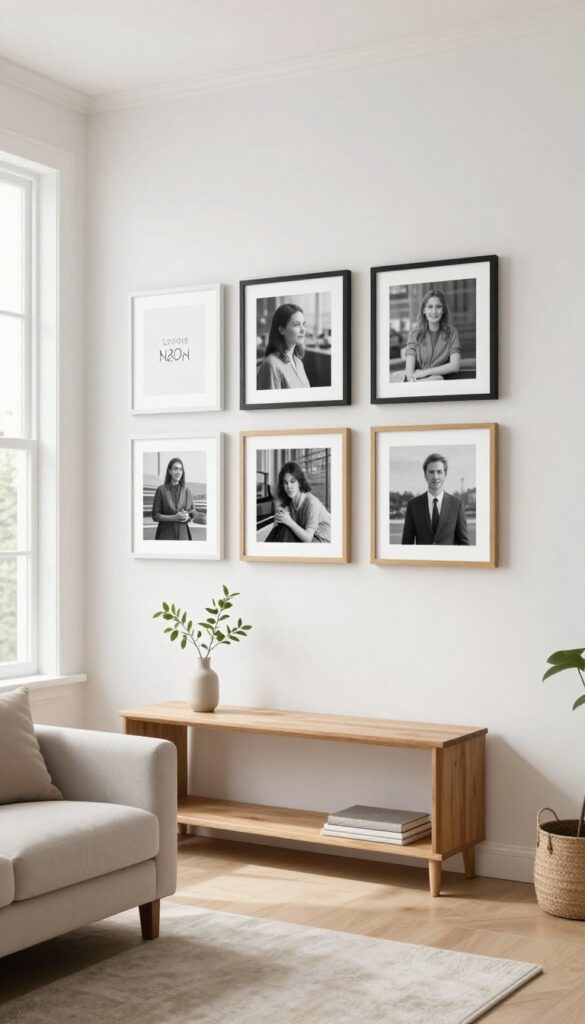
Personalizing your living room doesn't mean covering every surface with knick-knacks. In fact, a light and airy space thrives on restraint. The trick is to choose a few meaningful items—like a favorite photo or a small piece of art—and let them breathe.
Rotating these pieces with the seasons keeps the room feeling current without requiring a full redesign. It's a simple way to inject your personality while maintaining that open, uncluttered vibe.
Why It Works
A few curated pieces draw the eye and create focal points without overwhelming the room. By limiting the number of items, you preserve the sense of space and calm that makes a living room feel relaxing. Seasonal rotation also prevents the decor from becoming stale, so the room always feels fresh and intentional.
Best For
This idea is perfect for anyone who wants a living room that feels personal but not busy. It works especially well in small spaces or rooms with lots of natural light, where clutter would disrupt the airy feel. If you love changing things up but don't have time for a major overhaul, rotating a few frames is an easy win.
Styling Tip
Stick to simple, matching frames in a neutral finish like white, black, or natural wood to keep the look cohesive. Arrange them in a small gallery wall or prop them on a shelf or console table. For seasonal swaps, choose photos or prints that reflect the current time of year—think beach scenes in summer and cozy landscapes in winter.
FAQ
How can I make my living room feel more spacious?
Use a light color palette, float furniture away from walls, and maximize natural light with sheer curtains and mirrors.
What are some budget-friendly ways to refresh my living room?
Rearrange furniture, add new throw pillows, incorporate plants, and swap out lighting for a quick, affordable update.
How do I choose the right rug size for my living room?
Your rug should be large enough that the front legs of your sofa and chairs sit on it, ideally leaving 12-18 inches of floor around the edges.
What colors work best for a light and airy living room?
Soft whites, warm beiges, pale grays, and muted pastels like blush or sage green create an airy feel.
How can I add storage without making the room feel cluttered?
Choose furniture with hidden storage, like ottomans or benches, and use baskets or decorative boxes to corral small items.
Conclusion
Refreshing your living room doesn't have to mean a full renovation. With these 13 Sims-inspired ideas, you can create a space that feels light, airy, and perfectly suited to your lifestyle.
Start with one or two changes and build from there—you might be surprised at how much of a difference a few thoughtful tweaks can make. Remember, the goal is a room that feels both stylish and livable, a place where you can truly relax and enjoy your time at home.