11 How to Clean Pee from a Mattress and Remove the Odor
Waking up to a wet spot on your mattress is never fun. Whether it's from a child, a pet, or an adult accident, urine can quickly soak deep into the foam and padding. The smell can linger for days if not treated properly.
But don't panic. With the right approach, you can clean pee from a mattress and remove the odor completely. Most methods use common household items you already have.
This guide covers 11 practical techniques that actually work. From quick fixes to deep cleaning, you'll find a solution that fits your situation.
1. Blot Up Fresh Urine Immediately
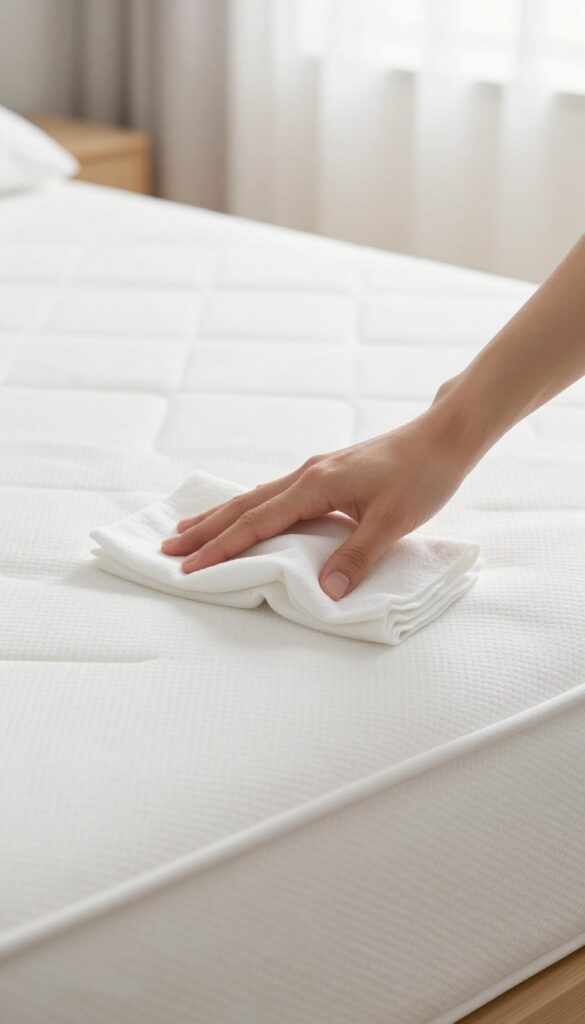
Speed is your best friend when dealing with fresh urine on a mattress. The faster you act, the less liquid soaks into the foam and padding. Blotting is the first and most critical step to prevent a permanent stain and lingering odor.
Grab a stack of paper towels or a clean, absorbent cloth. Press down firmly on the wet spot, then lift—don't rub. Rubbing spreads the urine deeper.
Keep blotting with fresh towels until they come away nearly dry. If the area is large, stand on the towels to apply more pressure. This simple step can remove most of the liquid before it sets in.
Why Blotting Beats Rubbing
Rubbing might seem faster, but it pushes urine into the mattress fibers. Blotting lifts liquid upward, pulling it out instead of deeper in. Think of it like dabbing a spill on carpet—same idea, just on a softer surface.
What To Use For Blotting
Paper towels work well for small spots. For larger accidents, use an old bath towel or a microfiber cloth. Avoid colored fabrics that might bleed dye onto the mattress.
If you have a wet/dry vacuum, that's even better—it can extract liquid quickly and thoroughly.
2. Baking Soda and Hydrogen Peroxide Paste
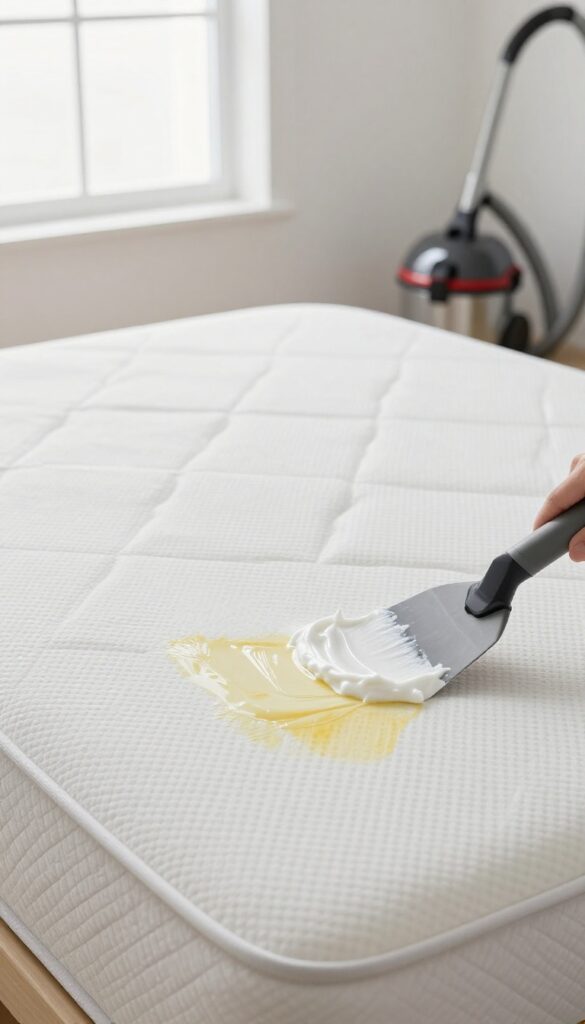
When urine has already dried or left a stubborn stain, a simple spray won't cut it. That's where a thick paste made from baking soda and hydrogen peroxide comes in. This combo works like a charm because the baking soda absorbs odors while the hydrogen peroxide breaks down the urine compounds and lifts the stain.
It's a one-two punch that tackles both the smell and the discoloration.
To make the paste, mix three parts baking soda with one part hydrogen peroxide until it forms a spreadable consistency. You want it thick enough to stay put on a vertical surface if needed. Apply a generous layer over the affected area, making sure to cover the entire stain and a little beyond.
Let it sit for at least 30 minutes, but for older or tougher stains, leave it on for up to two hours. As it dries, the paste will pull the urine residue out of the mattress fibers. Once it's completely dry, simply vacuum it up.
You'll notice the stain is lighter and the odor is gone. If any smell remains, repeat the process.
Why This Paste Works So Well
Baking soda is a natural deodorizer that neutralizes acidic odors, while hydrogen peroxide is a mild bleach that oxidizes organic stains. Together, they create a chemical reaction that releases oxygen bubbles, which help lift the urine from deep within the mattress. This makes it especially effective for set-in stains that other methods can't touch.
Tips For Best Results
Always test the hydrogen peroxide on a hidden spot first, as it can lighten some fabrics. Use 3% hydrogen peroxide, which is the standard drugstore strength. Avoid scrubbing the paste into the mattress, as that can push the stain deeper.
Just spread it on and let it work. For extra odor control, add a few drops of essential oil like lavender or tea tree to the mix.
When To Use This Method
This paste is ideal for dried or older urine stains that have already set in. It's also great for mattresses that have been peed on multiple times, as it can handle layered odors. If the urine is fresh, you're better off blotting first and using a different method, but for anything that's been there a while, this is your go-to.
3. White Vinegar and Water Solution
White vinegar is a powerhouse when it comes to neutralizing urine odors. Its acidity breaks down the uric acid crystals that cause that stubborn smell, making it a go-to remedy for mattress stains. Plus, it's cheap and safe for most fabrics.
Just mix equal parts white vinegar and water in a spray bottle, and you're ready to tackle the problem.
Spray the affected area generously with the vinegar-water solution. Let it sit for 10-15 minutes to allow the vinegar to penetrate and neutralize the urine. Then, blot the area with a clean cloth or paper towels to absorb the liquid.
Repeat if necessary, then sprinkle baking soda over the spot to absorb any remaining moisture and odor. Let it dry completely, then vacuum up the baking soda.
Why Vinegar Works
Urine contains uric acid, which forms crystals that trap odor. Vinegar's acetic acid reacts with these crystals, breaking them down and neutralizing the smell. It's a chemical reaction that actually eliminates the odor rather than just masking it.
How To Apply It Properly
Don't soak the mattress—you want to dampen it, not drench it. Use a spray bottle for even coverage. After spraying, blot gently with a towel to lift the urine and vinegar mixture.
Avoid rubbing, which can push the liquid deeper into the mattress.
Drying And Finishing Touches
After blotting, sprinkle a thin layer of baking soda over the damp area. This helps absorb any leftover moisture and neutralizes the vinegar smell. Let it sit for several hours or overnight, then vacuum thoroughly.
The mattress should be completely dry before you put sheets back on.
4. Enzyme Cleaner for Pet Urine
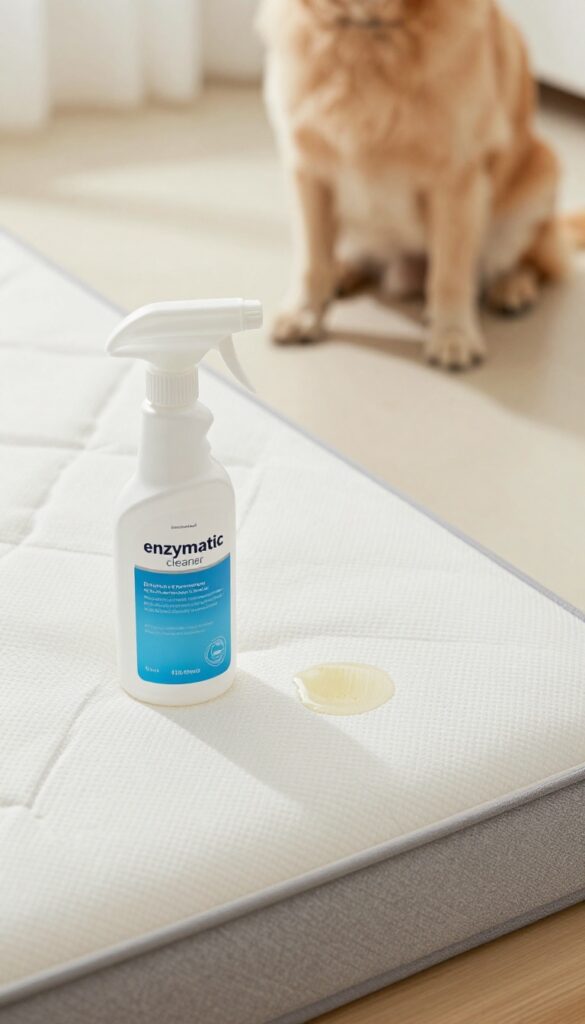
If you have pets, you know their accidents can be extra pungent. Standard cleaners often mask the smell temporarily, but enzymes actually break down the urine proteins at a molecular level. This makes them the go-to solution for stubborn pet odors that seem to reappear after every cleaning.
Enzymatic cleaners work by using natural proteins to digest the uric acid and bacteria in urine. Unlike bleach or vinegar, they don't just cover up the smell—they eliminate it completely. They're especially effective on old, set-in stains because the enzymes keep working as long as they stay moist.
Just apply, let it sit for 10–15 minutes, then blot dry. For best results, follow the product instructions and avoid using heat, which can deactivate the enzymes.
How Enzymes Work
Enzymes are like tiny biological scissors. They cut the long protein chains in urine into smaller, odorless pieces. This process continues until all the organic matter is gone.
That's why enzyme cleaners are so effective for pet urine—they target the source, not just the smell.
Choosing The Right Product
Look for a cleaner labeled "enzymatic" or "bio-enzymatic. " Brands like Nature's Miracle or Rocco & Roxie are popular choices. Avoid products with harsh chemicals that might bleach or damage your mattress.
Always test on a small, hidden area first.
Application Tips For Success
Saturate the stain completely—don't just spray the surface. Let it soak in for at least 10 minutes. If the stain is old, you might need to repeat the process.
Keep the area damp but not wet, and blot with a clean cloth afterward. Never rub, as that can push the urine deeper.
5. Dish Soap and Hydrogen Peroxide Combo
A few drops of dish soap with hydrogen peroxide creates a gentle but effective stain remover. This combo works well on both fresh and dried urine stains without harsh chemicals. Just be sure to test on a hidden area first, as peroxide can lighten some fabrics.
Why It Works
Hydrogen peroxide breaks down the uric acid crystals in urine, while dish soap helps lift the stain from fabric fibers. Together, they tackle both the discoloration and the odor-causing compounds.
How To Apply
Mix 1 part hydrogen peroxide (3%) with 1 part water and add a few drops of dish soap. Blot the stain with a cloth to remove excess liquid, then spray or sponge the solution onto the affected area. Let it sit for 10–15 minutes, then blot again and rinse with a damp cloth.
Drying And Final Check
After rinsing, blot as much moisture as possible and let the mattress air dry completely. If any stain or smell remains, repeat the process. This method is safe for most mattresses but always test an inconspicuous spot first.
6. Salt to Draw Out Moisture
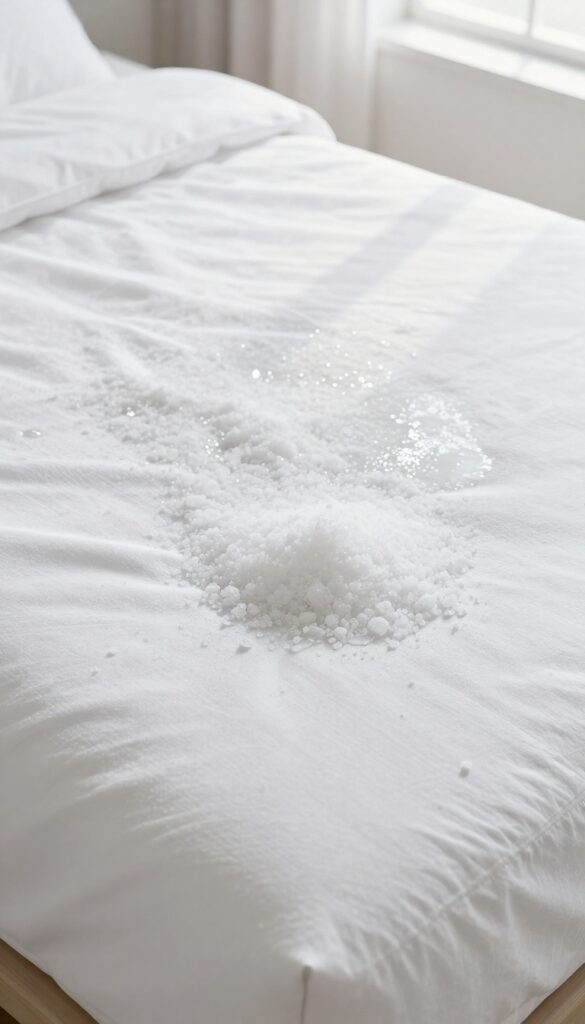
Salt isn't just for seasoning food. It's also a powerful natural absorber that can pull moisture and odors out of your mattress. When you cover a fresh urine spot with salt, it draws the liquid up from deep within the padding.
This simple trick can make a big difference, especially if you catch the accident early.
Salt works because it's hygroscopic, meaning it attracts water molecules. As it sits on the wet area, it soaks up the urine along with some of the smell. The best part?
You probably already have a box in your kitchen. Just remember to use a generous amount and give it enough time to work its magic.
How To Apply Salt
Blot up as much fresh urine as possible with paper towels or a clean cloth. Then pour a thick layer of table salt or kosher salt directly onto the damp spot. Make sure the salt covers the entire area and is at least a quarter-inch deep.
Let it sit for several hours or overnight. The salt will gradually turn clumpy and discolored as it absorbs the moisture.
Vacuuming And Finishing
Once the salt has fully dried, use a vacuum with a hose attachment to suck it all up. You may need to go over the area a few times to get every grain. After vacuuming, check if the stain and odor are gone.
If not, repeat the process or follow up with an enzyme cleaner for stubborn smells.
7. Commercial Mattress Cleaner
Sometimes household remedies just don't cut it. When you're dealing with a stubborn urine stain or lingering odor that won't budge, a commercial mattress cleaner can be a lifesaver. These products are specifically formulated to break down urine proteins and neutralize odors at the source.
They're easy to use and often work faster than DIY solutions.
Commercial mattress cleaners come in sprays, foams, and powders. Most are enzyme-based, which means they digest the organic compounds in urine. This makes them highly effective against both stains and smells.
Always check the label to ensure the product is safe for your mattress type—most are, but it's better to be safe.
How To Choose The Right One
Look for a cleaner that explicitly mentions urine, pet stains, or odor removal. Enzyme cleaners are your best bet. Avoid products with harsh chemicals that could damage the mattress or irritate skin.
Read reviews to see what works for others.
Application Tips
Blot up as much urine as possible first. Spray the cleaner generously over the affected area, but don't soak the mattress. Let it sit for the recommended time—usually 10-15 minutes.
Then blot again with a clean cloth. For deep-set odors, you may need to repeat the process.
When To Use A Commercial Cleaner
Use it when home remedies fail or when you need a quick, reliable fix. It's also great for large accidents or old stains that have set in. Keep a bottle on hand for emergencies—it's much easier than mixing up a DIY solution every time.
8. Steam Cleaning for Deep Set Odors
When urine has soaked deep into the mattress and the smell just won't quit, steam cleaning can be a game changer. A handheld steam cleaner uses high-temperature vapor to penetrate the fibers, killing bacteria and neutralizing odors at the source. It's especially effective for mattresses that have had repeated accidents or for old, stubborn stains that other methods couldn't fully remove.
Steam cleaning works best on a mattress that has already been pre-treated with an enzyme cleaner or vinegar solution. The heat activates the cleaning agents and helps lift the remaining residue, while the steam itself sanitizes the area. This method is ideal for deep-set odors that linger even after spot cleaning.
Preparing The Mattress
Before you steam, make sure the mattress is dry and free of any liquid. Blot up any fresh urine first, then apply an enzyme cleaner or a 50/50 vinegar-water solution. Let it sit for 10-15 minutes, then blot again.
This pre-treatment breaks down the uric acid crystals, so the steam can finish the job.
Using The Steam Cleaner
Fill your handheld steam cleaner with water according to the manufacturer's instructions. Hold the nozzle about an inch above the mattress and move it slowly over the affected area. Don't soak the mattress—just let the steam penetrate the fabric.
After steaming, use a clean cloth to blot up any excess moisture.
Drying And Finishing Up
Steam cleaning leaves the mattress damp, so proper drying is crucial. Open windows, turn on a fan, or use a hairdryer on a cool setting to speed up the process. Sprinkle baking soda over the area after steaming to absorb any remaining moisture and odors.
Let it sit for a few hours, then vacuum it up.
9. Sunlight and Fresh Air
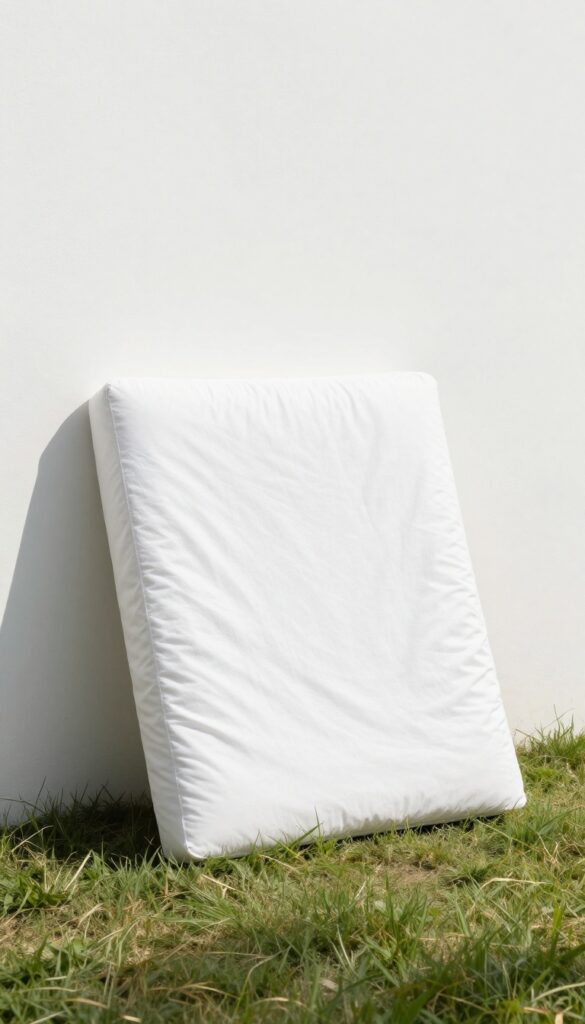
After you've cleaned the mattress, don't rush to put the sheets back on. Letting the mattress bask in sunlight and fresh air is one of the oldest, simplest tricks for banishing odors. UV rays from the sun are natural disinfectants that kill bacteria, and fresh air helps evaporate any remaining moisture.
Sunlight is a powerful, free deodorizer. The UV rays break down odor-causing bacteria and help dry out any dampness left from cleaning. Plus, the fresh air circulation speeds up the drying process, reducing the chance of mold or mildew.
This step is especially effective after using a wet cleaning method like hydrogen peroxide or vinegar.
How To Do It
First, make sure the mattress is as dry as possible. If it's still damp, blot with towels first. Then, carry the mattress outside to a sunny spot.
If you can't move it, open all windows and let sunlight stream in directly. Leave it for at least 2-4 hours, flipping it halfway through to expose both sides. If the weather is humid, bring it in sooner to avoid moisture buildup.
When Sunlight Isn't An Option
Not everyone has a sunny backyard or the ability to move a mattress. On cloudy days, you can still use fresh air by placing the mattress near an open window with a fan blowing across it. A dehumidifier in the room also helps remove moisture and odors.
For a UV boost indoors, you can use a UV-C sanitizing wand, but be careful—it can damage some fabrics and is not a replacement for real sunlight.
Why This Works So Well
Urine odor comes from bacteria breaking down urea into ammonia. UV light kills those bacteria, stopping the smell at its source. Sunlight also helps bleach out any remaining yellow stains, making the mattress look fresher.
And because it's completely chemical-free, it's safe for kids and pets.
10. Hydrogen Peroxide and Baking Soda Spray
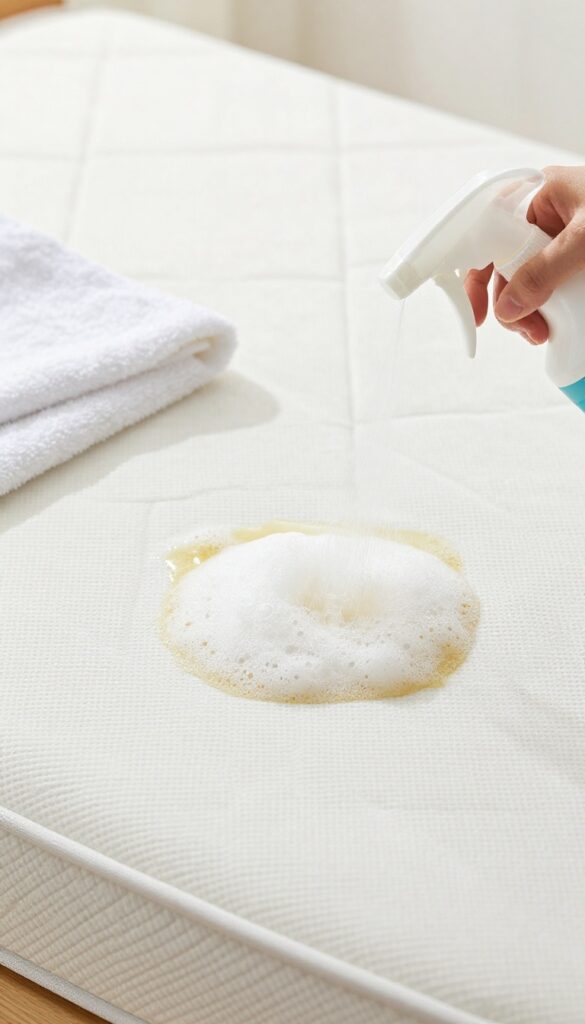
Hydrogen peroxide is a powerful oxidizer that breaks down the compounds in urine, while baking soda absorbs odors and lifts stains. Together with a drop of dish soap, they create a fizzing reaction that lifts the mess from deep within the mattress fibers. This method works especially well on fresh stains but can also tackle older, set-in smells.
This spray is one of the most effective DIY solutions for urine stains and odors. The hydrogen peroxide disinfects and whitens, the baking soda deodorizes, and the dish soap helps break down the urine's proteins. Always test on a small hidden area first to make sure the peroxide doesn't bleach the fabric.
Mix The Solution
In a spray bottle, combine 1 cup of 3% hydrogen peroxide, 3 tablespoons of baking soda, and 1 drop of liquid dish soap. Swirl gently to mix – don't shake, or it'll foam too much. Use the solution right away while it's still active.
Apply And Let It Bubble
Spray the mixture generously onto the urine stain. You'll see it start to fizz and bubble as the peroxide reacts with the baking soda. Let it sit for 10–15 minutes.
The bubbling action lifts the stain and odor from the mattress fibers.
Blot And Dry
After the fizzing stops, blot the area with a clean, dry towel to absorb the moisture. Press firmly to pull out as much liquid as possible. Then let the mattress air dry completely.
If needed, repeat the process for stubborn stains.
11. Mattress Protector for Future Prevention
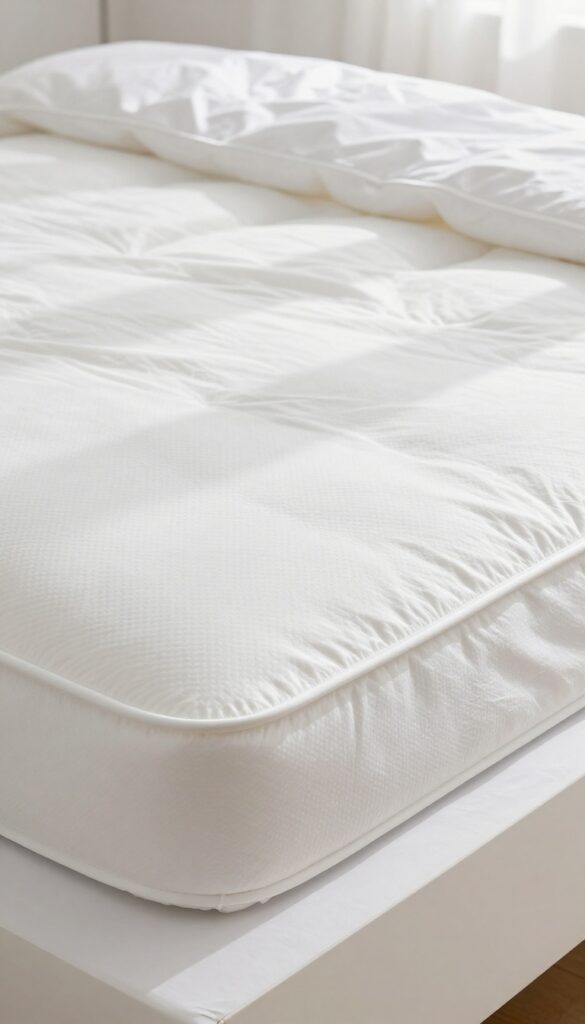
You've cleaned the mattress and banished the odor. Now it's time to make sure you never have to do that again. A waterproof mattress protector is the simplest way to keep urine and other spills from soaking into your mattress.
It's a small investment that saves you hours of scrubbing and stress.
A good mattress protector acts as a barrier between accidents and your mattress. It's like a raincoat for your bed. When urine hits the protector, it stays on top where you can easily wipe it up.
The mattress underneath stays dry and clean. No soaking, no lingering smells, no deep cleaning required.
Choosing The Right Protector
Look for a protector that is truly waterproof, not just water-resistant. Many protectors use a polyurethane or vinyl layer that blocks liquids completely. Also check that it's breathable so you don't trap heat.
A quiet, no-crinkle fabric is best for comfort. Fitted styles with deep pockets stay in place better.
Cleaning The Protector After Accidents
When an accident happens, remove the protector and wash it separately. Use cold water and a mild detergent. Avoid fabric softener or bleach, which can damage the waterproof layer.
Tumble dry on low heat or air dry. Never iron or dry clean. A clean protector stays effective and odor-free.
When To Replace Your Protector
Even the best protectors wear out over time. If you notice the waterproof layer peeling or cracking, or if urine starts seeping through, it's time for a new one. Also replace it if it develops a persistent smell despite washing.
A fresh protector gives you peace of mind.
FAQ
Can I use bleach to remove urine stains from a mattress?
Bleach is not recommended because it can damage mattress fibers, discolor the fabric, and create harmful fumes when mixed with urine.
How long does it take for baking soda to absorb urine odor?
Let baking soda sit for at least 8 hours or overnight for best results. The longer it sits, the more odor it absorbs.
Will vinegar damage my mattress?
White vinegar is safe for most mattresses when diluted with water. Avoid soaking the mattress, and always blot excess liquid.
How do I remove old, dried urine stains?
Old stains may require multiple treatments. Start with an enzyme cleaner or hydrogen peroxide paste, and repeat as needed.
Can I put my mattress in the washing machine?
No, mattresses are too large and heavy for home washing machines. Spot clean or use a steam cleaner instead.
Conclusion
Cleaning pee from a mattress doesn't have to be a nightmare. The key is to act quickly and use the right method for your situation. Whether you choose baking soda, vinegar, or an enzyme cleaner, each technique can help restore your mattress.
Remember to always blot, not rub, and allow plenty of drying time. With a little patience, your mattress can smell fresh and clean again. And consider a waterproof protector to make future cleanups much easier.