10 How to Clean Baked-On Grease from Pans with Ease
You've scrubbed until your arms ache, but that layer of baked-on grease still clings like it's part of the pan. It's frustrating, especially when you know the pan is good—it just looks hopeless. The good news?
You don't need expensive cleaners or elbow grease that leaves you sore. Most solutions are already in your kitchen, and they work without harsh chemicals.
Whether you're dealing with stainless steel, non-stick, or cast iron, these ten methods will cut through the grime with surprising ease. Let's get those pans looking like new again.
1. Baking Soda and Water Paste
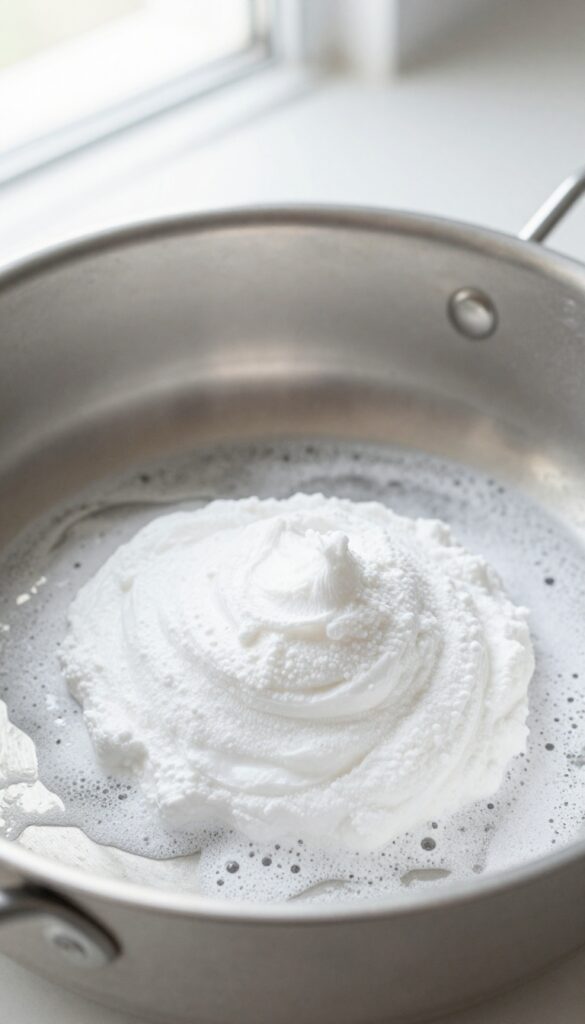
Baking soda is a powerhouse when it comes to cutting through stubborn grease. It's gentle enough for most surfaces but tough enough to lift years of baked-on residue. The best part?
You probably already have a box in your pantry.
To make the paste, mix three parts baking soda with one part water in a small bowl. Stir until it forms a thick, spreadable consistency—think toothpaste, not pancake batter. Apply a generous layer to the greasy areas of your pan, focusing on the worst spots.
Let it sit for 15 minutes to allow the baking soda to break down the grease. Then, using a non-abrasive sponge or soft brush, scrub in circular motions. Rinse with warm water and repeat if needed.
For extra stubborn spots, add a splash of white vinegar to the paste—it will fizz and help lift grime. This method works beautifully on stainless steel and enameled cast iron, but avoid using it on non-stick pans with scratched coatings.
Why It Works
Baking soda is mildly alkaline, which helps saponify fats—turning grease into soap that rinses away easily. Its fine crystalline structure provides gentle abrasion without scratching most surfaces. Unlike harsh chemical cleaners, it's safe for food contact and won't leave toxic residues.
Tips For Best Results
For truly baked-on layers, let the paste sit longer—up to 30 minutes. If the paste dries out, spritz it with a little water to keep it active. Use a soft-bristled brush for textured pans like cast iron.
After scrubbing, dry the pan immediately to prevent water spots.
2. White Vinegar Soak
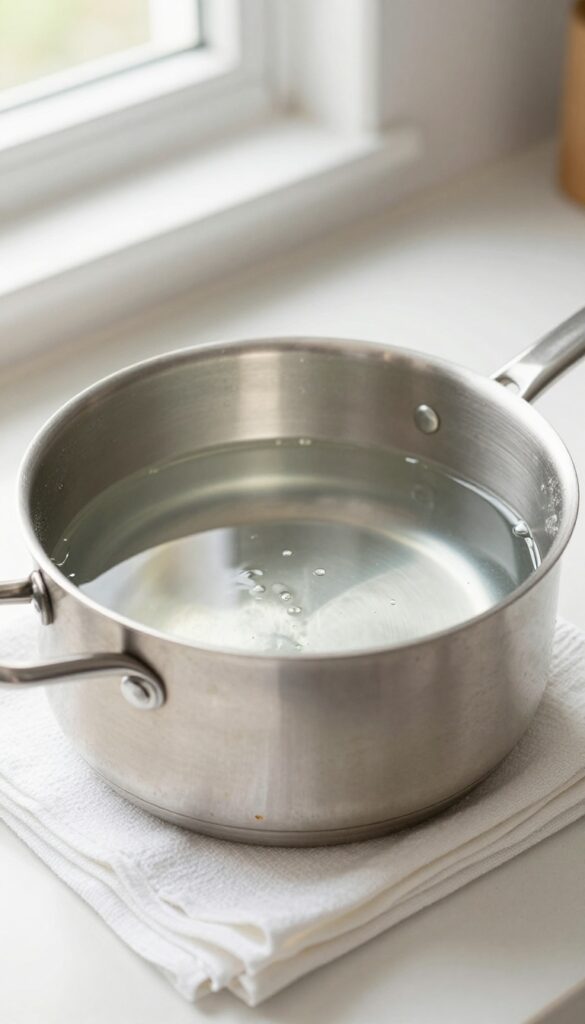
White vinegar is a kitchen superhero for cutting through grease without any harsh scrubbing. Its mild acidity works to break down the bonds between oil and metal, loosening even the most stubborn baked-on residue. This method is especially great for stainless steel and ceramic pans, but it's gentle enough for non-stick surfaces too.
Fill the pan with equal parts white vinegar and water, bring to a boil, then let it cool. The acidity breaks down grease, making it easy to wipe away. Rinse thoroughly afterward.
Why It Works
Vinegar's acetic acid reacts with the fatty acids in grease, turning them into water-soluble compounds that rinse away easily. The heat from boiling speeds up this reaction, so you get maximum cleaning power in just a few minutes.
Step-by-step Instructions
Start by pouring enough white vinegar to cover the greasy areas of the pan, then add an equal amount of water. Bring the mixture to a boil on the stove, then remove from heat and let it cool for about 15 minutes. Once cool enough to handle, pour out the liquid and wipe the pan with a soft sponge or cloth.
For stubborn spots, a gentle scrub with baking soda paste can help—just rinse well after.
Tips For Best Results
Use distilled white vinegar for consistent acidity—avoid balsamic or apple cider vinegar, which can stain. If the grease is very thick, let the pan soak for an hour after boiling. Always rinse thoroughly with warm water and dry immediately to prevent any vinegar smell from lingering.
3. Dish Soap and Hot Water Boil
Sometimes the simplest method works best, and this one proves it. You don't need fancy chemicals or heavy scrubbing—just dish soap and water. The heat does the heavy lifting, loosening the grease while the soap breaks down the oils.
It's a gentle but effective way to restore your pans without damaging the surface.
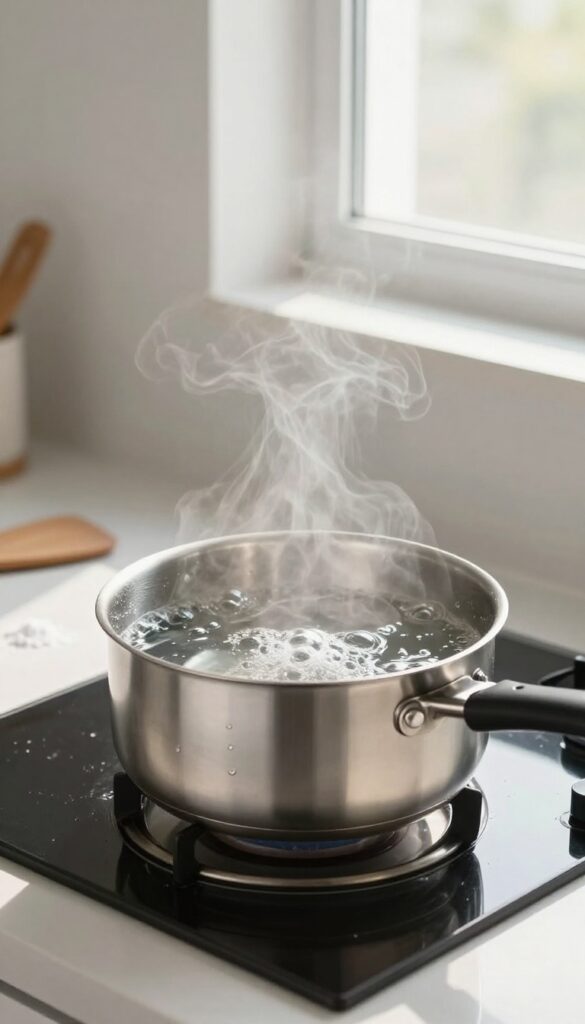
Start by filling your pan with enough water to cover the baked-on grease. Add a few drops of dish soap—any standard brand works fine. Place the pan on the stove and bring it to a boil.
Let it boil for about 10 minutes, then turn off the heat and let the water cool down. As it sits, the soap and heat work together to soften the residue. Once the water is cool enough to handle, pour it out and scrub with a soft sponge.
The grease should come off easily, leaving you with a clean pan and minimal effort.
Why This Works
Heat energizes the water molecules, which helps penetrate the grease layer. The dish soap reduces surface tension, allowing the water to lift the grease away from the pan. Together, they create a powerful cleaning action without harsh abrasives.
Best Pans For This Method
This technique works great on stainless steel and enameled cast iron. Avoid using it on non-stick pans, as the high heat can damage the coating. For non-stick, stick to lower temperatures and gentler methods.
Pro Tips For Better Results
Add a pinch of baking soda to the water for extra scrubbing power. If the grease is really stubborn, let the water sit overnight after boiling. You can also scrape off loose bits with a wooden spatula before boiling.
4. Lemon and Salt Scrub
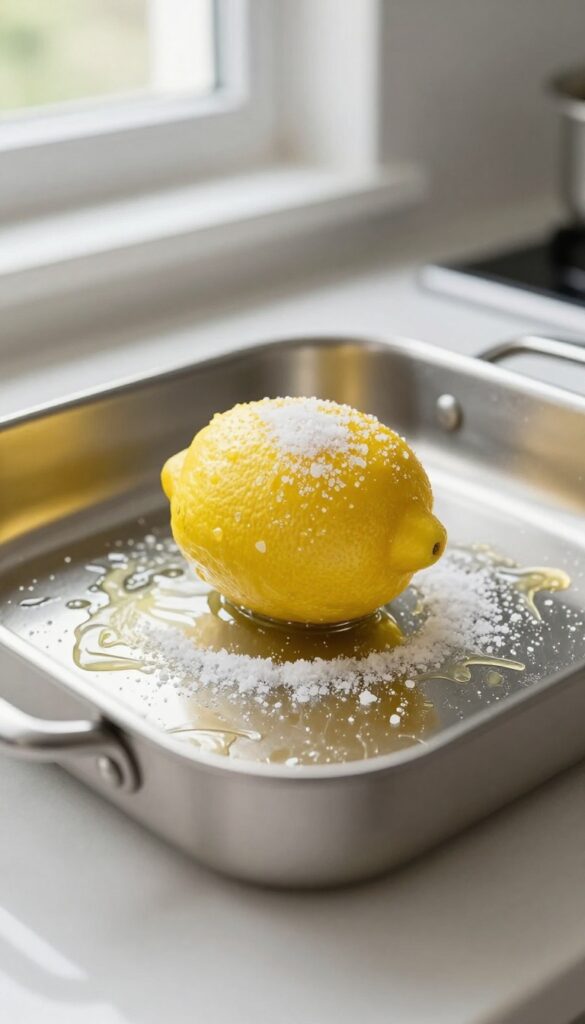
Lemons aren't just for lemonade—they're surprisingly effective at cutting through kitchen grease. The natural acidity breaks down baked-on oils, while salt acts as a gentle abrasive that won't scratch your pans. This combo works especially well on stainless steel, leaving it shiny without harsh chemicals.
How It Works
The citric acid in lemon juice reacts with grease molecules, loosening their grip on the pan surface. Salt provides just enough grit to lift the residue without damaging the metal. Together, they create a paste-like scrub that's both effective and gentle.
Step-by-step Instructions
Cut a lemon in half crosswise. Sprinkle a generous amount of coarse salt (kosher or sea salt works best) onto the cut surface. Scrub the greasy areas in circular motions, applying moderate pressure.
Rinse with warm water and dry immediately.
Best Pan Types
This method shines on stainless steel pans, where it removes discoloration and grease without scratching. Avoid using it on non-stick or cast iron—the acidity can damage the coating or seasoning. For those pans, stick to gentler methods.
Pro Tips For Better Results
Warm the pan slightly before scrubbing to help the lemon juice penetrate the grease. If the salt dissolves too quickly, add more as you go. For extra stubborn spots, let the lemon-salt mixture sit on the pan for 5 minutes before scrubbing.
5. Dryer Sheet Trick
Who knew your laundry room held the secret to sparkling pans? Fabric softener sheets are designed to loosen fibers and reduce static, but they work just as well on stubborn grease. The heat-activated softening agents help break down the baked-on layer, so you can wipe it away with minimal effort.
This method is almost too easy. Grab a used or new dryer sheet—both work, but a fresh one packs more power. Place it in the greasy pan, cover with warm water, and add a drop of dish soap.
Let it soak overnight. The next morning, the grease should slide off with a gentle scrub. Rinse thoroughly and dry.
It's a game-changer for those pans you thought were ruined.
Why It Works
Dryer sheets contain cationic surfactants and fatty acids that soften fabrics by reducing static cling. When heated in water, these same compounds help break the bond between grease and metal. The dish soap adds extra degreasing power.
Together, they lift the grime without harsh scrubbing.
Best Pans For This Trick
This method works wonders on stainless steel and aluminum pans. Non-stick surfaces are safe too, but avoid using it on cast iron, as the chemicals can strip seasoning. For best results, skip pans with delicate coatings or copper bottoms.
Tips For Stubborn Spots
If one soak doesn't do the trick, repeat with a fresh dryer sheet. For extra tough areas, crumple the used sheet and scrub the spot before rinsing. Always wash the pan with soap and water afterward to remove any residue.
6. Cream of Tartar Paste
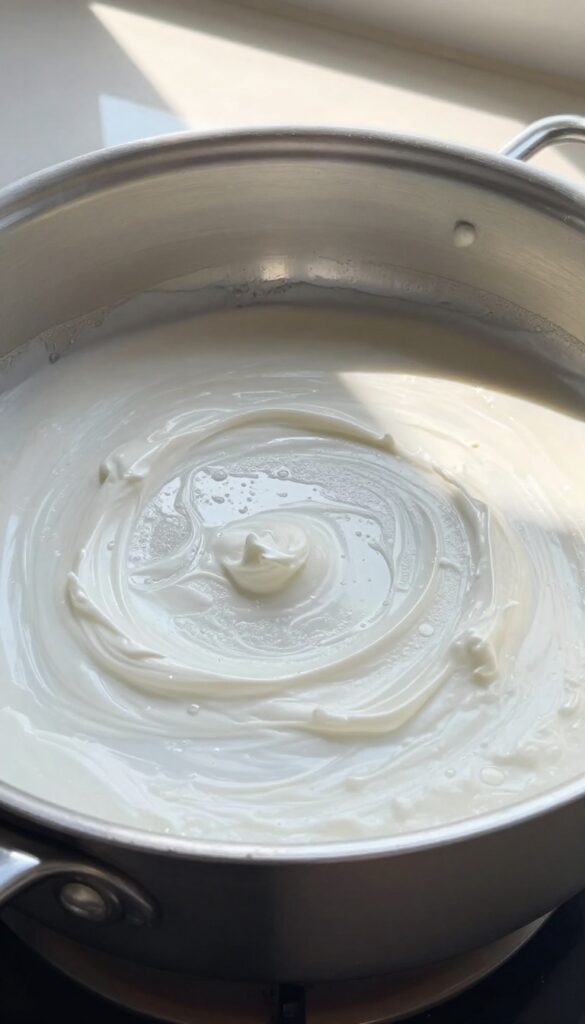
Cream of tartar is a pantry staple that pulls double duty as a powerful cleaner. Mixed with hydrogen peroxide or water, it forms a paste that targets baked-on grease without scratching your pans. This method is especially effective on aluminum and stainless steel, where other cleaners might fall short.
Cream of tartar is an acid that breaks down grease bonds, while hydrogen peroxide adds gentle bleaching action to lift stains. Together, they create a non-toxic paste that works on even the toughest residue. Let it sit for 30 minutes, then wipe away—no elbow grease required.
Why This Combo Works
Cream of tartar (potassium bitartrate) is a mild acid that dissolves grease without damaging metal. Hydrogen peroxide oxidizes and lifts burnt-on food. The paste consistency keeps the mixture in place, so it stays on the spots that need it most.
How To Make And Apply The Paste
Mix 1 tablespoon cream of tartar with enough hydrogen peroxide (or water) to form a thick paste. Spread it over greasy areas and let it sit for 30 minutes. For extra-stubborn spots, let it sit up to an hour.
Then scrub gently with a soft sponge and rinse.
Best Pan Types For This Method
This paste works wonders on aluminum and stainless steel pans. Avoid using it on non-stick surfaces, as the abrasive texture can scratch the coating. For cast iron, stick to gentler methods to preserve the seasoning.
7. Bar Keepers Friend for Tough Stains
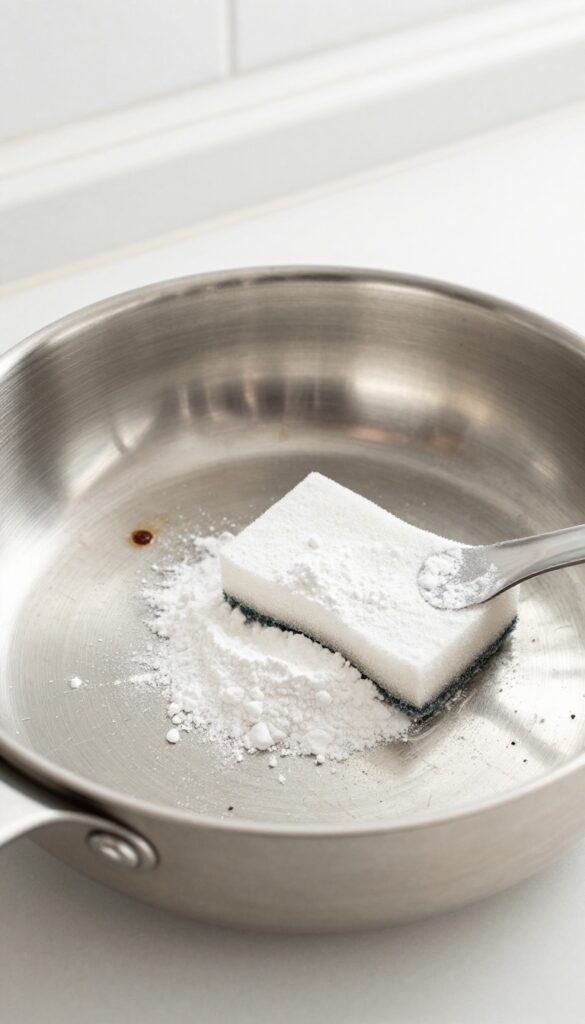
When baking soda and vinegar aren't enough, it's time to bring out the big guns. Bar Keepers Friend is a powdered cleaner that uses oxalic acid and mild abrasives to dissolve stubborn grease without damaging your pans. It's especially effective on stainless steel and ceramic cookware, where baked-on residue laughs at gentler methods.
Bar Keepers Friend works on a chemical level to break down carbonized grease. The oxalic acid reacts with the burnt-on residue, loosening it so a gentle scrub can lift it away. This means you don't have to scrub aggressively, which protects your pan's surface.
How To Use It
Sprinkle a small amount of Bar Keepers Friend powder onto a damp sponge or directly on the pan. Add a few drops of water to form a paste. Scrub in circular motions, focusing on the greasy spots.
Rinse thoroughly with warm water and dry immediately.
Best For Stainless Steel
Bar Keepers Friend is a classic choice for stainless steel pans. It removes discoloration and baked-on grease without scratching. Avoid using it on non-stick or aluminum surfaces, as the abrasive can damage the coating.
Safety Tips
Always wear gloves when using Bar Keepers Friend, as oxalic acid can irritate skin. Keep it away from eyes and open cuts. Rinse pans well to remove all residue before cooking again.
8. Salt and Oil Scrub for Cast Iron
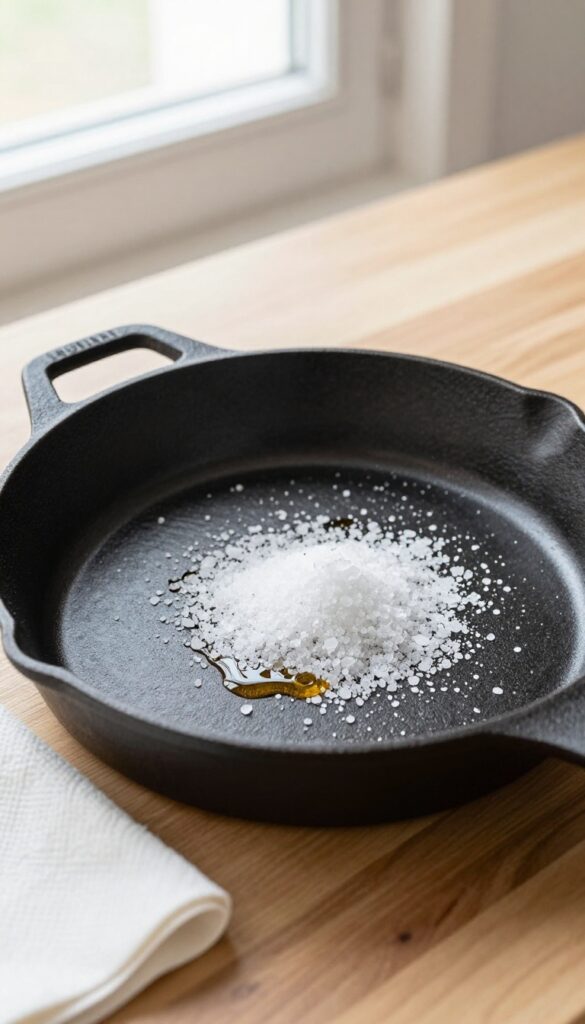
Cast iron pans are workhorses in the kitchen, but baked-on grease can make them look rough. Unlike other materials, cast iron needs gentle care to preserve its seasoning. That's where a simple salt and oil scrub comes in—it cleans without stripping the pan's non-stick surface.
For cast iron, sprinkle coarse salt and add a little oil, then scrub with a paper towel. The salt absorbs grease and the oil protects the seasoning. Rinse and dry immediately.
Why Salt And Oil Work
Coarse salt acts as a gentle abrasive that lifts grease without scratching the seasoning. The oil helps dissolve stubborn residue and leaves a thin protective layer. This combo is gentle enough for daily use but tough on grime.
Step-by-step Scrub
Start with a cool or warm pan—never hot. Sprinkle about 2 tablespoons of coarse salt (like kosher or sea salt) over the surface. Add a teaspoon of vegetable oil or flaxseed oil.
Use a folded paper towel to scrub in circular motions, focusing on stuck-on spots. Rinse with warm water and dry thoroughly with a towel or on low heat.
When To Avoid This Method
Skip this scrub if your seasoning is flaking or damaged. In that case, strip and re-season the pan instead. Also, don't use soap after this scrub—just rinse and dry.
The oil left behind helps maintain the seasoning.
9. Hydrogen Peroxide and Baking Soda
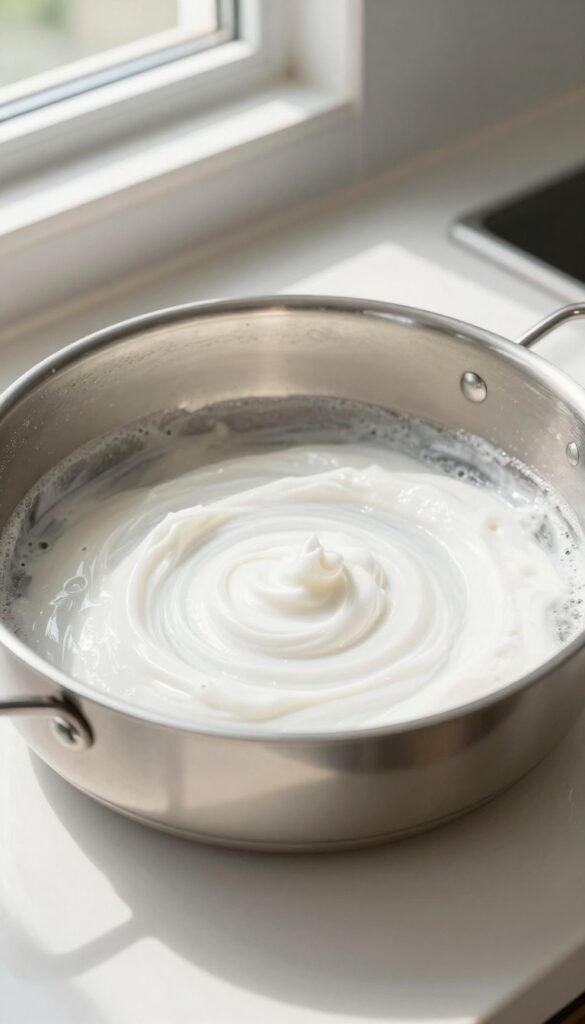
Hydrogen peroxide isn't just for first aid—it's a surprisingly effective cleaner for baked-on grease. When paired with baking soda, it creates a fizzing paste that lifts stubborn stains without harsh scrubbing. This duo works especially well on stainless steel and ceramic pans, leaving them spotless.
Mix a few tablespoons of hydrogen peroxide with enough baking soda to form a thick paste. Spread it over the greasy areas and let it sit for 20 minutes. The peroxide breaks down the grease while the baking soda provides gentle abrasion.
After resting, scrub with a soft sponge and rinse thoroughly with warm water. For extra tough spots, add a splash of dish soap to the paste.
Why This Combo Works
Hydrogen peroxide is a mild bleach that oxidizes organic stains, making it great for cutting through grease. Baking soda adds a gentle scrubbing power that won't scratch your pans. Together, they create a chemical reaction that releases oxygen bubbles, helping to lift grime away from the surface.
Best Pan Types To Use It On
This method is safe for stainless steel, ceramic, and glass pans. Avoid using it on aluminum or uncoated cast iron, as peroxide can react with the metal. For non-stick pans, test a small area first to ensure the coating isn't damaged.
Tips For Maximum Effectiveness
Use 3% hydrogen peroxide straight from the bottle—no need to dilute. Let the paste sit for the full 20 minutes; don't rush it. If the paste dries out, spritz a little water to reactivate it.
Rinse well after scrubbing to remove any residue.
10. Commercial Degreaser for Extreme Cases
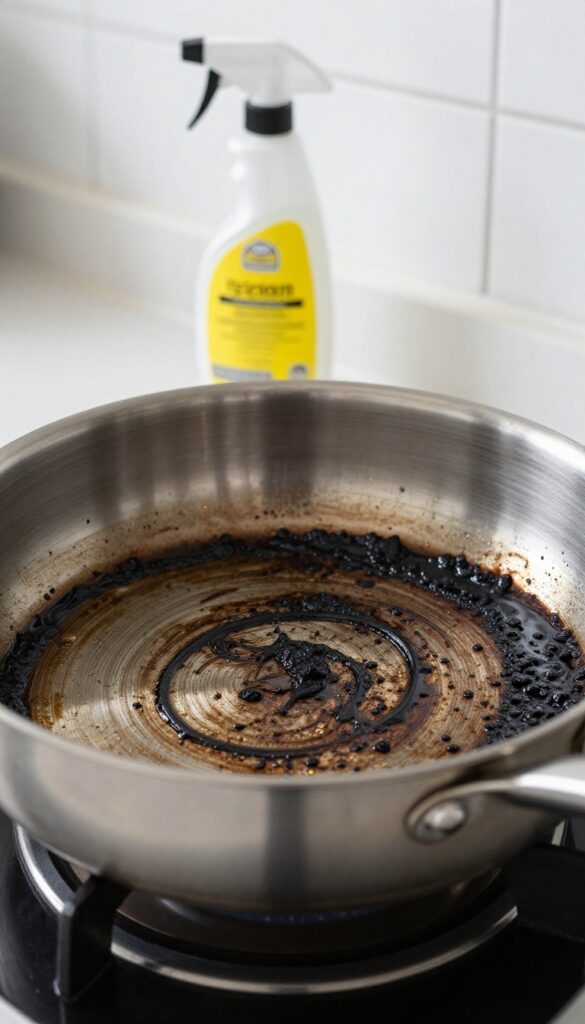
Sometimes, even the most determined home remedies just don't cut it. That's when you need to bring in the heavy artillery: a commercial degreaser. Products like Easy-Off are formulated to tackle the toughest baked-on grease that has laughed off every other method.
Yes, they're strong, but they work when nothing else will.
Commercial degreasers are a last resort, but they're incredibly effective. They typically contain powerful chemicals that break down carbonized grease on contact. The key is to follow the instructions exactly—spray, let it sit for the recommended time, then wipe away.
Always wear gloves and work in a well-ventilated area. This method is best for pans that are already damaged or when you're ready to strip them completely clean before reseasoning (for cast iron) or discarding (for non-stick that's past its prime).
When To Use A Commercial Degreaser
Reach for a commercial degreaser only when you've tried gentler methods—like baking soda, vinegar, or dish soap—and the grease remains. It's ideal for stainless steel pans with thick, burnt-on layers that have turned black. For non-stick pans, use extreme caution; the chemicals can damage the coating.
If you have a cast iron skillet with years of built-up gunk, a degreaser can strip it down to bare metal, but you'll need to reseason it afterward.
How To Apply It Safely
Work in a well-ventilated area—open windows or use a fan. Wear rubber gloves to protect your skin. Spray the degreaser evenly over the greasy areas, avoiding any non-stick coating if possible.
Let it sit for the time specified on the label (usually 5–10 minutes). Do not leave it longer than recommended, as it can damage the pan. Then, wipe off with a paper towel or sponge.
Rinse thoroughly with hot water and dish soap to remove any chemical residue.
Aftercare: What To Do Next
Once the grease is gone, wash the pan with warm soapy water and dry it immediately. For stainless steel, you may notice a dull film; a quick polish with vinegar or a stainless steel cleaner will restore shine. For cast iron, you'll need to reseason it by applying a thin layer of oil and baking it upside down in the oven at 400°F for an hour.
For non-stick, if the coating is intact, you're good to go—but if the degreaser caused peeling, it's time to replace the pan.
FAQ
Can I use these methods on non-stick pans?
Yes, but avoid abrasive scrubs like baking soda paste or salt. Stick to gentle methods like vinegar soaks or dish soap boils to protect the non-stick coating.
How do I prevent baked-on grease in the future?
Clean pans soon after use, avoid overheating oil, and use enough oil to prevent sticking. Regular seasoning for cast iron also helps.
Is it safe to use hydrogen peroxide on pans?
Yes, but rinse thoroughly. Hydrogen peroxide is a mild bleach and can discolor some metals if left too long. Test on a small area first.
What if the grease is burnt black?
Try the baking soda and hydrogen peroxide paste, or use a commercial degreaser. For stainless steel, Bar Keepers Friend works well. Soaking overnight may be needed.
Can I use these methods on aluminum pans?
Avoid acidic cleaners like vinegar or lemon on aluminum as they can cause pitting. Stick to baking soda, dish soap, or cream of tartar (which is safe for aluminum).
Conclusion
Baked-on grease doesn't have to mean the end of a good pan. With these ten methods, you can restore your cookware using items you probably already have. Start with the gentlest option and work your way up if needed.
A little patience goes a long way. Remember, regular cleaning after each use prevents buildup, so you'll spend less time scrubbing in the long run. Your pans will thank you, and so will your arms.