13 How to Clean a Mattress with Urine Without Stains
You wake up to a wet spot on the mattress—and the unmistakable smell. Whether it's a pet, a toddler, or a late-night spill, urine on a mattress is stressful. But with the right approach, you can clean it thoroughly without leaving a stain or lingering odor.
The key is acting fast and using the right ingredients. Harsh chemicals can set the stain or damage the mattress. Instead, gentle, absorbent, and enzymatic methods work best.
Below are 13 practical techniques to tackle urine on mattresses, from quick fixes to deep cleans. Each method is tested and safe for most mattress types.
1. Blot, Don't Rub
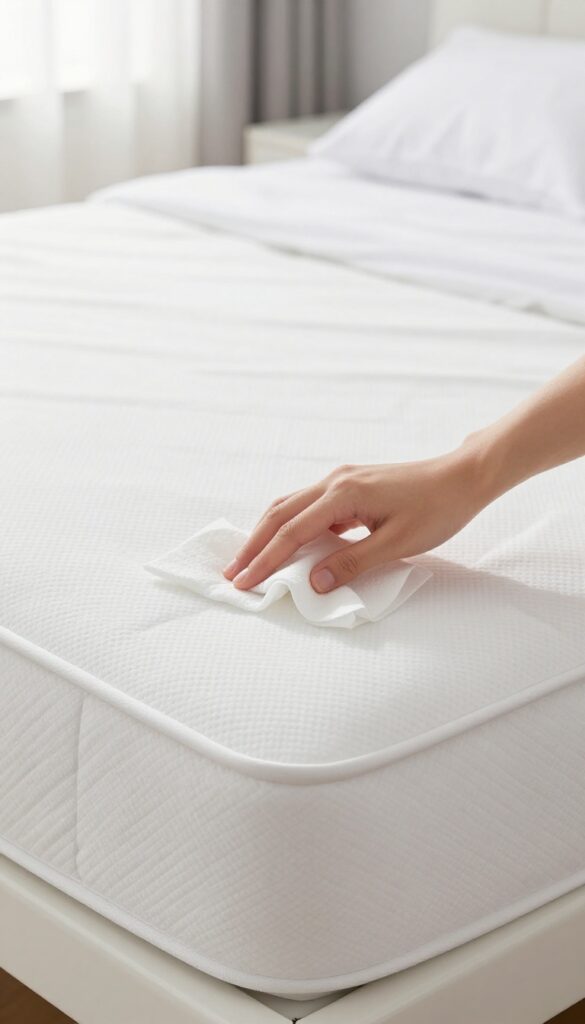
When urine hits your mattress, your first instinct might be to scrub it away. But that's the worst thing you can do. Rubbing pushes the liquid deeper into the foam or fibers, making the stain spread and the smell harder to remove.
Instead, grab a clean cloth or paper towels and blot firmly. This lifts the urine out rather than grinding it in.
Blotting is the foundation of any good urine cleanup. The faster you act, the better your chances of a stain-free result. Use white cloths or paper towels so you can see how much liquid you're absorbing.
Press down with steady pressure, then lift and move to a dry section. Repeat until the cloth comes up barely damp. This simple step can remove most of the urine before it sets.
Why Rubbing Backfires
Rubbing might feel more effective, but it actually grinds urine into the mattress fibers. The friction spreads the liquid sideways, creating a larger stain. It also damages the fabric or foam, making the area look worn.
Even if you can't see the stain right away, rubbing can break down the mattress material over time.
The Right Blotting Technique
Start from the outside of the wet spot and work inward. This prevents the urine from spreading. Use a fresh paper towel or cloth each time you blot.
If the area is large, switch towels frequently. For thick mattresses, press down with your palm or a heavy book wrapped in a cloth to apply even pressure. Keep blotting until the spot is nearly dry.
When To Use A Wet/dry Vacuum
If you have a wet/dry vacuum, it can speed up the process. After initial blotting, use the vacuum's upholstery attachment to suck out remaining moisture. Move it slowly over the area for about 30 seconds.
This pulls urine from deep within the mattress. Just be sure the vacuum is clean and dry before use to avoid introducing dirt.
2. Baking Soda and Vinegar Duo
Baking soda and vinegar are a classic cleaning pair, and they work wonders on urine stains. The baking soda absorbs moisture and odors, while the vinegar breaks down the uric acid. Together, they create a fizzy reaction that lifts stains from deep within the mattress fibers.
This method is safe for most mattresses and doesn't require harsh chemicals.
Start by blotting up as much fresh urine as possible with paper towels. Then sprinkle a thick, even layer of baking soda over the entire damp area. Let it sit for about 10 minutes to absorb moisture.
In a spray bottle, mix equal parts white vinegar and water. Spray the mixture onto the baking soda until it fizzes—don't soak the mattress, just enough to activate the reaction. Let it sit for 15 minutes.
The fizzing helps dislodge the stain and neutralize odors. After that, blot the area dry with clean towels, pressing firmly to remove as much liquid as possible. Repeat if needed, then let the mattress air dry completely before making the bed.
Why This Combo Works
Baking soda is a natural deodorizer and mild abrasive that absorbs moisture and odors. Vinegar is acidic and breaks down the alkaline salts in dried urine. When combined, they create carbon dioxide bubbles that physically lift stains from fabric fibers.
This chemical reaction is gentle enough for mattresses but effective against set-in smells.
Step-by-step Application
First, blot the urine stain with paper towels until no more liquid transfers. Then cover the area with baking soda—use enough to form a thick white layer. Let it sit for 10 minutes.
Mix equal parts vinegar and water in a spray bottle. Mist the baking soda until it fizzes, but don't oversaturate. Wait 15 minutes, then blot with a clean towel.
Repeat if the stain persists. Finally, let the mattress dry fully before using.
Tips For Best Results
Use white vinegar, not apple cider or balsamic, to avoid adding color. Test the vinegar solution on a hidden spot first to ensure it won't discolor your mattress. For old, dried stains, let the baking soda sit for up to an hour before spraying vinegar.
Always blot, never scrub, to avoid pushing the stain deeper. After cleaning, sprinkle a light layer of baking soda over the area and vacuum it up once dry to remove any residue.
3. Hydrogen Peroxide and Dish Soap
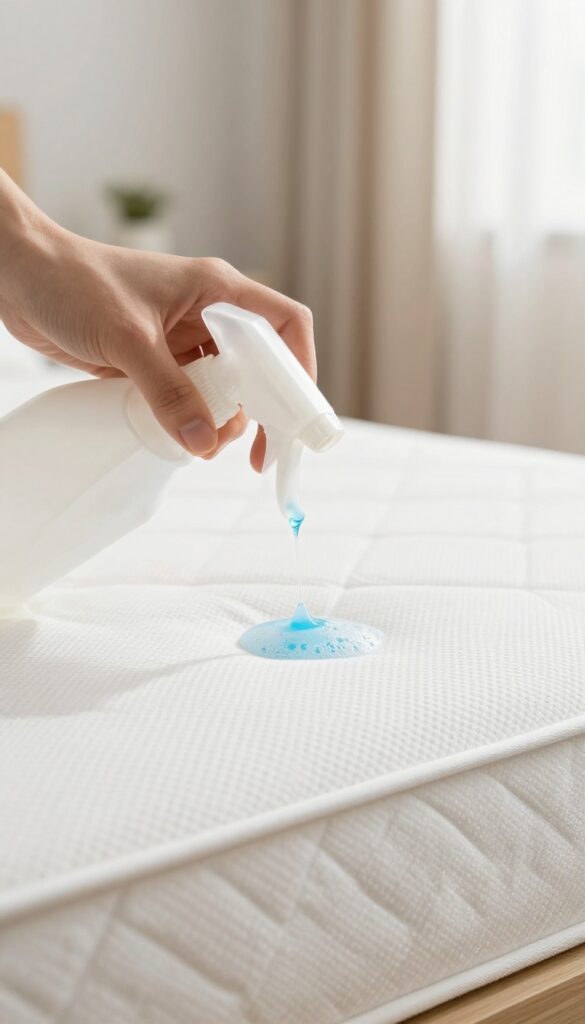
For set-in urine stains that won't budge, hydrogen peroxide and dish soap make a powerful team. The peroxide acts as a mild bleach alternative, lifting discoloration without damaging most mattress fabrics. Dish soap helps break down the proteins in urine, making the stain easier to remove.
This combo is especially effective on older stains that have had time to settle.
This method works best on white or light-colored mattresses, as hydrogen peroxide can have a slight bleaching effect. Always test on a hidden area first. The bubbling action helps lift the stain from deep within the fibers, so don't rush the process.
What You'll Need
You'll need 3% hydrogen peroxide (the standard drugstore kind), a few drops of liquid dish soap (blue Dawn works great), a spray bottle or small bowl, a clean white cloth or paper towels, and a fan or hair dryer for drying.
Step-by-step Application
Mix 1 part hydrogen peroxide with 1/2 part water in a spray bottle, then add 2-3 drops of dish soap. Shake gently. Spray the solution directly onto the stain until it's saturated but not soaking.
Let it sit for 10-15 minutes—you'll see it start to bubble. Blot with a clean cloth, pressing firmly to absorb the liquid and stain. Repeat if needed, then blot with a damp cloth to remove any soap residue.
Drying And Final Check
After blotting, use a fan or hair dryer on cool to speed up drying. Once dry, check the area. If a faint stain remains, repeat the process.
This method is gentle enough for multiple applications, but avoid over-wetting the mattress to prevent mold.
4. Enzyme Cleaner for Pet Urine
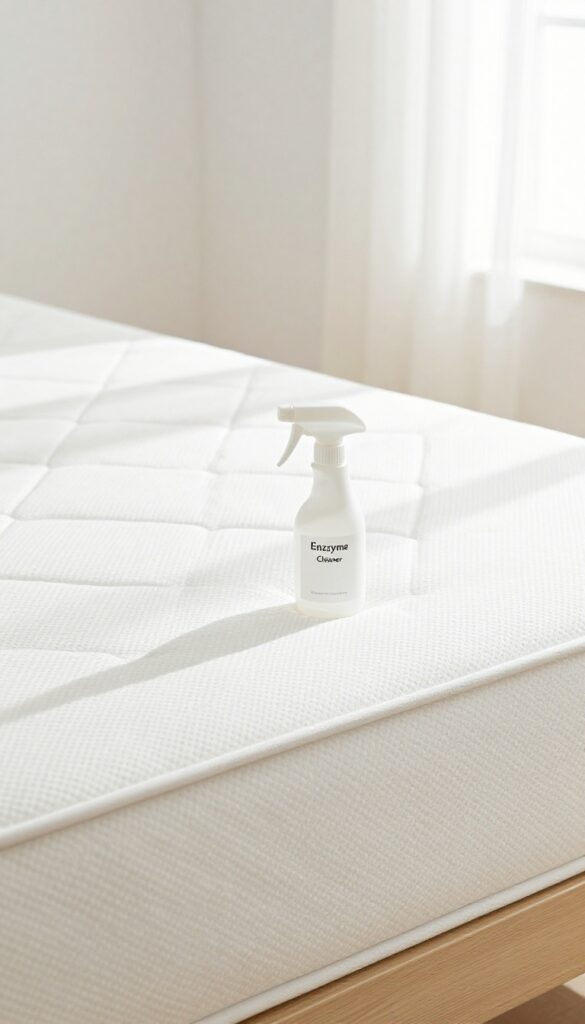
If you have pets, you know the struggle of urine stains and odors that just won't quit. Regular cleaners might mask the smell, but they don't tackle the root cause. Enzyme cleaners are specifically designed to break down the proteins in urine, eliminating both stain and odor at the molecular level.
They're a game-changer for pet accidents on mattresses.
Enzymatic cleaners contain beneficial bacteria that produce enzymes to digest urine proteins. This process neutralizes the stain and odor completely, rather than just covering them up. For best results, choose a cleaner labeled for pet urine or enzymatic action.
Apply it generously to the affected area, ensuring it soaks through to the deepest layers. Let it sit for 10–15 minutes to allow the enzymes to work. Then, blot the area with a clean cloth until it's damp, not wet.
Avoid scrubbing, which can spread the stain. Repeat if necessary, then allow the mattress to air dry completely.
Why Enzyme Cleaners Work
Urine contains urea, uric acid, and other compounds that cause stubborn stains and odors. Enzymatic cleaners use protease and other enzymes to break these down into harmless byproducts like carbon dioxide and water. This not only removes the visible stain but also eliminates the odor at its source.
Unlike bleach or ammonia, enzyme cleaners are safe for most mattress fabrics and won't damage the material.
How To Apply For Best Results
Start by blotting up as much fresh urine as possible with paper towels. Then, saturate the stain with the enzyme cleaner. Don't be shy—use enough to penetrate deep into the mattress.
Let it sit for the recommended time (usually 10–15 minutes). After that, blot the area with a clean, dry cloth to lift the moisture. You may need to repeat the process for old or set-in stains.
Finally, allow the mattress to air dry completely, preferably in a well-ventilated room or with a fan.
When To Use Enzyme Cleaners
Enzyme cleaners are ideal for fresh urine stains, especially from pets. They work well on both fabric and foam mattresses, but always check the manufacturer's instructions first. For old, dried stains, the enzymes may need more time to work, so consider pre-wetting the area or applying a second treatment.
Avoid using enzyme cleaners on mattresses with waterproof covers, as they won't penetrate effectively.
5. Salt Paste for Fresh Spills
When you catch a urine spill right away, salt is your best friend. It's a natural desiccant that pulls moisture out of the mattress fibers, taking the stain-causing liquid with it. This simple paste works best on fresh, still-wet spots before the urine has time to soak deep or dry.
How To Make And Apply The Paste
Mix table salt with just enough water to form a thick, spreadable paste. You want it to hold together but not be runny. Apply a generous layer directly over the fresh urine spot, making sure to cover the entire area.
Let it sit undisturbed until the paste is completely dry and crusty—this can take several hours or overnight.
Why Salt Works So Well
Salt is hygroscopic, meaning it attracts and absorbs moisture from its surroundings. As the paste dries, it pulls the urine out of the mattress and into the salt crystals. This prevents the urine from setting into the fabric and forming a yellow stain.
Plus, salt is gentle on mattress materials and won't cause damage.
Vacuuming And Aftercare
Once the paste is fully dry, use a vacuum with a brush attachment to thoroughly remove all the salt residue. You should see a clean, dry spot underneath. If any odor remains, follow up with a light sprinkle of baking soda, let it sit for 15 minutes, and vacuum again.
This method is safe for most mattresses, including memory foam.
6. Club Soda for Quick Rinse
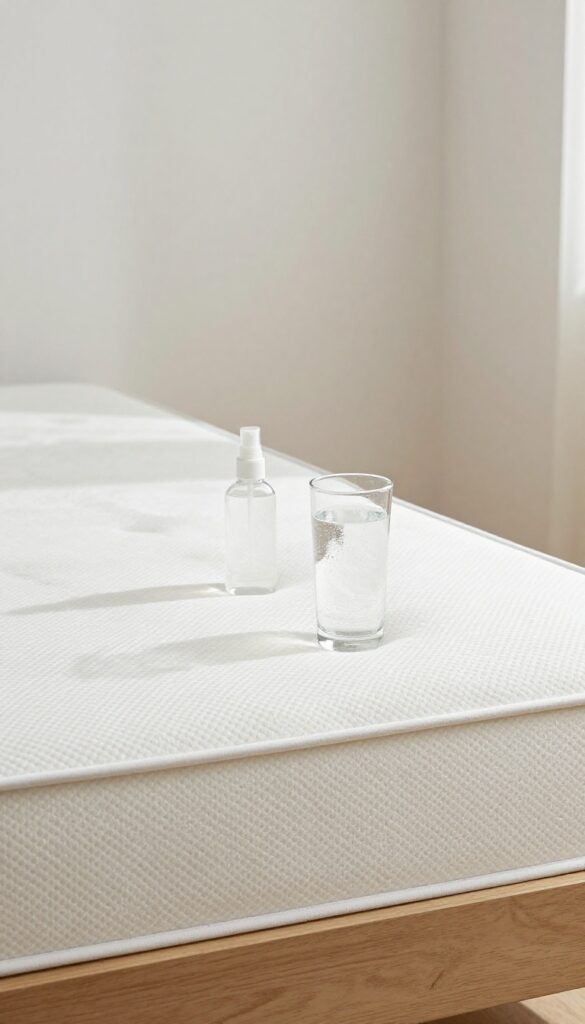
Club soda isn't just for mixing drinks—it's a surprisingly effective first step for fresh urine stains. The carbonation helps lift the liquid from deep within the mattress fibers, while the mild acidity neutralizes odors. This method works best when you catch the accident early, before the urine has had time to set.
Pour club soda directly onto the stain, using enough to saturate the area without soaking through to the other side. Let it fizz for a few minutes—the bubbles will agitate the urine and bring it to the surface. Then blot with a clean, dry cloth until the spot is just damp.
This quick rinse can be followed by a deeper cleaning method if needed.
Why Club Soda Works
Club soda contains carbonic acid, which breaks down uric acid crystals in fresh urine. The carbonation also creates a gentle lifting action that helps draw the liquid out of the fibers, making it easier to blot away.
How To Apply It
Pour the club soda directly onto the stain—don't rub or scrub. Let it sit for 2-3 minutes while the bubbles do their work. Then press a clean towel firmly onto the area to absorb the liquid.
Repeat if the stain is still visible.
When To Use This Method
Club soda is ideal for fresh stains on all mattress types, including memory foam and latex. It's a gentle, chemical-free first step that can prevent a stain from setting. For older or dried stains, combine with an enzymatic cleaner afterward.
7. Steam Cleaning for Deep Set Stains
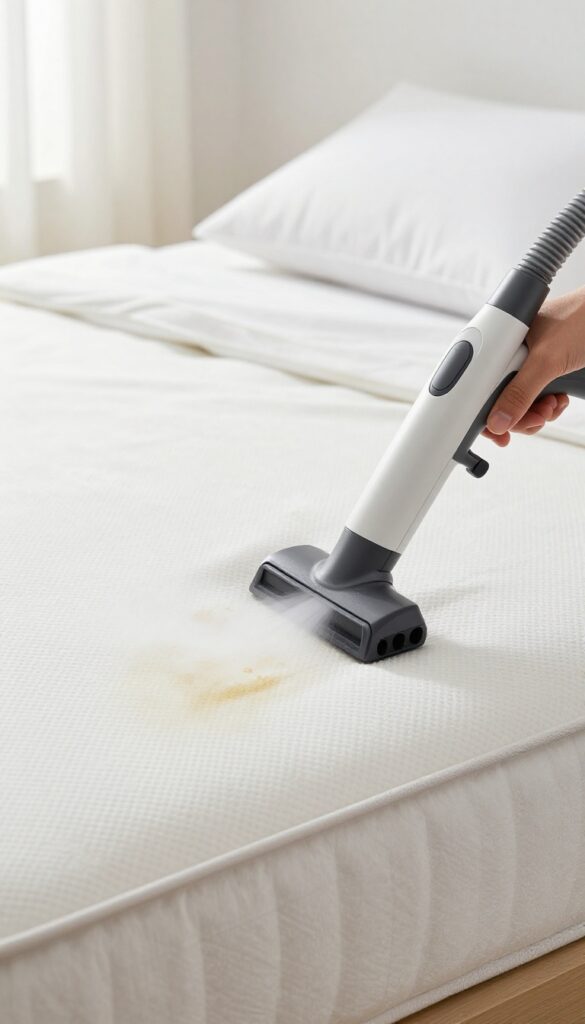
Sometimes urine seeps deep into the mattress layers, especially if it sat for a while. Surface cleaning won't cut it. That's where steam comes in—it penetrates foam and fibers, dissolving old stains and killing bacteria without harsh chemicals.
Steam cleaning is a powerful method for set-in urine stains and odors. The heat breaks down dried urine crystals and sanitizes the mattress. You'll need a handheld steam cleaner with an upholstery attachment or a garment steamer.
Always test a small hidden area first to ensure your mattress can handle moisture and heat.
Why Steam Works On Urine
Steam reaches temperatures above 200°F, which is hot enough to kill bacteria and denature urine proteins. The moisture loosens crusted stains, making them easier to blot away. Unlike soaking, steam uses minimal water, so the mattress dries faster and is less likely to develop mold.
Step-by-step Steam Cleaning
First, blot up any fresh urine with a dry towel. Then fill your steamer with distilled water (tap water can leave mineral deposits). Pass the steamer slowly over the stained area, keeping the nozzle about an inch from the fabric.
After steaming, blot the area with a clean, dry cloth to lift loosened residue. Repeat if the stain is stubborn.
Drying After Steaming
Steam leaves the mattress damp, not soaking wet. To speed drying, open windows, turn on a fan, or use a hairdryer on a cool setting. Sprinkle baking soda over the damp area to absorb moisture and neutralize any remaining odor.
Let it sit for a few hours, then vacuum. Avoid using the mattress until it's completely dry.
8. Lemon Juice and Sunlight
When the weather cooperates, lemon juice and sunlight make a powerful, chemical-free team. The sun's UV rays naturally bleach and disinfect, while lemon's acidity breaks down urine compounds and lifts odors. This method works best for light-colored mattresses and fresh or semi-fresh stains.
Start by blotting up as much urine as possible. Squeeze fresh lemon juice directly onto the stain, or use bottled lemon juice if that's what you have. Let it sit for 10–15 minutes, then move the mattress outside into direct sunlight.
Leave it for several hours, flipping or rotating if possible to expose all sides. The sun will dry the mattress and enhance the bleaching effect. For stubborn stains, repeat the process.
This method is also great for freshening up the whole mattress.
Why It Works
Lemon juice contains citric acid, which neutralizes ammonia in urine and helps dissolve dried residue. Sunlight's UV rays act as a natural bleach, breaking down stain pigments and killing bacteria that cause odor. Together, they provide a deep clean without harsh chemicals.
Best Practices For Outdoor Drying
Choose a sunny, dry day with low humidity. Place the mattress on a clean tarp or drying rack to keep it off the ground. If you can't bring the mattress outside, place it near a sunny window and rotate it every hour.
For extra deodorizing, sprinkle baking soda over the lemon juice before sunlight exposure.
What To Avoid
Don't use lemon juice on dark or delicate fabrics—it may cause fading or discoloration. Test on a hidden area first. Also, avoid leaving the mattress in direct sunlight for more than 6 hours, as prolonged UV exposure can degrade some materials.
9. Cornstarch for Absorption
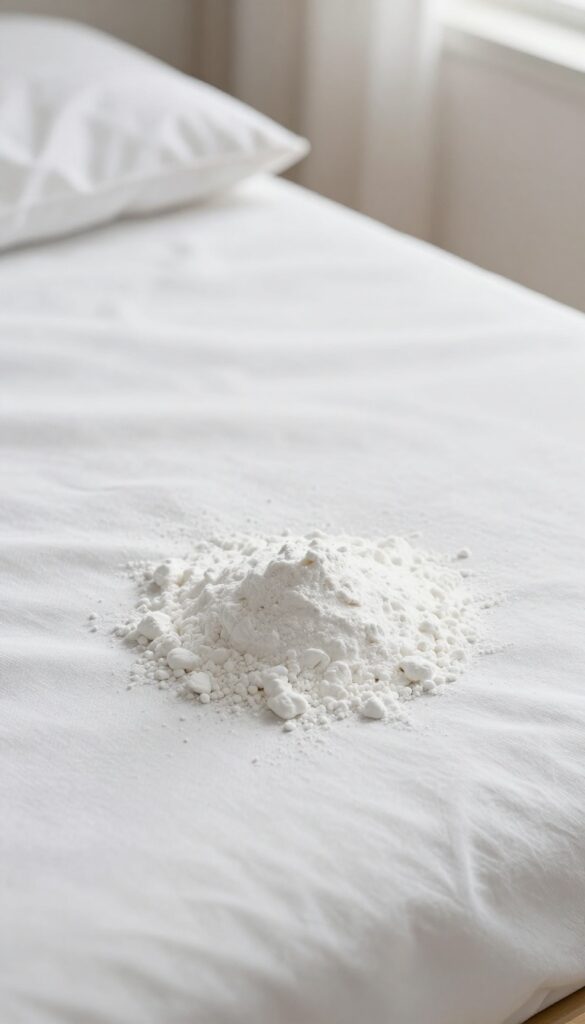
Cornstarch isn't just for thickening sauces—it's a fantastic natural absorbent for fresh urine spills. Its fine powder soaks up moisture quickly and is gentle on all mattress types, including memory foam and latex. Best of all, it's safe, cheap, and you probably already have it in your kitchen.
When you catch a urine spot early, cornstarch can prevent it from setting into a stain or odor. The powder pulls moisture from the mattress fibers, making it easier to remove. After vacuuming, the area will be dry and fresh, with no residue left behind.
How To Apply Cornstarch
Blot the wet area with a clean cloth to remove as much urine as possible. Then generously sprinkle cornstarch over the spot, covering it completely. Use your fingers or a soft brush to work the powder into the fabric slightly.
Let it sit for at least 30 minutes—longer for deeper saturation.
Vacuuming And Finishing
After the waiting period, vacuum the cornstarch thoroughly using the upholstery attachment. Make sure to lift the powder, not just push it around. You may need to go over the area a few times.
The mattress should feel dry to the touch. If any dampness remains, repeat the process.
Why Cornstarch Works
Cornstarch is highly absorbent and non-toxic, making it safe for homes with kids and pets. Unlike baking soda, it doesn't need to neutralize odors—it simply lifts moisture away. This method is especially effective for fresh urine on synthetic or blended mattress covers.
10. White Vinegar Spray for Odor
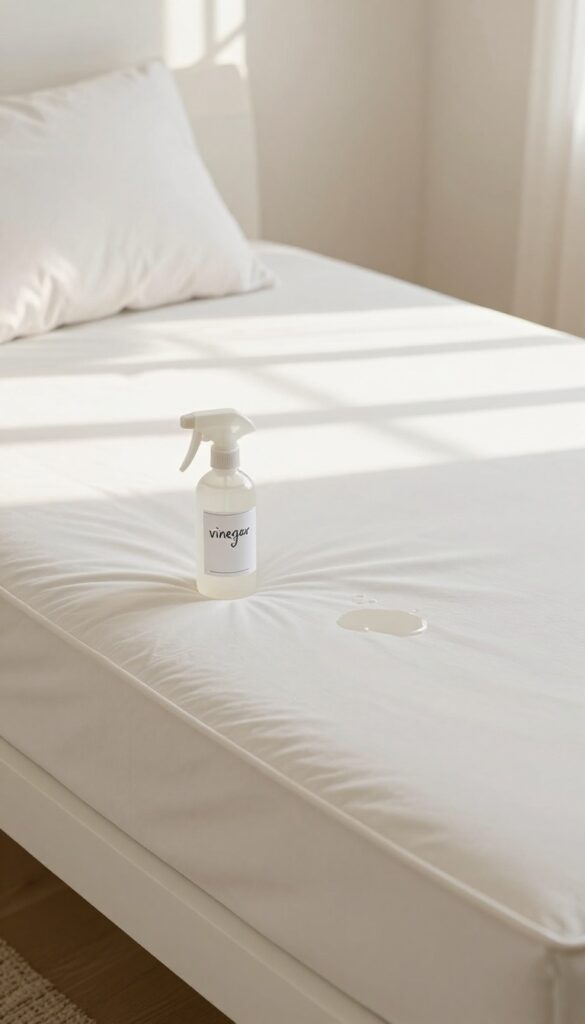
White vinegar is a powerhouse for neutralizing odors, especially the ammonia in urine. It's cheap, non-toxic, and safe for most mattresses. A simple spray can eliminate smells without harsh chemicals.
After blotting up as much urine as possible, fill a spray bottle with undiluted white vinegar. Mist the stained area lightly—you don't want it soaking wet. Let it air dry completely.
The vinegar smell will fade as it dries, taking the urine odor with it. For stubborn spots, repeat the process or follow with a baking soda sprinkle after the vinegar dries.
Why Vinegar Works
Vinegar is acidic, which neutralizes the alkaline compounds in urine, particularly ammonia. This chemical reaction breaks down odor molecules, leaving the mattress fresh. Plus, vinegar is a natural disinfectant, killing bacteria that cause lingering smells.
How To Apply Properly
Use a clean spray bottle and white vinegar only—no apple cider or flavored vinegars. Mist the stained area until damp, not saturated. Let it sit for 10-15 minutes, then blot with a dry cloth.
Allow the mattress to air dry completely, ideally with a fan or open window. The vinegar smell dissipates quickly.
When To Use This Method
This technique works best for fresh to moderately set-in urine stains. If the urine has dried and crystallized, you may need to rehydrate the area with a little water first. Avoid using vinegar on memory foam if the manufacturer warns against liquids—check your mattress tag.
11. Borax for Tough Stains
Old urine stains that have already set can be stubborn, but borax is a heavy hitter. This natural mineral disinfects, deodorizes, and lifts dried-on residue without damaging mattress fibers. It's especially good for stains that have been there for days or weeks.
Borax works by breaking down uric acid crystals and neutralizing ammonia. It's safe for most mattresses, but always spot-test first. For best results, use it on a stain that's already been blotted and lightly dampened—not soaking wet.
How To Apply Borax
First, blot up any fresh moisture. Then sprinkle a generous layer of borax directly over the stain. Let it sit for 20 minutes—longer if the stain is old.
The borax will absorb moisture and start breaking down the urine compounds. After the wait, vacuum thoroughly using an upholstery attachment. Repeat if the stain is still visible.
Why It Works On Old Stains
Unlike baking soda, which mainly absorbs odors, borax actively disinfects and helps lift set-in stains. Its alkaline nature neutralizes the acidic components of dried urine. This makes it ideal for mattresses that have been neglected or for spots that other cleaners couldn't remove.
Safety Tips For Mattress Use
Borax is non-toxic but can irritate skin and eyes, so wear gloves. Avoid using it on memory foam or latex mattresses unless the manufacturer approves—borax can be abrasive. Always vacuum completely to avoid residue that might feel gritty.
Keep pets and kids away during treatment.
12. Rubbing Alcohol for Quick Drying
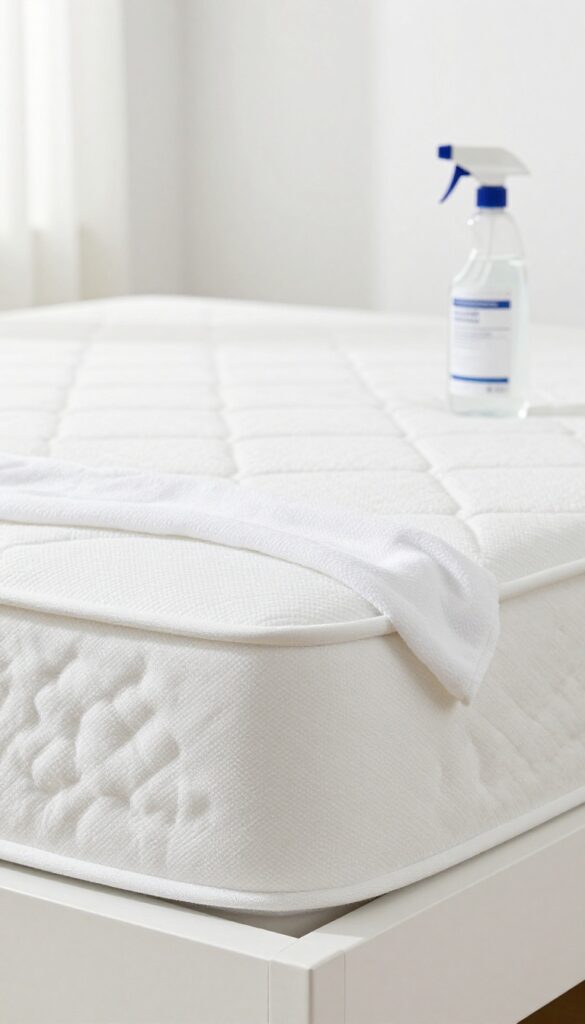
After you've blotted up as much urine as possible, moisture left behind can lead to mold and mildew. Rubbing alcohol is your secret weapon for fast drying. It evaporates quickly, pulling moisture with it, and also helps disinfect the area.
Just be careful with delicate fabrics—test a hidden spot first.
Rubbing alcohol is a simple, effective way to speed up the drying process after cleaning a urine stain. Its high evaporation rate helps pull moisture from the mattress fibers, reducing the risk of mold growth. Plus, it has mild disinfectant properties.
Use it sparingly on delicate or synthetic fabrics to avoid damage.
How To Apply Rubbing Alcohol
Dab a clean cloth or cotton ball into rubbing alcohol (70% isopropyl works well). Blot the stain gently—don't rub, as that can spread the urine. The alcohol will start evaporating almost immediately.
Let the area air dry completely. If the stain is stubborn, repeat once more.
Why It Works So Well
Rubbing alcohol breaks down urine residues and helps lift them from the fabric. Its rapid evaporation means less moisture sits in the mattress, which is crucial for preventing mold and odors. It's also a good option for spot-treating stains that have already been cleaned but still feel damp.
When To Skip This Method
Avoid rubbing alcohol on mattresses with delicate or flame-retardant coatings, as it may damage the finish. Always test on an inconspicuous area first. For large or deep-set stains, combine with an enzymatic cleaner for best results.
13. Professional Mattress Cleaning
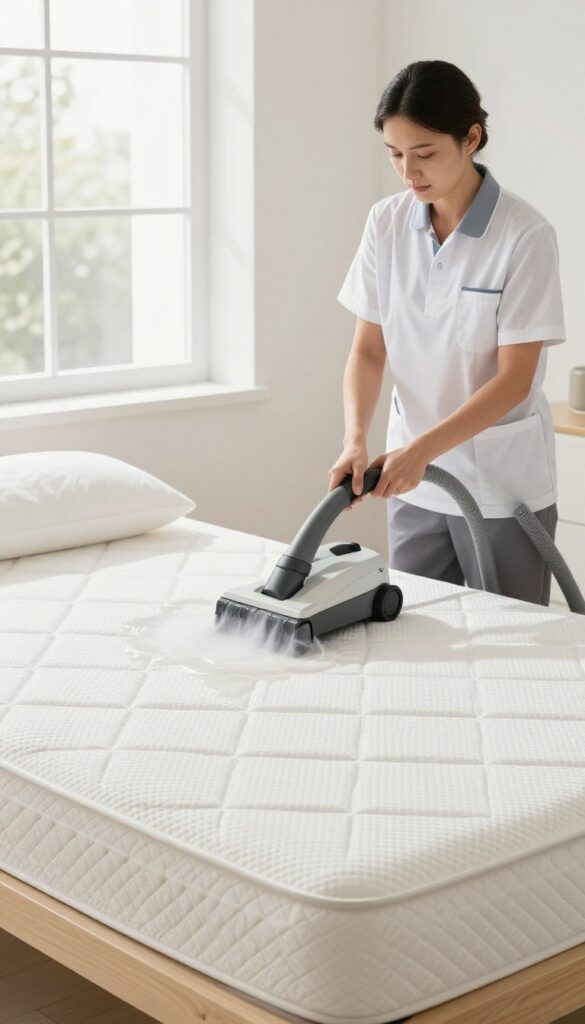
Sometimes, despite your best efforts, a urine stain or odor lingers. If you've tried multiple home remedies and the mattress still smells or shows a yellow ring, it's time to call in the pros. Professional mattress cleaners have industrial-grade tools and specialized solutions that can tackle even the toughest biological stains.
When To Call A Pro
If the urine has soaked deep into the mattress padding or foam, DIY methods may only clean the surface. Professionals use extraction machines that pull moisture and contaminants from deep within. Also, if the stain is large (like from a bedwetting accident or an elderly pet) or if you've already tried several methods without success, professional cleaning is worth the investment.
What Professional Cleaning Involves
A typical service includes a thorough vacuuming, application of an enzyme-based pretreatment to break down urine proteins and urea, and then a hot water extraction (steam cleaning) that flushes out all residues. Many companies also use a sanitizing agent to kill bacteria and mold spores. The mattress is then dried with high-powered fans or air movers to prevent mildew.
Cost And Considerations
Professional mattress cleaning typically costs between $75 and $150 for a single mattress, depending on size and severity. While it's more expensive than DIY, it can extend the life of your mattress and eliminate odors permanently. Make sure to choose a company that specializes in mattress cleaning (not just carpet cleaning) and ask about their stain removal guarantees.
FAQ
Can I use bleach on my mattress to remove urine stains?
Bleach is not recommended. It can damage mattress fibers, discolor the fabric, and may not fully remove the odor. Stick to gentler alternatives like hydrogen peroxide or vinegar.
How long does it take for a mattress to dry after cleaning?
It depends on the method. Blotting and using fans can speed drying to 2–4 hours. Thick mattresses may take up to 24 hours.
Ensure it's completely dry to prevent mold.
Will baking soda alone remove urine stains?
Baking soda is excellent for absorbing odors, but it may not fully remove stains. Combine it with vinegar or hydrogen peroxide for best results.
Is it safe to use enzyme cleaners on all mattresses?
Most enzyme cleaners are safe for all mattress types, but always test on a hidden area first. Avoid using on mattresses with waterproof covers that may trap moisture.
How can I prevent urine from soaking into the mattress?
Use a waterproof mattress protector. It acts as a barrier and makes cleanup much easier. Wash the protector regularly to keep it fresh.
Conclusion
Cleaning urine from a mattress doesn't have to mean replacing it or living with a stain. With the right approach—blotting first, using enzymatic cleaners or household staples like vinegar and baking soda—you can remove both the odor and the mark. The key is acting fast and being gentle to avoid damaging the mattress fibers.
Keep these methods in your back pocket for accidents, whether from kids, pets, or guests. A clean mattress means better sleep and a longer lifespan for your bed. You've got the know-how now—just pick the technique that fits your situation and get it done.