10 Light and Airy Living Room Couch Ideas That Refresh Your Main Seat
Your couch is the heart of the living room, but it doesn't have to weigh the space down. A light, airy feel starts with the right seat—one that breathes, reflects light, and invites you to sink in without feeling heavy.
Whether you're starting from scratch or just want to refresh what you have, these ten couch ideas will help your main seat feel fresh, open, and effortlessly stylish.
Each one focuses on clean lines, soft textures, and a palette that keeps the room feeling bright.
1. A Slipcovered Linen Sofa for Effortless Texture
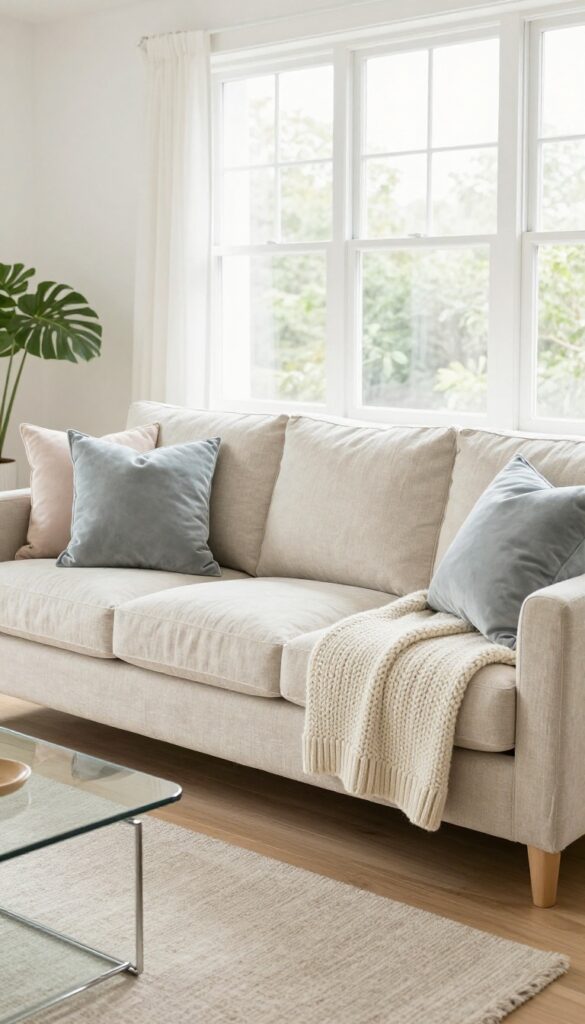
Linen slipcovers bring softness and an undone look that feels casual but polished. Choose a light oatmeal or stone color, and let the fabric's natural wrinkles add character. Machine-washable covers make this a practical pick for homes with kids or pets.
A linen slipcovered sofa is the ultimate blend of comfort and style. The fabric's natural texture softens the room, while the relaxed fit keeps things from feeling too stiff. It's the kind of piece that looks better the more you use it, developing a lived-in charm that's hard to replicate with tighter upholstery.
Plus, being able to toss the covers in the wash means you don't have to stress about spills or daily wear.
Best Colors
Stick with light neutrals like oatmeal, stone, or warm white to keep the airy vibe. These shades reflect light and make the sofa feel less bulky. If you want a hint of color, consider a pale gray-blue or dusty blush—still soft but with a little personality.
Texture Mix
Balance the linen's casual wrinkles with smoother or nubby textures. Add a chunky knit throw, velvet pillows, or a wool rug to create contrast. This keeps the sofa from looking too one-note and adds visual depth.
Small-space Fix
In a compact living room, choose a slim-arm or track-arm style to save visual inches. A light linen cover helps the sofa blend into the walls, making the room feel more open. Pair with a glass coffee table to keep the sightlines clear.
2. A Curved Sofa That Softens the Room
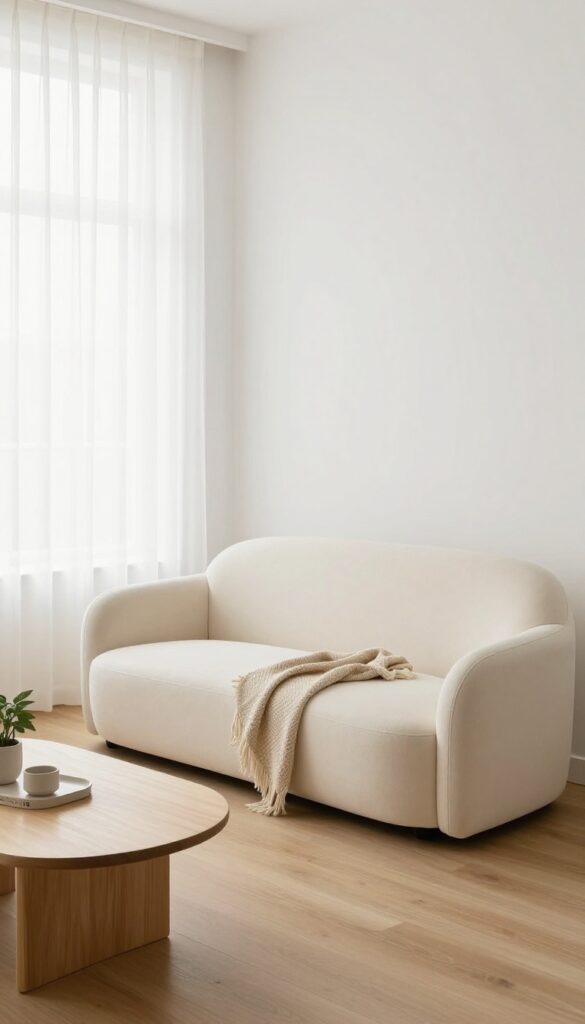
Straight lines are everywhere in a typical living room—rectangular sofas, square coffee tables, boxy media consoles. A curved sofa breaks that pattern in the most graceful way. Its rounded silhouette instantly softens the space, making it feel more inviting and less rigid.
In a creamy bouclé or soft beige, it becomes a gentle focal point that draws the eye without demanding attention.
A curved sofa does more than just look pretty—it changes how the room flows. Because it has no sharp corners, it naturally encourages conversation and makes the layout feel more open. The gentle arc creates a sense of movement, guiding the eye around the space rather than stopping it at a hard edge.
This makes it especially effective in open-plan rooms where you want to define a seating area without closing it off. Pair it with a round coffee table to echo the shape, and keep the rest of the furniture low and simple so the sofa remains the star. The result is a living room that feels both modern and welcoming, with a softness that makes you want to sink in and stay a while.
Best Fabrics And Colors
Bouclé is a top choice for a curved sofa because its nubby texture adds visual interest without competing with the shape. Cream, ivory, or soft beige keep the look light and airy, while a pale blush or warm taupe can add a subtle hint of color. If you prefer a sleeker feel, a performance velvet in a muted tone works beautifully too—just avoid dark, heavy fabrics that might make the sofa feel bulky.
Layout Tip
Place the curved sofa so its center faces the main focal point, like a fireplace or a large window. Then add a round coffee table in front—this mirrors the curve and keeps the circulation smooth. Float the sofa away from the wall by at least a foot to let the shape breathe, and use a slim console table behind it for extra surface space without blocking the flow.
Finishing Touch
A single oversized floor lamp on one side of the sofa adds a sculptural element that complements the curve. Choose one with a rounded shade or a tripod base to keep the soft geometry going. A few throw pillows in contrasting textures, like a chunky knit or a smooth linen, add comfort without cluttering the clean lines.
3. A Low-Back Sofa That Keeps Sightlines Open
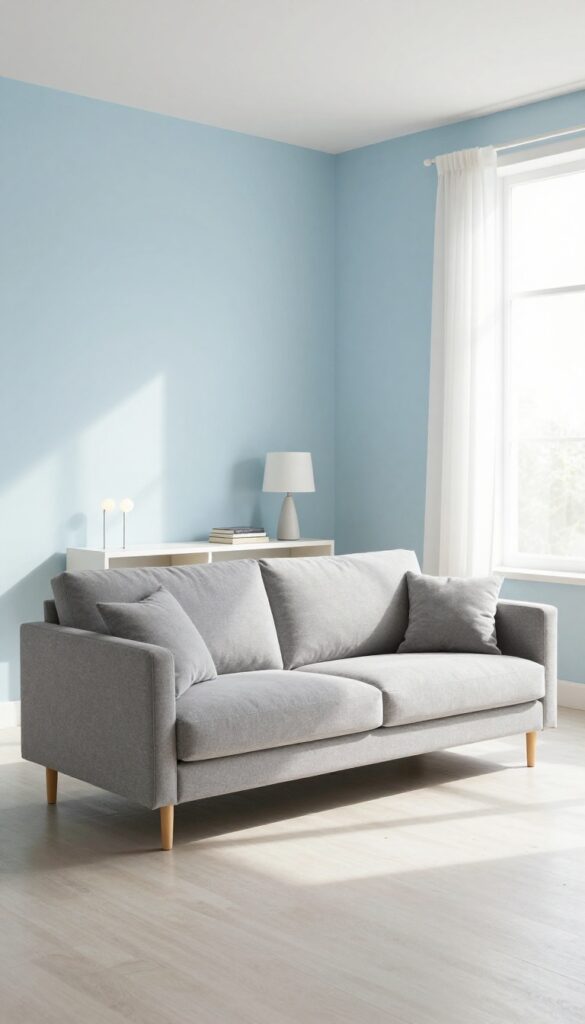
A couch with a low back doesn't block the view across the room, making the space feel larger. Go for a streamlined design in a warm gray or pale blue. Add a slim console table behind it for extra surface area without visual clutter.
A low-back sofa is a smart choice when you want to keep the room feeling open and connected. Instead of a bulky silhouette that visually chops up the space, this style lets your eye travel freely from the seating area to the rest of the room. It works especially well in open-concept layouts where the living area flows into the dining room or kitchen.
The key is choosing a piece with clean lines and a light, airy color to maintain that sense of spaciousness.
Best Colors
Stick with soft neutrals like warm gray, pale blue, or light beige. These tones recede visually, making the sofa feel less dominant in the room. If you want a touch of contrast, try a muted sage green or a dusty blush—both keep the look light without feeling cold.
Layout Tip
Place the low-back sofa away from the wall and float it in the room. This creates a natural division between the seating area and the space behind it, like a walkway or a console table. A slim, narrow console behind the sofa gives you a spot for a lamp, books, or decorative objects without adding bulk.
Finishing Touch
Add a pair of floor lamps on either side of the sofa to draw the eye upward and emphasize the open feel. Choose lamps with slender bases and light-colored shades to keep the visual weight low. This also provides balanced lighting for reading or conversation.
4. A Two-Tone Couch for Subtle Contrast
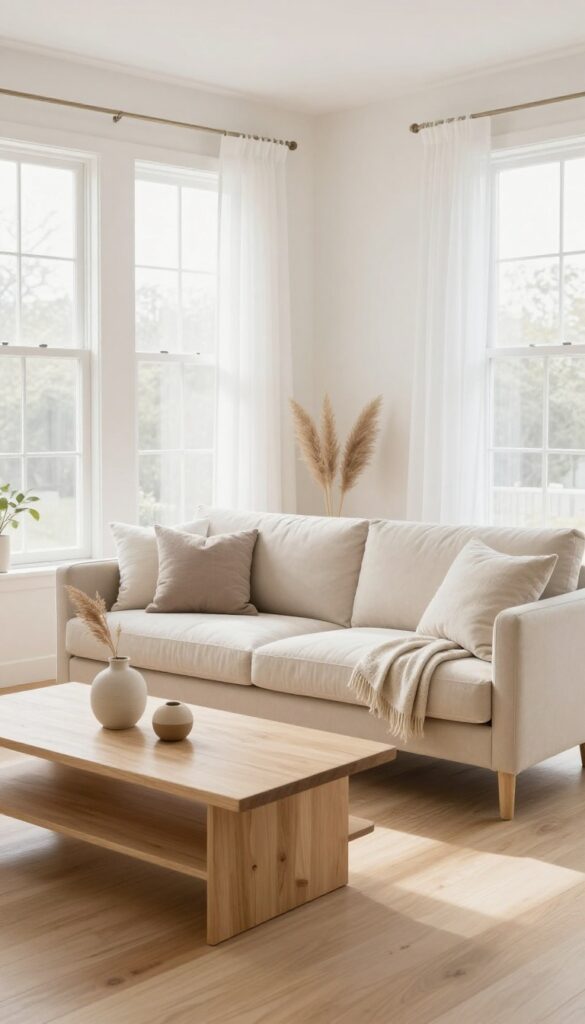
Not every sofa needs to be a single solid color. A two-tone design—where the frame or legs contrast slightly with the upholstery—adds visual interest without shouting for attention. Think of a creamy ivory seat paired with a warm taupe backrest, or a white frame with pale oak legs.
The difference is subtle, but it gives the couch a custom, layered look that feels intentional and polished.
This trick works especially well in small living rooms where a solid dark sofa can feel too heavy. The light-on-light contrast keeps the airy vibe intact while adding just enough depth to prevent the room from looking flat. Plus, it’s an easy way to introduce a second color without committing to a bold accent piece.
A two-tone couch is all about balance. The key is keeping both shades in the same lightness range—think off-white with beige, or light gray with cream. This avoids a stark, high-contrast look that might feel jarring in a serene space.
The contrast comes from the different tones, not from clashing colors.
Where does this style shine? In a room with lots of natural light, the subtle shift between shades catches the changing daylight and adds dimension. It also pairs beautifully with natural textures like linen, cotton, or wool.
The overall effect is soft, sophisticated, and far from boring.
Best Colors To Try
- Stick with two neutrals that sit close on the color wheel. A classic combo is a cream seat with a warm oatmeal back. Or try a pale gray frame with white upholstery.
- For a hint of warmth, pair a blush-toned beige with a slightly deeper sand. Avoid stark white next to pure black—that’s too harsh for the light-and-airy direction. Instead, go for soft whites, warm grays, and muted taupes.
Material And Texture Mix
- The two-tone effect works best when the materials differ slightly too. A linen seat with a cotton back adds tactile variety. Or a velvet seat with a matte fabric back creates a subtle sheen contrast.
- The frame can also join the two-tone game: a light wood frame with a white upholstered body feels fresh and modern. Just keep all materials natural-looking to maintain that clean, relaxed feel.
Small-space Styling Tip
- In a compact living room, let the two-tone couch be the star. Keep surrounding furniture light and low-profile—a slim glass coffee table, a pale jute rug, and sheer curtains. The couch’s subtle contrast will add depth without cluttering the visual space.
- Add one or two pillows in a matching neutral tone to tie the look together, but avoid patterns that compete with the sofa’s own contrast.
5. A Sofa with Visible Wood Legs for an Airy Base
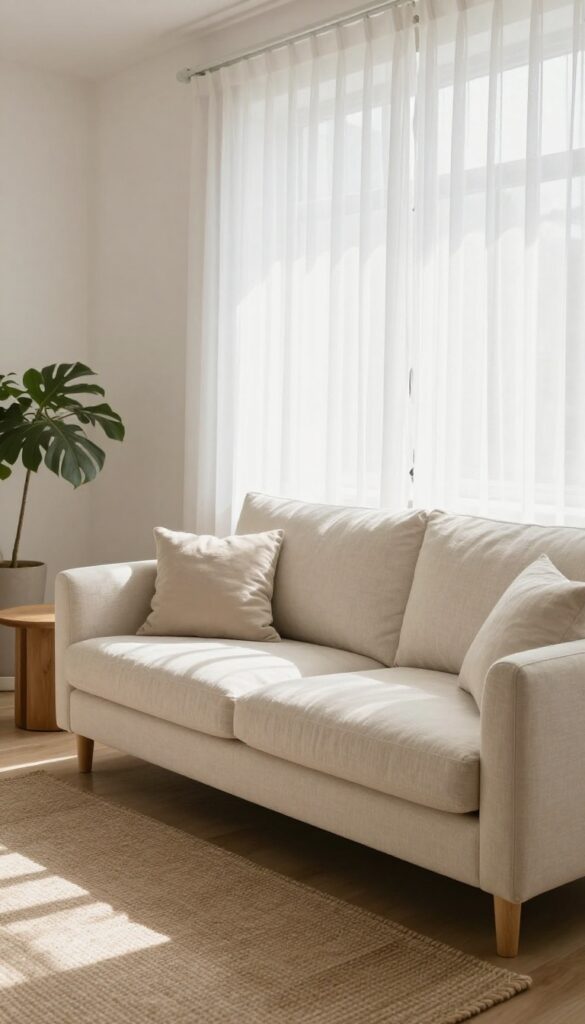
Exposed legs lift the couch off the floor, letting light pass underneath and making the room feel less crowded. Choose light oak or ash legs on a neutral upholstered body. This style pairs beautifully with a jute rug and breezy curtains.
A sofa with visible wood legs creates an airy, lifted look that instantly makes a living room feel more spacious. The exposed legs allow light to flow under the couch, reducing visual bulk and giving the seating area a lighter footprint. This style works especially well in smaller rooms or apartments where every inch of openness counts.
The key is to pick a leg finish that complements the rest of your furniture—light oak or ash keep things fresh, while darker walnut adds a touch of warmth without weighing things down. Pair it with a natural fiber rug and sheer curtains to reinforce that breezy, open vibe.
Best Colors And Materials
- Stick with neutral upholstery like cream, light beige, or soft gray to keep the sofa feeling light. The wood legs should be a natural tone—think unfinished oak, birch, or ash. Avoid dark stains or heavy wood grains that could visually anchor the piece.
- A linen or cotton blend fabric adds texture without adding weight.
Rug Pairing Tip
Since the sofa is raised, you can let the rug extend fully underneath without hiding the legs. A flatweave jute or sisal rug in a natural tone complements the wood and keeps the floor plane cohesive. For a softer feel, layer a smaller wool rug on top, but keep it low-pile so it doesn't compete with the sofa's height.
Small-space Layout
In a compact room, place the sofa against the longest wall and leave at least 12 inches of floor visible between the legs and the rug edge. This creates a deliberate gap that tricks the eye into seeing more floor area. Add a slim console table behind the sofa for extra surface space without blocking the light flow.
6. A Tuxedo Sofa in a Pale Neutral for Clean Lines
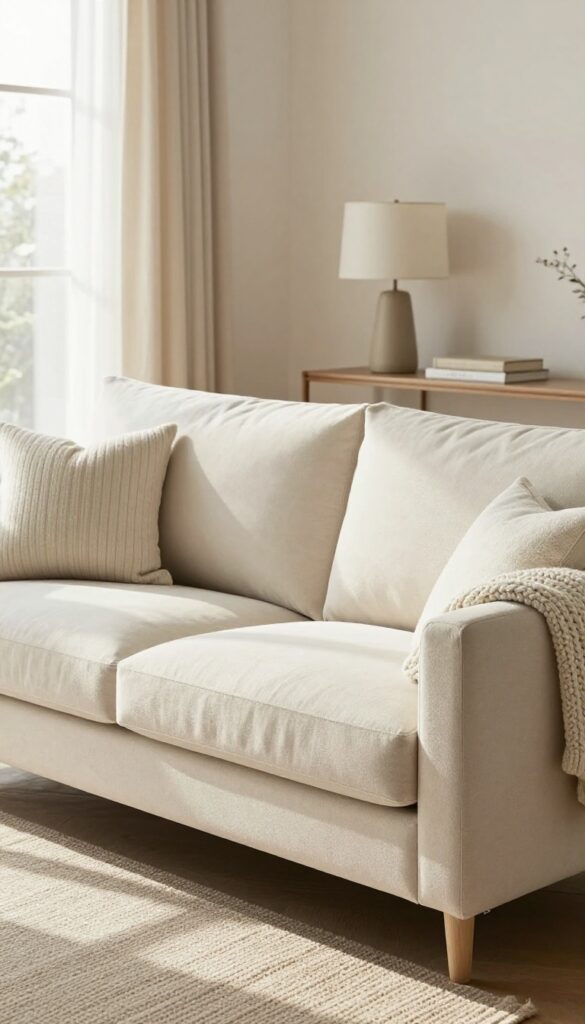
There's something quietly confident about a tuxedo sofa. With its arms rising to match the back height, it creates a crisp, symmetrical silhouette that feels both tailored and inviting. Done in a pale neutral like ivory or light taupe, it sheds any heaviness and becomes a light, airy anchor for the room.
The beauty of a tuxedo sofa in a soft neutral is how it balances structure with softness. The clean lines keep the look polished, while the light color prevents it from feeling too formal or stiff. It works beautifully in modern and transitional spaces, adding a touch of sophistication without screaming for attention.
Pair it with organic textures—a jute rug, linen curtains, or a chunky knit throw—to keep the vibe relaxed and lived-in.
Best Colors
Stick with pale neutrals: ivory, cream, light taupe, or warm gray. These shades reflect light and make the sofa feel less bulky. Avoid stark white, which can look cold; instead, opt for off-whites with warm undertones.
Texture Mix
Balance the sofa's clean lines with softer, natural textures. Add a wool or cotton throw pillow in a ribbed or bouclé fabric, and layer a chunky knit blanket over one arm. A sisal or jute rug underneath adds warmth and grounds the piece.
Layout Tip
Because the tuxedo sofa has a strong, symmetrical shape, it works well as the main seating facing a fireplace or media console. Float it away from the wall to create a conversation zone, and place a slim console table behind it for lamps and decor.
7. A Chaise Lounge Sofa for Relaxed Lounging
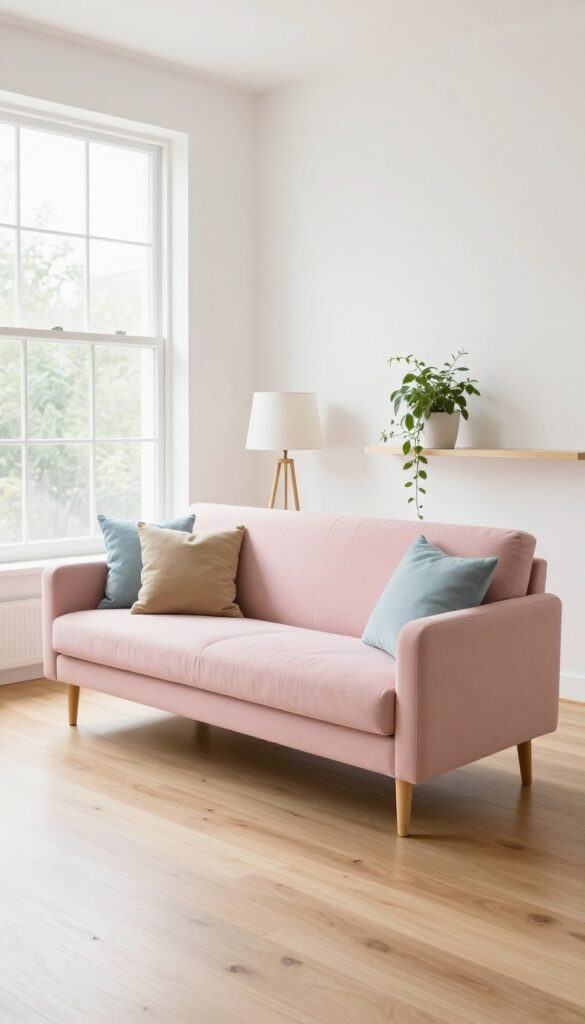
Standard three-seaters are great for sitting upright, but they don't exactly invite you to kick your feet up. A chaise lounge sofa solves that by swapping one end for a continuous ottoman-like extension. The result is a piece that feels more like a daybed than a formal couch, perfect for lazy afternoons with a book or a nap.
To keep the look light and airy, choose a pale upholstery—blush pink or soft gray works beautifully—and a slim, tapered leg that lifts the silhouette off the floor.
The chaise lounge sofa is a natural fit for living rooms where relaxation takes priority over formal seating. Its asymmetrical shape adds visual interest without overwhelming the space, especially when the chaise is placed on the side that faces the room's main focal point—like a fireplace or a large window. The key to making it feel airy rather than bulky is in the details: a light fabric, a streamlined arm, and a leg that doesn't hide the floor.
This way, the sofa still reads as open and inviting, even with its extended lounging area.
Best Colors
- Stick with pale neutrals or soft pastels to maintain that light, airy feel. Blush pink, dove gray, creamy white, or even a muted sage green work well. Avoid dark or saturated hues, as they can make the chaise portion feel heavy and visually dominate the room.
- If you want a little contrast, add throw pillows in a slightly deeper tone—like a warm caramel or a dusty blue—to anchor the look without weighing it down.
Layout Tip
- Place the chaise on the side that opens up the room. If your sofa sits against a wall, the chaise should extend into the room rather than hugging the corner. For a floating layout, position the chaise toward a window or a reading nook so the lounging area feels like its own little destination.
- Leave at least 18 inches of clearance around the chaise end for easy traffic flow.
Texture Mix
Balance the smooth upholstery with textured accents. A chunky knit throw draped over the chaise, a linen cushion on the main seat, and a flat-weave rug underneath add depth without clutter. Keep the palette cohesive—think natural fibers like cotton, wool, and jute in similar light tones—so the room still feels serene and uncluttered.
8. A Modular Sofa in Sections for Flexible Layouts
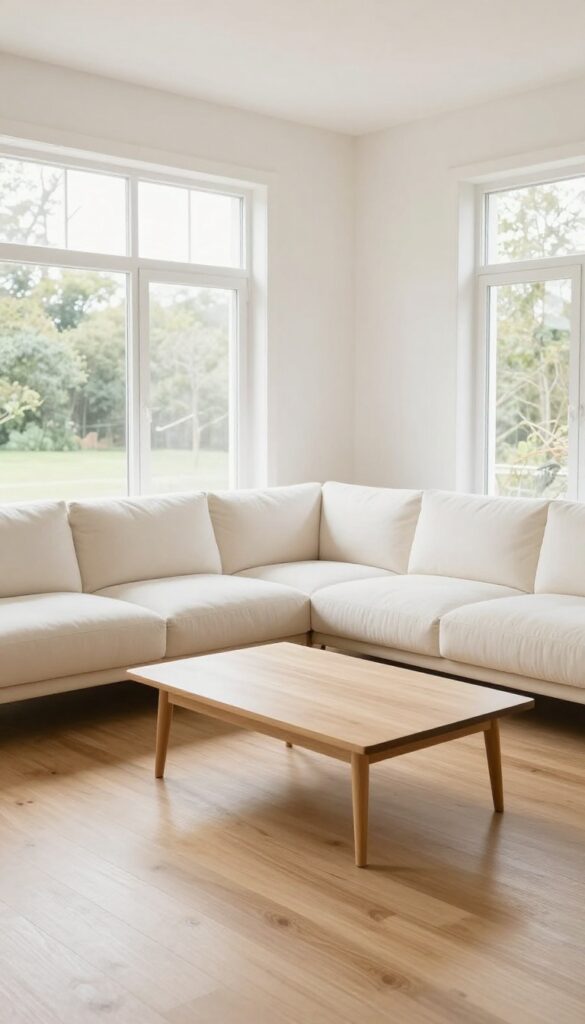
Modular sofas are the ultimate shape-shifters for living rooms that need to multitask. Instead of one rigid silhouette, you get separate pieces that can be pushed together, pulled apart, or rearranged whenever your space or mood changes. The light and airy version of this idea uses pale fabric modules—think off-white, warm beige, or soft greige—in a performance weave that handles daily life without showing every crumb.
Leaving intentional gaps between sections creates breathing room, making the whole setup feel less like a wall of furniture and more like a curated seating landscape.
This approach works especially well in open-plan layouts where you want to define a conversation area without blocking sight lines. A modular sofa in light tones keeps the visual weight low, so even a large configuration won't overwhelm the room. Performance fabric is key here: it resists stains, stands up to pets and kids, and stays looking fresh without constant upkeep.
Choose modules with slim, exposed legs in a natural wood or matte black finish to reinforce that light, lifted feel. Arrange a few sections facing each other with a low coffee table in the middle, or create a long chaise for lounging that can be broken apart when guests arrive. The flexibility means your sofa can grow with your needs—add a corner piece later, or swap sides to chase the sunlight.
Best Colors And Fabrics
- Stick with light neutrals like cream, linen white, or pale stone. These shades reflect light and keep the room feeling open. For fabric, look for a high-performance polyester or a cotton-linen blend with a tight weave and stain-resistant finish.
- Avoid anything too textured or nubby—smooth weaves are easier to clean and look cleaner over time.
Layout Tip
In a long, narrow living room, arrange two three-seat modules facing each other with a slim console table behind one for extra surface space. In a square room, create an L-shaped configuration that leaves one side open for traffic flow. The key is to avoid pushing all sections against the wall—floating them a few feet into the room makes the space feel larger and more intentional.
Finishing Touch
Add a lightweight tray on one module to hold a small plant or a stack of books, reinforcing the idea that each section can stand alone. A round jute rug under the main grouping softens the look and ties the modules together without making them feel glued in place.
9. A Sofa with a Slim Arm Profile for a Sleeker Silhouette
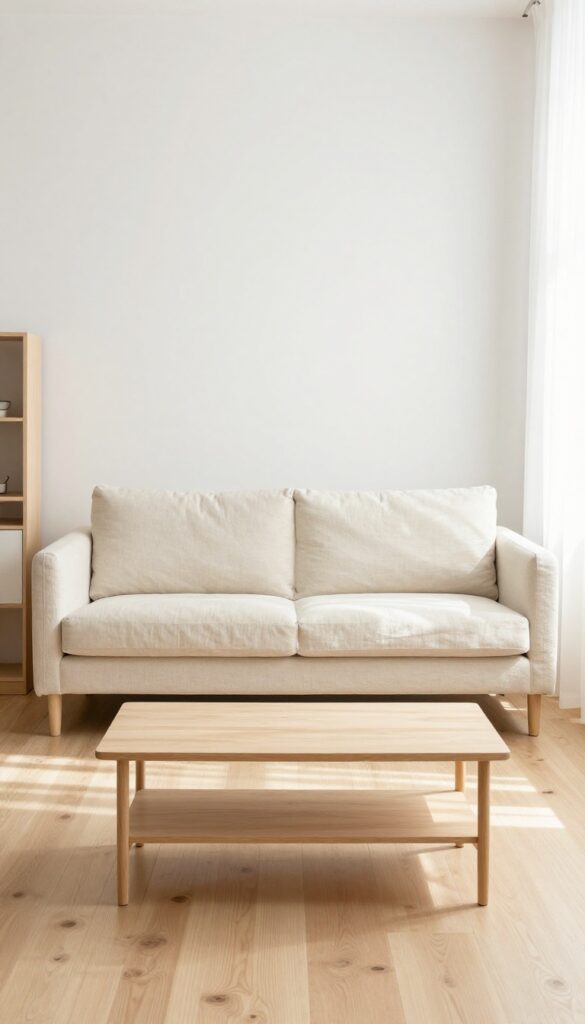
Not all couches need to feel like they take up half the room. A sofa with slim, streamlined arms can completely change how a space reads—lighter, more open, and effortlessly put together. The trick is in the proportions: narrow track arms keep the silhouette tight and tailored, so the couch feels more like furniture and less like a bulky obstacle.
This style works especially well in smaller living rooms or open layouts where you want to define the seating area without weighing it down.
When you swap a chunky rolled-arm sofa for one with a slim profile, the visual shift is immediate. The couch appears to float rather than sit heavily on the floor, which makes the whole room breathe a little easier. Upholstery plays a big role here too—light linen or cotton blends in cream, oatmeal, or pale gray keep things airy.
The goal is to create a piece that blends in rather than dominates, so the eye can move freely around the room. Pair it with a slim-legged coffee table and open shelving to reinforce that uncluttered feel.
Best Colors
Stick with light neutrals like warm white, soft beige, or pale stone. These shades reflect natural light and keep the sofa from feeling heavy. If you want a hint of color, try a dusty blush or a muted sage—both stay soft and airy.
Best Materials
Linen and cotton blends are your best bet. They have a natural, slightly textured look that feels casual and breathable. Avoid heavy velvet or thick tweed, which can add visual weight even on a slim frame.
Layout Tip
Place the sofa away from walls to let the slim arms shine. Floating it even a foot into the room creates a sense of space around it. Add a lightweight console table behind it for a spot to drop books or a lamp.
10. A Vintage-Inspired Couch with a Light Wood Frame
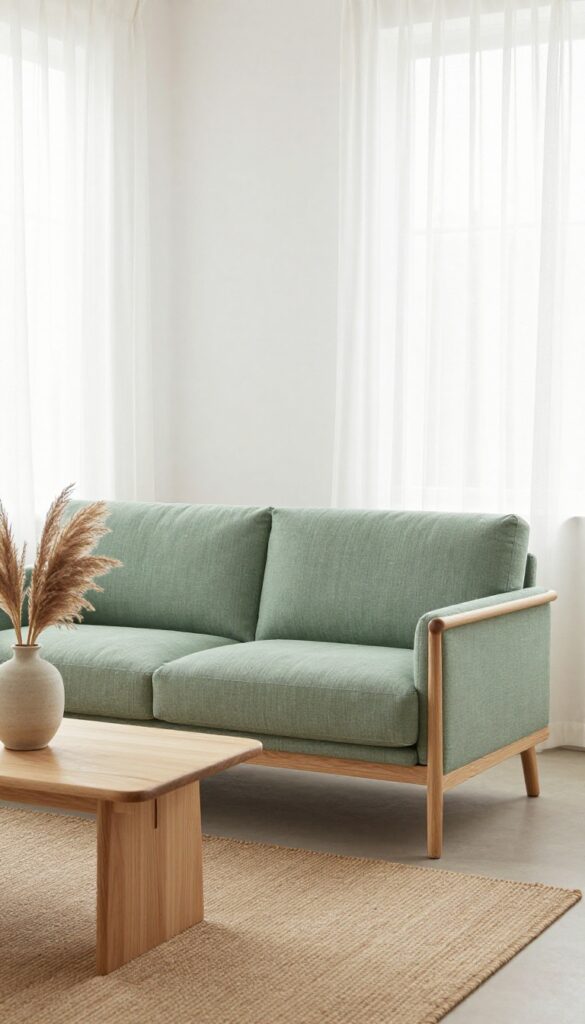
There's something about a couch that feels both old and new at the same time. A vintage-inspired silhouette—like a mid-century modern or French settee—with a light wood frame brings that nostalgic charm without weighing down the room. The exposed frame keeps the piece visually open, making it perfect for light and airy spaces.
Pair it with soft, solid upholstery in sage green or warm white, and you've got a seat that feels fresh, handcrafted, and effortlessly inviting.
This couch idea works best in living rooms that want a touch of personality without going full retro. The light wood frame adds warmth but stays subtle, so it blends with neutral walls and natural textures. Keep the rest of the room simple—think linen curtains, a jute rug, and a few ceramic accents—to let the couch shine as the focal point.
The key is balance: the vintage shape brings character, while the light finish keeps everything feeling open and breezy.
Best Colors And Fabrics
- Stick with soft, muted tones that complement the light wood. Sage green, warm white, pale blush, or even a soft blue-gray work beautifully. For fabric, choose a textured linen or a cotton blend—they add depth without looking busy.
- Avoid dark or bold colors that could make the frame feel heavy. The goal is to keep the overall look serene and cohesive.
Layout Tip
- Place this couch against a wall with plenty of negative space around it. A light wood coffee table and a pair of slim armchairs in a similar finish can create a balanced seating area. If the room is small, float the couch away from the wall to let the exposed frame breathe.
- Add a low bookshelf behind it for extra storage and visual interest.
Finishing Touch
- Layer in soft, organic textures to enhance the airy feel. A chunky knit throw in cream, a few linen pillows in earthy tones, and a woven basket for blankets. Keep decor minimal—one or two ceramic vases with dried eucalyptus or pampas grass.
- This keeps the focus on the couch's elegant lines and light wood frame.
FAQ
What color couch makes a living room look bigger?
Light colors like white, cream, pale gray, and soft beige reflect natural light and make a room feel more open. Avoid dark hues if your goal is an airy look.
How do I keep a light-colored couch clean?
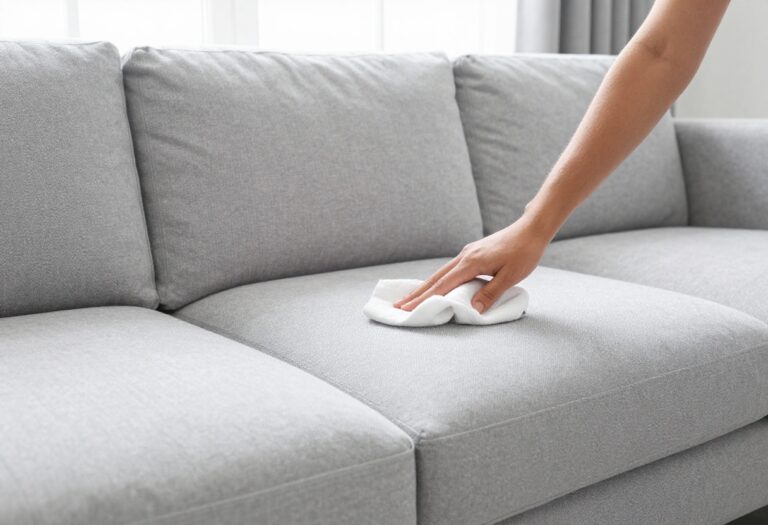
Choose performance fabrics that are stain-resistant and machine-washable slipcovers. Spot clean spills immediately and vacuum regularly to prevent dirt buildup.
What couch style is best for a small living room?
A low-back sofa with exposed legs or a slim-arm profile helps the room feel less crowded. Curved sofas also work well because they soften edges and improve flow.
Can a light couch work in a home with kids and pets?
Yes, if you pick durable, washable fabrics like canvas, denim, or outdoor-grade upholstery. Slipcovers are a game-changer for easy cleaning.
How do I make a light couch feel cozy, not sterile?
Layer in texture with chunky knit throws, velvet pillows, and a wool or jute rug. Warm wood accents and soft lighting also add depth without darkening the space.
Conclusion
Choosing a couch that feels light and airy doesn't mean sacrificing comfort or personality. From slipcovered linen to curved silhouettes, each idea here helps your living room breathe while still feeling like home. Let your main seat set the tone for a space that's both stylish and serene.
Remember, the best couch is one that makes you want to sit down and stay a while—without making the room feel crowded. Pick a style that fits your life, and enjoy the fresh perspective it brings.