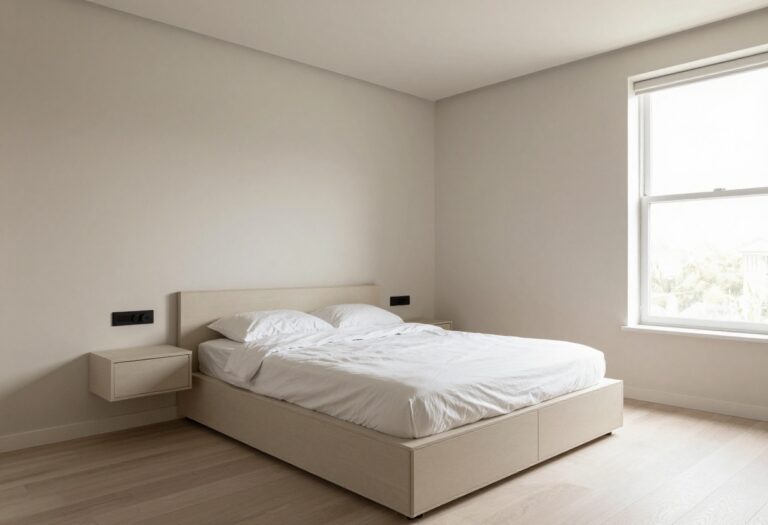
12 Bedroom Ideas for Small Spaces That Feel Bigger
Small bedrooms can be tricky. You want it to feel cozy, not cramped, and stylish without sacrificing function. The good news is that with a few clever tweaks, even the tiniest room can feel spacious and inviting.
This list rounds up 12 practical ideas that help small bedrooms breathe. Think light colors, smart storage, and furniture that pulls double duty. Each tip is designed to make your space look and feel larger without a major renovation.
Whether you're working with a compact apartment bedroom or a cozy guest room, these strategies are easy to implement and budget-friendly. Let's dive into the ideas that will open up your space.
1. Lean Into Light, Airy Paint Colors
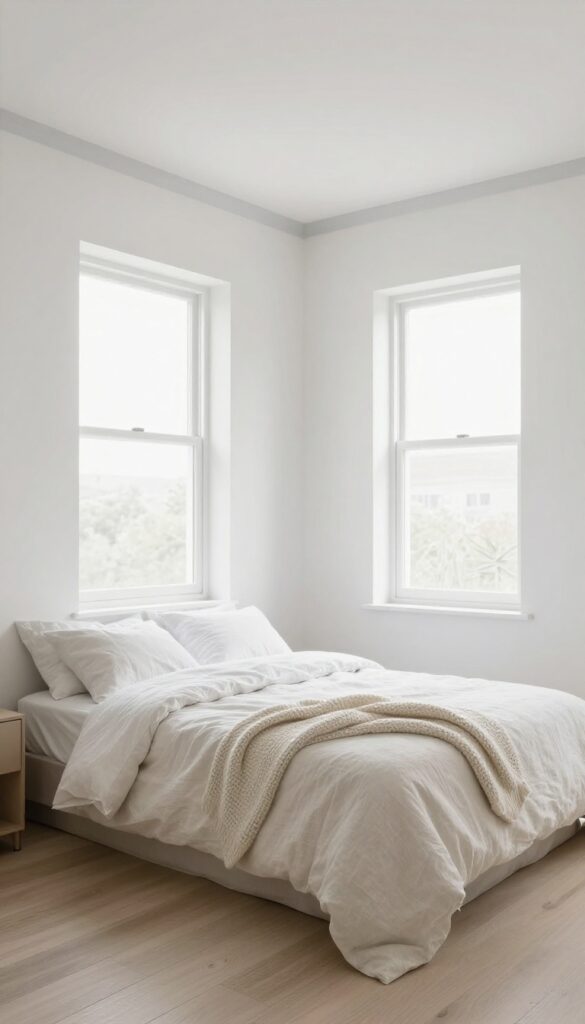
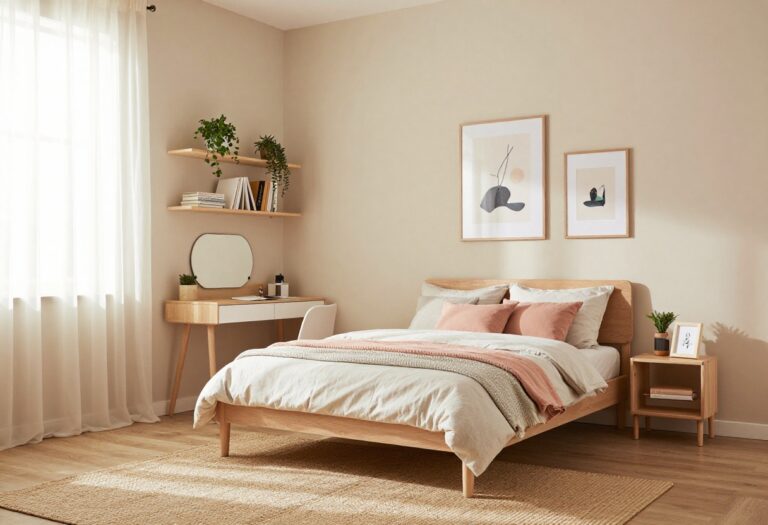
Nothing opens up a cramped bedroom quite like the right paint color. Soft whites, pale grays, and barely-there pastels bounce natural light around the room, making walls feel like they're receding instead of closing in. A monochromatic palette—where the walls, trim, and ceiling share a similar tone—blurs the edges of the room, tricking the eye into seeing a larger, more seamless space.
Why It Works
Light colors reflect more light than dark ones, which instantly makes a room feel brighter and more spacious. When you use the same color family throughout, you eliminate visual breaks that can make a small room feel chopped up and smaller.
Best For
Bedrooms with limited square footage and not much natural light. This strategy is especially effective in north-facing rooms or basement bedrooms where every bit of brightness counts.
Styling Tip
For a soft, dimensional look, use a matte finish on the walls and a slightly glossier finish on the trim in the same color. Add a few textured neutrals like a linen duvet or a chunky knit throw to keep the space from feeling flat.
2. Hang a Large Mirror to Double the Visual Space
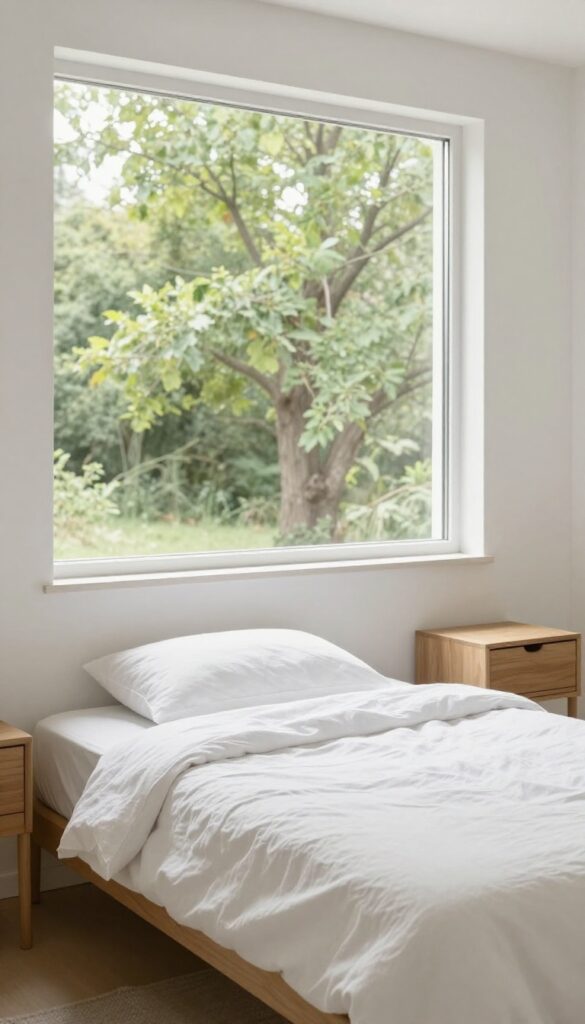
Mirrors are the ultimate trick for making a small bedroom feel instantly bigger. When you place a large mirror opposite a window, it reflects the outdoors and bounces natural light around the room, creating a sense of depth that fools the eye. A floor mirror leaned casually against the wall or a round mirror hung above the bed adds an airy, open feel without taking up any floor space.
It's one of those decor moves that costs little but delivers a huge visual payoff.
Why It Works
A mirror reflects both light and the room itself, effectively doubling the perceived space. By bouncing daylight from a window across the room, it brightens dark corners and makes the walls feel farther apart. This optical illusion is especially powerful in small bedrooms where every square foot counts.
Best For
This idea works best in bedrooms that feel cramped or lack natural light. It's ideal for rooms with a single window where you want to maximize brightness, or for narrow layouts that need a sense of width. A mirror can also be a focal point above a dresser or bed in a minimalist setup.
Styling Tip
Choose a mirror with a thin or minimalist frame so it doesn't add visual weight. Lean a tall floor mirror against the wall at an angle for a relaxed, modern look, or hang a round mirror above the headboard to soften the room's geometry. Keep the glass clean for maximum reflection.
3. Choose a Low-Profile Bed Frame
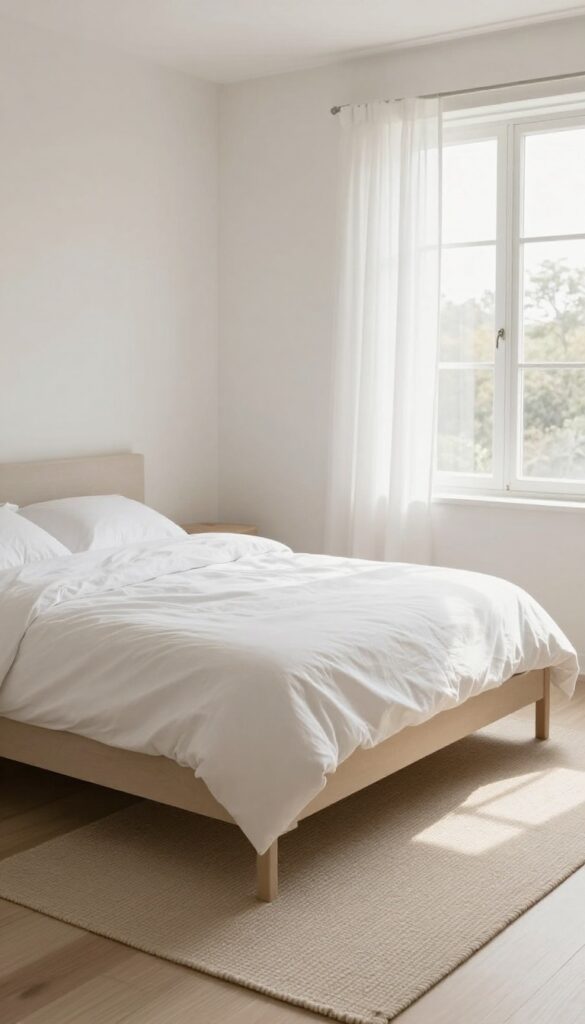
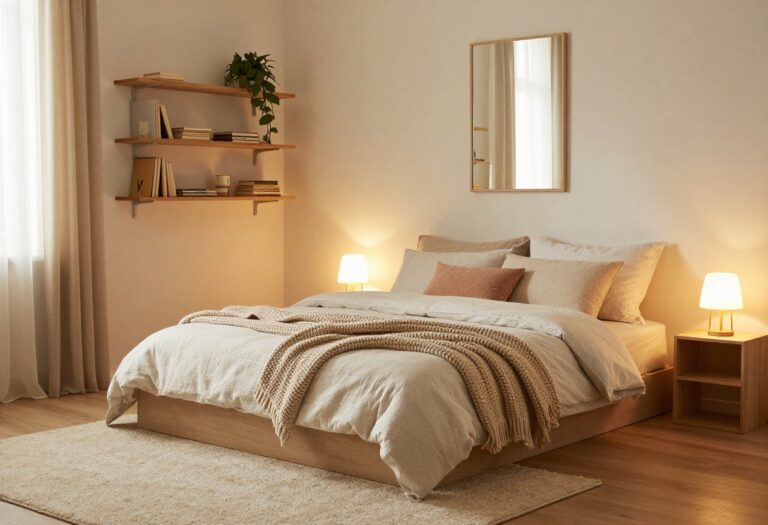
A bed frame with a low profile does more than just look modern—it tricks the eye into seeing more space. When your bed sits closer to the floor, the ceiling instantly feels higher, and the whole room breathes easier. A platform bed or a simple frame with a low headboard keeps the sightline clean and uninterrupted, which is exactly what a small bedroom needs.
Why It Works
By lowering the visual anchor point, you create a sense of height above the bed. Bulky footboards or tall headboards can make a room feel cramped and boxed in. A low frame opens up the vertical space, making the ceiling seem loftier and the room more spacious.
Best For
This works especially well in rooms with standard or low ceilings, where every inch of perceived height counts. It's also great for minimalist or Scandinavian-inspired bedrooms where clean lines and openness are key.
Styling Tip
Pair your low bed frame with a lightweight, low-profile duvet and pillows that don't pile too high. Keep the bedding in light, neutral tones to maintain that airy feel. A slim, flat-weave rug underneath can anchor the bed without adding visual bulk.
4. Use Floating Shelves Instead of Nightstands
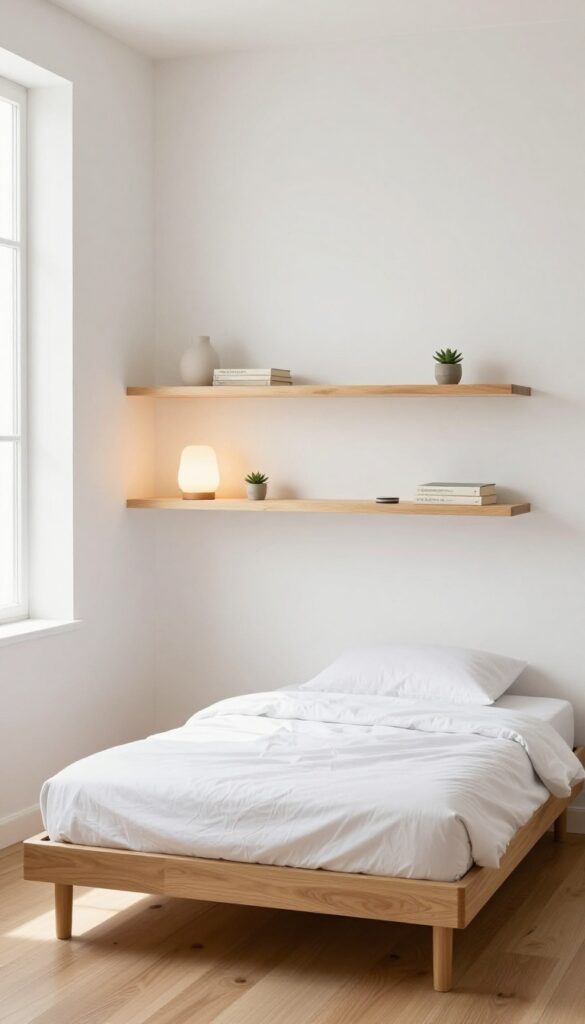
Floating shelves mounted on either side of the bed do more than just hold your bedtime essentials—they visually open up the room by keeping the floor clear. In a compact bedroom, every inch matters, and swapping bulky nightstands for sleek wall-mounted shelves instantly makes the space feel airier and more intentional. The look is clean, modern, and surprisingly versatile, working with everything from minimalist to bohemian decor.
Why It Works
By eliminating the footprint of a traditional nightstand, you free up valuable floor space that can make a small bedroom feel significantly larger. The shelf itself adds storage without visual weight, and because it's mounted at your preferred height, it can be customized to fit your bed and room layout perfectly.
Best For
This idea is ideal for tight bedrooms where every square foot counts, especially in rooms with a low bed or where you need to maximize walking space. It also works well in guest rooms or kids' rooms where a full nightstand might be overkill.
Styling Tip
Choose a shelf that matches your wall color to keep it visually minimal, or go for a contrasting wood tone for warmth. Keep the styling simple: a small lamp, a single book, and maybe a tiny plant or a coaster. Avoid clutter—the whole point is to keep the area looking light and open.
5. Maximize Vertical Storage with Tall Dressers
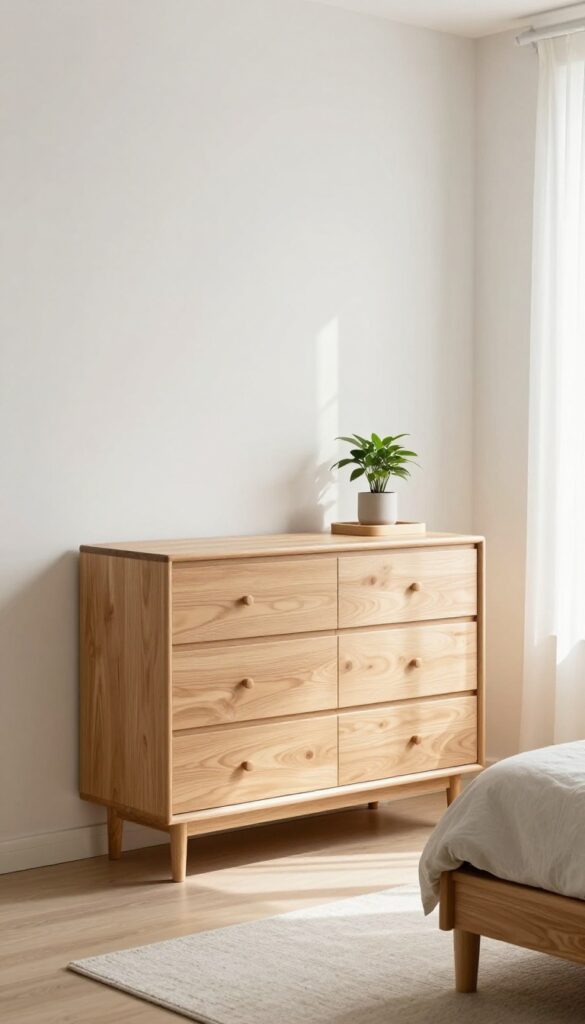
In a small bedroom, every inch of floor space counts. That's where tall dressers come in—they store just as much as a wide chest but take up a fraction of the footprint. The key is to pick a slim, vertical piece that rises high rather than spreading out.
It's a smart swap that instantly frees up floor area while giving you plenty of room for clothes, linens, or odds and ends.
Why It Works
A tall dresser draws the eye upward, making the ceiling feel higher and the room more spacious. You get generous storage without the bulky footprint—perfect for tight spots like beside a bed or in a narrow alcove. Plus, the vertical lines create a sleek, streamlined look that keeps the space from feeling cluttered.
Best For
This idea works great in bedrooms with limited floor space, especially if you have high ceilings. It's also a lifesaver in shared rooms where you need to maximize storage for two people without taking up too much room.
Styling Tip
Keep the top of the dresser tidy with a small tray for daily essentials, a stack of books, or a low-profile plant. Avoid overcrowding—just a few curated pieces will keep the look airy and intentional. Choose a dresser with clean lines and a light finish to blend seamlessly into the room.
6. Incorporate Multipurpose Furniture
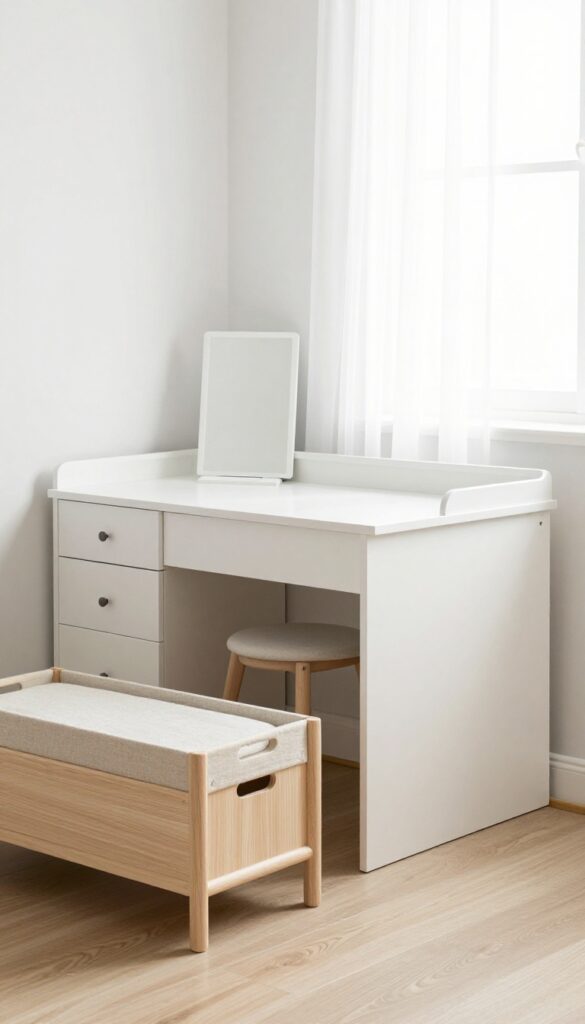
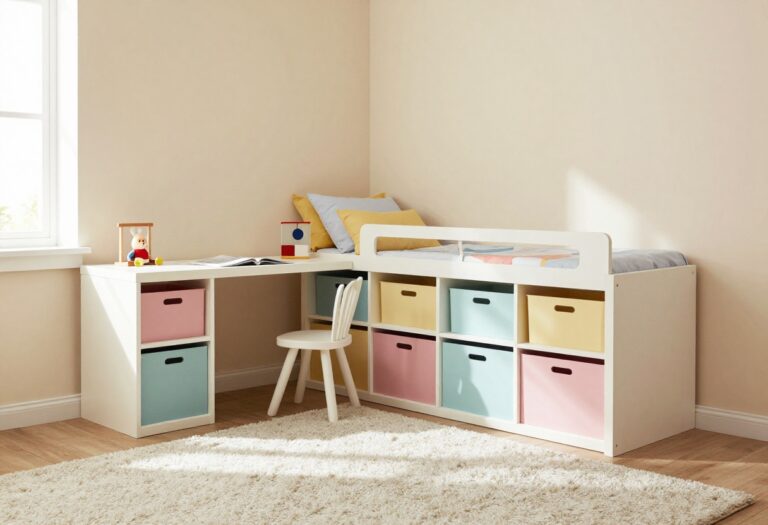
Every piece of furniture in a small bedroom needs to earn its keep. That's where multipurpose designs come in—they pull double duty without looking like they're trying too hard. A storage ottoman at the foot of the bed hides extra blankets and gives you a spot to sit, while a desk that folds into a vanity keeps your morning routine tidy.
The trick is choosing pieces that feel intentional, not makeshift, so the room still looks polished.
Why It Works
Multipurpose furniture eliminates the need for separate items that would crowd your floor space. By combining functions—like a bed frame with built-in drawers or a nightstand that doubles as a mini desk—you cut clutter and free up square footage. It's efficiency that doesn't sacrifice style.
Best For
This idea works well in studio apartments, guest rooms, or any bedroom where every inch counts. It's especially handy if you work from home but don't have a dedicated office, or if you need extra storage without adding bulky dressers.
Styling Tip
Stick to a consistent finish or color family so the multifunctional pieces blend with your decor. A wooden storage ottoman in the same tone as your bed frame creates a cohesive look. Add a tray on top for a catch-all that keeps the surface useful and neat.
7. Let in Natural Light with Sheer Curtains
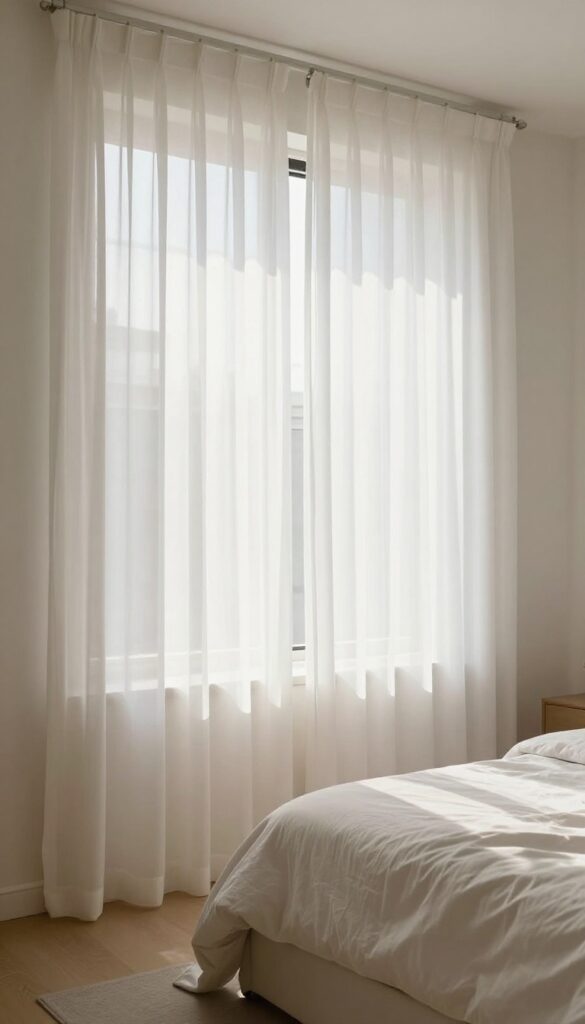
Heavy, dark drapes can make a small bedroom feel even more cramped. The solution? Swap them out for airy sheer or light linen curtains that let sunlight filter through softly.
Not only does this brighten the room instantly, but it also creates an illusion of more space by keeping the visual flow open and unblocked. Hanging the curtains high above the window frame and extending them past the sides tricks the eye into seeing a larger window—and a larger room.
Why It Works
Sheer curtains allow natural light to bounce around the room, reducing shadows and making the space feel open and airy. By mounting the rod close to the ceiling and wider than the window, you draw the eye upward and outward, which visually expands the walls. The lightweight fabric also adds a soft, calming texture without weighing down the room.
Best For
This idea is perfect for small bedrooms that lack natural light or have small windows. It works especially well in rooms with a neutral or pastel color palette, where the soft light can enhance the serene vibe. If your bedroom faces a less-than-pretty view, sheers still provide privacy while letting light in.
Styling Tip
Choose curtains in white, cream, or soft beige for maximum light diffusion. For a layered look, pair sheers with linen curtains in a similar tone—you can close the linen layer for more privacy at night. Install the rod 6 inches above the window frame and extend it 4-6 inches on each side to make the window appear grander.
8. Create a Focal Point Behind the Bed
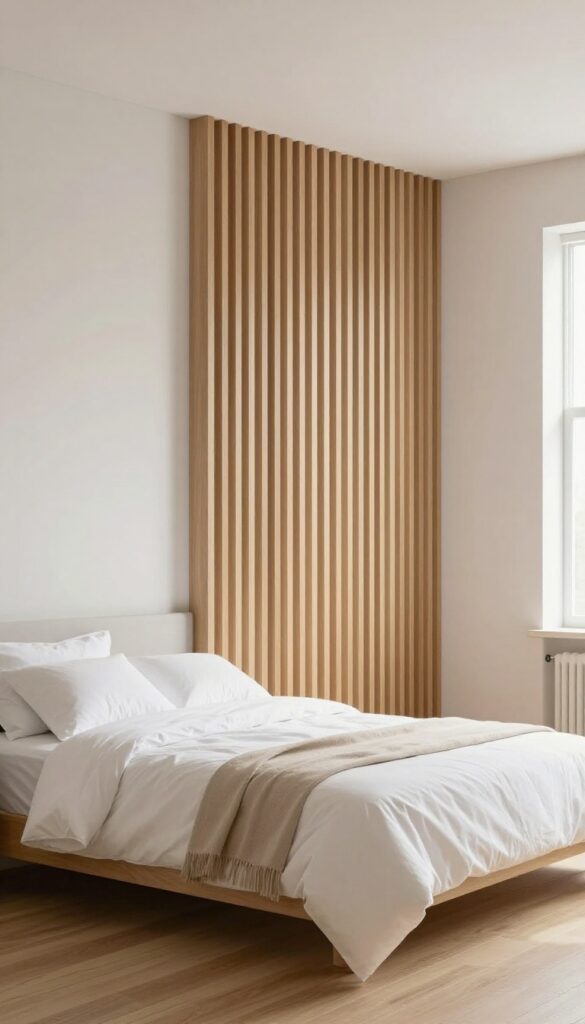
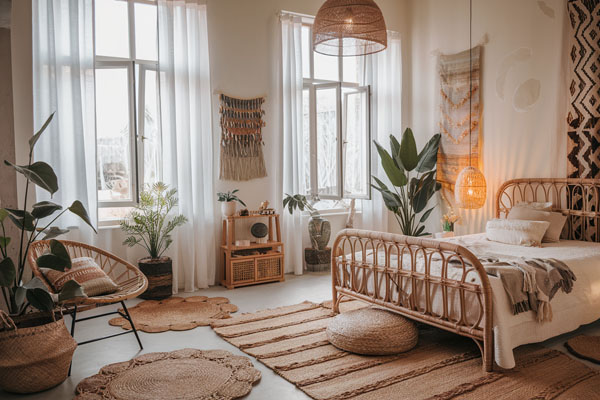
Your bed is the largest piece of furniture in the room, so the wall behind it naturally draws the eye. Instead of letting it blend in, make it work for you. A bold wallpaper, a large piece of art, or a textured accent like a woven wall hanging or wood slat panel can turn that wall into a statement.
When you give the eye a single place to land, the rest of the room feels less cluttered and more intentional.
Why It Works
A strong focal point pulls attention away from the room's small footprint. Instead of noticing how tight the space is, you notice the personality and style. It also anchors the bed visually, making the layout feel deliberate rather than squeezed in.
Best For
Any small bedroom where the bed is against a wall. It's especially effective in rooms with low ceilings because a vertical pattern or tall art can draw the eye upward, making the ceiling feel higher.
Styling Tip
Keep the rest of the room neutral so the focal point really pops. If you choose wallpaper, pick a pattern with a light background to keep the space airy. For art, go with one oversized piece rather than a gallery wall—it's cleaner and less visually busy for a small room.
9. Keep the Floor Visible with Raised or Leggy Furniture
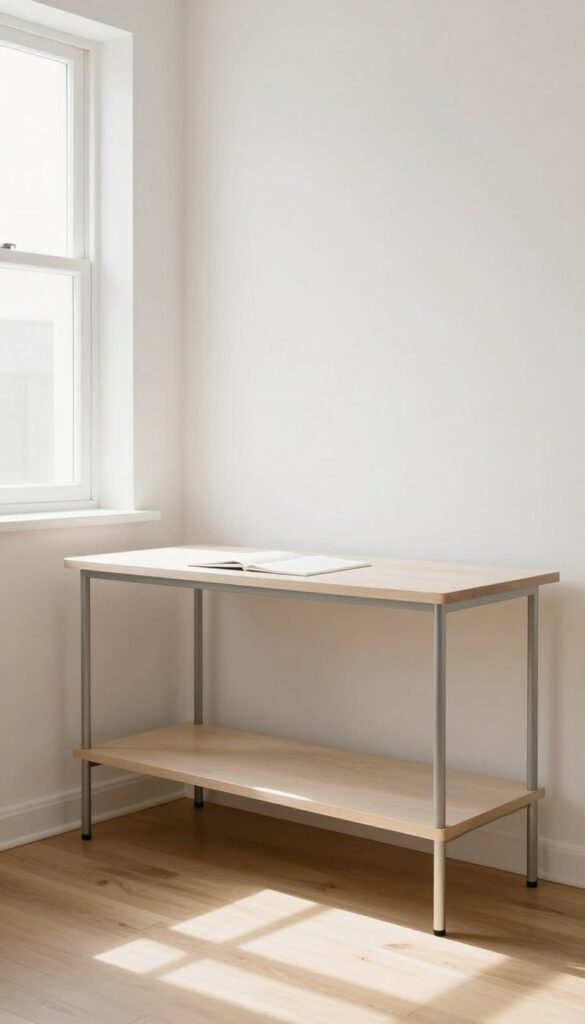
There’s a simple visual trick that instantly makes a small bedroom feel more open: let the floor breathe. Furniture that sits on legs rather than squatting directly on the ground creates a sense of air and space underneath, which tricks the eye into thinking the room is larger than it really is. A bed frame with slim metal legs, a floating nightstand, or a delicate writing desk all contribute to that light, uncluttered look.
It’s not just about style—it’s about giving your square footage room to show off.
Why It Works
When you can see more floor area, your brain registers the room as bigger. Exposed legs eliminate visual weight, so furniture feels less like a solid block and more like a lightweight piece that doesn’t crowd the space. This is especially effective in small bedrooms where every inch of floor matters.
Best For
This approach works beautifully in compact bedrooms, studio apartments, or any room where you want to avoid a heavy, cramped feeling. It’s ideal for rooms with hardwood or patterned flooring that you want to highlight, and it pairs well with low-profile beds or minimalist decor.
Styling Tip
Choose furniture legs that match the room’s vibe—tapered wood for warmth, slim black metal for modern edge, or brass for a touch of glam. Keep the color of the legs light or neutral so they blend rather than contrast too sharply. Pair with a low platform bed or a floating shelf to maintain that open, airy line of sight.
10. Use Mirrored or Glass-Front Closet Doors
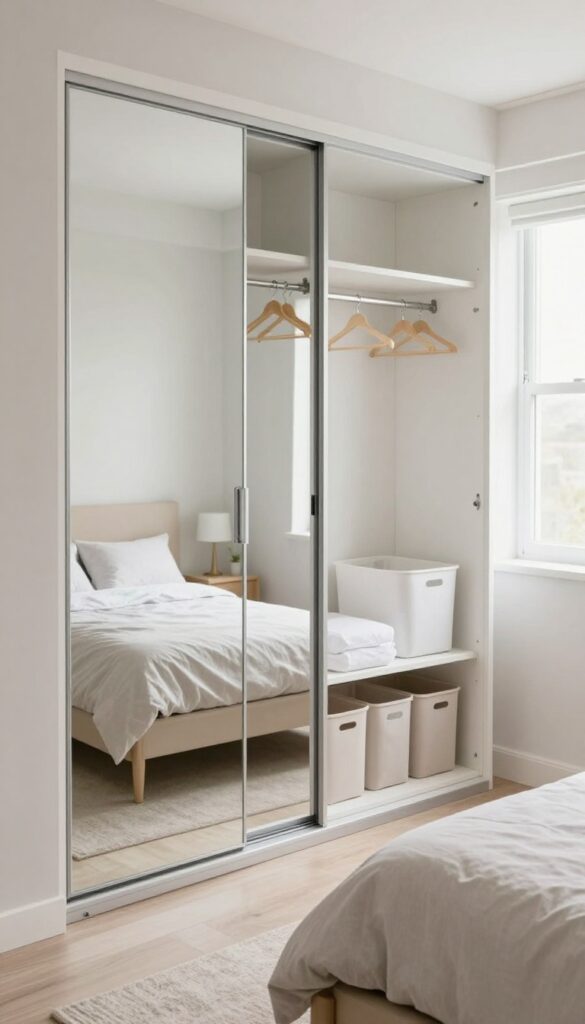
Closet doors take up a surprising amount of visual real estate in a small bedroom. Swapping out solid panels for mirrored or glass-front versions tricks the eye into seeing double the space while bouncing light around the room. It’s one of those upgrades that feels instantly rewarding—like the room just exhaled.
Sliding mirrored doors are especially smart because they don’t eat into floor space when opened, keeping your layout flexible and clutter-free.
Why It Works
Mirrored doors reflect both natural and artificial light, making the room feel brighter and more open. They also create the illusion of depth, so a compact bedroom appears larger without any structural changes. Glass-front doors (frosted or clear) add a similar airy effect, especially if you keep the closet organized inside.
Best For
This idea works well in bedrooms with limited square footage where every visual trick counts. It’s also a great fit for rooms that lack a dedicated dresser mirror—your closet doubles as a full-length mirror for outfit checks.
Styling Tip
Keep the closet interior tidy and minimalist, since mirrored or glass doors put it on display. Use matching hangers, uniform storage bins, and a cohesive color palette inside. If you prefer privacy, frosted glass or mirrored doors with a slight tint still reflect light without revealing every detail.
11. Add a Rug That Anchors the Bed Area
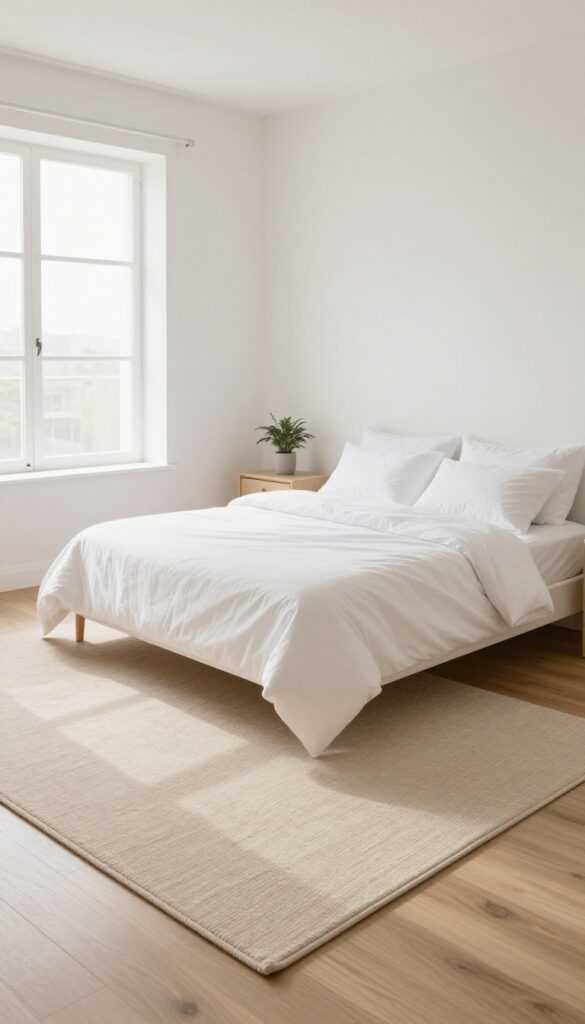
A rug does more than just warm up your toes. In a small bedroom, the right rug can visually define the sleeping zone, making the room feel intentionally laid out rather than cramped. By choosing a large rug that extends beyond the bed, you create a cohesive anchor that draws the eye outward, giving the illusion of more floor space.
Light colors or subtle patterns keep things airy and uncluttered, while a soft texture adds a layer of comfort that makes the room feel like a retreat.
Why It Works
A large rug creates a clear boundary around the bed, which helps the eye perceive a distinct zone. This visual separation makes the room feel more organized and spacious, as the rug acts as a focal point that expands the perceived floor area. The continuous surface also reduces visual breaks, making the space feel larger than it is.
Best For
This trick works particularly well in bedrooms where the bed is the largest piece of furniture. It's ideal for rooms with hardwood or laminate floors that need a soft touch, and for anyone who wants to add warmth without overwhelming the space.
Styling Tip
Choose a rug that extends at least 18–24 inches beyond the sides and foot of the bed. For a twin or full bed, a 5×8 rug works well; for queen or king, go with an 8×10. Stick to low-pile rugs in neutral tones or with a subtle geometric pattern to keep the look clean and modern.
12. Edit Down to Essentials Only
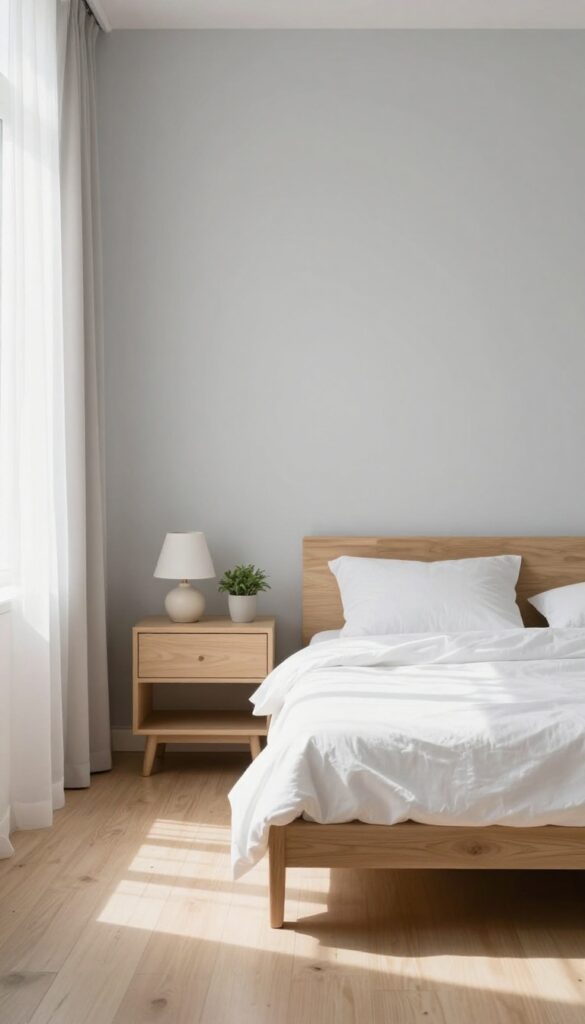
A clutter-free bedroom instantly feels more spacious and calm. By keeping only what you truly need and love, you create breathing room that makes the whole space feel larger. This isn't about living with nothing—it's about being intentional with every piece you bring in.
Why It Works
Every surface covered in stuff visually shrinks a room. When you clear the nightstand, dresser, and floor, the eye can travel freely, making the square footage feel more generous. Hidden storage keeps necessities out of sight without sacrificing function.
Best For
Anyone who feels overwhelmed by clutter or struggles to keep a small bedroom tidy. It's especially effective for studio apartments or rooms that double as a home office, where visual calm is essential for both sleep and focus.
Styling Tip
Choose one or two meaningful decor items per surface—like a single ceramic lamp and a small plant on the nightstand. Store daily essentials like chargers and glasses in a drawer or a sleek tray that can tuck away when not in use.
FAQ
What is the best color for a small bedroom to make it look bigger?
Light, neutral colors like soft white, pale gray, or light beige are best. They reflect light and create an airy feel. Pastel shades like blush or sky blue also work well.
How can I make my small bedroom feel bigger without renovating?
Use mirrors, choose low-profile furniture, keep the floor visible, and declutter. Sheer curtains and a light color palette also help a lot.
What type of bed is best for a small bedroom?
A low-profile platform bed or a bed with storage drawers underneath. Avoid bulky headboards and footboards that take up visual space.
Should I use a rug in a small bedroom?
Yes, but choose a large rug that goes partially under the bed. A small rug can make the room look chopped up, while a big one unifies the space.
How many pieces of furniture should I have in a small bedroom?
Stick to the essentials: a bed, one nightstand or shelf, a dresser, and maybe a small chair. Avoid overcrowding with unnecessary pieces.
Conclusion
Making a small bedroom feel bigger is all about smart choices—from paint colors to furniture selection. Each of these 12 ideas works on its own, but combining a few will really transform the space.
Start with the changes that feel easiest, like swapping curtains or adding a mirror, and build from there. Your small bedroom can be both functional and beautiful, no square footage required.