How to Clean Jacuzzi Tub Jets in 13 Simple Steps Safely
Your Jacuzzi tub should be a sanctuary for relaxation, not a breeding ground for bacteria and mold. Over time, jets can trap soap scum, body oils, and mineral deposits, turning your soothing soak into a potential health hazard.
But you don't need harsh chemicals or expensive professional services to get those jets sparkling clean. With a few household items and a little elbow grease, you can restore your tub to its former glory.
This guide walks you through 13 straightforward steps to clean your Jacuzzi tub jets safely and effectively. Whether you're a first-time owner or a seasoned spa enthusiast, these tips will keep your tub fresh and inviting.
1. Gather Your Supplies
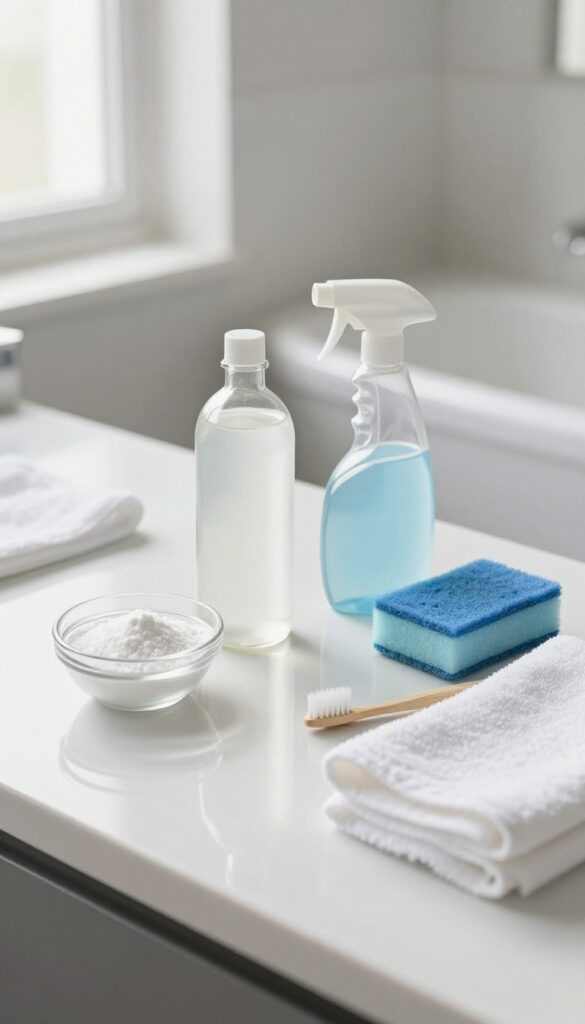
Before you dive into cleaning, take a few minutes to assemble everything you'll need. Having your supplies within arm's reach makes the process smoother and prevents you from having to stop mid-task. You likely already have most of these items in your pantry or under your sink.
Collect all necessary cleaning tools and solutions before starting. You'll need white vinegar, baking soda, dish soap, a soft cloth or sponge, a toothbrush, and a clean towel. Having everything ready saves time and ensures a smooth process.
Why Vinegar And Baking Soda?
White vinegar is a natural descaler that breaks down mineral deposits and soap scum without harsh fumes. Baking soda acts as a gentle abrasive to scrub away stubborn grime without scratching the tub's surface. Together, they create a powerful, non-toxic cleaning duo.
Tools That Make A Difference
A soft cloth or sponge prevents scratches on acrylic or fiberglass surfaces. An old toothbrush is perfect for reaching into the small jet openings and crevices where gunk hides. A clean towel will be handy for drying and buffing the jets to a streak-free shine.
Optional But Helpful Additions
If your jets have heavy buildup, consider adding a jet cleaner specifically designed for jetted tubs. You might also want rubber gloves to protect your hands, especially if you have sensitive skin. A spray bottle can make applying vinegar solutions easier.
2. Fill the Tub with Hot Water
Now that you've gathered your supplies, it's time to get the water running. Hot water is your best friend here—it helps loosen up gunk and primes the jets for a deep clean. You'll want the water level to be at least 2 to 3 inches above the highest jet opening.
That ensures every nozzle gets submerged and treated. Hold off on adding any cleaning products just yet; plain hot water does the initial heavy lifting.
Why Hot Water Matters
Hot water works better than cold or warm water because it softens soap scum, body oils, and mineral deposits that build up inside the jets. The heat also helps dissolve any residue that cold water would leave behind. Plus, it activates the cleaning agents you'll add later, making them more effective.
How High To Fill
Fill the tub until the water covers all jets by a few inches. If your tub has jets at different heights, aim for the highest one. Don't worry about overfilling—just make sure every jet is fully submerged.
This ensures the cleaning solution reaches every nook and cranny.
Skip The Soap For Now
Resist the urge to add bath salts, bubble bath, or any cleaner at this stage. You want plain hot water to first loosen the debris. Adding products too early can create foam that interferes with the cleaning process or leaves residue behind.
Patience pays off here.
3. Add Vinegar and Dish Soap
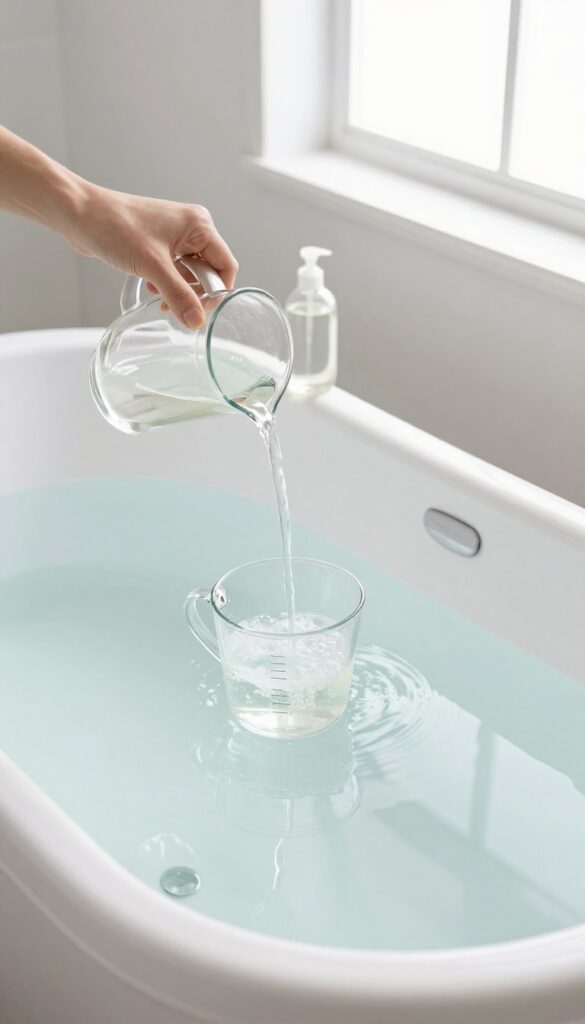
With the tub filled and the jets running, it's time to bring in the cleaning power. White vinegar and dish soap make a surprisingly effective team. Vinegar breaks down mineral buildup and kills bacteria, while dish soap tackles grease and grime.
Together, they leave your jets fresh and clean without harsh fumes.
Why This Combo Works
White vinegar is mildly acidic, which dissolves calcium and lime deposits that clog jets. It also disinfects, killing mold and bacteria. Dish soap is a surfactant that lifts oily residue and soap scum.
When combined, they create a non-toxic cleaner that's safe for your tub and the environment.
How Much To Add
Pour 2 cups of white vinegar directly into the water. Then add 1 tablespoon of liquid dish soap. Swirl the water gently with your hand or a long spoon to mix.
Avoid using too much soap, as excess suds can overflow and be hard to rinse.
Safety Note
Never mix vinegar with bleach or other household cleaners. The combination can produce toxic chlorine gas. Stick to just vinegar and dish soap for a safe, effective clean.
If your tub has metal parts, check the manual first, as vinegar may damage certain finishes.
4. Run the Jets for 15 Minutes
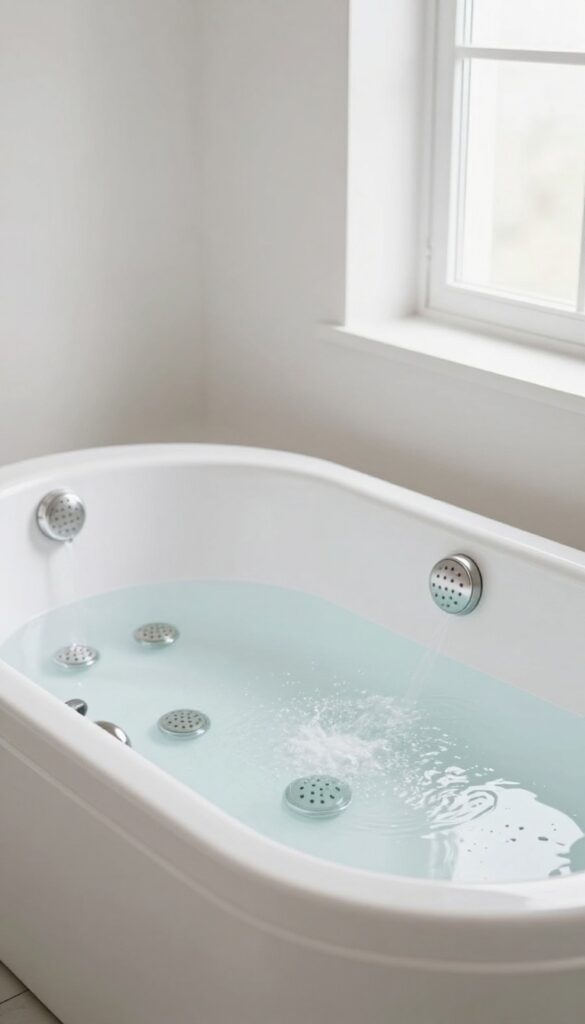
Now that the cleaning solution is in the water, it's time to let the jets do the heavy lifting. Running the system circulates the vinegar or cleaner through every pipe and nozzle, reaching buildup you can't see. This step is crucial for a deep clean, so don't rush it.
Turn on the jets and let them run for a full 15 minutes. This circulates the cleaning solution through the pipes, dislodging buildup inside the jet system. Keep the tub uncovered to allow fumes to dissipate and to prevent any cleaner from splashing onto surfaces that could be damaged.
Why 15 Minutes Matters
Fifteen minutes gives the solution enough time to break down grime without being excessive. Shorter runs might not fully clean the pipes, while longer cycles can be unnecessary and waste water. Set a timer so you don't have to watch the clock.
Keep The Lid Off
Leaving the tub uncovered is important for ventilation. The cleaning solution can produce strong fumes, especially if you're using vinegar or a commercial cleaner. An open tub also lets you monitor the water and see if any debris surfaces.
Watch For Debris
As the jets run, you might see small particles or scum floating to the top. That's a good sign—it means the solution is working. If you notice heavy debris, you can skim it off with a net or paper towel to prevent it from recirculating.
5. Drain and Rinse the Tub
After the cleaning cycle, the tub is full of dirty, vinegar-scented water and loosened gunk. Draining and rinsing properly is a crucial step to prevent any residue from settling back onto the jets or tub surface. A thorough rinse also ensures no vinegar smell lingers for your next soak.
Drain Completely
Open the drain and let all the water flow out. If your tub has a slow drain, use a cup or small bucket to bail out the remaining water. You want the tub as empty as possible before rinsing.
Rinse With Fresh Water
Use a handheld showerhead or a large bucket of clean water to rinse every jet and the entire tub surface. Pay special attention to the jet openings—direct water into each one to flush out any dislodged debris. Continue until no suds or vinegar smell remain.
Check For Remaining Debris
After rinsing, inspect the jets and the bottom of the tub. If you see any specks of dirt or mold, spot-clean them with a soft cloth or a small brush before moving on. This prevents debris from being sucked back into the system during the next fill.
6. Refill with Cold Water and Run Jets Again
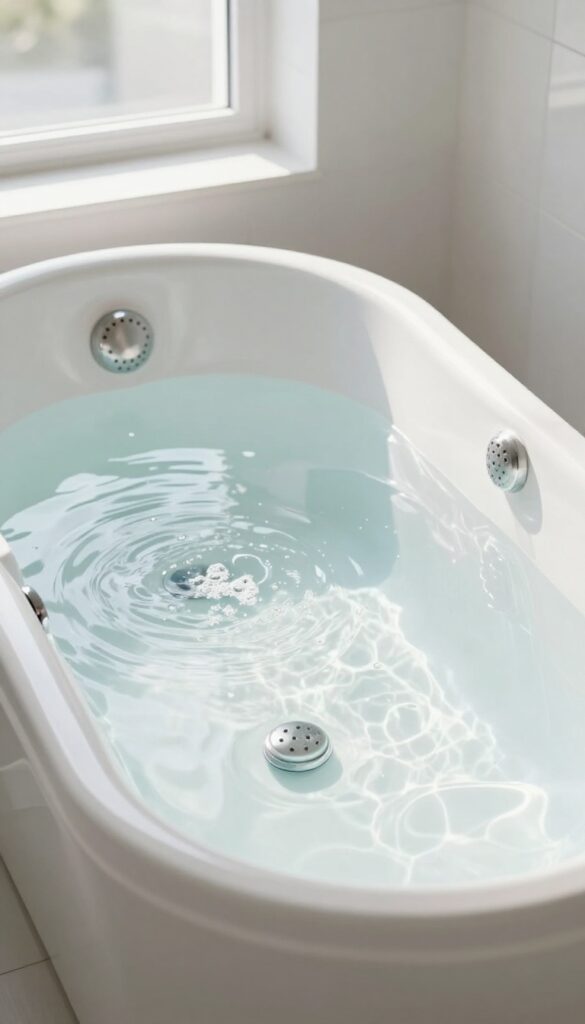
After draining the dirty cleaning solution, your tub needs a thorough rinse to remove any lingering vinegar, bleach, or loosened debris. A final cold-water flush ensures no residue remains inside the jet lines, which could cause irritation or odor later. This step is quick but essential for a truly clean system.
Why Cold Water?
Cold water is less likely to react with any leftover cleaning agents and helps solidify any remaining gunk so it can be flushed out more easily. Hot water might cause residue to cling to pipes. Stick with cold for this final rinse.
How Long To Run The Jets
Fill the tub so the water level is at least 2 inches above the highest jet. Turn the jets on high and let them run for 5–10 minutes. You'll see any remaining foam or particles get pushed out.
If you still see suds, run them a bit longer.
Final Drain And Quick Wipe
Once the flush is done, drain the tub completely. Use a soft cloth to wipe down the jets and tub surface one last time. This removes any last specks of debris and leaves the tub ready for use.
7. Clean the Jet Covers
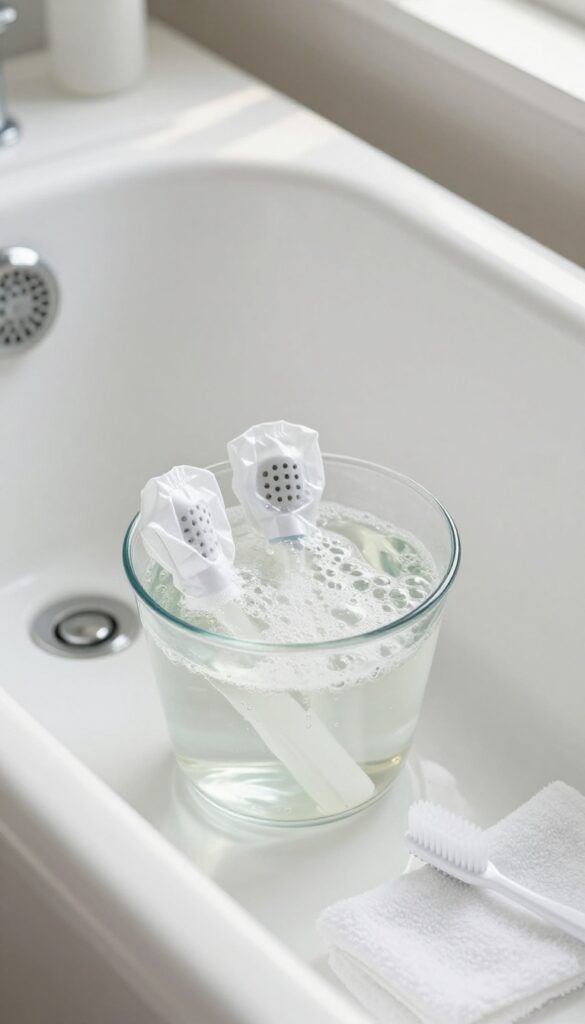
Jet covers take a direct hit from soap scum and body oils, so they often need extra attention. Removing them lets you clean every nook and cranny without missing a spot. A simple vinegar soak does the heavy lifting, while a toothbrush handles the stubborn bits.
Remove Covers Safely
Most jet covers twist off or pop out with a gentle pry. Check your owner's manual if you're unsure, but generally, a counterclockwise twist works. Place them in a bowl or basin as you remove them so nothing rolls away.
Soak In Vinegar Solution
Fill a container with equal parts warm water and white vinegar. Submerge the covers fully and let them soak for 30 minutes. The vinegar breaks down mineral deposits and loosens grime without harsh scrubbing.
Scrub And Rinse
After soaking, use an old toothbrush to scrub away any remaining residue, especially around the edges and nozzle openings. Rinse each cover under warm running water, then set them on a clean towel to air dry completely before reinstalling.
8. Scrub the Tub Surface
Once the jets are clean and the water is drained, the tub walls and floor still need attention. Soap scum, hard water stains, and lingering residue can dull the surface and create a breeding ground for bacteria. A quick scrub with baking soda is all it takes to restore the shine and keep your tub looking like new.
With the tub empty, sprinkle a generous layer of baking soda over the entire surface. Focus on areas with visible soap scum or stains. Dampen a soft sponge and scrub in circular motions, applying gentle pressure.
Baking soda is mildly abrasive, so it lifts grime without scratching acrylic or fiberglass. Rinse thoroughly with warm water, using a handheld showerhead or a bucket to remove all residue. For stubborn stains, let the baking soda paste sit for 5–10 minutes before scrubbing.
Target Stubborn Stains
If you notice ring around the tub or dark spots, make a thicker paste by mixing baking soda with a little water. Apply it directly to the stain and let it sit for 10 minutes. Scrub with a soft brush or sponge, then rinse.
For tough mineral deposits, add a splash of white vinegar to the paste—just avoid using vinegar on natural stone surfaces.
Don't Forget The Rim And Seals
The rim around the tub and the seals where the tub meets the wall are prime spots for mold and mildew. Use an old toothbrush dipped in baking soda paste to scrub these areas. Pay extra attention to corners and crevices.
Rinse well to prevent any baking soda residue from drying into a white film.
9. Wipe Down the Jets
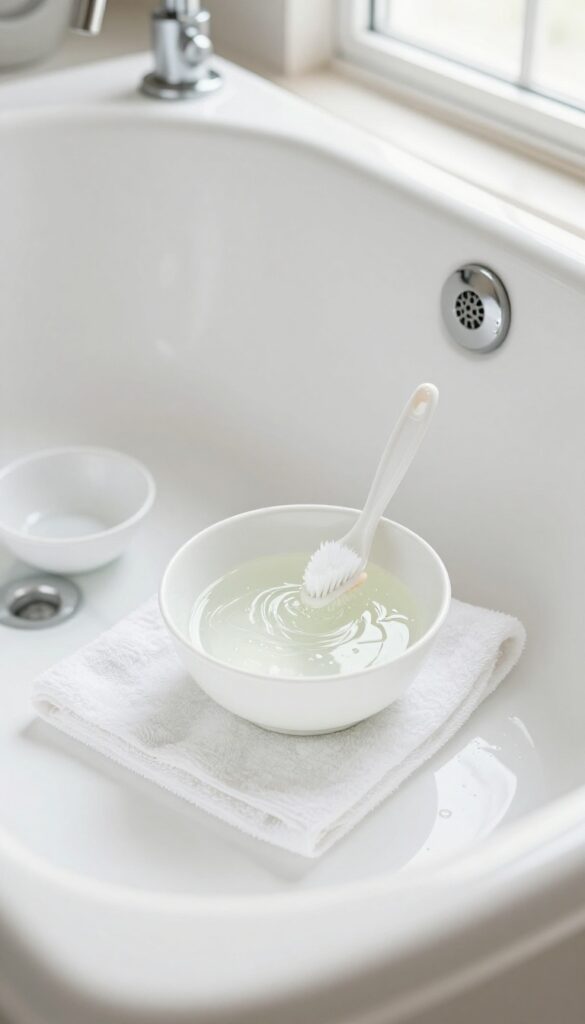
After the deep cleaning and rinsing, the jet openings themselves still need a little TLC. That's where a soft cloth or an old toothbrush dipped in vinegar comes in. This step targets the nooks and crannies where mold and mildew love to hide, ensuring every jet is as clean as the rest of the tub.
Take your time with this step. Dip a soft cloth or toothbrush into white vinegar and gently scrub around each jet opening. Pay special attention to any crevices or seams where grime accumulates.
Once you've cleaned all the jets, wipe them dry with a clean, lint-free towel to prevent water spots and lingering moisture.
Why Vinegar Works Best
White vinegar is a natural disinfectant and descaler. It breaks down mineral deposits and kills mold without harsh fumes. Plus, it's safe for most jet materials and won't damage the finish.
Tools For Tight Spots
A soft-bristled toothbrush is perfect for reaching around jet nozzles and into small gaps. For extra-stubborn residue, a cotton swab dipped in vinegar can get into the tiniest crevices.
Drying Prevents Regrowth
Moisture is mold's best friend. After cleaning, thoroughly dry each jet with a soft towel. This simple step helps keep mildew from returning between deep cleans.
10. Sanitize with Bleach Solution (Optional)
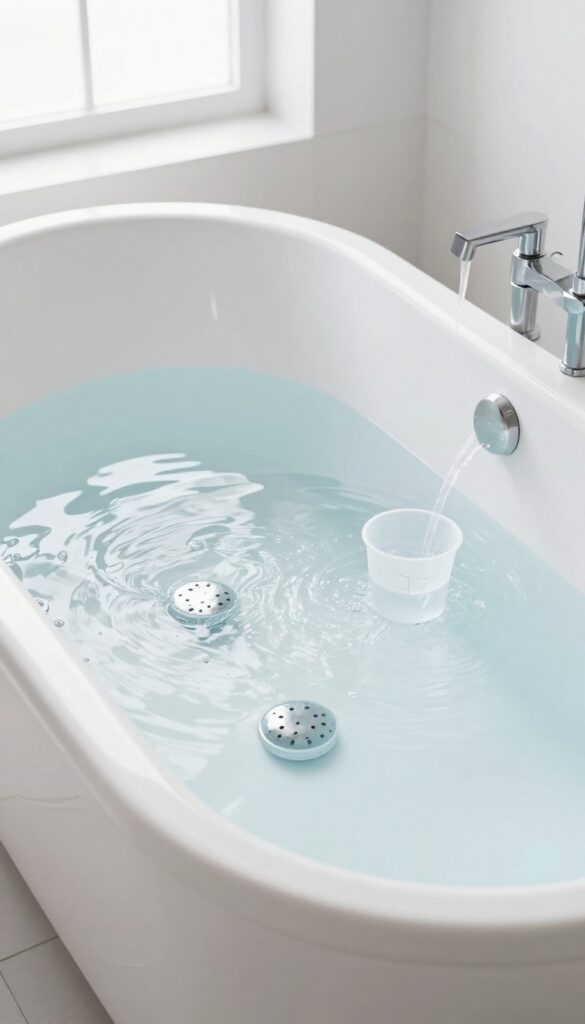
If your tub has been neglected for a while or you're dealing with stubborn bacteria, a bleach sanitization can give it a reset. This step isn't necessary for routine cleaning—vinegar and baking soda usually do the trick. But for deep sanitization, bleach is a powerful option.
Just be aware that bleach can degrade rubber seals and gaskets over time, so use it sparingly.
Start by filling the tub with hot water until the jets are covered by at least 2 inches. Add 1/2 cup of household bleach (not splashless or scented). Run the jets on high for 10 minutes to circulate the bleach solution through the entire plumbing system.
Afterward, drain the tub completely. Then refill with cold water and run the jets for another 5 minutes to rinse out any bleach residue. Wipe down the tub surface with a damp cloth to remove any remaining bleach.
Finally, do a sniff test—if you still smell bleach, repeat the rinse cycle.
When To Use Bleach
Reserve bleach for times when you notice a musty odor, visible mold around the jets, or after someone with a contagious illness has used the tub. If you clean your jets regularly with vinegar, you may never need bleach. Overusing bleach can shorten the life of your tub's components, so think of it as a last resort.
Safety Precautions
Never mix bleach with vinegar or other cleaners—this creates toxic chlorine gas. Wear gloves and ensure the bathroom is well-ventilated. Keep children and pets away during the process.
After sanitizing, run an extra rinse cycle to ensure no bleach remains, as it can irritate skin.
11. Clean the Filter
Your Jacuzzi tub's filter works hard to catch debris, but it can't do its job if it's clogged. A dirty filter restricts water flow and lets gunk recirculate right back into your clean water. That's why giving the filter some attention is a must in this cleaning routine.
Locate And Remove The Filter
Most Jacuzzi tubs have a filter tucked behind a small access panel near the pump or along the tub's side. Check your owner's manual if you're not sure where it is. Once you find it, gently twist or pull the filter out.
It might be snug, so don't force it.
Rinse Or Replace
Rinse the filter thoroughly with a garden hose or under a strong tap to blast away trapped hair, soap scum, and mineral deposits. If the filter is worn, torn, or just too grimy to clean, replace it with a new one. A fresh filter keeps water flowing freely and extends the life of your jets.
Why It Matters
A clean filter prevents debris from being pushed back into the tub during jet use. It also reduces strain on the pump, so your Jacuzzi runs more efficiently. Skipping this step can undo all the hard work you've done cleaning the jets themselves.
12. Dry Everything Thoroughly
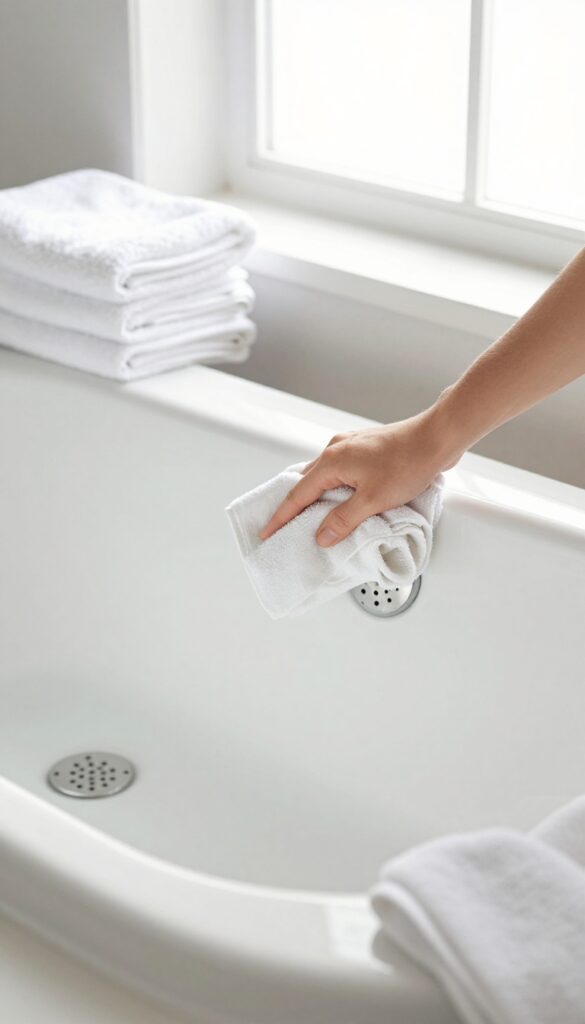
Once you've rinsed and sanitized your tub, the final step is often the most overlooked: drying. Moisture left behind in jets, crevices, or under covers creates the perfect environment for mold and mildew to grow. A thorough dry not only prevents future buildup but also keeps your tub looking pristine between cleanings.
Start With The Big Surfaces
Grab a clean, absorbent microfiber cloth—these are far better than cotton towels for picking up every last drop. Begin by wiping down the entire tub basin, including the walls and floor. Pay special attention to areas where water pools, like corners and around the drain.
For best results, use a second dry cloth to buff away any streaks or residue.
Don't Forget The Jets And Covers
Each jet nozzle and its surrounding trim should be dried individually. Use a small cloth or even a cotton swab to reach into tight spots around the jet openings. If your jet covers are removable, dry them separately and set them aside to air-dry completely before snapping them back on.
This step is crucial because trapped moisture inside the jet housing can lead to musty odors.
Let Everything Air Out
After wiping, leave the tub uncovered for at least an hour to allow any hidden moisture to evaporate. If your bathroom has a window, open it or turn on the exhaust fan to improve airflow. Avoid replacing the jet covers or closing the tub lid until every surface feels bone-dry to the touch.
A little patience here saves you from future mold headaches.
13. Maintain a Regular Cleaning Schedule
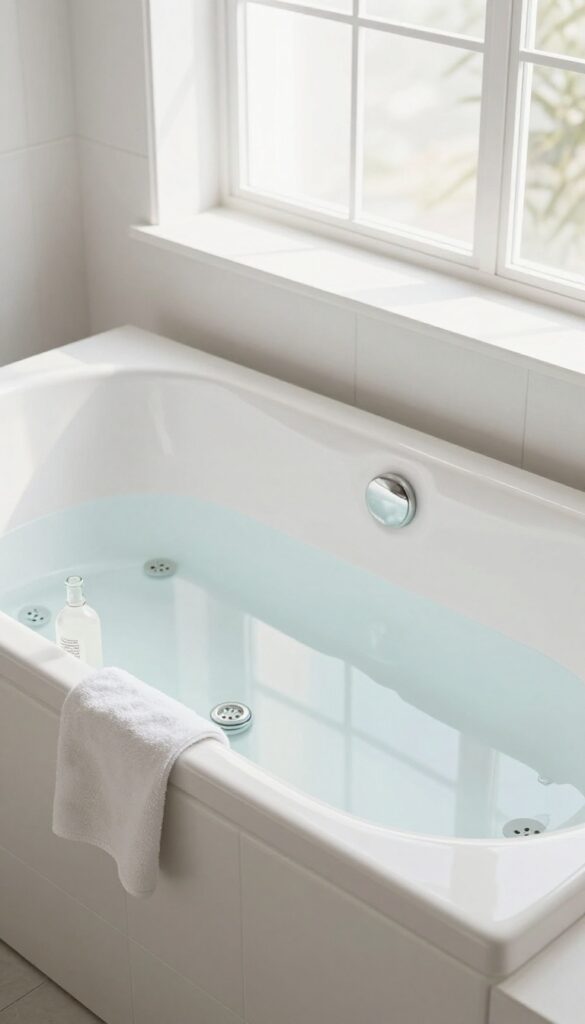
Cleaning your Jacuzzi jets is not a one-and-done task. To keep them looking and working like new, you need to stick to a routine. A little regular maintenance saves you from future deep cleans and keeps bacteria from taking hold.
Set a monthly reminder to flush your jets with a cleaning solution. You can use a commercial jet cleaner or a simple vinegar flush. Also, make it a habit to drain and dry the tub after every use to prevent residue buildup.
This small effort goes a long way.
Monthly Jet Flush
Once a month, fill the tub with hot water above the jets. Add 2 cups of white vinegar or a recommended jet cleaner. Run the jets for 15 minutes, then drain and rinse thoroughly.
This clears out soap scum and mineral deposits before they harden.
Post-use Care
After each soak, drain the tub completely. Use a soft cloth to wipe down the jets and surfaces. Leave the jets open and the tub uncovered to air dry.
This prevents moisture from lingering, which is a breeding ground for mold.
Filter Maintenance
Don't forget your filter. Rinse it weekly and deep clean it monthly. A clean filter keeps debris from recirculating into your jets.
Replace it every 6 to 12 months depending on usage.
FAQ
How often should I clean my Jacuzzi tub jets?
For regular use, clean the jets every month. If you use the tub infrequently, a quarterly deep clean is sufficient. Always flush the jets after each use to prevent standing water from stagnating.
Can I use bleach to clean Jacuzzi jets?
Yes, but sparingly. Bleach is effective for sanitizing, but it can damage rubber seals and gaskets over time. Use a diluted solution (1/2 cup bleach per full tub) and rinse thoroughly.
Vinegar is a safer alternative for regular cleaning.
Why do my Jacuzzi jets smell bad?
A musty or foul odor usually indicates bacteria or mold growing inside the jet system. This happens when water sits in the pipes after use. Regular flushing with vinegar or a commercial jet cleaner eliminates the smell.
Do I need to remove the jet covers to clean them?
It's recommended if possible. Removing the covers allows you to scrub them individually and access the jet openings for deeper cleaning. Check your tub's manual for removal instructions.
Can I use commercial jet cleaners instead of vinegar?
Absolutely. Commercial cleaners are formulated specifically for Jacuzzi tubs and can be more convenient. Follow the product instructions carefully.
However, vinegar is a cost-effective and eco-friendly alternative.
Conclusion
Keeping your Jacuzzi tub jets clean doesn't have to be a chore. With these 13 simple steps, you can maintain a hygienic and inviting tub that's always ready for a relaxing soak.
Regular maintenance not only extends the life of your tub but also ensures every bath is as refreshing as the first. So go ahead, fill up the tub, and enjoy the peace of mind that comes with a sparkling clean Jacuzzi.