How to Clean Your Room Aesthetic with 13 Stylish Ideas
Your room can look like a curated Instagram feed without sacrificing functionality. The secret lies in merging decluttering strategies with intentional design choices that make your space feel both organized and beautiful.
These 13 stylish ideas will help you transform your room from messy to magazine-worthy, one thoughtful step at a time. Start by seeing your space through a curator's lens—keeping only what sparks joy or serves a purpose.
Then build on that foundation with neutral tones, matching storage, and layers of texture that create visual harmony. Each idea builds on the last, so you can work through them in order or pick the ones that resonate most.
1. Declutter with a Curator's Eye
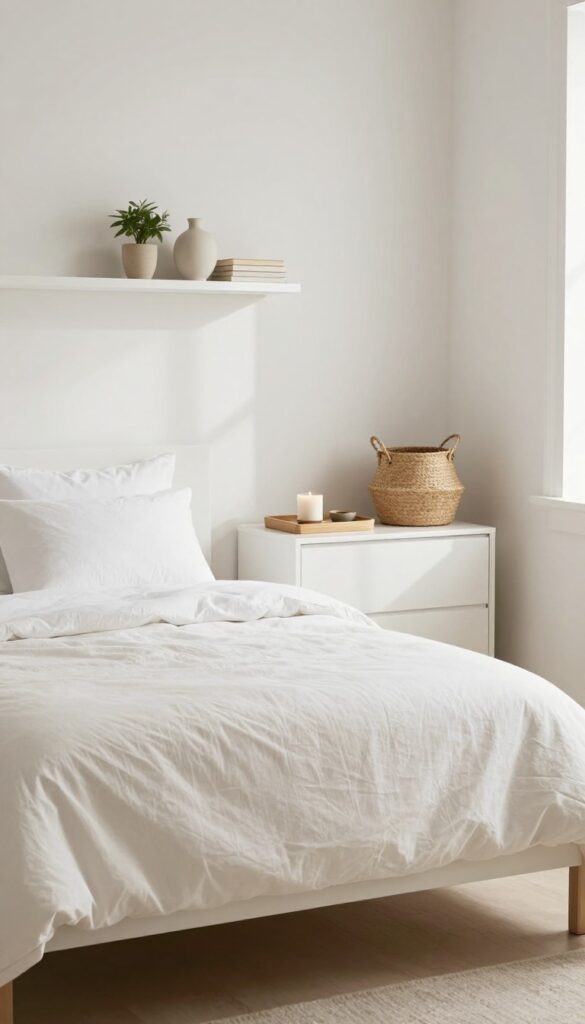
Think of your room as a personal gallery where every item tells a story. The first step to an aesthetic space is ruthless curation—keeping only what you love or use. This isn't about minimalism for its own sake; it's about making room for the pieces that truly matter.
Start by pulling everything out of your drawers, closets, and shelves. Sort items into three piles: keep, donate, and trash. Be honest with yourself—if you haven't used it in a year or it doesn't spark joy, let it go.
Once you've pared down, assign a dedicated home for every remaining item. This prevents clutter from creeping back and makes your space feel intentional.
The Three-pile Method
Grab three boxes or bags and label them Keep, Donate/Sell, and Trash. Go through your room section by section, handling each object once. Ask yourself: Does this add value to my life?
Does it fit my aesthetic vision? If not, it goes. This method forces quick decisions and prevents second-guessing.
Create A Home For Everything
After decluttering, assign a specific spot for each category of items. Use drawer dividers for accessories, trays for desk supplies, and baskets for blankets. When everything has a place, tidying up takes minutes instead of hours.
Plus, it looks cleaner because surfaces stay clear.
Display, Don't Store
Turn your favorite belongings into decor. Instead of hiding your vinyl collection in a cabinet, display it on a floating shelf. Stack your coffee table books neatly.
Show off your plants, ceramics, or framed art. Curating means choosing what to show, not just what to hide.
2. Embrace the Power of Neutral Tones
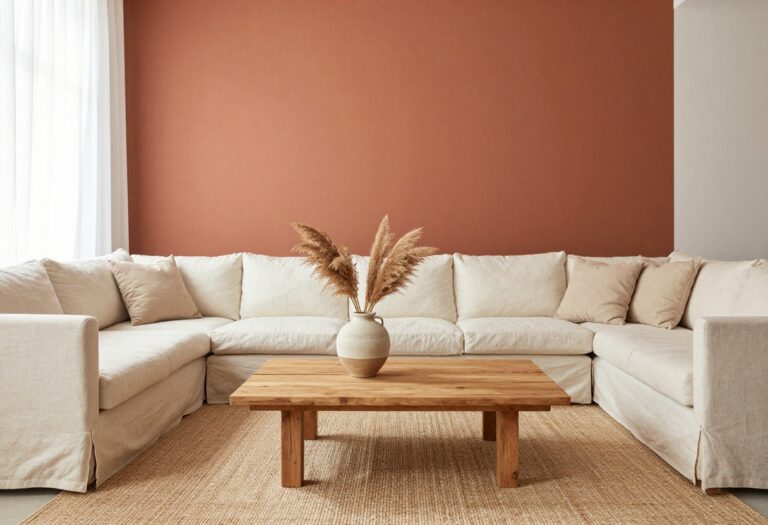
Neutral tones are the unsung heroes of a clean, aesthetic room. They instantly calm the visual chaos and create a serene backdrop that makes everything else look intentional. By swapping bright or clashing accessories for soft beige, cream, or gray, you give your space a cohesive, spa-like feel.
It’s not boring—it’s a foundation that lets texture and shape shine.
A neutral palette doesn’t mean beige everything. It means choosing colors that don’t compete for attention. Start with your largest surfaces: walls, bedding, and rugs.
Then layer in subtle variations—warm ivory, cool dove gray, or sandy taupe. The result is a room that feels bigger, cleaner, and more restful. Plus, neutrals make it easier to swap in seasonal accents without a full overhaul.
Pick Your Neutral Family
Decide whether you want warm or cool neutrals. Warm neutrals (cream, tan, warm gray) feel cozy and inviting. Cool neutrals (white, light gray, greige) feel crisp and modern.
Stick to one family to avoid a muddy look. Test paint swatches on your wall and observe them in different lighting throughout the day.
Layer Textures For Depth
A room full of flat beige can feel flat. Add depth with varied textures: a chunky knit throw, linen curtains, a velvet pillow, or a jute rug. These tactile elements prevent the room from looking sterile and add visual interest without adding color.
Mixing matte and shiny surfaces—like a matte vase on a glossy table—also works.
Use Neutrals To Unify Clutter
Neutral storage bins, baskets, and boxes can hide clutter while blending into the background. Choose woven seagrass baskets, canvas bins, or solid-colored trays. When everything matches the palette, even a stack of books or a charging station looks intentional.
Label them if needed, but keep labels neutral too.
3. Invest in Matching Storage Baskets
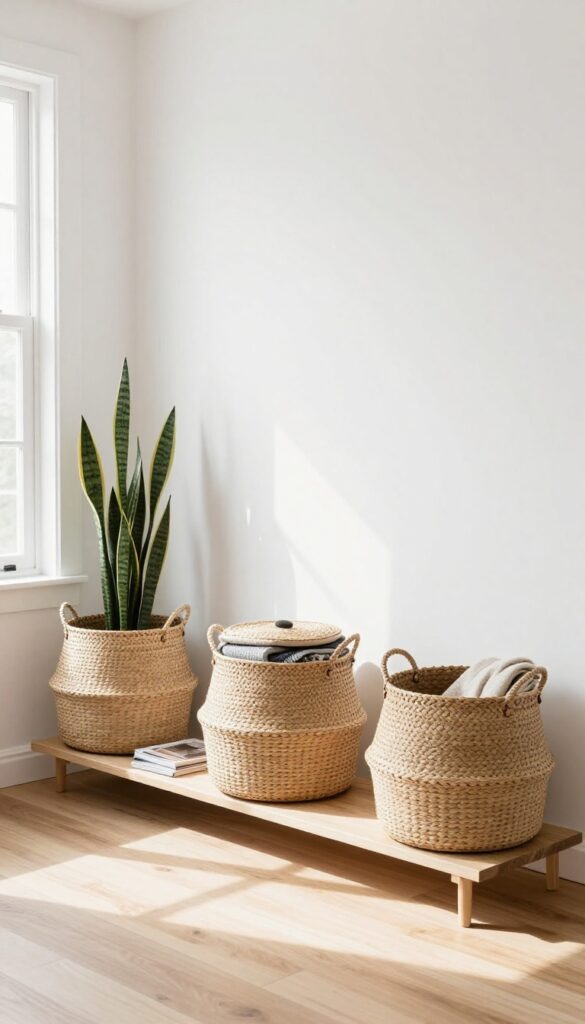
Uniform baskets are the secret weapon of organized, aesthetic rooms. They hide everyday clutter while adding warmth and texture to your shelves, under your bed, or next to your sofa. When everything has a designated basket, your room instantly looks intentional and pulled together.
Matching storage baskets create visual cohesion by repeating the same shape, color, and material throughout the space. This repetition tricks the eye into seeing order even when the baskets are stuffed with random items. Choose baskets that complement your room's palette—natural woven seagrass for a boho vibe, sleek black wire for industrial, or soft linen for Scandinavian minimalism.
Pick A Consistent Material
Stick with one material for all your baskets to avoid visual chaos. Seagrass or rattan adds organic texture, felt or fabric feels soft and modern, and metal or wire brings an edgy, airy look. Mixing too many textures can make the room feel busy, so commit to a single base material and vary sizes instead.
Use Baskets For Specific Categories
Assign each basket a job: one for throw blankets, another for magazines, a third for charging cables or remote controls. Labeling isn't necessary if you remember the system, but a small tag or a different color liner can help. This way, you never have to dig through a pile to find what you need.
Size And Placement Matter
Large baskets work well on the floor for blankets or pillows, while medium ones fit on open shelves for books or decor. Small baskets are perfect for nightstands or desks to hold odds and ends like lip balm, pens, or jewelry. Group baskets in odd numbers (three on a shelf, one under a console) for a balanced, curated look.
4. Add a Touch of Greenery
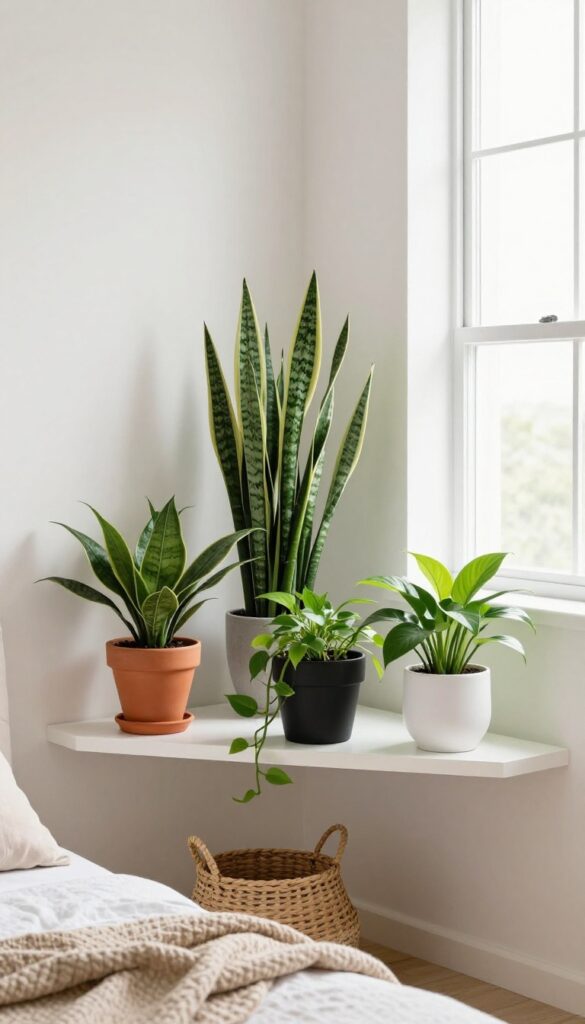
Plants bring life, color, and a sense of calm to any room. They soften hard edges, improve air quality, and add that organic touch that makes a space feel curated rather than sterile. Even if you don't have a green thumb, low-maintenance varieties can thrive with minimal effort and instantly elevate your room's aesthetic.
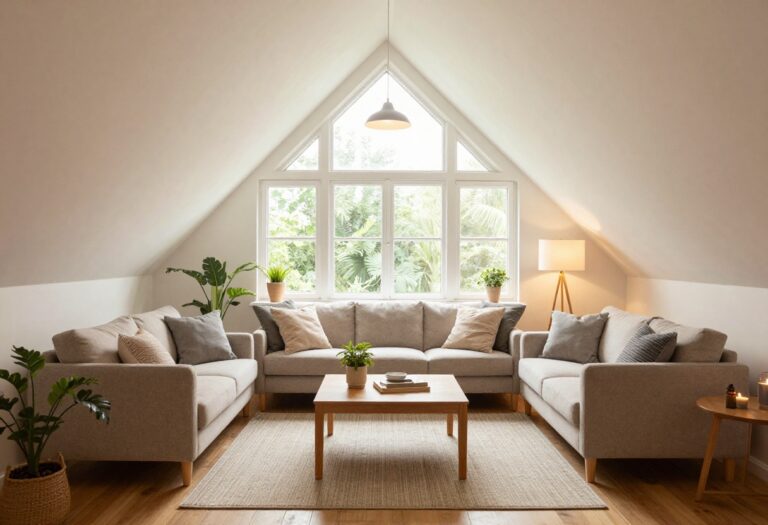
Start with one or two statement plants that complement your room's color scheme and lighting. Place them on shelves, windowsills, or in stylish pots that match your decor. Grouping plants of different heights and leaf shapes creates visual interest without looking cluttered.
Choose Hardy Varieties
Snake plants, pothos, and ZZ plants are nearly impossible to kill and thrive in low light. They also purify the air, making your room feel fresher. For a pop of color, try a calathea or a rubber plant—they're still easy to care for but add bold foliage.
Pick Pots That Pop
The container matters as much as the plant. Choose pots in neutral tones like terracotta, white, or matte black for a minimalist look. Or go for a contrasting color that ties into your room's accent palette.
Make sure pots have drainage holes and a saucer to protect surfaces.
Place For Impact
Put your largest plant in a corner to soften angles and draw the eye. Use smaller plants on nightstands, desks, or floating shelves. Hanging planters or wall-mounted pots save floor space and add dimension.
Group three plants of varying heights together for a curated vignette.
5. Layer Your Lighting
Overhead lights are the enemy of a cozy room. They cast harsh shadows and wash everything in an unflattering glare. The fix is simple: swap that single ceiling fixture for multiple light sources placed at different heights.
Layering your lighting creates depth, warmth, and a soft glow that makes your room feel instantly more polished and inviting.
Start by identifying your room's main activities—reading, relaxing, getting dressed—and place lights accordingly. A floor lamp in a corner adds ambient light, a table lamp on your nightstand provides task lighting, and string lights along a shelf or headboard bring a playful, warm accent. The key is to use bulbs with a warm color temperature (2700K–3000K) and dimmers when possible so you can adjust the mood throughout the day.
Choose Your Light Layers
Ambient lighting fills the room evenly—think floor lamps or overhead fixtures on a dimmer. Task lighting focuses on specific areas like your desk or reading nook. Accent lighting highlights artwork, plants, or architectural details.
Aim for at least two of these layers in your room for a balanced, flexible setup.
Placement Tips For Maximum Effect
Position floor lamps in empty corners to bounce light off walls. Table lamps should sit at eye level when you're seated—around 24 to 30 inches tall. String lights work best when draped along a headboard, mirror, or shelf, not just thrown randomly.
Avoid placing all lights on one side of the room; spread them out for even coverage.
Bulb And Fixture Choices Matter
Opt for warm white LEDs (2700K) for a cozy feel. Use dimmable bulbs in your main lights so you can lower the intensity for movie nights. Choose fixtures with shades that direct light downward or upward—avoid bare bulbs that cause glare.
For string lights, go with a warm tone and a simple wire rather than bulky plastic casings.
6. Make Your Bed Like a Hotel
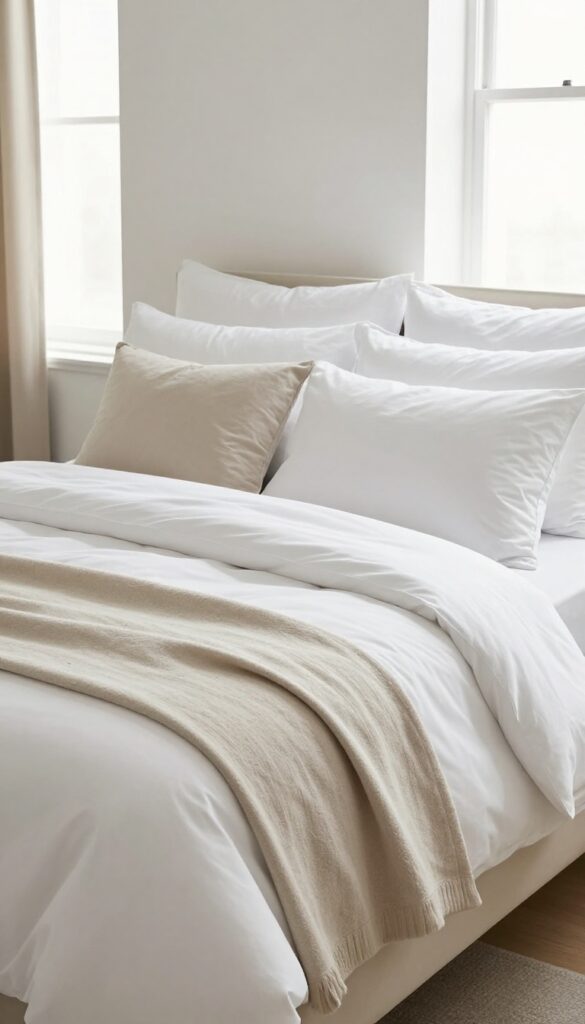
A neatly made bed is the anchor of a clean room. It instantly pulls the whole space together and makes everything look more intentional. Hotel beds feel so luxurious because of the layers—crisp sheets, a plush duvet, and perfectly arranged pillows.
You can recreate that same effect at home with a few simple additions.
Start with a fitted sheet, then add a flat sheet and a lightweight blanket. Top it with a duvet or comforter folded neatly at the foot. Layer on a throw blanket and two to four pillows—sleeping pillows in back, decorative ones in front.
Smooth out wrinkles and fluff the pillows for that hotel-like finish.
Choose Quality Bedding
Invest in high-thread-count sheets in neutral colors like white, cream, or light gray. A duvet cover with a subtle texture, like linen or a sateen weave, adds depth without being busy.
Master The Hospital Corner
Fold the bottom corners of your flat sheet and blanket under the mattress at a 45-degree angle. This keeps everything tight and wrinkle-free, just like in a luxury hotel.
Add Decorative Pillows
Use two standard pillows for sleeping, then add two euro shams or a lumbar pillow in front. Stick to a cohesive color palette to keep the look clean and curated.
7. Create a Dedicated Charging Station
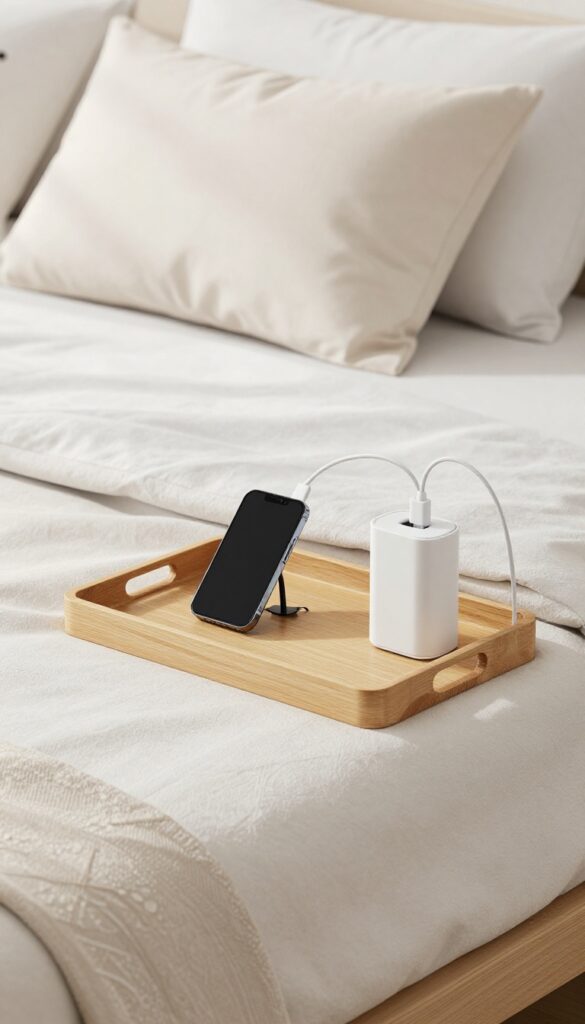
Cables and chargers can quickly turn a tidy nightstand into a tangled mess. A dedicated charging station keeps everything organized and out of sight, so your room stays clean and clutter-free. Plus, it makes charging your devices a no-brainer—just drop them in and go.
Choose The Right Vessel
A stylish tray, a decorative box, or a small basket works perfectly. Look for something that fits your aesthetic—wooden for a warm look, acrylic for modern, or woven for boho. Make sure it's large enough to hold your devices and has an opening for cables to pass through.
Manage The Cables
Use cable clips or a cable management box to keep cords from spilling out. You can also label each cable with a small tag so you know which one belongs to what. A short, high-quality cable reduces tangles and looks cleaner.
Place It Strategically
Put your charging station on a nightstand, desk, or dresser where you naturally use your devices. Keep it near an outlet to avoid trailing cords across the room. If possible, choose a spot that's not in direct line of sight when you walk in—like on a shelf or inside a cabinet.
8. Use Trays to Corral Small Items
Small items have a way of multiplying and scattering across every surface. Trays are the perfect solution—they give each little thing a designated home while adding a polished, intentional look to your dresser or nightstand.
A tray acts like a landing zone for your daily essentials. Instead of hunting for your keys or remote, you know exactly where they are. Plus, the tray itself becomes a decorative element that ties your room together.
Choose The Right Tray
Pick a tray that complements your room's style. For a minimalist look, go with a simple wooden or acrylic tray. If you prefer boho vibes, try a woven rattan or ceramic tray with a pattern.
Size matters—make sure it's big enough to hold your items but not so large that it overwhelms the surface.
Group By Category
Use separate trays for different categories. One tray for jewelry and watches, another for tech accessories like chargers and earbuds. This keeps everything organized and easy to find.
You can even use small bowls or dishes inside the tray for tiny items like rings.
Style It Up
Don't just dump items in the tray—arrange them neatly. Place a small plant or candle in the center for visual interest. Stack books or a coaster set on one side.
The goal is to make the tray look curated, not cluttered.
9. Rotate Seasonal Decor
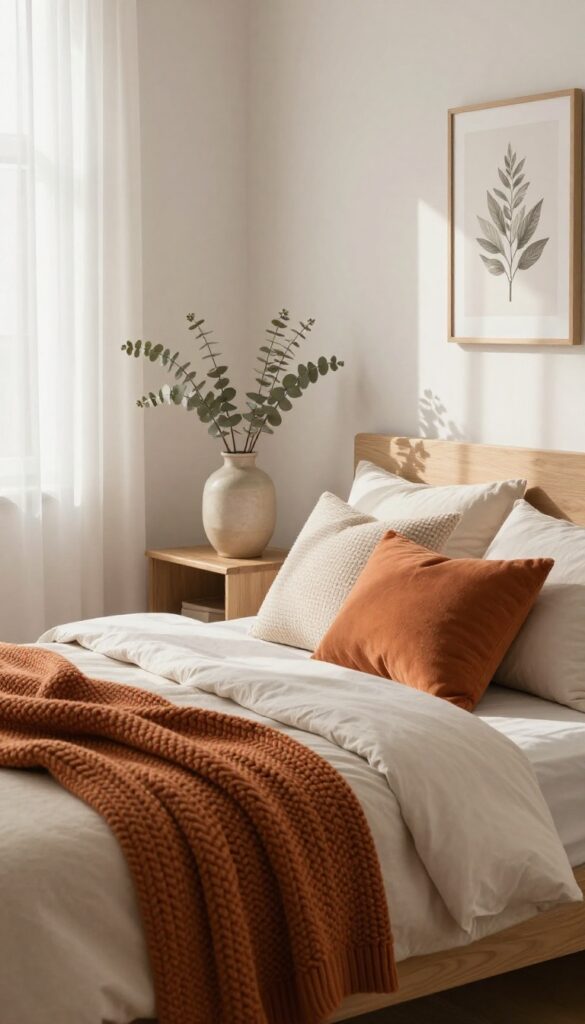
Swapping out pillows, throws, and art with the seasons is a low-effort way to keep your room feeling alive. Instead of a full redesign, you just change a few key pieces to match the mood outside. It’s like giving your space a mini refresh every few months without spending much time or money.
Pick A Seasonal Color Palette
Choose two or three colors that fit the season—warm oranges and browns for fall, cool blues and whites for winter, pastels for spring, and brights for summer. Stick to those hues when swapping out pillow covers, throw blankets, and small decor items. This keeps the room cohesive while still feeling seasonal.
Swap Art And Wall Decor
Change out a couple of framed prints or wall hangings to reflect the season. You don’t need to redecorate the whole wall—just one or two pieces can shift the vibe. For example, a botanical print in spring or a snowy landscape in winter.
Store the off-season art in a flat portfolio under your bed.
Rotate Textiles And Accessories
Switch out heavier throws for lighter ones as the weather warms up, and vice versa. Same with pillow covers—store a set for each season in a bin. Small touches like a seasonal candle or a vase with fresh branches can also make a big difference without cluttering your space.
10. Keep Surfaces Clear with Wall-Mounted Storage
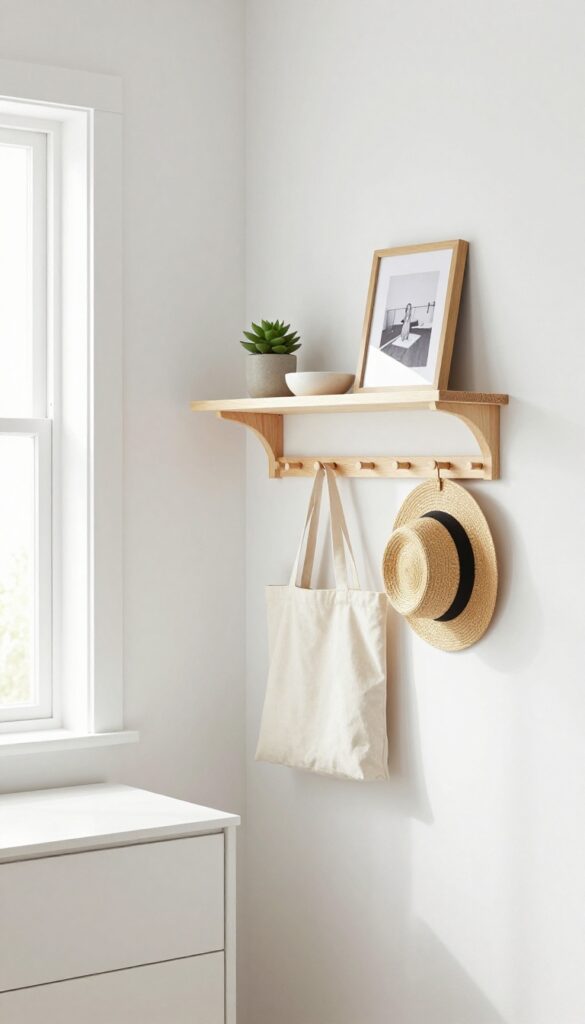
Cluttered surfaces ruin the aesthetic no matter how nice your decor is. Wall-mounted storage is the easiest way to reclaim your desk, dresser, and nightstand while adding visual interest to your walls. Floating shelves, hooks, and rail systems keep essentials accessible but out of the way.
When every flat surface is covered, the room feels chaotic even if each item is intentional. Wall-mounted storage solves this by moving things off surfaces and onto vertical space. It also draws the eye upward, making the room feel larger and more open.
Choose The Right Shelves
Floating shelves work in almost any room. Go for wood tones that match your furniture or a contrasting color for a pop. Keep them shallow so items don't protrude too far.
Install them at varying heights for a dynamic look.
Use Hooks For Daily Items
Wall hooks are perfect for bags, hats, and jewelry you wear often. A small peg rail near the door or beside your vanity keeps these items off chairs and dressers. Choose sleek metal or wooden hooks that blend with your decor.
Display Curated Items Only
Wall storage is not for overflow junk. Pick a few beautiful objects: a small plant, a framed photo, a ceramic dish. Rotate them seasonally to keep the look fresh.
The goal is a clean, airy feel, not a crowded shelf.
11. Adopt a 'One In, One Out' Rule
The 'one in, one out' rule is a simple but powerful way to keep your room from getting cluttered again. Every time you bring something new into your space—whether it's a throw pillow, a candle, or a decorative vase—commit to removing one existing item. This habit forces you to think twice before buying and ensures your aesthetic stays clean and intentional.
This rule works especially well for small rooms where every item counts. It prevents the slow creep of stuff that can undo all your hard work. The key is to be honest with yourself: if you can't decide what to remove, maybe you don't need the new item either.
Why It Works
By limiting the total number of objects in your room, you naturally maintain a curated look. Each piece has room to breathe, and your eye isn't overwhelmed by visual noise. It also saves you money and time because you're less likely to buy things on impulse.
How To Apply It
Start by designating a 'donate' or 'toss' box in your closet or under your bed. When you bring in a new item, immediately place the outgoing one in the box. If you're sentimental, take a photo before letting go.
Over time, this becomes second nature.
When To Break The Rule
The rule isn't absolute. If you find a truly meaningful piece or something that fills a genuine gap, you can make an exception. Just be honest with yourself about whether it's a need or a want.
The goal is to keep your room feeling spacious and intentional, not to punish yourself.
12. Incorporate Soft Textures
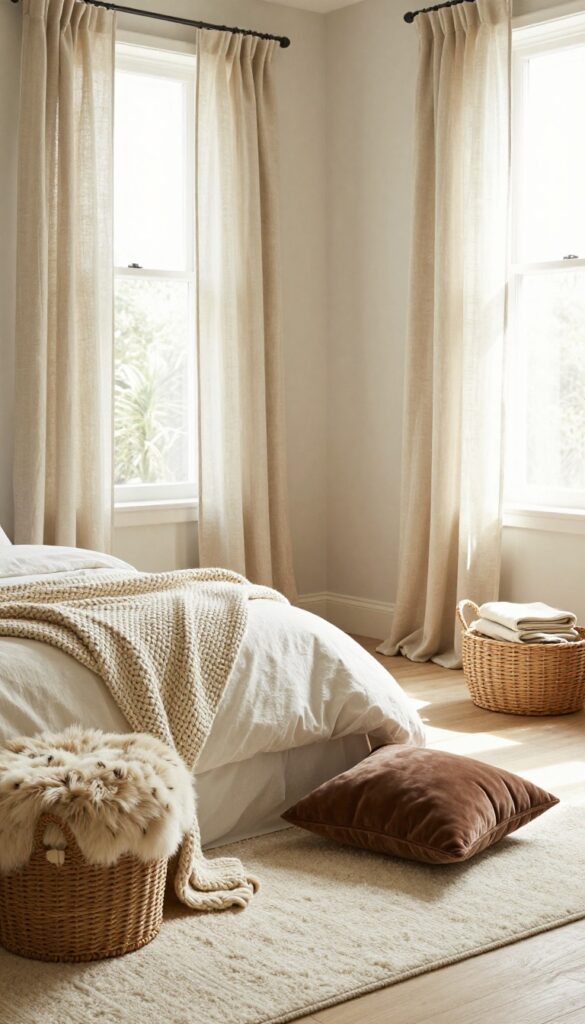
Nothing kills a clean room vibe faster than a space that feels cold or impersonal. Soft textures are the secret ingredient that turns a tidy room into a sanctuary you actually want to spend time in. Think plush rugs underfoot, velvet cushions you sink into, and linen curtains that filter light just right.
These elements add warmth and make your room feel lived-in without looking messy.
Layering different textures creates depth and visual interest that keeps a minimalist space from feeling flat. Start with a large area rug in a neutral or muted tone—it anchors the room and softens hard floors. Then add smaller accent pieces like a chunky knit throw on the bed or a velvet pillow on your reading chair.
The goal is contrast: pair smooth surfaces like glass or metal with something tactile and cozy. Even small touches, like a faux-fur stool or a woven basket for blankets, can shift the whole feel of the room.
Choose The Right Rug
A rug is the foundation of your texture layer. Go for something with a low pile if you want easy maintenance, or a shag rug for maximum coziness. Make sure it's large enough to fit under your bed or sofa—a too-small rug can make the room feel disjointed.
Neutral colors like cream, beige, or soft gray work best because they blend without competing with other textures.
Mix Cushions And Throws
Pillows and blankets are the easiest way to experiment with texture. Mix materials like velvet, linen, cotton, and knit. Stick to a cohesive color palette—maybe warm earth tones or cool pastels—to keep it looking intentional.
Arrange them in odd numbers (three pillows on a bed, for example) for a balanced but relaxed look.
Don't Forget Window Treatments
Curtains and blinds are often overlooked, but they add major texture. Linen or cotton curtains in a natural color soften harsh window frames and diffuse light beautifully. If you prefer blinds, opt for bamboo or wood shades—they bring warmth and a natural element that pairs well with soft fabrics.
13. End Each Day with a 5-Minute Reset
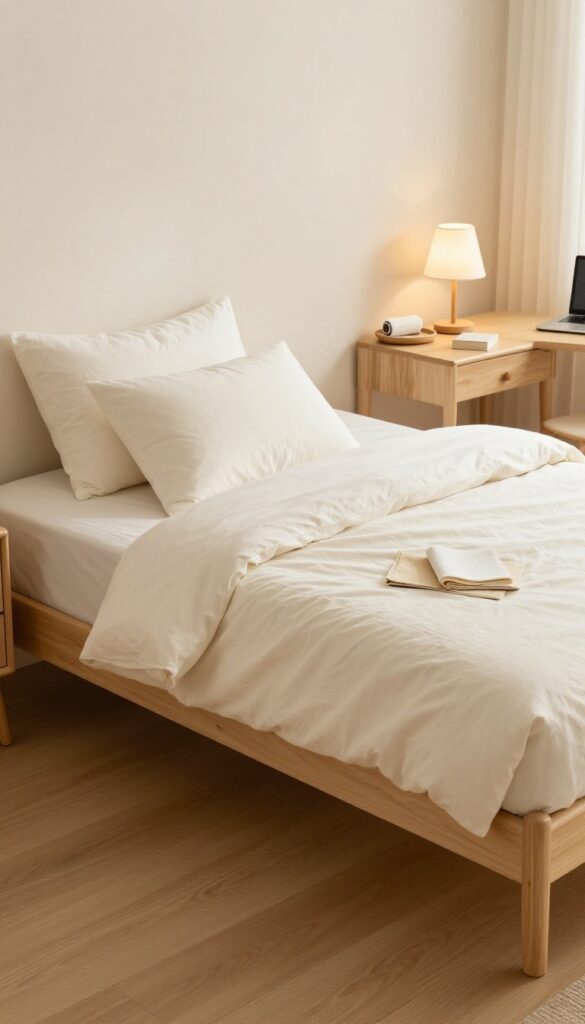
A clean room in the morning starts the night before. Instead of letting clutter pile up until the weekend, a quick five-minute reset before bed keeps your space consistently tidy. This small habit prevents mess from accumulating and makes your room feel like a sanctuary every evening.
The 5-minute reset is about targeting the hotspots that get messy during the day. Focus on your bed, surfaces, and floors. Fluff your pillows, fold throws, and smooth your duvet so your bed looks inviting.
Clear nightstands, desks, and dressers of stray items like glasses, chargers, and books. Finally, sweep or quickly pick up any debris or clothing from the floor. This routine takes almost no time but dramatically improves how your room looks and feels.
Make It A Ritual, Not A Chore
Pair your reset with something enjoyable—like listening to a favorite podcast or playing a calming song. Set a timer if needed, and race against it to make it fun. Over time, this becomes an automatic wind-down cue that signals your brain it's time to relax.
Focus On High-impact Areas
Not every corner needs attention. Prioritize the spots you see first when you walk in or wake up. A tidy bed and clear surfaces create the illusion of an entirely clean room, even if your closet is a mess.
Reserve deeper cleaning for weekends.
Keep Supplies Handy
Store a small basket or tray with essentials like a lint roller, a microfiber cloth, and a small trash bin nearby. That way, you can quickly dust a surface or pick up lint without searching for supplies. This reduces friction and makes the reset effortless.
FAQ
How often should I deep clean my room to maintain the aesthetic?
Aim for a deep clean every two weeks. Daily 5-minute resets and weekly surface wipes keep things fresh between deep cleans.
What are the best low-maintenance plants for a bedroom?
Snake plants, pothos, and ZZ plants thrive with minimal care. They also improve air quality and add a natural touch.
How can I make a small room look more aesthetic?
Use mirrors to create depth, stick to a light color palette, and choose multi-functional furniture. Keep clutter to a minimum.
What's the easiest way to organize cables and chargers?
Use a decorative box or tray as a charging station. Label cables and use cable clips to keep them tidy.
How do I choose a color scheme for my room aesthetic?
Start with a neutral base like white, beige, or gray. Add one or two accent colors through pillows, art, or rugs for personality.
Conclusion
Once you've styled your space with these 13 ideas, your room will feel less like a storage unit and more like a personal sanctuary. The beauty of an aesthetic clean is that it blends function with visual calm—every item has a place and a purpose.
Start with just one or two ideas that resonate, then layer in more as you go. Before long, your room will look effortlessly put together and stay that way with minimal upkeep.