10 Attic Living Room Ideas That Feel Fresh and Easy
Attic living rooms come with quirks—sloped ceilings, odd corners, and limited natural light. But those same quirks can make the space feel special. You don't need a big budget or a construction crew to make it work.
A few smart choices can turn a forgotten attic into the room everyone gravitates toward. Think about how you actually use the space, then let the architecture guide your decisions. Small moves often make the biggest difference.
These ten ideas focus on what's practical and affordable. Whether you're starting from scratch or just want a refresh, you'll find something you can try this weekend.
1. Embrace the Slope with Low-Profile Furniture
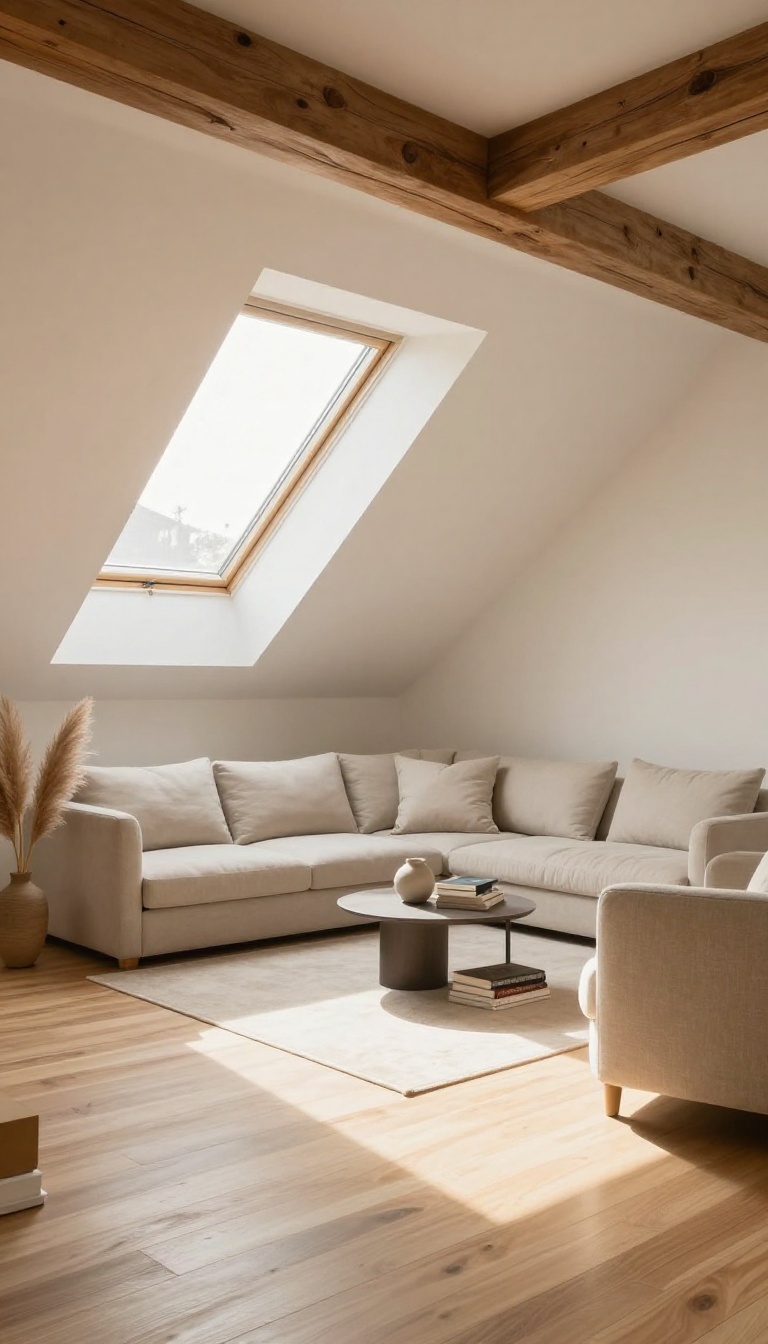
Sloped ceilings can feel like a design challenge, but they're actually an opportunity to rethink your furniture layout. Instead of fighting the angles, work with them by choosing pieces that sit low to the ground. This keeps the room open and airy, even when the walls are closing in.
When you have a ceiling that dips down to meet the floor, the last thing you want is a tall, bulky sofa that makes the space feel even more cramped. Low-profile furniture—think sofas with low backs, armless chairs, and modular sectionals—fits neatly under the slope without blocking sightlines. The result is a room that feels larger and more inviting, not like you're sitting in a cave.
Another perk: low furniture draws the eye upward, highlighting the unique architecture of your attic. It also gives you flexibility to rearrange pieces as needed, so you can adapt the space for movie nights, reading corners, or casual hangouts. And because these pieces are closer to the floor, they can make even a small attic feel grounded and cozy.
Measure Twice, Buy Once
Before you shop, grab a tape measure and note the lowest point of your ceiling. Then look for sofas with a back height that leaves at least a few inches of clearance. This simple step prevents the frustration of a piece that looks great online but feels like a barrier in person.
Modular Magic
Modular sofas and chairs are your best friend in an attic. You can arrange them in an L-shape to follow the roofline, or split them into separate seats when you want a more open feel. They're also easier to move through narrow staircases and tight turns.
Style Without The Height
Low doesn't mean boring. Look for pieces with interesting textures, like boucle or leather, or add colorful throw pillows to bring personality. A low-profile sofa in a bold hue can become the focal point, while still keeping the room feeling spacious.
2. Turn Dormer Windows into Cozy Reading Nooks
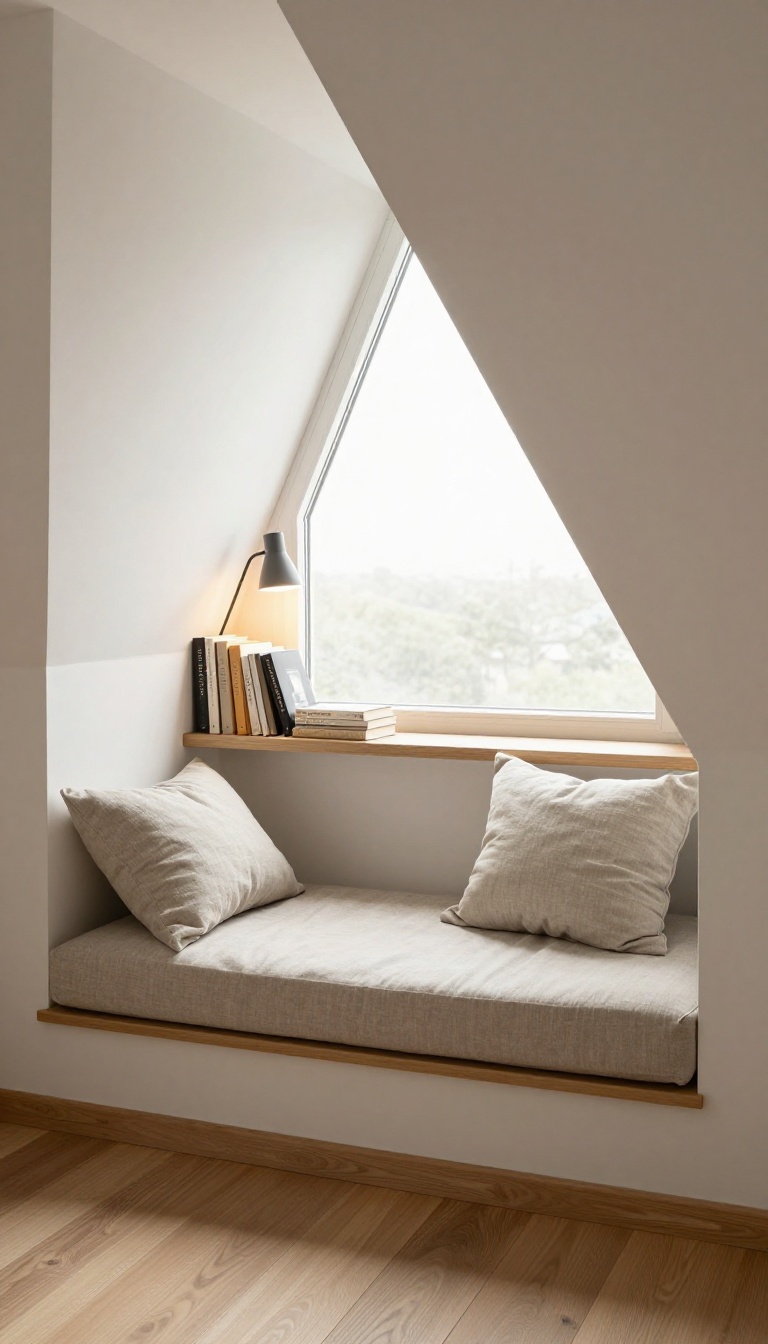
Dormer windows often create small alcoves that feel like they were made for curling up with a book. Instead of treating that spot as leftover space, you can turn it into a inviting reading nook. With a few simple additions, it becomes a favorite corner for quiet moments.
The key is to work with the nook's natural shape, not against it. A cushioned seat, a small shelf, and a clip-on light can transform the area into a functional retreat. It's an easy upgrade that adds charm and purpose to an often-overlooked corner.
Choose The Right Cushion
Measure the width and depth of your dormer alcove before buying anything. A custom-cut foam cushion covered in a durable fabric works well and can be made affordably. Look for a thickness of at least three inches for comfort, and consider a removable cover for easy cleaning.
Add A Slim Shelf For Books
A narrow floating shelf mounted on the side wall keeps your current reads within reach without crowding the space. If the wall is sloped, use a corner shelf or a small basket on the floor. Keep it minimal so the nook stays uncluttered.
Light It With A Clip-on Lamp
Clip-on lamps attach easily to a shelf or window frame and provide focused light for reading. Choose a warm LED bulb to create a cozy glow. A rechargeable model means you won't need an outlet nearby, which is handy in attic spaces.
3. Use Light Colors to Brighten Dark Corners
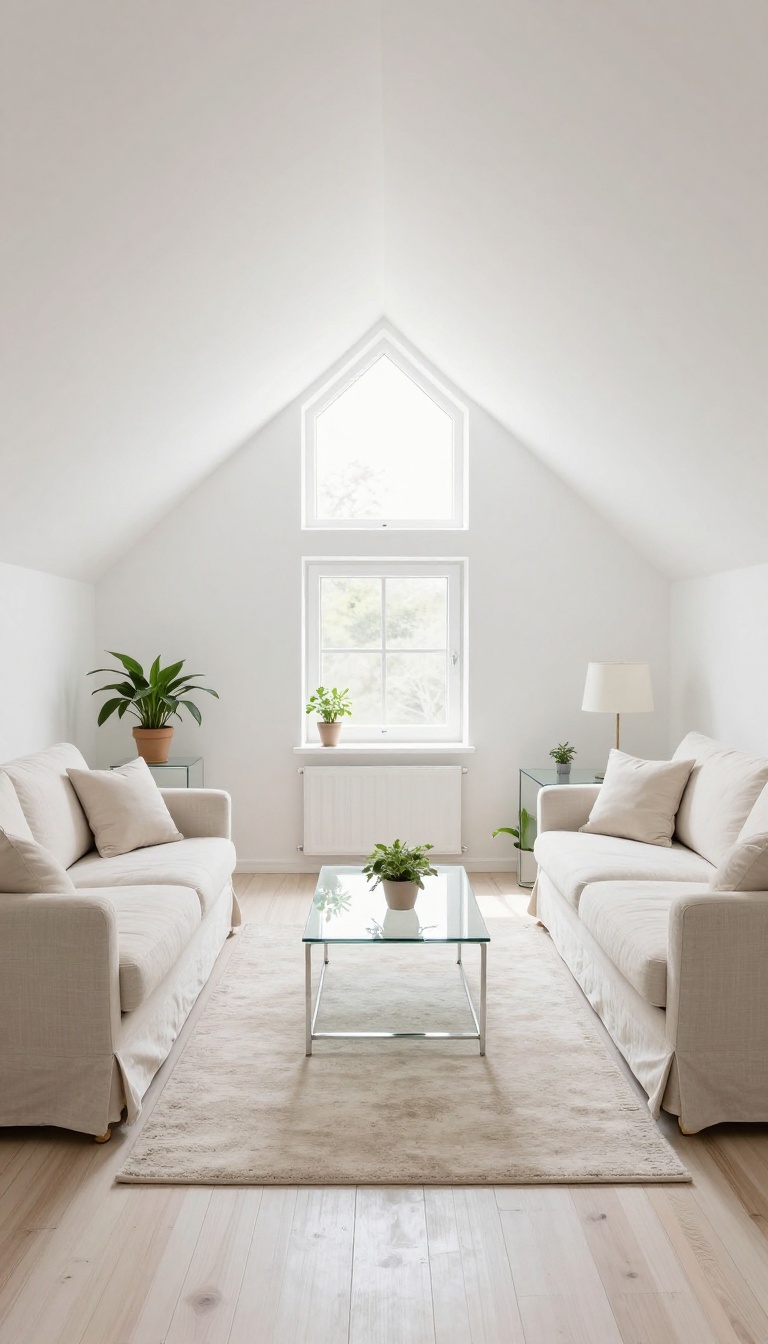
Attics are notorious for feeling like caves, especially if you only have one or two small windows. But you can trick the eye and make the most of every bit of daylight by sticking to a light color palette. Soft whites, pale pastels, and light-toned floors bounce light around the room instead of soaking it up.
The result is a space that feels airy, open, and surprisingly bright even on cloudy days.
Start with the biggest surfaces: walls and ceilings. A fresh coat of soft white or a barely-there pastel can instantly lift the mood. Then carry that lightness downward with pale flooring or a light area rug.
Even your furniture and decor can play a role—think airy fabrics and reflective finishes. The goal is to create a seamless flow of light from top to bottom.
Pick The Right White
Not all whites are created equal. Cool whites with a hint of blue or gray can feel crisp and modern, while warm whites with yellow or pink undertones add coziness. For attics that get very little sun, a warm white often works best because it doesn't turn chilly.
Test a few samples on different walls to see how they look at various times of day.
Go Pale On The Floor
Dark floors can anchor a room, but in a dim attic they can also drag it down. Light wood, whitewashed planks, or pale carpet keep the space feeling open. If you love the look of wood but want to go lighter, consider a whitewash or a light gray stain.
Rugs in soft neutrals or pastels can add warmth without blocking light.
Add Reflective Accents
Shiny surfaces like glass, chrome, and mirrored furniture bounce light around the room. A mirrored side table or a glossy ceramic lamp base can make a big difference. Even small touches like metallic picture frames or a glass coffee table help.
Just don't overdo it—a few well-placed pieces are enough.
4. Add Layered Lighting for Every Mood
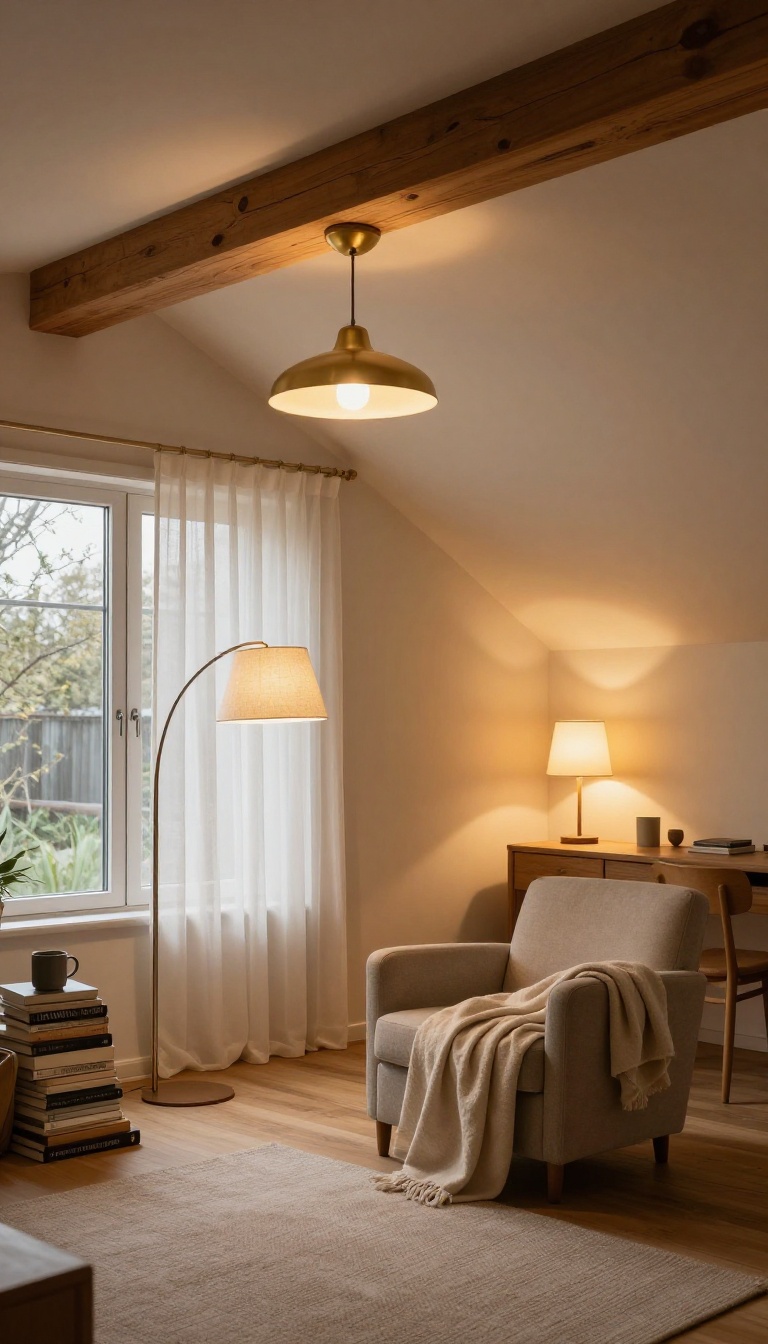
One overhead bulb in an attic is a recipe for flat, gloomy light. Layering your lighting—using different sources at different heights—changes everything. It gives you control over the mood and makes the room feel bigger and more polished.
The trick is to mix three types: ambient (overall glow), task (for reading or projects), and accent (to highlight features). You don't need to install a dozen fixtures. A few well-placed lamps and lights can do the job.
Best of all, you can build this look over time. Start with what you have, then add pieces as you find them. The result is a space that adapts to whatever you're doing, from movie night to morning coffee.
Start With Ambient Glow
Ambient light sets the base layer. Instead of a single ceiling fixture, try a floor lamp with a warm bulb in one corner. Or use a dimmable pendant if you have a flat ceiling section.
The goal is soft, even light that fills the room without glare. If your attic has exposed beams, you can also string up a few plug-in pendant lights. They add character and spread light across the ceiling.
Keep the bulbs around 2700K for a cozy, welcoming feel.
Add Task Lighting Where You Need It
Task lights are for specific activities. A reading nook needs an adjustable floor lamp or a clip-on light for a chair. If you have a desk, a small table lamp with a focused beam works well.
Place task lights so they don't shine in your eyes. For example, put a lamp behind your shoulder when you read. This reduces eye strain and makes the space more functional.
Use Accents To Highlight Architecture
Accent lighting draws attention to the attic's best features. Wall sconces can wash light up a sloped ceiling, making it feel taller. String lights along a beam add a playful, twinkling effect.
You can also use a small uplight on the floor to graze a textured wall. These touches add depth and make the room feel intentional. Just be sure to keep accent lights on separate switches or smart plugs so you can turn them on and off easily.
Control The Mood With Dimmers And Smart Bulbs
The real magic happens when you can adjust each layer. Install dimmer switches on your main lights, or use smart bulbs you control from your phone. That way, you can go from bright and energetic to soft and relaxing in seconds.
Group your lights by zone—like reading area, TV corner, and walkway—so you can light only what you need. This saves energy and makes the space feel tailored to the moment.
5. Create a Focal Point with a Statement Rug
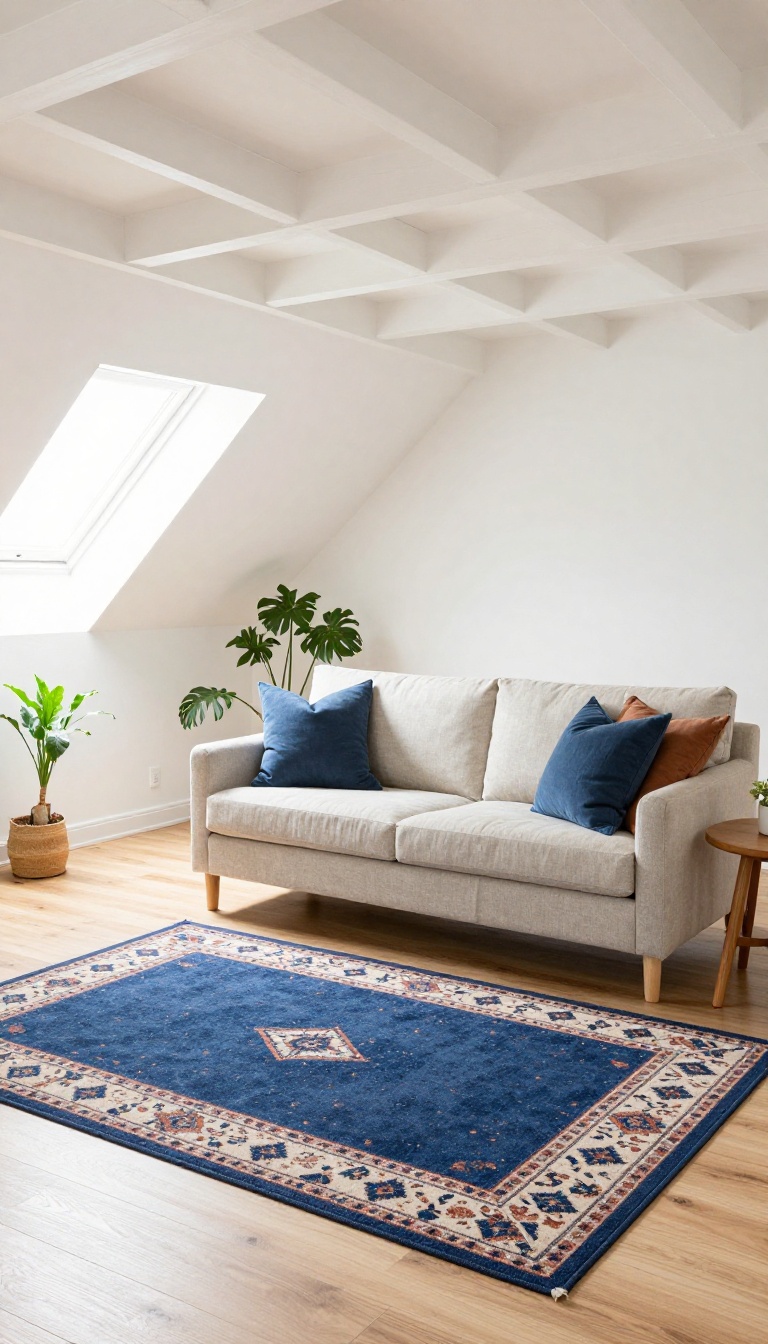
A large rug does more than soften your steps—it gives the eye a place to land. In an attic with sloped ceilings or odd angles, that anchor keeps the room from feeling like a collection of random furniture. Pick a rug with bold color or pattern, and suddenly the whole space has a direction.
Size matters more than you think. In a living room, you want the rug to sit under at least the front legs of your sofa and chairs, so the seating area feels connected. A rug that's too small makes the room look choppy, especially in an attic where walls already cut in.
Measure your main furniture footprint, then add a few inches on each side.
Choose A Pattern That Pulls The Room Together
If your attic has neutral walls and a mix of hand-me-down furniture, a patterned rug can tie everything together. Look for a design with two or three colors you already have in the room—maybe the blue of a throw pillow and the warm wood of a side table. That repetition makes the space feel intentional without a full redesign.
Use Texture To Add Warmth And Hide Flaws
Shag, flatweave, or a chunky wool blend can distract from uneven floorboards or a patchy subfloor. A textured rug also adds softness to a room that might feel echoey or bare. Just avoid super thick piles if your ceiling is low—they can make the space feel shorter.
Place It To Define Zones
In an open attic, a rug can separate a seating area from a reading nook or a small workspace. Center it under the main conversation zone, then use a second, smaller rug elsewhere if you have the space. This visual boundary helps the room function without adding walls.
6. Maximize Storage with Built-Ins and Baskets
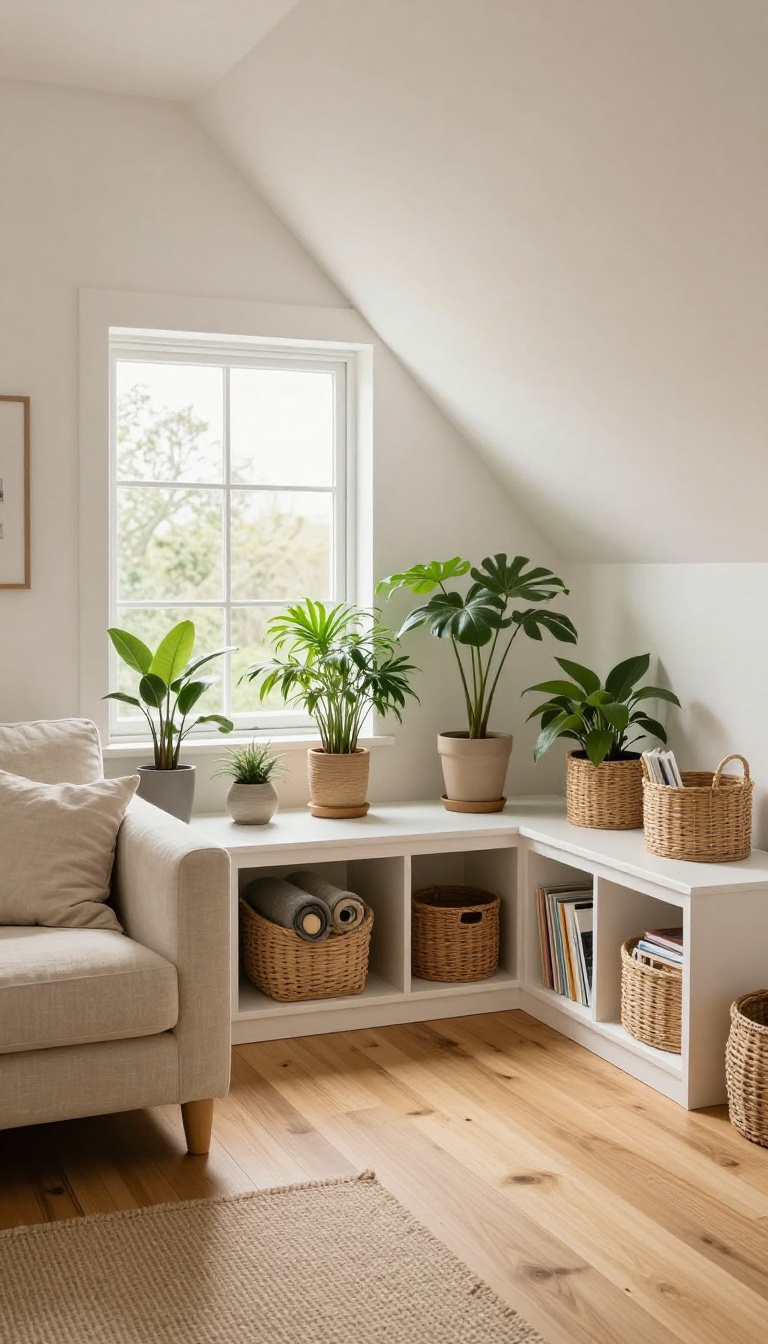
Attics rarely come with closets, and that's usually the first thing you notice once you start using the room. Blankets, magazines, board games, and chargers pile up fast when there's nowhere to put them. Built-ins and baskets solve that problem without eating your floor space.
The trick is working with the eaves instead of fighting them. Those low, awkward zones near the roofline are perfect for storage that stays out of the way. Add a few baskets for the small stuff, and the whole room starts to feel calm.
Storage in an attic works best when it's built into the architecture. You're not adding furniture so much as using space that was already there. That keeps the room open and makes clutter disappear into the walls.
The goal isn't to hide everything you own. It's to give everyday items a clear home so the room stays easy to tidy. A few smart moves do most of the work.
Use The Low Wall Space
The short wall under a sloped ceiling is prime real estate for built-in shelves or cabinets. Measure the height at the lowest point and build storage that stops just below the slope. Shallow shelves work well here because you don't need deep cubbies to hold books or baskets.
If you rent or want a simpler option, freestanding cube organizers fit under many eaves. Line them up along the wall and they look intentional rather than temporary. Either way, you gain storage without blocking the room.
Pick Baskets That Do Double Duty
Baskets are the easiest way to handle the small, messy stuff. Rolled blankets, magazines, remote controls, and kids' toys all disappear into a good basket in seconds. Choose ones with lids if you want a cleaner look, or open tops if you want quick access.
Group baskets by size and material so they feel like part of the design. Woven or canvas styles soften the room and add texture. Tuck a few into corners where nothing else fits.
Add Hidden Storage Where You Can
If you're doing any renovation, look for chances to build storage into the structure. A window seat with a lift-up lid hides a surprising amount. So does a low platform along the back wall.
Even a simple bench with open space underneath gives you a spot for bins. Keep the style consistent with the rest of the room so it reads as furniture, not clutter control. The best storage is the kind you stop noticing.
7. Bring the Outdoors In with Plants and Natural Textures
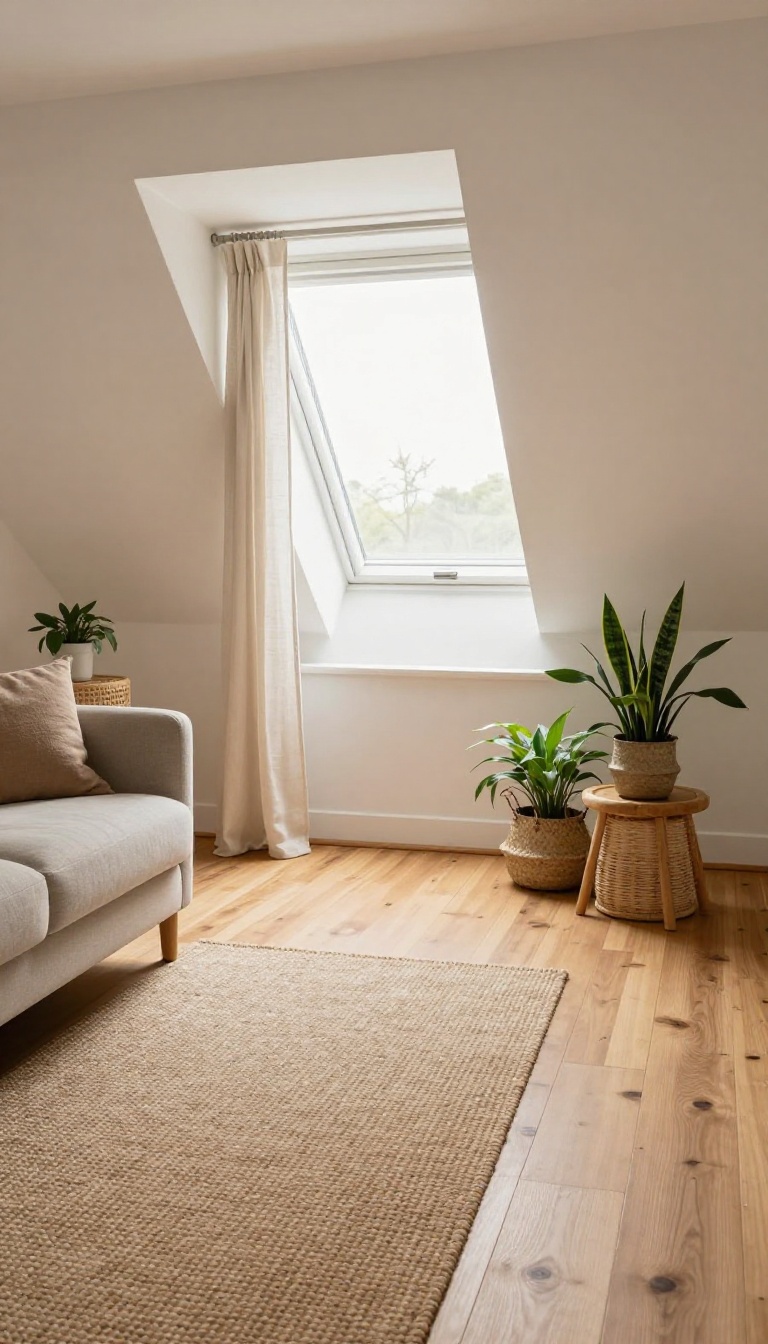
Attics often feel disconnected from the rest of the house, and sometimes from the outdoors entirely. You can fix that without knocking out a wall. Plants and natural materials do the heavy lifting here—they add life, soften hard edges, and make the space feel like it belongs in the world.
The goal is simple: make your attic living room feel less like a sealed box and more like a breathable, welcoming space. You don't need a jungle or a full rustic remodel. A few well-placed plants and some texture swaps will do it.
Start by thinking about where the light actually lands. Even a small attic window can support a few easy-care plants if you choose the right ones. Then layer in natural materials—wood, rattan, linen, jute—anywhere you can.
These touches work together to create a calm, grounded vibe that connects your attic to the view outside.
Pick Plants That Forgive You
Not every attic gets bright, direct sun. That's fine. Pothos, snake plants, and ZZ plants thrive in low to medium light and only need watering every week or two.
They're perfect for the forgetful plant parent. If you have a sunnier spot near a window, add a spider plant or a small fiddle leaf fig. Group them together on a stool or in a corner to create a mini green zone.
Just remember: the more plants you cluster, the more you'll need to water, so start small.
Swap In Natural Textures
Synthetic fabrics and shiny finishes can make an attic feel cold and echoey. Replace them with natural materials wherever you can. A jute rug underfoot, linen curtains on the windows, and a rattan or wood side table instantly warm things up.
You don't have to replace everything at once. Start with one or two swaps—like a woven basket for magazines or a chunky knit throw—and build from there. These textures absorb sound, too, which helps with the hollow acoustics attics often have.
Connect To The View
If your attic has a window with any kind of view, use it. Keep the sill clear so you can see out, and place a plant or two nearby to blur the line between inside and out. Even a small window can frame a nice slice of sky or treetops.
Hang a bird feeder or a wind chime just outside if you can. The movement and sound add another layer of connection. If your view is less than inspiring, sheer curtains or a window film can soften the look while still letting light through.
8. Define Zones Without Walls
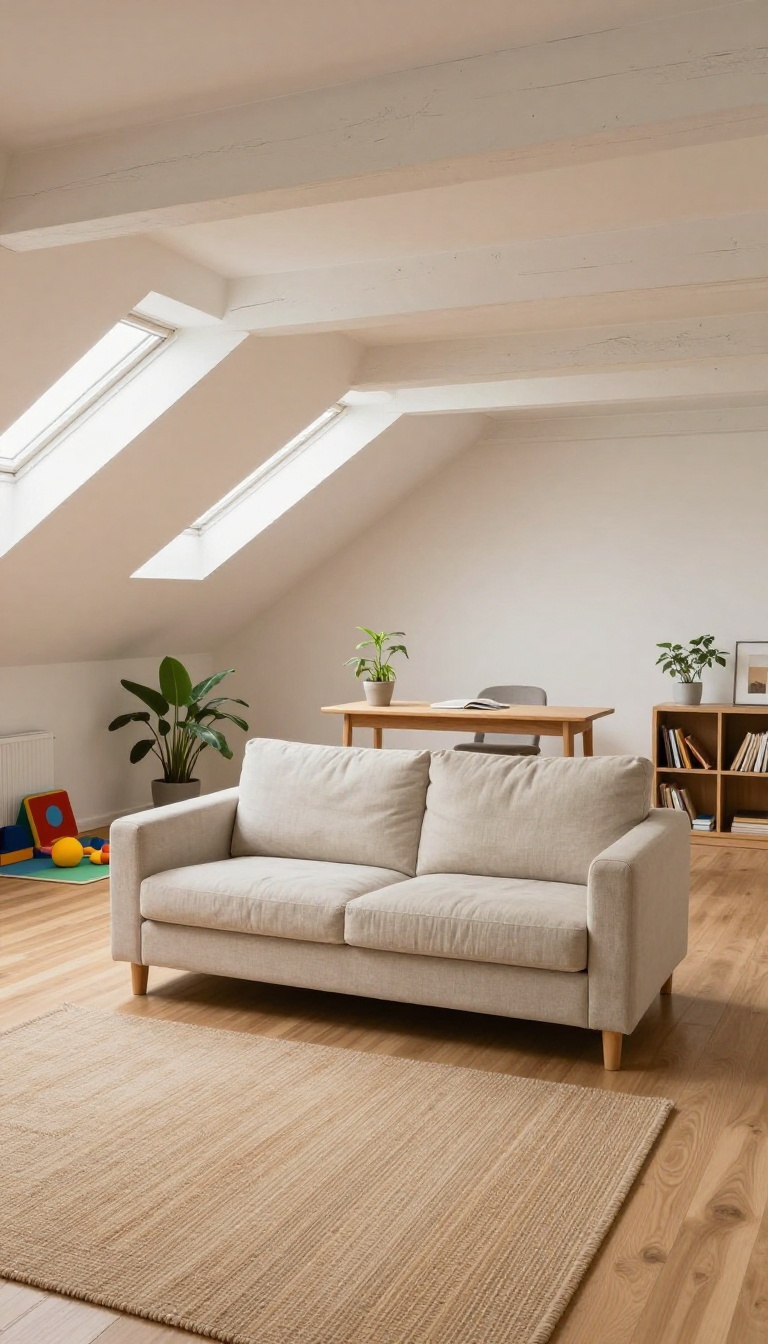
Open attic spaces can feel like one big, undefined room. Without walls, it's hard to know where one activity ends and another begins. But you don't need to build partitions to create order.
A few smart furniture moves can separate a seating area from a play zone or home office, keeping the space feeling open yet organized.
The key is to use what you already have—or what you can easily add—to signal different zones. Think of it as creating invisible boundaries that your brain instinctively understands. This approach keeps the attic flexible, so you can change things up whenever you need to.
Anchor With Area Rugs
A large area rug is one of the simplest ways to define a zone. Place one under your seating area to visually group the furniture together. Choose a rug that contrasts with the floor color so the boundary is clear.
In a play zone, a colorful, easy-to-clean rug can signal that this is a space for kids to spread out. Just make sure the rug is big enough to fit all the furniture legs—at least the front ones—so the grouping feels intentional.
Use Furniture As A Divider
A slim console table placed behind a sofa can act as a low wall, separating the seating area from a home office or play zone. It's functional, too—you can use it for storage or display. An open bookshelf works similarly, providing separation without blocking light.
If you have a sectional, its back can serve as a natural divider. Just be sure to leave enough walking space around it so the room doesn't feel cramped.
Create Visual Weight
You can also define zones by changing the visual weight of the area. For example, a darker paint color on the ceiling above a seating area can make it feel cozier, while lighter colors elsewhere keep the room airy. Or use a pendant light over a desk to mark that spot as a workspace.
Even a tall plant can act as a soft divider. The goal is to give each zone its own identity without adding walls.
9. Insulate and Soundproof for Comfort
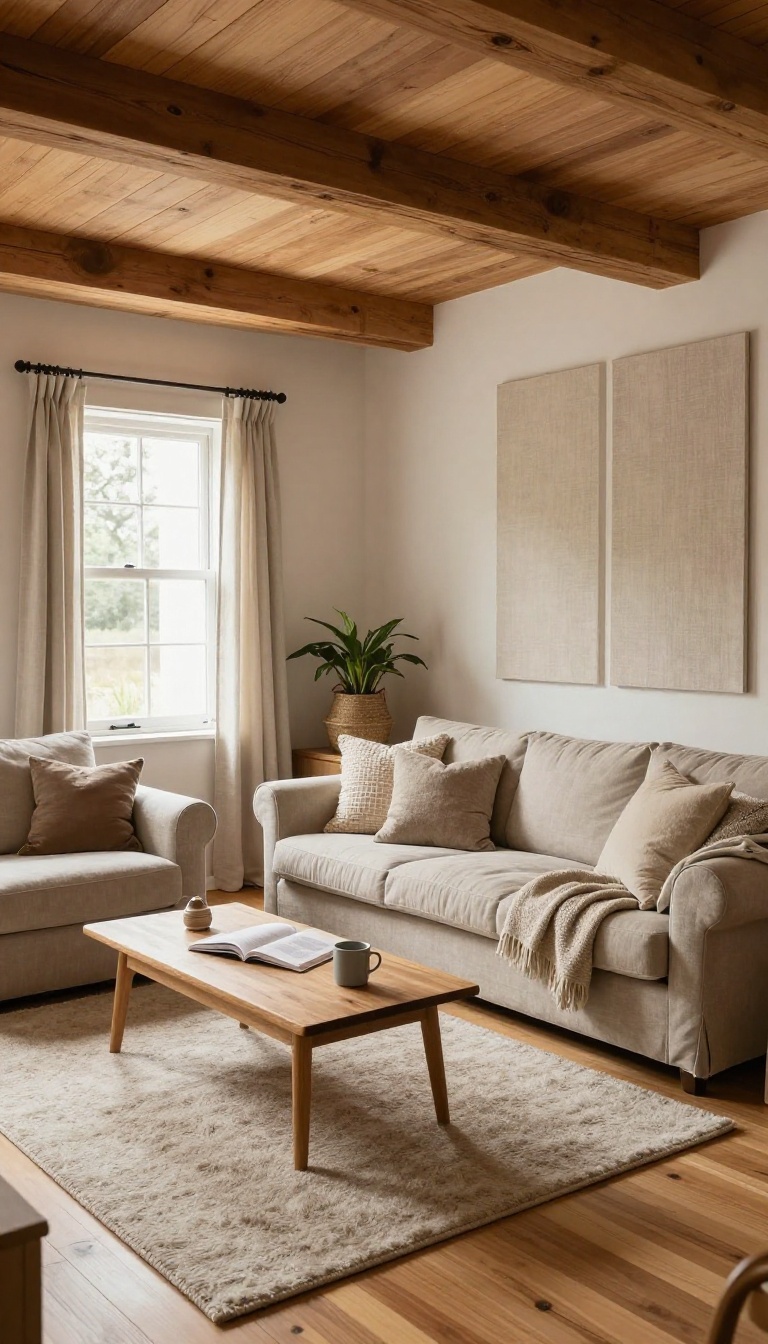
Attics sit at the top of the house, which means they catch every bit of weather and every bit of noise. In summer, they bake. In winter, they freeze.
And because sound travels up through the walls, you hear the TV, the dishwasher, and every footstep below. The good news is that you can fix most of this without tearing the room apart. A few strategic additions will keep the temperature steady and the noise down, so the space feels comfortable year-round.
Start by thinking about where the discomfort comes from. Drafts slip through gaps around windows, doors, and floorboards. Heat rises and gets trapped under the roof.
Sound bounces off hard surfaces and travels through thin walls. Once you know the culprits, you can target them with simple, affordable solutions. You don't need a full renovation—just a layered approach that addresses air, temperature, and sound all at once.
Stop The Drafts First
Before you add rugs or curtains, seal the obvious leaks. Run a bead of caulk around window frames and baseboards. Add weatherstripping to the attic door.
If you have a knee wall, check for gaps behind it and fill them with spray foam. These small fixes stop cold air from sneaking in and warm air from escaping, which immediately makes the room feel less hostile.
Layer In Softness
Hard surfaces make an attic feel colder and louder. A thick rug with a felt pad absorbs sound and adds warmth underfoot. Heavy curtains—especially ones that hang floor to ceiling—block drafts and dampen echoes.
If you have the budget, acoustic panels on the sloped ceiling or back wall can cut down on noise from the rest of the house. Even a few fabric wall hangings help.
Keep The Temperature Steady
Attics swing between hot and cold because they lack insulation. If you can access the rafters, add insulation batts between the joists. For a quicker fix, use a portable heater with a thermostat in winter and a small fan or window unit in summer.
A ceiling fan running clockwise on low pushes warm air down, which makes a surprising difference. The goal is to avoid extreme shifts, not to create a perfect climate.
Quiet The Echo
Sound bounces around a lot in an attic because of the angled walls and hard floors. Besides rugs and curtains, consider a fabric-covered ottoman or a upholstered bench. Bookshelves filled with books also break up sound waves.
If noise from below is the main issue, a thick area rug with a dense pad is your best first step. You can also hang a tapestry or quilt on the wall that faces the rest of the house.
10. Personalize with Art and Meaningful Objects
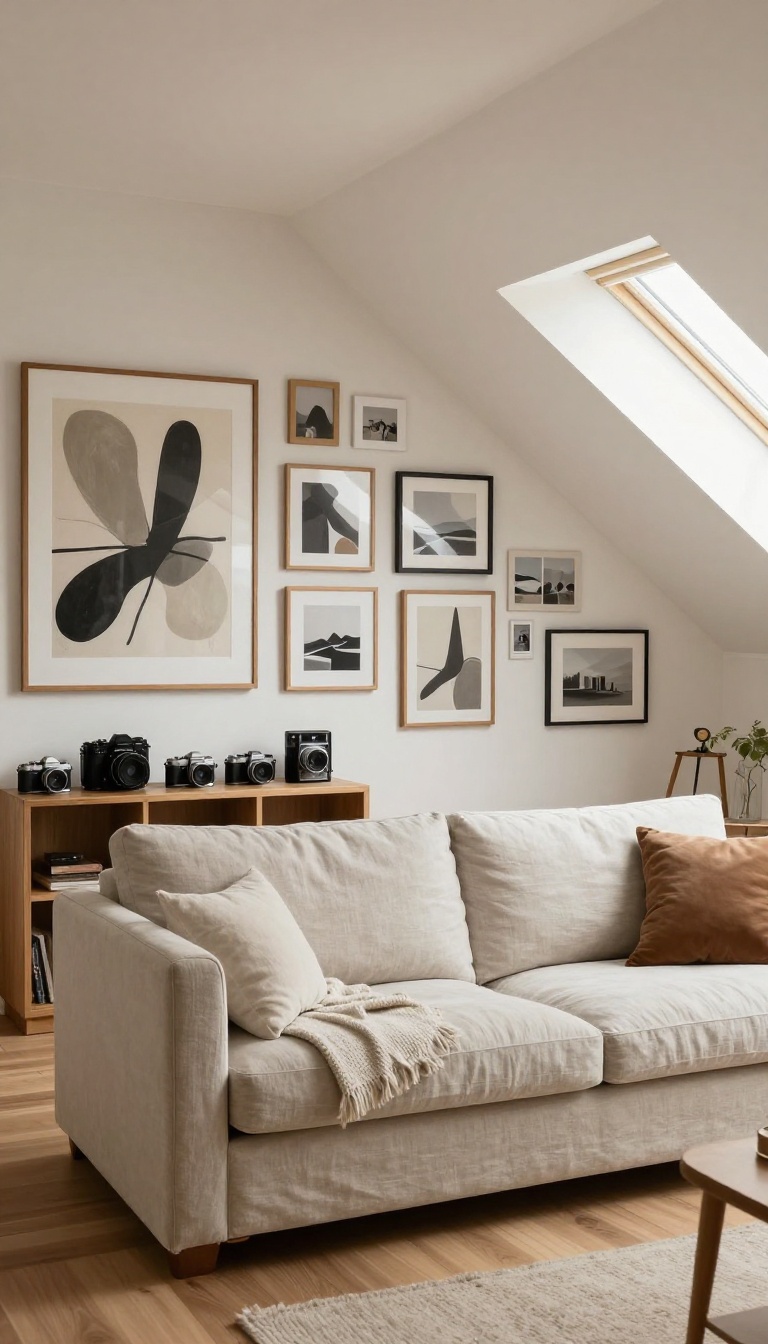
An attic living room can feel like a separate world, and that's part of the charm. But without your own stamp on it, that world can feel more like a rental than a retreat. The fix is simple: fill it with things you actually love.
Art, photos, and collections turn a quirky space into a personal one. They also give the eye something to focus on besides the sloped ceilings and odd nooks. You don't need a gallery wall or a designer budget.
A few well-placed pieces can make the attic feel like it's been yours all along.
Start by thinking about what you already own. Maybe you have a stack of framed prints in a closet, a box of travel souvenirs, or a collection of vintage cameras. Those are the raw materials.
The attic is a natural home for them because it's a little tucked away—like a secret gallery. The key is to arrange them with intention, not just scatter them around. You want the space to feel curated but not fussy.
That balance comes from grouping similar items and leaving some breathing room. Also, consider how light moves through the attic. If it's dim, go for lighter frames and mats.
If you get strong afternoon sun, avoid placing delicate pieces where they'll fade. The goal is to make the room feel like a reflection of you, not a showroom.
Create A Gallery Wall That Works With Slopes
Sloped ceilings can make hanging art tricky, but they also offer a built-in frame. Instead of fighting the angle, work with it. Start with a large anchor piece on the tallest wall.
Then build outward with smaller items, keeping the arrangement roughly parallel to the slope. This creates a sense of flow rather than conflict. Use painter's tape to map out your layout before you commit to nails.
And don't stress about perfection—a slightly organic arrangement feels more personal. Mix framed photos, prints, and even a small shelf for three-dimensional pieces. The result is a wall that feels intentional and alive, not like a grid.
Display Collections Without Clutter
Collections can easily tip into clutter, especially in a small attic. The trick is to edit and rotate. Pick your favorite ten pieces and put the rest away.
Group them by color, material, or theme. For example, a row of ceramic vases in similar tones looks cohesive; a random assortment looks messy. Use shelves, ledges, or a narrow console table to keep things off the floor.
If you have a collection of small items like stones or figurines, corral them in a shallow tray or glass jar. That way they read as a single display rather than a dozen little distractions. And every few months, swap in different pieces to keep the space feeling fresh.
Add Personal Photos In Unexpected Ways
Family photos don't have to live in matching frames on a single wall. In an attic, you can get creative. String a wire across a sloped wall and use clips to hold snapshots—it's casual and easy to update.
Or lean larger framed photos on a mantel or shelf, layering them for depth. Black-and-white prints tend to look especially good in attic spaces because they add contrast without competing with the architecture. You can also use photo books or albums as coffee table decor.
The point is to make the space feel lived-in and loved, not like a museum. Rotate photos seasonally so they stay meaningful.
Let Meaningful Objects Tell Your Story
The most memorable attic living rooms have a story. That story comes from objects that matter: a quilt from your grandmother, a bowl you bought on a trip, a child's art project. These pieces don't need to be expensive or match.
They just need to mean something. Place them where you'll see them often—on a side table, a windowsill, or a bookshelf. Give each one a little space so it can be noticed.
And don't be afraid to mix old and new. A vintage trunk can hold blankets and double as a coffee table. A handmade pot can hold a plant.
When you surround yourself with things you love, the attic stops feeling like an afterthought and starts feeling like home.
FAQ
How can I make my attic living room feel bigger?
Use light colors, low-profile furniture, and mirrors to bounce light. Keep clutter minimal and choose multi-functional pieces to maximize space.
What kind of lighting works best in an attic?
Layered lighting works best. Combine ceiling fixtures with floor lamps, wall sconces, and LED strip lights to brighten dark corners and create flexibility.
Can I put a sofa in an attic with sloped ceilings?
Yes, just measure the height at the lowest point. Choose a low-back sofa or a sectional that fits under the slope without blocking walkways.
How do I deal with poor insulation in an attic living room?
Add thick rugs, heavy curtains, and draft stoppers. For a long-term fix, consider professional insulation or foam board panels behind walls.
What are some budget-friendly attic living room ideas?
Paint the walls yourself, shop secondhand for furniture, use baskets for storage, and add string lights. Small changes like new throw pillows can also make a big impact.
Conclusion
An attic living room comes with quirks you won't find downstairs, and that's exactly what makes it worth the effort. Pick the idea that solves your biggest headache first, whether that's sloped walls, dead corners, or weak light. You can layer in the rest over time.
Nothing here demands a full renovation. Try one change this weekend, live with it, and adjust as you go. Attics reward patience and a little creativity, so let the space guide your next move.