11 How to Clean Urine Smells from a Mattress for Freshness
That lingering urine smell on your mattress can turn your bedroom into an unwelcoming space. Whether it's from a pet accident or a child's mishap, the odor seems to hang around no matter how much you scrub.
The good news is that you don't need harsh chemicals or expensive treatments to get rid of it. With a few common household items and the right techniques, you can restore freshness to your mattress.
This guide walks you through 11 effective methods that tackle both the stain and the odor at the source.
1. Blot and Absorb Immediately for Best Results
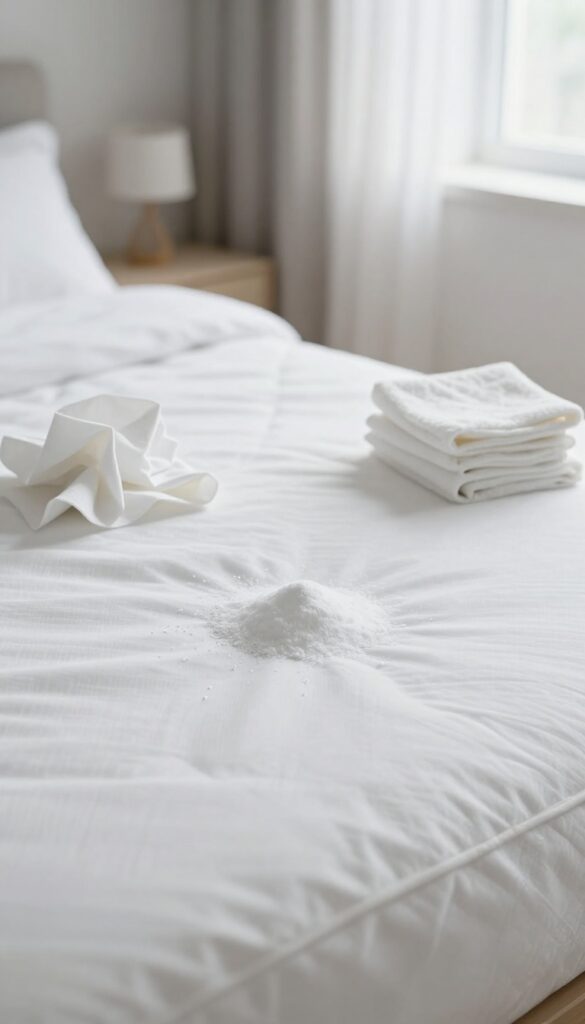
Speed is your best friend when dealing with fresh urine on a mattress. The longer the liquid sits, the deeper it soaks into the foam and padding, making odor removal much harder. Your first move should always be to blot—not rub—as much moisture out as possible.
This simple step sets the stage for everything that follows.
Blotting is about pressure, not friction. Press a stack of paper towels or a clean, absorbent cloth firmly onto the wet spot. Let the material soak up the liquid, then replace with dry layers.
Keep going until the towels come away barely damp. For a deeper soak, place a heavy book or a flat weight on top of the towels and leave it for 10–15 minutes. Once you've blotted most of the moisture, sprinkle a generous layer of baking soda over the area.
Baking soda is a natural deodorizer that pulls remaining moisture and odor from deep within the mattress fibers. Let it sit for at least 30 minutes, or longer if the accident was large, then vacuum it up. This two-step blot-and-baking-soda method is the foundation for every other cleaning technique you'll use.
Why Blotting Beats Scrubbing
Scrubbing might feel like you're working harder, but it actually pushes urine deeper into the mattress. Blotting lifts the liquid out instead. Think of it like a sponge—you want to squeeze, not smear.
The Baking Soda Boost
Baking soda does double duty: it absorbs leftover moisture and neutralizes odors chemically. For extra power, leave it on overnight before vacuuming. This gives it time to reach deeper layers.
What If The Urine Has Already Dried?
If the accident is old, start by lightly dampening the area with a spray bottle of cold water to rehydrate the urine crystals. Then blot with towels and apply baking soda as usual. This reactivates the odor so you can remove it.
2. Baking Soda: The Odor-Absorbing Powerhouse
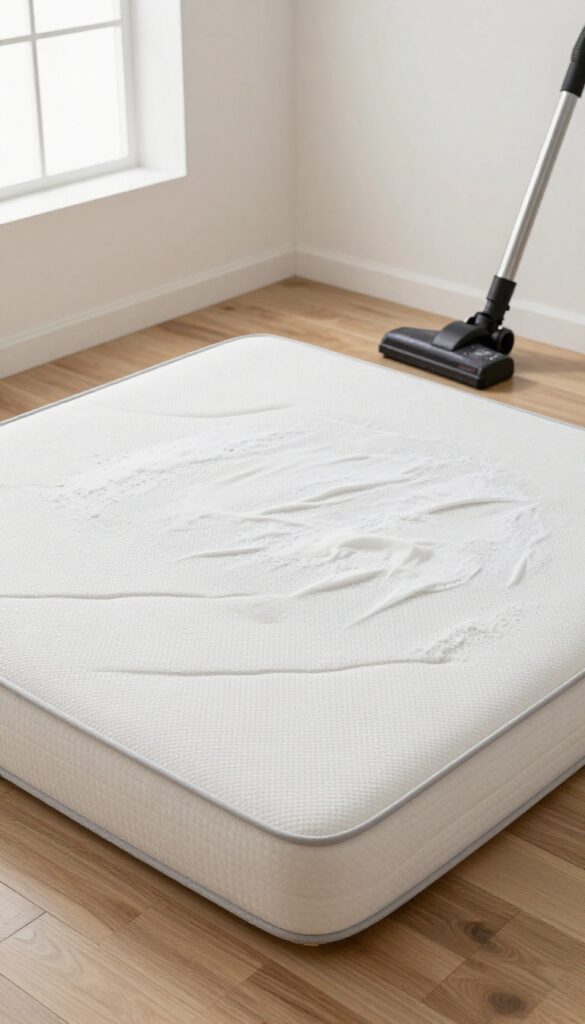
Baking soda is a classic for a reason—it naturally neutralizes odors without masking them. When it comes to urine smells, this humble powder works by absorbing moisture and breaking down the acids that cause the stink. Plus, it's gentle on mattress fibers, so you can use it liberally without worry.
For best results, start by blotting up as much fresh urine as possible with paper towels. Then sprinkle a thick, even layer of baking soda over the entire damp area—don't be shy, use enough to cover it completely. Let it sit for several hours, ideally overnight, to give the powder time to pull odors deep from the mattress.
The longer it sits, the better it works. Once the time is up, vacuum the baking soda thoroughly using the upholstery attachment. You'll notice the smell is dramatically reduced or gone.
For stubborn odors, repeat the process or add a few drops of essential oil to the baking soda before sprinkling.
Why Baking Soda Works So Well
Baking soda is alkaline, which helps neutralize the acidic compounds in urine that cause odor. It also acts as a desiccant, drawing moisture out of the mattress fibers. This dual action tackles both the source of the smell and the environment that helps it linger.
Step-by-step Application Tips
Always use fresh baking soda for maximum effectiveness. Spread it evenly with a sieve or your hands, and avoid clumping. If the urine stain is old, lightly mist the area with water first to reactivate the crystals.
After vacuuming, check for any remaining odor by sniffing close to the mattress.
When To Repeat The Process
For heavy or set-in odors, one application may not be enough. Wait until the mattress is completely dry, then apply another layer of baking soda and let it sit for a full 24 hours. You can also mix baking soda with a small amount of hydrogen peroxide for extra stain-fighting power.
3. Hydrogen Peroxide and Dish Soap Solution
Hydrogen peroxide isn't just for first aid—it's a powerful ally against urine stains and odors. When combined with a little dish soap, it creates a chemical reaction that breaks down the uric acid crystals responsible for that stubborn smell. This method works well on older stains that have already set in, as the fizzing action helps lift the residue from deep within the mattress fibers.
To use this solution, mix 3% hydrogen peroxide with a few drops of dish soap in a spray bottle. Shake gently to combine, then spray the affected area until it's damp but not soaked. You'll notice it start to fizz and bubble—that's the peroxide breaking down the urine compounds.
Let it sit for about 10 minutes, then blot the area with a clean cloth to absorb the moisture. Repeat if necessary, and finish by sprinkling baking soda over the spot to absorb any remaining liquid. After a few hours, vacuum up the baking soda.
Always test the solution on a hidden area first, as hydrogen peroxide can bleach some fabrics.
Why This Combo Works So Well
Hydrogen peroxide is an oxidizing agent that chemically alters the structure of urine compounds, making them less odorous. Dish soap helps break down the surface tension of the liquid, allowing the peroxide to penetrate deeper into the mattress. The fizzing action physically loosens dried residue, making it easier to blot away.
Step-by-step Application Tips
Start by blotting up as much urine as possible with paper towels. Then spray the hydrogen peroxide and dish soap mixture generously over the stain. Let it foam for about 10 minutes—don't rub, just let it work.
Blot with a dry cloth until the area feels damp, not wet. For tough stains, repeat the process. Finish with baking soda to absorb moisture and neutralize any leftover odor.
Safety Precautions To Keep In Mind
Hydrogen peroxide can lighten some fabrics, so always test on an inconspicuous spot first. Avoid using it on colored mattresses or memory foam with a colored top layer. Also, don't mix hydrogen peroxide with vinegar or bleach, as that can create harmful fumes.
Keep the area well-ventilated during and after treatment.
4. White Vinegar Neutralizes Ammonia
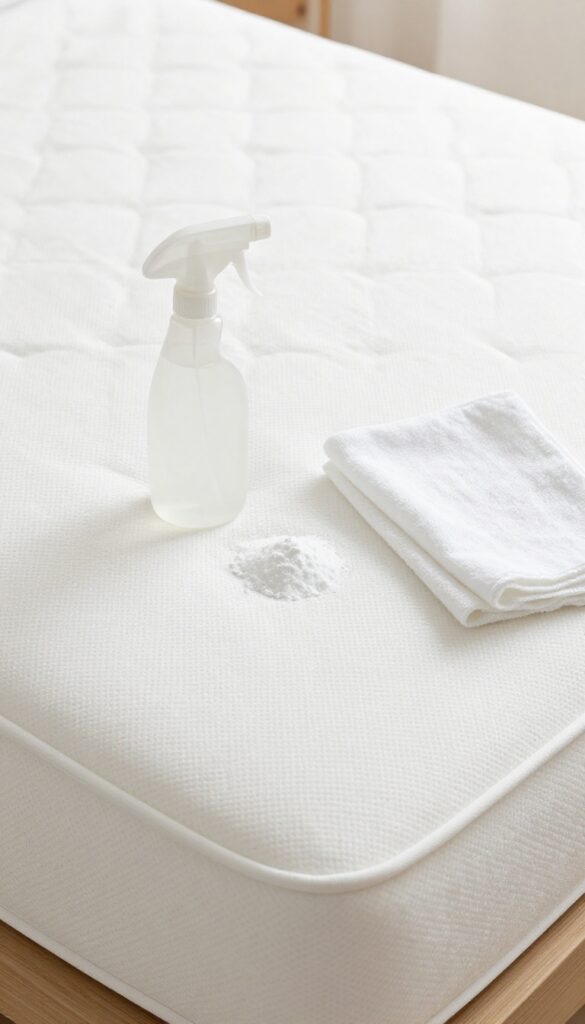
White vinegar is a powerhouse when it comes to neutralizing the ammonia in urine. It's cheap, non-toxic, and works wonders on both fresh and set-in odors. The best part?
You probably already have a bottle in your pantry.
Spray undiluted white vinegar directly onto the urine spot, making sure it's fully saturated. Let it sit for 10–15 minutes to allow the acid to break down the ammonia. Then blot the area with a clean cloth to lift the moisture.
Follow up by sprinkling baking soda over the spot to absorb any lingering vinegar smell. Let the baking soda sit for a few hours or overnight, then vacuum it up. Your mattress will smell fresh and clean.
Why Vinegar Works
Urine odor comes from ammonia, which is alkaline. White vinegar is acidic, so it neutralizes the ammonia on a chemical level. That's why it's so effective at eliminating the smell rather than just masking it.
Step-by-step Application
Start by blotting up as much urine as possible with paper towels. Then spray the vinegar generously over the stain. Let it sit for 10–15 minutes.
Blot again, then cover the area with a thick layer of baking soda. Allow it to dry completely before vacuuming.
Tips For Best Results
Use distilled white vinegar for the strongest effect. If the smell is very strong, you can repeat the process. Avoid using colored vinegar, as it might stain your mattress.
Always test a small hidden area first to check for colorfastness.
5. Enzyme Cleaners for Deep Penetration
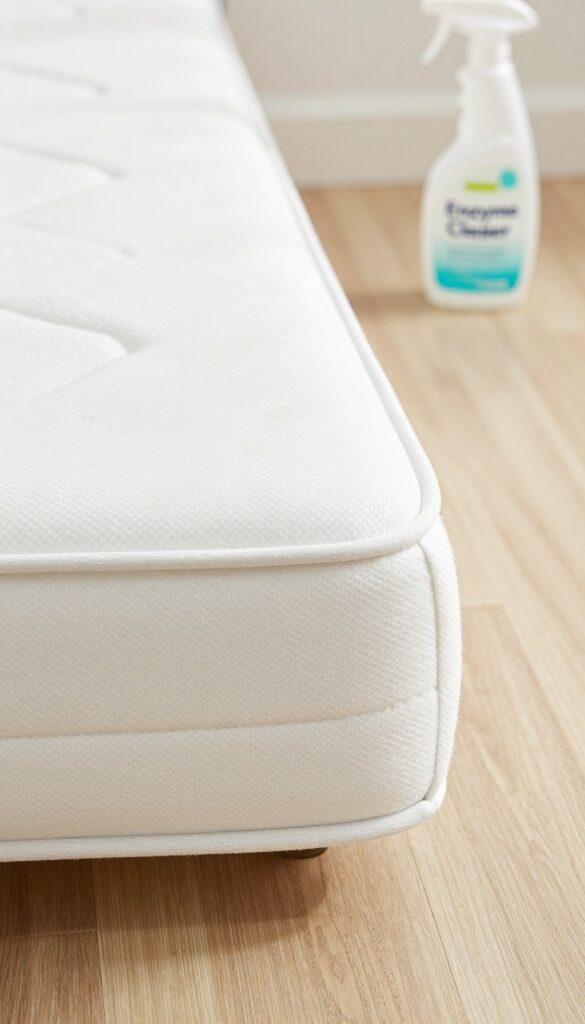
When household remedies fall short, it's time to bring out the big guns: enzyme cleaners. These aren't your typical all-purpose sprays. They're specially formulated to break down the uric acid crystals that cause persistent odors, especially from pet urine.
Unlike vinegar or baking soda, which neutralize or absorb, enzymes actually digest the source of the smell.
Enzyme cleaners are a game-changer for set-in urine odors. They work by using live bacteria or enzymes to eat away the organic compounds in urine. This means they don't just cover up the smell—they eliminate it.
For best results, choose a pet-specific enzyme cleaner, as these are designed to tackle the high concentration of uric acid in animal urine. Apply it generously to the affected area, making sure to saturate deep into the mattress fibers. Let it sit for the time specified on the label—usually 10 to 15 minutes—so the enzymes have time to work.
Then blot up the excess moisture with a clean cloth. Avoid rubbing, which can push the stain deeper. You might need to repeat the process for older or larger stains.
One important tip: never use heat or steam on a urine stain before treating it with enzymes, as heat can set the stain and make the odor worse.
Choosing The Right Enzyme Cleaner
Not all enzyme cleaners are created equal. Look for one that specifically says it breaks down uric acid or is formulated for urine odors. Pet-specific brands like Nature's Miracle or Rocco & Roxie are popular choices.
Avoid cleaners with added fragrances, as they can irritate sensitive skin or mask the odor without fully removing it.
Application Tips For Best Results
Before applying, blot up as much urine as possible with paper towels. Then spray the enzyme cleaner until the area is thoroughly wet. Let it dwell for at least 10–15 minutes—longer for stubborn odors.
Afterward, blot with a clean, dry cloth. Do not rinse; the enzymes need to remain on the fabric to continue working. Allow the mattress to air dry completely.
When To Use Enzyme Cleaners
Enzyme cleaners are ideal for dried, old urine stains that have already set in. They're also perfect for pet accidents, where the uric acid crystals are deeply embedded. If you've tried other methods and the smell lingers, enzymes are your best bet.
They're safe for most mattress types, but always test on a small, hidden area first.
6. Sunlight and Fresh Air: Nature's Deodorizer
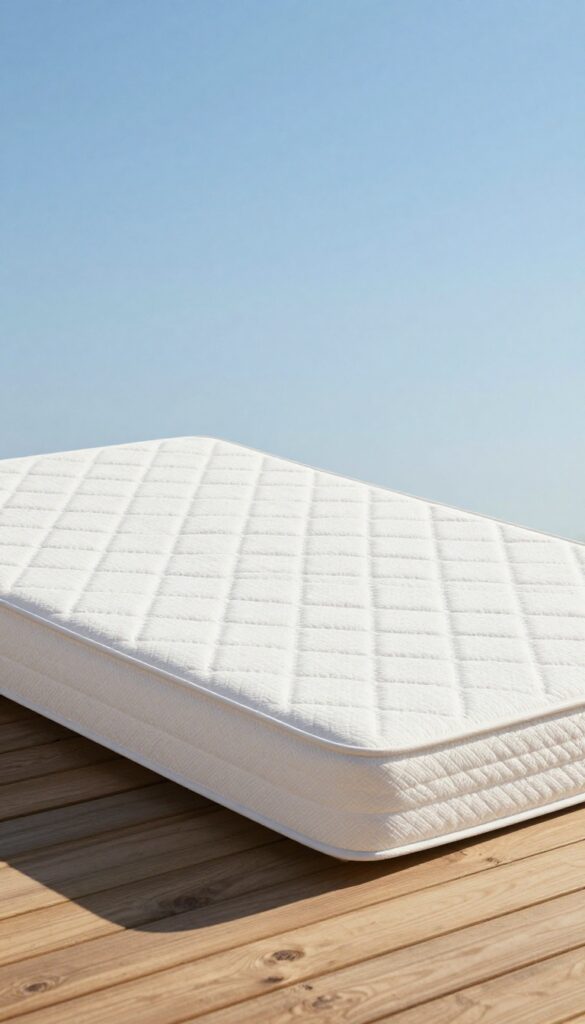
Sometimes the simplest solutions are the most effective. If you have a sunny day and a place to put your mattress, letting nature do the work can be a game-changer. Ultraviolet rays from the sun kill bacteria that cause odors, while fresh air helps evaporate any remaining moisture.
Plus, it's completely free and chemical-free.
Moving a mattress outside might seem like a hassle, but it's worth the effort. The combination of sunlight and airflow works wonders on stubborn smells. Just make sure the weather is dry and not too humid, and give it several hours—ideally a full day—to really air out.
Why Sunlight Works
Sunlight contains UV rays that are naturally antibacterial and antifungal. They break down the organic compounds in urine that cause odor, while the heat helps dry out deep moisture. This is especially helpful if your mattress has been damp or if you've already cleaned it but the smell persists.
How To Do It Right
First, strip all bedding and give the mattress a quick vacuum to remove dust. Then, carry it outside to a clean, dry area—a patio, deck, or even a tarp on the lawn works. Prop it up at an angle so air circulates underneath.
Leave it for at least 4-6 hours, flipping it halfway through if possible. Bring it back inside before evening dew sets in.
When To Skip This Method
If you live in a humid climate or the forecast calls for rain, skip this method. Moisture in the air can make things worse. Also, if your mattress has a foam core, prolonged direct sunlight can degrade the foam, so limit exposure to a few hours or use shade.
7. Steam Cleaning for Sanitization
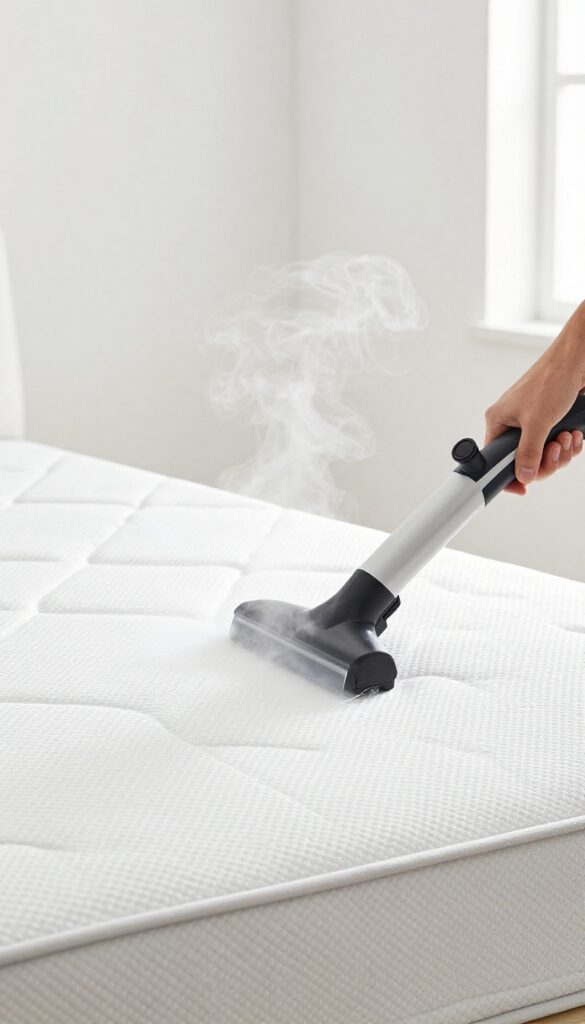
Steam cleaning is a deep-cleaning method that uses high heat to kill bacteria and break down stubborn residues. It's especially effective for urine smells because the heat neutralizes odor-causing microbes and lifts dried stains from mattress fibers. You don't need a professional machine—a handheld steam cleaner or an upholstery attachment on a standard steamer works well.
Steam cleaning is a powerful way to sanitize your mattress and eliminate urine odors at the source. The high temperature kills bacteria and neutralizes ammonia compounds, while the moisture loosens dried residue for easy removal. This method is ideal for set-in stains or when you want a chemical-free deep clean.
How Steam Kills Odors
Urine smells come from bacteria breaking down urea into ammonia. Steam at temperatures above 212°F (100°C) kills these bacteria instantly, stopping the odor production. The heat also helps dissolve crystallized urine salts, making them easier to blot away.
Unlike surface cleaning, steam penetrates deep into mattress layers.
Step-by-step Steam Cleaning
First, blot up any fresh urine with paper towels. Then fill your steam cleaner with water (no chemicals needed) and let it heat up. Hold the nozzle about an inch above the stain and apply steam in slow, overlapping passes.
Don't soak the mattress—steam should be absorbed quickly. After steaming, blot the area with a clean, dry cloth to remove moisture and loosened residue.
Drying Is Critical
Steam leaves the mattress damp, which can lead to mold if not dried properly. After cleaning, blot thoroughly with towels, then place a fan pointing at the spot for 2-4 hours. You can also sprinkle baking soda over the damp area to absorb remaining moisture and odors.
Let it sit until completely dry, then vacuum.
8. Activated Charcoal to Trap Lingering Odors
Even after a thorough cleaning, some odors can linger deep inside the mattress. Activated charcoal is a natural, scent-free solution that pulls those stubborn smells out of the fibers. It's especially helpful for people who are sensitive to fragrances or want to avoid adding any new scents to their bed.
Activated charcoal works through adsorption, meaning it traps odor molecules on its surface. This makes it highly effective at neutralizing urine smells without masking them. You can find activated charcoal in bags, sachets, or loose powder form.
For best results, place the charcoal directly on the cleaned, dry mattress and leave it for several hours or overnight. The longer it sits, the more odors it absorbs.
Choosing The Right Charcoal Product
Look for activated charcoal bags designed for odor removal. These are often sold in home improvement or pet supply stores. Avoid charcoal briquettes meant for grilling—they contain additives that can stain or damage your mattress.
Loose activated charcoal powder works too, but you'll need to contain it in a breathable fabric pouch or sprinkle it lightly and vacuum thoroughly afterward.
How To Apply Charcoal To Your Mattress
After cleaning and drying the mattress completely, place charcoal bags directly on the affected area. If using loose powder, sprinkle a thin layer over the spot and let it sit for at least 8 hours. For larger areas, you can lay a sheet of breathable fabric over the powder to keep it from spreading.
Vacuum up the powder or remove the bags, then air out the room.
When To Replace The Charcoal
Activated charcoal loses its effectiveness over time as it becomes saturated. Most bags need to be replaced every 1-2 months, depending on humidity and odor levels. Some brands offer rechargeable charcoal that can be reactivated by placing it in direct sunlight for a few hours.
Check the manufacturer's instructions to get the most out of your product.
9. Rubbing Alcohol for Quick Drying and Disinfection
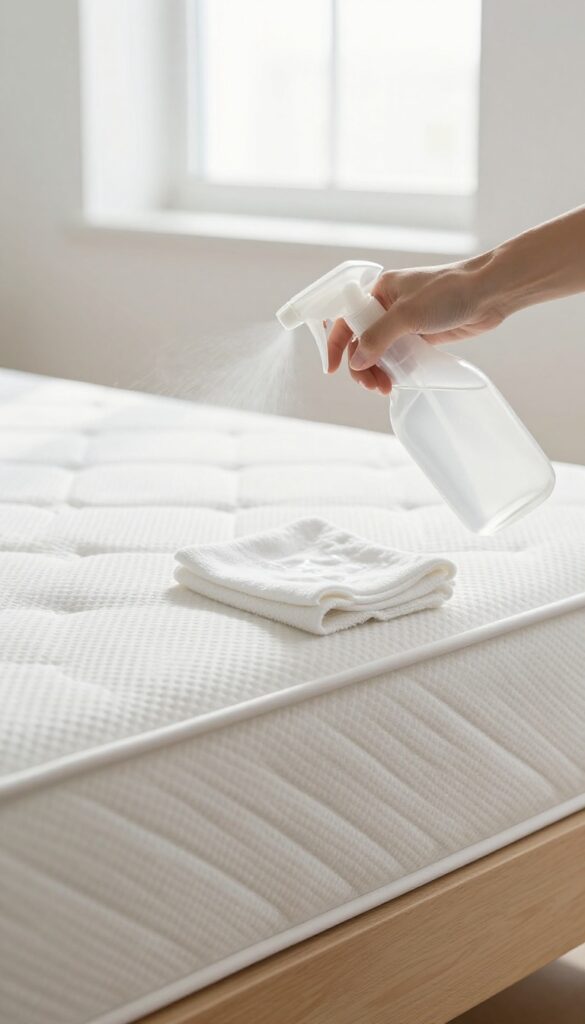
Rubbing alcohol is a handy tool for tackling urine smells, especially when you need the mattress to dry fast. It works as a disinfectant and helps evaporate moisture quickly, reducing the risk of mold or mildew. Just make sure the room is well-ventilated while you work.
Rubbing alcohol (isopropyl alcohol) is a versatile cleaner that can help eliminate odor-causing bacteria and speed up drying time. It's particularly useful for fresh stains or as a follow-up after other cleaning methods. Because it evaporates quickly, it leaves the mattress drier than water-based solutions, which is key to preventing deeper odors.
Why Rubbing Alcohol Works
Rubbing alcohol kills bacteria and neutralizes some of the compounds that cause urine odor. Its rapid evaporation pulls moisture away from the mattress fibers, reducing the time the area stays damp. This is especially important in humid climates or if you need to use the bed soon.
How To Apply It Safely
Dab a clean cloth or cotton ball into rubbing alcohol (70% is ideal) and gently blot the stain. Don't soak the mattress—just dampen the affected area. Let it air dry completely, which usually takes 15–30 minutes.
For larger areas, use a spray bottle to mist lightly, then blot with a dry cloth.
When To Use This Method
Rubbing alcohol is best for fresh urine spots or as a finishing step after using an enzyme cleaner or vinegar. It can also help remove residual stickiness from other cleaning agents. Avoid using it on delicate fabrics or memory foam without testing first, as it may affect the material.
10. Commercial Mattress Cleaners with Odor Eliminators
Sometimes the DIY route isn't enough, especially for tough, set-in urine smells. That's when a dedicated commercial mattress cleaner can save the day. These products are formulated to break down organic compounds and neutralize odors without damaging your mattress fibers.
What To Look For
Scan the label for oxygen bleach or citrus extracts. Oxygen bleach releases hydrogen peroxide, which oxidizes urine crystals and lifts stains. Citrus extracts, like orange or lemon, are natural degreasers that cut through residue and leave a fresh scent.
Avoid harsh bleaches or ammonia-based cleaners, as they can yellow the mattress or react with urine.
How To Apply
Most products come as a spray or foam. Spray the cleaner generously over the affected area, but don't soak the mattress. Let it sit for the time recommended on the bottle—usually 10 to 15 minutes.
Blot with a clean cloth, then allow the mattress to air dry completely. Repeat if the odor persists.
Top Product Types
Enzyme-based sprays are excellent for breaking down urine proteins, while oxygenated foams work well on stains. Some cleaners also include odor-trapping technology, like cyclodextrin, which locks in smells. Look for products labeled "safe for all mattress types" to avoid damaging memory foam or latex.
11. Mattress Protector: Prevention is Key
You've put in the work to clean your mattress, but the best way to keep it fresh is to stop accidents from soaking in. A good mattress protector acts as a barrier against future spills, stains, and odors. It's a simple investment that saves you from repeating the whole deep-cleaning process.
A waterproof, breathable mattress protector is a game-changer. It keeps liquids from penetrating the mattress while still allowing air to circulate, so you don't end up sleeping on a sweaty plastic sheet. Look for one that's specifically labeled as waterproof and breathable, often made with materials like cotton or bamboo blends with a TPU backing.
This type of protector not only blocks urine but also protects against dust mites, allergens, and general wear and tear. Once it's in place, you can simply remove and wash the protector after any accident, sparing your mattress from direct exposure.
Choosing The Right Protector
Not all mattress protectors are created equal. Avoid cheap vinyl or plastic covers that crinkle and trap heat. Instead, opt for a fitted sheet style with a soft, quiet fabric.
Look for one with a high waterproof rating and a snug fit that covers the entire mattress, including the sides. Some protectors also have a zippered encasement for full protection, which is ideal if you have pets or young children.
Installation And Maintenance
Installing a mattress protector is straightforward: just slip it over your mattress like a fitted sheet. Wash it every couple of months or immediately after an accident using mild detergent and warm water. Avoid fabric softeners or bleach, as they can damage the waterproof layer.
Tumble dry on low heat or air dry. A well-maintained protector can last for years, keeping your mattress fresh and extending its life.
FAQ
How long does it take for baking soda to remove urine smell?
Baking soda should sit on the mattress for at least 4-6 hours, but overnight is best for deep odor absorption. Vacuum thoroughly after.
Can I use bleach to remove urine smell from a mattress?
Bleach is not recommended because it can damage mattress fibers, discolor fabric, and react with ammonia to create toxic fumes. Stick to gentler alternatives like vinegar or hydrogen peroxide.
Will urine smell come back after cleaning?
If the urine has soaked into the mattress padding or foam, it may reappear if not fully cleaned. Enzyme cleaners and repeated treatments often help eliminate the source.
How do I remove old, dried urine stains?
For old stains, pre-treat with an enzyme cleaner or a hydrogen peroxide solution. Let it sit longer (30 minutes) and repeat if necessary. Scrubbing gently with a soft brush can help.
Is it safe to use vinegar on a memory foam mattress?
Yes, but use sparingly and blot thoroughly. Excessive moisture can damage memory foam, so avoid soaking. A light spray and immediate blotting is fine.
Conclusion
Getting rid of urine smells from a mattress doesn't have to be a losing battle. With the right technique and a little patience, you can completely restore freshness to your bed. Start with the simplest method—baking soda—and work your way up to stronger solutions if needed.
Once the smell is gone, protect your mattress with a waterproof cover to avoid future headaches. A fresh-smelling mattress makes for better sleep and a happier home.