10 Patio Cover Ideas That Make Outdoor Living Better
Imagine stepping into your backyard on a scorching summer afternoon, only to find your patio too hot to enjoy. Or picture a sudden rain shower cutting your evening barbecue short.
A well-chosen patio cover solves these problems and more, turning your outdoor area into a true extension of your home. With so many options available, it can be tough to pick the right one.
That's why we've rounded up ten distinct patio cover ideas, each with its own perks and personality. Whether you're after full protection or a light, airy feel, there's something here to fit your space and budget.
1. Classic Wooden Pergola
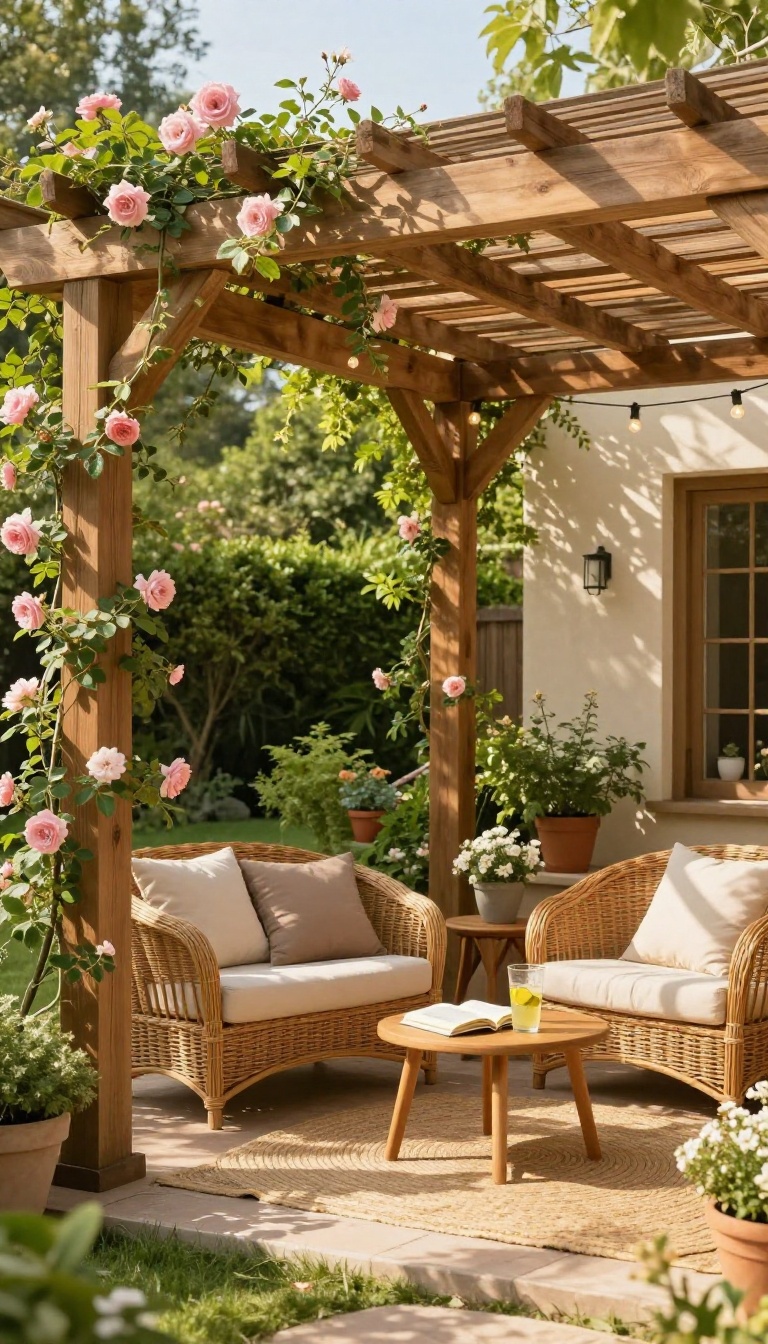
A wooden pergola is the go-to choice for homeowners who want a blend of charm and function. It creates a defined outdoor room without completely blocking the sky, making it ideal for those who love an open-air feel. The natural wood tones add warmth and character, and it's a favorite for hosting gatherings or simply relaxing with a book.
The classic wooden pergola is more than just a pretty structure; it's a versatile addition that can transform your patio. Its open slatted roof provides partial shade, letting in dappled sunlight while offering some relief from the heat. This makes it perfect for areas where you want to enjoy the outdoors without feeling too exposed.
Plus, the structure itself is a fantastic support for climbing plants like wisteria or grapevines, which can create a lush, green canopy over time. String lights or lanterns can be draped across the beams to set a cozy evening ambiance.
Choosing The Right Wood
The type of wood you select affects both appearance and longevity. Cedar and redwood are naturally resistant to rot and insects, making them popular choices. Pressure-treated pine is more budget-friendly but may require staining or sealing.
Hardwoods like teak are durable but come at a higher cost. Consider your climate and maintenance preferences when deciding.
Adding Climbing Plants
Climbing plants are a natural fit for pergolas, providing extra shade and beauty. Fast-growing options like clematis or climbing roses offer quick coverage, while slower-growing vines like wisteria take time but create a stunning display. Ensure you choose plants suited to your region and provide proper support for them to climb.
Enhancing With Lighting
String lights are a simple way to make your pergola inviting after dark. Drape them across the beams for a warm glow, or hang lanterns for a more rustic feel. Solar-powered options are eco-friendly and easy to install, while low-voltage LED lights offer brighter illumination for dining or entertaining.
2. Modern Aluminum Pergola with Louvers
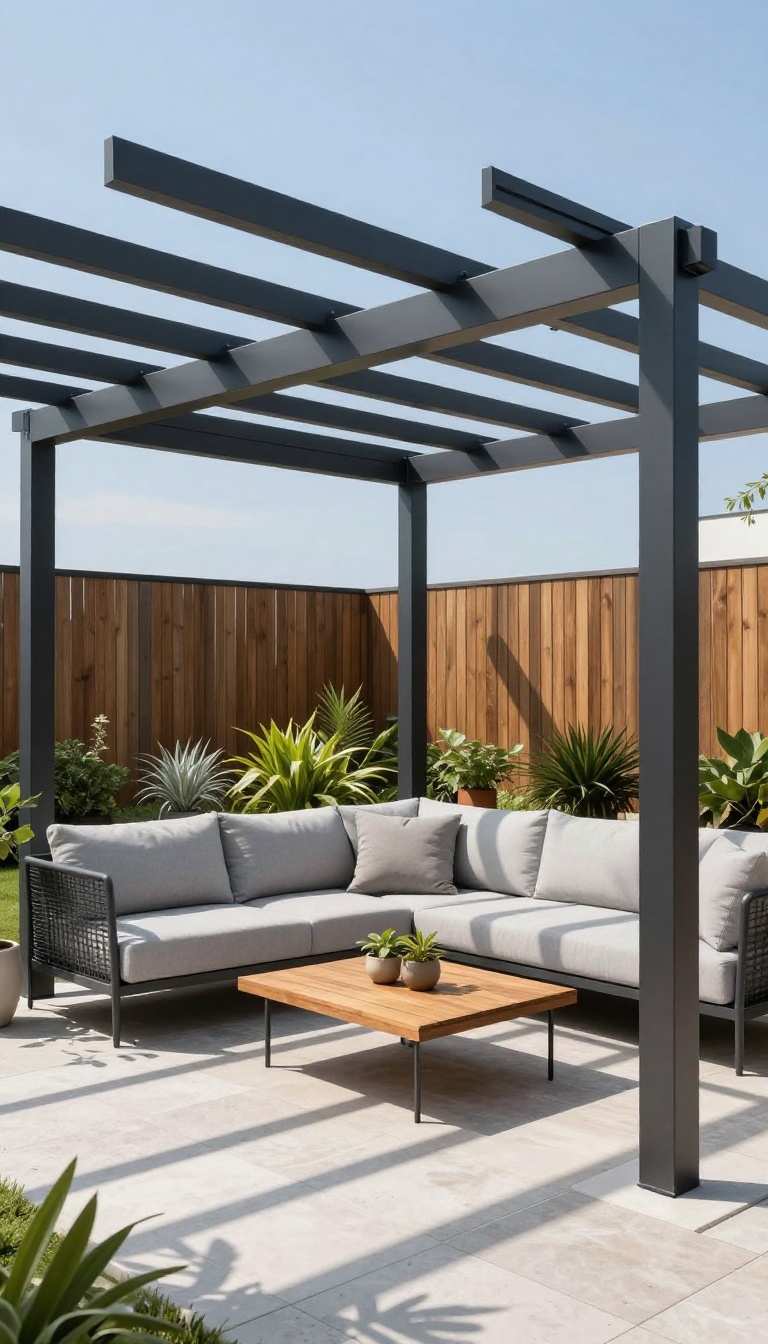
If you want a patio cover that feels like the future, a modern aluminum pergola with adjustable louvers is hard to beat. These sleek structures let you dial in the perfect amount of sunlight and airflow with the touch of a button or a simple crank. They're built to last, require almost no upkeep, and look sharp in any contemporary backyard.
Aluminum louvers are the standout feature here. They rotate to let in light, block the sun, or even shed rain when closed completely. That flexibility means you can enjoy your patio in more weather conditions throughout the year.
Why Louvers Beat Fixed Roofs
Fixed roofs give you shade, but they also block the sky and can make the space feel closed in. Louvers give you options. Open them up on a mild day to let in sunshine and fresh air, or close them tight when the sun is harsh or rain starts falling.
Some models even have sensors that close the louvers automatically when it rains, so you don't have to rush outside.
Built For The Long Haul
Aluminum doesn't rust, warp, or rot like wood can. It holds up to sun, wind, and rain without needing constant painting or sealing. A quick rinse with a hose is usually all it takes to keep it looking new.
That low-maintenance aspect is a huge plus for busy homeowners.
Smart Features For Modern Living
Many aluminum pergolas can be integrated with smart home systems. You can control the louvers from your phone, set schedules, or link them to weather apps. If you like the idea of adjusting your patio cover without getting up from your chair, this is the option for you.
3. Retractable Awning
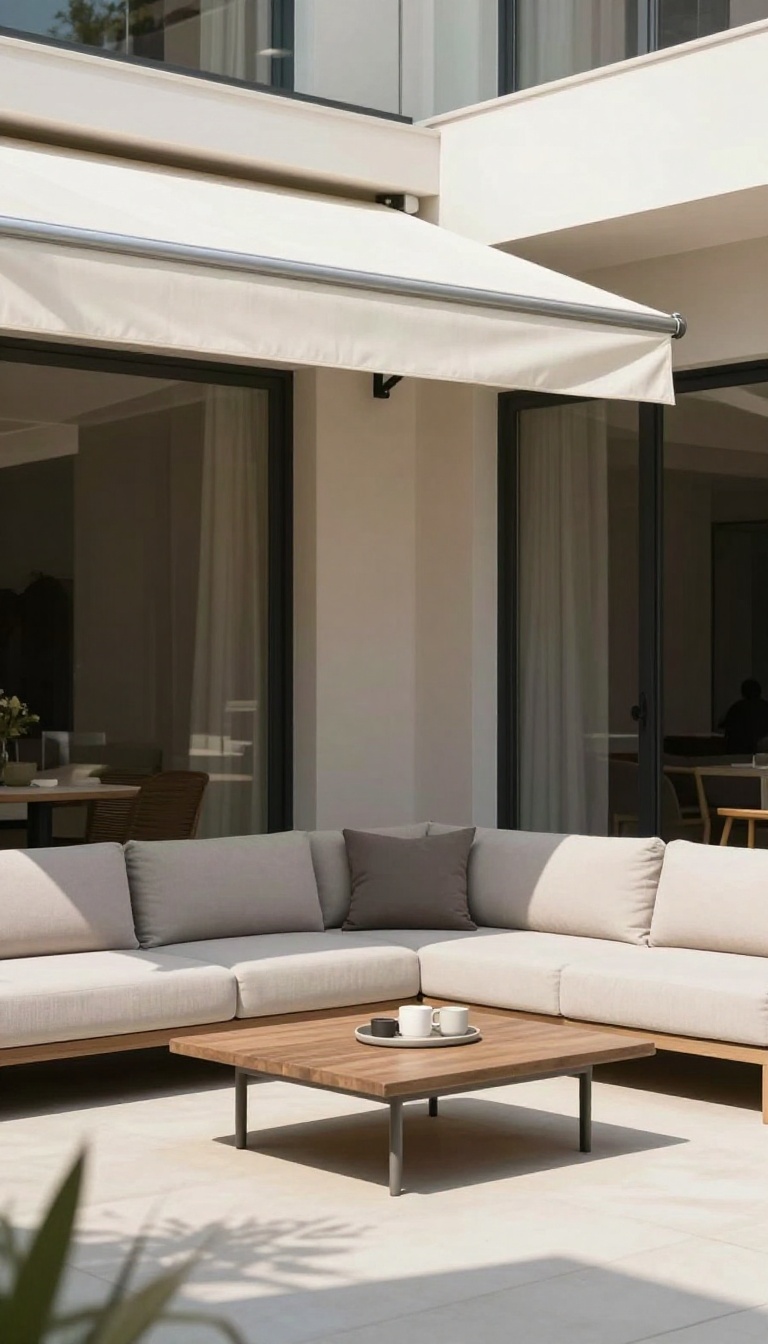
Sometimes you want shade, and sometimes you want the sun. A retractable awning gives you that choice with a simple pull or press of a button. It's a flexible cover that extends when you need it and tucks away when you don't, so your patio stays comfortable without feeling closed in.
Retractable awnings are a smart pick for patios that get a mix of sun and shade throughout the day. You can adjust them to follow the sun's path, keeping your seating area cool in the afternoon and open to the evening sky. Plus, with manual or motorized options, you can set them up to match how you actually use your outdoor space.
Why Choose A Retractable Awning?
The big win is control. You're not committing to a permanent structure, so you can enjoy full sun when you want it and shade when you need it. This makes it great for patios that face different directions or for people who like to change their setup with the seasons.
It also protects your furniture from harsh UV rays when it's out, but lets it air out when it's not.
Manual Vs. Motorized
Manual awnings are budget-friendly and simple—just a crank or a pull to extend. Motorized versions add convenience with a remote or even a smart home app, letting you adjust from inside the house. Some motorized models come with sensors that automatically retract during high winds, which is a nice safety feature if you're often away from home.
Fabric And Color Choices
Awnings come in a wide range of fabrics, from acrylic to solution-dyed polyester, all designed to resist fading and mildew. You can pick a solid color to match your trim or go with a striped pattern for a classic look. Since the fabric is replaceable, you can also change the vibe of your patio without a full remodel.
4. Shade Sail
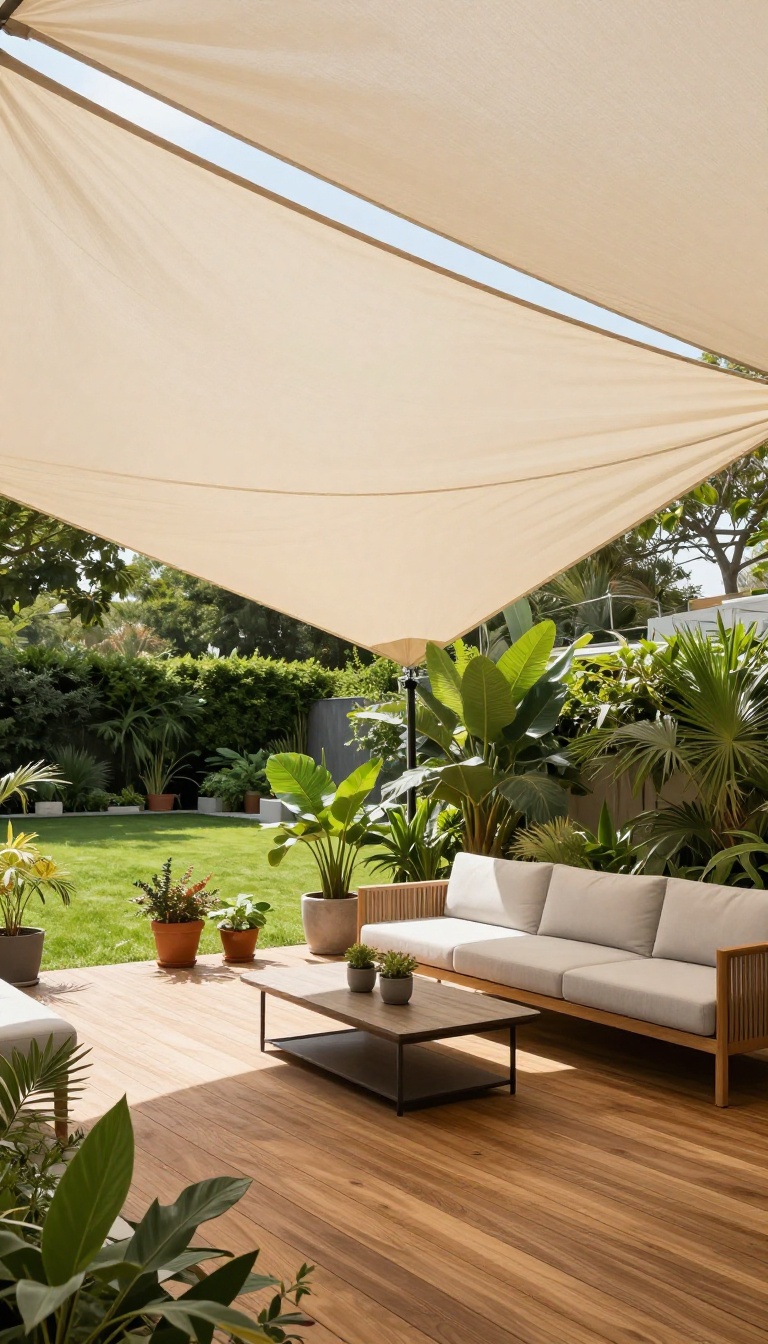
If you're looking for a patio cover that feels modern without the hefty price tag, shade sails are a fantastic pick. These fabric panels stretch across your space to create clean, geometric lines that instantly upgrade the look of any backyard. They're especially great for smaller patios or a cozy seating nook where you want just a hint of overhead coverage.
Shade sails are essentially large pieces of UV-resistant fabric that you anchor to walls, posts, or trees. They come in a variety of shapes—triangles, rectangles, and even custom curves—and can be angled to block the sun exactly where you need it. Because they're lightweight and easy to install, they're a popular DIY project that can be completed in a weekend.
Pick The Right Fabric
Not all shade sails are created equal. Look for high-density polyethylene (HDPE) fabric that blocks at least 90% of UV rays. This material is breathable, so it won't trap heat underneath, and it's durable enough to withstand wind and rain.
If you live in a particularly sunny area, opt for a darker color to reduce glare, or go with a lighter tone for a softer, airier feel.
Installation Tips
Proper tension is key to a shade sail that looks good and lasts. Install the anchors securely—they need to hold the fabric taut, especially during storms. Use stainless steel turnbuckles to adjust the tension over time.
Make sure to angle the sail so water can run off, and avoid creating low spots where puddles can form.
Design Ideas
Mix and match sail shapes and colors to create a unique pattern. Overlap two triangles for a dynamic, layered effect, or install a single large rectangle for a clean, minimalist look. You can also use shade sails to define different zones in your patio—one over the dining area, another over a lounge corner—to add both style and function.
5. Solid Roof Extension
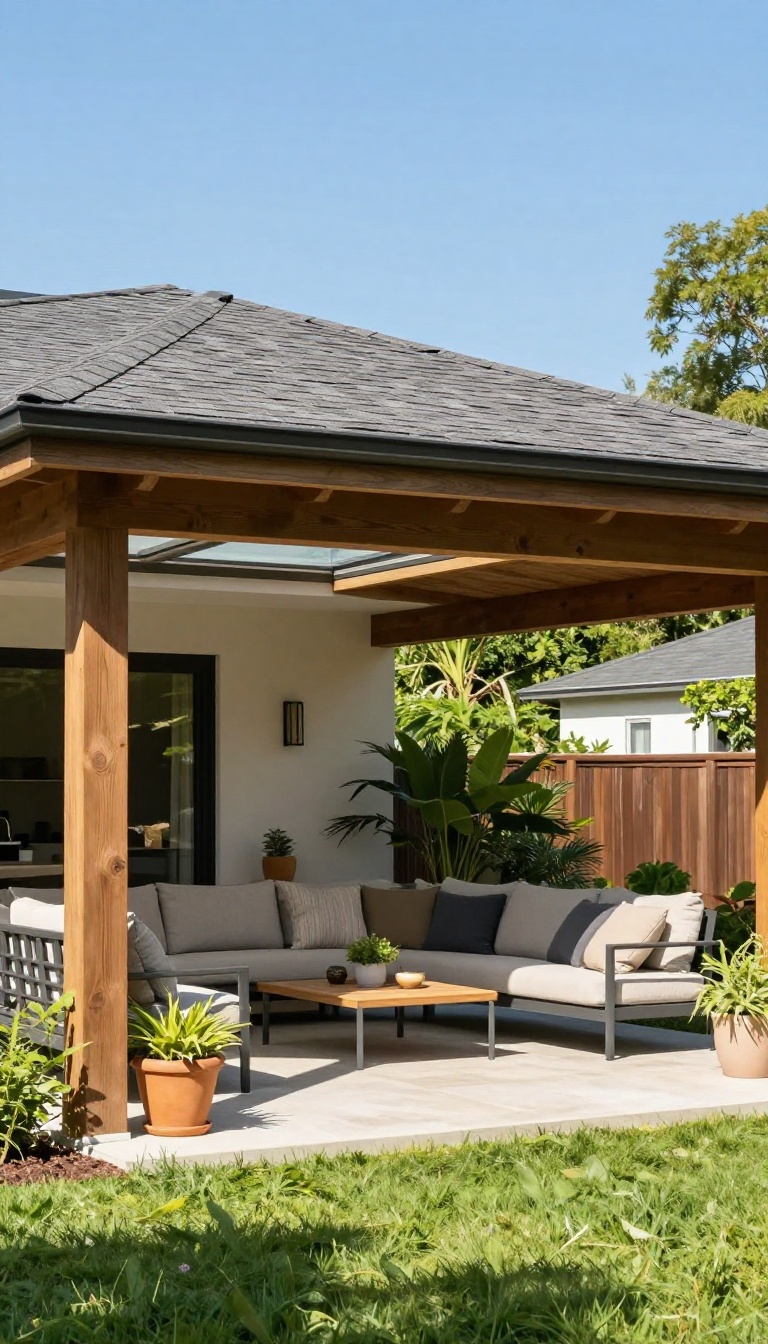
When you want the most dependable coverage possible, a solid roof extension is the way to go. This isn't a temporary fix or a partial shade solution—it's a permanent structure that becomes part of your home's architecture. Think of it as adding a new room without walls, protected from sun, rain, and even light snow.
A solid roof extension is attached to your house and extends the existing roofline outward, creating a seamless transition from indoors to out. It offers the highest level of protection among patio covers, making your outdoor space usable in almost any weather. You can customize it with skylights to let in natural light or add ceiling fans to keep the air moving on warm days.
This option is ideal for homeowners who want a durable, low-maintenance cover that adds real value to their property.
Seamless Integration With Your Home
Because the roof matches your home's existing roofline, the extension looks like it was always meant to be there. This visual continuity boosts curb appeal and makes the patio feel like a natural part of the house. You can choose materials that match your current roof, such as asphalt shingles, metal, or tile, ensuring a cohesive look.
Add Skylights For Natural Light
A solid roof can sometimes make a patio feel dark and enclosed. Skylights solve that by letting sunlight stream in while still offering full protection. You can install fixed skylights for a constant glow or vented ones that open to release hot air.
This feature brightens the space and keeps it feeling open and airy.
Ceiling Fans For Comfort
Even with shade, a solid roof can trap heat underneath, especially in summer. Installing a ceiling fan helps circulate air, making the patio more comfortable on hot days. Choose an outdoor-rated fan with moisture protection, and consider one with a light fixture to add both function and ambiance.
Durability And Low Maintenance
A solid roof extension is built to last, requiring minimal upkeep compared to other covers. Unlike fabric or wood that may need periodic replacement or treatment, a solid roof is sturdy and weather-resistant. This makes it a smart long-term investment for homeowners who want a set-and-forget solution.
6. Thatched or Bamboo Roof
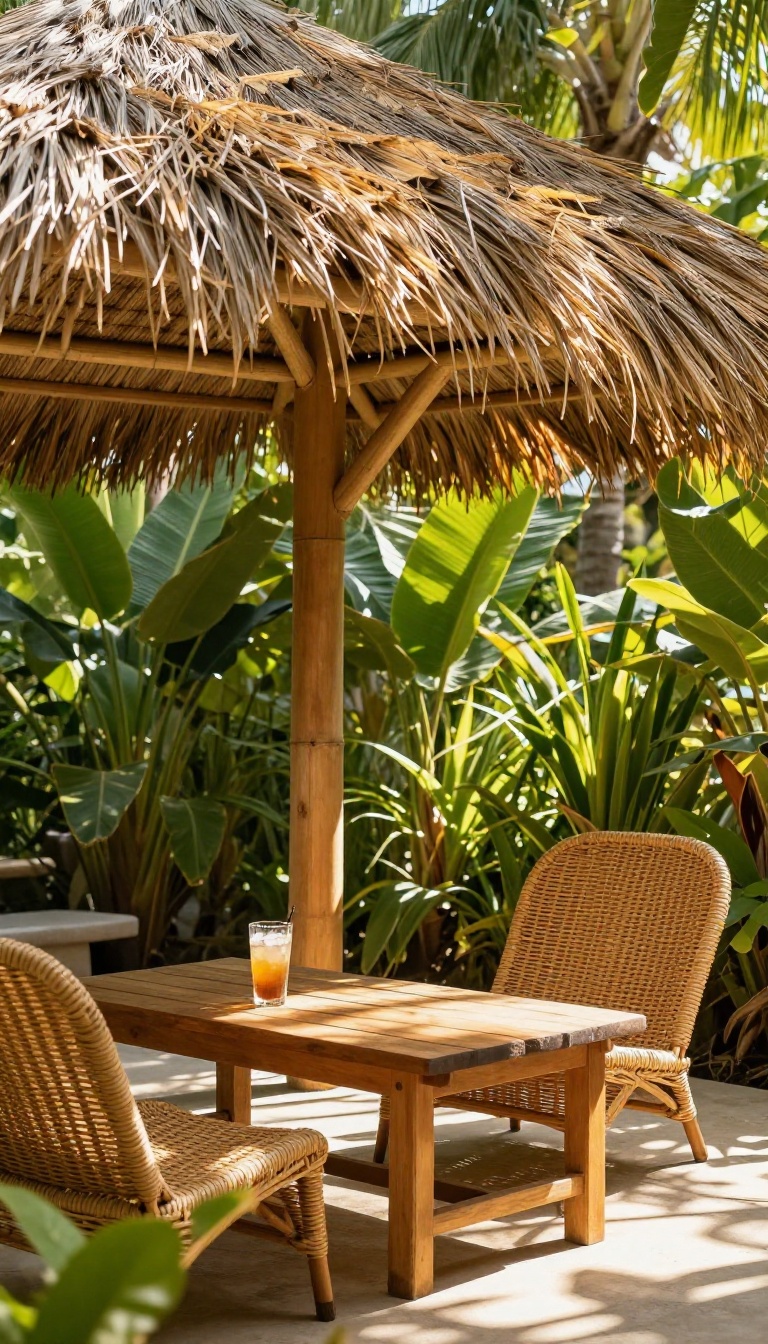
If you've ever dreamed of sipping a drink under a tropical cabana, a thatched or bamboo roof can bring that resort feel right to your backyard. These natural materials create a warm, inviting atmosphere that's hard to match with synthetic options. Plus, they offer surprising insulation, keeping your patio cooler in summer and cozier in cooler months.
A thatched or bamboo roof isn't just about looks—it's a practical choice for many climates. The dense layers of natural fibers block harsh sunlight and provide excellent airflow, so you stay comfortable without relying on fans or misters. Bamboo, in particular, is incredibly durable and sustainable, making it an eco-friendly option that ages beautifully.
That said, these roofs do require a bit more care than metal or vinyl, so it's worth weighing the maintenance before you commit.
Why Choose Natural Materials?
Natural materials like thatch and bamboo have a unique ability to blend with outdoor surroundings, creating a seamless transition from your home to your garden. They also have a lower carbon footprint compared to manufactured covers, which appeals to eco-conscious homeowners. Plus, the texture and color variations add a handcrafted charm that's impossible to replicate with synthetic products.
Installation And Maintenance Tips
Installing a thatched or bamboo roof is best left to professionals, as proper layering and drainage are key to longevity. Once in place, you'll need to treat the material with a fire retardant and sealant to protect against moisture and pests. Regular brushing and occasional re-thatching will keep it looking fresh.
If you're handy, you can install a bamboo roof yourself, but thatch is trickier due to its thickness.
Design Ideas To Match Your Style
Go full tropical with a bamboo roof and rattan furniture, or mix it with modern pieces for an eclectic vibe. For a more rustic look, combine thatch with wooden beams and string lights. You can also add sheer curtains or outdoor drapes to enhance privacy and create a cozy nook.
The key is to let the natural texture shine while complementing it with simple, earthy decor.
7. Glass or Polycarbonate Roof
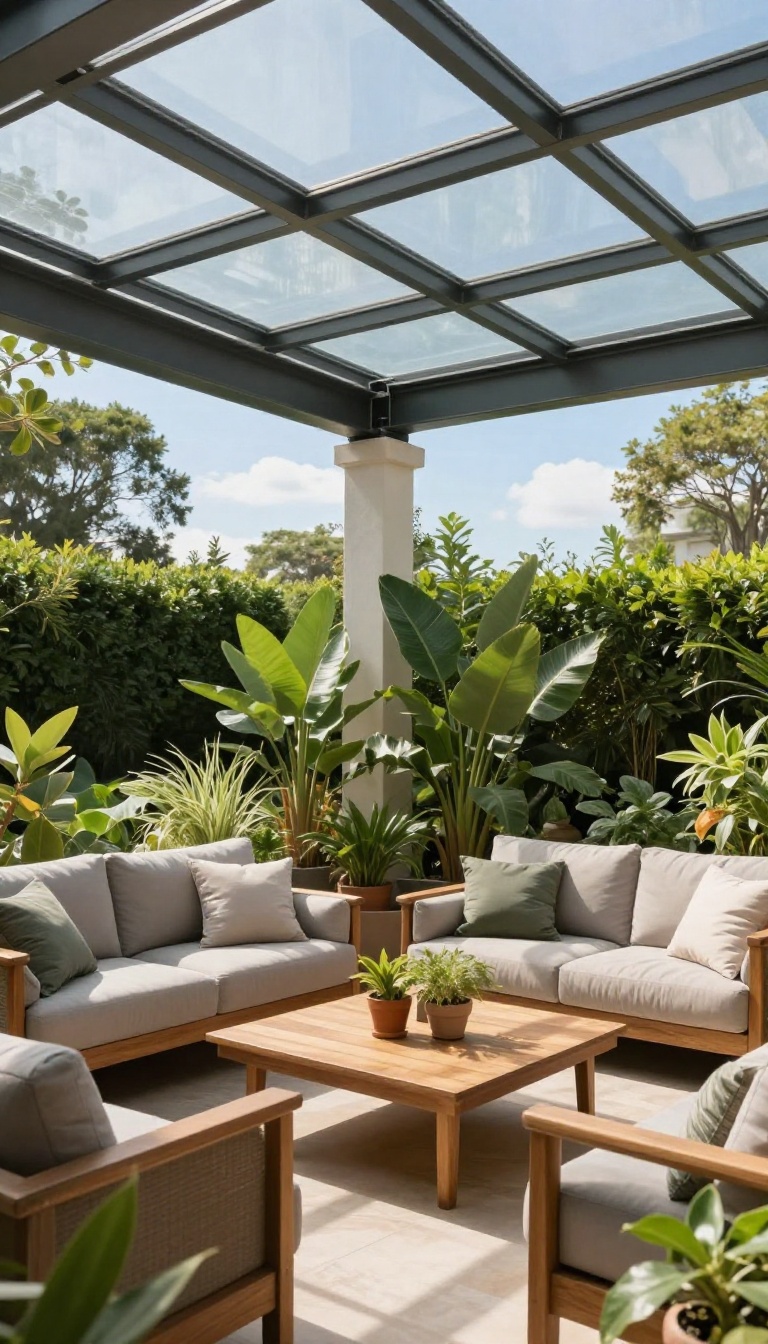
Some days you want to be outside but the sun is relentless or the clouds look ready to burst. A glass or polycarbonate roof gives you the best of both worlds—natural light without the weather worries. It's like bringing the outdoors in, minus the bugs and the rain.
Glass and polycarbonate are two popular choices for patio roofs, each with its own strengths. Glass offers a sleek, upscale look that can make your patio feel like a sunroom, while polycarbonate is lighter, more affordable, and impact-resistant. Both let sunlight filter through, so you can enjoy a bright, airy space even when the sky is gray.
Glass Roofs: Elegant And Durable
A glass roof adds a touch of luxury to any patio. It's perfect if you want an unobstructed view of the sky or your garden. Tempered or laminated glass is strong and safe, and it can be tinted to reduce glare and heat.
Just keep in mind that glass is heavier and more expensive than polycarbonate, and it may require more structural support.
Polycarbonate Roofs: Lightweight And Practical
Polycarbonate panels are a practical alternative that many homeowners love. They're much lighter than glass, which means installation is easier and less costly. Plus, they're highly impact-resistant, so they can handle hail or falling branches.
You can find them in clear, bronze, or opal finishes to control light and heat. They're also great for DIY projects.
Considerations For Both Options
Before you decide, think about your climate and how you'll use the space. If you want a year-round outdoor room, glass might be worth the investment. If you're on a budget or want a simpler setup, polycarbonate is a solid choice.
Also, check local building codes and consider ventilation to prevent heat buildup under the roof.
8. Pergola with Canopy or Curtains
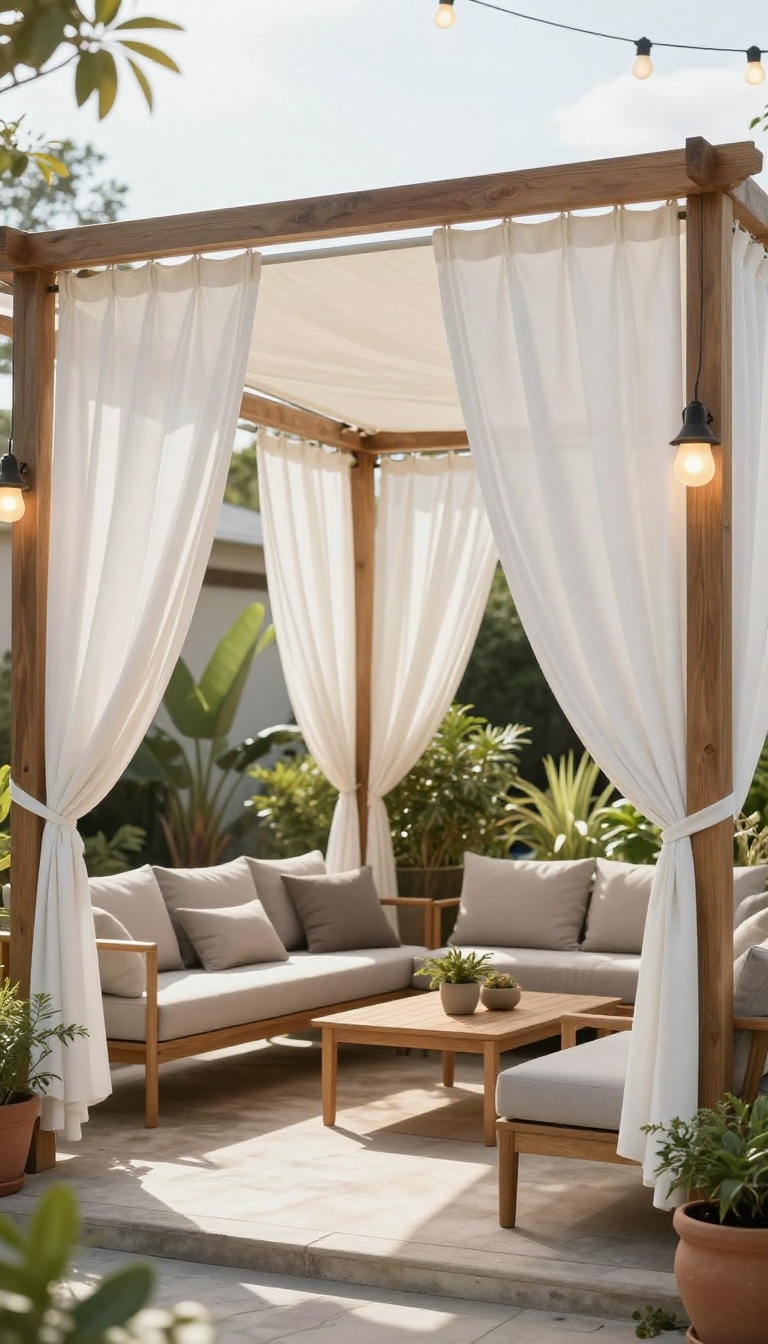
A pergola gives you that classic open-air structure, but sometimes you want a bit more control over sun and privacy. Adding a canopy or curtains lets you dial in the exact vibe—whether it's a breezy afternoon or a cozy evening. This setup is perfect for people who love the look of a pergola but want the flexibility to adapt it to the weather.
The beauty of a pergola with fabric is that you can change it with the seasons or even the time of day. A retractable canopy gives you instant shade when the sun is harsh, then slides back to let the stars peek through at night. Curtains, on the other hand, can be tied back for an open feel or drawn for a private, intimate space.
Plus, fabric adds a softness to the structure that wood or metal alone can't match.
Pick The Right Fabric
Not all outdoor fabrics are created equal. Look for solution-dyed acrylic or polyester that resists UV rays and mildew. These materials hold their color and won't fade quickly.
If you live in a rainy area, choose a waterproof canopy with a slight slope so water runs off instead of pooling.
Installation And Hardware
You can retrofit an existing pergola with a canopy kit or have one custom-made. For curtains, use heavy-duty tracks or rods that can handle wind. Make sure to secure the bottom of the curtains with ties or weights so they don't flap around in a breeze.
A simple hook-and-loop system can make attaching and removing fabric a breeze.
Style And Color Ideas
Go with neutral tones like beige or gray for a timeless look that blends with any outdoor decor. For a pop of personality, try bold stripes or a deep teal. Sheer curtains create a dreamy, romantic atmosphere, while blackout fabric blocks more light and heat.
Mix and match to create a space that feels uniquely yours.
9. Metal Roof with Insulation
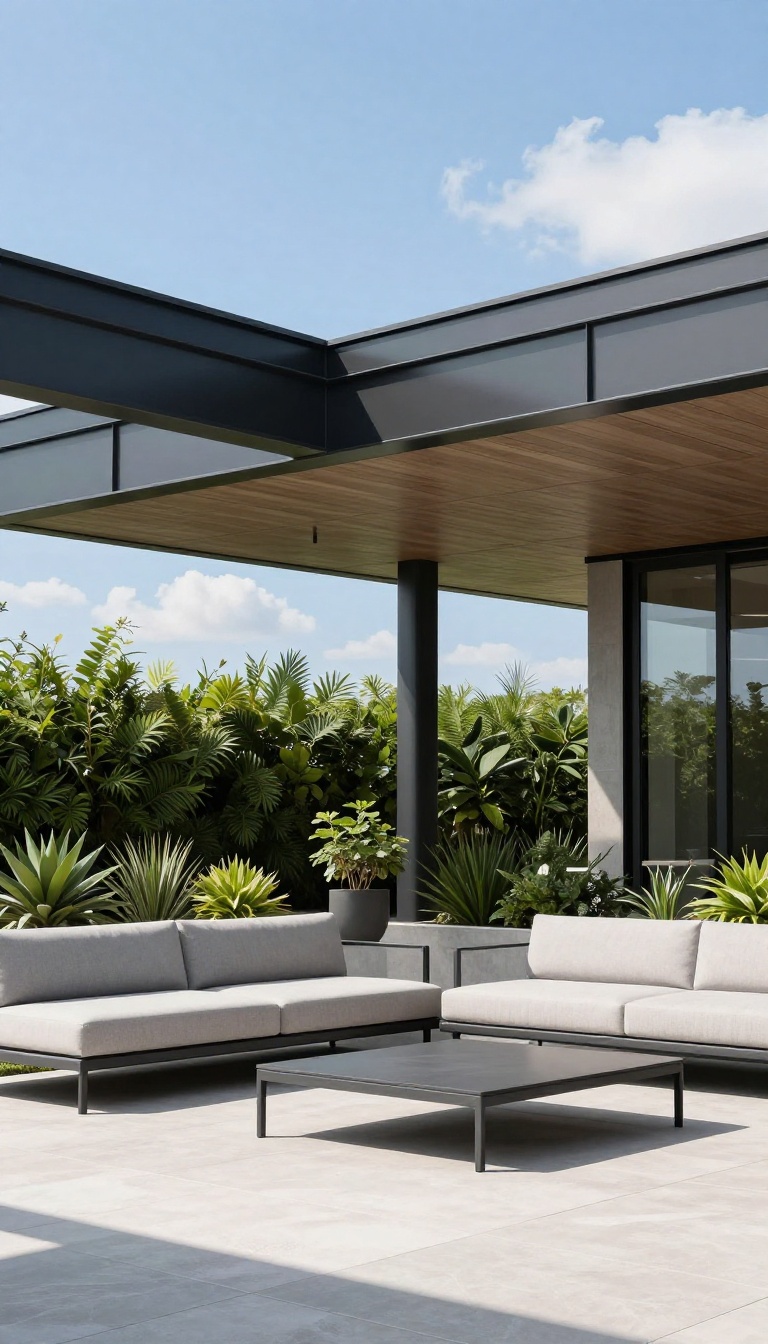
Metal roofs have been around for ages, but they're having a real moment in home design. And for good reason—they're tough, sleek, and surprisingly energy-efficient. When you add insulation underneath, you get a patio cover that works hard in every season.
Think of it as a permanent solution that doesn't just block the sun or rain. It actively keeps the area cooler in summer and traps warmth in winter. If you want a cover that feels solid and lasts for decades, this is a strong contender.
A metal roof with insulation is a powerhouse choice for your patio. It's not just about looks—though the clean lines and modern finish are a bonus. This combination gives you a cover that reflects heat, stands up to storms, and keeps the space comfortable year-round.
Here's why it might be the right fit for your home.
Why Metal Works So Well
Metal is naturally reflective, so it bounces a lot of the sun's rays away before they can heat up your patio. That means you can enjoy your outdoor space even on the hottest days. Plus, metal is incredibly durable.
It won't rot, warp, or crack like wood, and it can handle hail, heavy snow, and strong winds without breaking a sweat.
The Insulation Difference
Bare metal can get hot in the sun and cold in winter, which isn't ideal. Adding insulation underneath changes the game. It creates a barrier that keeps the heat out in summer and locks in warmth when temperatures drop.
You'll notice the difference immediately—no more sweltering afternoons or chilly evenings. Plus, insulation helps reduce noise from rain, so you can relax without the drumming sound overhead.
Design And Installation Tips
Metal roofs come in a variety of styles, from standing seam to corrugated panels, and you can choose colors that complement your home. For a modern look, go with a dark finish; for a classic feel, opt for a neutral tone. When installing, make sure there's proper ventilation to prevent moisture buildup, and consider hiring a professional to ensure everything is sealed correctly.
It's an investment, but one that pays off in comfort and longevity.
10. Living Green Roof
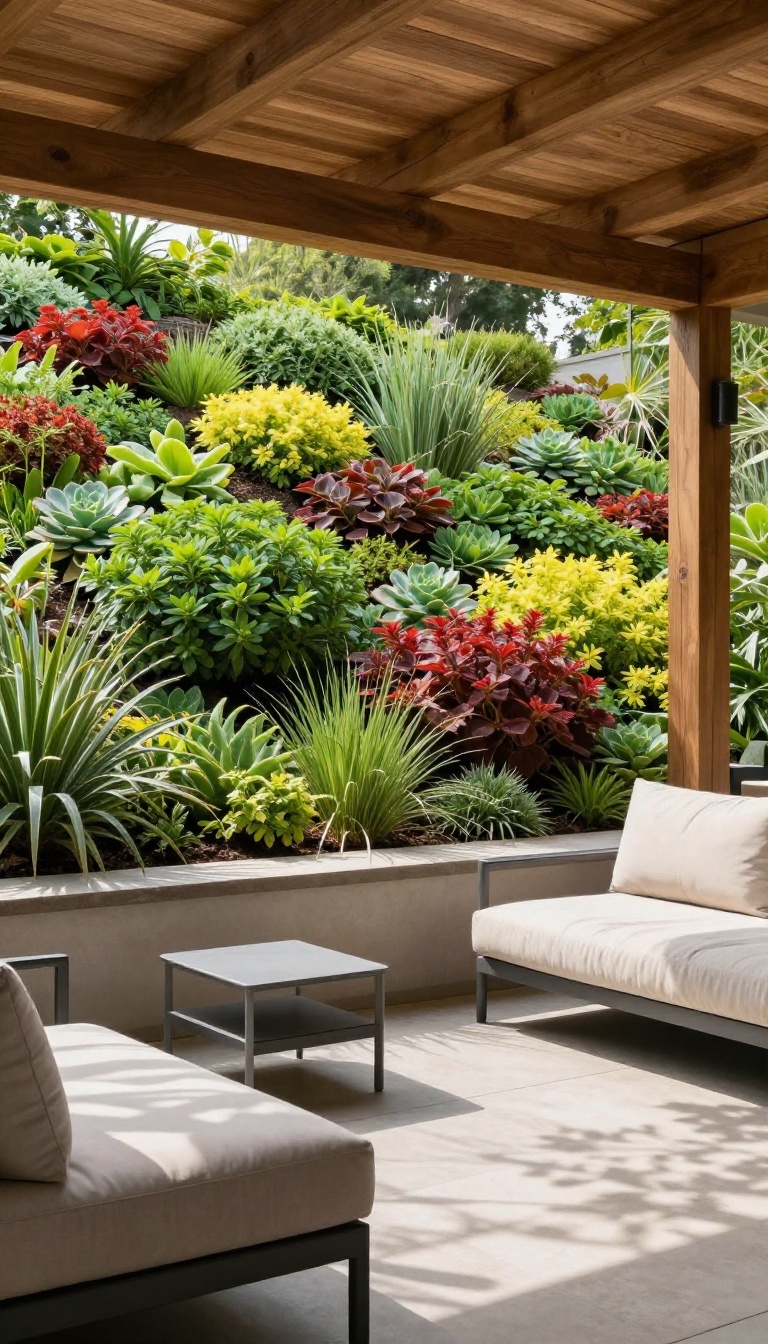
For a patio cover that gives back to the environment, a living green roof is a standout choice. It replaces traditional roofing materials with a layer of soil and plants, creating a natural, cooling canopy above your outdoor space. This eco-friendly option not only looks stunning but also helps manage rainwater and reduce heat buildup.
A living green roof turns your patio into a lush, vibrant retreat. The plants act as natural insulation, keeping the area cooler in summer and warmer in winter. Plus, they absorb rainwater, reducing runoff and helping the environment.
It's a beautiful, sustainable way to make your outdoor living space more enjoyable.
Why Go Green?
Green roofs are excellent for the environment. They improve air quality, provide habitat for pollinators, and lower your energy bills by reducing the need for air conditioning. They also add a unique, natural aesthetic that changes with the seasons.
Installation Basics
Installing a green roof requires a sturdy structure to support the extra weight of soil and plants. You'll need a waterproof membrane, a root barrier, and a drainage layer. It's best to hire a professional with experience in green roofs to ensure everything is done correctly.
Plant Selection
Choose low-maintenance, drought-tolerant plants like sedums, succulents, and native grasses. These plants thrive in shallow soil and require minimal watering once established. They also provide year-round interest with their varied textures and colors.
FAQ
What is the most cost-effective patio cover?
Shade sails are generally the most budget-friendly option, offering good coverage and style without a hefty price tag. Retractable awnings are also affordable compared to permanent structures.
Do I need a permit to build a patio cover?
Permit requirements vary by location and the size/type of structure. It's always best to check with your local building department before starting any construction.
Which patio cover provides the best weather protection?
A solid roof extension or a metal roof with insulation offers the most comprehensive protection against rain, snow, and sun. These are permanent structures that can withstand harsh weather.
Can I install a patio cover myself?
Some options like shade sails and retractable awnings are DIY-friendly, but permanent structures like pergolas or roof extensions typically require professional installation to ensure safety and compliance.
How do I maintain a wooden pergola?
Wooden pergolas need regular sealing or staining every few years to protect against moisture and insects. Clean it annually and check for any signs of rot or damage.
Conclusion
When you pick the right patio cover, your outdoor space becomes an extension of your home—a place to relax, entertain, or just enjoy a quiet morning. The ideas above range from simple to elaborate, so you can start small and upgrade later. Choose what fits your style and budget, and you’ll wonder why you waited so long.
Remember, the best cover is one that suits your climate and how you actually live. Whether it’s a pergola for dappled shade or a solid roof for year-round use, the goal is comfort and enjoyment.