25 Cleaning Towels Tips for Fresh Soft and Odor Free Fabric
Cleaning towels take a beating. They soak up spills, scrub grime, and trap bacteria, which can lead to musty smells and stiff fabric. But with the right care, you can keep them soft, fresh, and ready for action.
Most people toss towels in the wash and hope for the best. Unfortunately, that often leaves behind odors and reduced absorbency. A few simple changes in your routine can make a huge difference.
This guide covers 25 practical tips to restore and maintain your cleaning towels. Whether you use microfiber, cotton, or a blend, these strategies will help you get the most out of every towel.
1. Wash Towels Separately from Heavy Soils
Your cleaning towels work hard, but they don't have to work against each other. When you toss them in with heavily soiled items like mop heads or greasy rags, you're asking for trouble. That dirt and grime can transfer onto your towels, embedding odors and making them less effective.
Keep your towels in a league of their own by washing them separately.
Washing cleaning towels with heavily soiled items is a recipe for cross-contamination. Grease, bacteria, and stubborn dirt from mop heads or rags can cling to your towels, leading to lingering smells and reduced absorbency. By giving towels their own load, you prevent these issues and keep them fresher longer.
Why Separation Matters
Think about what your mop head picks up: floor grime, kitchen grease, maybe even chemical residues. When these mix with your cleaning towels, they embed into the fibers. Over time, this buildup causes odors and stiffness.
Towels washed alone stay cleaner and perform better.
Sorting Tips For Best Results
Create a simple sorting system. Keep a dedicated hamper for cleaning towels only. Wash them separately from bath towels, kitchen linens, and especially from heavily soiled items.
If a towel has heavy grease or grime, pre-treat it or rinse it before adding to the load.
When To Make An Exception
Occasionally, you might wash lightly soiled cleaning towels with similar items like dust cloths. That's fine as long as they're not heavily stained or greasy. The key is to avoid mixing with items that carry high levels of dirt, bacteria, or chemicals.
2. Use Hot Water for Deep Cleaning
Most people wash towels on warm or cold to save energy, but that’s not enough for deep cleaning. Hot water—at least 140°F—kills bacteria, dissolves oils, and lifts embedded grime that causes odors and stiffness. It’s the single most effective change you can make for fresher towels.
Hot water activates laundry detergent better and breaks down the grease and body oils that cling to fibers. For cotton towels, it also helps restore absorbency by flushing out residue. Microfiber can handle hot water too, but check the label first—some blends may shrink or weaken above 140°F.
Aim for a hot cycle every third wash, or whenever towels start to smell musty.
Why 140°f Matters
Water below 120°F barely kills bacteria. At 140°F, most common pathogens die within minutes. That heat also melts fatty oils that cold water leaves behind.
If your water heater doesn’t reach 140°F, boost the wash temp by selecting the ‘heavy duty’ or ‘sanitize’ cycle—most machines heat water internally.
When To Skip Hot Water
Don’t use hot water on every wash. Over time, it can break down elastic fibers in blends and fade colors. Reserve hot washes for heavily soiled towels or when you notice a sour smell.
For regular maintenance, warm water works fine. Always separate whites and darks to prevent dye transfer.
Boost Hot Water With A Soak
For extra-stinky towels, add a hot water soak before the main wash. Fill the machine with hot water, add a cup of white vinegar or baking soda, and let towels sit for 30 minutes. Then run a regular hot cycle.
This two-step method blasts away deep-set odors and leaves fabric soft without fabric softener.
3. Skip Fabric Softener Completely
Fabric softener might make your towels feel fluffy at first, but it's actually working against you. The waxy coating it leaves behind clogs the fibers, reducing absorbency and trapping odors. Over time, that soft feel turns into a musty, stiff mess.
Ditching the softener is one of the easiest ways to keep towels fresh and functional.
Fabric softener coats towel fibers with a thin layer of chemicals that repel water. This means your towels stop soaking up spills and start smelling sour because bacteria get trapped in the residue. Instead, use natural alternatives like white vinegar or baking soda to soften and deodorize without the buildup.
Why Fabric Softener Hurts Absorbency
Those softeners and dryer sheets deposit a waterproof film on the fibers. Microfiber towels lose their ability to grab dirt and moisture, while cotton towels become less thirsty. You end up with towels that push water around instead of absorbing it.
Vinegar As A Natural Softener
Add half a cup of white vinegar to the rinse cycle. It breaks down detergent residue and balances pH, leaving towels soft without the waxy coating. Don't worry—the vinegar smell disappears once the towels dry.
Baking Soda For Odor Control
Sprinkle half a cup of baking soda into the wash drum along with your detergent. It neutralizes odors and helps loosen dirt. For extra freshness, combine it with vinegar in separate cycles—baking soda in the wash, vinegar in the rinse.
4. Add White Vinegar to the Rinse Cycle
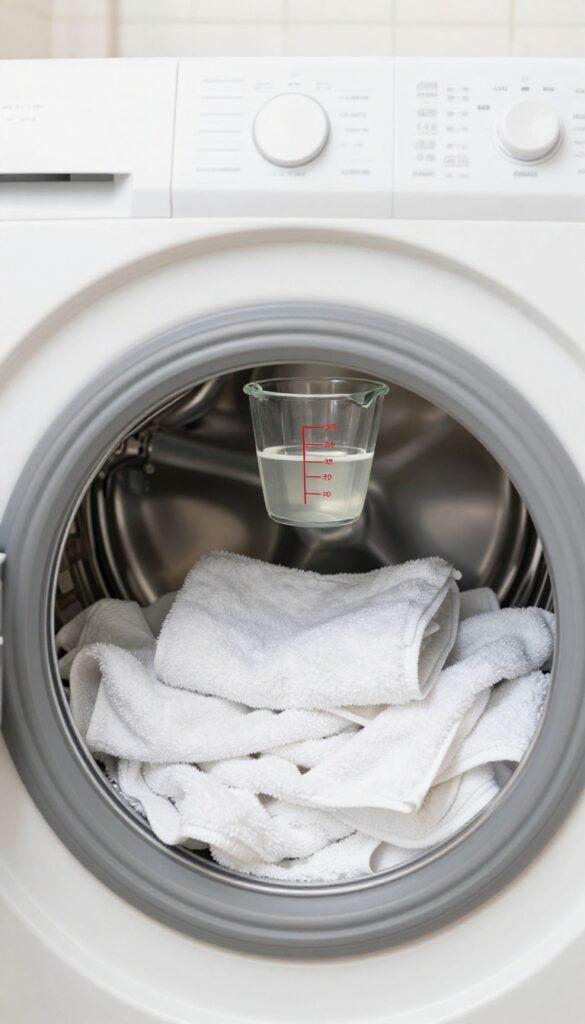
White vinegar is a powerhouse in the laundry room, especially for cleaning towels. It cuts through detergent residue, neutralizes odors, and softens fabric without harsh chemicals. Just half a cup in the rinse cycle can transform stiff, smelly towels into fresh, fluffy ones.
It's a simple, cost-effective trick that works wonders.
Why Vinegar Works
Vinegar is acidic, which helps break down alkaline detergent residues that trap odors and make towels feel rough. It also kills bacteria and mold spores that cause musty smells. Unlike fabric softener, vinegar doesn't coat fibers, so towels stay absorbent and soft naturally.
How To Use It
Add half a cup of distilled white vinegar to the fabric softener dispenser or directly into the rinse cycle. For best results, use it every few washes or whenever towels start to smell. You can also add a few drops of essential oil to the vinegar for a light scent, but it's not necessary—vinegar smell disappears after drying.
What Not To Do
Never mix vinegar with bleach, as it creates toxic chlorine gas. Also, avoid using vinegar on silk or wool, but it's safe for cotton, microfiber, and most synthetic blends. If you have a front-load washer, check the manual—some manufacturers advise against vinegar due to rubber seals, but occasional use is generally fine.
5. Use Baking Soda for Extra Odor Control
Baking soda is a simple, natural deodorizer that works wonders on smelly cleaning towels. It neutralizes acidic odors and helps break down trapped residues without harsh chemicals. Adding it to your wash routine is an easy way to boost freshness.
Baking soda is a gentle yet effective cleaner that tackles odors at their source. It works by balancing pH levels and lifting dirt and grease from fabric fibers. For best results, sprinkle half a cup directly into the drum before adding towels, or dissolve it in warm water for a pre-soak.
How Baking Soda Works
Baking soda, or sodium bicarbonate, is a mild alkali that reacts with acids to neutralize smells. It also helps loosen grime and residue trapped in towel fibers, making it easier for detergent to do its job. Unlike harsh chemicals, it's safe for all fabric types and won't damage colors or textures.
When To Add It
Add baking soda at the start of the wash cycle, before detergent, to allow it to dissolve and penetrate the fabric. For heavily soiled or musty towels, let them soak in a baking soda solution for 30 minutes before washing. You can also combine it with vinegar in separate cycles for a double boost.
Tips For Maximum Effect
Use baking soda every few washes, not every time, to avoid buildup. For extra odor fighting, mix it with a few drops of essential oil like lavender or tea tree before adding. Always check your washing machine manual—some high-efficiency models may require less baking soda to prevent oversudsing.
6. Pre-Treat Grease Stains with Dish Soap
Grease stains are stubborn. They cling to towel fibers and, if left untreated, can trap odors and attract more dirt. Dish soap is designed to cut through grease, making it the perfect pre-treatment for those oily marks.
Apply a few drops of dish soap directly to grease stains before washing to prevent residue buildup. Let it sit for 5–10 minutes, then wash as usual. This simple step keeps your towels fresh and absorbent.
Why Dish Soap Works
Dish soap contains surfactants that break down grease molecules. Unlike laundry detergent, it targets oil directly, lifting it away from fibers. This prevents the grease from redepositing on other towels during the wash.
How To Apply It
Spot the stain and squirt a small amount of dish soap directly onto it. Gently rub the fabric together to work the soap in. Let it sit for 5–10 minutes, then toss the towel into the wash with your regular detergent.
Best Practices
Use a mild, clear dish soap without added bleach or fragrances to avoid discoloration. Test on an inconspicuous area first if you're worried about colorfastness. For set-in stains, let the soap sit longer, up to 30 minutes.
7. Avoid Overloading the Washing Machine
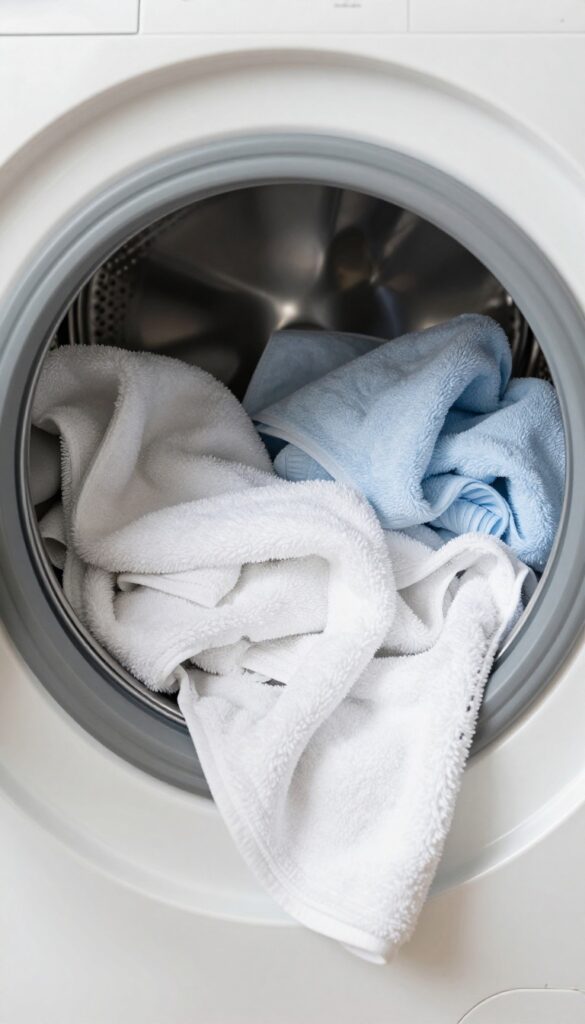
It's tempting to cram as many towels as possible into one load to save time and water. But overloading the machine actually backfires. When towels are packed too tightly, water and detergent can't circulate properly, leaving dirt and soap residue trapped in the fibers.
This leads to dull, smelly towels that don't clean well.
Give your towels room to move. A loosely packed load allows water to flow through every fiber, rinsing away grime and detergent completely. As a rule of thumb, fill the drum no more than two-thirds full.
For large towels, that might mean washing just four or five at a time.
How Overloading Hurts Cleaning
When towels are squished together, the agitation is weak. Dirt and bacteria get pushed deeper into the fabric instead of being flushed out. Residual detergent also stays behind, which can irritate skin and attract more dirt.
Over time, towels lose absorbency and develop a permanent musty smell.
The Right Load Size For Towels
Check your machine's manual for capacity, but a simple test is to place your hand in the drum after loading. If you can't easily push it down into the towels, the load is too full. For standard washers, aim for a load that fills the drum halfway to two-thirds when dry.
Balancing The Load
Distribute towels evenly around the agitator or drum. A lopsided load can cause the machine to vibrate excessively or stop mid-cycle. Mix large and small towels to improve water flow and prevent tangling.
This also helps the rinse cycle work more effectively.
8. Use a Sanitizing Cycle or Add Bleach Safely
White towels can handle a bit of bleach now and then, and it does wonders for killing bacteria and restoring brightness. But you have to do it right—dumping bleach directly onto wet towels can cause damage. For colored towels, oxygen bleach is the safer alternative that still sanitizes without fading.
A sanitizing cycle on your washing machine uses high heat and extended wash time to kill germs. If your machine has one, it's the easiest way to deep-clean white towels. For a manual boost, add ½ cup of regular bleach to the bleach dispenser, never directly on the fabric.
Run a hot cycle and let the towels finish completely. For colors, use oxygen bleach (like OxiClean) following the package directions. It activates in warm water and lifts stains while killing odors.
Avoid chlorine bleach on colors—it will ruin them.
When To Bleach White Towels
Only bleach white towels that are 100% cotton or a cotton-poly blend. Check the care label first. If your towels have any spandex or elastic, skip the bleach.
Stick to every 4-6 washes to avoid weakening fibers. If you notice yellowing, it might be from too much bleach—switch to oxygen bleach instead.
Oxygen Bleach For Colors
Oxygen bleach is color-safe and works well on stains and odors. Dissolve the powder in warm water before adding towels to avoid white spots. Let them soak for 15-30 minutes if they're really smelly.
It's also great for removing dinginess without fading.
Sanitizing Cycle Tips
If your machine has a sanitize cycle, use it for towels that have been in contact with raw meat or mold. Make sure the load isn't too full—water needs to circulate. Add an extra rinse to remove any bleach residue.
For front-loaders, leave the door open after the cycle to let the drum dry.
9. Dry Towels Thoroughly Before Storing
Moisture is the enemy of fresh towels. Even a hint of dampness can invite mildew, which leads to that sour smell and stiff texture. Drying towels completely before folding them away is a simple step that makes a big difference.
Many people pull towels out of the washer and toss them in the dryer without thinking. But if the cycle ends early or the load is too big, some towels stay damp. That lingering moisture is all mildew needs to start growing.
The good news is that drying properly is easy. A little attention to heat settings and timing keeps your towels smelling clean and feeling soft.
Moisture is the enemy of fresh towels. Even a hint of dampness can invite mildew, which leads to that sour smell and stiff texture. Drying towels completely before folding them away is a simple step that makes a big difference.
Many people pull towels out of the washer and toss them in the dryer without thinking. But if the cycle ends early or the load is too big, some towels stay damp. That lingering moisture is all mildew needs to start growing.
The good news is that drying properly is easy. A little attention to heat settings and timing keeps your towels smelling clean and feeling soft.
Use High Heat In The Dryer
Set your dryer to high heat for cotton and microfiber towels. High heat evaporates moisture quickly and helps kill any bacteria that might be hanging around. Check the cycle length—most towels need at least 45 minutes on high.
If the load is extra thick, add more time.
Try Sun Drying For A Natural Boost
Sunlight is a powerful natural dryer and deodorizer. Hanging towels outside on a sunny, breezy day dries them thoroughly and leaves them smelling fresh. The UV rays also help kill bacteria and bleach out any lingering stains.
Just bring them in before evening dampness sets in.
Shake Towels Before Folding
After drying, give each towel a good shake. This fluffs the fibers and helps you feel for any remaining damp spots. If a towel feels cool or slightly heavy, it's not fully dry.
Put it back in the dryer for another 10 minutes.
10. Shake Towels Before Drying
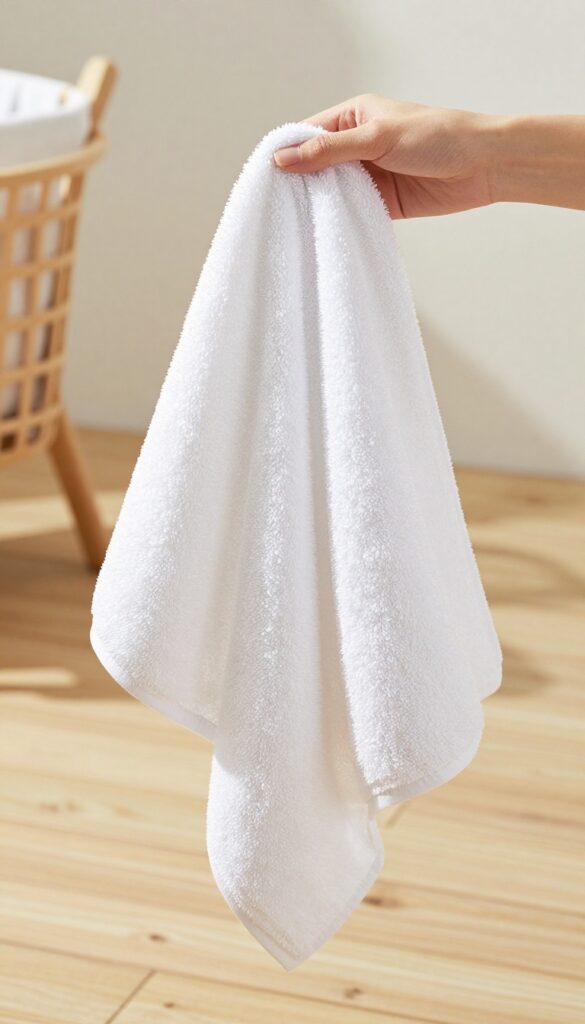
That simple shake before tossing towels in the dryer does more than you think. It fluffs the fibers, separates layers, and lets hot air circulate better. The result?
Faster drying and softer fabric.
Why Shaking Helps
When towels come out of the wash, they're often bunched or twisted. Shaking them out breaks up clumps and restores the nap. This lets the dryer do its job more efficiently, cutting drying time by up to 15 minutes.
Less time tumbling also means less wear on the fibers.
How To Shake Properly
Grab the towel by two corners and give it a firm snap in the air. Do this over a laundry basket or open space to avoid hitting anything. You'll see the fabric loosen and plump up.
For large loads, shake each towel individually before loading.
Bonus: Reduces Wrinkles
Shaking also minimizes creases that set in during the wash cycle. Fewer wrinkles mean less ironing or steaming later. Plus, the fluffed fibers bounce back better, giving towels that fresh, just-bought feel.
11. Use Wool Dryer Balls for Softness
Fabric softener might smell nice, but it coats towel fibers and reduces absorbency over time. Wool dryer balls are a simple, chemical-free alternative that naturally softens towels and cuts drying time. They work by bouncing between layers of fabric, separating them so hot air circulates more efficiently.
The result is fluffier, softer towels without any residue.
Wool dryer balls are a game-changer for towel care. They soften fabric by gently agitating it, mimicking the effect of a commercial dryer sheet but without the waxy buildup. Plus, they last for hundreds of loads, making them a cost-effective and eco-friendly choice.
To use them, simply toss 3–6 balls into the dryer with your damp towels. For extra freshness, add a few drops of essential oil to the balls before drying.
Why Wool Beats Fabric Softener
Fabric softener works by coating fibers with a thin layer of chemicals, which can trap odors and reduce towel absorbency. Wool dryer balls, on the other hand, soften towels through physical action—they lift and separate fibers as they tumble. This keeps towels fluffy and thirsty, ready to soak up spills.
Over time, you'll notice your towels feel naturally soft without the slick, coated sensation.
How Many Balls To Use
For a standard load of towels, start with 3–4 wool dryer balls. If you have a large or heavy load, use up to 6. The balls need enough space to bounce around, so don't overload the dryer.
If you want to add scent, put 2–3 drops of lavender or tea tree oil on each ball before drying. The oil won't stain towels and leaves a light, natural fragrance.
Caring For Your Wool Dryer Balls
Wool dryer balls are low maintenance but benefit from occasional care. If they start to shed or lose their shape, you can refresh them by tossing them in the dryer on high heat for 10 minutes. To clean them, hand wash with mild soap and let them air dry.
Avoid machine washing, as it can cause felting. With proper care, a set of wool dryer balls can last for years.
12. Dry Microfiber Towels on Low Heat or Air Dry
Microfiber towels are delicate despite their tough cleaning performance. High heat in the dryer can melt the synthetic fibers, ruining their split ends that trap dirt and moisture. To keep them soft and absorbent, you need to adjust your drying routine.
Heat is the enemy of microfiber. When exposed to high temperatures, the fibers fuse together, losing their electrostatic charge and absorbency. Low heat or air drying preserves the structure, so your towels stay effective longer.
Plus, it reduces static cling and lint shedding.
Why High Heat Damages Microfiber
Microfiber is made of polyester and polyamide, which can melt or warp above 140°F (60°C). Even a single hot cycle can cause irreversible damage. The fibers lose their split ends, making them less effective at picking up dust and liquids.
Best Drying Methods For Microfiber
Air drying is the safest option. Hang towels on a drying rack or line, away from direct sunlight to prevent fading. If you must use a dryer, select the low heat or no heat setting.
Remove towels while still slightly damp to avoid over-drying and stiffness.
How To Check If Your Towels Are Damaged
After drying, run your hand over the towel. If it feels rough or less absorbent than before, the fibers may have melted. A simple test: sprinkle water on the towel.
If it beads up instead of soaking in, the microfiber is compromised.
13. Store Towels in a Dry, Ventilated Area
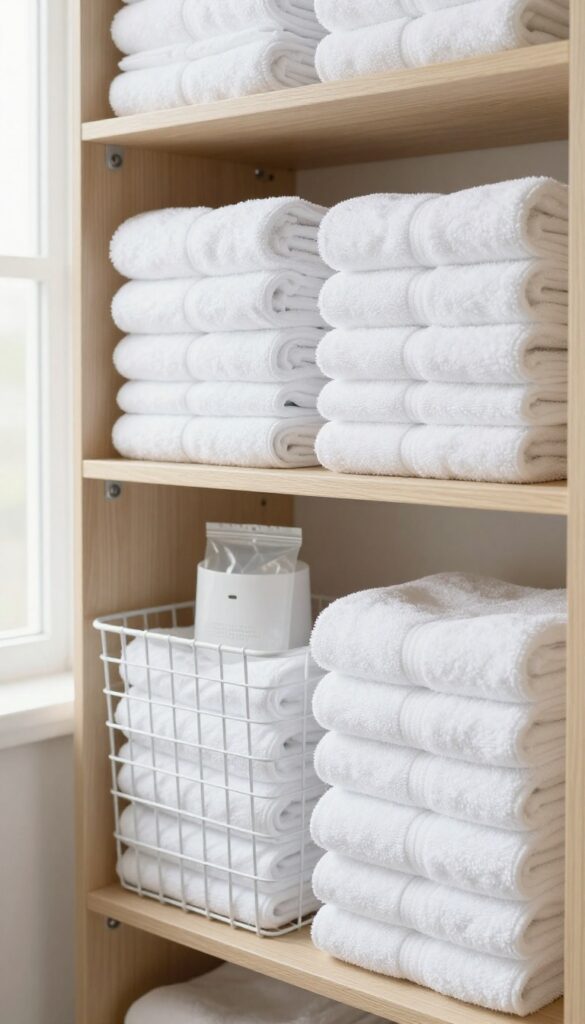
Where you keep your towels matters just as much as how you wash them. A damp, closed cabinet can undo all your hard work by trapping moisture and encouraging mildew growth. The goal is to let air circulate freely around each towel so they stay dry and fresh between uses.
Breathable storage options like wire baskets, open shelves, or hooks allow air to move around the fabric. Avoid plastic bins or tightly packed drawers that hold in humidity. If you must use a closed cabinet, leave the door slightly ajar or add a moisture-absorbing product like silica gel or a dehumidifier.
In humid climates, consider rotating towels more frequently and never storing them while still damp.
Choose The Right Storage Spot
Pick a location away from direct bathroom steam or kitchen moisture. A hallway linen closet with good airflow works well. If your only option is a bathroom cabinet, keep it well-ventilated by leaving the door open after showers.
Use Breathable Containers
Wire or slatted baskets let air circulate. Fabric bins with mesh sides are another good option. Avoid solid plastic totes unless the towels are completely dry and the lid is left off.
Don’t Overcrowd
Stack towels loosely so air can move between layers. Overstuffing a shelf or basket traps moisture and leads to that stale smell. Give each towel a little breathing room.
14. Rotate Your Towel Stock Regularly
Using the same towels day after day wears them out fast. The constant washing and drying break down fibers, making them rough and less absorbent. By rotating between two or more sets, you give each towel time to rest and recover, which extends their life and keeps them softer longer.
Rotating your towel stock is a simple habit that pays off. It prevents overuse of any single towel, reduces the frequency of washing, and allows fibers to regain their loft between uses. Aim to have at least two sets of cleaning towels—one in use and one in storage.
Swap them weekly or bi-weekly depending on how often you clean. This practice also helps you spot wear and tear earlier, so you can retire towels before they start shedding or smelling.
Why Rotation Matters
When you use the same towel repeatedly, moisture and bacteria build up, leading to odors and stiffness. Rotating allows towels to fully dry between uses, which prevents mildew and keeps fibers from breaking down as quickly. It also distributes wear evenly across your stock.
How Many Towels You Need
For most households, three to four sets of cleaning towels is ideal. That gives you one in rotation, one in the wash, and one or two as backups. If you clean frequently, consider five or six sets.
Microfiber towels especially benefit from rotation because they can lose absorbency if washed too often.
Setting Up A Rotation System
Designate a specific shelf or bin for clean towels and another for used ones. Label them if needed. When you swap, wash the used set immediately and store the clean ones.
Some people use color coding: blue for kitchen, green for bathroom, etc. This makes rotation automatic and keeps your towels organized.
15. Wash New Towels Before First Use
Have you ever unwrapped a brand new set of cleaning towels, only to find they don't absorb water well? That's because new towels often come coated with chemical residues from the manufacturing process. These residues can reduce absorbency and even irritate skin.
A simple pre-wash removes these chemicals and preps the fibers for maximum performance.
Skipping that first wash might seem like a time-saver, but it's one of the easiest ways to get the most out of your towels. The manufacturing process leaves behind finishes like silicone, which make towels look crisp but also make them less absorbent. A pre-wash strips these away and fluffs up the fibers, so your towels start working hard from day one.
What's On New Towels?
Manufacturers often apply softeners or anti-static treatments to make towels look appealing on the shelf. These coatings can repel water, which is the last thing you want in a cleaning towel. A pre-wash with a small amount of detergent removes these barriers and reveals the towel's true absorbent nature.
How To Pre-wash Properly
Wash new towels separately in warm water with a half dose of liquid detergent. Avoid fabric softener or dryer sheets, as they can re-coat the fibers. Tumble dry on medium heat or air dry.
This simple step ensures your towels are clean, soft, and ready to tackle any mess.
16. Strip Towels Monthly for Deep Clean
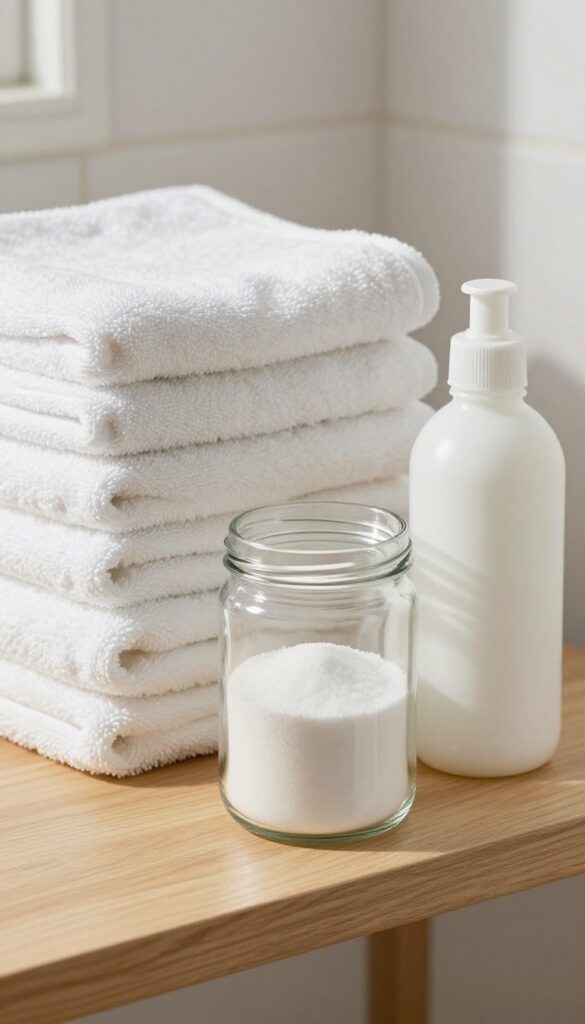
Even with regular washing, detergent and fabric softener residue can build up on towel fibers over time. This buildup traps odors and makes towels feel stiff and less absorbent. Monthly stripping removes that residue and restores your towels to like-new condition.
What Is Towel Stripping?
Towel stripping is a deep-cleaning method that uses hot water and common household ingredients to dissolve mineral deposits, detergent residue, and oils. The process breaks down what regular washing leaves behind, leaving fibers clean and open.
How To Strip Towels
Fill your bathtub or a large bucket with hot water. Add 1/2 cup of baking soda and 1 cup of white vinegar. Submerge your towels and let them soak for 30 minutes, stirring occasionally.
Drain the water—you'll notice it looks murky from the dissolved buildup. Then wash the towels on a hot cycle with no detergent.
When To Strip
Stripping is not a weekly chore. Once a month is plenty for most households. If your towels smell musty even after washing, or if they feel waxy or stiff, it's time for a strip.
Over-stripping can wear out fibers, so stick to a monthly schedule.
17. Use Less Detergent Than You Think
It sounds counterintuitive, but using too much detergent is one of the fastest ways to ruin your cleaning towels. Excess soap leaves a sticky residue that traps dirt, makes fibers stiff, and invites bacteria. The result?
Towels that feel rough and smell musty even after washing.
Why Less Is More
Most laundry detergents are highly concentrated. The recommended amount on the bottle is often for heavily soiled loads, not your typical towel wash. Using half that amount is usually plenty.
Your towels will come out cleaner because there's less residue to re-deposit on the fibers.
How To Adjust Your Dosage
Start by cutting the recommended amount in half. If you have a high-efficiency washer, use just one tablespoon of liquid detergent or one pod. For top-loaders, two tablespoons is plenty.
You can always add more if needed, but you'll likely find that less works better.
Signs You're Using Too Much
If your towels feel slippery or slimy after washing, or if they have a lingering soapy smell, you're using too much detergent. Another clue: if you see suds during the rinse cycle, cut back. Your towels should feel clean, not coated.
18. Add a Second Rinse Cycle
Even after a full wash cycle, detergent residue and loosened dirt can cling to towel fibers. That leftover buildup is a prime cause of stiffness and musty smells. An extra rinse cycle is a simple fix that makes a big difference in how your towels feel and smell.
Why One Rinse Isn't Enough
Standard wash cycles often leave a thin film of detergent on towels, especially if you use a high-efficiency washer with minimal water. This residue traps bacteria and reduces absorbency. A second rinse flushes out the remaining soap and soil, leaving fibers cleaner and softer.
How To Set Up A Second Rinse
Most modern washing machines have a dedicated "Extra Rinse" button or option. If yours doesn't, simply select the rinse-and-spin cycle after the main wash ends. For front-loaders, you can also pause the cycle before the final spin and add a manual rinse.
It adds about 15 minutes but is well worth the effort.
When To Skip The Extra Rinse
If you use a minimal amount of detergent or a detergent that's formulated to rinse clean quickly, a second rinse may not be necessary. Also, for lightly soiled towels that you wash frequently, one rinse might suffice. But for heavily soiled cleaning towels or when you notice lingering odors, always opt for the extra rinse.
19. Treat Mildew Immediately with Lemon Juice
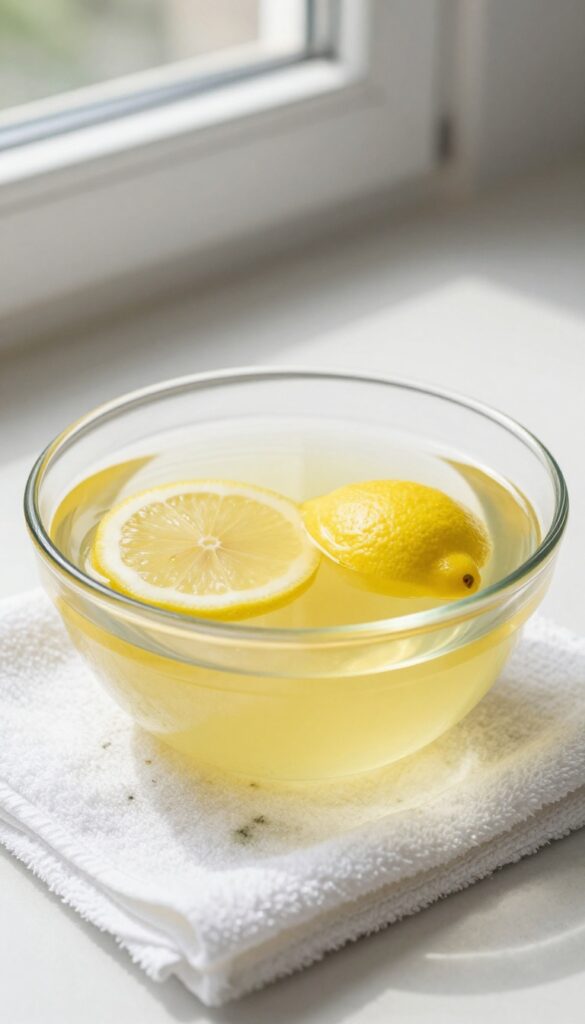
Mildew can appear fast on damp cleaning towels, especially if they sit in a pile or bucket after use. That musty smell is a clear sign spores are multiplying. Lemon juice is a natural, gentle way to stop mildew in its tracks without harsh chemicals.
Why Lemon Juice Works
Lemon juice contains citric acid, which breaks down mildew spores and neutralizes odors. It's safe for most towel fabrics and leaves a fresh scent. Unlike bleach, it won't weaken fibers over time.
How To Apply The Treatment
Mix equal parts lemon juice and hot water in a bucket or sink. Submerge the affected towels completely and let them soak for 30 minutes. For heavy mildew, gently rub the stained areas with a bit of lemon juice before soaking.
Follow Up With A Hot Wash
After soaking, wash the towels in the hottest water recommended for the fabric. Add your regular detergent and a half cup of baking soda for extra odor removal. Dry thoroughly on high heat or in direct sunlight.
20. Avoid Drying Towels on Radiators
Radiators might seem like a convenient spot to dry your cleaning towels, especially in winter. But that direct heat can do more harm than good. The intense heat bakes the fibers, making them stiff, brittle, and less absorbent over time.
It also traps any lingering moisture inside, creating a perfect environment for bacteria and mildew. Instead, choose a gentler drying method that keeps towels soft and fresh.
Radiator drying is tempting when you need towels dry fast, but the heat is too harsh for most towel materials. Cotton and microfiber both suffer—cotton becomes rough and scratchy, while microfiber can melt or lose its electrostatic charge. Plus, radiators often have uneven heat distribution, so some parts of the towel dry faster than others, leading to damp spots where odors thrive.
Stick to air drying on a clothesline or using a tumble dryer on low heat for best results.
Why Radiator Heat Damages Towels
The high, direct heat from radiators breaks down the natural fibers in cotton towels and can warp synthetic ones. This causes towels to lose their plushness and become stiff. Over time, the fibers weaken, leading to fraying and reduced lifespan.
For microfiber towels, the heat can melt the split fibers that trap dust and dirt, ruining their cleaning power.
Better Alternatives For Drying
A clothesline or drying rack is the gentlest option, allowing air to circulate freely. If you're short on time, a tumble dryer on a low or medium heat setting works well—just remove towels while they're still slightly damp to avoid over-drying. For microfiber, air drying is best, but if you must use a dryer, use the no-heat or air-fluff setting.
How To Keep Towels Soft Without A Radiator
To maintain softness, add a half cup of white vinegar to the rinse cycle during washing—it helps remove residue that causes stiffness. Also, avoid fabric softener, which coats fibers and reduces absorbency. Shake towels out before drying to fluff the fibers, and fold them as soon as they're dry to prevent wrinkles.
21. Use a Lint Filter Cleaner for Towel Lint
Cleaning towels shed a surprising amount of lint, especially when they're new or made from cotton. That fluff doesn't just disappear—it collects in your dryer's lint filter and vent system. If you don't clean it regularly, airflow gets restricted, drying times increase, and lint can even become a fire hazard.
Plus, trapped lint can redeposit on your towels, making them feel rough and less absorbent.
Keeping your dryer's lint filter clean is one of the simplest ways to maintain towel quality and safety. After every load of cleaning towels, pull out the lint screen and wipe away the fuzz. But that's not enough—over time, fabric softener residue and fine particles build a film on the screen that blocks airflow.
Wash the filter with warm soapy water every few months and scrub it gently with an old toothbrush. Let it dry completely before reinstalling. For the dryer vent itself, use a vent cleaning brush or a vacuum attachment at least once a year to remove deeper lint clogs.
This step not only helps your towels dry faster and softer but also extends the life of your dryer.
Why Towel Lint Is A Problem
Lint from cleaning towels is more than just an annoyance. It reduces drying efficiency, forcing you to run extra cycles that waste energy and wear out fabrics. More importantly, lint buildup in the dryer vent is a leading cause of household fires.
The U. S. Fire Administration reports that failure to clean the dryer is the top factor in these incidents.
So cleaning the lint filter isn't just about fresh towels—it's about safety.
How To Deep Clean Your Lint Filter
Every few months, remove the lint screen and rinse it under hot water. Apply a drop of dish soap and use a soft brush or your fingers to loosen the residue. Rinse thoroughly and dry with a microfiber cloth.
If the screen is damaged or the mesh is torn, replace it immediately. A clean filter allows hot air to circulate freely, which helps towels fluff up and dry evenly.
Don't Forget The Dryer Vent
The lint filter catches most of the fluff, but fine particles still travel through the vent. Use a vent cleaning kit with a flexible brush to reach deep into the duct. Disconnect the vent hose from the back of the dryer and vacuum both ends.
Reattach securely. Doing this once a year keeps airflow strong and reduces drying time by up to 30%.
22. Separate Towels by Color and Fabric Type
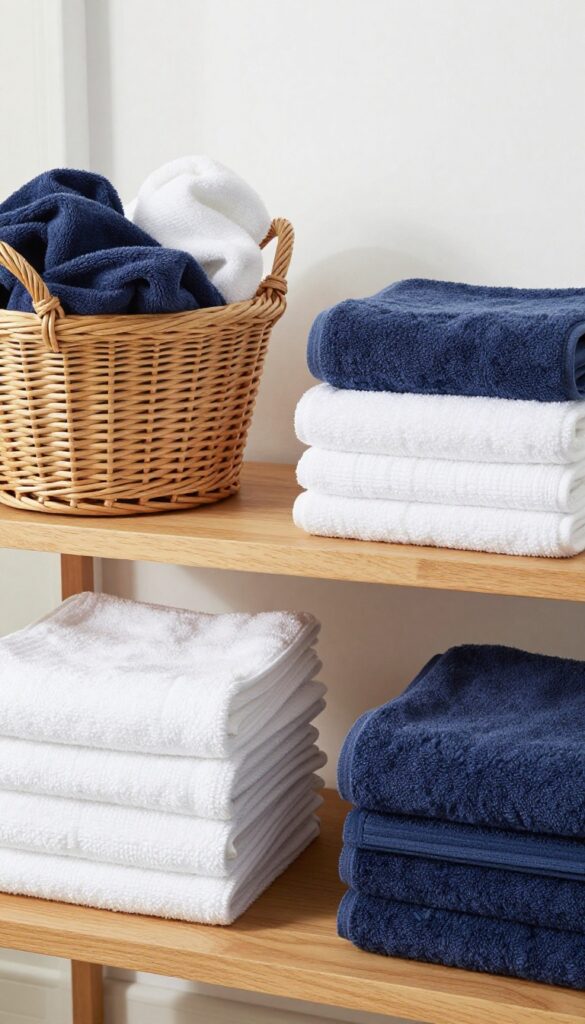
Throwing all your cleaning towels into one load might save time, but it can lead to color bleeding and lint disasters. Dark towels can transfer dye onto lighter ones, and microfiber towels attract lint from cotton like a magnet. A simple sorting step keeps your towels looking good and performing their best.
Separating towels by color and fabric type is a small habit that pays off. Dark and bright towels should be washed separately from whites and lights to prevent dye transfer. Likewise, microfiber towels need their own wash cycle away from cotton or terry cloth, because cotton lint clings to microfiber and reduces its effectiveness.
Sorting takes just a minute but keeps each fabric type working properly and looking fresh.
Why Color Separation Matters
Washing dark and light towels together is risky. Even after several washes, darker dyes can bleed onto lighter fabrics, leaving them dull or streaked. To keep white towels bright and colored towels vibrant, always sort by color depth.
For extra protection, wash new dark towels separately for the first few cycles.
Microfiber Vs. Cotton: The Lint Problem
Microfiber towels are designed to trap dirt and moisture, but they also trap lint from cotton fabrics. Washing them together means your microfiber towels end up covered in fuzz, which blocks their pores and reduces absorbency. Always wash microfiber separately from cotton, terry cloth, or any lint-shedding fabrics.
How To Organize Your Towel Laundry
Keep three laundry baskets or piles: one for dark/colored cotton towels, one for white/light cotton towels, and one for microfiber towels. This system makes sorting automatic and ensures each load gets the right wash and dry settings. Microfiber should be washed on a gentle cycle with cold or warm water and no fabric softener.
23. Refresh Towels with a Sun Bleach
Sunlight is one of nature’s best cleaners. Ultraviolet rays naturally bleach and deodorize fabrics without harsh chemicals. Hanging your cleaning towels outside on a bright, sunny day can zap odors and brighten whites.
It’s a free, effective way to refresh towels that smell a bit funky or have stubborn stains.
Sun bleaching works best on cotton and cotton-blend towels. Microfiber can degrade in direct sun, so use this method mainly for natural fibers. The UV rays break down odor-causing bacteria and lighten discoloration.
Plus, the fresh air adds a clean scent that no dryer sheet can match.
Best Towels For Sun Bleaching
Cotton, linen, and hemp towels respond well to sunlight. Avoid microfiber or synthetic blends—they can become brittle or lose absorbency. For heavily stained towels, pre-treat spots with lemon juice or a baking soda paste before hanging.
The sun amplifies the stain-fighting power.
How To Sun Bleach Properly
Wash towels first to remove loose dirt. Then hang them outside on a clothesline or drying rack in direct sunlight. Leave for 2–4 hours, flipping halfway through.
Bring them in before evening dew sets in, or they’ll reabsorb moisture and risk mildew.
When Sun Bleaching Isn’t Enough
If towels still smell musty after sunning, they may need a deeper clean. Try a vinegar soak or a hot water wash with baking soda. Sun bleaching is a maintenance step, not a cure-all for severe odor or grime buildup.
24. Replace Towels When They Lose Absorbency
No matter how well you care for your cleaning towels, they won't last forever. Over time, fabric fibers break down, detergent residue builds up, and absorbency drops. If your towels feel stiff or repel water even after a thorough wash, it's a clear sign they've reached the end of their useful life.
Holding onto them only leads to frustration and less effective cleaning.
Knowing when to retire a towel saves you from wasted effort and disappointing results. Old towels can still serve a purpose, just not as primary cleaning tools.
Signs It's Time To Let Go
A towel that no longer absorbs water is more of a smearer than a cleaner. Test yours by sprinkling a few drops of water on the fabric. If the water beads up and rolls off instead of soaking in, the towel has lost its absorbency.
Other red flags include a persistent musty smell that won't wash out, frayed edges, or thinning fabric that tears easily.
Extend Life With Proper Care
You can delay the decline by washing towels in warm water with a minimal amount of detergent and skipping fabric softener entirely. Fabric softener coats fibers and repels water, accelerating absorbency loss. Also, avoid overloading the washing machine, which prevents thorough rinsing and leaves residue behind.
Repurpose Before You Toss
Old towels that fail as cleaning cloths still have plenty of uses. Cut them into smaller squares for dusting, polishing, or wiping up spills on garage floors. They also work well as padding for fragile items during storage or moving.
Repurposing keeps them out of the landfill a little longer.
25. Use a Dedicated Towel for Each Cleaning Task
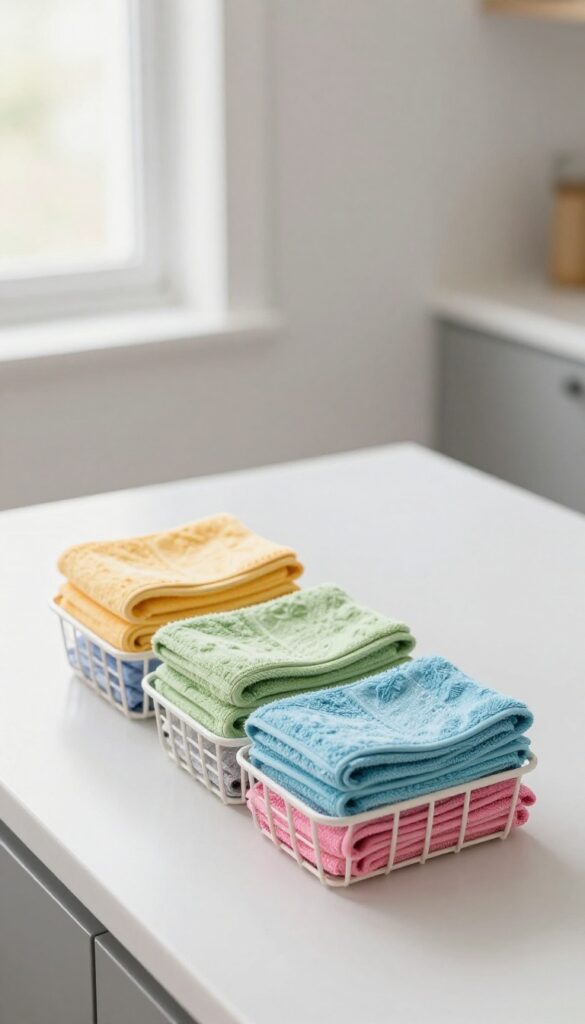
Have you ever wiped down your kitchen counters with a towel that just cleaned the bathroom floor? That's a fast track to spreading germs and grime around your home. Assigning specific towels for different tasks is a simple habit that keeps your cleaning effective and your towels lasting longer.
Cross-contamination is a real issue when you use the same towel for multiple surfaces. A towel used on a greasy stovetop can transfer oil to your glassware, leaving streaks. More concerning, a towel that picked up bacteria from a toilet can end up on your kitchen counters.
Dedicated towels prevent this entirely. This system also extends the life of your towels. A towel used only for drying glass won't get stained or worn down by harsh cleaners or abrasive surfaces.
You'll notice your glass towels stay soft and lint-free much longer than all-purpose rags. To get started, pick a color-coding system or simply label a few towel sets. Keep a separate basket or hook for each category so you always grab the right one.
How To Organize Your Towel Sets
Choose three or four categories: glass and mirrors, countertops and surfaces, floors and heavy-duty messes, and maybe one for stainless steel or delicate items. Use different colors or patterns for each category. Store them in separate bins or hang them on labeled hooks near your cleaning supplies.
Best Towel Types For Each Task
For glass and mirrors, use lint-free microfiber or a soft cotton cloth that won't leave streaks. For counters, an all-purpose cotton or microfiber works well. For floors and tough grime, go with a thicker, more absorbent towel that can handle scrubbing and dirt without falling apart.
Laundry Tips For Dedicated Towels
Wash each category separately to avoid lint transfer and color bleeding. For example, don't wash your glass towels with heavy-duty floor rags that might shed lint. Use hot water and a mild detergent, and skip fabric softener to maintain absorbency.
FAQ
How often should I wash cleaning towels?
Wash cleaning towels after every use or at least every 2-3 days if used lightly. Bacteria and odors build up quickly, so frequent washing is key.
Can I use bleach on colored cleaning towels?
Only use chlorine bleach on white towels. For colored towels, use oxygen bleach (like OxiClean) to avoid fading.
Why do my towels smell even after washing?
This is usually due to detergent buildup, bacteria, or washing in cold water. Try a hot water wash with vinegar and baking soda to strip residues.
What's the best way to dry microfiber towels?
Air dry or use low heat in the dryer. High heat can damage the fibers. Avoid fabric softener and dryer sheets.
How do I restore stiff towels?
Soak them in hot water with half a cup of baking soda and half a cup of vinegar for 30 minutes, then wash as usual. This strips buildup and softens fibers.
Conclusion
Keeping your towels fresh and soft doesn't have to be a chore. Start with the tip that solves your biggest issue—whether it's musty smell or stiff fabric—and build a simple routine from there. A little consistency, like using less detergent or drying on low heat, makes all the difference.
Pick two or three methods to try this week. Your towels will feel fluffier, smell cleaner, and last longer, making every shower a little more enjoyable.