15 Cleaning Rugs Tips for Stains Dust and Fresh Fibers
You vacuum your rug every week, but somehow it still looks dull. Maybe a dark spot near the coffee table keeps catching your eye, or the fibers feel flat underfoot. The truth is, rugs trap more than dirt—they hold onto odors, allergens, and stains that vacuuming alone can't fix.
A little targeted care goes a long way. With the right techniques, you can lift stubborn stains, banish dust, and bring back that just-bought softness. No need for harsh chemicals or expensive professional cleaning.
These 15 tips cover the most common rug challenges, from pet accidents to high-traffic wear. Each one is simple, effective, and designed to keep your rugs looking fresh for years.
1. Blot Spills Immediately—Don't Rub
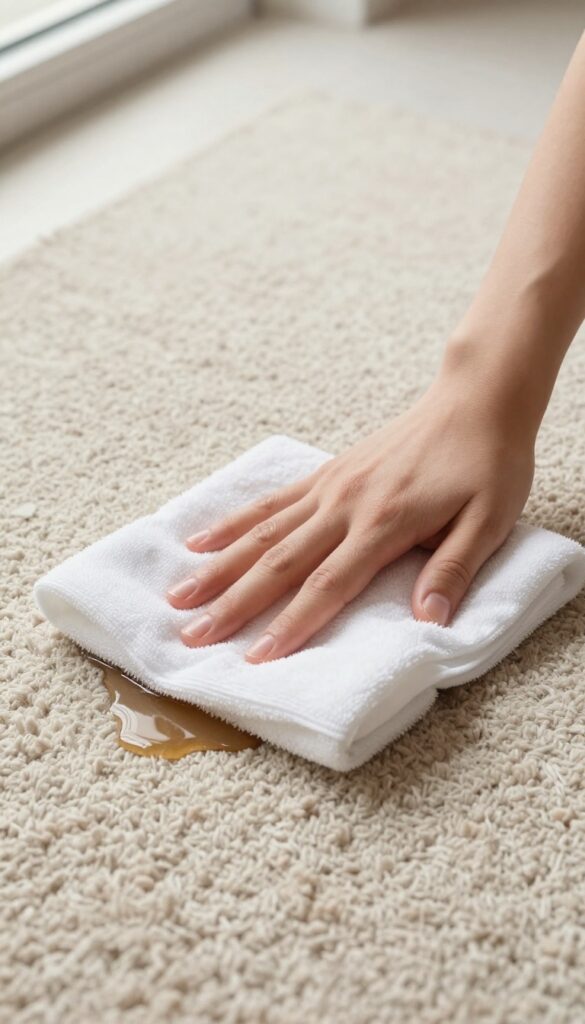
Spills happen, but how you react makes all the difference. The natural urge is to scrub, but that's exactly what you shouldn't do. Rubbing grinds the liquid deep into the fibers and can fray the rug's surface.
Blotting is the gentle, effective alternative. Press a clean, dry cloth or paper towel onto the spill, starting at the outer edge and working inward. This absorbs the liquid without spreading it.
Repeat with fresh cloths until no more moisture transfers. For thicker spills, you can place a weight on the cloth to increase absorption. The key is patience—blot, don't rub, and you'll prevent most stains from setting.
Why Rubbing Makes Things Worse
Rubbing pushes the liquid deeper into the rug's backing and padding, where it can cause mold or odor. It also loosens the fibers, leading to a fuzzy or worn look. Even a gentle scrub can damage delicate wool or silk rugs.
The Right Blotting Technique
Always use a white cloth to avoid color transfer. Blot from the outside toward the center to contain the spill. If the stain is sticky, dab with a little cold water first, then blot dry.
For greasy spills, sprinkle baking soda before blotting to absorb oil.
When To Call In A Professional
If the stain remains after several blotting rounds, or if the spill is large (like a full glass of red wine), it's time to consider professional cleaning. Some stains set quickly, but blotting buys you time and often saves your rug.
2. Use Club Soda for Fresh Stains
When a spill happens, grab a bottle of club soda from the fridge. The carbonation works like a gentle scrubber, lifting fresh stains such as red wine or coffee right out of the fibers. It's a simple, chemical-free trick that many people overlook.
Pour a small amount directly onto the stain—just enough to cover it. Let the bubbles fizz for about ten seconds, then blot with a clean, dry cloth. Repeat until the stain fades.
This method works best on fresh spills, so act fast.
Why Club Soda Works
The carbon dioxide in club soda creates bubbles that help dislodge stain particles from the rug fibers. The mild acidity also helps break down compounds in wine and coffee, making them easier to lift. Plus, it's gentle enough for delicate rugs.
Step-by-step Stain Removal
First, blot up as much of the spill as possible with a paper towel. Then pour club soda over the spot. Let it fizz for a few seconds, then blot again.
Keep repeating until the stain disappears. Finally, place a dry towel over the area and weigh it down to absorb remaining moisture.
When Not To Use Club Soda
Avoid club soda on oil-based stains like grease or butter—it won't help. Also, test on an inconspicuous area first if your rug is antique or made of natural fibers like wool or silk. For set-in stains, try a different method.
3. Vacuum in Multiple Directions
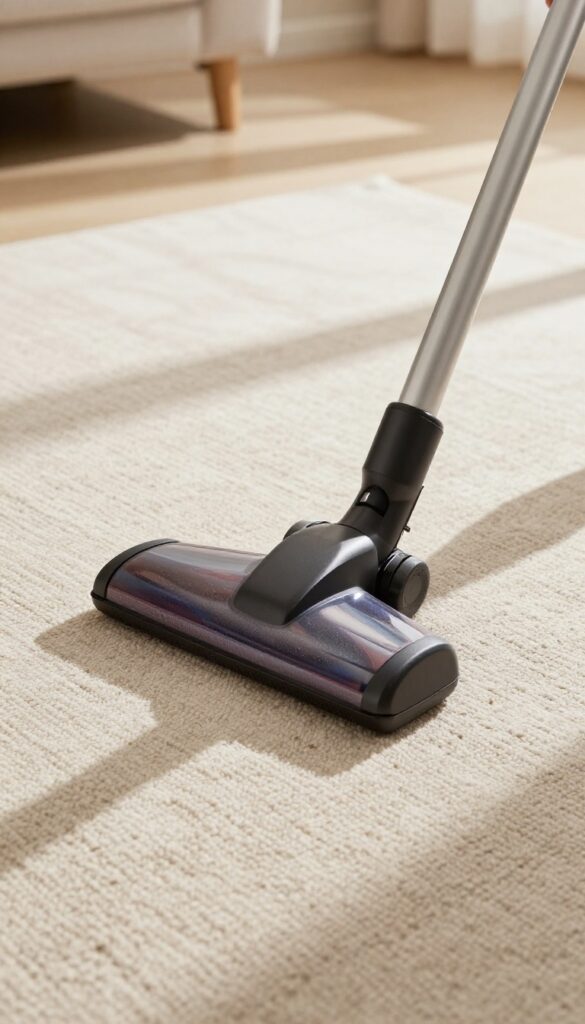
Most people vacuum the same way every time—back and forth, maybe side to side. But that single pattern leaves dirt lodged deep in the fibers. By changing your vacuum direction, you loosen trapped particles and help the rug’s pile stand tall again.
Why Direction Matters
Rug fibers are like tiny hooks that grab dirt from all angles. Vacuuming only one direction lets debris settle in the gaps. Going lengthwise, crosswise, and diagonally lifts dirt from every side, pulling out what a straight pass leaves behind.
How To Do It Right
Start by vacuuming along the length of the rug, then switch to a perpendicular pass. Finish with diagonal sweeps in both directions. Overlap each pass slightly to avoid missing spots.
For shag or high-pile rugs, use the bare floor setting to avoid tugging fibers.
Restoring The Pile
Multiple passes also train the fibers to stand upright, giving your rug a fuller, fluffier look. If the pile still looks flat, follow up with a gentle brush or rake designed for rugs. This final step revives the texture and helps the rug wear evenly over time.
4. Treat Pet Accidents with Enzymatic Cleaner
Pet accidents happen, and regular cleaners often mask the smell without fully removing it. Enzymatic cleaners are specially formulated to break down the proteins in urine, vomit, or feces, eliminating both the stain and the odor at the source. This makes them far more effective than all-purpose sprays or DIY solutions.
When your pet has an accident on the rug, act quickly but don't scrub. Blot up as much moisture as possible with paper towels or a clean cloth. Then apply an enzymatic cleaner generously, making sure it saturates the fibers down to the backing.
Let it sit for 10–15 minutes—this gives the enzymes time to digest the organic matter. Finally, blot again with a dry cloth until the area feels damp, not wet. Avoid steam cleaners or hot water extraction; heat can set the stain and deactivate the enzymes, locking in the problem.
Why Enzymatic Cleaners Work Best
Unlike regular cleaners that just cover up odors, enzymatic cleaners contain beneficial bacteria and enzymes that literally eat away at the organic compounds causing the stain and smell. They're safe for most rug fibers and won't leave behind sticky residues that attract more dirt.
Step-by-step Application
Blot fresh accidents first—never rub. Spray the enzymatic cleaner onto the stain, covering about an inch beyond the visible mark. Let it dwell for the recommended time (usually 10–15 minutes).
Blot again, then allow the area to air dry completely. Repeat if necessary for stubborn or old stains.
What To Avoid
Steer clear of steam cleaners, hot water, or any heat source on the stain. Heat can set the protein stain permanently and kill the enzymes in the cleaner. Also avoid ammonia-based products, which can mimic the smell of urine and encourage repeat accidents.
5. Sprinkle Baking Soda for Odors
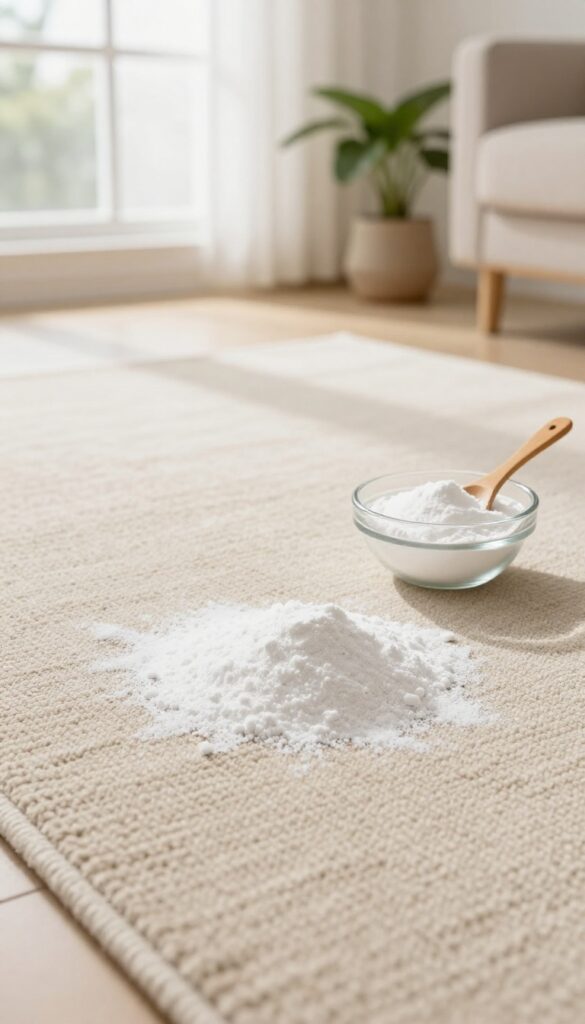
If your rug smells musty or has absorbed cooking, pet, or smoke odors, baking soda is your best friend. It doesn't just cover up smells—it actually neutralizes them at a molecular level. This pantry staple is cheap, non-toxic, and safe for most rug fibers.
Baking soda works by absorbing moisture and odor-causing particles. To use it, first vacuum the rug to remove loose dirt. Then sprinkle a thin, even layer of baking soda over the entire surface.
For spot odors, focus on the affected area. Let it sit for at least 30 minutes—overnight for strong smells like pet urine or smoke. Finally, vacuum thoroughly to remove all the powder.
Your rug will smell fresher without any artificial fragrance.
How Long To Let It Sit
The longer baking soda sits, the more odors it absorbs. For light freshening, 30 minutes is enough. For deep-set smells, leave it on for several hours or even overnight.
Just make sure kids and pets stay off the rug during that time.
Boost With Essential Oils
Mix a few drops of your favorite essential oil (like lavender or lemon) into the baking soda before sprinkling. This adds a light, natural scent without overwhelming the room. Stir well to avoid clumps, then apply as usual.
When Not To Use Baking Soda
Avoid baking soda on wool or silk rugs if you're not sure about the pH balance—it can sometimes affect delicate fibers. Test on a hidden corner first. Also, skip this method if your rug has a thick, shaggy pile, as the powder can get trapped deep in the fibers.
6. Test Cleaning Solutions on a Hidden Area
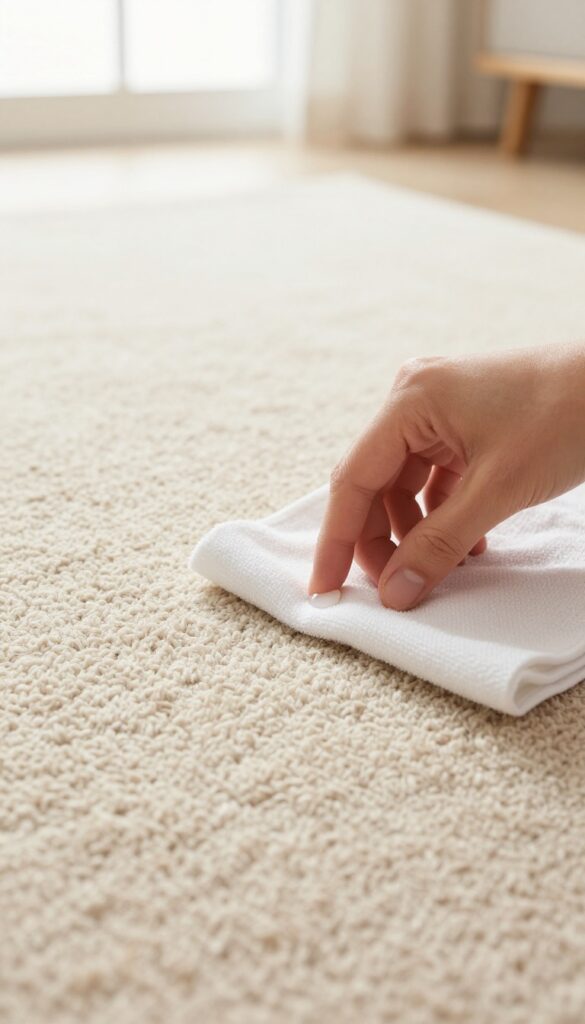
You found a great stain remover and want to get started. But before you douse that spot, pause. Not all rug fibers react the same way to cleaners, and some can cause discoloration or damage.
A quick test on a hidden area can save you from a bigger mess.
Always test any cleaner on a small, inconspicuous corner of the rug. Wait a few minutes to check for color bleeding or fiber damage. This simple step can save your rug from permanent harm.
Why Testing Matters
Different rug materials—wool, synthetic, silk, or cotton—react differently to chemicals. Even natural cleaners like vinegar can affect dyes. Testing helps you catch problems early before they become visible.
How To Test Properly
Find a hidden spot, like under a sofa leg or in a corner. Apply a small amount of the cleaner with a white cloth. Blot gently, then wait 5–10 minutes.
Check for color transfer on the cloth or any change in the rug's texture.
What To Look For
If the cloth shows dye or the rug's color fades, don't use that cleaner. Also watch for stiffening or fraying fibers. If everything looks fine, you're good to go.
If not, try a milder solution or consult a professional.
7. Use a Carpet Rake to Lift Matted Fibers
After months of foot traffic, your rug can start looking tired and flat. The fibers get crushed down, especially in hallways and around furniture. A carpet rake is a simple tool that fluffs them back up, giving your rug a fresh, plush appearance without any chemicals or elbow grease.
Carpet rakes have stiff, angled tines that gently comb through the rug pile. They separate fibers that have clumped together and lift those that have been pressed down. This not only improves the look but also helps remove embedded dirt and dust that vacuuming misses.
Use it once a month or after deep cleaning to maintain that just-bought bounce.
How To Choose The Right Rake
Look for a rake with metal or sturdy plastic tines that are slightly curved. Avoid anything too sharp that could snag the fibers. For delicate rugs like wool or silk, choose a rake with rounded tips.
A wide rake covers more area quickly, while a narrow one is better for corners and edges.
The Right Technique
Work in small sections, raking in the direction of the pile. Use short, gentle strokes—don't press down hard or you might damage the backing. For heavily matted areas, go over them a few times from different angles.
Finish by vacuuming to pick up any loosened debris.
When To Skip The Rake
Avoid using a carpet rake on looped or berber rugs, as it can pull loops and cause runs. Also skip it on very old or fragile rugs where the backing might be weak. For these, a soft-bristle broom or a gentle hand comb works better.
8. Remove Gum with Ice
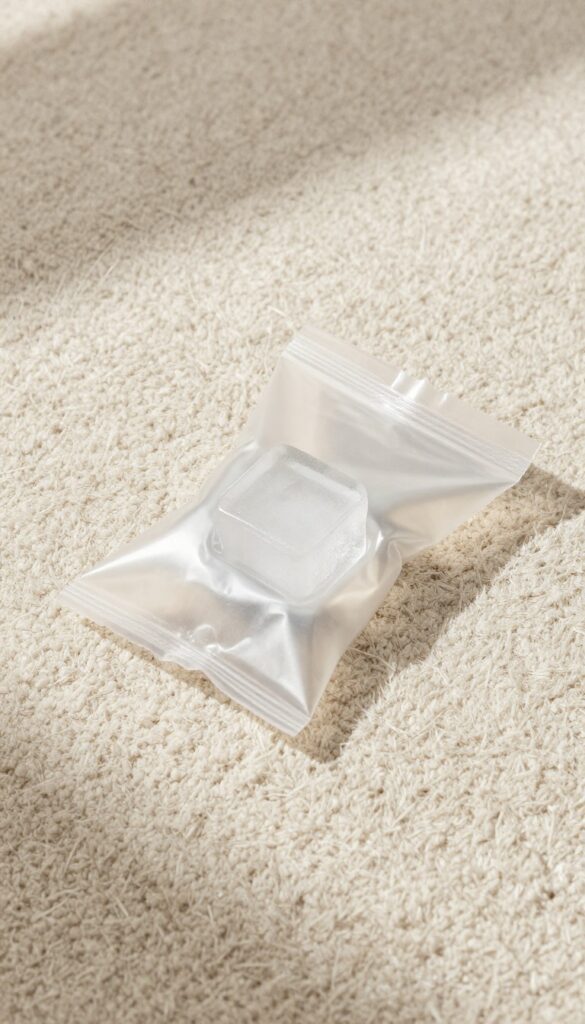
Chewing gum stuck in your rug is annoying, but don't grab a knife or harsh solvent. The trick is to freeze the gum until it becomes brittle, making it easy to chip away without damaging the fibers. This method works on most rug types and leaves no residue behind.
When gum is soft and sticky, it smears and embeds deeper into the rug. Freezing changes its physical state, turning it into a solid that can be broken apart cleanly. The process is simple and requires only items you likely have in your kitchen.
Why Freezing Works Best
Gum is made of polymers that remain flexible at room temperature. Cooling it below its glass transition temperature makes it hard and brittle. Once brittle, the gum loses its adhesive grip on the rug fibers and can be removed in pieces rather than pulled or scraped, which could fray or pull loops.
Step-by-step Ice Removal
Place a few ice cubes in a resealable plastic bag and lay it directly on the gum. Wait 5 to 10 minutes—longer for larger wads. Test a corner; if it feels hard and cracks when pressed, it's ready.
Use a dull knife, spoon edge, or plastic scraper to gently pry and chip the gum off. Work from the edges inward to avoid pushing it deeper.
Aftercare For The Spot
Once all visible gum is gone, you may notice a slight sticky residue or a faint mark. Dab the area with a cloth dipped in rubbing alcohol or a mild dish soap solution, then blot dry. Vacuum the spot to lift any loosened particles and restore the rug's texture.
9. Shampoo with a Mild Dish Soap Solution
Sometimes a stain needs more than a quick blot. A gentle shampoo can break down oily residues without damaging the fibers. Mild dish soap is perfect for this—it's tough on grime but gentle enough for most rug materials.
Mix a few drops of mild dish soap with warm water. Dip a cloth in the solution, wring it out well, and gently dab the stain. Rinse with a damp cloth and blot dry.
Avoid soaking the rug, as excess moisture can lead to mold or mildew. For stubborn spots, let the solution sit for a few minutes before blotting.
Why Dish Soap Works
Dish soap is designed to cut through grease and oil, which are common in food spills, body oils, and pet accidents. It's also pH-neutral, so it won't discolor or weaken rug fibers like harsh detergents can.
Step-by-step Application
Start by blotting up any excess spill. Then dip a clean white cloth into the soap solution—avoid colored cloths that might transfer dye. Gently dab the stain from the outside in to prevent spreading.
Rinse by dabbing with a cloth dipped in plain water, then blot dry with a towel.
Drying Tips
After cleaning, place a stack of dry towels over the damp area and weigh them down with a heavy object. This absorbs moisture quickly. Avoid walking on the rug until it's completely dry to prevent dirt from sticking to the damp fibers.
10. Use White Vinegar for Stubborn Stains
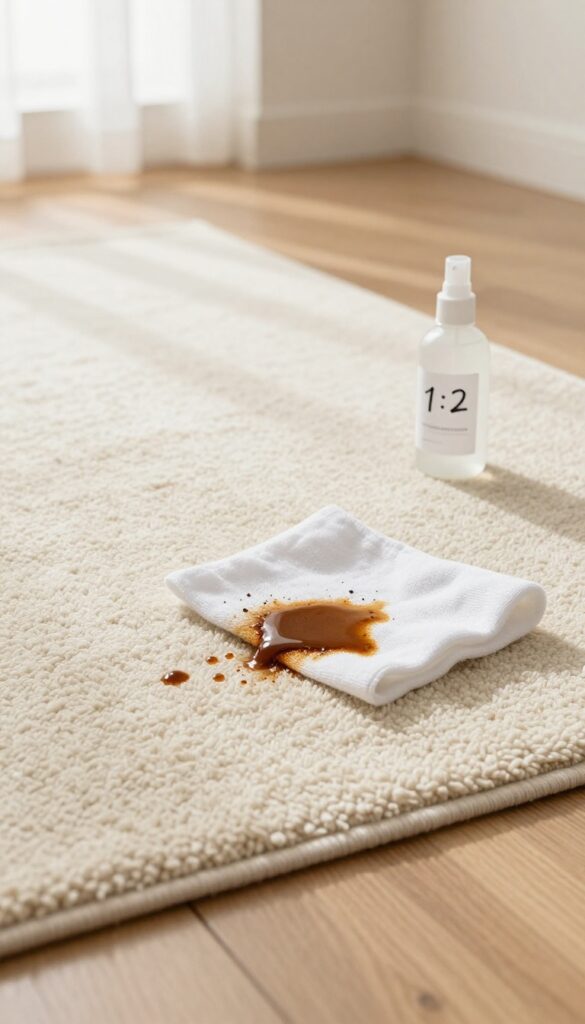
Some stains just won't budge with water alone. Coffee spills, greasy spots, and even certain ink marks need a little extra help. White vinegar is a gentle but effective acid that breaks down those tough residues without damaging your rug fibers.
White vinegar is a powerhouse for stain removal because its acidity cuts through grease and dissolves many common stain compounds. It's safe for most synthetic and wool rugs (always spot test first) and costs pennies compared to commercial stain removers. The key is to use it diluted and to rinse thoroughly afterward so the smell doesn't linger.
Mix The Right Ratio
Combine one part white vinegar with two parts cool water in a spray bottle. Shake gently to mix. This dilution is strong enough to break down stains but mild enough to avoid damaging dyes or fibers.
For extra stubborn stains, you can increase to a 1: 1 ratio, but stick with 1: 2 for most jobs.
Apply And Let It Work
Spray the vinegar solution directly onto the stain, making sure it's saturated but not soaking through to the backing. Let it sit for 5 minutes—this gives the acid time to break down the stain molecules. Don't scrub during this time; just let it rest.
Blot, Don't Rub
After 5 minutes, use a clean white cloth or paper towel to blot the area. Start from the outside edge of the stain and work inward to prevent spreading. Blot firmly, lifting the stain into the cloth.
Repeat with fresh sections of the cloth until no more stain transfers.
Rinse To Remove Vinegar Smell
Once the stain is gone, dampen a clean cloth with plain water and blot the area to rinse out the vinegar. Then press with a dry cloth to absorb excess moisture. Let the rug air dry completely.
The vinegar smell will disappear as it dries.
11. Rotate Your Rug Every Few Months
Most people lay a rug down and never touch it again. Over time, the side facing the window fades, and the path from the sofa to the door gets matted. Rotating your rug is the simplest way to keep it looking even and extend its life.
Rotating your rug evens out wear from foot traffic and sun exposure. Without rotation, one area gets all the abuse while the rest stays pristine. A simple quarter-turn every few months makes a huge difference in how long your rug stays fresh.
Why Rotation Matters
Sunlight bleaches dyes unevenly, and high-traffic zones crush fibers faster. Rotating spreads the damage so no single section wears out prematurely. It also helps redistribute dust and dirt that settle in one spot.
How Often To Rotate
Aim for every 3 to 6 months. If your rug gets direct sunlight for several hours a day, rotate it every 3 months. For low-light areas, twice a year is enough.
Mark your calendar so you don't forget.
The Right Way To Rotate
Simply pick up the rug and turn it 180 degrees—or 90 degrees if it's square. For large rugs, ask a friend to help avoid straining your back. While it's up, vacuum the floor underneath and flip the rug over to air out the backing.
12. Use a Rug Pad to Reduce Wear
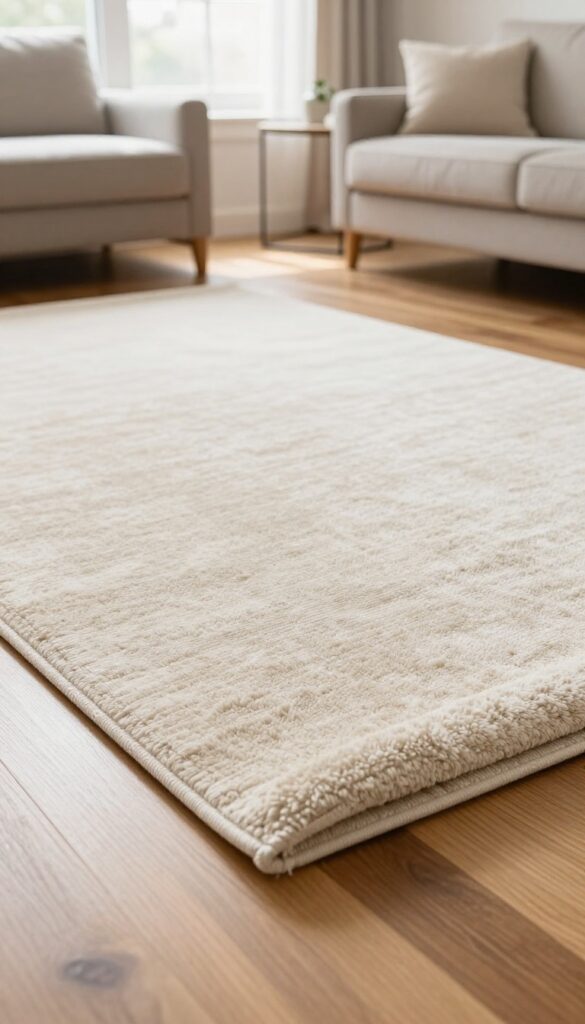
You might think a rug pad is optional, but it's one of the best investments you can make for your rug's longevity. Without one, your rug slides around, bunches up, and grinds against the floor with every step. That friction wears down the backing and fibers faster than you'd expect.
A good rug pad cushions the impact of foot traffic, absorbs some of the pressure, and keeps the rug flat. It also protects your flooring from scratches and helps the rug maintain its shape. Over time, this simple addition can double the life of your rug.
Prevents Slipping And Bunching
Nothing ruins a clean rug faster than a corner that curls up or a rug that slides underfoot. A rug pad grips both the rug and the floor, keeping everything in place. This is especially important on hardwood or tile where slipping is common.
No more constant readjusting or tripping hazards.
Cushions High-traffic Areas
In spots where people walk the most—hallways, doorways, in front of the sofa—the rug pad absorbs the brunt of the impact. That means less crushing of the fibers and less visible wear. Your rug stays fluffier and more comfortable underfoot for years longer than it would without a pad.
Extends Rug Life By Reducing Friction
Every time you step on a rug without a pad, the backing rubs against the floor. Over time, that friction wears down the latex or woven backing, causing the rug to lose its shape or the edges to fray. A pad creates a buffer, so the rug moves less and lasts longer.
Improves Vacuuming And Cleaning
When a rug is held flat by a pad, vacuuming is more effective. The vacuum can reach deeper into the fibers without the rug shifting or bunching. Plus, a pad allows air to circulate underneath, which helps prevent mold and mildew if any moisture gets trapped.
13. Spot Clean with Hydrogen Peroxide for Light Rugs
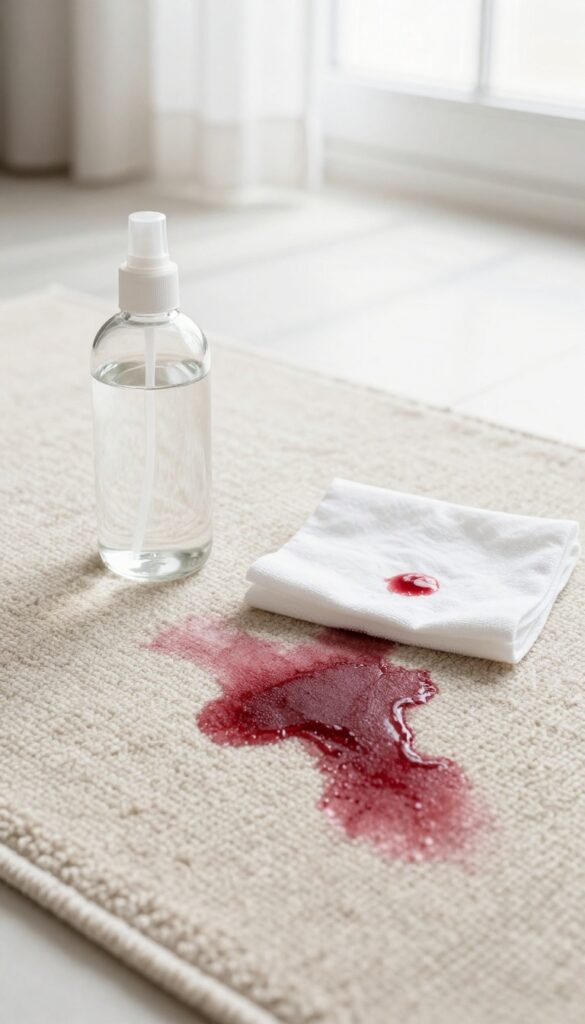
Hydrogen peroxide is a surprising hero for light-colored rugs. It's gentle enough for regular use but tough on stains like blood, wine, or fruit juice. The key is using it correctly—and knowing when to skip it.
Hydrogen peroxide works by releasing oxygen bubbles that lift stains from fibers without harsh scrubbing. It's a mild bleach, so it's perfect for white or beige rugs but can lighten darker colors. Always dilute it with water (1: 1 ratio) for delicate fabrics like wool or silk.
How To Apply It Safely
Test on an inconspicuous spot first. If safe, pour a small amount directly onto the stain. Let it bubble for a few minutes, then blot with a clean cloth.
Repeat if needed, then rinse with water and blot dry.
Stains It Works Best On
Organic stains like blood, wine, coffee, and grass respond well. For set-in stains, apply hydrogen peroxide, cover with a cloth, and let it sit for 15 minutes before blotting. Avoid using on dark or brightly colored rugs.
When To Avoid It
Skip hydrogen peroxide on wool or silk unless diluted, as it can damage protein fibers. Also avoid it on rugs with natural dyes or antique rugs—it may cause discoloration. When in doubt, use a gentle dish soap solution instead.
14. Dry Rugs Completely After Cleaning
You've scrubbed out the stain, rinsed away the soap, and the rug looks clean. But if you roll it back up or let it sit damp, you're inviting trouble. Moisture trapped deep in the fibers is a breeding ground for mold, mildew, and that musty smell that's hard to get rid of.
Drying thoroughly is the final—and often overlooked—step that keeps your rug healthy and fresh.
After any wet cleaning, the goal is to remove as much moisture as possible before the rug air-dries. Start by blotting with clean, dry towels to soak up excess water. Press down firmly, especially on thick or shag rugs where water hides deep in the pile.
Repeat with fresh towels until they come away barely damp. Then, lift the rug off the floor—prop it over a railing, a clean dry surface, or use furniture to elevate it. This allows air to circulate underneath, preventing moisture from getting trapped between the rug and the floor.
Speed up drying with fans, open windows, or a dehumidifier. Avoid direct sunlight if the rug is dyed, as it can cause fading. A rug that feels dry on the surface may still be damp underneath, so check the backing and the padding if you have one.
Give it a full day or more to air out completely before putting furniture back or walking on it heavily.
Blot, Don’t Wring
When removing water, blotting is key. Wringing or twisting the rug can distort the fibers and damage the backing. Instead, press a clean towel firmly onto the wet area, then lift.
Repeat until the towel comes up nearly dry. For larger rugs, you can walk on the towels to apply even pressure.
Airflow Is Your Friend
Good airflow cuts drying time in half. Place fans around the rug, pointing them across the surface rather than directly down. If weather permits, open windows to create cross-ventilation.
A dehumidifier in the room pulls moisture from the air and helps the rug dry from the inside out.
Check The Backing And Padding
The bottom of the rug and any rug pad underneath can stay wet long after the top feels dry. Lift the rug and feel the backing. If it's damp, flip the rug over or elevate it so air reaches both sides.
Replace the rug pad if it's soaked through, as it can harbor mold even after the rug dries.
15. Schedule a Professional Deep Clean Annually
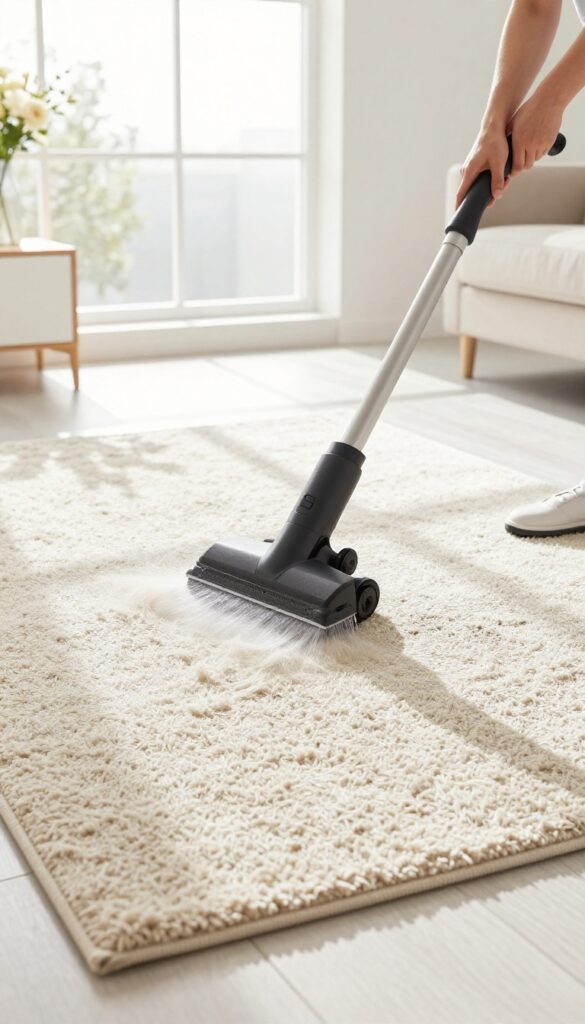
Even the most diligent home care has limits. Over time, dirt, dust mites, and allergens settle deep into the rug's backing, where your vacuum can't reach. A professional hot-water extraction once a year resets the fibers, restoring both appearance and hygiene.
Think of annual professional cleaning as a reset button for your rug. The process uses high-temperature water and a specialized cleaning solution, injected under pressure and then extracted with a powerful vacuum. This flushes out trapped particles and leaves fibers refreshed.
For large or delicate rugs—like wool or silk—it's especially important because DIY methods can damage sensitive materials. Many professionals also offer stain protection treatments after cleaning, which helps repel future spills. Schedule your deep clean during a low-humidity season so the rug dries quickly, preventing mold or mildew.
What Hot-water Extraction Actually Does
This isn't the same as shampooing. Hot-water extraction uses heat to break down oils and grime, then suction pulls the dirty water out. It's the method most carpet manufacturers recommend because it doesn't leave sticky residue that attracts more dirt.
When To Call In The Pros
If your rug is antique, handmade, or has a natural fiber like wool or sisal, professional handling is a must. Also consider a deep clean after high-traffic seasons (like holiday gatherings) or if anyone in your home has allergies.
How To Prep For The Appointment
Vacuum thoroughly and remove furniture. Point out any stains or problem areas to the technician so they can treat them. Ask about drying time—usually 6 to 12 hours—and plan to keep foot traffic off until it's fully dry.
FAQ
Can I use bleach on my rug to remove stains?
Bleach can discolor or damage most rugs, especially those made of wool or natural fibers. Stick to gentler options like hydrogen peroxide for light rugs or vinegar solutions. Always test first.
How often should I vacuum my rug?
Vacuum high-traffic areas at least twice a week and the rest of the rug once a week. For homes with pets or allergies, increase frequency to daily in busy zones.
What's the best way to remove pet urine odor from a rug?
Use an enzymatic cleaner specifically designed for pet stains. Blot up as much urine as possible, apply the cleaner, let it sit for 10–15 minutes, then blot again. Avoid steam cleaning, which can set the odor.
Can I machine wash my rug?
Only if the rug's care label says it's machine washable. Small cotton or synthetic rugs may be washable on a gentle cycle with cold water. Always air-dry to prevent shrinkage or damage.
How do I prevent my rug from shedding?
New rugs often shed loose fibers. Vacuum regularly and avoid aggressive scrubbing. Over time, shedding decreases.
For wool rugs, a gentle shake outdoors can help remove excess fibers.
Conclusion
Keeping your rugs clean doesn't have to be a chore. By tackling stains quickly, vacuuming regularly, and using simple freshening tricks, you can extend their life and keep them looking great. Start with the tip that solves your biggest problem right now—whether it's a pet accident or dull fibers.
A little consistency with a few methods will make a real difference. Your rugs will stay vibrant and fresh without turning cleaning into a second job.