11 How to Keep a Clean House with Simple Daily Systems
A clean house doesn't have to come from marathon cleaning sessions. The secret is building small, repeatable systems that prevent messes from piling up. When you tackle a little every day, your home stays presentable without burning you out.
These aren't complicated routines. They're simple habits that fit into your normal flow, like wiping the sink after brushing your teeth or putting things away when you leave a room. Each one takes just minutes but adds up to a noticeably cleaner space.
Ready to make cleaning feel less like a chore and more like a rhythm? Here are 11 daily systems that work.
1. Start with a 5-Minute Morning Reset

Mornings set the tone for the whole day, and that includes how your home looks and feels. A quick five-minute reset can make your space instantly more inviting, even before you've had your coffee. The goal isn't deep cleaning—it's about creating a sense of order that carries you through the day.
The morning reset is all about small wins. By making your bed and clearing visible clutter, you're telling your brain that your home is a place of calm. This simple ritual also prevents mess from accumulating, so you're not facing a mountain of chores later.
It's the easiest way to start your day on a positive note.
Make Your Bed First
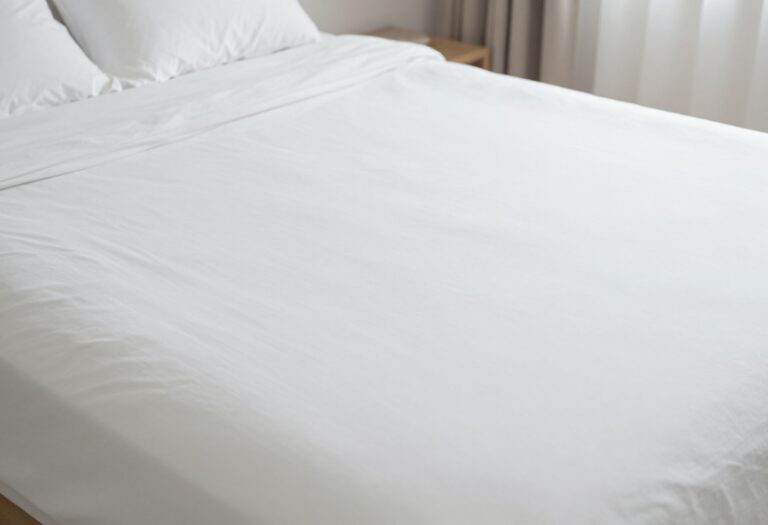
Making your bed takes less than two minutes, but it instantly makes your bedroom look tidier. It also gives you a sense of accomplishment first thing in the morning. Plus, a made bed discourages afternoon naps, which can throw off your cleaning rhythm.
Clear The Hot Spots
Hot spots are the places where clutter tends to gather: the kitchen counter, the coffee table, the entryway. Spend a couple of minutes putting away stray items like mail, shoes, or dishes. You don't have to organize everything—just clear the surface so it looks intentional.
Do A Quick Wipe-down
If you have time, give the bathroom sink or kitchen counter a quick wipe with a cloth or disinfectant wipe. This prevents grime from building up and keeps your surfaces looking fresh. It's a tiny effort that pays off in the long run.
2. Adopt the Two-Minute Rule
You know that feeling when a small mess turns into a big one because you walked past it? The two-minute rule is the simplest way to stop that from happening. The idea is straightforward: if a task takes less than two minutes, do it right away.
Wipe that spill, hang up the coat, put the dish in the sink. It’s not about being perfect; it’s about catching the little things before they snowball.
Two minutes might not sound like much, but it’s amazing how much you can accomplish in that time. A quick wipe of the counter after breakfast, tossing the mail into a basket, or putting your shoes back in the closet—each takes less than two minutes. Over a day, these small actions save you from spending an entire Saturday cleaning.
The key is to make it a reflex, not a decision. When you see something that needs doing, don’t think—just do it.
Why It Works
The two-minute rule works because it prevents the build-up of small tasks. When you leave a dish on the counter, it becomes two dishes, then a pile. By handling things immediately, you keep your surfaces clear and your mind at ease.
Plus, it takes less energy to do a task now than to think about doing it later. You’re not just cleaning; you’re simplifying your day.
Where To Start
Begin with the areas you use most: the kitchen counter, bathroom sink, and entryway. These are hotspots where messes tend to accumulate. Keep a small basket or tray near the door for keys and mail, and a cloth under the sink for quick wipes.
When you finish using something, put it back right away. You’ll be surprised how much cleaner your home feels with just a few minutes of consistent effort.
Make It A Habit
To turn this into a habit, pair it with something you already do. After you brush your teeth, wipe the sink. When you come home, hang up your coat immediately.
Set a mental trigger, like “when I leave a room, I take something with me. ” Over time, these actions become automatic, and you won’t even have to think about them.
3. Keep Cleaning Supplies Within Reach
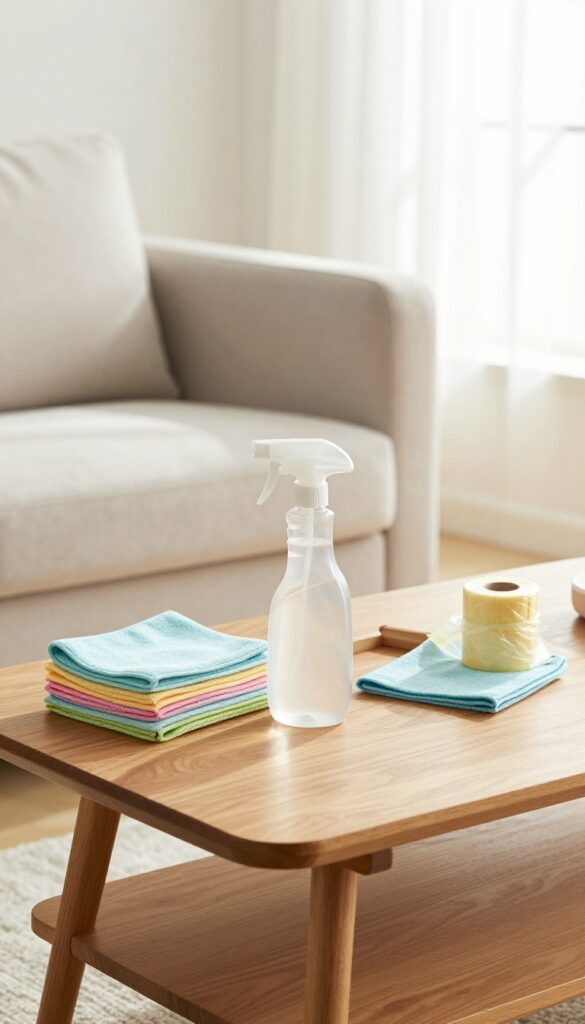
You know that feeling when a small mess turns into a big one because you walked past it? Often, that happens because the supplies are tucked away in a cabinet, and grabbing them feels like a project. The fix is simple: keep your cleaning tools visible and portable.
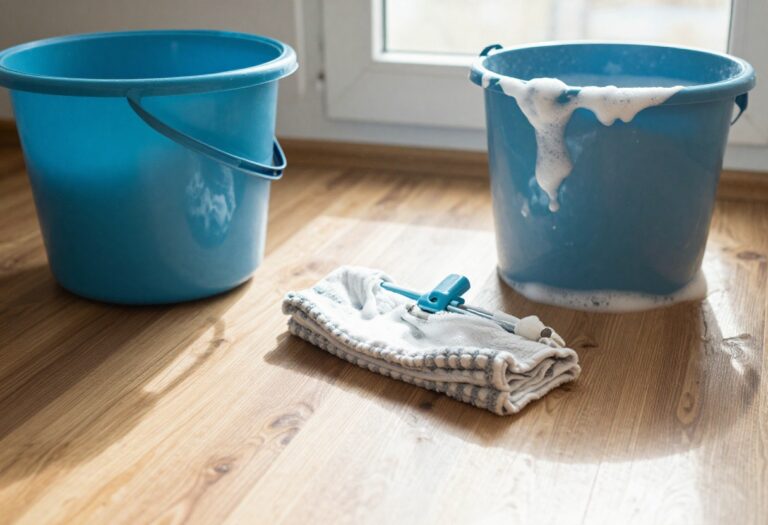
A caddy or bucket stocked with the essentials lets you clean up spills and spots the moment you see them. No more hunting for a cloth or deciding if it's worth the trip to the closet. When everything is within arm's reach, you'll naturally tackle messes before they settle in.
Storing all-purpose cleaner, microfiber cloths, and a trash bag in a caddy or bucket that you can carry from room to room is a game-changer. Having supplies handy means you'll clean up spills and spots right away instead of putting it off. This simple system turns cleaning from a scheduled event into an automatic response.
Pick A Caddy That Works For You
Choose a sturdy caddy with a handle that's comfortable to carry. Look for one with compartments or a bucket with a pocket for cloths. You don't need anything fancy—a plastic tote or a metal bucket works fine.
The key is that it holds your essentials and is easy to grab. Keep the caddy stocked with an all-purpose cleaner, a few microfiber cloths, and a roll of trash bags. You might also add a scrub brush for tougher spots.
Store it in a central location, like under the kitchen sink or in a hall closet, so it's always within reach.
Make It A Habit To Carry It Along
When you move from room to room, take the caddy with you. This way, you can quickly wipe down surfaces, pick up clutter, and empty small trash bins as you go. It's like having a cleaning station on wheels.
You don't have to do a deep clean every time. Just a quick wipe here and there keeps things fresh. Over time, this habit becomes second nature, and you'll notice your house stays tidier with less effort.
Replenish And Refresh Regularly
Once a week, check your caddy and restock any supplies that are running low. Replace dirty cloths with clean ones, and refill your cleaner if needed. This ensures you're never caught without what you need.
Also, give your caddy a quick wipe-down now and then. It's easy for it to get grimy, but a clean caddy makes you more likely to use it. Keep it simple and functional—that's the whole point.
4. Do a 10-Minute Tidy Before Bed
The last thing you want to do after a long day is clean. But spending just ten minutes tidying up before you head to bed can make a world of difference. It’s not about deep cleaning – it’s about resetting your space so you wake up to a fresh start.
Set a timer for ten minutes each evening to pick up toys, fold blankets, and clear surfaces. This nightly reset ensures you wake up to a clean, calm space. You’ll be amazed at how much you can accomplish in such a short time when you focus on the main living areas.
Pick A Focus Area
Don’t try to tidy the whole house in ten minutes – that’s overwhelming. Instead, pick one or two high-traffic areas like the living room or kitchen. Clear off the coffee table, stack magazines, and put away stray items.
You’ll see immediate results and feel motivated to keep going.
Get The Family Involved
Make it a team effort. Give everyone a simple task like putting toys in a bin or gathering dirty laundry. Play some upbeat music and turn it into a game.
When everyone pitches in, the ten minutes fly by and the house gets tidied faster.
Make It A Habit
The key is consistency. Attach the tidy to an existing habit, like brushing your teeth or changing into pajamas. After a few nights, it’ll feel automatic.
You’ll start to look forward to the calm feeling of a clean space before you sleep.
5. Wipe Down the Kitchen Sink Every Night
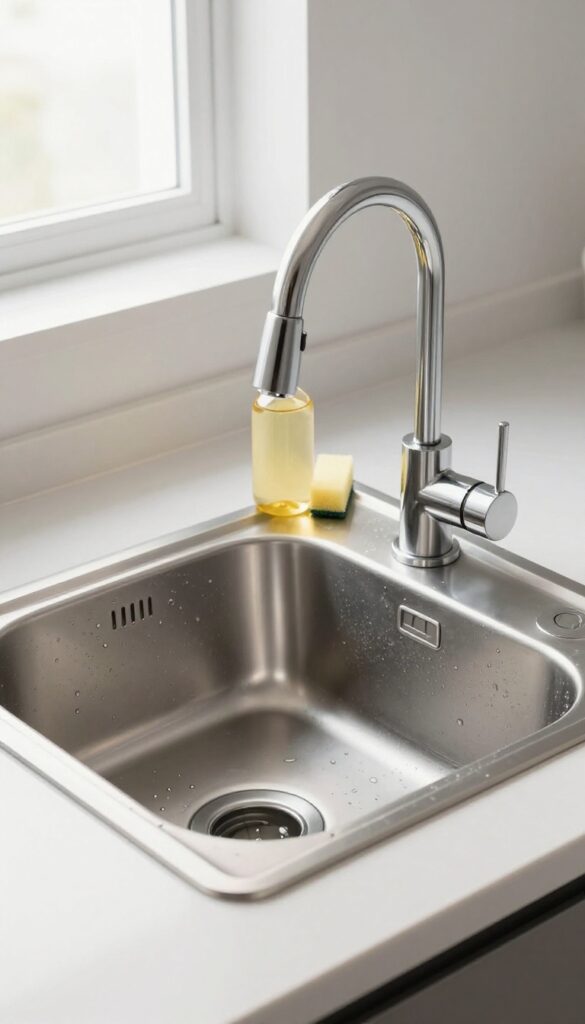
The kitchen sink works hard all day. It catches food scraps, coffee grounds, and whatever else you rinse off. But when you leave it dirty overnight, grime and bacteria start to multiply.
A quick nightly wipe keeps things fresh and makes the whole kitchen feel lighter.
This habit is simple: after you finish the dishes, give the sink a scrub with a sponge or brush and a little dish soap. Rinse it well, then dry the basin with a clean towel or let it air dry. That's it.
It takes less than two minutes and you wake up to a sink that looks and smells clean.
Why The Sink Matters
The sink is a hotspot for germs because it's constantly wet and holds food residue. When you leave it dirty, bacteria can thrive and even spread to nearby surfaces. A clean sink also prevents unpleasant odors from building up, so your kitchen stays inviting.
How To Make It Stick
Tie the habit to something you already do, like after loading the dishwasher or wiping the counters. Keep a dedicated sponge and a small bottle of dish soap next to the sink so you don't have to search for supplies. After a week, it'll feel automatic.
Extra Tips For A Sparkling Sink
Once a week, sprinkle baking soda in the sink and scrub to remove stains and deodorize. For stainless steel, wipe in the direction of the grain to avoid streaks. If you have a garbage disposal, run it with cold water and a few lemon peels to keep it fresh.
6. Use the 'One-Touch' Rule for Mail and Papers
Paper clutter is one of those things that sneaks up on you. A few bills, a couple of flyers, and before you know it, your counter looks like a recycling bin exploded. The one-touch rule stops that cycle by forcing you to make a quick decision every time you pick up a piece of paper.
It's a simple mindset shift that keeps surfaces clear and your stress levels low.
The one-touch rule is straightforward: handle each piece of paper only once. When you bring in the mail, sort it right there. Recycle the junk, shred anything sensitive, and put bills or important documents in their designated spot.
This takes less than a minute per piece and prevents the dreaded 'I'll deal with it later' pile that grows into a mountain.
Set Up A Simple Sorting Station
You don't need a fancy organizer. A small tray or a couple of folders can work wonders. Have one spot for bills to pay, one for documents to file, and one for items to read or act on.
Keep it near where you usually drop your mail, like an entryway table or a kitchen counter. When everything has a home, the one-touch rule becomes second nature.
Make Quick Decisions With Every Piece
The key is to decide immediately. If it's junk, recycle it without a second thought. If it's a bill, put it in the 'to pay' tray and schedule a time to handle it.
If it's an invitation or a receipt you need to keep, file it right away. The longer you hold onto a piece of paper, the more likely it is to become clutter. Trust your gut and move on.
Create A Weekly Paper Purge Habit
Even with the one-touch rule, some papers will need a second look. Set aside ten minutes once a week to go through your trays. Pay any pending bills, file what needs filing, and toss anything you no longer need.
This keeps your system from backing up and ensures nothing important gets lost in the shuffle.
7. Clean as You Cook
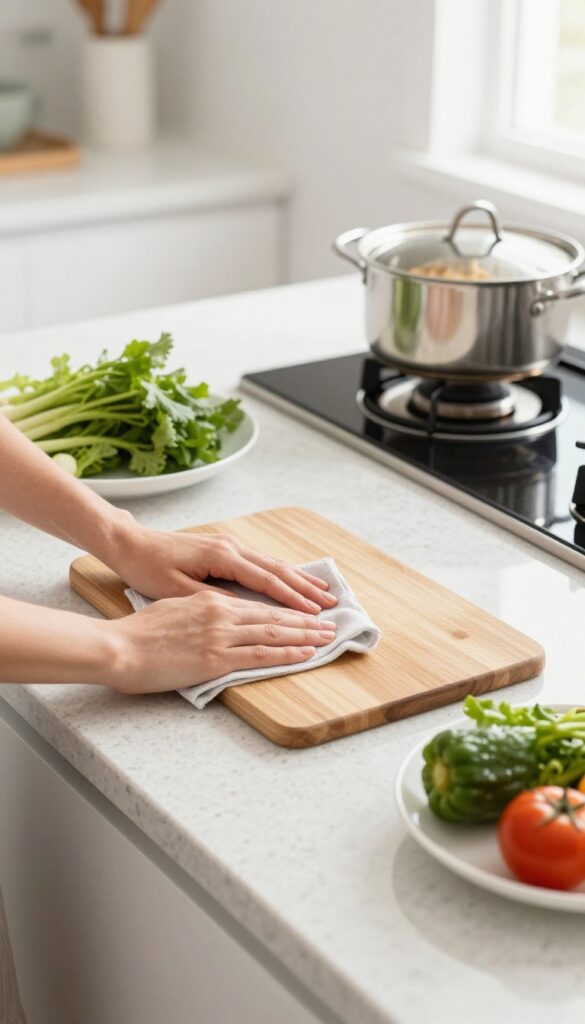
The kitchen is often the heart of the home, but it can also become the messiest room if you let things pile up. One of the easiest ways to keep it under control is to clean as you cook. By weaving small cleanup tasks into your cooking routine, you avoid the dreaded post-meal mountain of dishes and counters.
Wash As You Go
As you cook, you'll naturally accumulate bowls, utensils, and cutting boards. Instead of letting them stack up, rinse or wash them right after use. If you're waiting for water to boil or something to simmer, that's the perfect time to wash a few items.
This keeps your workspace clear and makes the final cleanup a breeze.
Wipe Down Surfaces
Spills and splatters happen, but they don't have to stay. Keep a damp cloth or sponge nearby and wipe counters as you go. After chopping vegetables or handling raw meat, a quick wipe prevents cross-contamination and keeps your kitchen looking tidy.
You'll be amazed at how much cleaner the kitchen feels when you're done.
Put Ingredients Away
When you finish using an ingredient, put it back in the pantry, fridge, or spice rack immediately. This not only keeps your counter clear but also helps you avoid forgetting to refrigerate perishables. It's a simple habit that saves time and reduces clutter while you cook.
8. Keep a Laundry Basket in Every Bedroom
If you have ever tripped over a pile of clothes on the floor, you know the struggle. The fix is simpler than you think: put a hamper in every bedroom. That way, dirty clothes go straight into the basket instead of landing on the floor or the chair.
Having a laundry basket in each bedroom makes it easy to toss clothes in without thinking. You don't have to carry them to the laundry room right away. Just drop them in, and when the basket is full, you know it's time to do a load.
This small change can cut down on clutter and make laundry day less chaotic.
Choose The Right Basket
Pick a hamper that fits the space and matches your style. A slim, tall basket works well in a corner, while a pop-up hamper is easy to store. Make sure it's big enough for a week's worth of clothes, but not so big that it becomes a dumping ground for clean clothes too.
Make It A Habit
Train yourself and your family to put dirty clothes in the basket immediately. When you take off socks or a shirt, put them in the hamper right away. This takes seconds and prevents the floor from becoming a second closet.
You can even set a rule: no clothes on the floor, ever.
Sort As You Go
If you have multiple hampers, use one for lights and one for darks. Or use a divided hamper with two compartments. This saves time on laundry day because you don't have to sort a huge pile.
Just grab the bag and go.
9. Run a Load of Laundry Daily
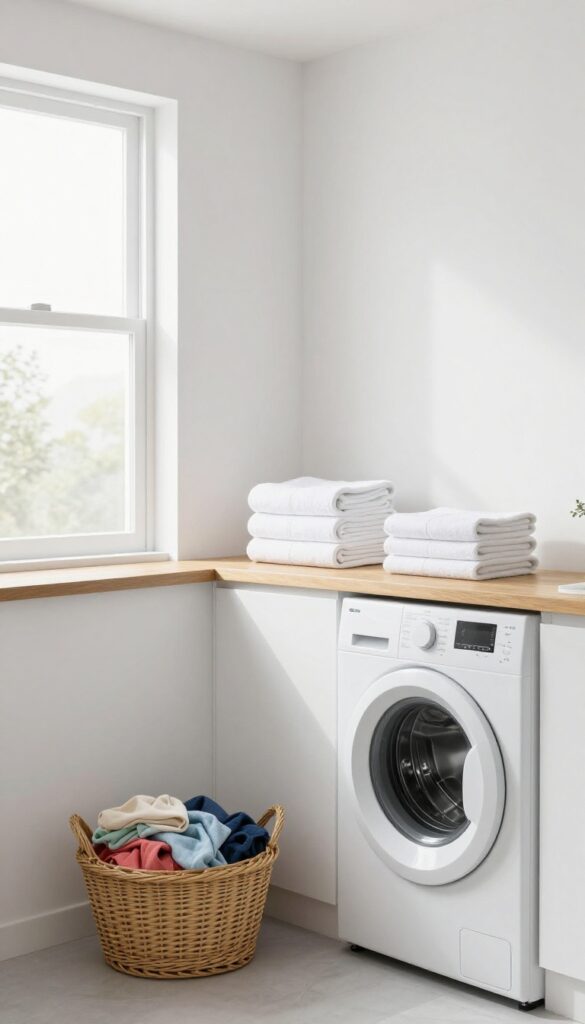
Laundry has a way of multiplying when you ignore it. One day you have a full hamper, the next you're facing a mountain that takes an entire weekend to conquer. The fix is simple: run one small load every day.
This isn't about washing everything you own constantly. It's about staying ahead of the pile before it becomes a problem. A daily load takes just a few minutes of active time, and the rest is handled by your machine while you go about your day.
Running a daily load keeps your laundry from becoming a dreaded chore. Instead of spending hours sorting, washing, drying, and folding on a Sunday, you're spreading the work into tiny, manageable chunks. You'll also find that you never run out of clean clothes or towels, and your laundry room won't become a disaster zone.
Make It A Morning Habit
Toss a load in before you leave for work or while you're making coffee. It takes two minutes to gather clothes and start the machine. When you get home, they're ready to switch to the dryer.
This way, the process runs itself while you're busy.
Sort As You Go
Keep separate hampers for lights, darks, and delicates. That way, you can grab a hamper and start the load without sorting through a mountain of clothes. It also prevents you from having to sort a week's worth of laundry all at once.
Fold Right Out Of The Dryer
The best time to fold is while clothes are still warm. Pull them out, fold on a flat surface, and put them away immediately. This takes less than 10 minutes and saves you from ironing wrinkles later.
Plus, you'll never have a pile of clean clothes sitting in a basket for days.
Use A Timer Or Reminder
Set a reminder on your phone for the same time each day. It could be right after dinner or before bed. The routine will become automatic, and you won't forget to swap loads or forget them in the washer.
10. Implement the 'One In, One Out' Rule for Clutter
Clutter has a sneaky way of building up without you noticing. It's not the big purchases that pile up—it's the small stuff: a new mug, a spare charger, a cute notebook. Before long, your shelves feel crowded and your drawers won't close.
The 'one in, one out' rule flips that pattern. Every time something new enters your home, something old has to leave. It's a simple trade that keeps your space from turning into a storage unit.
The rule is straightforward: when you bring home a new item, pick a similar item to donate, recycle, or toss. It works for clothes, books, kitchen gadgets, toys, and even decor. The goal isn't to live with nothing—it's to keep what you actually use and love.
This habit forces you to be more intentional. Before you buy, you'll think about what you're willing to part with. That pause alone cuts down on impulse purchases.
And when you do bring something in, you're already making room for it, so your home stays balanced.
Make It A Habit At The Door
The easiest way to start is to make the rule part of your routine. When you come home with a new item, don't just set it down. Take a minute to find its counterpart and move it to a donation bag.
Keep a box or bag in your closet or entryway so you always have a spot for outgoing items.
Apply It To Categories You Struggle With
Some areas need this rule more than others. Clothes, books, and kitchen gadgets are common culprits. If you notice your closet overflowing, try this: every time you buy a new shirt, donate an old one.
For books, when a new one comes in, pass along one you've already read. You'll keep your collection fresh without letting it explode.
Use It As A Buying Filter
The rule also works as a pre-purchase test. Before you buy something, ask yourself, 'What am I willing to get rid of to make room for this? ' If you can't think of anything, that's a sign you probably don't need it. This simple question stops a lot of unnecessary stuff from ever entering your home.
11. Set a Weekly 20-Minute Deep Clean
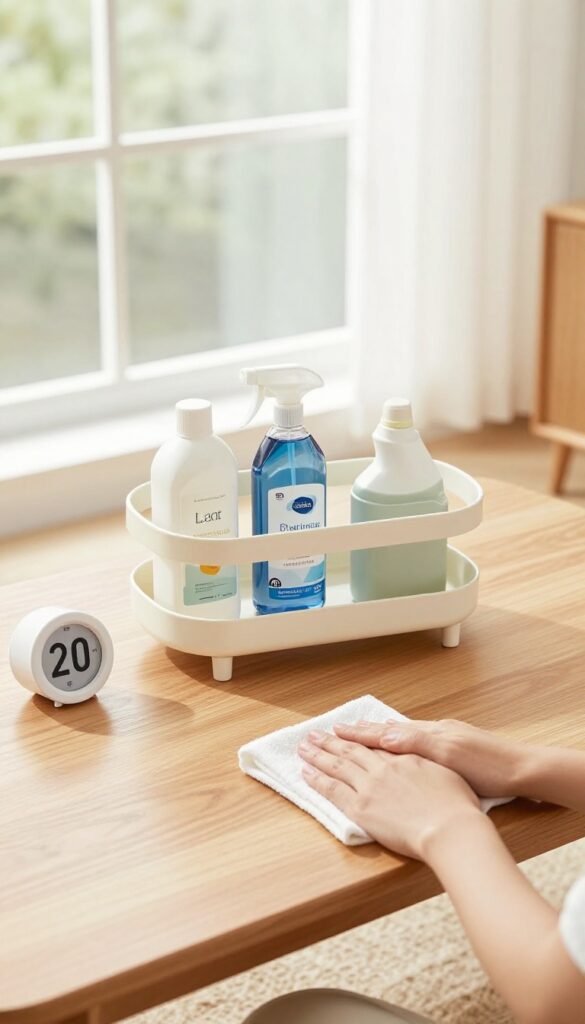
Even with daily habits, some spots need extra attention now and then. That's where a short weekly deep clean comes in. Instead of letting grime build up, you give your home a quick refresh once a week.
Twenty minutes is enough to make a visible difference without eating into your weekend.
Pick a day that works for you, maybe Sunday evening or Saturday morning. Set a timer for 20 minutes and focus on one or two tasks that you skip during the week. Rotate through different areas so everything gets attention over time.
You'll be surprised how much you can accomplish in such a short window.
Pick A Consistent Day
Choose a day that you can stick with, like Sunday afternoons or Monday evenings. Consistency helps you remember and makes it a habit. If you miss a week, don't stress—just jump back in the next week.
Rotate Your Focus Areas
Don't try to deep clean the whole house in one go. Instead, rotate: one week focus on the kitchen, the next on bathrooms, then on living areas. This way, every room gets a turn without feeling overwhelming.
Keep A Simple Checklist
Write down a few tasks you want to hit, like wiping baseboards, vacuuming under couch cushions, or cleaning the microwave. Having a list keeps you on track and ensures you don't forget the spots you usually ignore.
FAQ
How do I stay consistent with daily cleaning systems?
Start small. Pick just one or two systems and practice them for a week. Once they feel automatic, add another.
Consistency comes from building habits gradually, not from trying to do everything at once.
What if I have a busy schedule and can't do these every day?
Even doing a few of these systems a few times a week makes a difference. The goal is to reduce the overall cleaning burden, not to be perfect. Focus on the ones that give you the most visible results, like the morning reset or nightly tidy.
Are these systems suitable for families with kids?
Absolutely. Many of these systems, like the two-minute rule and the nightly tidy, work well with kids. You can even turn them into games or assign age-appropriate tasks to help everyone pitch in.
How can I make cleaning more enjoyable?
Play music or a podcast while you clean, set a timer to make it a game, or reward yourself after completing a task. Pairing cleaning with something you enjoy makes it feel less like a chore.
What's the most important system to start with?
If you're new to this, start with the 5-minute morning reset. It's quick, sets a positive tone for the day, and has a visible impact that motivates you to keep going.
Conclusion
A clean house doesn’t have to come from marathon cleaning sessions. These daily systems work because they’re small, repeatable, and easy to stick with—so you’ll see the payoff without burning out. Start with just one or two habits that feel doable, then build from there.
Before long, you’ll notice your home staying tidier with a fraction of the effort.
The real magic is consistency, not perfection. Pick a system, give it a week, and let the results speak for themselves. Your future self will thank you every time you walk through the door.