23 Microwave Cleaning Hack Ideas for Fast Splatter Removal
Microwave splatters are a fact of life, but scrubbing them doesn't have to be. You already have most of what you need in your pantry—vinegar, lemons, baking soda—to cut through dried-on messes without harsh chemicals.
These 23 hacks target everything from light splatters to stubborn baked-on stains, using methods that take minutes instead of elbow grease. Each trick is practical and tested, so you can pick the one that fits your current mess and get back to cooking.
Ready to make that microwave sparkle? Let's dive into the simplest ways to banish splatters for good.
1. Steam a Bowl of Vinegar Water
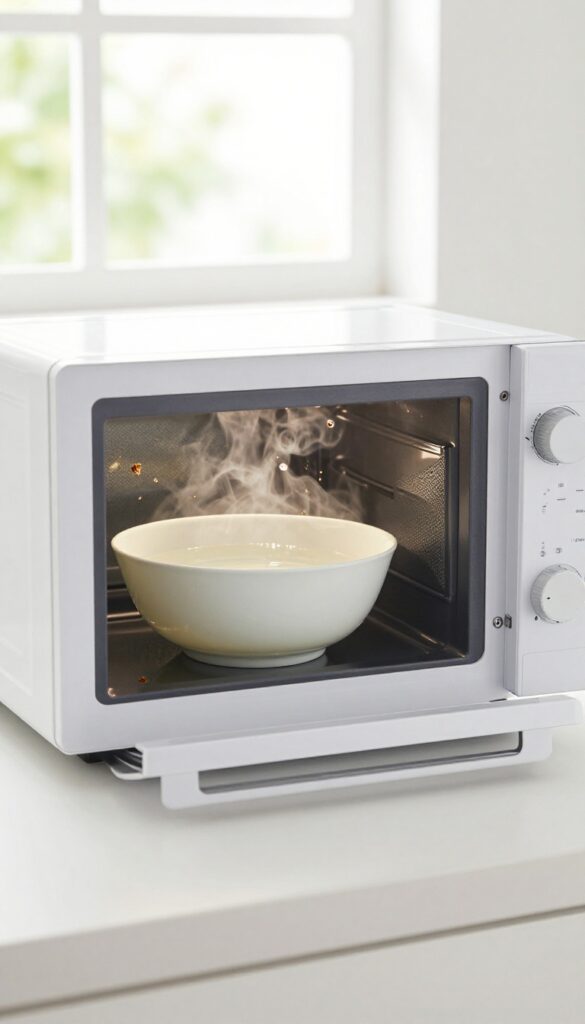
This classic trick uses steam power to loosen dried-on gunk without scrubbing. The vinegar smell fades quickly, leaving your microwave fresh and clean. It’s the go-to method for most everyday splatters.
Fill a microwave-safe bowl with equal parts water and white vinegar—about one cup each. Place it in the microwave and heat on high for five minutes. Let the bowl sit inside for another two minutes so the steam can penetrate stubborn spots.
Carefully remove the bowl (it will be hot) and wipe down the interior with a damp cloth or sponge. The grime should come off easily. For extra stubborn areas, dip your cloth in the leftover vinegar water and give them a quick scrub.
Why Vinegar Works
White vinegar is acidic, which breaks down grease and mineral deposits. The steam carries the vinegar into every corner, softening dried food and splatters. It’s a natural degreaser that’s safe for food surfaces and won’t leave harmful residues.
When To Use This Method
This hack is ideal for light to moderate splatters—think spaghetti sauce splashes or butter explosions. If your microwave has heavy baked-on messes, you might need a second round or a stronger cleaner. For daily maintenance, a quick steam once a week keeps things fresh.
Safety Tips
Always use a microwave-safe bowl and avoid sealing it tight—leave the lid off or vented. The bowl will be hot, so use oven mitts. Let the steam settle before opening the door to prevent burns.
If your microwave has a turntable, remove it for easier cleaning.
2. Lemon Juice Steam for Fresh Scent
When your microwave smells like last night's spaghetti, lemon juice steam is the fix. This method uses natural citrus power to deodorize and loosen grime at the same time. All you need is half a lemon, a bowl of water, and a few minutes.
Squeeze half a lemon into a microwave-safe bowl filled with about a cup of water. Drop the lemon halves in too for extra scent. Microwave on high for 3–4 minutes until the mixture boils and steams up the interior.
Let it sit for 2 minutes without opening the door—the steam needs time to work on baked-on splatters. Then wipe everything down with a damp cloth. Grease and odors come right off.
Why Lemon Works So Well
Lemon juice contains citric acid, a natural degreaser that breaks down stubborn food residue. The steam carries the acid into every corner, softening crusty bits so they wipe away easily. Plus, the fresh scent lingers, leaving your microwave smelling like a clean kitchen.
Best For Light To Moderate Messes
This hack is ideal for daily upkeep or after cooking something fragrant like fish or popcorn. For heavy, baked-on stains, you might need a stronger method or a second round. But for most splatters, one lemon steam session does the trick.
Pro Tip For Extra Power
Add a tablespoon of white vinegar to the lemon water for an extra cleaning boost. The vinegar increases acidity and helps cut through greasy film. Your microwave will smell like lemonade instead of vinegar once it's wiped down.
3. Baking Soda Paste for Stubborn Stains
Some splatters just refuse to budge, no matter how much steam you throw at them. That's when you need a gentle abrasive that works without scratching the interior. Baking soda paste is your go-to for those crusty, baked-on spots that seem welded to the microwave walls.
Mix a few tablespoons of baking soda with just enough water to form a thick paste—think toothpaste consistency. Spread it over the stubborn stains and let it sit for about 10 minutes. The paste breaks down the gunk without harsh scrubbing.
Then, use a soft sponge or cloth to gently rub in circles. The stains should lift away easily. Wipe down with a damp cloth to remove any residue.
Why It Works So Well
Baking soda is mildly alkaline, which helps dissolve acidic food residues. Its fine grains provide just enough friction to scrape off dried-on messes without scratching the microwave's surface. Plus, it's non-toxic and odor-absorbing, so your microwave smells fresh afterward.
When To Use This Method
This hack is perfect for old, crusty splatters that have been reheated multiple times. Think spaghetti sauce explosions, cheese drips, or burnt-on soup. If steam alone didn't cut it, baking soda paste will.
Pro Tips For Best Results
Don't make the paste too runny or it won't stay on vertical surfaces. Let it sit longer for extra stubborn spots—up to 15 minutes. For really tough stains, add a drop of dish soap to the paste.
Always use a non-abrasive sponge to avoid dulling the finish.
4. Dish Soap and Water Spray
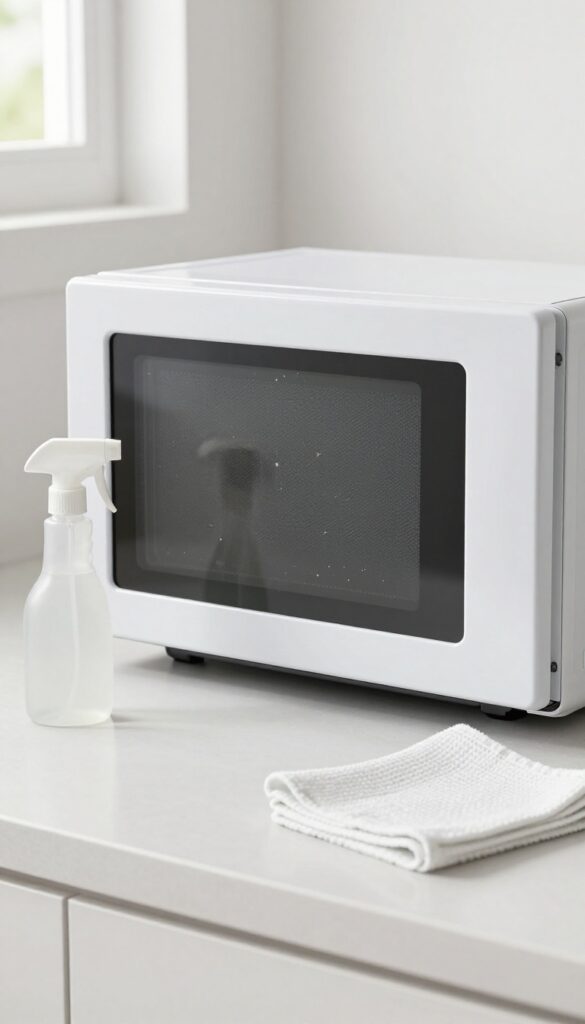
Not every microwave mess requires a full steam treatment. For light splatters and quick cleanups, a simple soap-and-water spray works wonders. It’s fast, uses ingredients you already have, and leaves no lingering smells.
Just a few spritzes and a wipe, and you’re done.
This method is ideal for everyday spills—sauce splashes, soup drips, or melted cheese. The soap breaks down grease while the warm water loosens residue. No scrubbing, no waiting for steam to build up.
Keep a spray bottle under the sink and you’ll never dread microwave messes again.
Why It Works So Well
Dish soap is designed to cut grease, which is exactly what most microwave splatters are made of. Warm water helps dissolve dried-on bits without needing heat or steam. Together, they create a gentle but effective cleaning solution that’s safe for all microwave interiors.
How To Make And Use It
Fill a 16-ounce spray bottle with warm water and add 2–3 drops of liquid dish soap. Swirl gently to mix, then spray the inside of the microwave, focusing on splattered areas. Let it sit for 5 minutes so the soap can work.
Wipe with a damp cloth or sponge, then dry with a clean towel.
When To Reach For This Method
Use this spray for quick cleanups after reheating leftovers or cooking messy foods like pasta sauce or oatmeal. It’s not meant for baked-on gunk or odors—those need stronger methods like vinegar steam or baking soda. But for daily maintenance, it’s perfect.
5. Microwave a Wet Sponge
You might already reach for a sponge to wipe down your microwave, but have you tried microwaving it first? This trick turns an ordinary sponge into a steam-powered cleaning tool. The heat softens stubborn splatters, and the hot sponge wipes them away with minimal effort.
Start with a clean sponge—one that's been rinsed free of any food particles or soap residue. Soak it thoroughly in water, then squeeze it out just enough so it's not dripping. Place it on the microwave turntable and run the microwave on high for one minute.
The steam will loosen dried-on food, and the heated sponge will be warm enough to dissolve grease. Use tongs or a fork to remove the sponge (it will be hot! ), then wipe down the interior. Rinse the sponge afterward to remove any grime you picked up.
Why It Works So Well
Steam is nature's degreaser. When water heats up inside the microwave, it turns into vapor that penetrates baked-on splatters and softens them. The sponge itself acts as a heat reservoir, staying warm long enough to dissolve grease on contact.
Plus, the abrasive texture of most sponges provides gentle scrubbing power without scratching the microwave's interior.
Sponge Safety Tips
Only microwave sponges that are free of metal scrubbers or abrasive pads—those can cause sparks. Make sure the sponge is fully saturated; a dry sponge can catch fire. Let it cool for a minute before handling, and don't microwave a sponge that smells sour or looks worn out.
Replace sponges regularly to avoid bacterial buildup.
When To Use This Hack
This method is perfect for everyday splatters—sauce pops, cheese drips, or soup explosions. It's less effective on burnt-on stains that have been baked for hours. For those, combine this steam treatment with a baking soda paste or vinegar soak first.
Use this hack after every few microwave uses to keep buildup from hardening.
6. Use a Glass Bowl with Baking Soda
Baking soda is a powerhouse for cleaning, and it works just as well in the microwave. When paired with steam, it tackles both odors and stuck-on food without any harsh scrubbing. This method is especially great for those days when your microwave smells funky or has a few stubborn spots from a recent splatter.
Why It Works
Baking soda is mildly alkaline, which helps break down acidic food residues and grease. The steam from the hot water softens dried-on splatters, while the baking soda neutralizes odors and gently lifts grime. Together, they create a cleaning combo that's effective yet gentle on your microwave's interior.
Step-by-step
Fill a microwave-safe glass bowl with 1 cup of water. Stir in 2 tablespoons of baking soda until mostly dissolved. Microwave on high for 5 minutes.
Let the bowl sit inside with the door closed for another 2–3 minutes to let the steam work its magic. Then carefully remove the bowl (it will be hot! ) and wipe down the interior with a damp cloth. The loosened debris should come off easily.
Extra Tips
For tough, baked-on spots, let the bowl sit in the microwave for up to 10 minutes after the cycle ends. If you have a particularly stubborn stain, dip your cloth in the baking soda water and gently rub the area. This method also freshens up the microwave, so it's perfect after reheating fish or popcorn.
7. Coffee Grounds for Odor Absorption
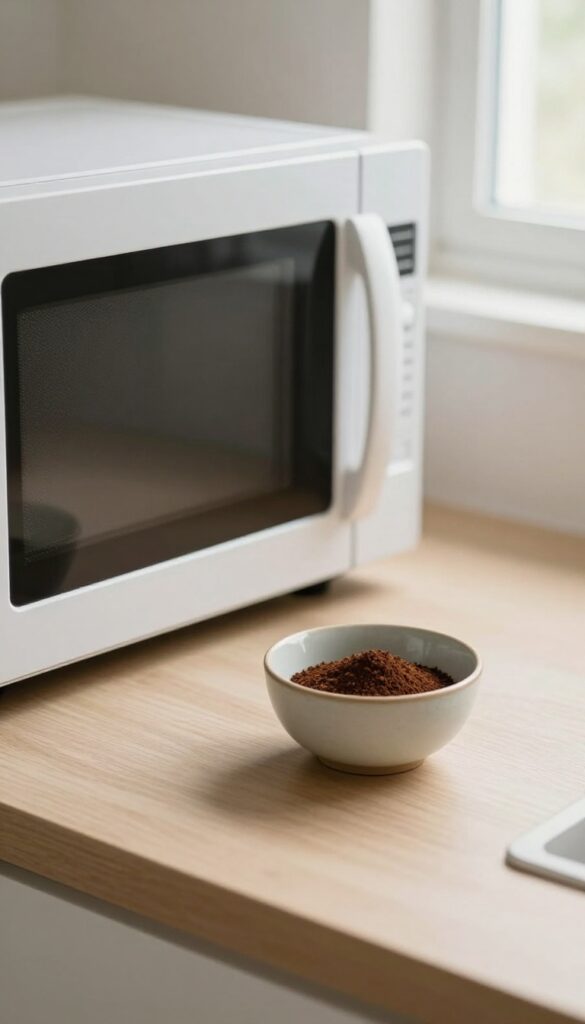
Microwaves can trap odors from reheated fish, popcorn, or last week's curry. Instead of masking smells with artificial sprays, try a natural solution: used coffee grounds. They're excellent at absorbing odors, and you probably have some leftover from your morning brew.
This trick is effortless and leaves your microwave smelling neutral.
Place a small bowl of used (damp) coffee grounds inside the microwave and leave it overnight. The grounds will absorb lingering odors without any scrubbing. In the morning, just toss the grounds in the compost or trash.
For extra freshness, you can microwave the bowl for 30 seconds first to release the coffee aroma, but be careful not to overheat—just a quick zap is enough.
Why Coffee Grounds Work
Coffee grounds are porous and contain nitrogen, which helps neutralize odors chemically. Unlike air fresheners that just cover smells, coffee grounds actually trap and eliminate them. Used grounds are slightly damp, which increases their surface area for absorption.
Tips For Best Results
Use fresh used grounds—don't let them dry out completely. Spread them in a shallow dish for maximum exposure. Leave the microwave door closed overnight.
If the smell is strong, you can also add a teaspoon of baking soda to the grounds for extra odor-fighting power.
When To Use This Hack
This method is perfect for mild to moderate odors after cooking fish, broccoli, or popcorn. It's not a heavy-duty cleaner for baked-on splatters, but it works wonders for freshening up. Use it once a week to keep your microwave smelling clean between deep cleans.
8. Microwave a Bowl of Water with Cinnamon
If you love the smell of cinnamon, this hack is for you. It’s a two-in-one: the steam loosens dried-on food while the cinnamon leaves your microwave smelling like a bakery. No harsh chemicals, no scrubbing—just a warm, fragrant cloud that does the work for you.
This method is almost too easy. Fill a microwave-safe bowl with water, add a cinnamon stick or a teaspoon of cinnamon powder, and microwave on high for 3 minutes. Let it sit for another 2 minutes so the steam can really penetrate the grime.
Then open the door and wipe down the interior with a cloth—everything should come off effortlessly. The cinnamon scent lingers, making your kitchen feel cozy.
Why Cinnamon Works
Cinnamon isn’t just for flavor. Its essential oils have mild antibacterial properties, which help freshen the microwave while the steam softens splatters. The powder can also create a gentle abrasive action when you wipe, helping to lift stuck-on bits without scratching surfaces.
Best Practices For Best Results
Use a deep bowl to prevent water from boiling over. If using cinnamon powder, stir it into the water first to avoid clumps. For stubborn spots, let the bowl sit inside for 5 minutes after the microwave stops.
Then wipe with a microfiber cloth—paper towels can leave lint.
Variations To Try
Swap cinnamon for other spices like nutmeg, cloves, or star anise for different aromas. Or add a few drops of vanilla extract for a sweet twist. You can also combine cinnamon with lemon slices for a citrusy-spicy kick that boosts grease-cutting power.
9. Use a Microwave Cover to Prevent Splatters
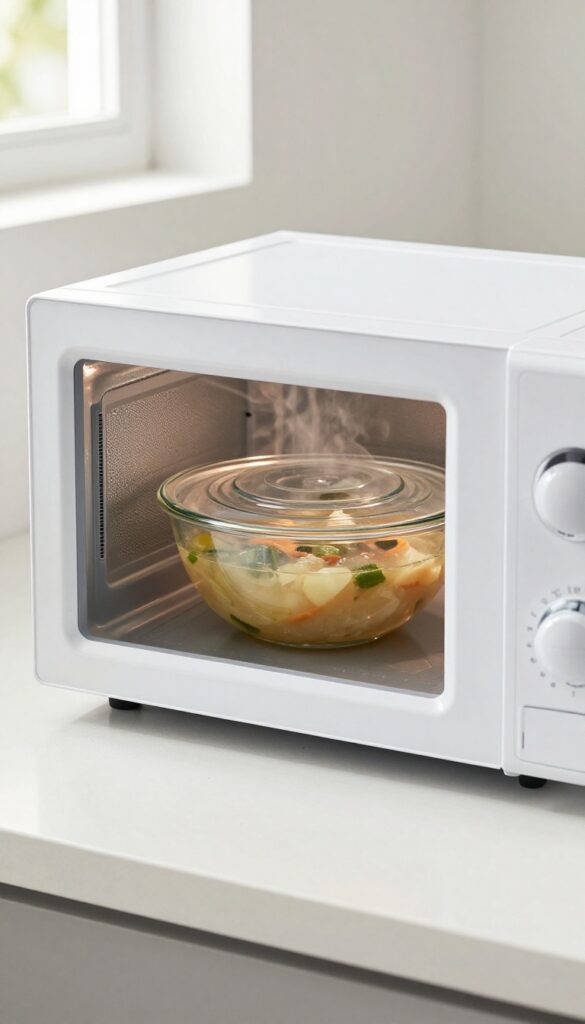
Prevention is the best hack. Instead of scrubbing dried-on food, stop it from happening in the first place. A simple microwave cover or even a paper towel can catch splatters before they become a problem.
Using a cover is effortless and saves time. You don't need anything fancy—just a microwave-safe lid, a vented cover, or a paper towel placed over the bowl. It traps steam and prevents food from popping onto the walls or ceiling.
This works for soups, sauces, and any dish that tends to bubble over.
Choose The Right Cover
Look for a cover specifically designed for microwaves, often made of BPA-free plastic or silicone with vents to release steam. Alternatively, a microwave-safe plate works in a pinch. Avoid using plastic wrap unless it's labeled microwave-safe, as it can melt or leach chemicals.
Paper Towel Trick
If you don't have a dedicated cover, place a paper towel over the bowl before microwaving. It absorbs splatters and keeps the interior clean. Just make sure the towel doesn't touch the food, and remove it carefully to avoid steam burns.
When To Skip The Cover
Some foods, like crispy items or those that need browning, shouldn't be covered. Also, avoid covering dishes with high-fat content that may splatter violently—use a vented cover instead. For most reheating, a cover is your best friend.
10. Baking Soda and Vinegar Fizz
Sometimes the best cleaning combo is also the fizziest. Baking soda and vinegar create a reaction that lifts stuck-on food without you having to scrub like crazy. This method works especially well on dried splatters that have been sitting for a while.
To use this hack, dampen a sponge or soft cloth and sprinkle a generous amount of baking soda over it. Add a few drops of white vinegar directly onto the baking soda—it will start to fizz immediately. Wipe the interior of the microwave in circular motions, letting the fizz do the heavy lifting.
For tough spots, let the paste sit for a couple of minutes before wiping away. Rinse the sponge and wipe again with plain water to remove any residue.
Why The Fizz Works
The chemical reaction between baking soda (a base) and vinegar (an acid) produces carbon dioxide gas, which creates bubbles. These bubbles help dislodge food particles from the microwave walls without scratching the surface. It's gentle enough for daily use but effective on stubborn stains.
Best For Stubborn Spots
If you have a patch of dried-on spaghetti sauce or cheese, this method is ideal. The fizz penetrates the crusty layer and loosens it so you can wipe it away with minimal effort. Avoid using it on turntables with metallic trim, as vinegar can be corrosive over time.
No Harsh Chemicals Needed
This hack is completely non-toxic, making it safe for food preparation areas. You don't need to worry about chemical residues or strong fumes. It's also budget-friendly—you probably already have both ingredients in your kitchen.
11. Steam with a Wet Paper Towel
When you need a quick fix for light splatters, a damp paper towel is your best friend. The microwave turns the water into steam, which loosens dried-on food in seconds. This method is perfect for daily maintenance or a fast cleanup before guests arrive.
Grab a single paper towel and fold it so it fits on a microwave-safe plate. Run it under the tap until it's damp but not dripping—you want steam, not a puddle. Microwave on high for 30 seconds.
The hot, moist towel will be steamy and warm to the touch. Use tongs or let it cool slightly, then wipe down the interior walls, ceiling, and turntable. The heat helps dissolve grease and stuck-on bits, so you barely need to scrub.
Rinse the towel if needed and repeat for stubborn spots.
Why It Works So Well
Steam is a natural degreaser. The hot vapor penetrates dried food particles, softening them so they lift away easily. Unlike chemical sprays, this method uses only water, so there's no residue or fumes.
It's also gentle on the microwave's interior, preventing scratches or damage to the paint.
Pro Tips For Best Results
Use a thick, sturdy paper towel that won't fall apart when wet. If your microwave has a rotating plate, remove it and wipe it separately for a thorough clean. For extra grime, add a drop of dish soap to the towel before microwaving.
Always let the towel cool a bit before handling to avoid burns.
When To Use This Hack
This trick is ideal for everyday splatters from reheated soup, pasta sauce, or coffee spills. It's also a great quick refresh between deeper cleans. If you have heavy baked-on messes, combine this method with a vinegar steam first, then follow up with the towel wipe.
12. Lemon and Baking Soda Combo
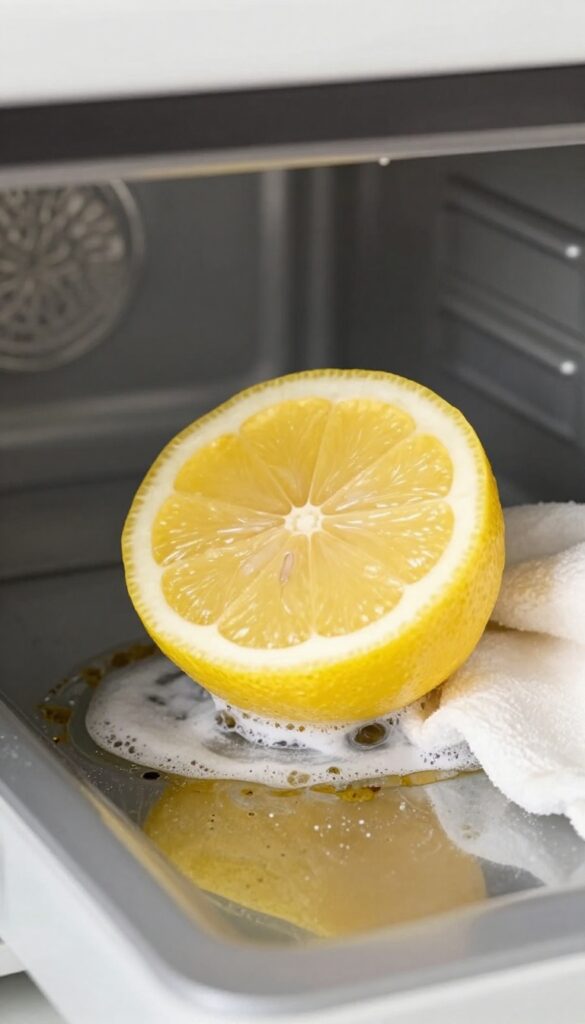
Some stains need a little extra muscle, but that doesn't mean you have to reach for harsh chemicals. A lemon and baking soda duo brings together acid and abrasion to tackle the toughest baked-on messes. It's a simple, fresh-smelling way to restore your microwave without scrubbing for ages.
Cut a lemon in half and dip the cut side into a small dish of baking soda. Use the lemon half as a scrubber, working the baking soda into stubborn spots. The lemon's citric acid breaks down grease and grime, while the baking soda provides gentle abrasion to lift stuck-on food.
Rinse with a damp cloth and wipe clean. For extra odor-fighting power, microwave the lemon halves for 30 seconds before scrubbing.
Why This Combo Works So Well
Lemon juice is acidic, which helps dissolve mineral deposits and grease. Baking soda is mildly alkaline and slightly abrasive, making it perfect for scrubbing without scratching. Together, they create a fizzy reaction that loosens debris, and the lemon leaves behind a fresh, clean scent.
Best For Tough, Baked-on Spots
This method shines on dried-on sauce splatters, cheese drips, and crusty food residue that won't budge with steam alone. Just apply the lemon-baking soda paste directly to the stain, let it sit for a minute, then scrub. Rinse and wipe—no elbow grease required.
A Natural Deodorizer Too
Beyond cleaning, lemon naturally neutralizes odors. After scrubbing, leave the lemon halves in the microwave overnight to absorb any lingering smells. By morning, your microwave will smell bright and clean, not like last night's dinner.
13. Use a Steam Cleaner (If You Have One)
A handheld steam cleaner isn't just for grout or upholstery—it's a microwave cleaning powerhouse. The superheated vapor loosens dried-on splatters in seconds, no scrubbing required. If you already own one, this is the fastest way to tackle a greasy mess.
Steam cleaners work by blasting hot vapor that penetrates and dissolves grime. For microwaves, this means you can target stuck-on food without soaking or harsh chemicals. Just a few passes and the residue wipes away effortlessly.
How To Steam Clean Your Microwave
Fill your handheld steamer with water and let it heat up. Hold the nozzle a few inches from the splatters and steam each spot for 5–10 seconds. The heat will soften even baked-on cheese or sauce.
Immediately wipe with a microfiber cloth—the grime comes off like butter.
Why It Works So Well
Steam reaches temperatures above 212°F, which melts grease and rehydrates dried food particles. Unlike steam from a bowl of water, a steamer directs concentrated vapor exactly where you need it. This saves time and avoids soaking the entire interior.
14. Microwave a Bowl of Water with Vinegar and Dish Soap
Steam is your microwave's best friend when it comes to loosening baked-on gunk. This classic combo uses everyday ingredients to create a powerful vapor that softens splatters so they wipe away effortlessly. The vinegar cuts grease and deodorizes, while the dish soap helps break down stubborn residue.
This method works wonders for moderate to heavy splatters that have been sitting for a while. It's also a great way to freshen up your microwave between deep cleans. Just make sure to use a microwave-safe bowl and don't let the mixture boil over.
What You'll Need
Grab a large microwave-safe bowl, 1 cup of water, 1 tablespoon of white vinegar, and a squirt of liquid dish soap. That's it—no special tools required.
Step-by-step Instructions
Combine the water, vinegar, and dish soap in the bowl. Microwave on high for 5 minutes. The mixture should come to a rolling boil and fill the interior with steam.
Let it sit inside for 2–3 minutes after the timer ends so the steam can continue working. Then carefully remove the bowl (it will be hot! ) and wipe down the interior with a soft sponge or cloth. Rinse the sponge frequently to avoid spreading grease.
Why It Works So Well
The steam penetrates dried-on food particles, rehydrating them so they release from the surface. Vinegar's acidity dissolves grease and mineral deposits, while dish soap helps emulsify oils. Together, they create a non-toxic cleaning powerhouse that's safe for food surfaces.
15. Use a Magic Eraser
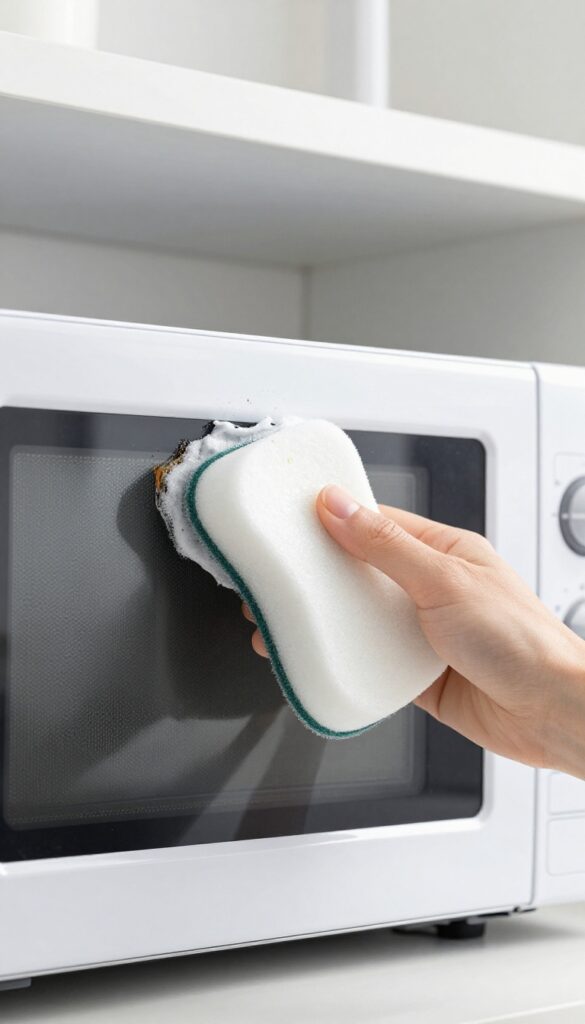
For those stubborn, baked-on spots that refuse to budge, a melamine sponge—often sold as Magic Eraser—is a game-changer. It works like a super-fine sandpaper, lifting grime without scratching the microwave's interior. Just dampen it slightly, squeeze out excess water, and gently scrub the stained areas.
The sponge will dissolve as you clean, so it's essentially self-disposing. This method is especially effective on the ceiling and back wall, where splatters tend to carbonize after repeated heating.
A melamine sponge is made of a foam that acts as an abrasive at a microscopic level. When wet, it creates a gentle scrubbing action that removes baked-on food, grease, and even light scorch marks. Unlike steel wool or harsh scrubbers, it won't leave scratches on the microwave's enamel or plastic surfaces.
The sponge wears down as you use it, so you're always working with a fresh, clean edge. For best results, use a light touch and let the sponge do the work—no need to press hard. Rinse the sponge frequently if it gets clogged with residue, and replace it once it starts crumbling.
How To Use It Safely
Always dampen the sponge first—never use it dry, as that can be too abrasive. Wring it out so it's just moist, not dripping. Test on a small, hidden area first to ensure the surface isn't too delicate.
Avoid using on textured or glossy decorative panels, as the sponge may dull the finish. For the microwave interior, it's perfectly safe on the standard painted metal or plastic walls. Work in small circular motions, and rinse the sponge often to avoid redepositing grime.
When To Choose This Method
This hack is ideal for dried-on splatters that have been reheated multiple times, forming a hard crust. It's also great for removing yellowed grease stains near the vent or door seal. If you've tried steam or vinegar and the mess remains, a Magic Eraser is your next step.
However, for fresh, wet splatters, a simple damp cloth is faster and less wasteful. Save the melamine sponge for the tough stuff.
Pro Tips For Best Results
Cut the sponge into smaller pieces to make it last longer and reach tight corners. Work in a well-lit area so you can see the stains clearly. After scrubbing, wipe the interior with a damp cloth to remove any sponge residue.
For extra stubborn spots, let the damp sponge sit on the stain for a minute before scrubbing. And remember: these sponges are disposable, so toss them when they start to disintegrate.
16. Baking Soda and Water Spray
If you want a gentle but effective cleaner that won't scratch your microwave's interior, baking soda is the way to go. A simple spray solution lifts light splatters and neutralizes odors, making it perfect for daily upkeep. It's safe, cheap, and works in minutes.
Mix 2 tablespoons of baking soda in a spray bottle with water. Spray inside, let sit for 10 minutes, then wipe clean. Good for daily maintenance.
How To Make The Spray
Grab a clean spray bottle and add 2 tablespoons of baking soda. Fill with warm water, screw on the lid, and shake until the baking soda dissolves. That's it—you now have a non-toxic cleaner that's ready to use.
Best Way To Apply
Spray the solution generously on the interior walls, ceiling, and turntable. Avoid soaking the electronics or vents. Let it sit for 10 minutes to loosen dried food and grease.
Then wipe with a damp cloth or sponge.
Why It Works So Well
Baking soda is mildly abrasive, so it helps scrub away stuck-on bits without scratching. It also neutralizes odors, leaving your microwave smelling fresh. Plus, it's safe if a little residue stays behind—no harsh chemicals.
17. Microwave a Bowl of Water with Orange Peels
Before you toss those orange peels, think again. They're not just compost material—they're a natural degreaser that can tackle microwave splatters with zero chemical residue. The citrus oil inside the peel breaks down grease on contact, while the steam loosens dried-on food.
Plus, your kitchen ends up smelling like fresh oranges instead of vinegar or lemon. It's a win-win for lazy cleaners who want results without scrubbing.
This hack works because orange peels contain d-limonene, a natural solvent that cuts through grease. When heated, the steam carries the oil throughout the microwave, softening grime and making it easy to wipe away. The process is simple: fill a microwave-safe bowl with water, drop in a few orange peels (from one or two oranges), and microwave on high for 3 minutes.
Let it sit for another 2 minutes so the steam can work its magic. Then open the door, remove the bowl carefully, and wipe down the interior with a soft cloth or sponge. The grease should slide right off, and the lingering citrus scent is a bonus.
Why Orange Peels Work So Well
The essential oils in orange peels are powerful grease busters. Unlike lemon, which is more acidic, orange oil targets the sticky, fatty residue that builds up from sauces, cheese, and butter. The heat releases these oils into the steam, which then condenses on every surface, loosening even stubborn splatters.
It's a gentle but effective approach that won't damage your microwave's interior.
How To Get The Best Results
For maximum effect, use fresh peels with the white pith still attached—the pith helps hold the oils. If your microwave is heavily soiled, add a splash of white vinegar to the water for extra cleaning power. After microwaving, don't rush; let the steam sit for 2-3 minutes before opening.
Use a microfiber cloth to wipe, and for stuck-on bits, dip the cloth in the warm citrus water. Rinse the cloth and repeat until clean.
When To Skip This Hack
Avoid using orange peels if your microwave has a delicate coating or if you're sensitive to strong citrus scents. Also, don't use peels from oranges that have been treated with wax or pesticides—wash them thoroughly first. If you have a newer microwave with a steam sensor, this method might interfere, so check your manual.
Otherwise, it's a safe, natural alternative to commercial cleaners.
18. Use a Toothbrush for Corners
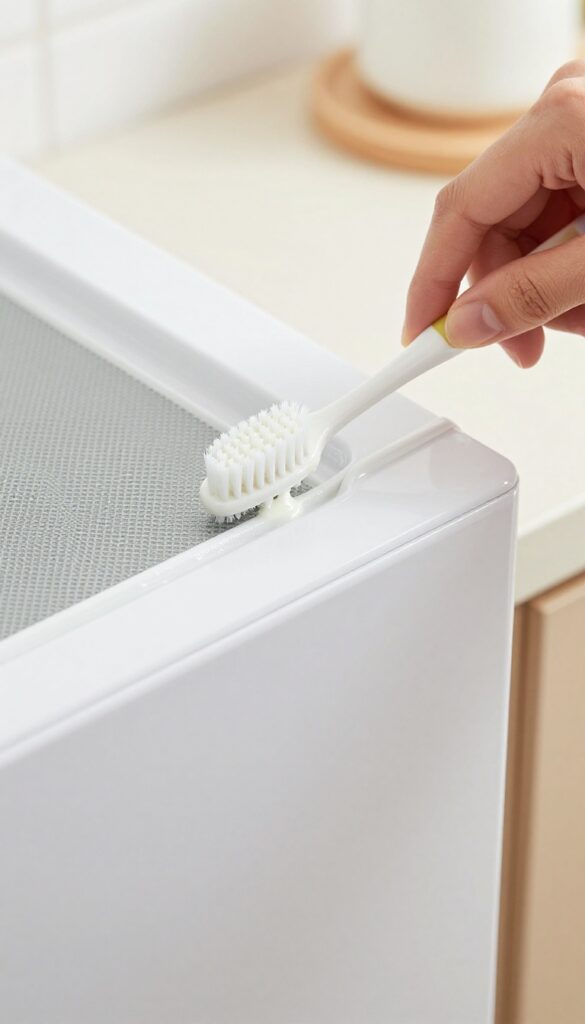
Those tight corners and the rubber door seal are where grime loves to hide, but a regular sponge can't reach them. An old toothbrush is the perfect tool for these tricky spots. Its small bristles can dig into crevices without scratching the microwave's interior.
Dip the toothbrush in white vinegar or a baking soda paste, then scrub the corners, edges, and the door seal. The bristles will loosen the gunk, and the vinegar or paste will break down the grime. Wipe away the residue with a damp cloth afterward.
This method is especially effective for the door seal, where food particles often get trapped and can cause odors.
Why A Toothbrush Works Best
A toothbrush's small head and stiff bristles can reach into the narrow grooves where sponges and cloths can't. It's also gentle enough to use on the rubber seal without damaging it. Plus, you're giving an old toothbrush a second life instead of tossing it.
How To Make A Baking Soda Paste
Mix three tablespoons of baking soda with one tablespoon of water to form a thick paste. Add a few drops of dish soap for extra grease-cutting power. Apply the paste to the toothbrush and scrub the corners and seal.
Let it sit for five minutes before wiping clean.
Pro Tip For Stubborn Grime
For really tough buildup, dip the toothbrush in undiluted white vinegar and sprinkle baking soda directly onto the bristles. The fizzing action helps lift the grime. Scrub in a circular motion, then wipe with a damp microfiber cloth.
19. Steam with a Microwave-Safe Steamer Basket
If you own a microwave steamer basket, you already have a powerful cleaning tool. Fill it with water, run it for 5 minutes, and let the concentrated steam do the heavy lifting. The steam softens dried-on splatters in seconds, making them easy to wipe away.
A steamer basket is designed to trap steam around food, but it works just as well for cleaning. The directed steam loosens grime faster than a bowl of water, especially in corners and on the turntable. After steaming, simply wipe the interior with a damp cloth—no scrubbing required.
Why It Works So Well
The steamer basket concentrates steam in a small area, raising the humidity inside the microwave quickly. This softens even stubborn, baked-on splatters in just a few minutes. The basket also keeps the steam away from the door seal, reducing the risk of moisture damage.
Best For Tough, Dried-on Messes
This method shines when you have splatters that have been sitting for days. The intense steam penetrates layers of dried food, making them lift off with minimal effort. It's also great for cleaning the ceiling of the microwave, which often gets neglected.
Quick Steps To Follow
Fill the steamer basket with about 1 cup of water. Place it in the microwave and run on high for 5 minutes. Let it sit for 2 minutes after the cycle ends to allow steam to settle.
Then, open the door and wipe down all surfaces with a soft cloth or sponge.
20. Use Rubbing Alcohol for Grease
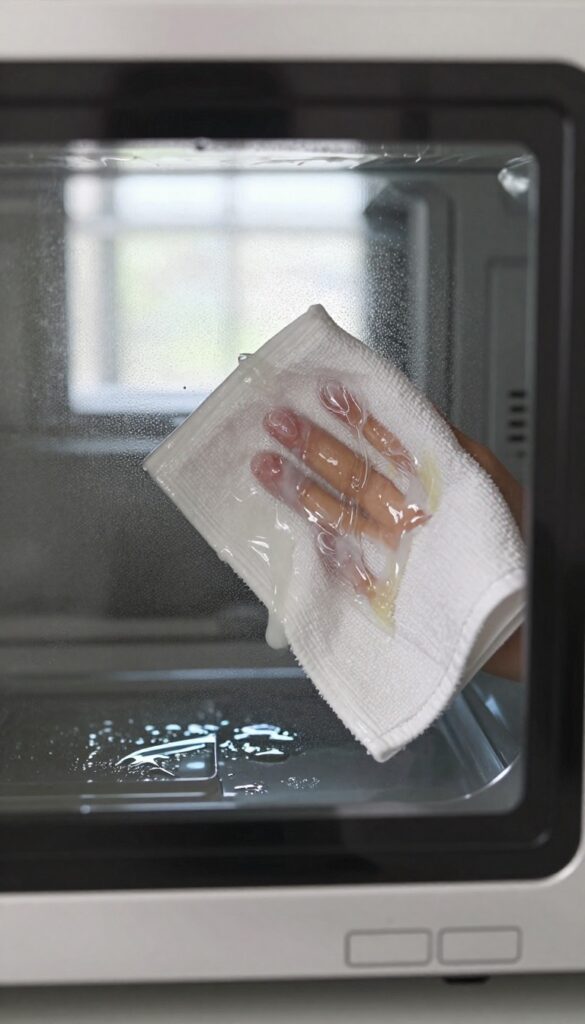
Grease splatters inside the microwave can feel impossible to wipe away, especially after heating oily foods like bacon or pizza. Rubbing alcohol cuts through that greasy film fast, leaving the interior clean and streak-free. It's a simple trick that works better than many commercial cleaners.
Rubbing alcohol is a powerful degreaser because it breaks down oils on contact. Unlike water-based cleaners that smear grease around, alcohol dissolves it so you can wipe it away in one pass. It also evaporates quickly, which means no leftover moisture that could lead to odors or mildew.
Just make sure the microwave is cool and unplugged before you start.
How To Apply It
Dampen a soft cloth or paper towel with undiluted rubbing alcohol (70% or 90% isopropyl works fine). Wipe down the interior walls, ceiling, and turntable. For heavy buildup, let the alcohol sit for 30 seconds before wiping.
Avoid soaking the cloth—you don't want drips pooling in crevices.
Why It Works So Well
Alcohol's low surface tension lets it seep into baked-on grease layers, loosening them without scrubbing. It also disinfects, killing germs that linger after food spills. And because it evaporates completely, there's no need to rinse—just wipe and go.
Safety Tips
Always use rubbing alcohol in a well-ventilated area and keep it away from open flames. Never spray it directly into the microwave's vents or electronic components. Stick to a damp cloth application to avoid damaging sensitive parts.
21. Baking Soda and Lemon Juice Spray
Baking soda and lemon juice are a powerhouse duo when it comes to cutting through microwave grime. The fizzing action helps lift dried-on food, while the lemon leaves a fresh scent. This spray is perfect for those days when you need a quick clean without pulling out heavy chemicals.
Mix two tablespoons of baking soda with the juice of one lemon to form a paste. Add a splash of water to thin it into a sprayable consistency. Pour into a spray bottle, spritz onto stains, and let it fizz for a few minutes.
Wipe away with a damp cloth for a streak-free shine.
Why It Works So Well
The chemical reaction between baking soda (a base) and lemon juice (an acid) produces carbon dioxide bubbles that help dislodge stuck-on bits. The mild abrasiveness of baking soda scrubs without scratching, and lemon's citric acid dissolves grease naturally.
Best Uses Inside The Microwave
This spray is ideal for light to medium splatters, especially from tomato sauce, cheese, or curry. Avoid using it on aluminum or bare metal surfaces, as the acid can cause discoloration. Stick to the interior walls, ceiling, and turntable.
Pro Tips For Maximum Effectiveness
For extra stubborn spots, let the spray sit for 5-10 minutes before wiping. You can also microwave a bowl of water for 2 minutes first to steam-soften the grime, then apply the spray. Always wipe with a soft cloth or sponge to avoid scratches.
22. Microwave a Bowl of Water with a Drop of Essential Oil
If your microwave smells like last night's fish or popcorn, this hack is for you. By adding a drop of essential oil to a bowl of water, you can deodorize while loosening grime at the same time. It's a two-for-one trick that leaves your microwave smelling fresh and clean.
Fill a microwave-safe bowl with one cup of water. Add a single drop of tea tree or lavender essential oil—more than that can be overpowering. Microwave on high for 3 minutes.
The steam will condense on the walls, softening dried splatters and carrying the oil's scent throughout the cavity. After the cycle, let the bowl sit inside for a minute or two to trap the steam. Then carefully remove the bowl (it will be hot) and wipe down the interior with a clean cloth.
The grime should come off easily, and the lingering aroma will keep your microwave smelling pleasant.
Why Tea Tree Or Lavender Work Best
Tea tree oil has natural antibacterial properties, which help kill germs and mold spores that cause odors. Lavender oil offers a calming scent that neutralizes food smells without being too floral. Both are safe for kitchen use when diluted in water, and they won't leave a greasy residue like some citrus oils can.
A Few Precautions To Keep In Mind
Essential oils are potent, so never add more than one drop per cup of water. Avoid oils like peppermint or eucalyptus, as they can be too strong and may irritate eyes or skin when steamed. Always use a microwave-safe bowl and handle it with oven mitts afterward.
If you have pets, check that the essential oil you choose is pet-safe—tea tree can be toxic to dogs and cats in concentrated forms, but the small amount in the steam is generally fine as long as you ventilate the area.
23. Use a Silicone Microwave Cover
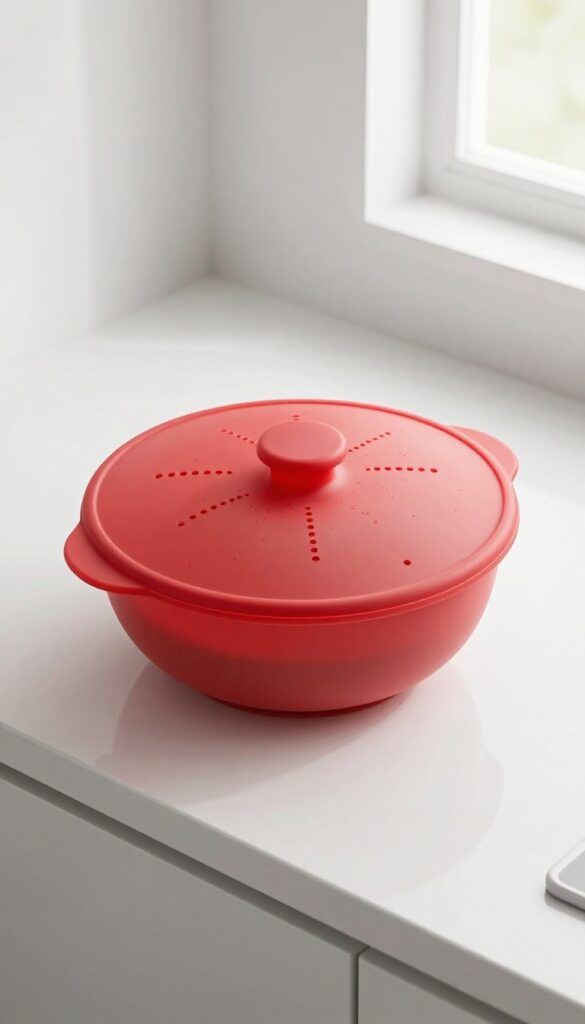
A silicone microwave cover is one of the simplest investments you can make for a cleaner microwave. It sits over your bowl or plate while heating, catching every splatter before it hits the interior walls. Most covers are flexible, fit various dish sizes, and are dishwasher-safe, so cleanup is as easy as tossing it in the top rack.
Silicone covers are designed to vent steam while blocking splatters, so your food heats evenly without making a mess. They come in different sizes and colors, often with a center knob for easy lifting. Once you're done, just rinse or run it through the dishwasher.
No scrubbing, no soaking—just a clean microwave every time.
Why Silicone Works Best
Unlike plastic wraps or paper towels, silicone covers are reusable and heat-resistant up to 450°F. They create a snug seal over bowls, preventing splatters from escaping. The material is non-stick, so even dried-on sauce slides off easily under running water.
How To Choose The Right Cover
Look for a cover with a diameter that fits your largest bowl—usually 10 to 12 inches. A vented design is important to release steam and prevent pressure buildup. Some covers come with a collapsible rim to fit multiple sizes, making them more versatile.
Quick Cleanup Tips
After use, let the cover cool, then rinse with hot soapy water. For stubborn residue, soak in warm water with a drop of dish soap for a few minutes. Most covers are dishwasher-safe, but check the label to be sure.
Avoid abrasive scrubbers that could damage the silicone surface.
FAQ
How often should I clean my microwave?
For light use, once a week is enough. If you cook messy foods daily, a quick wipe after each use prevents buildup.
Can I use bleach to clean the microwave?
It's not recommended. Bleach fumes can linger and contaminate food. Stick to vinegar, baking soda, or lemon.
Why does my microwave smell bad even after cleaning?
Odors can get trapped in the vent or rubber seal. Try wiping the seal with vinegar and leaving a bowl of baking soda inside overnight.
Is it safe to microwave a dry sponge?
No, always wet the sponge first. A dry sponge can catch fire. Only microwave sponges that are damp.
What if my microwave has burnt-on food that won't come off?
Try the vinegar steam method for 10 minutes, then scrub with a baking soda paste. For extreme cases, use a plastic scraper gently.
Conclusion
A clean microwave doesn't require harsh chemicals or endless scrubbing. With these 23 hacks, you can tackle splatters using items you probably already have at home. Pick the methods that match your mess level and microwave type—most take just a few minutes.
The key is consistency. A quick wipe after each use prevents buildup, saving you from heavy-duty cleaning later. Try a couple of these tricks today, and your microwave will sparkle without the elbow grease.