How to Keep Your Room Clean with 11 Daily Tidy Habits
You don't need a deep clean every week to have a tidy room. The secret is small, consistent habits that prevent mess from piling up. These 11 daily tidy habits take just minutes but make a huge difference.
Each habit targets a common source of clutter or mess, so you can stop problems before they start. No more weekend cleaning marathons. Just a few minutes each day to keep your room looking great.
Ready to transform your space without the stress? Let's dive into the habits that will keep your room clean effortlessly.
1. Make Your Bed Every Morning
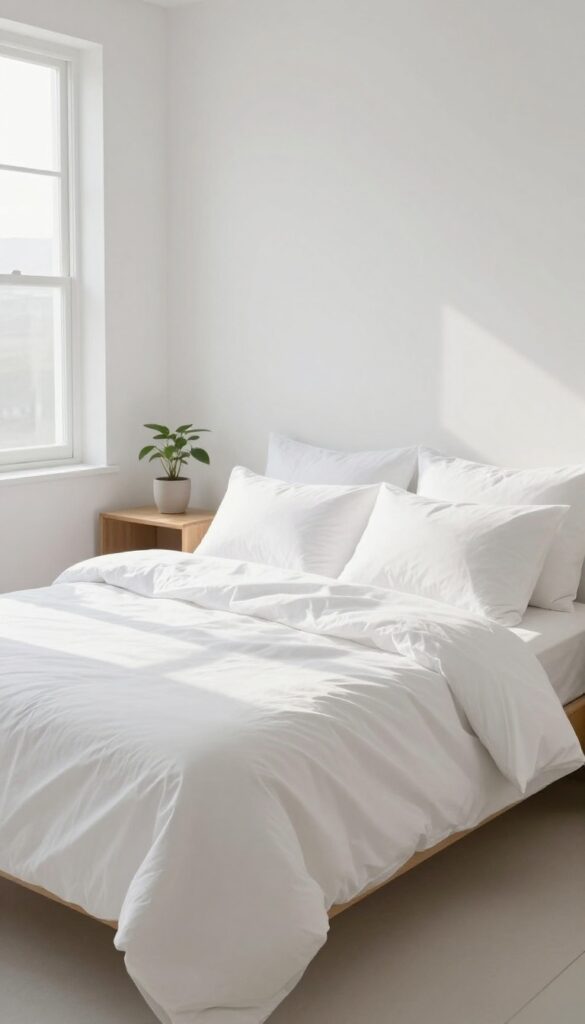
It's the classic piece of advice for a reason. Making your bed first thing in the morning instantly transforms your room from chaotic to calm. That one small action sets a productive tone for the rest of the day and makes everything else feel more manageable.
When you make your bed, you create a visual anchor of order in the room. Even if the rest of the space has some clutter, a neatly made bed gives the impression of cleanliness. It also prevents pillows and blankets from ending up on the floor or getting tangled, saving you time later.
The Two-minute Rule
Making your bed doesn't have to be a production. Straighten the sheets, fluff the pillows, and pull up the comforter. That's it.
Set a timer if you need to—you'll be done before it goes off. The key is consistency, not perfection.
Why It Works
Psychologists call this the "keystone habit. " It triggers a chain reaction of other good habits. When you make your bed, you're more likely to put away clothes, clear your desk, and keep surfaces tidy.
It's a small win that builds momentum.
2. Don't Let Clothes Pile Up
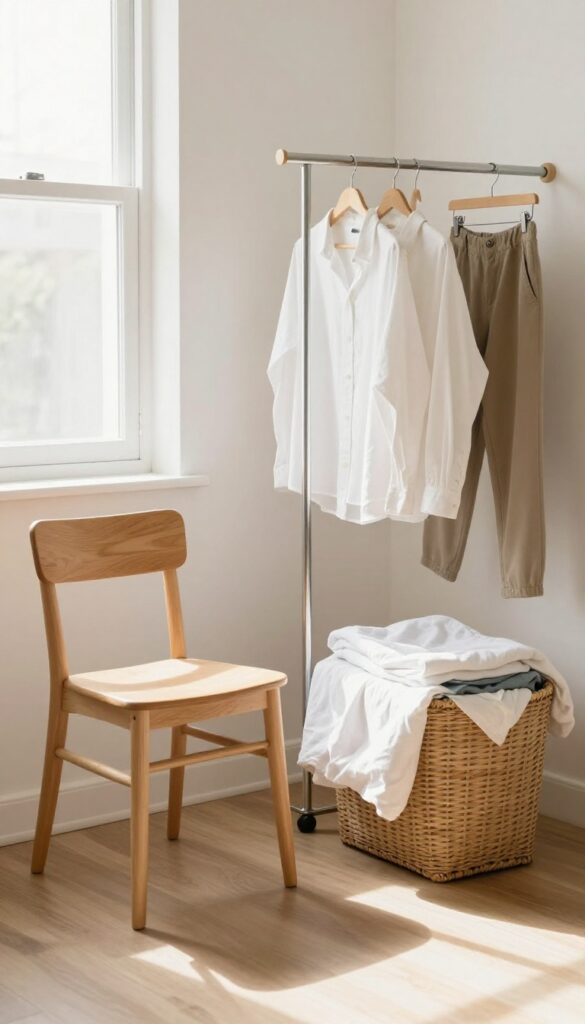
Clothes are one of the biggest clutter culprits in any room. They seem to multiply overnight, draping over chairs, piling on the floor, and creeping onto every surface. The solution isn't more storage—it's a simple habit that takes seconds.
The trick is to make a decision the moment you take off each piece of clothing. Dirty goes straight into the hamper. Clean gets hung up or folded right away.
No tossing it on the bed "for now. " No leaving it on the chair "just for a minute. " That minute turns into a week, and suddenly your room looks like a laundry bomb went off.
The 10-second Rule
When you undress, don't let the clothes leave your hand until they're in their proper place. This takes about 10 seconds per item. Dirty clothes go into the hamper.
Clean clothes go onto a hanger or into a drawer. That's it. No intermediate stops.
Kill The Chair-drobe
If you have a chair that's become a clothes rack, reclaim it. Make a rule: nothing sits on that chair except you. Every evening, do a quick sweep of the room and put away any stray clothes.
After a few days, the habit sticks and your floor stays clear.
One-touch Laundry
When you do laundry, finish the job in one go. Don't let clean clothes sit in the basket for days. Fold or hang them immediately after drying.
This prevents wrinkles and keeps clothes from migrating back onto surfaces. Set a timer if you need to—15 minutes is usually enough.
3. Wipe Down Surfaces Daily
Dust and grime have a way of sneaking up on you. A quick daily wipe of your desk, nightstand, and dresser prevents buildup and keeps surfaces looking fresh. This habit takes less than two minutes but stops dust from settling into a visible layer.
A microfiber cloth or a dusting spray is all you need. Start with your most-used surfaces—like your desk and nightstand—then hit the dresser. Doing it daily means you never have to scrub off stubborn dust.
Why Daily Wiping Matters
Dust isn't just unsightly; it can trigger allergies and make a room feel stale. By wiping surfaces every day, you remove particles before they accumulate. This simple act also keeps your space feeling fresh and cared for.
The Right Tools For The Job
A microfiber cloth traps dust without scratching surfaces. For a quick spritz, use a gentle dusting spray or a mix of water and a drop of dish soap. Avoid heavy chemicals that might leave residue.
Make It A Routine
Pair surface wiping with another daily habit, like making your bed or brushing your teeth. Keep a cloth in an easy-to-reach spot so you can grab it without thinking. After a week, it will feel automatic.
4. Clear Out Trash Every Day
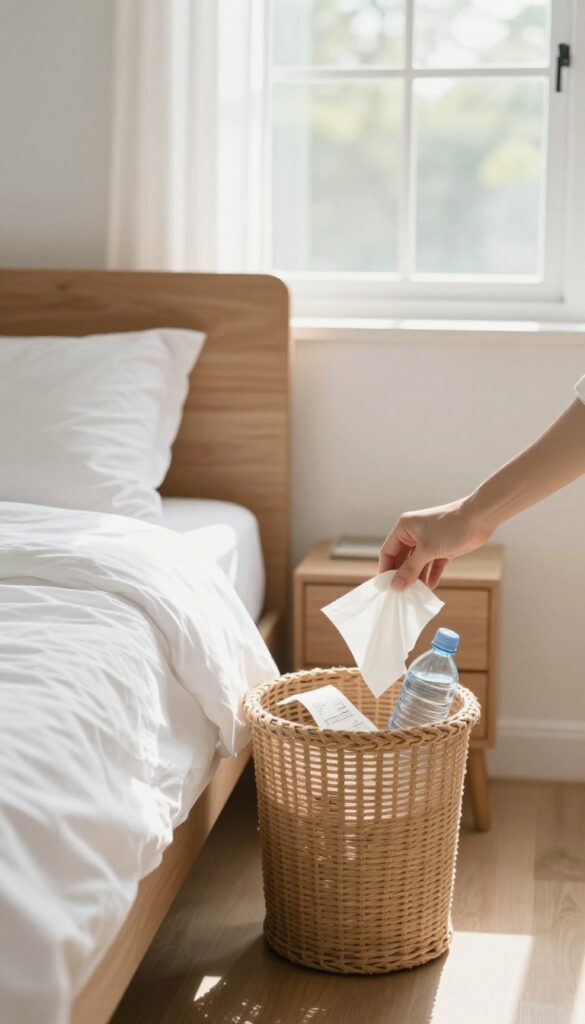
Trash is one of those things that multiplies when you're not looking. A wrapper here, an empty bottle there, and suddenly your nightstand looks like a landfill. The fix is simple: get rid of trash daily.
This habit takes less than a minute but stops odors, pests, and visual clutter from taking over.
Make it a rule to scan your room each evening for anything that belongs in the bin. Walk around with a small bag or just use your hands to collect wrappers, receipts, empty containers, and used tissues. Drop them directly into the kitchen or bathroom trash can.
That's it. No sorting, no second thoughts. Just a quick sweep that keeps your room fresh and clean.
Why Daily Trash Removal Matters
When trash sits overnight, it starts to smell and attracts bugs. Even a single banana peel or a crumpled chip bag can invite fruit flies. By removing trash daily, you eliminate these problems before they start.
Plus, a clear surface makes your room feel instantly tidier.
How To Make It A Habit
Tie this habit to something you already do, like brushing your teeth or charging your phone. Set a reminder on your phone for the same time each day. After a week, it will feel automatic.
Keep a small bin in your room if you don't have one, but empty it into the main trash every day.
What Counts As Trash?
Be honest with yourself. That empty water bottle? Trash.
The receipt from three days ago? Trash. The broken pen?
Trash. If it's not useful, beautiful, or meaningful, toss it. This habit also helps you notice when you're accumulating too many disposable items.
5. Put Things Back After Using Them

This habit is the foundation of a tidy room. When you finish using something, return it to its designated spot immediately. It takes just seconds but prevents clutter from accumulating.
Think of it as closing the loop on every action.
The key is to make putting things back as automatic as using them. Start by ensuring everything has a home—a specific drawer, shelf, or hook. When you're done with an item, resist the urge to set it down "for now.
" That temporary spot quickly becomes a permanent pile. Train yourself to pause and place it where it belongs. Over time, this becomes second nature, and your room stays consistently organized without extra effort.
Create A Home For Everything
If an item doesn't have a designated spot, you're more likely to leave it lying around. Take a few minutes to assign a logical place for each category of things you use daily. Books go on the shelf, chargers in a drawer, remotes in a caddy.
When everything has a home, putting it back is a no-brainer.
The One-touch Rule
Handle each item only once. When you pick up a book to read, you'll put it back after. When you grab a sweater, you'll hang it up later.
But "later" often turns into never. Instead, commit to touching an item only when you're ready to use it and return it immediately. This cuts down on decision fatigue and keeps surfaces clear.
Make It Convenient
If putting something away feels like a hassle, you'll skip it. Store items where you actually use them. Keep your phone charger next to your bed, not across the room.
Place a small trash bin near your desk. When the return trip is easy, the habit sticks.
6. Do a 5-Minute Evening Tidy
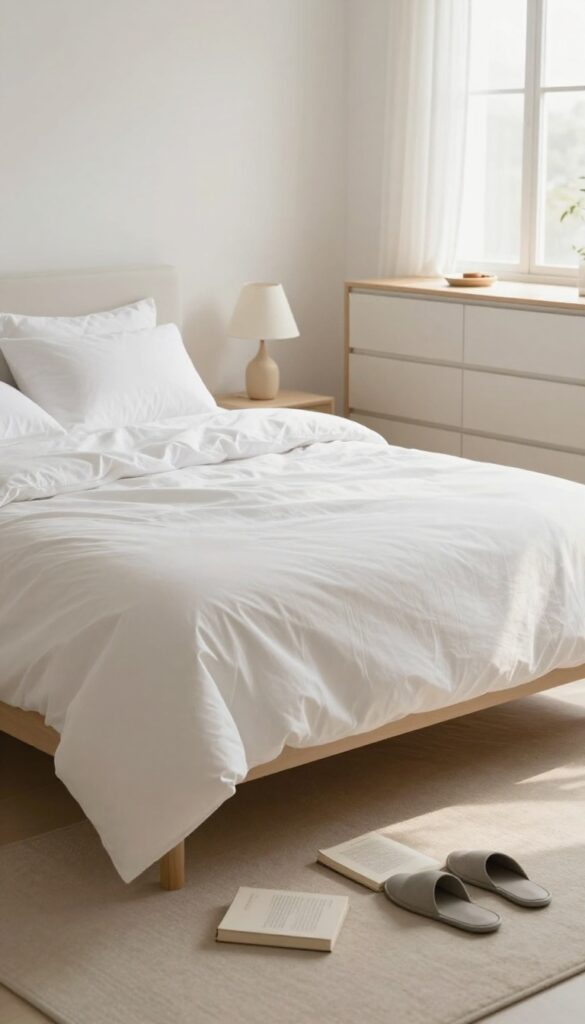
Ever walk into your room in the morning and feel instantly stressed by the mess from the night before? A quick evening tidy can change that. Spending just five minutes before bed to straighten up makes a world of difference.
You wake up to a calm, clean space that sets a positive tone for the day.
This habit is all about resetting your room before you sleep. It's not a deep clean—just a quick sweep to put things back in their place. Fluff pillows, fold blankets, and return any stray items to their homes.
The goal is to create a peaceful environment that helps you relax and sleep better.
What To Focus On
Target the visible surfaces: bed, floor, and dresser. Make your bed look neat by smoothing the sheets and arranging pillows. Pick up any clothes or items on the floor and put them away.
Clear off your dresser or nightstand by returning books, glasses, or chargers to their designated spots. This takes only a couple of minutes but instantly refreshes the room.
Make It A Routine
Link this tidy to an existing habit, like brushing your teeth. Set a timer for five minutes and race against it to make it fun. Over time, it becomes automatic.
You'll notice that starting your day in a tidy room reduces morning stress and helps you feel more organized overall.
The Morning Payoff
When you wake up to a clean room, you're more likely to keep it that way throughout the day. The evening tidy prevents clutter from snowballing, so you never have to face a overwhelming mess. Plus, it only takes five minutes—a small investment for a big return in peace of mind.
7. Keep Flat Surfaces Clear
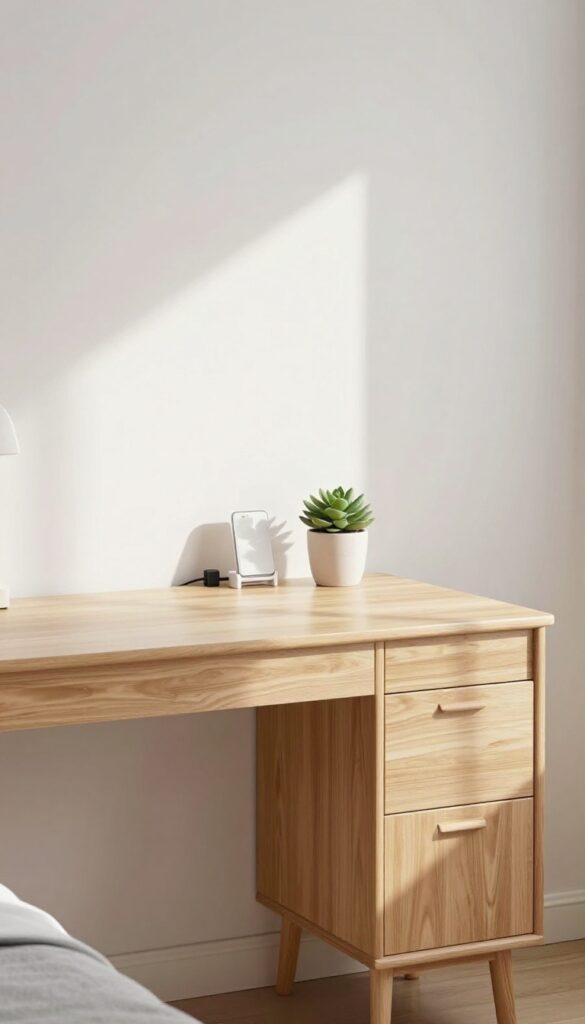
Flat surfaces like your desk, dresser, and nightstand are magnets for clutter. Keys, mail, chargers, and random items pile up fast, making your room feel chaotic. The fix is simple: only keep essentials on these surfaces.
When every flat area is clear, your room instantly looks cleaner and more spacious.
Start by removing everything from your desk, dresser, and nightstand. Only put back what you use daily: a lamp, a phone charger, maybe a small plant. Everything else belongs in drawers, shelves, or the trash.
Make it a rule that nothing sits on these surfaces overnight. This habit takes seconds but prevents clutter from taking over.
The 5-minute Surface Sweep
Each evening, spend five minutes clearing all flat surfaces. Grab a small basket and toss in anything that doesn't belong. Then put each item away.
This quick sweep keeps surfaces clear and stops clutter from accumulating. It's a simple routine that pays off big in how your room looks and feels.
Designate A Landing Zone
Create a specific spot for everyday items like keys, wallet, and phone. A small tray or bowl near the door works great. When you walk in, drop your things there instead of on the dresser or nightstand.
This keeps other surfaces clear and gives you a single place to check when you leave.
The One-touch Rule For Surfaces
When you see something on a flat surface that doesn't belong, put it away immediately. Don't set it down to deal with later. This one-touch rule prevents the pile-up that makes surfaces messy.
It takes just seconds and keeps your room looking tidy all day long.
8. Manage Cables and Chargers
Cables and chargers have a way of turning a clean desk into a tangled mess. A few simple habits can keep them organized and out of sight. Spend just a couple of minutes each day on cable management, and your room will instantly look neater.
Tame The Tangles With Clips And Ties
Use adhesive cable clips to route charging cables along the edge of your desk or nightstand. Velcro ties are great for bundling longer cords when not in use. Keep a small pack of twist ties or reusable cable ties in your drawer for quick fixes.
Designate A Charging Station
Pick one spot—like a corner of your desk or a drawer—where all chargers live. Plug in a multi-port USB hub or power strip there. This prevents chargers from migrating to different outlets and cluttering surfaces.
Unplug And Wrap Daily
At the end of each day, unplug devices you're not using and neatly wrap the cables. Store them in the designated spot. This habit takes 30 seconds and stops cables from piling up.
9. Use a Laundry Basket for Dirty Clothes
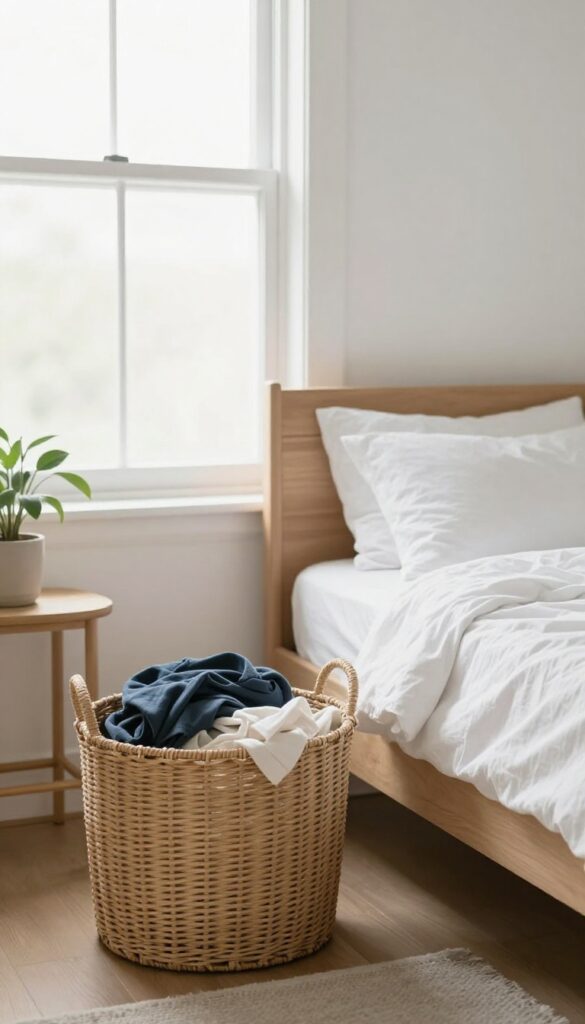
Dirty clothes on the floor are one of the quickest ways to make a room look messy. A simple solution is to place a laundry basket in your room and commit to tossing dirty clothes in it. This habit keeps clothes off the floor, makes laundry day easier, and instantly improves the look of your space.
Pick The Right Basket
Choose a basket that fits your room and style. It could be a traditional hamper, a decorative bin, or a simple mesh bag. The key is to make it easy to use—open top or flip lid works best.
Place it in a spot where you naturally undress, like near your closet or beside your bed.
Make It A Daily Habit
Every time you take off clothes, put them directly into the basket. No tossing them on the chair or floor first. This takes just seconds but prevents piles from forming.
If you share a room, get separate baskets for each person to avoid mix-ups.
Keep It From Overflowing
Set a laundry schedule to prevent overflow. For example, wash clothes when the basket is full or every few days. If you tend to let laundry pile up, use a smaller basket that forces you to do laundry more often.
This keeps the basket from becoming a mountain of clothes.
10. Don't Let Dishes Accumulate
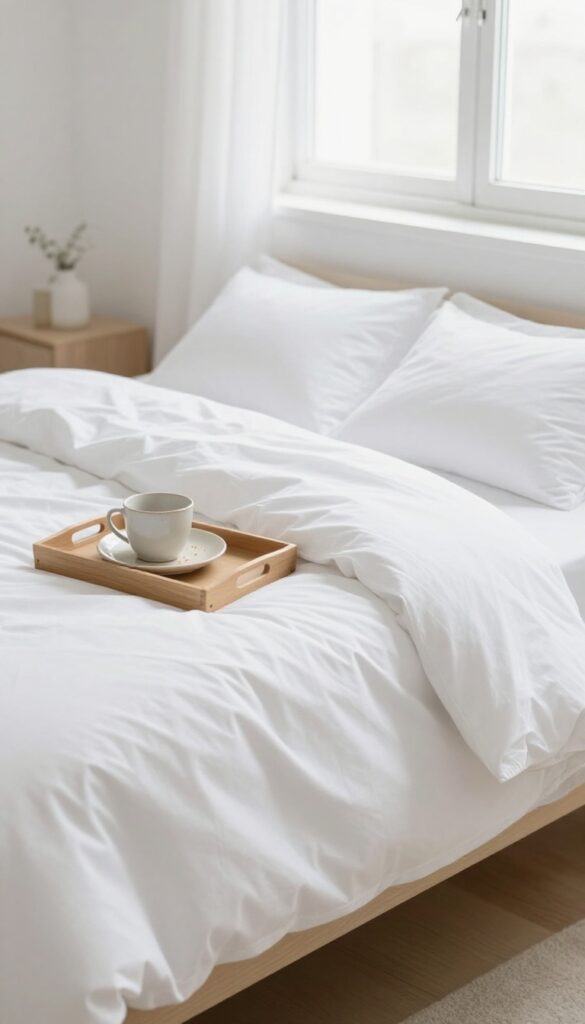
Dishes in your room are a magnet for mess. A single cup left overnight can attract fruit flies, spill sticky residue, or start smelling funky by morning. The fix is simple: get them out of your space as soon as you're done.
This habit alone stops a surprising amount of clutter and grime before it starts.
Make A No-dishes Rule
Decide that no dish, cup, or food container stays in your room for more than five minutes. Right after you finish a drink or snack, take the item to the kitchen. This rule is easy to remember and becomes automatic fast.
Use A Small Tray For Temporary Holding
If you absolutely need to bring a drink or snack to your room, keep a small tray on your desk or nightstand. The tray catches crumbs and spills, and it makes it obvious that the dish needs to go back to the kitchen. When the tray is empty, return everything at once.
Tie It To A Daily Trigger
Pair the dish-removal habit with something you already do daily. For example, every time you leave your room to brush your teeth or go to bed, scan for any dishes and take them with you. This linking makes the habit stick without extra mental effort.
11. Give Everything a Home
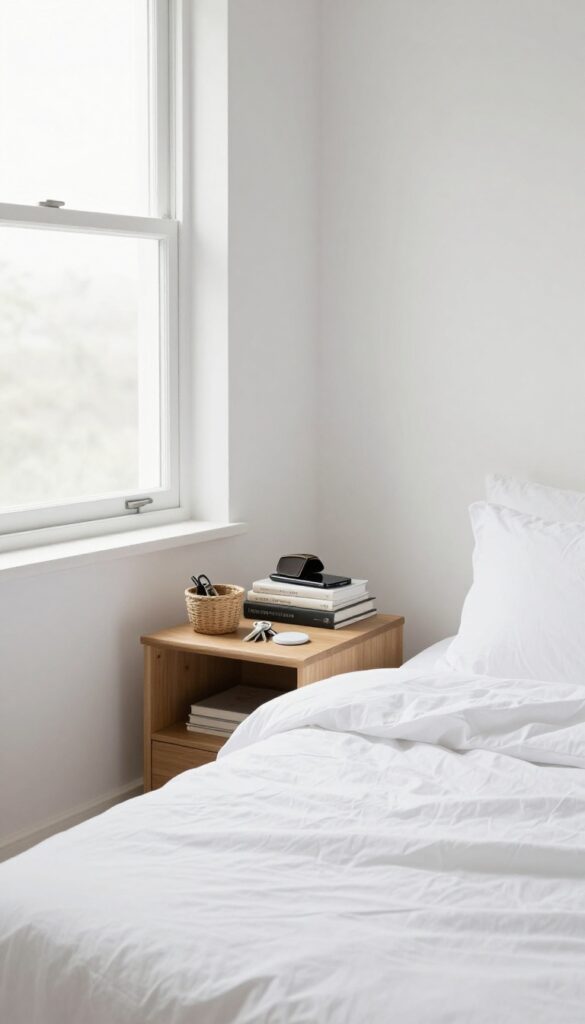
Clutter often happens because items don't have a designated spot. When you're in a rush, you just drop things anywhere. But if every object has a permanent home, putting it away takes zero thought.
This simple shift turns tidying from a chore into an automatic habit.
Start by looking around your room. Notice the items that frequently end up on surfaces: keys, phone, wallet, headphones, books, chargers. These are the usual suspects.
For each one, choose a logical spot. Keys go in a bowl by the door. Phone charges on the nightstand.
Books live on the shelf. The key is consistency. Once you assign homes, train yourself to return items there immediately after use.
It takes less than 10 seconds, but it prevents piles from forming. Over time, this becomes second nature. You'll find yourself putting things away without even thinking about it.
Start With The Hotspots
Focus on the areas where clutter accumulates most: your desk, nightstand, dresser top, and floor. Pick one hotspot and give every item there a home. For example, on your desk, designate a drawer for pens and papers, a tray for incoming mail, and a caddy for tech accessories.
Once those spots are organized, move to the next hotspot. Tackling one area at a time keeps the process manageable.
Use Containers To Define Homes
Containers make homes more obvious. Use small baskets, trays, or boxes to corral similar items. For instance, a small dish for your keys and wallet, a cup for pens, a bin for chargers.
When you see the container, you know exactly where that item belongs. This visual cue reinforces the habit and makes it easy to spot when something is out of place.
Label When Necessary
If you share a room or have a lot of similar items, labels can help. Label drawers, bins, or shelves to remind you and others where things go. This is especially useful for things like cables, socks, or toiletries.
A simple label maker or even a piece of tape and a marker can save you from the 'where does this go? ' confusion.
FAQ
How long does it take to develop these daily tidy habits?
Most people can form a new habit in about 21 to 66 days. Start with one or two habits and gradually add more. Consistency matters more than speed.
What if I miss a day?
Don't worry. Just pick up where you left off. The goal is progress, not perfection.
Missing one day won't undo your progress if you get back on track.
Can these habits work for a shared room?
Absolutely. Adapt the habits to your situation. For example, agree on a shared evening tidy time or designate separate spaces for personal items.
Do I need special tools or products?
No. Most habits require only what you already have: a hamper, trash can, and maybe some cable ties. Keep it simple and use what works for you.
How do I stay motivated to keep my room clean?
Focus on how good it feels to have a tidy space. Set a timer for quick tasks, listen to music, or reward yourself after a week of consistent habits.
Conclusion
None of these habits takes more than a couple of minutes, but together they keep your room from ever reaching disaster mode. The trick is consistency—once you make them automatic, you'll barely think about tidying up.
Start with just one or two habits today, then add more as they stick. Before you know it, your room will stay clean without you even trying.