15 Oven Door Glass Cleaning Tips for Grease and Streaks
You open the oven to check on dinner, but the glass is so foggy you can barely see inside. Grease splatters and baked-on grime turn a clear view into a frustrating blur. Cleaning oven door glass doesn't have to be a chore that leaves you with more streaks than you started with.
Most of us reach for harsh chemicals or expensive sprays, but the best solutions are often already in your kitchen. A little elbow grease and the right technique can make a huge difference.
Let's walk through 15 practical tips that tackle grease and streaks head-on. No fluff, just real methods that work without breaking the bank.
1. Start with a Dry Wipe to Remove Loose Debris
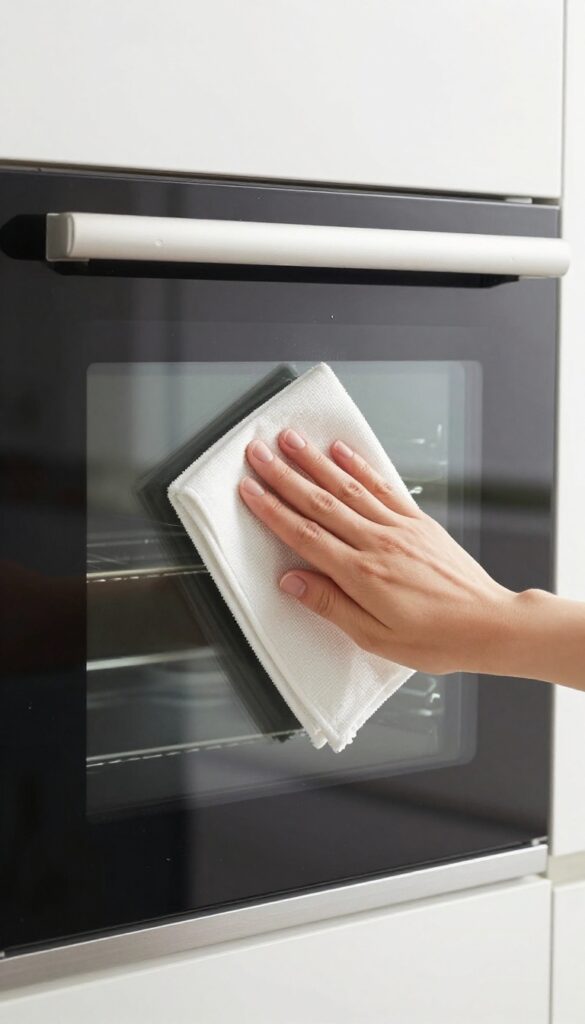
Before you grab any spray or scrubber, take a moment to clear away the loose stuff. Crumbs, burnt bits, and dust can scratch the glass if you rub them in with a cleaner. A quick dry wipe saves you from extra work and protects the surface.
Grab a soft microfiber cloth—the kind you use for glasses or screens works great. Gently wipe the entire glass surface, focusing on corners and edges where crumbs hide. You'll be surprised how much comes off without any liquid.
This step also helps you see where the real grease buildup is, so you can target your efforts later.
Why Microfiber Works Best
Microfiber traps particles instead of pushing them around. Paper towels can leave lint and may scratch if there's grit. A dry microfiber cloth lifts debris without moisture, prepping the glass for deeper cleaning.
Check The Seal And Edges
Run the cloth along the rubber seal around the door. Crumbs often get stuck there and can prevent the door from closing properly. A clean seal also means less grease migration onto the glass later.
2. Use a Paste of Baking Soda and Water for Tough Grease
When grease has been baking onto the glass for weeks, a simple spray won't cut it. That's where a thick paste comes in. Baking soda is mildly abrasive, so it scrubs away stubborn grime without scratching the glass.
Mixed with water, it turns into a powerful cleaner that clings to vertical surfaces and breaks down grease on contact.
Making the paste is straightforward—just combine three parts baking soda with one part water until it reaches a spreadable consistency. Apply it generously to the greasy areas, focusing on the spots that look the worst. Let it sit for 15 minutes to loosen the baked-on residue.
Then, using a damp sponge or soft cloth, scrub in circular motions. The paste will lift the grease away, leaving a clean surface. Rinse with a clean wet cloth and dry with a microfiber towel to prevent streaks.
Why It Works So Well
Baking soda is alkaline, which helps break down acidic grease molecules. Its fine particles provide gentle abrasion that removes grime without scratching the glass. Plus, it's non-toxic and safe to use around food.
How To Apply For Best Results
Use a soft sponge or a microfiber cloth—avoid anything too rough that could scratch. Apply the paste in a thick layer, especially on caked-on spots. Let it sit for a full 15 minutes; don't rush this step.
Then scrub gently, adding a little water if the paste dries out.
What To Avoid
Don't use metal scrubbers or abrasive pads—they can scratch the glass. Also, avoid letting the paste dry completely on the glass, as it can become harder to remove. If it does dry, just rewet it with a damp cloth.
3. White Vinegar and Water Solution for Streak-Free Shine
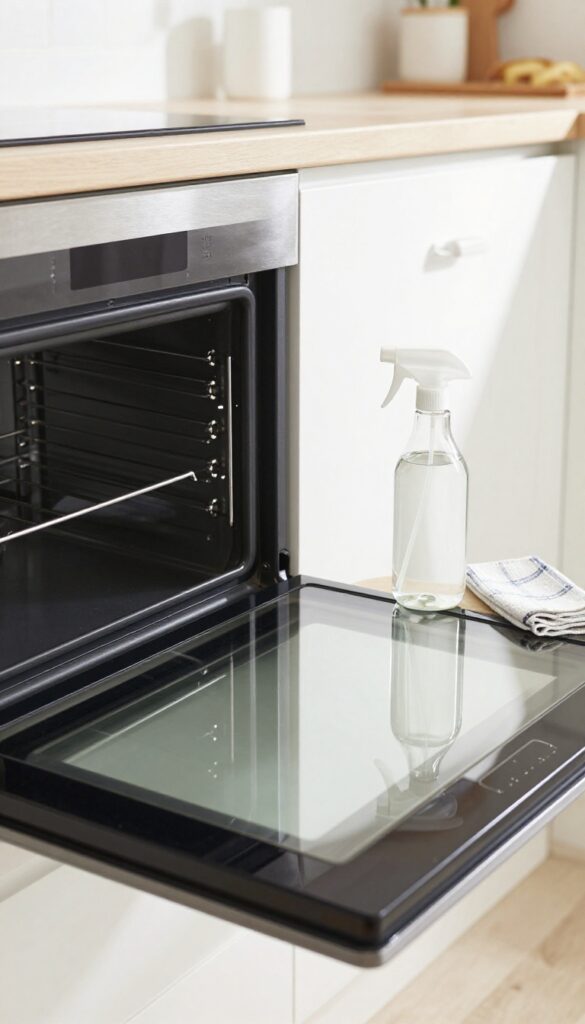
If you want a streak-free shine without harsh fumes, white vinegar is your best friend. This pantry staple cuts through grease like magic and evaporates without leaving residue. Mix equal parts white vinegar and water in a spray bottle, and you have a cleaner that outperforms many store-bought options.
It's cheap, non-toxic, and incredibly effective on oven glass.
Why Vinegar Works So Well
Vinegar is acidic, which means it breaks down alkaline grease and baked-on grime effortlessly. Unlike soap-based cleaners that can leave a film, vinegar rinses clean and dries without streaks. The slight acidity also helps dissolve mineral deposits from hard water, which often cause cloudy spots on glass.
It's a one-two punch against both grease and water stains.
The Right Way To Apply
Spray the vinegar solution generously onto the cold oven glass. Let it sit for 2-3 minutes to loosen the grime. Don't let it dry on the surface—wipe it off while it's still wet.
Use a clean microfiber cloth for the best results. Microfiber traps grease and dirt instead of pushing it around, and it won't leave lint behind.
Buffing For A Perfect Finish
After wiping, take a dry section of the microfiber cloth and buff the glass in circular motions. This step removes any remaining moisture and gives the glass a crystal-clear shine. If you notice streaks, it's usually because the cloth was too wet or dirty.
Switch to a fresh dry cloth and buff again. The result is glass so clean you'll forget it's there.
4. Lemon Juice for Natural Degreasing Power
If you want to skip the chemicals and still get that grime off, lemon juice is a surprisingly effective option. The natural acidity cuts through grease without leaving any residue behind, and it smells a whole lot better than most store-bought cleaners. Plus, you probably already have a lemon sitting in your fridge.
How To Make The Solution
Mix equal parts fresh lemon juice and warm water in a spray bottle. Shake it up, spray it directly onto the greasy glass, and let it sit for about five minutes. The acid needs a little time to break down the baked-on oils.
Wiping Technique Matters
Use a microfiber cloth or a soft sponge to wipe in circular motions, then switch to vertical or horizontal strokes for a streak-free finish. Avoid paper towels—they can leave lint behind and make the glass look worse.
When To Avoid Lemon Juice
Lemon juice is acidic, so don't use it on glass that has a protective coating or on ovens with sensitive seals. Stick to mild soap and water for those surfaces. Also, avoid letting the solution dry on the glass—wipe it off while it's still damp.
5. Dish Soap and Warm Water for Daily Maintenance
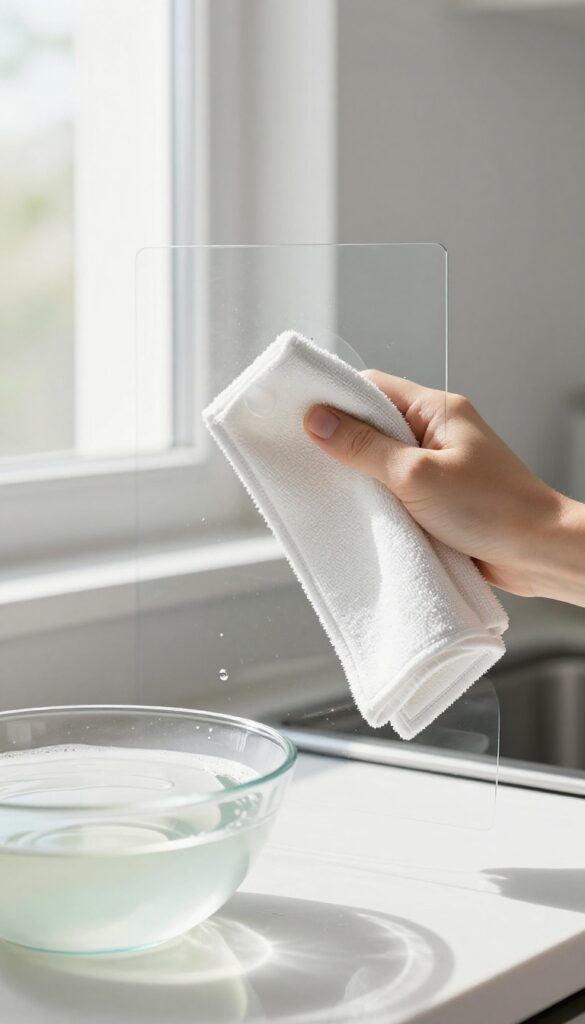
Sometimes the simplest solution is the best one. A few drops of dish soap mixed with warm water can handle light grease and fingerprints without any harsh chemicals. This is the go-to method for keeping your oven door glass clear between deep cleans.
Why It Works So Well
Dish soap is designed to cut through grease on dishes, so it does the same on oven glass. The warm water helps loosen any fresh splatters, making them easy to wipe away. It's gentle enough for daily use but effective enough to keep streaks at bay.
How To Do It Right
Fill a bowl with warm water and add a few drops of liquid dish soap. Dip a soft sponge or microfiber cloth into the solution, wring it out slightly, and wipe the glass in circular motions. Rinse the sponge frequently to avoid spreading grease around.
Finish by wiping the glass with a clean, damp cloth to remove any soap residue, then dry with a lint-free towel.
When To Use This Method
This technique is perfect for light grime after cooking a meal or for a quick weekly wipe-down. If you have baked-on grease or stubborn streaks, you may need a stronger cleaner. But for daily maintenance, dish soap and water are all you need.
6. Rubbing Alcohol to Remove Stubborn Streaks
Streaks are the enemy of clean glass, and they often show up right after you think you've finished the job. Rubbing alcohol cuts through the oily residue that causes those cloudy lines, leaving a spotless finish. It's a simple trick that professional cleaners rely on.
Why Rubbing Alcohol Works So Well
Rubbing alcohol is a solvent that breaks down grease and oils on contact. Unlike water-based cleaners that just push grease around, alcohol dissolves it so you can wipe it away completely. Plus, it evaporates fast, which means no standing liquid to leave new streaks.
How To Apply It For Best Results
Pour a small amount of rubbing alcohol onto a soft, lint-free cloth—not directly on the glass. Wipe the entire surface in one direction, using overlapping strokes. Then immediately buff with a dry microfiber cloth to catch any leftover residue and boost the shine.
When To Use Alcohol Over Other Methods
If you've already cleaned the glass but still see streaks, alcohol is your go‑to finisher. It's also ideal for glass that's been treated with wax or polish, since it removes those layers without damaging the surface. Use it as a final step for a truly clear view.
7. Use a Razor Blade Scraper for Baked-On Spots
Some grease spots just won't quit, no matter how much you scrub. After repeated heating cycles, they turn into hard, crusty patches that laugh at regular cleaners. That's where a razor blade scraper comes in—it's your secret weapon for those stubborn, burnt-on areas.
A razor blade scraper is a simple tool that can remove the toughest baked-on residue without damaging the glass, as long as you use it correctly. The key is to keep the glass wet and hold the blade at a 45-degree angle. This technique allows the blade to lift the gunk rather than scratch the surface.
Always use a fresh blade and work gently to avoid any mishaps.
Safety First: Prep The Glass
Before you start, spray the glass with a mixture of water and dish soap or a glass cleaner. The liquid acts as a lubricant, reducing friction and preventing scratches. Never use the scraper on dry glass—it's a surefire way to ruin the surface.
The Right Angle And Pressure
Hold the scraper at a 45-degree angle to the glass. Apply light, even pressure and push the blade away from you in short strokes. Let the blade do the work—you're not trying to gouge the glass, just lift the residue.
Rinse the blade frequently to keep it clean.
Finish With A Polish
After scraping, wipe the glass with a clean microfiber cloth to remove any loosened debris. Then give it a final polish with a streak-free glass cleaner or a vinegar-water solution. The result?
Crystal-clear glass that looks brand new.
8. Try a Magic Eraser for Quick Results
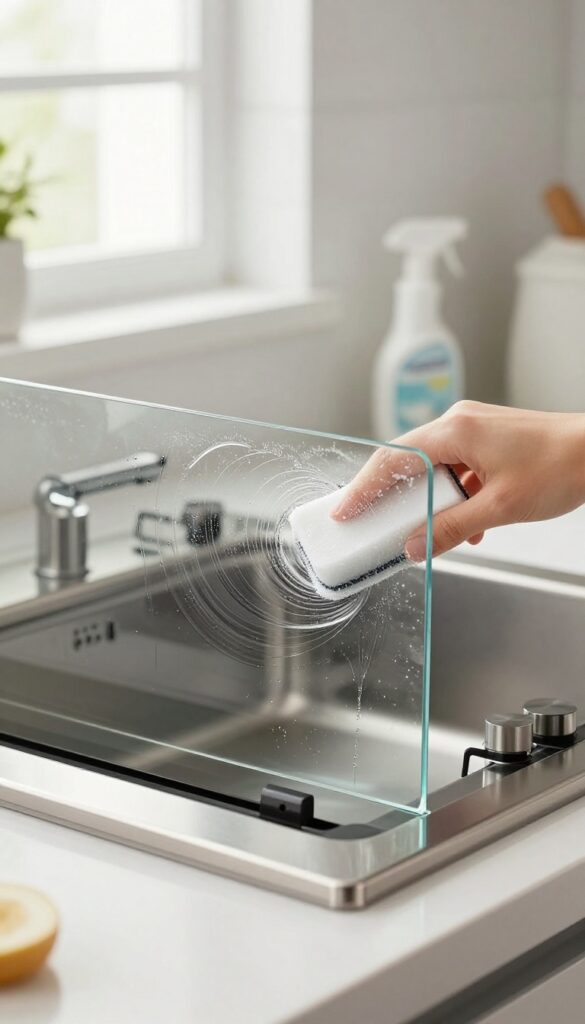
When you need a fast fix for greasy oven glass, a magic eraser can be your secret weapon. These melamine foam blocks work like a gentle abrasive, lifting baked-on grime without harsh chemicals. Just dampen the eraser, give the glass a few circular passes, and watch the grease disappear.
Magic erasers are perfect for spot-cleaning between deep cleans. They handle fresh splatters and light buildup with almost no effort. For heavy grease, you may need to apply a bit more pressure, but the results are usually streak-free.
Just be sure to rinse the glass afterward to remove any residue from the eraser.
How To Use It Right
Start with a clean, damp magic eraser—don't use it dry or it may scratch. Gently rub the glass in small circles, focusing on greasy spots. Rinse the eraser as needed to avoid spreading grime.
Once you're done, wipe the glass with a damp microfiber cloth to remove any leftover particles.
When To Skip It
Magic erasers are great for quick touch-ups, but they're not ideal for heavily baked-on grease. They can also be too abrasive for some coated glass surfaces, so test a small area first. And remember, they wear down fast, so have a few on hand for bigger jobs.
9. Steam Cleaning with a Bowl of Water
Steam is a powerful, chemical-free way to loosen baked-on grease. A simple bowl of water in a hot oven creates enough steam to soften stubborn grime, making it much easier to wipe away. This method works especially well for the inner glass panel, where grease tends to harden over time.
Place a heat-safe bowl (ceramic or glass) filled with water on the oven rack. Heat the oven to 250°F and let it run for 20 minutes. The steam will condense on the glass, loosening grease and food residue.
After turning off the oven and letting it cool slightly, wipe the glass with a microfiber cloth or sponge. For tough spots, add a splash of vinegar or lemon juice to the water for extra degreasing power.
Why Steam Works So Well
Heat and moisture break down the bonds between grease and glass. Unlike scrubbing, which can push grease around, steam lifts it off the surface. This method is also safe for all oven types, including self-cleaning models.
Step-by-step Steam Cleaning
Fill a deep, heat-safe bowl with water and place it on the lowest oven rack. Close the door and set the oven to 250°F. After 20 minutes, turn off the oven and let it cool for 10 minutes.
Open the door carefully to avoid steam burns, then wipe the glass with a clean, damp cloth.
Pro Tips For Best Results
Use distilled water to avoid mineral deposits on the glass. For extra stubborn grease, add a tablespoon of white vinegar or a squeeze of lemon juice to the water. Wipe in one direction to prevent streaks, and finish with a dry microfiber cloth for a streak-free shine.
10. Use a Coffee Filter for Lint-Free Buffing
You've scrubbed, rinsed, and dried, but those tiny lint fibers from paper towels or cloths leave a dull haze. That's where a humble coffee filter comes in. It's the secret to a mirror-like finish without any leftover fluff.
Coffee filters are designed to trap fine particles, which means they won't shed lint onto your glass. Plus, they're super absorbent and disposable, so you can toss them after one use. This trick is especially handy for the final buffing step after cleaning.
Why Coffee Filters Work
Unlike paper towels, which have fibers that can break off, coffee filters are made from tightly woven paper that stays intact. They also don't leave behind chemical residues or lint, making them ideal for a streak-free shine.
How To Buff With A Coffee Filter
After cleaning the glass with your chosen method, take a dry coffee filter and gently buff the surface in circular motions. Start from the top and work your way down. You'll see the haze disappear, leaving crystal clear glass.
Extra Tip For Stubborn Streaks
If you still see streaks, lightly dampen the coffee filter with a tiny bit of white vinegar or glass cleaner, then buff again. The filter's texture helps lift residue without scratching.
11. Avoid Paper Towels to Prevent Lint and Streaks
Paper towels are a go-to for quick cleanups, but they're actually one of the worst choices for oven glass. The fibers break down easily, leaving behind lint and fine scratches that create a hazy, streaky finish. Switching to a better material is a simple fix that makes a big difference.
Microfiber cloths are the gold standard for streak-free glass. Their ultra-fine fibers trap grease and dust without shedding lint. For best results, use a clean, dry microfiber cloth for the final buff after cleaning.
Old cotton t-shirts work well too—they're soft, lint-free, and free to use. Just avoid fabric softeners, as they leave a residue that can cause streaking.
Why Paper Towels Fail
Paper towels are designed for absorption, not polishing. The wood pulp fibers break apart under pressure, leaving tiny lint particles on the glass. These particles scatter light and create a cloudy appearance.
Plus, the rough texture can microscratch the glass over time, making it more prone to holding onto grease.
Best Cloth Options
Microfiber cloths are the top choice for cleaning oven glass. They're reusable, washable, and pick up grease without spreading it around. Cotton t-shirts or flannel rags are excellent alternatives—they're soft, absorbent, and leave no lint.
Avoid terry cloth towels, as the loops can snag and leave fibers behind.
How To Use Them Effectively
Always use a damp cloth for the initial cleaning pass to lift grease, then follow with a dry cloth for a streak-free shine. For stubborn spots, apply a small amount of vinegar or glass cleaner to the damp cloth rather than spraying directly on the glass. This prevents overspray and reduces the chance of streaks.
12. Clean Both Sides of the Glass for Best Results
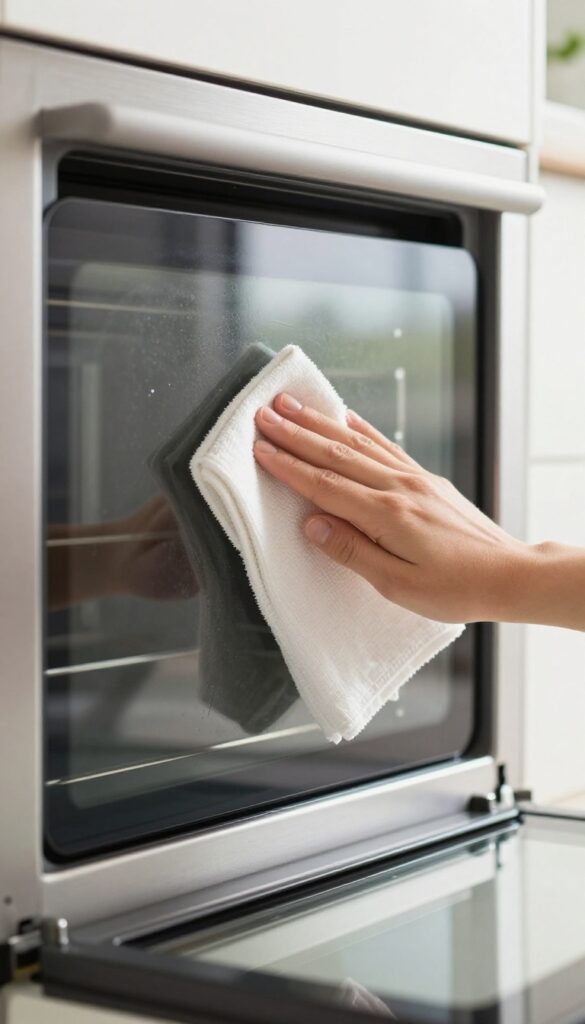
It's easy to focus on the side of the glass you see every day, but the hidden surfaces trap just as much grease. The inside of the outer door and the outside of the inner door often get overlooked. Wiping both sides is the only way to get that crystal-clear view.
Grease and grime love to settle between the panes of oven glass. Even if the visible side looks clean, the opposite side can be coated in a stubborn film. To reach it, you may need to open the inner door or access the gap between panes, depending on your oven model.
A microfiber cloth with a vinegar-water solution works well for both sides. Spray the cloth, not the glass, to avoid drips into the oven mechanism. Wipe in one direction to prevent streaks, then buff dry with a clean cloth.
Doing both sides at once ensures you don't have to repeat the job next week.
How To Access Both Sides Safely
Start by checking your oven's manual for instructions on removing the inner door panel if needed. Some ovens have a removable inner glass, while others require you to clean through the gap. If you can't remove the panel, use a flexible cleaning tool or a long-handled microfiber duster to reach the inside of the outer door.
Never force anything—gentle pressure avoids damaging the seal.
Best Tools For The Inner Surfaces
A microfiber cloth is ideal because it traps grease without scratching. For tight spaces, wrap a cloth around a ruler or a thin spatula. Avoid abrasive sponges that can leave micro-scratches.
A spray bottle with a 1: 1 vinegar-water mix cuts grease without harsh fumes. For stubborn spots, a paste of baking soda and water applied with a soft cloth works wonders.
Don't Forget The Edges And Seals
Grease often collects along the edges of the glass and around the rubber gasket. Use a cotton swab or a small brush dipped in vinegar to clean these crevices. Wipe the gasket gently to avoid tearing it.
A clean seal not only improves visibility but also helps the oven maintain temperature.
13. Use a Commercial Oven Cleaner for Heavy Build-Up
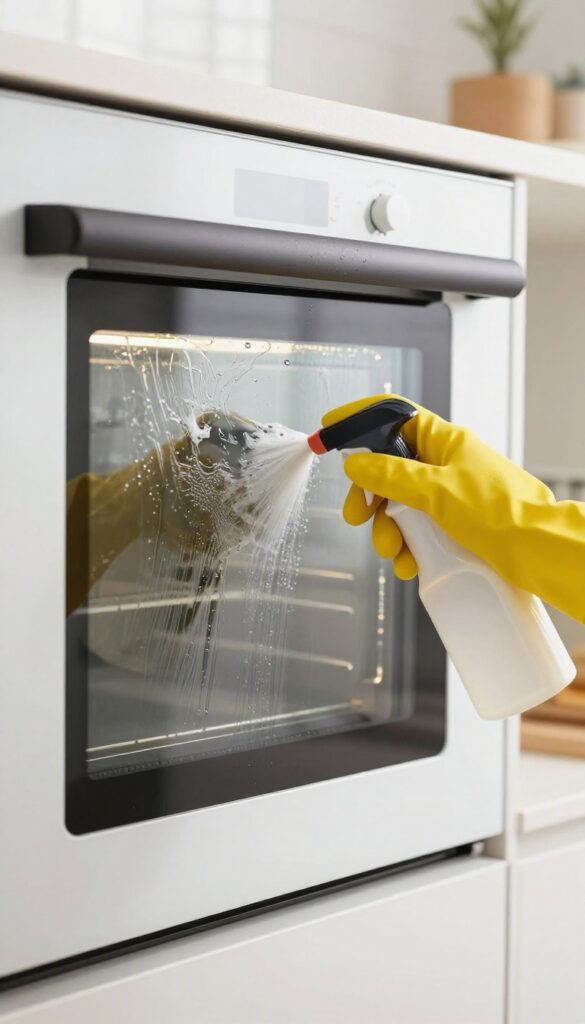
Sometimes, all the baking soda and vinegar in the world just won't cut it. If your oven glass is coated in layers of old, baked-on grease that feels like tar, it's time to bring in the heavy artillery. Commercial oven cleaners are formulated to dissolve that stubborn gunk quickly, but they come with a few important rules of their own.
When DIY methods aren't enough, a spray-on oven cleaner can tackle thick grease. Follow the instructions carefully and ventilate the area. Rinse thoroughly to avoid residue.
Choose The Right Product
Not all oven cleaners are created equal. Look for one that's specifically labeled safe for glass surfaces. Some are caustic and can etch or cloud the glass if left on too long.
Gel-based formulas tend to cling better to vertical surfaces like the door, giving them more time to work.
Ventilate And Protect
These cleaners are powerful, so open a window and turn on your range hood. Wear rubber gloves to protect your skin. Lay down newspapers or a towel on the floor below the door to catch any drips that could damage your flooring.
Apply And Wait
Spray the cleaner evenly over the glass, avoiding the door seal and any vents. Let it sit for the time recommended on the label—usually 5 to 10 minutes. Don't let it dry out; if it starts to dry, the chemicals can become less effective and harder to rinse off.
Rinse Thoroughly
After the wait, wipe off the cleaner with a damp sponge or cloth. Rinse repeatedly with clean water until no soapy residue remains. Any leftover chemicals can leave streaks or even release fumes the next time you heat the oven.
Finish with a dry microfiber cloth for a streak-free shine.
14. Apply a Thin Layer of Baby Oil for Future Protection
You've put in the work to get the glass spotless, but it won't stay that way for long if grease keeps landing on it. A simple trick used by professional cleaners is to apply a microscopic layer of baby oil after cleaning. This creates a hydrophobic barrier that makes future grease wipe away with ease.
After you've cleaned and dried the oven door glass thoroughly, put a few drops of baby oil on a soft microfiber cloth. Rub it gently over the entire glass surface, then buff it off with a clean part of the cloth. The goal is not to leave the glass oily but to deposit an invisible film that repels grease and water.
This barrier lasts through several cooking sessions, meaning your next cleaning will take half the time. It's a small step that pays off big in maintenance.
Why Baby Oil Works
Baby oil is mostly mineral oil, which is non-toxic and safe for kitchen surfaces. It fills microscopic pores in the glass, creating a slick surface that grease can't easily stick to. Think of it like waxing a car—the same principle applies to your oven door.
How To Apply It Right
Less is more. Use just a few drops—too much will leave a greasy film that attracts dust. Buff thoroughly until the glass is clear and streak-free.
For best results, apply after each deep clean, or once a month if you use the oven frequently.
Safety And Compatibility
Baby oil is food-safe in trace amounts, but avoid spraying or dripping it near heating elements. It's safe on glass and most oven door seals, but test on a hidden area first if your door has a special coating. If you prefer a natural option, coconut oil works similarly.
15. Establish a Weekly Cleaning Routine
Consistency beats intensity when it comes to oven glass. A quick weekly wipe prevents grease from baking on and turning into a stubborn crust. You'll spend less time scrubbing and enjoy a clear view every time you cook.
Set aside five minutes each week to wipe the oven door glass with a damp microfiber cloth. This simple habit stops grease from building up and keeps the glass clear with minimal effort. No harsh chemicals needed—just a little routine maintenance.
Pick A Day And Stick To It
Choose a day that works for you, like Sunday evening after meal prep. Add it to your phone reminder or calendar. After a few weeks, it becomes automatic.
What You'll Need
Grab a microfiber cloth and warm water. For light grease, a drop of dish soap works. Keep these supplies near the oven so you can grab them quickly.
Quick Wipe Technique
Spray or dampen the cloth, then wipe the glass in long, even strokes. Focus on the center where splatters happen most. Dry with a clean cloth to avoid streaks.
FAQ
Can I use Windex on oven door glass?
Yes, but it's not the most effective for heavy grease. Windex works best for light smudges. For baked-on grease, use a baking soda paste or vinegar solution first.
How do I clean between the glass panes of an oven door?
Some oven doors have removable inner panels. Check your manual. If not removable, use a thin, flexible brush or a cloth wrapped around a ruler to reach between the panes.
Will baking soda scratch the glass?
No, baking soda is gentle and non-abrasive. Just make sure to use a soft sponge or cloth when scrubbing to avoid any scratches.
How often should I clean my oven door glass?
For best results, wipe the glass weekly. A deep clean with baking soda or vinegar every month keeps grease and streaks under control.
What's the best way to avoid streaks after cleaning?
Use a microfiber cloth or coffee filter for drying and buffing. Avoid paper towels, and make sure to remove all cleaner residue by rinsing with water if needed.
Conclusion
Keeping your oven door glass spotless doesn't have to be a struggle. With the right mix of everyday ingredients and a little elbow grease, you can banish grease and streaks for good. Start with the gentlest method first, and you'll save time and avoid damaging the glass.
Pick two or three tips that fit your cleaning style and make them part of your routine. A quick wipe after each use prevents buildup, so you won't need heavy scrubbing later. Your oven will look better, and you'll feel proud every time you peek through that clear glass.