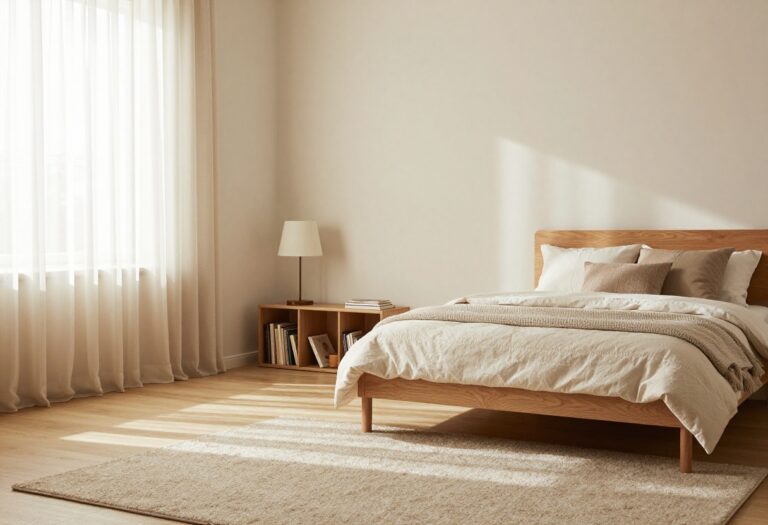
10 Modern Boys Bedroom Ideas for Ages 5 to 10 That Feel Clean and Fun
Designing a bedroom for a boy between 5 and 10 means walking a fine line between fun and function. You want a space that sparks imagination but doesn't feel chaotic.
A clean, modern approach can give you both. Think streamlined furniture, neutral backdrops, and pops of color that feel intentional.
These ideas focus on smart layouts and storage that actually work for real life. No over-the-top themes, just stylish rooms that let your child's personality shine without taking over the whole house.
1. Low-Profile Platform Bed With Built-In Storage
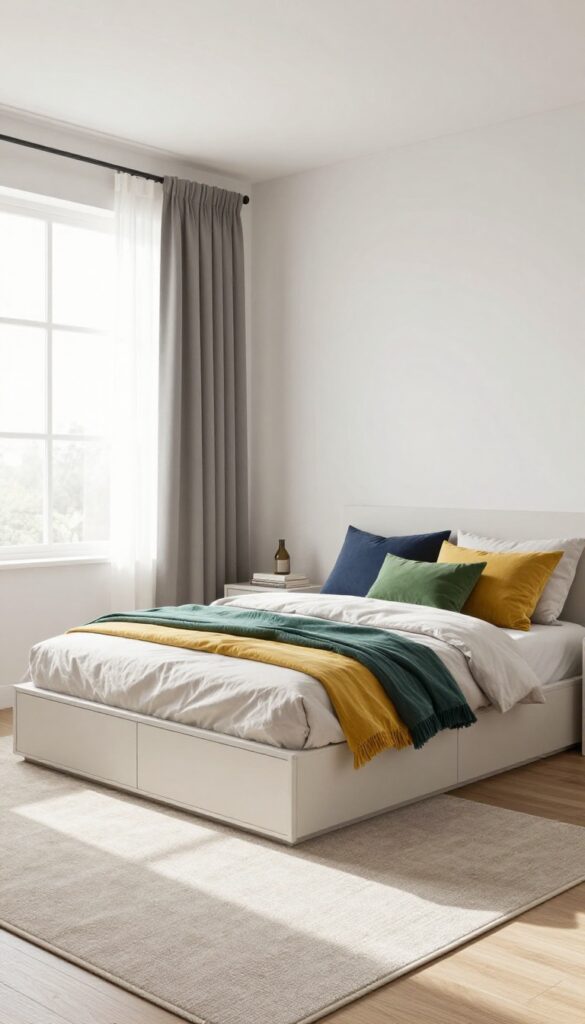
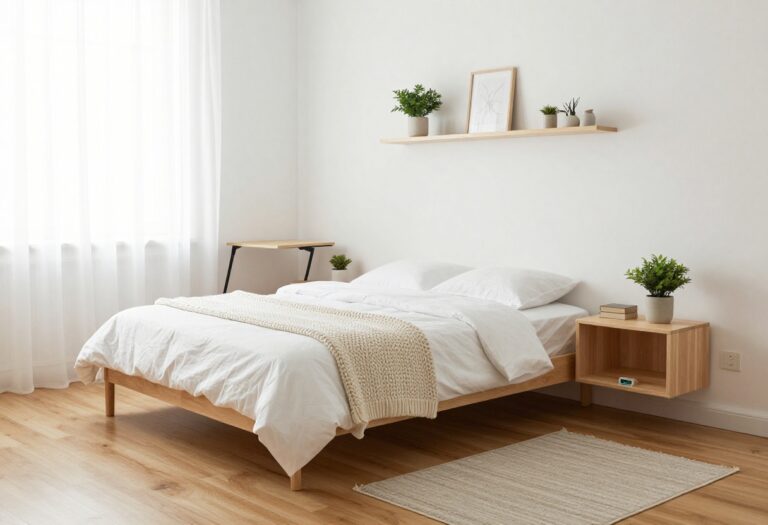
A low-profile platform bed with built-in storage is a smart foundation for a boy's room that needs to balance play, sleep, and organization. The low height keeps the room feeling open and airy, while the hidden drawers underneath provide a tidy home for toys, extra bedding, or out-of-season clothes. Pair it with a simple neutral duvet and a few colorful pillows to keep the look modern and clean without feeling sterile.
Why It Works
The low silhouette makes the room feel larger and safer for younger kids who might jump or roll off the bed. Built-in storage eliminates the need for a bulky dresser, freeing up floor space for play or a desk. It also teaches kids to put things away easily since the drawers are right at their level.
Best For
This bed works well in smaller rooms where every square foot counts, or for parents who want a streamlined, clutter-free look. It's especially great for kids ages 5 to 8 who still have lots of toys but are starting to want a more 'big kid' room.
Styling Tip
Stick with a low-profile headboard or skip it entirely to keep the horizontal line clean. Add a soft area rug in a solid color or subtle pattern to anchor the bed, and use a few throw pillows in bright accents like navy, mustard, or forest green for a pop of color.
2. Wall-Mounted Desk Nook for Homework and Art
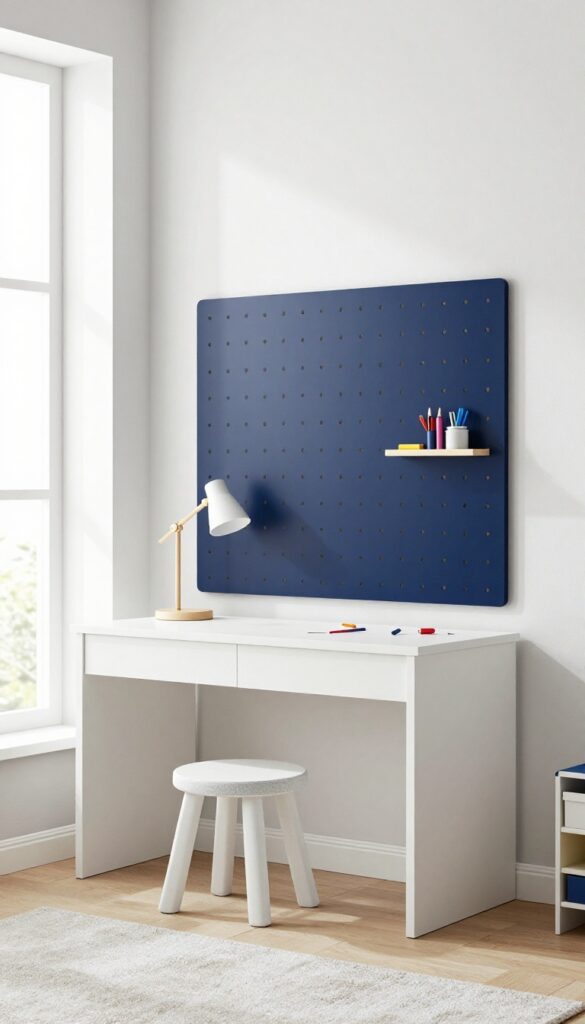
A floating desk does more than just save floor space—it carves out a clear spot for homework, drawing, or building LEGO sets without taking over the whole room. By mounting it on the wall, you keep the floor open for play and make cleanup easier since there are no legs to sweep around. Pair it with a pegboard above to hang supplies and a small task lamp, and you've got a dedicated zone that feels intentional without being bulky.
Why It Works
Floating desks eliminate visual clutter and make a small room feel larger. The open floor underneath gives kids room to slide their chair in and out easily, and the pegboard keeps pencils, scissors, and art paper within reach but off the desk surface. It's a clean, modern setup that grows with your child.
Best For
This setup works best in smaller bedrooms where every inch counts, or in shared rooms where you need to define separate work zones. It's also ideal for kids who need a clear boundary between play and homework time.
Styling Tip
Choose a desk in a light wood or white finish to keep the look airy. Add a pegboard painted in a fun accent color—like navy or bright orange—to give the nook personality. Keep the chair simple and easy to slide under, like a low-profile stool or a slim desk chair.
3. Modular Shelving That Grows With Them
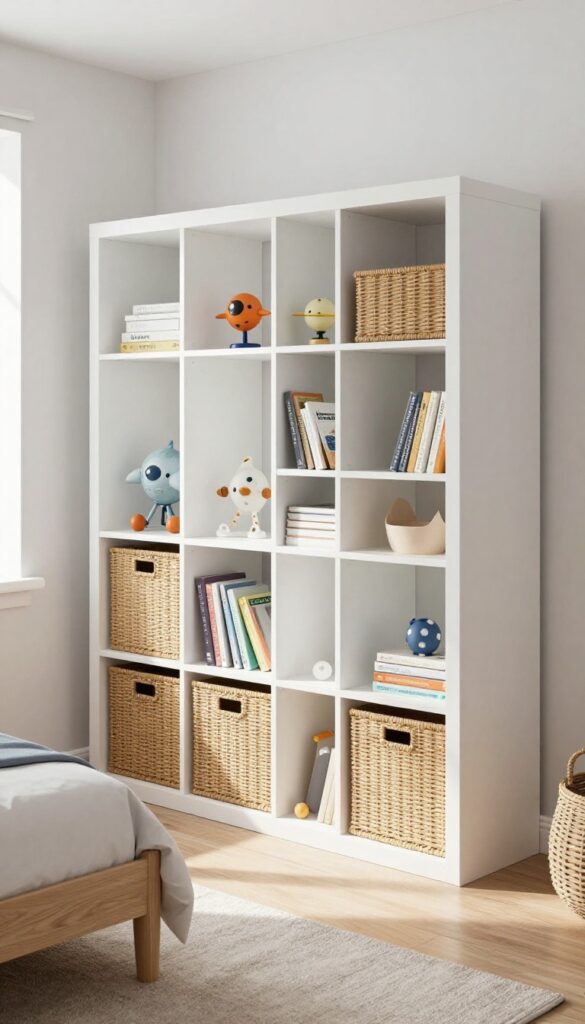
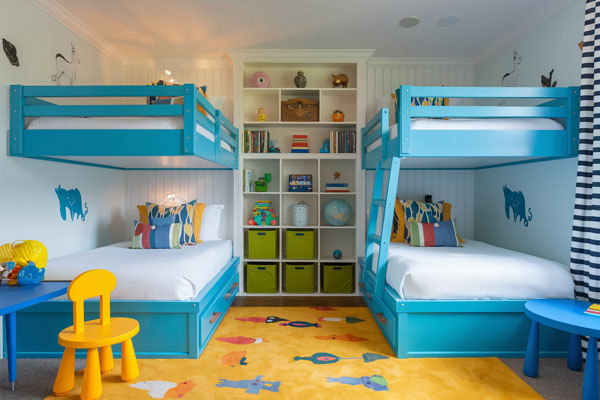
Kids change their minds faster than you can rearrange a bookshelf. That's where modular shelving shines—it flexes with their evolving interests. Cube shelves and ladder-style units let you swap out displays in minutes, so last month's dinosaur obsession can become this month's space station headquarters.
The clean lines keep the room feeling calm and organized, even when the collection du jour is on full display.
Why It Works
- Modular systems are built to adapt. You can start with a simple grid and add more cubes as needed, or reconfigure the layout to fit a new bed or desk. Baskets and bins slide right into the openings to hide smaller toys and art supplies, while open cubbies show off prized possessions.
- The mix of open and closed storage keeps the room looking tidy without hiding all the personality.
Best For
This idea works well for shared rooms where each kid needs their own zone, or for small spaces where every inch of storage counts. It's also great for renters—since nothing is built in, you can take it all with you when you move.
Styling Tip
Stick to a neutral shelf color like white, light wood, or black to keep the focus on what's inside. Then use matching baskets in a single texture—woven seagrass or felt—to create a cohesive look. Rotate the displayed items seasonally to keep the shelves feeling fresh without buying new furniture.
4. Accent Wall With Removable Wallpaper or Decals
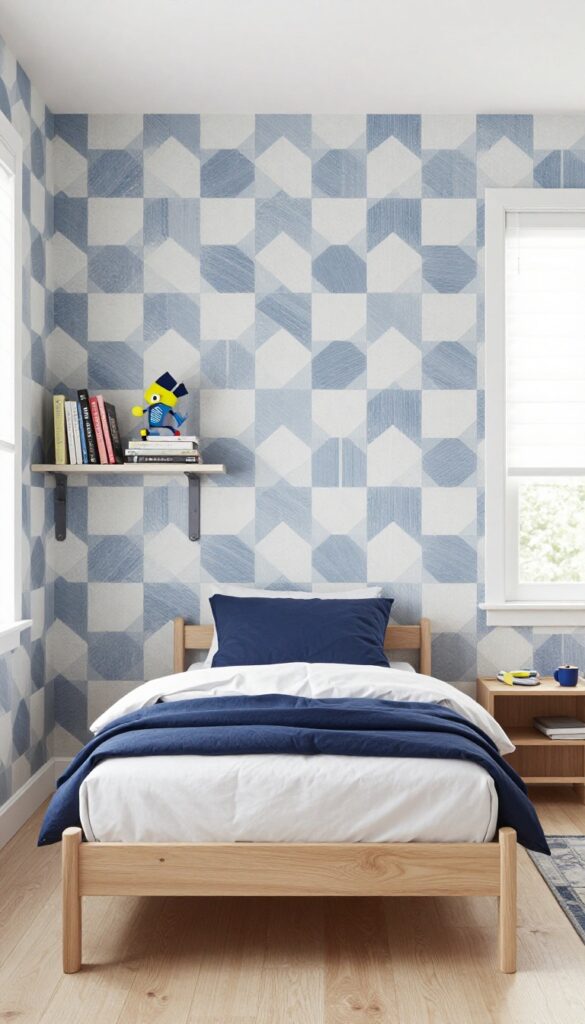
A single wall can change the whole energy of a room without a long-term commitment. Removable wallpaper or decals let you add bold patterns—think geometric shapes, woodland creatures, or outer space scenes—that spark imagination without overwhelming the space. Keep the other three walls a soft white or light gray to let the accent wall shine while the room stays bright and open.
Why It Works
Boys at this age love to express their interests, but those interests change fast. Peel-and-stick wallpaper or decals are easy to swap out when dinosaurs become astronauts or race cars become video game characters. It's a low-risk way to keep the room feeling fresh and age-appropriate.
Best For
This idea is perfect for renters or parents who aren't ready to paint a mural. It also works well in smaller rooms where a full wallpaper job might feel too busy—just one wall makes a statement without closing in the space.
Styling Tip
Choose a pattern with a neutral background so it blends easily with existing furniture. Pair the accent wall with solid-color bedding and simple window treatments to keep the look clean. Mount a few floating shelves on the accent wall to display small toys or books—just make sure the wallpaper pattern doesn't compete with the items on display.
5. Blackout Curtains in a Neutral Tone
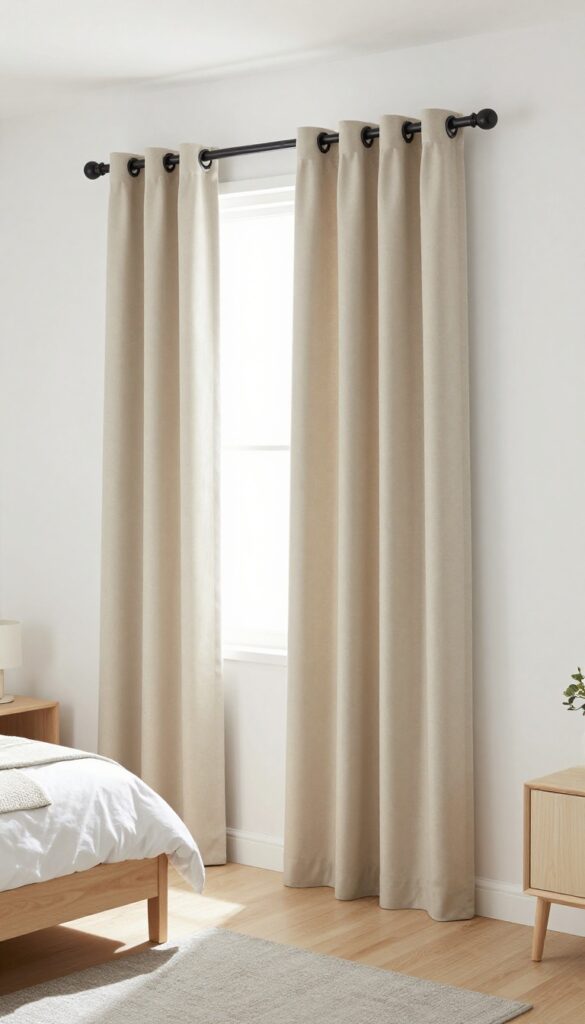
A room that stays dark in the morning helps a young boy sleep longer and wake up better. Blackout curtains in a neutral shade like gray, navy, or beige do the job without screaming "kid's room." They soften the windows, add a tailored finish, and make the space feel more grown-up. Pair them with a simple metal rod and ring clips for a clean look that's easy for little hands to open.
Why It Works
Blackout fabric blocks early sunlight and streetlights, which is huge for restless sleepers. The neutral palette keeps the room calm and flexible, so you can swap out bedding or wall art later without clashing. Plus, the curtains add visual weight to the windows, balancing out furniture and making the room feel complete.
Best For
This works well for any boy's bedroom, especially if the room faces east or gets harsh afternoon light. It's also a solid pick for shared rooms where one kid needs to nap while the other plays.
Styling Tip
Hang the rod high and wide—close to the ceiling and extending past the window frame—to make the ceiling look taller. Choose a matte black or brushed nickel rod for a modern edge. If you want a softer look, go with a cream or oatmeal curtain instead of stark white.
6. A Rug That Defines the Play Zone
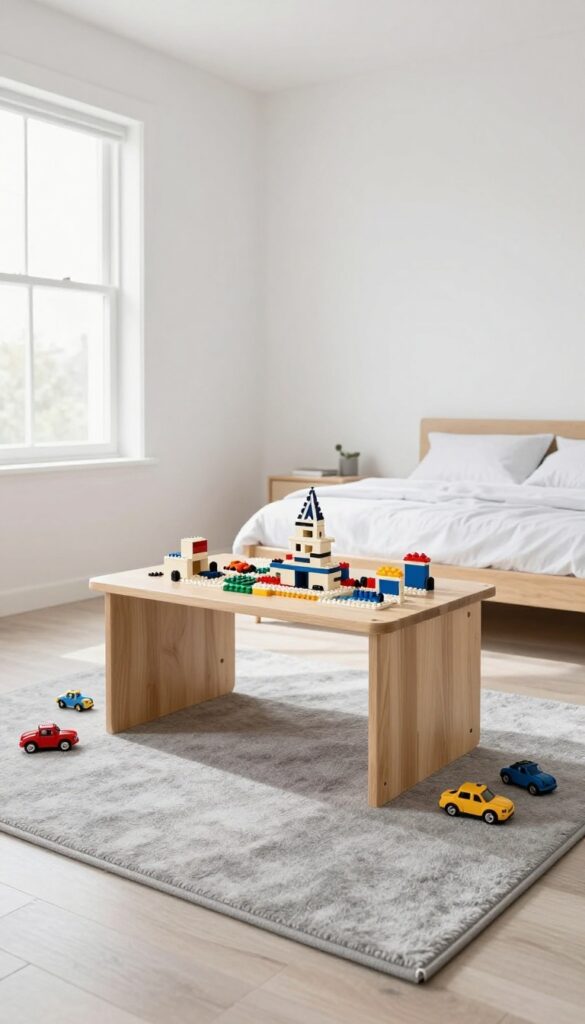
A well-chosen rug does more than soften the floor—it carves out a dedicated play zone in a modern, clean room. In a boy's bedroom, a low-pile wool or cotton rug in a solid color or subtle pattern anchors the area where Lego cities rise and cars race. It's a simple way to separate play from sleep without adding walls, keeping the space feeling open and organized.
Why It Works
A rug defines the play zone visually and practically. It gives kids a clear spot to spread out, and the low-pile material is easy to vacuum up crumbs, dust, and tiny toy pieces. Wool or cotton holds up to daily wear and stays looking fresh, so you don't have to worry about constant replacement.
Best For
This idea is perfect for rooms where floor space is shared between sleeping and playing. It works especially well with a small table or open floor area for building blocks, puzzles, or train sets. The rug's subtle pattern or solid color keeps the room feeling calm and uncluttered.
Styling Tip
Choose a rug that's large enough to fit under a small play table or leave room for sprawling out. Neutral tones like gray, navy, or beige blend easily with existing decor. Add a washable play mat on top for extra cushioning during active play, and roll it up when not in use.
7. Open Closet System With Bins and Hooks
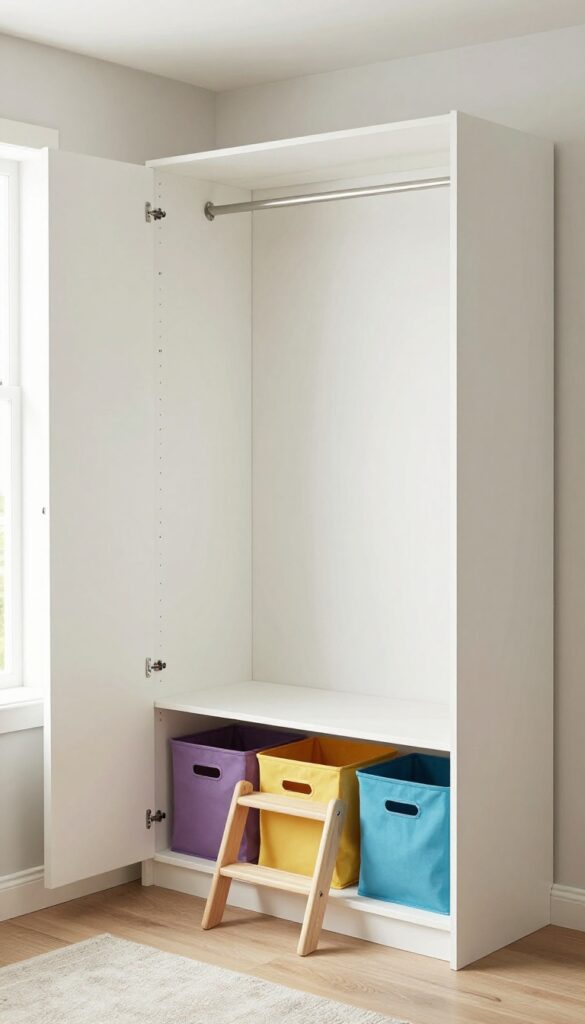
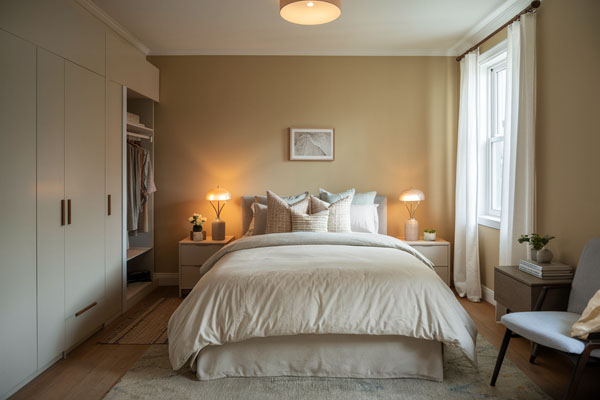
A traditional closet door often becomes a barrier between kids and their own stuff. Swapping it for an open system with hanging rods, shelves, and bins puts everything within easy reach. The clean lines and visible storage make the room feel modern and spacious, while low hooks keep jackets and backpacks off the floor.
Why It Works
Kids can see and grab their own clothes without help, which builds independence and cuts down on morning chaos. Open bins make it simple to toss in toys or outgrown items, and the lack of doors means no more wrestling with jammed sliders or swinging panels.
Best For
This setup shines in smaller bedrooms where every inch counts, or for parents who want to teach organization skills early. It also works well for shared rooms, because each child can have their own clearly labeled section.
Styling Tip
Stick to a neutral base like white or light wood for the shelving, then add color with the bins and a few favorite toys on display. Keep the rod at kid height so they can hang shirts and pants themselves, and add a small step stool if needed.
8. Gallery Wall of Kid Art in Simple Frames
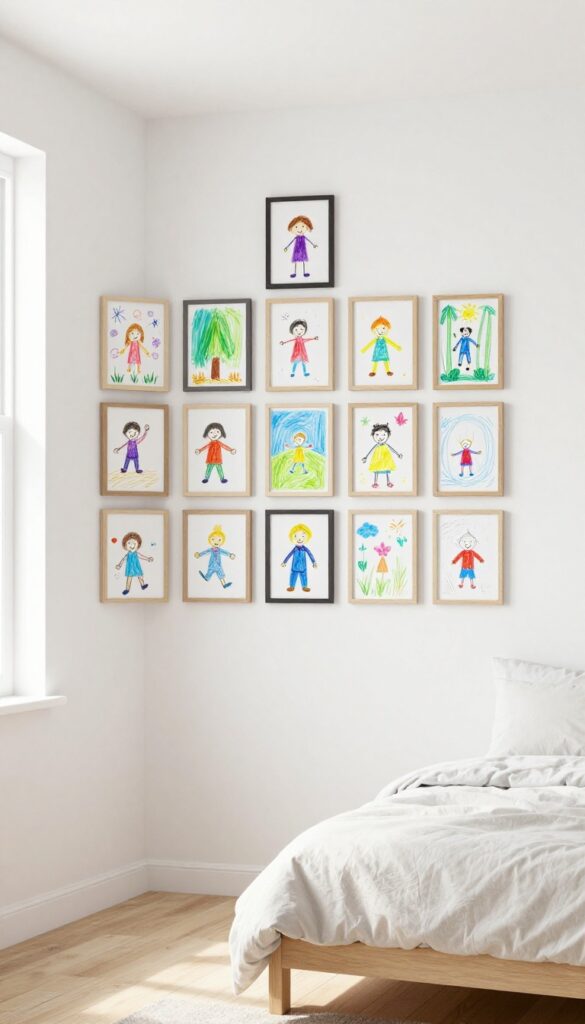
Children's artwork often ends up taped to the fridge or stuffed in a drawer, but it deserves a spot that feels intentional. A gallery wall with matching frames turns those colorful masterpieces into a curated feature that grows with your child. It keeps the room personal without feeling messy or chaotic, and swapping pieces in and out takes just seconds.
Why It Works
Matching frames create visual consistency, so the focus stays on the art itself rather than the clutter of different colors and styles. This approach keeps the wall looking polished and modern, even as the artwork changes. It also gives your child a sense of pride seeing their work displayed like real gallery pieces.
Best For
This idea works well in shared rooms or small bedrooms where wall space is limited but you still want a personal touch. It's also great for kids who love to draw and create constantly, since you can rotate their latest pieces without redecorating.
Styling Tip
Use lightweight frames with acrylic glazing instead of glass for safety and easy swapping. Arrange them in a loose grid or organic cluster, leaving a few inches between frames. Stick to black, white, or natural wood frames to keep the look clean and adaptable as your child's taste evolves.
9. A Cozy Reading Corner With Floor Cushions
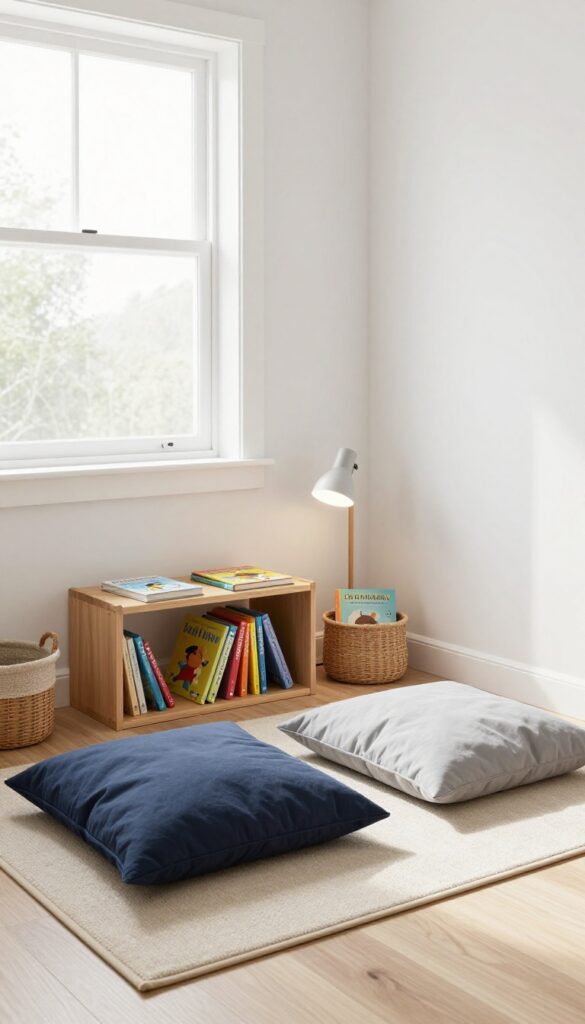
Even the busiest boy needs a quiet spot to unwind. A reading corner tucked into a spare corner gives him a place to escape with his favorite books, without sacrificing valuable floor space for play. With a few soft floor cushions and a small bookshelf, you can create a retreat that feels personal and calming, while keeping the room looking clean and intentional.
Why It Works
This setup uses vertical space for storage and low-profile seating that doesn't crowd the room. The clip-on light provides focused task lighting without taking up surface area, making it easy to read without glare. It's a simple way to encourage quiet time without a major furniture investment.
Best For
Small bedrooms where a full armchair would feel bulky, or for kids who prefer lounging on the floor. It also works well in shared rooms, since the corner can be claimed by one child without dominating the layout.
Styling Tip
Choose floor cushions in a solid color or subtle pattern that ties into the room's palette—think navy, gray, or a muted green. Add a small woven basket next to the cushions to hold a few current reads, and swap them out seasonally to keep the corner feeling fresh.
10. Minimalist Desk Lamp With Adjustable Arm
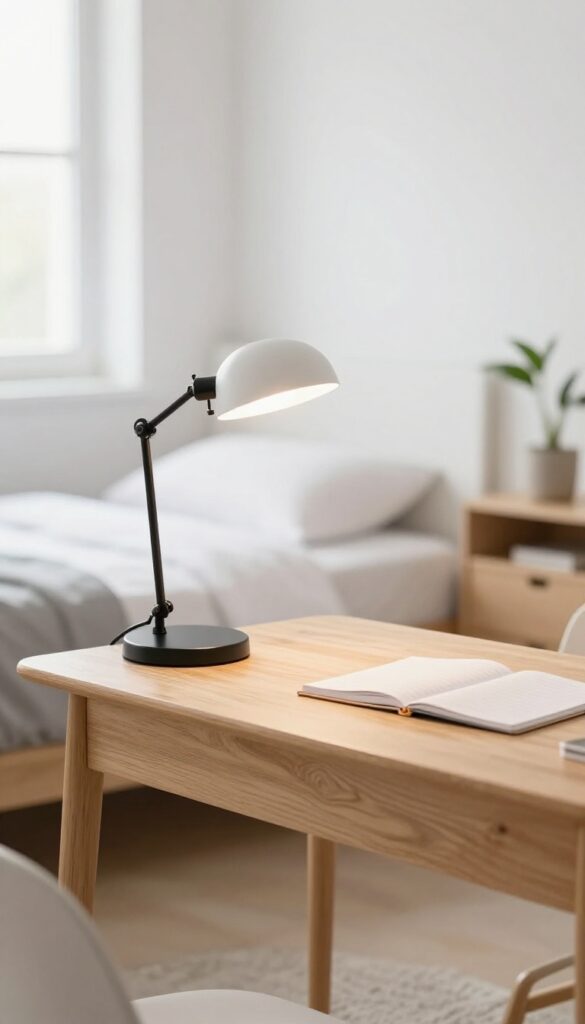
A desk lamp might seem like a small detail, but in a boy's bedroom, it can quietly pull the whole homework corner together. The adjustable arm lets you aim light exactly where it's needed—no more shadows or glare. A clean black or white finish keeps the look modern and uncluttered, which fits perfectly with a smart, space-aware style.
Why It Works
This lamp adds focused task lighting without taking up much surface area. The adjustable arm makes it versatile for reading, drawing, or computer work. Its minimalist design blends into any decor, so it won't compete with other elements in the room.
Best For
Desks in smaller bedrooms where every inch counts. It's also great for shared rooms where each child needs their own directed light without disturbing a sibling.
Styling Tip
Pair it with a simple desk organizer and a small plant or a favorite action figure for a touch of personality. Keep the cord neat with a cable clip to maintain the clean look.
FAQ
What colors work best for a modern boys bedroom?
Stick with a neutral base like white, gray, or beige, then add color through accessories. Navy, forest green, and mustard yellow are great accent choices that feel modern and not too childish.
How do I make a small bedroom feel bigger?
Use low-profile furniture, wall-mounted storage, and light colors. A mirror can also help bounce light around. Keep the floor clear by using vertical space for shelves and hooks.
What type of bed is best for a 5- to 10-year-old?
A twin or full-sized platform bed with built-in drawers is ideal. It's low to the ground, safe, and offers extra storage. Avoid loft beds if your child is very active or young.
How can I incorporate my child's interests without a themed room?
Use accessories like bedding, pillows, or wall art to reflect hobbies. Rotate items as interests change. This keeps the room flexible and avoids a dated look.
What flooring is best for a boys bedroom?
Hardwood or laminate is durable and easy to clean. Add a soft rug for warmth and comfort. Avoid wall-to-wall carpet if possible, as it traps dust and stains.
Conclusion
A modern boys bedroom doesn't have to be boring or overly themed. By focusing on clean lines, smart storage, and a few playful touches, you can create a space that feels both stylish and functional. These ideas are designed to grow with your child and adapt to their changing needs.
Start with one or two changes and see how the room transforms. Small updates can make a big difference in how your child uses and enjoys their personal space.