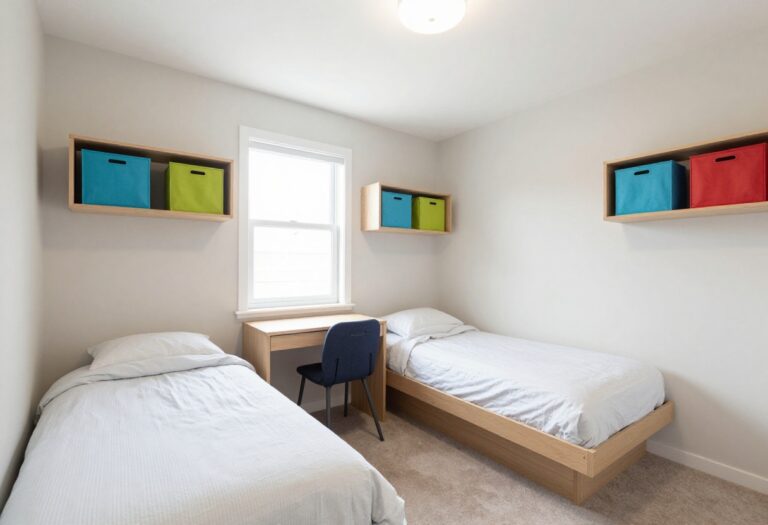
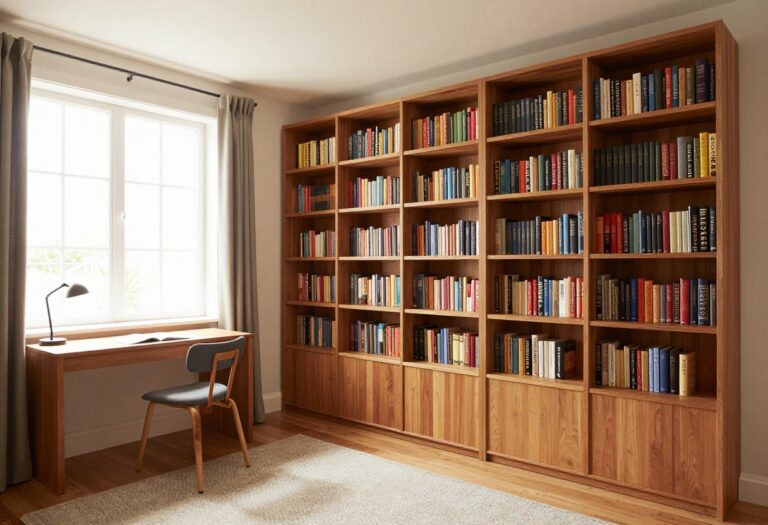
12 Small Bedroom Ideas for Kids With Play Areas and Smart Beds
Designing a small bedroom for your child that still leaves room for play can feel like a puzzle. But with the right pieces—like a smart bed that doubles as storage or a play nook tucked into a corner—you can create a space that feels both cozy and functional.
The secret is layering: soft textures, warm colors, and clever layouts that make every inch count.
Here are 12 ideas to help you build a room your kid will love, without sacrificing style or square footage.
1. Loft Bed With a Built-In Playhouse Below
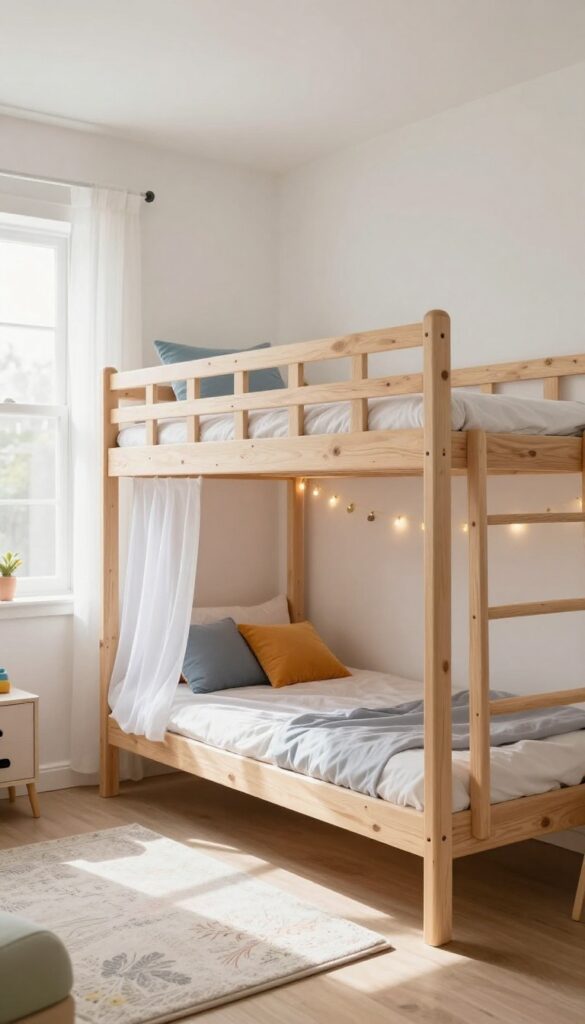
Raising the bed opens up a whole new world of possibilities underneath. Instead of leaving that space empty or cluttered with storage bins, turn it into a tiny playhouse your child will adore. With a few soft touches like curtains, floor cushions, and warm string lights, the area below the loft becomes a cozy hideaway that feels like a secret fort.
It’s a clever way to combine sleeping and playing in one compact footprint, making the most of every square foot without sacrificing fun.
Why It Works
A loft bed with a playhouse below instantly doubles the function of the room. The elevated sleeping area frees up prime floor space for imaginative play, while the enclosed nook below gives kids a sense of ownership and privacy. This layout also keeps toys contained and visually tidy, since the play zone has a clear boundary.
Best For
This idea is perfect for small bedrooms shared by siblings or for a single child who loves having a dedicated play corner. It works especially well in rooms with higher ceilings, where the loft feels spacious rather than cramped. If your child enjoys pretend play, reading, or building forts, this setup will quickly become their favorite spot.
Styling Tip
Choose a loft bed with a solid back or add a tension rod and curtain to define the playhouse. Layer the floor with a soft rug or foam mats, then toss in a few plush cushions and a beanbag. String lights or a small battery-powered lantern create a warm glow, and a low shelf or cubby keeps books and toys organized without cluttering the space.
2. Bunk Beds With a Slide and Storage Steps
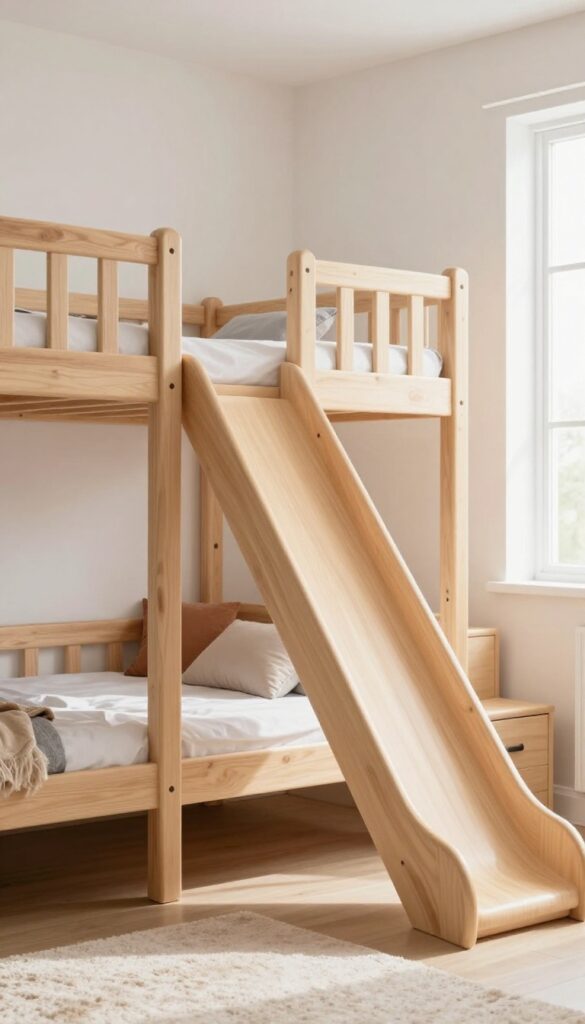
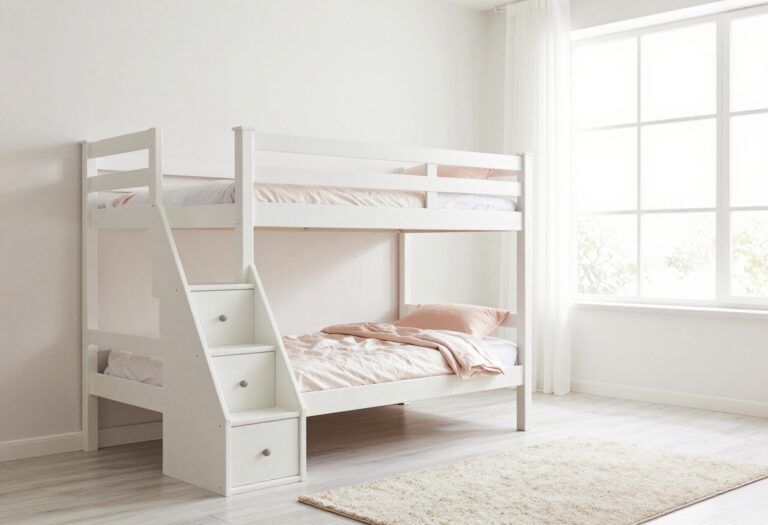
Kids love a good slide, and when it’s attached to their bed, bedtime becomes playtime. A bunk bed with a built-in slide turns the top bunk into a lookout tower and the bottom into a cozy cave. The steps leading up double as deep drawers, so you can stash toys, clothes, or extra blankets without cluttering the floor.
It’s a smart, space-saving solution that keeps the room feeling playful yet organized.
Why It Works
This design combines fun with function. The slide encourages active play, while the storage steps eliminate the need for a separate dresser or toy bin. By using vertical space efficiently, you free up floor area for other activities, making the room feel larger and less chaotic.
Best For
Families with two kids sharing a room, or for a single child who loves sleepovers. It’s ideal for small bedrooms where every square inch counts, and for parents who want to reduce visible clutter without sacrificing a sense of adventure.
Styling Tip
Keep the bed frame in a neutral wood tone or white to balance the playful slide. Add a soft rug underneath and a few cozy throw pillows on the bottom bunk. Use matching storage bins inside the steps to keep items organized and out of sight.
3. Daybed With Trundle and a Reading Nook
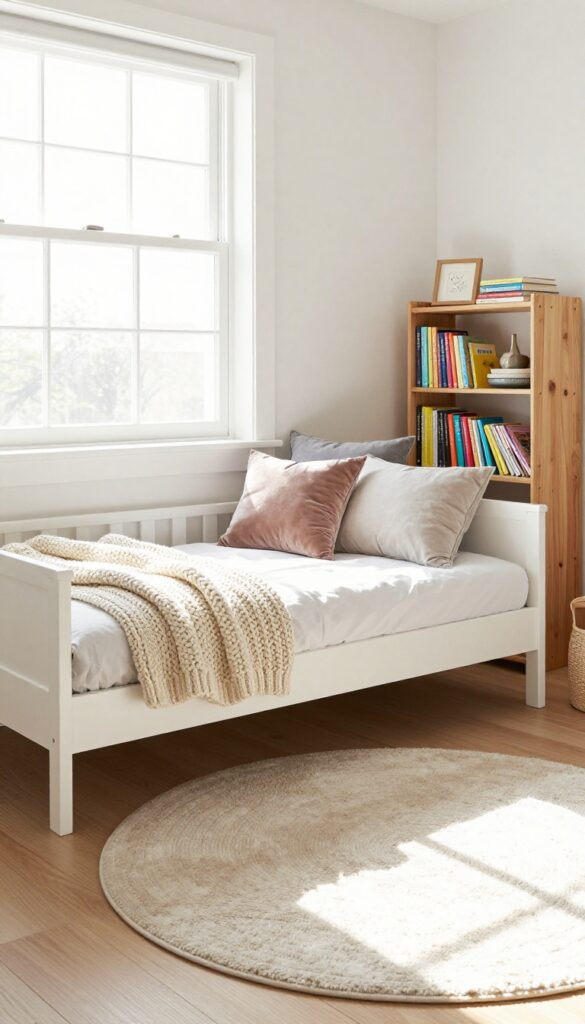
A daybed with a pull-out trundle is the ultimate space-saver for a kid’s room that doubles as a guest space. Tucked beside a sunny window, it becomes the heart of a cozy reading nook when paired with a small bookshelf and a soft rug. Layered textures—like a chunky knit throw and velvet pillows—keep the look inviting without feeling cluttered.
Why It Works
The trundle provides an extra bed that slides away when not in use, freeing up floor space for play. The adjacent reading nook carves out a dedicated quiet zone, helping kids wind down while keeping books organized and accessible.
Best For
This setup is ideal for small shared bedrooms or rooms that occasionally host sleepovers. It works especially well for early readers who need a calm spot to flip through picture books without distractions.
Styling Tip
Choose a daybed with built-in storage drawers underneath the trundle to stash extra bedding or toys. Add a wall-mounted reading lamp with a dimmer switch to create a soft glow for bedtime stories.
4. Wall-Mounted Desk Under a Loft Bed
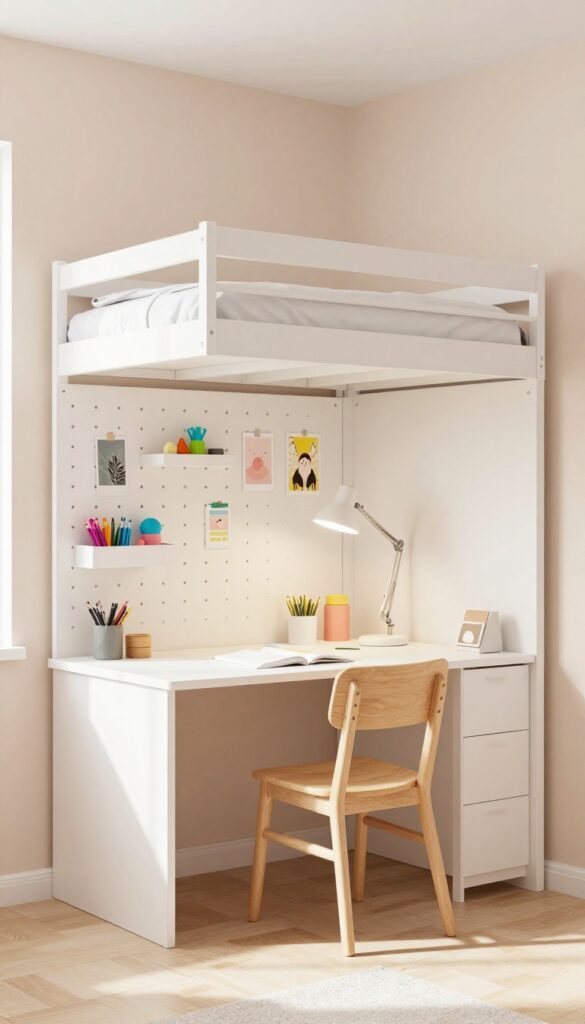
In a small shared bedroom, every inch counts. By tucking a fold-down desk beneath a loft bed, you create a dedicated homework zone without sacrificing floor space. The desk stays out of the way when not in use, and the area above becomes a vertical command center for school supplies and personal mementos.
It’s a smart, space-saving solution that feels intentional, not cramped.
Why It Works
The fold-down design means the desk disappears when not needed, freeing up the floor for play. Mounting a pegboard above keeps pencils, scissors, and art rolls neatly organized and within easy reach. A task lamp with a flexible arm provides focused light for reading or drawing, making the nook both functional and inviting.
Best For
This setup is ideal for school-aged kids who need a quiet spot for homework but share a room with a sibling. It’s also great for small bedrooms where a traditional desk would block traffic flow or eat into play space.
Styling Tip
Paint the desk and pegboard in the same soft color as the wall to keep the look seamless. Add a small cushion to the chair for extra comfort during long study sessions, and hang a few favorite art prints on the pegboard to make the space feel personal.
5. Canopy Bed With Curtains for a Cozy Den
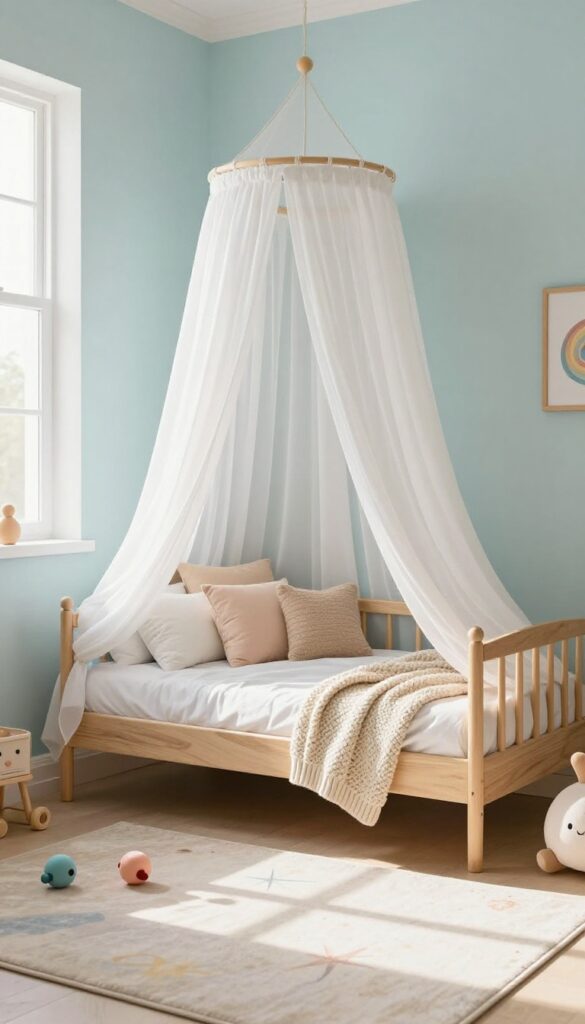
A canopy bed draped in soft curtains instantly transforms a small bedroom into a secret hideaway. The fabric softens the room’s edges and adds a layer of warmth that makes the space feel more like a cozy den than a cramped sleeping area. It’s a simple trick that brings both visual softness and a sense of enclosure, perfect for kids who love having their own little world.
Why It Works
The curtains create a defined zone within the room, giving the child a private nook without needing extra walls. The draped fabric also absorbs sound and diffuses light, making the bed feel quieter and more snug. Plus, it adds texture and color in a way that feels intentional, not cluttered.
Best For
This idea works especially well for kids who crave a sense of privacy or have trouble winding down at night. It’s also great for rooms with high ceilings, where the canopy draws the eye upward and makes the space feel larger. For siblings sharing a room, a canopy bed can mark each child’s territory in a playful way.
Styling Tip
- Choose curtains in a light, breathable fabric like cotton or linen to keep the look airy. Sheer white curtains create a dreamy feel, while colorful ones can match the room’s theme. Drape them evenly around the bed frame or use a simple hoop or rod attached to the ceiling.
- Finish with a chunky knit throw and a few plush pillows to make the den extra inviting.
6. Storage Bed With Pull-Out Toy Bins
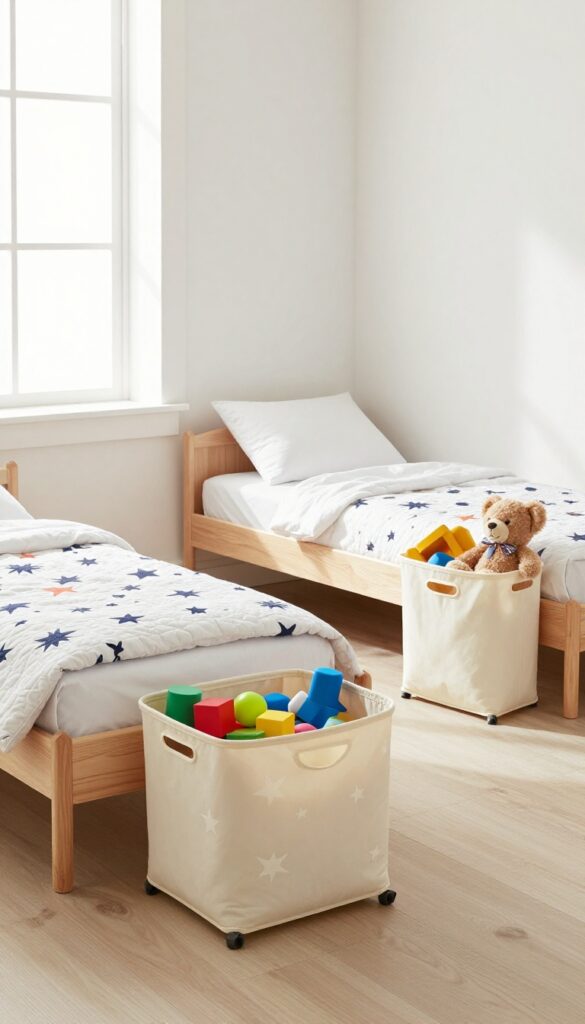
A bed that doubles as a storage powerhouse is a game-changer in a kid's room. Pull-out toy bins tucked right under the mattress mean less clutter on the floor and more room for play. The deep drawers glide out on casters, making cleanup a breeze—even for little hands.
Top the bed with a playful quilt, and the whole setup feels cozy and intentional, not just practical.
Why It Works
This design eliminates the need for a separate toy chest or bulky storage unit, freeing up valuable floor space. The pull-out bins make it easy for kids to access and put away their toys, teaching organization in a natural way. Plus, the bed itself becomes a focal point that blends storage seamlessly into the room's layout.
Best For
Small bedrooms where floor space is at a premium and toys tend to multiply. Ideal for toddlers or preschoolers who have lots of small items like blocks, cars, or stuffed animals. Also works well in shared rooms where each child needs their own designated storage.
Styling Tip
Label each bin with a picture or word tag so kids know where everything goes. Choose a bed frame with a low profile to keep the room feeling open, and pick a quilt in a bold pattern—like stripes or stars—that adds energy without overwhelming the space.
7. Corner Play Tent Paired With a Low Bed
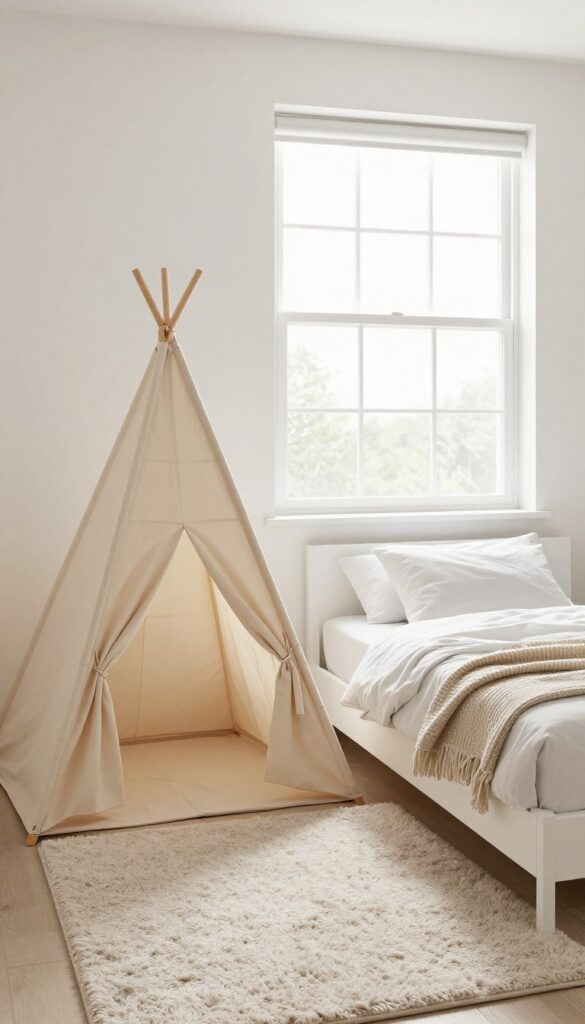
A corner play tent instantly turns an empty nook into a magical hideaway, while a low-profile bed keeps the room feeling open and grounded. The contrast between the tent’s soft, whimsical shape and the bed’s clean lines creates a balanced look that’s both playful and calm. A plush rug underfoot ties the two zones together, making the whole setup feel intentional and cozy.
Why It Works
The tent defines the play area without adding bulky furniture, so the room stays uncluttered. A low bed lowers the visual center of gravity, making the ceiling feel higher and the space more expansive. Together, they create distinct zones for sleep and play, which helps kids transition between activities naturally.
Best For
This idea works well for small bedrooms shared by siblings or for a single child who needs a clear separation between rest and play. It’s especially effective in rooms with awkward corners that are hard to furnish with standard pieces.
Styling Tip
Choose a tent in a neutral tone like beige or soft gray to keep the room feeling serene, then add a pop of color with a patterned rug or a few bright cushions inside the tent. Mount a slim shelf at kid height on the wall between the two zones to hold bedtime stories and a small toy basket.
8. Twin-Over-Full Bunk With a Lounge Area
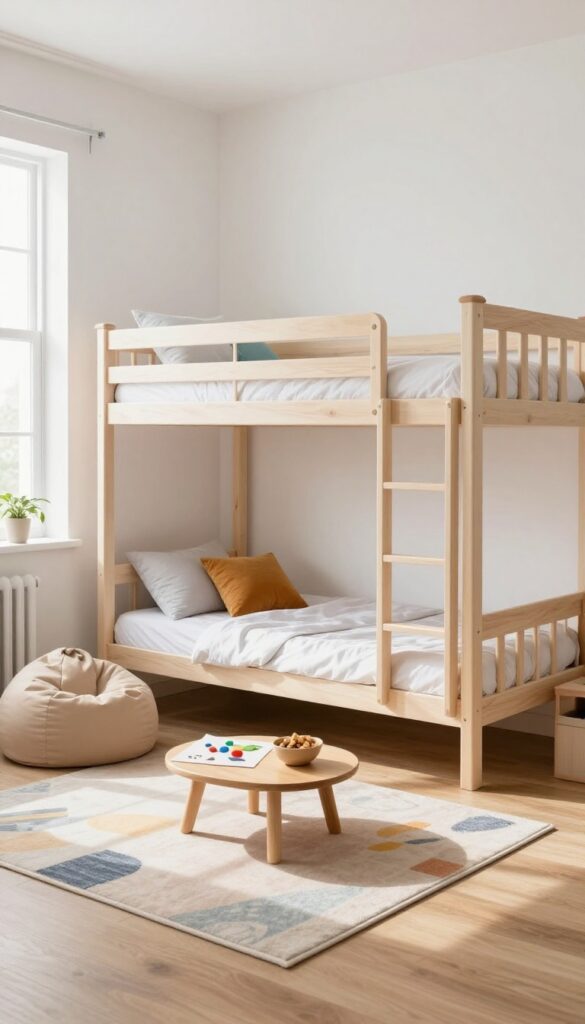
A twin-over-full bunk bed is a brilliant space-saver that leaves plenty of room for a cozy lounge zone underneath or beside it. This setup gives each child their own sleeping spot while freeing up floor space for a beanbag chair, a soft floor cushion, and a low table for crafts or snacks. The result is a bedroom that feels both playful and relaxing, with a clear separation between sleep and play areas.
Why It Works
The staggered bunk design maximizes vertical space without overwhelming the room. The full-size lower bed is great for older kids or sleepovers, while the twin top keeps things compact. By placing the lounge area away from the bed, you create distinct zones that help kids wind down at bedtime and stay organized during playtime.
Best For
This idea works best for siblings sharing a room or for a single child who loves having friends over. It’s ideal for narrow or L-shaped bedrooms where a standard bunk might feel too bulky. The lounge area is perfect for kids ages 5 to 12 who enjoy reading, drawing, or watching movies in their own space.
Styling Tip
Choose a bunk with built-in storage stairs or drawers to stash extra blankets and toys. Add a low, round ottoman that doubles as a table and extra seating. Stick to a soft, neutral color palette for the bed and use pops of color in the cushions and rug to keep the room feeling calm yet playful.
9. Murphy Bed With a Fold-Out Play Mat
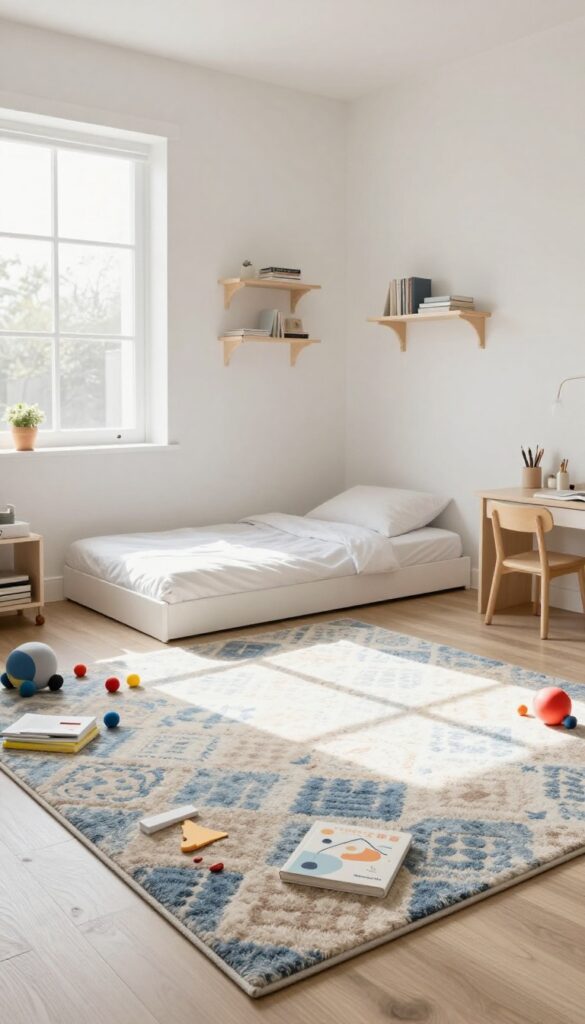
A Murphy bed is a classic space-saver, but pairing it with a fold-out play mat takes the concept to a whole new level. When the bed is tucked away, the room transforms into a wide-open play zone where kids can sprawl out with toys, books, or crafts. The key is choosing a mat that feels intentional—think a soft, patterned rug that doubles as a play surface, not just a flimsy foam square.
This setup keeps the room feeling layered and cozy, even when it’s functioning as a playroom by day.
Why It Works
It gives you two distinct zones in one small footprint. The Murphy bed clears floor space instantly, and the play mat defines the play area while adding cushioning for active kids. Together, they make the room feel bigger and more purposeful.
Best For
Families with young children who need a bedroom that doubles as a playroom. It’s especially great for shared rooms where floor space is at a premium.
Styling Tip
Choose a Murphy bed with built-in shelves or a desk so the wall unit does double duty. For the play mat, go with a washable wool or cotton blend in a muted color that ties into the room’s palette—this keeps the space looking polished, not chaotic.
10. Loft Bed With a Climbing Wall and Swing
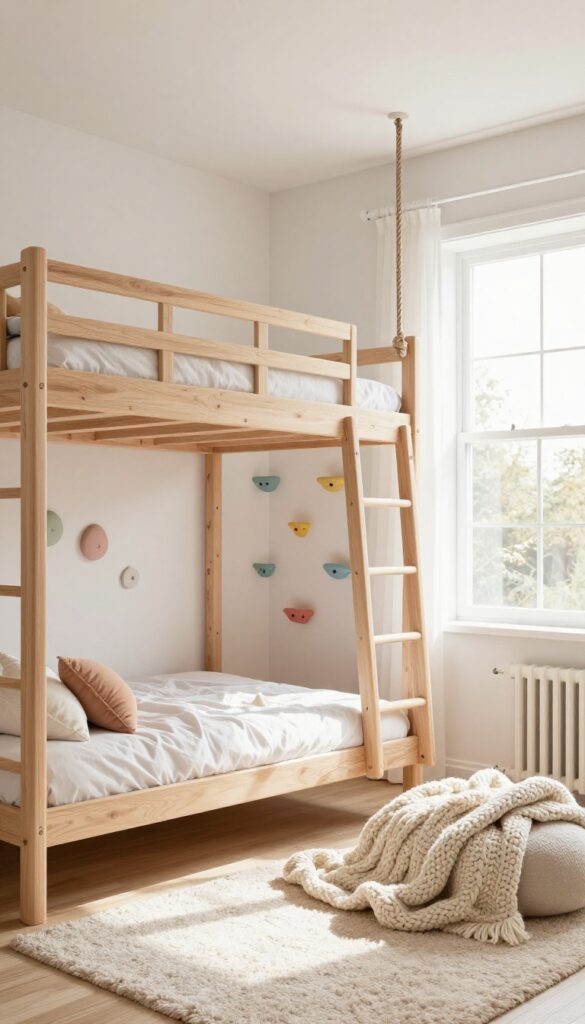
Kids crave adventure, and a loft bed with a climbing wall and swing delivers it without sacrificing your floor plan. The vertical setup turns bedtime into a mini playground, while the space underneath stays open for toys or a cozy reading nook. Soft, layered textures—like a chunky knit blanket and a plush rug—keep the room feeling warm and inviting, not like a gym.
Why It Works
A climbing wall and swing use vertical space that would otherwise go unused, freeing up square footage for play or storage. The active elements encourage movement and motor skill development, while the loft bed itself creates a defined sleep zone. Together, they make a small room feel bigger by drawing the eye upward and eliminating the need for bulky furniture.
Best For
This setup is ideal for active kids aged 4 to 10 who love to climb and swing. It works best in rooms with at least 8-foot ceilings and a sturdy ceiling joist for the swing. If your child shares a room, the loft can give each kid their own zone—one sleeps up top, the other uses the space below.
Styling Tip
Balance the active elements with cozy touches: add a soft canopy over the bed, use a muted color palette for the climbing holds, and choose a swing in a natural material like cotton rope or wood. A low-profile storage bench or baskets under the loft keep toys tidy without cluttering the visual flow.
11. Platform Bed With a Built-In Bookcase Headboard
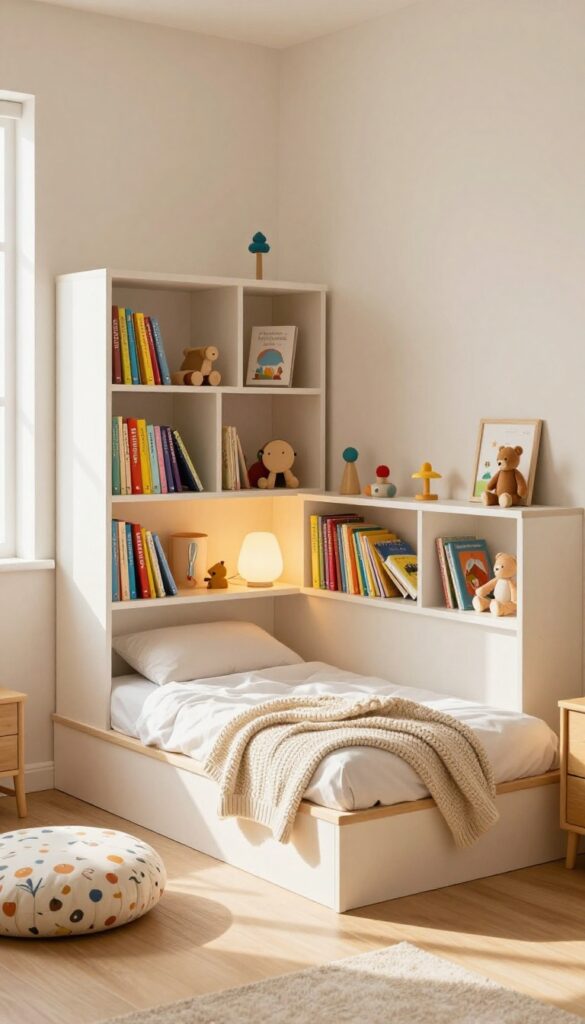
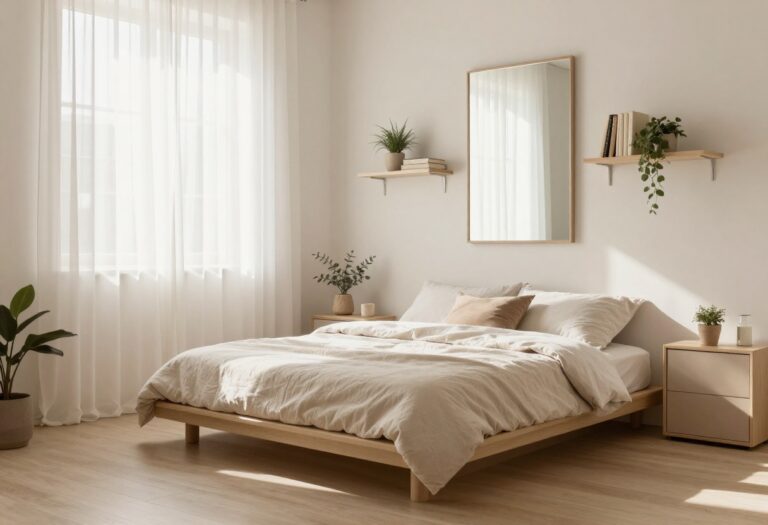
A low platform bed with a headboard that doubles as a bookcase is a smart way to combine sleep and storage in a small kid's room. The built-in shelves keep bedtime stories, favorite toys, and a small lamp within arm's reach, eliminating the need for a separate nightstand. Adding a cozy floor cushion nearby creates a snug reading nook that feels both intentional and inviting.
Why It Works
This setup maximizes vertical space without crowding the floor, making the room feel larger and more organized. The bookcase headboard keeps clutter off surfaces and encourages your child to read before bed, while the low platform profile maintains an open, airy feel.
Best For
Small bedrooms where floor space is limited and you want to combine sleeping, storage, and a reading area in one efficient layout. It's especially great for kids who love to have their books and toys close by.
Styling Tip
Choose a platform bed with warm wood tones or a soft white finish to keep the room feeling cozy. Add a chunky knit throw and a patterned floor cushion in complementary colors to create a layered, inviting look.
12. Trundle Bed With a Curtain-Enclosed Play Zone
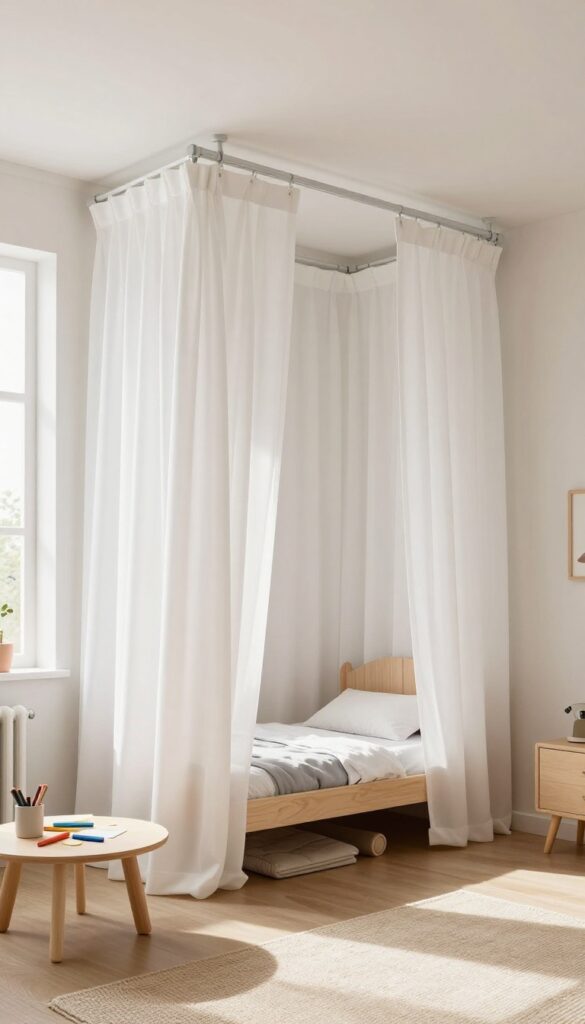
A trundle bed already solves the sleepover puzzle, but pair it with a curtain-enclosed play zone and you've got a bedroom that does double duty without feeling cramped. By hanging a ceiling-mounted curtain track in a corner near the bed, you carve out a semi-private nook for play that can be closed off when it's time to sleep. The layered effect—soft curtains, a cozy mat, and a low table for art supplies—makes the room feel intentionally designed, not just squeezed.
Why It Works
The trundle keeps sleeping compact, while the curtained zone gives kids their own little retreat without taking up extra floor space. It's a smart way to separate activities in a small room, making play feel special and sleep feel calm.
Best For
This setup is ideal for siblings sharing a room or for a single child who loves hosting friends. It works especially well in narrow or L-shaped rooms where a corner can be dedicated to play.
Styling Tip
Choose a curtain in a soft, washable fabric like cotton or linen in a neutral tone to keep the room feeling airy. Add a small woven rug or foam mat inside the zone, and use a low table with rounded edges for safety.
FAQ
What is the best smart bed for a small kid's bedroom?
A loft bed with built-in storage or a Murphy bed are top choices. They free up floor space for play and can include features like pull-out desks or toy bins.
How can I create a play area without taking up too much room?
Use vertical space with wall-mounted shelves, hanging organizers, and a small play tent or mat that can be folded away. Multi-functional furniture like a storage ottoman also helps.
What colors make a small bedroom feel bigger and cozier?
Soft, warm neutrals like beige, light gray, or pale pink create an airy feel. Add layers with textured throws and rugs in deeper tones for coziness.
How do I keep toys organized in a small space?
Use labeled bins under the bed, wall-mounted cubbies, and a toy hammock in a corner. Rotate toys seasonally to keep the room clutter-free.
Can I combine a play area and a study zone in one small room?
Yes, use a loft bed with a desk underneath, or a wall-mounted fold-down table. Separate the zones with a rug or a low bookshelf to define each area.
Conclusion
Small bedrooms for kids don't have to mean sacrificing play or style. With smart beds that multitask and cozy play zones tucked into every nook, you can create a room that grows with your child. The key is layering—mixing soft textures, warm colors, and practical layouts that feel both inviting and functional.
Start with one idea that fits your space, and build from there. Your little one will have a room that's as playful as it is peaceful.