20 Cleaning Garbage Disposal Tips for Sink Odor Control
That funky smell coming from your sink isn't just unpleasant—it's a sign that food particles are rotting inside your garbage disposal. But you don't need harsh chemicals or a plumber to banish the odor.
These 20 practical tips use everyday ingredients like ice, citrus, and baking soda to scrub away grime and leave your disposal smelling fresh. From quick daily flushes to deeper weekly treatments, each method targets the root cause of the stink.
Ready to enjoy a clean-smelling kitchen without the elbow grease? Let's dive into the best ways to keep your garbage disposal odor-free.
1. Ice Cubes and Salt Scrub
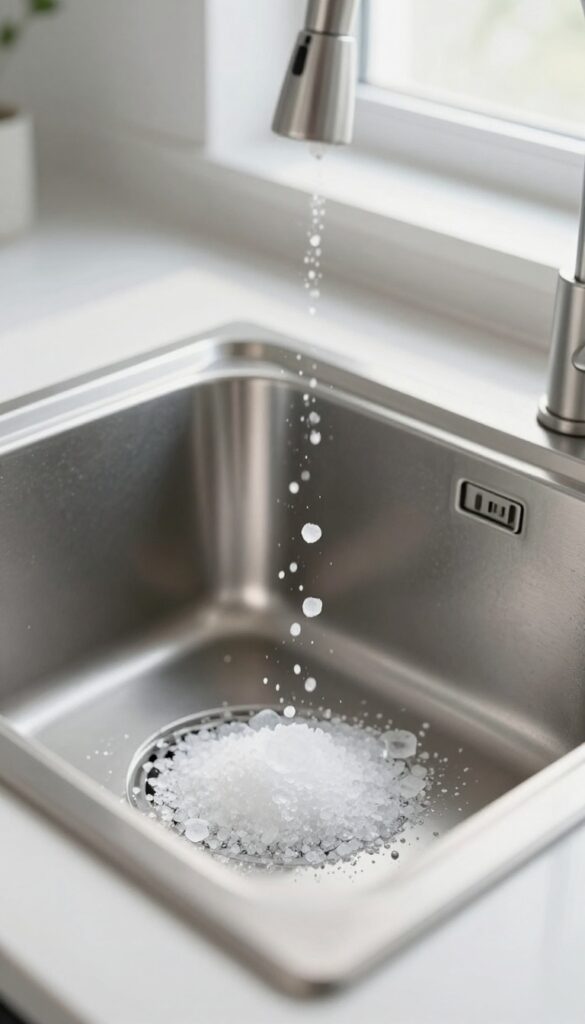
Ice and salt aren't just for cocktails—they're a dynamic duo for cleaning your garbage disposal. The ice cubes break apart and knock off stuck-on gunk as they're ground up, while the coarse salt provides gentle abrasion to scrub the blades and inner walls. It's a quick, chemical-free way to freshen up your disposal.
Drop a handful of ice cubes and a tablespoon of coarse salt into the disposal. Run cold water and turn it on. The ice dislodges stuck-on grime while the salt acts as a gentle abrasive.
Why It Works
Ice cubes are hard enough to dislodge residue but won't damage the disposal. Salt adds scrubbing power without scratching metal parts. Together, they create a scouring action that reaches every nook.
Best Practice
Use coarse salt like kosher or sea salt—table salt is too fine. Always run cold water to keep the disposal cool and prevent grease from solidifying. Do this weekly for maintenance.
What To Avoid
Don't use too much salt; a tablespoon is plenty. Avoid using ice alone without salt—the combo is key. Never put your hand inside; use tongs if needed.
2. Citrus Peels for Fresh Scent
Citrus peels are a natural, fragrant way to combat garbage disposal odors. The oils in lemon, lime, and orange peels help break down grime and leave a fresh, clean scent. Plus, it's a great way to use up scraps you'd otherwise toss.
Tossing citrus peels into your disposal is one of the simplest and most effective odor-fighting tricks. The natural oils in the peels neutralize bad smells and leave a pleasant citrus aroma. Just drop a few peels in, run cold water, and grind them up.
The cold water keeps the oils from turning sticky, and the peels help scrub the blades.
Why Citrus Works
Citrus peels contain d-limonene, a natural solvent that cuts through grease and food residue. This compound also has antimicrobial properties, which help kill odor-causing bacteria. Plus, the strong scent masks any lingering smells.
How To Use Citrus Peels
Simply save peels from oranges, lemons, or limes. Toss a handful into the disposal, turn on cold water, and run the disposal for 15-30 seconds. For extra scrubbing power, add a few ice cubes first to knock off stuck-on grime.
Best Practice Tips
Avoid using too many peels at once, as they can clog the drain if overdone. Stick to 3-4 peels per cleaning. Also, don't use citrus peels every day—once or twice a week is plenty to keep odors away without overwhelming the system.
3. Baking Soda and Vinegar Fizz
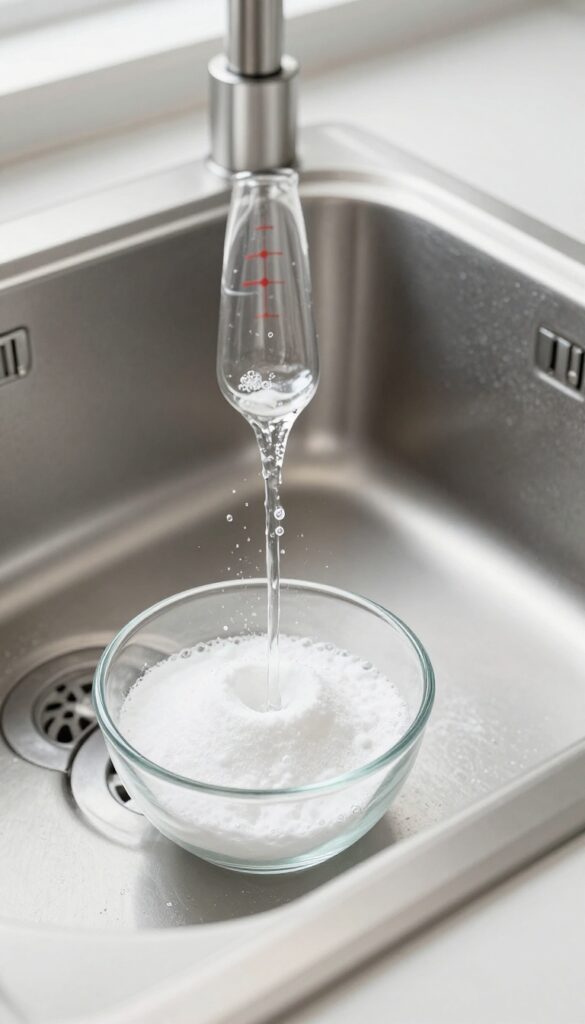
Baking soda and vinegar are a classic cleaning duo, and they work wonders on garbage disposal odors. The fizzy reaction helps loosen grime and deodorize naturally, leaving your sink smelling fresh without harsh chemicals. It's a simple, effective treatment you can do with pantry staples.
This method is perfect for a deep clean when odors are persistent. The combination breaks down grease and food particles while neutralizing smells. Follow up with hot water to wash away loosened debris.
Why It Works
Baking soda is a mild abrasive that scrubs away buildup, while vinegar's acidity cuts through grease. The fizzing action helps dislodge stuck-on particles from the disposal blades and walls. Together, they create a chemical reaction that lifts odors and leaves a clean scent.
Step-by-step Instructions
Start by pouring 1/2 cup of baking soda directly into the drain. Follow with 1 cup of white vinegar and immediately cover the drain with a plug or a damp cloth to contain the fizz. Let it sit for 10 minutes, then remove the cover and flush with a pot of boiling water.
Run the disposal briefly to clear any remaining residue.
Tips For Best Results
For extra cleaning power, add a few drops of lemon essential oil to the baking soda before adding vinegar. If you have a particularly stubborn smell, repeat the process twice. Avoid using this method more than once a week, as the vinegar can be harsh on rubber seals over time.
4. Boiling Water Flush
A simple kettle of boiling water can work wonders on a smelly disposal. The heat melts away grease and loosens stuck-on food particles that cause odors. This method is one of the easiest ways to maintain a fresh drain without any scrubbing or harsh chemicals.
Boiling water is a powerful tool for keeping your garbage disposal clean and odor-free. The high temperature melts grease that has solidified inside the blades and drain pipes, allowing it to wash away easily. It also helps dislodge small food bits that might be clinging to the sides.
For best results, make this a weekly habit—just boil a full kettle and pour it down the drain in a slow, steady stream. Be careful to avoid splashing, and always run the disposal with cold water afterward to prevent any damage from residual heat.
Why Boiling Water Works
Grease and oil are common culprits behind foul disposal odors. When you pour hot water, it liquefies these substances so they can flow out of the pipes instead of sticking around and rotting. The heat also helps break down any soap scum or mineral buildup that might trap food particles.
How To Do It Safely
Always pour boiling water slowly to avoid splashing back at you. Make sure the disposal is off and the sink is empty. After pouring, let the water sit for a minute, then run cold water and turn on the disposal for a few seconds to flush everything through.
Never pour boiling water into a disposal that is running—the sudden temperature change could damage the motor.
When To Use This Method
A weekly boiling water flush is ideal for maintenance. If you notice a greasy smell after cooking, do it right away. It's also a good first step before deeper cleaning treatments, like ice or baking soda, because it clears out the bulk of the grime.
5. Dish Soap and Hot Water
Sometimes the simplest solution is the most effective. A squirt of dish soap and a blast of hot water can tackle grease and grime buildup that causes odors. This quick method works as a daily maintenance flush to keep your disposal smelling clean between deeper cleanings.
Dish soap is designed to cut through grease, and when combined with hot water, it helps flush away oily residues that trap food particles and breed bacteria. This method is especially useful after grinding fatty foods or cooking oils. Just be sure to use hot—not boiling—water to avoid damaging the disposal's seals.
Why It Works
Dish soap contains surfactants that break down grease and food residues, while hot water helps dissolve and carry them away. Together, they create a cleansing flush that leaves the disposal interior less hospitable to odor-causing bacteria.
How To Do It
Squeeze a few drops of liquid dish soap directly into the disposal. Turn on the cold water (to prevent grease from solidifying), then run the disposal for a few seconds to distribute the soap. Switch to hot water and let it run for 30 seconds to rinse everything away.
Best Practices
Use a mild, grease-cutting dish soap without harsh chemicals. Avoid using too much soap—excess suds can overflow the sink. For extra freshness, follow up with a citrus peel or ice cube treatment once a week.
6. Grind Eggshells (Carefully)
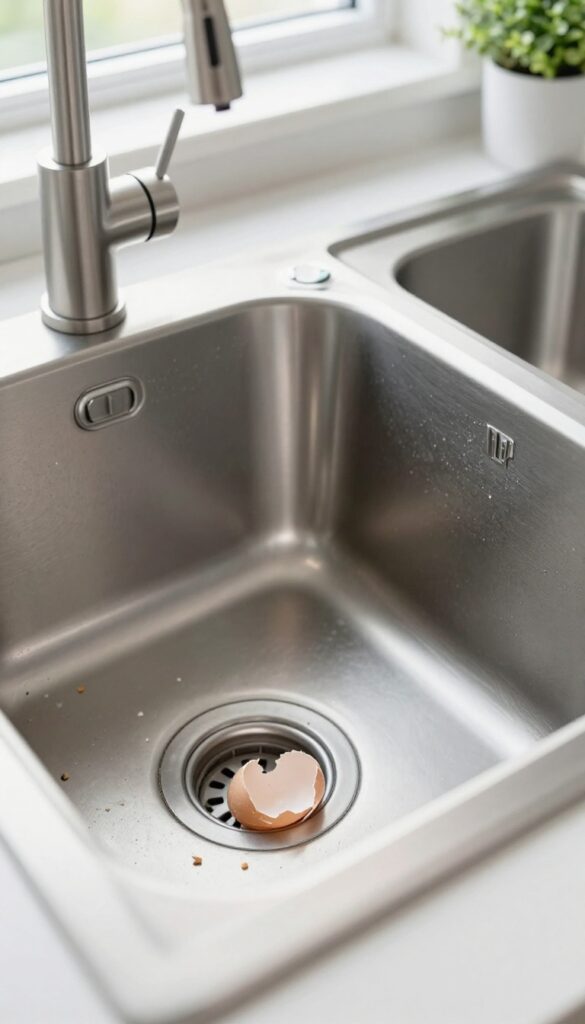
Eggshells might seem like trash, but they can actually help scrub your garbage disposal clean. The gritty texture of crushed shells acts like a gentle abrasive, scraping away built-up grime from the blades and inner walls. Just be careful not to overdo it.
To use this method, save a few eggshells and rinse them to remove any remaining egg white. Crush them into small pieces—about the size of your fingernail—and drop them into the disposal. Turn on the cold water and run the disposal for 15–20 seconds.
The shells will tumble around, scouring the surfaces without damaging the unit. Follow up with a quick flush of cold water to wash away the debris.
Why It Works
Eggshells are mostly calcium carbonate, which is hard enough to scrub away soft residue but soft enough not to harm metal parts. As they grind, they create a mild scouring action that dislodges stuck-on food particles and grease. This is a natural, chemical-free way to deep-clean your disposal.
How Often To Do It
Once a week is plenty. Grinding eggshells too often can wear down the blades over time, so use this trick sparingly. If you have a particularly stubborn odor, combine it with a citrus peel grind for extra freshness.
Important Precautions
Never put whole eggshells down the disposal—always crush them first. Large pieces can jam the blades or get stuck in the drain. Also, avoid using eggshells if you have a septic system, as they can accumulate and cause issues.
Stick to cold water only; hot water can cause the shells to stick to the blades.
7. Hydrogen Peroxide Rinse
Hydrogen peroxide isn't just for first aid kits—it's a powerful ally in the fight against garbage disposal odors. This common household item kills bacteria on contact and whitens the interior of your disposal, leaving it fresh and clean. Best of all, it's cheap, non-toxic, and easy to use.
Why It Works
Hydrogen peroxide is a natural disinfectant that breaks down into water and oxygen. When it fizzes in your disposal, it lifts grime and kills odor-causing bacteria that cling to the blades and walls. Unlike bleach, it's safe for plumbing and the environment.
How To Do It Right
Pour 1/2 cup of 3% hydrogen peroxide directly into the drain. Let it sit for 10 minutes so it can work its magic. Then run cold water for 30 seconds to flush everything away.
That's it—no scrubbing required.
When To Use This Method
Use hydrogen peroxide weekly as a deep-cleaning treatment, or whenever you notice a persistent smell. It's also great after grinding raw meat or fish to eliminate any lingering bacteria. For extra freshness, follow with a few lemon peels.
8. Bleach Alternative: Oxygen Cleaner
If you want a deep clean without the harsh smell of bleach, oxygen-based cleaners are a fantastic option. Products like OxiClean use hydrogen peroxide to break down organic gunk and neutralize odors. They're gentle on your pipes but tough on smells.
Oxygen cleaners are a great middle ground between natural remedies and chemical solutions. They foam up to reach crevices that water alone can't, and they rinse away cleanly without leaving residue. Plus, they're safe for septic systems.
How To Use
Mix the recommended amount of oxygen cleaner with hot water—usually about a scoop per quart. Stir until dissolved, then pour the solution down the drain. Let it sit for 15 minutes to allow the bubbles to work.
Finish by running cold water for 30 seconds.
Why It Works
The oxygen released during the reaction lifts and dissolves stuck-on food particles and biofilm. This not only deodorizes but also helps prevent future buildup. Unlike bleach, it won't irritate your lungs or damage rubber gaskets.
When To Use
Use this method weekly for maintenance or whenever you notice a lingering smell. It's especially effective after cooking greasy or strong-smelling foods like fish or curry. Avoid using it with other cleaners to prevent unwanted reactions.
9. Regular Cold Water Flush
It’s the easiest habit you can adopt, and it makes a huge difference. Running cold water for 15–20 seconds after every use flushes leftover food particles through the pipes before they have a chance to rot. This simple step prevents odors from forming in the first place.
Cold water is key because it keeps grease and fats solid, so they can be chopped up and washed away. Hot water can melt grease, which then coats the disposal blades and pipes, leading to clogs and smells. Make this flush a non-negotiable part of your cleanup routine.
Why Cold Water Works Best
Cold water solidifies any grease or oil that might be in the disposal. When grease is solid, the disposal’s blades can break it into small pieces that flow out easily. Hot water melts grease, which later cools and hardens inside the drain, trapping food particles and creating a stinky mess.
How Long To Run The Water
A quick 15–20 second flush is all you need. Turn on the cold water before you switch on the disposal, keep it running while the disposal is on, and continue for 15–20 seconds after you turn it off. This ensures all debris is pushed past the trap and into the main drain.
When To Do Extra Flushes
After grinding fibrous foods like celery or corn husks, run the water a bit longer—30 seconds—to help those stringy bits travel down. Also, if you notice a lingering smell even after your normal flush, do an extra 30-second cold water rinse to clear out any hidden residue.
10. Avoid Fibrous Foods
Not everything belongs in your garbage disposal. Some foods, especially those with tough fibers, can do more harm than good. They don't just clog the blades—they create a tangled mess that traps food particles and leads to stubborn odors.
Fibrous foods like celery, corn husks, onion skins, and potato peels are notorious for causing trouble. Their long, stringy strands wrap around the disposal's impellers and blades, preventing them from spinning freely. Over time, these trapped bits rot and release foul smells.
The best approach is simple: toss these items in the trash or compost bin instead of the sink. Your disposal will run smoother, and your kitchen will smell fresher.
What Counts As Fibrous?
Common culprits include celery, asparagus, rhubarb, corn husks, onion skins, potato peels, and banana peels. Even artichoke leaves and kale stems can cause issues. If it's stringy or tough, it's best to avoid the disposal.
Why They Cause Odors
When fibers get tangled, they create a mat that traps other food scraps. This damp, dark environment is perfect for bacteria and mold growth, which produce that rotten egg smell. Plus, the tangled fibers can dull the blades over time.
Better Disposal Habits
Instead of risking a clog, scrape fibrous scraps into the trash or a compost bin. For small amounts that slip in, run plenty of cold water while grinding and follow up with ice cubes to help dislodge any clinging fibers.
11. Use a Disposal Cleaner Tablet
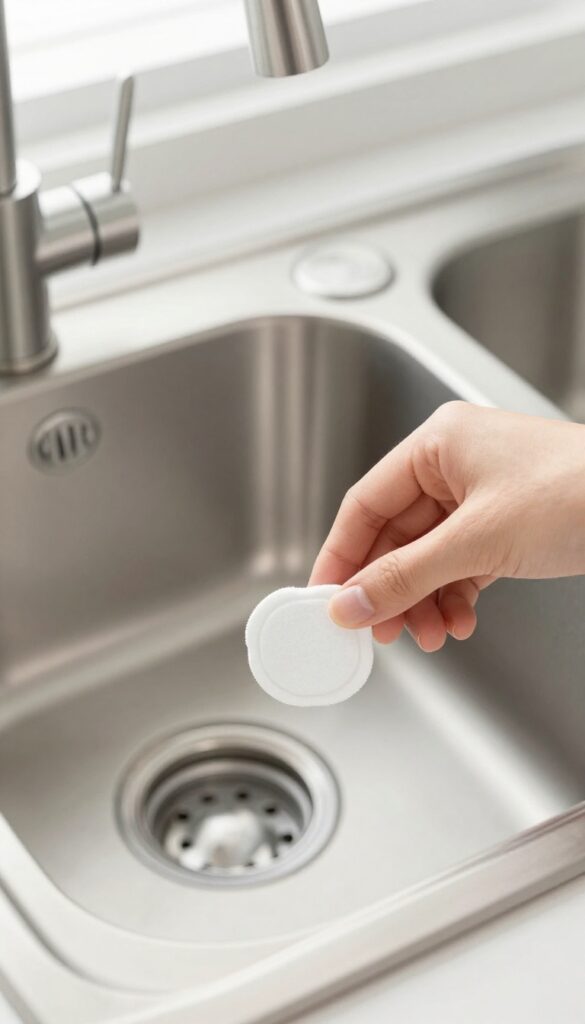
Commercial cleaning tablets are a no-fuss way to keep your garbage disposal fresh. They're designed specifically for this job, so you know they work. Just drop one in once a month and let the fizzing action do the heavy lifting.
These tablets contain citric acid and other cleaning agents that break down grease, grime, and odor-causing buildup. They're a great option if you want a deep clean without scrubbing or mixing your own solutions. Plus, they leave behind a pleasant, clean scent.
How To Use Them
Using a disposal cleaner tablet is simple. Drop one tablet into the disposal, run warm water, and turn it on. Let it fizz and run for about 30 seconds, then turn it off.
Follow the specific instructions on the package, as some brands recommend letting the foam sit for a bit before rinsing.
Best Times To Use
A monthly treatment is usually enough for regular maintenance. If you cook a lot or notice odors returning quickly, you can use them every two weeks. It's also a good idea to use one after a particularly messy meal or if you've been grinding strong-smelling foods like fish or onions.
What To Look For
Look for tablets that are specifically labeled for garbage disposals. Avoid using dishwasher tablets or other cleaning products not meant for disposals, as they can damage the unit. Brands like Plink and Glisten are popular and widely available at grocery stores or online.
12. Grind Coffee Grounds
Used coffee grounds do more than just perk up your morning—they're a natural deodorizer for your garbage disposal. The grounds trap and absorb foul odors while releasing a pleasant coffee scent. Plus, they provide a gentle abrasive action that helps scrub away grime from the blades and walls of the disposal.
To use, simply sprinkle a handful of used coffee grounds into the disposal while running cold water. Turn on the disposal and let it grind the grounds for about 30 seconds. The cold water helps solidify any grease or oils, preventing clogs.
Follow up with a quick flush of more cold water. This method is best done once a week to keep odors at bay.
Why It Works
Coffee grounds are porous, meaning they trap odor-causing molecules. As they grind, they also scrub away stuck-on food particles. The resulting coffee scent is a pleasant bonus, but the real magic is odor absorption.
Don't Overdo It
While coffee grounds are great, too many can clump together and clog your drain. Stick to a tablespoon or two at a time. Avoid grinding fresh, unbrewed grounds—they're too oily and can cause blockages.
Best Practices
Always use cold water when grinding coffee grounds. Hot water can cause the grounds to turn into a paste that sticks to pipes. Also, run the disposal for a few extra seconds after the grinding sound stops to ensure everything is flushed through.
13. Vinegar Ice Cubes
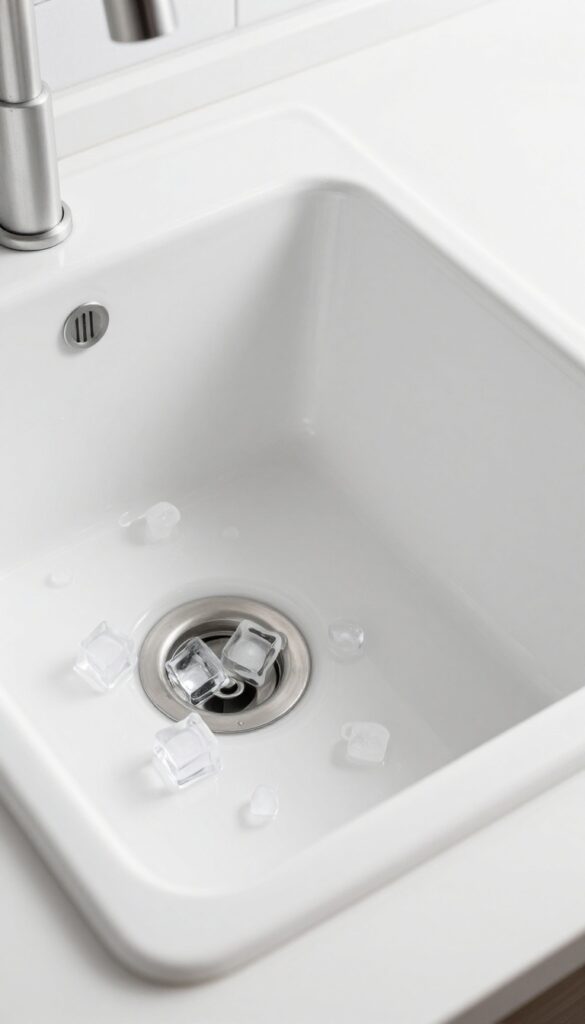
White vinegar is a powerhouse cleaner, but it can be messy to pour directly into your disposal. Freezing it into ice cubes solves that problem while adding a scrubbing action that helps dislodge stuck-on gunk. The ice scours the blades and interior surfaces, while the vinegar cuts through grease and neutralizes odors.
This two-in-one trick is incredibly easy to pull off. Simply fill an ice cube tray with white vinegar and freeze until solid. Then, drop a few cubes into the disposal, run cold water, and grind them up.
The combination of abrasive ice and acidic vinegar leaves your disposal clean and fresh without any harsh scrubbing on your part.
Why It Works So Well
Ice cubes are hard enough to knock loose food particles and built-up residue from the blades and grinding chamber. As they melt, the vinegar gets into every nook and cranny, dissolving grease and killing odor-causing bacteria. It's a deep clean that happens automatically.
How To Use Them
Start by making a batch of vinegar ice cubes—white vinegar works best, but you can also use apple cider vinegar for a milder scent. Once frozen, grab 3 to 4 cubes and drop them into the disposal. Turn on the cold water and run the disposal for about 30 seconds or until the cubes are fully ground.
Repeat weekly for best results.
Pro Tips For Best Results
For extra cleaning power, add a few lemon or lime juice drops to the vinegar before freezing. This boosts the fresh scent and adds more acidity. Also, avoid overloading the disposal with too many cubes at once—work in batches if needed.
And always run cold water during and after grinding to flush everything down.
14. Clean the Splash Guard
The rubber splash guard inside your sink drain is a prime hiding spot for slimy buildup. Food debris and bacteria cling to its underside, creating a persistent odor that regular flushing won't reach. Cleaning it is quick and makes a noticeable difference.
Removing the splash guard is the first step. Most are designed to pop out easily—just grip the rubber ring and pull upward. If it's stuck, gently pry it loose with a flathead screwdriver, being careful not to damage the sink.
Once removed, you'll likely see a dark, greasy film that smells exactly like what's been bothering you. Scrub the guard thoroughly with an old toothbrush or a small scrub brush dipped in warm, soapy water. Dish soap cuts through grease, but for extra odor-fighting power, add a splash of white vinegar or baking soda to your scrub.
Pay special attention to the ridges and the underside where gunk accumulates. Rinse the guard under hot water and reinstall it by pressing it firmly back into place.
How Often To Clean
Aim to clean the splash guard every two weeks, or more frequently if you use your disposal heavily. A quick wipe-down with a soapy sponge during your regular dishwashing routine can prevent heavy buildup and keep odors at bay.
What If It Won't Come Out?
Some splash guards are permanently attached. In that case, use a bottle brush or a toothbrush to scrub the visible surfaces while it's still in place. Spray a mixture of vinegar and water into the crevices, let it sit for a few minutes, then scrub and flush with hot water.
15. Use a Bottle Brush
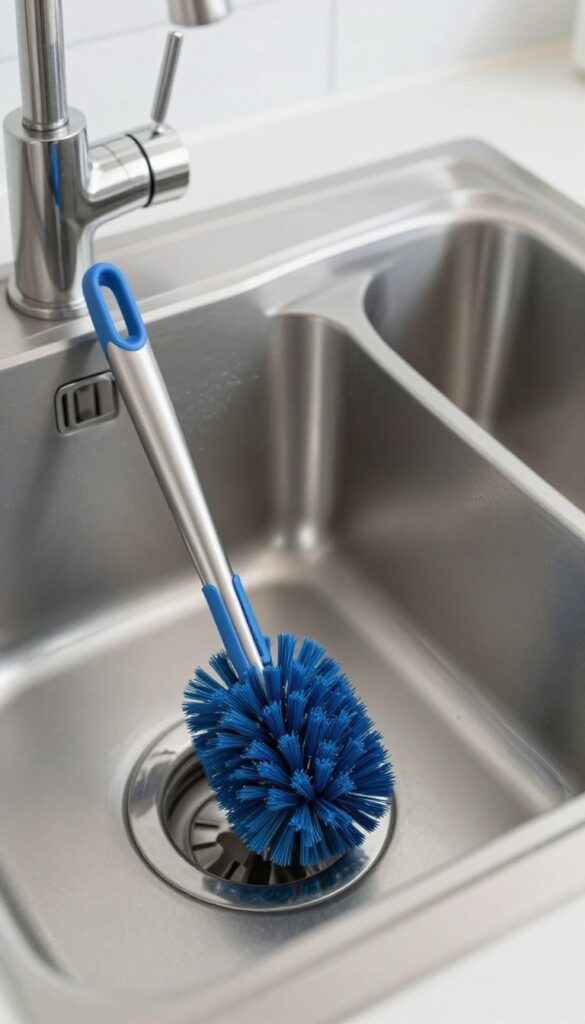
The rubber splash guard and the dark interior of your disposal are perfect breeding grounds for slime and odor. A bottle brush is the perfect tool to reach those hidden areas that sponges and cloths can't touch. This simple method takes just a few minutes and requires no special chemicals.
You'll be surprised how much gunk comes off the walls and under the rim.
After removing the splash guard, insert a long bottle brush into the disposal opening. Scrub the interior walls and under the rim where grime hides.
Why A Bottle Brush Works Best
Bottle brushes are long, narrow, and have bristles on all sides. This shape lets you scrub the curved walls and the underside of the rim without scraping your hands. The bristles dislodge stuck-on food particles and biofilm that cause odors.
Step-by-step Scrubbing
First, unplug the disposal or turn off the circuit breaker for safety. Remove the rubber splash guard by pulling it out. Dip the bottle brush in warm soapy water, then scrub the interior walls in a circular motion.
Pay extra attention to the area just under the rim. Rinse the brush frequently.
Don't Forget The Splash Guard
The splash guard itself collects grime. Use the same bottle brush to scrub both sides of the rubber flaps. Rinse the guard with hot water before snapping it back into place.
This step alone can cut odors significantly.
16. Lemon Juice and Baking Soda Paste
Lemon juice and baking soda make a powerful cleaning duo that tackles both grime and odors. The lemon cuts through grease while the baking soda scrubs away stuck-on particles. Together, they create a fizzy paste that deodorizes and freshens your disposal without harsh chemicals.
This simple paste is perfect for a weekly deep clean. It's gentle enough for regular use but strong enough to break down buildup. Plus, the fresh lemon scent lingers long after you rinse.
Why This Combo Works
Baking soda is mildly abrasive, so it scrubs away residue without scratching the disposal's metal parts. Lemon juice contains citric acid, which dissolves grease and mineral deposits. When mixed, they react to create bubbles that help lift debris from hard-to-reach crevices.
How To Apply The Paste
Start by turning off the power to the disposal at the switch or breaker. Mix ½ cup baking soda with ¼ cup lemon juice until it forms a thick paste. Spread the paste evenly inside the disposal chamber, covering the walls and the rubber splash guard.
Let it sit for 15 minutes to break down grime.
Rinsing And Finishing
After the wait, turn the power back on and run cold water. Turn on the disposal and let it grind for 30 seconds to flush everything through. The cold water keeps any remaining grease solid so it gets chopped up and washed away.
Follow up with a few lemon peel pieces for extra freshness.
17. Run the Disposal Weekly
Even if you don't cook much or rarely use your disposal, letting it sit idle can actually make odors worse. Stagnant water and dried food residue create a perfect environment for bacteria. A simple weekly run keeps things fresh and your disposal in good working order.
Running your disposal once a week prevents the motor from seizing and flushes out any lingering debris. Use cold water to keep grease solid so it gets chopped up and washed away. This quick habit takes less than a minute and saves you from dealing with stubborn smells later.
Why Idle Disposals Get Smelly
When you don't run your disposal, water sits in the chamber and food particles decompose. Bacteria multiply, producing that sour, rotten odor. The rubber seals can also dry out and crack, letting smells escape.
A weekly run flushes out the system and keeps everything moving.
How To Do It Right
Turn on the cold water first, then run the disposal for about 30 seconds. Let the water run for another 15 seconds after you turn off the disposal to clear any remaining debris. That's it.
No need to add anything—just water and a brief grind cycle.
Bonus: Combine With A Quick Clean
If you want extra freshness, toss in a few ice cubes or a lemon wedge before running the disposal. The ice scours the blades and the lemon adds a clean scent. But even plain water works fine.
The key is consistency—make it part of your weekly routine.
18. Check for Hidden Food Traps
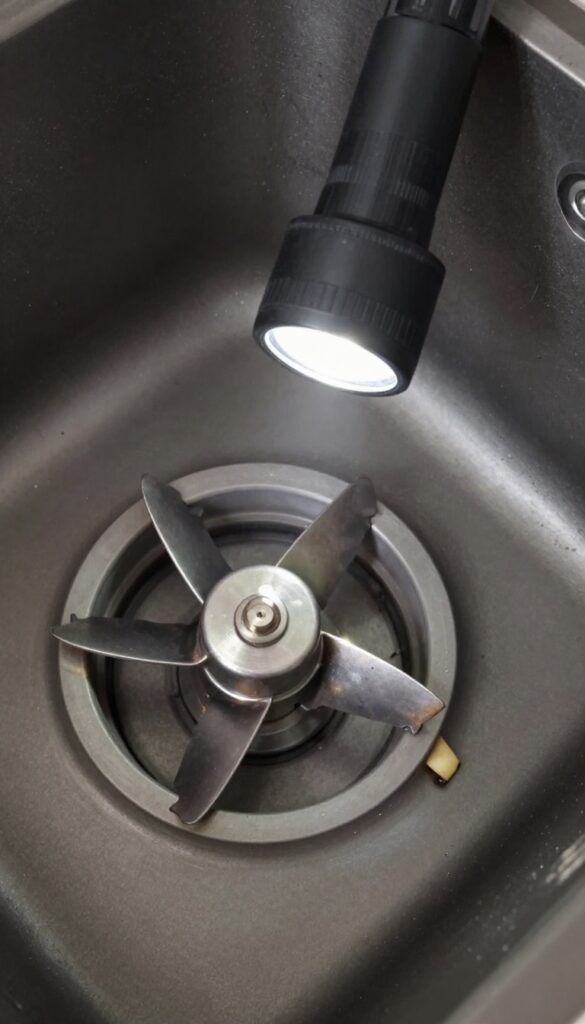
Sometimes the source of the smell isn't obvious grime but a single chunk of food lodged somewhere it shouldn't be. A quick visual inspection can reveal these hidden culprits before they start rotting.
Grab a flashlight and shine it deep into the disposal chamber. Look around the impeller blades and the sides of the unit—food often gets wedged in tight spots. If you see anything, turn off the power completely, then use long tongs or needle-nose pliers to pull it out.
Never stick your fingers inside. This simple check can eliminate odors that no amount of cleaning will fix.
What To Look For
Common offenders include potato peels, corn husks, and large fruit pits that didn't get ground up. Also check under the rubber splash guard—food can get trapped there and decay.
When To Inspect
Do this anytime you notice a persistent smell that returns even after cleaning. It's also smart to check after grinding tough or fibrous foods.
Safety First
Always disconnect power at the circuit breaker or unplug the disposal before reaching in. Use tools, not hands, to remove debris.
19. Freshen with Mint or Herbs
Herbs aren't just for cooking—they can also be your secret weapon against disposal odors. Fresh mint, rosemary, or basil leaves carry natural oils that leave a clean, garden-like scent behind. Plus, they have mild antibacterial properties that help knock down the bacteria causing the stink.
Here's how to use herbs to freshen your disposal. Grab a handful of fresh mint leaves, rosemary sprigs, or basil (or a mix). Drop them into the disposal while running cold water.
Turn on the disposal and let it grind for 15–20 seconds. The cold water keeps the oils from cooking off, and the blades chop the leaves into tiny pieces that scrub the grinding chamber. The result?
A burst of fresh herbal fragrance that lingers for hours. Repeat weekly or whenever you want a quick, natural refresh.
Why Herbs Work So Well
Fresh herbs contain essential oils like menthol in mint or eucalyptol in rosemary. These oils are natural deodorizers that neutralize odors rather than just covering them up. Their mild antibacterial action also helps reduce the bacteria that produce sulfur smells.
Unlike citrus, herbs don't leave a sticky residue, so they're ideal for a light, clean scent.
Best Herbs To Use
Mint is the top choice for its strong, refreshing aroma. Rosemary and basil are also excellent—rosemary adds a woodsy note, while basil brings a sweet, peppery scent. You can even combine them for a custom blend.
Avoid dried herbs, as they lack the oils needed for effective deodorizing. Stick with fresh leaves only.
Step-by-step Instructions
Start by rinsing the herbs to remove any dirt. Tear larger leaves into smaller pieces to help them grind evenly. Turn on cold water to a steady stream, then drop the herbs into the drain.
Run the disposal for 15–20 seconds. Let the water run for another 10 seconds after you turn off the disposal to flush out any remaining bits. That's it—your kitchen will smell like a garden.
20. Deep Clean with Baking Soda and Peroxide
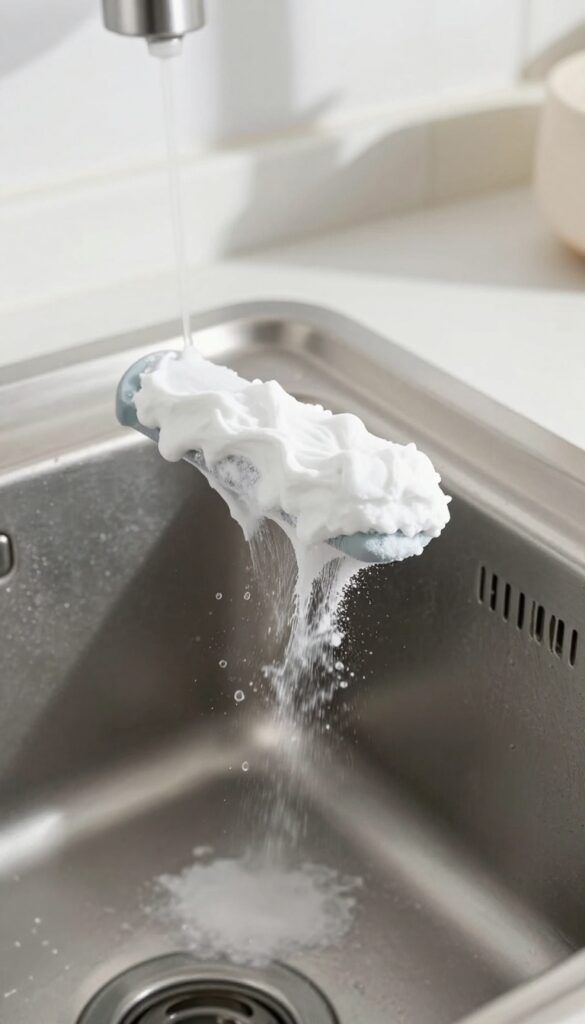
When weekly flushes aren't enough, it's time for a targeted deep clean. Baking soda and hydrogen peroxide create a fizzing paste that lifts caked-on grime and neutralizes stubborn odors hiding in the crevices of your disposal. This combo is gentle enough for regular use but tough on smells.
For a deep clean that reaches every nook, mix 1/2 cup of baking soda with 1/4 cup of hydrogen peroxide until it forms a spreadable paste. Apply the paste directly to the inside of the disposal, focusing on the rubber splash guard and the grinding chamber. Let it sit for 15 minutes to allow the fizzing action to break down residue.
Then, flush with a pot of boiling water to rinse everything away. This treatment is perfect for monthly maintenance or whenever odors linger despite regular cleaning.
Why This Combo Works
Baking soda is a mild abrasive that scrubs away debris without scratching metal parts. Hydrogen peroxide is a natural disinfectant that kills odor-causing bacteria. Together, they create an oxygenating reaction that lifts stubborn grime and leaves the disposal smelling fresh.
How To Apply The Paste
Turn off the disposal and unplug it for safety. Use a spatula or old toothbrush to spread the paste evenly over the rubber splash guard and the interior walls. Let it sit undisturbed for 15 minutes.
The fizzing will do the work, so no scrubbing is needed.
Rinsing And Maintenance Tips
After the paste sits, run hot tap water and turn on the disposal for 30 seconds to flush everything down. For extra freshness, follow with a few lemon peel pieces. Repeat this deep clean once a month or whenever you notice a persistent odor.
FAQ
How often should I clean my garbage disposal?
For best odor control, do a quick rinse with cold water and dish soap after each use. Perform a deeper clean (like baking soda and vinegar) once a week.
Can I put lemon peels in the disposal every day?
It's fine to grind citrus peels occasionally, but daily use may cause the citric acid to degrade rubber parts over time. Stick to once or twice a week.
Is it safe to use bleach in a garbage disposal?
Bleach can damage the disposal's rubber seals and metal parts. Use milder alternatives like vinegar, baking soda, or hydrogen peroxide instead.
Why does my disposal smell even after cleaning?
The odor might come from the drain pipe beyond the disposal. Try pouring a cup of baking soda followed by hot vinegar down the drain, then flush with boiling water.
Can I put coffee grounds down the disposal?
Yes, in small amounts. Coffee grounds can help absorb odors, but too many can clump and clog the drain. Use no more than a tablespoon at a time.
Conclusion
A fresh-smelling sink doesn't require complicated routines or harsh chemicals. Most of these tips take just a few minutes and use items you already have in your pantry. Pick two or three methods that fit your schedule and stick with them.
Your kitchen will smell cleaner, and your disposal will last longer.
Remember, consistency matters more than intensity. A quick weekly clean beats a deep scrub once a month. Start with the ice cube trick or citrus peels—you'll notice the difference immediately.