20 Cleaning Hacks for Shower Glass Doors That Shine
Shower glass doors look gorgeous when they're crystal clear, but keeping them that way can feel like a losing battle against hard water stains and soap scum. You don't need expensive specialty cleaners to get them sparkling again.
These 20 hacks rely on everyday ingredients and a few clever techniques that actually work. From vinegar sprays to squeegee habits, each tip tackles a specific problem without harsh chemicals.
Some prevent buildup before it starts, others remove stubborn grime with minimal elbow grease. Pick the ones that fit your routine and watch those doors go from cloudy to dazzling.
1. White Vinegar and Dish Soap Spray
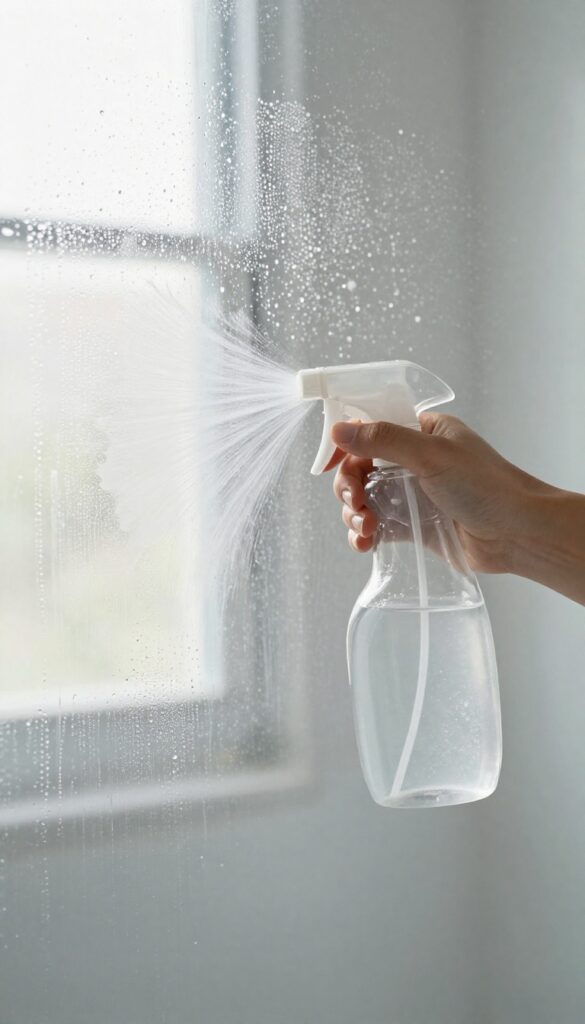
If your shower doors are covered in cloudy residue, this simple DIY spray cuts through soap scum and hard water stains without harsh chemicals. White vinegar is a natural acid that dissolves mineral deposits, while dish soap breaks down greasy soap scum. Together, they make a powerful cleaner that's safe for glass and the environment.
Mix equal parts white vinegar and warm water in a spray bottle, then add a few drops of liquid dish soap. Shake gently to combine. Spray the solution generously onto the glass, making sure to cover all cloudy areas.
Let it sit for 5 minutes to allow the vinegar to break down the mineral deposits. Then wipe with a damp microfiber cloth in circular motions. Rinse with water and dry with a clean microfiber cloth for a streak-free shine.
Why This Combo Works So Well
Vinegar's acetic acid dissolves hard water stains and mineral buildup, while dish soap lifts soap scum and grime. The soap also helps the solution cling to vertical glass surfaces, so it doesn't drip off too quickly. This two-pronged attack tackles the two main culprits behind cloudy shower doors.
Tips For Best Results
Use distilled white vinegar for consistent acidity. Warm water helps the ingredients mix better. Avoid using too much soap – just a few drops will do.
For stubborn stains, let the solution sit for up to 10 minutes. Always rinse thoroughly after cleaning to prevent any residue from drying on the glass.
When To Avoid This Method
Do not use vinegar on natural stone or unsealed grout, as the acid can etch or discolor them. If your shower has a stone floor or decorative stone accents, protect those areas before spraying. Also avoid using this on mirrors or tinted glass, as vinegar can damage the coating.
2. Lemon Juice and Baking Soda Paste
Sometimes the toughest stains need a little extra muscle, but that doesn't mean you have to reach for harsh chemicals. A simple paste made from lemon juice and baking soda tackles those stubborn mineral deposits and soap scum without damaging the glass. The acid in the lemon juice dissolves hard water buildup, while the baking soda provides just enough gentle abrasion to lift grime.
It's a dynamic duo that leaves your shower doors looking brand new.
Mix equal parts lemon juice and baking soda to form a thick paste. Apply it directly to the problem areas, focusing on spots where water spots or soap scum are heaviest. Let the paste sit for about 10 minutes so the acid can work on the mineral deposits.
Then, using a soft sponge or cloth, gently scrub in circular motions. Rinse thoroughly with warm water and dry with a microfiber cloth to prevent new spots. For extra shine, you can follow up with a quick spray of white vinegar and wipe dry.
Why This Combo Works So Well
Lemon juice is naturally acidic, which makes it excellent at breaking down the calcium and lime in hard water stains. Baking soda is mildly alkaline and acts as a gentle scrubber. Together, they create a fizzing reaction that helps lift dirt without scratching the glass.
Unlike store-bought cleaners, this paste is non-toxic and safe for you and the environment.
Best Spots To Use This Paste
This paste is ideal for areas with stubborn buildup that regular sprays can't handle. Think of the bottom corners of the door where water pools, or around the handle where soap scum accumulates. It's also great for removing cloudy film that makes the glass look dull.
Avoid using it on frosted or etched glass, as the abrasiveness might scratch the surface.
Tips For Best Results
Always test the paste on a small, inconspicuous area first. Use a soft sponge—never a scrub brush or steel wool, which can scratch. Rinse thoroughly to avoid any residue that could attract more dirt.
For extra stubborn spots, let the paste sit a bit longer, but don't let it dry completely. Wipe dry with a microfiber cloth to prevent water spots from forming as the glass dries.
3. Squeegee After Every Shower
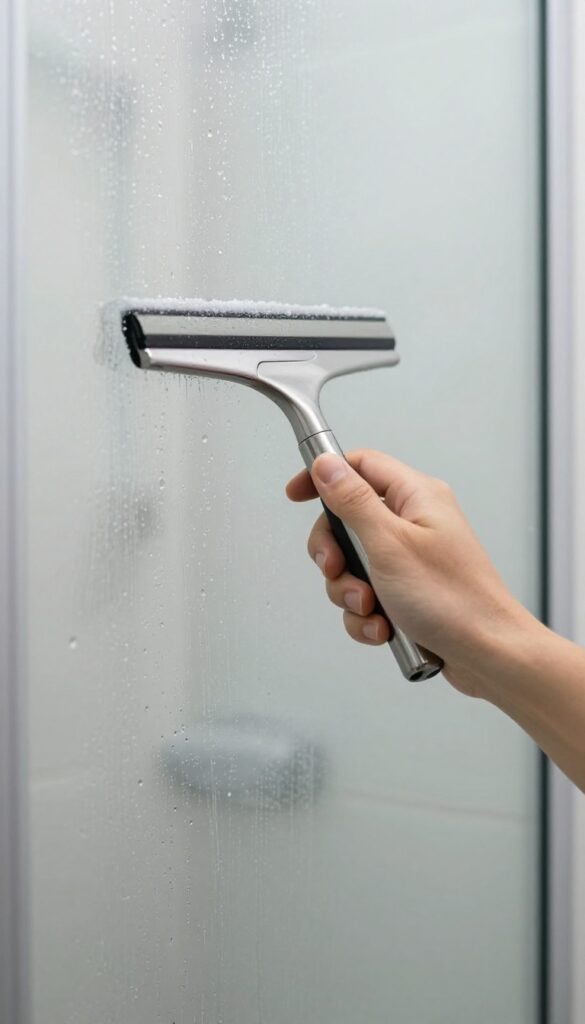
The single most effective habit for keeping shower glass doors spotless is also the simplest: use a squeegee after every shower. It takes less than a minute but dramatically reduces hard water spots and soap scum buildup. Instead of scrubbing stubborn stains later, you prevent them from forming in the first place.
Why It Works So Well
Hard water spots form when mineral-rich water droplets dry on glass, leaving behind calcium and magnesium deposits. Soap scum sticks to these deposits, creating a cloudy film. By removing water immediately, you eliminate the conditions that cause buildup.
A squeegee is more effective than a towel because it doesn't leave lint or streaks.
Choosing The Right Squeegee
Look for a squeegee with a rubber blade that's at least 6 inches wide to cover more surface quickly. A stainless steel handle resists rust in the humid shower environment. Some models come with a hook or suction cup for easy storage.
Replace the blade every few months when it starts leaving streaks.
Make It A No-brainer Habit
Keep the squeegee inside the shower so you can grab it before stepping out. After rinsing yourself, give the glass a quick once-over—top to bottom, then side to side. It sounds almost too easy, but this one habit can cut your deep cleaning frequency by half or more.
4. Rain-X for Glass Doors
Rain-X is a game-changer for shower glass. Originally designed for car windshields, this hydrophobic treatment makes water bead up and roll off instantly. That means fewer water spots, less soap scum buildup, and way less scrubbing.
It's a one-time application that keeps working for weeks.
Applying Rain-X is straightforward. Start with clean, bone-dry glass. Spray a small amount onto a microfiber cloth, then rub it onto the glass in a circular motion.
Let it haze for a minute, then buff it off with a clean dry cloth. The result is a slick surface that water simply slides off. After every shower, a quick squeegee pass is all you need to keep the glass spotless.
Reapply every few weeks for best results. Just avoid getting it on the floor or shower pan—it can make surfaces slippery.
How To Apply Rain-x
Clean the glass thoroughly and dry it completely. Apply Rain-X to a microfiber cloth, not directly on the glass. Rub it on in small sections, let it dry to a haze, then buff off with a clean cloth.
Work in a well-ventilated area.
Why It Works So Well
Rain-X fills microscopic pores in the glass, creating a hydrophobic barrier. Water molecules can't spread out, so they form tight beads that roll off, carrying dirt and minerals with them. This prevents hard water stains and soap scum from bonding to the surface.
Maintenance Tips
After each shower, a quick squeegee keeps the glass pristine. Reapply Rain-X every 2–4 weeks depending on usage. Avoid abrasive cleaners or scrubbers that might wear off the coating.
If you notice water sheeting instead of beading, it's time to reapply.
5. Magic Eraser for Tough Marks
Hard water stains and soap scum can leave shower glass looking dull and grimy, especially in corners or along the bottom edge. While many cleaners require scrubbing and waiting, a melamine foam eraser (like Magic Eraser) offers a quick, chemical-free solution for those stubborn spots. It's a simple tool that often works when nothing else does.
Dampen a melamine foam eraser and gently rub it over the affected areas. The micro-abrasive foam lifts mineral deposits and soap residue without scratching the glass. Rinse thoroughly afterward to remove any foam particles.
This method is especially effective on tough, set-in stains that resist vinegar or baking soda pastes.
Why It Works So Well
Melamine foam acts like ultra-fine sandpaper, physically scrubbing away buildup at a microscopic level. Unlike harsh abrasives, it's gentle enough for glass but tough on grime. It also works without added chemicals, making it a safe option for households with kids or pets.
Best Practices For Best Results
Always dampen the eraser first—dry use can cause scratches. Use light pressure and test on a small hidden area first. Replace the eraser when it starts to crumble.
After scrubbing, rinse the glass with water and dry with a microfiber cloth to prevent new water spots.
When To Avoid This Method
Avoid using melamine foam on frosted or etched glass, as it can damage the finish. Also skip it on glass with decorative coatings or tinting. For standard clear shower doors, it's perfectly safe and effective.
6. Rubbing Alcohol for Streak-Free Shine
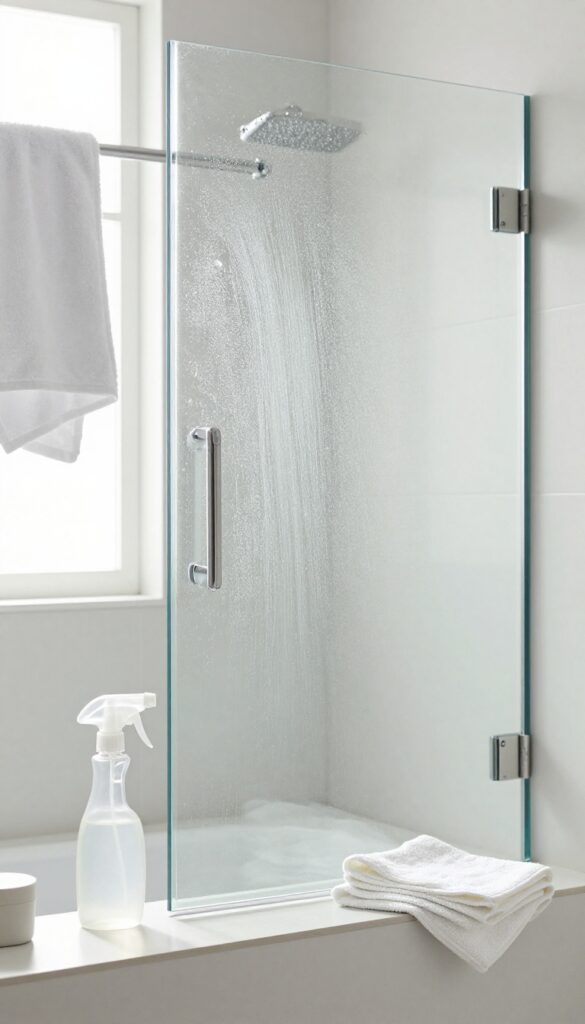
Rubbing alcohol is a powerhouse for cutting through grease and evaporating without residue. It's especially good for removing oily fingerprints and stubborn smudges that plain water leaves behind. This simple mixture gives you professional-level results with almost no effort.
Mix 1 part rubbing alcohol with 4 parts water in a spray bottle. Spray on glass and wipe with a microfiber cloth. Alcohol evaporates quickly, leaving no streaks and removing oily residues.
Why It Works So Well
Rubbing alcohol breaks down oils and soap scum that water alone can't handle. Its fast evaporation means no standing liquid to dry into spots. This makes it ideal for a final polish after a deeper clean.
Best Way To Apply
Use a clean, lint-free microfiber cloth. Mist the glass lightly, then wipe in one direction from top to bottom. For large doors, work in sections to avoid letting the solution dry before you wipe.
When To Use This Hack
Use it as a daily or weekly maintenance spray between deep cleans. It's also great for quickly touching up after guests use the shower. Avoid using it on tinted or frosted glass, as alcohol can damage some coatings.
7. Dishwasher Rinse Aid as a Preventative
You might not think of dishwasher products when it comes to cleaning shower glass, but rinse aid is a secret weapon. It works by breaking the surface tension of water, so droplets slide right off instead of clinging and drying into spots. This hack is especially useful if you live in an area with hard water.
Applying rinse aid is quick and easy. After cleaning your shower glass thoroughly, put a small amount of rinse aid (like Jet-Dry) onto a soft, lint-free cloth. Wipe it evenly over the entire glass surface.
You don't need much—a little goes a long way. The rinse aid leaves a thin, invisible film that repels water. You'll notice fewer spots and less buildup between cleanings.
Reapply every two to three weeks, or whenever you start seeing water spots again. It's a low-effort preventative that keeps your glass looking better for longer.
Why Rinse Aid Works So Well
Rinse aid contains surfactants that reduce the surface tension of water. Instead of beading up and drying into mineral deposits, water sheets off the glass. This means less residue and fewer streaks.
It's the same reason your dishes come out spot-free from the dishwasher.
How To Apply It Correctly
Make sure the glass is clean and dry before applying rinse aid. Use a microfiber cloth to wipe a thin layer over the entire surface. Avoid overspray onto surrounding tile or metal fixtures, as it can leave a residue.
Let it dry for a few minutes before the next shower.
When To Reapply
Depending on your water hardness and shower frequency, the coating can last two to four weeks. When you notice water starting to bead up again instead of sheeting off, it's time to reapply. This hack is perfect for busy households that want to cut down on scrubbing.
8. Cornstarch for a Polished Finish
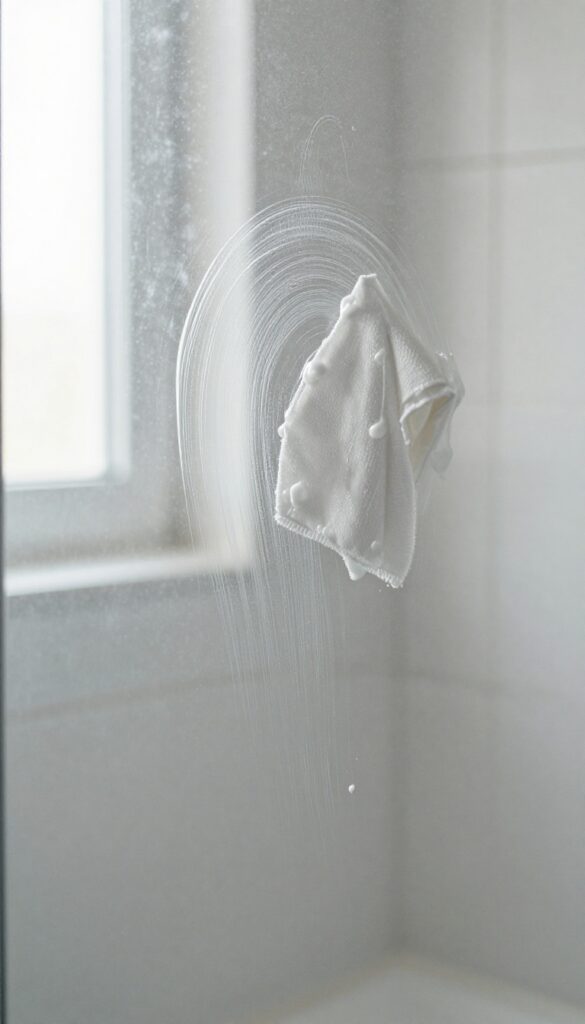
A simple paste of cornstarch and vinegar can give your shower glass a brilliant shine without any harsh chemicals. The cornstarch acts as a gentle abrasive that polishes away light etching and water spots, while the vinegar cuts through any remaining grime. It's an easy, two-ingredient solution that leaves glass looking like new.
When your shower glass looks clean but still lacks that crisp, reflective sparkle, cornstarch is the secret to a polished finish. The fine powder buffs the surface to a high gloss without scratching, and it's safe for all glass types. This method works best on doors that are already free of heavy soap scum—use it as a finishing step after your regular cleaning routine.
How To Make The Paste
Mix 2 tablespoons of cornstarch with enough white vinegar to form a thick, spreadable paste. Start with a tablespoon of vinegar and add more a teaspoon at a time until you reach a consistency similar to toothpaste. Stir well to eliminate lumps, and use it immediately for best results.
Application And Buffing
Apply the paste to the glass using a soft cloth or sponge, spreading it in a thin, even layer. Let it dry completely—usually about 10–15 minutes—until it looks hazy. Then buff it off with a clean, dry microfiber cloth using circular motions.
You'll see the shine emerge as the powder is removed.
When To Use This Hack
This polish is ideal for maintenance cleaning every few weeks, especially if your water is hard and leaves a dull film. It's also great for reviving glass that has lost its luster from years of use. Avoid using it on frosted or etched glass, as the abrasive action may alter the finish.
9. Use a Water Softener
Hard water is often the real culprit behind stubborn stains. Those white, chalky deposits that refuse to budge? That's calcium and magnesium from your water supply.
A water softener or showerhead filter tackles the problem at its source, so you spend less time scrubbing and more time enjoying a clean shower.
Installing a whole-house water softener is the most effective long-term solution. It removes the minerals that cause scaling before water ever reaches your shower glass. If that's not feasible, a showerhead filter is a budget-friendly alternative that still reduces buildup significantly.
Either way, softer water means less frequent deep cleaning and a longer lifespan for your glass doors.
Whole-house Water Softeners
These systems connect to your main water line and use ion exchange to remove calcium and magnesium. The upfront cost is higher, but the benefits extend beyond shower glass—softer skin, less soap scum on fixtures, and reduced mineral deposits on dishes. If you're tired of battling hard water stains everywhere, this is the gold standard.
Showerhead Filters
A simpler, cheaper option is a filter that screws onto your existing shower arm. These typically contain activated carbon and other media that reduce chlorine and some minerals. While not as powerful as a whole-house system, they still make a noticeable difference in how quickly grime builds up.
Replace the cartridge every few months for best results.
Maintenance After Installation
Even with softened water, a quick daily squeegee keeps glass spotless. The key is that you'll need much less effort—and fewer harsh cleaners—to maintain clarity. Pair your softener with a microfiber cloth wipe-down once a week, and you'll rarely need to break out the vinegar or baking soda again.
10. Baby Oil for a Protective Coating
Baby oil isn't just for baby's skin—it works wonders on shower glass too. A tiny amount rubbed onto clean, dry glass leaves a thin, invisible layer that repels water and soap scum. This simple trick helps your shower doors stay cleaner much longer with less effort.
The key is using baby oil sparingly. Too much will leave a greasy film that attracts dust. Just a few drops on a soft cloth, buffed evenly over the glass, is all you need.
The oil fills microscopic pores in the glass, creating a hydrophobic surface that water beads up on and rolls off. This means fewer water spots and less soap scum buildup between cleanings. It works best on glass that has been thoroughly cleaned and dried first.
Why It Works
Baby oil is mostly mineral oil, which is non-toxic and safe for most surfaces. It coats the glass with a slick barrier that water can't grip. Soap scum and hard water minerals have a harder time adhering, so they rinse away more easily during your next shower.
How To Apply It Right
Start with spotless, dry glass. Put a dime-sized amount of baby oil on a microfiber cloth. Rub it onto the glass in circular motions, covering the entire surface.
Then buff with a clean, dry cloth until the glass looks clear with no streaks. You'll barely notice the oil, but the water beading effect will be obvious.
When To Reapply
The protective layer lasts about one to two weeks, depending on how often you shower and your water hardness. When you see water starting to sheet instead of bead, it's time for another light application. Many people make it part of their monthly cleaning routine.
11. Steam Cleaner for Deep Grime
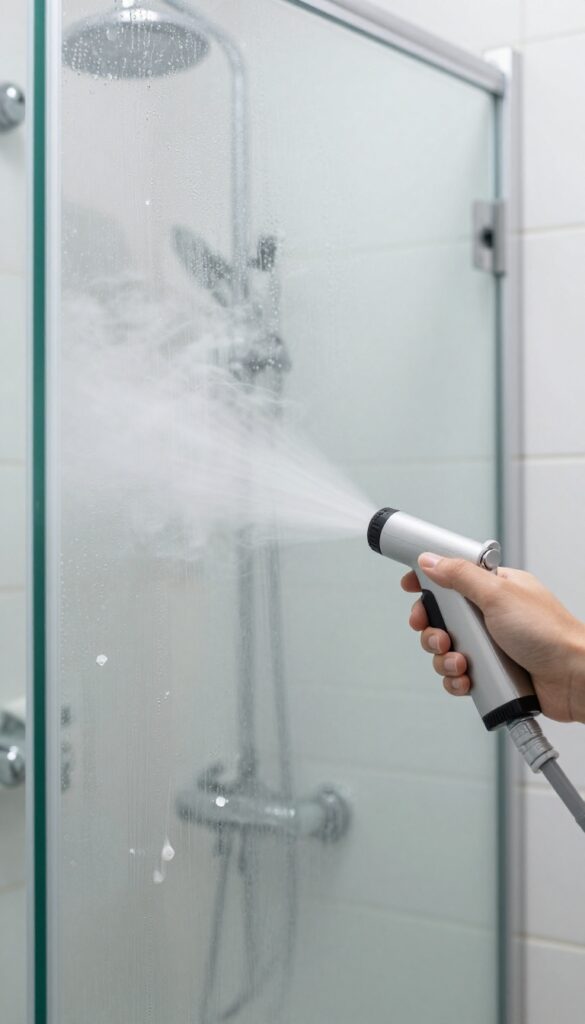
When scrubbing and spraying stop cutting it, steam can be your best friend. A handheld steam cleaner blasts high-temperature vapor onto the glass, loosening layers of soap scum and mineral deposits that have built up over time. It's chemical-free, fast, and surprisingly satisfying to watch the grime melt away.
How Steam Works On Glass
Steam cleaners heat water to around 200°F, producing a concentrated jet of vapor. The heat softens hardened soap scum and mineral crusts, while the moisture helps lift them off the surface. Unlike scrubbing, steam gets into tiny crevices and around door tracks without damaging the glass.
Best Technique For Shower Doors
Fill your steamer according to the manufacturer's instructions and let it heat up fully. Hold the nozzle a few inches from the glass and move it slowly across the surface, focusing on cloudy spots. Let the steam sit for a few seconds, then wipe with a microfiber cloth.
For stubborn areas, repeat or use the steamer's brush attachment.
When To Use This Method
Steam cleaning is ideal for deep cleaning sessions every few months, especially if you have hard water. It's also great for tackling buildup in corners and along the bottom edge where scum collects. Just be sure your glass is tempered and not cracked—steam can worsen existing damage.
12. Toothbrush for Corners and Edges
A soft cloth works fine for the big flat panels, but corners, edges, and the narrow gap where glass meets the frame are where grime hides best. These spots trap soap scum, hard water minerals, and even a little mildew over time. A toothbrush is the perfect tool to reach into those tight spaces without scratching the glass or metal.
To get started, grab an old toothbrush with soft bristles. Dip it in white vinegar or a baking soda paste—both are gentle abrasives that break down buildup without damaging the surface. Scrub along every edge, corner, and crevice where the glass meets the frame or the door track.
Pay extra attention to the bottom edge where water pools, as that area tends to collect the most stubborn residue. Rinse thoroughly with warm water and dry with a microfiber cloth to prevent new spots from forming.
Why A Toothbrush Works Best
The small, angled head of a toothbrush lets you target precise spots that sponges and cloths simply can't reach. Soft bristles are firm enough to dislodge grime but gentle on glass and metal finishes. Plus, you probably already have one lying around, so there's no extra cost.
Best Cleaning Solutions For The Job
White vinegar cuts through hard water stains and soap scum naturally. For tougher buildup, mix baking soda with a little water to form a paste. You can also use a drop of dish soap in warm water for a milder option.
Avoid abrasive powders or bleach-based cleaners, as they can scratch the glass or damage the frame's seal.
Pro Tip For Door Tracks
Don't forget the bottom track where the door slides. Use the toothbrush to scrub along the track's grooves, then flush with water. A small spray bottle helps rinse away loosened debris.
Dry the track with a cloth to prevent rust or mildew from returning.
13. Dryer Sheets for Quick Cleaning
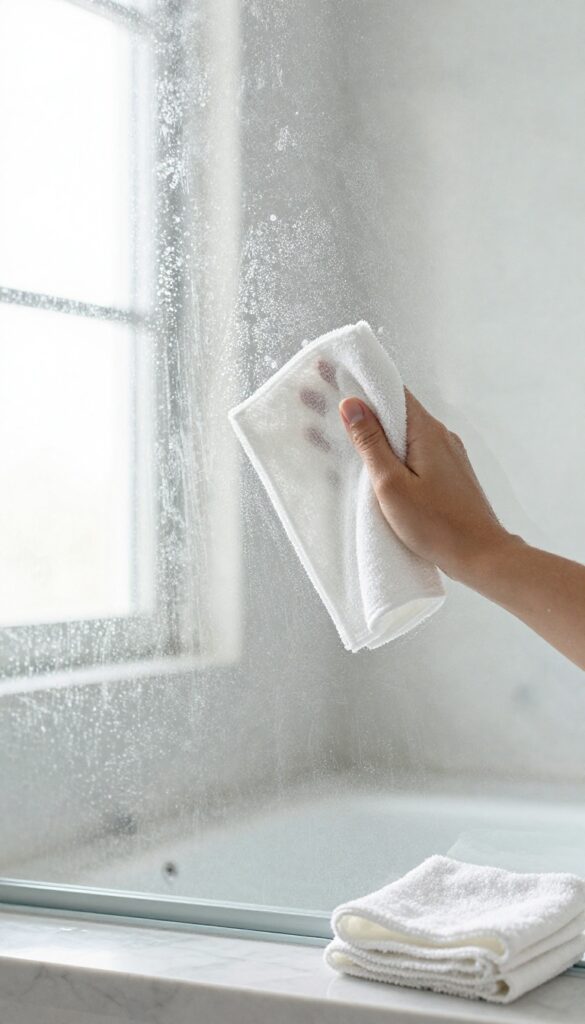
If you do laundry, you already have a secret weapon for shower glass. Used dryer sheets, slightly damp, can wipe away light grime and leave a surprising shine. The anti-static agents help repel dust and soap scum, making future cleaning easier.
Just remember to rinse with water afterward to avoid any residue.
Grab a used dryer sheet from the laundry room and dampen it slightly. Wipe down the glass in circular motions, focusing on spots with soap scum or water spots. The sheet's texture gently lifts grime while the anti-static coating helps prevent new buildup.
Follow up with a clean, damp microfiber cloth to remove any leftover film.
Why It Works
Dryer sheets contain softening agents and anti-static chemicals that reduce static cling. On glass, this means less dust and soap scum sticking to the surface. The slight abrasiveness of the sheet also helps loosen light deposits without scratching.
Best Use Cases
This hack works best for quick touch-ups between deep cleans. Use it after a shower when the glass is still warm and damp for easiest wiping. It's also great for removing fingerprints and smudges from the door handle area.
What To Avoid
Don't use new, dry sheets—they can leave lint and excess chemicals. Always dampen a used sheet. Avoid scented sheets if you're sensitive to fragrances, and test on a small area first to ensure no residue issues.
14. Hydrogen Peroxide for Mold and Mildew
Mold and mildew love the damp environment of a shower, especially along the edges and corners of glass doors. Hydrogen peroxide offers a simple, fume-free solution that kills these fungi on contact without the harsh smell of bleach.
Spray 3% hydrogen peroxide directly onto the affected areas and let it sit for about 10 minutes. The peroxide bubbles as it works, breaking down mold and mildew at the root. After the wait, wipe the glass clean with a damp cloth or sponge.
For stubborn spots, a soft-bristled brush can help loosen the residue before wiping. Rinse thoroughly with water to remove any leftover peroxide, then dry the glass with a microfiber cloth to prevent new spots from forming.
Why Hydrogen Peroxide Works
Hydrogen peroxide is a natural disinfectant that releases oxygen when it comes into contact with organic material. This oxidation process destroys mold and mildew cells without leaving toxic residues. Unlike bleach, it doesn't produce strong fumes, making it safer for enclosed bathrooms.
Best Application Tips
Use a spray bottle with a fine mist to cover the glass evenly. Focus on the corners and edges where moisture collects. For heavy buildup, apply a second round after the first 10-minute soak.
Always test on a small hidden area first to ensure compatibility with your glass finish.
Preventing Future Growth
After cleaning, keep a squeegee handy and use it after every shower to remove excess water. Improve ventilation by running the exhaust fan or cracking a window. Regular peroxide treatments once a week can keep mold and mildew from coming back.
15. Use a Car Wax for Long-Lasting Shine
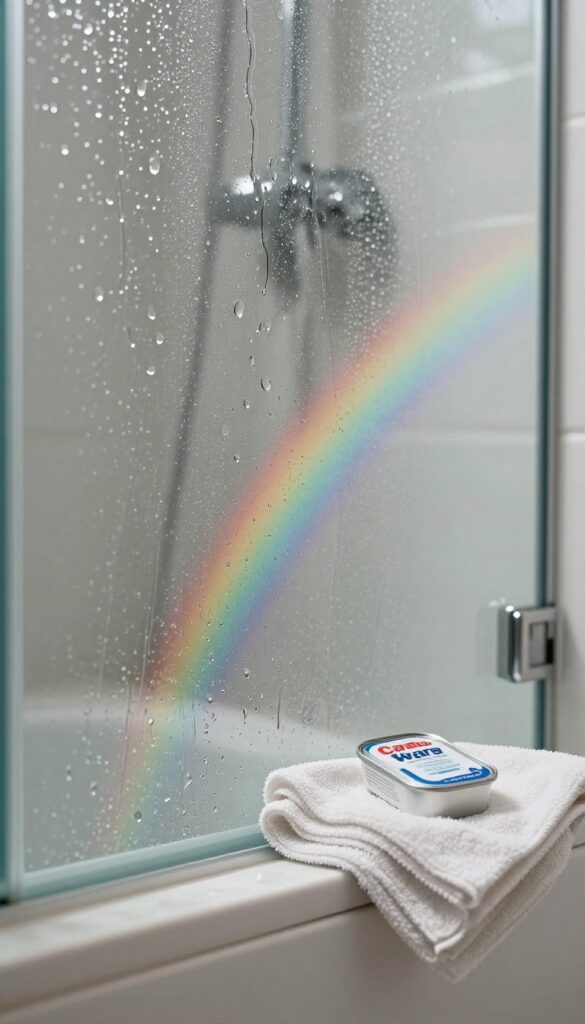
Car wax isn't just for your vehicle's paint—it can work wonders on shower glass doors. A thin coat creates a hydrophobic barrier that makes water bead up and roll off, preventing mineral deposits and soap scum from clinging to the surface. The result?
A streak-free shine that lasts for weeks with minimal effort.
Applying car wax to your shower glass is surprisingly simple and delivers professional-level results. The wax fills microscopic pores in the glass, creating a smooth, slick surface that repels water and grime. This hack is perfect for those who want to cut down on cleaning frequency without investing in expensive commercial glass coatings.
Choosing The Right Wax
Opt for a high-quality carnauba-based or synthetic car wax—Turtle Wax, Meguiar's, or Collinite are solid choices. Avoid products with abrasives or cleaners, as they can scratch the glass. Paste waxes are easier to control than spray waxes, but any non-abrasive automotive wax will work.
Application Tips For Best Results
Start with perfectly clean, dry glass. Apply a pea-sized amount to a soft microfiber cloth and spread it in a thin, even layer using circular motions. Let it haze for about 5–10 minutes (or as directed on the label), then buff off with a clean, dry cloth until the glass is clear.
Work in sections to avoid uneven drying.
How Often To Rewax
Depending on your water hardness and shower usage, the wax layer can last 2–4 weeks. You'll know it's time to reapply when water stops beading and starts leaving spots. A quick maintenance buff with a dry cloth can extend the life of the coating between full applications.
16. Club Soda for Spot-Free Rinse
After you've scrubbed and rinsed your shower glass, the final step often determines whether you'll be battling spots tomorrow. Club soda offers a surprising finishing rinse that tackles residue and prevents new marks from forming. The carbonation lifts leftover cleaning solution, while minerals in the soda help repel water spots.
A quick follow-up with a squeegee locks in the shine.
Pour club soda into a spray bottle, or simply pour it directly over the glass after cleaning. Let it sit for a few seconds, then wipe with a microfiber cloth or use a squeegee. The carbonation helps lift any remaining soap film, and the minerals create a barrier that makes water bead up and roll off instead of drying into spots.
For best results, use chilled club soda—the cold temperature helps the glass dry faster, reducing the chance of streaks.
Why Club Soda Works
Club soda contains carbonic acid, which gives it a slight fizz and a mildly acidic pH. This acidity helps dissolve alkaline mineral deposits and soap scum that regular water might leave behind. Additionally, the sodium and other minerals in club soda act as a mild surfactant, reducing water's surface tension so it sheets off the glass rather than beading up and drying into spots.
How To Apply It
Fill a clean spray bottle with club soda and mist the glass generously after your usual cleaning routine. Let it sit for 30 seconds to a minute, then wipe with a lint-free microfiber cloth or a squeegee. Work from top to bottom to avoid drips.
For extra stubborn spots, spray club soda directly onto a damp cloth and wipe the glass before the final rinse.
When To Skip This Hack
If your shower glass has etched or permanently damaged areas from years of hard water buildup, club soda won't restore the original clarity. It's a preventive and finishing step, not a heavy-duty cleaner. Also, avoid using club soda on glass with decorative coatings or frosted finishes unless you've tested it on an inconspicuous area first.
17. Pumice Stone for Stubborn Hard Water Rings
Hard water rings can feel impossible to remove, especially if they've been building up for weeks. Before you reach for harsh chemicals, try a pumice stone. It's a gentle abrasive that works wonders on glass without scratching.
Wet the pumice stone thoroughly, then gently rub it over the hard water rings or mineral deposits. The stone is softer than glass, so it safely lifts buildup without leaving scratches. Rinse the area well and wipe dry with a microfiber cloth.
For textured or frosted glass, test on a small hidden spot first, as the abrasive action may alter the finish.
Why Pumice Works On Glass
Pumice is a porous volcanic rock that acts as a fine abrasive. When wet, it becomes soft enough to scrub away mineral deposits without damaging the glass surface. It's especially effective on stubborn calcium and lime rings that resist regular cleaners.
How To Use It Safely
Always wet the stone before use—never use it dry. Apply light pressure and let the stone do the work. Keep the glass wet as you scrub to prevent scratching.
Afterward, rinse thoroughly and wipe with a clean cloth. Store the pumice stone in a dry place so it lasts longer.
When To Avoid This Hack
Avoid using a pumice stone on tinted, coated, or etched glass, as it can damage the surface. If your shower door has a protective coating, test the pumice on an inconspicuous area first. For regular clear glass, it's perfectly safe.
18. Dish Soap and Glycerin Mix
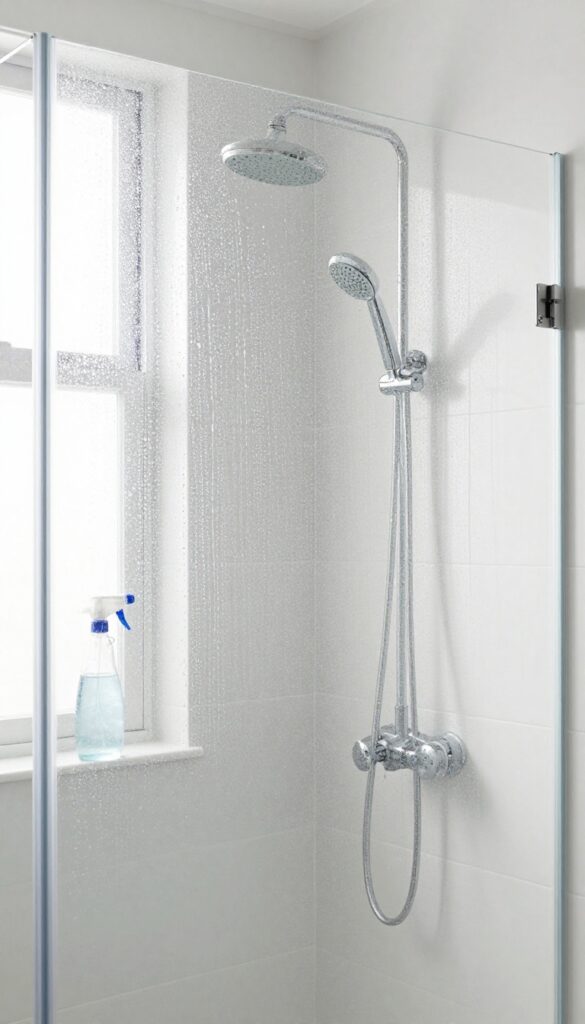
This two-ingredient combo does double duty: it cleans and protects. Dish soap cuts through grease and soap scum, while glycerin leaves a thin invisible film that repels water and prevents fogging. The result is glass that stays cleaner longer and dries streak-free.
Mix 1 tablespoon dish soap, 1 tablespoon glycerin, and 2 cups water in a spray bottle. Shake well and spray on glass. Wipe with a microfiber cloth.
Glycerin helps prevent fogging and repels dirt.
Why Glycerin Works
Glycerin is a humectant that attracts moisture, but on glass it creates a slick barrier. Water beads up and slides off instead of drying into spots. This same property also keeps the glass from fogging up during hot showers.
How To Apply For Best Results
Spray the mixture onto clean, dry glass. Use a clean microfiber cloth to buff it in circular motions until the glass is clear. No need to rinse.
Reapply every two weeks or after a heavy cleaning to maintain the protective layer.
Cost And Safety
Both ingredients are inexpensive and non-toxic. A bottle of glycerin costs a few dollars and lasts for dozens of batches. The solution is safe for pets and kids, and it won't damage glass or metal frames.
19. Use a Microfiber Cloth Only
The cloth you choose matters more than you think. Paper towels and old rags often leave behind lint, streaks, or even tiny scratches on glass. Microfiber cloths are the unsung heroes of streak-free shine.
They trap dirt and moisture without shedding fibers, making them ideal for both cleaning and drying.
Switching to microfiber is one of the simplest changes you can make. A damp microfiber cloth lifts grime without smearing, and a dry one buffs the glass to a brilliant finish. No need for multiple products—just two cloths and a little water often do the trick.
Keep a dedicated set in your shower caddy so they're always handy.
Why Microfiber Works
Microfiber fibers are split into tiny wedges that act like hooks, grabbing dust, oil, and soap scum instead of pushing them around. The electrostatic charge also attracts particles. This means less scrubbing and no chemical residue.
Plus, microfiber absorbs several times its weight in water, so you dry the glass faster.
How To Use It Right
Start with a damp (not soaking) microfiber cloth to wipe down the glass. Use gentle circular motions to loosen grime. Then immediately follow with a dry microfiber cloth in straight strokes from top to bottom.
This prevents water spots and leaves a mirror-like shine. Wash your microfiber cloths separately with mild detergent—never fabric softener—to keep them effective.
Avoid Common Mistakes
Don't use a dirty microfiber cloth; it will just spread grime. Rinse or swap cloths as needed. Also, avoid using microfiber on extremely hot glass (like right after a steamy shower) because heat can damage the fibers.
Let the glass cool slightly first. And never mix microfiber with bleach or harsh chemicals—they can degrade the fibers.
20. Regular Maintenance Schedule
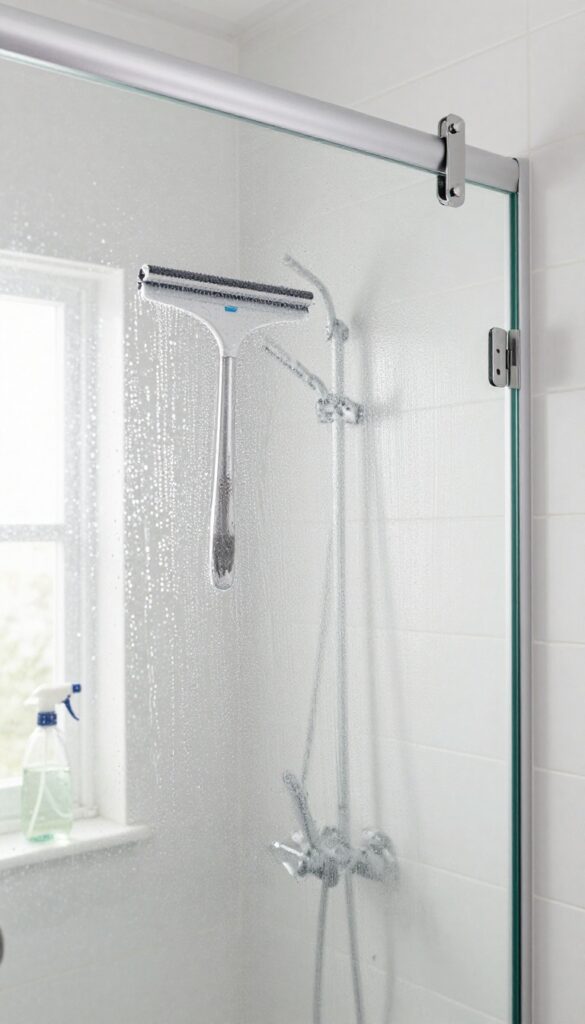
Consistency is the secret to shower glass that always looks fresh. A simple weekly routine prevents buildup before it becomes a problem, saving you time and effort in the long run. By sticking to a few key habits, you can keep your doors sparkling without resorting to harsh chemicals or heavy scrubbing.
The key to effortless shine is a schedule that tackles different tasks at different intervals. Daily, weekly, and monthly steps each play a role in preventing hard water stains and soap scum from taking hold. Once you get into the rhythm, it becomes second nature.
Daily: Squeegee After Every Shower
This is the single most effective habit. A quick squeegee across the glass after each shower removes water droplets before they dry and leave mineral deposits. Keep a squeegee hanging in the shower so it's always within reach.
It takes less than 30 seconds and makes a huge difference.
Every Few Days: Quick Vinegar Spray
Mix equal parts white vinegar and water in a spray bottle. Every two or three days, give the glass a light mist and wipe it down with a microfiber cloth. This cuts through any nascent soap scum and keeps the glass clear.
No rinsing needed.
Monthly: Deep Clean With Baking Soda Paste
Once a month, make a paste of baking soda and a little water. Apply it to any stubborn spots or buildup, let it sit for 10 minutes, then scrub gently with a sponge. Rinse thoroughly and squeegee dry.
This removes the grime that daily cleaning misses.
FAQ
Can I use Windex on shower glass doors?
Yes, but Windex is best for light cleaning. For heavy soap scum or hard water stains, use vinegar or a dedicated glass cleaner. Avoid ammonia-based cleaners on tinted or treated glass.
How often should I clean shower glass doors?
For best results, squeegee after every shower and do a quick wipe-down weekly. A deep clean with vinegar or baking soda every 2-4 weeks keeps buildup manageable.
What is the best homemade cleaner for shower glass?
A mix of equal parts white vinegar and water with a drop of dish soap is highly effective. For extra shine, add a splash of rubbing alcohol.
Will vinegar damage my shower glass?
No, vinegar is safe for glass. However, avoid letting it sit too long on metal frames or seals, as it can corrode some materials. Rinse thoroughly after use.
How do I remove hard water stains from shower glass?
Use a paste of baking soda and lemon juice or white vinegar. Let it sit for 10-15 minutes, scrub gently, and rinse. For stubborn stains, try a pumice stone or a commercial hard water remover.
Conclusion
Keeping your shower glass doors streak-free doesn't require expensive products or hours of scrubbing. Just a few of these hacks—like a daily squeegee swipe or a vinegar rinse—can make a huge difference.
Stick with what fits your routine, and those crystal-clear doors will become a simple, satisfying win every time you step out of the shower.