20 Cleaning Oven Door Tips for Grease and Fingerprints
A sparkling clean oven door makes your whole kitchen look better, but grease and fingerprints seem to reappear almost instantly. You don't need harsh chemicals or expensive sprays to cut through that grime—just a few smart techniques using everyday household items.
These 20 tips target everything from light smudges to baked-on grease, giving you a streak-free shine without the elbow grease. Each method is practical and tested, so you can pick the one that fits your schedule and supplies.
Ready to see your reflection in that glass again? Let's get into the tricks that actually work.
1. The Dish Soap Soak
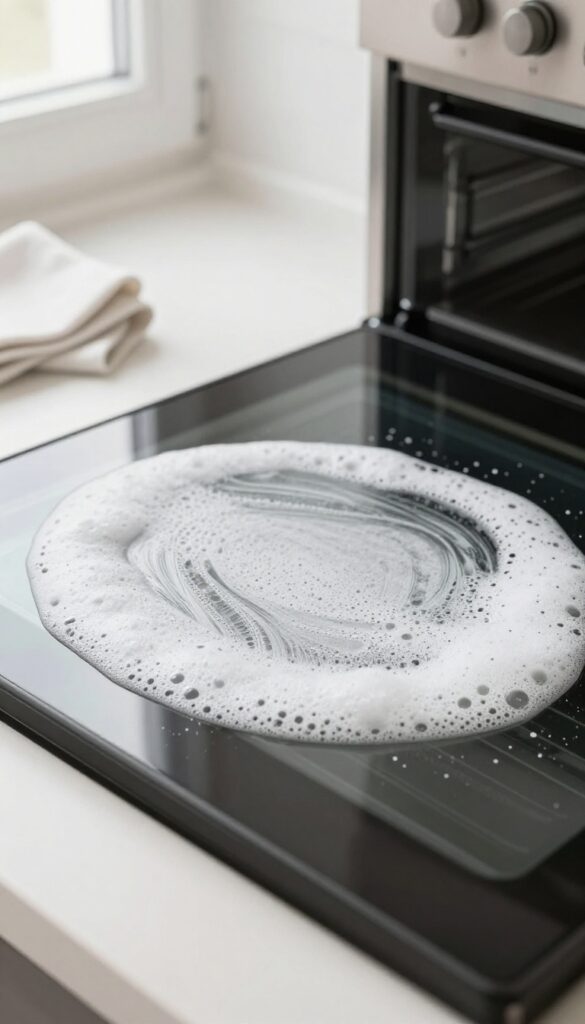
Dish soap is a degreasing powerhouse that works wonders on oven door glass. The trick is giving it enough time to break down the grease before you wipe it away. This method is almost effortless and uses something you already have under your sink.
Start by squeezing a generous amount of liquid dish soap directly onto the cool oven door glass. Use your fingers or a soft sponge to spread it into an even, thick layer—don't be shy, more is better. Let it sit undisturbed for 15 minutes.
During this time, the soap penetrates and loosens the grease and fingerprint residue. After the soak, dip a clean, damp microfiber cloth in warm water and wipe the soap away in circular motions. Rinse the cloth frequently to avoid spreading grease back onto the glass.
For stubborn spots, a gentle scrub with the damp cloth should do the trick. Finish by drying the glass with a fresh, dry microfiber cloth for a streak-free shine.
Why Dish Soap Works So Well
Dish soap is formulated to cut through grease on plates and pans, so it's naturally effective on oven door grime. Its surfactants surround grease molecules, allowing them to be lifted away with water. Unlike harsh chemical cleaners, dish soap is gentle on the glass and won't damage the oven's surface or finish.
Tips For Best Results
For heavy buildup, let the soap sit for up to 30 minutes. If the soap starts to dry out, spritz a little water over it to keep it active. Avoid using abrasive scrubbers like steel wool, which can scratch the glass.
Stick to soft sponges or microfiber cloths for a safe clean.
2. Baking Soda Paste Power
Baking soda is a gentle abrasive that cuts through grease without scratching glass. When mixed with water, it forms a spreadable paste that clings to vertical surfaces, making it perfect for oven doors. This method is cheap, non-toxic, and works on both light smudges and stubborn baked-on grime.
How To Make The Paste
In a small bowl, combine three parts baking soda with one part water. Stir until you get a thick, spreadable consistency—similar to toothpaste. If it's too runny, add more baking soda; if too dry, add a few drops of water.
You'll need enough to coat the entire glass surface.
Application And Wait Time
Using a sponge or your fingers, spread the paste evenly over the oven door glass. Focus on greasy areas and fingerprints. Let it sit for 20 minutes—this gives the baking soda time to break down the grease.
For heavier buildup, you can leave it on for up to 30 minutes.
Scrubbing And Rinsing
After the wait, dampen a sponge and gently scrub the paste in circular motions. The baking soda will lift the grease without scratching. Rinse the sponge frequently and wipe away all residue.
Finish with a clean, damp cloth to remove any streaks, then dry with a microfiber towel.
3. Vinegar Spray for Streak-Free Shine
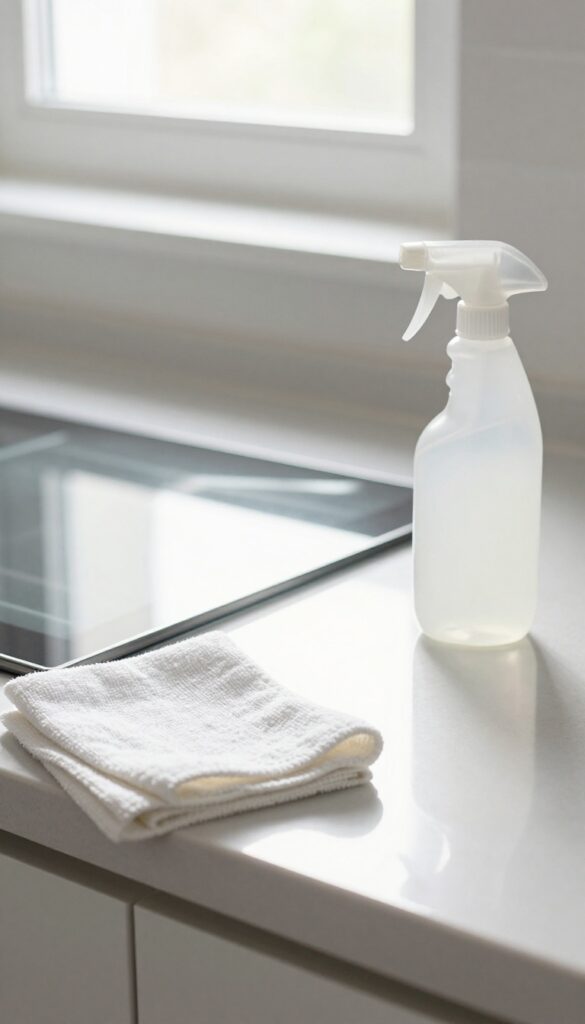
After you've scrubbed away the grease, a final spray of white vinegar can make all the difference. It cuts through any leftover soap film and dries without leaving those annoying streaks that ruin your hard work. This step is quick, cheap, and uses something you probably already have in your pantry.
Vinegar's acidity neutralizes alkaline soap residues and dissolves mineral deposits from tap water. That's why it leaves glass looking crystal clear. Simply mix equal parts white vinegar and water in a spray bottle, mist the oven door, and wipe with a lint-free cloth or newspaper for a spotless finish.
Why Vinegar Works
White vinegar is a mild acid that breaks down soap scum and hard water stains. Unlike commercial glass cleaners, it doesn't leave a chemical film. The acetic acid evaporates quickly, taking residue with it, so you get a natural shine without toxic fumes.
Best Cloth For Streak-free Results
Microfiber cloths are great, but newspaper actually works better for a streak-free shine. The ink acts as a mild abrasive, and the paper doesn't leave lint. If you prefer cloth, use a clean, dry microfiber and buff in circular motions until the glass is clear.
When To Use This Tip
Use the vinegar spray as a final step after any cleaning method—whether you used baking soda, dish soap, or a commercial cleaner. It's especially helpful if you have hard water, which can leave cloudy spots. For best results, let the vinegar sit for 30 seconds before wiping.
4. Lemon Juice Degreaser
When you want a natural degreaser that smells amazing, lemon juice is your go-to. Its acidity breaks down grease on contact, while baking soda provides gentle scrubbing power. Together, they form a paste that tackles even stubborn baked-on grime without harsh chemicals.
This dynamic duo works because the citric acid in lemon juice dissolves grease molecules, and the baking soda acts as a mild abrasive to lift them away. The fresh scent is a bonus that leaves your kitchen smelling clean.
Making The Paste
Mix equal parts lemon juice and baking soda in a small bowl until it forms a thick, spreadable paste. Adjust the consistency by adding more baking soda if it's too runny, or a few more drops of lemon juice if it's too dry.
Application And Wait Time
Apply the paste generously to the oven door glass and any greasy spots. Let it sit for 15–20 minutes so the acid can work on the grease. For tougher spots, leave it on for up to 30 minutes.
Wiping It Clean
Use a damp microfiber cloth to wipe away the paste in circular motions. Rinse the cloth frequently to avoid spreading residue. Finish with a clean, dry cloth for a streak-free shine.
5. The Magic Eraser Trick
If you haven't tried a melamine sponge on your oven door, you're missing out on one of the easiest cleaning shortcuts. These white sponges—often sold as Magic Eraser or generic versions—work like a pencil eraser for fingerprints and light grease. No chemicals, no spraying, just a little water and a gentle touch.
It's almost too simple, but the results speak for themselves.
Melamine foam is micro-abrasive, meaning it lifts dirt without scratching glass. It's perfect for those daily smudges that make your oven door look foggy. Just dampen the sponge, wring out excess water, and wipe in circular motions.
Rinse the sponge as it picks up grime, and you'll see the glass clear up fast.
Why It Works So Well
The magic is in the foam's structure. Melamine acts like ultra-fine sandpaper, breaking down grease and dried fingerprints without any liquid cleaner. It's especially effective on light, fresh messes.
For heavier buildup, pair it with a degreaser first, then finish with the sponge for a streak-free polish.
What To Avoid
Don't use a dry sponge—it can scratch. Always dampen it first. Also, avoid scrubbing too hard on the edges where the glass meets the frame, because the foam can wear away paint or seals.
Stick to the glass surface and rinse the sponge often to prevent redepositing grease.
Where To Find Them
You can buy melamine sponges at any grocery or dollar store. Name brands like Mr. Clean Magic Eraser are popular, but generic versions work just as well.
They're cheap, so stock up and keep one near the oven for quick touch-ups.
6. Rubbing Alcohol for Stubborn Prints
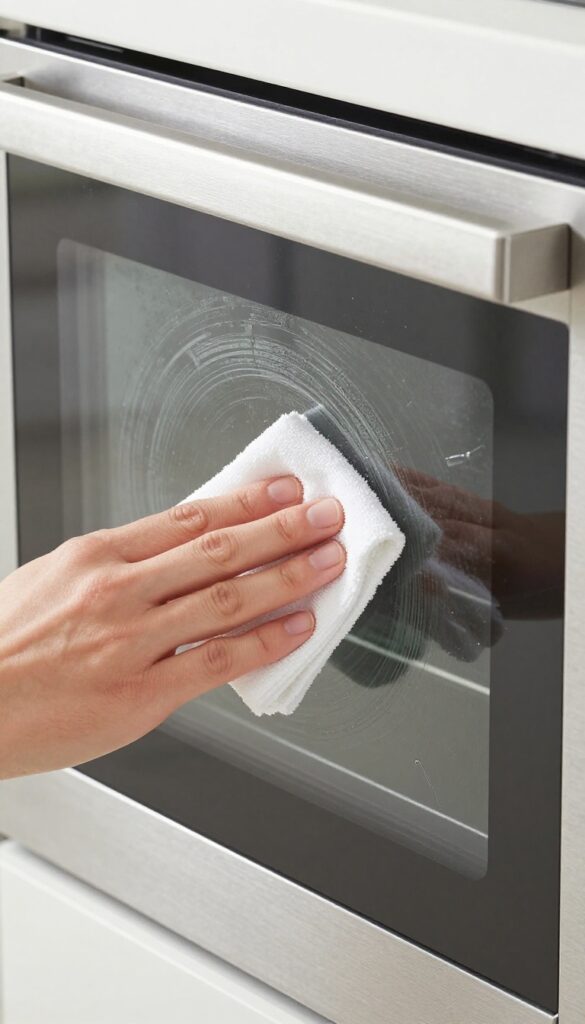
Some fingerprints just refuse to budge, especially if they've been sitting for a while or came from oily hands. Rubbing alcohol cuts through that residue like a charm, dissolving the grease on contact. It evaporates quickly, so you won't be left with streaks or damp spots.
Why It Works So Well
Rubbing alcohol is a solvent that breaks down oils and greasy residues without damaging glass. Unlike water-based cleaners, it doesn't just push the grease around—it actually lifts it off the surface. Plus, its fast evaporation means no smearing.
How To Apply It
Dampen a clean microfiber cloth with a small amount of rubbing alcohol—no need to soak it. Wipe the affected area in a circular motion, focusing on the fingerprints. For extra stubborn spots, let the alcohol sit for 10–15 seconds before wiping.
Safety Tips
Make sure the oven is completely cool before using rubbing alcohol, as it's flammable. Work in a well-ventilated area and keep it away from open flames. Avoid using it on painted or decorative glass, as it may strip the finish.
7. Steam Cleaning with a Bowl of Water
Steam is a surprisingly powerful tool for loosening baked-on grease and fingerprints without any scrubbing. All you need is a bowl of water and a little heat from the oven itself. This method is perfect for when you want a deep clean with minimal effort.
How It Works
The steam softens dried grease and grime, making it easy to wipe away. It's gentle on the glass and doesn't involve any harsh chemicals. Plus, the heat helps sanitize the door surface.
Step-by-step Instructions
Fill an oven-safe bowl with water and place it on the bottom rack. Preheat the oven to 250°F (120°C) and let it run for 20 minutes. Turn off the oven and let the steam settle for a few minutes.
Then, simply wipe the door with a microfiber cloth or sponge. The grime should come off effortlessly.
When To Use This Method
This technique works best for moderate buildup—not for years of neglect. If your oven door has thick, crusty grease, you might need to repeat the process or combine it with a baking soda paste. For regular maintenance, steam cleaning once a month keeps the door looking great.
8. Cream of Tartar Polish
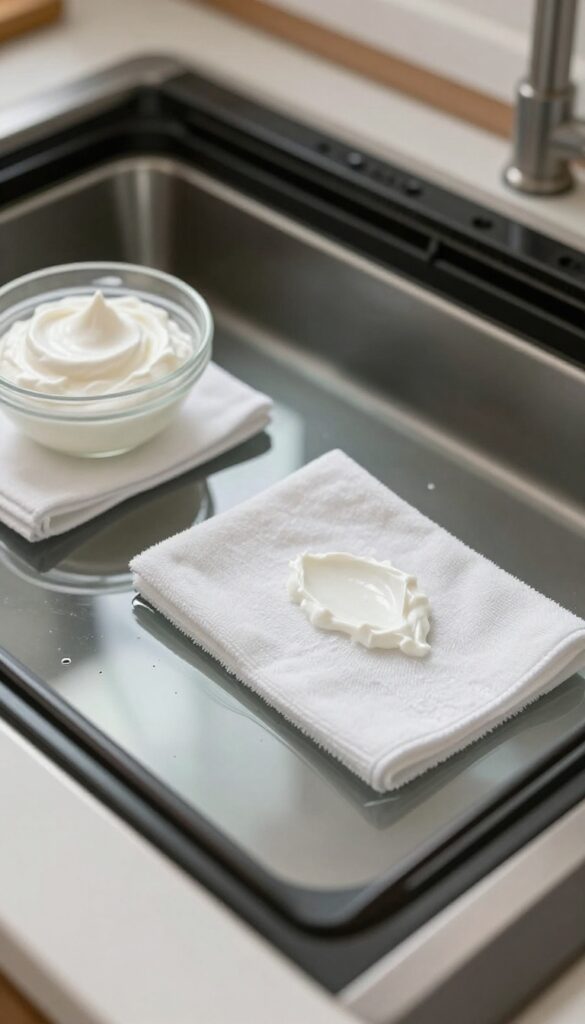
Cream of tartar isn't just for baking—it makes a surprisingly effective gentle abrasive for glass. Mixed with water, it forms a paste that polishes away baked-on grease without scratching the surface. This method is perfect when you want a chemical-free option that still delivers a streak-free shine.
Cream of tartar is a mild acid that breaks down grease while being gentle enough for delicate oven glass. Unlike harsh scrubbers, it won't leave micro-scratches that attract more grime. The paste consistency also helps it cling to vertical surfaces, making it easier to work on the door without dripping.
How To Make The Paste
Mix equal parts cream of tartar and water in a small bowl until it forms a thick, spreadable paste. For tougher spots, add a splash of white vinegar to boost the cleaning power. Stir until smooth—you want it thick enough to stay put on the glass but not so thick that it's hard to spread.
Application And Buffing
Apply the paste to the oven door using a soft cloth or sponge, focusing on greasy areas and fingerprints. Let it sit for 5–10 minutes to loosen the grime. Then gently rub in circular motions—no need for heavy pressure.
The paste will lift the grease as you go. Rinse with a damp cloth and buff dry with a microfiber towel for a clear, shiny finish.
When To Use This Method
This polish works best on light to moderate grease buildup and stubborn fingerprints. It's also a great choice if you prefer natural cleaning products or if you have sensitive skin that reacts to commercial cleaners. For heavy baked-on residue, you may need to repeat the process or combine it with a steam treatment first.
9. Hydrogen Peroxide Spray
Hydrogen peroxide isn't just for first aid—it's a surprisingly effective cleaner for glass oven doors. The fizzing action helps lift grease and fingerprints, while its mild bleaching properties tackle any discoloration. Best of all, it's non-toxic and leaves no harsh chemical residue.
Spraying 3% hydrogen peroxide directly onto the oven door glass creates a fizzy reaction that breaks down greasy grime. Let it sit for about 10 minutes to work its magic, then wipe clean with a microfiber cloth. For stubborn spots, a second application may be needed.
The result is a streak-free, bright finish that looks like new.
Why Hydrogen Peroxide Works
Hydrogen peroxide is an oxidizing agent that reacts with organic matter, including grease and oils. The fizzing helps physically lift dirt from the surface, while the oxidation breaks down stains. It's gentle enough for regular use but effective enough for tough buildup.
How To Apply For Best Results
Pour 3% hydrogen peroxide into a spray bottle and mist the entire glass surface. Let it fizz and bubble for 10 minutes—don't wipe it off early. Use a clean, damp microfiber cloth to wipe away the residue, then buff dry with a separate cloth for a streak-free shine.
Safety And Precautions
Hydrogen peroxide is safe for most oven doors, but avoid contact with rubber seals or metal trim as it may cause slight discoloration over time. Test on a small hidden area first. Keep it away from children and pets until dry, and never mix with vinegar or bleach.
10. The Toothbrush Detail
Grease loves to hide in the tiny crevices around your oven door—along the edges, near the hinges, and inside the glass seal. A cloth or sponge can't reach those spots, but an old toothbrush can. Paired with a simple baking soda paste, it becomes a precision tool for scrubbing away stubborn buildup without scratching the surface.
Why A Toothbrush Works Best
The bristles are stiff enough to dislodge caked-on grease but soft enough not to damage the glass or rubber gasket. They also fit into narrow gaps where dirt accumulates over time. An old manual toothbrush is perfect—just make sure it's clean before you start.
Making The Baking Soda Paste
Mix three parts baking soda with one part water in a small bowl until it forms a thick, spreadable paste. Add a drop of dish soap for extra degreasing power. The paste should be gritty enough to scrub but not runny.
Adjust the ratio if needed.
How To Scrub The Edges And Corners
Dip the toothbrush into the paste and work it into the crevices along the top, bottom, and sides of the door. Focus on the corners where grease tends to pool. Use short, circular motions and apply gentle pressure.
Let the paste sit for a minute to loosen tough grime before wiping it away with a damp cloth.
11. Dishwasher Tablet Hack
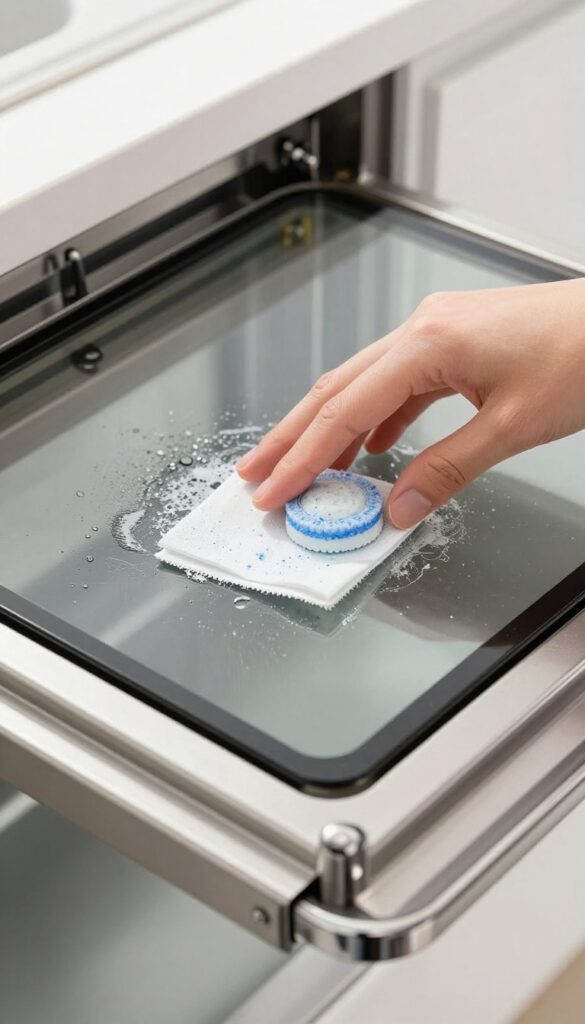
You know those dishwasher tablets sitting under your sink? They're not just for dishes. One tablet can cut through oven door grease faster than most commercial cleaners.
The secret is the combination of surfactants and enzymes that break down baked-on grime on contact.
How To Use It
Wet a dishwasher tablet slightly—just enough to create a paste-like texture. Rub the damp tablet directly onto the greasy glass or stainless steel. Focus on fingerprints and splatters.
Let it sit for two to three minutes, then scrub gently with a soft sponge. The tablet will foam and loosen the grease.
Rinse Thoroughly
After scrubbing, wipe away all residue with a damp microfiber cloth. Dishwasher tablets contain strong detergents, so any leftover film can streak or even damage the finish if left on. Follow up with a dry cloth for a spotless shine.
Why It Works
Dishwasher tablets are designed to dissolve tough food residue in hot water. On your oven door, the enzymes attack grease molecules while the mild abrasives help scrub away stuck-on bits without scratching the glass.
12. Microfiber Cloth Only
Sometimes the simplest solution is the best one. When you're dealing with light fingerprints or daily smudges, you don't need any cleaner at all—just a good microfiber cloth. This method is perfect for quick touch-ups between deep cleans.
A dry microfiber cloth works wonders on fresh fingerprints and light grease marks. The ultra-fine fibers trap dust and oils without scratching the glass. Keep a dedicated cloth near your oven for daily wipes.
Why Microfiber Works Best
Microfiber has a static charge that attracts dust and grease particles. Unlike paper towels, it won't leave lint or streaks. The split fibers create a large surface area that grabs grime instead of pushing it around.
How To Use It
Simply fold the cloth into a small square and wipe the glass in a circular motion. For stubborn spots, breathe on the glass to create a little condensation, then buff away. No spray, no chemicals, no mess.
Care Tips For Your Cloth
Wash microfiber cloths separately from cotton or linty fabrics. Skip fabric softener—it clogs the fibers and ruins their effectiveness. Air dry or tumble dry on low to keep them working like new.
13. Cornstarch for Grease Absorption
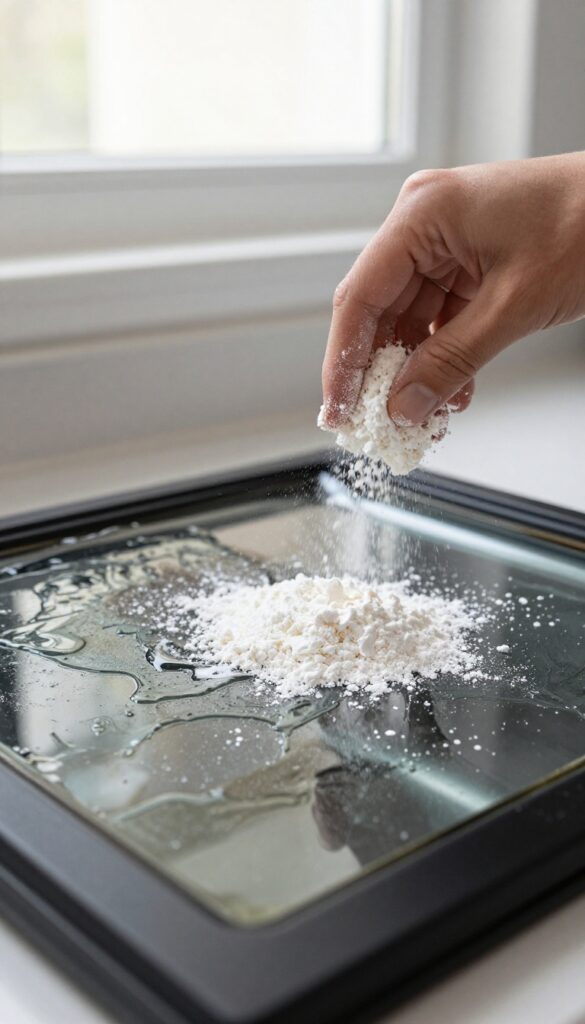
Grease splatters on the oven door can feel impossible to wipe off without smearing. Cornstarch offers a simple, mess-free solution: it absorbs the oil right out of the glass, leaving a clean surface behind. This trick works best on fresh or slightly set-in grease, not burnt-on crust.
Sprinkle a generous amount of cornstarch directly onto the greasy spots. Let it sit for about 5 minutes—you'll see it start to clump as it soaks up the oil. Then wipe everything away with a damp microfiber cloth.
The cornstarch lifts the grease without scratching the glass, and you don't need any additional soap or spray. For stubborn areas, repeat the process or let the cornstarch sit a little longer. This method is especially handy when you're out of degreaser or want a non-toxic option.
Why Cornstarch Works
Cornstarch is a fine powder with a high surface area that acts like a sponge for oils. It binds to grease molecules, making them easy to lift off the glass without pushing the grease around. Unlike abrasive powders, it's gentle on oven door surfaces.
Step-by-step Application
First, make sure the oven door is cool. Sprinkle a thin, even layer of cornstarch over all greasy areas. Let it sit undisturbed for 5 minutes.
Then, dampen a clean microfiber cloth with warm water and wipe in one direction. Rinse the cloth as needed to avoid redepositing grease. Finally, buff the glass dry with a separate dry cloth for a streak-free shine.
When To Use This Method
This trick is perfect for light to moderate grease buildup—like after a few days of cooking. It's not ideal for heavy, baked-on residue that requires scraping or soaking. Use it as a quick maintenance step between deeper cleans to keep your oven door looking fresh.
14. The Newspaper Method
Old newspaper isn't just for recycling—it's one of the best tools for a lint-free, streak-free shine on your oven door. The combination of soft, absorbent paper and a simple vinegar-water solution cuts through grease without leaving those annoying fibers behind. Plus, it's practically free.
Crumple a few sheets of newspaper into loose balls. In a small bowl, mix equal parts white vinegar and warm water. Dip the crumpled newspaper into the solution, wring it out slightly, and start wiping the glass in circular motions.
The newspaper acts like a gentle abrasive, lifting grease and fingerprints while the vinegar dissolves the grime. Finish with a dry crumpled sheet to buff the glass to a brilliant shine. No streaks, no lint, just a clear door.
Why Newspaper Works So Well
Newspaper is made from wood pulp that's been pressed and dried, giving it a slightly textured surface that grabs grease without scratching glass. Unlike paper towels, it doesn't leave lint or fuzz behind. The ink is also a mild abrasive that helps polish the surface as you wipe.
Best Practices For A Streak-free Finish
Use black-and-white pages only—color sections can transfer dye. Change your crumpled ball frequently so you're not redepositing grease. Work in small sections, and always finish with a dry piece of newspaper for that final polish.
When To Skip This Method
If your oven door has baked-on, crusty grease, the newspaper method may not be strong enough. Use a baking soda paste first to loosen the grime, then finish with newspaper for the shine. Also avoid using newspaper on non-glass surfaces like the oven handle or control panel, as the ink can stain plastic or metal.
15. Essential Oil Boost
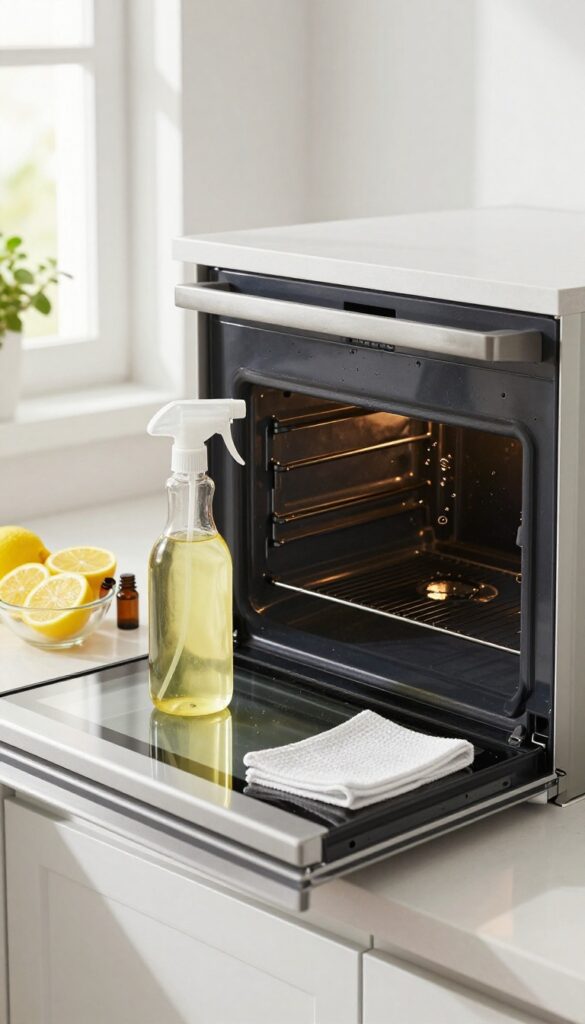
A few drops of essential oil can turn your everyday cleaner into a powerhouse. Lemon oil cuts grease naturally, while tea tree oil brings antibacterial properties and a fresh scent. It's a simple upgrade that makes cleaning feel a little more luxurious.
Why Lemon Works So Well
Lemon essential oil is a natural degreaser. Its high limonene content breaks down sticky residue and baked-on grease without harsh chemicals. Just add 5–10 drops to your vinegar-water spray or baking soda paste, and watch the grime loosen faster.
Tea Tree For Tough Spots
Tea tree oil is known for its antimicrobial properties, but it also helps dissolve stubborn fingerprints and smudges. Its fresh, medicinal scent neutralizes kitchen odors. Mix 8 drops with a cup of warm water and a squirt of dish soap for a potent glass cleaner.
How To Mix And Apply
Combine 1 cup white vinegar, 1 cup water, and 10 drops of your chosen essential oil in a spray bottle. Shake well before each use. Spray onto the oven door, let sit for 2 minutes, then wipe with a microfiber cloth.
For extra stubborn spots, add a sprinkle of baking soda.
16. Bar Keepers Friend for Tough Stains
Bar Keepers Friend isn't just for stainless steel sinks and pots. This mild abrasive cleaner works wonders on baked-on grease and stubborn stains on your oven door glass. It's a go-to when gentler methods fail, and it restores that crystal-clear look without scratching.
Why It Works On Glass
Bar Keepers Friend contains oxalic acid and fine abrasives that break down carbonized grease without damaging glass. It's strong enough to lift years of grime but gentle enough for regular use. The powder form lets you control the abrasion level by adjusting how much water you add.
How To Apply It Safely
Wet a soft sponge, sprinkle a small amount of powder directly on the sponge, and rub it onto the stained glass in circular motions. Avoid the oven door edges and seals to prevent residue buildup. Let it sit for one minute, then rinse thoroughly with a damp cloth.
Rinsing And Buffing For Streak-free Results
After rinsing, wipe the glass with a clean, damp microfiber cloth to remove any leftover powder. Then buff dry with a second microfiber cloth. This final step ensures no streaks or powdery haze remain, leaving the glass spotless.
17. The Razor Blade Scrape
When baked-on grease has formed a stubborn crust that nothing else will touch, a razor blade can be your secret weapon. This method works only on glass oven doors, so check that your door is glass (not coated or plastic) before you start. Used carefully, it lifts off carbonized grime without scratching.
The razor blade scrape is a last-resort technique for burnt-on grease that has turned into a hard, dark layer. It's fast and effective, but safety and technique are everything.
When To Use This Method
Only use a razor blade on a glass oven door. Never use it on enamel, painted surfaces, or the oven interior. It's ideal for thick, crusty deposits that won't budge with baking soda or vinegar.
How To Do It Safely
Hold the blade at a 45-degree angle to the glass. Use short, gentle strokes, pushing the blade away from you. Keep the glass wet with a soapy water spray or glass cleaner to lubricate and prevent scratches.
Wipe away debris frequently.
After The Scrape
Once the burnt-on layer is removed, clean the glass with your usual glass cleaner or a vinegar-water mix. Buff dry with a microfiber cloth for a streak-free finish. The door will look like new.
18. Ammonia-Free Glass Cleaner
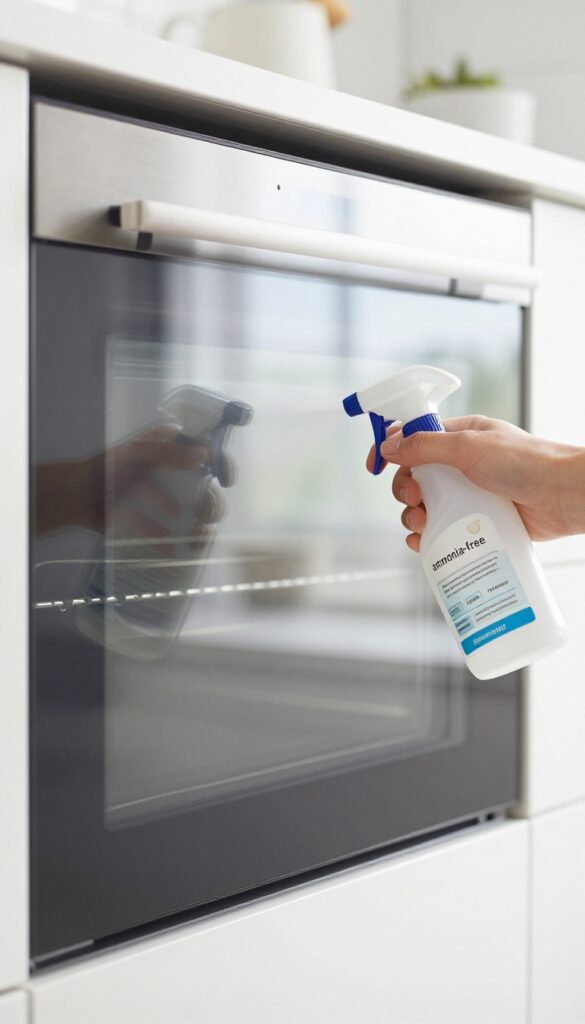
Not all glass cleaners are created equal, especially when it comes to your oven door. Many popular brands contain ammonia, which can leave streaks and even damage the tinted coating on some oven windows. An ammonia-free glass cleaner is a safer, more effective choice for cutting through grease and fingerprints without harming the finish.
Why Ammonia-free Matters
Ammonia-based cleaners can react with the protective coating on your oven door, causing discoloration or cloudiness over time. They also tend to evaporate too quickly, leaving streaks behind. Ammonia-free formulas are gentler and designed to wipe clean without residue, making them ideal for the delicate glass surface.
How To Use It Right
Spray the cleaner directly onto a microfiber cloth, not the glass. This prevents excess liquid from dripping into the oven's edges or heating elements. Wipe in a circular motion to lift grease, then buff dry with a clean section of the cloth for a streak-free shine.
Top Brands To Try
Look for brands like Sprayway, Invisible Glass, or Method that explicitly state 'ammonia-free' on the label. Avoid any cleaner that lists ammonia or ammonium hydroxide in the ingredients. A quick check before you buy can save you from a hazy oven door.
19. Preventative Wax Coating
Once your oven door is sparkling clean, you might wonder how to keep it that way without constant scrubbing. The answer is simpler than you think: a thin layer of car wax. This trick creates a protective barrier that makes grease and fingerprints slide off with minimal effort on your next cleaning day.
Why Car Wax Works On Glass
Car wax is designed to repel water, dirt, and grime from automotive paint, but it works just as well on oven door glass. The wax fills microscopic pores in the glass, creating a slick surface that grease and fingerprints can't easily bond to. When you wipe the door later, grime comes off with far less scrubbing.
How To Apply Wax To Your Oven Door
Start with a completely clean and dry oven door. Apply a small dab of car wax to a soft microfiber cloth—about the size of a pea is plenty. Rub it onto the glass in a circular motion, covering the entire surface.
Let it haze for a minute, then buff it off with a clean microfiber cloth until the glass is clear and streak-free. Avoid getting wax on rubber seals or handles.
How Often To Reapply For Best Results
One application can last several weeks, depending on how often you use your oven. If you bake frequently or notice grease starting to stick again, reapply every two to four weeks. You'll know it's time when water no longer beads up on the glass.
This simple routine slashes your cleaning time and keeps your oven door looking great.
20. Regular Wipe-Down Routine
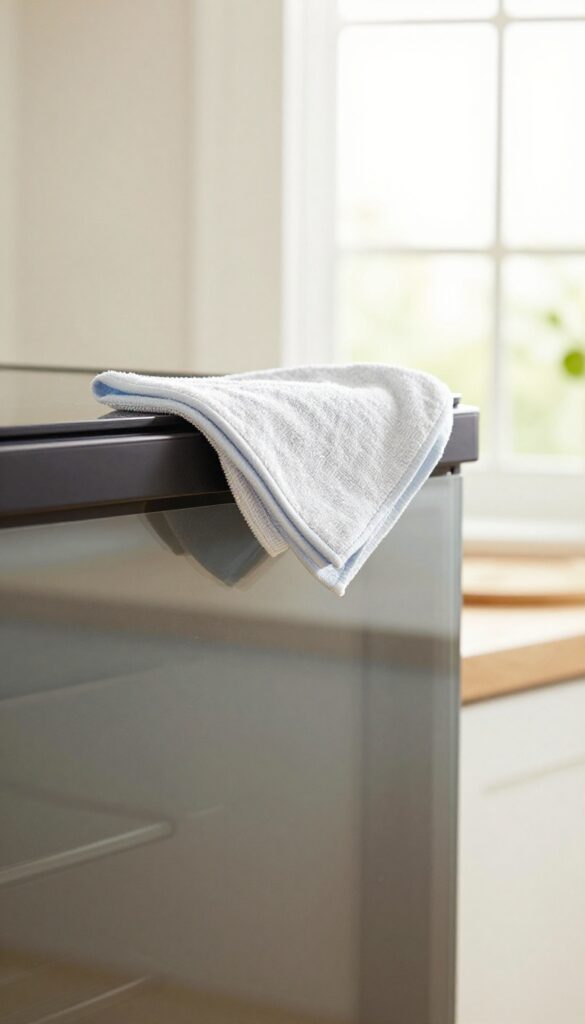
The easiest way to keep your oven door spotless is to stop grease and fingerprints from building up in the first place. A quick wipe after every use takes just seconds but saves you from heavy scrubbing later. This simple habit is the foundation of a clean kitchen.
Make it a habit to wipe the oven door with a damp microfiber cloth after each use, once the door has cooled enough to touch safely. Focus on the glass and the handle, where fingerprints and splatters land most. For extra protection, follow up with a dry cloth to prevent streaks.
This routine keeps the door looking fresh and makes deep cleaning sessions much easier.
Why It Works So Well
Grease and fingerprints are easier to remove when they're fresh. Once they bake on from the oven's heat, they turn into stubborn, crusty spots that require more effort. A quick wipe after each use removes the oils before they have a chance to bond with the glass.
What You'll Need
Just a soft microfiber cloth and a little warm water—no special cleaners required. Microfiber grabs grease without scratching the glass. Keep a dedicated cloth near the oven so it's always handy.
When To Do It
Wait until the door is warm but not hot to the touch—usually 5 to 10 minutes after cooking. Wiping while it's still slightly warm helps loosen any residue. Never wipe a hot door; thermal shock can crack the glass.
FAQ
Can I use Windex on my oven door?
Yes, but choose an ammonia-free version to avoid damaging the glass or leaving streaks. Spray on a cloth, not directly on the door.
How do I clean between the glass panes?
If your oven door has vents, use a thin brush or pipe cleaner dipped in vinegar to reach inside. For sealed doors, professional cleaning may be needed.
Will baking soda scratch the glass?
No, baking soda is gentle. Just make sure to use a soft sponge or cloth, not abrasive scrubbers.
How often should I clean the oven door?
For light maintenance, wipe after each use. For deep cleaning, do it every 1-2 months depending on usage.
Can I use oven cleaner on the glass?
Avoid harsh oven cleaners on the glass as they can damage the seal or leave residue. Stick to mild natural methods.
Conclusion
A sparkling oven door isn't just about looks—it means your oven heats more evenly and you're not breathing in burnt grease fumes. Start with the gentlest method for your door type, then tackle stubborn spots with the heavy hitters from this list.
Regular quick wipes between deep cleans will keep fingerprints and smudges at bay. You've got all the tools now to make that glass shine like new without harsh chemicals or endless scrubbing.