23 Cleaning Oven Glass Window Tips for a Clear View
You open the oven door to check on your roast, but all you see is a foggy, grease-smeared window. That baked-on grime doesn't just hide your food—it makes the whole oven feel dirtier than it is.
The good news is you don't need expensive sprays or elbow grease to get it sparkling again. Most oven glass messes come from splatters and smoke that bake into a stubborn layer over time.
But with the right approach, you can cut through that buildup quickly. Whether you prefer natural solutions or heavy-duty cleaners, there's a method here that will work for your situation.
1. Start with a Baking Soda Paste
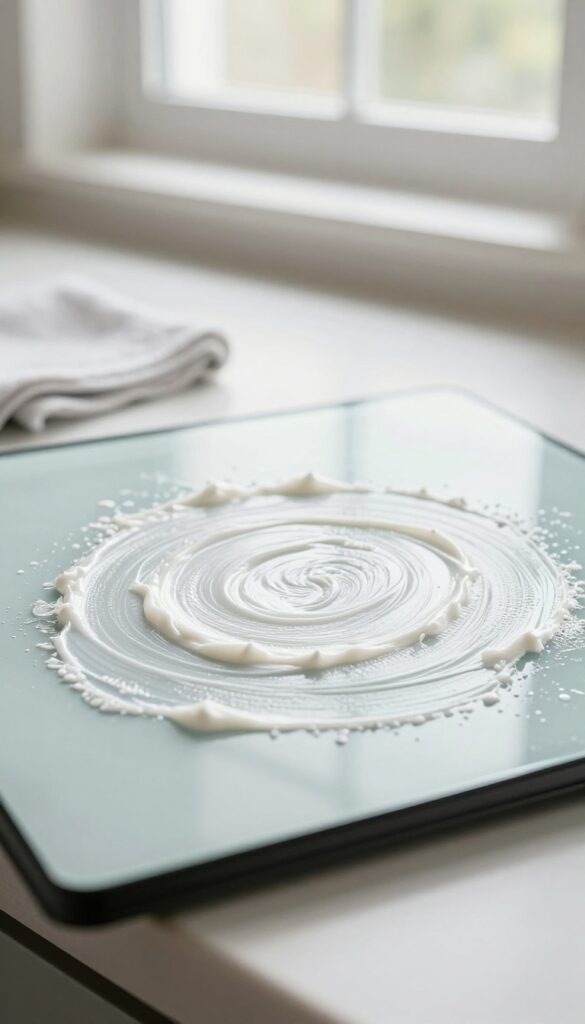
Baking soda is a gentle abrasive that cuts through grease without scratching the glass. When mixed with water, it forms a paste that clings to vertical surfaces, making it perfect for oven doors. This method is cheap, non-toxic, and works on even the toughest baked-on grime.
Mix three parts baking soda with one part water to create a thick, spreadable paste. Apply it generously to the cool oven glass, focusing on the greasiest spots. Let it sit for 15–20 minutes—this gives the baking soda time to break down the grease.
Then, dampen a microfiber cloth and wipe in circular motions. Rinse the cloth frequently and repeat until the glass is clear. For stubborn residue, add a splash of white vinegar to the cloth for extra lifting power.
Why Baking Soda Works
Baking soda is slightly alkaline, which helps dissolve acidic grease and food residues. Its fine particles provide gentle scrubbing action without leaving micro-scratches. Unlike harsh chemical cleaners, it's safe for the glass and the environment.
How To Apply For Best Results
Make sure the oven glass is cool to the touch. Use a sponge or your fingers (with gloves) to spread the paste evenly. Let it sit without drying out completely—if it starts to harden, spritz it lightly with water.
Wipe away with a damp cloth, then buff dry with a clean towel.
When To Use This Method
This paste is ideal for light to moderate buildup. For years of baked-on grime, you may need to let it sit longer or repeat the process. It's also a great first step before using a razor scraper on stubborn spots.
2. Use White Vinegar for a Streak-Free Shine
White vinegar is a powerhouse when it comes to cutting through grease and leaving glass crystal clear. After you've scrubbed away the heavy grime with baking soda, vinegar finishes the job by dissolving any leftover residue and neutralizing odors. It's cheap, non-toxic, and works like magic on oven windows.
Why Vinegar Works So Well
Vinegar is acidic, which means it breaks down alkaline residues like baked-on grease and soap scum. When you spray it on glass, it reacts with any remaining baking soda or grime, creating a fizzing action that lifts debris. This makes wiping effortless and prevents streaks.
How To Apply It
Fill a spray bottle with undiluted white vinegar. After cleaning with baking soda, spray the glass generously. Let it sit for 30 seconds to a minute.
Then wipe with a clean, dry microfiber cloth in circular motions, followed by vertical strokes for a streak-free finish.
Pro Tips For Best Results
Use distilled white vinegar for the strongest effect. If the smell bothers you, add a few drops of lemon essential oil. For extra stubborn spots, spray vinegar on a cloth and rub directly.
Avoid using paper towels—they leave lint and streaks.
3. Try the Dish Soap and Hot Water Soak
Sometimes the simplest solution works best. If your oven glass has light grime—just a thin layer of grease or a few splatters—you don't need harsh chemicals or heavy scrubbing. A mixture of dish soap and hot water can break down that buildup with minimal effort.
The key is letting it sit long enough for the soap to loosen the grease before you wipe it away.
This method is gentle on the glass and on your hands. It's also one of the cheapest ways to clean oven glass since you probably already have dish soap in your kitchen. The hot water helps activate the soap's grease-cutting power, while the soak time does the heavy lifting for you.
How To Mix And Apply
Fill a spray bottle with hot tap water and add a few drops of dish soap. Swirl gently to mix without creating too many suds. Spray the solution generously onto the cool oven glass, making sure to cover all the greasy spots.
Let it sit for 10 minutes—set a timer so you don't forget.
Scrubbing Without Scratching
After the soak, use a non-abrasive sponge or a soft microfiber cloth to gently scrub the glass in circular motions. Avoid steel wool or rough scrubbers—they can leave fine scratches that make future cleaning harder. Rinse the sponge often in warm water to remove loosened grease.
Final Rinse And Drying
Once the glass looks clean, wipe away any soap residue with a damp cloth. Then dry the glass with a clean, lint-free towel to prevent water spots. If you see streaks, buff them out with a dry microfiber cloth.
Your oven window should now be clear enough to see through easily.
4. Leverage the Power of Lemon Juice
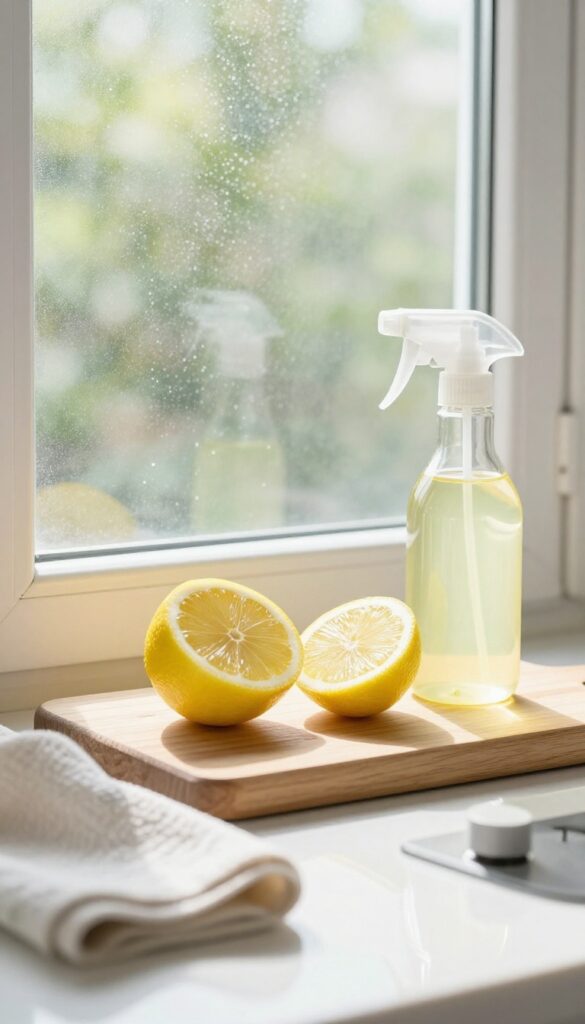
Lemons aren't just for lemonade. Their natural acidity cuts through grease like a charm, making them a fantastic option for cleaning oven glass. Plus, you get a fresh, citrusy scent without any harsh chemical fumes.
Using lemon juice is simple and effective. The citric acid breaks down baked-on grease and grime, leaving your oven window clear and shiny. It's a safe, non-toxic method that works well for light to moderate buildup.
Fresh Vs. Bottled
Fresh lemon juice is more acidic and potent, so it works faster. But bottled lemon juice also does the job in a pinch. Either way, apply it generously to the glass.
How To Apply
Squeeze fresh lemon juice directly onto the glass or dip a sponge in juice and rub it over the surface. Let it sit for 15 minutes to break down the grease, then wipe clean with a damp cloth.
For Stubborn Spots
If you have tough baked-on spots, cut a lemon in half and rub it directly on the glass. The combination of juice and gentle scrubbing action helps lift stubborn grime.
5. Use a Razor Blade for Stubborn Baked-On Spots
Sometimes, even the best cleaning paste leaves behind a few crusty black spots that just won't budge. That's when you need a little mechanical help. A razor blade is surprisingly effective at scraping off burnt-on residue without damaging the glass—if you do it right.
Hold a razor blade at a 45-degree angle and carefully scrape off burnt-on residue. Keep the glass wet to avoid scratches. This works best on tough, crusty spots.
Why A Razor Blade Works
Oven glass is tempered and tougher than regular glass, so it can handle light scraping. The thin edge of a razor blade gets under the burnt crust and lifts it away cleanly. No chemicals needed.
The Right Technique
Always wet the glass with a soapy solution or vinegar spray before scraping. Hold the blade at a 45-degree angle and use short, gentle strokes. Never dig in with the corner—keep the full edge flat against the glass.
Safety And Precautions
Use a new, sharp blade—dull ones cause more friction and can scratch. Wear gloves to protect your fingers, and work slowly. Avoid scraping near the edges where the seal meets the glass.
6. Make a Cream of Tartar Paste
Cream of tartar isn't just for stabilizing egg whites—it's also a secret weapon for cloudy oven glass. When baked-on residue leaves a hazy film, this acidic powder breaks it down without harsh scrubbing.
Cream of tartar is a mild acid that dissolves mineral deposits and grease residue. Mixed into a paste, it clings to vertical glass and works slowly to lift stubborn film. It's especially effective on the foggy buildup that regular cleaners miss.
How To Mix The Paste
Combine about 2 tablespoons of cream of tartar with a teaspoon of water. Stir until it forms a thick, spreadable paste. If it's too runny, add more powder; if too thick, add water drop by drop.
Application And Wait Time
Spread the paste evenly over the inside of the oven glass. Let it sit for 20 minutes—don't let it dry completely. The acid needs time to react with the cloudy film.
Scrubbing And Rinsing
Use a soft sponge or microfiber cloth to scrub gently in circular motions. Rinse thoroughly with a damp cloth and dry with a lint-free towel. Repeat if any haze remains.
7. Use a Magic Eraser for Quick Results
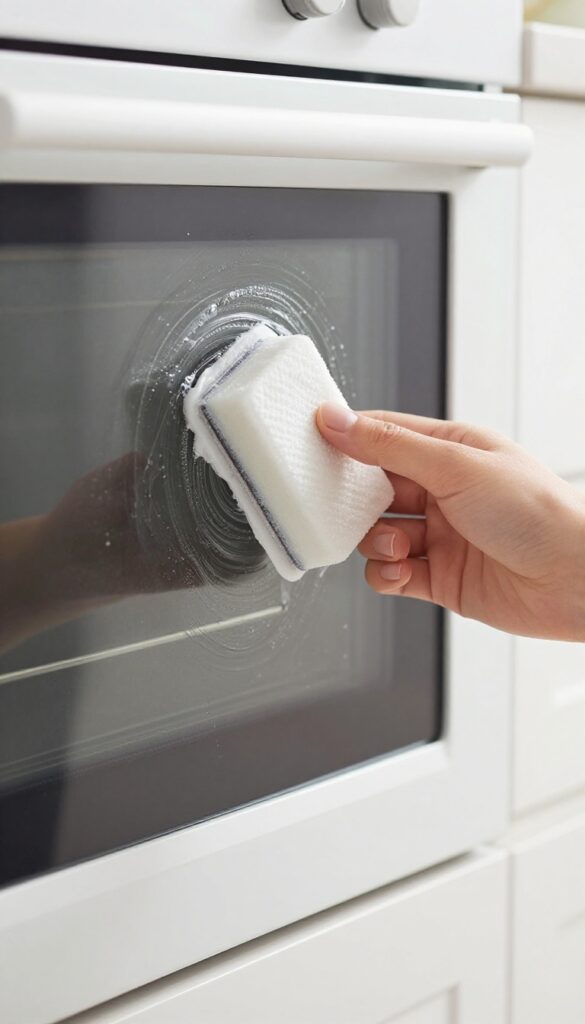
When you want a fast fix without pulling out the heavy-duty cleaners, a melamine foam eraser—often sold as Magic Eraser—can be a game-changer. Just dampen it, give the glass a gentle scrub, and watch the grime lift away. It's almost like magic, but you still need to use it wisely to avoid scratching the surface.
How It Works
Melamine foam acts like ultra-fine sandpaper, physically lifting dirt and grease without soap or chemicals. The foam's micro‑porous structure traps grime as you rub, so you get a clean surface with just water. It's especially effective on baked‑on splatters that have turned into a stubborn film.
Best Practices For Safe Use
Always dampen the eraser first—never use it dry, as that can scratch the glass. Test on a small, hidden corner of the oven window to make sure the coating or glass isn't damaged. Use light pressure and circular motions; let the foam do the work.
Rinse the eraser frequently to avoid smearing dirt back onto the glass.
When To Skip This Method
Avoid Magic Erasers on tinted or coated glass, like some self‑cleaning oven doors, because the abrasive action can remove the coating. Also, don't use them on glass with deep scratches or etching, as they can make those imperfections more visible. Stick to gentler methods if you're unsure about your window's finish.
8. Try the Ammonia and Newspaper Trick
If you're dealing with a thick layer of baked-on grease, ammonia is a powerful ally. Paired with newspaper, it becomes a surprisingly effective cleaning duo. The ammonia dissolves tough grime quickly, while the newspaper absorbs it without leaving lint or streaks.
Just be sure to work in a well-ventilated area and wear gloves to protect your skin.
This old-school method is fast and leaves your oven glass spotless. The key is using pure ammonia (not the sudsy type) and crumpled newspaper instead of paper towels. The newspaper's texture grabs grease, and the ammonia cuts through it almost instantly.
It's a favorite among professional cleaners for a reason.
How To Do It Safely
Start by opening a window or turning on your range hood. Put on rubber gloves and pour a small amount of ammonia into a bowl. Crumple a sheet of newspaper, dip it into the ammonia, and wipe the glass in a circular motion.
The grease will start to dissolve immediately. Wipe with a clean, dry newspaper sheet to buff the glass clear.
Why It Works So Well
Ammonia is a strong alkali that breaks down fats and oils, making it ideal for cutting through baked-on splatters. Newspaper is slightly abrasive and lint-free, so it scrubs without scratching the glass. Together, they tackle even the toughest residue without the need for heavy scrubbing.
9. Use a Steam Cleaner for Deep Grease
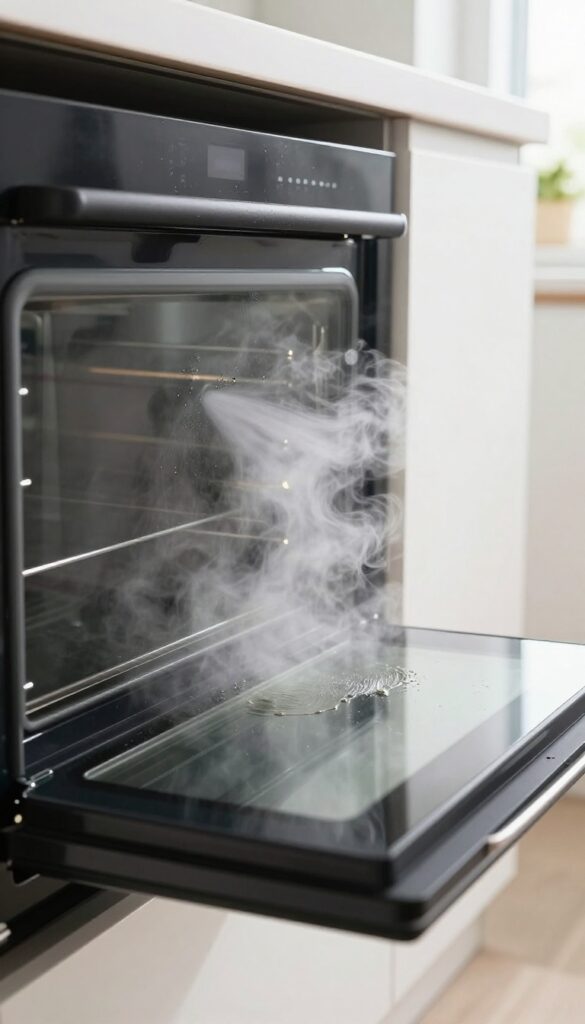
If you've tried scrubbing and still see stubborn grease spots, a steam cleaner might be your new best friend. Handheld steam cleaners blast hot steam directly onto the glass, loosening even the most baked-on grime. The heat softens the grease without any chemicals, making cleanup fast and fume-free.
A handheld steam cleaner is a powerful tool for oven glass that's been neglected for a while. The steam penetrates the grease layer, breaking its bond with the glass. After a few passes, you can wipe the residue away with a microfiber cloth.
This method is especially useful if you prefer to avoid chemical cleaners or have sensitive skin. Plus, it's quick—no soaking or waiting required.
Why Steam Works So Well
Steam's high temperature melts grease on contact, while the moisture helps lift it off the surface. Unlike scrubbing, which can spread grease around, steam targets the gunk directly. It's also safe for the glass seal, as long as you don't aim at the edges for too long.
Step-by-step: Using A Steam Cleaner
Fill your handheld steamer with water and let it heat up. Hold the nozzle a few inches from the glass and move it slowly across the surface. Focus on the dirtiest spots.
After steaming, wipe the glass with a dry microfiber cloth. Repeat if needed. For best results, do this when the oven is cool.
What To Watch Out For
Avoid using steam on a hot oven—thermal shock could crack the glass. Also, don't soak the oven interior; keep the steam directed at the glass. If your oven has a self-cleaning feature, check the manual before using steam, as some manufacturers advise against it.
10. Apply a Commercial Oven Cleaner Carefully
Sometimes natural solutions just don't cut it, especially if the glass has layers of baked-on grease that have been there for months. That's when a commercial oven cleaner can save the day. These products are formulated to dissolve tough grime quickly, but they come with a catch: they're strong chemicals that need to be handled with care.
Commercial oven cleaners are powerful and effective, but they can damage surfaces if used incorrectly. The key is to apply them only to the glass and avoid contact with the oven's interior seals, which can degrade. Always work in a well-ventilated area and wear gloves to protect your skin.
Read The Instructions First
Every brand has its own directions. Some require you to spray and wipe immediately, while others need to sit for a few minutes. Skipping the instructions can lead to streaks or even damage.
Take the time to read the label—it's worth it.
Protect The Seals
The rubber seals around the oven door are sensitive to harsh chemicals. Before spraying, use painter's tape or a damp cloth to cover the edges. This simple step prevents the cleaner from seeping into the seal and causing it to dry out or crack.
Rinse Thoroughly
After the cleaner has done its job, you need to remove every trace of it. Use a damp microfiber cloth to wipe the glass, then follow up with a clean, wet cloth. Any residue left behind can create a haze or even affect the taste of your food the next time you bake.
11. Use a Paste of Vinegar and Baking Soda
When grease and grime have built up into a stubborn crust, a simple scrub might not cut it. That's where the classic duo of vinegar and baking soda comes in. The fizzy reaction helps lift dirt without harsh chemicals, making it a go-to for many home cooks.
How The Reaction Works
Baking soda (a base) and vinegar (an acid) create carbon dioxide gas when mixed. That bubbling action helps loosen baked-on residue, while the baking soda provides gentle abrasion to scrub away stuck-on grease.
Step-by-step Application
Start by sprinkling a generous layer of baking soda over the glass. Then spray or pour white vinegar over it until it starts to fizz. Let the paste sit for 15 minutes so it can work into the grime.
After that, scrub with a non-abrasive sponge or cloth, then rinse with water.
Tips For Best Results
For extra tough spots, let the paste sit longer—up to 30 minutes. If the glass is still dirty after rinsing, repeat the process. Avoid using metal scrubbers, as they can scratch the glass.
12. Try Rubbing Alcohol for a Crystal-Clear Finish
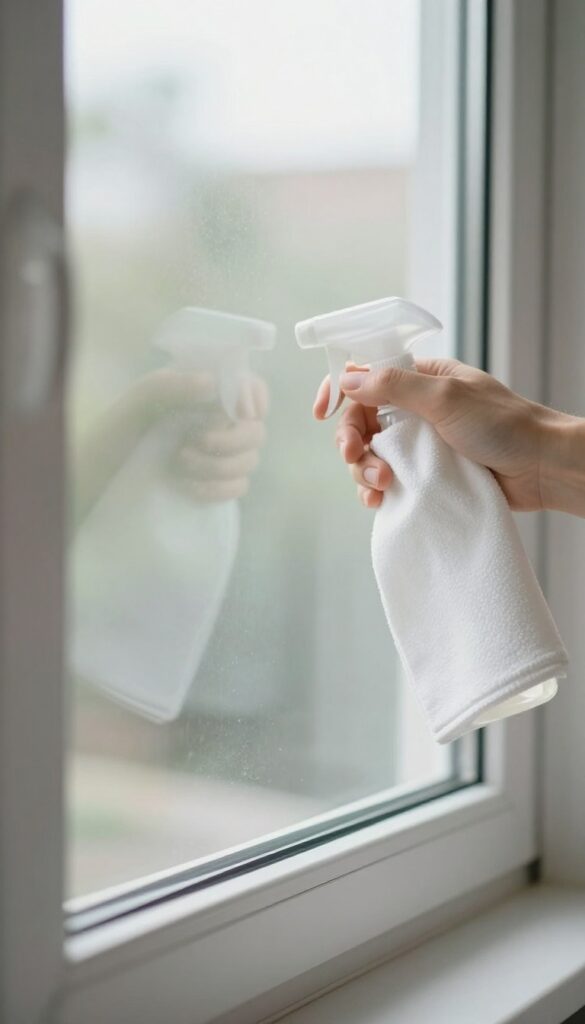
You've scrubbed, soaked, and wiped, but those faint streaks just won't go away. That's where rubbing alcohol steps in as the unsung hero of oven glass cleaning. It's cheap, readily available, and works like magic for that final polish.
Rubbing alcohol evaporates almost instantly, which means it leaves zero residue behind. Unlike water-based cleaners that can leave mineral deposits or soap scum, alcohol cuts through any remaining film and dries streak-free. It's the perfect finishing touch after you've tackled the heavy grease.
Rubbing alcohol is a simple, effective way to get oven glass truly spotless. Here's how to use it and why it works so well.
Why Alcohol Works So Well
Rubbing alcohol (isopropyl alcohol) is a solvent that dissolves oils and residues that water alone can't handle. Its low surface tension lets it spread evenly across the glass, and its fast evaporation means no streaks or smears. It also disinfects, which is a nice bonus for kitchen hygiene.
How To Apply It
Pour a small amount of rubbing alcohol onto a clean, lint-free microfiber cloth. You don't need much—just enough to dampen the cloth. Wipe the glass in a circular motion, then follow with a dry section of the cloth to buff it to a shine.
Work quickly so the alcohol doesn't evaporate before you've spread it evenly.
When To Use It
Use rubbing alcohol as the final step after you've cleaned off the heavy grease and grime. It's not meant for thick baked-on layers—it's the polish that makes the glass gleam. If you've already used a degreaser or vinegar solution, a quick alcohol wipe will remove any leftover film and leave the glass crystal clear.
Safety Tips
Rubbing alcohol is flammable, so keep it away from open flames and let the oven cool completely before using it. Also, test it on a small area first if your oven glass has any special coating. In most cases, it's perfectly safe, but it's always better to check.
13. Use a Microfiber Cloth for Lint-Free Drying
You've scrubbed and rinsed, but if you dry the glass with the wrong cloth, you'll end up with lint or streaks. A microfiber cloth is the secret to a spotless finish. It grabs moisture and tiny particles without leaving any fibers behind.
After cleaning, grab a clean, dry microfiber cloth. Wipe the glass in a circular motion to pick up any remaining moisture. For a final polish, use a fresh side of the cloth to buff the glass until it's crystal clear.
Microfiber is gentle on the glass and won't scratch, so it's safe for repeated use.
Why Microfiber Works Best
Microfiber has split fibers that create a large surface area, trapping dust and liquid. Unlike cotton or paper towels, it doesn't shed lint. It also absorbs more water, so you use fewer cloths and get a streak-free shine.
How To Maintain Your Microfiber Cloths
Wash microfiber cloths separately with mild detergent—no fabric softener, as that clogs the fibers. Air dry or tumble dry on low. Over time, replace them when they lose their absorbency or start leaving streaks.
14. Soak a Cloth in Hot Vinegar and Lay It on the Glass
Vinegar is a powerhouse for cutting through grease, and when you heat it up, it works even faster. This method uses the combination of heat and acidity to loosen baked-on grime without any scrubbing.
Soak a clean microfiber cloth in hot white vinegar—heat it in the microwave for about 30 seconds—then lay it directly on the oven glass. Let it sit for 20 minutes. The steam and acid soften the residue, making it easy to wipe away with a damp cloth.
For extra stubborn spots, repeat or gently scrub with a non-abrasive pad.
Why Hot Vinegar Works So Well
Heat accelerates the chemical reaction between vinegar and grease, breaking down sticky layers faster than cold vinegar. The steam helps lift grime from the glass, so you don't have to scrub hard.
Best Cloth To Use
Microfiber is ideal because it holds more liquid and doesn't leave lint. Avoid paper towels—they can disintegrate and leave fibers behind. A soft cotton cloth also works in a pinch.
What To Do After The Soak
After 20 minutes, remove the cloth and wipe the glass with a clean, damp microfiber cloth. For any remaining residue, use a plastic scraper or a soft sponge. Finish with a dry cloth for a streak-free shine.
15. Use a Paste of Baking Soda and Hydrogen Peroxide
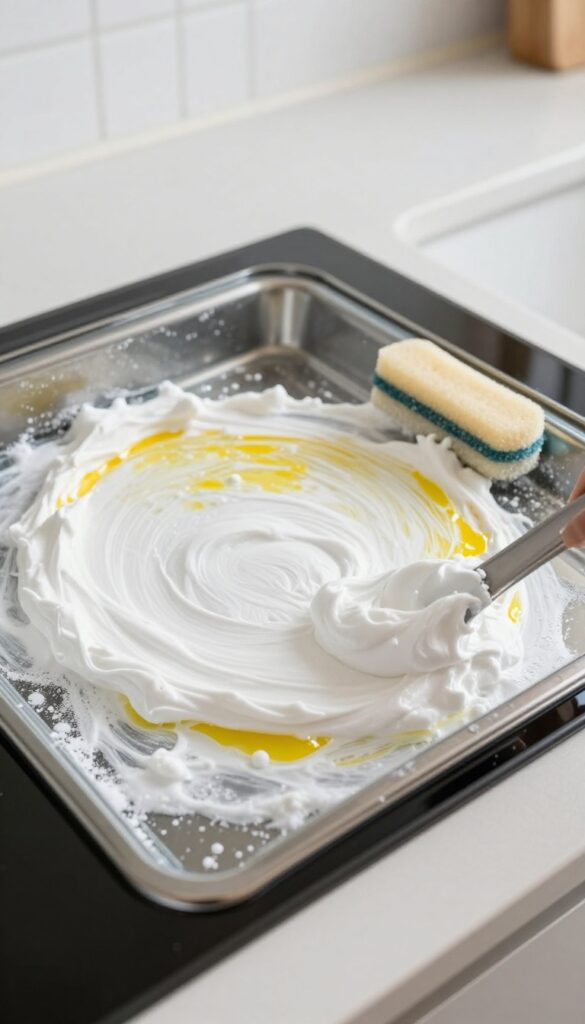
Hydrogen peroxide is a natural bleaching agent that works wonders on tough stains. When you mix it with baking soda, you get a powerful paste that lifts discoloration and whitens the glass. This combo is especially good for old, yellowed oven windows that regular cleaners can't fix.
Start by mixing three parts baking soda with one part hydrogen peroxide in a small bowl. Stir until it forms a thick, spreadable paste. Apply a generous layer to the inside of the oven glass, focusing on stained areas.
Let it sit for 15 minutes—the peroxide will bubble and break down the grime. Then scrub with a non-abrasive sponge or microfiber cloth in circular motions. Rinse thoroughly with a damp cloth and wipe dry.
For extra stubborn spots, let the paste sit longer or apply a second coat.
Why This Paste Works So Well
Baking soda is a mild abrasive that scrubs away residue without scratching. Hydrogen peroxide adds a bleaching effect that whitens and disinfects. Together, they create a chemical reaction that loosens baked-on grease and carbon deposits.
This method is safe for glass and doesn't leave harsh fumes.
Tips For Best Results
Make sure the glass is cool before applying the paste. Use a soft brush or sponge to avoid scratches. If the paste dries out, spritz a little water to reactivate it.
For vertical glass, the paste may drip—apply a thicker layer or tilt the oven door slightly to keep it in place.
When To Use This Method
This paste is ideal for glass with yellow stains or light to moderate buildup. It's not the best for heavy, crusty grease—try a degreaser first. Use it monthly to keep the window bright and streak-free.
16. Try the Dishwasher Tablet Method
If you've got a dishwasher tablet sitting under the sink, you're already holding a surprisingly effective oven glass cleaner. Those tablets are packed with enzymes and degreasers designed to tackle baked-on food, and they work just as well on the greasy film coating your oven window. No special tools needed—just one tablet and a little water.
How It Works
Dishwasher tablets contain surfactants and enzymes that break down grease and protein-based stains. When you wet the tablet, it creates a mild abrasive paste that lifts the baked-on grime without scratching the glass. The chemical action does most of the work, so you don't have to scrub hard.
Step-by-step Application
First, make sure the oven is completely cool. Wet a dishwasher tablet under running water for a few seconds until it starts to fizz and soften. Rub the wet tablet directly onto the glass in circular motions, focusing on the greasiest spots.
Let the paste sit for 5–10 minutes, then wipe it off with a damp microfiber cloth. Rinse the cloth frequently and go over the glass again with clean water to remove any residue.
Important Cautions
Rinsing thoroughly is crucial—dishwasher tablet residue can leave a film that attracts more dirt or even affect oven performance if it gets into vents. Avoid using this method on ovens with self-cleaning coatings, as the abrasive action could damage the surface. Also, wear gloves to protect your hands from the strong detergents.
17. Use a Scouring Pad for Heavy Buildup
Sometimes a soft sponge just won't cut it. When you're facing a thick, baked-on crust that laughs at gentle cleaners, it's time to bring in a scouring pad. The trick is to use one that's non-scratch so you don't damage the glass.
A little baking soda and water paste turns that pad into a powerful scrubber.
For those stubborn layers that have been cooking on for months, a scouring pad is your best friend. The key is to avoid scratching the glass by using a pad labeled "non-scratch" or "safe for glass. " Combine it with a gentle abrasive like baking soda to boost cleaning power without harsh chemicals.
Make A Baking Soda Paste
Mix three parts baking soda with one part water to form a thick paste. Spread it over the grimy glass and let it sit for 15 minutes. This softens the buildup so the scouring pad can lift it off more easily.
Scrub In Circles
Dip the scouring pad into the paste and scrub the glass using firm, circular motions. Focus on the thickest areas first. The combination of gentle abrasion and the paste's cleaning action breaks down even the toughest residue.
Rinse And Check
Wipe away the paste with a damp cloth or sponge. Rinse thoroughly with clean water to remove any baking soda residue. If any spots remain, repeat the process.
Finish by drying with a microfiber cloth to prevent streaks.
18. Apply a Paste of Salt and Dish Soap
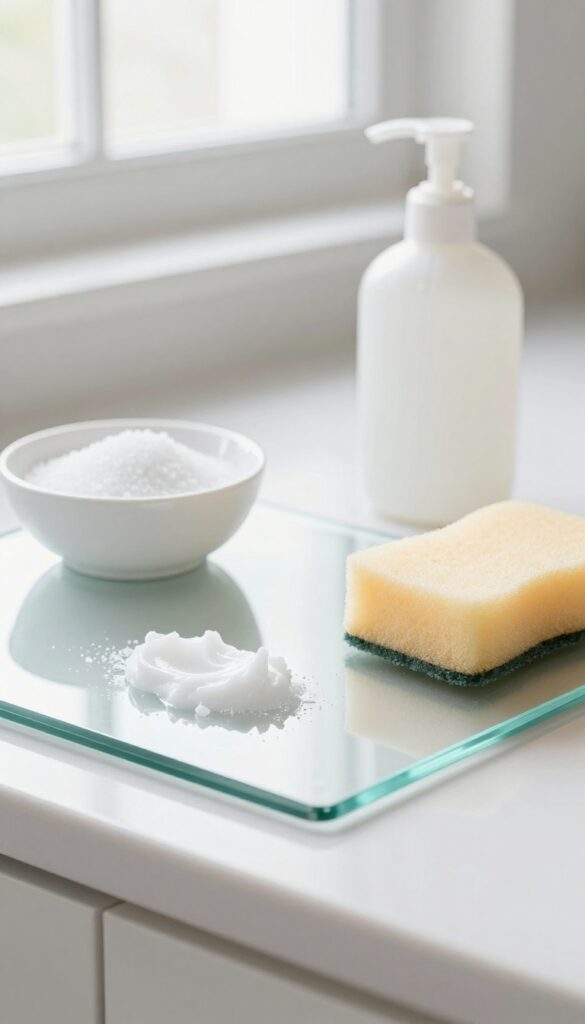
Sometimes the simplest kitchen ingredients make the best cleaners. Salt and dish soap team up to form a gritty paste that tackles baked-on grime without scratching the glass. It's a go-to method when you need a little extra abrasion but want to keep the surface safe.
Mix equal parts salt and a few drops of dish soap to create a thick, gritty paste. Apply it to the cool oven glass with a soft sponge or cloth, focusing on stubborn spots. Let it sit for 5–10 minutes to loosen the grime, then scrub gently in circular motions.
Rinse with a damp cloth and wipe dry for a streak-free shine.
Why Salt Works
Salt is a natural abrasive that's hard enough to scrape off burnt residue but soft enough to avoid scratching glass. Combined with dish soap's grease-cutting power, it creates a gentle yet effective scrub.
Best Application Tips
Use fine table salt for a smoother paste or coarse salt for extra scrubbing power. Always test on a small hidden area first. Avoid using too much pressure, especially on older glass that may be more fragile.
When To Use This Method
This paste is ideal for light to moderate buildup, like dried splatters or greasy haze. For thick, baked-on layers, you might need to let the paste sit longer or combine it with a steam treatment first.
19. Use a Spray of Vinegar and Dish Soap
This two-ingredient combo is a classic for a reason. White vinegar cuts through grease, while dish soap helps lift and suspend the grime so it wipes away easily. Together, they make a powerful cleaner that's safe and cheap.
How To Mix And Apply
Fill a spray bottle with equal parts white vinegar and dish soap. Shake gently to combine. Spray the mixture generously onto the oven glass, making sure to cover any greasy spots.
Let it sit for about 10 minutes to break down the buildup.
Wiping Technique
Use a soft microfiber cloth or a non-abrasive sponge to wipe the glass in circular motions. For stubborn spots, apply a little extra pressure or spray again. Rinse the cloth frequently to avoid spreading grease around.
Why It Works So Well
The vinegar's acidity dissolves grease and grime, while the dish soap acts as a surfactant that helps water penetrate and lift dirt. This combination is especially effective on baked-on splatters that other cleaners might leave behind.
20. Try the Baby Oil Trick for Shine
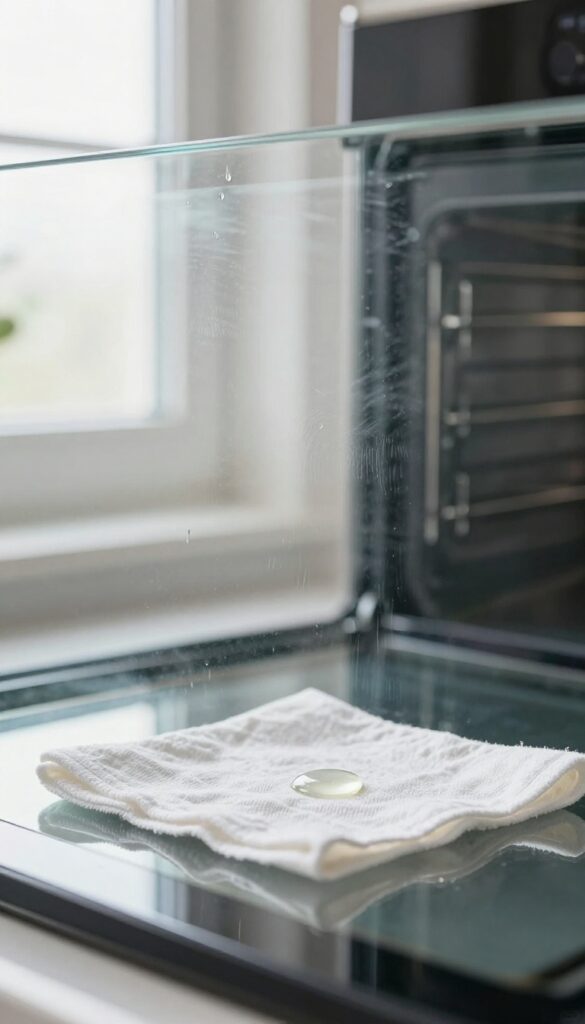
After scrubbing, rinsing, and drying your oven glass, you might notice it still looks a little dull or hazy. That's where a tiny drop of baby oil comes in. It's not a cleaner—it's a finisher that gives the glass a crystal-clear, streak-free shine.
Why Baby Oil Works
Baby oil is basically mineral oil with a light fragrance. Mineral oil fills in microscopic scratches and imperfections on the glass surface, which are common after scrubbing with abrasives. This filling effect smooths out the glass and makes it reflect light more evenly, giving that brilliant, like-new shine.
How To Apply It
You only need a tiny amount—a single drop on a soft, lint-free cloth is plenty. Buff the oil onto the clean, dry glass using small circular motions. Then switch to a clean section of the cloth and buff again to remove any excess.
The goal is a very thin, even layer, not a greasy film.
Important Precautions
Never apply baby oil to hot glass—wait until the oven is completely cool. Also, avoid getting oil on the oven's interior surfaces or seals, as it can attract dust and cause smoke when the oven heats up. Stick to the glass only, and buff thoroughly to avoid any residue.
21. Use a Paste of Cornstarch and Water
Cornstarch isn't just for thickening sauces—it's also a surprisingly effective cleaner for oven glass. When mixed with water, it forms a gentle paste that lifts grease without scratching. This method works especially well on light to moderate buildup and leaves a streak-free finish.
To make the paste, combine two tablespoons of cornstarch with enough water to create a spreadable consistency. Apply it evenly over the cool oven glass using a soft cloth or your fingers. Let it dry completely, which usually takes about 15–20 minutes.
Once dry, wipe it off with a clean, dry microfiber cloth. The cornstarch absorbs the grease, and the dry residue comes off easily, revealing clean glass underneath.
Why Cornstarch Works
Cornstarch is a fine powder that acts as a mild abrasive, helping to loosen baked-on grime without scratching the glass. It also has natural absorbent properties, so it pulls grease and oil out of the residue. This makes it a great non-toxic alternative to chemical cleaners.
Best Practices For Application
For best results, make sure the glass is cool to the touch before applying the paste. Spread it evenly and avoid clumps. Let it dry fully—if you wipe it off too soon, it won't absorb as much grease.
Use a dry microfiber cloth for removal; a damp cloth can reactivate the paste and leave a film.
When To Use This Method
This paste is ideal for light to moderate grease buildup. If your oven glass has heavy, burnt-on layers, you may need to repeat the process or try a stronger cleaner first. It's also a great maintenance step between deep cleans to keep the glass clear.
22. Try the Self-Cleaning Cycle First
Before you reach for any cleaner or scrubber, check if your oven has a self-cleaning cycle. This built-in feature can do most of the hard work for you. The intense heat turns baked-on grease and grime into fine ash that wipes off easily.
Using the self-cleaning cycle is a smart first step because it eliminates the need for harsh chemicals and heavy scrubbing. However, it's important to follow your oven's manual—some models require you to remove racks or avoid certain settings. Once the cycle finishes and the oven cools, simply wipe the glass with a damp cloth to reveal a clear window.
Check Your Manual First
Not all self-cleaning cycles are the same. Some ovens lock the door during the process, while others have specific venting instructions. Always read the manual to avoid damaging the oven or creating a safety hazard.
Prepare The Oven
Remove oven racks and any loose debris before starting the cycle. This prevents damage to the racks and ensures the heat reaches every surface evenly. Also, wipe up any large spills to reduce smoke.
After The Cycle
Once the oven cools down, open the door and wipe the glass with a damp microfiber cloth. The ash should come off easily. If there are stubborn spots, a gentle scrub with a non-abrasive pad will finish the job.
23. Prevent Future Buildup with Regular Wipes
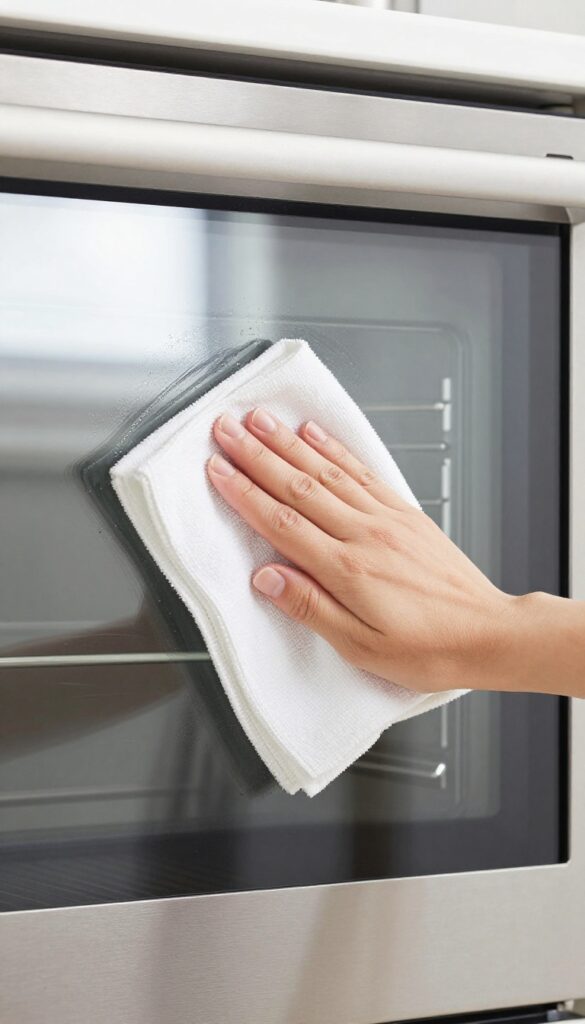
Getting your oven glass spotless is satisfying, but keeping it that way is even better. The secret isn't a deep clean every month—it's a quick habit after each use. A few seconds of wiping while the glass is still warm can save you from future scrubbing sessions.
Make it a routine to grab a damp cloth right after you take your food out. The warmth loosens fresh grease and splatters, so they wipe away easily. If you wait until the oven cools, that same grease bakes on and becomes a tough crust.
A daily wipe keeps the glass clear and reduces the need for heavy-duty cleaners.
Why Warm Glass Works Better
Heat softens grease and food residue, making them slide off without effort. When the glass cools, those particles harden and bond to the surface. A quick wipe at the right moment means you're removing the mess before it sets.
What To Use For The Wipe
A microfiber cloth or soft sponge with a little water is all you need. Avoid abrasive scrubbers that can scratch the glass. If you want a streak-free finish, follow up with a dry microfiber cloth.
Building The Habit
Keep a dedicated cloth near the oven so it's easy to grab. After each use, give the glass a quick once-over. This small step takes less than a minute and makes deep cleans much less frequent.
FAQ
Can I use Windex on oven glass?
Yes, but only if the glass is cool and you avoid getting it on the oven's interior. Windex works best for light smudges, not heavy baked-on grease.
How often should I clean the oven glass?
For best results, wipe the glass after every few uses. A deep clean every month or two keeps buildup manageable.
Will baking soda scratch the glass?
No, baking soda is a mild abrasive that won't scratch oven glass when used as a paste. Just avoid scrubbing too hard.
Can I clean the glass while the oven is hot?
No, always let the oven cool completely before cleaning. Cleaning hot glass can cause it to crack or shatter.
What if the grime is between the glass panes?
Unfortunately, you can't clean between sealed panes. If it's cloudy, you may need to replace the door or consult a professional.
Conclusion
A clean oven window makes cooking more enjoyable and lets you keep an eye on your food without opening the door. With these 23 tips, you can tackle any level of grime using items you probably already have at home.
Pick the method that fits your style and schedule, and make it a habit to wipe the glass regularly. Your future self—and your roasts—will thank you for the clear view.