25 Cleaning Carpet Tips for Stains Odor and Deep Freshness
Your carpet silently endures daily life—muddy footprints, pet accidents, spilled wine, and lingering odors that no amount of vacuuming seems to fix. You don't need expensive professional treatments to bring back that fresh, deep-down clean.
With a few surprising household staples and the right techniques, you can tackle everything from red wine stains to musty smells. These 25 tips target specific problems like set-in odors, gum stuck in fibers, and greasy spots, so you can restore your carpet without guesswork.
Ready to transform your carpet from tired to terrific? Let's dive into the most practical, budget-friendly methods that actually work.
1. Blot, Don't Rub: The Golden Rule of Stain Removal
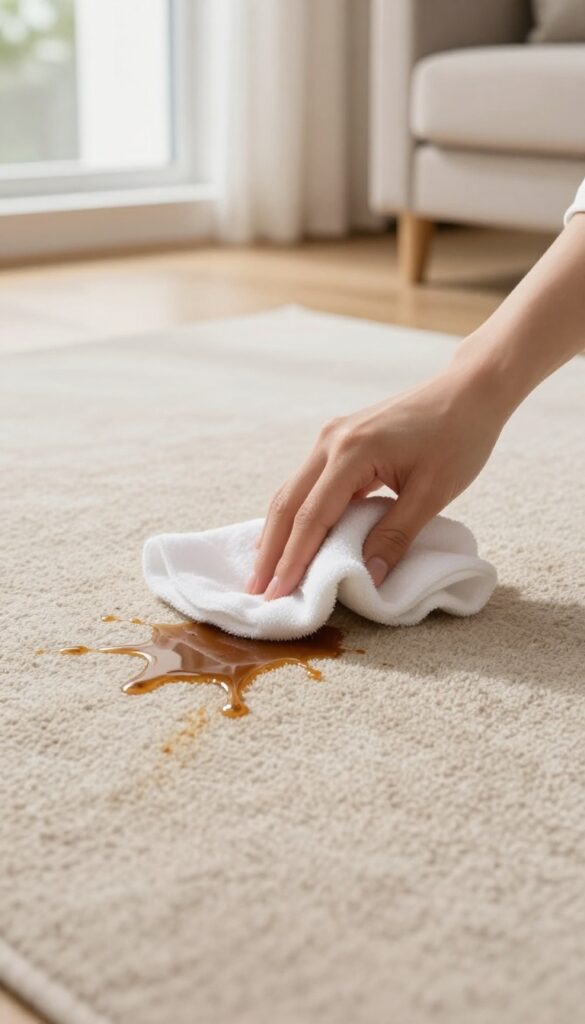
When a spill happens, your first instinct might be to grab a cloth and scrub. But that's exactly what not to do. Rubbing grinds the stain deeper into the carpet fibers and can fray the pile, making the spot look worse.
The correct move? Blot, blot, and blot again with a clean, dry cloth until no more liquid transfers.
Why Rubbing Backfires
Rubbing pushes the stain downward and outward, spreading it into a larger area. It also damages the carpet's texture, leaving a fuzzy or matted spot. Blotting lifts the spill from the top without forcing it deeper.
The Right Blotting Technique
Start from the outer edge of the stain and work inward to prevent spreading. Use a white cloth or paper towel to avoid color transfer. Press firmly, then lift—don't wipe.
Repeat with a fresh section of cloth until the stain stops transferring.
When To Switch To A Cleaning Solution
After blotting up as much as possible, apply a gentle carpet cleaner or DIY solution (like water with a drop of dish soap). Blot again, then rinse with plain water and blot dry. Always test any cleaner on a hidden area first.
2. DIY Spot Cleaner with Vinegar and Dish Soap
You don't need a cabinet full of chemical sprays to tackle fresh stains. A simple mix of white vinegar, dish soap, and warm water works wonders on everything from coffee drips to muddy paw prints. This homemade solution is gentle enough for most carpet fibers but tough enough to lift grime without leaving residue.
Why This Combo Works
Vinegar cuts through grease and neutralizes odors, while dish soap breaks down sticky or protein-based stains. Warm water helps activate both ingredients so they penetrate the carpet fibers rather than just sitting on top. Together, they create a gentle but effective cleaner that won't bleach or discolor most carpets.
How To Mix And Apply
In a spray bottle, combine 1 tablespoon white vinegar, 1 tablespoon dish soap, and 2 cups warm water. Shake gently to mix. Spray the stain lightly—don't soak it—and let the solution sit for 5 minutes.
Blot with a clean cloth, working from the outside in to prevent spreading. Repeat if needed, then blot with plain water to remove any soapy residue.
When To Skip This Method
Avoid using vinegar on natural stone or wool carpets, as the acid can damage those materials. Always test on a hidden spot first. For set-in or large stains, you might need a stronger approach, but for everyday spots, this DIY mix is a reliable first line of defense.
3. Hydrogen Peroxide for Tough Organic Stains
Blood, red wine, and grass stains can feel impossible to remove, but hydrogen peroxide is a surprisingly effective solution. Unlike harsh bleaches, 3% hydrogen peroxide breaks down organic matter without damaging most carpet fibers. It works by releasing oxygen bubbles that lift the stain from deep within the fibers.
Just remember to test it on a hidden spot first to ensure it won't lighten your carpet's color.
How It Works
Hydrogen peroxide is a mild oxidizing agent that reacts with organic compounds. When applied to a stain, it releases oxygen, creating a bubbling action that helps dislodge the stain particles from the carpet fibers. This makes it especially effective on protein-based stains like blood or grass, as well as tannin-rich stains like red wine.
Step-by-step Application
First, blot up as much of the stain as possible with a clean cloth. Then, pour a small amount of 3% hydrogen peroxide directly onto the stain. Let it sit for 5–10 minutes — you'll see it start to bubble.
Blot the area with a dry cloth, repeating until the stain lifts. Rinse with cold water and blot dry.
Important Precautions
Always test hydrogen peroxide on an inconspicuous area, as it can bleach some carpets. Avoid using it on wool or silk carpets, as it can damage natural fibers. Also, never mix hydrogen peroxide with vinegar or ammonia, as this can create toxic fumes.
4. Baking Soda: Your Odor Neutralizer
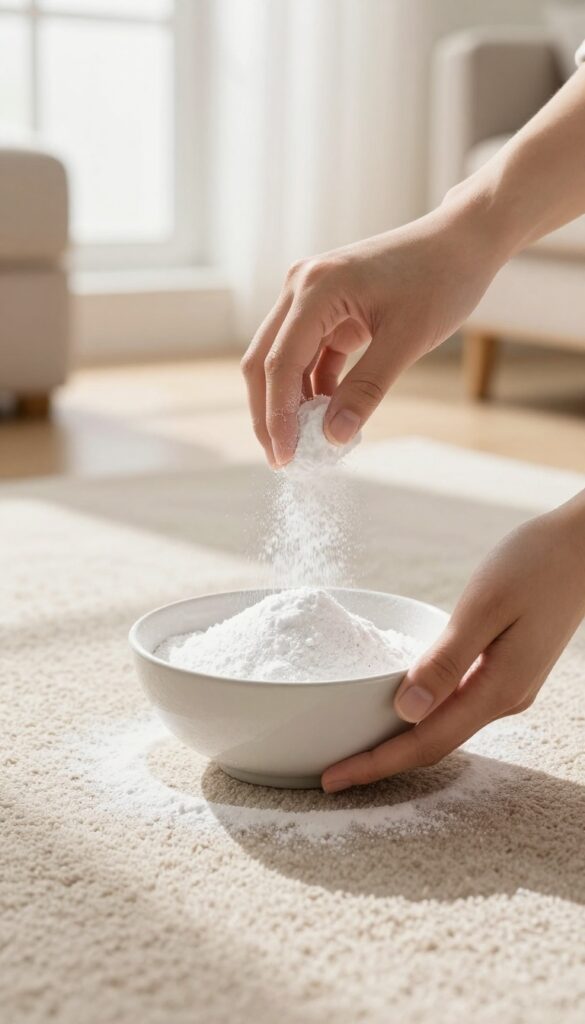
Baking soda is a powerhouse when it comes to banishing carpet odors. It's cheap, non-toxic, and works by absorbing smells rather than masking them. Whether you're dealing with pet accidents, musty basements, or just general foot traffic funk, this simple white powder can make a huge difference.
Sprinkle baking soda liberally over the carpet, let it sit for at least 15 minutes (or overnight for strong odors), then vacuum thoroughly. For best results, work it into the fibers with a broom or your fingers. Repeat weekly to keep your carpet smelling fresh.
How Long Should You Let It Sit?
Fifteen minutes is the minimum, but for tough odors like pet urine or cigarette smoke, leave it on overnight. The longer it sits, the more odor molecules it absorbs. Just make sure the carpet is dry before you start, or you'll end up with a paste.
Boost With Essential Oils
Add 10–15 drops of your favorite essential oil (like lavender or lemon) to a cup of baking soda before sprinkling. Mix well to avoid clumps. This adds a light, natural fragrance while the baking soda does its job.
When Not To Use Baking Soda
Avoid using baking soda on wet stains or fresh spills—it can trap moisture and lead to mold. Always blot up liquids first and let the area dry completely before treating with baking soda.
5. Club Soda for Fresh Spills
Club soda isn't just a mixer—it's a surprisingly effective spot cleaner for fresh spills. The carbonation works like a gentle scrub, lifting stain particles away from carpet fibers without harsh chemicals. Best of all, you probably already have a bottle in your fridge.
For fresh spills like wine, coffee, or juice, club soda can be a lifesaver. The key is to act fast and blot, not rub. Rubbing pushes the stain deeper into the fibers, making it harder to remove.
Instead, pour a small amount of club soda directly onto the stain, let it fizz for a few seconds, then blot with a clean white cloth. Repeat until the stain lifts. This method works because the carbon dioxide bubbles help break down the stain's surface tension, allowing it to transfer to the cloth.
Always test on an inconspicuous area first, especially on delicate or dark carpets.
Why Club Soda Works So Well
Club soda contains carbonic acid, which reacts with many common stains to loosen them. The bubbles also provide a gentle mechanical action, lifting dirt without scrubbing. Plus, it's colorless and won't leave a residue, unlike some commercial cleaners.
It's especially effective for acidic stains like red wine or tomato sauce.
Step-by-step: Using Club Soda On A Fresh Stain
First, blot up as much of the spill as possible with a dry cloth. Then, pour a small amount of club soda directly onto the stain—enough to saturate it but not soak through to the padding. Let it fizz for 10–15 seconds.
Blot with a clean cloth, pressing firmly. Repeat until no more color transfers. Finally, blot with a dry cloth to remove excess moisture and let air dry.
When Not To Use Club Soda
Avoid club soda on stains that are already set or dried, as it won't be strong enough. Also, don't use it on wool or silk carpets, as the carbonation can damage delicate fibers. For these, stick to water or a wool-safe cleaner.
And always test in an inconspicuous spot first.
6. Ice Cube Trick for Gum and Wax
Gum and candle wax are two of the most annoying things to get out of carpet. They smear, stick, and seem to bond with the fibers the moment you try to pick them off. But there's a simple trick that makes removal almost effortless—and it starts with something you already have in your freezer.
The ice cube trick works by freezing the gum or wax until it becomes brittle. Once hardened, it loses its grip on the carpet fibers and can be chipped away without leaving a sticky residue. This method is safe for all carpet types and requires no harsh chemicals.
How To Freeze And Scrape
Grab an ice cube and place it inside a plastic bag (to avoid wetting the carpet). Hold the bag against the gum or wax for about 30 seconds to a minute, until it feels rock hard. Then, use a dull knife or a spoon to gently scrape the frozen mass off the carpet fibers.
Work from the edges inward to avoid pushing it deeper.
What About Leftover Residue?
After scraping, you might notice a faint sticky spot or a waxy film. A quick vacuum with the hose attachment usually picks up the tiny flakes. For any remaining residue, dab the area with a cloth dipped in rubbing alcohol—test on a hidden spot first.
The alcohol dissolves any leftover stickiness without damaging the carpet.
When To Avoid This Method
The ice trick works best on fresh or semi-fresh gum and wax. If the gum has been ground deep into the fibers for days, you may need to repeat the process or use a commercial gum remover. Also, avoid using ice on delicate carpets like wool or silk—the moisture could cause shrinkage or discoloration.
Always test in an inconspicuous area first.
7. Steam Cleaning for Deep Refresh
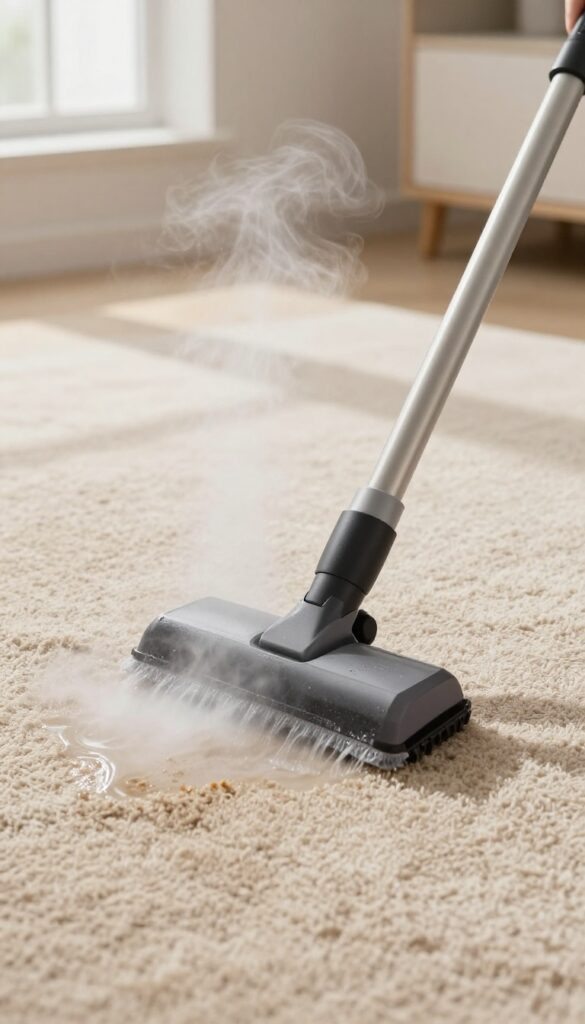
Sometimes vacuuming and spot treatments aren't enough. Over time, dirt, allergens, and odors settle deep into carpet fibers, making the whole room feel stale. That's where steam cleaning comes in—it's the closest you can get to a professional deep clean without leaving your house.
Rent Vs. Buy: What Makes Sense
If you only need to deep clean once or twice a year, renting a steam cleaner from a grocery store or hardware store is the most cost-effective option. Machines like the Rug Doctor or Bissell Big Green are powerful and easy to use. If you have pets, kids, or high-traffic areas, buying a consumer-grade steam cleaner (like a Bissell ProHeat) can pay for itself after a few uses.
Just make sure the model heats the water—hot water is key to breaking down grime.
Choosing The Right Cleaning Solution
Not all carpet cleaning detergents are created equal. Look for a formula that's safe for your carpet type (check the manufacturer's label) and preferably enzyme-based to break down organic stains and odors. Avoid using too much soap—excess residue attracts dirt and leaves carpets feeling sticky.
Some machines have built-in heaters, but you can also boil water and let it cool slightly before adding it to the tank for extra cleaning power.
Technique Tips For Best Results
Before steaming, vacuum thoroughly to remove loose dirt. Then pre-treat any visible stains with a carpet spot cleaner. When using the steam cleaner, go slowly—rushing pushes dirt deeper.
Make overlapping passes and let the machine suck up as much water as possible. After cleaning, open windows or turn on fans to speed drying. Avoid walking on the carpet until it's completely dry, usually 6–12 hours.
For really soiled areas, a second pass with plain hot water helps rinse out any leftover detergent.
8. Carpet Powder for Between-Cleaning Freshness
Sprinkling scented carpet powder before vacuuming is a quick way to deodorize and freshen your carpet between deep cleans. It absorbs odors from pets, cooking, and daily traffic while leaving a light fragrance.
Carpet powder is a dry, scented formula that you sprinkle over the carpet, let sit, and then vacuum up. It works by trapping odor molecules and releasing a pleasant scent. For best results, choose a powder with natural ingredients like baking soda or essential oils.
How To Use Carpet Powder Effectively
Vacuum the carpet first to remove loose dirt. Then sprinkle the powder evenly, focusing on high-traffic areas and spots where odors linger. Let it sit for at least 15 minutes—longer for stubborn smells.
Finally, vacuum thoroughly, making multiple passes to remove all residue.
Diy Carpet Powder Recipe
Mix 1 cup of baking soda with 20–30 drops of your favorite essential oil (like lavender, lemon, or tea tree). Stir well and store in a shaker jar. Sprinkle as you would store-bought powder.
This homemade version is cheaper, chemical-free, and customizable.
Precautions And Tips
Always test carpet powder on a hidden area first to check for colorfastness. Avoid over-saturating, as too much powder can clog your vacuum filter. If you have pets or kids, choose non-toxic, unscented options or skip powders if anyone has respiratory sensitivities.
9. Shaving Cream for Upholstery and Carpet Stains
Shaving cream isn't just for your morning routine—it's a surprisingly effective spot cleaner for carpet and upholstery stains. The foamy texture lifts dirt and grease without harsh chemicals, making it safe for most fabrics. Plus, it's cheap and you probably already have a can in your bathroom.
To use shaving cream on a stain, start by blotting up any excess liquid. Then spray a small amount of shaving cream directly onto the stain—make sure it's the classic foam kind, not gel. Let it sit for about 30 minutes so the ingredients can break down the stain.
After that, blot the area with a damp cloth, working from the outside in to avoid spreading. Repeat if needed, then let the carpet air dry. This method works wonders on grease, coffee, and even some ink stains.
Why Shaving Cream Works
Shaving cream contains surfactants that help lift stains from fibers without the need for scrubbing. It's also mild enough for most synthetic and wool carpets, and it won't leave behind a sticky residue like some commercial cleaners.
Best Stains For This Method
This technique shines on oily stains like salad dressing, butter, or hand lotion. It also tackles coffee, tea, and soda spills. For set-in stains, let the shaving cream sit longer—up to an hour—before blotting.
What To Avoid
Stick to white, plain shaving cream without added moisturizers, aloe, or scents, as those can leave residue or cause discoloration. Test on an inconspicuous spot first, especially on delicate or vintage fabrics.
10. Rubbing Alcohol for Ink and Marker
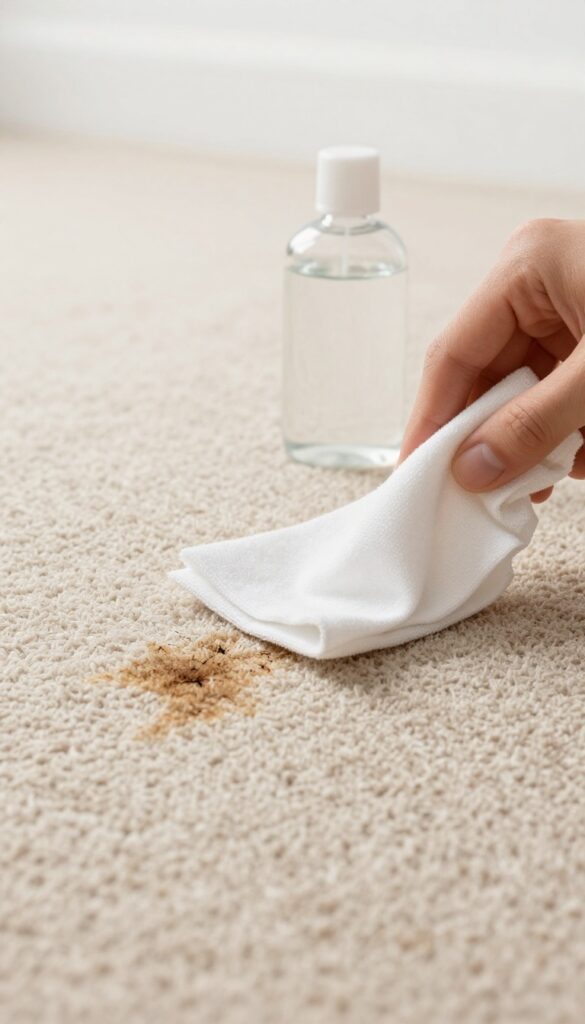
Ink and marker stains look intimidating, but rubbing alcohol makes quick work of them. The alcohol breaks down the pigments, letting you lift them right out of the fibers. Best of all, you probably already have a bottle in your medicine cabinet.
Dab rubbing alcohol on a clean white cloth and gently blot the stain. Don't rub—rubbing spreads the ink. Keep blotting until the ink transfers to the cloth.
Then rinse the area with water and blot dry. Repeat if needed.
Why Rubbing Alcohol Works
Rubbing alcohol is a solvent that dissolves many types of ink, including permanent markers and ballpoint pen ink. It evaporates quickly, so it won't soak deep into the carpet padding. This makes it ideal for spot treating without causing secondary damage.
Step-by-step For Fresh Ink
Blot up any excess ink with a paper towel. Apply rubbing alcohol to a cloth and dab the stain from the outside in. Change to a clean area of the cloth as ink transfers.
Once the stain lifts, sponge with cold water and blot dry.
Dealing With Dried Marker Stains
For dried marks, first moisten the stain with a little alcohol and let it sit for a minute to soften. Then blot as usual. You may need to repeat a few times for stubborn stains.
Finish with a water rinse to remove any alcohol residue.
11. Cornstarch for Grease and Oil
Grease stains from cooking splatters, hair products, or oily spills can seem impossible to remove once they set into carpet fibers. Cornstarch, a common kitchen staple, works as a gentle absorbent that lifts oil without scrubbing it deeper. This method is perfect for fresh grease marks and works surprisingly well on older spots, too.
Cornstarch acts like a magnet for oil because of its fine, powdery texture. When you sprinkle it over a grease stain, it pulls the oil away from the fibers as it sits. This technique avoids spreading the stain and makes the next cleaning step much easier.
How To Apply Cornstarch To Grease Stains
Start by blotting any excess grease with a paper towel—don't rub, or you'll push it deeper. Cover the entire stain with a thick layer of cornstarch, about 1/4 inch deep. Let it sit for at least 15 minutes, or longer for stubborn spots.
The cornstarch will clump as it absorbs the oil. Vacuum up all the powder, then check the stain. If it's still visible, repeat the process before moving to detergent.
Follow Up With Mild Detergent
After vacuuming the cornstarch, mix a few drops of mild dish soap with warm water. Dip a clean cloth into the solution and blot the stain gently. Work from the edges toward the center to prevent spreading.
Rinse by blotting with a damp cloth, then blot dry with a towel. Let the carpet air dry completely, then vacuum to restore the texture.
Why This Works Better Than Scrubbing
Scrubbing a grease stain often pushes it deeper into the carpet padding, making it harder to remove. Cornstarch lifts the oil to the surface so you can remove it physically. This method is especially effective for delicate carpets where harsh chemicals might cause damage.
12. Vacuum Regularly with Proper Technique
Vacuuming seems simple, but most people do it too fast or too infrequently to actually remove deep dirt. The key is frequency and technique—not just running the machine over the surface. By adjusting your habits, you can prevent dirt from grinding into fibers and extend the life of your carpet.
Vacuum high-traffic areas twice a week and the rest of the carpet weekly. Use slow, overlapping passes—going over each spot at least four times from different directions. This lifts embedded dirt and debris that a quick once-over leaves behind.
For best results, adjust your vacuum height to match carpet pile length.
Why Slow Passes Matter
Rushing with the vacuum only grabs surface debris. Slow, deliberate passes create suction that pulls dirt from deep within the fibers. Overlapping each stroke by half ensures you don't miss spots.
Think of it as combing the carpet rather than skimming it.
Adjust Height Settings Correctly
Most vacuums have adjustable height settings. Set it high enough that the brush doesn't drag heavily—too low can damage fibers and reduce suction. For plush carpets, a higher setting works; for low-pile, lower is better.
Test by checking if the vacuum moves easily without leaving marks.
Don't Forget Edges And Corners
Use crevice tools along baseboards and under furniture where dust bunnies hide. These areas accumulate grime that can spread odors. A quick edge vacuuming every other session keeps the whole carpet fresher.
13. Use a Carpet Rake for Matted Fibers
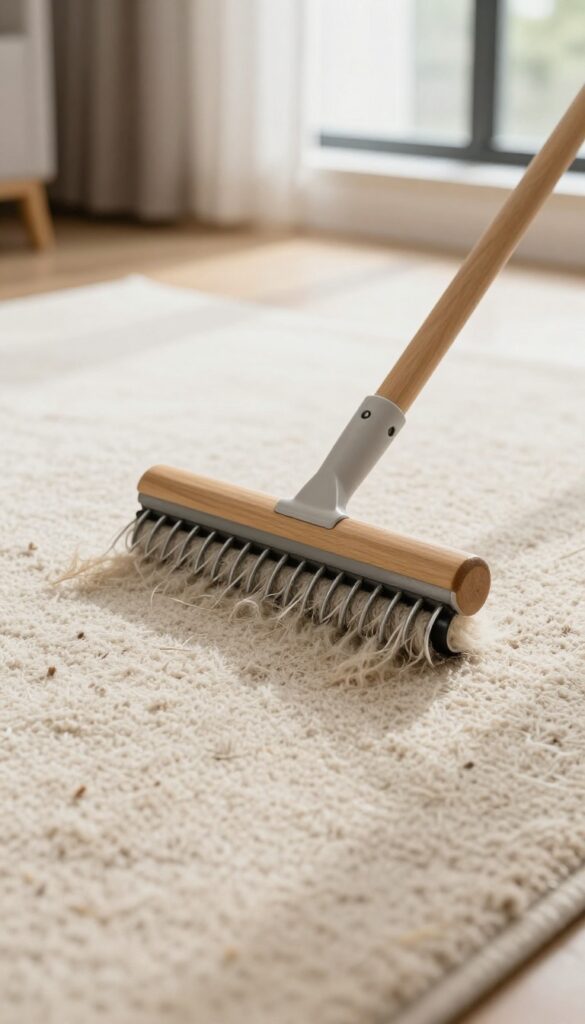
High-traffic areas and heavy furniture can flatten carpet fibers, making them look dull and lifeless. A carpet rake is a simple tool that lifts matted fibers and loosens embedded dirt before you vacuum. It also helps restore the carpet's original texture, giving it a fuller, fresher appearance.
Why Raking Works
Carpet fibers get crushed underfoot, trapping dirt deep in the pile. A rake gently lifts and separates the fibers, allowing your vacuum to extract more debris. It also helps redistribute the carpet's backing, reducing visible wear patterns.
How To Use A Carpet Rake
Start in a corner and rake in one direction, using long, even strokes. Work in small sections, overlapping each pass. For heavily matted areas, rake in multiple directions.
Always rake before vacuuming to maximize dirt removal.
When To Rake
Rake high-traffic zones like hallways, living room paths, and stairs every few weeks. For low-traffic areas, a monthly raking is enough. After raking, vacuum thoroughly to collect the loosened dirt.
14. Spot Test Every Cleaner First
That homemade stain remover might work wonders—or it could permanently discolor your carpet. Before you douse a visible stain, take two minutes to test your solution on a hidden spot. This simple step saves you from turning a small problem into a costly mistake.
Always test any cleaning solution on a hidden area to check for colorfastness. Wait 10 minutes and blot to see if the color bleeds. If the test spot looks unchanged, you're good to go.
If not, try a different cleaner or dilute it further.
Where To Test
Look for a spot behind furniture, inside a closet, or under a rug edge. Avoid testing near seams or edges where the carpet might be glued differently. A small, inconspicuous area gives you a reliable result without risking a visible patch.
How To Test Properly
Apply a small amount of your cleaner to a white cloth, then blot it onto the carpet. Wait 10 minutes. Press a dry paper towel on the spot—if any color transfers to the towel, the carpet isn't colorfast.
If the test spot itself changes color, stop using that cleaner immediately.
What To Do If It Bleeds
If the test shows color bleeding, rinse the area with water and blot dry. Try a milder solution, like plain water or a very dilute vinegar mix. Some carpets, especially older or natural-fiber ones, are more sensitive.
When in doubt, stick to products labeled safe for all carpets.
15. Enzyme Cleaners for Pet Urine
Pet urine is one of the toughest challenges for carpet owners. Even after blotting and scrubbing, the smell often lingers because urine contains proteins and ammonia that standard cleaners can't fully break down. That's where enzyme cleaners come in—they're specifically designed to digest these organic compounds, eliminating both the stain and the odor at the molecular level.
Enzyme cleaners use beneficial bacteria or enzymes to break down uric acid and proteins in pet urine. Unlike bleach or vinegar, which only mask or temporarily neutralize odors, enzymes continue working as long as they're moist, targeting the source until it's gone. This makes them far more effective for deep-set stains and recurring smells.
How Enzymes Work On Urine
When a pet urinates on carpet, the urine crystallizes into uric acid salts that resist water and standard detergents. Enzyme cleaners contain protease and urease enzymes that digest these crystals, converting them into carbon dioxide and ammonia gas that evaporate. The process takes time—usually several hours or overnight—so patience is key.
Choosing The Right Product
Not all enzyme cleaners are equal. Look for products labeled "biological" or "enzymatic" with active cultures listed on the ingredient label. Avoid those with added fragrances or dyes, which can irritate pets and interfere with enzyme activity.
Brands like Nature's Miracle, Rocco & Roxie, and Simple Solution are widely trusted for carpet use.
Application Tips For Best Results
Blot fresh urine with paper towels first—don't rub. Saturate the stain with enzyme cleaner, then cover with plastic wrap to keep it moist. Let it sit for at least 8–12 hours, then blot dry.
For old, set-in stains, you may need to repeat the process. Always test on a hidden area first to ensure colorfastness.
16. Professional Extraction Every 12-18 Months
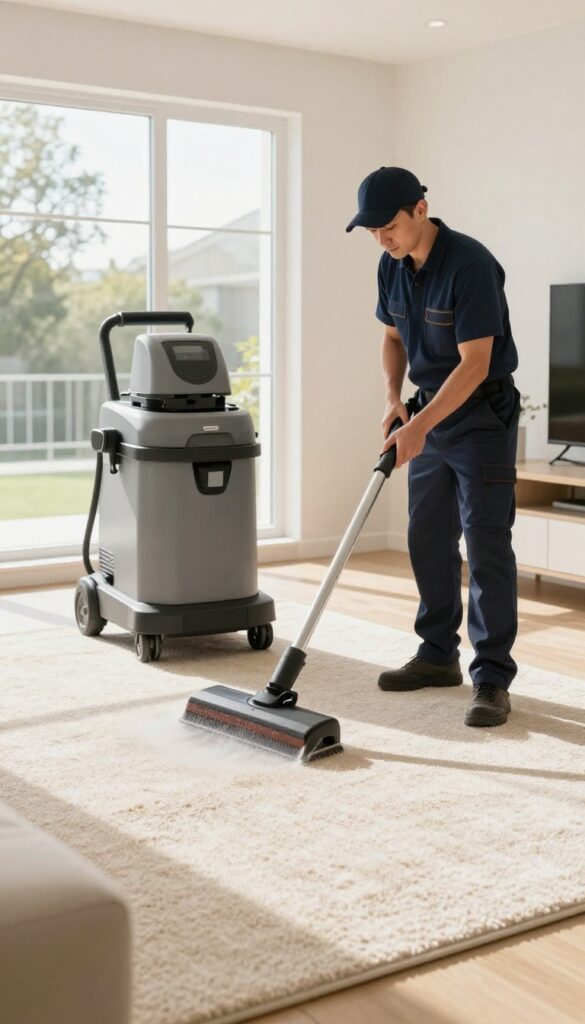
Even the best home cleaning routine can't reach the deepest layers of dirt and allergens trapped in your carpet padding. That's where professional hot water extraction comes in—a deep clean that flushes out what your vacuum leaves behind. Scheduling this service every 12 to 18 months keeps your carpet fresh, extends its life, and helps prevent musty odors from taking hold.
Professional hot water extraction uses high-pressure hot water and a powerful vacuum to blast out embedded grime, bacteria, and allergens. It's the only method that truly cleans the base of the fibers and the padding beneath. While DIY machines are available, they lack the heat and suction power of professional equipment, so the results are noticeably different.
Investing in a pro service once a year or so is cheaper than replacing carpet prematurely.
Why 12-18 Months?
That window strikes a balance between cost and effectiveness. In a typical home, dirt builds up gradually. Waiting longer than 18 months allows grime to settle so deep that even extraction struggles.
Doing it more often than every 12 months can be overkill unless you have heavy traffic, pets, or allergies.
What To Expect During Service
A technician will pre-treat stains, apply a cleaning solution, agitate the fibers, then rinse with hot water while extracting everything. The carpet will be damp for several hours—avoid walking on it until dry to prevent re-soiling. Ask about their drying time and any post-care steps like avoiding furniture placement for 24 hours.
Diy Vs. Professional: The Real Difference
Rental machines use tap water that's not hot enough to dissolve oils and kill bacteria. Professional units heat water to around 200°F and have truck-mounted vacuums that pull out far more moisture. That means faster drying and less risk of mold or residue buildup.
For a true deep refresh, pro extraction is worth the cost.
17. DIY Carpet Freshener with Essential Oils
Store-bought carpet powders often leave behind a cloying synthetic scent that fades fast. A homemade version with essential oils gives you control over the fragrance and avoids harsh chemicals. Plus, it costs pennies to make and works just as well for neutralizing everyday odors.
Mixing your own carpet freshener is quick and uses ingredients you probably already have. The baking soda absorbs odors while the essential oils leave a light, natural scent. This method is especially good for high-traffic areas or rooms that need a quick refresh between deep cleans.
What You'll Need
Start with one cup of baking soda and 10 to 15 drops of your favorite essential oil. Lavender is calming, lemon is energizing, and tea tree oil adds antibacterial benefits. Combine them in a bowl, stirring well to break up clumps.
Let the mixture sit for an hour so the oil fully infuses the baking soda.
How To Apply
Sprinkle the mixture evenly over your carpet, focusing on areas that get the most traffic or have lingering smells. Let it sit for at least 15 minutes—longer for tougher odors. Then vacuum thoroughly, making sure to go over the area multiple times to pick up all the powder.
Tips For Best Results
Test the freshener on a small hidden spot first to make sure the oil doesn't stain. Avoid using citrus oils on wool carpets, as they can cause discoloration. Store any leftover mixture in a sealed jar, and give it a shake before each use to redistribute the oils.
18. Dishwasher Tablet for Set-In Stains
Some stains just refuse to budge, no matter how many times you blot or spray. That's where a dishwasher tablet comes in—it's not just for sparkly dishes. The enzymes and oxygen bleach in these tablets break down tough, set-in stains that regular cleaners can't touch.
Dissolve one dishwasher tablet in a gallon of warm water. Apply to stains, let sit for 15 minutes, then blot and rinse.
Why It Works
Dishwasher tablets contain powerful enzymes and oxygen bleach that target protein-based stains like blood, wine, and food spills. The warm water activates these ingredients, allowing them to penetrate deep into carpet fibers and lift the stain from within.
How To Apply
Start by scraping off any excess debris. Fully dissolve one tablet in a gallon of warm water, then pour or spray the solution directly onto the stain. Let it sit for 15 minutes—don't rush this step.
Blot with a clean cloth until the stain transfers away, then rinse with cold water and blot dry.
Stains That Respond Best
This method works wonders on red wine, coffee, grass, and even old pet stains. Avoid using it on natural fiber carpets like wool or silk, as the bleach can cause discoloration. Always test on a hidden spot first.
19. Salt for Red Wine Spills
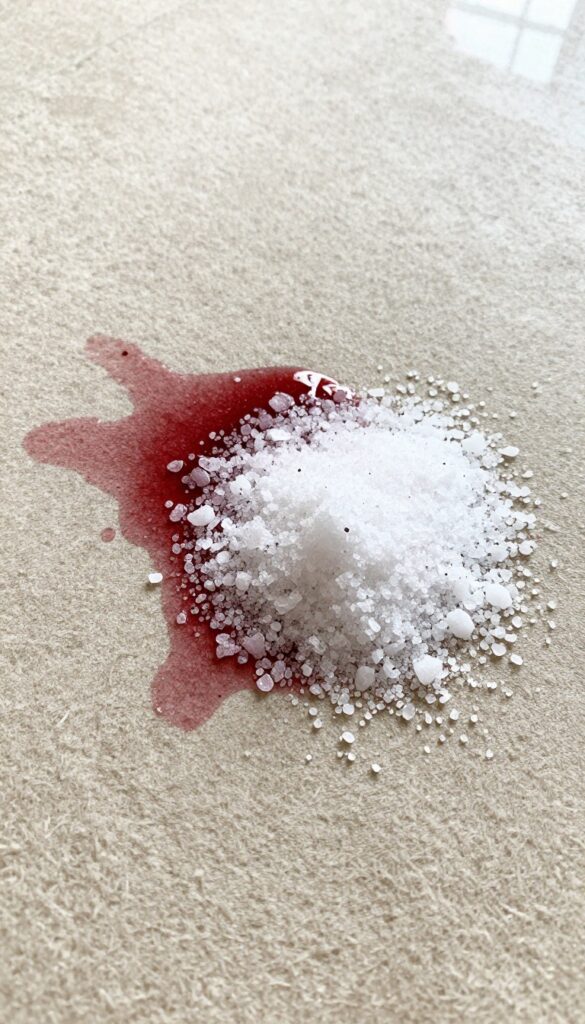
Red wine on a light carpet can feel like a disaster, but common table salt is a surprisingly effective first responder. The key is to act fast—before the wine soaks deep into the fibers. Salt works by drawing the liquid out of the carpet, making cleanup much easier.
Pour a generous amount of salt directly onto the fresh spill, covering it completely. Let the salt sit for about 10 minutes—it will absorb the wine and turn into a pinkish paste. Vacuum up the salt, then treat any remaining stain with club soda.
Blot with a clean cloth until the stain lifts.
Why Salt Works
Salt is hygroscopic, meaning it attracts and holds moisture. When you pile it on a wet spill, it pulls the liquid up from the carpet fibers into the salt crystals. This prevents the wine from setting deep into the backing or padding.
Step-by-step Rescue
First, blot the spill gently with a paper towel to remove excess wine—don't rub. Then cover the area with a thick layer of salt. Wait 10 minutes.
Vacuum thoroughly. Finally, apply club soda to the spot, blotting until the stain disappears.
When The Stain Has Set
If the wine has already dried, salt alone won't work as well. In that case, dampen the stain with water first, then apply salt. Let it sit for 15 minutes, vacuum, and repeat if needed.
Follow up with a carpet stain remover for stubborn marks.
20. White Vinegar and Water for General Odors
When your carpet starts smelling musty or just "off, " you don't need a chemical fogger. White vinegar is a natural deodorizer that neutralizes alkaline odors (like pet urine) and leaves fibers fresh. The trick is using the right dilution and letting it dry fully so the vinegar scent evaporates completely.
Mix equal parts white vinegar and water in a spray bottle. Lightly mist the carpet—don't soak it. Let it air dry; the vinegar smell will disappear as it dries, taking other odors with it.
For stubborn smells, repeat or let the solution sit for 10 minutes before blotting with a clean cloth.
Why Vinegar Works
White vinegar is acetic acid, which breaks down odor-causing alkaline compounds. It's safe for most synthetic carpets and won't leave residue. The smell fades quickly because vinegar evaporates fast, leaving no perfumy cover-up.
How To Apply Without Overwetting
Overwetting can lead to mold or mildew. Use a fine mist spray bottle and apply lightly. Work in sections, and after misting, blot with a dry towel to remove excess moisture.
Open windows or use a fan to speed drying.
When To Avoid Vinegar
Don't use vinegar on natural fibers like wool or silk—it can damage them. Also avoid if you've recently applied a stain repellent; vinegar may strip it. Always test in an inconspicuous spot first.
21. Use a Squeegee to Lift Pet Hair
Pet hair can be one of the toughest things to remove from carpet, especially when it's woven deep into the fibers. Vacuums often miss the embedded hairs, leaving behind a layer of fur that just won't budge. A simple rubber squeegee—the kind you use on windows—can be a game-changer for this task.
Run a rubber squeegee across the carpet to gather pet hair into clumps for easy vacuuming. Works better than many specialized tools.
Why A Squeegee Works So Well
The rubber edge creates static electricity that attracts pet hair, pulling it up from deep within the carpet pile. Unlike brushes or sticky rollers, the squeegee doesn't get clogged or lose its grip after a few passes. It's also gentle on carpet fibers, so you won't damage the texture.
How To Use It
Start by vacuuming the carpet to remove loose dirt and debris. Then, with the rubber edge flat against the carpet, pull the squeegee toward you in long, even strokes. You'll see hair gather into visible clumps.
Sweep or vacuum those clumps up, and repeat in different directions for best results.
Tips For Maximum Efficiency
Use a squeegee with a wide blade to cover more area quickly. If your carpet is high-pile, apply a bit more pressure to reach the base of the fibers. Clean the squeegee blade occasionally with a damp cloth to maintain its static charge.
For stubborn spots, try a few quick back-and-forth motions.
22. Freeze Chewing Gum with Ice
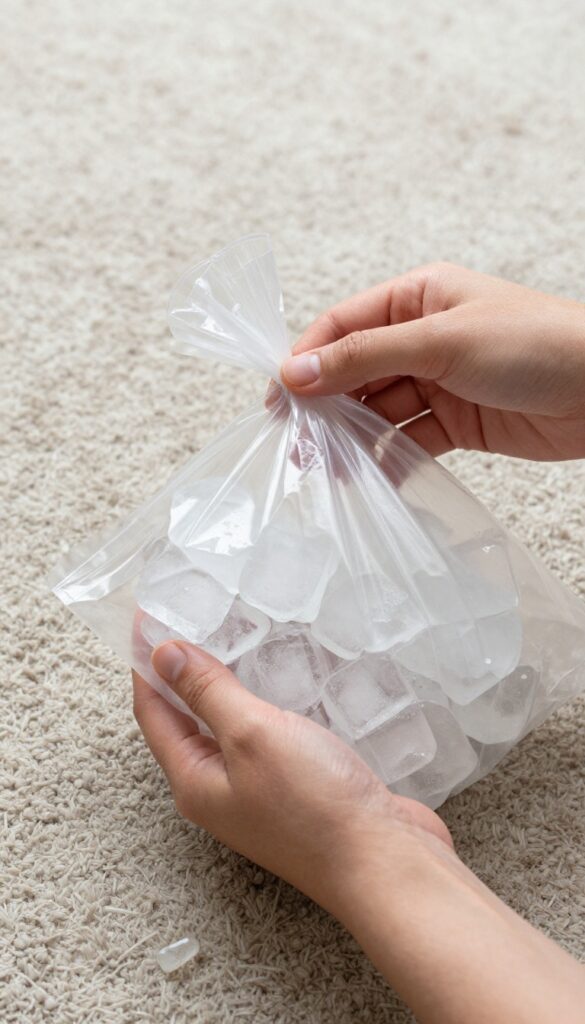
Chewing gum ground into carpet fibers is one of those annoyances that seems impossible to fix without cutting the strands. But heat isn't the answer—cold is. A simple ice cube can turn that sticky mess into a brittle chunk that pops right off.
The Ice Cube Method
Take a few ice cubes, place them in a plastic bag (so you don't wet the carpet), and hold them directly on the gum for about 30 seconds. The gum will harden and become brittle. Once it's firm, use a butter knife or your fingers to break it into pieces and lift them away.
The gum should come off cleanly without pulling fibers.
Dealing With Sticky Residue
If a faint sticky spot remains, dab a small amount of rubbing alcohol onto a clean white cloth and blot the area. The alcohol dissolves the leftover stickiness without damaging most carpet fibers. Test on an inconspicuous spot first, then blot gently until the residue lifts.
Finish by blotting with a damp cloth to remove any alcohol.
23. Carpet Protector Spray for Future Stains
You've put in the work to remove stains and odors, but why stop there? A good carpet protector spray adds a layer of defense that makes future spills much easier to clean. Think of it as a raincoat for your carpet fibers.
Applying a fabric protector after deep cleaning seals the deal. It creates a barrier that causes liquids to bead up instead of soaking in, giving you precious seconds to blot them away. Most sprays are safe for synthetic and wool blends, but always test in a hidden spot first.
Reapply every 6 to 12 months, or more often in high-traffic areas or homes with kids and pets.
How It Works
Carpet protectors contain fluorochemicals that bond to individual fibers. When a spill lands, it sits on top rather than penetrating deep into the backing. This simple chemistry can turn a potential stain into a quick cleanup.
Application Tips
Start with a freshly cleaned, fully dry carpet. Spray evenly from about 6 to 8 inches away, holding the nozzle parallel to the floor. Avoid oversaturating—a light, even mist is all you need.
Let it dry completely before walking on the carpet.
When To Reapply
High-traffic areas like hallways and living rooms may need a fresh coat every 6 months. Low-traffic rooms can go up to a year. If water no longer beads on the surface, it's time to reapply.
Always reapply after a deep steam clean, as hot water can strip the previous layer.
24. Dry Carpet Shampoo for Quick Refresh
Sometimes your carpet just needs a quick pick-me-up without the hassle of water and drying time. Dry carpet shampoo powder is the perfect solution for those in-between cleanings when you want to freshen up high-traffic areas or spot-treat light odors. It's simple: sprinkle, wait, and vacuum.
Dry carpet shampoo works by absorbing dirt and odors into its powder particles, which you then vacuum away. It's safe for most carpet types and leaves no residue if used correctly. For best results, choose a product with natural ingredients like baking soda or plant-based enzymes, and always test in an inconspicuous spot first.
How To Apply Dry Shampoo
Start by vacuuming the carpet thoroughly to remove loose dirt. Then sprinkle the dry shampoo evenly over the area, using a little more on stains or smelly spots. Let it sit for at least 15 minutes—longer for heavy odors—then vacuum again slowly in multiple directions to lift all the powder.
Best Uses For Dry Shampoo
This method is ideal for refreshing carpets between deep cleans, especially in living rooms, hallways, and pet areas. It works wonders on light odors like pet smells or cooking fumes. Avoid using it on very wet stains or heavily soiled carpets, as it may cake or not absorb properly.
Diy Dry Shampoo Recipe
You can make your own dry shampoo with baking soda and a few drops of essential oil. Mix one cup of baking soda with 10–15 drops of lavender or lemon oil, stir well, and store in a shaker jar. Apply as you would a store-bought version—it's cheap, effective, and free of harsh chemicals.
25. Call a Pro for Stubborn Stains or Large Areas
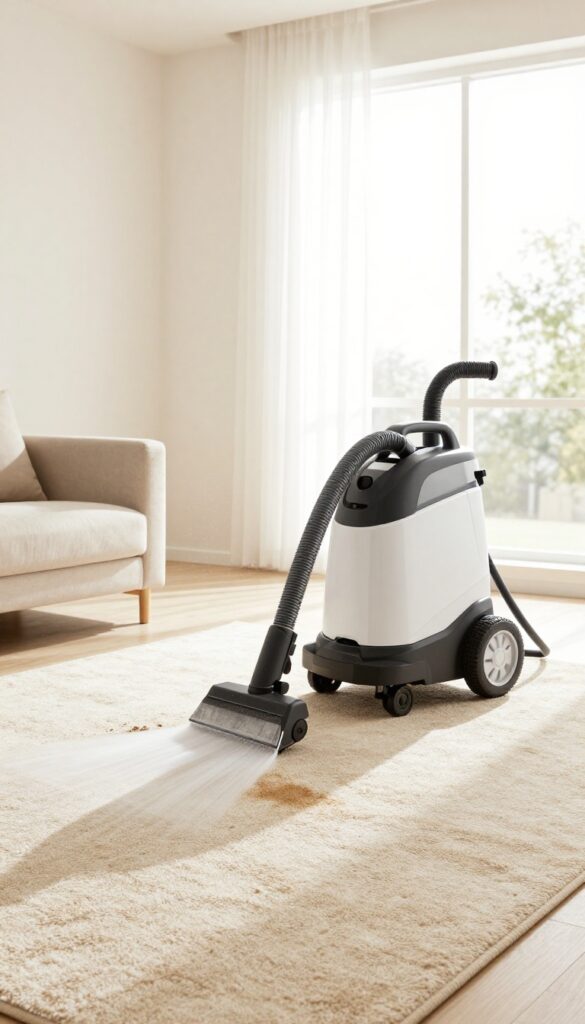
Sometimes, despite your best efforts, a stain won't budge or your whole carpet feels beyond a DIY fix. That's when it's smart to bring in a professional. They have industrial-grade equipment and specialized products that can tackle deep-set grime and odors without damaging your carpet fibers.
Professional carpet cleaners use hot water extraction—often called steam cleaning—which forces hot water and cleaning solution deep into the fibers, then vacuums it out with powerful suction. This method removes dirt, allergens, and bacteria that household machines leave behind. For large areas or heavy soiling, the cost is often worth the results.
When To Call A Pro
If you've tried multiple DIY methods on a stain and it's still there, or if your carpet has a persistent odor that won't go away, it's time to hire help. Also, consider professional cleaning for high-traffic areas every 12 to 18 months to extend your carpet's life.
What To Expect
Most pros will move furniture, pre-treat stains, and use truck-mounted equipment for deep cleaning. They can also apply protectants to repel future stains. Ask about their process and any warranties before booking.
Choosing The Right Company
Look for certified technicians with good reviews. Get quotes from at least two companies and ask about their cleaning solutions—especially if you have pets or allergies. Avoid companies that use excessive moisture or harsh chemicals.
FAQ
How often should I vacuum my carpet?
Vacuum high-traffic areas twice a week and the rest of the carpet at least once a week. Use slow, overlapping passes for best results.
Can I use bleach on carpet stains?
No, bleach can discolor and damage carpet fibers. Stick to mild solutions like vinegar, dish soap, or hydrogen peroxide (tested first).
What is the best way to remove pet urine odor?
Use an enzyme-based cleaner that breaks down urine proteins. Blot up as much urine as possible first, then apply the cleaner and let it sit.
How do I get rid of old set-in stains?
Try a paste of baking soda and water, let it dry, then vacuum. For tough stains, use a steam cleaner or call a professional.
Is steam cleaning safe for all carpets?
Most carpets can handle steam cleaning, but check the manufacturer's label. Delicate fibers like wool may require dry cleaning methods.
Conclusion
Your carpets don't need a professional service to stay fresh and stain-free. By weaving these 25 tips into your regular routine—from quick spot treatments to deep cleaning sessions—you'll tackle odors, set-in dirt, and spills before they become problems. Start with the trick that addresses your most stubborn issue, then build from there.
A little consistency with the right methods keeps your carpets looking newer and your home smelling cleaner. Pick two or three ideas to try this week, and you'll notice the difference without extra hassle or expense.