17 Creative Living Room Design Ideas for Trendy Homes
Updating your living room doesn't have to drain your savings. With a little creativity and smart shopping, you can give your space a fresh, trendy look without the hefty price tag. Think mix-and-match textures, thrifted finds, and DIY projects that add personality.
These 17 ideas are designed to be practical, stylish, and easy on your wallet. Whether you're renting or own your home, each suggestion focuses on small changes that make a big visual impact.
Ready to transform your living room? Let's dive into budget-friendly decor that feels anything but cheap.
1. Swap Out Your Throw Pillow Covers
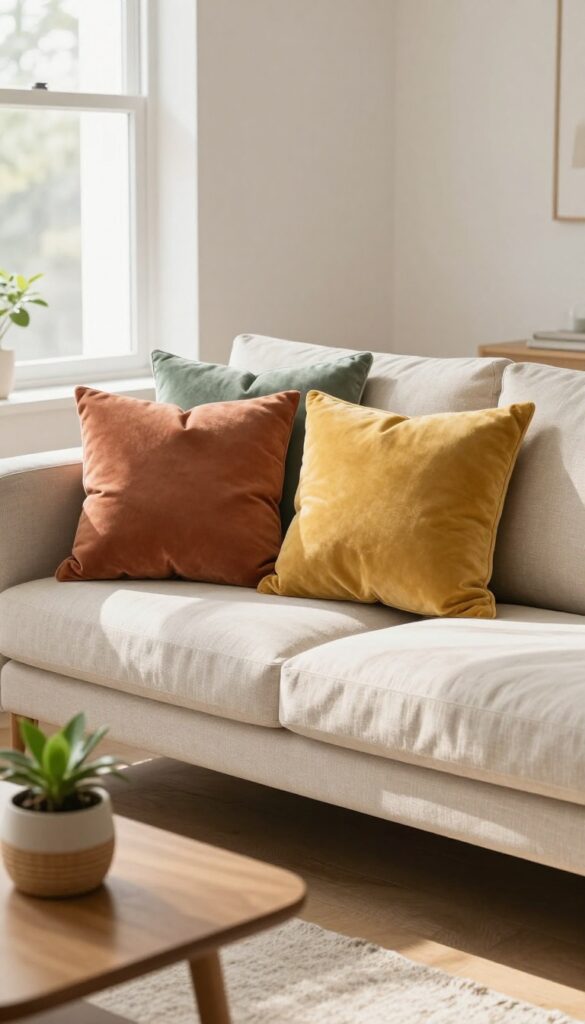
Throw pillows are one of the easiest things to change in a living room, but buying new ones every season adds up fast. Instead, just swap the covers. Pick two or three in trending colors or patterns to instantly refresh your sofa without spending much.
This small switch can shift the whole mood of the room, from cozy and warm to bright and airy, depending on what you choose.
Changing pillow covers is a budget-friendly way to update your living room without a big commitment. You can experiment with colors, textures, and patterns that you might not want to live with long-term. Plus, storing a few sets of covers takes up way less space than storing whole pillows.
Look for covers with hidden zippers or envelope closures for a clean finish. Mix solids with patterns, or pair two different textures like velvet and linen for depth. This trick works on sofas, armchairs, or even floor cushions.
Best Colors To Try
- For a fresh look this season, try earthy terracotta, muted sage green, or warm mustard yellow. These shades add warmth without being loud. If you prefer neutrals, go for oatmeal, charcoal, or a soft blush.
- Stick to two or three colors that tie into your existing decor, like pulling a hue from your rug or artwork.
Budget-Friendly Swap
- You don't need to buy expensive covers. Look for sales at home stores or check online marketplaces for deals. Another option is to sew your own if you have basic skills—just buy fabric remnants.
- Even a single new cover on a neutral sofa can make a difference. Rotate covers seasonally to keep the room feeling current.
Texture Mix
- Combine different textures to make the arrangement more interesting. Try a chunky knit cover with a smooth cotton one, or pair velvet with linen. The contrast adds visual richness without clashing.
- For a cohesive look, keep the color palette similar but vary the weave or finish.
2. Add a DIY Gallery Wall
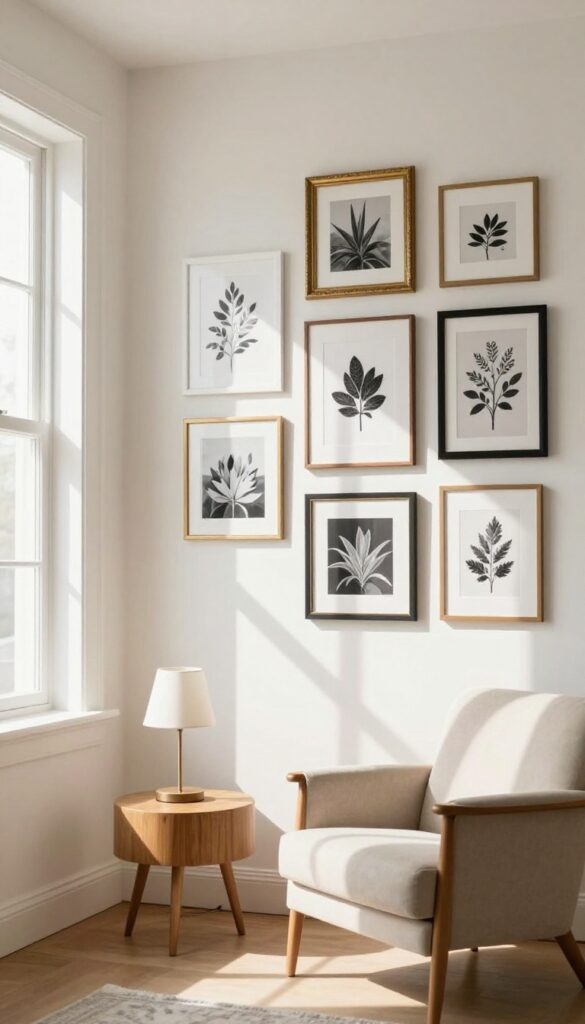
A gallery wall is one of the easiest ways to make your living room feel personal and curated without spending much. By mixing thrifted frames with free printables and your own photos, you can create a display that looks intentional and stylish. The best part?
It costs next to nothing and can be changed whenever you want a refresh.
Start by collecting frames from thrift stores, garage sales, or discount shops—mismatched sizes and finishes add character. Paint them all the same color for a cohesive look, or keep them as-is for an eclectic vibe. Print free art from sites like Unsplash or use your own photographs.
Lay the arrangement out on the floor first to find the perfect spacing, then hang using a level and measuring tape. This budget-friendly project instantly fills a blank wall with personality and becomes a conversation starter.
Best Frames To Look For
Keep an eye out for solid wood frames, vintage gold or silver tones, and simple black or white options. Avoid frames with damaged glass or broken backs unless you plan to replace them. Mixing square and rectangular shapes adds visual interest.
Layout Tip
For a relaxed look, use a salon-style arrangement where frames are clustered closely together. Start from the center and work outward. Use paper templates taped to the wall to test spacing before hammering nails.
Budget-Friendly Swap
If you don't have enough personal photos, print black-and-white images from free stock photo sites or use pages from old books and magazines. Washi tape can also hold lightweight prints directly on the wall for a temporary, rent-friendly option.
3. Repurpose a Vintage Trunk as a Coffee Table
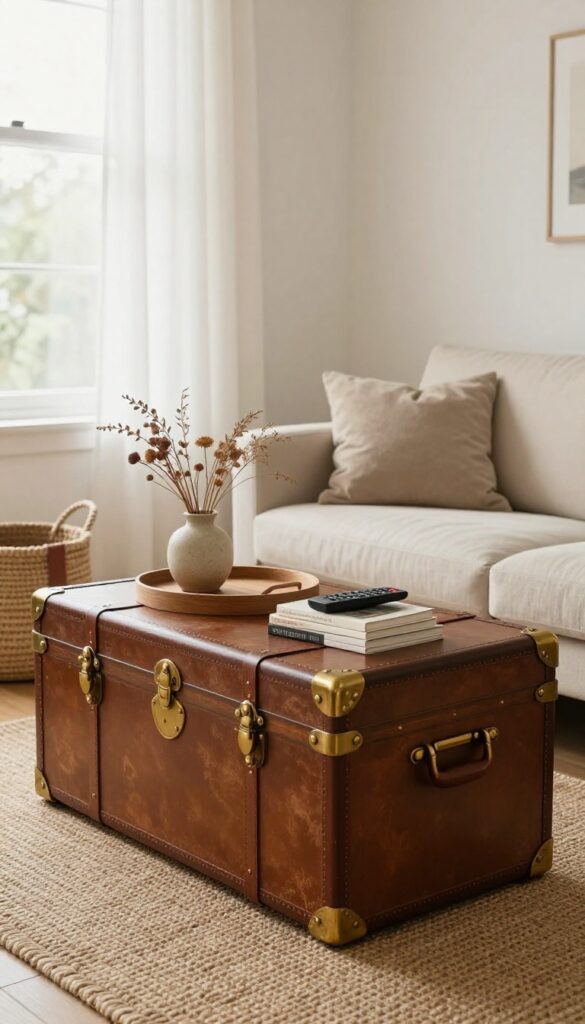
A vintage trunk does double duty as a coffee table and a storage solution, all while bringing instant character to your living room. Unlike a standard table, a trunk adds a sense of history and a conversation starter. You can find them at flea markets, estate sales, or online marketplaces for a fraction of the cost of a new piece.
The worn leather, metal hardware, and aged patina create a focal point that feels curated, not cookie-cutter.
This budget-friendly idea works in almost any living room style, from rustic farmhouse to eclectic boho. The trunk's flat top is perfect for holding a tray with remotes, coasters, and a small plant, while the interior hides blankets, magazines, or board games. To keep the look intentional, choose a trunk that complements your existing color palette—warm browns and brass for a traditional feel, or a painted trunk in a muted hue for a more modern twist.
The key is to balance the trunk's heft with lighter elements around it, like a slim sofa or airy curtains.
Best Materials
Look for trunks made of solid wood with metal bands and rivets—these are sturdy enough to double as seating if needed. Leather or canvas exteriors add texture, while brass or iron hardware brings a vintage touch. Avoid flimsy cardboard trunks, which won't hold up as a table surface.
Styling Tip
Keep the top uncluttered to show off the trunk's details. A large wooden tray corrals small items, and a stack of books or a ceramic vase adds height. For a cozy feel, place a woven basket on one side to hold extra throw blankets.
Budget-Friendly Swap
If an antique trunk is out of budget, look for reproduction trunks or even a vintage-style footlocker. You can also upcycle an old suitcase by adding legs—a quick DIY that gives a similar look for under $50.
4. Layer Rugs for Texture and Warmth
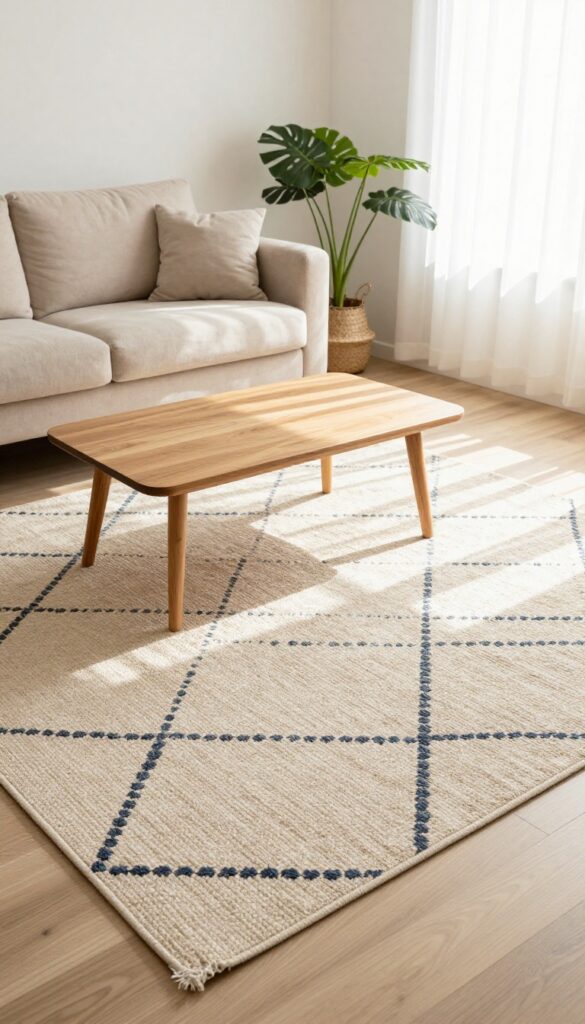
One of the easiest ways to add instant coziness and visual intrigue is by layering rugs. It’s a styling trick that feels intentional, not accidental, and it works in almost any living room. By placing a smaller, patterned rug over a larger neutral one, you create depth and a sense of collected comfort.
Plus, it hides wear on high-traffic areas and lets you mix patterns without commitment.
Layering rugs is a budget-friendly way to refresh your space without a full remodel. Start with a large, affordable jute or sisal rug as your base—it’s durable and adds natural texture. Then top it with a smaller, more colorful or patterned rug that pulls the room together.
This combo not only anchors your seating area but also lets you swap out the top rug seasonally or whenever you crave a change. Look for deals at discount home stores or online marketplaces; you can often find stylish options for under $100.
Best Rug Pairings
For a cohesive look, pair a flatwoven neutral base with a low-pile patterned rug in complementary tones. Think a cream jute base with a navy and white geometric top, or a gray sisal with a soft blush abstract rug. The contrast in texture and pattern keeps things interesting without clashing.
Placement Tips
Center your layered rugs under the coffee table, making sure the bottom rug extends at least 6–8 inches beyond the top rug on all sides. This creates a framed effect. In open layouts, use the layered rugs to define the living area from the rest of the room.
Budget-Friendly Swap
Instead of buying a new large rug, use an existing neutral rug as the base. Then add a smaller, bold rug from a discount store—often under $50. This refreshes your space for less than the cost of a single large statement rug.
5. Install Floating Shelves for Display and Storage
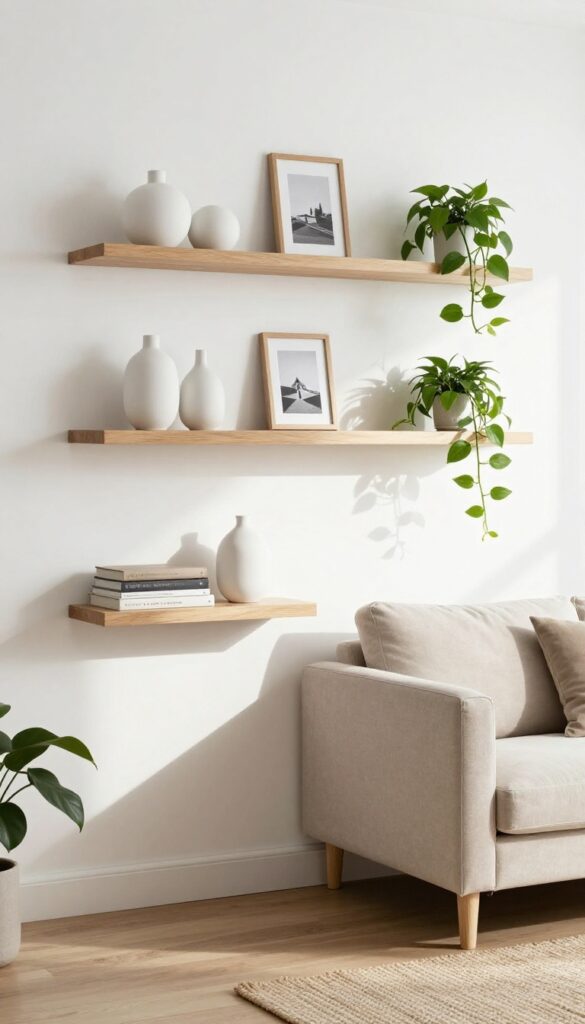
Floating shelves are one of those budget-friendly upgrades that instantly make a room feel more curated. They look clean, take up zero floor space, and give you a spot to show off your favorite books, plants, and small decor pieces. Best of all, you can install them in an afternoon without calling in a pro.
Floating shelves work in almost any living room, whether you have a tiny apartment or a spacious family room. They draw the eye upward, making ceilings feel higher, and they let you swap out decor whenever the mood strikes. Stick to a simple color palette on the shelves—like white ceramics, green plants, and neutral books—to keep the look tidy and intentional.
Group items in odd numbers and vary the heights for a natural, collected feel.
Best Materials For A Clean Look
Solid wood shelves in a natural finish like oak or walnut add warmth without feeling heavy. For a more modern vibe, go with painted MDF in the same color as your wall so the shelves seem to disappear. Metal brackets can add an industrial touch, but true floating shelves with hidden brackets keep the look seamless.
Shelf Styling Tip
- Avoid overcrowding. Leave some breathing room between objects so each piece stands out. Layer a small framed photo in front of a stack of books, then add a trailing plant like pothos on one end.
- Mixing textures—smooth pottery, rough linen, glossy leaves—keeps the display interesting.
Budget-Friendly Swap
Instead of buying expensive pre-made shelves, pick up raw wood boards from a hardware store and sand them smooth. Paint or stain them yourself, then install with simple L-brackets painted to match. You get the same look for a fraction of the cost.
6. Paint an Accent Wall in a Bold Color
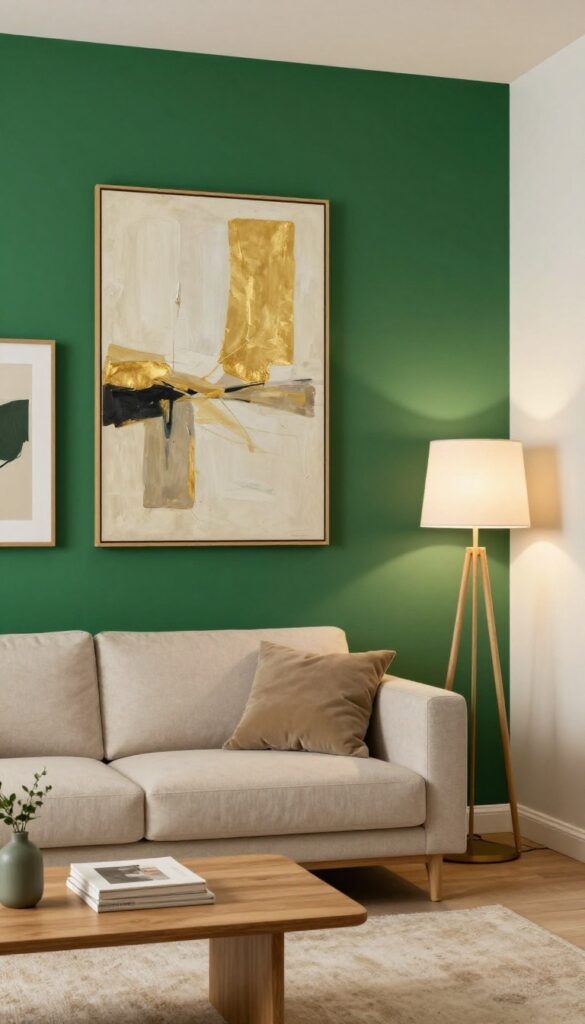
One of the quickest ways to transform a living room without breaking the bank is to paint a single wall in a striking shade. Deep green, rich terracotta, or even a moody navy can instantly add depth and personality. The best part?
It’s a weekend project that costs under $50 and doesn’t require a total room overhaul.
An accent wall works by drawing the eye and creating a natural focal point, especially if you choose the wall behind your sofa or media console. The color you pick sets the room’s mood: deep green feels earthy and calming, while terracotta adds warmth and a touch of boho. For a more dramatic look, try charcoal or midnight blue.
Keep the other walls a soft neutral like warm white or light greige to let the accent wall shine without overwhelming the space.
Best Colors For A Budget-friendly Upgrade
Stick with trendy but timeless shades like sage green, burnt orange, or slate blue. These colors are easy to find in sample-size cans for under $10, so you can test before committing. If you’re renting, use peel-and-stick wallpaper in a bold pattern instead—same effect, zero damage.
Finishing Touch: Layer With Art And Lighting
Once the paint is dry, hang a single large piece of art or a cluster of smaller frames on the accent wall to reinforce the focal point. Add a floor lamp or sconce that casts warm light onto the wall—this highlights the color and makes the room feel cozy, especially in the evening.
7. Use Curtains to Create Height and Softness
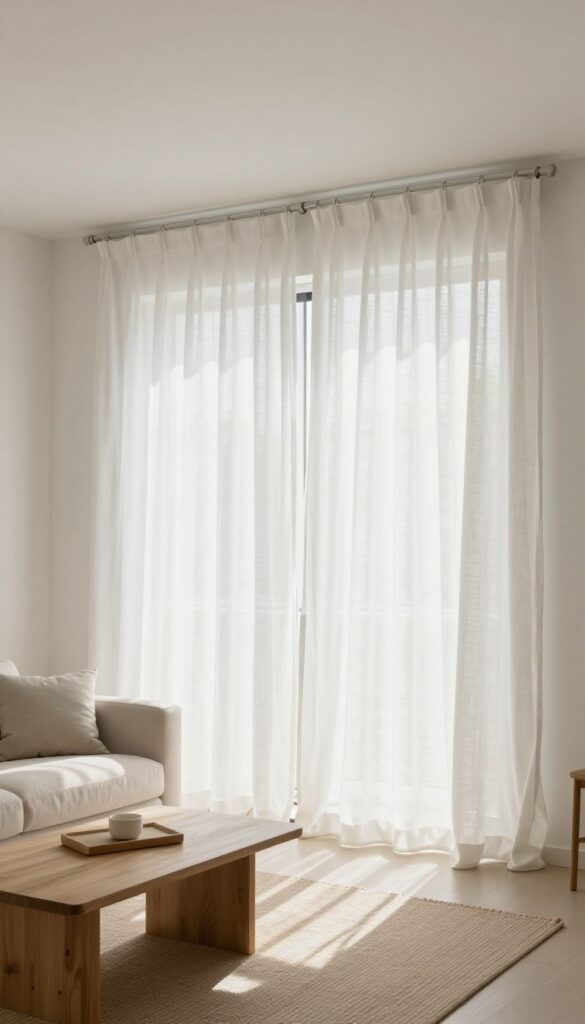
Curtains do more than just cover windows—they shape the whole feel of a room. By hanging them high and letting them pool on the floor, you instantly make the ceiling look taller and add a layer of softness that balances harder surfaces. This trick works especially well in rental apartments or rooms with standard eight-foot ceilings, where every inch of visual height counts.
The key is to mount your curtain rod as close to the ceiling as possible—ideally just a few inches below the crown molding or ceiling line. Then choose floor-length panels that actually touch the floor (or puddle slightly). This vertical line draws the eye upward, making the room feel more spacious and airy.
For a budget-friendly approach, skip expensive custom drapes and go with ready-made linen or cotton panels from stores like IKEA or Target. They come in standard lengths like 84, 96, or 108 inches, so measure your window height first and buy the longest option that fits. To save even more, use clip rings instead of traditional pleated headers—they're cheap and easy to install, plus they add a casual, relaxed look.
Stick to light, breathable fabrics like cotton, linen, or a cotton-linen blend. They filter sunlight gently and keep the room feeling fresh rather than heavy. Avoid velvet or thick polyester unless you're going for a dramatic, formal vibe.
Best Colors And Patterns
- Neutral whites, creams, and soft grays are the safest bets because they blend with any decor and maximize the lightening effect. If you want a subtle pattern, try a thin vertical stripe—it reinforces the height illusion. For a pop of color, choose a muted tone like dusty blue or sage green that complements your sofa or rug.
- Remember that darker curtains will make the room feel cozier but can also shrink the space visually, so reserve them for larger rooms or accent windows.
Budget-Friendly Swap
Instead of buying new curtains, you can DIY floor-length panels by sewing two flat sheets together or adding a simple hem to thrifted fabric. Another trick: use shower curtain liners in a light color as temporary curtains—they're water-resistant, easy to clean, and cost under $10. Just attach them with clip rings for an instant update.
Finishing Touch
To make the curtains feel intentional, add a decorative rod with simple finials (wood or metal) and use rings that match your hardware finish. If you have radiators or baseboard heaters under the window, let the curtains hang just above them to avoid blocking heat—still floor-length, but not pooling. Finally, steam or iron out any wrinkles for a crisp, polished look that makes the whole room feel more put-together.
8. Incorporate Greenery with Low-Maintenance Plants
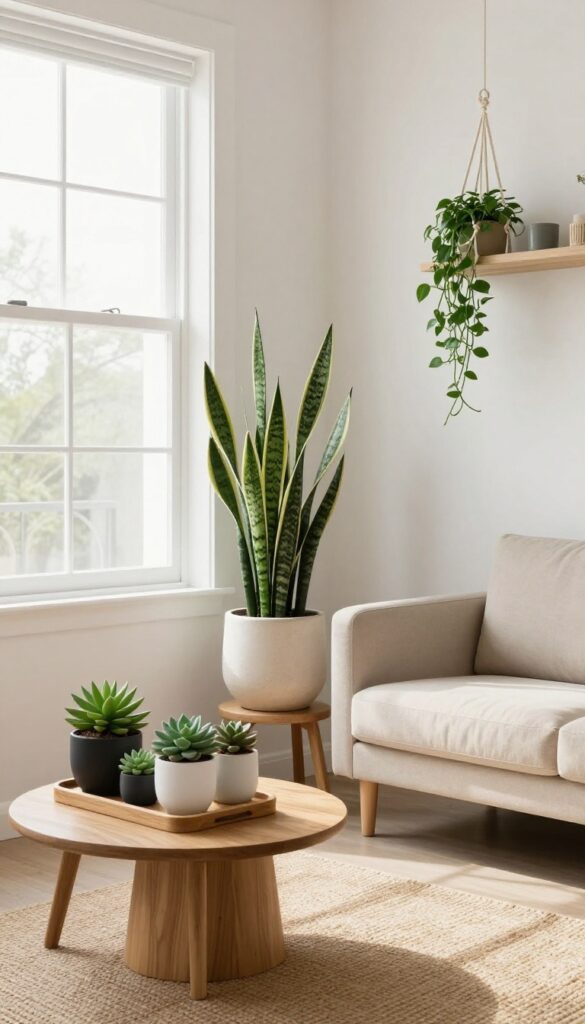
Plants are one of the easiest ways to breathe life into a living room, but not everyone has a green thumb—or the time to fuss over finicky ferns. The good news? You don't need a jungle of rare specimens to make an impact.
Snake plants, pothos, and succulents are affordable, forgiving, and practically impossible to kill. Group them in thrifted pots for a collected-over-time look that feels fresh and lively without breaking the bank or your schedule.
Adding plants to your living room doesn't have to feel like a chore. Stick to hardy varieties that thrive on neglect, and you'll get all the visual benefits—soft texture, organic shape, and a pop of green—without the stress. Mix different heights and leaf shapes to create a mini indoor garden that draws the eye and makes the space feel more alive.
Even one well-placed snake plant in a corner can transform the energy of the room.
Best Plant Choices
- Snake plants are tall and sculptural, perfect for empty corners or next to a sofa. Pothos trail beautifully from shelves or hanging planters, adding a cascading softness. Succulents come in endless shapes and sizes, ideal for coffee tables or windowsills.
- All three tolerate low light and irregular watering, so they're practically foolproof for beginners.
Budget-friendly Styling
Skip expensive designer planters. Hit up thrift stores for mismatched ceramic pots, baskets, or even tin cans—just paint them a cohesive color like matte black or warm white to tie the group together. Cluster three or four pots of varying heights on a tray or a simple wooden stool for an instant vignette that looks intentional and curated.
Placement Tips
For maximum impact, place a tall snake plant in a woven basket near the window to frame the view. Let a pothos vine drape over a bookshelf edge to soften hard lines. Group small succulents on the coffee table in a shallow dish with pebbles for a low-maintenance centerpiece that stays interesting year-round.
9. Rearrange Your Furniture for Better Flow
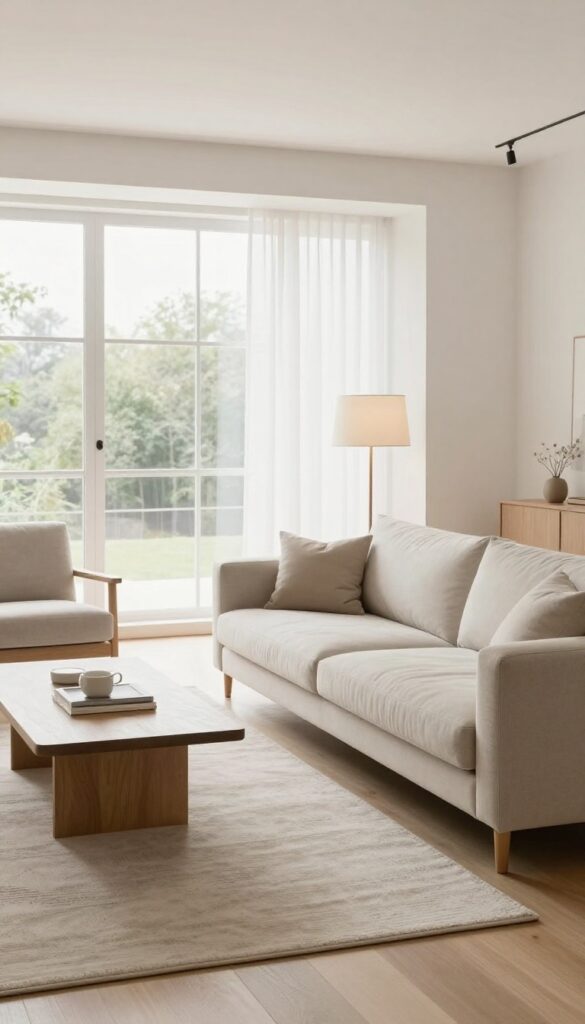
A fresh layout can transform your living room without spending a dime. Floating your sofa away from the wall instantly makes the space feel larger and more intentional. Grouping chairs and a coffee table into a cozy conversation area shifts the energy from TV-focused to people-focused.
Start by identifying the room's natural focal point—maybe a fireplace, a large window, or a media console. Angle your sofa toward it, then pull in an armchair or two to create an intimate cluster. Leave enough space between pieces for easy walking paths.
A floating sofa (pulled away from the wall by at least a foot) adds depth and makes the room feel airier. If your layout feels stuck, try swapping the sofa and TV positions or rotating the seating arrangement 90 degrees. Small shifts like moving a side table or adding a floor lamp can also improve flow without any cost.
Layout Tip
Create a clear pathway from the entry to the seating area. Avoid blocking doorways or windows with large furniture. Use a rug to anchor the conversation zone, and make sure all seats have a clear view of the focal point.
Budget-Friendly Swap
Before buying new furniture, experiment with what you already own. Move a bookshelf to a different wall, swap a chair from another room, or repurpose a bench as a coffee table. These zero-cost changes can completely refresh the room.
Finishing Touch
Add a small tray or a stack of books on the coffee table to define the new layout's center. A floor lamp placed behind the sofa adds warmth and visually balances the arrangement.
10. DIY a Statement Mirror Frame
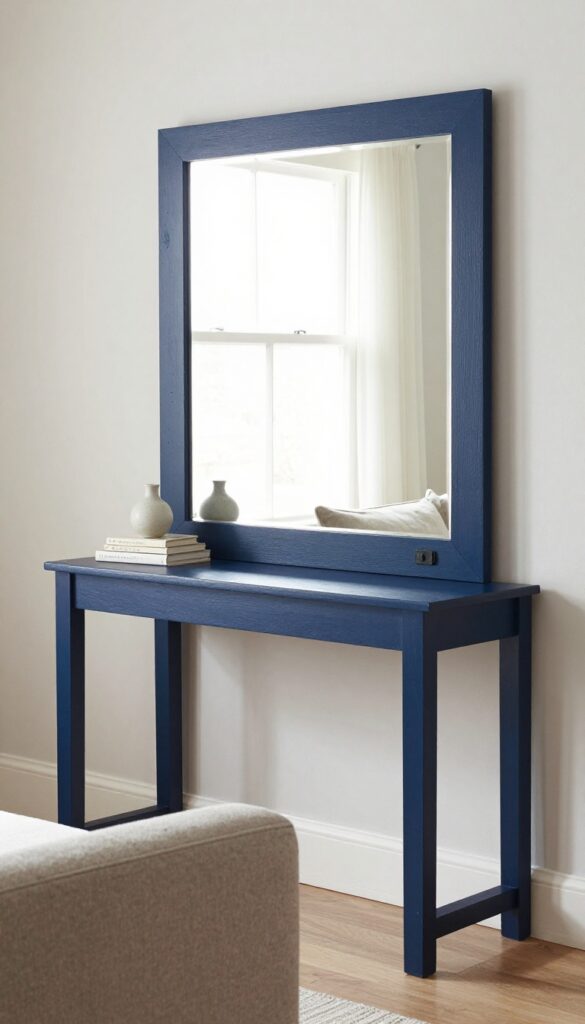
A plain mirror can feel a little basic, but adding a custom frame instantly turns it into a focal point. This budget-friendly project lets you choose any style—from sleek modern to ornate traditional—and paint it in a color that pops against your wall. The best part?
You get the look of an expensive designer mirror for a fraction of the cost.
Start with a large, simple mirror from a thrift store or big-box retailer. Measure the perimeter and buy wood trim or molding that matches the look you want—flat boards for a minimalist feel, or decorative crown molding for something more classic. Cut the pieces at 45-degree angles using a miter saw, then glue and nail them to the mirror's frame.
Fill any gaps with wood filler, sand smooth, and paint with a high-adhesion primer followed by your chosen color. Bold hues like deep navy, emerald green, or even a glossy black make the mirror stand out, while a metallic gold or brass finish adds glamour. Hang it above a console table or sofa to reflect light and make the room feel larger.
Best Colors For Impact
For a dramatic statement, go with a saturated color that contrasts your wall. Dark charcoal or navy works well against light walls, while a bright coral or mustard yellow adds energy to neutral spaces. If you prefer subtlety, paint the frame the same shade as your wall for a seamless, architectural look.
Budget-Friendly Swap
Instead of expensive wood molding, use foam crown molding or even rope trim for a textured, boho vibe. Foam is lightweight, easy to cut, and paintable—perfect for renters or anyone who wants a quick weekend project. Hot glue it in place for a no-nail option.
Finishing Touch
Add a thin strip of mirror bevel or a metallic leaf edge between the mirror and the frame for extra polish. This small detail catches the light and gives your DIY piece a high-end, custom feel.
11. Upgrade Your Lighting with Thrifted Lamps
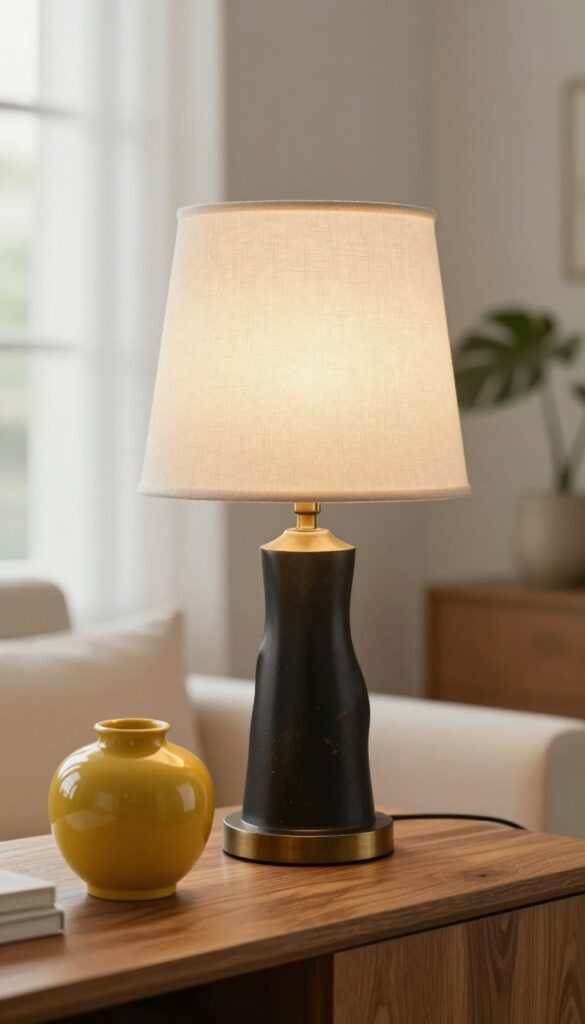
Lighting can make or break a room, but you don’t need to spend a fortune on designer fixtures. Thrift stores are goldmines for unique lamps with character—think brass bases, ceramic bodies, or sculptural silhouettes. A little DIY love, like a fresh shade or a coat of spray paint, can turn a dated lamp into a stylish focal point that feels custom-made.
Scour local thrift shops for lamps with interesting shapes or materials. Look beyond the current shade—you can always replace it. A quick sand and spray paint in matte black, brushed brass, or a bold color can modernize the base.
Pair your thrifted lamp with a new shade in linen, rattan, or a patterned fabric to tie it into your decor. This approach not only saves money but also gives your living room a one-of-a-kind piece that sparks conversation.
Best Colors
Stick with neutral bases like black, white, or brass for versatility, or go bold with a pop of color like emerald green or mustard yellow if you want a statement. For the shade, cream or beige linen keeps it airy, while a darker shade adds drama.
Budget-Friendly Swap
If the lamp’s wiring is old, replace it with a simple plug-in kit from a hardware store—it’s cheap and easy. Also, swap the finial for a wooden or ceramic bead to add a custom touch without spending much.
Finishing Touch
Group two thrifted lamps of different heights on a console table or sideboard for balanced asymmetry. Use warm LED bulbs (2700K) to create a cozy glow that highlights the lamp’s details.
12. Create a Cozy Reading Nook in a Corner
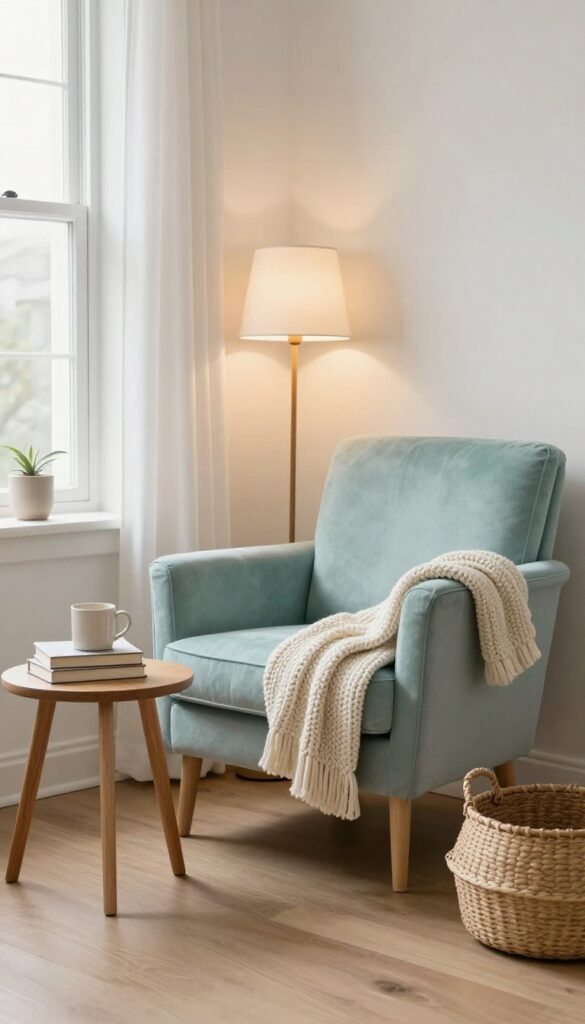
Every living room has that one corner that feels like dead space—maybe by the window or just past the sofa. Instead of letting it collect dust or random clutter, turn it into a tiny retreat. A reading nook doesn't need square footage or a big budget.
With just a few pieces, you can carve out a spot that feels intentional and inviting, perfect for curling up with a book or just stealing a quiet moment.
A cozy reading nook is all about layering comfort into a small footprint. Start with a chair that makes you want to sit down and stay a while—think plush upholstery, a soft fabric like velvet or chenille, or even a sturdy armchair from a thrift store. Add a small side table that's just big enough for a mug and a stack of books.
A floor lamp with a warm bulb creates focused light without overwhelming the space. Toss a throw blanket over the chair and place a basket nearby for storing books or magazines. The result is a corner that feels like its own little world, even if it's just a few square feet.
Budget-Friendly Swap
- You don't need to buy a brand-new armchair. Look for a secondhand find at a thrift store or online marketplace, then give it a fresh look with a slipcover or a chunky knit throw. A simple wooden crate turned on its side can double as a side table, and a basic floor lamp from a discount store works perfectly with a warm LED bulb.
- The key is to prioritize comfort over cost—cozy doesn't have to mean expensive.
Small-space Fix
If your corner is tight, skip the bulky chair and go for a floor cushion or a compact accent chair with slim arms. Mount a small shelf on the wall above for books instead of using a side table, and use a clip-on reading light to save floor space. A woven basket tucked underneath the cushion keeps extra blankets or magazines out of sight but within reach.
Finishing Touch
Add a personal detail like a small framed photo or a trailing plant on the side table to make the nook feel lived-in. A soft rug underfoot—even a small one—defines the zone and adds warmth. Choose a color that ties into your living room palette, like a muted green or dusty blue, so the nook blends seamlessly with the rest of the space.
13. Use Baskets for Stylish Storage
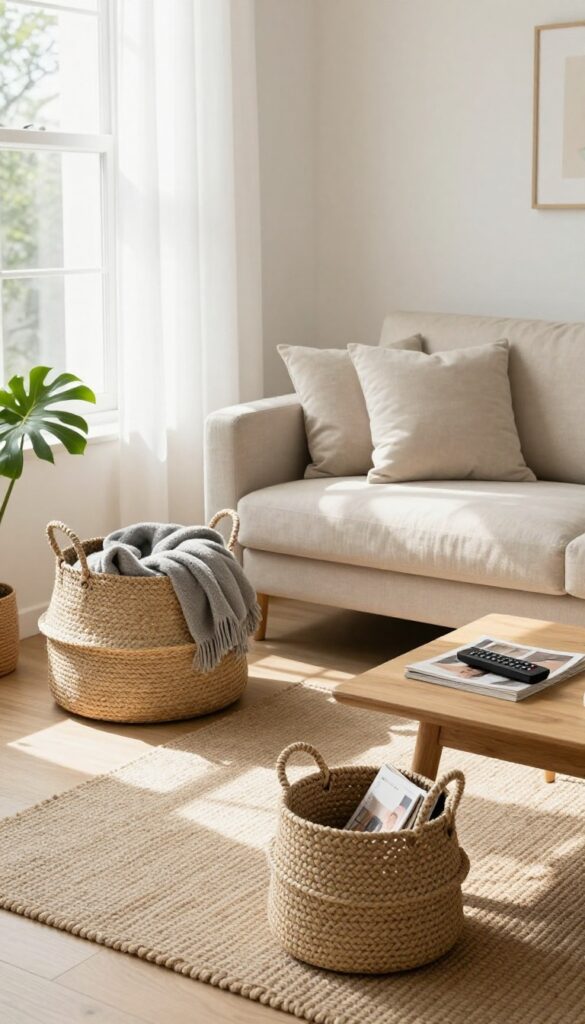
Baskets are the unsung heroes of living room organization. They hide clutter in plain sight while adding warmth and texture to your space. Whether you need a spot for throw blankets, a catch-all for remote controls, or a stylish bin for kids' toys, baskets deliver without breaking the bank.
Plus, they come in so many sizes, materials, and weaves that you can easily find ones that match your decor.
Baskets are one of the most budget-friendly ways to add storage and style to your living room. They work in almost any design scheme, from boho to modern farmhouse to coastal. The key is to choose baskets that complement your existing colors and textures.
For a cohesive look, stick to one or two materials—like seagrass and woven cotton—and repeat them in different sizes around the room. Place a large basket next to the sofa for blankets, a medium one on a shelf for magazines, and a small one on a side table for remotes. This creates a sense of order without feeling too matchy-matchy.
Best Materials For Longevity
- Natural fibers like seagrass, rattan, and water hyacinth are durable and add organic texture. They're also lightweight, making them easy to move around. For a more polished look, try woven cotton rope baskets—they're soft, washable, and come in neutral tones that blend seamlessly.
- Avoid plastic baskets if you want that warm, inviting feel; they tend to look cheap and can make a room feel cluttered rather than curated.
Where To Place Them
- Think beyond the floor. Baskets look great on open shelving, inside cube storage units, or even mounted on walls as catch-alls. In a small living room, use a tall, narrow basket in a corner to store extra pillows or yoga mats.
- Under a console table, a row of matching baskets can hide board games or electronics. The trick is to group them in odd numbers—three baskets of varying sizes on a shelf feels more intentional than two.
Budget-Friendly Swap
- Skip expensive designer bins and hit up thrift stores, discount home goods stores, or online marketplaces. You can often find high-quality baskets for a fraction of the price. If the color isn't right, spray paint them with a fabric-safe paint or wrap them in jute twine for a custom look.
- Another cheap hack: use a plain canvas bin and tie a ribbon or leather strap around it to elevate the style.
14. Paint or Stain Your Old Furniture
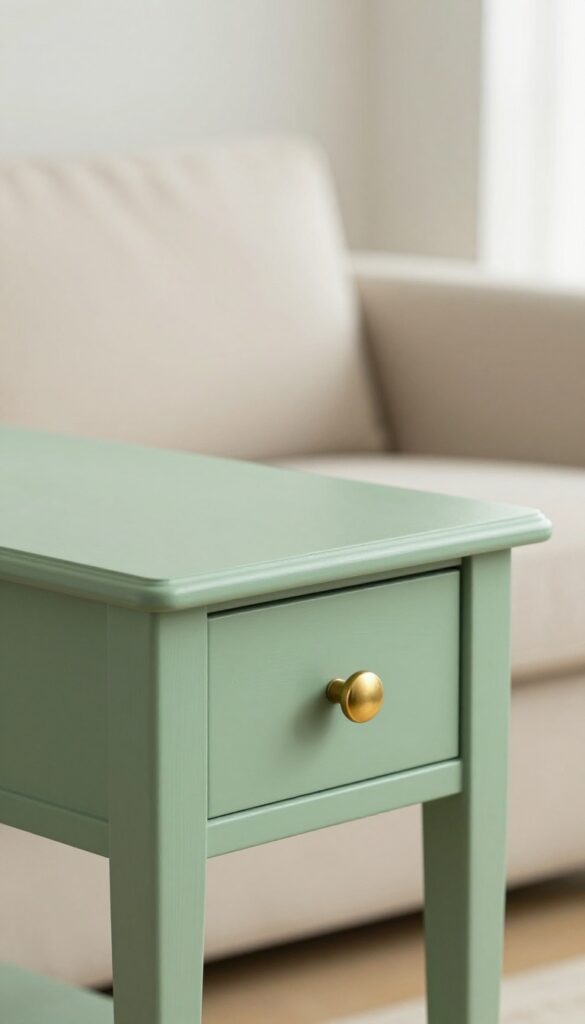
Old furniture doesn't have to end up on the curb. A simple coat of paint or stain can transform a tired dresser, side table, or bookshelf into a statement piece that feels fresh and intentional. This budget-friendly trick lets you keep quality wooden pieces while giving them a whole new personality.
Plus, you get to choose exactly the color and finish that fits your living room's vibe—no hunting for the perfect thrift find required.
Painting or staining old furniture is one of the most satisfying ways to refresh your living room without spending much. You can take a dated nightstand from drab to chic with a soft sage green or a deep navy, or strip and re-stain a solid oak coffee table to bring out its natural grain. The key is prep work: sand lightly, clean thoroughly, and use a primer if you're painting over a dark finish.
For staining, test the color on an inconspicuous spot first. This approach works especially well for pieces with good bones but outdated hardware or finish. Swap out old knobs for modern brass or matte black pulls to complete the transformation.
The result is a custom look that costs a fraction of buying new.
Best Colors For A Fresh Start
- Neutrals like warm white, soft gray, and beige keep things versatile and bright, while bolder choices like emerald green, mustard yellow, or charcoal add drama. For a more natural look, consider staining with a rich walnut or espresso tone. Think about your existing color palette—if your living room leans cool, a pale blue-gray paint can tie everything together.
- If it's warm, a creamy off-white or honey stain will feel cohesive.
Budget-Friendly Swap
- Skip expensive specialty paints. A quart of high-quality latex paint in a satin or semi-gloss finish works beautifully on wood furniture. For staining, a small can of gel stain is easy to apply and covers imperfections well.
- Total cost for paint, primer, and new hardware often stays under $30 per piece. You can also use leftover paint from other rooms to save even more.
Finishing Touch
After painting or staining, seal the surface with a clear wax or polyurethane for durability. This protects against scratches and makes cleaning simple. Add felt pads under legs to protect floors, and style the top with a lamp, stack of books, or a small plant to show off your handiwork.
15. Hang a Large Tapestry or Fabric Panel as Art
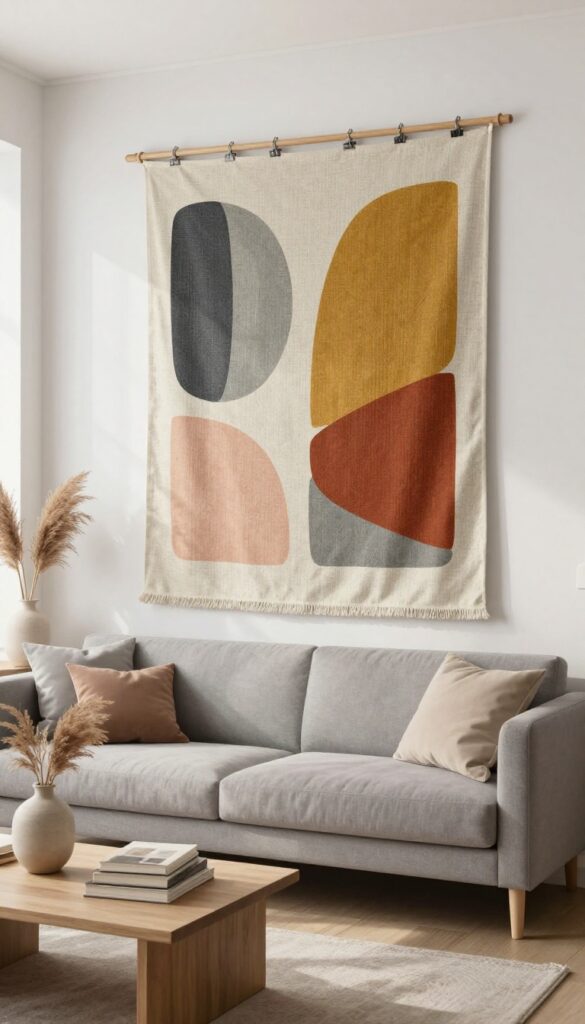
Blank walls can feel intimidating, especially when you're working with a tight budget. A single oversized tapestry or fabric panel solves that problem in seconds, covering a large expanse with color and texture for a fraction of the cost of a painting. The trick is choosing a pattern that pulls together your existing palette, so the fabric feels intentional rather than like a last-minute fix.
Tapestries aren't just for dorm rooms anymore. Modern designs range from abstract weaves to botanical prints, and they can instantly soften a room's acoustics while adding visual warmth. Look for fabric with a bit of weight so it hangs smoothly, and consider using a wooden dowel or clip rings for an easy, gallery-like installation.
This approach works especially well behind a sofa or above a console table, where the fabric becomes a focal point without overwhelming the space.
Best Colors
Stick with hues already present in your room to create cohesion. If your sofa is gray, choose a tapestry with gray backgrounds and pops of your accent color, like mustard or blush. For a bolder look, reverse the ratio: let the tapestry be the main color source and pull accent pillows from it.
Budget-Friendly Swap
Skip expensive art and buy a yard of designer-look fabric from a home decor store. Hem the edges with fabric glue or iron-on tape, then hang it from a tension rod or clip rings. Total cost: often under $30 for a 4×6-foot piece.
Finishing Touch
Add a thin wooden or metal rod at the top and bottom to keep the fabric taut and prevent curling. This small detail makes the tapestry look custom and polished, not like a bedsheet.
16. Add a Pop of Color with Accessories
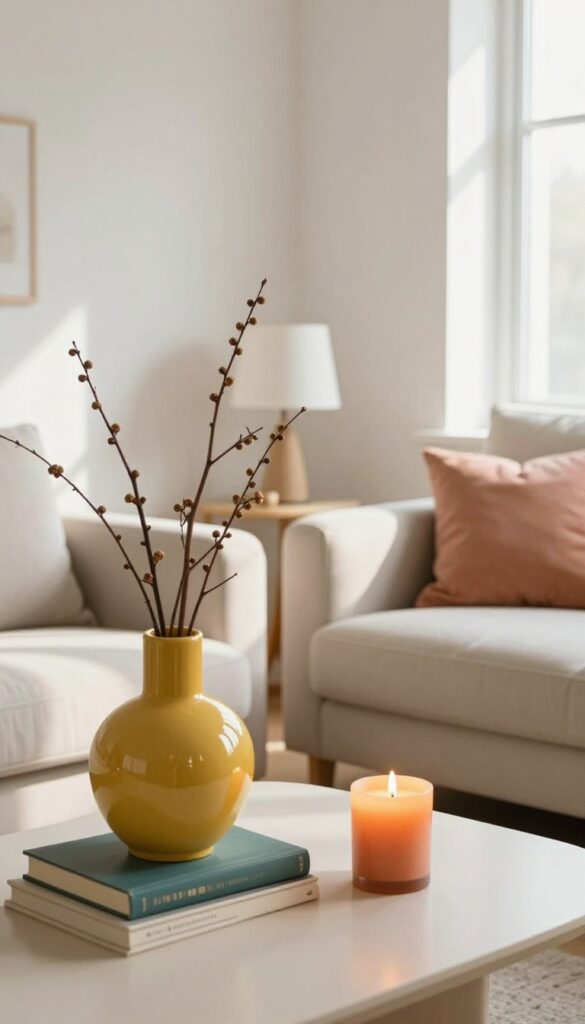
Neutral sofas and beige walls are a safe bet, but they can feel a little flat without something to wake them up. That’s where accessories come in—they’re the easiest, most budget-friendly way to inject personality into a living room. A few well-placed colorful pieces can transform a space from basic to beautiful without requiring a big commitment or a big spend.
The beauty of using accessories to add color is that you can change them whenever you feel like it. Unlike painting a wall or buying a new sofa, swapping out a vase or a stack of books costs next to nothing and takes seconds. Start with one or two statement pieces in a color that makes you happy—maybe a bright yellow ceramic vase on the coffee table or a set of teal books on the shelf.
Then build from there, keeping the rest of the room fairly neutral so the pops really stand out. This approach works in any living room, whether your base is all white, warm beige, or cool gray. It’s also a great way to test a trend before going all in.
Love coral? Try a coral throw pillow and a small coral candle first. If you get tired of it, just swap them out for something new.
Best Colors To Start With
- If you’re unsure which color to pick, go with something that already appears in your room—maybe a shade from a rug or a piece of art. That creates a cohesive look without matching exactly. For a fresh feel, try mustard yellow, dusty blue, or burnt orange.
- These tones are warm, inviting, and easy to find in affordable accessories like vases, trays, and candle holders.
Budget-friendly Swap Ideas
- You don’t need to spend a lot to make an impact. Hit up thrift stores for colorful glass vases or ceramic bowls. Swap out your lamp shade for one in a bold color.
- Even a simple bowl of lemons on the coffee table adds a cheerful yellow pop. The key is to choose items that are easy to move around and replace, so you can refresh the look whenever the mood strikes.
Styling Tip: Grouping For Impact
- Instead of scattering single colorful items around the room, group a few together on a tray or a shelf. For example, place a coral vase next to a stack of navy books and a small green plant. The cluster creates a stronger visual punch than isolated pieces.
- Keep the grouping tight and balanced—odd numbers often look best.
17. DIY a Custom Headboard or Sofa Back
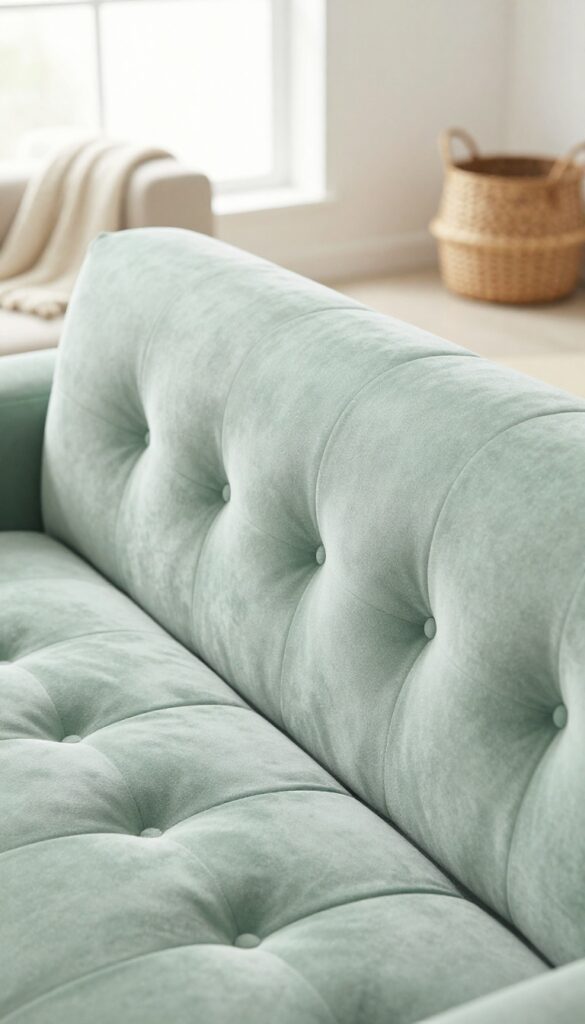
Nothing says custom like a tufted headboard or sofa back you made yourself. With plywood, foam, and fabric, you can build a piece that looks like it cost thousands—but actually fits your budget. This weekend project lets you pick the exact color, texture, and tufting pattern to match your room.
Plus, it’s surprisingly doable even if you’re not a pro.
A tufted headboard or sofa back instantly elevates a living room, making it feel plush and intentional. By DIYing it, you control the quality and style without the designer price tag. Start with a plywood base, add high-density foam, wrap it in fabric, and create tufts using buttons and a simple grid.
The result is a soft, inviting backdrop that anchors your seating area. It works especially well in spaces where you want a focal point without buying bulky furniture. Pair it with neutral bedding or throw pillows in complementary colors to let the tufting shine.
Best Fabrics For A Budget Build
- Velvet, linen, or cotton blends are great choices because they tuft cleanly and feel luxurious. Look for remnants or discounted upholstery fabric at local shops—often you can snag enough for under $50. Avoid slippery or stretchy materials; they make tufting tricky.
- A medium-weight fabric with a slight texture hides imperfections and adds depth.
Tools You’ll Need
Plywood (¾ inch), foam (2–4 inches thick), batting, fabric, a staple gun, drill, and tufting buttons. Don’t forget a button-covering kit if you want matching buttons. Most items are reusable, so consider it an investment for future projects.
Finishing Touch: Trim And Details
Add nailhead trim or a fabric-covered edge to hide staples and give a polished look. For a modern twist, skip the trim and keep the edges clean. Either way, a few minutes of detail work makes the piece look store-bought.
FAQ
How can I make my living room look expensive on a budget?
Focus on a few key pieces like a statement mirror or a large rug. Use neutral colors as a base and add pops of color with accessories. Good lighting and decluttering also go a long way.
What are the best budget-friendly decor stores?
IKEA, Target, HomeGoods, and thrift stores are great. Online marketplaces like Facebook Marketplace and Craigslist offer secondhand finds at low prices.
How do I choose a color scheme for my living room?
Start with a neutral base like beige or gray. Then pick one or two accent colors from a piece of art or a rug. Use the 60-30-10 rule: 60% dominant color, 30% secondary, 10% accent.
Can I mix different furniture styles on a budget?
Absolutely. Mixing modern and vintage pieces adds character. Keep a common color palette to tie them together.
Thrift stores are perfect for finding unique items.
How often should I update my living room decor?
You don't need to change everything often. Swap out pillows, throws, and accessories seasonally for a fresh look. Larger furniture pieces can last years with simple updates like paint or new hardware.
Conclusion
Refreshing your living room on a budget is all about creativity and smart choices. From DIY projects to thrifted treasures, these 17 ideas prove that style doesn't have to come with a high price tag. Start with one or two changes and build from there.
Your living room can feel trendy, cozy, and uniquely yours without breaking the bank. Remember, the best decor reflects your personality, not your wallet. Happy decorating!