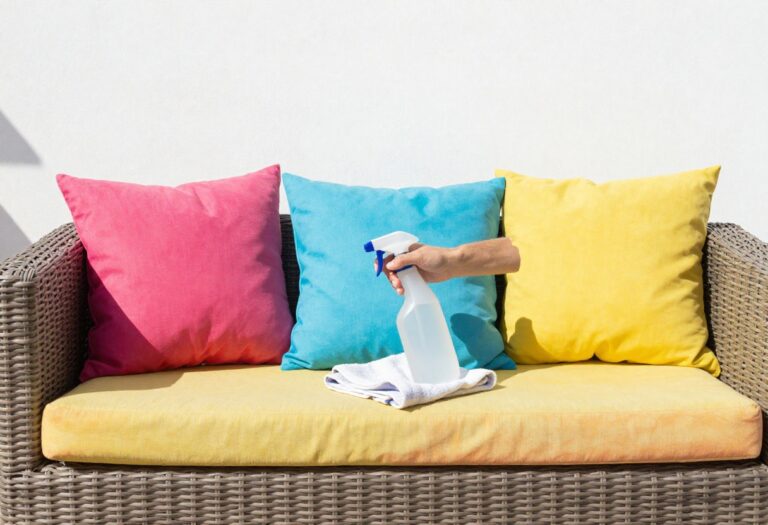
23 Cleaning Upholstered Furniture Tips for Stain Removal
That spot on your couch didn't ask permission before showing up. Whether it's a splash of red wine, a smear of chocolate, or a mystery mark from last week's movie night, upholstery stains happen fast.
But before you panic or call a professional, know that most stains can be tackled with items you already have at home. These 23 tips cover everything from everyday spills to stubborn set-in marks, so you can keep your furniture looking good without breaking the bank.
No fancy equipment required—just a little patience and the right approach.
1. Blot, Don't Rub
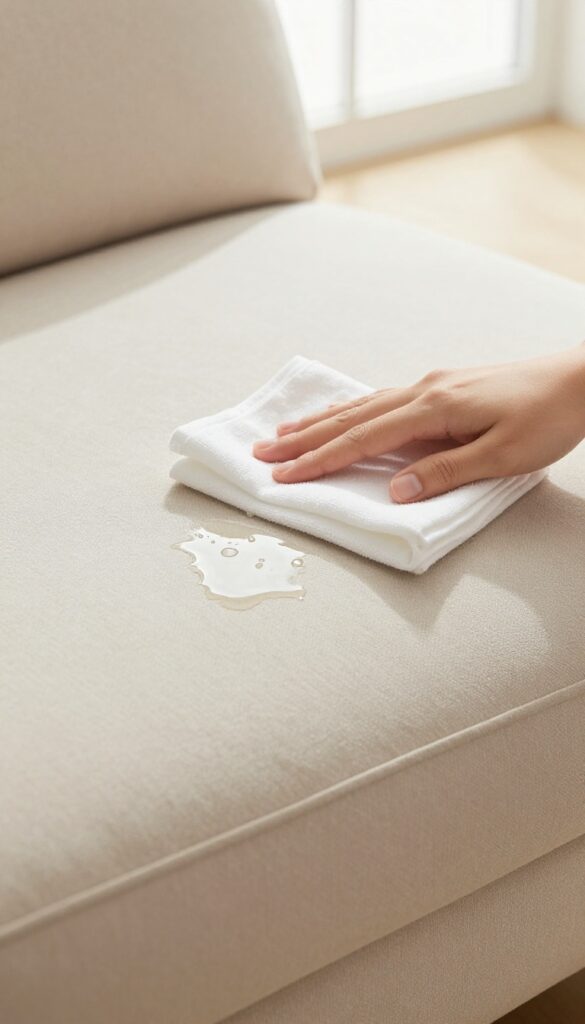
When a spill happens, your first instinct might be to scrub it away. But rubbing is actually one of the worst things you can do—it grinds the stain deeper into the fibers and can damage the fabric. Instead, reach for a clean, dry cloth and blot gently.
Blotting lifts the liquid from the surface without forcing it into the padding underneath. Start from the outside of the stain and work inward to prevent spreading. Keep blotting until no more liquid transfers to your cloth.
If needed, switch to a fresh area of the cloth to avoid reapplying the stain. This simple step sets you up for successful stain removal later.
Why Rubbing Backfires
Rubbing pushes the stain deeper into the upholstery fibers and the foam cushion. It can also fray delicate fabrics like linen or velvet. The friction may set the stain permanently, making it much harder to remove later.
The Right Blotting Technique
Use a white cloth or paper towel to avoid color transfer. Press down firmly but gently, letting the cloth absorb the spill. Lift straight up—don't wipe.
Repeat with a dry section of the cloth until the spot is just damp.
When To Blot Vs. Scrub
Blotting works best for fresh liquid spills. For dried or sticky stains, you may need to gently scrape or dab with a damp cloth first. But even then, avoid aggressive scrubbing—patience is key.
2. Check the Cleaning Code
Before you grab any cleaner, flip over your cushion and look for the tag. That little square of fabric holds the key to safe cleaning—ignore it, and you could turn a small stain into a bigger problem. The code tells you exactly which method your upholstery can handle.
What Those Letters Mean
The tag will have one of four letters: W, S, WS, or X. W stands for water-based cleaners only. S means solvent-based cleaners (no water).
WS means either is safe. X means vacuum only—no liquid at all.
Why It Matters
Using the wrong method can cause fading, shrinking, or even permanent damage. For example, water on an S-code fabric can leave a ring that's worse than the original stain. Always test any cleaner on a hidden spot first, even if you're following the code.
No Tag? No Problem
If the tag is missing or unreadable, stick with the gentlest option: dry cleaning solvent or just vacuuming. You can also contact the manufacturer with your furniture's model number. When in doubt, call a professional.
3. Vacuum First, Clean Later
You might be tempted to go straight at that stain with a spray bottle, but pumping liquid into dirty fabric is a recipe for disaster. Loose crumbs, dust, and pet hair act like sandpaper when you start scrubbing. Vacuuming first lifts that surface grit so you're not grinding it deeper into the fibers.
Even if the stain is fresh, take two minutes to vacuum the area before you apply any cleaner. Use the upholstery attachment with a soft brush to gently loosen and lift debris. Pay special attention to crevices and seams where dirt hides.
This simple step prevents the stain from getting larger and makes your cleaning solution more effective.
Why Skipping The Vacuum Backfires
When you wet dirty fabric, the water acts like a glue, binding soil to the fibers. As you scrub, that dirt gets pushed deeper into the cushion, creating a dull, grimy look even after the stain is gone. Vacuuming first removes that loose soil so your cleaner can attack the actual stain.
The Right Vacuum Technique
Go slow and overlap your strokes. Run the nozzle in multiple directions—north-south, east-west, and diagonally—to dislodge particles from every angle. For cushions, unzip and vacuum both sides.
Don't forget the area under the cushion where dropped snacks and pet dander accumulate.
When To Vacuum Again Mid-cleaning
After you've blotted a stain and let the area dry, vacuum once more. Dried cleaning residue and loosened dirt can be lifted away with a final pass. This leaves the fabric feeling soft and looking clean, not stiff or dusty.
4. Test in an Invisible Spot
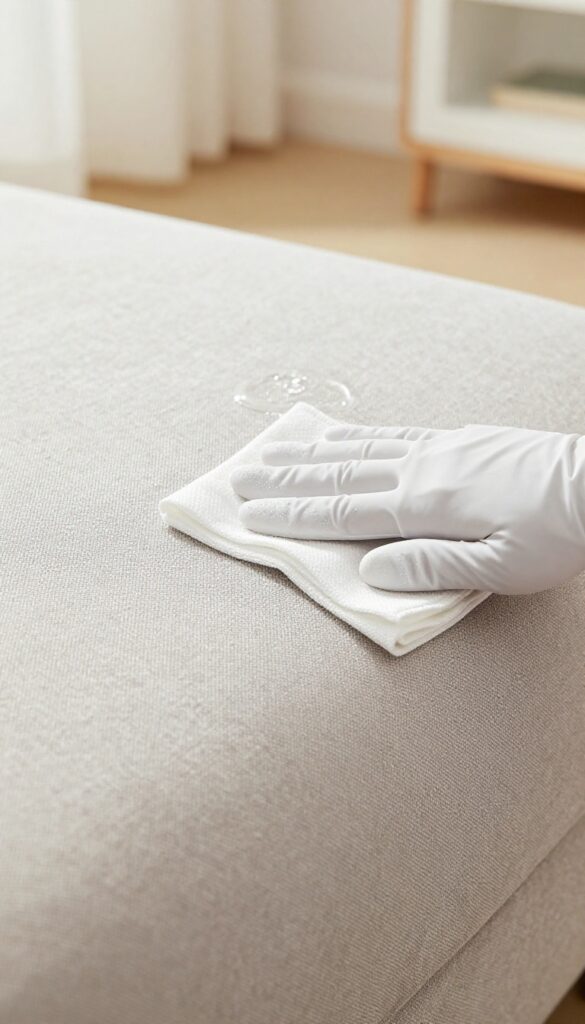
You might be tempted to grab the nearest cleaner and go to town on that stain. But what if that cleaner changes the color of your fabric or leaves a watermark? That's why testing first is non-negotiable.
A quick patch test takes two minutes and saves you from making a bad situation worse.
Always test any cleaning solution on a hidden area to ensure it won't discolor or damage the fabric. This simple step can prevent costly mistakes and keep your upholstery looking its best.
Where To Test
Flip over a cushion or look behind a leg. The underside of a cushion is perfect because it's out of sight. If you can't remove a cushion, test on a spot that's normally hidden, like the back of the sofa or under an armrest.
How To Test
Dab a small amount of your cleaning solution onto a white cloth. Blot it onto the hidden area, then wait a few minutes. Check for any color transfer on the cloth or changes in the fabric.
If everything looks good, you're safe to proceed.
What To Watch For
Look for discoloration, bleeding, or a change in texture. Some fabrics, like velvet or linen, are especially sensitive. If you see any reaction, switch to a milder cleaner or plain water.
5. Use Club Soda for Fresh Spills
Club soda isn't just for mixing drinks—it's a secret weapon for fresh stains. The carbonation helps lift the stain from the fabric fibers without forcing it deeper. Plus, it's gentle enough for most upholstery types.
When a spill happens, grab a club soda before it dries. Pour a small amount directly onto the stain—enough to cover it but not soak the cushion. Let it fizz for a few seconds, then blot with a clean cloth.
Repeat until the stain transfers to the cloth. No rubbing, just blotting. This works best on fresh spills like wine, coffee, or juice.
Why Club Soda Works
The bubbles in club soda create a gentle lifting action that pushes stain particles away from the fabric. Unlike tap water, club soda contains minerals that help break down acidic stains. It's also free of dyes and fragrances, so it won't leave a residue.
Step-by-step For Fresh Spills
Blot the spill first with a dry cloth to remove excess liquid. Pour club soda over the stain, starting from the outer edge and working inward. Let it sit for 30 seconds.
Blot with a clean white cloth, pressing firmly. Repeat until the stain is gone. Avoid scrubbing—it can damage the fibers.
When To Skip This Method
Club soda is best for fresh, water-based stains. Don't use it on oil-based stains like grease or butter—it can spread them. Also avoid it on delicate fabrics like silk or velvet, where moisture might cause water rings.
6. Dish Soap and Water for Grease
Greasy stains from food spills, cooking splatters, or body oils can make upholstery look dull and grimy. Dish soap is designed to cut through grease on dishes, and it works just as well on fabric. A simple solution of mild dish soap and warm water can break down the oil without damaging the upholstery fibers.
This method is safe for most fabrics and uses ingredients you already have under your sink.
To treat a greasy stain, start by blotting up any excess oil with a clean paper towel. Mix a few drops of mild dish soap (like Dawn or a similar gentle brand) into a cup of warm water. Dip a clean white cloth into the solution and wring it out until it's just damp—not soaking wet.
Gently dab the stain from the outside in to avoid spreading. The soap helps lift the grease from the fibers. Once the stain fades, use a second cloth dampened with plain water to rinse away any soap residue.
Blot dry with a towel and let the area air dry completely.
When To Use This Method
This technique works best on fresh grease stains from foods like butter, cooking oil, salad dressing, or pizza grease. It's also effective for body oil stains on armrests and headrests. Avoid using dish soap on delicate fabrics like silk or velvet unless the manufacturer's tag specifically says it's safe.
Avoid Common Mistakes
Don't scrub the stain vigorously—scrubbing can push the grease deeper into the foam. Always blot or dab gently. Also, never pour the soapy water directly onto the upholstery; applying it to a cloth gives you better control and prevents over-wetting, which can lead to mold or mildew under the cushion.
7. White Vinegar for Odors and Set-In Stains
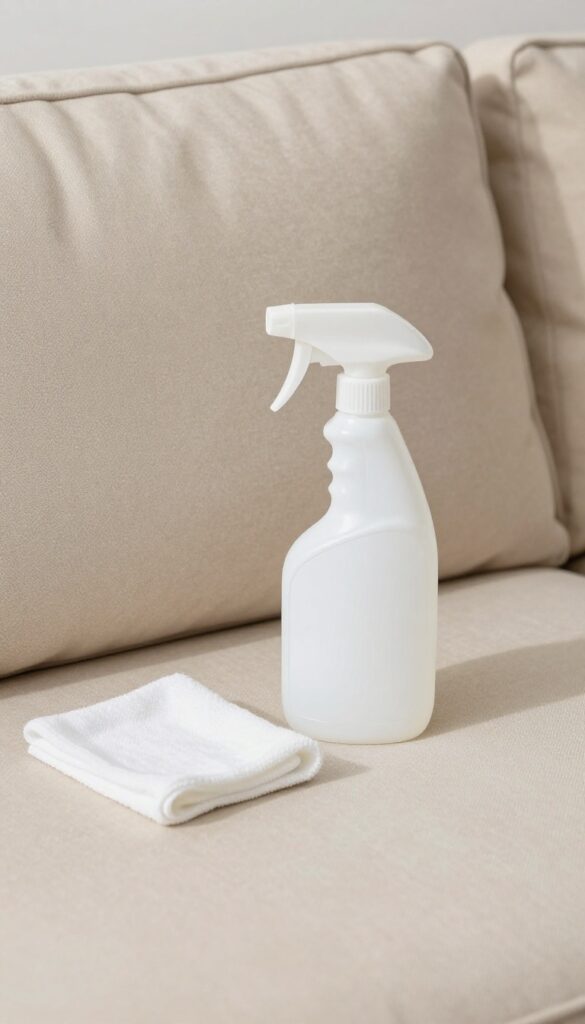
White vinegar is a powerhouse for tackling both odors and stubborn stains. Its mild acidity breaks down residue without damaging most fabrics, making it a go-to for old spills that have settled in. Plus, it neutralizes smells instead of just covering them up, so your couch smells fresh after cleaning.
Why Vinegar Works So Well
Vinegar's acetic acid cuts through grime and dissolves mineral deposits from hard water, which can lock stains into fabric fibers. It also kills odor-causing bacteria and mold spores, so musty smells disappear. Unlike harsh chemicals, it's safe for most upholstery when diluted properly.
How To Mix And Apply The Solution
Combine equal parts white vinegar and water in a spray bottle. Lightly mist the stained area—don't soak it. Let it sit for 5-10 minutes, then blot with a clean cloth.
For set-in stains, gently dab the solution onto the spot and let it work longer before blotting. Always test on a hidden area first.
Best Practices For Odor Removal
For lingering smells, spray the vinegar solution over the entire surface, not just the stain. Use a fan to speed up drying and prevent mildew. The vinegar smell disappears as it dries, taking odors with it.
Avoid using on silk or delicate fabrics—check the care tag first.
8. Baking Soda Paste for Tough Marks
Some stains just won't budge with a simple spray and blot. For those stubborn spots that have already set in, a gentle abrasive can make all the difference. Baking soda is perfect for this—it's mild enough not to damage fabric but effective enough to lift ground-in dirt and discoloration.
The key is turning it into a paste that you can apply precisely.
Mix three parts baking soda with one part water to form a thick paste. Spread it over the stain with a spatula or your fingers, making sure to cover the entire mark. Let it dry completely—this can take a few hours or overnight depending on humidity.
Once dry, vacuum up the residue. The baking soda will have absorbed oils and loosened particles, leaving the fabric cleaner. For extra stubborn stains, add a few drops of dish soap to the paste.
When To Use Baking Soda Paste
This method works best on water-safe fabrics like cotton, linen, and synthetic blends. Avoid it on delicate materials like silk or velvet, where abrasion could cause damage. It's ideal for food stains, grease marks, and mystery spots that have been sitting for a while.
How To Apply For Best Results
Use a soft-bristled brush or your fingers to gently work the paste into the stain. Don't scrub hard—let the baking soda do the work. After drying, vacuum thoroughly.
If any residue remains, repeat the process or follow up with a fabric-safe cleaner.
Pro Tips For Stubborn Spots
For set-in stains, let the paste sit for up to 24 hours. You can also mix in a little hydrogen peroxide (test first) for extra whitening power. Always test on a hidden area to ensure colorfastness.
9. Rubbing Alcohol for Ink and Dye
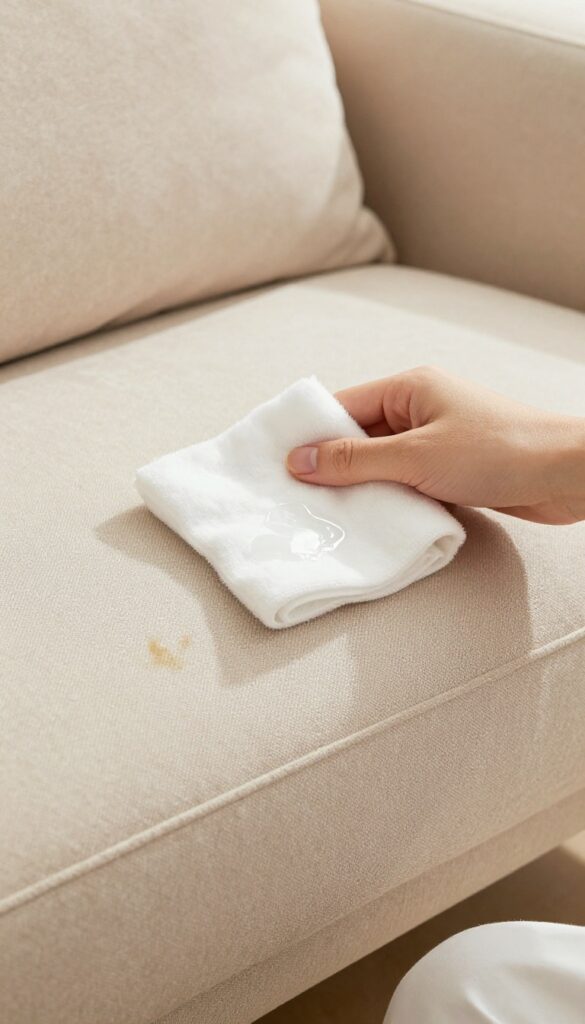
Ink stains from pens or markers can feel like a permanent addition to your couch, but they don't have to be. Rubbing alcohol is a surprisingly effective solvent for breaking down ink and dye without damaging most upholstery fabrics. The key is to act quickly and blot, not rub.
Rubbing alcohol works by dissolving the pigments in ink, making it easy to lift them out of the fabric fibers. It's safe for most synthetic and natural fabrics, but always test on a hidden spot first. For best results, use 70% or 90% isopropyl alcohol and a clean white cloth or cotton ball.
How To Apply
Dab a cotton ball or clean cloth in rubbing alcohol—don't soak it. Gently blot the ink stain, starting from the outer edge and moving inward. You'll see the ink transfer to the cloth.
Switch to a fresh area of the cloth as it picks up color. Repeat until no more ink lifts.
Blotting Vs. Rubbing
Always blot, never rub. Rubbing can spread the ink deeper into the fibers and make the stain larger. Blotting lifts the ink out without pushing it in.
Patience pays off here—it might take several rounds, but the stain should fade significantly.
Aftercare
Once the ink is gone, dampen a clean cloth with water and blot the area to remove any residual alcohol. Let it air dry completely. If the fabric feels stiff afterward, gently brush it with a soft brush to restore the texture.
10. Hydrogen Peroxide for Blood or Organic Stains
Blood, urine, or other organic stains can feel intimidating, but hydrogen peroxide is a surprisingly effective solution. It works by breaking down the proteins in these stains through a chemical reaction that lifts them right out of the fabric fibers. Just make sure you're using the standard 3% concentration found in most drugstores—stronger versions can damage upholstery.
How It Works
Hydrogen peroxide releases oxygen bubbles when it contacts organic matter, which helps loosen the stain from the fabric. This fizzing action lifts the stain to the surface, making it easy to blot away. It's especially effective on fresh stains, but can also work on dried ones with a bit more time.
Step-by-step Application
First, test hydrogen peroxide on a hidden area of your upholstery to ensure it doesn't bleach or discolor the fabric. If it's safe, pour a small amount directly onto the stain—enough to saturate it. Let it sit for 5 to 10 minutes.
You'll see it start to fizz. Blot the area with a clean white cloth, pressing firmly to absorb the stain and liquid. Repeat if needed.
Once the stain is gone, blot with a damp cloth to remove any residue, then let it air dry.
Important Precautions
Hydrogen peroxide can lighten some fabrics, especially dark or brightly colored ones. Always test in an inconspicuous spot first. Avoid using it on silk, wool, or other delicate materials.
Also, don't mix it with other cleaning agents like vinegar or bleach—that can create harmful fumes. For stubborn stains, you can apply a second round, but don't let it sit longer than 15 minutes total.
11. Steam Clean for Deep Refresh
Sometimes a spray and blot just isn't enough. Over time, dust, allergens, and grime settle deep into the fibers, leaving your upholstery looking tired. Steam cleaning lifts that embedded dirt without the need for harsh detergents, and the high heat naturally sanitizes the fabric.
It's a gentle but powerful way to give your couch a reset, especially between deep cleanings or after tackling a stubborn stain.
Choose The Right Steamer
Not all steamers are upholstery-safe. A handheld garment steamer works well for spot treatments, while a dedicated upholstery steamer with a brush attachment offers more control. Avoid using a high-pressure steam cleaner meant for floors, as it can drive moisture deep into the cushion and cause mold.
Test on an inconspicuous area first to make sure the fabric can handle the heat.
Prep The Fabric First
Vacuum the entire piece thoroughly to remove loose dirt and debris. If you skip this step, the steam can turn dust into mud and push it deeper into the fibers. For set-in stains, pre-treat with a gentle upholstery cleaner or a dab of dish soap, then let it dry before steaming.
Steam works best on clean fabric, so give it a good once-over.
Steam In Slow, Even Passes
Hold the steamer head about an inch from the fabric and move it slowly across the surface. Don't linger too long in one spot or the fabric can get soaked. The goal is to let the steam penetrate and loosen dirt, then immediately blot with a clean microfiber cloth to lift the grime away.
Work in sections, and keep a dry towel handy to absorb excess moisture.
Let It Dry Completely
After steaming, open windows or turn on a fan to speed up drying. Avoid sitting on the furniture until it's fully dry, which can take a few hours depending on humidity. If you notice any residue or discoloration after drying, a quick vacuum with the brush attachment will restore the texture.
Steam cleaning once a season keeps your upholstery fresh without over-washing.
12. Cornstarch for Grease and Oil
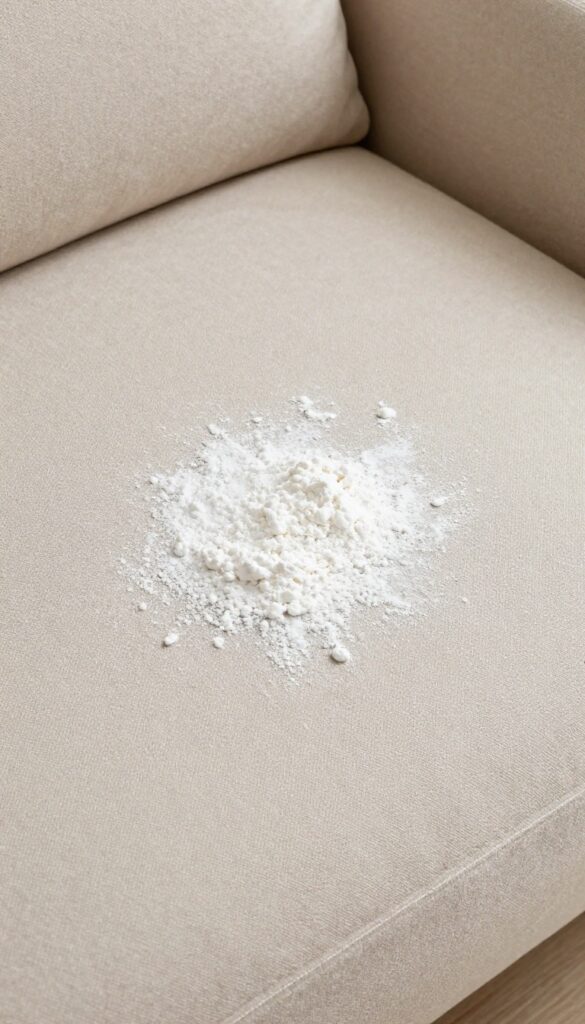
Grease and oil stains are some of the trickiest to handle on upholstery. They can spread quickly and set in fast, leaving a dark, stubborn mark. But cornstarch is a simple, effective solution that works by absorbing the oil before it has a chance to bond with the fabric fibers.
When you notice a fresh grease or oil stain, act quickly. Grab a generous amount of cornstarch and sprinkle it directly onto the stain, covering it completely. Let it sit for about 15 minutes.
During this time, the cornstarch will pull the oil out of the fabric. Then, simply vacuum up the powder. For larger or deeper stains, you may need to repeat the process.
This method works well on couch cushions, armrests, and even car seats.
Why Cornstarch Works
Cornstarch is a fine, absorbent powder that acts like a sponge for oils. It draws the grease to the surface and traps it, making it easy to remove without rubbing or scrubbing. Rubbing can push the stain deeper, so the absorption method is much safer for delicate fabrics.
Best Fabrics For This Method
Cornstarch works best on sturdy fabrics like cotton, linen, and polyester blends. It's also safe for microfiber, but avoid using it on velvet or other delicate pile fabrics, as the powder can get trapped in the fibers. Always test on an inconspicuous area first.
When To Repeat The Process
If the stain is still visible after vacuuming, don't worry. Simply apply another layer of cornstarch and let it sit longer—up to 30 minutes. For old or set-in grease stains, you might need to repeat the process a few times.
Patience is key.
13. Shaving Cream for Upholstery Cleaning
Shaving cream isn't just for your morning routine—it can be a surprisingly effective upholstery cleaner. The foamy texture helps lift dirt and stains without soaking the fabric, making it a go-to for fresh marks and light grime. Plus, it's gentle enough for most upholstery types when used correctly.
Plain shaving cream (not gel or menthol varieties) works wonders on a range of stains, from food spills to makeup marks. The key is to apply it correctly and avoid over-wetting the fabric. Always test in an inconspicuous spot first, as some delicate fabrics may react differently.
How To Apply Shaving Cream
Squirt a small amount of shaving cream directly onto the stain. Use your fingers or a soft cloth to gently work it into the fabric in a circular motion. Let it sit for about 10–15 minutes to break down the stain.
Wiping It Off The Right Way
After the wait, dampen a clean cloth with cool water and blot the area to remove the shaving cream and lifted dirt. Avoid rubbing, which can push the stain deeper. Repeat if needed, then let the fabric air dry completely.
When To Skip This Method
Shaving cream works best on water-based stains and light soils. Avoid using it on oil-based or set-in stains, as it may not be strong enough. Also, skip this method on velvet or other water-sensitive fabrics to avoid water marks.
14. Enzyme Cleaner for Pet Accidents
Pet accidents are a whole different beast. Regular cleaners might mask the smell, but they won't break down the proteins in urine, vomit, or feces. That's where enzyme cleaners come in—they literally eat the organic matter, eliminating both the stain and the odor at the source.
Enzyme cleaners are a must-have for pet owners. They work by using natural enzymes to digest the proteins and bacteria in organic stains. This not only removes the visible mark but also gets rid of the smell that can encourage repeat accidents.
Always blot up as much moisture as possible before applying the cleaner, and let it sit for the recommended time—usually 10–15 minutes—to let the enzymes do their job.
Why Enzyme Cleaners Work
Standard cleaners just cover up odors. Enzyme cleaners break down uric acid and other proteins so they're completely gone. That means your couch doesn't become a permanent bathroom spot.
How To Use Them Right
Blot the accident first. Spray the enzyme cleaner generously, then let it dwell for 10–15 minutes. Blot again and let it air dry.
For old stains, you might need a second application.
Best Enzyme Cleaners To Try
Look for brands like Nature's Miracle, Rocco & Roxie, or Simple Solution. They're widely available and safe for most upholstery fabrics. Always test on a hidden spot first.
15. Salt for Red Wine Spills
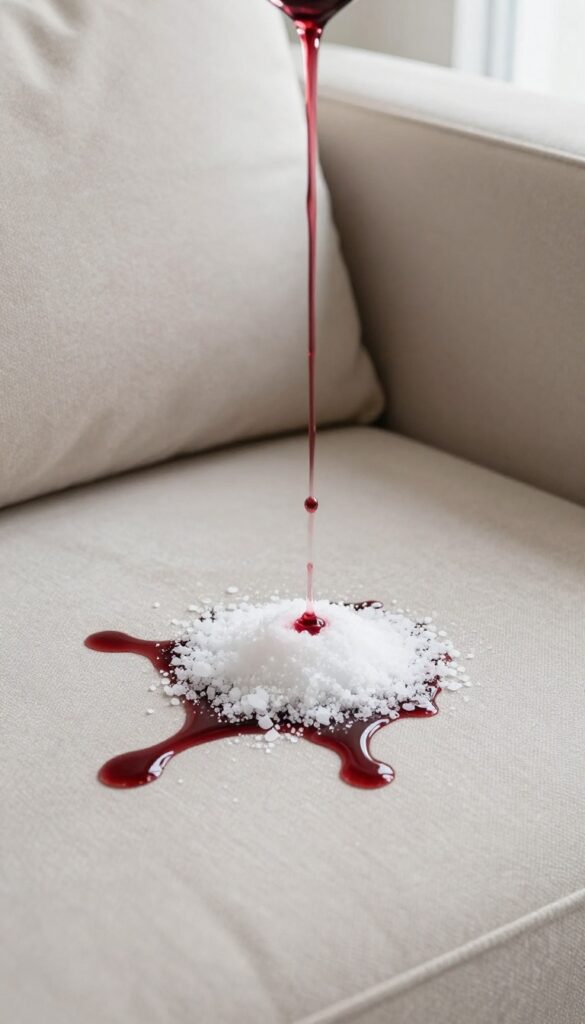
Red wine on a light-colored sofa is a heart-stopping moment, but don't let it ruin your evening. Salt is your quickest defense—it soaks up the wine before it bonds with the fabric fibers. This trick works best on fresh spills, so act fast.
Blot First, Then Salt
Grab a clean cloth or paper towel and blot the spill gently—don't rub, or you'll push the wine deeper. Once you've soaked up as much as possible, pour a generous layer of salt directly onto the stain. Let it sit for 5-10 minutes.
The salt will draw the wine out of the fibers.
Vacuum And Treat Residue
After the salt has done its job, vacuum it up using an upholstery attachment. You'll likely see a faint pink or purple mark left behind. Mix a solution of equal parts water and white vinegar, dab it onto the residue, then blot with a dry cloth.
Repeat until the stain lifts.
When To Call It Quits
If the stain is still visible after two or three treatments, it may have set. That's okay—salt is a first-aid measure, not a magic eraser. For stubborn leftovers, try a commercial upholstery cleaner or consult a professional.
But nine times out of ten, salt saves the day.
16. Dishwasher Tablet for Stubborn Spots
Some stains just won't budge no matter how many times you blot or spray. When the usual tricks fail, a dishwasher tablet can be your secret weapon. These little powerhouses are designed to break down tough food residue, and they work surprisingly well on upholstery stains too.
How It Works
Dishwasher tablets contain enzymes and surfactants that attack grease, protein, and starch. When dissolved in warm water, they create a gentle but effective cleaning solution that lifts set-in stains without harsh scrubbing.
Step-by-step Application
Drop one tablet into a bowl of warm water and let it fizz until fully dissolved. Dip a clean white cloth into the solution, wring it out so it's damp not soaking, and blot the stain gently. Work from the outside in to avoid spreading.
Rinse the area by blotting with a cloth dipped in plain water, then blot dry with a towel.
When To Use This Method
This works best on tough food stains like coffee, wine, gravy, or chocolate. Avoid using it on delicate fabrics like silk or vintage upholstery. Always test on a hidden area first to make sure the color doesn't fade.
17. Lint Roller for Pet Hair and Dust
Pet hair and surface dust might not seem like a stain, but they can make upholstery look dingy and trap odors over time. A lint roller is one of the simplest tools to keep fabric fresh between deep cleans. It's cheap, fast, and works on almost any fabric type.
Roll the lint roller firmly over the fabric in one direction, overlapping each pass slightly. For large areas, work in sections. Replace the adhesive sheet when it loses stickiness.
This method is especially effective on microfiber and cotton blends.
When To Use It
Use a lint roller as part of your weekly maintenance routine. It's perfect for quick touch-ups before guests arrive or after your pet has been lounging on the couch. It also works well on throw pillows and blankets.
Pro Tips For Best Results
For stubborn embedded hair, try a rubber brush first to loosen it, then follow up with the lint roller. Keep a roller in your living room for easy access. If the adhesive leaves residue, test on a hidden spot first.
18. Microfiber Cloth for Gentle Scrubbing
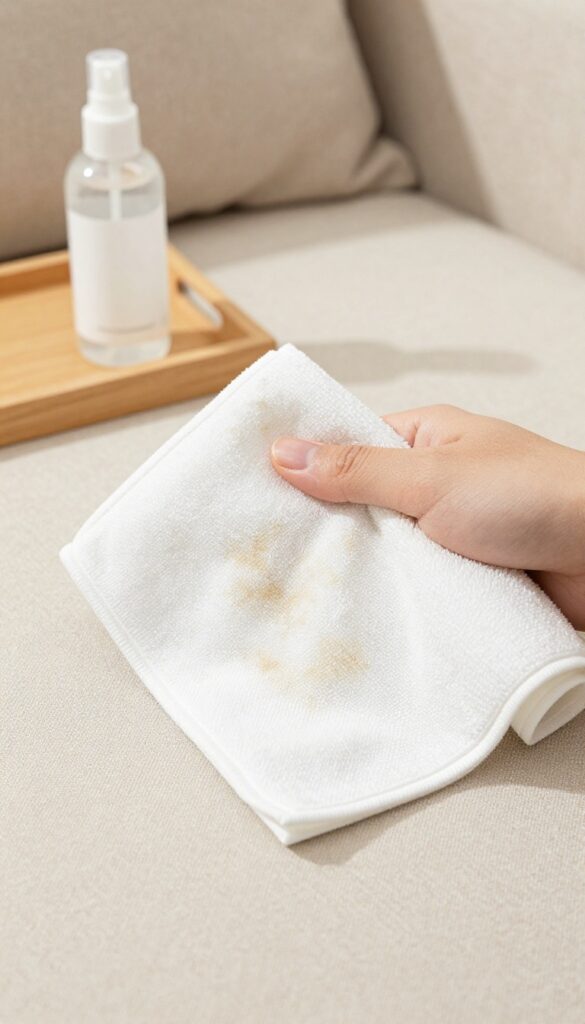
Not all fabrics can handle a stiff brush or abrasive sponge. That's where microfiber cloths come in—they lift dirt and grime without scratching or damaging delicate fibers. They're especially useful for materials like velvet, linen, or microfiber itself, where you want to be thorough but gentle.
Microfiber cloths have ultra-fine fibers that trap dust, dirt, and even bacteria without pushing them deeper into the upholstery. Their non-abrasive texture makes them safe for almost any fabric, and they work well with both dry and damp cleaning methods. For light cleaning, simply wipe the surface in one direction to collect dust.
For stain removal, dampen the cloth slightly with water or a mild cleaning solution and blot—never rub—the stained area. Rinse the cloth frequently to avoid redepositing dirt. Microfiber is also reusable and machine washable, making it an eco-friendly choice for regular maintenance.
Why Microfiber Works Best
Microfiber is made of split polyester and polyamide fibers that create a large surface area with a positive electrostatic charge. This charge attracts negatively charged dust and dirt particles, lifting them off the fabric rather than just pushing them around. Unlike cotton or paper towels, microfiber doesn't leave lint behind, which is crucial for dark or textured upholstery.
How To Use It On Stains
For fresh spills, blot immediately with a dry microfiber cloth to absorb as much liquid as possible. For dried stains, dampen the cloth with a small amount of upholstery cleaner or a mixture of mild dish soap and water. Gently dab the stain, working from the outside in to prevent spreading.
Use a fresh section of the cloth as it picks up residue. After cleaning, blot with a dry microfiber cloth to remove excess moisture, then allow the area to air dry.
Caring For Your Microfiber Cloths
To keep microfiber effective, wash them separately from cotton items to avoid lint transfer. Use a gentle detergent without fabric softener, as softener coats the fibers and reduces their cleaning power. Air dry or tumble dry on low heat.
Over time, the cloths may lose their electrostatic charge, but they'll still work as a soft, non-abrasive wiping tool.
19. Avoid Over-Wetting
It's tempting to drench a stubborn stain, but too much moisture can be worse than the original mess. Water seeps deep into the padding, creating a breeding ground for mold and mildew. It can also cause fabric shrinkage or leave unsightly water rings.
The golden rule: use the least amount of liquid possible and blot dry immediately.
Why Less Is More
Upholstery padding acts like a sponge. When you oversaturate, moisture gets trapped beneath the surface, and without proper airflow, it may never fully dry. This damp environment invites mold growth and musty odors.
Plus, some fabrics (like cotton or linen) shrink when soaked, ruining the fit of your cushion covers.
How To Apply Cleaner Sparingly
Instead of pouring solution directly onto the fabric, spray it onto a clean microfiber cloth. Then gently dab the stain. This gives you control over how much moisture touches the upholstery.
For spot cleaning, use a spray bottle set to a fine mist—never a stream.
Blotting Technique That Works
After applying cleaner, blot with a dry cloth using firm, repeated pressure. Don't rub or scrub, as that pushes liquid deeper. Switch to a fresh dry section of cloth frequently to absorb as much moisture as possible.
Finish by placing a stack of paper towels over the area and weighing it down with a book for 30 minutes.
Drying Accelerators
Speed up drying by pointing a fan at the damp spot or using a hairdryer on a cool setting held several inches away. If you have a wet/dry vacuum, use it to extract moisture after blotting. For cushions, remove the covers if possible and let them air dry separately.
20. Use a Soft Brush for Fabric Refresh
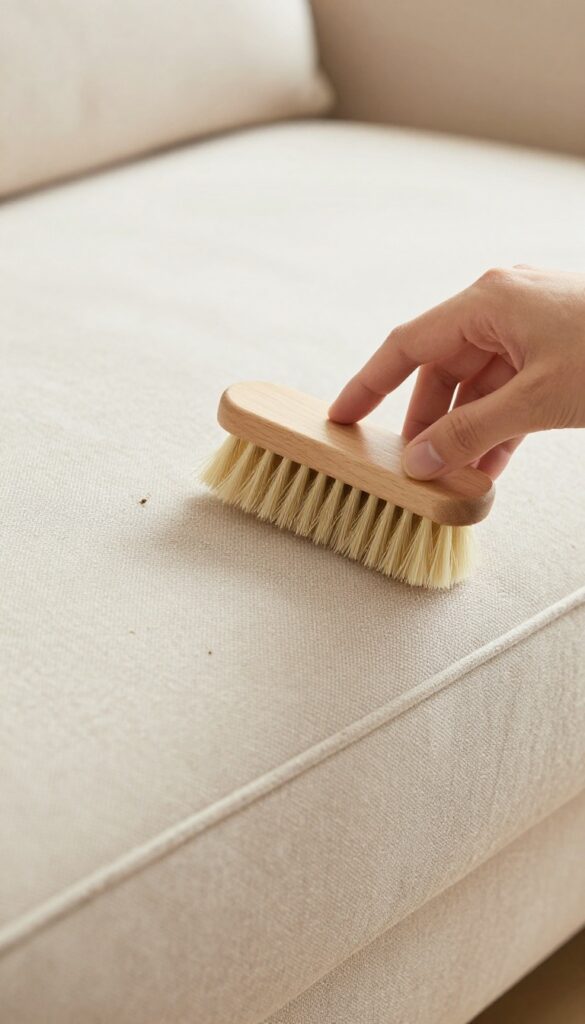
A soft-bristled brush isn't just for dusting shelves—it's a secret weapon for upholstery. Over time, dirt and crumbs settle into crevices and seams, making fabric look dull. A gentle brushing lifts that debris and restores the nap of the fabric without any chemicals.
Grab a clean, soft-bristled brush—an old toothbrush works great for tight spots. Lightly brush in one direction along the grain of the fabric. Focus on seams, tufted areas, and around buttons where dust hides.
For velvet or microfiber, brush in short strokes to revive the texture. This method is safe for most fabrics, but always test on a hidden area first.
Why Brushing Works
Upholstery fibers get flattened by sitting and daily use. A soft brush lifts the fibers, making the fabric look fuller and cleaner. It also dislodges dry dirt that vacuuming alone might miss, especially in crevices.
Best Brushes To Use
A soft toothbrush is ideal for small seams and tufted buttons. For larger areas, use a upholstery brush with natural bristles or a clean, soft paintbrush. Avoid stiff brushes that can scratch or fray delicate fabrics.
When To Brush
Brush before vacuuming to loosen dirt so the vacuum can pick it up. Also brush after cleaning to restore the fabric's texture. For high-traffic spots, a quick weekly brush keeps them looking fresh.
21. Commercial Upholstery Cleaner for Tough Jobs
Sometimes a stain laughs at your vinegar solution and baking soda paste. When home remedies fail, it's time to bring in the big guns. Commercial upholstery cleaners are formulated to tackle stubborn grease, ink, wine, and mystery marks that won't lift with gentle methods.
But you can't just grab any bottle off the shelf—your fabric's code dictates which cleaner is safe to use.
Commercial cleaners come in sprays, foams, and liquids. Foam cleaners are great for delicate fabrics because they don't soak the fibers. Spray-and-vacuum formulas work well on synthetic blends.
Always test a small hidden area first, even if the label says it's safe. And never mix different cleaners—chemical reactions can ruin your upholstery or release harmful fumes.
Decode Your Fabric Label
Look under your cushions or on the bottom of the furniture for a tag with a code: W (water-based cleaner safe), S (solvent only), WS (either), or X (vacuum only). For S-coded fabrics, use a dry solvent cleaner—water can cause shrinkage or bleeding. For W or WS, a water-based upholstery cleaner is fine.
Never use water on an S-coded fabric; it can leave a permanent ring.
How To Apply Commercial Cleaner
Shake the can or bottle well. Spray from about 6 inches away, applying just enough to dampen the stained area—don't soak it. Let it sit for the time recommended on the label (usually 1–5 minutes).
Then blot with a clean white cloth, working from the outside of the stain inward to avoid spreading. Repeat if needed, but don't oversaturate. Once the stain lifts, blot with a dry cloth to remove excess moisture.
When To Call It Quits
If the stain remains after two applications, stop. Overcleaning can damage the fabric or cause color loss. Some stains, like old ink or permanent marker, may be impossible to remove without professional help.
Accepting a slight shadow is better than ruining the entire cushion. For valuable or antique upholstery, skip DIY commercial cleaners and hire a pro.
22. Dry Cleaning Solvent for Delicate Fabrics
Silk, velvet, and antique upholstery are the supermodels of furniture—gorgeous but high-maintenance. Water-based cleaners can ruin their texture or cause permanent water rings. That's where dry cleaning solvent comes in, or better yet, a professional cleaner who knows how to handle these divas.
Delicate fabrics require a gentler touch. Dry cleaning solvents are designed to lift stains without saturating the fibers, reducing the risk of shrinking, bleeding, or distortion. Always test on a hidden area first, and never rub—blot gently.
If you're unsure, calling a pro is the safest bet.
Why Water Is The Enemy
Water can cause silk to lose its luster, velvet to crush, and antique fabrics to disintegrate. Dry cleaning solvent evaporates quickly and doesn't soak in, making it ideal for these materials. It's also effective on oil-based stains like makeup or grease.
How To Use Dry Cleaning Solvent
Apply a small amount to a clean white cloth and blot the stain from the outside in. Don't pour directly on the fabric. Use a fan or hair dryer on cool to speed up drying.
If the stain persists after two attempts, stop and call a professional.
When To Call A Professional
For heirloom pieces, expensive upholstery, or large stains, a pro has the right tools and solvents. They can also test for colorfastness and treat the fabric safely. Sometimes the cost of cleaning is worth the peace of mind.
23. Regular Maintenance Prevents Deep Stains
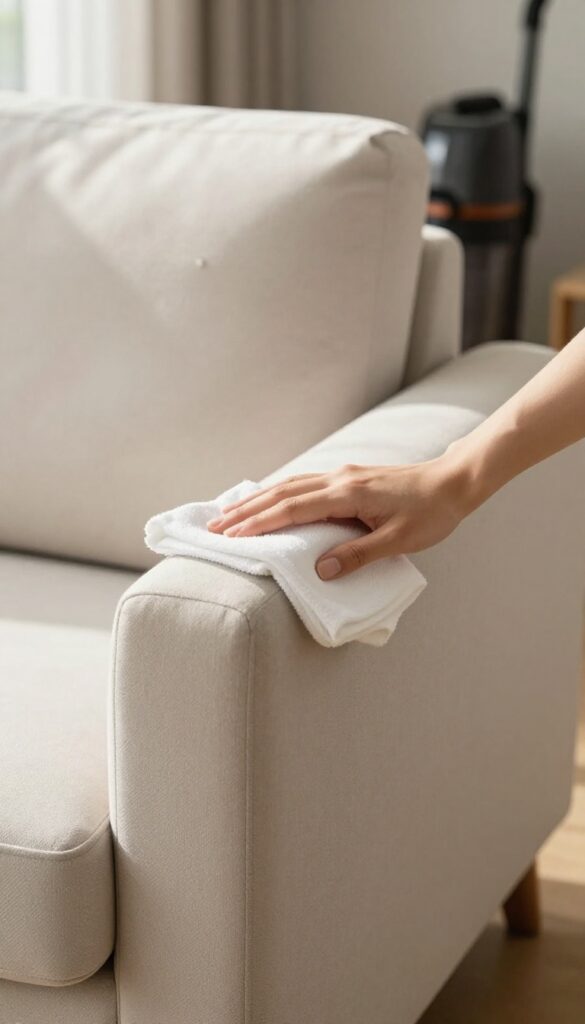
You've tackled every stain on this list, but the best strategy is stopping them before they start. Regular upkeep keeps your upholstery looking great and reduces the chance of spills turning into permanent marks. A little routine goes a long way.
Think of maintenance as a shield. By vacuuming weekly, treating spills instantly, and rotating cushions, you cut down on dirt buildup and uneven wear. This makes future stain removal easier and keeps your furniture fresh longer.
Weekly Vacuuming
Dust and crumbs grind into fabric over time, causing discoloration. Use an upholstery attachment to vacuum all surfaces, including crevices and under cushions. This simple step removes debris before it embeds.
Immediate Spill Response
The moment a spill happens, blot—don't rub. Use a clean cloth to absorb as much liquid as possible. Quick action prevents the stain from setting and makes later cleaning much simpler.
Rotate And Fluff Cushions
Rotating cushions every few weeks distributes wear evenly, preventing sagging and fading. Fluffing helps maintain shape and reduces the need for deep cleaning.
FAQ
Can I use bleach on upholstery?
No, bleach can discolor and weaken fabric fibers. Stick to mild cleaners or vinegar solutions.
How do I remove old, set-in stains?
Try a baking soda paste or white vinegar solution. Let it sit for 15–30 minutes before blotting. Repeat if needed.
What does the cleaning code 'W' mean?
W stands for water-based cleaners only. Use mild soap and water, not solvents.
Can I machine wash cushion covers?
Only if the tag says removable and machine-washable. Use cold water and air dry to prevent shrinkage.
How often should I clean upholstered furniture?
Vacuum weekly and deep clean every 6–12 months, or as needed after spills or heavy use.
Conclusion
You don't need a professional to keep your upholstery looking great. Just pick a few of these tips that match your biggest stain headaches and start there. A little regular care—like blotting spills fast and testing cleaners first—goes a long way.
Your couch will stay fresh and cozy for years to come. Try one new method today and see the difference.