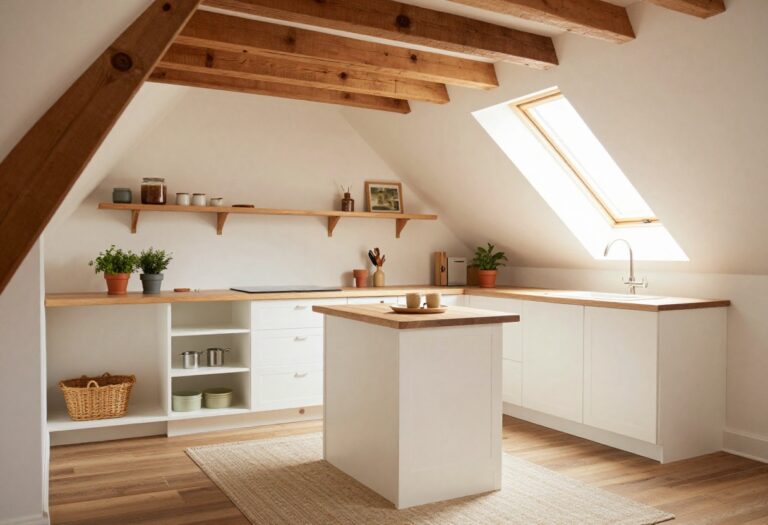
10 Living Room Wall Shelf Ideas Holding Small Decor Moments
Wall shelves are the unsung heroes of living room decor. They hold your favorite things without taking up floor space, and they let you change the look whenever you want. But filling them well takes a little thought.
You want each shelf to feel intentional, not cluttered. That means choosing pieces that work together in color, texture, and scale. It also means leaving enough breathing room so nothing gets lost.
These ten ideas focus on small decor moments that add up to a cozy, layered look. Think of each shelf as a tiny stage for your favorite objects, and let these suggestions inspire your next styling session.
1. Stacked Books with a Single Object on Top
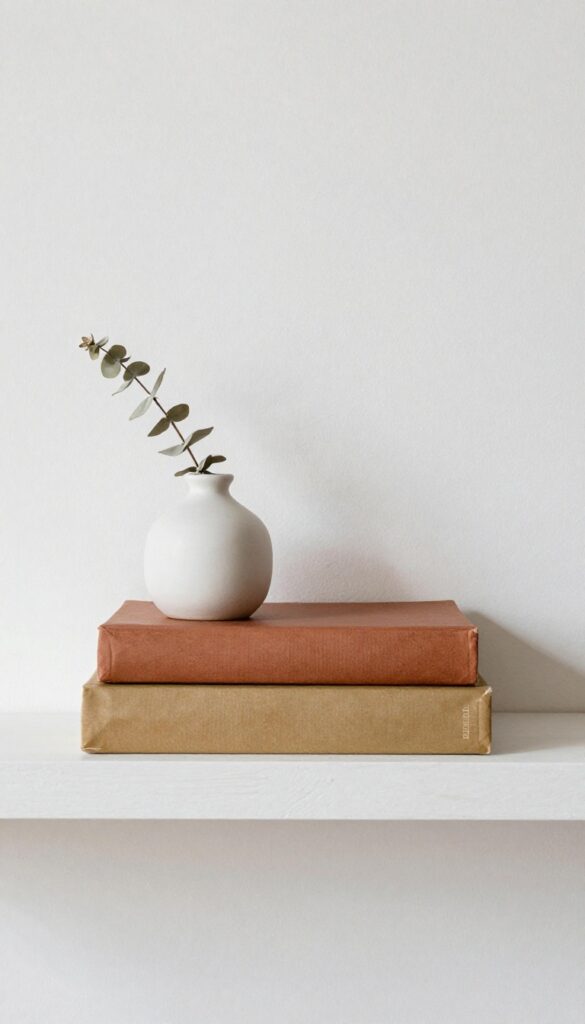
Sometimes the simplest shelf arrangements make the biggest impact. Stacking two or three books horizontally creates a stable base with instant height and color. Top it with one small object—a ceramic bud vase, a carved wooden box, or a smooth stone sculpture—and you have a vignette that feels intentional without being fussy.
This trick works especially well on narrow shelves where you want visual weight without clutter.
The beauty of this idea lies in its restraint. By limiting yourself to just one object on top, you avoid the messy, overcrowded look that can happen when every inch of a shelf is filled. The books do the heavy lifting: they bring in color, texture, and a sense of lived-in warmth.
Choose books with spines that complement your room's palette, or mix in a few vintage covers for contrast. The single object then becomes a quiet focal point—a place for the eye to rest. This arrangement is perfect for a living room shelf, a bedside table, or even a kitchen counter where you want a touch of personality without sacrificing function.
Best Colors
- Stick with a cohesive color story. If your room leans neutral, try books in warm earth tones—terracotta, olive, ochre—with a white or cream ceramic object. For a bolder look, pair bright book spines (like cobalt or mustard) with a metallic or black object.
- The key is contrast without chaos.
Shelf Styling Tip
Vary the book sizes slightly so the stack feels organic, not perfectly uniform. A taller book on the bottom, a thinner one in the middle, and a small one on top creates a natural pyramid. Leave a little breathing room around the stack so it doesn't look jammed in.
Finishing Touch
Add a small coaster or a piece of textured fabric under the object to anchor it visually. A woven placemat, a leather coaster, or even a slice of wood adds another layer of detail without extra clutter.
2. Mini Gallery Wall on a Shelf
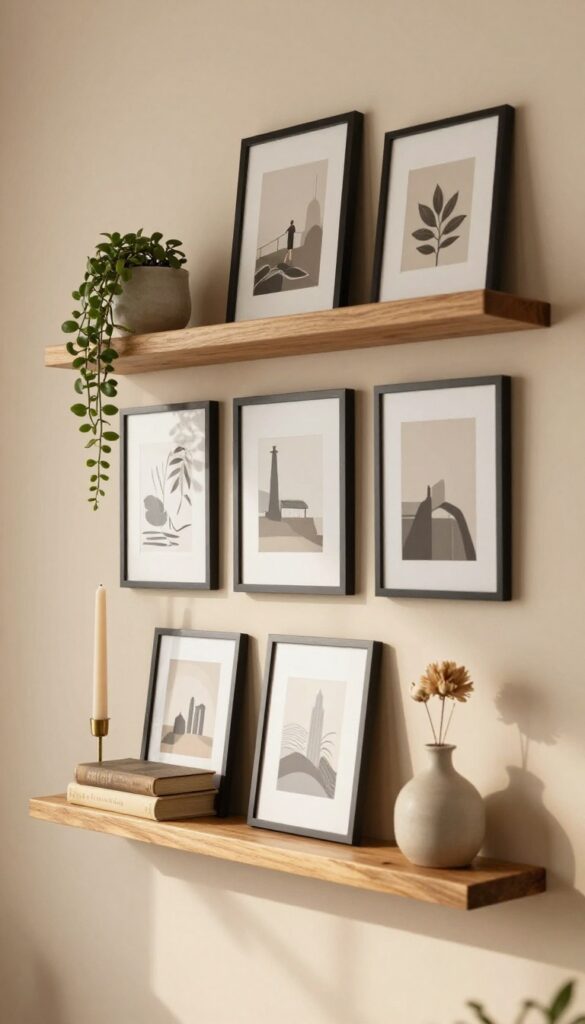
You don’t need to drill holes to create a gallery wall. Leaning framed prints and photos against the wall on a shelf gives you that curated look without the commitment. Overlap them slightly for a collected-over-time feel, then add a tiny plant or a candle to balance the composition.
It’s an easy way to add depth and personality to a shelf without making it feel cluttered.
This idea works especially well on a floating shelf or a narrow console table. Choose frames in similar tones—black, white, or natural wood—to keep the look cohesive. Vary the sizes and heights for visual interest, and let the frames rest at slightly different angles.
The layering creates a casual, lived-in vibe that feels intentional but not overly styled. A small trailing plant or a slim taper candle adds the perfect finishing touch.
Best Frame Mix
Stick with two to three frame sizes, all in the same color family. A mix of square and rectangular shapes keeps the arrangement dynamic. Avoid matching frames exactly—slight variations in width or finish make the display feel more authentic.
Shelf Styling Tip
Place the largest frame at the back and layer smaller ones in front. Leave a little breathing room between items so the shelf doesn’t look crowded. A small ceramic bud vase or a stack of books on one side anchors the look.
Lighting Note
Position a small picture light above the shelf or a tiny LED spot nearby to highlight the frames. Warm light makes the art pop and adds a cozy glow, especially in the evening.
3. Trays as Catchalls for Small Items
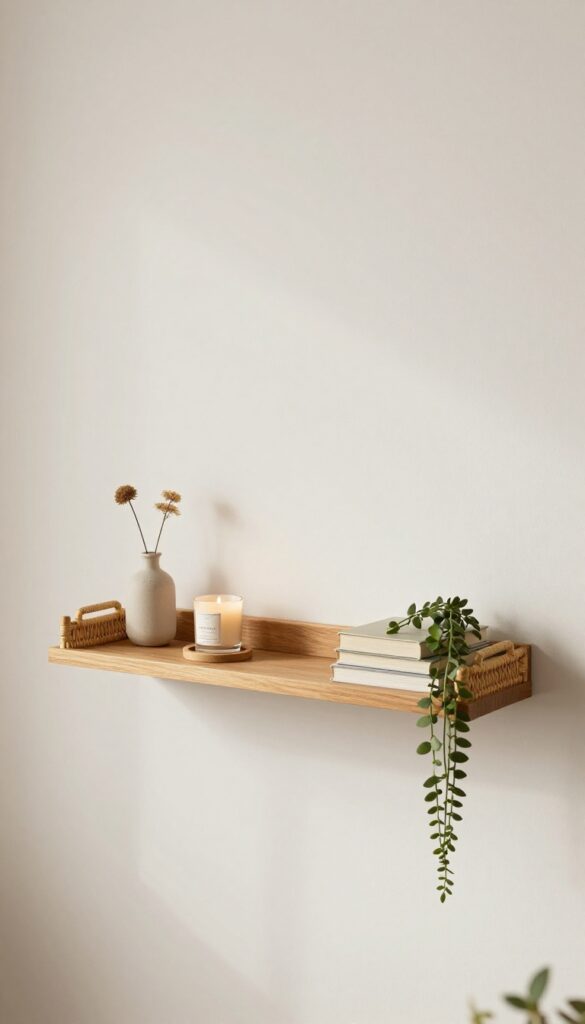
A shelf can quickly turn into a dumping ground for loose odds and ends. That’s where a simple tray steps in—it gives those tiny items a designated home without making the shelf look cluttered. The rim keeps everything from rolling off, and the tray itself becomes a mini stage for your decor.
Trays are one of those understated heroes in shelf styling. They create a contained zone for everyday items like remotes, coasters, or a candle, so the shelf stays tidy without feeling sterile. Choose a tray with a low rim in a natural material—wood or rattan works beautifully to keep the look warm and grounded.
The tray anchors the small objects visually, making the whole arrangement feel intentional. For a cozy, layered effect, place the tray slightly off-center and pair it with a small stack of books or a trailing plant next to it. This way, the tray does the organizing while the rest of the shelf keeps breathing.
Best Materials For Warmth
Stick with natural textures like unfinished wood, woven rattan, or bamboo. These materials add a soft, organic feel that fits right into a cozy living room. Avoid shiny metals or glossy finishes—they can feel cold and formal, which works against the relaxed vibe you’re going for.
What To Put Inside
- Keep it practical but pretty. A small candle, a coaster or two, and the remote are enough. Add a tiny vase with a single dried flower or a polished stone for a subtle decorative touch.
- The key is to leave some empty space inside the tray so it doesn’t look overloaded.
Placement And Scale
Place the tray on a shelf that’s at eye level or slightly below—it’s easier to grab items and it draws the eye naturally. The tray should be big enough to hold your essentials but small enough that it doesn’t dominate the shelf. A 6- to 8-inch diameter works well for most standard shelves.
4. Single Statement Vase with a Branch
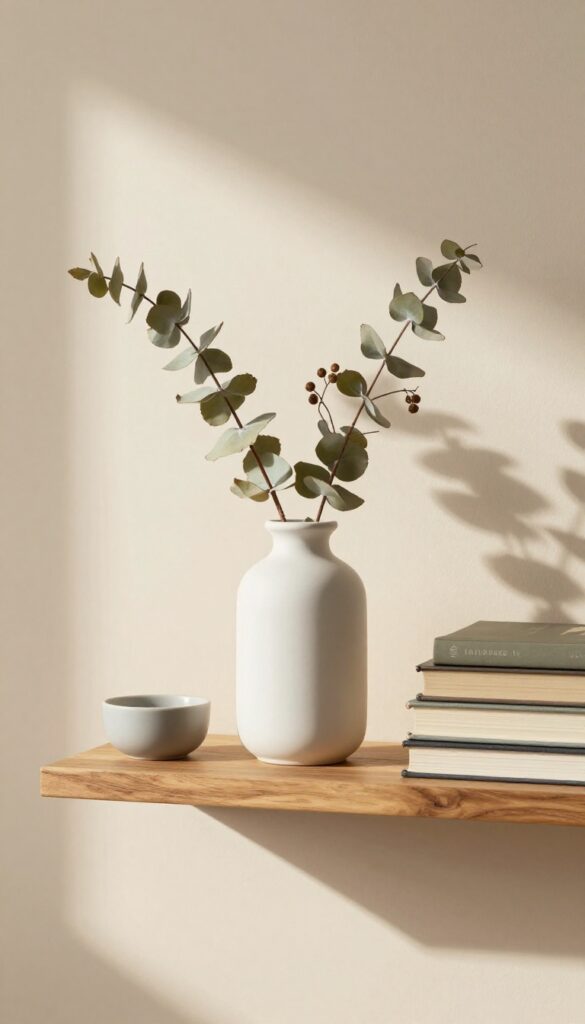
Sometimes the most impactful shelf styling is also the simplest. A single vase holding one dried branch or fresh eucalyptus stem creates a quiet focal point that draws the eye upward without adding visual clutter. This idea works especially well on a floating shelf or a narrow ledge where you want a moment of calm.
The contrast between a solid ceramic or clear glass vase and the organic, irregular line of a branch brings a natural, layered feel that fits perfectly into a cozy living room.
Place one medium-sized vase with a single dried branch or fresh eucalyptus stem. Keep the vase simple in ceramic or glass, and let the branch add height and organic texture. This approach is ideal for shelves that already have a few books or small objects—it adds a vertical element without overwhelming the composition.
Choose a branch with interesting curves or seed pods for extra character, and swap it out seasonally to keep the look fresh.
Best Colors
Stick with neutral tones for the vase—matte white, warm beige, or soft gray—so the branch stands out. For the branch itself, dried options like pampas grass, bunny tails, or preserved eucalyptus offer earthy greens and taupes that blend seamlessly with cozy interiors. If you prefer fresh stems, eucalyptus adds a soft silvery green that feels both calming and sophisticated.
Layout Tip
Place the vase slightly off-center on the shelf to create a sense of balance with other items. For example, pair it with a stack of two or three books on the opposite side and a small ceramic catchall in the middle. This asymmetrical arrangement feels more natural and collected than a perfectly centered display.
Small-space Fix
In a compact living room, a single branch can make the ceiling feel higher without taking up floor space. Choose a slender vase with a narrow neck so it doesn't crowd the shelf. If your shelf is shallow, a wall-mounted bud vase is an even more space-saving alternative that still delivers the same airy effect.
5. Layered Art with a Small Sculpture
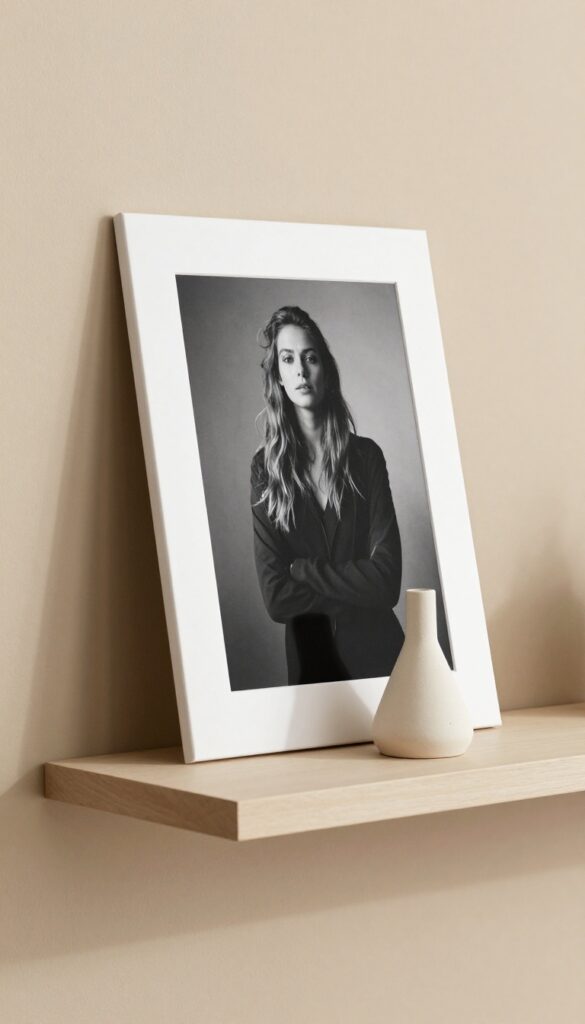
There’s something about combining flat art with a three-dimensional piece that instantly makes a shelf feel curated and intentional. Leaning a larger print or painting against the wall creates a soft backdrop, while a small sculpture or figurine placed in front adds depth and a tactile surprise. This layered look works especially well on floating shelves or mantels, where you can play with height and shadow.
It’s an easy way to turn a simple shelf into a mini gallery moment without overwhelming the space.
Start by choosing a piece of art that speaks to you—maybe a favorite print, a vintage find, or even a framed fabric swatch. Lean it against the wall at a slight angle so it feels relaxed, not stiff. Then, in front, place a small sculpture: a ceramic bust, a stacked stone figure, a wooden animal, or even a minimalist geometric shape.
The contrast between the flat image and the object’s volume creates visual interest and a sense of storytelling. Keep the color palette cohesive—if your art has warm tones, pick a sculpture in a complementary neutral or metallic finish. This setup works beautifully on a narrow shelf in a hallway, above a console table, or as part of a larger vignette on a bookshelf.
Best Colors & Materials
- Stick with a limited palette to keep the look calm and collected. For the art, choose something with muted earth tones, soft pastels, or black-and-white photography. The sculpture can be a contrasting material—think matte ceramic against a glossy print, or rough stone against smooth paper.
- Natural materials like wood, stone, and clay add warmth and texture, while a metallic accent (brass, copper) brings a subtle shine. Avoid busy patterns on both pieces; let one be the star.
Layout Tip: Play With Height
- For the best visual balance, the art should be taller than the sculpture, but not by too much—aim for the sculpture to sit at about one-third to one-half the height of the art. Place the sculpture slightly off-center so it doesn’t block the main subject of the art. If you have multiple shelves, vary the heights across the wall to create rhythm.
- On a single shelf, you can also add a small stack of books under the sculpture to lift it higher.
Finishing Touch: Add A Small Light
- A tiny picture light or a clip-on lamp aimed at the shelf will cast shadows behind the sculpture and make the layered effect pop. Warm light (2700K–3000K) enhances cozy textures and prevents the display from feeling flat. If you don’t want hardwired lighting, try a battery-operated LED puck light tucked behind the art.
- The glow will draw the eye and make the whole arrangement feel like a deliberate, gallery-worthy moment.
6. Group of Small Plants in Matching Pots
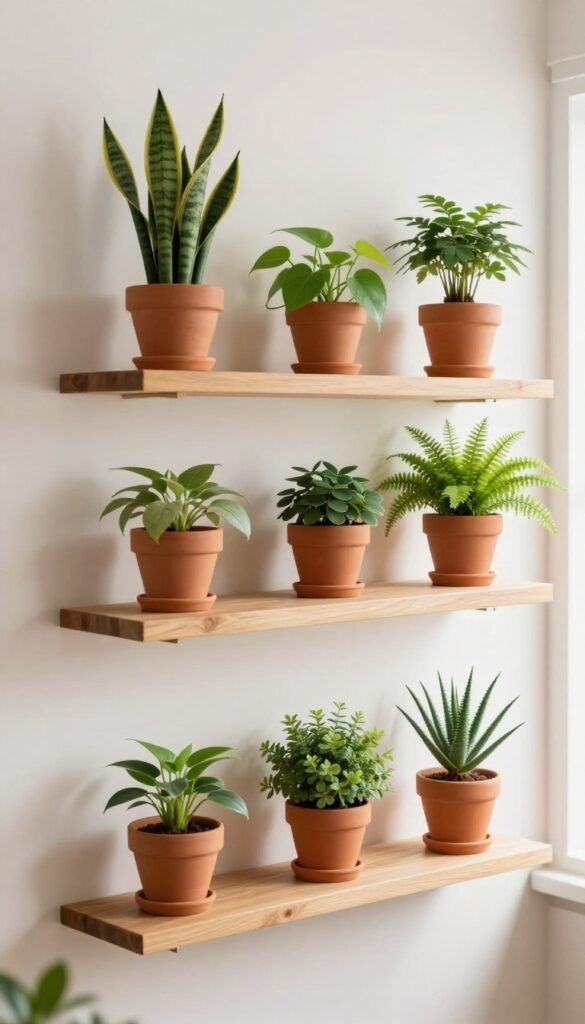
There’s something quietly satisfying about a row of identical pots holding a collection of tiny plants. It’s a look that feels intentional without trying too hard, and it works on almost any shelf—whether it’s a floating ledge in the living room or a narrow console in the entryway. By sticking to one pot color or material, you let the varied shapes and heights of the plants do the talking, creating a mini garden that feels both cohesive and alive.
Grouping three to five small plants in matching pots is one of the easiest ways to add a fresh, layered feel to a shelf. The repetition of the containers creates a sense of order, while the plants themselves bring organic texture and movement. Choose pots in a neutral tone like matte white, warm terracotta, or soft gray to keep the look grounded, then mix in plants with different leaf shapes—think a tall snake plant next to a trailing pothos and a round peperomia.
This setup works especially well on a shelf that gets indirect light, and it’s a great way to introduce greenery without overwhelming the space.
Best Pot Materials And Colors
For a cozy, layered feel, stick with warm, earthy materials like terracotta, ceramic, or matte stoneware. White or cream pots keep things airy, while deep terracotta or charcoal adds warmth. Avoid glossy finishes if you want the look to feel grounded and natural.
Plant Pairing Tips
Mix upright plants like sansevieria or aloe with trailing varieties like pothos or string of pearls. Add a bushy plant like a fern or pilea in the middle for fullness. This variety in height and texture keeps the group interesting without feeling chaotic.
Shelf Styling Note
Place the tallest plant slightly off-center, then arrange the others around it in a loose cluster. Leave a little breathing room between pots so each plant stands out. If the shelf is narrow, stick to three pots in a row; a wider shelf can handle five.
7. A Single Large Object for Impact
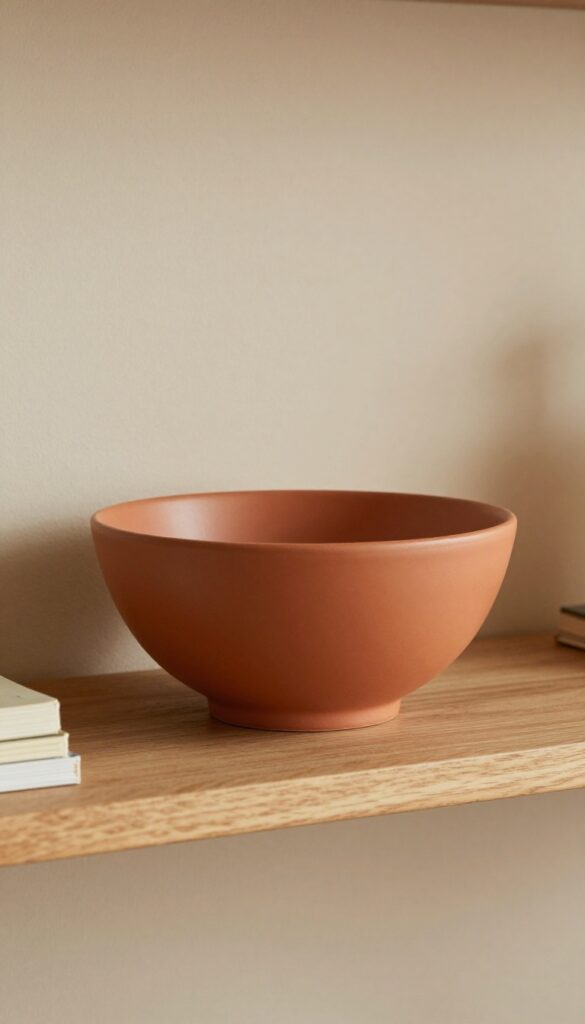
Sometimes the most powerful styling move is the simplest. Placing one oversized object on a shelf—like a large ceramic bowl, a chunky candle holder, or a substantial vase—creates a quiet focal point that doesn't compete for attention. It's a confident, uncluttered look that feels both intentional and calming, perfect for a cozy living room where you want to avoid visual noise.
This approach works beautifully on a floating shelf or a built-in ledge, especially when the rest of the shelf is left bare or only lightly styled. The single object becomes a sculptural element, drawing the eye without overwhelming the space. It's ideal for shelves in a reading nook, above a sofa, or flanking a fireplace.
The key is choosing an object with presence—good weight, interesting texture, or a warm color that ties into the room's palette. A matte ceramic bowl in a soft earthy tone, for instance, adds both form and function (it can hold keys or small trinkets). A chunky wooden candle holder brings natural warmth.
Keep the surrounding area clean: maybe a small stack of books on the shelf below, but nothing that competes. This is a lesson in restraint that pays off in a serene, layered look.
Best Materials
Natural materials like stoneware, terracotta, or carved wood work best because they add texture and warmth. A glossy ceramic piece can also work if the room has other reflective surfaces. Avoid anything too shiny or plastic—it can feel cheap rather than intentional.
Shelf Styling Tip
Give the object room to breathe. Center it on the shelf, but not perfectly—slight asymmetry feels more natural. If the shelf is long, place the object off-center and balance it with a small, low-profile item like a single book or a tiny plant on the opposite end.
Cozy Detail
To enhance the cozy factor, choose an object in a warm, muted tone like rust, ochre, or sage. Under-shelf lighting (a small LED strip) can cast a soft glow on the object, making it feel even more intentional and inviting.
8. Stacked Bowls or Plates as Sculptural Art
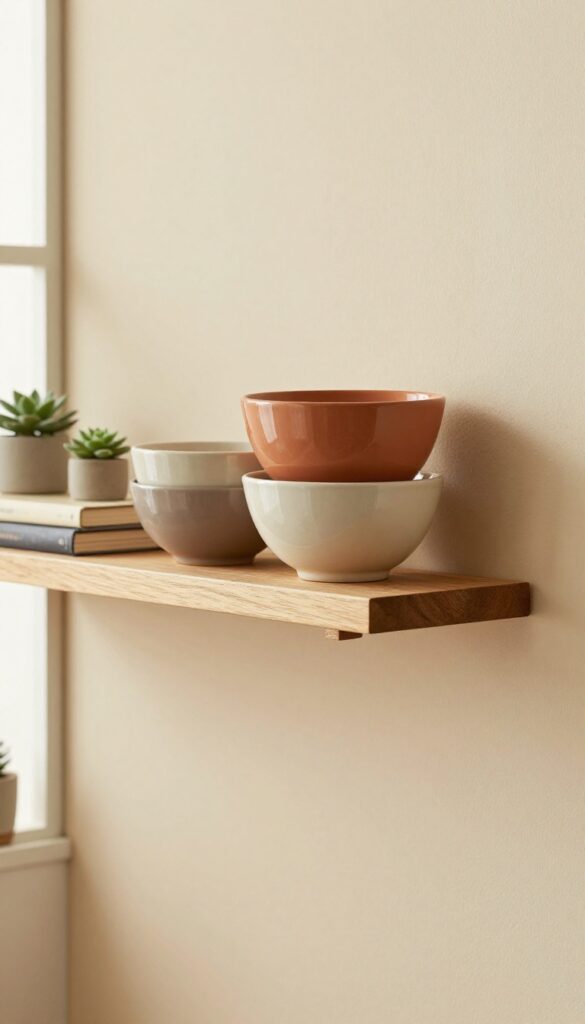
Sometimes the most eye-catching shelf decor is also the simplest. Stacking two or three small bowls or plates of different sizes and colors creates a sculptural moment that feels both intentional and effortless. The curves catch the light, and the patterns add a layer of visual texture that flat art just can't match.
It's an easy way to bring a cozy, layered look to your shelves without cluttering them up.
This idea works especially well on a narrow shelf or a floating ledge where you want a little height but not a lot of bulk. Choose pieces that share a common color thread—maybe all in earthy tones or a mix of matte and gloss finishes. Lean the stack against the wall or prop it with a small bookend to keep it stable.
The result is a mini art installation that feels personal and collected over time.
Best Colors And Finishes
- To keep the look cohesive, stick with a limited palette. Neutral stoneware bowls in cream, taupe, and terracotta feel warm and grounded. For a bolder statement, try a single bright accent bowl paired with two neutral ones.
- Mixing matte and glossy finishes adds subtle contrast without competing for attention.
Shelf Styling Tip
Place the stacked bowls near the end of the shelf, not dead center, to create an asymmetrical balance. Pair them with a low stack of books or a small plant on the other side. Leave some breathing room around the stack so it reads as a deliberate focal point, not just a pile of dishes.
Budget-Friendly Swap
You don't need expensive ceramics. Thrift stores and flea markets are goldmines for interesting bowls and plates with character. Mix a vintage find with a modern piece from a big-box store for an eclectic look that feels curated, not costly.
9. Personal Mementos in a Small Box or Frame
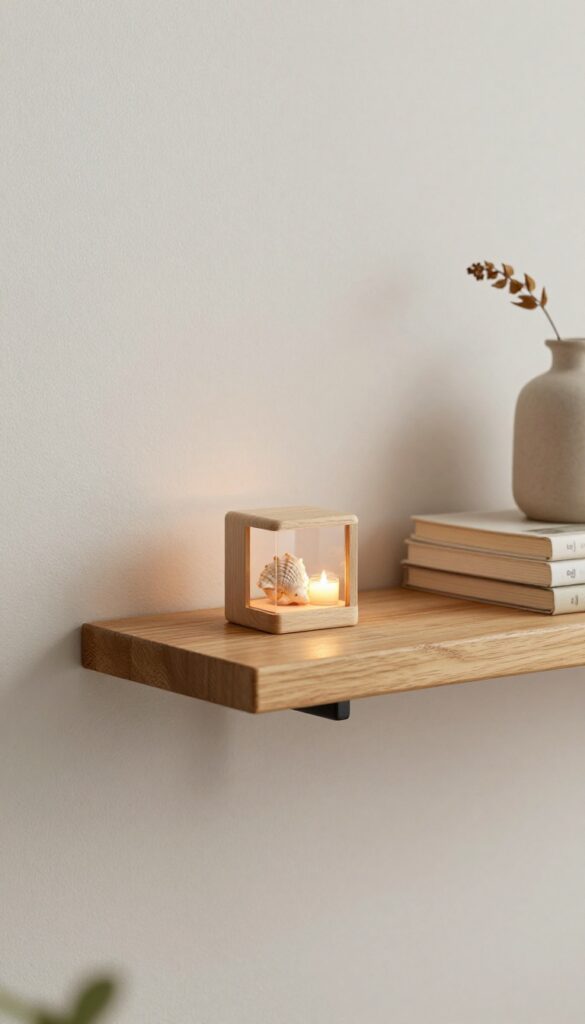
Not every shelf needs to scream for attention. Sometimes the quietest corner holds the most meaning. A single cherished item—like a seashell from a favorite beach or a vintage key passed down—can become a tiny anchor for the whole shelf.
It’s the kind of detail that makes a room feel lived-in, not just decorated.
When you tuck a personal memento into a shadow box or set it on a small stand, you’re creating a moment of pause. It’s a subtle way to layer in your story without overwhelming the shelf. This works especially well on a floating shelf in a living room or entryway, where the eye can rest on something that matters.
Keep the rest of the shelf minimal—maybe a stack of neutral books or a simple ceramic vase—so the memento stays the star. The result is cozy and intentional, like a quiet nod to your own history.
Best Materials
- Shadow boxes in natural wood or matte black keep the focus on what’s inside. For a small stand, opt for brass, ceramic, or dark metal. The material should feel grounded, not flashy, so the memento itself shines.
- A weathered wooden frame adds warmth; a sleek metal one keeps it modern.
Layout Tip
Place the memento slightly off-center on the shelf, paired with one or two low-profile items like a small book or a dried sprig. This creates a visual triangle that draws the eye without clutter. Leave breathing room around it—negative space makes the memento feel intentional, not lost.
Cozy Detail
Add a tiny warm-glow lamp or a battery-operated candle nearby. The soft light will highlight the memento and cast gentle shadows, making the whole shelf feel like a little sanctuary. It’s an easy way to dial up the cozy factor without adding more stuff.
10. A Single Candle with a Small Plant
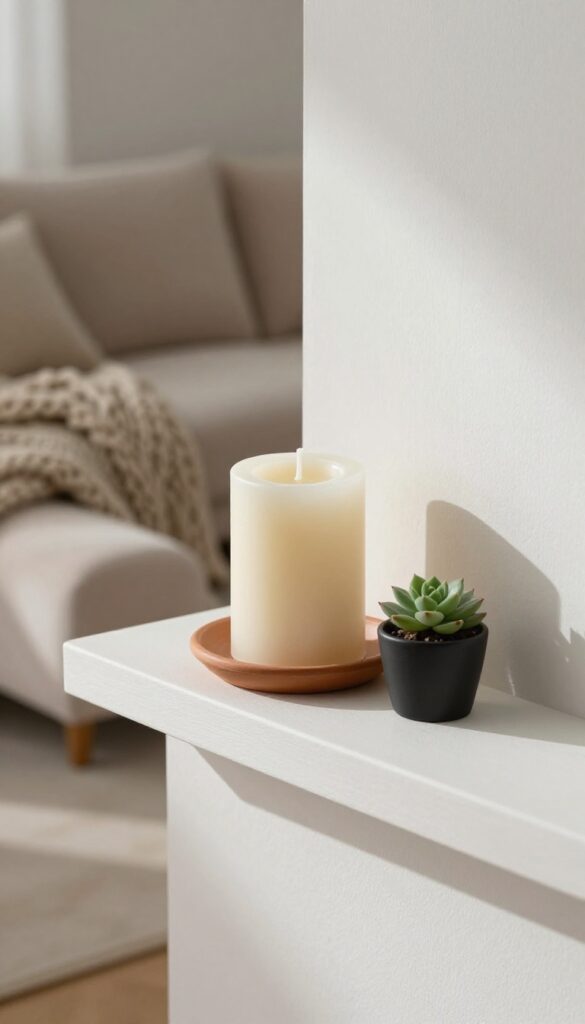
Sometimes less really is more. This vignette proves you don't need a whole collection to make a shelf feel intentional. One pillar candle on a small dish paired with a tiny succulent or air plant creates a quiet focal point that feels both warm and alive.
The candle softens the space with its glow, while the plant adds a fresh, organic note. Stick with neutral tones—cream, beige, soft gray—to keep the look calm and grounded, perfect for a shelf in a cozy corner or above a reading nook.
This idea works beautifully on a narrow shelf where you have just enough room for a few inches of decor. The contrast between the solid, warm candle and the delicate, living plant creates a balanced composition that feels curated but not fussy. It's especially effective in a room that already has some layered textures—like a chunky knit throw or a velvet sofa—because it adds a moment of stillness.
The key is choosing a candle with a simple silhouette and a plant that stays small, so the pairing doesn't overwhelm the shelf.
Best Colors
- Stick with a neutral palette to let the candle and plant breathe. Think off-white, taupe, or warm gray for the candle and a terracotta or matte black dish. The plant's green will pop naturally against these tones without feeling busy.
- Avoid bright or dark colors that could make the arrangement feel heavy.
Shelf Styling Tip
Place the candle slightly off-center and the plant on the opposite side to create asymmetry. Leave a few inches of empty space around them—this prevents the shelf from looking cluttered and gives each element room to stand out. If the shelf is deep, push the candle back and let the plant sit forward for depth.
Finishing Touch
Set the dish on a small stack of books or a wooden coaster to add a subtle layer of height. This also protects the shelf surface from any heat or moisture. Choose a candle that you actually burn sometimes—the slight wear adds character, and the scent can make the corner feel even cozier.
FAQ
How many items should I put on one shelf?
Aim for three to five items per shelf, but it depends on the shelf length. Leave some empty space so each piece can breathe. Odd numbers often look more natural.
What colors work best for a cozy shelf display?
Stick to a cohesive palette of two to three colors that complement your room. Warm neutrals like beige, terracotta, and olive green create a cozy feel. Add one accent color for pop.
How do I keep shelves from looking cluttered?
Edit ruthlessly. Remove anything that doesn't serve a purpose or bring you joy. Use trays to group small items, and vary heights and textures to keep the eye moving.
Can I mix different shelf styles in one room?
Yes, but keep a common thread like color or material. For example, mix floating wood shelves with metal brackets, or stick to all white shelves for a unified look.
What if my shelves are very narrow?
Use shallow items like small frames, slim vases, or books placed flat. Avoid bulky objects. A single long, narrow tray can hold several tiny items without overwhelming the shelf.
Conclusion
Wall shelves are a chance to show off your personality in small, curated doses. By focusing on a few meaningful objects and layering them with care, you can create a look that feels both intentional and inviting. Start with one shelf and play around until it feels right.
The beauty of shelves is that you can change them anytime. So have fun with it, and let your living room reflect the little things you love.