15 Cleaning Microfiber Couch Tips for Stains and Dust
Your microfiber couch is a magnet for dust, crumbs, and the occasional spill. But with the right approach, you can keep it looking fresh without a professional. These 15 tips tackle everything from stubborn stains to everyday dust buildup.
Microfiber is durable and stain-resistant, but it still needs proper care. Using the wrong cleaner can leave watermarks or damage the fabric. That's why knowing the right techniques matters.
Whether you're dealing with a red wine disaster or just want to freshen up your living room, these tips deliver real results. Let's dive into the most effective ways to clean and maintain your microfiber couch.
1. Check the Label First
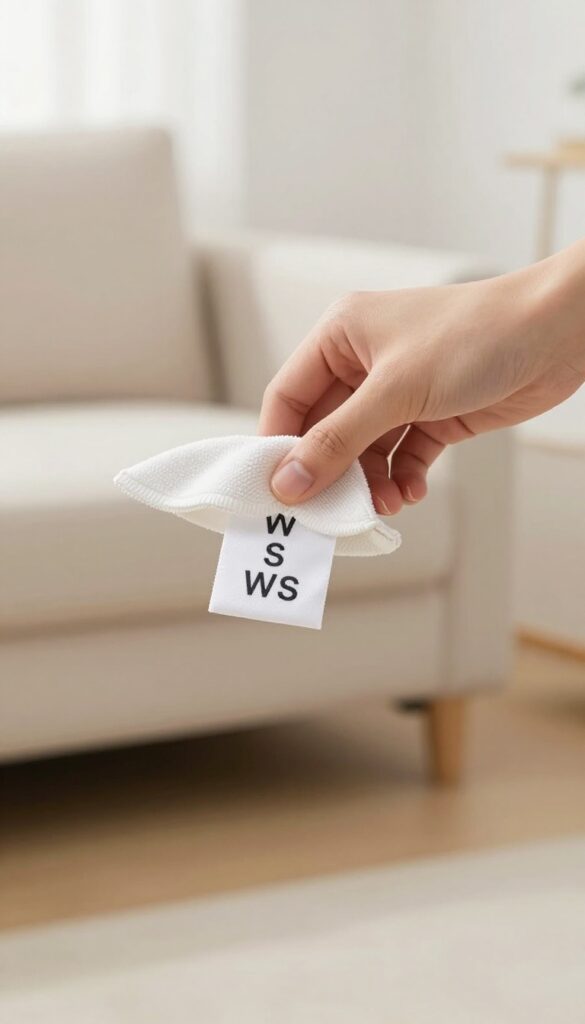
Before you grab any cleaner, flip over the cushion and find the tag. That small square of fabric holds the key to cleaning your couch without ruining it. The manufacturer's code—W, S, WS, or X—tells you exactly which method is safe.
Microfiber is tough, but it's not invincible. Using the wrong cleaning solution can leave permanent water rings, fade the color, or even shrink the fabric. The label is your cheat sheet, so take 30 seconds to read it before you start scrubbing.
What The Codes Mean
W stands for water-based cleaners only. You can use mild soap and water or a water-based upholstery shampoo. S means solvent-based cleaners only—no water at all.
WS means you can use either water or solvent, but test in a hidden spot first. X means vacuum only; any liquid could cause damage.
Where To Find The Tag
Most tags are tucked under a cushion, on the back of the couch, or along the bottom seam. If the tag is missing or unreadable, treat the couch as an X (vacuum only) until you confirm with the manufacturer.
Why It Matters
Using water on an S-coded couch can cause serious discoloration and leave a sticky residue that attracts more dust. Solvent on a W-coded couch can strip the fabric's protective coating. Following the label keeps your couch looking new and saves you from costly mistakes.
2. Vacuum Weekly with a Soft Brush
A weekly vacuuming routine is the simplest way to keep your microfiber couch looking great. Dust, crumbs, and pet hair settle into the fabric fast, and if left alone, they grind deeper into the fibers. A soft brush attachment lifts debris without scratching or damaging the surface.
Regular vacuuming prevents dirt from becoming embedded, which makes deeper cleaning much easier. It also keeps the fabric looking fresh and reduces allergens. For best results, vacuum all sides of the cushions, the crevices, and the backrest.
Choose The Right Attachment
Always use the soft brush attachment—never a beater bar or hard plastic nozzle. The soft bristles gently agitate the fibers to release trapped dust and pet hair. If your vacuum has adjustable suction, use a lower setting to avoid pulling the fabric.
Vacuum In A Consistent Pattern
Work in overlapping rows, going from top to bottom. This ensures you don't miss spots. Pay extra attention to high-traffic areas like the seat cushions and armrests.
For crevices, use a crevice tool to suck out debris from between cushions.
Don't Forget The Back And Underneath
Dust and crumbs often accumulate on the back of the couch and underneath. If your couch is against a wall, pull it out occasionally to vacuum those hidden areas. This prevents musty odors and keeps the fabric cleaner longer.
3. Blot Spills Immediately
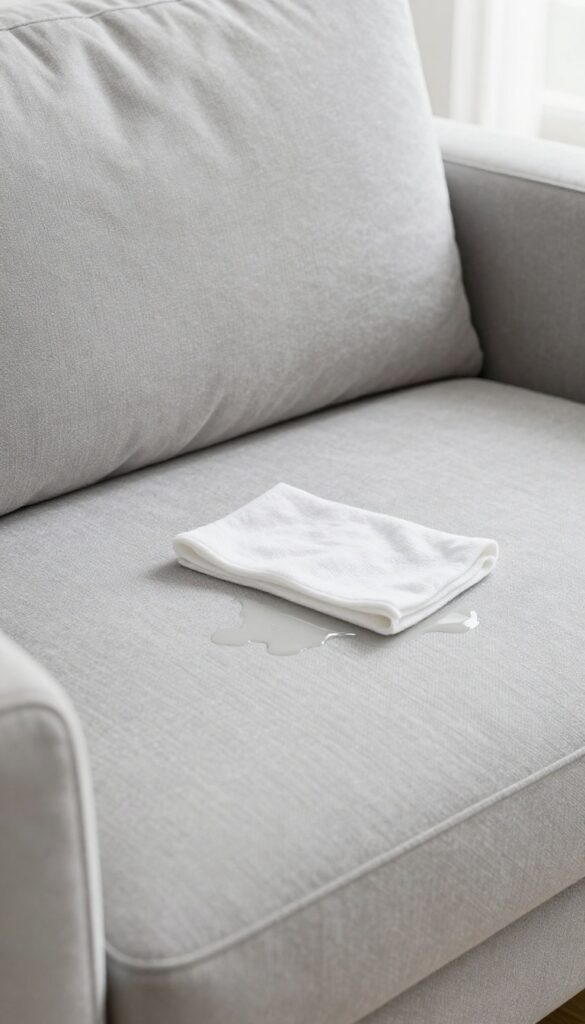
Spills are inevitable, but how you react makes all the difference. The golden rule is simple: blot, don't rub. Rubbing pushes the liquid deeper into the fibers, making stains harder to remove and potentially damaging the fabric's texture.
Acting quickly with the right technique can save you from a permanent mark.
When a spill happens, grab a clean, white cloth or paper towel. Press it firmly onto the spill to absorb as much liquid as possible. Work from the outside in to prevent the stain from spreading.
Repeat with fresh sections of the cloth until no more liquid transfers. Avoid colored cloths that might bleed dye onto your couch.
What To Use For Blotting
Use a microfiber cloth or plain white paper towels. Stay away from printed or colored towels because the dye can transfer to your couch. If the spill is sticky, dampen the cloth with water first, then blot.
For oily spills, use a dry cloth to soak up the grease before applying any cleaner.
Why Rubbing Is A Mistake
Rubbing grinds the spill into the fabric's fibers, making it nearly impossible to remove. It also disturbs the microfiber's texture, leaving a rough or fuzzy spot. Even if you think you're being gentle, rubbing pushes the stain deeper.
Blotting lifts the spill away without embedding it.
After Blotting: What's Next?
Once you've blotted up most of the spill, let the area air dry completely. If a stain remains, treat it with a mild cleaning solution appropriate for your couch's fabric code. For water-based spills, a little dish soap and water can work wonders.
Always test any cleaner on a hidden spot first.
4. Use Rubbing Alcohol for Tough Stains
Some stains just won't budge with gentle cleaners. If you've tried blotting and dish soap without success, rubbing alcohol can be a game changer. It's especially effective on water-safe (W) microfiber, where it evaporates quickly and lifts grime without leaving residue.
Just make sure to test a hidden spot first, as alcohol can affect some dyes.
Rubbing alcohol works by breaking down the oils and residues that trap dirt in microfiber fibers. It's a solvent that dries fast, so you won't end up with a wet spot that takes forever to dry. Best of all, it's cheap and easy to find at any drugstore.
Here's how to use it safely and effectively.
Check The Tag First
Before you pour anything, flip the cushion and look for a 'W' on the tag. That means water-based cleaners are safe. If you see 'S' or 'S-W', alcohol might still work but test a small area.
Never use rubbing alcohol on dry-clean-only (S) microfiber without testing, as it can cause discoloration.
Blot, Don't Rub
Dab a clean white cloth into rubbing alcohol and blot the stain gently. Rubbing can push the stain deeper into the fibers. Work from the outside of the stain inward to prevent spreading.
You'll see the grime transfer to the cloth. Keep blotting until the stain lifts, then switch to a dry section of the cloth.
Let It Air Dry
Rubbing alcohol evaporates quickly, so you don't need to rinse. Let the area air dry completely before sitting on it. If you notice a ring after drying, lightly blot the area with a damp cloth and dry again.
For stubborn stains, repeat the process a few times.
5. Try Dish Soap and Water for Grease
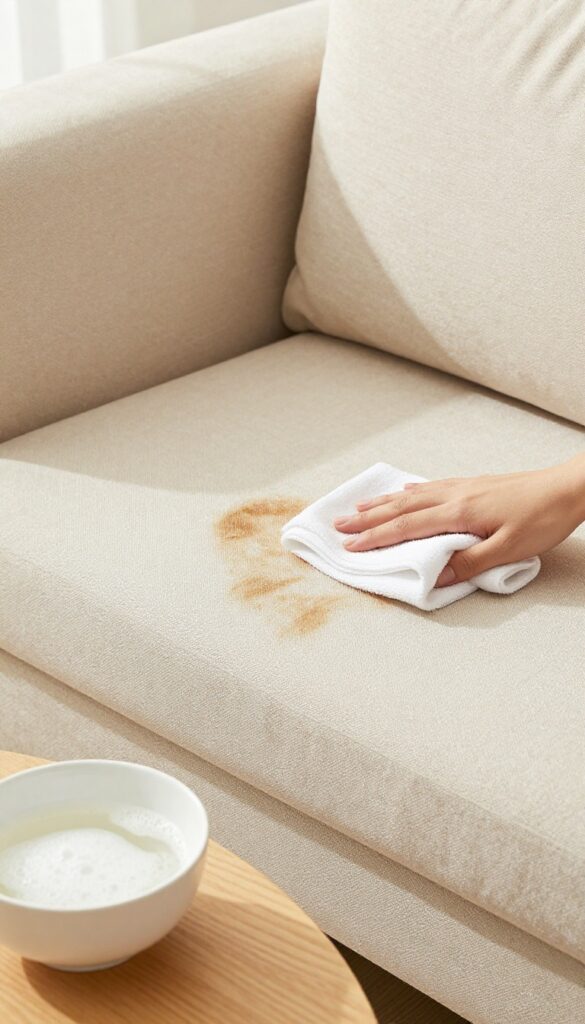
Grease stains from food, hair products, or oily skin can leave dark, stubborn marks on your microfiber couch. Dish soap is designed to cut through grease, making it a perfect gentle cleaner for these spots.
Mix a few drops of mild dish soap with water, dip a cloth, and blot greasy spots. Avoid soaking the fabric.
Why Dish Soap Works
Dish soap breaks down oils without harsh chemicals that can damage microfiber. Its gentle formula lifts grease from fibers while preserving the fabric's texture and color.
Step-by-step Blotting
Dampen a clean white cloth with the soapy water, then blot the stain gently. Work from the outer edge inward to prevent spreading. Never rub, as that pushes grease deeper into the fibers.
Drying And Finishing
After blotting, use a dry cloth to absorb excess moisture. Let the area air dry completely, then brush the fibers with a soft brush to restore the nap. Repeat if needed, but avoid over-wetting.
6. Brush the Fabric After Cleaning
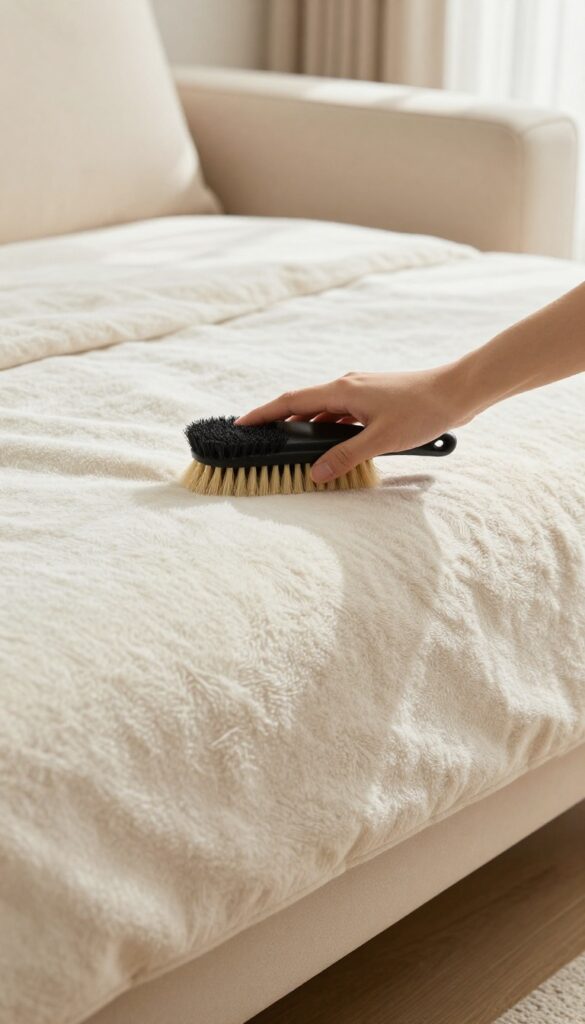
After you've cleaned your microfiber couch, the fabric can look flat, matted, or stiff. That's completely normal—cleaning solutions and scrubbing can temporarily crush the fibers. But a quick brush brings back that soft, plush texture and makes the couch look fresh again.
Why Brushing Matters
Microfiber is made of densely packed polyester or nylon fibers. When you clean it, moisture and agitation can cause the fibers to clump or lay flat. Brushing lifts and separates them, restoring the original nap and preventing a rough, worn appearance.
Choosing The Right Brush
Use a soft-bristle brush—like a microfiber-specific brush, a clean toothbrush, or a suede brush. Avoid stiff bristles that can scratch or damage the fabric. A brush with gentle, flexible bristles works best to fluff without pulling threads.
How To Brush Effectively
Wait until the couch is completely dry to avoid smearing or damaging the fibers. Then, brush in light, even strokes, following the direction of the nap. For stubborn matted spots, use a circular motion.
Work in small sections to ensure even texture across the entire couch.
When To Brush Again
You don't need to brush after every cleaning—only when the fabric looks flat or stiff. Over-brushing can wear down the fibers, so do it sparingly. A quick fluff every few cleanings keeps your couch looking its best.
7. Steam Clean for Deep Dirt
Sometimes your couch needs more than a surface wipe. Over time, body oils, dust mites, and deeply embedded dirt build up in the fibers. A handheld steamer can reach that grime without soaking the fabric or using harsh chemicals.
Steam cleaning is a game-changer for microfiber. The heat kills bacteria and loosens stuck-on dirt, while the steam evaporates quickly to prevent water damage. Just keep the steamer moving constantly to avoid saturating any one spot.
Test on a hidden area first to ensure your fabric can handle the heat.
Choose The Right Steamer
A handheld garment steamer works best for couches. It's small, easy to maneuver, and produces a gentle stream of steam. Avoid industrial steamers that blast too much moisture.
Look for one with a brush attachment to help agitate the fibers as you go.
Steam In Sections
Divide your couch into small sections, like each cushion or armrest. Work one section at a time, holding the steamer a few inches away and moving it in slow, overlapping passes. This prevents wet spots and ensures even cleaning.
Let It Dry Completely
After steaming, let the couch air dry with good ventilation. Open windows or turn on a fan. Avoid sitting on it until it's fully dry to prevent flattening the fibers.
Once dry, brush the fabric with a soft brush to restore its texture.
8. Use a Lint Roller for Pet Hair
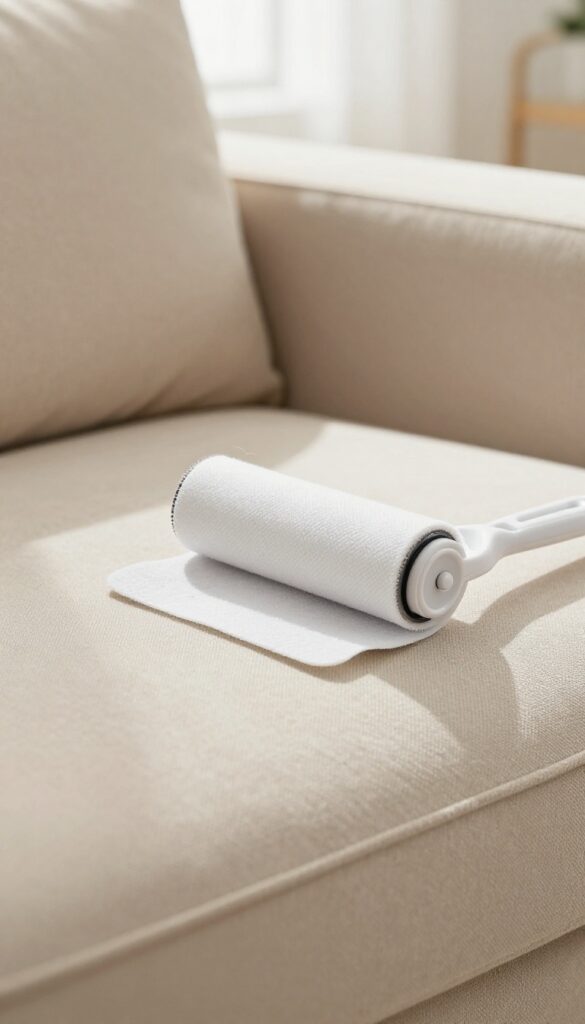
Pet hair loves microfiber like a magnet. It clings tight and can be a pain to remove with just your hands or a vacuum. A lint roller is your quick-fix hero for those furry messes.
Keep one in your couch-side basket or end table drawer for instant touch-ups.
A lint roller picks up pet hair and dust in seconds without damaging the fabric. It's perfect for high-traffic spots where hair accumulates fast. For best results, roll in one direction to lift hair, then go over the area again to catch any strays.
Why Lint Rollers Work On Microfiber
Microfiber has a tight weave that traps hair, but the adhesive on a lint roller grabs it without pulling fibers. It's gentle enough for daily use and won't leave residue. Plus, it's way faster than dragging out the vacuum for a small spot.
Best Practices For Lint Rolling
Always roll in the same direction as the fabric grain to avoid matting. Use overlapping passes for full coverage. If the roller gets full, peel off the sheet and continue.
For stubborn hair, press firmly and roll slowly.
When To Vacuum Instead
Lint rollers are great for small areas and quick cleanups. But if your couch is covered in hair, a vacuum with a brush attachment is more efficient. Use the lint roller for daily maintenance and the vacuum for deep cleans.
9. Sprinkle Baking Soda for Odors
Over time, your microfiber couch can trap smells from pets, food, or everyday living. Baking soda is a simple, chemical-free solution that absorbs odors without damaging the fabric. Here's how to use it effectively.
Why Baking Soda Works
Baking soda is a natural deodorizer that neutralizes acidic and alkaline odor molecules. It's safe for microfiber and won't leave a sticky residue if vacuumed properly. Plus, it's cheap and non-toxic.
Step-by-step Application
First, vacuum the couch to remove loose dirt. Then, sprinkle a thin, even layer of baking soda over the entire surface, focusing on areas that get the most use. Let it sit for at least 15 minutes—longer for strong odors.
Finally, vacuum thoroughly using a brush attachment to lift all the powder.
Extra Tips For Stubborn Smells
For pet odors, add a few drops of essential oil (like lavender or lemon) to the baking soda before sprinkling. Mix well and let it sit for 30 minutes. Always test on a hidden spot first to ensure the oil doesn't stain.
Repeat monthly to keep your couch smelling fresh.
10. Avoid Bleach and Harsh Chemicals
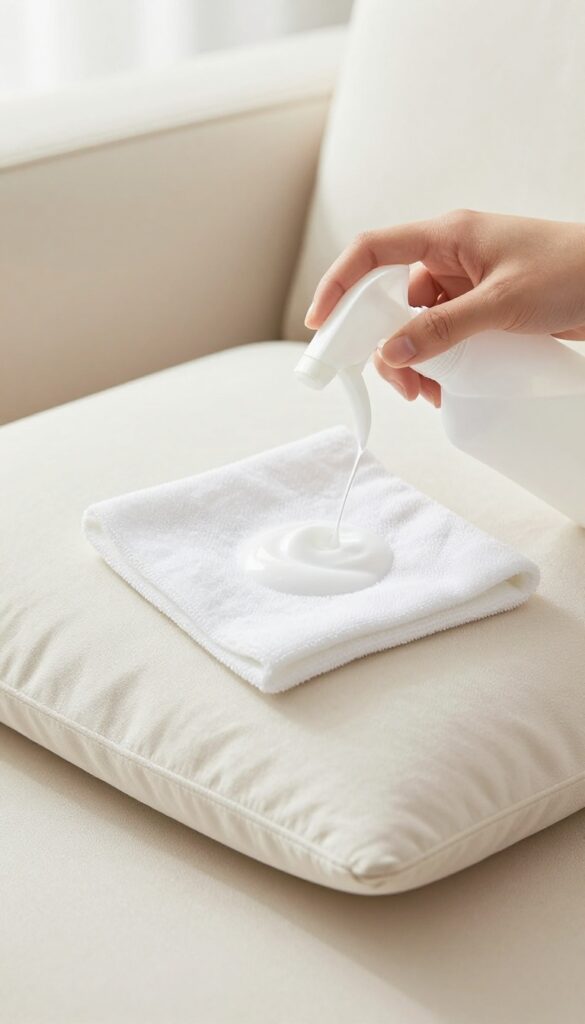
It's tempting to reach for a strong cleaner when you see a tough stain, but that's a fast track to ruining your microfiber couch. Bleach and harsh chemicals can strip the fabric's color, leave permanent discoloration, or even damage the fibers. Instead, stick with gentle solutions that get the job done without the risk.
Microfiber is a synthetic fabric that doesn't react well to harsh chemicals. Bleach can cause yellowing or white spots, while ammonia-based cleaners may break down the fibers over time. Even some all-purpose cleaners can leave residue or alter the texture.
The safest approach is to use mild soap, white vinegar, or rubbing alcohol—these are effective yet gentle on the fabric. Always test any cleaner on a hidden area first to ensure it doesn't cause damage.
Why Bleach Is A Bad Idea
Bleach is designed to whiten and disinfect, but on microfiber it can create irreversible damage. It can bleach the color unevenly, leaving blotchy patches that ruin the couch's appearance. Even diluted bleach can be too harsh.
Stick to color-safe options like a mixture of mild dish soap and water.
Gentle Cleaners That Work
For most stains, a solution of white vinegar and water (1: 1 ratio) works wonders. For tougher spots, rubbing alcohol applied with a sponge can lift stains without harming the fabric. Mild dish soap diluted in water is also safe for spot cleaning.
Avoid anything with bleach, ammonia, or strong solvents.
Always Test First
Before using any cleaner on a visible area, test it on a hidden spot like the back or bottom of the couch. Apply a small amount, wait a few minutes, then blot with a clean cloth. If there's no color change or damage, it's safe to use on the rest of the couch.
11. Use a Magic Eraser for Scuffs
Scuff marks from shoes, furniture legs, or even a stray toy can make your microfiber couch look worn. Before you panic, grab a melamine sponge—commonly known as a Magic Eraser. It's surprisingly effective at lifting those dark marks without harsh chemicals.
A melamine sponge works like fine sandpaper, gently abrading the stain away. For microfiber, this is a safe trick as long as you keep it damp—not soaking wet—and use light pressure. Always test on a hidden spot first, because some microfiber colors can fade or lighten with abrasion.
How To Do It Right
Dampen the Magic Eraser with water and wring out the excess. Rub the scuff mark gently in a circular motion. The mark should start lifting within a few seconds.
Wipe the area with a clean, dry cloth afterward to remove any residue.
When To Skip This Method
If your couch is a dark color, test carefully—abrasion can sometimes lighten the fabric. Also avoid using it on delicate or woven microfiber that might snag. Stick to light, even pressure and stop if you see any color transfer.
12. Dry Quickly to Prevent Watermarks
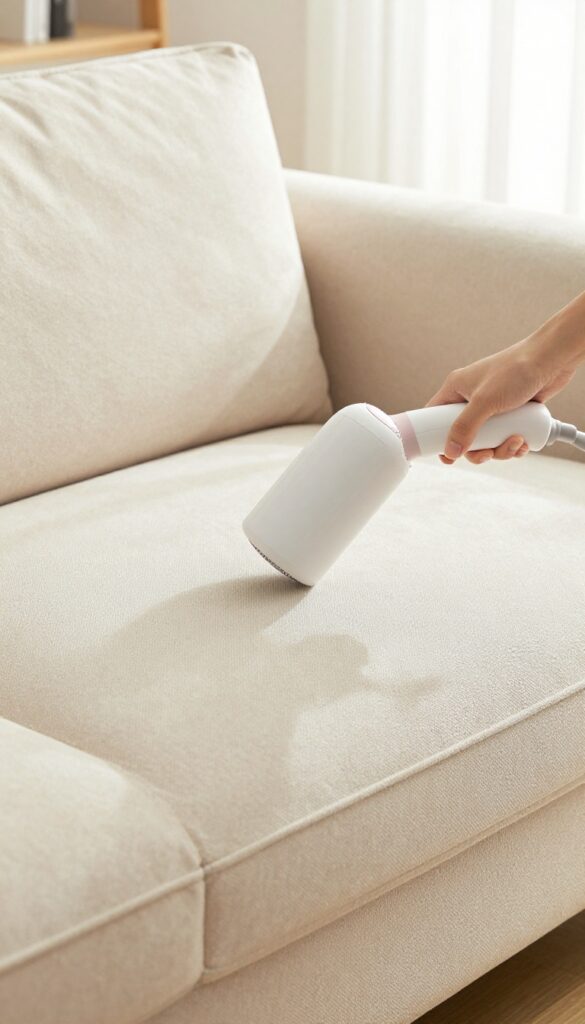
Watermarks are the enemy of a clean microfiber couch. They show up when moisture sits too long or dries unevenly. The fix is simple: speed up the drying process after any wet cleaning step.
After you've blotted a stain or done a deeper clean, don't let the couch air dry naturally. Grab a fan or a hair dryer set on cool and direct it at the damp area. Keep the dryer moving to avoid overheating any one spot.
This fast drying prevents those ugly ring marks and keeps the fabric looking uniform.
Blot First, Then Blow
Before you bring in the fan, blot the area with a clean, dry microfiber cloth. Press firmly to soak up as much moisture as possible. The less water left in the fibers, the quicker it will dry and the lower the chance of watermarks.
Cool Air Only
Heat can set stains or damage the microfiber fibers. Always use a hair dryer on the cool setting or a fan on high. If you use a hair dryer, hold it about six inches away and keep it moving to avoid concentrating heat.
Check For Even Drying
After a few minutes, run your hand over the area. It should feel dry to the touch. If some spots still feel damp, give them extra attention.
Uneven drying is what causes those pesky rings, so make sure the whole section is completely dry.
13. Rotate Cushions Regularly
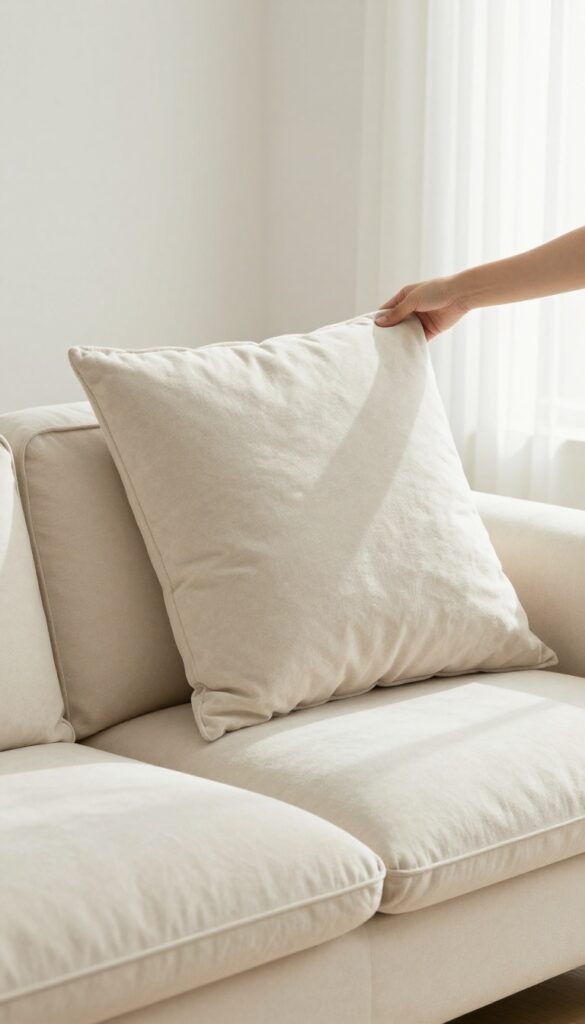
Your couch cushions take a beating every day. The same spots get sat on, leaned against, and pounded by dust and debris. Over time, that uneven pressure leads to sagging and a lopsided look.
Rotating your cushions every few weeks helps distribute wear evenly. It also prevents dust from settling deeper into one area, making cleaning more effective. This simple habit extends the life of your couch and keeps it looking plump and fresh.
Why Rotation Matters
When you always sit in the same spot, the foam compresses faster there. Dust and dirt also accumulate more in high-traffic zones. By swapping cushions around, you give each one a break and reduce the risk of permanent indentations.
How To Rotate Properly
Start by flipping cushions over if they are reversible. Then swap cushions from left to right and front to back. For L-shaped or sectional sofas, move cushions from the chaise to the main seat.
Do this every two to four weeks for best results.
Bonus: Vacuum While You Rotate
Take advantage of the rotation moment to vacuum underneath and around the cushions. Use your upholstery attachment to suck up crumbs, pet hair, and dust that hide in the crevices. This two-in-one task keeps your couch cleaner longer.
14. Protect with a Fabric Spray
Once your microfiber couch is clean, the last thing you want is to start the cycle over after the next spill. A fabric protector adds an invisible shield that makes liquids bead up and wipe away instead of soaking in. It's a simple step that extends the time between deep cleans.
Microfiber is naturally somewhat stain-resistant, but it's not invincible. A fabric protector adds an extra layer of defense, especially for high-traffic areas or homes with kids and pets. Look for a spray specifically labeled safe for microfiber or upholstery.
Test it on a hidden spot first to make sure it doesn't darken or stiffen the fabric. Apply in a well-ventilated area, holding the can about 6 inches away and spraying in a light, even coat. Let it dry completely before using the couch.
Reapply after every deep cleaning or every few months, depending on usage. This proactive step keeps your couch looking newer longer and makes spot cleaning much easier.
Choosing The Right Protector
Not all fabric protectors are created equal. Avoid anything with harsh chemicals that might damage microfiber. Look for water-based, non-toxic formulas from brands like Scotchgard or ForceField.
Check the label to confirm it's safe for microfiber and won't alter the fabric's texture or color. A quick test on an inconspicuous area is always a good idea.
Application Tips For Best Results
Clean the couch thoroughly before applying any protector. Dirt and oils can get sealed in if you skip this step. Work in a well-ventilated space and cover any nearby items you don't want overspray on.
Hold the can at the recommended distance and apply in a sweeping motion. Don't saturate the fabric—a light, even coat is enough. Let it dry for at least 24 hours before using the couch to ensure the bond sets properly.
When To Reapply
Fabric protectors wear off over time, especially on cushions and armrests. Plan to reapply every 3 to 6 months, or after each deep cleaning. If you notice liquids starting to soak in instead of beading up, that's a sign it's time for another coat.
Regular reapplication keeps the protection consistent and your couch looking its best.
15. Call a Pro for Stubborn Stains
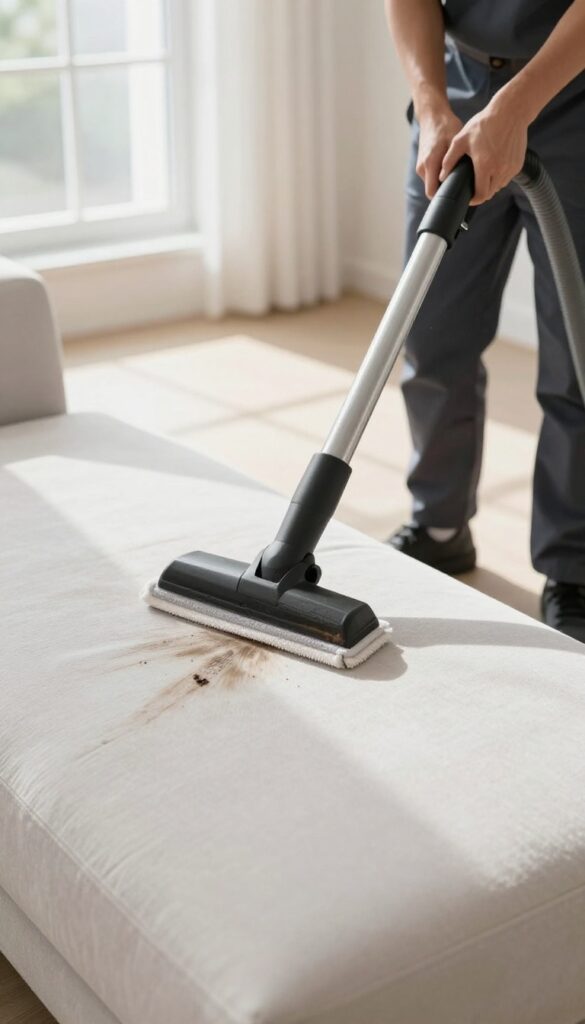
Sometimes, despite your best efforts, that stubborn stain just won't budge. Maybe it's set in deep, or you've tried a few DIY methods that only made it worse. That's when it's time to bring in the experts.
Professional cleaners have industrial-grade equipment and specialized solvents that can tackle even the toughest stains without damaging your microfiber. They also know exactly which cleaning method works for your specific fabric type, so you don't have to guess. Calling a pro isn't admitting defeat—it's a smart investment in your couch's longevity.
When To Wave The White Flag
Not every stain needs a pro, but some are notoriously hard to remove at home. Grease, oil, ink, and red wine are common culprits. If you've tried blotting, gentle soap, and even a vinegar solution with no luck, it's time to call for backup.
Also, if the stain has been sitting for weeks or months, professional treatment is your best shot.
What A Pro Brings To The Table
Professional cleaners use hot water extraction machines that shoot hot water mixed with cleaning solution into the fabric and then vacuum it out, along with dirt and stains. They also have upholstery-specific solvents that break down tough stains without fading or damaging the fibers. Many offer spot treatments before the full clean, targeting problem areas first.
How To Choose A Cleaner
Look for a cleaner who specializes in upholstery, not just carpets. Ask about their experience with microfiber and whether they use a low-moisture method to prevent over-wetting. Check reviews and get a quote upfront.
A good pro will inspect the couch and explain their process before starting.
FAQ
Can I use water on my microfiber couch?
Check the label. If it says 'W' or 'WS', water is safe. If it says 'S', use only solvent-based cleaners. 'X' means professional cleaning only.
How do I remove old stains from microfiber?
Try rubbing alcohol on a white cloth and blot the stain. For greasy stains, use a tiny bit of dish soap and water. Always test first.
Does microfiber attract dust?
Microfiber can attract dust due to static, but regular vacuuming with a brush attachment keeps it under control.
Can I put microfiber cushion covers in the washing machine?
Only if the label says machine-washable. Even then, use cold water and air dry to prevent shrinkage or damage.
How often should I clean my microfiber couch?
Vacuum weekly and spot-clean spills immediately. Deep clean every 6-12 months, or more often if you have pets or kids.
Conclusion
Your microfiber couch doesn't have to be a magnet for dust and stains. With these 15 tips—from quick vacuuming to targeted spot treatments—you can keep it looking fresh without spending hours scrubbing. Pick the methods that match your biggest challenges and make them part of your routine.
A little regular care goes a long way. Start with the tip that addresses your most stubborn issue, and you'll see immediate results. Your couch will stay cleaner longer, and your living space will feel more inviting every day.