How to Clean Blinds in Bathtub in 10 Simple Steps Fast
Blinds collect dust and grime faster than you'd think, but a bathtub soak makes cleaning them surprisingly easy. You don't need special tools or harsh chemicals—just your tub, some warm water, and a few household staples.
This method saves you from scrubbing each slat by hand and gets them looking like new in no time. Follow these 10 simple steps, and you'll have spotless blinds without the backache.
Ready to give your blinds a bath?
1. Gather Your Supplies
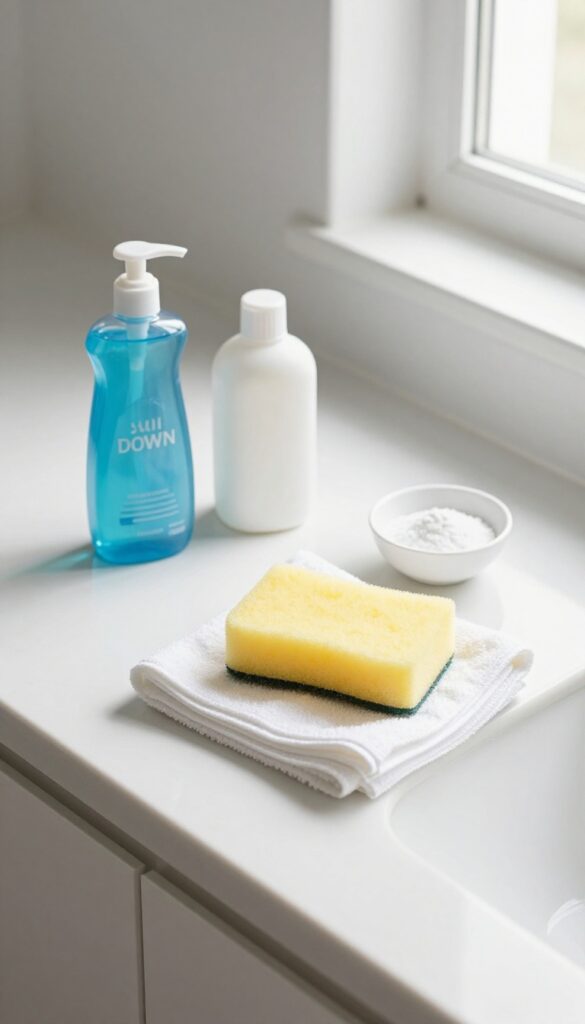
Before you start scrubbing, take a minute to collect everything you need. Having your supplies ready makes the process smooth and prevents you from having to stop mid-task. Most of these items are probably already in your kitchen or laundry room.
What You'll Need
Grab a mild dish soap—Dawn or any gentle brand works great. White vinegar is a must for cutting through grease and hard water stains. You'll also need a soft cloth or sponge (avoid anything abrasive that could scratch the blind surface), a microfiber towel for drying, and optionally a bathtub mat or towel to cushion the blinds and prevent scratches on your tub.
Optional But Helpful
If your blinds are especially grimy, add a small amount of baking soda to your cleaning mix for extra scrubbing power. A soft-bristled brush can help dislodge dirt from textured slats. And if you're cleaning multiple sets, consider using a laundry bag or pillowcase to keep each blind's cords and tassels contained.
2. Remove the Blinds Carefully
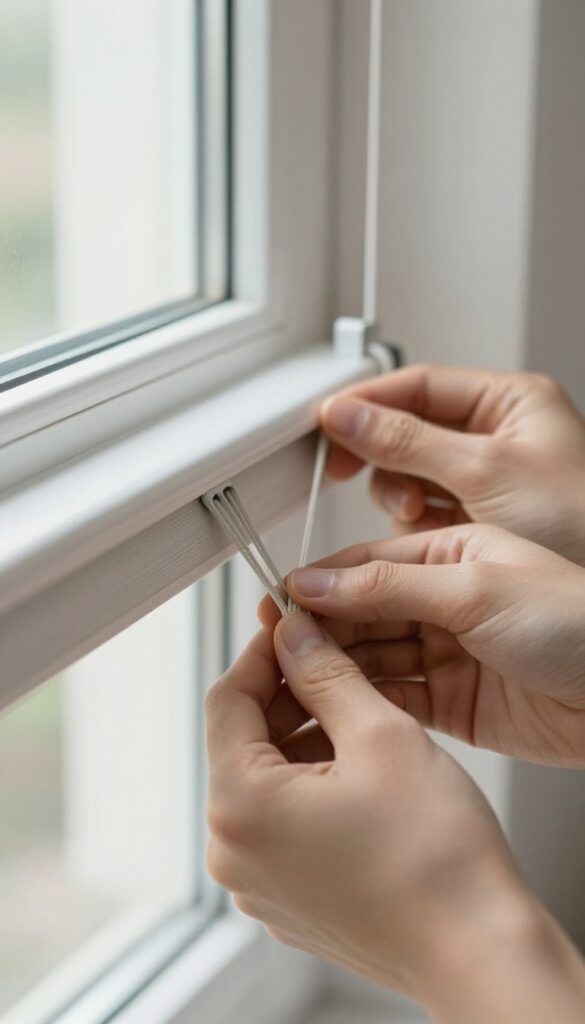
Taking your blinds down the right way prevents damage and makes the whole process smoother. Rushing this step can lead to bent slats, tangled cords, or broken brackets. Here's how to do it safely.
Know Your Blind Type
First, identify what kind of blinds you have. Horizontal blinds (mini blinds, Venetian) come down as one unit. Vertical blinds have individual slats that clip into a track.
Cordless blinds often have a release mechanism. Knowing this helps you avoid forcing anything.
Detach Horizontal Blinds
For horizontal blinds, locate the small tabs or levers on the top brackets. Push or pull them to release the headrail. Then tilt the blinds slightly and lift them off.
If your blinds have cords, keep them untangled as you lower the unit.
Remove Vertical Blinds Slat By Slat
Vertical blinds are easier to clean if you take each slat off individually. Gently lift each slat up and out of its clip or hook. Stack them in order so rehanging is simple.
This also prevents the slats from scratching each other during the bath.
Handle Cords And Wands With Care
Cords and tilt wands are delicate. Don't yank or pull them. For horizontal blinds, you can leave the cords attached to the headrail, but keep them from dipping into the bathwater.
For vertical blinds, remove wands separately to avoid tangling.
3. Prepare the Bathtub Soak
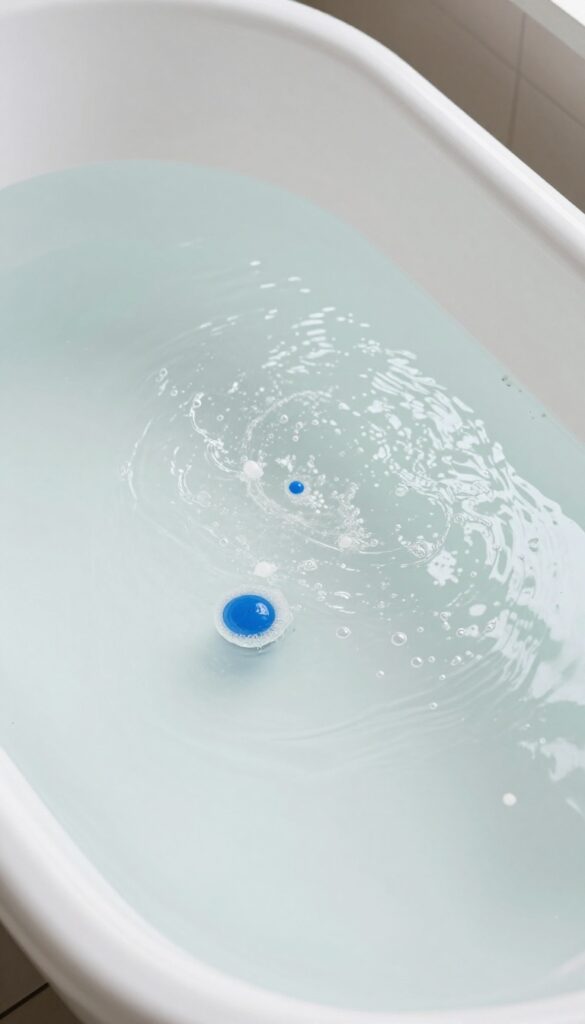
Now that your blinds are safely down, it's time to set up the bath. The right soak solution makes all the difference—it loosens dirt, cuts through grease, and kills any lurking mildew. You'll be amazed at how much grime comes off without any scrubbing.
Fill your clean bathtub with enough warm water to fully submerge the blinds. Add a few drops of dish soap—something gentle like Dawn works great—and about half a cup of white vinegar. The vinegar is the secret weapon here: it breaks down greasy kitchen residue and disinfects without harsh fumes.
Swish the water around to mix everything evenly.
Why Vinegar And Dish Soap?
Dish soap cuts through everyday dust and dirt, while vinegar tackles stubborn grease and kills mold spores. Together, they create a powerful but gentle cleaning solution that's safe for most blind materials. Skip bleach or ammonia—they can damage the finish or leave streaks.
Water Temperature Matters
Use warm water, not hot. Hot water can warp plastic or aluminum blinds and set stains into fabric. Warm water is effective enough to dissolve grime without risking damage.
Test the temperature with your wrist—it should feel comfortable, not scalding.
4. Submerge and Soak
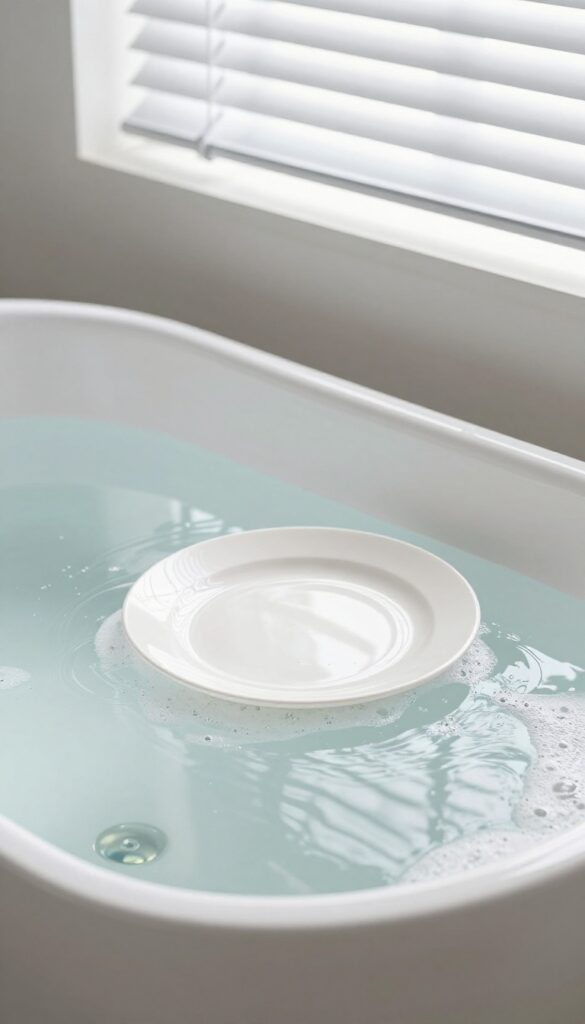
Once your blinds are in the tub, it's time to let the water do the hard work. Submerging them completely allows the cleaning solution to penetrate every slat, loosening dust, grease, and grime without any scrubbing on your part. A good soak is the secret to getting blinds truly clean with minimal effort.
Lay the blinds flat in the tub, making sure they are fully covered by the water. If they float, place a heavy object like a clean plate or a pitcher on top to keep them submerged. Let them soak for 15 to 30 minutes—longer if they're really dirty.
You'll see the water turn murky as the dirt releases.
Why A Full Soak Matters
When blinds are fully submerged, the cleaning solution reaches every nook and cranny. This is especially important for horizontal blinds where dust settles between slats. A soak breaks down sticky residues like kitchen grease or bathroom grime, so you don't have to scrub each slat individually.
How Long Is Long Enough?
Fifteen minutes is usually enough for regular dust and light grime. But if your blinds have been neglected for months or are in a high-traffic area, let them soak for a full half hour. Check the water—if it's still cloudy after 30 minutes, give them another 10.
The goal is to let the solution do the work.
What To Do While You Wait
Use the soak time to clean the tub itself or wipe down the window frame where the blinds were. You can also prepare a rinse station or lay out a drying towel. Just don't walk away and forget—set a timer so you don't oversoak, which could loosen the slat cords or damage the finish.
5. Gently Scrub Each Slat
Now that your blinds have soaked and loosened up the grime, it's time to give each slat a little individual attention. This step is where you'll actually remove the dirt that's been clinging on. The key here is to be gentle—you want clean blinds, not bent or scratched ones.
Choose Your Cleaning Tool Wisely
A soft sponge or a microfiber cloth is your best friend for this job. They're absorbent and won't scratch the slats. For any stubborn spots that didn't come off during the soak, use a soft-bristled brush—like an old toothbrush.
Avoid anything abrasive like scouring pads or hard bristles.
Work From Top To Bottom
Start at the top of the blinds and work your way down. This way, any drips or dirty water will fall onto slats you haven't cleaned yet, not the ones you've already done. Wipe each slat in one smooth motion, from one end to the other, and flip the sponge or cloth to a clean side as needed.
Don't Forget The Edges And Cords
While you're scrubbing the slats, take a moment to wipe down the edges and the ladder strings (if your blinds have them). These areas trap dust too. A quick pass with a damp cloth will do the trick.
Just be careful not to yank or pull the cords too hard.
6. Rinse Thoroughly

After scrubbing, your blinds are free of dirt but still coated in soapy residue. That leftover soap can attract dust faster and leave streaks once the blinds dry. A good rinse is what makes them truly clean.
Drain the tub completely, then turn on the showerhead or handheld sprayer to lukewarm water. Start at the top of the blinds and work your way down, angling the spray to hit both sides of the slats. Pay extra attention to the cords and tilt mechanism—soap loves to hide there.
Keep rinsing until you no longer see any suds or feel slipperiness on the slats. A final check: run your finger along a slat; if it feels slick, rinse again.
Use The Right Water Temperature
Lukewarm water is ideal—hot water can warp or discolor certain blind materials, while cold water may not remove all the soap. Test the temperature on your wrist before spraying.
Don't Forget The Cords And Tilt Wand
Soap residue on cords can cause them to stiffen or attract dirt. Give the cords a gentle squeeze while rinsing, and wipe the tilt wand with a damp cloth if needed.
Check For Hidden Soap Pockets
If your blinds have a hollow bottom rail, tilt it slightly to let water drain out. Otherwise, soapy water can pool inside and later drip onto your windowsill.
7. Shake Off Excess Water
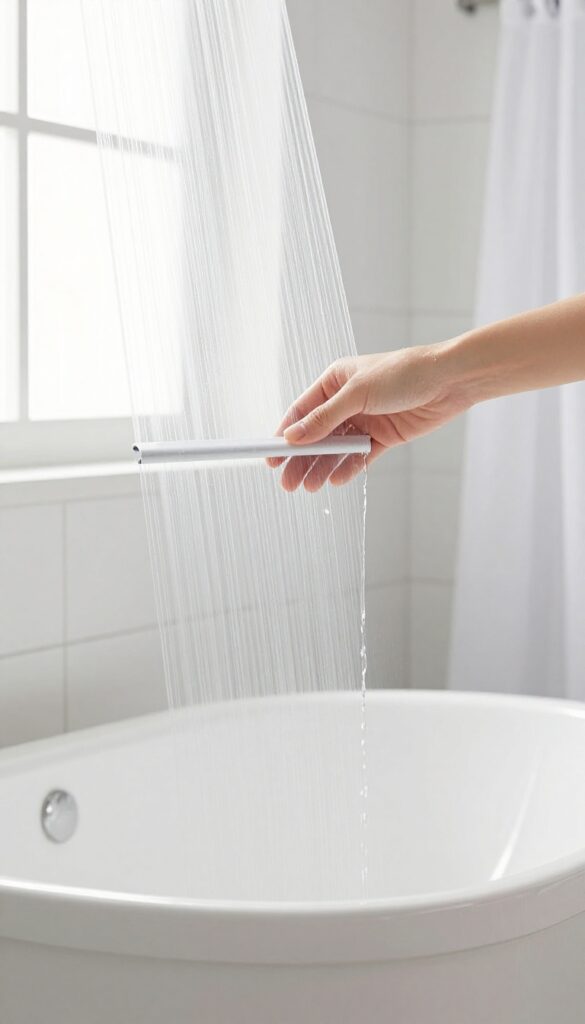
After rinsing, your blinds are clean but dripping wet. Getting rid of the excess water before drying prevents water spots and speeds up the whole process. A simple shake is all it takes.
Hold the blinds firmly and give them a few gentle shakes to remove most of the water. For horizontal blinds, tilt the slats to let water run off easily. For vertical blinds, hang them briefly over the tub to drip before moving on to drying.
Shaking Technique For Horizontal Blinds
Grasp the headrail with both hands and give a quick, gentle shake up and down. Then tilt the slats to one side so water beads off the edges. Repeat a couple of times until no more water drips.
Vertical Blinds Drip Method
For vertical blinds, hold them by the top and let them hang straight. Give a few side-to-side shakes, then let them hang over the tub for a minute to allow water to drip from the bottom. Avoid twisting the slats too hard.
8. Dry with a Microfiber Towel
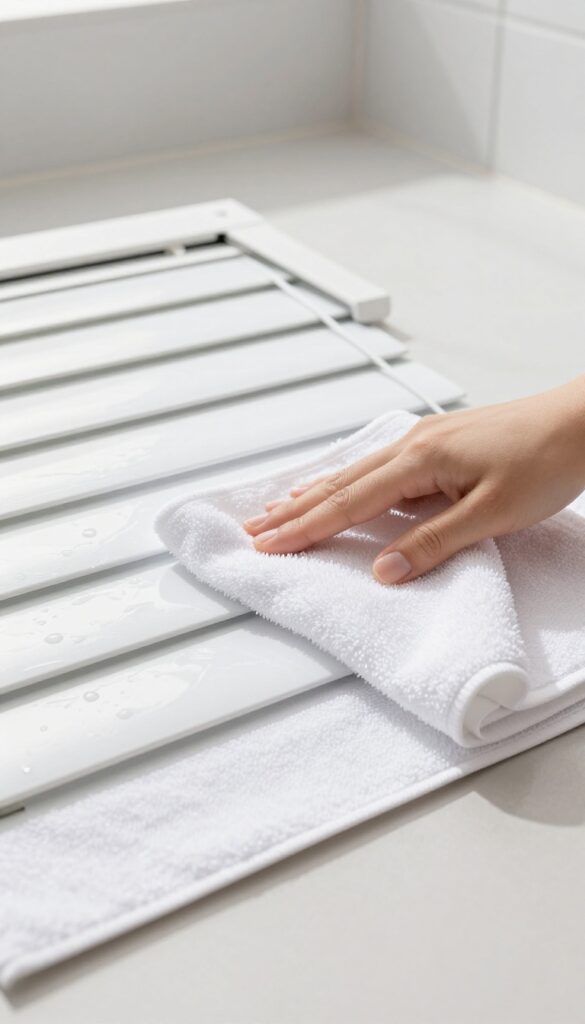
Once your blinds are rinsed and free of soap, drying them properly is the final step to a streak-free finish. Skipping this or using the wrong cloth can leave water spots or lint behind. A microfiber towel is the perfect tool—it's super absorbent and gentle on the slats.
Lay the blinds flat on a clean, dry towel. Gently pat each slat with a microfiber cloth, absorbing excess water without rubbing too hard. This prevents water spots and speeds up drying.
For vertical blinds, you can hang them back up and pat dry from top to bottom.
Why Microfiber Works Best
Microfiber towels have fine fibers that trap moisture and dust without scratching. They're lint-free, so you won't end up with fuzz on your blinds. Plus, they dry much faster than cotton cloths, reducing the risk of mildew.
Step-by-step Drying Process
Start by laying a dry bath towel on a flat surface. Place the blinds on top, then take a clean microfiber cloth and gently press it against each slat. Work from one end to the other, flipping the cloth as it gets damp.
For hard-to-reach corners, use a smaller microfiber cloth or a clean, dry paintbrush.
Final Checks Before Rehanging
Once the blinds feel mostly dry, let them air out for another 10–15 minutes. Check the cords and strings—if they're still damp, pat them dry separately. Rehang the blinds only when everything is completely dry to avoid water stains or sagging.
9. Rehang the Blinds

Your blinds are now clean, dry, and ready to go back up. Rehanging them properly ensures they operate smoothly and look neat. Take a few extra seconds to check the cords and alignment so you don't have to adjust them later.
Check The Cords
Before you attach the blinds, inspect the cords for any tangles or knots. Gently pull each cord to make sure they move freely. If you find a tangle, carefully untwist it with your fingers.
This prevents frustration when you try to raise or lower the blinds later.
Align The Slats
Hold the blinds up to the window brackets and line up the headrail. Insert the brackets and snap them into place. Then tilt the slats to make sure they all face the same direction.
A quick visual check from the side will confirm they're parallel and evenly spaced.
Test The Mechanism
Once the blinds are hung, give them a test run. Raise and lower them a few times to ensure the cords work smoothly. Tilt the slats open and closed to verify the mechanism isn't sticking.
If everything moves freely, you're done—enjoy your like-new blinds.
10. Maintain with Regular Dusting

You've put in the work to get your blinds sparkling clean—now keep them that way. A quick weekly dusting routine prevents heavy buildup, so you won't need to drag them to the bathtub as often. It's a small habit that saves you time and effort down the road.
Dusting blinds regularly is the easiest way to extend the time between deep cleans. A few minutes each week can keep dust, pollen, and grime from settling into the slats. You'll notice your blinds stay brighter and require less vigorous scrubbing when you do give them a bath.
Choose The Right Tool
A microfiber duster or a vacuum with a brush attachment works best. Microfiber traps dust rather than spreading it around, while the vacuum's suction pulls debris from crevices. Avoid feather dusters—they just redistribute dust into the air.
Dust In The Right Direction
Always dust from top to bottom so you don't knock dirt onto already-cleaned slats. For horizontal blinds, close them flat and wipe in one direction. For vertical blinds, dust from top to bottom in long strokes.
Don't Forget The Cords And Valance
Cords and the top valance collect dust too. Wipe them down with a slightly damp cloth or use the vacuum's brush attachment. Keeping these areas clean prevents dust from falling onto the slats after you've dusted them.
FAQ
Can I clean all types of blinds in the bathtub?
Most blinds—aluminum, vinyl, faux wood, and fabric—can be cleaned in the bathtub. However, real wood blinds should not be submerged; use a damp cloth instead.
How often should I deep clean my blinds?
Aim for a deep clean every 3-6 months, depending on dust and grease buildup. Regular dusting extends the time between soaks.
Will vinegar damage my blinds?
White vinegar is safe for most blinds when diluted with water. Avoid using it on real wood or delicate fabrics; test a small area first.
Can I use a bathtub cleaner instead of dish soap?
Stick to mild dish soap or a gentle cleaner. Harsh chemicals can discolor or corrode the slats and damage the finish.
How do I dry blinds quickly to avoid mildew?
After towel-drying, hang the blinds in a well-ventilated area or near a fan. Avoid direct sunlight, which can warp some materials.
Conclusion
Cleaning blinds in the bathtub is a game-changer—it contains the mess and makes rinsing a breeze. Once you've done it a couple times, the whole process will feel quick and almost effortless.
Stick with this method, and your blinds will stay dust-free and looking fresh without the usual hassle.