15 How to Clean Yellow-Stained Pillows and Brighten Them
Yellow stains on pillows are more than just unsightly—they're a sign of sweat, oils, and body fluids that have soaked in over time. Luckily, you don't need harsh chemicals or expensive replacements to bring them back to life.
With a few common household ingredients, you can tackle even the toughest discoloration. From baking soda pastes to sunlight bleaching, these 15 methods are practical, effective, and easy to try at home.
Your pillows will look brighter and feel fresher in no time.
1. Baking Soda and Hydrogen Peroxide Paste
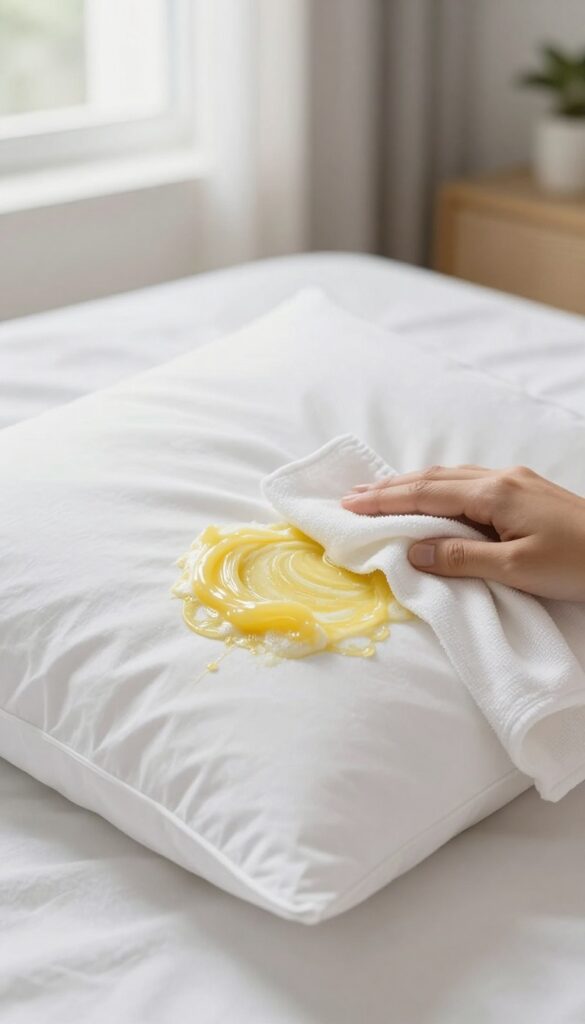
Baking soda and hydrogen peroxide are a powerhouse duo when it comes to lifting yellow stains from pillows. The baking soda acts as a gentle abrasive to scrub away grime, while hydrogen peroxide breaks down the organic compounds from sweat and body oils. Together, they create a paste that targets discoloration without damaging fabric.
How To Make And Apply The Paste
Mix three parts baking soda with one part hydrogen peroxide until you get a thick, spreadable paste. Use an old toothbrush or a soft cloth to work the paste into the yellowed areas. Let it sit for 30 minutes—don't let it dry completely, or it'll be harder to rinse.
Washing After Treatment
After the paste has done its job, toss the pillow in the washing machine on a warm cycle with a mild detergent. Add a half cup of white vinegar to the rinse cycle to neutralize any leftover peroxide and baking soda. This also helps brighten the fabric further.
Tips For Best Results
For stubborn stains, let the paste sit for up to an hour. Always test a small hidden area first to make sure the peroxide doesn't bleach colored pillows. Wash pillows in pairs to keep the machine balanced, and use an extra rinse cycle to remove all residue.
2. Lemon Juice and Sunlight Bleaching
Sunlight is one of nature's best whiteners, and when you pair it with lemon juice, you get a powerful stain-fighting combo. The citric acid in lemons breaks down the oils and sweat that cause yellowing, while UV rays from the sun bleach the fabric naturally. This method works especially well on cotton and polyester pillows, but it's gentle enough for most materials.
To start, squeeze fresh lemon juice directly onto the yellowed spots. You don't need to soak the whole pillow—just focus on the stained areas. If the pillow is large or the stains are widespread, mix equal parts lemon juice and water in a spray bottle for easier application.
Let the juice sit for about 10 minutes so it can penetrate the fibers.
How To Apply And Dry
After applying the lemon juice, take the pillow outside and lay it flat in direct sunlight. Position it so the stained side faces the sun. Leave it for at least 4 to 6 hours, flipping it halfway through.
The combination of citric acid and UV rays will lift the yellowing. For best results, choose a sunny, low-humidity day.
Rinsing And Washing
Once the pillow has had enough sun time, rinse it thoroughly with cool water to remove any leftover lemon residue. Then wash it as usual in your washing machine with a mild detergent. You can add a bit of white vinegar to the rinse cycle to boost brightness.
Dry the pillow completely—either in the sun again or in a dryer on low heat—before using it.
3. White Vinegar Soak
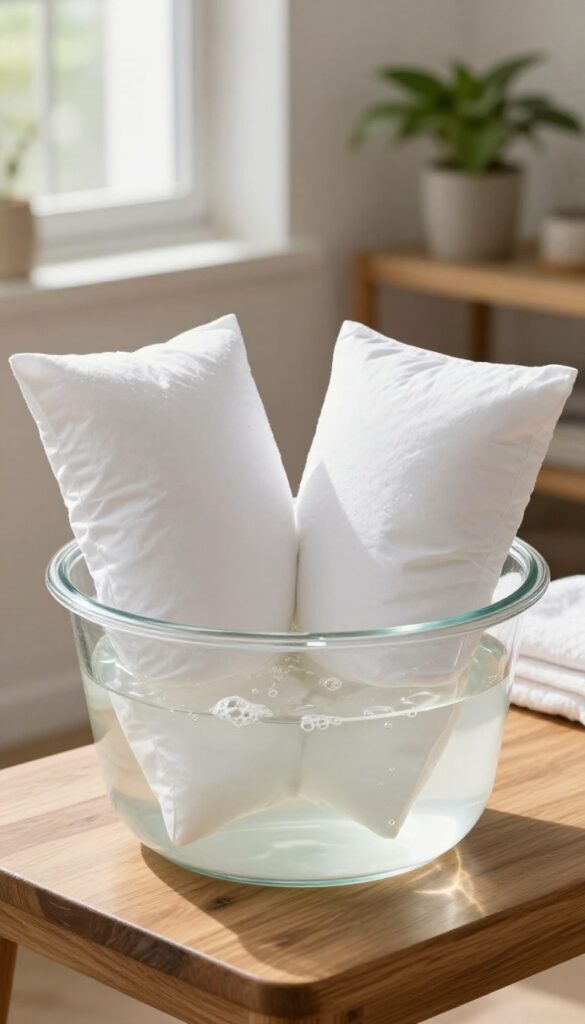
White vinegar is a powerhouse when it comes to breaking down sweat and body oils, the main culprits behind yellow pillow stains. This acidic solution not only lifts discoloration but also neutralizes odors without leaving a harsh chemical smell. Best of all, it's cheap, non-toxic, and gentle on most pillow materials.
To use this method, fill a large basin or bathtub with equal parts white vinegar and warm water. Submerge your pillows completely and let them soak for at least one hour. For heavily stained pillows, you can leave them for up to two hours.
After soaking, drain the vinegar solution and wash the pillows in your washing machine on a gentle cycle with a mild detergent. Add an extra rinse cycle to ensure all vinegar residue is removed. Once washed, dry the pillows thoroughly—either in a dryer on low heat with dryer balls or in direct sunlight.
The vinegar smell will disappear once the pillows are completely dry, leaving them fresh and bright.
Why Vinegar Works So Well
Vinegar's acetic acid gently breaks down the alkaline residues from sweat and body oils, making them easier to rinse away. It also has natural antibacterial properties that kill odor-causing bacteria, so your pillows come out smelling clean, not just looking clean.
Best Pillow Types For This Method
This soak works great on cotton, polyester, and feather pillows. However, avoid using it on memory foam or latex pillows, as the moisture can damage the foam structure. For those, stick to spot cleaning with a diluted vinegar spray instead.
Tips For Maximum Whitening
For an extra boost, add half a cup of baking soda to the vinegar soak—just be ready for some fizzing. After washing, drying pillows in direct sunlight enhances the whitening effect, as UV rays naturally bleach stains. If your pillows are still yellow after one soak, repeat the process or move on to a stronger method like hydrogen peroxide.
4. Oxygen-Based Bleach (OxiClean) Treatment
Oxygen bleach is a game-changer for yellowed pillows. Unlike chlorine bleach, it's gentle on fabrics yet powerful enough to break down deep-set stains from sweat and oils. This method works best for pillows that have yellowed over time and need a thorough refresh.
Oxygen bleach, like OxiClean, releases hydrogen peroxide when mixed with water, lifting stains without damaging fibers. It's safe for most machine-washable pillows, including down and synthetic fills. For best results, use hot water to activate the bleach and let the pillows soak overnight.
What You'll Need
You'll need oxygen bleach powder, hot water, and a large basin or bathtub. Check the package for the correct ratio—usually one scoop per gallon of water. Wear gloves to protect your hands.
Soaking Steps
Dissolve the oxygen bleach in hot water completely, then submerge the pillows. Weigh them down if needed to keep them fully soaked. Let them sit for at least 8 hours or overnight.
The longer they soak, the brighter they'll get.
Finishing Up
After soaking, drain the water and rinse pillows thoroughly until no suds remain. Machine wash on a gentle cycle with a small amount of detergent, then dry completely. Fluff them during drying to restore shape.
5. Dish Soap and Hydrogen Peroxide Spray
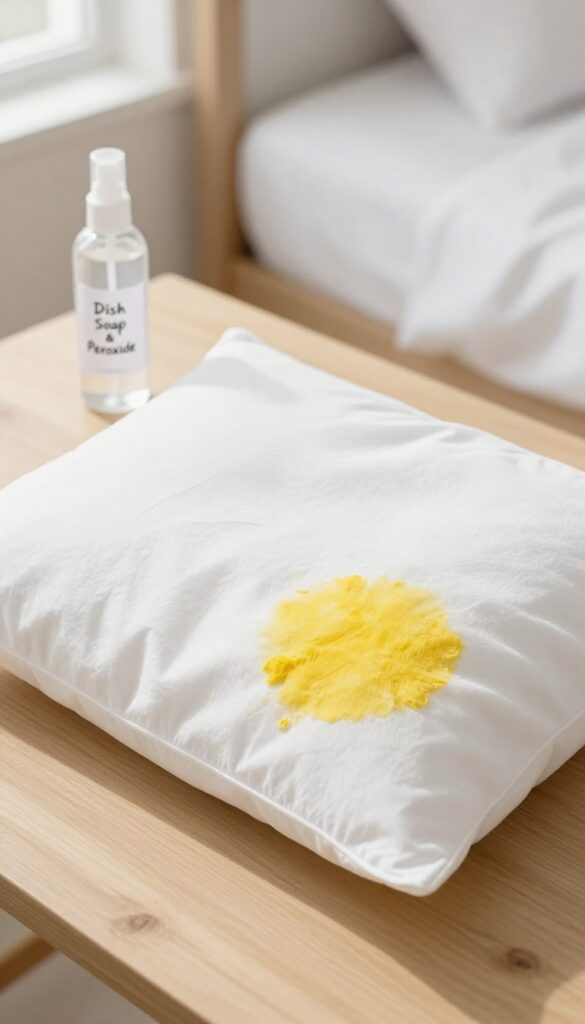
When fresh yellow marks appear, reach for dish soap and hydrogen peroxide. This dynamic duo cuts through grease and lifts stains without heavy scrubbing. The spray bottle makes it easy to target specific spots, so you don't have to soak the whole pillow.
Mix 1 tablespoon of dish soap with 2 tablespoons of hydrogen peroxide in a spray bottle, then fill with water. Shake gently to combine. Spray the solution directly onto the yellow stain, let it sit for 10 minutes, then scrub lightly with a soft brush or cloth.
Rinse with cold water and blot dry. This method works best on fresh stains, so act quickly when you notice discoloration.
Why This Combo Works
Hydrogen peroxide is a mild bleach that breaks down organic compounds, while dish soap lifts oils and dirt. Together, they penetrate the fabric and lift stains from deep within. Plus, hydrogen peroxide is gentle enough for most pillow materials.
Best Pillow Types To Use It On
This spray works well on cotton, polyester, and microfiber pillows. Avoid using it on silk or wool, as hydrogen peroxide can damage those fibers. Always test on a hidden area first.
Tips For Stubborn Stains
For set-in marks, spray generously and let it sit for 20 minutes before scrubbing. You can also add a tablespoon of baking soda to the mixture for extra stain-fighting power. Rinse thoroughly to remove any residue.
6. Aspirin Paste for Tough Stains
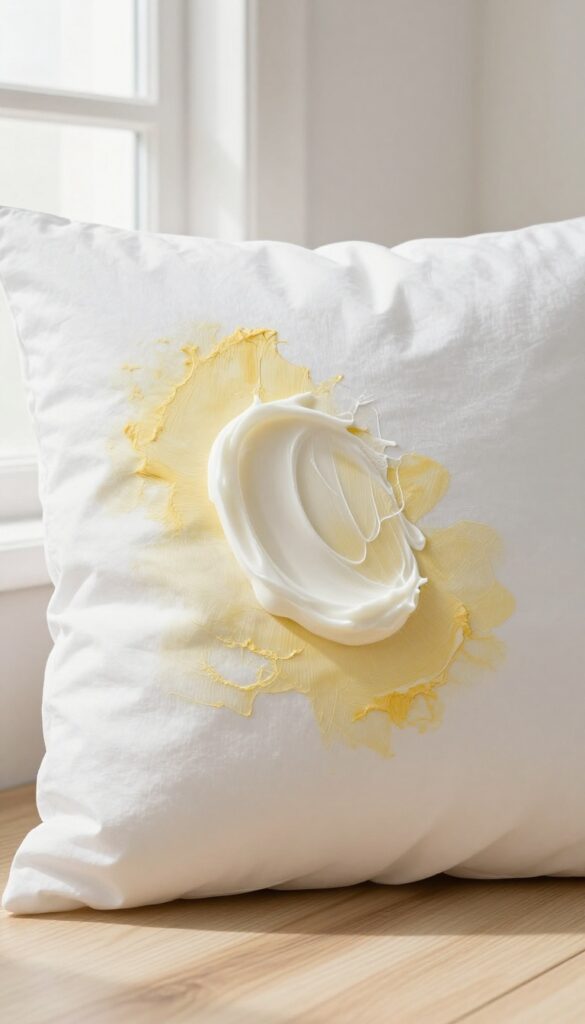
Aspirin isn't just for headaches—it's a surprisingly effective stain remover for yellow pillow marks. The salicylic acid in aspirin breaks down oils and sweat, making it a great option for set-in discoloration. This method works best on white or light-colored pillows.
Crush 5-6 uncoated aspirin tablets into a fine powder. Mix with a tablespoon of warm water to form a thick paste. Apply the paste directly to yellow stains, spreading it evenly.
Let it sit for 30 minutes to allow the salicylic acid to penetrate and break down oils. Then wash the pillow as usual with hot water and your regular detergent. For extra whitening, add a scoop of oxygen bleach to the wash cycle.
Why Aspirin Works
Aspirin contains acetylsalicylic acid, which converts to salicylic acid when mixed with water. Salicylic acid is a mild exfoliant that helps dissolve oils and proteins—the main components of sweat stains. It's gentle enough for fabrics but tough on grime.
Tips For Best Results
Use uncoated, white aspirin tablets for the best reaction. If the paste is too thick, add a few more drops of water. For large stains, double the recipe.
Always test on a hidden spot first, especially on colored pillows, as aspirin can have a mild bleaching effect.
7. Salt and Lemon Juice Scrub
If you prefer a gentle, natural approach, this scrub combines the mild abrasive power of salt with the bleaching properties of lemon juice. It's a simple two-ingredient solution that works well on fresh to moderate yellowing without the need for harsh chemicals. The salt helps lift surface stains while the lemon juice brightens the fabric.
Start by dampening the stained areas of your pillow with a spray bottle or a damp cloth. In a small bowl, mix equal parts table salt and lemon juice to form a thick paste. Apply the paste directly onto the yellow spots, rubbing it in gently with your fingers or a soft brush.
Let it sit for 15 minutes, then toss the pillow into the washing machine on a warm cycle with your regular detergent. The salt acts as a gentle abrasive to loosen grime, while the lemon juice's citric acid breaks down sweat and oil residues. This method is especially effective for pillows that aren't heavily soiled but have developed a light yellow tint over time.
Why Salt And Lemon Work Together
Salt provides a physical scrubbing action that helps dislodge dried sweat and oils from the fabric fibers. Lemon juice contains citric acid, a natural bleaching agent that lightens yellow discoloration without the harshness of chlorine bleach. Together, they create a paste that can be applied directly to stains, maximizing contact time for better results.
Best Practices For Application
For best results, use fine table salt rather than coarse salt to avoid damaging the fabric. Apply the paste only to the stained areas to conserve ingredients and prevent over-wetting. If the stain is stubborn, let the paste sit for up to 30 minutes, but check periodically to ensure the fabric doesn't dry out.
Always wash the pillow thoroughly after treatment to remove any salt residue that could attract moisture.
When To Use This Method
This scrub is ideal for pillows with light to moderate yellowing, especially those caused by sweat or body oils. It's a great option for delicate fabrics like cotton or polyester blends that might be sensitive to stronger chemicals. However, for deep-set or old stains, you may need to combine this method with a longer soak or a stronger whitener like hydrogen peroxide.
8. Borax Soak for Deep Cleaning
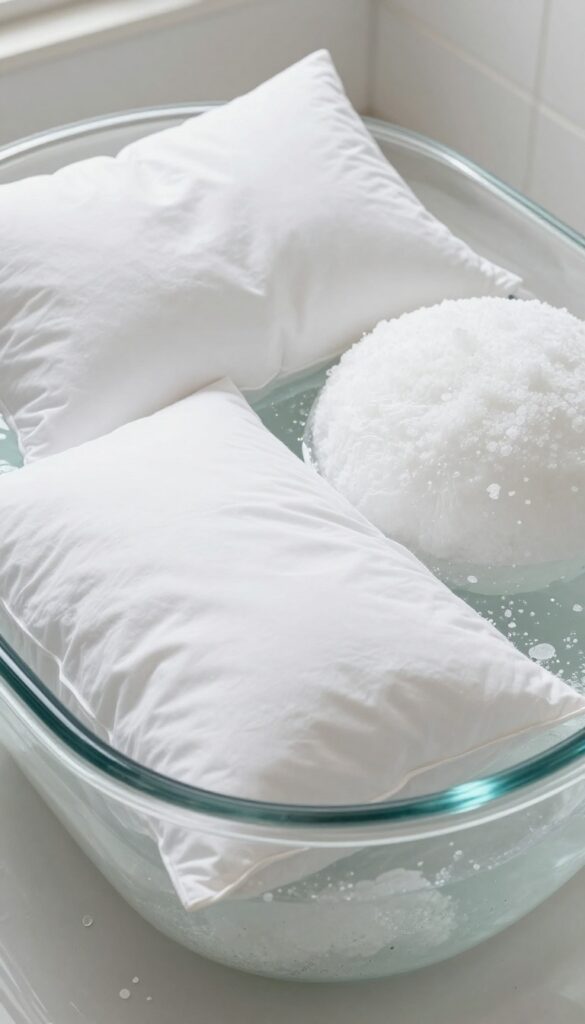
Borax is a natural mineral that works wonders on laundry, especially when you need extra whitening power. It helps break down stubborn oils and sweat residues while brightening the fabric. This method is perfect for pillows that have been yellowing for a while and need a serious deep clean.
For a Borax soak, you can either add it directly to your washing machine or dissolve it in hot water for a pre-soak. The key is giving the Borax enough time to work on the stains. This method is safe for most pillow types, but always check the care label first.
How To Use Borax In The Washing Machine
Add half a cup of Borax to the detergent dispenser or directly into the drum before adding your pillows. Run a hot water cycle with a regular detergent. The Borax boosts the cleaning power and helps lift yellow stains.
For best results, wash two pillows at a time to keep the load balanced.
Pre-soak Method For Tough Stains
If your pillows are heavily stained, dissolve half a cup of Borax in a basin or bathtub filled with hot water. Submerge the pillows and let them soak for at least 30 minutes, or up to 2 hours for deep stains. After soaking, wash them in the machine on a warm cycle with detergent.
Drying Tips After Borax Treatment
After washing, dry pillows thoroughly to prevent mildew. Tumble dry on low heat with a couple of clean tennis balls or dryer balls to fluff them up. Make sure they are completely dry before using, as damp pillows can quickly develop new stains and odors.
9. Enzyme Cleaner for Organic Stains
Enzyme cleaners are a secret weapon against yellow pillow stains. They work by breaking down the proteins and oils from sweat and body fluids that cause discoloration. Unlike bleach, enzymes target the organic matter without damaging fabric fibers.
Enzyme-based laundry pre-treatments are widely available and easy to use. Simply spray the yellow areas generously before tossing pillows into the wash. Let the spray sit for at least 15 minutes to give enzymes time to digest stains.
For best results, use warm water and a regular detergent cycle. Avoid hot water, which can set proteins and make stains harder to remove.
Why Enzymes Work On Pillow Stains
Yellow pillow stains are mostly caused by sweat, saliva, and body oils—all organic compounds. Enzymes are biological catalysts that break down these specific molecules into smaller, water-soluble pieces. This makes them easy to rinse away during washing.
Unlike harsh chemicals, enzymes are gentle on fabrics and safe for most pillow materials.
How To Use Enzyme Cleaner Effectively
Start by checking the care label on your pillow. Most synthetic and down pillows can be machine washed. Apply the enzyme spray directly to yellowed areas, making sure to saturate the stain.
Let it sit for 15–30 minutes—longer for set-in stains. Then wash on a warm cycle with regular detergent. For extra whitening, add a scoop of oxygen bleach if safe for your fabric.
Best Enzyme Cleaners To Try
Look for products labeled "enzyme pre-treater" or "bio-enzyme laundry spray. " Popular options include Nature's Miracle, Biokleen, and Seventh Generation. You can also make a DIY version by mixing a few drops of enzyme-based dish soap with water.
Avoid using fabric softener, as it can coat fibers and reduce enzyme effectiveness.
10. Washing Soda and Hot Water Boil
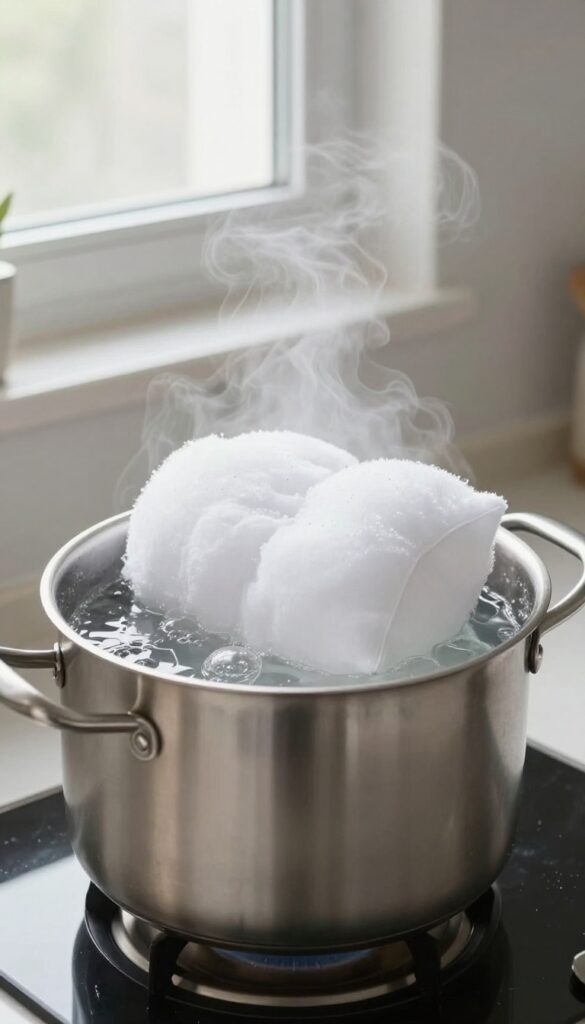
If your pillows are machine-washable and made of cotton or polyester, boiling them with washing soda can strip away years of built-up residue. This old-school method is surprisingly effective for deep-set yellowing that regular washing won't touch.
Boiling pillows might sound extreme, but it's a time-tested technique for removing stubborn stains and odors. The combination of heat and washing soda breaks down oils and proteins that cause yellowing, leaving your pillows refreshed.
What You'll Need
Gather a large pot (big enough for one pillow), washing soda (not baking soda), and water. You'll also need tongs or a sturdy spoon to handle the hot pillow, plus a well-ventilated area.
Step-by-step Process
Fill the pot with water and add 1/2 cup washing soda. Bring to a boil, then carefully submerge the pillow. Boil for 30 minutes, turning occasionally.
Let it cool in the pot, then rinse thoroughly in cold water. Squeeze out excess water and dry completely.
Safety And Fabric Check
Only boil pillows with a care label that allows high heat. Avoid pillows with foam, memory foam, or delicate fabrics. Always test a small corner first to ensure the fabric doesn't shrink or warp.
11. Rubbing Alcohol Spot Treatment
Rubbing alcohol is a handy tool for tackling yellow stains, especially when you need a quick fix. It works by breaking down the oils and sweat that cause discoloration, and because it evaporates fast, it won't leave your pillow soaking wet. This method is perfect for spot-treating small areas without a full wash.
To use rubbing alcohol, start by blotting the yellow stain with a clean cloth to remove any surface residue. Then, dampen a fresh cloth with rubbing alcohol and dab it directly onto the stain. You'll see the alcohol lift the oils as you work.
After a few minutes, blot the area with a dry cloth to absorb the dissolved grime. The alcohol dries quickly, so your pillow will be ready to use sooner than with other methods. For stubborn stains, repeat the process or let the alcohol sit for a couple of minutes before blotting.
This treatment is best for pillows that are not too delicate, as alcohol can affect some fabrics. Always test on a hidden spot first.
Why It Works
Yellow stains are often caused by a buildup of body oils, sweat, and skincare products. Rubbing alcohol is a solvent that dissolves these oils, making them easier to lift away. Its quick evaporation also means less moisture is left behind, reducing the risk of mold or mildew.
Step-by-step Instructions
First, blot the stain with a dry cloth to remove excess moisture. Next, apply rubbing alcohol to a clean cloth and dab the stain gently. Let it sit for 1–2 minutes, then blot with another dry cloth.
Repeat if needed. Finally, allow the pillow to air dry completely before using.
When To Use This Method
This spot treatment is ideal for fresh or light stains that haven't set in. It's also a great option when you don't have time for a full wash or when the pillow is not machine-washable. However, for heavy, old stains, you might need a deeper cleaning method.
12. Cream of Tartar and Hydrogen Peroxide
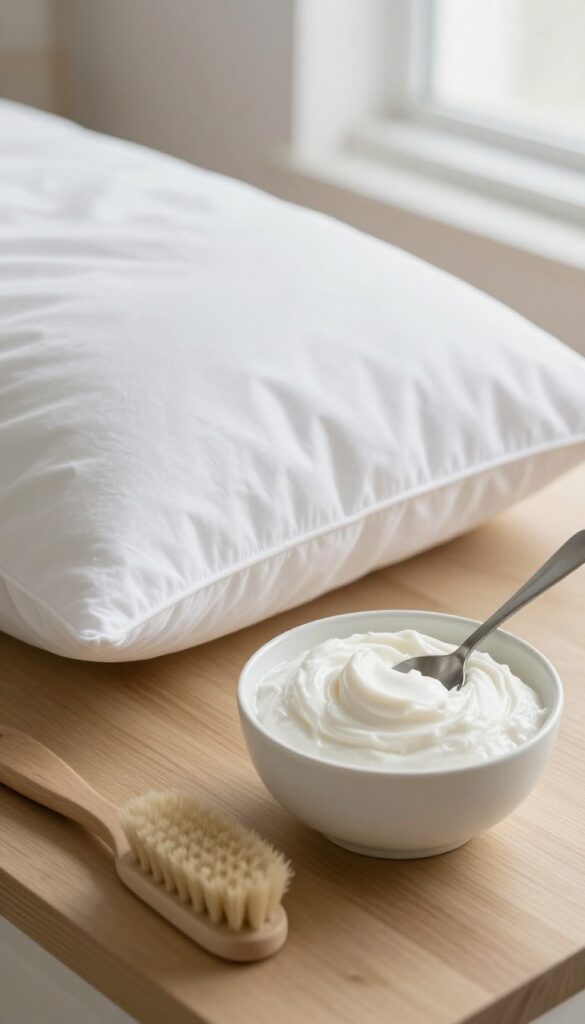
When you need something a little stronger than baking soda but not as harsh as bleach, cream of tartar and hydrogen peroxide make a surprisingly effective team. Cream of tartar is a mild acid that helps break down proteins and oils, while hydrogen peroxide lifts and whitens. Together, they create a paste that tackles set-in yellow stains without damaging fabric fibers.
This method works best on cotton and polyester pillows. The paste is easy to apply and doesn't require scrubbing, so it's gentle on delicate fabrics. Letting it sit gives the ingredients time to penetrate and dissolve the stain, and a regular wash cycle finishes the job.
Mixing The Paste
In a small bowl, combine 2 tablespoons of cream of tartar with enough hydrogen peroxide (3% solution) to form a thick, spreadable paste. Stir until smooth. The consistency should be like toothpaste—not too runny or too dry.
Applying And Letting It Work
Using a clean sponge or soft brush, spread the paste over the yellowed areas. Make sure the stain is fully covered. Let it sit for 30 minutes to an hour.
For older, tougher stains, you can leave it on for up to two hours, but don't let it dry completely.
Washing After Treatment
After the paste has done its job, wash the pillow in the hottest water safe for the fabric, using your regular laundry detergent. Add a half-cup of hydrogen peroxide to the bleach dispenser for an extra whitening boost. Dry thoroughly in the sun if possible.
13. Professional Dry Cleaning for Delicate Pillows
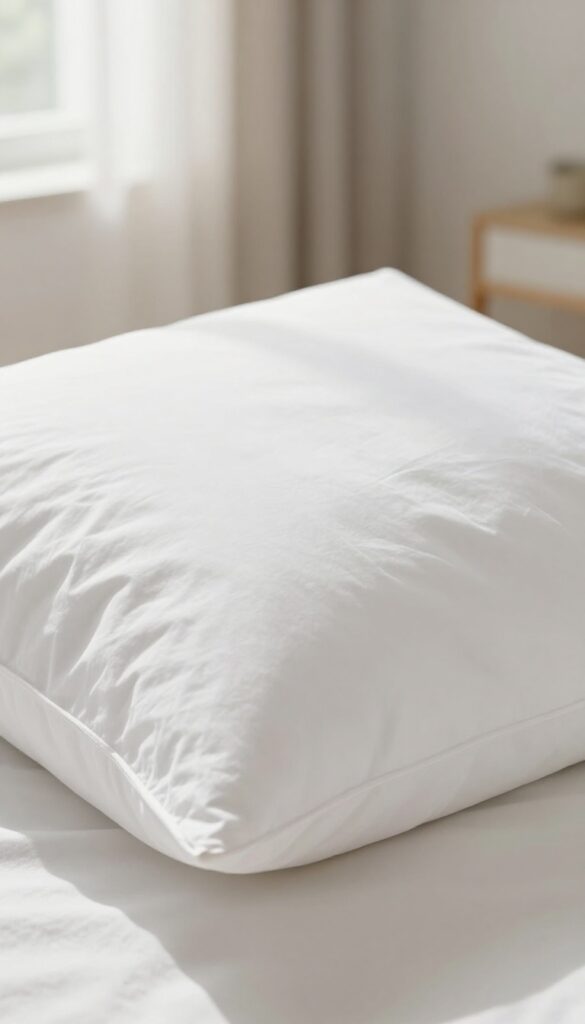
Some pillows are too delicate for a washing machine. Down, memory foam, and certain synthetic fills can clump, tear, or lose their shape when soaked. That’s where professional dry cleaning comes in.
Cleaners use specialized solvents that lift yellow stains without saturating the material, so your pillow stays fluffy and intact.
When To Choose Dry Cleaning
If your pillow tag says “dry clean only” or it’s made of down, memory foam, or latex, skip the home laundry. These materials absorb water unevenly and can develop mold or lose loft. Professional dry cleaning is also a smart choice for pillows with stubborn yellowing that home methods didn’t fix.
What To Expect At The Cleaner
Drop off your pillow with a note about the stains. The cleaner will pre-treat yellowed areas with a solvent, then tumble it in a dry cleaning machine. The process takes a day or two.
When you pick it up, the pillow should be stain-free, odorless, and as fluffy as new.
Cost And Care Tips
Dry cleaning a pillow typically costs $10 to $20 per item. To make it last, use a pillow protector between the pillow and your pillowcase. That barrier catches sweat and oils, so you can go longer between professional cleanings.
14. Sun-Drying After Every Wash
The sun is one of the most powerful and natural bleaching agents available. After washing your pillows, drying them in direct sunlight can help break down stubborn yellow stains and keep them from coming back. UV rays not only brighten the fabric but also kill bacteria and dust mites that contribute to discoloration and odors.
Sun-drying is a simple step that makes a big difference. Once your pillows are clean and rinsed, take them outside on a sunny day. Hang them on a clothesline or lay them flat on a clean surface, turning them occasionally so both sides get equal exposure.
A few hours of direct sunlight can lift stains and leave your pillows smelling fresh. Just be sure to bring them in before evening dew sets in.
Why Sunlight Works
Sunlight contains UV rays that act as a natural bleach. They break down the chemical bonds in sweat, oils, and other organic stains that cause yellowing. At the same time, the heat and UV light kill microorganisms, reducing the risk of future discoloration from mold or bacteria.
Best Practices For Sun-drying
For best results, wash pillows first to remove surface grime, then dry them in full sun. Avoid drying on windy days that might blow dust onto wet fabric. If your pillows have synthetic fill, check the care label—some materials may degrade under prolonged sun exposure.
In that case, limit sun-drying to an hour or two.
Combining With Other Methods
Sun-drying works well alongside other stain removers. After applying a baking soda paste or hydrogen peroxide treatment, let the pillow sit in the sun to boost the bleaching effect. The combination of chemical action and UV light can tackle even set-in yellow stains.
15. Preventative Pillow Protectors
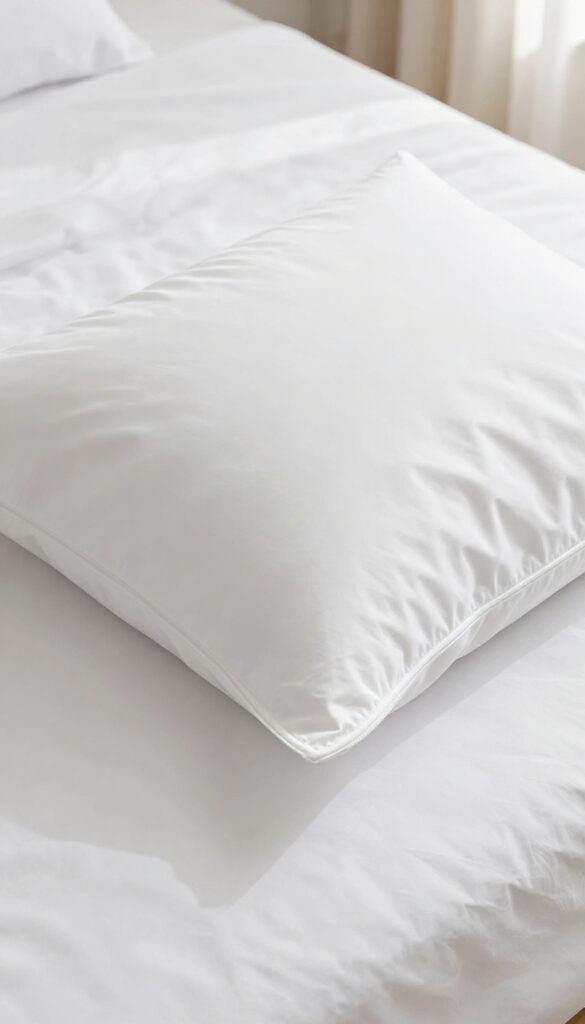
Stopping stains before they start is the smartest way to keep pillows white. A simple zippered protector acts as a barrier against sweat, oils, and dead skin cells. Wash the protector weekly, and your pillow stays clean for months.
Prevention beats cure every time. Zippered pillow protectors are thin, breathable covers that go between your pillow and pillowcase. They block moisture and oils from reaching the pillow fabric.
Most are made of cotton or polyester and are machine-washable. Toss them in with your regular laundry once a week using hot water and a gentle detergent. This habit dramatically reduces yellowing and extends pillow life.
For extra protection, choose waterproof protectors if you sweat heavily or have allergies. They add a slight crinkle but are worth it for the stain defense.
Why Protectors Work
Yellow stains come from body oils and sweat soaking into pillow fibers. A protector traps those substances before they penetrate. Washing the protector weekly removes the buildup, so your pillow never gets stained.
It’s like a reusable shield that keeps the pillow fresh.
Choosing The Right Protector
Look for 100% cotton or a cotton-polyester blend for breathability. Waterproof protectors with a thin polyurethane coating are great for heavy sweaters. Make sure the protector has a zippered closure and fits snugly.
Avoid vinyl or plastic covers—they trap heat and feel uncomfortable.
Care Tips For Longevity
Wash protectors in warm water with a mild detergent. Avoid bleach, which can weaken the fabric over time. Tumble dry on low heat or air dry.
Replace protectors every six months if they start to pill or lose their shape. A good protector costs less than a new pillow and saves you cleaning hassle.
FAQ
Can I use bleach on yellow pillows?
Chlorine bleach can damage pillow fibers and cause yellowing to worsen over time. Stick to oxygen-based bleach or natural alternatives for safer whitening.
How often should I wash my pillows?
Wash pillows every 3 to 6 months, or more often if you have allergies or sweat heavily. Regular washing prevents yellow stains from setting in.
Will sunlight really whiten pillows?
Yes, sunlight contains UV rays that naturally bleach and disinfect. It's one of the most effective and free methods for brightening yellowed pillows.
Can I clean memory foam pillows the same way?
Memory foam pillows should not be submerged in water. Spot clean with a mild detergent and let air dry completely. Check the care label first.
Why do pillows turn yellow in the first place?
Yellowing is caused by sweat, body oils, saliva, and dust mites. Over time, these organic substances oxidize and discolor the fabric.
Conclusion
Yellow pillow stains are no match for the right cleaning routine. Whether you choose hydrogen peroxide, baking soda, or a lemon juice soak, each method can restore brightness without harsh chemicals. The secret is consistency—treat stains early and wash pillowcases weekly to keep discoloration from setting in.
Your pillows will look fresher, smell cleaner, and last longer with minimal effort. Pick a technique that fits your schedule and stick with it.