13 How to Keep Your House Clean During the Busiest Weeks
When your schedule explodes, the house often pays the price. But keeping things tidy doesn't have to mean hours of scrubbing—it's about working smarter, not harder. These 13 strategies are designed for real life, where time is short and messes multiply fast.
Each one is quick, practical, and easy to slot into even the busiest week. You'll find simple habits, clever shortcuts, and a few family-friendly tricks that make a big difference without burning you out.
Ready to reclaim your space without losing your sanity? Let's dive in.
1. Set a 10-Minute Daily Reset Timer
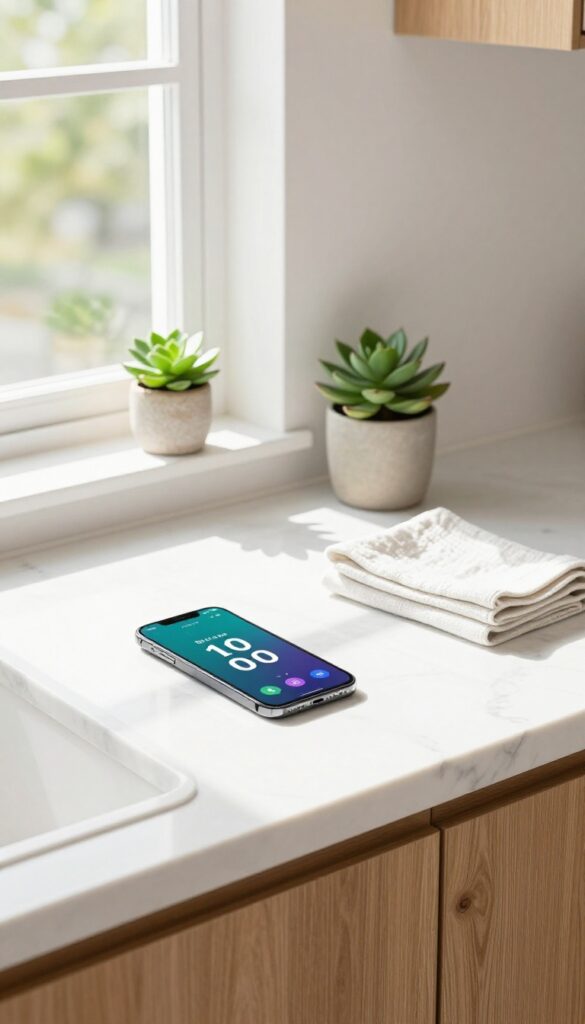
When your day is packed, the last thing you want is a big cleaning session. That's where the 10-minute reset comes in. It's a tiny commitment that keeps messes from snowballing, and it works because it's short enough to actually do.
You'll be surprised how much you can get done in the time it takes to brew a cup of coffee.
The 10-minute reset is all about focusing on the spaces that get the most traffic—the kitchen counters, the living room floor, the entryway. Set a timer on your phone or use a simple kitchen timer, and move quickly from one task to the next. Don't overthink it; just grab items that belong elsewhere and put them away, wipe down surfaces, and fluff pillows.
The goal isn't deep cleaning—it's keeping the chaos at bay. When the timer goes off, stop. You're done, and you can enjoy the rest of your evening without the guilt of a messy house.
Pick Your Hot Spots
Identify three or four areas that get messy the fastest—maybe it's the kitchen island, the coffee table, or the bathroom counter. Focus your 10 minutes on these spots. Clearing them each day prevents clutter from piling up and makes the whole house feel more put-together.
Make It A Habit
Attach the reset to an existing routine, like right after dinner or before you settle in for the night. Consistency is what makes this work. After a week, it'll feel weird not to do it.
You can even get the family involved—everyone grabs a few items and puts them where they belong.
2. Use the 'One-Touch' Rule for Clutter
Clutter piles up when you set things down 'just for a second' and then forget about them. The one-touch rule flips that habit: whenever you pick something up, you deal with it right away. It takes seconds, but it stops mess from multiplying in the first place.
The one-touch rule is simple: if you pick it up, put it where it belongs immediately. No 'I'll deal with it later. ' No 'I'll just set it here for now. ' Later becomes never, and the pile grows. This rule works because it removes the extra step of sorting and re-sorting later.
You're not cleaning more—just cleaning smarter.
Why The One-touch Rule Works
The one-touch rule works because it eliminates the 'sorting later' trap. When you put something away right away, you never have to handle it twice. That means less time spent organizing and more time for everything else.
Plus, it keeps your counters and tables clear, so the house looks tidier with zero extra effort.
How To Start Using It Today
Start small: pick one high-traffic area, like the kitchen counter or entryway table. For the next week, commit to putting every item you touch back in its spot. Keep a basket or tray nearby for things that don't have a home yet—just make sure to empty it at the end of the day.
You'll be surprised how quickly it becomes automatic.
Making It Stick For The Whole Family
Get everyone on board by making it a game. Challenge your kids to see who can put away the most items in five minutes. Or set a timer for 'one-touch time' before dinner.
The key is to keep it short and consistent. When everyone follows the rule, clutter has nowhere to hide.
3. Keep Cleaning Supplies Within Reach
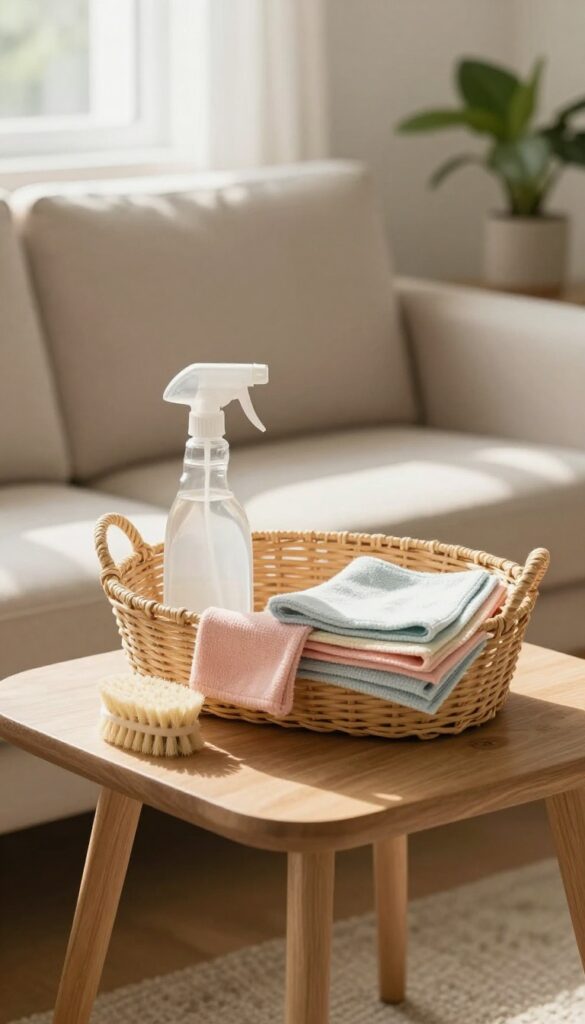
Ever walked into the kitchen with a sponge in hand, only to realize the spray bottle is upstairs? That tiny detour can kill your motivation in seconds. When supplies are scattered, cleaning feels like a treasure hunt—and nobody has time for that during a busy week.
The fix is simple: put a mini cleaning kit in every room you actually use.
The secret to quick cleanups is eliminating friction. If you have to search for a rag or a cleaner, you're less likely to bother. By stashing a caddy or a small basket in each main living area, you make it ridiculously easy to grab what you need and tackle a spill or dust bunny on the spot.
It turns cleaning from a planned event into a spontaneous habit.
What To Put In Each Caddy
You don't need a full arsenal—just the basics. A multi-surface cleaner, a few microfiber cloths, and a small trash bag cover 90% of everyday messes. Add a scrub brush if you have a kitchen caddy, and maybe a glass cleaner for bathrooms.
Keep it lightweight so you're not lugging a heavy bucket around.
Where To Stash Them
Think about where messes actually happen. Under the kitchen sink, on a shelf in the bathroom, or tucked in a corner of the living room are all smart spots. If you have kids, put a caddy in their play area too—they'll have no excuse not to wipe up their own crumbs.
Make It A Family Rule
Once the caddies are in place, set a simple rule: if you see a mess, grab the nearest caddy and handle it right then. This works wonders for busy parents and roommates. When everyone knows where supplies live, cleaning becomes a shared responsibility, not just yours.
4. Focus on High-Impact Zones Only
Not every corner of your home needs attention during a crazy week. Instead, zero in on the spots that make the biggest visual difference: the kitchen, bathroom, and entryway. A few quick wipes in these areas can instantly make your whole house feel more put-together.
Save the less-trafficked rooms for when you actually have a free hour.
The Kitchen: Where Messes Multiply
The kitchen is the heart of the home, and it shows. Focus on the countertops, sink, and stovetop. Wipe down surfaces with a multi-surface cleaner, load the dishwasher or wash the dishes that are piling up, and give the sink a quick scrub.
Even if the floor isn't mopped, a clear counter and shiny sink make the whole room feel cleaner.
The Bathroom: Quick Glow-up
A clean bathroom is a game-changer. Spend five minutes wiping the mirror, counter, and faucet. Swish some toilet cleaner in the bowl and give it a quick brush.
Hang fresh towels and toss the old ones in the laundry. These small moves make the bathroom look and smell fresh without a deep clean.
The Entryway: First Impressions Count
Your entryway sets the tone for your whole home. Keep it tidy by stashing shoes in a basket or closet, hanging coats, and clearing off any clutter. A quick sweep or vacuum of the floor helps too.
When you walk in the door, you'll feel a sense of calm, and guests will see a welcoming space.
5. Embrace the Power of a Laundry Basket
One of the sneakiest time-wasters is walking from room to room carrying single items that belong elsewhere. A laundry basket solves that by letting you gather everything in one go. It’s a simple tool, but it turns a chaotic sweep into a quick, satisfying reset.
Grab a laundry basket—or any sturdy bin—and start at the farthest point of your home. Walk through each room, tossing in anything that doesn’t belong there: a mug from the bedroom, a book from the bathroom, a toy from the hallway. No need to sort yet; just collect.
When the basket is full, or you’ve covered the whole house, take it to a central spot and put each item away. This method works because it eliminates the back-and-forth trips that eat up your time. You’re not cleaning—you’re just relocating.
And it’s shockingly fast.
Make It A Daily Habit
Set a timer for five minutes each evening and do a basket sweep. You’ll be amazed at how much you can collect in that short window. The key is consistency—doing a little every day prevents the pile-up from becoming overwhelming.
Get The Whole Family Involved
Turn it into a game for kids: see who can fill their basket fastest, or have them race to put items away. Even young children can help with simple tasks like carrying a basket to the living room. This not only lightens your load but also teaches responsibility.
Use A Basket For Each Floor
If you have a multi-level home, keep a basket on each floor. That way, you can collect items without having to carry them all the way downstairs. At the end of the day, do a quick run to return everything to its proper place.
6. Make Your Bed Every Morning
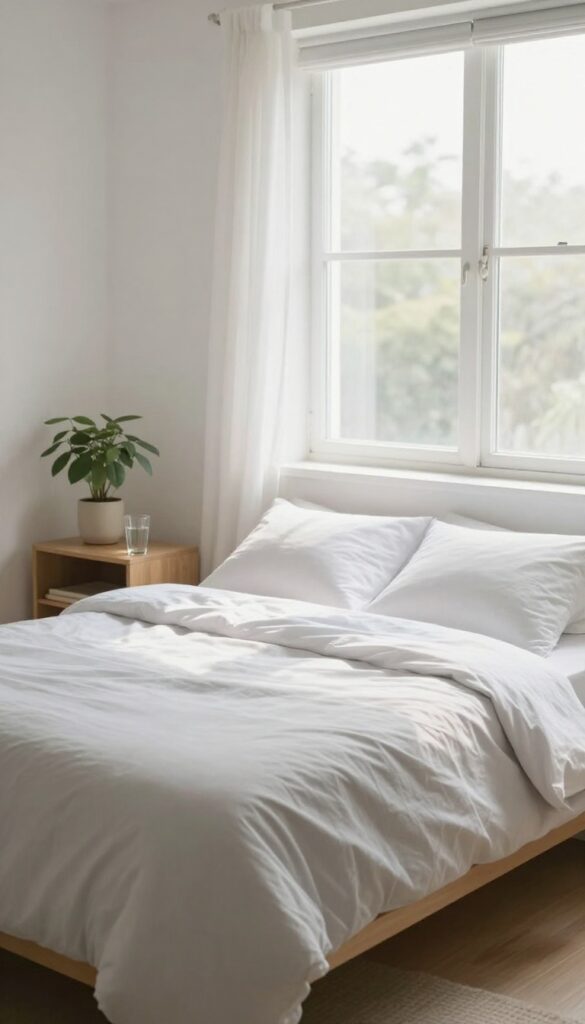
It’s the classic advice that somehow still feels optional. But making your bed is one of the fastest, most effective ways to make your whole home feel more put-together, even when the rest of the day is chaos. It takes under two minutes, requires zero skill, and gives you an instant visual win before you’ve even had coffee.
Beyond the tidy look, that small act sets a productive tone. You start the day with a completed task, which nudges you to keep going. It’s a tiny mental shift that can make a surprisingly big difference on a busy week.
The Two-minute Trick That Pays Off All Day
Set a timer if you need to—most beds take less than two minutes to straighten. Pull up the sheets, smooth the blanket, fluff the pillows. Done.
That simple action instantly makes your bedroom look 50% cleaner, even if the floor has laundry piles. It also removes the visual clutter that makes a room feel messy. Plus, coming home to a made bed feels like a small luxury.
After a long day, you’ll appreciate walking into a neat room instead of a tangled mess. It’s a low-effort, high-reward habit that costs nothing but a couple of minutes.
Why It Sets A Productive Tone
Starting the day with a completed task—no matter how small—gives you a psychological boost. It’s a win before you’ve even left the bedroom. That little sense of accomplishment can carry over into other chores, making you more likely to tackle the dishes or a quick vacuum later.
It also creates a ripple effect. When your bed is made, you’re less likely to toss clothes on it, and the room stays neater longer. That means less time spent tidying up later in the week.
Make It A Family Habit
If you have kids, get them in on the act. Even toddlers can help pull up a blanket or place a pillow. Make it a non-negotiable part of the morning routine, like brushing teeth.
Use a simple checklist or a fun reward chart to keep them motivated. For couples, split the duty or alternate days. The goal isn’t perfection—it’s consistency.
Once it becomes automatic, you’ll barely think about it, and your bedroom will thank you.
7. Clean as You Cook
The kitchen can turn into a disaster zone in minutes, especially when you're juggling a busy schedule. But there's a simple trick that flips the script: clean while you cook. Instead of letting dishes pile up and counters get sticky, use the natural downtime in cooking—like waiting for water to boil or sauce to simmer—to knock out small tasks.
It sounds almost too easy, but it genuinely saves you from facing a mountain of mess after dinner.
When you're cooking, those little pauses add up. A few minutes here and there might not seem like much, but they're perfect for tackling the small stuff that would otherwise turn into a big cleanup later. You'll finish your meal with a kitchen that's mostly tidy, and you'll actually get to enjoy your food instead of dreading the aftermath.
Wash As You Go
Start by washing the dishes you're done using. That cutting board, those measuring cups, the colander—rinse them and pop them in the sink or dishwasher right away. It takes seconds, and you won't have a crusty pile waiting for you after dinner.
Plus, it keeps your workspace clear so you can actually move around without knocking things over.
Wipe Down Surfaces Between Steps
While something's simmering or baking, grab a sponge or a cloth and give the counters a quick wipe. Spills and splatters are much easier to remove when they're fresh. You don't need to do a deep clean—just a fast pass over the main areas.
It takes less than a minute, and it makes a huge difference in how the kitchen looks and feels.
Load The Dishwasher While You Wait
Those in-between moments are perfect for loading the dishwasher. Instead of letting dirty dishes stack up by the sink, rinse them and put them straight in. That way, once dinner's over, all you have to do is add the plates and forks, start the machine, and you're done.
It's a small habit that saves you from a post-meal chore marathon.
Get The Family Involved
If you've got kids or a partner around, turn this into a team effort. Give everyone a small job—someone sets the table, someone wipes the counters, someone loads the dishwasher. It keeps the kitchen under control and teaches good habits.
Plus, it makes dinner prep feel less like a solo grind and more like a shared routine.
8. Assign a 'Clean-Up Song' for the Family
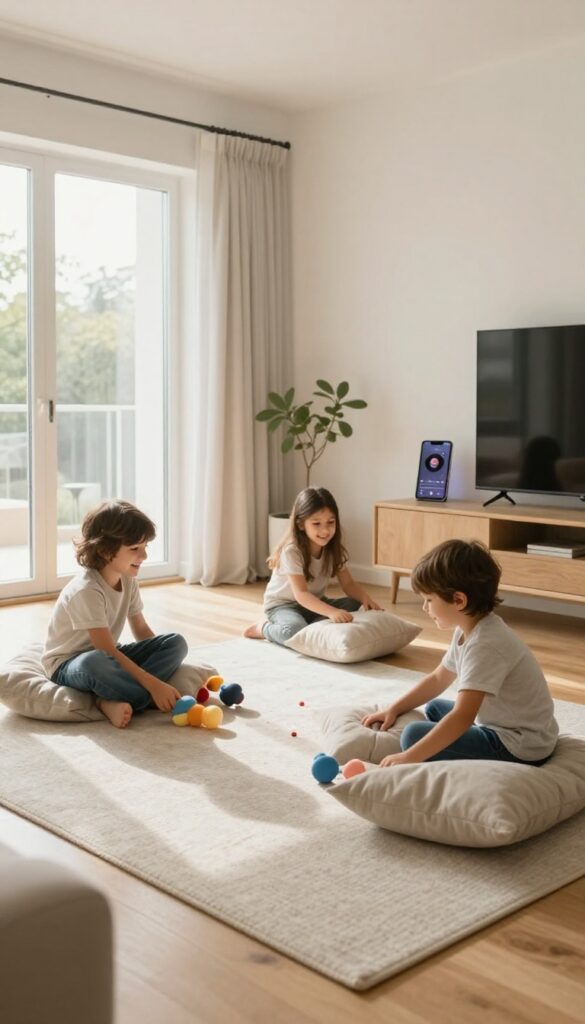
Music has a way of changing the mood in a room. When the house is a mess and everyone is dragging their feet, a favorite song can be the spark that gets things moving. This isn't about turning chores into a dance party—though that's a bonus—it's about using a timed challenge to make tidying up feel less like work and more like a game.
The idea is simple: pick a song that everyone enjoys, set a timer for its duration, and challenge the family to pick up as much as possible before the final note. It turns a vague instruction like "clean the living room" into a concrete, fun activity with a clear end point. Kids especially respond to the urgency and the playful competition, and adults can get caught up in the rush too.
Why A Song Works Better Than A Timer
A timer feels like a countdown to punishment, but a song is an invitation to move. The rhythm naturally speeds up your pace, and the music keeps everyone entertained. Plus, when the song ends, you have a natural stopping point—no need to check the clock or wonder if you've done enough.
It's a built-in reward: you get to hear the whole song, and you get a cleaner space.
How To Make It A Family Habit
Start by letting each family member take turns picking the song. That gives everyone a sense of ownership and makes them more likely to join in. Keep a playlist of upbeat, high-energy tracks that are around three to four minutes long—long enough to make a dent, short enough to keep the momentum.
You can even rotate the "clean-up song" each week to keep it fresh.
Turning It Into A Game
Add a little friendly competition by giving each person a specific zone or a bag to fill. See who can collect the most items in the time it takes to play the song. Or, if you want to avoid rivalry, set a family goal like "everyone picks up 10 things" and celebrate together when you hit it.
The key is to keep it light and fun, not stressful.
9. Keep a 'Clutter Catcher' Near the Door
The entryway is ground zero for daily chaos—keys, mail, sunglasses, and that random thing you grabbed on the way out. When there's no designated spot, everything ends up on the kitchen counter or dining table. A simple basket or tray by the door changes that instantly.
Place a basket or tray by the entryway for keys, mail, and other daily items. This gives everything a designated spot and prevents countertop clutter. Empty it into the right rooms during your daily reset.
Choose The Right Basket Or Tray
Pick something that fits your style and space—a shallow tray for keys and small items, or a deeper basket for mail and packages. Make sure it's easy to grab from, not a black hole. If you have a console table, that's perfect.
No table? A wall-mounted shelf or a hook with a hanging organizer works just as well.
Make It A Family Habit
Get everyone on board by labeling spots or just making it the obvious place. When you walk in, drop your keys there—every time. Kids can toss their school papers and water bottles in a separate bin.
The goal is to make it the first stop, not a random toss.
Empty It During Your Daily Reset
Once a day, sort through the basket. Mail goes to the desk or recycling, keys stay (they're fine), and stray items return to their homes. This takes two minutes and keeps the clutter from becoming a permanent fixture.
It's a tiny habit that prevents a mountain from forming.
10. Use Multi-Purpose Cleaners
Switching between a glass spray, a counter spray, a floor cleaner, and a bathroom scrubber eats up precious minutes. Multi-purpose cleaners cut that down to one bottle. When you grab a single product that works on most surfaces, you move faster and think less.
A good all-purpose cleaner simplifies your routine. You don't need a different product for every room. One spray can handle kitchen counters, bathroom sinks, glass tables, and even some floors.
This means fewer trips to the supply closet and less time reading labels.
Pick One That Actually Works
Not all multi-purpose cleaners are equal. Look for one that cuts grease, dissolves soap scum, and doesn't leave streaks on glass. Test it on a small area first.
Once you find a winner, keep a bottle in every major room so you're never hunting for it.
Keep It Within Reach
Store your multi-purpose cleaner where you actually clean. Keep one under the kitchen sink, one in the bathroom cabinet, and maybe a small spray bottle in a caddy for quick touch-ups. When it's visible and easy to grab, you're more likely to use it.
Stick To The Same Product Everywhere
Consistency helps. When you use the same cleaner throughout the house, you learn exactly what it can handle. You stop second-guessing whether it's safe for a surface.
That confidence speeds up your cleaning and reduces the mental load.
11. Do a 5-Minute Bathroom Blitz
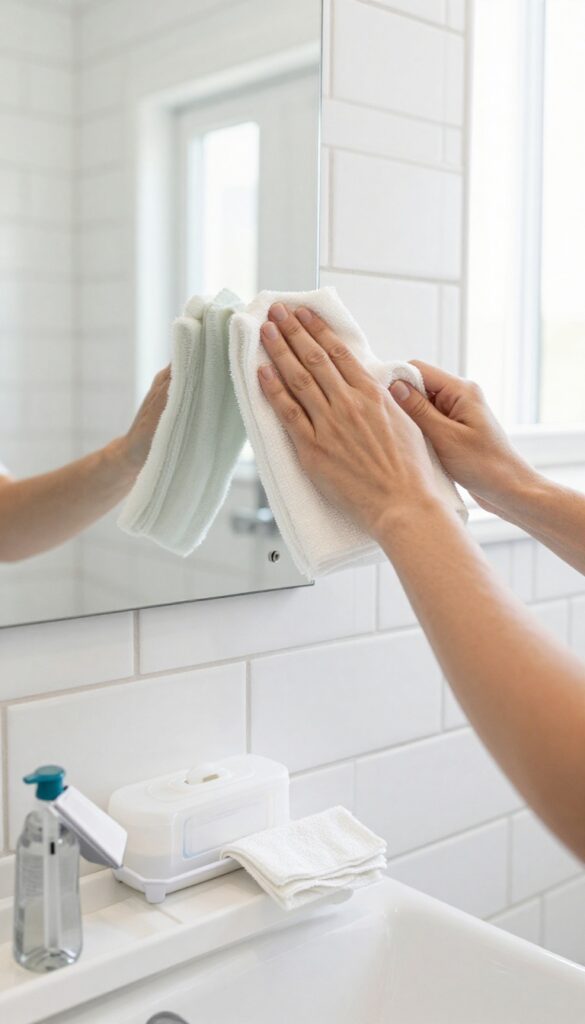
Bathrooms can get rough fast, especially when everyone's rushing in and out. But you don't need a deep clean every day to keep it looking decent. A quick daily blitz can make a huge difference.
What To Hit In 5 Minutes
Keep a pack of disinfecting wipes under the sink or in a caddy. Each morning, wipe down the sink, the toilet handle, and the mirror. These are the spots that show grime fastest and are the first things guests notice.
A quick pass takes less than a minute per surface.
Make It A Habit, Not A Chore
Tie this blitz to something you already do, like brushing your teeth or waiting for your coffee to brew. You'll barely notice the extra minute, but the payoff is huge. No more scrubbing caked-on toothpaste or mysterious splatters later.
The Magic Of A Caddy
Put your wipes, a small squeegee, and maybe a microfiber cloth in a caddy that stays in the bathroom. That way you're not hunting for supplies. If you have kids, assign them the mirror and sink while you tackle the toilet handle.
It's a team effort that takes no time at all.
12. Schedule a Weekly 'Power Hour'
Sometimes the mess piles up so fast that a quick daily wipe-down just doesn't cut it. That's where a dedicated Power Hour comes in—a set time each week to tackle those deeper tasks that tend to get pushed aside. It's not about spending your whole Saturday cleaning; it's about carving out one focused hour to reset your space.
Pick a time that works for you—maybe Sunday evening or Wednesday morning—and block it off on your calendar. Treat it like an important appointment, because it is. During this hour, you'll knock out the chores that don't happen daily, like vacuuming under the couch, mopping the kitchen floor, or wiping down the fridge shelves.
The key is to keep it to just one hour so it feels manageable, not overwhelming.
Break It Into 15-minute Chunks
If an hour sounds too long, split it into four 15-minute sprints. Set a timer and focus on one area or task for each chunk. For example, 15 minutes for vacuuming the main living areas, 15 for mopping the kitchen, 15 for cleaning the bathroom sink and toilet, and 15 for decluttering the entryway.
Short bursts feel less daunting and help you stay on track.
Rotate Tasks Weekly
You don't have to deep-clean everything every week. Instead, create a rotating list. One week, focus on the kitchen and fridge; the next, tackle the bathroom and baseboards.
This way, over a month, you cover all the major areas without burning out. It also keeps the Power Hour from feeling repetitive.
Get The Family Involved
You don't have to do it alone. Assign each family member a 15-minute task during the Power Hour. Even young kids can wipe down doorknobs or pick up toys.
Turn on some upbeat music and make it a team effort. When everyone pitches in, the hour goes faster and the house gets cleaner.
13. Lower Your Standards (Just a Little)

Perfection is the enemy of progress, especially when your calendar is packed. The truth is, a spotless home during a hectic week is a fantasy. Giving yourself permission to aim for 'tidy enough' instead of 'perfect' can be a game-changer.
It's not about giving up; it's about being realistic and kind to yourself.
When you're juggling work, family, and a million other things, expecting a showroom-clean house is setting yourself up for disappointment. Lowering your standards doesn't mean living in filth—it means prioritizing what truly matters and letting go of the rest. This shift in mindset can reduce stress, free up time, and help you feel more at peace in your own home.
Define 'tidy Enough'
Sit down and decide what 'tidy enough' looks like for you. Maybe it's dishes done daily, but laundry can wait. Or perhaps the living room needs to be picked up, but the guest room can stay messy.
Write it down if you have to. Having a clear, personal definition takes the guesswork out of cleaning and gives you permission to stop when you've hit that mark.
Focus On High-impact Areas
Not all messes are created equal. Focus your energy on the areas that affect your daily life the most—the kitchen counter, the bathroom sink, the entryway. A quick wipe-down of these spots can make the whole house feel more manageable.
Leave the deep cleaning for when you actually have time, and don't sweat the corners or baseboards.
Remind Yourself It's Temporary
Busy weeks don't last forever. When you feel guilty about the clutter, remind yourself that this is a temporary situation. Your home doesn't have to be perfect right now; it just needs to be functional.
Once things calm down, you can tackle the bigger cleaning tasks. For now, give yourself a break and focus on what's really important: your sanity.
FAQ
How can I keep my house clean when I have no time?
Focus on small, consistent habits like a 10-minute daily reset and cleaning as you go. Prioritize high-traffic areas and use multi-purpose cleaners to save time. Remember, a little effort each day beats a marathon cleaning session.
What are the best cleaning shortcuts for busy people?
Keep supplies within reach, use the one-touch rule, and do quick blitzes on bathrooms and kitchens. Also, involve the whole family with a clean-up song or timed challenges to make it fun and fast.
How do I get my family to help keep the house clean?
Make cleaning a shared activity with games like a clean-up song or a timer challenge. Assign specific tasks to each person and keep expectations clear. Positive reinforcement and a tidy reward can also motivate everyone.
What should I clean first in a busy week?
Start with the areas that have the most impact: the kitchen, bathroom, and entryway. These are the spaces that are most visible and used. A quick wipe-down of these zones can make your whole home feel cleaner.
Is it okay to have a messy house during a busy week?
Absolutely. It's normal to have a less-than-perfect home when life gets hectic. The key is to maintain a baseline of tidiness with small habits, and don't stress over perfection.
Your mental health is more important than a spotless house.
Conclusion
Keeping your house clean during hectic weeks doesn’t require perfection—just a few smart shortcuts that fit your schedule. Start with the two or three strategies that feel easiest, whether that’s a 10-minute reset or a load of laundry before bed. Consistency beats intensity, so pick what you’ll actually stick with.
Before you know it, you’ll have a system that keeps your home livable without stealing time from the things that matter most. Try one new habit this week and see how much lighter the chaos feels.