15 How to Keep My House Clean with Realistic Daily Habits
Keeping a house clean often feels like a full-time job, but it doesn't have to be. The secret isn't marathon cleaning sessions—it's weaving small, realistic habits into your daily flow.
These 15 habits are designed to fit into your routine without overwhelming you, so you can maintain a tidy home with minimal effort. From making your bed to a quick evening tidy-up, each one is simple, practical, and sustainable.
Start with a few that resonate, and you'll notice the difference in no time.
1. Make Your Bed Every Morning

There's a reason why so many productivity experts swear by making your bed first thing. It's a tiny task that takes less than two minutes, yet it instantly transforms your bedroom from chaotic to calm. Plus, it gives you a small sense of accomplishment before you've even had your coffee.
Making your bed is the ultimate quick win. When you walk back into your room later, the neatness feels inviting instead of stressful. It also sets a psychological trigger: completing this small task makes you more likely to tackle other chores throughout the day.
And on busy mornings, even just pulling up the duvet and smoothing the pillows makes a huge visual difference.
The Two-minute Rule
You don't need to do hospital corners or fluff every pillow. Simply straighten the sheets, pull up the comforter, and arrange the pillows. If you're really pressed for time, just smooth the top layer.
The goal is to make the bed look 'done' from the doorway, not to achieve perfection.
Build The Habit With Triggers
Anchor this habit to something you already do every morning, like brushing your teeth or starting your coffee. After you brush, make the bed. Within a week, it'll feel automatic.
You can also lay out your bedding so it's easy to pull up—no struggling with tangled sheets.
Why It Sets The Tone
A made bed creates a sense of order that carries into the rest of your day. It's a small commitment to yourself that you're taking care of your space. When you come home to a neat bedroom, it feels like a retreat, not a mess you have to face.
That mental shift is worth more than the two minutes it takes.
2. Wash Dishes Immediately After Meals
The sight of a sink full of dirty dishes can drain your motivation before you even start. It’s one of those chores that feels heavier the longer it waits. But here’s the trick: don’t let them wait at all.
Washing dishes right after you eat is a simple habit that keeps your kitchen looking fresh and your mind at ease. No more scrubbing crusted food or dealing with lingering smells.
When you wash dishes immediately, you prevent food from hardening onto plates and pots, making the job faster and easier. It also stops odors from developing and keeps pests away. Plus, a clean sink acts as a visual cue that your kitchen is under control, which can motivate you to keep other areas tidy too.
This habit is especially helpful if you have a busy schedule—spending just five minutes after each meal saves you from a daunting pile-up later.
Why Waiting Makes It Worse
Leaving dishes to soak might seem helpful, but it often leads to a bigger mess. Food particles can attract bacteria and even fruit flies. The longer you wait, the more scrubbing you’ll need, and the less likely you’ll feel like doing it.
By tackling dishes right away, you avoid the guilt and the grime.
Make It A Family Rule
Get everyone in the household involved. Assign each person to rinse and stack their own dishes or take turns washing. This not only lightens your load but also teaches responsibility.
Kids can help by wiping down counters or putting away utensils. When everyone chips in, the habit becomes second nature.
Quick Routine For Busy Mornings
If you’re rushing out the door, at least rinse dishes and place them in the dishwasher or a soapy basin. This prevents food from drying on. When you return, you can wash them quickly without extra effort.
A little pre-rinse goes a long way in keeping your kitchen manageable.
3. Wipe Down Kitchen Counters Before Bed
A quick nightly wipe-down of counters removes crumbs, spills, and sticky spots, so you wake up to a fresh kitchen. It’s a small task that takes less than a minute but sets the tone for a clean start. Plus, it prevents grime from building up, making deep cleaning easier later.
Make it a habit to clear the counters first, then give them a fast wipe with a damp cloth or disinfectant wipe. Focus on the areas where you prep food and near the sink. This simple action not only keeps your kitchen looking tidy but also reduces the chance of attracting pests.
Why It Matters
Crumbs and spills left overnight can harden, making them harder to clean in the morning. They also invite ants and other bugs. A nightly wipe prevents this buildup, keeping your kitchen hygienic and inviting.
How To Make It Stick
Pair this habit with something you already do, like brewing coffee or setting out breakfast items. Keep cleaning supplies within arm’s reach, so you don’t have to search for them. Over time, it becomes automatic.
What To Use
A microfiber cloth and a gentle all-purpose cleaner work for most surfaces. For stone or quartz, use a pH-neutral cleaner to avoid damage. If you prefer eco-friendly options, a vinegar-water solution is effective on many surfaces.
4. Do a 10-Minute Daily Tidy-Up

Evenings can get chaotic, and the last thing you want to do is clean. But a quick 10-minute tidy-up before you unwind can make a world of difference. It’s not about deep cleaning—just resetting your space so you wake up to a fresh start.
Set a timer, move through the main living areas, and put things back where they belong. You’ll be surprised how much you can accomplish in such a short time. Plus, it’s a great way to end the day on a productive note.
The 10-minute tidy-up is a simple yet powerful habit that prevents clutter from piling up. By dedicating just a small block of time each evening, you can keep your home consistently neat without feeling overwhelmed. This habit works because it’s short, focused, and easy to stick with.
Why It Works
A short, timed session creates a sense of urgency that helps you stay focused. Instead of aimlessly wandering, you’ll quickly spot items that are out of place and return them. This prevents mess from accumulating, so you never face a daunting cleaning session later.
How To Get Started
Pick a time that works for you—right after dinner, before bed, or whenever you have a few minutes. Set a timer on your phone or use a fun playlist that’s about 10 minutes long. Start with the most visible areas, like the living room and kitchen counters, and work your way through.
What To Focus On
Prioritize tasks that have the biggest visual impact: fluff pillows, fold blankets, clear coffee tables, and put away stray items like shoes or mail. Wipe down surfaces if time allows. The goal is to make the room look tidy, not to deep clean every corner.
Make It A Family Affair
Get everyone involved by making it a game. Set a timer and challenge family members to see who can put away the most items. This not only lightens your load but also teaches kids the importance of tidying up.
Plus, it turns a chore into a fun, shared activity.
5. Use the Two-Minute Rule
Ever notice how a stray sock or a single coffee mug can multiply overnight? Small tasks left undone pile up fast, turning a tidy room into a cluttered one without you even realizing it. The two-minute rule is a simple trick that stops this buildup before it starts: if a task takes less than two minutes, just do it right away.
It’s a tiny shift in mindset that saves you from bigger cleaning sessions later.
The two-minute rule works because it catches small chores at the moment they appear, so they never become part of a larger mess. Instead of telling yourself you’ll deal with it later, you handle it immediately. This habit keeps surfaces clear, reduces mental clutter, and makes your daily cleaning feel lighter.
Best of all, it’s flexible—you can apply it to almost any quick task, from wiping a counter to hanging up a coat.
Catch The Small Stuff Before It Grows
The magic of the two-minute rule is that it stops messes from snowballing. A dirty spoon in the sink becomes a pile of dishes if you ignore it. A pair of shoes by the door becomes a pile of shoes.
When you handle these tiny tasks right away, you never have to face an overwhelming cleanup later. It’s about nipping clutter in the bud, one quick action at a time.
Build Momentum Without Overthinking
Two minutes is short enough that you won’t talk yourself out of it. You don’t need to plan, schedule, or prepare—you just do it. This immediate action builds momentum, making it easier to keep going with other small tasks.
Before you know it, you’ve tidied up without even making a conscious effort. That feeling of accomplishment can motivate you to tackle a slightly bigger chore next.
Turn It Into A Habit With Reminders
To make the two-minute rule stick, give yourself gentle cues. Place a small basket by the door for items that need to be put away, or keep wipes under the sink for quick counter wipes. You can also set a phone reminder for a few times a day to check for quick tasks.
Over time, this becomes automatic, and you’ll find yourself doing two-minute tasks without even thinking about it.
6. Keep Cleaning Supplies Within Reach
Nothing kills a cleaning spree faster than having to hunt for supplies. If you have to walk to the other end of the house just to grab a cloth, that spill might sit for hours. The fix is simple: put cleaning tools where the messes happen.
Store a multi-purpose cleaner and a few microfiber cloths in each major room, especially the kitchen, bathroom, and living areas. When you spot a spot, you can handle it right then and there—no excuses, no delay.
Keeping cleaning supplies within reach turns a chore into a reflex. Instead of letting crumbs, toothpaste splatters, or coffee rings sit until the weekend, you can wipe them up in seconds. This habit saves time and keeps your home looking consistently tidy.
Start by identifying the high-traffic areas where messes occur daily. Then, create small caddies or baskets that hold just the essentials—no need to duplicate your entire cleaning arsenal. A few items in each room are enough to handle most small spills and smudges.
What To Stock In Each Room
For the kitchen, keep an all-purpose spray and a stack of microfiber cloths under the sink or in a cabinet near the stove. In the bathroom, a small caddy with a glass cleaner and disinfecting wipes works wonders. For living areas, a simple spray bottle and a cloth inside a decorative basket can blend into your decor.
Don't forget a small trash bag or bin in rooms where you often snack or craft.
Make It Look Nice
You don't have to sacrifice style for function. Choose a stylish caddy or a pretty glass spray bottle that fits your room's aesthetic. Hide supplies inside a cabinet, on a shelf, or in a basket that matches your decor.
When your cleaning tools are easy to see and reach, you'll actually use them—and they won't make your space feel cluttered.
Build The Habit
The key is to make cleaning as easy as possible. When you see a spot, grab the nearby cloth and spray, wipe it up, and move on. Over time, this becomes second nature.
You'll catch messes before they set in, which means less scrubbing later. Plus, you'll feel a sense of accomplishment every time you handle a small mess instantly.
7. Sweep or Vacuum High-Traffic Areas Daily
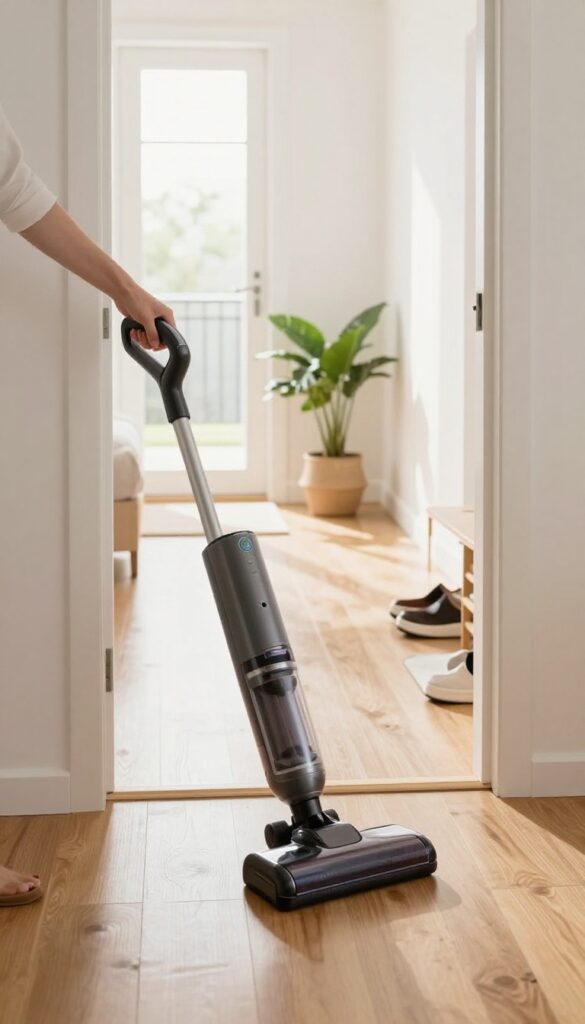
Think about every step you take from the front door to the kitchen. Dirt, dust, and tiny debris hitch a ride on your shoes and scatter across the floor. A quick daily pass over these busy zones stops the mess before it spreads.
It’s a small effort that pays off in a visibly cleaner home.
Focus on entryways, hallways, and the kitchen—the spots where everyone walks and where crumbs tend to land. You don’t need to deep-clean every room; just target the paths that see the most action. A two-minute sweep or a quick vacuum run is enough to keep things looking tidy and prevent grit from grinding into floors.
Why These Spots Matter Most
High-traffic areas collect the bulk of dirt, pollen, and outdoor debris. If left alone, these particles get tracked into carpet fibers and scratches on hard floors. By addressing them daily, you reduce the need for frequent deep cleans and extend the life of your flooring.
Make It Effortless
Keep a lightweight vacuum or a broom and dustpan within reach—no hauling equipment from a closet across the house. Pair the task with a routine you already have, like while waiting for your morning coffee or after dinner. Consistency beats intensity, and a quick pass is always better than skipping it entirely.
Don’t Forget The Corners
A simple sweep often misses the edges where dust bunnies like to hide. Use a crevice tool on your vacuum or give corners a quick flick with a broom every few days. It’s a tiny extra step that makes a noticeable difference, especially in rooms with baseboards.
8. Clean as You Cook
Cooking can leave a trail of chaos, but it doesn't have to. By adopting a clean-as-you-go approach, you can turn meal prep into a tidy, efficient process. This habit not only saves you from a daunting post-dinner cleanup but also keeps your kitchen feeling calm and organized while you work.
Washing utensils, wiping spills, and putting away ingredients as you cook are simple actions that prevent mess from piling up. You'll finish your meal with a kitchen that's mostly clean, making the final cleanup a breeze. Plus, a clutter-free workspace makes cooking more enjoyable and less stressful.
Prep Smart, Clean Smart
Before you start cooking, set up a small bin or bowl for scraps and used utensils. As you chop vegetables or measure ingredients, toss peels and wrappers directly into the bin. When you're done with a cutting board or knife, give it a quick rinse and set it aside.
This keeps your counter clear and prevents cross-contamination.
Wash As You Wait
Use the downtime while food simmers or bakes to wash dishes and wipe down surfaces. If you're waiting for water to boil, take that minute to scrub a pot or put away spices. These small pockets of time add up, and you'll be amazed at how much you can accomplish without extra effort.
Put Away Ingredients Immediately
After measuring or using an ingredient, return it to the fridge, pantry, or spice rack right away. This not only keeps your counters clear but also helps you avoid forgetting to put away perishables. It also makes it easier to see what you have, reducing food waste and saving you time on future grocery trips.
9. Sort Mail and Papers Daily
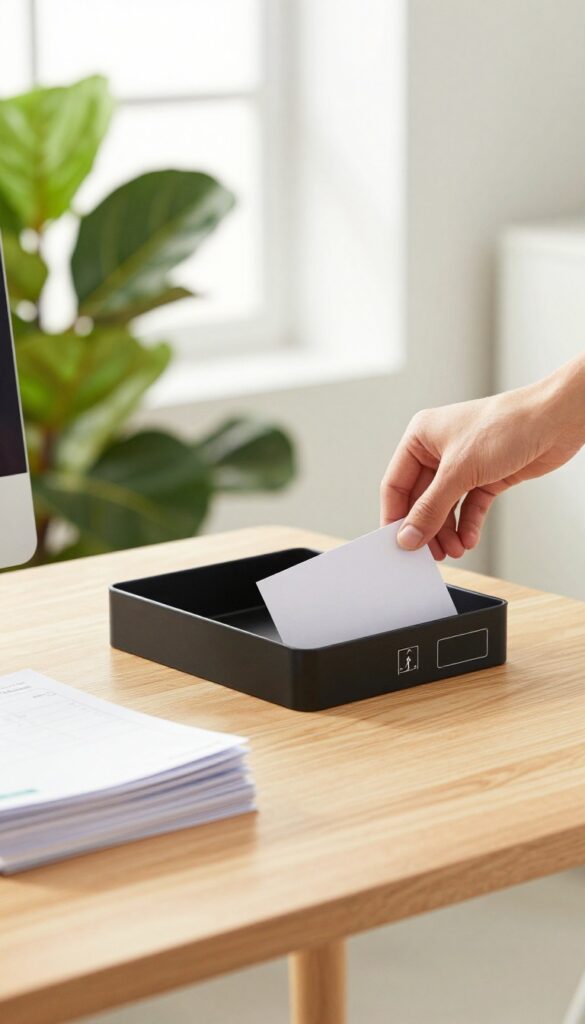
Paper clutter has a sneaky way of piling up—bills, flyers, school notes, and random receipts can turn a countertop into a mess in just a few days. The fix isn't a monthly purge; it's a daily habit that takes only a few minutes. By sorting mail and papers as soon as they come in, you stop the buildup before it starts.
Make it a rule to handle paper the moment it enters your home. Stand near the recycling bin or shredder and quickly decide: keep, act, or toss. This tiny habit keeps surfaces clear and your mind at ease.
Create A Simple Sorting System
You don't need a fancy filing cabinet. A small tray for bills, a folder for important documents, and a recycling bin within arm's reach are enough. Label each container so you know exactly where everything goes.
When mail arrives, sort it right away—don't let it sit in a pile.
Toss Junk Immediately
Most mail is junk: catalogs, credit card offers, and flyers. Don't even give them a second glance. Toss them straight into recycling.
This alone cuts down most of the paper clutter. For sensitive documents like bank statements, use a shredder to protect your identity.
File Important Papers Right Away
For the few papers you need to keep—like insurance forms or tax documents—file them immediately. If you wait until later, they'll become part of the pile. Use a simple alphabetical system or a few labeled folders.
This way, you'll always find what you need without digging through stacks.
Set A Daily Paper Time
Pick a specific time each day to handle mail, maybe right after you get home or after dinner. Make it a habit by pairing it with something you already do, like making tea. Consistency is key—even five minutes a day keeps paper from taking over.
10. Have a Spot for Everything
A place for everything and everything in its place—it's a saying for a reason. When every item has a designated home, tidying up becomes a no-brainer. You'll spend less time deciding where things go and more time enjoying your clean space.
Assigning a home to your everyday items is like giving your house a map. It eliminates the chaos of random piles and makes cleanup a quick, automatic task. Start with the items you use daily: keys, bags, remote controls, and mail.
Once they have a spot, you'll naturally put them back.
Start With The High-traffic Zones
Think about the areas where clutter tends to gather: entryway, living room, and kitchen counters. Place a small tray or bowl by the door for keys and sunglasses. Keep a basket for mail and a catch-all for remote controls on the coffee table.
These simple stations catch the daily overflow before it spreads.
Make It Obvious And Easy
The best storage is the kind you don't have to think about. Use clear bins, labels, or open baskets so you can see what goes where. If you have to open a drawer or move a pile to put something away, you're less likely to do it.
Keep the most-used items at eye level or within arm's reach.
Create A Daily Reset Routine
At the end of the day, take five minutes to return things to their spots. Walk through the main rooms and collect anything that's out of place. This quick reset keeps clutter from accumulating.
Over time, it becomes a habit, and your house stays tidy with minimal effort.
11. Do a Load of Laundry Daily
Laundry has a way of multiplying when you ignore it. One day you have a small pile, and the next it's taken over the bedroom floor. Running one small load each day keeps the mountain from forming in the first place.
It sounds like a lot, but it's actually less work than marathon laundry days.
The magic of daily laundry is that you never face a giant pile again. A single load takes about five minutes to sort and start, and you can fold while watching TV or listening to a podcast. The key is to fold and put away clothes promptly—wrinkles and clutter don't stand a chance when you handle them right away.
Start Small And Stay Consistent
You don't need to wash everything every day—just one load. Pick a time that works, like morning or right after work, and make it part of your routine. Consistency beats intensity, and a small daily habit is easier to stick with than a weekend marathon.
Fold And Put Away Immediately
Leaving clothes in the dryer or basket leads to wrinkles and chaos. Fold as soon as the dryer buzzes, and put everything away right then. If you're short on time, set a timer for ten minutes and race the clock—it's amazing how fast you can clear a load when you focus.
Make It Easier With A Simple System
Keep a hamper in the bathroom and another in the bedroom so dirty clothes don't end up on the floor. Sort as you go—use separate hampers for lights and darks if that helps. The less effort it takes to start a load, the more likely you'll keep up the habit.
12. Wipe Down Bathroom Surfaces After Use
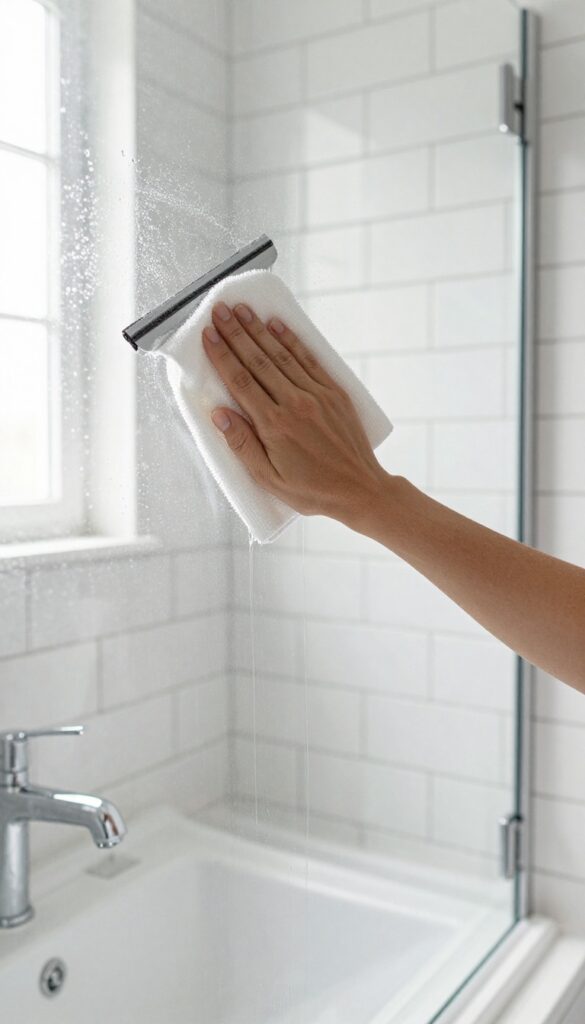
Bathrooms can get grimy fast, but a quick wipe-down after each use keeps them fresh without a deep scrub. It’s one of those habits that saves you from weekend cleaning marathons. All you need is a squeegee or a microfiber cloth handy.
Make it a rule to spend 30 seconds after brushing your teeth or showering to wipe down the sink, counter, and mirror. For the shower, a quick squeegee on the glass or tiles prevents soap scum and water spots from building up. This small effort keeps your bathroom looking clean and reduces the need for harsh cleaners.
Keep Supplies Within Reach
Store a squeegee in the shower and a cloth under the sink. When everything is visible and easy to grab, you're more likely to use it. No hunting for supplies means the habit sticks.
Make It Part Of Your Routine
Pair the wipe-down with an existing habit, like after you finish your morning routine or before you leave the bathroom. Link it to something you already do, so it becomes automatic.
Focus On High-impact Areas
You don’t have to wipe everything—just the spots that show grime fastest: the sink basin, faucet, mirror, and shower door. These are the surfaces that make the bathroom look dirty even if it’s not.
13. Take Out Trash and Recycling Regularly
Overflowing bins are more than just an eyesore—they can turn your whole kitchen into a source of bad smells and even attract pests. The fix is simpler than you think: empty them as soon as they're full, and do a quick daily check to stay ahead of the mess. This habit isn't about obsessing over every crumb.
It's about creating a rhythm that keeps your home feeling fresh without extra effort. Once you get into the swing of it, you'll wonder why you ever let the trash pile up.
Emptying the trash might seem like a no-brainer, but it's easy to let it slide until the bin is overflowing. A quick daily check—maybe right after dinner or before bed—can make a huge difference. You'll avoid the scramble to stuff one more bag in, and you'll keep odors from lingering.
Recycling is just as important. When recyclables pile up, they can take over your counter or floor space. Set a routine to take them out when the bin is full, and you'll keep your home looking tidy and organized.
Set A Daily Trash Check
Pick a specific time each day to glance at your trash and recycling bins. It could be after breakfast, when you get home from work, or right before bed. The key is consistency.
A quick look takes less than a minute, and you'll catch full bins before they become a problem. If you live with others, make it a shared habit. A simple 'I'll take it out today, you get it tomorrow' can keep things fair and prevent resentment.
Before you know it, it'll be second nature.
Use The Right Bags And Liners
Using the right size bag for each bin makes taking out the trash easier. If the bag is too small, it tears or doesn't fit properly. Too big, and you're wasting plastic.
Match the bag to the bin, and keep a box of spare liners nearby for quick swaps. For recycling, skip the bag if your local service allows it—just rinse containers and toss them in loose. This cuts down on plastic waste and makes the bin lighter to carry.
Keep Odors At Bay
Even if you empty bins regularly, smells can linger. A sprinkle of baking soda at the bottom of the bin absorbs odors, and a quick wipe-down with a disinfectant spray once a week keeps things fresh. For food scraps, consider a small countertop compost bin with a charcoal filter, so you're not running to the outside bin every time you peel a carrot.
Don't forget to take out the trash before it starts to smell—especially in warmer months. A little prevention goes a long way.
14. Declutter One Small Area Each Day
Clutter doesn't appear overnight—it builds up gradually, one item at a time. Instead of waiting for a weekend purge, tackle a tiny spot daily. A drawer, a shelf, or a corner can be transformed in just five minutes, and these micro-sessions add up to a noticeably tidier home without the overwhelm.
The key is to keep it small and specific. Choose one area that's manageable, like a junk drawer, a bathroom cabinet, or a stack of mail on the counter. Set a timer for five minutes and sort through it: toss what's broken, recycle what's paper, and put back what belongs.
You'll be surprised how much you can accomplish in such a short burst.
Why Small Wins Matter
Big decluttering projects feel exhausting before you even start. But a five-minute session lowers the barrier to entry, so you're more likely to do it daily. Each small win builds momentum and keeps clutter from spiraling into a mountain.
Over a month, that's over two hours of decluttering—without ever feeling like a chore.
How To Pick Your Spot
Don't overthink it. Start with the area that annoys you most, like a cluttered entryway table or a stuffed closet shelf. If you're not sure, rotate through high-traffic zones: kitchen counters, bathroom counters, and living room surfaces.
The goal is to make it a habit, not a project. Once you've cleared one spot, move on to the next.
Make It Stick
Pair your decluttering session with an existing habit, like after morning coffee or before bed. Keep a small basket or bin nearby to collect items that belong elsewhere, then put them away once the timer ends. If you miss a day, don't stress—just pick it up the next day.
Consistency beats perfection.
15. Involve the Whole Family

Cleaning doesn't have to be a solo mission. When everyone pitches in, the workload shrinks and the house stays tidier with less effort on your part. Plus, it teaches kids valuable life skills and a sense of responsibility.
Assigning simple, age-appropriate chores to each family member turns cleaning from a chore into a team effort. Even toddlers can help by putting toys in a bin, while older kids can handle making beds or sorting laundry. The key is to make tasks specific and manageable, so no one feels overwhelmed.
Start With A Family Meeting
Gather everyone and explain that keeping the house clean is a shared job. Let each person choose a task they prefer, or rotate chores weekly to keep things fair. This way, everyone feels heard and more willing to help.
Make Chores Fun And Rewarding
Turn cleaning into a game with a timer or a playlist of upbeat songs. You can also create a sticker chart for younger kids, with a small reward after a week of completed tasks. Positive reinforcement goes a long way in building good habits.
Set Clear Expectations
Write down each person's chores and post the list somewhere visible, like the fridge. Be specific about what 'clean' means—for example, 'make your bed' or 'put dirty clothes in the hamper. ' This avoids confusion and excuses.
Lead By Example
Kids learn best by watching you. If you're consistent with your own chores and keep a positive attitude, they'll likely follow suit. Avoid complaining about cleaning; instead, show that it's just a normal part of daily life.
FAQ
How can I keep my house clean if I have a busy schedule?
Focus on small, consistent habits like the two-minute rule and daily 10-minute tidy-ups. These require minimal time but prevent messes from accumulating.
What are the most important daily cleaning habits?
Making your bed, washing dishes immediately, wiping down counters, and doing a quick nightly tidy are some of the most impactful habits.
How do I get my family to help keep the house clean?
Assign specific chores to each person, make it a game, and lead by example. Consistency and positive reinforcement work well.
Is it better to clean a little every day or do a big cleaning once a week?
Daily small cleanings are more effective because they prevent dirt and clutter from building up, making weekly deep cleans easier and less overwhelming.
What if I miss a day of my cleaning routine?
Don't stress. Just pick up where you left off the next day. The goal is consistency, not perfection.
Conclusion
Keeping your house clean doesn't have to mean chasing perfection every single day. By stacking a few small, realistic habits into your routine, you'll notice the clutter and grime stay manageable without burning out. Start with just one or two of these ideas that feel easy, then build from there.
That consistency is what actually keeps your home feeling fresh. You don't need a marathon cleaning session—just a handful of gentle daily nudges. Pick what fits your life, and let the small wins add up to a noticeably tidier space.