15 Sofa Cleaning Services Tips for Choosing Expert Care
Hiring a professional sofa cleaning service can feel like a gamble—will they actually get that stubborn wine stain out or just make it worse? With so many companies promising sparkling results, it's easy to end up with a so-so job or surprise fees.
These 15 tips will help you separate the pros from the pretenders, covering everything from certifications to hidden costs.
Whether you have delicate silk or durable microfiber, this guide ensures you choose expert care that leaves your couch truly fresh.
1. Check for Proper Certification and Insurance

You wouldn't let an unlicensed electrician rewire your home, so why trust your sofa to a cleaner without credentials? Certifications and insurance aren't just fancy badges—they're your safety net.
When a company holds certifications from recognized bodies like the IICRC, it means they've undergone training and follow industry standards. Insurance protects you from liability if a cleaner damages your sofa or injures themselves in your home. Always ask for proof before booking.
What To Look For
The gold standard is IICRC certification. Also check for membership in local trade associations. For insurance, they should have general liability and worker's compensation.
Why It Matters
Without certification, you risk improper cleaning that could void your sofa warranty or cause permanent damage. Insurance saves you from being on the hook for accidents.
How To Verify
Ask for their certification number and look it up on the IICRC website. Request a certificate of insurance and call the provider to confirm it's active.
2. Ask About Their Cleaning Methods
Not all cleaning methods are created equal, and the wrong one can damage your sofa. Steam cleaning might be great for some fabrics but cause shrinkage on others. Before you book, ask exactly what technique they use and why it fits your couch.
Different sofas need different approaches—steam cleaning, dry cleaning, or encapsulation. Make sure the method matches your fabric type and stain level.
Steam Cleaning (hot Water Extraction)
This method injects hot water and cleaning solution into the fabric, then vacuums it out. It's excellent for synthetic fabrics and heavy dirt, but can cause shrinkage or bleeding on natural fibers like wool or silk. Always check the manufacturer's tag first.
Dry Cleaning (low-moisture)
Uses minimal water and special solvents that dry quickly. Ideal for delicate fabrics like velvet, linen, or antique upholstery. It's gentler but may not tackle deep-set stains as effectively.
Encapsulation
A newer method where cleaning crystals surround dirt particles and are vacuumed away. It leaves little residue and dries fast—great for routine maintenance. However, it might not be strong enough for heavy soiling.
3. Read Online Reviews Carefully

Online reviews can be your best friend when choosing a sofa cleaning service. But not all reviews are created equal. A five-star rating from three years ago doesn't tell you much about today's performance.
Focus on recent reviews that mention sofa cleaning specifically. Look for patterns in feedback about customer service, punctuality, and results. One bad review might be a fluke, but several complaints about the same issue are a red flag.
Filter By Date
Sort reviews by most recent to see current service quality. A company that was great five years ago might have new staff or different equipment now. Recent reviews give you a clearer picture of what to expect.
Look For Specifics
Pay attention to reviews that mention sofa cleaning details. Did the service remove pet stains? Were they careful with delicate fabric?
Generic praise like 'great job' isn't as helpful as specific feedback about the cleaning process.
Spot Fake Reviews
Be wary of reviews that sound overly promotional or use similar language. Check the reviewer's history—if they've only reviewed one company, it might be a planted review. Genuine reviews often include both pros and cons.
4. Get a Detailed Written Estimate
A reputable sofa cleaning service will always provide a clear, itemized quote before any work begins. This protects both you and the cleaner, ensuring there are no surprises when the bill arrives. If a company gives you a vague price over the phone without seeing your sofa, that's a red flag.
Why A Written Estimate Matters
A written estimate spells out exactly what's included: cleaning solution, labor, stain treatment, and any add-ons like deodorizing or fabric protection. Without it, you might end up paying extra for services you assumed were part of the deal. It also gives you a clear record to refer back to if there's a dispute.
What To Look For In The Estimate
The estimate should list the cleaning method (steam, dry cleaning, etc. ), the number of cushions or sections, and any pre-treatment or spot cleaning. It should also state the total cost, including tax, and the payment terms. If something seems missing or too vague, ask for clarification before agreeing.
Beware Of Phone-only Quotes
Some companies offer a flat rate over the phone without seeing the sofa. This often leads to surprise charges once they assess the actual condition. A professional will want to inspect the fabric, stains, and any damage before giving a firm price.
If they won't, consider it a warning sign.
5. Inquire About Drying Time
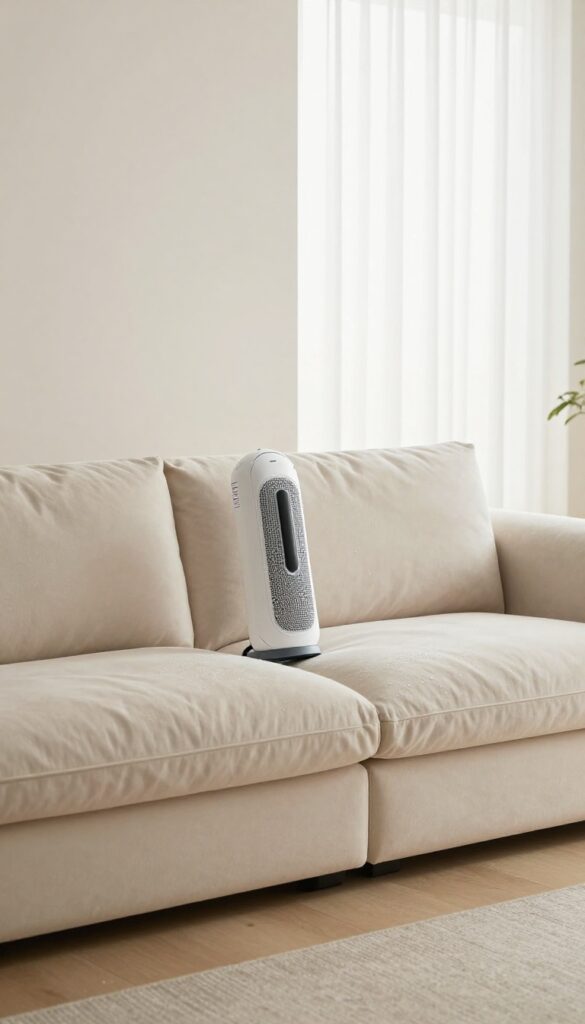
You might not think about drying time when booking a sofa cleaning, but it matters more than you'd expect. A couch that stays wet for too long can develop musty odors, mold, or even mildew deep in the cushions. Asking about drying time upfront helps you plan your day and avoid problems down the road.
Professional cleaners use powerful equipment that can dry your sofa in just a few hours. But not all services invest in high-end gear. Some rely on basic machines that leave your furniture damp for a day or longer.
That extra moisture creates a breeding ground for bacteria and fungi, especially in humid climates or during colder months when windows stay shut. Always ask: "How long until my sofa is completely dry? " A reputable company will give you a clear answer, often between two and six hours depending on the fabric and method.
Why Fast Drying Matters
When your sofa stays wet for more than 12 hours, the risk of mold and mildew skyrockets. These allergens can trigger respiratory issues and ruin the fabric's appearance. Fast drying also means you can use your living room sooner without worrying about damp cushions or lingering smells.
Professional-grade extractors and air movers cut drying time dramatically, so you're not stuck rearranging your schedule around a soggy couch.
What Affects Drying Time
Several factors influence how quickly your sofa dries: the cleaning method (steam vs. low-moisture), fabric type (cotton holds more water than synthetic blends), and the equipment used. Ask if they use truck-mounted extractors or portable units. Truck-mounted systems typically have more suction power and can remove more water.
Also, check if they offer optional air movers or fans to speed things up. A good cleaner will explain these variables and set realistic expectations.
Red Flags To Watch For
If a cleaner can't or won't give you a drying time estimate, consider it a warning sign. Vague answers like "it depends" without further explanation suggest they may not have the right equipment. Also be cautious if they promise a dry sofa in 30 minutes—that's rarely realistic for deep cleaning.
Genuine pros will give you a reasonable timeframe and tips to help speed drying, like opening windows or turning on ceiling fans.
6. Verify Their Experience with Your Fabric Type
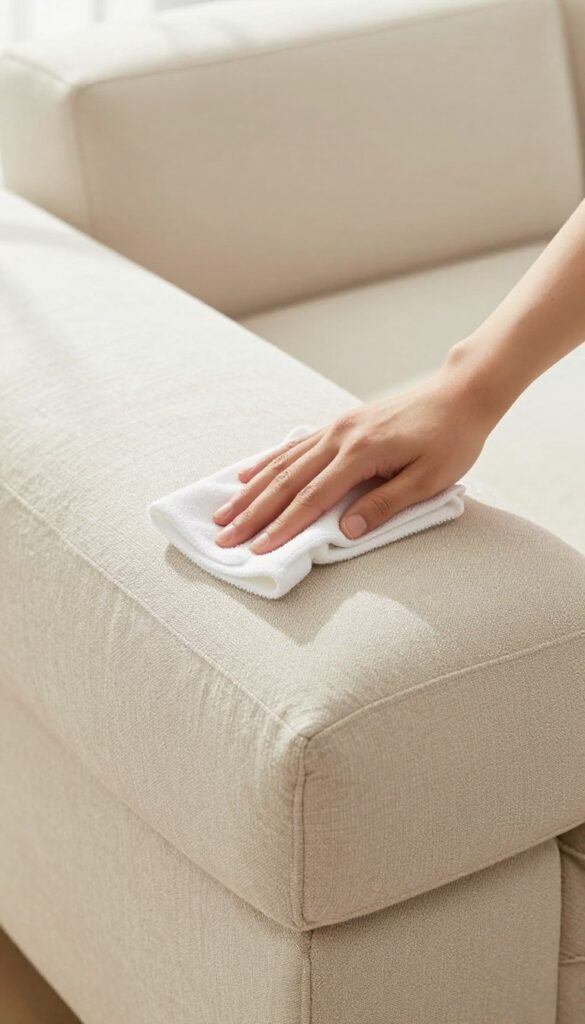
Not all sofa fabrics are created equal, and neither are cleaning techniques. A cleaner who excels on microfiber might accidentally ruin velvet or leave watermarks on leather. That's why it's crucial to confirm they've worked with your specific material before you hand over your couch.
Ask For Fabric-specific Examples
When you call a cleaning company, don't just ask if they clean sofas. Ask for examples of jobs on your exact fabric type—microfiber, velvet, leather, linen, or synthetic blends. A reputable cleaner will have before-and-after photos or references you can check.
If they hesitate or give vague answers, that's a red flag.
Watch Out For One-size-fits-all Claims
Beware of cleaners who say they use the same method for every fabric. That approach can damage delicate materials like silk or suede. A true professional will explain how they adjust their process—whether it's using a lower moisture level for velvet or a specific leather conditioner.
They should also know how to test for colorfastness.
Check Their Training And Certifications
Look for certifications from organizations like the IICRC (Institute of Inspection, Cleaning and Restoration Certification) or specific training from fabric manufacturers. For example, leather cleaning requires specialized products and techniques. Ask if their technicians have completed courses for your specific upholstery type.
Don't Forget About Fabric Protection
After cleaning, many services offer fabric protection treatments. But if they don't understand your fabric's needs, they might apply the wrong product. For instance, some protectants can darken linen or make velvet stiff.
A knowledgeable cleaner will recommend protection only if it's safe for your material.
7. Ask About Stain Removal Guarantees
Some stains are permanent, but a good service will explain what they can realistically achieve. Beware of companies that promise to remove every stain. Understanding what guarantees they offer—and what they don't—can save you from disappointment.
What Realistic Stain Removal Looks Like
A professional cleaner should be upfront about which stains are likely to come out and which might not. For example, organic stains like wine or coffee often respond well to treatment, while set-in ink or bleach spots may be permanent. Ask them to point out any problem areas before they start, so you know what to expect.
Red Flags In Guarantees
If a company claims they can remove 100% of stains, that's a red flag. No legitimate service can guarantee perfection, especially on delicate fabrics or old stains. Instead, look for a satisfaction guarantee that covers workmanship—like re-cleaning a spot if it doesn't meet expectations—rather than a blanket promise.
Getting It In Writing
Always ask for a written guarantee that outlines what is and isn't covered. Some companies offer a limited warranty on their work, such as a 30-day re-clean policy. Make sure you understand the terms before you agree, so there are no surprises if a stain doesn't budge.
8. Check for Hidden Fees

You've agreed on a price, the crew shows up, and then—surprise! —there's an extra charge for moving the sofa or treating a pet stain. Hidden fees are one of the most common complaints in the sofa cleaning industry, and they can turn a reasonable quote into an expensive headache. A trustworthy company will be upfront about every possible charge before you sign anything.
Always ask for a full breakdown of costs when you get a quote. Reputable services will list base cleaning, any add-ons, and potential surcharges in writing. If a company hesitates or gives vague answers, consider it a red flag.
What To Ask About
Start with the basics: Is there a fee for moving furniture? Some companies charge extra if they need to shift heavy pieces or navigate tight spaces. Also ask about stain treatment—many services include basic spot cleaning but charge more for set-in or biological stains like urine or wine.
Deodorizing is another common add-on that may not be included in the base price.
How To Avoid Surprises
Get everything in writing, preferably in an email or a detailed invoice. Compare quotes from at least three companies and note what each includes. If a price seems too good to be true, it probably is—low-ball quotes often balloon with hidden fees.
A transparent company will happily explain their pricing structure.
Red Flags To Watch For
Be wary of companies that quote a flat rate over the phone without asking about your sofa's size, fabric, or condition. Also avoid services that demand a large deposit upfront or only accept cash. These are common signs of a fly-by-night operation that may hit you with surprise charges later.
9. Look for Eco-Friendly Options
If you're sensitive to chemicals or trying to reduce your household's environmental footprint, the cleaning products used on your sofa matter more than you might think. Many conventional cleaners contain harsh solvents, artificial fragrances, or VOCs that can linger in your fabric and affect indoor air quality. Fortunately, a growing number of professional sofa cleaning services now offer green alternatives that are just as effective without the downsides.
Eco-friendly cleaning isn't just a marketing buzzword—it's a genuine shift toward safer, plant-based formulas that break down naturally. When you ask about green options, you're also signaling that you value transparency and health. Here's what to look for and why it's worth the extra step.
What Counts As Eco-friendly?
Not all "green" labels are created equal. Look for services that use biodegradable detergents, plant-derived surfactants, and low-VOC or VOC-free solutions. Some companies carry certifications like Green Seal or EPA Safer Choice, which indicate third-party verification.
Even if they don't have a fancy label, a simple conversation about their product ingredients can reveal a lot. If they can't name what's in their spray bottle, that's a red flag.
Benefits Beyond The Environment
Eco-friendly cleaners are gentler on fabric fibers, which can extend the life of your sofa. They're also safer for kids, pets, and anyone with respiratory sensitivities. Plus, they often leave less residue behind, so your couch stays cleaner longer and doesn't attract dirt as quickly.
The trade-off? Green products may take a bit more elbow grease on tough stains, but a skilled technician knows how to make them work.
How To Verify A Service's Green Claims
Don't just take their word for it—ask for specifics. A reputable service will happily share the names of their cleaning agents or even provide a safety data sheet. Look for companies that use hot water extraction (steam cleaning) with eco-friendly detergents, as this method relies more on heat and agitation than harsh chemicals.
You can also check reviews or ask for references from customers who specifically requested green cleaning.
10. Request References from Past Clients

A company that stands behind its work will gladly share references from previous customers. This simple step can reveal a lot about their reliability, quality, and customer service. Don't skip it—a few quick calls can save you from a costly mistake.
When you ask for references, you're not being difficult; you're being smart. A reputable sofa cleaning service will have a list of happy clients ready to vouch for them. If they hesitate or make excuses, consider that a red flag.
Once you get those contacts, take a few minutes to call. Ask specific questions: Did they arrive on time? Were they respectful of your home?
Did the cleaning meet your expectations, especially for stubborn stains or delicate fabrics? Also, inquire about any issues with drying time or lingering odors. These real-world experiences give you a clearer picture than any website or ad ever could.
What To Ask References
Prepare a short list of questions before calling. Focus on fabric care: Did the cleaners test for colorfastness? Did they use the right method for your sofa material?
Also, ask about communication and follow-up. If a problem arose, was the company quick to make it right? These details separate a professional operation from a fly-by-night outfit.
Where To Find Additional Reviews
Beyond the references a company provides, check independent review sites like Google, Yelp, or Angi. Look for patterns—consistent praise or repeated complaints. Pay attention to how the business responds to negative feedback.
A company that engages respectfully shows they care about their reputation.
11. Compare at Least Three Quotes
It's tempting to go with the first company that gives you a reasonable price, especially when your sofa is looking rough. But taking a few extra minutes to get multiple quotes can save you from overpaying or, worse, hiring someone who cuts corners. Comparing estimates helps you understand what a fair price looks like in your area and flags any red flags like prices that seem too good to be true.
Gathering at least three quotes gives you a solid baseline. You'll start to notice patterns—most companies might charge around $150 for a standard three-seater, while one quote comes in at $80. That lowball offer could mean they're using cheap chemicals or skipping essential steps like pre-treatment.
On the flip side, a sky-high price doesn't always guarantee premium service. Use the quotes to ask questions: why is one more expensive? What's included?
What To Look For In Each Quote
Don't just compare the bottom line. Check what's included: pre-vacuuming, stain treatment, deodorizing, and fabric protection. Some companies list these as add-ons, while others bundle them.
Also note the cleaning method—hot water extraction, dry cleaning, or steam—and whether they use eco-friendly products. A detailed quote shows professionalism and transparency.
How To Spot A Red Flag
If a quote is vague or the rep can't explain what's included, that's a warning sign. Also be wary of companies that pressure you to decide on the spot or offer a 'special price' only if you book today. Legitimate pros will let you take your time.
And if a quote seems way lower than others, ask about their process—they might be skipping crucial steps like fabric inspection or spot testing.
Using Quotes To Negotiate
Once you have a few quotes, you can use them to negotiate. If Company A offers $180 but Company B quotes $150 for the same service, let Company A know—they might match it or throw in a free fabric protector. Just be respectful; you're not haggling at a flea market.
Most reputable cleaners would rather adjust a price than lose a customer.
12. Ask About Their Equipment Quality
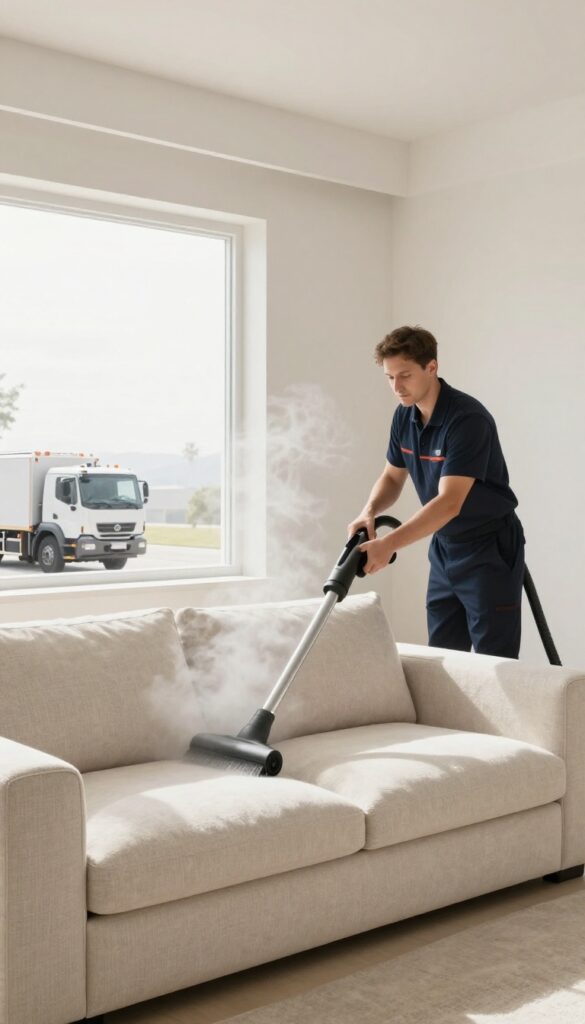
Not all cleaning machines are created equal. The difference between a mediocre clean and a truly refreshed sofa often comes down to the equipment used. When you're interviewing companies, don't be shy about asking what kind of machines they bring.
Truck-mounted Vs. Portable Units
Truck-mounted steam cleaners are the heavy hitters of sofa cleaning. They sit in the service vehicle and connect to your home via a long hose. These systems generate higher water temperatures and stronger suction, which means they can blast away deep-seated dirt and extract more moisture.
Portable units, while convenient for apartments, simply can't match that power. They often leave more detergent residue and take longer to dry.
Why Better Equipment Matters
Powerful equipment doesn't just clean better—it dries faster. A truck-mounted system can cut drying time from 12 hours down to 2-4 hours. That's huge if you want to use your sofa the same day.
Also, stronger suction pulls out more allergens, dust mites, and bacteria. So if anyone in your home has allergies, this question becomes even more important.
What To Look For
Ask specifically if they use a truck-mounted steam cleaning system. Reputable companies will proudly say yes. If they hedge or try to sell you on a portable unit's convenience, consider it a red flag.
Also, ask about the temperature—machines that heat water to 200°F or higher are ideal for killing germs and breaking down oily stains.
13. Confirm They Use a Pre-Inspection

A thorough pre-inspection is the mark of a true professional. Before any cleaning begins, the technician should walk through your sofa with you, pointing out existing stains, fabric type, and any damage like loose seams or fading. This step protects both you and the cleaner by setting clear expectations and preventing disputes later.
A pre-inspection isn't just a formality—it's your insurance policy. When a company skips this step, they might use the wrong cleaning method for your fabric, or worse, blame you for damage they caused. Always ask upfront: "Do you do a pre-inspection?
" If they hesitate, consider it a red flag.
What They Should Look For
During the inspection, the technician should identify the fabric type (cotton, linen, microfiber, etc. ) and note any pre-existing stains, tears, or color fading. They'll also test for colorfastness in an inconspicuous area to ensure the cleaning solution won't cause discoloration. This detailed check means they're prepared to tailor their approach to your sofa's specific needs.
How It Prevents Disputes
Without a documented pre-inspection, you could be charged for damage that was already there. A reputable cleaner will provide a written checklist or take photos before starting. This documentation protects you both—if a stain doesn't come out, you'll know it was pre-existing, and if new damage appears, you have grounds for recourse.
Questions To Ask About Their Process
Politely ask: "Can you walk me through your pre-inspection? " and "Will you test for colorfastness? " A confident yes is a good sign.
Also ask how they document findings—photos, notes, or a digital report. If they seem vague or rush through it, consider looking elsewhere.
14. Understand Their Satisfaction Policy
Even the best sofa cleaning company can have an off day. Maybe the stain didn't lift as promised, or the drying took longer than expected. That's why knowing their satisfaction policy upfront can save you from frustration later.
A clear, written guarantee shows they stand behind their work and care about your experience.
A satisfaction policy isn't just a nice-to-have—it's a safety net. Without it, you could end up paying full price for results you're unhappy with. Look for companies that offer a re-clean at no extra cost or a partial refund if the job doesn't meet their standards.
Always get this in writing before they start, and ask about any time limits or conditions that might apply.
What To Look For
The best policies are straightforward and customer-friendly. A re-clean guarantee means they'll come back to fix any issues, usually within a set timeframe like 48 hours. Partial refunds are less common but show real confidence.
Avoid companies that only offer store credit or vague promises like 'we'll make it right' without specifics.
Red Flags To Watch For
If a company hesitates to put their policy in writing, that's a warning sign. Similarly, policies that exclude common problems like spots reappearing after drying or color changes are suspect. Also be wary of fine print that requires you to pay for a second cleaning if the first one fails.
How To Confirm The Policy
Ask directly: 'What happens if I'm not satisfied with the cleaning? ' Request a written copy of their guarantee, either in the contract or as a separate document. Read it carefully before signing. A quick phone call to clarify any unclear terms can prevent misunderstandings later.
15. Trust Your Gut During the Consultation

The initial consultation can tell you a lot about a company's professionalism and customer service. It's not just about getting a quote—it's a chance to gauge whether they truly care about your sofa. If the representative seems pushy, vague, or dismissive, that's a red flag you shouldn't ignore.
You deserve a partner who listens and communicates clearly.
Watch For High-pressure Tactics
A reputable company will give you space to think. If they pressure you to book on the spot with limited-time offers, it's a sign they're more interested in a quick sale than quality work. Good cleaners let you decide at your own pace.
Look For Clear, Honest Answers
Ask about their process, products, and guarantees. A confident pro will explain things without jargon and answer your questions directly. If they're evasive or give generic responses, they might be hiding something.
Pay Attention To How They Listen
Your sofa has specific needs—fabric type, stains, allergies. A great cleaner will ask about these and tailor their approach. If they ignore your concerns or assume what you need, they're not the right fit.
FAQ
How often should I have my sofa professionally cleaned?
Every 12 to 18 months is typical, but high-use sofas or homes with pets and allergies may need cleaning every 6 to 12 months.
Can professional cleaning damage my sofa?
Only if the wrong method is used. That's why it's crucial to choose a service experienced with your fabric type and to check for proper certification.
How long does it take for a sofa to dry after cleaning?
With professional equipment, drying time ranges from 2 to 6 hours. Factors like humidity and fabric type can affect this.
What is the difference between steam cleaning and dry cleaning for sofas?
Steam cleaning uses hot water and extraction, ideal for durable fabrics. Dry cleaning uses low-moisture solvents, better for delicate fabrics that can't get wet.
Should I tip the sofa cleaning technician?
Tipping is not required but appreciated for exceptional service. A standard tip is 10-20% of the total cost, or $10-$20 per person.
Conclusion
Choosing the right sofa cleaning service doesn't have to be overwhelming. By focusing on credentials, fabric compatibility, and clear pricing, you can confidently hire a pro who'll treat your couch with care. A little research upfront saves you from costly mistakes and disappointing results.
Your sofa is an investment worth protecting. Whether you need a deep clean after a party or regular maintenance to keep it fresh, these tips help you find a service that delivers real value. Start with the checklist that matters most for your fabric type and enjoy a cleaner, healthier living space.